文章目錄
How to plan a Dazaifu day trip: Tenmangu, attractions, food and transport
Dazaifu was once the administrative heart of ancient Kyushu. Today, Dazaifu Tenmangu, historic sites, Kyushu National Museum and the small shops along the approach can all be connected on an easy walking route. From Nishitetsu Fukuoka (Tenjin) Station, the trip with a transfer takes about 35 minutes to Nishitetsu Dazaifu Station; Dazaifu Tenmangu welcomes around 10 million visitors a year. Alongside the shrine and Dazaifu food, you can visit the Kyushu National Museum, and if time allows, extend the trip to Homan-gu Kamado Shrine, known for prayers for good relationships.
A recommended Dazaifu day-trip route (about 2 hours 30 minutes)
For a first visit, use this walking route to cover the core sights:
- Nishitetsu Dazaifu Station → Dazaifu Tenmangu: about a 5-minute walk; start with the shrine visit.
- Dazaifu Tenmangu → Kyushu National Museum: about 5–7 minutes on foot for an indoor history and culture stop.
- Kyushu National Museum → Dazaifu Omotesando: about 8 minutes on foot; return to the approach for Umegae Mochi, souvenirs and local shops.
- Omotesando → Nishitetsu Dazaifu Station: about 1–5 minutes on foot, depending on how long you spend in the shops.
This route works well for first-time visitors who want to combine Dazaifu attractions and shopping in half a day. Leave extra time if you want to linger over a meal, visit cafés or continue to Kamado Shrine.
What should you see first at Dazaifu Tenmangu and Omotesando?
Dazaifu Tenmangu enshrines the scholar and statesman Sugawara no Michizane, and is known for learning, culture, the arts and protection from misfortune. The approach to the shrine is about 250 metres long, lined with Umegae Mochi shops, souvenir stores, dessert shops, cafés and restaurants. If you are not in a hurry, keep time after the visit for a stroll along the approach and experience how Dazaifu’s shrine culture flows into the surrounding town.

📜About Sugawara no Michizane
Sugawara no Michizane
He lived in the early Heian period (794–1185), was born in 845 and died in 903.
Japan was learning and adapting institutions and culture from the Tang dynasty, gradually developing its own distinctive court culture. Political struggles at court were intense, and aristocratic families led by the Fujiwara grew increasingly powerful. Against this background, Sugawara no Michizane rose as an outstanding scholar and statesman.
A brief biography
Michizane came from a family of scholars. He showed remarkable talent from childhood and was known as a prodigy. Along with his deep learning, skill in Chinese poetry and calligraphy, he also made his mark in politics.
An accomplished official and scholar: Although he was not born into the highest aristocratic rank, his ability brought him steadily higher office. He served in important roles including Monjo Hakase, the court’s highest position for teaching classical Chinese, and earned the trust of Emperor Uda.
A proposal to end the missions to Tang China: He proposed ending the kentōshi missions because Tang power was declining, Japan no longer needed to rely on it as its only source of learning and Japanese culture had developed in its own direction. The proposal was accepted and became an important turning point in Japanese history.
A victim of political rivalry: After Emperor Uda abdicated, Emperor Daigo took the throne. The powerful courtier Fujiwara no Tokihira grew wary of Michizane’s rising reputation and engineered the “Shōtai Incident,” accusing him of plotting a rebellion.
Exile and death: Under Fujiwara pressure, Michizane was exiled to Dazaifu in present-day Fukuoka, where he lived in isolation and hardship. He died there in 903 at the age of 58.
Legend and faith
After Michizane’s death, Kyoto suffered a series of disasters and strange events, including drought, epidemics and lightning strikes. The successive deaths of Fujiwara no Tokihira and his descendants deepened the court’s fear that Michizane’s angry spirit was responsible.
The court eventually restored his honour and posthumously granted him the title of Daijō-daijin, the highest office of the time, but the disasters did not stop. Michizane was eventually deified as “Tenjin,” giving rise to the Tenmangu faith.
God of thunder and learning: Because the disasters in the legends were associated with lightning, he was worshipped as a thunder deity. More importantly, his extraordinary learning led people to revere him as the “god of learning” and “god of calligraphy,” especially among students and exam candidates.
The plum-blossom legend: Michizane loved plum blossoms. One legend says that when he was exiled to Dazaifu, a plum tree at his Kyoto home flew to Dazaifu overnight because it missed him. This is the famous “Flying Plum” legend, and is why Tenmangu shrines throughout Japan are associated with plum trees.
The ox as a symbol: According to legend, the ox cart carrying Michizane’s remains suddenly stopped and refused to move. His disciples buried him where it stopped, at the site of today’s Dazaifu Tenmangu. Ox statues therefore appear throughout the shrine grounds as his divine messengers.
🍘The story of Umegae Mochi
The story behind Umegae Mochi
Umegae Mochi(梅ヶ枝餅)is a signature sweet from Dazaifu in Fukuoka Prefecture, with a history closely connected to the famous scholar Sugawara no Michizane.
The story dates to 901, when Michizane was exiled to distant Dazaifu after a political dispute. His life was difficult, and an elderly woman named Jōmyō-ni felt sorry for him and made grilled rice cakes for him every day. When Michizane fell ill and could not eat, she saw the plum blossoms in her garden, broke off a branch and placed it on the cake while wishing for his recovery.
After Michizane died, she continued offering cakes decorated with plum branches in his memory. The name Umegae Mochi was passed down and the sweet became one of Dazaifu’s best-known local foods.
🚝Getting to Dazaifu
The easiest way to plan a trip from central Fukuoka to Dazaifu is by Nishitetsu train. If you are starting in Hakata and prefer not to transfer, take the Nishitetsu bus “Dazaifu Liner Tabito.” By car, Dazaifu IC is the main interchange. Travel times vary with train connections, transfers and traffic, so use the estimates below for planning.
1. Nishitetsu train from Tenjin
- Nishitetsu Fukuoka (Tenjin) Station → Nishitetsu Futsukaichi Station: about 16 minutes on a limited express service on the Nishitetsu Tenjin-Omuta Line.
- Nishitetsu Futsukaichi Station → Nishitetsu Dazaifu Station: about 5 minutes on the Nishitetsu Dazaifu Line.
- Total: allow about 35 minutes including waiting and the transfer. Check the official Nishitetsu timetable before departure.
2. Driving
Fukuoka IC → about 12 km on the Kyushu Expressway → Dazaifu IC → about 6 km via National Route 3 and Prefectural Route 35 → Nishitetsu Dazaifu Station area. Confirm the parking location and availability before driving. Traffic is common on weekends, during the plum season and on holidays, so avoid making your arrival time too tight.
Nishitetsu train: Tenjin to Dazaifu in about 35 minutes
3. Nishitetsu bus from Hakata
- How to ride: board the Nishitetsu “Dazaifu Liner Tabito” bus outside the JR Hakata Bus Terminal for a direct ride to Dazaifu.
- Journey time: about 40 minutes, depending on traffic. Check the official service information before leaving.
- Practical tip: reservations are usually not required, but a full bus may leave you waiting, so arrive early.
Before you leave
- Avoid the busiest periods: weekends, Japanese holidays and the plum season attract more visitors. A weekday morning is usually more relaxed.
- Wear comfortable shoes: the shrine grounds, museum connection and Omotesando add up to a fair amount of walking.
- Compare tickets: for a same-day return between Fukuoka and Dazaifu, compare Nishitetsu day passes with regular fares. Ticket types, prices and sales conditions follow the latest official information.
Hakata Bus Terminal to Dazaifu in about 40 minutes
❓Dazaifu FAQ
How should I plan a Dazaifu day trip?
For a first visit, start at Nishitetsu Dazaifu Station and walk to Dazaifu Tenmangu, Kyushu National Museum and Dazaifu Omotesando before returning to the station. The core walking route takes about 2 hours 30 minutes, excluding queues, meals and shopping. Allow more time for restaurants, cafés or an extension to Kamado Shrine.
How long does it take to reach Dazaifu from Fukuoka Tenjin?
Take a Nishitetsu limited express from Nishitetsu Fukuoka (Tenjin) Station to Nishitetsu Futsukaichi Station in about 16 minutes, then transfer to the Dazaifu Line for about 5 minutes. With waiting and the transfer, allow around 35 minutes. From Hakata, the direct “Dazaifu Liner Tabito” bus takes about 40 minutes in normal conditions, but leave extra time for traffic.
Can I visit Dazaifu Tenmangu and the Kyushu National Museum on the same route?
Yes. They make a natural pair: walk about 5–7 minutes from the shrine to the museum, then return to Omotesando for Umegae Mochi or shopping. Exhibition schedules and closing days can change, so check the museum’s official opening information before you go.
What is Dazaifu Tenmangu known for, and who was Sugawara no Michizane?
Sugawara no Michizane was a Heian-period scholar, poet and statesman who was later worshipped as Tenjin. Dazaifu Tenmangu is therefore especially associated with learning. Visitors also pray for exam success, academic achievement, culture, the arts and protection from misfortune. Plum blossoms are another important symbol connected with Michizane. Knowing this background makes the shrine’s plum trees, sacred ox statues and architecture more meaningful than simply taking photos.
Can I visit the main hall at Dazaifu Tenmangu in 2026?
Access depends on construction progress. According to the shrine’s notice dated August 16, 2026, dismantling of the temporary hall and repairs to the stone paving in front of the main hall began on August 18. The area in front of the main hall is closed during the work, with front worship expected to resume around September 20, 2026; prayer ceremonies have designated arrangements. This page checked the notice on August 28, 2026, so confirm the latest official update before travelling.
What food and souvenirs should I try in Dazaifu?
Start with Umegae Mochi along Omotesando, then choose from mentaiko French bread, ramen, Japanese meals and cafés with sweets. The shops are close together, so it is easy to combine a post-visit snack, shopping and a café break. Umegae Mochi is best enjoyed warm, while packaged versions can make a convenient souvenir. Queues are possible at peak times, so keep your schedule flexible.
Can I add Homan-gu Kamado Shrine?
Yes, it is a good extension from Dazaifu Tenmangu and is known for prayers for good relationships. It is outside the core 2-hour-30-minute walking route, however, so check the day’s bus, taxi or walking options and keep enough time for the return journey.
Is driving to Dazaifu convenient, and what should I know about parking?
Drive from Fukuoka IC on the Kyushu Expressway, exit at Dazaifu IC and continue via National Route 3 and Prefectural Route 35. Driving avoids transfers, but traffic and parking availability around the shrine can change quickly on weekends, in flower seasons and during holidays. If your priorities are the shrine, the museum and Omotesando, the train is usually easier for keeping time.
Which Dazaifu Tenmangu festivals are most worth planning for?
Choose by season: the February 25 Plum Blossom Festival is ideal for combining the shrine with plum viewing; Kyokusui-no-Utage on the first Sunday of March suits visitors interested in Heian culture and poetry; and the Jinkoushiki Grand Festival around the autumn equinox brings traditional processions and lantern ceremonies. The January 7 Usokae and Onisube rituals and the October 18 special examination-success festival are also distinctive, but night events, crowds and participation rules vary. Dates and times can change, so confirm the official notice before arranging your return train or restaurant booking.
Dazaifu attractions map
Attraction quick-note route
The quick notes follow the sightseeing route: a Omotesando, b Tenmangu, c other attractions, d Kanzeonji Temple and e Dazaifu Government Office ruins.
Dazaifu attraction quick notes
▼Omotesando▼
Dazaifu Omotesando begins just outside Dazaifu Station. Follow it toward Tenmangu; the shops below are listed in the order you encounter them.
Showing: All(18)
Dazaifu Station
太宰府駅
- Google Maps
- Apple Maps
- Copy address
Intro
▼Where to Start a Dazaifu Day Trip
Nishitetsu Dazaifu Station is the main arrival point when travelling from Fukuoka to Dazaifu, making it a practical starting point for a Dazaifu day trip. Walk along Dazaifu Omotesando to reach Dazaifu Tenmangu Shrine and the approach-side shops, with easy access to other attractions in Dazaifu.
If you are planning a Dazaifu itinerary, you can group the shrine visit, local food, and Dazaifu restaurants along the same walking route, then extend the plan to nearby attractions according to your time and energy. Starting at the station makes the day easier to manage.
Ichiran - Dazaifu Sando Branch
一蘭 太宰府参道店
- Google Maps
- Apple Maps
- Copy address
🕖 09:00~19:00
Tabelog 3.06
Intro
▼Ichiran Dazaifu Sando
| Item | Details |
|---|---|
| Address | 2-6-2 Dazaifu, Fukuoka Prefecture |
| Hours | 09:00~19:00 (Open year-round) |
| Dining Budget | ¥1,000~¥1,999 |
| Tabelog Rating | 3.06 |
| Official Website | ichiran.com/shop/kyushu/dazaifu-sando |
Restaurant Features
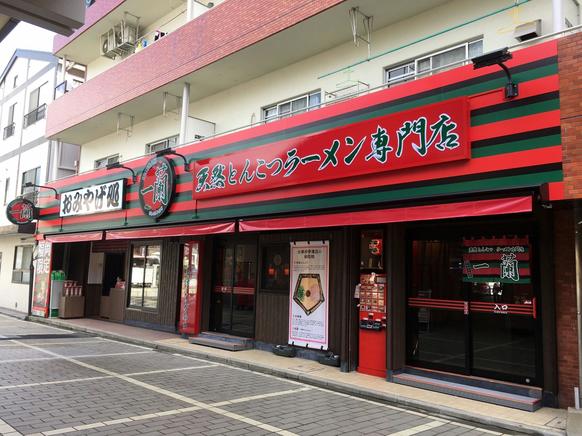
Located on the approach to Dazaifu Tenmangu Shrine, dedicated to the deity of learning Sugawara no Michizane, "Ichiran Dazaifu Sando" is the only branch in the world offering a special "Pass Ramen," designed to bless students.
If you are looking for food near Dazaifu Tenmangu Shrine, this branch is easy to fit in before or after your visit. Its Pass Ramen is a distinctive Dazaifu food experience, and the shops along Dazaifu Omotesando are easy to explore afterwards.
The ramen bowl is uniquely shaped like a pentagon (ごかくけい), which sounds similar to the Japanese word for "pass" (合格). The noodles are also specially made, measuring 59 centimeters long, echoing the same pun. Every detail, from the bowl to the noodles, is filled with blessings, hoping to bring good fortune to visiting students.
In addition to the ramen itself, the chairs, cups, and even the extra noodles (called "Kashow Tamago") are rich in auspicious meanings. When in Dazaifu, be sure to try this unique Pass Ramen, which offers not just a delightful taste but also a fun cultural experience.
🎬 一蘭 太宰府参道店 Video
Koga Shin Kimono Kan
古賀新きもの館
- Google Maps
- Apple Maps
- Copy address
🕖 By appointment
Kimono experience
Intro
▼Koga Shin Kimono Museum Dazaifu Station Front Store
| Item | Details |
|---|---|
| Address | 1-14-25 Dazaifu, Fukuoka Prefecture |
| Business Hours | 09:00~18:00 |
Store Introduction
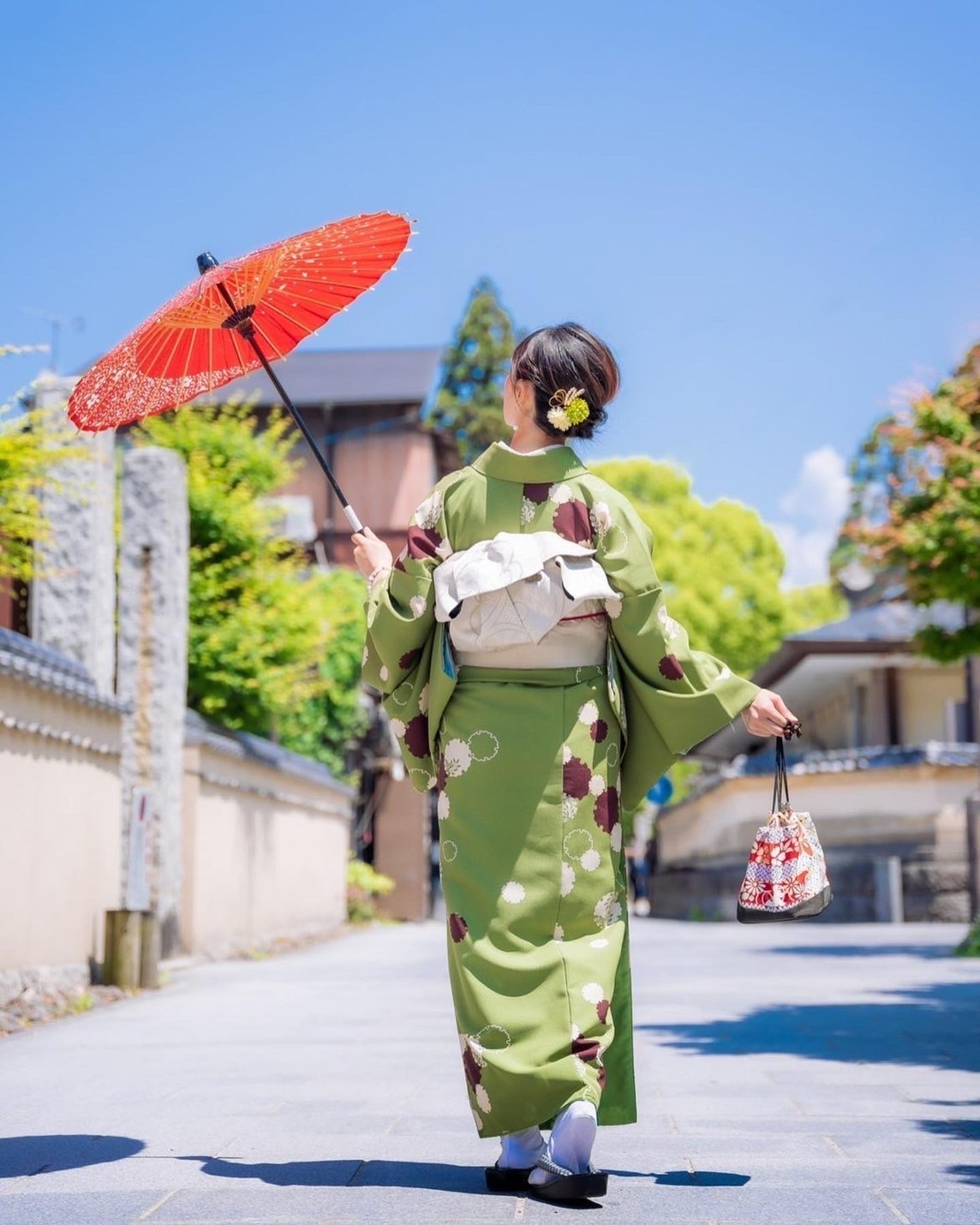
The "Koga Shin Kimono Museum" Dazaifu Station Front Store is a rental shop specializing in kimonos and yukatas, conveniently located just a minute's walk from Nishitetsu Dazaifu Station, right next to the approach to Dazaifu Tenmangu Shrine. The store aims to provide a relaxed and convenient service, allowing visitors to this historic city to immerse themselves in its elegant atmosphere by wearing beautiful kimonos, making for an unforgettable cultural stroll.
Product Features
The store offers a wide variety of kimono styles for customers to choose from, ranging from classic traditional patterns to the recently popular lace kimonos, retro modern styles, and exclusive men's kimonos, catering to diverse aesthetic preferences. The rental plan is comprehensive, with costs covering all necessary accessories for wearing a kimono, such as the kimono, obi, Japanese socks, geta sandals, and a small handbag, allowing customers to easily experience it without bringing anything. Additionally, the store provides hairstyle design services managed by professional stylists (additional fee required) to enhance the overall look.
👉kkday
👉klook
Yamaya Base Dazaifu
ヤマヤ ベース ダザイフ
- Google Maps
- Apple Maps
- Copy address
🕖 09:30 - 17:30
Cod Roe French Bread
Tabelog 3.49
Intro
▼YAMAYA BASE DAZAIFU(ヤマヤ ベース ダザイフ)
| Item | Details |
|---|---|
| Address | 3-1-1 Zaifucho, Dazaifu City, Fukuoka Prefecture |
| Business Hours | 09:30~17:30 ※Business hours and holidays may change, please confirm with the store before visiting. |
| Dining Budget | ~¥999 |
| Tabelog Rating | 3.49 |
| Official Website | www.yamaya.com/corporate |
Restaurant Features
"YAMAYA BASE DAZAIFU" is a bakery operated by the renowned mentaiko manufacturer "やまや(Yamaya)", located in the bustling tourist area of Dazaifu. When you visit, you absolutely cannot miss their signature "Mentaiko French Bread".
If you are putting together a Dazaifu souvenir list, this mentaiko French bread is a convenient snack to enjoy while walking along the approach. Mentaiko fans can also pick one up to share with friends or family.
True to its mentaiko specialty, the bread is generously filled with rich and delicious mentaiko sauce. The freshly baked French bread has a crispy crust and a moist, chewy interior, creating an exquisite texture that pairs perfectly with high-quality mentaiko, making it hard to stop at just one bite.
The bread is small in size, making it perfect for enjoying as a walking snack while visiting Dazaifu Tenmangu Shrine. For mentaiko lovers, this is a must-try gourmet treat.
🎬 ヤマヤ ベース ダザイフ Video
Coffee Specialty Shop Kazamidori
珈琲専門店 風見鶏
- Google Maps
- Apple Maps
- Copy address
🕖 09:30 - 17:30
Tabelog 3.48
Intro
▼Kazamidori Coffee Shop
| Item | Details |
|---|---|
| Address | 3-1-23 Dazaifu, Fukuoka Prefecture |
| Business Hours | 09:00~17:00 |
| Dining Budget | ¥1,000~¥1,999 |
| Tabelog Rating | 3.48 |
Restaurant Features
Kazamidori is a pure coffee shop located next to the Dazaifu Tenmangu Shrine. After visiting the shrine, many people choose to stop by and enjoy a moment of tranquility. Its exterior is quaint and reminiscent of an old-fashioned inn; inside, the solid wooden decor evokes a nostalgic and warm atmosphere akin to a scene from a Studio Ghibli film.
Even amidst the bustling approach to the shrine, the owner and staff provide gentle and attentive service. The shop offers rich, hand-brewed coffee, along with mocha cake that pairs perfectly with it. Notably, the shop's special "Coffee Extract Syrup" adds a unique bittersweet flavor to iced coffee.
There is also an antique music box from the 1880s in the shop, and if you're lucky, you might get to hear its clear and pleasant tunes. Stepping into Kazamidori in the lively Dazaifu feels like taking a brief journey through time.
🎬 珈琲専門店 風見鶏 Video
👉AutoReserve
Umezono Confectionery - Main Store
梅園菓子処 本店
- Google Maps
- Apple Maps
- Copy address
🕖 10:00~17:00
Traditional Japanese Sweets Shop
Famous confection is "Hōmanzan"
Tabelog 3.36
Intro
▼Ume園 Confectionery Main Store
| Item | Details |
|---|---|
| Address | 2-6-16 Dazaifu, Fukuoka Prefecture |
| Business Hours | Tuesday to Sunday 10:00–17:00, closed on Mondays (※ If Monday is a Tenmangu Shrine festival, the 1st/25th of each month, or a national holiday, it will remain open and close the following day) |
| Dining Budget | ~¥999 |
| Tabelog Rating | 3.36 |
| Official Website | www.dazaifu-baien.jp |
Store Features
"Ume園 Confectionery" is the official sweet shop of Dazaifu Tenmangu Shrine, boasting a long history and reputation. The most famous confection here is "Homanzan," a uniquely textured wagashi described as having the chewiness of mochi and the fluffiness of sponge cake, light as Bavarian cream, with a nostalgic pudding-like flavor that offers a wonderful experience not found elsewhere.
This delicacy pairs perfectly with green tea, beloved by many literary figures and celebrities, including Nobel Prize-winning author Yasunari Kawabata, renowned writer Seicho Matsumoto, and even former Prime Minister Shigeru Yoshida praised it. In addition to the original flavor, there is also the adult-flavored "Rum Grape Homanzan" available.
When visiting Dazaifu, aside from paying respects, be sure to step into this historic shop and savor a legendary wagashi that even historical figures couldn't resist.
🎬 梅園菓子処 本店 Video
Yosuko - Dazaifu Branch
揚子江 太宰府店
- Google Maps
- Apple Maps
- Copy address
🕖 11:00 - 19:00
Meat buns with Tainan, Taiwan heritage
Tabelog 3.47
Intro
▼Yangtze River Dazaifu Branch
| Item | Details |
|---|---|
| Location | 3-1-18 Saifu, Dazaifu City, Fukuoka Prefecture |
| Business Hours | 11:00~19:00 (irregular holidays) |
| Dining Budget | ~¥999 |
| Tabelog Rating | 3.47 |
| Official Website | www.yousukou.com |
Restaurant Features
With over 60 years of history, "Yangtze River" is a must-try for many visitors to Dazaifu. The secret to its signature "butaman" (pork bun) lies in the founder's adaptation of the traditional Tainan meat bun recipe from Taiwan, refined through repeated trials to better suit Japanese tastes.
The pork buns here are impressively large, nearly the size of a palm, and generously filled. The outer skin is white and fluffy, with a hint of sweetness and a soft texture. A bite reveals the delicious essence of the pork mingled with sweet onions, releasing a burst of rich juices that are flavorful yet not greasy, making it an elegant and refreshing treat that keeps you coming back for more.
In addition to the must-try pork bun, the menu also features shumai, red bean buns, and braised pork trotters, making it a local delicacy not to be missed while sightseeing in Dazaifu.
🎬 揚子江 太宰府店 Video
Chikushian - Main Store
筑紫庵 本店
- Google Maps
- Apple Maps
- Copy address
🕖 11:00 AM - 6:00 PM
"Gokaku Hamburger"
Tabelog 3.45
Intro
▼Chikushi-an Main Store
| Item | Details |
|---|---|
| Address | 3-2-2 Dazaifu, Fukuoka Prefecture |
| Business Hours | 11:00 AM - 6:00 PM *Irregular holidays |
| Dining Budget | Dinner ¥1,000 - ¥1,999 Lunch ¥999 or less |
| Tabelog Rating | 3.45 |
| Official Website | www.chikushi-an.com |
Restaurant Features
"Chikushi-an Main Store" is a local establishment located along the approach to Dazaifu Tenmangu Shrine, with over 30 years of history. The most famous dish here is the "Pass Exam Burger," a good luck charm for students, featuring a soft bun filled with sweet and spicy fried chicken and crisp lettuce, offering a rich taste that combines deliciousness and fortune.
Another popular item is the "Dazaifu Burger," which cleverly combines the local specialty "plum" with homemade tartar sauce, paired with crispy fried chicken for a refreshing taste. The fried chicken is made to order, ensuring a crispy exterior and juicy meat, making it the perfect snack while strolling.
Whether for good luck or to taste local specialties, Chikushi-an is definitely a must-visit spot on your journey to Dazaifu Tenmangu Shrine.
🎬 筑紫庵 本店 Video
Koba Cafe
コバ カフェ
- Google Maps
- Apple Maps
- Copy address
🕖 11:00 - 18:00
Popular Fruit Sundae
Tabelog 3.47
Intro
▼Coba Cafe
| Item | Details |
|---|---|
| Address | 2-7-4 Dazaifu, Fukuoka Prefecture |
| Business Hours | General: 11:00 AM – 6:00 PM Lunch: 11:00 AM – 2:30 PM (until sold out) Coffee: 2:00 PM – 6:00 PM Closed: Irregular holidays (check official Instagram for details) |
| Dining Budget | ¥2,000 – ¥2,999 |
| Tabelog Rating | 3.47 |
| Official Website | www.instagram.com/coba_cafe_dazaifu |
Restaurant Features
Coba Cafe is a highly popular coffee shop located in a side alley next to Dazaifu Tenmangu Shrine, known for its uniquely creative visual desserts, making it a must-visit stop during your pilgrimage. The interior is decorated in warm white and brown tones, creating a cozy atmosphere.
The highlight here is the luxurious parfaits made with seasonal fruits. Particularly impressive is the summer-exclusive "White Peach Parfait," featuring a whole ripe peach on top, with custard hidden inside, delivering both visual impact and deliciousness. Another signature dish is the "Homemade Pudding," which is incredibly dense and creamy, with a rich egg flavor and hints of pistachio, making it a dream treat for pudding lovers.
As the cafe does not accept reservations and is extremely popular, it often requires waiting in line even on weekdays. It is recommended to arrive early to enjoy this irresistible delicacy.
🎬 コバ カフェ Video
Tenzan - Main Store
天山 本店
- Google Maps
- Apple Maps
- Copy address
🕖08:30 - 17:30
Strawberry Daifuku Monaka
Tabelog 3.56
Intro
▼Tensan Main Store
| Item | Details |
|---|---|
| Address | 2-7-12 Dazaifu, Fukuoka Prefecture |
| Business Hours | 08:30~17:30 ※Holidays: Irregular |
| Dining Budget | ~¥999 |
| Tabelog Rating | 3.56 |
Store Features
Located on the approach to Dazaifu Tenmangu Shrine, Tensan Main Store is a highly popular wagashi shop that always has long lines. When you visit, you must try the various luxurious Japanese sweets made with Fukuoka's specialty, Amaou strawberries.
The most representative item is the visually striking "Amaou Strawberry Daifuku Monaka." The shop encases a whole large, sweet Amaou strawberry in chewy daifuku mochi, all wrapped in a crispy monaka shell. You can choose from three fillings: red bean, white bean paste, and Yame matcha, with the Yame matcha filling being particularly special.
With one bite, the sweet and juicy strawberry, the soft and chewy mochi, the crispness of the monaka, and the flavor of the filling blend perfectly, highlighting the deliciousness of the Amaou strawberry. Although it's a bit pricey for a snack, it's definitely worth trying as a special memory of Dazaifu.
🎬 天山 本店 Video
Yasutake
やす武
- Google Maps
- Apple Maps
- Copy address
🕖08:30~18:00
Tabelog 3.59
Intro
▼Yasutake
| Item | Details |
|---|---|
| Address | 2-7-16, Dazaifu, Fukuoka Prefecture, Tenmangu Sando |
| Business Hours | 08:30~18:00 *Holidays vary, check in advance |
| Dining Budget | ~¥999 |
| Tabelog Rating | 3.59 |
Store Features
Yasutake is one of the famous shops for Umegae Mochi located on the approach to Dazaifu Tenmangu Shrine. Umegae Mochi is a must-try specialty when visiting the shrine, with a heartwarming legend of an old woman who offered the mochi on a plum branch to the downcast Sugawara no Michizane.
Yasutake's Umegae Mochi is made with the highest quality red beans "Miyabi" from Tokachi, Hokkaido, wrapped in a thin mochi skin and grilled on an iron plate imprinted with plum blossoms. Its unique feature is a crispy outer layer with a rich aroma, while the filling has noticeable red bean grains, perfectly balanced sweetness, and an elegant texture.
You can enjoy freshly made warm Umegae Mochi in the standing area at the back of the shop, experiencing the chewy mochi and the fragrance of red beans. When in Dazaifu, be sure to experience this simple yet delicious traditional wagashi.
🎬 やす武 Video
Matchmaking Diner Soba Namiman
縁結び食堂 蕎麦 なみ満
- Google Maps
- Apple Maps
- Copy address
🕖11:00~15:00
Tabelog 3.40
Intro
▼Enmusubi Shokudo Soba Namiman
| Item | Details |
|---|---|
| Address | 3-2-55 Dazaifu, Fukuoka Prefecture |
| Business Hours | Monday, Tuesday, Thursday, Friday, Saturday, Sunday 11:00–15:00 Closed on Wednesday *Also has irregular holidays, please check the official social media announcements |
| Dining Budget | Up to ¥999 |
| Tabelog Rating | 3.4 |
| Official Website | www.dazaifu-namiman.com |
Reservation Info: No reservations accepted
Restaurant Features
"Enmusubi Shokudo Soba Namiman" is a hidden gem located next to the Dazaifu Tenmangu Shrine, converted from an old traditional house. True to its name, it aims to create wonderful connections for its visitors. The interior is warm with wooden accents and a Japanese style, creating a calm and comfortable atmosphere.
The signature dishes are soba noodles and oyakodon. The oyakodon, in particular, is praised as an exquisite dish. A golden, fluffy egg gently covers a bowl of fresh local chicken, topped with a vibrant raw egg yolk, making it a visual delight. Upon tasting, the rich flavor of the broth, the tender chicken, and the creamy egg blend perfectly in your mouth, bringing happiness with every bite.
In addition to the delicious food, the warm and thoughtful service leaves a lasting impression. This is a restaurant worth visiting for both locals and tourists, allowing you to deeply experience the beauty of "washoku" and human connection.
🎬 縁結び食堂 蕎麦 なみ満 Video
Starbucks - Dazaifu Tenmangu Omotesando Branch
スターバックス 太宰府天満宮表参道店
- Google Maps
- Apple Maps
- Copy address
🕖08:00 - 20:00
Designed by master architect Kengo Kuma
Intro
▼Starbucks Coffee Dazaifu Tenmangu Omotesando Store
| Item | Details |
|---|---|
| Address | 3-2-43 Dazaifu, Fukuoka Prefecture |
| Business Hours | 08:00~20:00 ※Holidays: Irregular |
| Dining Budget | ~¥999 |
| Tabelog Rating | 3.32 |
| Official Website | store.starbucks.co.jp/detail-1058 |
Store Features
This Starbucks is undoubtedly a must-visit highlight on the way to Dazaifu Tenmangu Shrine. Designed by architect Kengo Kuma, it embodies the concept of "the fusion of tradition and modernity through natural materials," creating a unique space.
The most eye-catching feature of the store is the traditional wooden structure "Kigumi" that extends from the entrance into the interior. Thousands of wooden slats interweave to form a tunnel filled with rhythm and changing light, making every corner a perfect photo spot. This is not only one of the most distinctive Starbucks in Japan but also a piece of architectural art that travelers from around the world flock to. Before or after your visit to the shrine, take a moment to step into this space that combines traditional craftsmanship with modern coffee culture and enjoy a special moment unique to Dazaifu.
🎬 スターバックス 太宰府天満宮表参道店 Video
Restaurant Kasanoya
お食事処 かさの家
- Google Maps
- Apple Maps
- Copy address
🕖09:00~18:00
Must-try specialty in Dazaifu: "Umegae Mochi"
Currently the highest rated
Tabelog 3.63
Intro
▼Kasanoya
| Item | Details |
|---|---|
| Address | 2-7-24 Dazaifu, Fukuoka Prefecture |
| Business Hours | 09:00~18:00 ※Hours may vary; please confirm before visiting |
| Dining Budget | Up to ¥999 |
| Tabelog Rating | 3.63 |
Restaurant Features
Established in 1922, Kasanoya is a must-visit spot when at Dazaifu Tenmangu Shrine. This restaurant not only serves Japanese cuisine but is most famous for its signature local delicacy, "Umegae Mochi."
If you are planning a Dazaifu food itinerary or looking for restaurants near Dazaifu Tenmangu Shrine, Umegae Mochi is one of the area's most representative treats. Fresh from the griddle, its crisp exterior is especially enjoyable while strolling along the approach.
The origin of Umegae Mochi is closely tied to Sugawara no Michizane, the deity of the shrine. Legend has it that an old woman offered rice cakes on a plum branch to Michizane, giving it its name. It is not flavored with plums; instead, it consists of sweet red bean paste wrapped in glutinous rice dough, then grilled on an iron plate marked with a plum blossom design. Freshly made Umegae Mochi has a crispy exterior and a soft, chewy interior, perfectly complemented by the just-right sweetness of the red bean filling, creating an unforgettable simple delight.
There is often a line at the entrance, but the staff works quickly, so you won’t have to wait long. Enjoying a hot Umegae Mochi while strolling is the best way to experience the charm of Dazaifu's approach, and it also makes a great souvenir.
🎬 お食事処 かさの家 Video
Sabō Gallery Kasanoya
茶房 ぎゃらりー かさの家
- Google Maps
- Apple Maps
- Copy address
🕖11:00 - 17:30
Traditional house, dessert café
Tabelog 3.54
Intro
▼Tea House Kasanoya
| Item | Details |
|---|---|
| Address | 2-7-24 Dazaifu, Fukuoka Prefecture |
| Business Hours | 11:00~17:30 *Hours may vary, please confirm before visiting. |
| Dining Budget | Up to ¥999 |
| Tabelog Rating | 3.54 |
| Official Website | www.kasanoya.com |
Restaurant Features
Established in 1922, Kasanoya is a century-old must-visit in Dazaifu. Originally an inn for travelers, it is now renowned for its specialty, Umegae Mochi, in a traditional Japanese sweets tea house. You’ll often see a line of people waiting to buy freshly baked Umegae Mochi at the entrance, while inside the renovated old house, you can enjoy a peaceful moment away from the bustling approach.
The interior is elegant and serene, with views of a Japanese garden through the windows. A must-try is the "Matcha and Umegae Mochi Set," featuring crispy, freshly baked Umegae Mochi filled with subtly sweet red bean paste, perfectly paired with slightly bitter matcha.
In addition to the classic flavor, there are two special flavors available for two days each month: "Black Rice Umegae Mochi" on the 17th and "Mugwort Umegae Mochi" on the 25th, known only to those in the know. After visiting Dazaifu Tenmangu Shrine, take a moment to relax here and savor the simple, traditional flavors passed down for generations.
🎬 茶房 ぎゃらりー かさの家 Video
Sabo Kikuchi
茶房きくち
- Google Maps
- Apple Maps
- Copy address
🕖 09:00~17:00
Umegae Mochi, Matcha Shaved Ice
Tabelog 3.57
Intro
▼Kikuchi Tea House
| Item | Details |
|---|---|
| Address | 2-7-28 Dazaifu, Fukuoka Prefecture |
| Business Hours | Monday, Tuesday, Wednesday, Friday 09:00–17:00; Saturday, Sunday, National Holidays 09:00–17:30; Closed on Thursday. If the 1st or 25th of the month falls on a Thursday (Tenmangu Shrine Festival Day), it will be closed the previous Wednesday. |
| Dining Budget | Up to ¥999 |
| Tabelog Rating | 3.57 |
| Official Website | None |
Restaurant Features
Located on the approach to Dazaifu Tenmangu Shrine, Kikuchi Tea House is a perfect spot to take a break after your visit. The first floor sells the famous local specialty "Umebōchi," while the second floor features a Japanese-style tea room where you can leisurely enjoy desserts and tea.
The Umebōchi here is renowned, with freshly baked, crispy outer skin and a filling of red bean paste that has just the right amount of saltiness. This unique "sweet and savory" flavor has garnered praise even from those who typically dislike sweets, making it a local favorite.
In addition to the signature Umebōchi, the shop's Japanese shaved ice and other desserts are also quite popular. After visiting the shrine and strolling along the approach, consider stopping by to enjoy a warm Umebōchi and experience the traditional flavors of Dazaifu.
🎬 茶房きくち Video
Wagyu Mentai Kagura
和牛めんたい 神楽
- Google Maps
- Apple Maps
- Copy address
🕖 10:00 AM - 5:00 PM
Signature "Wagyu Mentaiko Set Meal"
Tabelog 3.46
Intro
▼Wagyu Mentai Kagura
| Item | Details |
|---|---|
| Address | 2-7-31 Zaifu, Dazaifu City, Fukuoka Prefecture |
| Business Hours | 10:00 AM - 5:00 PM |
| Dining Budget | ¥2,000 - ¥2,999 |
| Tabelog Rating | 3.46 |
Restaurant Features
Located near Dazaifu Tenmangu Shrine, "Wagyu Mentai Kagura" attracts travelers with its stylish and solid architectural appearance. The restaurant mainly offers two exquisite set meals: "Wagyu Mentai Set" and "Mentai Sampler Set," perfectly combining Kyushu's specialty wagyu with mentaiko.
The dining experience here is full of ceremony. The dishes are served in a luxurious wooden box resembling a "Tamatebako" (a treasure box from Japanese legend), and the staff ceremoniously opens the lid at your table, creating a memorable surprise performance.
The signature "Wagyu Mentai Set" features tender wagyu layered over rice topped with egg strands and a whole piece of plump mentaiko, making for a visually stunning and flavorful dish. The restaurant not only focuses on the presentation but also prides itself on the high quality of the food, making it a must-try culinary experience while sightseeing in Dazaifu.
🎬 和牛めんたい 神楽 Video
👉AutoReserve
Juan Teradaya
寿庵 寺田屋
- Google Maps
- Apple Maps
- Copy address
🕖 09:00 AM - 05:30 PM
Umegae Mochi, Coffee
Tabelog 3.52
Intro
▼Juuan Teradaya
| Item | Details |
|---|---|
| Address | 4-6-15 Zaihu, Dazaifu City, Fukuoka Prefecture |
| Business Hours | 09:00~17:30 ※Closed: Irregular |
| Dining Budget | ~¥999 |
| Tabelog Rating | 3.52 |
Restaurant Features
"Juuan Teradaya" is located on the approach to Dazaifu Tenmangu Shrine, making it one of the closest shops to the entrance, specializing in the local delicacy "Umegaemochi." Umegaemochi consists of red bean paste wrapped in a thin cake skin, grilled on an iron plate with a plum blossom imprint, and its deliciousness comes from being made fresh to order.
The Umegaemochi, just taken off the grill, is steaming hot, with a slightly crispy exterior and a soft, chewy interior, paired with a mildly sweet and smooth red bean filling, making it the perfect snack while strolling around. In addition to takeout, the shop offers seating where you can enjoy a serving of Umegaemochi with matcha or a unique "Ume Kombucha" set, allowing you to sit down and savor this simple yet timeless local flavor.
🎬 寿庵 寺田屋 Video
🚌 Dazaifu Day Trip Itinerary
▼▼Tenmangu▼
Dazaifu Tenmangu
Click for Navigation
Dazaifu Tenmangu
Address: 4-7-1 Saifu, Dazaifu, Fukuoka
Official website: https://www.dazaifutenmangu.or.jp/
Opening hours: Opens at 6:00 a.m. from the spring equinox through the day before the autumnal equinox, and at 6:30 a.m. on other days; closes at 7:30 p.m.(closing times may vary by season)
Admission: The shrine grounds are free. The Treasure House and Sugawara History Museum require separate admission.
・Treasure House: adults ¥500
・Sugawara History Museum: adults ¥200
About the attraction
Dazaifu Tenmangu is an important shrine in Fukuoka dedicated to Sugawara no Michizane, revered as the deity of learning, culture, the arts and sincerity. As the head shrine of around 12,000 Tenmangu shrines in Japan, it is both a major local place of worship and a destination where students pray for academic success. Crossing the Taiko Bridge over Shinji Pond is said to cleanse the mind and body as it represents the past, present and future. The sacred ox statues are another highlight; tradition says that touching an ox’s head brings wisdom and ability, which is why the heads shine from years of visitors’ hands. Around 6,000 plum trees bloom in early spring, including the legendary Tobiume Flying Plum that is said to have flown from Kyoto to Dazaifu overnight.
Historical background
The shrine’s history is closely tied to the Heian-period scholar and statesman Sugawara no Michizane(845–903). He rose to high office through his talent but was exiled to Dazaifu after false accusations and died here in sorrow. Strange events later occurred in Kyoto, and the court restored his honour to calm what people believed was his angry spirit. The shrine was established at his burial site in 919. The magnificent main hall seen today was rebuilt in 1591 through the patronage of Kobayakawa Takakage and is designated an Important Cultural Property of Japan, with a Momoyama architectural style that quietly preserves centuries of history.
Cultural significance
Dazaifu Tenmangu’s cultural heart is its reverence for learning and sincerity. Michizane’s devotion to the country and emperor became an ideal for later generations, alongside his role as the god of learning. During examination season, students and families from across Japan visit to dedicate ema and buy academic-success charms. From the distinctive shops on the approach and the quiet of Shinji Pond to the solemn main hall, the shrine blends history, nature and traditional aesthetics.
🕖06:30–19:30
Especially beautiful during plum season
Video introduction
Dazaifu Tenmangu is the head shrine of more than 12,000 Tenmangu shrines across Japan. It is an important historic site in the area and a place many visitors come to pray for success in their studies.
The shrine enshrines Sugawara no Michizane, revered as the “god of learning.” Michizane was an influential scholar, statesman and poet in the Heian period (794–1185). Despite earning the emperor’s respect, he was falsely accused by political rivals, exiled to Dazaifu and died here. After his death, Kyoto suffered a series of disasters that people attributed to his angry spirit. The court later deified him and established Dazaifu Tenmangu at his burial site.
Suggested walking route
🎎Important Tenmangu festivals
Important Dazaifu Tenmangu festivals and annual events
Dazaifu Tenmangu holds festivals throughout the year. The list below focuses on events worth considering when planning a first Dazaifu visit. Dates, start times and participation arrangements may change with the year, weather or shrine programme, so check the official Dazaifu Tenmangu festival calendar before travelling.
| Festival | When | What to expect |
|---|---|---|
| Usokae & Onisube Rituals | January 7 | Usokae begins at 6:00 p.m. and symbolically turns careless lies into sincerity. It is followed by the Onisube fire ritual for protection from misfortune, creating a distinctive traditional night-time experience. |
| Setsubun Yakuyoke Grand Festival | Setsubun day Festival period: January 26 to the end of February | Bean-throwing rituals are held to drive away misfortune. The date of Setsubun changes each year; check the year’s reception and ceremony arrangements if you want to take part in the purification prayer. |
| Baikasai Plum Blossom Festival | February 25 | A natural choice during plum season. It falls on Michizane’s death anniversary, with plum offerings by shrine priests and a devotional dance by miko, explaining the deep connection between Tenmangu and plum blossoms. |
| Kyokusui-no-Utage | First Sunday of March Procession around noon Banquet around 1:00 p.m. | A Heian-style poetry gathering is recreated at the Kyokusui Garden. Participants wear period costumes and compose poetry beside the stream, making it a good event for visitors interested in history, literature and traditional culture. |
| Nagoshi Festival & Michizane Birthday Festival (夏の天神まつり) | July 24–25 | July 24 is the Nagoshi Festival and July 25 celebrates Michizane’s birth. The programme includes the chinowa purification ring, summer ceremonies and Sen-tōmyō lanterns; early evening is a good time to visit. |
| Jinkoushiki Grand Festival | Two days before the autumnal equinox through September 25 | One of Dazaifu Tenmangu’s most important autumn festivals, with sacred processions, the old-style food offering ceremony, the main annual rite and lanterns around the Shinji Pond. Follow staff instructions and temporary routes when watching from the approach or shrine grounds. |
| Special Examination Success Prayer Grand Festival | October 18 Festival period: October 1–31 | Held against the shrine’s long association with learning, this is a time for exam candidates to pray for success. Families can check the special offerings and prayer arrangements during the festival period. |
| Shichi-Go-San Festival | November 15 | Families pray for children’s healthy growth. Shichi-Go-San prayers are not limited to the exact day, but check the official notice for the reception period and photography rules. |
| 25th-day Festival | Every 25th of the month | Because both Michizane’s birth and death are associated with the 25th, a monthly rite is held on that day. The February 25 Plum Blossom Festival and July 25 Birthday Festival are especially easy to combine with a seasonal itinerary. |
If you simply want to add a festival atmosphere to a Dazaifu day trip, the Plum Blossom Festival, Kyokusui-no-Utage and Jinkoushiki Grand Festival pair particularly well with shrine visits and an Omotesando walk. For formal prayers or a specific ritual, also allow for reception times, crowds and traffic controls.
Sacred Ox Statue
御神牛
- Google Maps
- Apple Maps
- Copy address
Intro
▼Messenger of the Deity of Learning: Tenmangu Sacred Cows
The Origin and Legend of the Sacred Cows
Tenmangu shrines across Japan enshrine Sugawara no Michizane, the deity of learning, and the reclining sacred cow is one of the most recognisable symbols of this faith. Michizane was born in the Year of the Ox (845) and remained closely associated with cows throughout his life. According to legend, after his death in 903, his disciples followed his wishes and carried his body in an ox cart. On the way, the ox suddenly lay down and refused to move, no matter how it was urged on. The disciples took this as a sign that Michizane had chosen the burial place, so they buried him there; Dazaifu Tenmangu was later built on the site. Sacred cow statues at Tenmangu shrines are shown reclining in memory of this story.
A Tradition of Touching for Wisdom and Health
Dazaifu Tenmangu has several bronze and stone sacred cows. Visitors traditionally touch them as a way of asking Tenjin, the deified Michizane, for protection:
- For study and wisdom: Touching the head and horns symbolises receiving the wisdom of the deity of learning, which is why many students visit before examinations.
- For health: Touching the part of the cow corresponding to an affected part of your own body expresses a wish to transfer away illness and regain good health.
💡 Visitor tip: The bronze cow near the entrance has been touched so often that its head and horns shine golden. If the queue is long, other sacred cows can be found around the Main Hall and elsewhere in the grounds.
Taiko Bridge
太鼓橋
- Google Maps
- Apple Maps
- Copy address
Intro
▼Taiko Bridge: A Purifying Path Through Past, Present, and Future
Three Bridges Connecting the Three Ages
The three red bridges crossing Shinji Pond—whose shape is based on the Japanese character for “heart”—are collectively known as the Taiko Bridge structure. They represent the Buddhist idea of the three ages. As visitors walk towards the Main Hall, the short sequence offers a moment to settle the mind:
- First arched bridge—past: symbolises leaving past experiences and troubles behind.
- Second, flat bridge—present: encourages you to stand firmly in the present and focus on the moment.
- Third arched bridge—future: represents walking towards the unknown with hope and confidence.
Crossing the bridges in order before reaching the Main Hall, where Sugawara no Michizane is enshrined, can feel like a small purification ritual before entering the sacred space. The route gradually moves visitors away from the bustle of the approach and towards the shrine.
Folk Beliefs and Crossing Tips
One folk belief says not to stumble on the bridge representing the past, so that you are not held back by what has already happened. Walk steadily across the present bridge, and do not look back while crossing the bridge representing the future—a gesture of moving forward without clinging to the past. The bridge surfaces can be slippery in wet weather, so watch your step and move aside before stopping for photographs.
Josui's Well
如水之井
- Google Maps
- Apple Maps
- Copy address
Intro
▼Jusui-no-I (Jusui Well), a Historic Site at Dazaifu Tenmangu
The Retreat of the Warlord Kuroda Kanbei
Jusui-no-I is a historic well within Dazaifu Tenmangu associated with the Sengoku-period strategist Kuroda Kanbei, who took the name “Jusui” after entering the Buddhist priesthood. After the Battle of Sekigahara, Kanbei moved to Chikuzen with his son Kuroda Nagamasa. While Fukuoka Castle was still under construction, he is said to have spent a short period in seclusion at Tenmangu. The well is connected with his daily life, including drawing water and preparing tea.
History and the Atmosphere of a Scholar-Warrior's Retreat
After the Battle of Sekigahara in 1600, Kuroda Jusui helped Kuroda Nagamasa take control of Chikuzen Province, present-day Fukuoka Prefecture. During the construction of Fukuoka Castle, he built a simple hermitage within Dazaifu Tenmangu and lived there for about two years. He loved waka poetry and tea ceremony and held both poetry gatherings and tea gatherings while showing deep respect for Sugawara no Michizane, the deity enshrined at Tenmangu. To obtain clean water for offerings and tea, he is said to have dug this well himself. It preserves a glimpse of the elegant, devout life he led after withdrawing from the world of war.
💡 Visitor tip: When visiting the Main Hall, look for Jusui-no-I in its quiet, tree-lined corner. It is a small detour that adds the atmosphere of Kanbei's later years to a Dazaifu Tenmangu walk.
Treasure Hall
宝物殿
- Google Maps
- Apple Maps
- Copy address
🕖09:30~16:30
Intro
▼Discover Tenjin Culture and a Millennium of Treasures: Dazaifu Tenmangu Treasure Hall
| Item | Details |
|---|---|
| Address | 4-7-1 Saifu, Dazaifu City, Fukuoka Prefecture (inside Dazaifu Tenmangu) |
| Opening hours | 09:00–16:30 (last admission 16:00; closed Mondays, with holiday closures carried over to the next day) |
| Admission | Adults ¥500; university and high school students ¥300; junior high and elementary school students ¥200 |
| Getting there | Take the Nishitetsu Dazaifu Line to Dazaifu Station, then walk about 5 minutes through the Tenmangu grounds. |
| Official Website | dazaifutenmangu.or.jp |
The History of Tenjin Faith and Sugawara no Michizane
Dazaifu Tenmangu enshrines Sugawara no Michizane, a scholar and statesman of the Heian period. His exceptional talent earned the trust of the emperor, but political enemies later caused him to be exiled to Dazaifu, where he died. After his death, Kyoto suffered a series of disasters and strange events. To calm his spirit and honour his learning, the court deified him as Tenjin, and the faith spread throughout Japan.
Exhibits and Highlights
The Treasure Hall holds cultural properties connected with Michizane and the history of Tenmangu, offering a window into Heian craftsmanship and the development of Tenjin worship:
- Important cultural properties and old documents: Michizane's handwritten manuscripts, Heian-period documents, and treasures dedicated by successive imperial courts and shoguns.
- Sacred swords and traditional crafts: swords made by renowned swordsmiths, old ritual implements, and finely decorated lacquerware.
- Tenjin picture scrolls and art: works such as the “Tenjin Engi” picture scrolls, which record Michizane's life and the formation of Tenjin faith in Japan.
💡 Visitor tip: Combine the Treasure Hall with the Main Hall in the same visit. Displays may change periodically, so check the official website before travelling if you are looking for a particular exhibition or historical manuscript.
Chozuya
手水舎
- Google Maps
- Apple Maps
- Copy address
Intro
▼Temizuya: A Ritual of Purification Before Worship
How to Use the Water Pavilion
Temizuya is where visitors traditionally cleanse themselves before worshipping at Tenmangu. Before entering the Main Hall area, use the ladle to rinse your left hand with your right hand, then your right hand with your left. Pour a little water into your left palm to rinse your mouth, without touching the ladle to your lips, and finally tilt the ladle so the remaining water runs down its handle. The pavilion may also be decorated with seasonal flowers as hanachozu, adding a changing highlight to the approach.
History and the Story of Sugawara no Michizane
The principal deity of Tenmangu is Sugawara no Michizane, the Heian-period deity of learning. He is said to have loved plum blossoms and clear springs, and the water at Tenmangu has long been regarded as a sacred source associated with wisdom and protection. The temizu ritual comes from the Shinto idea of misogiharae, or purification, symbolising the washing away of worldly dust before facing the deity with a clear mind. Students praying for academic progress and success in examinations often perform the ritual carefully before worship.
💡 Visitor tip: The water is for purification, not drinking. If you visit during plum-blossom or autumn-leaf season, check the pavilion for colourful hanachozu, which can be a beautiful photo detail.
Romon
楼門
- Google Maps
- Apple Maps
- Copy address
Intro
▼The Grand Tower Gate of Dazaifu Tenmangu
An Important Entrance to the Main Hall
The tower gate is the key entrance to the Main Hall at Dazaifu Tenmangu. Its timber construction conveys the presence of Momoyama-period architecture, while the vivid colours, dignified roof, and guardian figures at the sides create a sense of ceremony as visitors leave the approach and enter the shrine grounds. The plaque above the gate reflects the long-standing respect for Sugawara no Michizane, and the plum blossoms and autumn leaves around it give the building a different character in each season.
Seasonal Atmosphere on the Approach
The area around the gate becomes especially lively during plum-blossom season, autumn foliage season, and the period before school examinations. After passing through, visitors can continue to the temizuya, Shinji Pond, and Taiko Bridge before reaching the Main Hall. It is a natural first stop for anyone visiting Dazaifu Tenmangu for the first time.
💡 Visitor tip: Complete the hand-and-mouth purification at the temizuya before passing through the gate. For a quieter full view of the gate, arrive early in the morning, and step to the side rather than stopping in the centre of the passage for photographs.
The Flying Plum Tree
飛梅
- Google Maps
- Apple Maps
- Copy address
Intro
▼Tobiume (Flying Plum Tree)
| Item | Details |
|---|---|
| Location | To the right of the Main Hall at Dazaifu Tenmangu Shrine |
| What it is | A sacred plum tree closely associated with Sugawara no Michizane |
| Best season | Plum blossoms usually appear from January to March, although timing varies with the weather. |
| Official Website | Dazaifu Tenmangu Grounds Guide |
What to See
After passing through the tower gate at Dazaifu Tenmangu, look to the right of the Main Hall for a plum tree protected by a fence. This is Tobiume, the shrine's best-known sacred tree. Unlike a large plum grove that requires a separate detour, it sits directly beside the main worship route, so it is easy to see during a first visit.
The Legend and Its Cultural Meaning
According to legend, Sugawara no Michizane spoke fondly to the plum tree he loved before leaving Kyoto after his exile. Missing its master, the tree is said to have flown from Kyoto to Dazaifu in a single night, giving rise to the name Tobiume, or “Flying Plum.” The story has made plum blossoms one of the central symbols of Dazaifu Tenmangu, linking the shrine with Michizane, learning, sincerity, and remembrance.
Tobiume often attracts attention earlier than other plum trees in the grounds, but the bloom varies each year. If plum viewing is the main purpose of your visit, check the shrine's official updates before travelling. For an easy seasonal walk, visit Tobiume after worship, stroll along Dazaifu Omotesando, and then explore other plum trees according to the day's bloom.
Main Sanctuary
御本殿
- Google Maps
- Apple Maps
- Copy address
Intro
▼Dazaifu Tenmangu Main Hall
| Item | Details |
|---|---|
| Address | 4-7-1 Saifu, Dazaifu City, Fukuoka Prefecture |
| Cultural designation | Important Cultural Property of Japan |
| Current building | Rebuilt in 1591 by Kobayakawa Takakage, lord of Chikuzen; an Azuchi–Momoyama-period structure |
| Worship notice | As of August 2026, the major renovation of the Main Hall is complete. Removal of the temporary hall and work around the front of the Main Hall may affect parts of the route, so check the official updates before visiting. |
| Official Website | Dazaifu Tenmangu Main Hall |
What to See
The Main Hall of Dazaifu Tenmangu stands over the burial site of Sugawara no Michizane and forms the spiritual heart of the shrine. After passing through the tower gate and crossing the Taiko Bridge over Shinji Pond, visitors arrive at a forecourt enclosed by covered corridors. The vivid vermilion, cypress-bark roof, and detailed ornamentation stand out against the surrounding plum and camphor trees.
Architecture and History
The shrine's original hall was built during the Engi era, but was destroyed by war and fire. The present Main Hall was rebuilt in 1591. Its five-bay nagare-zukuri design, cypress-bark roofing, karahafu gable, and ornate details reflect the Azuchi–Momoyama period, earning it designation as an Important Cultural Property of Japan.
Unlike many shrines, the space in front of the Main Hall does not have a separate heiden and haiden. Instead, covered corridors frame a broad forecourt with water, creating an atmosphere reminiscent of a Heian-period aristocratic residence. The route gradually narrows from the approach to Shinji Pond and then the Main Hall, making the walk feel like a transition from a lively street into a quieter sacred space.
Route Notice for 2026
The shrine's current information indicates that the temporary hall is being dismantled and that work around the Main Hall, including stone paving, may change how visitors move through the area. If you plan to take a frontal photograph, make a prayer, or continue to Tobiume, follow the latest official notice and on-site directions.
Great Camphor Tree
大樟
- Google Maps
- Apple Maps
- Copy address
Intro
▼Great Camphor Tree
| Item | Details |
|---|---|
| Location | In front of Seishinkan at Dazaifu Tenmangu Shrine |
| Estimated age | More than 1,500 years |
| Height and designation | Approximately 28.5 metres; a nationally designated Natural Monument of Japan |
| Official Website | Dazaifu Tenmangu Great Camphor Tree |
What to See
The Great Camphor Tree is impossible to miss once you notice its scale. Standing in front of Seishinkan, its crown rises above a massive trunk and twisting branches, naturally slowing visitors as they approach. After the bustle of plum-blossom season has passed, the fresh leaves of early summer soften the light beneath the tree, making this a peaceful place to pause during a shrine visit.
History and Natural Features
The tree is believed to have watched over Dazaifu Tenmangu for more than 1,500 years, witnessing changes from the age of Sugawara no Michizane to the present day. The Dazaifu area is regarded as the northern limit of the camphor tree's natural range, and the shrine grounds contain a camphor woodland known as Tenjin no Mori. The Great Camphor Tree is its most representative ancient tree.
This is more than a single impressive tree: it is also a gateway to the natural character of Dazaifu Tenmangu. For a short tree-focused walk, visit Meoto Kusu and Tobiume behind the Main Hall before continuing to the Great Camphor Tree in front of Seishinkan. Plum blossoms in spring and new camphor leaves in early summer reveal very different moods of the grounds.
Visitor Tips
The Great Camphor Tree stands within the shrine grounds. Stay on the established paths, and do not cross the fence or touch the trunk. The ground may be slippery after rain, so take extra care if travelling with children or older visitors.
Sugawara no Michizane Historical Museum
菅公歷史館
- Google Maps
- Apple Maps
- Copy address
🕖09:30~16:30
Intro
▼Sugawara Historical Museum
| Item | Details |
|---|---|
| Address | 4-7-1 Saifu, Dazaifu City, Fukuoka Prefecture (within Dazaifu Tenmangu) |
| Opening hours | 09:00–16:30 (last admission 16:00) |
| Closed | Tuesdays and Wednesdays |
| Admission | Adults ¥200; high school and university students ¥150; junior high and elementary school students ¥100 |
| Official Website | Dazaifu Tenmangu Sugawara Historical Museum |
What to See
The Sugawara Historical Museum traces the life of Sugawara no Michizane—from his education and court career to his exile in Dazaifu—through Hakata dolls dressed in period costumes and carefully staged scenes. Rather than learning only the title of “deity of learning” at the shrine, visitors can follow the story of the person and the era behind the faith.
Exhibits and Highlights
Alongside the three-dimensional scenes of Michizane's life, the museum displays photographs, ritual objects, and materials related to Dazaifu Tenmangu festivals and ceremonies. Look for the changes in Michizane's position at the Heian court and the connection he formed with Dazaifu after his exile. This background helps explain the Main Hall, Tobiume, and the concentration of Tenjin worship within the grounds.
Because the museum is inside Dazaifu Tenmangu, it works well before or after worship. Allow around 30–45 minutes for the exhibits, then return outside to see the Main Hall, camphor trees, and seasonal plum blossoms. It is also a useful indoor stop on a hot or rainy day.
Visitor Tips
Opening hours, closing days, and admission fees may change, so check the shrine's latest information before travelling. The official listing currently shows closure on Tuesdays and Wednesdays and a 16:00 last admission. If your itinerary falls midweek, confirm the date before setting out.
Cherry Blossom Grove
櫻花林
- Google Maps
- Apple Maps
- Copy address
Intro
▼Cherry Blossom Grove
| Item | Details |
|---|---|
| Location | Around Nakashima Shrine and Sorei-den at Dazaifu Tenmangu |
| Number of trees | Approximately 500 cherry trees |
| Best season | Usually from late March to mid-April; bloom timing varies with the weather. |
| Admission | Free within the shrine grounds |
| Official Website | Dazaifu Tenmangu flowering information |
What to See
Dazaifu Tenmangu is known for its plum blossoms, but spring also brings clusters of cherry trees around Nakashima Shrine and Sorei-den. The trees are not concentrated along one shopping street like the approach; they appear beside ponds, shaded paths, and shrine buildings. A slow walk can reveal pale pink blossoms between the branches, creating a calmer experience than chasing a single famous tree.
How to Walk During Cherry Blossom Season
From the Main Hall, extend your shrine visit towards Nakashima Shrine and Sorei-den. The route combines architecture, water, and greenery, making it a good choice for travellers who want seasonal photographs without packing the itinerary too tightly. Families and older travellers can adjust the length of the walk according to the crowds and conditions on the day.
Official information from Dazaifu Tenmangu indicates that around 500 cherry trees grow within the grounds, with flowering usually from late March to mid-April. Temperature, rain, and wind can all change the pace of blooming, so check the latest official update if you want to catch full bloom rather than relying only on the calendar.
Visitor Tips
The grounds can become busy during blossom season. Do not enter planted areas or block worship routes for photographs. The Cherry Blossom Grove, Main Hall, and Tobiume are all within the same shrine grounds, so they can be combined with the plum and camphor-tree stops while keeping the schedule flexible.
Wedded Camphor Trees
夫婦樟
- Google Maps
- Apple Maps
- Copy address
Intro
▼Meoto Kusu (Married Camphor Trees)
| Item | Details |
|---|---|
| Location | Behind the Main Hall at Dazaifu Tenmangu |
| Tree features | Two camphor trees growing side by side, with prominently raised roots |
| Cultural designation | Part of the nationally designated Natural Monument “Camphor Trees of Dazaifu Shrine,” together with the Great Camphor Tree |
| Admission | Free within the shrine grounds |
| Official Website | Dazaifu Tenmangu camphor-tree walk |
What to See
Behind the Main Hall at Dazaifu Tenmangu, two camphor trees stand close together as if keeping watch over the shrine. Their height is not the only attraction: the dramatically raised roots are the feature that catches the eye. From the path, the roots and earth overlap in a way that conveys a deep sense of time, offering a quiet counterpoint to the ornate Main Hall.
A Symbol of Nature and Faith
The many camphor trees in the grounds form a green woodland known as Tenjin no Mori, helping the shrine retain a sense of nature even when worshippers fill the paths. Because the two trees grow side by side, Meoto Kusu is often seen by visitors as a symbol of lasting companionship and connection. There is no need to touch the trees; observing their roots and shape from the path is the best way to appreciate them.
Meoto Kusu is easy to combine with other sights behind the Main Hall. See Tobiume after worship, look for the married trees, and then continue towards the Great Camphor Tree or Cherry Blossom Grove. The route is short, while the fresh green of early summer and the shadows of autumn offer different views.
Visitor Tips
Meoto Kusu is beside a path behind the Main Hall. The area visitors may approach can change according to fences and on-site instructions. After rain or during leaf fall, the ground may be slippery; stay on the path and avoid stepping on the soil around the roots.
Thousand-Year Camphor Tree Poem Stele
くすの木千年の歌碑
- Google Maps
- Apple Maps
- Copy address
Intro
▼Kusunoki Sennen no Kahi (Camphor Tree Millennium Poem Monument)
| Item | Details |
|---|---|
| Location | Behind the Main Hall, near the Great Camphor Tree at Dazaifu Tenmangu |
| Inscription | “くすの木千年 さらに今年の若葉なり” |
| Author | Haiku poet Ogiwara Seisensui |
| Admission | Free within the shrine grounds |
| Official Website | Dazaifu Tenmangu Great Camphor Tree |
What to See
Near the Great Camphor Tree behind the Main Hall stands a stone monument that is easy to pass without noticing. Its inscription, “くすの木千年 さらに今年の若葉なり,” can be read as “A camphor tree a thousand years old, and still this year's fresh leaves.” In one short line, the monument sets the age of the tree beside the renewal of every spring, capturing the shrine's sense of time.
The Poem and the Camphor Tree
The line was written by the free-verse haiku poet Ogiwara Seisensui. Looking at the camphor trees of Dazaifu Tenmangu, he found a continuing force of life in their ancient forms. Because the monument stands near the nationally designated Great Camphor Tree, read the inscription first and then look up at the crown and new leaves; the words become easier to feel than if the stone were treated only as a photo backdrop.
This is a natural pause between the Main Hall, Meoto Kusu, and the Great Camphor Tree. It is not a major attraction that requires a queue, but a small place to slow down, read, and watch the shadows of the trees. The fresh leaves of early summer echo the seasonal feeling of the inscription particularly well.
Visitor Tips
The monument stands within the shrine grounds, so follow the paths and fences. As the inscription is brief, there is no need to remain in the middle of the walkway for a long time. Visit outside peak worship periods if you would like to read it quietly.
Gourds for Warding off Evil
厄晴れひょうたん
- Google Maps
- Apple Maps
- Copy address
Intro
▼Yakubare Hyotan (Gourd for Warding Off Misfortune)
| Item | Details |
|---|---|
| Location | At Dazaifu Tenmangu; the Yakubare Hyotan rack is behind the Main Hall |
| Related rituals | The Yakuyoke Yakubare Prayer Ceremony and Yakubare Hyotan burning ceremony are held every April 4 |
| How the prayer works | Write your wish on paper, place it inside the gourd, and take it home for worship; return it according to the shrine's instructions after the misfortune has passed |
| Official Website | Dazaifu Tenmangu Yakubare Hyotan |
What to See
Yakubare Hyotan is not simply a decoration placed around the shrine. It is a shrine item connected with Dazaifu Tenmangu's prayers for protection from misfortune. Visitors write a wish on paper, place it inside the gourd, and take it home for worship, entrusting both the troubles they hope to leave behind and their wish for peace to the deity.
Belief and How to Take Part
Gourds have long been regarded in Japan as auspicious objects that can contain misfortune. At Dazaifu Tenmangu, Yakubare Hyotan is connected with the legends of Michizane and the tradition of yakuyoke, or protection from calamity. It may be meaningful during a turning point in life, an unlucky year, or a prayer for family safety. The custom is more than buying a souvenir: follow the shrine's instructions for prayer, home worship, and dedication.
According to the official information, prayers for protection are accepted throughout the year. On April 4, the shrine first holds the Yakuyoke Yakubare Prayer Ceremony at the Main Hall, followed by the Yakubare Hyotan burning ceremony at Tenjin Plaza from around 10:30. If you hope to see the ritual, check the current schedule and participation details. For an ordinary visit, look for the gourd rack behind the Main Hall.
Visitor Tips
Prayer fees, the hours for receiving shrine items, and festival arrangements may change, so check the shrine's official updates. Do not remove anyone else's dedicated gourd, and avoid taking photographs for a long time in front of the rack or blocking the worship route.
▼Nearby attractions▼
Finished with Tenmangu? Don’t rush away—since you are here, these nearby attractions are worth adding.
Showing: All(6)
Komyōzen-ji Temple
光明禅寺
- Google Maps
- Apple Maps
- Copy address
🕖 08:00~17:00
2-minute walk from Tenmangu Shrine Information Center
Intro
▼Komyozenji Temple
| Item | Details |
|---|---|
| Address | 2-16-1 Dazaifu, Fukuoka Prefecture |
| Opening Hours | 08:00–17:00 |
| Admission Fee | ¥500 |
| Official Website | www.dazaifu.org/map/tanbo/komyozenji.html |
Attraction Introduction
and Cultural Background
Nestled beside the bustling approach to Dazaifu Tenmangu Shrine is a tranquil Zen oasis—Komyozenji Temple. This Rinzai sect temple, part of the Tofukuji school, is renowned for its stunning gardens, particularly its moss-covered landscape, earning it the title of Kyushu's only "Moss Temple." It is an ideal place to escape the hustle and bustle and find inner peace.
Komyozenji was founded in the mid-Kamakura period (1273) by the monk Tenyuu Enshin from Kyoto's Tofukuji. The most captivating features of the temple are its two distinct karesansui rock gardens. The front garden, "Bokkō Stone Garden," arranges fifteen stones of varying sizes to form the character for "light," with white sand symbolizing the ocean and stones representing the continent, showcasing a grand Zen worldview.
Upon passing through the main hall to the back garden, visitors are greeted by the breathtaking "One Drop Sea Garden." This garden uses moss to symbolize the continent and white sand to represent the vast ocean, with lush moss and maple trees intertwining to create a picturesque scene. Especially in autumn, the vibrant colors of the red leaves and green moss create a stunning visual display. Visitors can sit quietly on the porch, savoring the seasonal changes of the garden and experiencing the profound meaning of "seeing the vast world in a drop of water" within Zen aesthetics. This place is not only a paradise for photography enthusiasts but also a hidden gem for travelers seeking inner tranquility.
🎬 光明禅寺 Video
Kimono Rental Hibiki - Dazaifu Branch
着物レンタル 響 太宰府店
- Google Maps
- Apple Maps
- Copy address
🕖By appointment only
7-minute walk from Dazaifu Station
Kimono experience
Intro
▼Kimono Rental Hibiki Dazaifu Store
| Item | Details |
|---|---|
| Location | 1F, 1-16-7 Gojō, Dazaifu City, Fukuoka Prefecture |
Product Features
"Kimono Rental Hibiki" offers over 100 styles of kimonos and yukatas for customers to choose from, ensuring everyone can find an outfit that best showcases their personal style. The store not only provides kimono rentals but also includes assistance from professionals to help with wearing them, making it a worry-free experience even for first-time kimono wearers. Additionally, hair styling services are available to complete the overall look.
👉Reservation:👉Klook
Dazaifu Amusement Park
だざいふ遊園地
- Google Maps
- Apple Maps
- Copy address
🕖10:30~16:30
5-minute walk from Tenmangu Shrine Information Center
Intro
▼Dazaifu Amusement Park (だざいふ遊園地)
| Item | Details |
|---|---|
| Location | 4-7-8 Zai-fu, Dazaifu City, Fukuoka Prefecture (within Dazaifu Tenmangu Shrine) |
| Opening Hours | Weekdays 10:30–16:30 / Weekends and Holidays 10:00–17:00 (※Hours may vary by season; check the official website calendar) |
| Admission Fees | ・Entrance Ticket (Middle School and above): ¥600 ・Entrance Ticket (Ages 3 to Elementary School): ¥400 ・Entrance Ticket (65 and over): ¥500 ・Free Pass (includes entrance + unlimited rides): ¥3,200 (all ages) (※Free entry for children under 2) |
| Official Website | www.dazaifuyuuenchi.com |
Attraction Overview
Dazaifu Amusement Park is a charming amusement park located next to the famous Dazaifu Tenmangu Shrine. Instead of thrilling roller coasters, it features nostalgic and cozy attractions like a carousel, mini train, and teacup rides, making it perfect for preschoolers and elementary school children. Although the park is small, it is well-designed, allowing kids to play freely in a safe environment while parents can easily supervise. The park is lush with greenery, showcasing different scenery with the changing seasons, especially beautiful during cherry blossom season in spring, making it an ideal spot for families to enjoy leisurely time together.
Historical Background and Cultural Significance
The history of Dazaifu Amusement Park dates back to Showa 29 (1954), when it opened as the "Dazaifu Tenmangu Zoo and Botanical Garden." It wasn't until Showa 32 (1957), after the installation of large amusement rides, that it officially began operating under the name "だざいふえん (Dazaifu-en)," later changed to its current name "だざいふ遊園地."
🎬 だざいふ遊園地 Video
Tenkai Inari Shrine
天開稲荷神社
- Google Maps
- Apple Maps
- Copy address
🕖06:30~19:00
11-minute walk from Tenmangu Shrine Information Center
Pray for good fortune and ward off misfortune
Intro
▼Tenka Inari Shrine
| Item | Details |
|---|---|
| Location | 4-7-1 Zaifu, Dazaifu City, Fukuoka Prefecture (behind the main hall of Dazaifu Tenmangu) |
| Opening Hours | 06:30–19:00 (this is the reference opening time within the shrine, subject to seasonal adjustments) |
| Admission Fee | Free |
Attraction Description
Tenka Inari Shrine quietly sits atop a hill behind the main hall of Dazaifu Tenmangu, exuding a mysterious energy. To reach the shrine, visitors must pass through a tunnel of vermilion torii gates offered by worshippers, leading them away from the hustle and bustle into a tranquil sanctuary. The main hall of the shrine is cleverly built into a recess of a rock face, seemingly merging with nature, and its unique landscape and solemn atmosphere attract countless visitors seeking good fortune and spiritual peace.
Historical Background and Cultural Significance
Tenka Inari Shrine has a long history and is believed to be the oldest Inari shrine in the Kyushu region. Its origins trace back to the late Kamakura period, initially established by the Utsunomiya clan in Kamakura, and later relocated to its current site in the late Muromachi period. The shrine enshrines "Inari Okami," the deity of abundant harvests, prosperous business, family safety, and skill improvement, revered by the Japanese people.
The name "Tenka" carries the beautiful meaning of "opening the path to heavenly fortune," making it a powerful energy point for seeking good luck and dispelling misfortune. Many worshippers believe that by sincerely praying to Inari Okami, they can pave a bright future for themselves. On this ancient and sacred land, the accumulation of history and the wishes of the people intertwine, creating a profound cultural landscape.
🎬 天開稲荷神社 Video
Homangu Kamado Shrine
宝満宮 竈門神社
- Google Maps
- Apple Maps
- Copy address
🕖24H
Continue walking from Tenkaido Inari Shrine for 31 minutes (1.9KM)
Pray for good relationships, family harmony, and disaster relief
Established in 673 AD
Intro
▼Daizaifu Hōman-gū Kamado Shrine
| Item | Details |
|---|---|
| Location | 883 Uchiyama, Daizaifu City, Fukuoka Prefecture |
| Opening Hours | Amulet Office 08:30–19:00 (Shrine grounds open 24 hours) |
| Admission Fee | Free |
| Official Website | kamadojinja.or.jp |
Attraction Overview
Hōman-gū Kamado Shrine quietly sits at the foot of Hōman Mountain, revered by the people of Daizaifu City, and boasts a history of over 1350 years. It has long been known for prayers for good relationships, family harmony, and disaster relief, serving as an important center of faith in the area.
Historical Background and Cultural Significance
The shrine was established in 673 AD, with the main deity being Tamayorihime no Mikoto, the legendary mother of the first emperor, worshipped as the goddess of "bonding." Therefore, it is believed that one can receive blessings for love, interpersonal relationships, or career connections here. This site is not only a sacred place of traditional faith but has also gained new vitality in recent years due to its connection with the popular anime "Demon Slayer," where the main character shares the same surname "Kamado," attracting anime fans from around the world.
Another notable feature of Kamado Shrine is its perfect blend of traditional and modern architectural design. The amulet office, designed by renowned designer Masamichi Katayama, features light-colored wood and large glass panels, creating a bright, stylish, and design-oriented space that overturns the stereotypical image of shrines. Additionally, the shrine offers beautiful scenery throughout the seasons, with cherry blossoms in spring and vibrant autumn leaves, making it a unique spot to experience tranquility while appreciating the beauty of nature and architecture.
🎬 宝満宮 竈門神社 Video
Kyushu National Museum
九州國立博物館
- Google Maps
- Apple Maps
- Copy address
🕖 09:30~17:00
Intro
▼Kyushu National Museum
| Item | Details |
|---|---|
| Address | 4-7-2 Ishizaka, Dazaifu City, Fukuoka Prefecture |
| Opening Hours | 09:30–17:00 (Last entry at 16:30). Closed on Mondays (if Monday is a national holiday, closed the following day) and during year-end holidays. |
| Admission Fee | Permanent Exhibition (Cultural Exchange Exhibition): Adults ¥700, University Students ¥350. (Free for high school students and below, those under 18, and seniors over 70) *Special exhibitions require separate tickets, prices vary by exhibition. |
| Official Website | www.kyuhaku.jp |
Exhibition Overview
The Kyushu National Museum, affectionately known as "Kyuhaku," is Japan's fourth national museum following Tokyo, Kyoto, and Nara, and opened grandly in 2005. Its magnificent architecture is a work of art designed by architect Kikutake Kiyoshi, featuring a massive blue wave-shaped roof that harmoniously blends with the surrounding mountains, symbolizing the coexistence of the museum with nature and history. The museum employs the most advanced seismic technology and exhibition techniques, protecting precious artifacts while providing visitors with an immersive viewing experience.
The core philosophy of the museum is to "re-examine the formation of Japanese culture from the perspective of Asian history." The permanent "Cultural Exchange Exhibition" vividly narrates how Japan shaped its unique cultural identity through frequent exchanges with various Asian countries from the Paleolithic era to the modern Edo period, organized around five major themes.
🎬 九州國立博物館 Video
👉klook
👉Trip.com
Kanzeonji Temple
Click for Navigation
Kanzeonji Temple
Address: 5-6-1 Kanzeonji, Dazaifu, Fukuoka
Official website: https://www.kanzeonji.net/
Opening hours: 9:00 a.m.–5:00 p.m.(last admission 4:30 p.m.)
Admission to the Treasure House:
Adults: ¥500
High school and university students: ¥300
Elementary and junior-high students: ¥150
About the attraction
Kanzeonji is a Tendai Buddhist temple in Dazaifu, Fukuoka, known for its long history and important cultural properties. Unlike the lively crowds at nearby Dazaifu Tenmangu, its broad green grounds feel quiet and dignified, making it a good place to slow down and appreciate Dazaifu’s history.
Historical background and culture
The temple dates back to the Nara period. Tradition says Emperor Tenji vowed to build it in memory of his mother, Empress Saimei. Completed in 746 after nearly 80 years of work, it became the provincial temple of Chikuzen and a centre of Buddhist culture in Kyushu. It was also one of ancient Japan’s three official ordination platforms, alongside Todai-ji in Nara and Yakushi-ji in Shimotsuke.
The Treasure House contains 18 Buddhist statues designated as National Treasures or Important Cultural Properties, including an approximately five-metre-tall Eleven-Headed Kannon from the Heian period. The temple bell is also one of the oldest surviving bells in Japan and is designated a National Treasure; its deep sound evokes the long history of Dazaifu.
🕖09:00–17:00
17-minute walk from Dazaifu Station (1.3 km)
One of Kyushu’s oldest temples
Founded in 746
Video introduction
Kanzeonji Temple stands next to the well-known Dazaifu Tenmangu, yet the atmosphere is completely different. Tenmangu is lively and busy, while Kanzeonji is quiet and dignified. The temple was founded in the Nara period after Emperor Tenji vowed to build it in memory of his mother, Empress Saimei. Construction took nearly 80 years and was completed in 746, making it one of the oldest temples in Kyushu.
The highlight is the Treasure House, which holds an extraordinary collection of Buddhist statues, many designated as National Treasures or Important Cultural Properties.
Temple Bell
梵鐘
- Google Maps
- Apple Maps
- Copy address
Year 698
National Treasure of Japan
Intro
▼Kanzeonji Temple Bell
| Item | Details |
|---|---|
| Address | 5-6-1 Kanzeonji, Dazaifu City, Fukuoka Prefecture |
| Cultural designation | National Treasure of Japan (designated in 1953) |
| Date | Late 7th century, during the Asuka period; thought to predate the 698 bell at Myoshinji Temple in Kyoto |
| Current display information | Currently entrusted to the Kyushu National Museum; check the museum's latest information to confirm whether it is on display. |
| Official Website | kanzeonji.net/bonshou |
What to See
The Kanzeonji Temple Bell is regarded as one of Japan's oldest temple bells and is an important ancient cultural property preserved in Dazaifu. Its tall, slender form, dragon-shaped suspension loop, lotus-shaped striking boss, and arabesque patterns retain the weight of Asuka-period metalwork. Even when the original is not on view at Kanzeonji, understanding its connection with ancient Dazaifu gives the temple's history a fuller shape.
History and Cultural Meaning
Cast around the end of the 7th century, the bell is considered a “sibling bell” of the 698 bell preserved at Myoshinji Temple in Kyoto. Their size, proportions, striking-boss positions, and decorative layout are similar, suggesting a shared workshop; the Kanzeonji bell is thought to be earlier. Its sound also appears in a Chinese poem by Sugawara no Michizane during his exile in Dazaifu, describing the lonely experience of seeing only the roof tiles of the government office from afar while hearing the Kanzeonji bell. The bell is therefore more than a work of craft: it is part of Dazaifu's historical memory.
The sound of the Kanzeonji bell was selected for Japan's Ministry of the Environment “100 Soundscapes of Japan.” For a cultural walking route, combine the temple grounds and Kanzeonji Treasure House with the Kyushu National Museum, and check before travelling whether the bell is included in the museum's current exhibition.
Visitor Tips
The bell's display location may change according to museum exhibitions and conservation arrangements. The latest notices from the official Kanzeonji website and Dazaifu City are more reliable for planning than fixed information on a spot card.
Kanzeon-ji Temple Treasure House
観世音寺 宝蔵
- Google Maps
- Apple Maps
- Copy address
09:00~17:00
"Treasury of Buddha Statues"
18 National Treasures of Japan
Intro
▼Kanzeonji Treasure House
| Item | Details |
|---|---|
| Address | 5-6-1 Kanzeonji, Dazaifu City, Fukuoka Prefecture |
| Opening hours | Mon–Thu 09:00–16:30 (last admission 16:00); Fri–Sun 09:00–17:00 (last admission 16:30) |
| Admission | Temple grounds free; Treasure House ¥600 adults, ¥400 high school and university students, ¥150 junior high and elementary school students |
| Getting there | About 10 minutes on foot from Nishitetsu Gojo Station; about 20 minutes from Nishitetsu Dazaifu Station; immediate access from the “Kanzeonji-mae” stop on the Mahoroba bus |
| Official Website | kanzeonji.net/butsuzo / Access and opening information |
What to See
Kanzeonji Treasure House is one of Dazaifu's key indoor stops for ancient Buddhist sculpture. It preserves large statues from Kanzeonji and several Important Cultural Properties, including a 5.03-metre standing Horse-Headed Kannon and the towering 5.17-metre Fukukenjaku Kannon. In the quiet hall, the statues stand in a powerful row—a striking contrast to the busy approach to Dazaifu Tenmangu and a rewarding visit for anyone interested in Dazaifu's history and religious culture.
History and Cultural Meaning
Kanzeonji was an important temple in ancient Kyushu, but its statues faced long-term risks from fire, typhoons, and other damage. A Shosoin-inspired storage building was constructed in 1959 to protect the sculptures for future generations, later becoming today's Treasure House. The collection includes Buddhist sculptures from the Heian to Kamakura periods; the scale, expressions, poses, and use of camphor or cypress wood reveal changing beliefs and techniques.
The Treasure House is more than a room displaying statues. It helps visitors understand Kanzeonji's position in ancient Dazaifu, an important gateway for Japan's exchanges with East Asia. Buddhist art, institutions, and people all passed through this region. Visiting the Treasure House together with the Kyushu National Museum and Dazaifu Exhibition Hall makes that history of cultural exchange easier to grasp than visiting a single temple alone.
Visitor Tips
The opening and last-admission times differ between weekdays and weekends, and fees or temporary closures may change. If walking from Dazaifu Tenmangu, allow at least 20 minutes and check the latest official information first. The temple grounds are free, but the Treasure House requires a separate admission fee.
Dazaifu Exhibition Hall
大宰府展示館
- Google Maps
- Apple Maps
- Copy address
🕖 09:00~16:30
Continue walking for 10 minutes (750M) from Kannon Temple
Intro
▼Dazaifu Exhibition Hall
| Item | Details |
|---|---|
| Address | 4 Chome-6-1 Kannonji, Dazaifu, Fukuoka Prefecture |
| Opening Hours | 09:00–16:30 (Last admission at 16:00) *Closed on Mondays and during year-end and New Year holidays |
| Admission Fee | Adults: ¥200 High school & university students: ¥100 Junior high & elementary students: Free |
| Official Website | www.kotodazaifu.net/index.html |
Overview
The Dazaifu Exhibition Hall is designed to provide visitors with a deeper and more intuitive understanding of Japan's "Special Historic Site - Dazaifu Ruins." Before exploring the expansive "Tofuro Ruins" and other historical sites, this is the ideal starting point. Inside, exquisite models, vivid audiovisual materials, and easy-to-understand graphic panels systematically introduce the overall structure, functional areas, and significant historical events of the ancient capital of Dazaifu. This place is not just a display of knowledge but a portal through time, allowing visitors to glimpse the prosperity of over 1,300 years ago.
Historical Background and Cultural Significance
From the latter half of the 7th century for about 500 years, Dazaifu served as the administrative center governing the entire Kyushu region, known as the "Distant Court (Tō no Chōtei)." It was not only the most important political, economic, and military hub in western Japan but also a diplomatic gateway to the Asian continent, playing a key role in receiving foreign envoys and managing overseas trade. The entire area of Dazaifu is vast, with the core being the "Tofuro Ruins," where the government office was located.
The cultural mission of the Dazaifu Exhibition Hall is to combine archaeological findings with historical records to bring the ancient capital, which lies buried underground, back to life for the public. The exhibitions detail the lives of officials, the city's strict grid layout, and its dual role as a frontline of defense and a cultural exchange hub. Visiting this hall not only provides a solid knowledge base for the upcoming tour of historical sites but also allows for a profound appreciation of Dazaifu's irreplaceable position and value in the long history of Japan.
🎬 大宰府展示館 Video
Dazaifu Government Office Ruins
大宰府政庁跡
- Google Maps
- Apple Maps
- Copy address
🕖24H
Historic Park
Next to Dazaifu Exhibition Hall
Intro
▼Dazaifu Government Office Ruins
| Item | Details |
|---|---|
| Address | 4-6-1 Kannonji, Dazaifu City, Fukuoka Prefecture |
| Opening Hours | Open all day |
| Admission Fee | Free |
Attraction Description
The Dazaifu Government Office Ruins is a vast historical park that was once the political, economic, and military center of ancient Japan in the Kyushu region. Although the grand buildings no longer exist, the remaining massive foundation stones allow visitors to feel the scale and orderly layout of the government office courtyard from that era. This green open square features a stone monument inscribed with "Dazaifu Ruins," surrounded by tranquil rural scenery. Walking through the area, one can almost hear the echoes of history from centuries ago, making it a place to quietly experience the atmosphere of ancient Japanese history.
Historical Background and Cultural Significance
The "Dazaifu" was established in the late 7th century as the highest local administrative body under Japan's ritsuryō system, intended to govern the entire Kyushu region and serve as a gateway for diplomacy and national defense, known as the "Far Court" (Tō no Chōtei). Its functions were crucial, handling internal affairs of Kyushu and serving as a key window for international exchanges, including receiving envoys from China (Tang Dynasty) and the Korean Peninsula, as well as dispatching missions to Tang China.
The layout here mimicked that of the capital at the time, with the government office at the center and streets planned in a grid pattern around it. The office itself was a magnificent complex with a corridor measuring about 111 meters on each side, and its main hall even surpassed the scale of the imperial court in the then capital, Heijō-kyō, highlighting its importance. However, as the ritsuryō system declined, the functions of Dazaifu gradually diminished, and the buildings were destroyed in the wars of the mid-11th century.
Due to its significant historical value, this site was designated as a national historic site in 1921 and later elevated to "Special Historic Site." Artifacts unearthed here, such as tiles inscribed with "Dazaifu," are displayed in the nearby "Dazaifu Exhibition Hall," providing concrete evidence of this glorious history. The Dazaifu Government Office Ruins is not only a historical site but also a precious cultural heritage for understanding the formation of ancient Japan, its foreign relations, and cultural exchanges.
🎬 大宰府政庁跡 Video
Sakamoto Hachimangu Shrine
坂本八幡宮
- Google Maps
- Apple Maps
- Copy address
🕖24H
The origin of the New Era name "Reiwa"
Continue walking for 6 minutes (400M) to the former government office site
Intro
▼Sakamoto Hachiman Shrine
| Item | Details |
|---|---|
| Address | 3-13-1 Sakamoto, Dazaifu City, Fukuoka Prefecture |
| Opening Hours | Open 24 hours |
| Admission Fee | Free |
| Official Website | None |
Attraction Description
Sakamoto Hachiman Shrine quietly sits in a corner of Dazaifu City. This seemingly simple shrine is a historic site that marks the origin of Japan's new era name "Reiwa." Since the announcement of the new era in 2019, it has transformed from a tranquil guardian shrine into a national focal point, attracting countless visitors to experience its rich cultural atmosphere spanning over a thousand years. Entering the shrine grounds, one can almost feel the elegant verses of the Nara period lingering in the air, with every inch of land telling ancient stories.
Historical Background and Cultural Significance
The history of Sakamoto Hachiman Shrine is closely linked to Japan's oldest collection of waka poetry, the "Manyoshu." In 730 AD, the governor of Dazaifu, Otomo no Tabito, hosted a gathering called the "Plum Blossom Banquet" at his residence. During the banquet, the attending literati composed 32 beautiful waka celebrating the beauty of early spring plum blossoms. The preface recording this banquet, "Hatsuharu no reigetsu ni shite, ki yoshi kaze nagi" (meaning: "In the full moon of early spring, the air is calm and the wind is gentle"), is the source of the new era name "Reiwa."
According to research, the location of Sakamoto Hachiman Shrine is likely the site of Otomo no Tabito's residence where the "Plum Blossom Banquet" was held. Thus, it is not only a shrine dedicated to Emperor Ojin but also regarded as the birthplace of "Reiwa." The selection of the new era name has elevated the cultural significance of this shrine to a new level. It has become more than just a religious site; it symbolizes the transmission of Japanese culture and the dawn of a new era. Countless Japanese people come here to pray for peace and prosperity in the new era, making it an important cultural landmark connecting ancient literature with modern national sentiment.