A Day at Tokyo Station: A Guide to Station Highlights and the East Gardens of the Imperial Palace
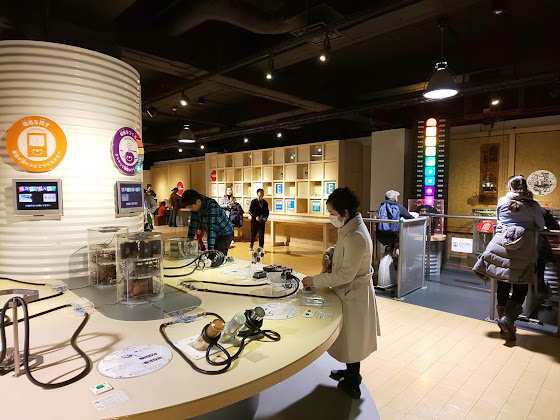
Tokyo Station is more than just a transit hub; it is a destination for dining, shopping, and history. A short walk takes you from the sleek, modern Marunouchi Naka-dori Avenue to the East Gardens of the Imperial Palace, where you can explore Edo Castle ruins and traditional Japanese gardens.The grounds feature historic stone walls, the site of the former castle keep, and seasonal scenery. After your stroll, return to the station’s surrounding malls for souvenirs or to relax at a terrace café. This guide covers key spots within Tokyo Station, as well as walking routes and transport tips for Marunouchi and the Imperial Palace East Gardens, helping you plan your day.
1. Tokyo Station: Historic Architecture, Shopping, and Dining
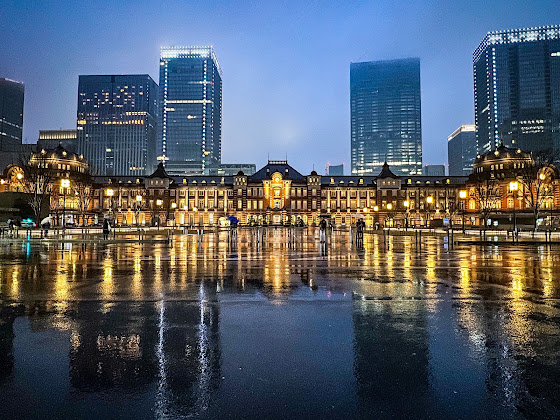
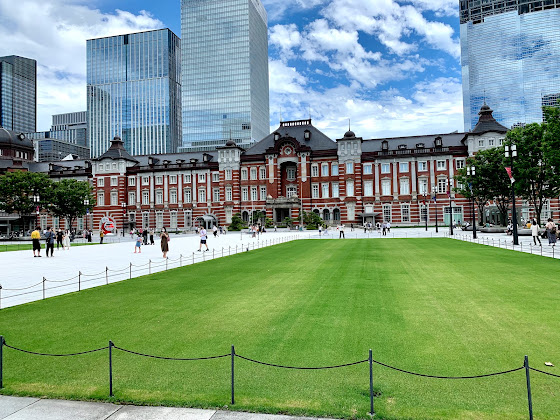
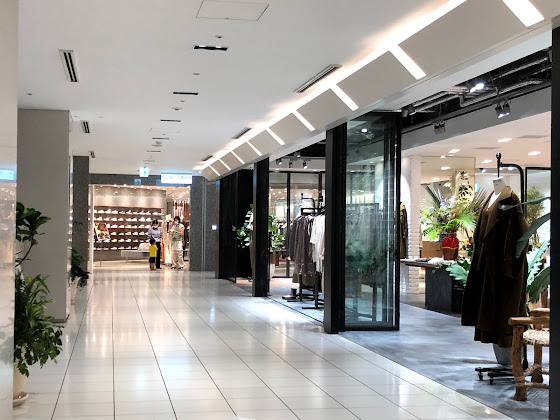
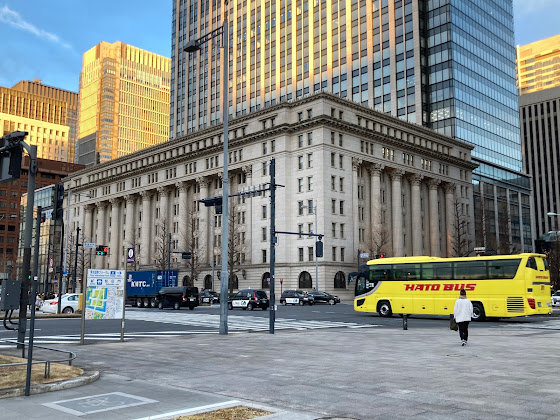
The west side of Tokyo Station preserves its iconic red-brick facade, while the east side showcases modern skyscrapers, offering two distinct views in one location.Marunouchi Station BuildingThe Marunouchi side retains its century-old red-brick architecture, creating a striking contrast with the modern high-rises to the east. Inside, Tokyo Character Street and the station’s various malls are perfect for picking up souvenirs, anime merchandise, or a meal before you depart.
2. East Gardens of the Imperial Palace: Edo Castle ruins and Japanese-style gardens
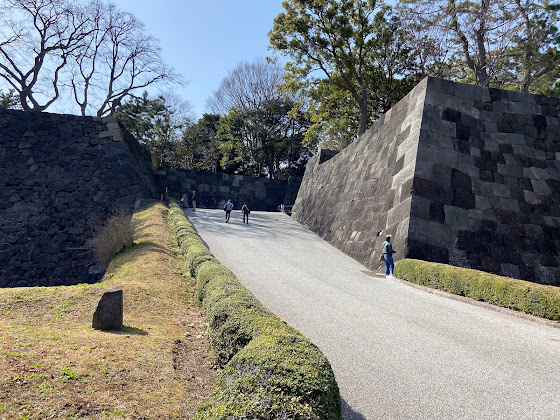
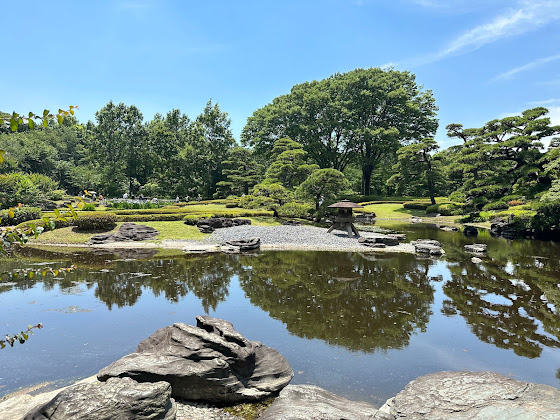
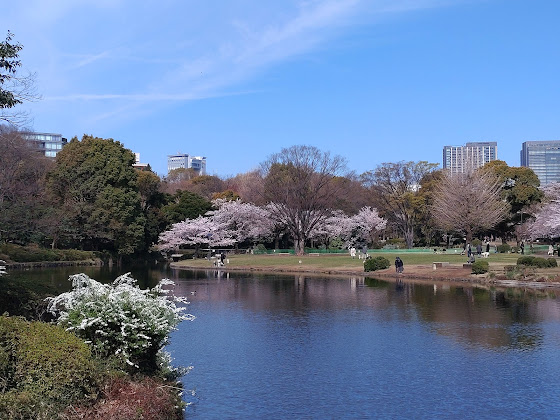
East Gardens of the Imperial PalaceThe former site of Edo Castle, now open to the public. The grounds feature preserved historical ruins and scenic Japanese-style gardens for strolling.
About 8 km
One day
About 12000 steps
Tokyo Station transport guide
▼Interactive Tokyo Subway Map▼
Loading map…
Traveling between Narita Airport and Tokyo Station?
For travel between Narita Airport and Tokyo Station, common options include the N’EX Narita Express, Airport Bus TYO-NRT, and the Airport Limousine Bus. The N’EX is the fastest at about 53 minutes, making it ideal for a direct JR connection; the bus takes about 65~70 minutes and is more convenient if you have heavy luggage, as it requires no transfers.
N'EX Narita Express ticket
👉kkday
👉Klook
Airport Limousine Bus
👉kkday
👉Klook
👉Trip
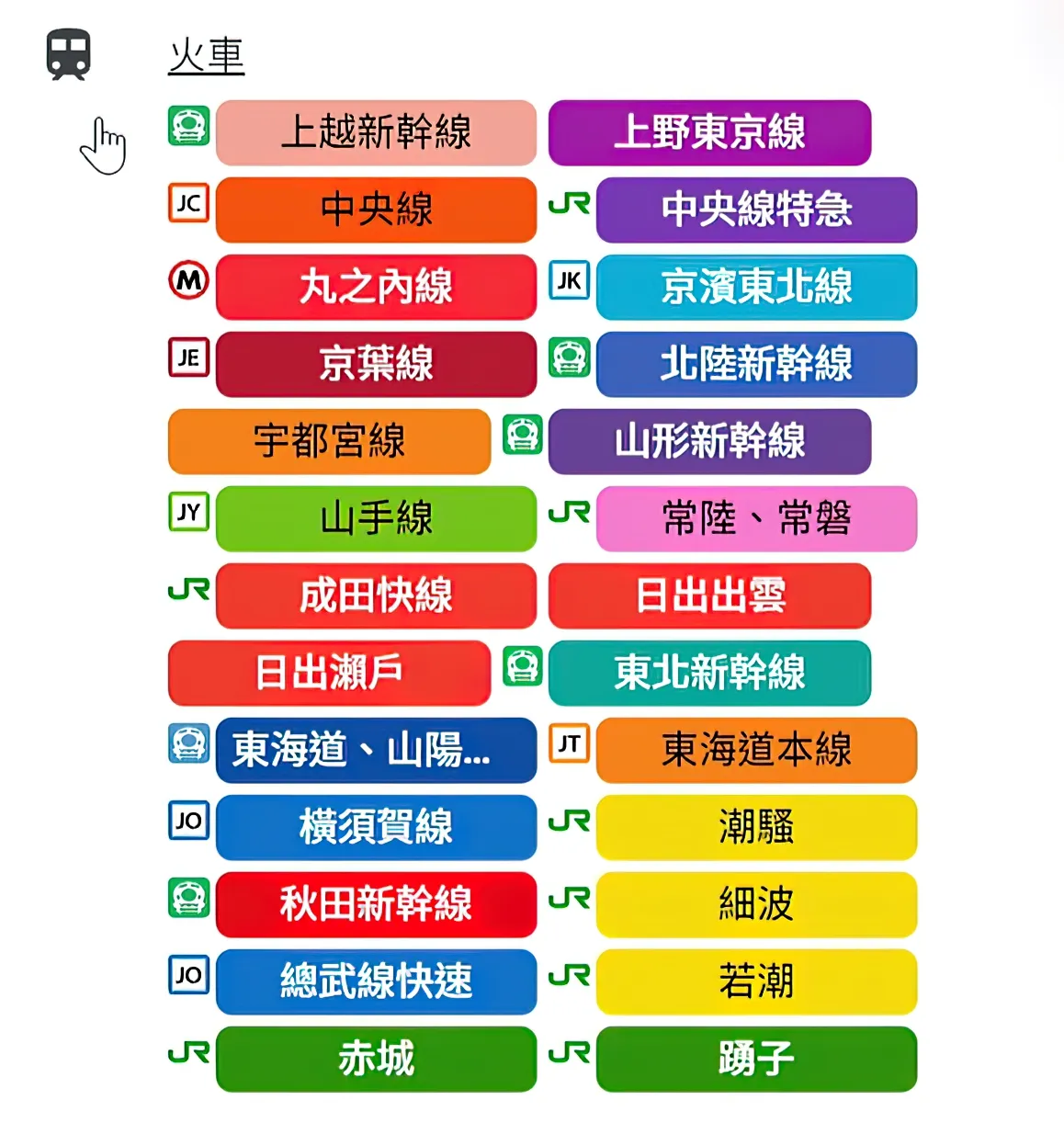
Tokyo Station connects to JR lines, the Shinkansen, and the Tokyo Metro, making it easily accessible from anywhere in the city.
🚄 Getting here: How to travel from other parts of Tokyo or the airport?
JR Lines:JR Yamanote, Chuo, Keiyo, and Sobu linesMultiple lines intersect here. Whether you are coming from Shinjuku, Shibuya, or Ueno, you can easily reach the station via the JR Yamanote Line.
Shinkansen: This is a hub for theTokaido, Tohoku, and Joetsu linesThe starting or terminal point for all Shinkansen lines.
Tokyo Metro:Marunouchi LineandTozai Linehave stations nearby, making them convenient for travel.
🚶 Getting around: Connecting Tokyo Station to the East Gardens of the Imperial Palace
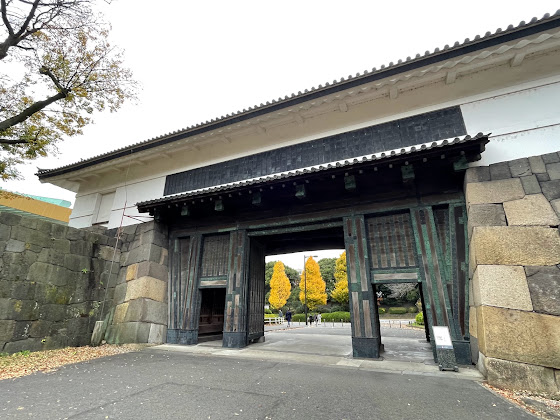
Tokyo Station To East Gardens of the Imperial Palace: From Tokyo Station’sMarunouchi Exit(toward the red-brick station building), walk west alongMiyuki-dori Avenue(Miyuki-dori) 10 to 15 minutesto arrive.Otemon Gate(Main entrance to the East Gardens). From the Marunouchi exit, it takes about 10~15 minutes to walk to Otemon; if you want to avoid detours, you can walk directly this way.
Nearby connections: The East Gardens are also close to subway stationsOtemachi StationandTakebashi Station, allowing you to easily continue to your next destination after your visit.
The map below uses color-coded zones; open the sightseeing guide to cross-reference addresses and locations:
Orange zone: Marunouchi area;Green line: Marunouchi Naka-dori;Blue area: East Gardens of the Imperial Palace;Purple area: Kitanomaru Park.
Loading map…
Open the attractions map
Tokyo Station & Imperial Palace Sightseeing Notes
▼Starting Point: Marunouchi Area▼
Tokyo Station and Marunouchi: A blend of red-brick heritage and skyscrapers
Tokyo StationLocated in the heart of Tokyo, this major railway hub features the historic Marunouchi station building alongside modern skyscrapers, blending classic architecture with a bustling commercial district.
The birth and development of Marunouchi:
In Meiji 23 (1890), the Mitsubishi Group purchased the former military land for large-scale redevelopment. Modeled after London’s financial district, the area featured Western-style red-brick architecture and became known as ‘Itcho London’.
In Taisho 3 (1914), Tokyo Station, designed by Kingo Tatsuno, opened and became a major transportation hub.
After the war, with economic growth, high-rise buildings were gradually constructed in the surrounding area, developing into a commercial district.
Marunouchi Reconstruction: Since Heisei 10 (1998), the ‘Marunouchi Redevelopment’ project has transformed the district. Many buildings were rebuilt to house domestic and international boutiques and diverse dining options, evolving the area from a purely office-centric district into a destination for shopping, dining, and art.
Red Brick Station Building and High-Rises Side by Side: Located in the heart of the high-rise district, the Tokyo Station Marunouchi Building underwent preservation and restoration work, returning to its classic Taisho-era appearance in Heisei 24 (2012). The contrast between the modern skyscrapers and the Taisho-era station building is Marunouchi’s most iconic view.
Detailed Introduction
1. History: From Meiji to Reiwa
1. Creation Period (Opened in 1914)
Architects and Style ⟦GXPHn⟧: Tokyo Station was designed by , a pioneer of modern Japanese architecture.Kingo TatsunoDesigned by (who studied in the UK), it adopts the style popular during the British Victorian era new Baroque style.
red brick exteriorThe building’s exterior wall is made ofred brickDesigned with white granite, it is said to be inspired byAmsterdam Central Station, which reflects the background of Japan adopting Western architectural techniques in the late Meiji period.
The status of the central station: The station was opened in Opened in 1914 (Taisho 3), it was originally called the ‘Central Parking Lot’; as the Tokaido Main Line,connecting the national railway.
2. Damage and Restoration from World War II
Tested by WarDuring the air raids of World War II, the station’snorth and south domesand part of the third-floor structure were unfortunately severely damaged.
Post-War ReconstructionAfter the war, the station underwent repairs, but to quickly restore functionality, the dome sections were replaced with simple octagonal roofs, and the main structure was reduced to two stories.
3. Major Restoration in 2012 🔄 (Restoration to Original Appearance)
Important Cultural PropertyIn 2003, Tokyo Station was designated asImportant Cultural Property.
Century Restoration ProjectAfter 5 years of extensive renovation, it was completed in 2012.This restoration faithfully returned the station’sMarunouchi BuildingtoOriginally built with three floors and two circular domes on the north and south sides.original appearance, recreating the classic elegance of the Taisho era.
Dome detailsThe interiors of the restored northern and southern circular domes are adorned withEagle ReliefandCarvings of the eight zodiac signsMissing the dragon, tiger, snake, and monkey, the craftsmanship details are worth observing by looking up inside the station.
2. Travel Highlights: Architecture, Cuisine, and Shopping Essentials
Tokyo Station combines historical architecture, commercial facilities, and dining options; you can admire the building, enjoy a meal, and buy souvenirs.
1. Architectural and Historical Highlights 🏛️
Marunouchi Station Building (丸の内駅舎):The station’s most famous red brick main building. It’s recommended to take panoramic photos in front of theMarunouchi Central Exitsquare or at the observation deck of the Shin-Marunouchi Building/KITTE across the street, especiallyafter the night lightsare turned on.
Tokyo Station North and South Domes(南北ドーム):Enter through the Marunouchi North or South Entrance and look up to see the magnificentcircular dome ceilingand take a moment to appreciate the intricate sculptures above.
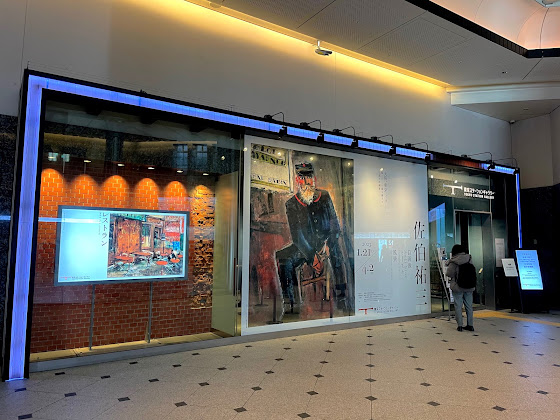
Tokyo Station Gallery(東京ステーションギャラリー):Located within the North Dome, this gallery utilizes the original space of the station’s red brick walls for exhibitions, offering a unique cultural experience.
2. Underground Shopping and Dining 🛍️
Tokyo Station’s underground shopping area is divided into several zones; if you’re visiting for the first time, it’s advisable to check the entrances and floors first:
Tokyo Station Ichibangai:
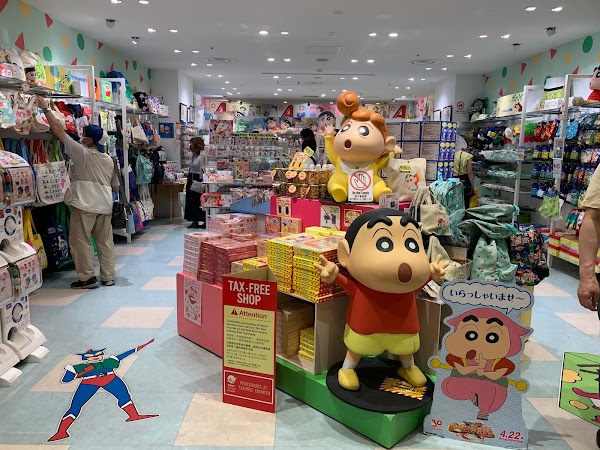
Tokyo Character StreetA must-visit for anime fans! It features dozens of official stores for popular Japanese anime characters, including the Pokémon Center, Studio Ghibli merchandise store, and Jump Shop.
Tokyo Ramen StreetGathering many popular ramen shops from across Japan, you can find soy sauce, miso, and tonkotsu ramen here.
Gransta Tokyo / ecute TokyoLocated inside and outside the ticket gates, offering a wide variety ofsouvenirs and specialty bento (ekiben)and sweets, as well as fashionable lifestyle goods, making it the top choice for picking up gifts or a quick meal before catching your train.
Yaesu Chikagai: Connected to the Yaesu Exit, this area is packed with long-established restaurants and boutiques, offering a true sense of local life.
3. Connecting Nearby Attractions 🌳
Kokyo Gaien National Garden: Exit from the Marunouchi Central Gate and walk along the spacious Gyoko-dori Avenue to arrive.Kokyo Gaien National Garden, a lush green space perfect for a stroll and an excellent spot for photographing the Marunouchi skyscrapers and the red-brick station building.
KITTE (JP Tower): A commercial complex housed in the former Tokyo Central Post Office, featuring afree observation deckthat offers one of the best vantage points for overlooking the Marunouchi station building and the Shinkansen tracks.
Marunouchi Business District: Located on both sides of the station, the Marunouchi area is a hub of fashion and commerce, lined with high-end office buildings, luxury boutiques, and art museums (such as the Mitsubishi Ichigokan Museum).
💡 Travel Tip:
Marunouchi Exit vs. Yaesu Exit:Marunouchi ExitFacing the Imperial Palace, this is the site of historic red-brick architecture;Yaesu Exitfaces modern commercial skyscrapers and serves as the main gateway for the Shinkansen.
Buying a bento: You can find hundreds of varieties from across the country inside the station.Ekiben (railway bento), an essential local culinary experience when riding the Shinkansen.
Strolling tips
Experience the redevelopment of Yaesu Exit: The Yaesu 3 district in front of Tokyo Station is undergoing massive redevelopment. Expected to be completed in 2029, the area’s streetscape is set for a dramatic transformation.
Admire high-rises that honor the past: Marunouchi Naka-dori is lined with buildings that preserve the pre-war character of Marunouchi. While the Marunouchi Building and Shin-Marunouchi Building were rebuilt after 2000, their lower levels retain original design elements. Don’t miss the historic Mitsubishi Ichigokan Museum.
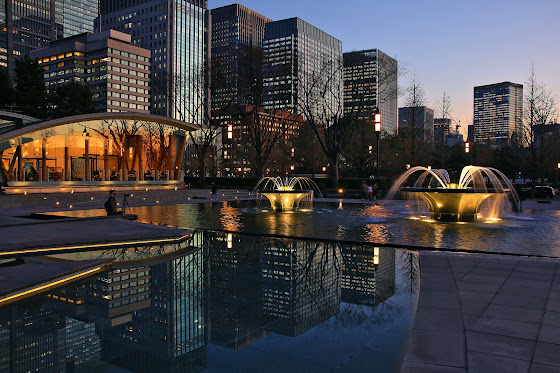
Relax by the waterfront park: When walking through the Imperial Palace Outer Garden in summer, a hat or parasol is essential. Wadakura Fountain Park features a large fountain and waterfall, offering a refreshing view and a popular cafe—the perfect spot for a break.
Make the most of the underground network: Tokyo Station features an extensive underground network connecting the Yaesu and Marunouchi sides, allowing you to navigate comfortably even during the height of summer or on rainy days.
🚶♂️ Marunouchi & Imperial Palace: A One-Day Walking Route
🚉
Tokyo Station
Starting Point
Within walking distance➔
1
Tokyo Station Marunouchi Building
Historic red-brick architecture
5-minute walk➔
2
Marunouchi Naka-dori
Tree-lined luxury avenue
5-minute walk➔
3
Marunouchi Brick Square
English-style courtyard garden
20-minute walk➔
4
Kokyo Gaien National Garden
Sakuradamon Gate & Nijubashi Bridge
15-minute walk➔
5
East Gardens of the Imperial Palace
Japanese garden ruins
10-minute walk➔
🏁
Tokyo Station
Final stop
Showing: All(4)
Tokyo Station
東京駅
Click for Navigation
Google Maps
Apple Maps
Copy address
Intro
▼
🎬 東京駅 Video
Tokyo Station Gallery
東京ステーション ギャラリー
Click for Navigation
Google Maps
Apple Maps
Copy address
🕖10:00~18:00
JR Tokyo Station Marunouchi North Exit
Intro
▼
Tokyo Station Gallery
Item
Details
Location
1-9-1 Marunouchi, Chiyoda-ku, Tokyo (In front of the North Ticket Gate at JR Tokyo Station)
Opening Hours
10:00 AM – 6:00 PM (Fridays: 10:00 AM – 8:00 PM) (Last admission is 30 minutes before closing)
Admission Fee
Varies by exhibition. (Example: General ¥1,300 / High School & University Students ¥1,100 / Free for Junior High School Students and below)
Exhibition Information Closed: Mondays (If a national holiday falls on a Monday, it will be closed the following day), year-end and New Year, during exhibition changes
Introduction Tokyo Station Gallery is a unique art museum located within the JR Tokyo Station Marunouchi building. It is conveniently situated directly in front of the North Ticket Gate, allowing travelers who have just arrived by train to immerse themselves in art immediately. The museum's greatest feature is its exhibition space, which cleverly preserves and utilizes the original red brick walls from the station's establishment in 1914. Visitors can enjoy a variety of high-quality curated exhibitions that span painting, architecture, design, and railways in this space filled with a profound sense of history.
Historical Background and Cultural Significance
The museum opened in 1988 (Showa 63) and is operated by the East Japan Railway Cultural Foundation, aiming to be a "small and exquisite real art museum" within the station. Its existence holds significant cultural meaning as it is situated within the "Tokyo Station Marunouchi Station Building," which is designated as an Important Cultural Property of Japan.
The museum temporarily closed in 2006 for preservation and restoration work on Tokyo Station, and reopened in 2012 with a fresh appearance following the completion of the station building's restoration. The exhibition rooms (especially on the second floor) perfectly blend the restored century-old architectural structure with the functional needs of a modern art museum. The exhibition rooms retain the red brick walls from the station's establishment in 1914, featuring exhibits that cover themes of painting, architecture, design, and railways; the juxtaposition of the red brick walls and the exhibits is a highlight of this station art museum.
🎬 東京ステーション ギャラリー Video
Tokyo Station First Avenue
東京駅一番街
Click for Navigation
Google Maps
Apple Maps
Copy address
🕖10:00 AM - 11:00 PM
JR Tokyo Station Yaesu Side B1~2F
Intro
▼
Tokyo Station Ichibangai
Item
Details
Location
1-9-1 Marunouchi, Chiyoda-ku, Tokyo (JR Tokyo Station Yaesu Exit)
Business Hours
(Varies by area) ・Tokyo Character Street: 10:00~20:30 ・Tokyo Ramen Street: 10:30~23:00 (Last order 22:30) ・Tokyo Okashi Land: 09:00~21:00 ・TOKYO GIFT PALETTE: 09:30~20:30 (Weekends and holidays until 09:00~20:30) ・Tokyo Gourmet Zone: 11:00~23:00 (Sundays and holidays until 22:00) ・Nippon Gourmet Street: 10:00~23:00 (Last order 22:00)
Features "Tokyo Station Ichibangai" is a large complex commercial facility directly connected to JR Tokyo Station, located on the Yaesu exit side of the station. It connects to the Yaesu side of JR Tokyo Station, concentrating ramen, desserts, souvenirs, and character merchandise; whether transferring or visiting specifically, you can enjoy dining and shopping all in one place. The facility gathers famous ramen shops from across Japan, popular snack manufacturers' direct stores, renowned traditional and Western confectionery shops, and the most comprehensive selection of anime character merchandise specialty stores. Whether you have a brief layover or are visiting specifically, travelers can satisfy their cravings for food, shopping, and treasure hunting here, making it a must-visit spot to experience contemporary Japanese pop culture.
Floor Guide "Tokyo Station Ichibangai" is mainly distributed from the basement level 1 to the second floor, divided into several distinctly themed main areas:
・B1 (Basement Level 1): This is one of the most popular floors.
Tokyo Character Street: A collection of over 30 official stores featuring popular Japanese anime characters such as Pokémon, Gachapin, Crayon Shin-chan, and JUMP SHOP.
Tokyo Ramen Street: Carefully selected iconic ramen shops from Tokyo and across Japan, such as "Rokurinsha" and "Ikaruga," making it a pilgrimage site for ramen lovers.
Tokyo Okashi Land: Direct flagship stores opened by well-known Japanese snack manufacturers like Glico and Calbee+, where you can buy limited edition products and even taste freshly made snacks.
Nippon Gourmet Street: A collection of regional specialties from all over Japan, from Hokkaido to Kyushu, such as Sendai beef tongue and Toyama white shrimp.
・1F (First Floor):
TOKYO GIFT PALETTE: This is a battleground for exquisite souvenirs, gathering many of the hottest dessert and wagashi brands, making it the top choice for purchasing Tokyo-themed gifts.
・2F (Second Floor):
Tokyo Gourmet Zone: Primarily featuring various restaurants, offering a diverse range of dining options including teppanyaki, Japanese cuisine, and bars.
Historical Background
The location of Tokyo Station Ichibangai, the development of the Yaesu side of Tokyo Station, can be traced back to the "Yaesu Shopping Street" of the 1950s. With the continuous evolution and expansion of Tokyo Station, this area has undergone multiple transformations and upgrades. To showcase Japan's proud pop culture (anime, food) to both domestic and international travelers, themed areas such as "Tokyo Ramen Street" (opened in 2009) and "Tokyo Character Street" (opened in 2008) were gradually planned and integrated into "Tokyo Station Ichibangai." In recent years, it has continued to evolve, such as the opening of the new souvenir area "TOKYO GIFT PALETTE" in 2020, making it a representative shopping mall of Tokyo that combines historical depth with the latest trends.
🎬 東京駅一番街 Video
Tokyo Character Street
東京キャラクターストリート
Click for Navigation
Google Maps
Apple Maps
Copy address
🕖10:00-20:30
Tokyo Station First Avenue B1
Intro
▼
Tokyo Character Street
Item
Details
Location
1-9-1 Marunouchi, Chiyoda-ku, Tokyo Station, B1F Tokyo Station Ichibangai
Business Hours
10:00-20:30 (may close earlier on the last day, depending on store or event announcements)
Tokyo Character Street, located in the Tokyo Station Ichibangai of the Yaesu Underground, is a hub for Japanese character merchandise. This bustling underground street features around 30 shops selling a wide range of merchandise from classic to new-generation Japanese anime, games, and cartoon characters, such as Pokémon, Hello Kitty, Rilakkuma, Ultraman, and Pretty Cure, along with official stores from NHK and major Tokyo TV stations, even a dedicated Kabuki store from Shochiku, attracting families of all generations. Whether you're looking for limited edition items or character merchandise, you can find it here.
In the center of the street, "Ichiban Plaza" serves as a space for irregular events, frequently hosting limited-time character exhibitions or photo opportunities, adding an element of surprise. The "Street Wagon" stalls on either side are temporary booths selling rare items or new products, ensuring that each visit feels fresh. The online platform "Tokyo Character Street Online Plaza" offers a shopping service for limited edition items, allowing fans who cannot visit in person to acquire their desired collectibles.
Historical Background
Tokyo Character Street officially opened on March 27, 2008, as part of the commercial facilities of Tokyo Station Ichibangai, conveniently located outside the Yaesu Underground Central Ticket Gate of Tokyo Station. Initially focused on promoting Japanese anime and character culture, Tokyo Character Street attracted both domestic and international travelers. With the globalization of the Japanese anime industry, the character street gradually became a pilgrimage site for anime fans, continuously expanding its shops and events in response to market demand. In 2022, the popular "Chiikawa" specialty store opened, further elevating its popularity.
Tokyo Station Marunouchi Building is a representative landmark of Japan's red brick architecture; during the day, you can see the red brick walls, and at night, it is illuminated beautifully. This magnificent red brick building exudes a strong Taisho romantic atmosphere with its symmetrical design, grand north and south domes, and exquisite details. Whether admiring its classical red brick facade during the day or experiencing its dreamlike ambiance under the lights at night, Marunouchi Building is a must-visit spot for photography enthusiasts and tourists alike. Under the north and south domes, there are preserved reliefs of the zodiac and eagles, and inside the station, you can find the Tokyo Station Gallery and The Tokyo Station Hotel.
Historical Background and Cultural Significance
Tokyo Station Marunouchi Building was completed and opened in 1914 (Taisho 3) and was designed by the master of modern Japanese architecture, Dr. Kingo Tatsuno. Its design combines elements of the British Victorian "Queen Anne style" with classical elements, representing the pinnacle of Western-style architecture during the Meiji and Taisho periods in Japan. The building was damaged during air raids in 1945 and was simplified to two stories with an octagonal roof after the war. From 2007 to 2012, JR East rebuilt the north and south domes and the third-floor structure, incorporating seismic (earthquake-resistant) technology to restore its historical appearance and enhance disaster prevention functions. In 2003, the Marunouchi Building was designated as an important cultural property by the Japanese government. It preserves the historical traces of Tokyo's modernization and post-war restoration. It stands quietly between the Imperial Palace and the Marunouchi business district, perfectly linking Japan's tradition (Imperial Palace) with modernity (commercial and financial center).
🎬 東京駅 丸の内駅舎 Video
Shin-Marunouchi Building
新丸ビル
Click for Navigation
Google Maps
Apple Maps
Copy address
🕖11:00-20:00
Intro
▼
Shin-Marunouchi Building (Shin-Marunouchi Birudingu)
Item
Details
Location
1-5-1 Marunouchi, Chiyoda-ku, Tokyo
Business Hours
Shops: Weekdays & Saturdays 11:00 AM – 9:00 PM, Sundays & National Holidays 11:00 AM – 8:00 PM Restaurants: Weekdays & Saturdays 11:00 AM – 11:00 PM, Sundays & National Holidays 11:00 AM – 10:00 PM *Some stores may operate until 2:00 AM; please check with individual stores for actual hours.
Closed: Open year-round (except January 1 and designated maintenance days)
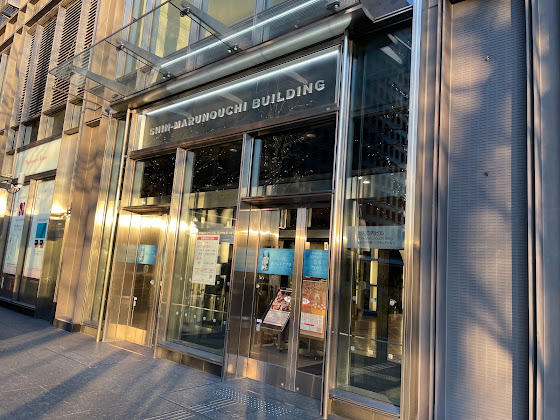
The Shin-Marunouchi Building is located at the Marunouchi North Exit of Tokyo Station and is a commercial building that combines shopping, dining, and office spaces. With the design concept of "Suteki na Jikan" (Wonderful Time), it houses approximately 150 shops and restaurants; the 7th floor features "Marunouchi House," which has a circular outdoor terrace where you can enjoy meals while taking in views of Tokyo Station and Marunouchi. The architectural design was crafted by the renowned British firm Hopkins Architects, blending modernity with the classical atmosphere of Tokyo Station's red brick structure, showcasing a harmonious urban aesthetic.
Floor Products
Basement 1 (B1F): Focused on gourmet food, featuring the French bakery restaurant "POINT ET LIGNE," offering French cuisine and handmade bread supervised by Michelin-starred chefs; also includes the convenience store "7-Eleven" providing daily necessities and various services.
1st Floor: A collection of international brands and fashion boutiques, such as "Bshop," which offers minimalist and high-quality lifestyle clothing and goods, suitable for consumers seeking "Classic Everyday" items.
2nd to 3rd Floors: Focused on fashion and beauty, the 3rd floor features "Marunouchi Boite," which gathers high-end cosmetics stores, including "MCS Marunouchi Cosmetics Selection," offering a selection of beauty products.
4th Floor: Specializing in lifestyle and selection stores, such as "Spiral Garden," which sells creatively designed cultural products and artworks, recently introducing unique postcards and other items; also includes "DESCENTE," selling sports and casual wear.
5th to 6th Floors: Focused on dining and leisure, featuring cafes like "Starbucks Coffee," offering high-quality coffee, and "Foyer," creating a hotel-style coffee space suitable for business or casual gatherings.
7th Floor (Marunouchi House): The 7th floor "Marunouchi House" features Thai, Hong Kong-style tea restaurants, and Italian dining; the terrace area allows for takeaway meals while enjoying the night view.
8th Floor and Above: Primarily office floors.
Historical Background
The Shin-Marunouchi Building was completed on April 19, 2007, and the commercial floors officially opened on April 27. It is part of the "Marunouchi Manhattan Project" led by Mitsubishi Estate, aimed at transforming the Marunouchi area into an international business and cultural center. Its predecessor was the "Shin-Marunouchi Building," completed in 1952, an eight-story structure that underwent reconstruction starting March 15, 2005, after half a century of history. The Shin-Marunouchi Building is connected to surrounding buildings such as Tokyo Station and Marunouchi Building via underground passages. Since 2010, it has utilized wind power from Rokkasho Village in Aomori Prefecture, and there is an "EV/HV taxi stand" in front of the building. The building's floor area ratio reaches 1760%, utilizing the transfer of the floor area ratio from Tokyo Station's red brick station and the specific district system.
🎬 新丸ビル Video
Marunouchi Nakadori
丸の内仲通り
Click for Navigation
Google Maps
Apple Maps
Copy address
🕖Winter Lighting
Intro
▼
Marunouchi Nakadori (丸の内仲通り)
Item
Details
Location
Marunouchi, Chiyoda City, Tokyo (located between the Imperial Palace and Tokyo Station)
Business Hours
The street itself is open 24 hours. (Surrounding store hours: Monday to Saturday 11:00 AM – 9:00 PM / Sunday and holidays 11:00 AM – 8:00 PM, with slight variations among stores)
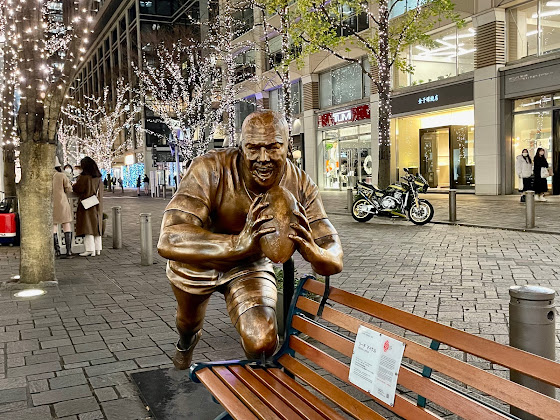
Marunouchi Nakadori is approximately 1.2 kilometers long, connecting Yurakucho and Otemachi; the street is lined with zelkova trees, cobblestone paths, boutiques, and restaurants. Along the way, you can also find outdoor cafes, Michelin-starred restaurants, and sculptures by artists.
Historical Background and Cultural Significance
The history of "Marunouchi Nakadori" is closely tied to Japan's modernization. During the Edo period, this area was part of "Marunouchi" (inside the castle walls) surrounding the Imperial Palace (Edo Castle), serving as the residence for feudal lords. In the Meiji era, this land was acquired by the Mitsubishi Group and gradually developed into Japan's financial and commercial center, earning the nickname "Little London." However, in the past, Marunouchi was a busy office district during the day, but it appeared empty at night and on weekends. Since the early 2000s, Mitsubishi Estate has led the "Marunouchi Redevelopment Project," aiming to transform the area from a purely commercial zone into a "center of interaction, culture, and commerce." They reduced the original roadways, widened the sidewalks, planted trees, and installed public art, successfully turning "Marunouchi Nakadori" into a vibrant, pedestrian-friendly boulevard. Today, the most representative cultural event here is the winter "Marunouchi Illumination (丸の内イルミネーション)." Hundreds of street trees are adorned with champagne gold LED lights, creating an incredibly romantic winter night scene. The transformation of this street also reflects Tokyo's evolution from a purely economic center to an international metropolis that values humanity, culture, and quality of life.
🎬 丸の内仲通り Video
Marunouchi Building
丸ビル
Click for Navigation
Google Maps
Apple Maps
Copy address
🕖 11:00 - 20:00
Intro
▼
Marunouchi Building
Item
Details
Address
2-4-1 Marunouchi, Chiyoda City, Tokyo
Business Hours
・Shops 11:00~21:00 (Sundays and public holidays 11:00~20:00) ・Restaurants 11:00~23:00 (Sundays and public holidays 11:00~22:00) ※Some stores may have different hours
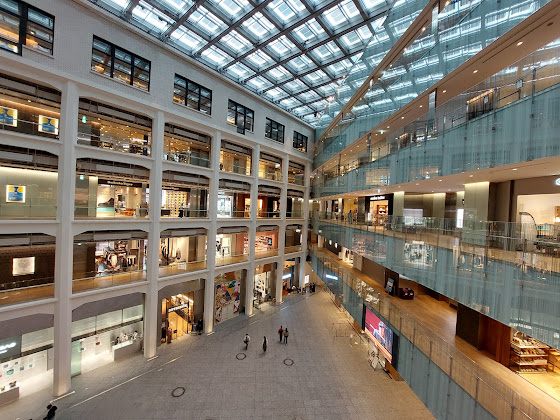
Features The Marunouchi Building is located in front of the Marunouchi exit of Tokyo Station and serves as a shopping mall and office building in Marunouchi. MARUCUBE is a spacious atrium with a glass curtain wall facing Marunouchi Nakadori, often used for events and exhibitions; the mall also features a seasonal floral outdoor relaxation area.
Floor Guide The floor layout of the Marunouchi Building is clear, catering to various needs from everyday shopping to high-end dining:
B1F~4F (Shopping Area): A collection of high-quality shops, trendy clothing, jewelry, and lifestyle goods from both domestic and international brands. From classic brands to emerging designers, it showcases the refined taste of Marunouchi.
5F & 6F (Restaurant Area): A variety of dining options including Japanese, Western, Chinese, and Asian cuisine, suitable for business lunches or casual gatherings. The 5th floor features a "Sky Garden," an excellent place to relax while dining.
35F & 36F (Premium Restaurant Area): A luxurious dining space located on the upper floors, home to several renowned high-end restaurants, such as French cuisine "Restaurant Monna Lisa" and Italian cuisine "ANTICA OSTERIA DEL PONTE." Restaurants on the 35th and 36th floors offer views of Tokyo Station and the Imperial Palace while dining.
Historical Background
The history of the Marunouchi Building reflects the development of the Marunouchi area. Its predecessor, the "Old Marunouchi Building," was completed in 1923 (Taisho 12) and was Japan's first comprehensive office building constructed in the American style. It was groundbreaking for having a "Shopping Arcade" open to the public on the lower floors, becoming a sensation at the time.
At that time, buildings in the Marunouchi area were uniformly restricted to a height of 31 meters (100 feet), creating a neat skyline, and the area was nicknamed "Icchō New York" (いっちょうニューヨーク, meaning "a little bit of New York"), with the Old Marunouchi Building symbolizing that era.
After nearly 80 years, the Old Marunouchi Building was deemed unsuitable for continued use following structural reviews after the 1995 Hanshin earthquake, leading to its reconstruction. The current Marunouchi Building opened in 2002, retaining the three-window element of the Old Marunouchi Building, becoming a commercial facility in the redevelopment of Marunouchi.
🎬 丸ビル Video
KITTE Marunouchi
KITTE丸の内
Click for Navigation
Google Maps
Apple Maps
Copy address
🕖 11:00 - 20:00
Intro
▼
KITTE Marunouchi
Item
Details
Location
2-7-2 Marunouchi, Chiyoda-ku, Tokyo (JP Tower)
Business Hours
Shops (B1F-4F): 11:00 AM – 9:00 PM (Sundays and holidays 11:00 AM – 8:00 PM) Restaurants (5F-6F): 11:00 AM – 11:00 PM (Sundays and holidays 11:00 AM – 10:00 PM) (※B1F "KITTE GRANCHE" and some shops on the 1F have hours that vary by store)
Features "KITTE Marunouchi" is a commercial facility that perfectly blends historical architecture with modern design. Its name cleverly combines the Japanese words for "postage stamp (切手 Kitte)" and "come (来て Kite)." The building, designed by Kengo Kuma, retains parts of the outer wall of the old Tokyo Central Post Office built in 1931 and features a triangular high ceiling inside. The interior is themed around "Feel JAPAN," gathering artisan-style shops, lifestyle goods, and gourmet food from across the country. The "KITTE Garden" on the 6th floor offers a close-up view of the red-brick Tokyo Station Marunouchi building.
Floor Guide KITTE Marunouchi has a clear floor plan, from B1 to 6F, with each floor having its unique theme:
B1F "KITTE GRANCHE": This floor is directly connected to JR Tokyo Station. It features a collection of specialty bento, desserts, delicatessen, local sake, and popular souvenirs from all over Japan.
1F: The main entrance of the mall, featuring the most spectacular high-ceiling plaza, often hosting various events. This floor includes cafes and lifestyle shops, and notably preserves the "Old Tokyo Central Post Office Director's Room," showcasing the historical ambiance of the past.
2F: A fashion floor primarily for mature women, featuring clothing, jewelry, and accessory brands.
3F: A blend of men's and women's clothing, lifestyle goods, and cosmetics, showcasing high quality and design in Japanese living aesthetics.
4F: Themed around "Japanese Hospitality," this floor gathers a rich selection of traditional Japanese crafts, design-oriented stationery goods, and includes a Japanese-style café and a space displaying the history of the old post office.
5F - 6F: The restaurant floors, featuring a variety of famous cuisines such as sushi, tempura, Japanese food, and Chinese cuisine. The 6th floor also has an exit leading to the "KITTE Garden," making it a perfect spot for a post-meal stroll and view.
Historical Background
The "JP Tower," where KITTE Marunouchi is located, was formerly the Tokyo Central Post Office designed by architect Tetsuro Yoshida in 1931 (Showa 6). This building was one of the representative works of modernist architecture in Japan at the time, serving as the core function of Japan Post for decades. With the passage of time, it was decided to rebuild it for urban renewal. Under the premise of preserving historical significance, a "preservation and regeneration" architectural approach was adopted, retaining the street-facing outer wall of the old post office (approximately 30% of the original building) while constructing a new high-rise tower behind and above it. This project opened in 2013, with KITTE Marunouchi preserving the outer wall of the old post office, becoming a commercial facility and cultural activity space in Marunouchi.
🎬 KITTE丸の内 Video
Intermediatheque
インターメディアテク
Click for Navigation
Google Maps
Apple Maps
Copy address
🕖 11:00 - 18:00 Free Admission
Intro
▼
Intermediatheque (インターメディアテク)
Item
Details
Location
2-7-2 Marunouchi, Chiyoda-ku, Tokyo, 2nd and 3rd floors of KITTE
Business Hours
11:00 AM – 6:00 PM (Fridays and Saturdays 11:00 AM – 8:00 PM)
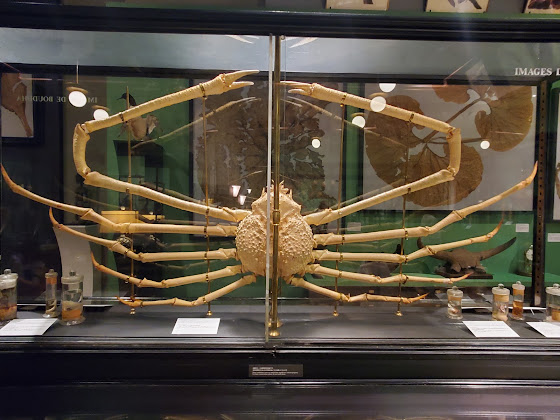
Exhibition Overview The "Intermediatheque" is an academic and cultural comprehensive museum located directly across from the Marunouchi exit of Tokyo Station, within the "KITTE" shopping complex. This space breaks the traditional museum framework, showcasing the rich academic specimens and research materials accumulated by the University of Tokyo since its founding, in a visually appealing display. Exhibits include large animal skeletons, scientific instruments, and historical artifacts, all presented in a lofty space.
Historical Background and Cultural Significance
This museum is a non-profit facility operated jointly by Japan Post Co., Ltd. and the University of Tokyo's Museum of Comprehensive Research. The location "KITTE" itself is a commercial facility that preserves and refurbishes parts of the old Tokyo Central Post Office building constructed in 1931. Intermediatheque utilizes the old Tokyo Central Post Office building to open the University of Tokyo's academic assets to the public; the exhibitions span biology, geography, and archaeology, presenting research materials in a restructured manner.
🎬 インターメディアテク Video
Mitsubishi Ichigokan Museum
三菱一号館美術館
Click for Navigation
Google Maps
Apple Maps
Copy address
🕖 10:00 - 18:00 Costs vary depending on the exhibition
Intro
▼
Mitsubishi Ichigokan Museum
Item
Details
Location
〒100-0005 Tokyo, Chiyoda-ku, Marunouchi 2-6-2
Opening Hours
10:00 AM – 6:00 PM (Last admission at 5:30 PM) *Fridays (excluding national holidays and substitute holidays), the second Wednesday of each month, and weekdays during the last week of the exhibition are extended to 8:00 PM (Last admission at 7:30 PM) *Closed on Mondays (except for national holidays, substitute holidays, or the last week of the exhibition), year-end, New Year's Day, and during exhibition change periods; temporary openings or closures may vary.
Museum Features
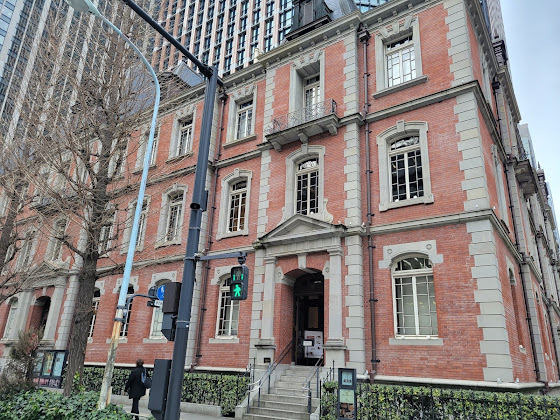
The Mitsubishi Ichigokan Museum, located in Tokyo's Marunouchi business district, is a museum focused on modern art from the late 19th century to the early 20th century. The building is a restored structure of the "Mitsubishi Ichigokan," designed in 1894 by British architect Josiah Conder, featuring a red brick exterior and the Victorian-era "Queen Anne style," exuding a classical elegance. During the restoration, original design drawings, measured drawings, and some building materials, such as the stone used for the staircase handrails, were preserved. The museum has three floors of exhibition space, approximately 800 square meters, covering 20 exhibition rooms, along with the "Café 1894" café (restored from the old bank's business room) and the "Store 1894" souvenir shop, allowing visitors to enjoy art while experiencing the history and cultural atmosphere of Marunouchi. A new small exhibition room will be added in November 2024, dedicated to showcasing collection and commissioned works in small planned exhibitions.
Exhibition Types
The Mitsubishi Ichigokan Museum primarily collects Western art from the late 19th century, featuring works by artists such as Henri de Toulouse-Lautrec, Odilon Redon, and Félix Vallotton, and has established a sister museum relationship with the Toulouse-Lautrec Museum in Albi, France. The museum holds 3 to 4 planned exhibitions each year, focusing on modern art from the late 19th century to the early 20th century, including Impressionism, Symbolism, and the Art Nouveau movement. Recent exhibitions include "Rousseau and Cézanne—Two Masters Who Shaped Modernity" (May 29 to September 7, 2025), "Landscape Painting in French Modern Art—from Corot to Matisse" (concurrently exhibited), "Art Deco and Fashion—Kyoto Costume Institute (KCI) Collection" (October 11, 2025, to January 25, 2026), and "From Kiyochika to Hasui—Ukiyo-e and New Prints in the Muller Collection" (February 19 to May 24, 2026). The museum has also exhibited ukiyo-e and traditional Japanese dyeing tools known as "katazome."
Historical Background
The Mitsubishi Ichigokan was built in 1894 as the first Western-style office building in Marunouchi, designed by Josiah Conder, who is regarded as the "father of modern Japanese architecture." It was originally used by the banking department of Mitsubishi's joint venture and for renting office space. This red brick building, featuring the popular Queen Anne style of late 19th-century England, symbolizes Japan's modernization during the Meiji era. However, it was demolished in 1968 due to age, and after more than 40 years of silence, the site was restored in 2009 based on original design drawings and historical data, reopening as a museum on April 6, 2010. The restoration preserved the historical appearance of the building, with some exhibition rooms carpeted to reduce noise from shoes on the wooden floors. The museum reopened in 2010, becoming a cultural exhibition hub in Marunouchi.
🎬 三菱一号館美術館 Video
Tickets
👉Tokyo Pass
Meiji Seimei Kan
明治生命館
Click for Navigation
Google Maps
Apple Maps
Copy address
🕖09:30~19:00
Intro
▼
Meiji Seimei Kan
Item
Details
Location
2-1-1 Marunouchi, Chiyoda-ku, Tokyo
Opening Hours
09:30–19:00 (Last admission at 18:30; closed from December 31 to January 3 and on days of regular electrical inspections)
Attraction Introduction
Meiji Seimei Kan is located in the heart of Marunouchi, Tokyo, by the Imperial Palace moat, and is a treasure of classical architecture. This eight-story building above ground and two stories below is renowned for its magnificent Corinthian column façade, bringing the solemn grandeur of ancient Greece and Rome into modern Tokyo. Upon entering the first-floor lobby, the spacious atrium with marble flooring and splendid chandeliers instantly immerses visitors in the luxurious atmosphere of the early Showa era. The conference rooms, dining hall, and corridors on the second floor showcase an elegant and understated beauty with intricate wooden decorations and classical designs. Meiji Seimei Kan is still an office building today, open for free visits and offering audio guides; theSeikado@Marunouchi on the first floor displays treasures of Eastern art.
Historical Background
Meiji Seimei Kan was built in 1934 (Showa 9) as a new company headquarters for Meiji Life Insurance to expand its business, replacing the original Mitsubishi No. 2 Building. The building was designed by Shinichiro Okada, a professor at the Tokyo School of Fine Arts (now Tokyo University of the Arts), through a competitive selection process, blending classical styles with modern technology, and took three years and seven months to complete. Okada passed away in 1932 due to illness, and his brother, Goro, took over to finish this masterpiece. During the war, although Tokyo suffered air raids, Meiji Seimei Kan was spared; however, from 1945 to 1956, it was occupied by the GHQ (General Headquarters of the Allied Forces) and used as the headquarters of the U.S. Far East Air Forces, with the famous Council for U.S.-Japan Relations also held here. In 1997, Meiji Seimei Kan became the first building from the Showa era designated as an Important Cultural Property; after restoration in 2001, it stands alongside the Meiji Yasuda Life Building, preserving the history of the GHQ occupation period.
Cultural Significance
The classical design of Meiji Seimei Kan integrates elements of Greek and Roman architecture with modern Japanese technology, reflecting the historical context of the Meiji to early Showa period when Western architectural ideas were absorbed. The Corinthian columns and exquisite decorative carvings showcase the architects' meticulous attention to detail, while also embodying the ambition and confidence of Meiji Life Insurance as Japan's first life insurance company. The history of being occupied by the GHQ after the war makes it an important witness to Japan's post-war reconstruction and international exchange. Today, as an Important Cultural Property, Meiji Seimei Kan invites visitors to appreciate the beauty of the architecture while experiencing the historical context and cultural heritage of Japan from the Meiji Restoration to the present. TheSeikado@Marunouchi within further connects the Iwasaki family's collection with the corporate spirit of the Meiji era, deepening its cultural significance.
The history of Edo Castle dates back to the Edo-go of Musashi Province in the 12 century, first appearing in the Azuma Kagami, with its name signifying the gateway to the river (Arakawa). In 1457, Ota Dokan, a retainer of the Ogigayatsu Uesugi clan, began construction on Edo Castle, which initially served as a branch castle for the Later Hojo clan. In 1590, following Toyotomi Hideyoshi’s unification of Japan, Tokugawa Ieyasu made Edo Castle his residence, marking the beginning of the Edo period.
Beyond its role as a political hub, Edo Castle became the center of national administration following the establishment of the Edo Shogunate in 1603. After multiple reconstructions, particularly following the fire in 1601, Ieyasu significantly expanded the castle. Although the Great Fire of Meireki in 1657 destroyed the main keep, the castle’s status remained unshaken. With the development of samurai and merchant culture, Edo gradually evolved into an economic center, serving as the precursor to modern Tokyo.
Following the Meiji Restoration in 1868, Edo Castle was taken over by the new government and officially renamed the Imperial Palace in 1948, becoming the residence of the Emperor. Many historic structures were relocated or preserved, with some designated as Special Historic Sites. Today, the East Garden of the Imperial Palace is open for walks, and the area around Tokyo Station offers plenty of shopping and dining.
Detailed Introduction
From Edo Castle to the Imperial Palace: The historical context near Tokyo Station
▍ The historical evolution of the Imperial Palace (Edo Castle)
Late Heian to early Kamakura period: The Edo clan established a residence near the site of the current Imperial Palace.
Kōshō 2 (1456): Ōta Dōkan built Edo Castle.
Tenshō 18 (1590): Tokugawa Ieyasu entered Edo and began renovations on Edo Castle.
Keichō 8 (1603): Tokugawa Ieyasu was appointed Shogun, transforming Edo Castle from a daimyo’s residence into the seat of the Shogunate. Subsequently, the ‘Tenka Fushin’ (national construction projects) began, with master castle builder Tōdō Takatora overseeing a massive expansion and reconstruction.
Kanei era (1624~1644): Spanning the reigns of Ieyasu, Hidetada, and Iemitsu, the current appearance of Edo Castle was largely completed.
Meireki 3 (1657): The Great Fire of Meireki occurred, destroying the castle keep, the Honmaru Palace, the Ninomaru Palace, and other structures.
First year of the Meiji era (1868): The Meiji Restoration. Edo Castle was handed over to the new government and renamed Tokyo Castle.
Meiji 2 (1869): The capital was moved to Tokyo. The Nishinomaru Palace became the residence of the Emperor and was renamed the Imperial Castle.
Meiji 21 (1888): The Meiji Palace was completed. The Imperial Castle was renamed the Palace.
Showa 20 (1945): The Meiji Palace and Ote-mon Gate were destroyed by air raids.
Showa 23 (1948): The term Imperial Palace (Kyujo) was abolished and renamed the Imperial Palace (Kokyo).
Heisei 5 (1993): The new Imperial Palace is complete.
▍ The Scale and Structure of Edo Castle
The scale of Edo Castle: The central core alone, commonly known as the ‘inner enclosure’ (including the Honmaru and Ninomaru), covers a total area of 425 hectares (approximately 425 square meters). When including the ‘outer enclosure,’ surrounded by moats and earthen ramparts, the total area reaches approximately 2082 hectares.
Layout of the inner enclosure: The Honmaru Palace sits at the center, with the Ninomaru and Sannomaru Palaces to the east, and the Momijiyama Mausoleum complex and Nishinomaru Palace to the west.
Honmaru Palace (Omote): Served as a venue for official ceremonies and audiences, as well as administrative offices for government officials.
Ooku (Nakaoku): Located at the deepest part of the Honmaru, this is the living space for the shogun’s wife and family, as well as the long quarters for numerous ladies-in-waiting. At its peak, the number of ladies-in-waiting is said to have reached 1000 to 3000.
Non-combat castle structures: Built during a time of peace, Edo Castle was not primarily designed for combat but served as a front for political and daily functions. Although the castle does not feature the presence of warriors like Osaka Castle under Toyotomi Hideyoshi, its scale and structure reflect the governance of the Tokugawa shogunate.
▍ Famous events that occurred at Edo Castle
Akō Incident (1701 year): In the 14 year of the Genroku era, Asano Naganori, the lord of the Ako Domain, drew his sword and wounded Kira Yoshinaka, the master of ceremonies, in the Great Pine Corridor of Edo Castle. The 5 shogun, Tokugawa Tsunayoshi, ordered Asano to commit seppuku that same day and abolished his domain. The following year, Oishi Kuranosuke led 47 Ako ronin to exact revenge on Kira, after which all involved committed seppuku.
Eijima and Ikushima Incident (1714 year): In the 4 year of the Shotoku era, Ejima, a senior lady-in-waiting of the Ooku, missed the palace curfew after attending a kabuki performance by actor Ikushima Shingoro and a subsequent banquet. The incident sparked rumors of a secret affair, prompting the Shogunate to investigate lax discipline within the Ooku. Ejima was exiled to the Takato Domain, Ikushima was exiled to Miyake Island, and approximately 1500 people were implicated and punished.
Sakuradamon Incident (1860): In the 7 year of the Ansei era, Ii Naosuke, the Great Elder (Tairo), was assassinated outside the Sakuradamon Gate of Edo Castle by masterless samurai from the Mito and Satsuma domains. The attack was fueled by tensions over the shogunal succession, the signing of the Treaty of Amity and Commerce between the United States and Japan, and the backlash against Ii’s ‘Ansei Purge’ of the Sonno Joi (Revere the Emperor, Expel the Barbarians) faction. This event severely damaged the Shogunate’s authority and accelerated the movement to overthrow it.
Sakashitamon Incident (1862): In the 2 year of the Bunkyu era, Ando Nobumasa, a senior councilor (Roju) who held power in the Shogunate, was attacked by Sonno Joi activists outside the Sakashitamon Gate. Although Ando survived the attack by fleeing into the castle, he was seriously injured and subsequently dismissed from his post. This incident further eroded the prestige of the Shogunate.
▍ The East Gardens of the Imperial Palace are open to the public on designated days; the following information covers the general Imperial Palace tour route, which requires prior registration.
General visits to the Imperial Palace last approximately 1 hours and cover about 2.2 kilometers; the tour includes areas not usually open to the public, requiring an application through the Imperial Household Agency or a numbered ticket obtained on-site.
Tour highlights:
East Garden of the Palace and Chowa-den Hall: Pass by the Chowa-den Hall and the Kita-kurumayose, the entrance used by domestic guests visiting the palace.
Nijubashi Bridge and Fushimi-yagura Watchtower: Cross the Nijubashi Bridge, the iconic symbol of the Imperial Palace, and view the Fushimi-yagura, the only remaining watchtower of the Nishinomaru enclosure.
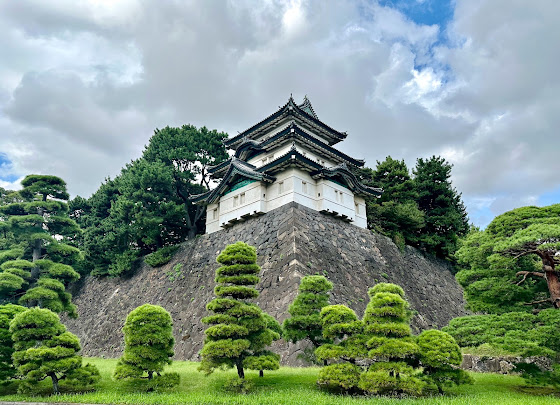
Fujimi-yagura Watchtower and stone walls: View the Fujimi-yagura, the only remaining three-story turret of Edo Castle that once served as a substitute for the main keep (approx. 16 meters high), and the base of the stone wall built during the Ieyasu era using the uchikomi-hagi technique (approx. 15 meters high).
Visiting hours: Two sessions daily: 10:00~11:15 and 13:30~14:45.
Imperial Palace General Visit Route (reservation required)
1
Kikyo-mon Gate
Entrance / Security Check
➔
2
Someikan (Visitor House)
Rest Area
➔
3
Fujimi-yagura Keep Base
Historic Architecture
➔
4
In front of the Imperial Household Agency Building
Showa-era architecture
➔
5
East Garden of the Imperial Palace
Kyuden Totei Plaza
➔
6
Seimon-tetsubashi Bridge
Nijubashi Bridge and bridge crossing turnaround
➔
7
Imperial Palace
Modern Palace
➔
8
Yamashita-dori Street
Green forest path
➔
9
Lotus Moat
Castle Moat Stone Walls
➔
10
Fujimi-tamon Guardhouse
Armory Ruins
➔
11
Kikyo-mon Gate
Exit
Showing: All(13)
Statue of Kusunoki Masashige
楠木正成像
Click for Navigation
Google Maps
Apple Maps
Copy address
Intro
▼
Statue of Kusunoki Masashige
Item
Details
Location
1-1 Kokyogaien, Chiyoda City, Tokyo 101-0002 Japan
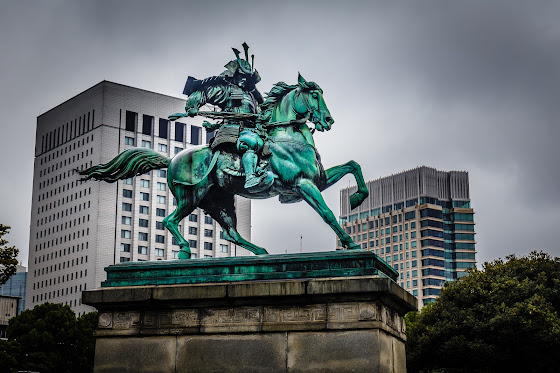
In a corner of the "Imperial Palace East Garden," stands the statue of Kusunoki Masashige, a loyal retainer from the Kenmu Restoration. This "Statue of Kusunoki Masashige" is approximately 4 meters tall, and about 8 meters including the pedestal, and its solemn posture is awe-inspiring when you stand before it. It is ranked as one of the "Three Great Statues of Tokyo" alongside the statue of Saigo Takamori in Ueno Park and the statue of Omura Masujiro at Yasukuni Shrine.
This statue depicts his heroic stance as he welcomed Emperor Go-Daigo on the road to Hyogo after returning from Oki Island in the second year of the Shokei era (1333). In the scene, he is shown holding the reins of a horse with his head bowed in a gesture of respect.
It is said that Kusunoki Masashige is a descendant of "Kusunoki Shirou," who accompanied Minamoto no Yoritomo when he entered the capital. The Kusunoki family originally served as retainers in Musashi Province and later moved to Kawachi due to their management of affairs there.
Later, Kusunoki Masashige responded to Emperor Go-Daigo's plan to overthrow the shogunate and was granted the title of Hōbu no Jō. At that time, Masashige, who had a familial relationship with the Hattori clan known for their ninja lineage, received support from them and successfully assisted Emperor Go-Daigo in achieving the goal of overthrowing the shogunate using guerrilla tactics.
The "Statue of Kusunoki Masashige" is part of the 200th anniversary project of the Beko Copper Mine in Ehime Prefecture, commissioned by the Tokyo School of Fine Arts (now Tokyo University of the Arts) in 1891. The statue is made of copper from the Beko Copper Mine, with the head crafted by Takamura Kōun, the body and armor by Yamada Kisai and Ishikawa Mitsuaki, and the horse by Gotō Sadayuki.
Although about 20 portraits of Kusunoki Masashige have been preserved, each has different bone structures and lacks strong reference materials. Therefore, during the production, the team focused on recreating the demeanor of an excellent military strategist.
The armor's verification was handled by historical painter Kawasaki Chikoku, who researched temples and relics related to Kusunoki Masashige to supplement historical facts and complete the design. Gotō Sadayuki, responsible for the horse, even obtained a horse carcass from the military horse bureau for dissection and personally traveled to the Tōhoku region to photograph multiple horses, creating models to meticulously reproduce every detail of the horse.
The wooden sculpture prototype took about 3 years to create, and the completion took 10 years. The "Statue of Kusunoki Masashige," made with a wealth of knowledge and passion, is worth visiting to appreciate its exquisite details and feel its impact.
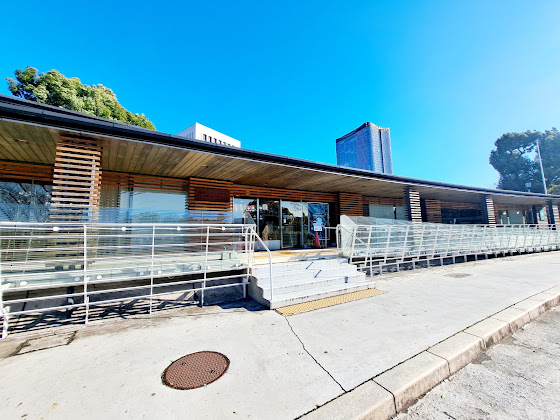
Nankō Rest House is located in Kokyogaien, right next to the statue of Masashige Kusunoki, making it a popular resting spot for travelers in Tokyo. This Nankō Rest House features a "traditional Japanese cuisine" theme, offering the "Edo Eco Leisure Box" series of dishes that recreate the dining culture of the Edo period. The restaurant uses seasonal ingredients from the Tokyo area, combining homemade "natural dashi," ancient sweet "koji syrup," and traditional condiments like "iri-zake" and "Chikuma miso" to create a classic Japanese dining experience with one soup and three dishes. Signature dishes include "Wagyu Tsukune Daimyo Don" and "Edo Iri-zake Udon," served in exquisite lacquerware, providing both visual and taste satisfaction, allowing diners to feel the atmosphere of a daimyo's meal.
The restaurant's interior is spacious, accommodating 300 people, featuring a modern Japanese design with a blue color scheme and Edo-patterned decorations, creating a tranquil and elegant atmosphere. Whether for tourists visiting the Imperial Palace, nearby office workers, or student groups on school trips, this is an ideal dining location. The restaurant also offers group reservation meals, especially suitable for tour groups, with menus starting from 1,870 yen, and takeout bento options available. Additionally, the restaurant has a shop selling Imperial Palace souvenirs, sake, and wagashi. The restaurant emphasizes environmental sustainability and has been certified by Tokyo as a "Tokyo Local Production for Local Consumption Support Store," committed to food education and cultural heritage, allowing every visitor to experience the profound essence of Japanese culinary culture.
🎬 楠公レストハウス Video
Sakurada-mon Gate
桜田門
Click for Navigation
Google Maps
Apple Maps
Copy address
Intro
▼
Yasukuni Gate
Item
Details
Attraction Address
Yasukuni Gate 1-1 Kokyogaien, Chiyoda City, Tokyo 100-0002 Japan
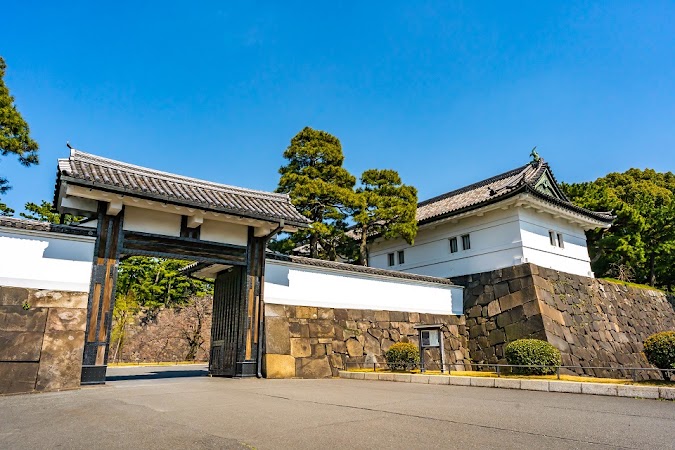
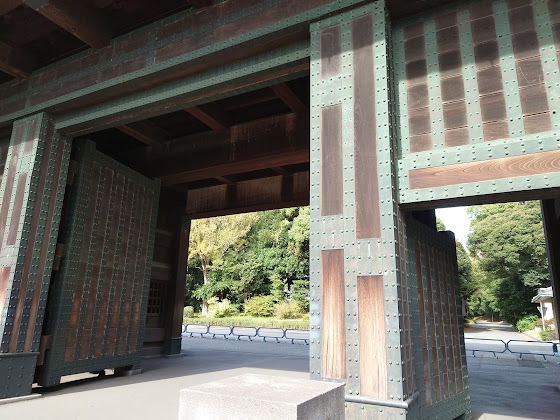
Completed around 1620, Yasukuni Gate is one of the larger remaining gates of Edo Castle and the site of the Sakurada Incident in 1860. In 1860, the then senior statesman, Ii Naosuke, was assassinated here by rogue samurai. These samurai were loyal supporters of the imperial family and were angered by Ii Naosuke's actions as the chief minister of the shogunate (Tairo), believing he weakened the emperor's power.
Yasukuni Gate consists of two gates. Behind a small and sturdy Korai gate is a larger turret gate. The two gates are arranged at right angles, forming a closed space. The right-angled arrangement of the two gates creates a square shape, allowing defenders to guard from different directions; this design was quite common during the Edo period.
Archers and other soldiers would occupy the turret gate, shooting arrows and throwing stones at any intruders who breached the Korai gate.
The high stone walls of the gate were built without the use of mortar. The stonemasons seamlessly fitted the stones together, making the gate impregnable. The massive stones seen in the gate—most of which came from the Izu Peninsula, about 100 kilometers southwest of Tokyo—were supposed to be transported by ship. Only the Great Kanto Earthquake of 1923 affected this sturdy gate, causing some rocks to loosen. Subsequent repairs reinforced the structure of the gate to prevent further damage. Yasukuni Gate has been designated as an important cultural property of Japan.
🎬 桜田門 Video
Nijubashi
二重橋
Click for Navigation
Google Maps
Apple Maps
Copy address
Intro
▼
Nijubashi - A Popular Photo Spot for Travelers
Item
Details
Location
35.67961, 139.75557
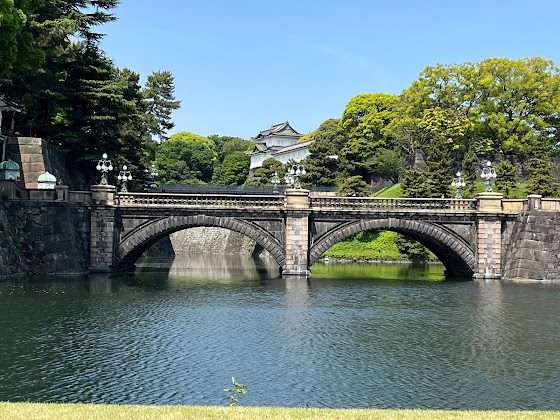
There are two bridges spanning the moat leading from the main gate to the palace at the Imperial Palace Plaza. The closer bridge is called "Seimon Ishibashi," while the farther one is "Seimon Tetsubashi."
The term "Double Bridge" generally refers to both bridges collectively, but strictly speaking, it refers to the farther bridge. The farther bridge was formerly known as "Shakyo Bridge" because there is a platform in the middle of its supports, creating a double-layered structure, hence the name. The current bridge was reconstructed in June of Showa 39. These bridges are not used regularly and are only utilized during official events such as New Year celebrations or visits from foreign dignitaries to the Imperial Palace.
🎬 二重橋 Video
Kikyo-mon Gate
桔梗門
Click for Navigation
Google Maps
Apple Maps
Copy address
Intro
▼
Kikyo Gate
Item
Details
Attraction Address
Kikyo Gate 1-1 Chiyoda, Chiyoda City, Tokyo 100-8111 Japan
Spanning between the inner moat's Kikyo Moat and the clam moat, the土橋 leads from the Imperial Palace East Garden to the Imperial Palace Police Headquarters, where there is a boat landing nearby. Kikyo Gate was built in the 19th year of the Keicho era (1614). The name of the gate originates from the time of Ota Dokan, who initially constructed Edo Castle, and is said to come from Dokan's family crest, the "Kikyo crest." It also has another name, referred to as the "Inner Sakurada Bridge."
🎬 桔梗門 Video
Wadakura Fountain Park
和田倉噴水公園
Click for Navigation
Google Maps
Apple Maps
Copy address
Intro
▼
Hibiya Park Fountain
Item
Details
Location
Hibiya Park Fountain 3-1 Kokyogaien, Chiyoda City, Tokyo 100-0002 Japan
This large fountain was created to commemorate the marriage of His Majesty the Emperor in 1961. In June 1993, it was renovated with the theme of "Continuing with New Developments" during the Emperor's wedding, and was completed in June 1995.
During the renovation of Hibiya Park Fountain, the original large fountain was preserved, and a waterfall and stream were added, creating a public space with water features and greenery.
The Hibiya area was once a cove facing Tokyo Bay. After land reclamation in the early Edo period, it became a loading and unloading area for transporting supplies to Edo Castle, and through the Dosan Ditch, it became a maritime transportation hub. At that time, the Hibiya Bridge was already built across the moat, and the Hibiya Gate (square gate) was established. Later, the Hibiya area served as either a shogunate property or a residence for daimyos, with its status frequently changing over 20 to 50 years.
For example, the changes from 1620 included a daimyos' residence (1620–1657) → stable (1683–1684) → daimyos' residence (1684–1688) → shogunate residence (1688–1713) → Aizu clan residence (1713–1741) → stable (1741–1819) → Aizu clan residence (1819–end of Edo period) → stable (Meiji 7–9) → Ministry of Internal Affairs Library (Meiji 16–19) and other changes.
On September 20, 1868, the Emperor left Kyoto under the protection of 2,000 soldiers from various domains. After regrouping at Zojoji Temple on October 13, he crossed the Hibiya Bridge and entered Tokyo Castle (Edo Castle). Although the Emperor returned to Kyoto once, he did not return after his visit on February 28 of the following year. This day marked the renaming of Tokyo Castle to "Imperial Castle."
🎬 和田倉噴水公園 Video
Otemon Gate
大手門
Click for Navigation
Google Maps
Apple Maps
Copy address
Intro
▼
Otemon Gate
Item
Details
Location
Otemon 1-1 Chiyoda, Chiyoda City, Tokyo 100-0001 Japan
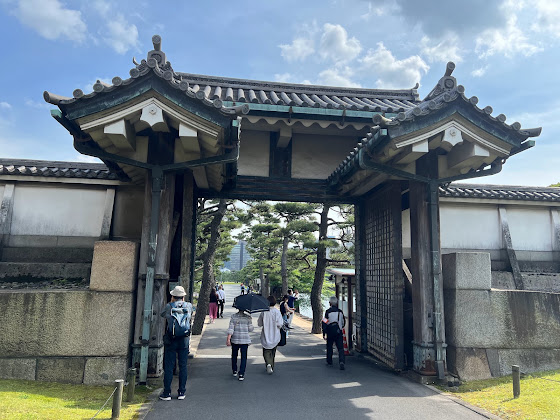
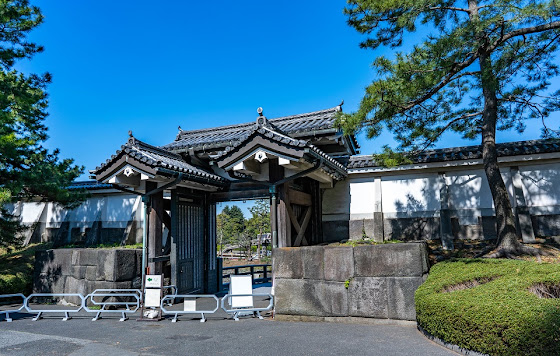
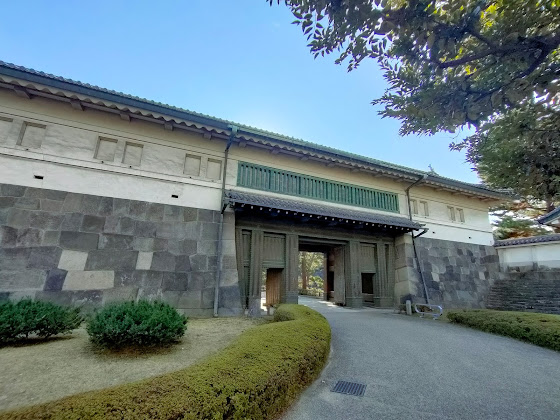
Otemon is one of the main entrances to the Imperial Palace and an important historical site of Edo Castle. When planning a visit to the Imperial Palace from Tokyo Station, Otemon can serve as the first stop; before entering the East Gardens of the Imperial Palace, please confirm the opening hours and closed days for that day, as access may vary due to seasonal changes or announcements from the Imperial Household Agency. It is the main gate of Edo Castle. The name "Otemon" comes from ancient Japanese military terminology, meaning "main attack route," reflecting its significance in defense.
Tokugawa Ieyasu began the construction of Edo Castle in 1603 (Keichō 8). At that time, the Toyotomi clan still existed, and the castle was built as a practical fortress in preparation for potential battles.
For example, the current Otemon retains what is known as a "masugata" space. After passing through the gate, to the right is a gate with a building (Wataruromon), while the front and left sides are sealed off by castle walls, leaving no escape route. For enemies attacking the castle, they would be attacked from all sides.
Ieyasu's Edo Castle featured five such masugata designs. The main keep of Edo Castle served as the final defensive stronghold, connected by corridors to the large and small keeps.
Subsequently, Edo Castle underwent multiple renovations, and the existing structure represents its final form, including large moats and stone walls that demonstrate the authority of the shogunate.
🎬 大手門 Video
Doshin Bansho
同心番所
Click for Navigation
Google Maps
Apple Maps
Copy address
Intro
▼
Tōshin Bansho
Item
Details
Location
Tōshin Bansho 1-3 Chiyoda, Chiyoda City, Tokyo 100-0001 Japan
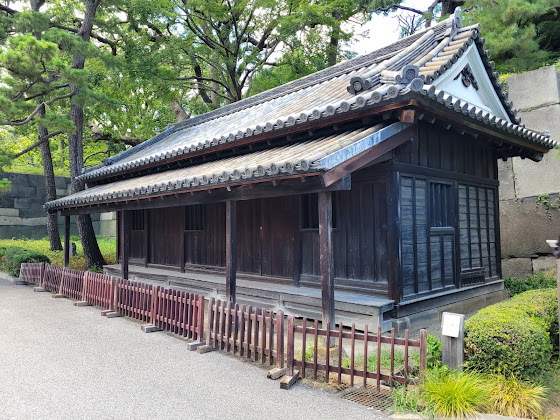
The Otemon Gate is located directly in front of the Sanjōmaru Shōzōkan, with the Tōshin Bansho on the inner side. This gate was originally a masugata gate, with moats on both sides.
Only the lords of the Tokugawa's three houses could pass through in a palanquin; other daimyō had to dismount here for inspection, hence it is also known as the "Dismounting Gate."
The Tōshin Bansho housed the guards responsible for the security of the Otemon Gate, known as yori and tōshin. Tōshin refers to the lower-ranking officials under the Edo shogunate's various magistrates, shōgun's deputies, castle lords, and chief guards, who were responsible for general affairs and security.
The highest point of the roof tiles of the Tōshin Bansho features the Tokugawa family's hollyhock crest tiles, while the eaves are adorned with ordinary sanbō pattern tiles.
🎬 同心番所 Video
Hyakunin Bansho
百人番所
Click for Navigation
Google Maps
Apple Maps
Copy address
Intro
▼
Hundred Man Guard Station
Item
Details
Location
Hundred Man Guard Station 1-1 Chiyoda, Chiyoda City, Tokyo 100-0001 Japan
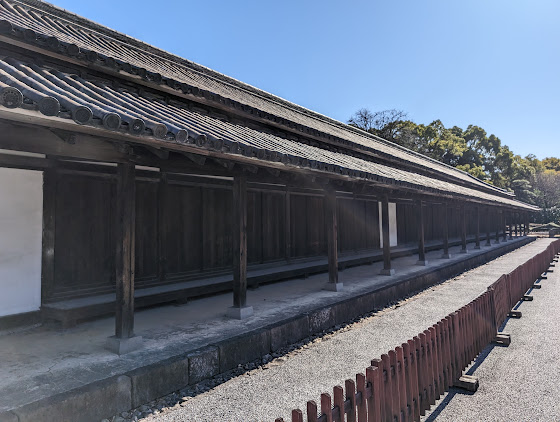
After exiting from Otemon to Otemon Sanmon, on the left side is the Hundred Man Guard Station, which is over 50 meters long. This is the largest checkpoint guarding the Otemon Sanmon of Edo Castle's Honmaru Palace. The four groups known as the Gun Hundred Man Unit—Kuranai, Iga, Kōka, and the Twenty-Five Riders—take turns stationed here. Each group is assigned 20 elite guards and 100 regular guards, responsible for security day and night.
Because there are always 100 guards stationed here, it is called the Hundred Man Guard Station.
🎬 百人番所 Video
Large Checkpoint
大番所
Click for Navigation
Google Maps
Apple Maps
Copy address
Intro
▼
Oban-sho
Item
Details
Location
Oban-sho 1-3 Chiyoda, Chiyoda City, Tokyo 100-0001 Japan
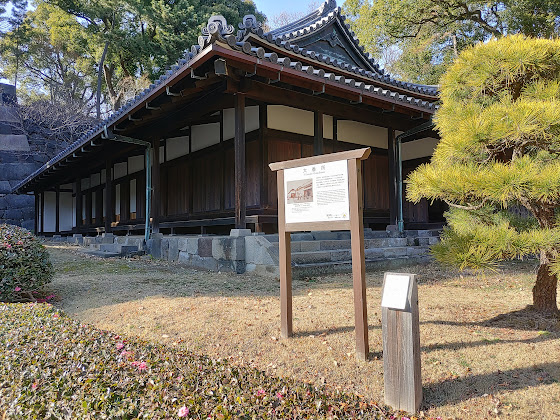
"Located to the right after entering the Otemon Gate of Edo Castle, on the left side of the Nakamon ruins. This wooden, tiled single-story building, constructed in the 12th year of the Kan'ei era (1635), served as an important guard station for the Otemon Gate. In the early Edo period, it was known as the Goshoin guard station, but after moving to its current location in the 12th year of the Kan'ei era (1635), it was renamed Oban-sho. The Oban-sho was manned by samurai known as Oban, who were from specific noble families and were responsible for the close protection and ceremonies of the shogun."
🎬 大番所 Video
Fujimi Yagura (Tower)
富士見櫓
Click for Navigation
Google Maps
Apple Maps
Copy address
Intro
▼
What is a Yagura?
Item
Details
Attraction Address
富士見櫓 1-1 Chiyoda, Chiyoda City, Tokyo 100-0001Japan
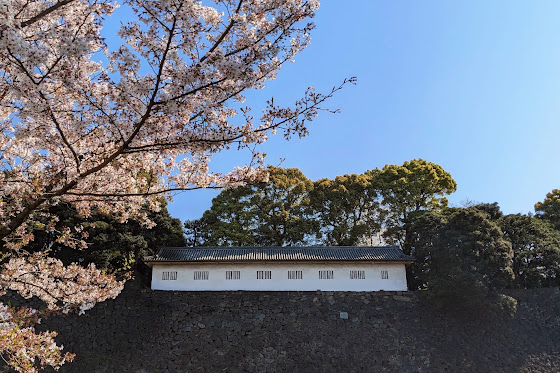
During the Edo period, Edo Castle had many yagura, but only three remain today: Fujimi Yagura, Fushimi Yagura, and Tatsumi Yagura. Although you cannot enter to visit, you can admire their elegance up close.
Yagura are situated on castle walls or strategic points, serving as lookout points and for archery and firearm shooting.
In addition to their military defense function, yagura were sometimes used for storing weapons or other supplies. Architecturally, yagura often feature multi-layered structures primarily made of wood, presenting both strength and aesthetic appeal, making them an important component of Japanese castles.
Fujimi Yagura was burned down in the Meireki Fire (1657) and was subsequently rebuilt. Since the main keep of Edo Castle was never rebuilt, Fujimi Yagura took on the function of the main keep; successive shoguns also enjoyed views of Mount Fuji and the Shinagawa sea view from here.
Fujimi Yagura is the only three-story yagura among the three that still exist, standing 16 meters tall.
Edo Castle was never attacked in actual combat, and Fujimi Yagura was never truly involved in battle; it is one of the three remaining yagura of Edo Castle, where successive shoguns enjoyed views of Mount Fuji, the fireworks of Futakotamagawa, and the Shinagawa sea view. No matter the angle from which it is viewed, Fujimi Yagura displays a beautiful silhouette, earning it the nickname "Yagura with Eight Directions of Beauty."
Today, although you can only gaze at its appearance from the square in front of the yagura, Fujimi Yagura continues to attract the attention of every visitor with its historical depth and architectural beauty.
🎬 富士見櫓 Video
Fujimi Tamon
富士見多聞
Click for Navigation
Google Maps
Apple Maps
Copy address
Intro
▼
Turret
Item
Details
Attraction Address
富士見多聞 1-1 Chiyoda, Chiyoda City, Tokyo 100-0001Japan
It refers to a longhouse-style building constructed on top of the stone walls of Japanese castles, featuring stronger defensive capabilities than the castle walls. During the Edo period, several turrets were built in the main area of Edo Castle, and today, the only remaining one is the Fujimi Turret.
Although the passage of time prevents us from directly viewing the magnificent sight of Mount Fuji from the Fujimi Turret today, historical records and materials allow us to imagine the scene of people standing atop the turret, gazing at the layered and spectacular view of Mount Fuji.
🎬 富士見多聞 Video
Castle Keep Platform
天守台
Click for Navigation
Google Maps
Apple Maps
Copy address
Intro
▼
Tenshudai
Item
Details
Attraction Address
Tenshudai 1 Chiyoda, Chiyoda City, Tokyo 100-0001 Japan
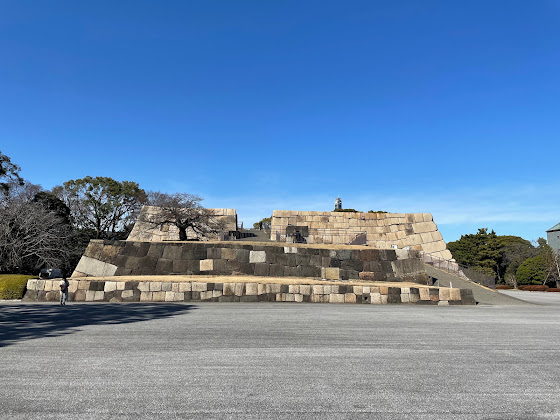
The Tenshudai of Edo Castle is located on the northern side of the former main keep of Edo Castle, now part of the East Gardens of the Imperial Palace.
This site is the only remaining stone wall, evidence of the former existence of the tenshu (main keep). After Ota Doken built Edo Castle in 1457, it underwent three renovations from 1607 to 1638 during the reigns of Tokugawa Ieyasu, Tokugawa Hidetada, and Tokugawa Iemitsu.
However, on January 18-19, 1657 (March 2-3), the Meireki Fire, also known as the Furisode Fire, occurred. It is said that a funeral was held at Honmyoji Temple, where a girl in a purple furisode was cremated. Due to strong winds, the fire spread to Edo Castle, and within just two days, two-thirds of Edo Castle and the surrounding area were burned down. The fourth shogun, Tokugawa Ietsuna, requested the lord of Kumamoto, Maeda Tsunanori, to be responsible for the restoration of the tenshu, but his uncle, the lord of Aizu Matsudaira, Hoshika Masayuki, suggested that since the political situation had stabilized, the tenshu was outdated and had no military use, and that the restoration of the castle town should take priority. Therefore, in 1658, only the base of the tenshu was constructed, and it was never rebuilt, resulting in the current ruins of the tenshu.
The tallest tenshu in Japan only existed for about 50 years. The exterior is made of andesite, cut and shaped into square blocks, arranged neatly without gaps, with some joints filled with small stones, forming a beautiful stone wall. The interior features black granite, using the original stones, with some of the base stone walls still showing signs of burning.
Historically, Edo Castle served as the residence of the shogun and was the center of politics and military during the Edo period. Although the tenshu itself no longer exists, the remaining base and stone walls allow us to glimpse the grandeur of the architecture and the strength of the castle at that time. This area is filled with historical remnants, evoking memories of Japan's past for visitors.
The surrounding area is also a famous cherry blossom viewing spot, bustling with crowds during the spring when the cherry blossoms bloom. It is a place where one can enjoy walking and exploring history, making it an attractive destination for those interested in Japanese history and culture.
🎬 天守台 Video
The appearance of the castle keep as depicted on a folding screen from the Edo period
Showing: All(6)
Site of the Ōoku
大奥跡
Click for Navigation
Google Maps
Apple Maps
Copy address
Intro
▼
The Ooku, or the Inner Palace of the Japanese Imperial Palace
Item
Details
Attraction Address
Ooku Ruins, Japan 〒100-0001 Tokyo, Chiyoda City, Chiyoda, 1, Daikanmachi Street
Edo Castle's main keep is divided into three areas: Omote, Naka-Ooku, and Ooku. The public space for administrative affairs is called Omote. The private living quarters of the shogun are known as Naka-Ooku, where only male attendants serve the shogun. Ooku is the residence of the shogun's principal wife (Odayaka), where many female attendants lived and worked. Naka-Ooku and Ooku are connected by the Gozu Corridor.
Ooku is located on the southern side of the current Imperial Palace and is a grand space, home to approximately 3,000 women. "Once existing within Edo Castle, it was the inner court of the shogunate during the Edo period, where the shogun's wife and her attendants resided. The Ooku within Edo Castle was a secret space isolated from the outside world, where the shogun's family and maids lived, leaving behind many stories in Japanese history and literature.
Ooku was governed by strict etiquette and rules, depicting the competition among the shogun's principal and secondary wives, as well as stories of political intrigue. Because of its
Historical Background
, Ooku is portrayed as a mysterious existence in Japanese history and literature.
Today, the ruins and structures of Ooku showcase the historical aspects to visitors and host various events. Ooku is a captivating place for those interested in the daily life of the shogun's family and the stories behind the politics.
🎬 大奥跡 Video
Kita-Kikyo-mon Gate
北桔橋門
Click for Navigation
Google Maps
Apple Maps
Copy address
Intro
▼
Kitajukimon Gate
Item
Details
Location
Kitajukimon Gate 1-1 Chiyoda, Chiyoda City, Tokyo 100-0001 Japan
The remaining "Korai Gate," also known as "Kitajukimon" during the Edo period, was designed in the style of a barrel-shaped gate.
Kitajukimon is located behind the main keep, and the wooden bridge (Ohashi) only rises and closes during events.
The Korai Gate still retains four pulley fittings for raising the bridge; these fittings, along with the name "Ohashi," preserve historical clues about the bridge-raising mechanism.
Unlike the bustling "Otemon Gate," "Kitajukimon" is the only passage that leads directly from the Honmaru to the outer bailey.
Bairinzaka (Plum Grove Slope)
梅林坂
Click for Navigation
Google Maps
Apple Maps
Copy address
Intro
▼
Meirin-zaka
Item
Details
Location
Meirin-zaka 1-1 Chiyoda, Chiyoda City, Tokyo 100-0001 Japan
After entering through the Hirakawa Gate of the East Gardens of the Imperial Palace, cross between the Hirakawa moat and the Tenjin moat to reach the slope in front of the Imperial Household Agency's Shoryobu.
It is said that this name comes from the 10th year of Bunmei (1478), when Ota Dokan planted hundreds of plum trees to honor Sugawara no Michizane.
According to the "Tokyo City History Draft: Imperial Castle Edition," it is recorded that "when the deity came from Odawara to play in the castle... many plum trees were planted on the small slope, where two shrines were built and visited. Because Dokan was a poet, he constructed the Tenjin Shrine and admired the plaque of another shrine... At the time of construction, there was this in the Kitamaru, thus it was ordered. The ruins of these two shrines have many plum trees, and to this day it is called Meirin-zaka."
When the Tokugawa family entered Edo, there was also a place to honor Michizane here, but during the construction of the Honmaru, it was moved to Hirakawa-cho in Kōjimachi, which is now the Hirakawa Tenmangu Shrine. It is said that Meirin-zaka also once had the Sanno Gongen Shrine, which has now become the Hie Shrine in Nagata-cho.
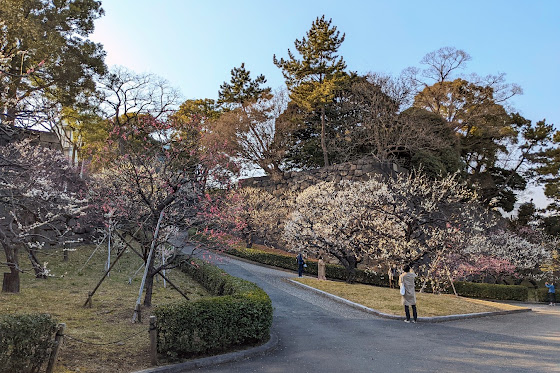
On the stone wall of Meirin-zaka, there is a large zelkova tree, with zelkova or pine trees behind it. In autumn, you can enjoy a beautiful contrast of red, yellow, and green. Currently, from the lower part of Meirin-zaka towards the Honmaru, there are about 50 plum trees. Most of these plum trees were planted in the 42nd year of the Showa era. The early-blooming varieties start to blossom from the winter solstice in December and usually reach their best viewing period in mid-February.
🎬 梅林坂 Video
Shiomisaka
汐見坂
Click for Navigation
Google Maps
Apple Maps
Copy address
Intro
▼
Shiomizaka
Item
Details
Location
1-1 Shiomizaka, Chiyoda, Chiyoda City, Tokyo 100-0001 Japan
Shiomizaka is located on the north side of the moat at the East Gardens of the Imperial Palace, and you can reach the ruins of the former Honmaru via the slope. In "The Purple Book" (written by Shigeo Toda), it mentions: "From here, the sea view is exceptionally clear; when the tide comes in, the waves seem to surge directly from here to the shore, which is why this slope is called 'Old Shiomizaka.' Nowadays, the coastline has moved far away, and the former sea view is blocked by buildings." This allows us to reminisce about the scene where the downtown area was filled in, the coastline moved far away, and urban neighborhoods became increasingly prosperous.
Ninomaru Garden
二の丸庭園
Click for Navigation
Google Maps
Apple Maps
Copy address
Intro
▼
Ninomaru Garden
Item
Details
Location
Ninomaru Garden 1-1 Chiyoda, Chiyoda City, Tokyo 100-0001 Japan
Ninomaru Garden was established in 1968, based on the design plans from the era of Tokugawa Iemochi, the ninth shogun of the Tokugawa shogunate.
In spring, there are azaleas; early summer brings the Japanese wisteria; autumn features colorful leaves; and winter showcases camellias, attracting wild birds and insects.
Hirakawa-mon Gate
平川門
Click for Navigation
Google Maps
Apple Maps
Copy address
Intro
▼
Origin of "Hirakawa Gate"
Item
Details
Attraction Address
Hirakawa Gate 1 Chiyoda, Chiyoda City, Tokyo 100-0001 Japan
The name Hirakawa Gate originates from the villages of Kamihirakawa and Shimohirakawa.
Hirakawa Gate is a castle gate of Edo Castle, currently located on the north side of the Imperial Palace East Gardens, with nearby gates including Otemon, Kikyomon, Seimon, Sakashitamon, Inui-mon, and Kitakikyomon.
When planning a walk in the Imperial Palace East Gardens, you can also visit Hirakawa Gate; it consists of a Korai gate and a Watari-yagura gate.
The so-called Korai gate is sturdier than the typical Yakuimon, which has supporting pillars and door leaves. There are various theories about its name, one of which suggests it was named during the Korean invasion ordered by Toyotomi Hideyoshi, where the army was referred to as "Korai troops," and the newly developed weapons were called "Korai gates."
The Watari-yagura gate is reinforced with a beam above the Korai gate, along with a roof to enhance its strength.
This gate is the highest in status and has the most secure structure among all gates, showcasing its exceptional defensive capabilities.
The windows and arrow slits allow for monitoring the outside and attacking intruders, making it common in important locations like Otemon. Unlike the external Masugata gate of Sakurada-mon, Hirakawa Gate is a hybrid of external and internal Masugata styles.
The external Masugata refers to the Masugata protruding from the curved path, while the internal Masugata is within the curved path, and the hybrid style of Hirakawa Gate has both sides facing the moat. This design is meant to lure enemies in deep and block their movements.
It is said that this gate has existed since the time of Ota Dōkan's castle construction, and of course, it underwent significant renovations during the Edo period, becoming a sturdier gate. Both gates are built in the Masugata style, demonstrating their robustness. Exiting Hirakawa Gate, you can see the monument of Ota Dōkan on your left.
The wooden bridge over the Hirakawa moat in front of the gate is 29.7 meters long and 7.82 meters wide, built in 1614 and reconstructed in Showa 63 using Taiwanese cypress; the pillars still bear the designs of the imitation treasure orb and inscriptions from the Kan'ei and Keichō eras.
The Watari-yagura gate of Hirakawa Gate served as the back gate of Edo Castle during the Edo period, being the most commonly used gate closest to the honmaru, thus many women of the court frequently entered and exited through it, earning it the role of "Daimyo Gate." It was also used by hatamoto and merchants, and for the three families of Tanaka, Ichihashi, and Shimizu, this was their entrance to the castle.
Notable figures like Kasuga no Tsubone also used this gate, but there was an incident where she was denied entry by the gatekeeper for being late, spending a cold night outside. The shogunate did not punish the gatekeeper for this; instead, as a reward, he was given an additional 500 koku, which is an interesting story.
Passing through the Watari-yagura gate, you can see the greenery and swaying shadows deep within the Imperial Palace on your right, revealing the beautiful scenery of Hirakawa moat.
Around Hirakawa moat, you can see the Korai gate and Watari-yagura gate of Hirakawa Gate; in winter, there are fewer plants, and the moat's view is more open. However, unlike the Watari-yagura gate used by the women of the court mentioned earlier, the Korai gate is different.
The Korai gate is also known as "Impure Gate."
Legend has it that this gate was used to transport criminals or corpses.
In the 14th year of Genroku (1701), Asano Naganori, who triggered the "Akō Incident," committed a serious crime by injuring Kira Yoshinaka of the Kira family in the shogun's palace, and he was taken out through Hirakawa Gate before being transported by boat.
The Korai gate was used for entering and exiting the curved path, and there is also a theory that the entire Hirakawa Gate is the Impure Gate.
In Onmyōdō, the northeast direction is considered the gate of demons, hence there is also a belief that Hirakawa Gate, located on the northeast side of the inner citadel of Edo Castle, is called the Impure Gate.
Approximate distance (6km)
Loading map…
▼Kitanomaru Park Area▼
The history of Kitanomaru Park dates back over 400 years to theEdo period:
the northern defense of Edo Castle: The area where the park is located was once part of the massiveEdo Castle(present-day Imperial Palace)Kitanomaru, part of the castle’s defensive facilities. During the Tokugawa Shogunate, this area served as the residence and defensive position for key shogunal retainers, guarding the northern entrance to the castle.
Tayasumon Gate and Shimizumon Gate: The park still preserves two important castle gate ruins,Tayasumon GateandShimizumon Gate. These two gates were vital components of the Edo Castle defenses and have been designated asImportant Cultural PropertiesThe sturdy stone walls and watchtower gates offer a glimpse into the defensive design of Edo Castle. ⚔️
Modern Transformation: Following the end of World War II, the Kitanomaru area was converted into aNational Garden, and opened to the public in 1969. It is considered part of the “Imperial Palace Forest,” which encompasses the Imperial Palace Outer Garden and Hibiya Park, preserving a vast expanse of greenery in the city center.
Chidorigafuchi and Moat Scenery: The west side of the park is adjacent to the famousChidorigafuchi. Chidorigafuchi MoatSpring cherry blossomsWhen in full bloom, you can renta rowboatto view the cherry blossoms from the water. 🌸
Nippon Budokan: Located in the northeast corner of the park, this octagonal building is a major Japanese sports and music venue, frequently hosting athletic competitions and concerts. 🎤
Showing: All(4)
Science and Technology Museum
科学技術館
Click for Navigation
Google Maps
Apple Maps
Copy address
🕖09:30~16:50
Intro
▼
National Museum of Nature and Science (Tokyo)
Item
Details
Location
2-1, Kitamura Park, Chiyoda-ku, Tokyo
Opening Hours
09:30~16:50 (Last admission at 16:00)
Admission Fee
・Adults: ¥1,000 ・Middle and High School Students: ¥600 ・Children (4 years and older): ¥500 (※ Prices may vary depending on special exhibitions)
Introduction Located in Kitamura Park near the Imperial Palace, the National Museum of Nature and Science is an interactive museum dedicated to promoting modern science, technology, and industrial knowledge. The museum has five floors divided into about 20 different themed exhibition areas, covering diverse fields from mechanical principles in daily life, the evolution of transportation (such as cars and bicycles), electricity and energy, to optics, robotics, and even future space exploration. The museum's biggest feature is the "hands-on" experiential learning. It abandons the traditional museum's "Do Not Touch" signs and encourages visitors to interact with the exhibits. Whether trying out a driving simulator, operating large mechanical link devices, or experiencing visual illusions in the "Illusion Room," visitors can intuitively understand complex scientific principles through playful interactions, making it a popular choice for family outings and school field trips in Tokyo.
Historical Background and Cultural Significance
The National Museum of Nature and Science is operated by the Japan Science and Technology Agency and officially opened in 1964 (the same year Tokyo hosted the Olympics for the first time). Its establishment coincided with Japan's post-war economic boom and rapid advancements in industrial technology. The main purpose of its establishment was to disseminate scientific knowledge to the youth who bear the future, inspire their interest in science and technology, and cultivate future technological talent for the country. This museum showcases Japan's industrial technology and reflects the era of "technology as a national policy"; the exhibitions emphasize hands-on operation, allowing visitors to understand scientific principles through practical experience. For nearly sixty years, it has inspired countless Japanese children’s scientific dreams and serves as an important foundation for cultivating scientific literacy among the Japanese people.
🎬 科学技術館 Video
Tickets
👉Tokyo MUSEUM Pass
Kitanomaru Park
北の丸公園
Click for Navigation
Google Maps
Apple Maps
Copy address
Cherry Blossom Viewing Spot
Intro
▼
Kitanomaru Park
Item
Details
Location
Kitanomaru Park 1-1 Kitanomarukoen, Chiyoda City, Tokyo 102-0091 Japan
Formerly known as Daikanchō, the residential address system was implemented in 1967 (Shōwa 42), and the official town name is "Chiyoda Ward Kitanomaru Park." The name Daikanchō still exists in the names of the entrances to the Metropolitan Expressway.
As its name suggests, it is located within the area of Edo Castle's Kitanomaru (北の丸). The park contains numerous remnants of the old Edo Castle (such as the important cultural properties of Tōyama Gate and Shimizu Gate) and is known as an urban oasis alongside the East Gardens of the Imperial Palace, the Outer Gardens of the Imperial Palace, and Hibiya Park.
Originally, it was the site of Tsukudo Shrine, which was built to worship the guardian deity of Kanto (the former Tōyama Myōjin) when Ōta Dōkan constructed Edo Castle. Later, when Tokugawa Ieyasu entered the area, it became the residence of Naitō Kiyoshige, the Kanto daikan, hence the name "Daikanchō."
Subsequently, it became the residence of Tokugawa Tadanaga and Tokugawa Tsunashige, as well as the upper residences of the Tokugawa clan's three branches: the Tōyama Tokugawa family and the Shimizu Tokugawa family, with facilities such as warehouses, ornamental ponds, and a horse riding ground.
After the Meiji Restoration, the Meiji government established a guard unit camp here (the current Tokyo National Museum of Modern Art Craft Gallery was converted from the guard unit headquarters).
After the war, in 1946 (Shōwa 21), the Tokyo Special City Planning decided to develop green spaces around the Imperial Palace, demolishing several buildings including the old guard unit. In 1963 (Shōwa 38), the Ministry of Construction renovated the area into a forest park, and in 1967 (Shōwa 42), it was renamed "Kitanomaru Park" following the implementation of the residential address system. In 1969 (Shōwa 44), Emperor Shōwa opened the park to celebrate his sixtieth birthday. It was later managed by the Ministry of Health and Welfare and is now a national park managed by the Ministry of the Environment.
🎬 北の丸公園 Video
Tayasumon Gate
田安門
Click for Navigation
Google Maps
Apple Maps
Copy address
Intro
▼
Tian'an Gate
Item
Details
Location
Tian'an Gate 2-5 Kitanomarukoen, Chiyoda City, Tokyo 102-0091 Japan
Constructed in the 13th year of the Kan'ei era (1636) by Matsudaira Tadamasa, the first lord of the Fukui domain, it underwent dismantling and repairs in the 38th year of the Showa era. It is a turret-style gate consisting of a Korean-style gate on the north side and a crossing bridge gate on the west side. The hinges of the Korean gate bear the names of the craftsmen who are believed to have participated in its construction.
The area around Tian'an Gate was historically known as "Tian'an Entrance" or "Iida Entrance," said to be a road leading towards the Joshu region.
The name of the gate originates from a place called Tian'an-dai within the gate, which was originally farmland belonging to farmers and had the Tian'an Daimeijin shrine, hence the name of the gate. After the construction of Edo Castle, this area was referred to as Kitamaru, becoming a retreat for the daikan's residence and women serving in the Ooku. Notable figures such as Senhime, Kasuga no Tsubone, Tokugawa Ieyasu's concubine, and the foster mother of Mito Yorifusa, Eikatsu-in, had residences here.
In the 15th year of the Kyoho era (1730), the second son of the eighth shogun Yoshimune, Munetake, established a household here, leading to the rise of the Tian'an family. Munetake was a student of Kamo no Mabuchi and had a deep understanding of national studies. Munetake's son Matsudaira Sadatake (Shirakawa Rakuo) was born here.
The current Tian'an Gate is located within the Kitamaru Park, with the Tian'an Gate spanning from the south to the north through the western area owned by the Tian'an family, while the eastern area is owned by the Shimizu family.
Currently, the Tian'an Gate allows for constant access to Kitamaru Park.
Despite undergoing several restorations, it remains the oldest existing castle gate.
Showa Hall
昭和館
Click for Navigation
Google Maps
Apple Maps
Copy address
🕖10:00~17:30
Intro
▼
Showa-kan
Item
Details
Address
1-6-1 Kudanminami, Chiyoda-ku, Tokyo
Opening Hours
10:00 AM – 5:30 PM (Last admission at 5:00 PM)
Features
Showa-kan focuses on the daily life of Japanese citizens during and after the Showa era (especially from the 10th to 30th years of Showa, approximately 1935 to the 1960s), showcasing around 440 items including daily goods, letters, photographs, and posters. The permanent exhibitions on the 6th and 7th floors are organized chronologically, and there are also an audio-visual room, a library, and a news theater that present the social landscape of the Showa era. Showa-kan also offers a "Next Generation Storyteller" talk event, where speakers born after the war share their life stories from the wartime and post-war periods, enhancing understanding and resonance between different generations. The museum has also launched the "Pocket Curator" mobile application, allowing visitors to listen to exhibit explanations at any time, adding to the interactive experience.
Exhibition Types
The exhibitions at Showa-kan primarily focus on the daily life of citizens during and after the war, encompassing both permanent and special exhibitions. The permanent exhibitions on the 6th and 7th floors display a selection of about 64,000 items from the collection, centered around the daily life of the Showa era, the impact of war, and post-war recovery. Special exhibitions are held regularly, such as "The Colors of Showa Engraved by Printmakers - Centered on the Museum's Collection of Prints" from March 15 to May 11, 2025, showcasing around 600 woodblock prints, including "New Tokyo Hundred Views" and "Thirty-Six Views of Osaka," reflecting the urban landscape and cultural memories of post-war recovery. Showa-kan also collaborates with other institutions for traveling exhibitions, such as the joint exhibition with the Yamato Museum titled "80 Years After the War - Showa-kan & Yamato Museum Joint Project Exhibition 'In This Corner of the World'," which presents the daily life of ordinary people during the Showa era through manga-related materials. The exhibitions combine historical artifacts, art, and multimedia resources to illustrate life during the Showa era.
Historical Background
Showa-kan officially opened on March 27, 1999, managed by the Social Welfare and Labor Bureau of the Ministry of Health, Labour and Welfare, with the Japan War Bereaved Association entrusted to operate it. Its establishment stemmed from the long-standing advocacy of the Japan War Bereaved Association, aimed at commemorating the families of war casualties and passing on the hardships experienced by citizens during and after the war. Initially planned to be named the "Memorial Hall for War Casualties and Peace," it was ultimately named "Showa-kan" to more broadly encompass the historical memories of the Showa era. The building was designed by Japanese architect Kiyonori Kikutake, featuring titanium panels on the exterior that combine modernity and durability, maintaining its beautiful appearance even after more than 20 years. Through exhibitions and educational activities, Showa-kan helps younger generations understand the brutality of war and the preciousness of peace. Since its opening, Showa-kan has attracted over 6.5 million visitors, becoming an important cultural and historical landmark in Tokyo.