Kyoto Station Guide 2026: Toji, Honganji, Shopping & Walk

2.2K views
Table of Contents

Kyoto Station Guide: Toji, Honganji, Shopping & Walk

Kyoto Station is the city’s main transport gateway and an excellent place to begin or end a Kyoto trip. Higashi Honganji, Nishi Honganji and Shoseien Garden are within walking distance to the north, while World Heritage-listed Toji lies to the south. You can link historic temples, a garden, food and Kyoto Station shopping in one practical walking route without relying on buses all day.

Kyoto Station opened in 1877, and its first red-brick building was affectionately known as “Shichijo Station.” A timber Renaissance-style second station and a modern third station followed before the present fourth-generation complex opened in 1997. Its glass, steel and soaring atrium feel unmistakably modern, yet a walk of only 7–15 minutes leads to monumental wooden halls and older neighbourhoods. That contrast is one of the area’s strongest attractions.

Three ways to explore the Kyoto Station area

  • Shop inside and around the station: Kyoto Ramen Koji, JR Kyoto Isetan, Porta underground mall and souvenir shops are all in or connected to the station. Outside the Hachijo side, Kyoto Avanti and AEON MALL KYOTO add more options. For an AEON MALL KYOTO floor guide, open its detailed card below.
  • Take the northern temple route: Higashi Honganji is about 7–11 minutes from the Karasuma Central Exit. Add Shoseien Garden and Nishi Honganji if time allows. This route suits travellers interested in monumental timber architecture, National Treasures and Momoyama culture.
  • Walk south to Toji: Toji is about 15 minutes from the Hachijo Exit, or one short Kintetsu ride to Toji Station. If you visit on the 21st of the month, allow extra time for the Kobo-ichi flea market and temple grounds.

A classic four-hour walking route

Kintetsu Toji Station → about 10 minutes on foot → Toji → about 25 minutes → Nishi Honganji → about 13 minutes → Higashi Honganji → about 7 minutes → Kyoto Station. This temple-focused route does not include a long meal or shopping stop. Add Umekoji Park, Kyoto Aquarium, Kyoto Railway Museum or Shoseien Garden only if you can expand it to a half or full day.

For Tofukuji, take the JR Nara Line from Kyoto Station for about two minutes to Tofukuji Station, then walk roughly ten minutes. After visiting, the Keihan Main Line is convenient for Sanjusangendo, Gion and Demachiyanagi. For Fushimi Inari Taisha, use JR Inari Station or Keihan Fushimi-inari Station.

World Heritage Toji: beyond the Five-Storey Pagoda

Toji, formally Kyo-o-gokokuji, stands south of Kyoto Station and is the area’s best-known World Heritage site. Its Five-Storey Pagoda rises above the city and can often be seen from the Shinkansen, Kintetsu trains and the Hachijo side. The pagoda is only the beginning: Kondo Hall, Kodo Hall and the three-dimensional mandala reveal the temple’s connection to Kukai and Shingon Buddhism.

What to see at Toji

  • Five-Storey Pagoda, a National Treasure: The present pagoda was rebuilt during the Edo period and remains one of Kyoto’s most recognisable landmarks. Its interior opens only on selected special-viewing dates.
  • Kondo and Kodo halls: Kondo enshrines Yakushi Nyorai and attendant figures. Kodo arranges twenty-one Buddhist statues around Dainichi Nyorai to form a three-dimensional mandala.
  • Kanchi-in: This sub-temple and former centre of study has screen paintings traditionally attributed to Miyamoto Musashi. Access usually depends on scheduled openings.
  • Kobo-ichi market: Held on the 21st of every month, it fills the grounds with antiques, ceramics, textiles and food stalls.

Access and how long to stay

Walk about 15 minutes from Kyoto Station’s Hachijo Exit or about 10 minutes from Kintetsu Toji Station. Allow 30–60 minutes for Kondo and Kodo. During spring and autumn special openings, set aside 1–2 hours if you also plan to see Kanchi-in or the Treasure Museum. Kondo and Kodo are generally open 8:00–17:00, with last admission at 16:30; check Toji’s same-day notice before visiting.

Nishi Honganji: Momoyama culture in National Treasure buildings

Nishi Honganji is the head temple of the Jodo Shinshu Hongwanji-ha school. Its history reaches back to a memorial chapel established in Higashiyama by Kakushinni in 1272. The present precinct preserves major buildings from the Azuchi-Momoyama and early Edo periods, making it as rewarding for architecture as it is for religious history.

Highlights of Nishi Honganji

  • Goeido and Amidado, both National Treasures: These two immense halls enshrine an image of Shinran and the principal image of Amida Buddha.
  • Karamon Gate, a National Treasure: Brilliant carvings cover the four-legged gate. It is nicknamed the “Sunset Gate” because visitors can lose track of time studying its details.
  • Taimensho and Shiroshoin, National Treasures: The vast audience hall and gold-leaf wall paintings exemplify lavish shoin architecture. Most interiors are not routinely open, so watch for special-viewing dates.
  • Hiunkaku Pavilion, a National Treasure: Set in Tekisuien Garden, it is counted with Kinkaku and Ginkaku among Kyoto’s three celebrated pavilions. Close access is normally limited to special openings.
  • Taikoro, an Important Cultural Property: This drum tower in the north-east corner of the grounds has links to a Shinsengumi base during the closing years of the shogunate.

Higashi Honganji: enter one of the world’s largest wooden halls

Higashi Honganji, formally Shinshu Honbyo, is the head temple of the Shinshu Otani-ha school. It was established after Tokugawa Ieyasu donated the site in 1602. Most of today’s main halls were rebuilt through the efforts of followers across Japan during the Meiji period. A “hair rope,” braided from human hair and hemp to haul enormous timbers, remains an important record of that reconstruction.

Highlights of Higashi Honganji

  • Goeido, an Important Cultural Property: Measuring 76 metres across, 58 metres deep and 38 metres high, with 927 tatami mats inside, it is one of the world’s largest wooden buildings.
  • Amidado, an Important Cultural Property: The hall enshrines Amida Buddha. Gold decoration extends from the ceiling to the columns, creating a markedly different atmosphere from Goeido.
  • Goeidomon Gate: Facing Karasuma-dori, this is one of the world’s largest two-storey wooden gates and immediately conveys the scale of the precinct.
  • Hoonko: Held every year from 21 to 28 November, this major service commemorates Shinran and centres on hearing the Buddhist teachings. Check the official schedule because the grounds are busier during the event.

Shoseien Garden: thirteen celebrated views near Higashi Honganji

Shoseien Garden, also known as Kikokutei, is a detached precinct of Higashi Honganji. It is about five minutes east of the temple or ten minutes on foot from Kyoto Station. Developed from the early Edo period as a retreat and reception place for successive head priests, it links bridges, tea houses and reception buildings around Ingetsu Pond in a strolling-garden layout.

What is worth seeing at Shoseien?

  • Ingetsu Pond and Shinsetsukyo Bridge: The pond reflects the bridge, trees and Kyoto Tower, with especially layered views during autumn colour and winter snow.
  • Kaito-ro, Shukuen-tei and Tairitsu-seki: A circuit of the pond offers changing views of tea houses, islands and the shoreline; there is no need to rush through every named scene.
  • Rofutei: The garden’s main reception building is normally viewed from outside. Interior access is reserved for selected events and limited openings.

Shoseien is generally open 9:00–17:00 from March to October, with last admission at 16:30, and 9:00–16:00 from November to February, with last admission at 15:30. Allow 40–60 minutes for the main circuit, plus another 30 minutes during a special opening or when photographing seasonal scenery.

🚄 Getting from Kansai Airport (KIX) to Kyoto

There are two main choices from Kansai International Airport to Kyoto: JR trains and the Airport Limousine Bus.

The JR Limited Express HARUKA is the fastest and more comfortable option, running directly to Kyoto Station with roomy reserved seating.The journey takes about 75–80 minutes and costs roughly ¥3,590.

If your trip covers Osaka, Kyoto, Nara, Kobe and Himeji, compare the three JR Kansai rail passes against your actual journeys before buying.

JR Kansai Mini Pass: 3 days, about ¥2,800
JR Kansai Area Pass: 1 day, about ¥2,600
JR Kansai Wide Area Pass: 5 days, about ¥11,500
Kansai transport + attraction bundle: 30-day validity, from about ¥11,000

Compare what each platform includes; Trip generally provides the clearest explanation.

▼JR Kyoto Line▼

From central Osaka, the main choices are JR and the private railways, primarily Hankyu and Keihan.

1. JR Kyoto Line, the fastest option: Limited stops and direct service to Kyoto Station. The trip takes about 29 minutes and costs around ¥580, with frequent departures.

If your itinerary covers Osaka, Kyoto, Nara, Kobe and Himeji, compare the three JR Kansai rail passes against your actual journeys before buying.

JR Kansai Mini Pass: 3 days, about ¥2,800
JR Kansai Area Pass: 1 day, about ¥2,600
JR Kansai Wide Area Pass: 5 days, about ¥11,500
Kansai transport + attraction bundle: 30-day validity, from about ¥11,000

Compare what each platform includes; Trip generally provides the clearest explanation.

▼Hankyu Railway▼

2. Hankyu Railway, for Kawaramachi and Arashiyama: convenient for Kyoto’s lively Kawaramachi area. Osaka-umeda Station Kyoto-kawaramachi Station takes about 45 minutes and costs around ¥410. It suits travellers leaving from Umeda or staying near Kawaramachi and Gion; besides single tickets, consider the passes below.

Hankyu Tourist Pass

  • Coverage: unlimited rides on the Hankyu Railway and Hanshin Railway networks.

  • Advantage: a lower-cost option for trips centred on Osaka Umeda, Kyoto Kawaramachi and Kobe.

  • Best for: travellers based in Umeda who plan to focus on Kyoto Kawaramachi, Shijo and Kobe.

Hankyu Tourist Pass:
Kansai Railway Pass for 2 or 3 days:

▼Keihan Railway▼

2. Keihan Railway, for Gion and Kiyomizudera: convenient for Gion-shijo, Kiyomizu-gojo and the Higashiyama area.

Route: Yodoyabashi or Temmabashi Gion-shijo or Kiyomizu-gojo, about 55–60 minutes and ¥480.

This route suits travellers staying on the eastern side of central Osaka, such as Yodoyabashi, who plan to visit Kyoto’s Higashiyama district.

Keihan Kyoto–Osaka Sightseeing Pass

  • Coverage: unlimited travel for one day on the Keihan Main Line and the Iwashimizu-hachimangu cable car. More than three rides can make the pass worthwhile.

  • Direct access to major sights: Keihan links several useful stops, especially in Kyoto:

    • Fushimi Inari Taisha from Fushimi-inari Station ⛩️

    • Gion and Kiyomizudera from Gion-shijo and Kiyomizu-gojo

    • Tofukuji from Tofukuji Station 🍁

    • Uji for Byodoin and the Uji River 🍵

    • Osaka Castle from Temmabashi Station

Keihan One-Day Pass:
Kansai Railway Pass for 2 or 3 days:

Prices below are in Japanese yen

Kyoto accommodation tax is ¥200 per person.

The hotels below combine solid guest ratings with reasonable prices

TUNE STAY KYOTO

TUNE STAY KYOTO Hotel

Average price around ¥10,000

About a 7-minute walk from Kyoto Station

3-star hotel

Intro

Book

Hotel The M's Kyoto

Hotel The M's Kyoto Hotel

Average price around ¥10,000

About a 5-minute walk from Kyoto Station

3-star hotel

Intro

Book

Kevin's Place

Kevin's Place Hotel

Average price around ¥9,000

About a 15–16-minute walk from Kyoto Station

About an 8-minute walk from JR Tofukuji Station

Entire apartment-style accommodation

Intro

Book

サクラテラス ザ·ギャラリー

サクラテラス ザ·ギャラリー Hotel

Average price around ¥11,000

About a 2–4-minute walk from Kyoto Station

3-star hotel

Intro

Book

ホテル エムズ・エスト京都駅南

ホテル エムズ・エスト京都駅南 Hotel

Average price around ¥11,000

About a 5-minute walk from Kyoto Station Hachijo Exit

3-star hotel

Intro

Book

サクラテラス ザ・アトリエ

サクラテラス ザ・アトリエ Hotel

Average price around ¥6,000

About a 6-minute walk from Kyoto Station

2-star accommodation

Intro

Book

What is the most efficient Kyoto Station day-trip route?

For a temple-focused day, start at Kintetsu Toji Station and walk to Toji, Nishi Honganji and Higashi Honganji before returning to Kyoto Station. Allow about four hours for walking and sightseeing. Add Shoseien after Higashi Honganji. Save JR Kyoto Isetan, Porta and AEON MALL KYOTO for the end so you do not carry shopping bags between temples.

Which Kyoto Station exit should I use?

Use the north-side Karasuma Central Exit for Higashi Honganji, Nishi Honganji and Shoseien. Higashi Honganji is about 7–11 minutes away and Nishi Honganji about 15 minutes. Use the south-side Hachijo Exit for Toji and AEON MALL KYOTO; Toji is roughly 15 minutes on foot. Kyoto Station is large, so checking “Karasuma” or “Hachijo” before leaving is more useful than following a generic central-exit sign.

How do Higashi and Nishi Honganji differ?

Higashi Honganji is closer to the station and impresses through the enormous scale of Goeido and Goeidomon; it also pairs easily with Shoseien. Nishi Honganji is a World Heritage site where Karamon, the shoin buildings and Hiunkaku showcase Momoyama culture. With only one hour, choose Higashi Honganji. With 2–3 hours and an interest in National Treasure architecture, visit both, but remember that several interiors are not routinely open.

Does Toji charge admission, and can I enter the pagoda?

Parts of the Toji grounds are free, while Kondo, Kodo and other paid areas require a ticket. Special openings may have separate admission. The Five-Storey Pagoda’s interior is closed most of the year and opens only on selected dates. Allow 30–60 minutes for a standard visit, or 1–2 hours during a spring or autumn special opening, Kobo-ichi market day, or a visit including Kanchi-in and the Treasure Museum.

Do Higashi and Nishi Honganji charge admission?

General worship at both temples is normally free. Some National Treasure interiors, reception halls and gardens are not open every day, and special visits may require advance booking or a fee. Shoseien, beside Higashi Honganji, requests a garden-maintenance contribution. Its last admission is earlier in winter.

Is Shoseien Garden worth visiting, and how long does it take?

Shoseien is a good choice if you enjoy gardens and bridges or want a quieter change of pace after the vast temple halls. Ingetsu Pond, Shinsetsukyo Bridge, Kaito-ro and the tea houses are the main attractions. A circuit takes about 40–60 minutes. It is only five minutes from Higashi Honganji, but if you have less than 20 minutes, do not rush through the entrance.

Should I shop on the north or south side of Kyoto Station?

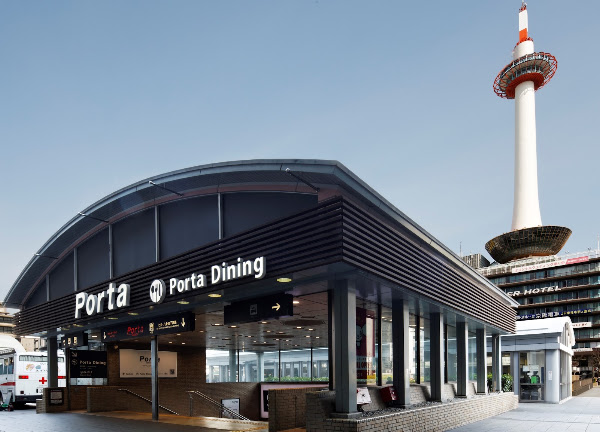
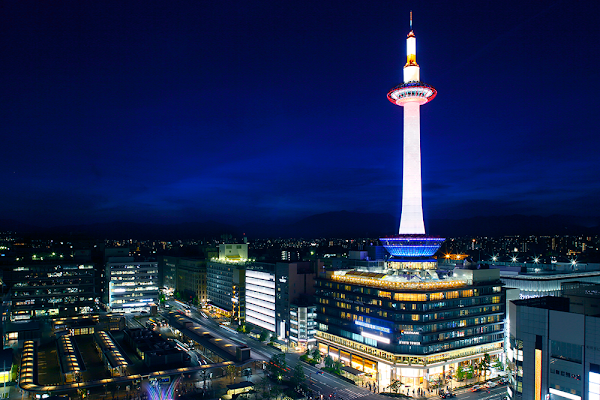
The north side links JR Kyoto Isetan, Porta underground mall, Kyoto Ramen Koji and the Kyoto Tower area, making it convenient in wet weather. The south side has Kyoto Avanti, AEON MALL KYOTO and the Hachijo-side shops, with more fashion, daily goods and large-mall options. Stay inside the station for souvenirs; use the Hachijo side for supermarkets, practical shopping and the AEON MALL KYOTO floor guide.

How should I adjust this route when it rains?

Reduce the outdoor section to either Higashi Honganji or Toji, then group Kyoto Station Building, JR Kyoto Isetan, Porta, Kyoto Ramen Koji and the Skyway together. The Skyway is a 185-metre passage on the station building’s 10th floor. The Grand Stairway and rooftop plaza are more exposed, so check on-site access during heavy rain or strong wind.

Can I visit Toji and the Honganji temples with luggage?

It is not recommended. The route involves outdoor walking, stone paving, gravel and steps. Store bags in a Kyoto Station coin locker or staffed luggage counter first. Large lockers fill quickly during cherry-blossom season, autumn foliage and public holidays, so deal with luggage soon after arrival.

Can I add Tofukuji or Fushimi Inari after Kyoto Station?

Yes. The JR Nara Line reaches Tofukuji Station from Kyoto Station in about two minutes, followed by a ten-minute walk to the temple. From there, Keihan trains continue toward Sanjusangendo, Gion and Demachiyanagi. For Fushimi Inari Taisha, JR Inari Station is directly in front of the shrine area, while Keihan users should alight at Fushimi-inari Station. Both work well as a half-day extension, but allow extra queue and crowd time during autumn foliage and other peak periods.

Kyoto Station Sightseeing Map

How the attraction cards are arranged

Open the Kyoto Station sightseeing map on a computer or larger screen, then compare it with the cards below. The map works on a phone, but full-screen view makes walking distances easier to judge.

Cards follow the route and colour zones: a orange covers Kyoto Station, b light green covers the Hachijo-dori side, c blue covers the Shiokoji-dori side, d purple covers sights east of Higashi Honganji, and e yellow covers sights west of Higashi Honganji.

Loading map…

Kyoto Station Attraction Cards

▼Kyoto Station▼

Start your Kyoto visit here for food and shopping, return for souvenirs, or use the station as a rainy-day alternative

Showing: All(23)

Kyoto Station

京都駅

京都駅 station

Intro

Omiyage Koji Kyo Komachi

おみやげ小路 京小町

おみやげ小路 京小町 Souvenir

🕖08:30~20:00

1F Karasuma Entrance, Kyoto Station

Kyoto Souvenir Specialty Store

Intro

JR Kyoto Isetan

JR 京都伊勢丹

JR 京都伊勢丹 Souvenir

🕖10:00 AM - 8:00 PM

Department store connected to the station

Intro

Kyo Meika & Meisai Dokoro Kei

京名菓・名菜處 亰

京名菓・名菜處 亰 Souvenir

🕖10:00 AM - 8:00 PM

2F West Exit Ticket Gate, Kyoto Station

Kyoto Souvenir Specialty Store

Intro

Fujinami - Kyoto Isetan Branch

藤菜美 京都伊勢丹店

藤菜美 京都伊勢丹店 Dessert

Intro

Mangetsu (Ajari Mochi)

滿月(阿闍梨餅)

滿月(阿闍梨餅) Dessert

Intro

Kameya Yoshinaga

亀屋良長

亀屋良長 Dessert

Intro

Fukunaga 901

フクナガ901

フクナガ901 Cafe

Intro

Saryo Tsujiri

茶寮都路里

茶寮都路里 Cafe

Intro

Grand Jour

グランジュール

グランジュール Cafe

Intro

Nakamura Tokichi - Main Store

中村藤吉本店

中村藤吉本店 Cafe

Intro

Mensho Takamatsu

麺匠たか松

麺匠たか松 Ramen

Intro

Nakamura Shoten

中村商店

中村商店 Ramen

Intro

Ramen Todai

ラーメン東大

ラーメン東大 Ramen

Intro

Kyoto Wakuden

京都和久傳

京都和久傳 Japanese

Intro

Reserve

Hashitate

はしたて

はしたて Japanese

Intro

Reserve

Morita-ya - JR Kyoto Isetan Branch

モリタ屋 JR京都伊勢丹店

モリタ屋 JR京都伊勢丹店 Japanese

Intro

Reserve

Tempura Dokoro Kyorinsen

天婦羅処 京林泉

天婦羅処 京林泉 Japanese

Intro

Reserve

Kyo-Kaiseki Minokichi Takeshigero

京懐石 美濃吉 竹茂楼

京懐石 美濃吉 竹茂楼 Japanese

Intro

Reserve

Gozanbo

五山望

五山望 Japanese

Intro

Reserve

View & Dining Koto Ciel

ビュー&ダイニング コトシエール

ビュー&ダイニング コトシエール Western

Intro

Reserve

Tsukumo Udon - Shiokoji Main Store

つくもうどん 塩小路本店

つくもうどん 塩小路本店 Food

Intro

Pub & Grill 7 TAPS TAVERN

Pub & Grill 7 TAPS TAVERN

Pub & Grill 7 TAPS TAVERN Izakaya

Intro

Klook.com
klook
Klook.com
klook
Klook.com
klook
Klook.com
klook
Klook.com
klook
Klook.com
klook

▼Hachijo-dori side of the station▼

Head south from Kyoto Station toward the Hachijo exits for department stores and shopping centres

Showing: All(11)

Kintetsu Meitengai Miyakomichi

近鉄名店街みやこみち

近鉄名店街みやこみち Souvenir

🕖10:00 AM - 9:00 PM

Kyoto Station Hachijo Exit

Kyoto Souvenir Specialty Store

Intro

Asty Kyoto

アスティ京都

アスティ京都 Souvenir

🕖08:30~21:00

Connected to the Hachijo Exit of Kyoto Station

Kyoto Souvenir Shop + Bento

Food Street

Intro

Kyoto Avanti

京都アバンティ

京都アバンティ Souvenir

🕖10:00~21:00

Youth-oriented brand

Anime idol merchandise

Intro

Discount

teamLab Biovortex Kyoto

チームラボ バイオヴォルテックス京都

チームラボ バイオヴォルテックス京都 Culture

🕖09:00~21:00

Intro

Tickets

AEON Mall KYOTO

イオンモールKYOTO

イオンモールKYOTO Souvenir

🕖10:00 AM - 9:00 PM

5-minute walk from the station

Shopping center

UNIQLO, ZARA, MUJI

Pharmacy

Intro

Hosen

宝泉

宝泉 Dessert

Intro

Hannari-tei - Kyoto Station Front Branch

はんなり邸 京都駅前店

はんなり邸 京都駅前店 Izakaya

Intro

Reserve

Chinese Cuisine Sichuan

中国料理 四川

中国料理 四川 Food

Intro

Reserve

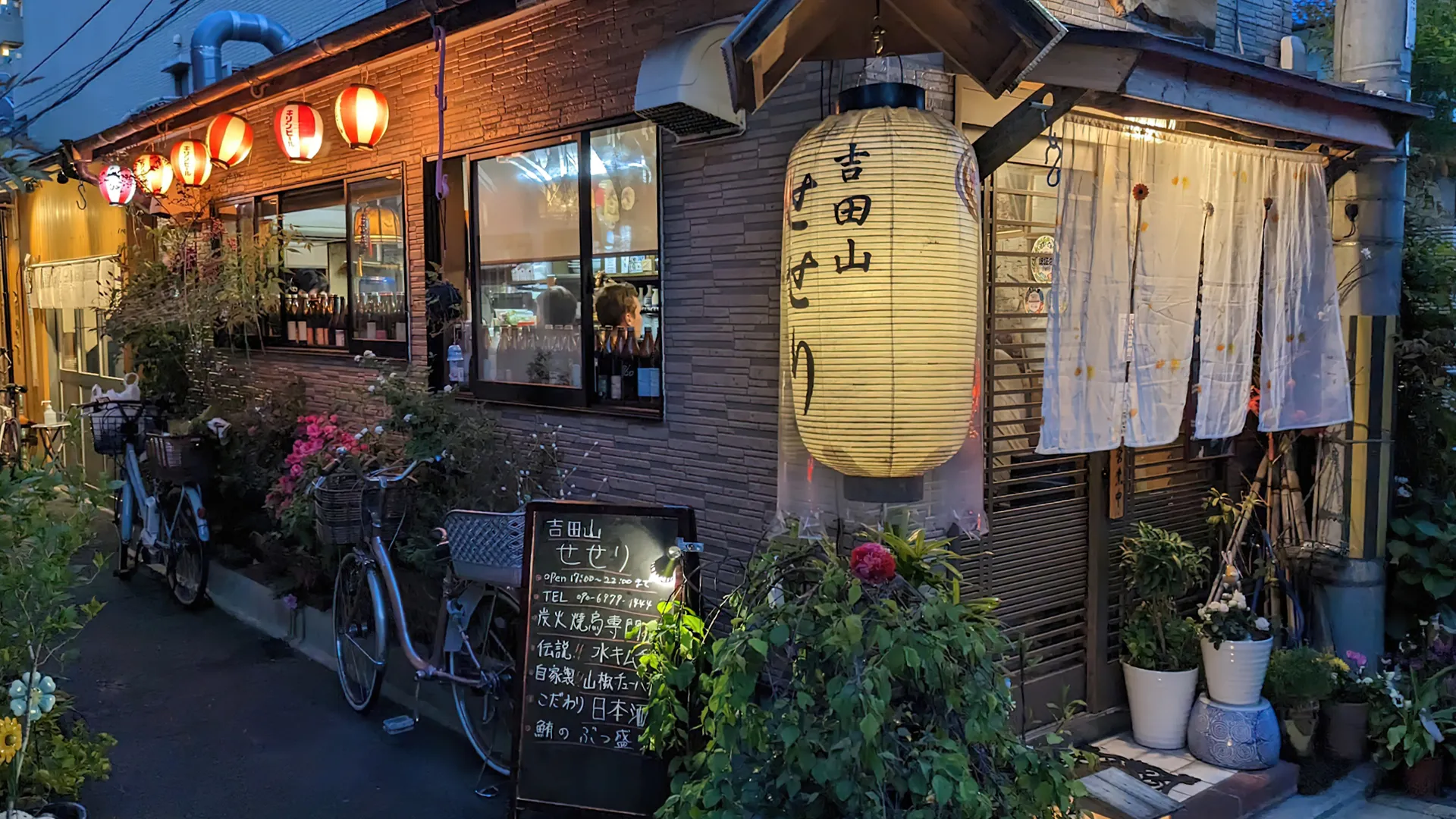
Yoshidayama Seseri

吉田山せせり

吉田山せせり Yakitori

Intro

Reserve

Gookudo

五燠堂

五燠堂 Izakaya

Intro

Reserve

Kashin

佳辰

佳辰 Japanese

Intro

Reserve

▼Sights toward Hachijo-dori▼

Walk about one kilometre west from the station’s commercial district to World Heritage-listed Toji. Its Five-Storey Pagoda is a National Treasure, while Kanchi-in has screen paintings traditionally attributed to swordsman Miyamoto Musashi

To-ji Temple

東寺

東寺 Temple

🕖08:00 AM - 05:00 PM

1 km from Kyoto Station

Established in 796 AD

Some areas require an entrance fee

Intro

Kanchi-in Kyakuden

観智院客殿

観智院客殿 Temple

🕖09:00~17:00

Adults ¥500 / Middle school students and below ¥300

Sub-temple of Toji (National Treasure of Japan)

Miyamoto Musashi's ink paintings "Eagle" and "Bamboo Grove"

Established in 1359

Intro

Rokusonnō Shrine

六孫王神社

六孫王神社 Temple

🕖24H

Free admission

Established in 974 AD

Intro

Two historic sites lie west of Rokusonno Shrine, but little remains beyond commemorative markers. From here, walk north to Umekoji Park or continue via Nishi Honganji and Higashi Honganji before returning to Kyoto Station.

▼Shiokoji-dori side of the station▼

This route heads north from Kyoto Station along the Shiokoji-dori side, passing Kyoto Tower on the way to Higashi Honganji.

Showing: All(20)

Kyoto Porta

京都ポルタ

京都ポルタ Souvenir

🕖11:00 AM - 8:30 PM

Connected to the station

Underground shopping mall food street

Trendy fashion for young women

Intro

Nidec Kyoto Tower

ニデック京都タワー

ニデック京都タワー Sight

🕖10:00 AM - 9:00 PM

Height: 131m

Intro

Tickets

Kyoto Tower Sando

京都タワーサンド

京都タワーサンド Souvenir

🕖10:00–23:00

1 minute walk from Kyoto Station

Food, Souvenirs

Experience Workshop

Intro

Yodobashi Camera Multimedia Kyoto

ヨドバシカメラ マルチメディア京都

ヨドバシカメラ マルチメディア京都 Souvenir

🕖09:30~22:00

3-minute walk from Kyoto Station

Intro

Higashi Honganji Temple

東本願寺

東本願寺 Temple

🕖06:20~16:30

Free admission

5-minute walk from Kyoto Station

Intro

OGAWA COFFEE - Kyoto Station Branch

OGAWA COFFEE 京都車站店

OGAWA COFFEE 京都車站店 Cafe

Intro

Sir Thomas Lipton - Porta Branch

サー・トーマス・リプトン ポルタ店

サー・トーマス・リプトン ポルタ店 Cafe

Intro

KIZAHASHI

KIZAHASHI

KIZAHASHI Japanese

Intro

Reserve

SCALAE

SCALAE

SCALAE Western

Intro

Reserve

Kyoto Senmaru SHAKARIKI MURASAKI

京都千丸 しゃかりき むらさき

京都千丸 しゃかりき むらさき Ramen

Intro

Yakiniku Hiro - Kyoto Station Branch

京の焼肉処 弘 京都駅前店

京の焼肉処 弘 京都駅前店 Food

Intro

Reserve

Inaseya

いなせや

いなせや Izakaya

Intro

Futsuo

仏男

仏男 Western

Intro

Reserve

Kyoto Sushi Matsumoto

京都 鮨 まつもと

京都 鮨 まつもと Japanese

Intro

Reserve

Shukouya Jijibaba

酒肴屋 じじばば

酒肴屋 じじばば Izakaya

Intro

Wakamatsuya Liquor Store

若松家酒店

若松家酒店 Izakaya

Intro

Reserve

Koryori Takaya

こりょうり たか屋

こりょうり たか屋 Japanese

Intro

Reserve

Germoglio

ジェルモーリオ

ジェルモーリオ Western

Intro

Reserve

Tsuke Yasai Isoism

漬け野菜 イソイズム

漬け野菜 イソイズム Japanese

Intro

Reserve

Kyoto Ito

京都 いと

京都 いと Japanese

Intro

Reserve

After Higashi Honganji, choose whether to continue east or west

▼Sights east of Higashi Honganji▼

There are fewer sights to the east. For the full route, continue to Ichihime Shrine, then take a bus to Nishi Honganji; either the bus journey or walking takes roughly half an hour

Showing: All(9)

Shosei-en Garden

涉成園 (枳殼邸)

涉成園 (枳殼邸) Temple

🕖09:00~17:00

9-minute walk from Kyoto Station

8-minute walk from Higashi Hongan-ji

Adults about 700 yen

High school and middle school students about 300 yen

Intro

Ichihime Shrine

市比賣神社

市比賣神社 Temple

🕖07:00–17:00

16-minute walk from Kyoto Station

Free admission

Women empowerment attraction

Intro

Wine Shokudo Kino-hachi - Kyoto Station

ワイン食堂 季の八 京都駅前

ワイン食堂 季の八 京都駅前 Western

Intro

Reserve

Sumibi to Wine - Kyoto Station Branch

炭火とワイン 京都駅前店

炭火とワイン 京都駅前店 Food

Intro

Reserve

Kyoto Teppanyaki Musubi

京都鉄板焼 結

京都鉄板焼 結 Japanese

Intro

Reserve

Kaikado Cafe

カイカドウ カフェ

カイカドウ カフェ Cafe

Intro

Reserve

Walden Woods Kyoto

Walden Woods Kyoto

Walden Woods Kyoto Cafe

Intro

9:00-5:00

九時五時

九時五時 Western

Intro

this is ormary store

this is ormary store

this is ormary store Izakaya

Intro

Klook.com
klook
Klook.com
klook
Klook.com
klook
Klook.com
klook
Klook.com
klook
Klook.com
klook

▼Sights west of Higashi Honganji▼

More sights lie west of Higashi Honganji, making this the more efficient route

Showing: All(15)

Ryukoku Museum

龍谷ミュージアム

龍谷ミュージアム Culture

🕖10:00 AM - 5:00 PM

14-minute walk from Kyoto Station

9-minute walk from Higashi Hongan-ji

Buddhist Museum

Ticket prices vary depending on special exhibitions

Intro

Kungyokudo

香老舖 薫玉堂

香老舖 薫玉堂 Souvenir

🕖09:00~17:30

15-minute walk from Kyoto Station

430 years of history

Traditional incense

Intro

Nishi Hongan-ji Temple

西本願寺

西本願寺 Temple

🕖09:00~17:00

World Cultural Heritage

17-minute walk from Kyoto Station

Free admission

Intro

Ginjō Ramen Kubota - Main Branch

吟醸らーめん久保田 本店

吟醸らーめん久保田 本店 Ramen

Intro

Kameya Rikuchu

龜屋陸奧

龜屋陸奧 Dessert

Intro

Nanajō Futaba

七条ふたば

七条ふたば Dessert

Intro

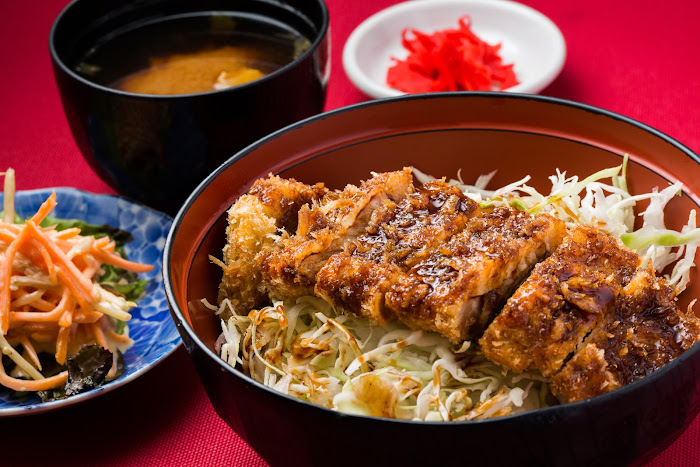
Tonkatsu Ichiban

とんかつ一番

とんかつ一番 Tonkatsu

Intro

Umekoji Cafe Bosche

梅小路カフェ ボッシェ

梅小路カフェ ボッシェ Cafe

Intro

Reserve

Kyoto Wagyu Cuisine - Isseki Sancho

京都 和牛料理 一石三鳥

京都 和牛料理 一石三鳥 Food

Intro

Reserve

Ramen Yuu

ラーメン ゆう

ラーメン ゆう Ramen

Intro

Kobushi Ramen

拳ラーメン

拳ラーメン Ramen

Intro

Ryukoku University - Omiya Campus

龍谷大学 大宮学舎

龍谷大学 大宮学舎 Sight

🕖09:00~17:00

Important cultural property built in 1879

17-minute walk from Kyoto Station

Free admission

Intro

Umekoji Park

梅小路公園

梅小路公園 Sight

🕖10:00 AM - 6:00 PM

2-minute walk from Umekoji-Kyoto Nishi Station

13-minute walk from Kyoto Station

Intro

Kyoto Aquarium

京都水族館

京都水族館 Sight

🕖10:00 AM - 6:00 PM

6-minute walk from Umekoji-Kyōnishi Station

Intro

Tickets

Kyoto Railway Museum

京都鐵道博物館

京都鐵道博物館 Sight

🕖10:00 AM - 5:00 PM

2-minute walk from Umekoji-Kyōnishi Station

Intro

Tickets

Continue to Rokusonno Shrine, then follow the south-western sights back to Kyoto Station. Excluding the area east of Higashi Honganji, the loop is about 5.7 km. Including western sights and walking inside shopping centres, the total may reach 8–9 km. View the route estimate in Google Maps.

🔊Useful Japanese Audio Tools🔊

✈️ Japanese for travel

🎁 Japanese for shopping

👗 Japanese for clothing stores

🍴 Japanese for restaurants

Leave a Comment

合作提案
部落格推廣
____________
協力提案
ブログプロモーション

goodxssss@gmail.com