

 點擊導航
點擊導航 Tamae: The Ultimate Hidden Soba Experience in Omotesando
When it comes to Tokyo’s culinary landmarks, Omotesando is always a standout. It’s not just a hub for fashion and trends but also home to countless amazing restaurants. “Tamae” (Tamawarai), like a low-key yet shining pearl, is nestled in a residential area near Meiji-Jingumae Station. This soba restaurant is not only a sanctuary for gourmets but also a frequent recipient of a Michelin star and a place on the “Tabelog 100 Famous Restaurants” list, becoming a legend in Tokyo’s soba scene with its ultimate pursuit of ingredients and unique flavors.
Tranquil Moments in a Traditional House
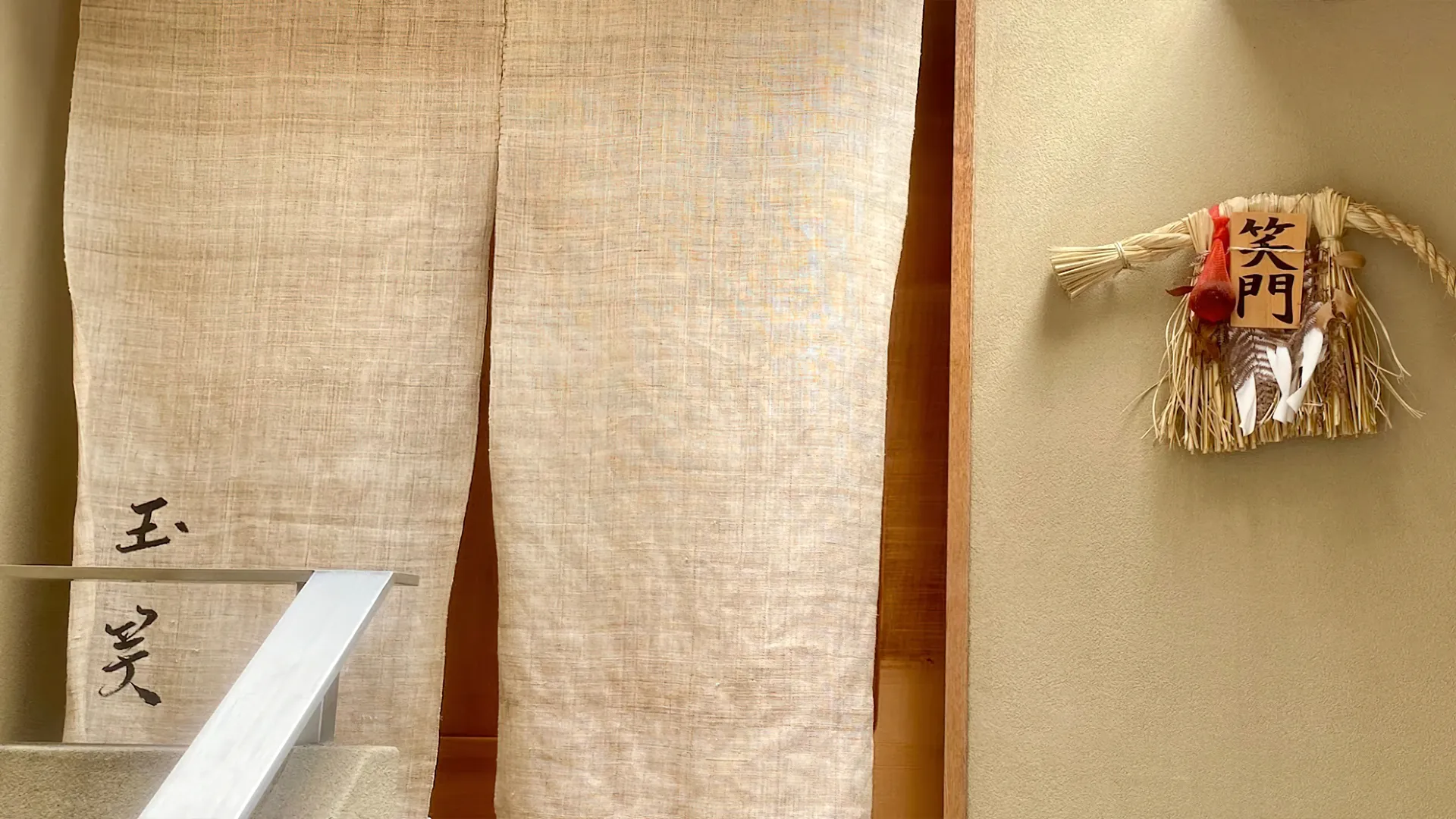
“Tamae” is about a 5-minute walk from Exit 7 of Meiji-Jingumae Station, a small shop hidden in the alleys. Opening the wooden door, you’re greeted not by clamor, but by a cozy space converted from a traditional Japanese house. The interior retains the wooden structure of an old Japanese home, paired with minimalist furniture, exuding a calming atmosphere that instantly relaxes you. There are only about 10-15 seats, from the counter to small tables, all conveying a sense of warmth and sophistication.
There’s no flashy decoration here, but the faint aroma of soba and the dedication of owner Masahiro Urakawa fill the place with warmth. Especially in the evening, the dim light spilling onto the wooden tables, paired with a glass of sake and steaming soba, makes it the perfect haven for city dwellers to escape the hustle and bustle. However, this delightful experience often requires patience—there’s always a long line outside, whether on weekdays or holidays, and arriving an hour before opening doesn’t guarantee a first-round seat. Still, the wait is like a ritual, making you anticipate the soon-to-be-tasted delicacies even more
Signature Dish: Coarsely Ground Soba, The Wild Call of Soba
The heart of “Tamae” is undoubtedly its coarsely ground soba (粗挽きせいろ). This isn’t your ordinary soba that you can find anywhere; it’s the culmination of the owner’s efforts, from growing the soba to stone-grinding and hand-kneading. Notably, the soba here intentionally retains the outer husk, bringing a rustic texture and intense aroma. When served, the green noodles are neatly arranged on a bamboo mat, accompanied by a small bowl of warm tsuyu (soba dipping sauce), simple yet powerful.
The first bite unleashes the fresh aroma of soba in your mouth, with a slight firmness and natural sweetness, and as it slides down your throat, you can feel its wild vitality. The dipping sauce is freshly brewed with katsuobushi (bonito flakes), with a gentle salty umami that doesn’t overpower the noodles, but instead acts as a perfect partner, leaving a lingering aftertaste. Adding sobakagi (soba dumplings) or tamagoyaki (Japanese rolled omelette) is a match made in heaven—sobakagi is soft and chewy, while tamagoyaki is smooth like chawanmushi (savory egg custard), melting in your mouth and maximizing your happiness.
Besides the classic coarsely ground soba, “Tamae” offers other standout dishes. For example, natto soba, made with green soybeans from Aomori, paired with freshly ground katsuobushi, is rich yet refreshing; or nishin soba (herring soba), featuring herring that’s said to be slow-cooked for six days, tender and with a hint of sea flavor, impressing with attention to detail. In the evening, there’s also a set menu, with each appetizer, from miso-marinated grilled shrimp to grilled miso, acting as a prelude to the final soba, perfectly embodying the Japanese enjoyment of “soba-mae” (enjoying appetizers before soba).
Historical Background: From Takeyabu to an Independent Legend
The story of “Tamae” began in 2011 when owner Masahiro Urakawa opened the restaurant in Omotesando. He trained for many years at “Takeyabu” (located in Kashiwa City, Chiba Prefecture, established in 1966), a top-tier soba restaurant in Japan’s soba scene, where he apprenticed under Takao Abe and honed his skills. “Takeyabu” is famous for its robust and powerful soba, and while inheriting this tradition, Urakawa also incorporated his own philosophy—not only did he personally select soba, but he even started growing his own, all to ensure that every grain met his standards.
This dedication to ingredients quickly set “Tamae” apart. Starting in 2016, it was continuously selected for the “Michelin Guide Tokyo,” maintaining its one-star honor to this day. It has also repeatedly topped the national soba restaurant rankings on “Tabelog” and has continuously received the “100 Famous Restaurants” award. Urakawa’s commitment extends beyond taste; he even visits the fields during the harvest season from early summer to autumn, during which the restaurant may temporarily close, causing a love-hate relationship with many fans. But precisely because of this, every bowl of soba is like a work of art, bearing time and effort.
Prices aren’t cheap, with coarsley ground seiro soba around 1,000-1,200 yen, natto soba or nishin soba around 1,600-2,000 yen, and courses starting from 7,000 yen. But every penny is well spent, and the quality is definitely worth the expectation. Reservations are only available for dinner, and it’s recommended to contact them several weeks in advance, especially if you want to experience the course menu.
翻譯日文語音菜單於後方
Japanese voice menu translation provided at the back
뒤쪽에 일본어 음성 메뉴 번역이 제공됩니다
后面提供日文语音菜单翻译
- Restaurant Name: Tamae
- Budget:
- Dinner: ¥10,000~¥14,999
- Lunch: ¥2,000~¥2,999
- Cuisine: Soba Noodles
- Phone: 03-5485-0025
- Reservations: Reservations accepted (Lunch on Saturdays is not accepted. Early closure may occur on weekdays if soba noodles are sold out. Reservation requires ordering items other than soba noodles.)
- Business Hours:
- Wednesday, Thursday, Friday: 11:30~15:00 (Last order 14:30), 18:30~21:30 (Last order 20:30)
- Saturday: 11:30 – 15:00, 18:00 – 20:00
- Monday, Tuesday, Sunday: Closed.
- Dinner is course menu only.
- Address: 5-23-3 Jingumae, Shibuya-ku, Tokyo
- Access:
- 7-minute walk from Meiji-Jingumae Station (Tokyo Metro)
- 10-minute walk from Harajuku Station or Shibuya Station (JR)
- Opposite to Nezuta Shrine.
- Children: Children below lower elementary school age are not allowed.
- Payment: Cash only
- Official Websites:

店舗とのコラボレーションで、無料の音声メニューを作成いたします。ご興味のある方はぜひご連絡ください!goodxssss@gmail.com
實用日語語音
Practical Japanese Audio
실용 일본어 음성
实用日语语音
不好意思
Excuse me
죄송합니다
不好意思
請給我菜單!
Menu, please!
메뉴 주세요!
请给我菜单!
麻煩點餐
Order, please
주문 부탁드립니다
麻烦点餐
這個,麻煩了
This one, please
이거, 부탁합니다
这个,麻烦了
多謝款待
Thank you for the meal
잘 먹었습니다
多谢款待
請給我水
Water, please
물 주세요
请给我水
怎麼吃?
How do I eat this?
어떻게 먹어요?
怎么吃?
請給我一個小碟子
A small plate, please
작은 접시 부탁드립니다
请给我一个小碟子
可以拍照嗎?
May I take a photo?
사진 찍어도 되나요?
可以拍照吗?
麻煩請更換網子。
Excuse me, please change the grill net.
죄송합니다, 그릴망을 교체해 주세요.
麻烦请更换网子。
麻煩結帳
Check, please
계산 부탁드립니다
麻烦结账
請問在哪裡結帳?
Where do I pay?
계산은 어디서 하나요?
请问在哪里结账?
多少錢?
How much is it?
얼마예요?
多少钱?
可以使用信用卡嗎?
Can I use a credit card?
신용카드 사용 가능합니까?
可以使用信用卡吗?
用現金支付
I will pay in cash
현금으로 지불하겠습니다
用现金支付
請給我收據。
May I have the receipt, please?
영수증 부탁드립니다.
请给我收据。
人數
Number of People
인원수
人数
Menu
語音菜單 輕鬆點餐
Voice Menu, Easy Ordering
음성 메뉴, 간편 주문
语音菜单,轻松点餐
圖片皆源自店家官網,價格以現場為主。
All images are from the store's official website. Prices are based on on-site rates.
이미지는 모두 매장 공식 웹사이트에서 제공되었으며, 가격은 현장 기준입니다.
图片皆源自店家官网,价格以现场为准。

冷蕎麥麵
Cold Soba Noodles
냉 소바
冷荞麦面
粗磨蕎麥麵
Coarsely Ground Soba Noodles
거칠게 간 소바
粗磨荞麦面
蘿蔔泥蕎麥
Soba with Grated Daikon
오로시 소바
萝卜泥荞麦
蘿蔔泥鯡魚蕎麥麵
Grated Radish and Herring Soba Noodles
무즙 청어 소바
萝卜泥鲱鱼荞麦面
豆腐蕎麥麵
Tofu Soba Noodles
두부 소바
豆腐荞麦面
納豆蕎麥
Natto Soba
낫토 소바
纳豆荞麦
天婦羅蕎麥麵
Tempura Soba Noodles
튀김 소바
天妇罗荞麦面
熱蕎麥麵
Hot Soba Noodles
따뜻한 소바
热荞麦面
熱蕎麥麵
Hot Soba Noodles
뜨거운 소바
热荞麦面
納豆蕎麥麵
Natto Soba Noodles
낫토 소바
纳豆荞麦面
清湯蕎麥麵
Soba Noodles in Hot Broth
뜨거운 국물 소바
清汤荞麦面
雞蛋蓋澆蕎麥麵
Soba Noodles with Egg
계란 소바
鸡蛋盖浇荞麦面
海苔蕎麥麵
Soba Noodles with Dried Seaweed
김 소바
海苔荞麦面
鯡魚蕎麥麵
Herring Soba Noodles
청어 소바
鲱鱼荞麦面
天婦羅蕎麥
Tempura Soba
덴푸라 소바
天妇罗荞麦
熱蕎麥麵續碗
Extra Serving of Hot Soba Noodles
따뜻한 소바 추가
热荞麦面续碗
無湯蕎麥麵
Soba Noodles without Broth
국물 없는 소바
无汤荞麦面

主廚推薦套餐
Chef's Omakase Course
오마카세 코스
主厨推荐套餐
雞蛋
Raw Egg
생계란
鸡蛋
關東煮
Oden
오뎅
关东煮
甜點
Sweet Treats
단맛
甜点
紅豆湯
Red Bean Soup
팥죽
红豆汤
下酒菜
Snacks
오츠마미
下酒菜
豆腐
Tofu
두부
豆腐
板狀魚糕
Kamaboko Sliced with Wasabi
카마보코와 와사비
板状鱼糕
日式玉子燒
Japanese Omelette
타마고야키
日式玉子烧
蕨菜
Royal Fern
고사리
蕨菜
下酒鯡魚
Herring Appetizer
술안주 청어
下酒鲱鱼
烤海苔
Grilled Seaweed
야키노리
烤海苔
烤味噌醃漬蝦
Grilled Miso-Marinated Shrimp
된장에 절인 새우 구이
烤味噌腌渍虾
烤味噌
Grilled Miso
구운 된장
烤味噌
醃漬物
Pickles
절임
腌渍物
蕎麥糊
Soba Dough Dumpling
소바가키
荞麦糊
Drink


