
Table of Contents
Yanagawa Travel Guide | Canal Cruise, Eel Rice & Access
Yanagawa lies in southern Fukuoka Prefecture and is a water town shaped by its moats and canals. The Nishitetsu Limited Express takes about 50 minutes from Nishitetsu Fukuoka (Tenjin) Station to Nishitetsu Yanagawa Station; for a first visit, it is easy to combine a Yanagawa canal cruise, an Okinohata stroll, and eel rice in one day.
What is Yanagawa known for? Start with these three highlights
The signature experience is a traditional donko-bune canal cruise, poled by boatmen who also sing local boat songs. Follow the waterways past bridges, old houses, gardens, and seasonal scenery. After the cruise, visit the Tachibana family residence Ohana, the Kitahara Hakushu Birthplace, and Okinohata shopping street; try Yanagawa’s eel seiro-mushi and pick up Ariake Sea nori and other local specialties.
- Yanagawa canal cruise: Ride a donko-bune along the moats while the boatman’s poling, commentary, and songs turn the waterways into an introduction to Yanagawa’s history.
- Yanagawa sightseeing: Use Nishitetsu Yanagawa Station, Ohana, and the Okinohata area as your route, linking historic buildings, gardens, shopping streets, and waterside walks.
- Yanagawa food: Eel seiro-mushi is the local signature dish; also leave time for Ariake Sea nori, seafood products, and regional souvenirs.
The guide below covers a Yanagawa sightseeing map, transport, cruise options, seasonal events, and a practical four-hour day-trip route. Boat schedules, fares, opening hours, and festival dates may change, so check official updates before you go.

Yanagawa Access Guide
Yanagawa Transport & Discount Tickets
1. Easiest option: Nishitetsu train
Start: Nishitetsu Fukuoka (Tenjin) Station.
Route: Take the Nishitetsu Tenjin-Omuta Line Limited Express to Nishitetsu Yanagawa Station.
Travel time: About 45–50 minutes one way. Fares vary by ticket type and purchase method, so check Nishitetsu’s official ticket information.
After arrival: Several boarding points are near the station, most within a 5–10-minute walk. If your operator is farther away, confirm the shuttle, local bus, or taxi arrangements in advance.
2. How should you choose a cruise ticket or pass?
If you are only visiting Yanagawa, you can buy the train and cruise tickets separately. If you also plan to visit Dazaifu on the same day or within two days, compare the Nishitetsu “Dazaifu–Yanagawa Sightseeing Ticket” with the my route digital pass. The order of use, validity period, cruise-ticket exchange process, and prices may change, so check Nishitetsu’s current rules before deciding whether a pass is worthwhile.
Where to Stay in Yanagawa
All prices are in Japanese yen. Yanagawa accommodations also charge a lodging tax of ¥200 per person. Rates and tax rules may change, so check the latest details before booking.
Hotel Route-Inn Yanagawa Ekimae
ホテルルートイン 柳川駅前
- Google Maps
- Apple Maps
- Copy address
Rates vary by date and room type
Approx. 1-minute walk from the east exit of Nishitetsu Yanagawa Station
Large public bath・breakfast
Intro
▼Hotel Route-Inn Yanagawa Ekimae(ホテルルートイン柳川駅前)
| Item | Details |
|---|---|
| Address | 210-10 Shimohyakucho, Mitsuhashi-machi, Yanagawa City, Fukuoka Prefecture 〒832-0822 |
| Check-in/Check-out | 3:00 PM/10:00 AM |
| Access | About a 1-minute walk from the east exit of Nishitetsu Yanagawa Station; about 18 minutes by car from the Kyushu Expressway Miyama-Yanagawa IC |
| Facilities | Breakfast, large public bath, parking, coin laundry, EV charging equipment, dinner restaurant, and accessible facilities |
| Official Website | Official Hotel Route-Inn Yanagawa Ekimae website |
Where to stay
If you want to combine a Yanagawa boat cruise, a walk around Okinohata, and Yanagawa food in one day, staying near the east exit of Nishitetsu Yanagawa Station saves valuable time. The hotel is within walking distance of the station, so you can skip the taxi search after arrival and easily continue to central Fukuoka on the Nishitetsu Tenjin-Omuta Line the next day.
The property has a large public bath and breakfast, making it a practical base for extending a Fukuoka day trip to Yanagawa into an overnight stay or for exploring the Ariake Sea and Chikugo area. Rates vary by date and room type, so check the latest official or booking-site information before reserving.
👉agoda
Hotel New Gaea Yanagawa
ホテルニューガイア柳川
- Google Maps
- Apple Maps
- Copy address
Rates vary by date and room type
Approx. 3-minute walk from Nishitetsu Yanagawa Station
Guest-only lounge
Intro
▼Hotel New Gaea Yanagawa(ホテルニューガイア柳川)
| Item | Details |
|---|---|
| Address | 1-14 Shimohyakucho, Mitsuhashi-machi, Yanagawa City, Fukuoka Prefecture 〒832-0822 |
| Access | About a 3-minute walk from Nishitetsu Yanagawa Station; a Yanagawa boat boarding point is nearby |
| Parking | ¥1,000 per night; about nine spaces, first come first served and not reservable. Use nearby parking if full |
| Hotel features | A guest-only lounge, complimentary drinks, Airweave mattresses in every room, and microbubble bath equipment |
| Payment note | The front desk accepts cashless payment only, including credit cards, e-wallets, and QR-code payments |
| Official Website | Official Hotel New Gaea Yanagawa website |
Where to stay
This hotel suits travelers who want to take a Yanagawa cruise early in their itinerary: it is about a 3-minute walk from Nishitetsu Yanagawa Station and close to a boat boarding point. You can leave your luggage first and start exploring without a long transfer to restaurants or shops.
The guest lounge provides drinks, while the rooms focus on sleep comfort. If you are driving, note that the parking supply is limited and cannot be reserved in advance; confirm your parking plan before arrival. Rates also vary by date and plan.
👉agoda
Yanagawa Hakuryuso Inn
柳川 白柳荘
- Google Maps
- Apple Maps
- Copy address
Rates vary by date and room type
Approx. 15-minute walk from Nishitetsu Yanagawa Station
Garden-view rooms
Intro
▼Yanagawa Hakuryuso(柳川 白柳荘)
| Item | Details |
|---|---|
| Address | 16 Shinmachi, Yanagawa City, Fukuoka Prefecture 〒832-0032 |
| Access | About 5 minutes by taxi or 15 minutes on foot from Nishitetsu Yanagawa Station |
| Rooms | 20 rooms, including Japanese-style, Japanese-Western, and Western-style rooms; all face the garden |
| Hotel features | A stroll-style pond garden, traditional ryokan spaces, Japanese cuisine, and banquet services |
| Official Website | Official Yanagawa Hakuryuso website |
Where to stay
Yanagawa Hakuryuso is surrounded by waterways and greenery. Its atmosphere is more peaceful than the business hotels near the station, making it a good choice for travelers who want to stay overnight and slow down in Yanagawa. After check-in, relax beside the garden and experience the quieter side of this water town.
Every room faces the garden, bringing seasonal scenery into view. You can also connect a stay here with Yanagawa food or a leisurely walk around Ohana and Okinohata. Rates vary by date, room type, and meal plan; check the latest plan on the official website.
👉agoda
❓Yanagawa FAQ
How many hours should I allow for a Yanagawa day trip?
For a first visit, allow about four hours: walk from Nishitetsu Yanagawa Station to your boarding point, take a 60–70-minute canal cruise, have eel rice after arriving in Okinohata, then choose two or three stops among Ohana, the Kitahara Hakushu Birthplace, and the shopping street. Allow half a day if you want more time for shops and museums.
What is the easiest way to reach Yanagawa from Fukuoka?
The simplest option is usually the Nishitetsu Tenjin-Omuta Line Limited Express from Nishitetsu Fukuoka (Tenjin) Station, which takes about 50 minutes to Nishitetsu Yanagawa Station. Several boarding points are near the station, generally a 5–10-minute walk away. From Hakata, transfer via Tenjin for the easiest connection.
Do I need to reserve a Yanagawa canal cruise?
On weekdays, you may be able to buy a ticket on the day, but weekends, public holidays, flower season, and the winter kotatsu boats are more likely to involve a wait. If you are travelling with children, in a group, or have only half a day, check the operator’s timetable and reserve ahead. Boarding points, routes, payment methods, and cancellation policies vary by company.
Is the Yanagawa cruise round trip? How do I return to the station?
The standard cruise usually runs one way from near Nishitetsu Yanagawa Station to the Okinohata and Ohana area rather than returning to the starting point. After disembarking, use the operator’s free shuttle bus, a local bus, or a taxi. Confirm the shuttle time and pickup point when buying your ticket so you do not miss your return train.
What should I eat in Yanagawa besides eel rice?
Yanagawa’s signature dish is eel seiro-mushi, and the Okinohata area is convenient for lunch after the cruise. For souvenirs or snacks on the go, look for Ariake Sea nori, processed seafood, and local sweets. Popular restaurants may have a lunchtime wait, so plan your meal after disembarking and leave time for the queue.
What is the best season for a Yanagawa canal cruise?
Spring pairs well with the Hina Festival and sagemon decorations; Kabashima Iris Garden is a highlight from late May to mid-June; the Hakushu Festival water parade runs from November 1 to 3; and the kotatsu boats operate from December 1 through the end of February. The cruise is enjoyable year-round, but event dates and flower conditions depend on each year’s announcements and weather.
How should I read the Yanagawa sightseeing map and plan my walk?
On the map, the orange areas mark the boarding points, the thick blue line marks the cruise route, and the green area marks the Okinohata terminus. Take the cruise first, then plan eel rice, Ohana, the Kitahara Hakushu Birthplace, and Okinohata shopping street after disembarking. This keeps the Yanagawa sightseeing route smooth and avoids carrying luggage back and forth along the waterways.
Yanagawa Sightseeing Map
How the sightseeing notes are arranged
Open the Yanagawa sightseeing map on a computer or large screen first, then use the notes to plan your walk after disembarking.
Orange areas mark the boarding points, the thick blue line marks the Yanagawa cruise route, and the green area marks the Okinohata terminus. If you want eel rice or the Okinohata shopping street, place this area after the cruise.
Yanagawa Sightseeing Notes
Nishitetsu Yanagawa Station
西鉄柳川駅
- Google Maps
- Apple Maps
- Copy address
Nishitetsu Tenjin-Omuta Line
Gateway to Yanagawa sightseeing
Tourist information counter in the station
Intro
▼Nishitetsu Yanagawa Station(西鉄柳川駅)
| Item | Details |
|---|---|
| Location | Shimohyakucho, Mitsuhashi-machi, Yanagawa City, Fukuoka Prefecture |
| Main line | Nishitetsu Tenjin-Omuta Line |
| Station facilities | Tourist information counter, lockers, restrooms, elevators, escalators, waiting room, and station staff services |
| Boat access | The main Yanagawa cruise boarding points are within about a 5-minute walk of the station; meeting locations vary by operator, so check your reservation details |
| Station information | Official Nishitetsu Yanagawa Station information |
Yanagawa transport and itinerary planning
Nishitetsu Yanagawa Station is the main gateway from Fukuoka City and a practical starting point for a Yanagawa boat cruise or day trip. After leaving the station, check boat departures, boarding points, and return options at the tourist information counter before continuing toward Okinohata, Ohana, or central Yanagawa.
When using a Yanagawa attractions map, mark the station, boat boarding point, and the Okinohata walk after disembarking as separate stops. Most river cruises are one-way, so you will usually need an operator shuttle, bus, or taxi to return to the station.
⛵Yanagawa Cruise Boarding Points⛵
Riding a donko-bune along Yanagawa’s canals is the town’s signature experience. A standard cruise takes about 60–70 minutes and passes bridges, old houses, gardens, and green waterside scenery. The boatman does more than steer: commentary and local songs bring Yanagawa’s history to life. Routes, boarding points, and timetables vary by operator, so confirm the disembarkation point and return plan before booking.
Yanagawa cruise highlights by season
Spring | Hina Festival Water Parade (おひな様水上パレード)
During Yanagawa’s Hina Festival and sagemon meguri, participants dressed as male and female hina dolls and children board boats and pass through the hanging decorations on the water. The event generally takes place from mid-February to early April. In 2026, the water parade is scheduled for March 15, 11:00–12:20, with a rain date of March 20; check the official announcement each year.
Early summer | Kabashima Iris Garden
From late May to mid-June, Kabashima Iris Garden along the cruise route displays around 35 varieties and 30,000 Japanese irises, which bloom in sequence. You can view the flowers from the boat or the waterside path, but the season depends on the weather. Check Yanagawa City’s bloom information if you are visiting specifically for the flowers.
Autumn | Hakushu Festival Water Parade (白秋祭水上パレード)
Held from November 1 to 3 each year, the Hakushu Festival commemorates Yanagawa-born poet Kitahara Hakushu. Lantern-lit boats move along the canals at night, while reflections, lights, and waterside performances create a very different atmosphere from daytime. The 2026 dates are also November 1–3; confirm the official registration and venue information if you want to join or watch the event.
Winter | Kotatsu boats (こたつ舟)
From December 1 through the end of February, some operators place a kotatsu warmed by a hibachi on the donko-bune. It is a cosy way to watch the winter waterfront, and amazake is a common seasonal drink. Actual departures, service details, and reservation requirements vary by operator.
How should you choose a cruise?
The sections below organize cruise operators by boarding point and sightseeing route. If you only have half a day, compare a short or Okinohata circuit route first. For the full waterside experience, allow 60–70 minutes for the standard cruise. Waits are more likely on weekends, public holidays, during flower season, and for kotatsu boats, so check the timetable early when travelling with children or a group.
Suigo Yanagawa Tourism
水郷柳川観光
- Google Maps
- Apple Maps
- Copy address
🕖Approx. 9:00 AM–5:00 PM
Yanagawa boat cruise
Adults approx. ¥2,000 / Children approx. ¥1,000
Intro
▼Suito Yanagawa Kanko(Visit Suigo Yanagawa)
| Item | Details |
|---|---|
| Boarding point | 1-6 Shimohyakucho, Mitsuhashi-machi, Yanagawa City, Fukuoka Prefecture(Shogetsu Boat Dock) |
| Opening hours | Approximately 9:00 AM–5:00 PM; shared-cruise check-in approximately 9:10 AM–3:30 PM |
| Fares | Adults(junior high school students and older)approx. ¥2,000; children(ages 5 through elementary school)approx. ¥1,000; children under 5 occupying a seat pay a ¥500 seat fee |
| Official Website | Official Suito Yanagawa Kanko website |
How to plan a Yanagawa boat cruise
Suito Yanagawa Kanko departs from near Nishitetsu Yanagawa Station. Step aboard a small donko-bune and drift through Yanagawa's distinctive canals. The boatman's steering and commentary move at an unhurried pace, while willows, stone walls, and seasonal flowers pass gently along the banks—an easy introduction to the water town for first-time visitors.
Allow at least half a day if you want to combine a Fukuoka–Yanagawa cruise with a walk around Okinohata. Departures, boarding procedures, and seasonal plans may change, and fares can vary by plan, so confirm the latest details on the official website before setting out.
👉kkday
Yanagawa River Punting - Shogetsu Boarding Point
柳川川下り 松月乗船場
- Google Maps
- Apple Maps
- Copy address
🕖Approx. 9:30 AM–3:00 PM
Yanagawa boat cruise
Adults approx. ¥2,000 / Children approx. ¥1,000
Intro
▼Yanagawa River Cruise – Shogetsu Boat Dock(柳川川下り 松月乗船場)
| Item | Details |
|---|---|
| Boarding point | 329 Takahata, Mitsuhashi-machi, Yanagawa City, Fukuoka Prefecture 〒832-0826(Shogetsu Boat Dock) |
| Opening hours | Approximately 9:30 AM–3:00 PM; check-in times and departures vary by season and day |
| Fares | Adults approx. ¥2,000; children approx. ¥1,000. Private charters and seasonal plans cost extra |
| Official Website | Official Yanagawa Kanko Kaihatsu / Shogetsu Boat Dock website |
Planning a visit to Shogetsu Boat Dock
Shogetsu Boat Dock is one of the main departure points for a Yanagawa river cruise. From the boat, you can see stone sluice gates, low bridges, and waterways from the old castle town as willows frame the route. Continue to Ohana and Okinohata after disembarking for an easy sightseeing flow.
Some Dazaifu–Yanagawa passes specify the boat operator or boarding point. Check the product conditions before buying rather than heading to the first place labeled “Yanagawa cruise.” Confirm the latest departure, fare, and shuttle information before your visit.
👉klook
👉kkday
Daito Enterprise (River Punting Boarding Point)
大東エンタープライズ(川下り乗船所)
- Google Maps
- Apple Maps
- Copy address
March–November 10:00 AM–5:00 PM
December–February 10:00 AM–4:00 PM
Yanagawa boat cruise
Intro
▼Daito Enterprise(Yanagawa River Cruise Boarding Point)
| Item | Details |
|---|---|
| Boarding information | The standard cruise usually boards near Nishitetsu Yanagawa Station; the short Okinohata loop boards at Daito Enterprise headquarters. Confirm the location for your chosen plan |
| Opening hours | March–November: 10:00 AM–5:00 PM(last check-in 4:00 PM); December–February: 10:00 AM–4:00 PM(last check-in 3:30 PM) |
| Fares | Standard cruise: adults approx. ¥2,000, children approx. ¥1,000, young children approx. ¥400; the short loop has separate fares |
| Official Website | Official Daito Enterprise website |
What to know before choosing Daito Enterprise
Daito Enterprise offers both the standard Yanagawa cruise and a short Okinohata loop, with different boarding locations and operating hours. Choose the standard route for a fuller cruise experience; choose the short loop only after checking that it fits your Ohana and Okinohata itinerary.
Seasonal hours, fares, and last check-in times may change, especially in winter and during busy periods. Check the official website for the boarding point and day-of-visit notices before booking or departing.
Koga Shin Kimono Kan
古賀新きもの館
- Google Maps
- Apple Maps
- Copy address
9:00 AM–7:00 PM
Yanagawa kimono rental
Book according to the official notice
Intro
▼Koga Shin Kimono-kan Main Store(古賀新きもの館 本店)
| Item | Details |
|---|---|
| Address | 24 Asahimachi, Yanagawa City, Fukuoka Prefecture |
| Opening hours | 9:00 AM–7:00 PM |
| Official Website | www.kogasin.com |
What you can do here
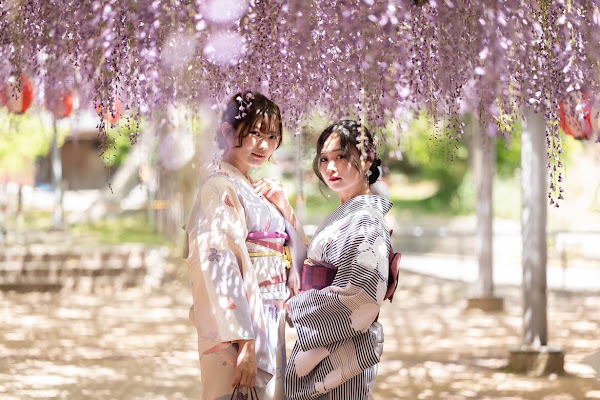
Koga Shin Kimono-kan is a specialist kimono shop offering furisode, tomesode, hōmongi, komon, and other garments for different occasions. Its highlight for visitors is the range of kimono rental plans: choose a classic or modern design, receive professional help with dressing, and add hairstyling and accessories before strolling through Yanagawa's historic streets and waterways. Cleaning, care, and alteration services are also available.
Store introduction
In Yanagawa's historic water-town setting, Koga Shin Kimono-kan is both a trusted local establishment for ceremonial wear and a place for visitors to experience kimono culture. If you want a memorable day in Yanagawa, check the official booking information, rent a kimono, and connect the experience with a river cruise or town walk.
👉kkday
👉klook
🚶Places to Visit Before Boarding or While Waiting🚶
Showing: All(6)
Tachibana Udon
立花うどん
- Google Maps
- Apple Maps
- Copy address
9:00 AM–8:30 PM
Yanagawa food・beef and burdock tempura udon
Approx. 5-minute walk from Nishitetsu Yanagawa Station
Intro
▼Tachibana Udon(立花うどん)
| Item | Details |
|---|---|
| Address | 191 Takahata, Mitsuhashi-machi, Yanagawa City, Fukuoka Prefecture |
| Opening hours | 9:00 AM–8:30 PM; closed Tuesdays(open on holidays, during the year-end/New Year period, Golden Week, and Obon) |
| Dining budget | Up to ¥999 |
| Tabelog rating | 3.54 |
| Official Website | www.tatibanaudon.com |
Restaurant features
Tachibana Udon is about a 5-minute walk from Nishitetsu Yanagawa Station and is loved by local diners. Busy periods may require a wait; the restaurant has about 200 seats, but the actual wait depends on the time and crowd. Opening from 9:00 AM, it is a good place to experience Kyushu's “asa udon,” or morning udon, culture.
The restaurant serves authentic Kyushu-style udon. The noodles take nearly 30 minutes to cook, giving them a soft, springy texture that absorbs the broth. Kombu creates a mildly sweet, savory soup, while the popular beef-and-burdock-tempura udon pairs crisp burdock tempura and sweet-savory beef with tender noodles and broth.
A warm bowl of udon at an approachable price lets both visitors and locals enjoy the everyday flavors of Kyushu.
🎬 立花うどん Video
Mihashira Shrine
三柱神社
- Google Maps
- Apple Maps
- Copy address
🕖09:00 AM–5:00 PM
Established in 1826
Intro
▼MiHashira Shrine
| Item | Details |
|---|---|
| Address | 〒832-0826 Fukuoka Prefecture, Yanagawa City, Mihashi Town, Takahata 323-1 |
| Opening Hours | Visiting Hours: 08:00–17:00 Shrine Office (Amulet Issuance): 09:00–17:00 |
| Official Website | mihashirajinja.org |
Admission Information:
Free to visit
Attraction Introduction
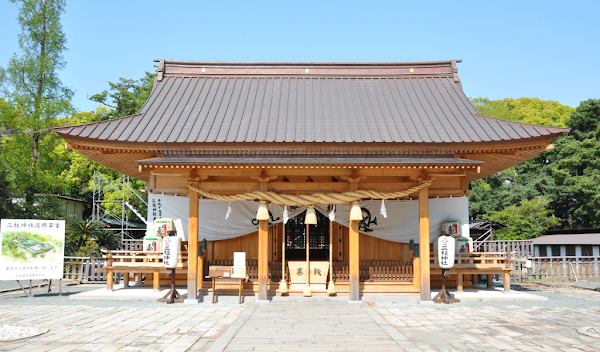
MiHashira Shrine in Yanagawa is a tranquil sacred site steeped in the tumult of the Warring States period and local beliefs. The name "MiHashira" refers to the three main deities enshrined here, each closely tied to the development of Yanagawa. The wide approach is lined with lush trees, guiding visitors into the solemn grounds, where the weight of history can be felt. In addition to prayers for victory and achievement, it is also known for blessings of "resurrection" and "revival," attracting many who hope for a fresh start in their careers or lives. The shrine offers seasonal limited edition goshuin and unique "unagi nobori" shaped fortunes, adding local flavor and fun to the visit.
Historical Background and Cultural Significance
MiHashira Shrine was established in the late Edo period, in the ninth year of Bunsei (1826), by the ninth lord of the Yanagawa domain, Tachibana Akiyoshi, and has a history of nearly two hundred years. The "three deities" enshrined here are:
- Tachibana Muneshige: The first lord of the Yanagawa domain, praised by Toyotomi Hideyoshi as "the unmatched in the west," known for his exceptional bravery and benevolent governance. His life was dramatic, having once lost his territory, only to miraculously return to Yanagawa, thus regarded as the "god of resurrection."
- Tachibana Kichiyo: Muneshige's first wife, a rare female lord during the Warring States period, known for her courage and decisiveness.
- Motochika Dōsetsu (Tachibana Dōsetsu): Kichiyo's father and Muneshige's father-in-law, the founder of the Tachibana family, known as the "incarnation of the thunder god," a famous warrior in Kyushu.
These three figures are not only representatives of the Tachibana family but also symbols of protection for Yanagawa. The shrine's establishment reflects the local people's love and respect for the Tachibana family, evolving from initial beliefs in martial gods to guardians of agriculture, water management, and local prosperity. However, the shrine suffered a fire in 2005, destroying structures like the worship hall and corridors, with only the main hall from the Edo period surviving. In recent years, the shrine has focused on reconstruction, adding a cultural significance of "rebirth from the ashes," making it an indispensable spiritual pillar for the local community.
🎬 三柱神社 Video
Ganso Motoyoshiya - Main Shop
元祖 本吉屋 本店
- Google Maps
- Apple Maps
- Copy address
10:30 AM–8:00 PM
Yanagawa specialty・unagi seiro mushi
Closed Mondays
Intro
▼Motoyoshiya Main Store(元祖 本吉屋 本店)
| Item | Details |
|---|---|
| Address | 69 Asahimachi, Yanagawa City, Fukuoka Prefecture |
| Opening hours | 10:30 AM–8:00 PM(last order 7:00 PM); closed Mondays. Closing days may change during Golden Week, summer, and other periods, so check the official website |
| Dining budget | ¥5,000–¥5,999 |
| Tabelog rating | 3.7 |
| Official Website | www.motoyoshiya.jp |
Restaurant features
With more than 300 years of history, Motoyoshiya is the original restaurant behind Yanagawa's signature unagi seiro mushi(steamed eel and rice)and is listed among Tabelog's Top 100 Unagi Restaurants.
The restaurant preserves its founding secret sauce and cooking techniques. Eel is grilled over charcoal before being steamed with rice mixed with the sauce, creating crisp skin, tender meat, and moist rice that absorbs the eel's flavor. The relatively light sauce lets the eel's natural taste stand out.
The restaurant occupies a traditional Japanese residence with rustic charm, and some seats overlook an elegant garden. A visit here is a chance to taste a Yanagawa specialty carried across three centuries.
🎬 元祖 本吉屋 本店 Video
Yanagawa Yokamonkan
柳川よかもん館
- Google Maps
- Apple Maps
- Copy address
🕖09:00–18:00
Yanagawa must-buy souvenirs
Yanagawa specialty store
Intro
▼Yanagawa Yokamonkan
| Item | Details |
|---|---|
| Address | 〒832-0066 Fukuoka Prefecture, Yanagawa City, Yakabe 189-1 |
| Business Hours | 09:00–18:00 |
Store Introduction
"Yanagawa Yokamonkan" is a tourist product center in Yanagawa City. Its aim is to serve as a base for promoting Yanagawa's "good things (よかもん)," ensuring that every visitor leaves satisfied.
Product Features
The center offers a wide variety of products, showcasing Yanagawa's specialties. You can find fresh seafood products from the Ariake Sea, such as seaweed and jellyfish skin, as well as various snacks and seasonings made from local agricultural products. Among the most popular items are those related to Yanagawa's famous "eel" and various flavors of "Yanagawa seaweed." Additionally, you can purchase exquisite traditional crafts like "Yanagawa Mari (さげもん)" and a range of cute miscellaneous goods, perfect for personal use or as souvenirs.
🎬 柳川よかもん館 Video
Unagi Dokoro Kawayoshi
うなぎ処 川よし
- Google Maps
- Apple Maps
- Copy address
11:00 AM–3:00 PM
5:00 PM–8:00 PM
Yanagawa unagi seiro mushi
Intro
▼Kawayoshi
| Item | Details |
|---|---|
| Address | 494-4 Fujiyoshi, Mihashi-cho, Yanagawa City, Fukuoka Prefecture |
| Business Hours | Monday, Wednesday to Sunday 11:00–15:00 and 17:00–20:00, closed on Tuesday (open on national holidays) |
| Dining Budget | ¥3,000–¥3,999 |
| Tabelog Rating | 3.54 |
| Official Website | yanagawa-kawayoshi.com |
Restaurant Features
Kawayoshi, located in Yanagawa City, Fukuoka Prefecture, is the birthplace of the local dish "Unagi Seiro Mushi" (steamed eel). As a popular establishment, it often fills up even on weekdays, so reservations are recommended.
The restaurant offers a traditional atmosphere and serves authentic Yanagawa eel dishes. The signature "Unagi Seiro Mushi" is a must-try, featuring tender eel steamed to perfection, paired with rice soaked in rich sauce for an exquisite experience. To surprise diners, there’s a layer of eel hidden in the rice, providing generous portions.
The eel is first grilled over charcoal and then steamed, resulting in a unique soft texture. The sauce is rich and sweet, perfectly permeating every grain of rice. When in Yanagawa, be sure to visit Kawayoshi to experience this long-standing local delicacy.
👉AutoReserve
Muto Store
ムトー商店
- Google Maps
- Apple Maps
- Copy address
10:00 AM–7:00 PM
Yanagawa shopping・lifestyle goods
Coffee
Intro
▼Muto Shoten
| Item | Details |
|---|---|
| Address | 37 Shinmachi, Yanagawa, Fukuoka 832-0032 Japan |
| Business Hours | 10:00–19:00 |
| Official Website | mutoushouten.stores.jp |
Muto Shoten (武藤商店)
Store Introduction
This shop mainly sells lifestyle goods, accessories, and snacks handmade by local creators from the Yanagawa area.
Additionally, the store offers a variety of specialty coffee, from French press to espresso, available for dine-in or takeout.
🎬 ムトー商店 Video
⛵Sights Along the Cruise Route⛵
Yanagawa Canals
柳川掘割
- Google Maps
- Apple Maps
- Copy address
Intro
▼Yanagawa Canal
| Item | Details |
|---|---|
| Location | Yanagawa Canal, Yanagawa City |
The canal system in Yanagawa dates back to the late Sengoku period, around 400 years ago. The local lord initiated large-scale canal construction to create a town that served defensive, irrigation, and domestic water needs. These waterways not only formed an important military defense line but also became essential infrastructure for stabilizing agriculture and improving livelihoods.
🎬 柳川掘割 Video
Yanagawa Castle Moat Sluice Gate
柳川城堀水門
- Google Maps
- Apple Maps
- Copy address
Intro
▼Yanagawa Castle Moat Water Gate
| Item | Details |
|---|---|
| Location | Yanagawa Castle Moat Water Gate, Yanagawa City |
The Yanagawa Castle Moat Water Gate is a precious remnant of the ancient Yanagawa castle, quietly standing by the picturesque canals of "Water Town Yanagawa." This stone water gate is a key facility for regulating the water levels of the canals, serving as a living witness to over four hundred years of water management history. Today, it has become a landmark that tourists pass by during their "kawadukuri" (boat ride experience). As small boats gently glide through the ancient water gate, it feels like traveling through a time tunnel back to the Edo period, surrounded by willows, flowing water, and stone walls, allowing visitors to experience a unique sense of tranquility and nostalgia.
🎬 柳川城堀水門 Video
Namikura
並倉
- Google Maps
- Apple Maps
- Copy address
Intro
▼Namikura
| Item | Details |
|---|---|
| Location | Namikura, Yanagawa City |
"Namikura" is a complex commercial facility that opened in spring 2023, featuring two red brick warehouses in Yanagawa City, Fukuoka Prefecture, which have been carefully restored and transformed. These two adjacent warehouses, built from the late Taisho to early Showa periods, once served as storage for miso and soy sauce, witnessing the prosperous history of the Yanagawa riverside. Today, they have been revitalized into a space that combines local charm with modern creativity.
🎬 並倉 Video
Kabashima Iris Garden
椛島菖蒲園
- Google Maps
- Apple Maps
- Copy address
Intro
▼Kashima Iris Garden(椛島菖蒲園)
| Item | Details |
|---|---|
| Location | Kashima Iris Garden, Yanagawa City |
Kashima Iris Garden has about 30,000 blooming irises, including varieties such as “Hatsuura” and “Shikibu.” The owner, Mr. Kashima, and his team carefully tend around 30 varieties. Because each variety blooms at a different time, the best viewing period is approximately late May to early June.
Seen from a boat gliding along the canal, the irises swaying on both banks create an especially elegant scene. The garden is also one of Yanagawa's popular sightseeing spots.
🎬 椛島菖蒲園 Video
Hiyoshi Shrine
日吉神社
- Google Maps
- Apple Maps
- Copy address
Intro
▼Hiyoshi Shrine (Yanagawa) Introduction
| Item | Details |
|---|---|
| Location | Hiyoshi Shrine, Yanagawa City |
This shrine is known as the "Guardian of Asano Town in Yanagawa City" (from "Chikugo Chigaku") and has been revered in the Yanagawa area since ancient times. According to "Nanchiku Meiran," during the era of Fushimi-in (Emperor Fushimi, who reigned from 1287 to 1298), the agricultural leader of the Shrine Village invited deities from the Sanno Shrine in Omi Province (now Shiga Prefecture), becoming the guardian deity of the area. Later, when the Kamata clan built Yanagawa Castle in Shrine Village, this shrine became the guardian deity of the castle.
Historical Background and Name
According to shrine legends, the history of this shrine began in 1290, when it was established as a branch of the Hiyoshi Taisha in Omi (invited). Before the Meiji period, the shrine was known as Sanno Shrine or Sanno Daigongen.
Architectural Layout and Features
The current Hiyoshi Shrine features a layout centered around the main hall, which is the innermost part, with the worship hall, offering hall, and main hall arranged along an axis.
Worship Hall
- Appearance: Although it has three bays (three openings) wide worship hall (front eaves), it is relatively low, giving a very approachable feel.
- Roof: According to old drawings, the front of the roof used to feature karahafu (curved gable) and chidori-hafu (stepped gable), but it has now been remodeled into a simple fuki-oroshi (directly extending to the sides).
- Structure: Due to the use of finer wood, sparse rafters, and few carved elements under the eaves, it presents an extremely elegant architectural style.
- Interior Space: Although the front room (one bay) belongs to the flooring area, it creates an open space (wall-less). Only the central room is wider, providing a sense of stability to the front elevation.
- Estimated Construction Date: While detailed forms need to consider the late Edo period, characteristics such as the fineness of the wood and the wider cross-section of the square pillars suggest it is a building from the mid-18th century.
Main Hall
- Floor Plan: It adopts a common layout in southern Chikugo of three bays deep with an attached front room (three bays wide, one bay deep, with a front room).
- Roof Structure: Covered with a irimochi-zukuri (hipped roof), the brackets under the eaves are ichijō-saki (single jump), and nijū-haramatsu (double rafters), giving the roof a large and reassuring appearance.
- Worship Hall: The front features a three-bay wide worship hall, with the roof extending directly downward (fuki-oroshi).
- Visual Impression: Viewed from the side, the main hall gives a sense of soaring height, believed to be a building from the early 18th century.
Offering Hall
- Function and Age: The offering hall connects the main hall and worship hall and is believed to have a long history.
- Structural Features: Although the spacing of the front columns does not perfectly align with those of the main hall and worship hall, creating some disarray, the width of the chamfered square columns is the same as that of the worship hall, indicating it was built in an ancient style.
🎬 日吉神社 Video
Bronze Statue of Lord Tanaka Yoshimasa
田中吉政公銅像
- Google Maps
- Apple Maps
- Copy address
Intro
▼Statue of Tanaka Yoshimasa
| Item | Details |
|---|---|
| Location | Statue of Tanaka Yoshimasa, Yanagawa City |
This statue commemorates "Tanaka Yoshimasa," the first lord of the Yanagawa domain. The bronze statue captures the spirit of this master castle builder and water management genius, clad in armor from the Warring States period, as if he continues to protect the beautiful water city he created.
Historical Background and Cultural Significance
Tanaka Yoshimasa was a military commander from the late Warring States period to the early Edo period. He was awarded the Chikugo Province with 330,000 koku by Tokugawa Ieyasu for his military achievements in the decisive Battle of Sekigahara, and in 1601, he became the first lord of the Yanagawa domain.
At that time, the Yanagawa area was low-lying and suffered from frequent flooding. Tanaka Yoshimasa utilized his exceptional urban planning and water management skills to transform the entire region. Centered around Yanagawa Castle, he cleverly utilized the terrain to excavate hundreds of kilometers of "dug waterways" (artificial canals and waterways). These grid-like waterways not only effectively addressed flooding issues but also served multiple functions, including agricultural irrigation, domestic water supply, transportation of goods, and even defense, completely changing the landscape of Yanagawa.
🎬 田中吉政公銅像 Video
Ruins of Yaheemon's Residence
弥兵衛門跡
- Google Maps
- Apple Maps
- Copy address
Intro
▼Yanagawa Castle - Mibeyemon Ruins
| Item | Details |
|---|---|
| Location | Yanagawa Castle - Mibeyemon Ruins |
The Yanagawa Castle - Mibeyemon Ruins is not an impressive structure but a stone monument quietly standing by the moat of Yanagawa High School, silently recounting the area's former glory. This site was once a castle gate of Yanagawa Castle, and today, the monument, along with the remaining sections of stone walls and the expansive moat, forms a historical scene. Strolling here, travelers can imagine the samurai passing through the gate and feel the historical atmosphere of Yanagawa as a fortified castle town. This place serves as the starting point for exploring the past of Yanagawa Castle, leading people into the era of feudal lords and samurai.
Historical Background and Cultural Significance
The history of Yanagawa Castle dates back to the Sengoku period, initially built by the local Kamachi clan. Later, under the management of Toyotomi Hideyoshi's retainer, Tanaka Yoshimasa, it underwent significant expansion utilizing the intricate network of canals in the Yanagawa area, becoming a renowned "water castle" that was easy to defend.
However, Yanagawa Castle is best known for its association with the famous general Tachibana Muneshige. After the Battle of Sekigahara, the Tachibana family temporarily lost their territory, but Muneshige miraculously returned to Yanagawa due to his exceptional bravery and loyalty, becoming the first lord of the Yanagawa domain. Thereafter, Yanagawa Castle served as the center of governance for the Tachibana family for about 250 years.
Entering the Meiji era, the Japanese government issued the "Castle Abolition Order" in 1872, resulting in the demolition of most buildings, including the main keep, leaving only parts of the stone walls and the extensive moat system.
Kumode Ami
くもで網
- Google Maps
- Apple Maps
- Copy address
Intro
▼Kumodeami (Spider Hand Net)
| Item | Details |
|---|---|
| Location | 16-14 Sakamotomachi, Yanagawa, Fukuoka 832-0069 Japan |
Attraction Overview
The "Spider Hand Net" is a traditional square fishing net that operates on the principle of leverage, standing quietly by the water's edge like a still painting. As visitors drift slowly along the waterways, the boatman often points out this ancient fishing device, sharing stories of the area's past.
Historical Background and Cultural Significance
The history of the "Spider Hand Net" reflects the coexistence of the Yanagawa people and water. In the past, the man-made moat surrounding Yanagawa Castle served not only as a defensive structure but also as a vital water source and food supply for residents. This fishing net was designed to adapt to the narrow and slow-flowing environment of the moat, primarily used to catch small river creatures like shrimp, eel, and carp. Fishermen used long bamboo poles as levers to skillfully lift the submerged nets, making the process simple and efficient.
As times have changed, this fishing method is no longer the main livelihood for locals, but the "Kumodeami" has been preserved intact. It has transformed from a "tool of production" into a "cultural asset," carrying the living memories of Yanagawa's people over centuries. Its existence serves as a reminder of the inseparable relationship between the city and water, symbolizing the locals' appreciation for tradition and their wisdom in integrating it into the modern landscape. Today, viewing the "Kumodeami" has become part of the Yanagawa canal boat experience, providing an important window into the culture of life by the water.
Machibōke no Hi
まちぼうけの碑
- Google Maps
- Apple Maps
- Copy address
Intro
▼Machibouke no Hi (Chito no Hi)
| Item | Details |
|---|---|
| Location | Machibouke no Hi, Yanagawa City |
The "Machibouke no Hi" was established to commemorate the great poet and children's song writer Hakushu Kitahara (1885-1942) from Yanagawa. The stone monument features the classic Japanese children's song "Machibouke," with lyrics by Hakushu Kitahara and music by Kosaku Yamada, meaning "waiting in vain" or "futile waiting."
This children's song carries profound cultural significance, inspired by the fable "Shuzhu Daitou" from the writings of the ancient Chinese philosopher Han Feizi. The story tells of a farmer who, after witnessing a rabbit accidentally die by hitting a tree stump, gives up farming to wait by the stump, hoping to find another rabbit, but ends up with nothing. Hakushu Kitahara transformed this ironic and cautionary Chinese idiom into a lively and humorous children's song, advising people against complacency and encouraging hard work.
Ohana North Gate Boarding Disembarking Point
御花北門 乗下船場
- Google Maps
- Apple Maps
- Copy address
Intro
▼Yufuin North Gate Boarding Area
| Item | Details |
|---|---|
| Location | Yufuin North Gate Boarding Area, Yanagawa City |
As the northern gate of the most famous attraction in Yanagawa, "Yanagawa Feudal Lord Tachibana Residence Yufuin," it serves as the endpoint for downstream boat rides and also offers some upstream or sectional sightseeing boat services.
Suggested Yanagawa day-trip route (about 4 hours)
- Nishitetsu Yanagawa Station → boarding point: Walk about 5–10 minutes after arrival and check in with your booked operator.
- Take the Yanagawa canal cruise: The standard cruise takes about 60–70 minutes; choose a shorter Okinohata circuit if time is limited.
- Disembark in Okinohata → eel rice: Plan eel seiro-mushi first, then adjust your walking order around the restaurant wait.
- Ohana, the Kitahara Hakushu Birthplace, and the shopping street: Choose two or three stops in Okinohata for historic buildings, gardens, and souvenirs.
- Return to Nishitetsu Yanagawa Station: Use the operator’s shuttle, or choose a local bus or taxi according to the current timetable.
This route puts the Yanagawa cruise, local food, and an Okinohata stroll on one line, making four hours easy to manage. Extend it to half a day if you want more time for shops and museums.
Most cruises run one way from near the station to Okinohata. At the terminus, take the operator’s free shuttle bus to Nishitetsu Yanagawa Station or the boarding-area car park. Shuttle intervals, first and last departures, and pickup points differ by company, so follow the information provided by the ticket seller.
🚶Okinohata Area🚶
Tachibana Family Historical Museum
立花家史料館
- Google Maps
- Apple Maps
- Copy address
🕖10:00 AM–4:00 PM
Intro
▼Tachibana Family Historical Museum(立花家史料館)
| Item | Details |
|---|---|
| Address | 1 Shin-sotomachi, Yanagawa City, Fukuoka Prefecture(within the Yanagawa Clan Lord Tachibana Residence Ohana grounds) |
| Opening hours | 10:00 AM–4:00 PM |
| Admission | Ohana combined admission: adults ¥1,200(includes the Tachibana Family Historical Museum, the scenic garden Shotoen, the Great Hall, and the Western-style Building) |
| Official Website | www.tachibana-museum.jp |
Exhibition overview
The Tachibana Family Historical Museum collects and displays artifacts passed down by the Tachibana family, the samurai clan that ruled the Yanagawa area for about 400 years. Its tens of thousands of holdings include armor and horse gear used by the first Yanagawa lord, Tachibana Muneshige, as well as items associated with his wife, Tachibana Ginchiyo.
The museum also presents furniture, lacquerware, paintings, calligraphy, Noh costumes, and masks used by successive lords. Each object offers a glimpse into the history and refined cultural life of a daimyo family, making this a worthwhile stop for travelers interested in Yanagawa's feudal history.
🎬 立花家史料館 Video
Ohana Western-style Building
御花西洋館
- Google Maps
- Apple Maps
- Copy address
🕖10:00 AM–4:00 PM
Intro
▼Ohana Western-style Building(御花・西洋館)
| Item | Details |
|---|---|
| Address | 1 Shin-sotomachi, Yanagawa City, Fukuoka Prefecture |
| Opening hours | 10:00 AM–4:00 PM |
| Admission | Adults ¥1,200 / high school students ¥500 / elementary and junior high school students ¥400(combined ticket includes Shotoen, the Great Hall, the Western-style Building, and the Tachibana Family Historical Museum) |
Attraction overview
Located within the grounds of the Yanagawa clan lord Tachibana residence Ohana, the Western-style Building blends Japanese and Western design. Completed in 1910 in the style of Rokumeikan, it was built to receive distinguished guests. The French-style exterior and British Victorian-inspired interior appear in details such as the chandeliers, wallpaper, and heating stoves. From the second-floor balcony, you can look over the nationally designated scenic spot Shotoen, where the garden and Western building form a distinctive view.
Historical background and cultural significance
Ohana began as a Tachibana family villa in the Edo period. In the Meiji era, the 14th head, Count Tachibana Kanji, commissioned the Western-style Building for entertaining members of the imperial family and guests from Japan and overseas. Designed by an engineer of the Imperial Household Ministry, its first floor served as reception and dining rooms, while the second floor held guest living and sleeping quarters.
The building preserves the architectural aesthetics of a century ago and, together with Ohana's Japanese buildings and gardens, is designated as a national scenic spot—a record of Yanagawa and the Tachibana family's transition into modern Japan.
🎬 御花西洋館 Video
Yanagawa Lord Tachibana's Residence - Ohana
柳川藩主立花邸 御花
- Google Maps
- Apple Maps
- Copy address
🕖10:00 AM–4:00 PM
Intro
▼Tachibana-tei Ohana
| Item | Details |
|---|---|
| Address | 1 Shin Soto-machi, Yanagawa City, Fukuoka Prefecture |
| Opening Hours | 10:00 AM – 4:00 PM |
| Admission Fee | Adults: 1,200 yen, High School Students: 500 yen, Junior and Elementary Students: 400 yen (Note: This is the admission fee; accommodation and dining costs are separate) |
| Official Website | ohana.co.jp/zh |
Attraction Overview
Ohana is not just a historical residence but also the most iconic landmark in Yanagawa. This expansive estate, covering about 7,000 tsubo, was once the villa of the Tachibana family, the ruling lords of the area. Its name comes from the affectionate term "Ohanabatake," referring to the area’s blooming flowers. The grounds beautifully blend Japanese and Western architectural styles, with the most captivating feature being the Japanese garden "Shoto-en," designated as a national scenic spot. From the "Ohiroma," which has over a hundred tatami mats, you can enjoy a panoramic view of the pond garden, surrounded by black pines and tranquil waters, where wild ducks may even come to rest in winter, creating a picturesque scene. Strolling through, one can almost hear the echoes of history and feel the elegance and grandeur of the past lords' lives.
Historical Background and Cultural Significance
The history of Ohana dates back to the Edo period, initially built as a residence for the fifth lord, Tachibana Sadatsugu, for his family. During the Meiji era, the Tachibana family was granted the title of count, and to host guests, they added the elegant two-story wooden "Western-style building" and the main banquet hall "Ohiroma" in 1910 (Meiji 43). These buildings witness the transition from feudal lords to modern aristocracy.
Ohana is not just a static cultural heritage; it is still operated by the descendants of the Tachibana family, transformed into a high-end ryokan, passing down 400 years of history and hospitality. The "Tachibana Family Museum" on the grounds houses and displays over 5,000 precious artifacts, including armor, swords, and fine crafts, allowing visitors to gain a deeper understanding of the illustrious history of the Sengoku warlord Tachibana Muneshige and his family. Here, guests can not only appreciate the beauty of the architecture and gardens but also savor Yanagawa's famous "steamed eel rice" and other local dishes, and even choose to stay overnight, experiencing the unique sensation of sleeping within a cultural treasure, deeply appreciating the perfect fusion of Yanagawa's waterways and the culture of the lords.
🎬 柳川藩主立花邸 御花 Video
Kabashima Hyoka
椛島氷菓
- Google Maps
- Apple Maps
- Copy address
Intro
▼Kabajima Ice Cream
| Item | Details |
|---|---|
| Address | 53-2 Honjo-machi, Yanagawa, Fukuoka Prefecture |
| Business Hours | 11:00–16:00 Closed on Wednesdays ※Business hours and holidays may change, so it's recommended to confirm with the shop before visiting. |
| Dining Budget | ~¥999 |
| Tabelog Rating | 3.36 |
| Official Website | kabajirushi.com |
Restaurant Features
In the water city of Yanagawa, there is an ice shop that awakens shared memories across generations—"Kabajima Ice Cream." This shop, converted from an old traditional house, quietly sits beside the lush Yanagawa Castle ruins, exuding a strong nostalgic Showa atmosphere.
The shop's signature offerings are over 15 flavors of traditional ice pops (アイスキャンディー), from classic red bean to refreshing Hyuga summer citrus. Each bite captures the pure and direct taste of the ingredients, free from excessive industrial flavors, just simple and delightful nostalgia. The cute hippo (カバ) logo is actually a playful nod to the founder Mr. Kabajima's surname, adding a touch of whimsy.
This place is a hometown flavor that locals in Yanagawa take pride in, and a snack that children have enjoyed since they were little. When visiting Yanagawa, be sure to stop by and savor an ice pop that can take you back in time.
🎬 椛島氷菓 Video
Karatachi Literati Footbath
からたち文人の足湯
- Google Maps
- Apple Maps
- Copy address
🕖11:00 AM–3:00 PM
Free to use
Intro
▼Karatachi Bunjin Foot Bath(からたち文人の足湯)
| Item | Details |
|---|---|
| Address | 9 Yashirocho, Yanagawa City, Fukuoka Prefecture |
| Current hours | Approximately 11:00 AM–3:00 PM; confirm the actual hours in Yanagawa City notices |
| Use | Free |
Visitor information
A gazebo makes this free foot bath a convenient place to pause during a walk around Yanagawa. Display panels introduce local literary figures such as Kitahara Hakushu. The source temperature is about 50°C, but the foot-bath water may feel hot; follow the on-site instructions.
🎬 からたち文人の足湯 Video
Wakamatsuya
若松屋
- Google Maps
- Apple Maps
- Copy address
11:00 AM–8:00 PM
Yanagawa unagi seiro mushi
Closed Wednesdays
Intro
▼Wakamatsuya
| Item | Details |
|---|---|
| Address | 26 Okihata-machi, Yanagawa, Fukuoka Prefecture |
| Business Hours | Monday, Tuesday, Thursday to Sunday 11:00–20:00, closed Wednesday (closed on the third Tuesday of each month as well) *May close early if eel is sold out |
| Dining Budget | Dinner ¥4,000–¥4,999 Lunch ¥3,000–¥3,999 |
| Tabelog Rating | 3.63 |
| Official Website | wakamatuya.com |
Restaurant Features
Wakamatsuya, established during the Ansei era (1854-1860), is a century-old eel rice restaurant in the water town of Yanagawa. The restaurant is located in the historic Okihata area, adjacent to the canal, offering beautiful scenery that allows you to enjoy delicious food while experiencing the unique charm of Yanagawa.
The eels here are carefully grilled by artisans, with a crispy and fragrant skin while the inside remains tender and juicy, providing a rich texture. The secret sauce, perfected over a century, is the essence of its deliciousness. A must-try dish in Yanagawa is the "Unagi no Seiro Mushi," where grilled eel is steamed with rice mixed with sauce, allowing the rice to fully absorb the eel's fat and sauce essence, making it Wakamatsuya's signature dish.
As a representative restaurant of Yanagawa, Wakamatsuya is beloved by locals and tourists alike, making it a must-visit for experiencing traditional eel cuisine in Yanagawa.
🎬 若松屋 Video
Kitahara Hakushu's Museum
北原白秋生家、紀念館
- Google Maps
- Apple Maps
- Copy address
🕖9:00 AM–5:00 PM
Intro
▼Kitahara Hakushu's Birthplace & Yanagawa City Historical and Folklore Museum
| Item | Details |
|---|---|
| Address | 55-1 Okihata-machi, Yanagawa City, Fukuoka Prefecture |
| Opening hours | 9:00 AM–5:00 PM(last admission 4:30 PM) |
| Admission | From April 1, 2026: adults ¥1,000 / high school and university students ¥600 / elementary and junior high school students ¥400; special event days may differ |
Overview
This is the birthplace of Kitahara Hakushu, a giant of modern Japanese poetry known as the “Poet Saint.” The site has two parts: Hakushu's Birthplace, preserved to reflect its former appearance, and the memorial hall, now the Yanagawa City Historical and Folklore Museum, which displays his works and personal artifacts. The thatched-roof wooden house evokes his childhood, while timelines, manuscripts, first-edition poetry collections, and personal items trace his literary career.
Historical background and cultural significance
Hakushu was born here in 1885. His family home belonged to wealthy merchants who dealt in seafood and sake during the Edo period. The residence is a valuable example of Meiji-era merchant architecture; although it suffered a fire in 1901, its main sections were restored and preserved. The willows, canals, and seasonal atmosphere of Yanagawa appear throughout Hakushu's poetry and children's songs, and his first poetry collection, “The Evil Sect,” was deeply inspired by the water town.
A visit is more than a look at one poet's life: it is a way to understand Yanagawa's cultural roots and how the local landscape shaped a major literary voice.
🎬 北原白秋生家、紀念館 Video
Kitahara Souvenir Shop
北原みやげ店
- Google Maps
- Apple Maps
- Copy address
🕖10:00–16:30
Intro
▼Kitahara Souvenir Shop (北原みやげ店)
| Item | Details |
|---|---|
| Address | 55-1 Okihata-machi, Yanagawa City, Fukuoka Prefecture (located within the grounds of Kitahara Hakushu's former residence and museum) |
| Business Hours | 10:00–16:30 |
Shop Introduction
Kitahara Souvenir Shop is a treasure trove where you can take home beautiful memories of Yanagawa and the poetry of Hakushu Kitahara. Although the shop is small, it is filled with a strong literary atmosphere and local charm, making it an excellent place to choose souvenirs and experience the cultural essence of Yanagawa.
Product Features
The products in the shop revolve around the two main themes of "Hakushu Kitahara" and "Yanagawa's Local Culture," each item being exquisite and unique:
- Literary Merchandise: A variety of items related to Hakushu Kitahara are available, including his poetry collections, postcards depicting the imagery of his poems, stationery, handkerchiefs, and more. These are rare treasures for visitors who love Japanese literature.
- Traditional Yanagawa Crafts: The shop displays representative handmade crafts from Yanagawa, such as the colorful, hand-twisted "Yanagawa Mari" and the "Sagemon" decorations for Girls' Day. These crafts carry local blessings and traditions, making them highly valuable souvenirs.
- Local Specialties and Confectioneries: You can also find many local snacks and foods from Yanagawa, such as senbei and pastries made with local ingredients, beautifully packaged and perfect for gifting to friends and family.
Okinohata Sagemon Park
沖端さげもんパーク
- Google Maps
- Apple Maps
- Copy address
🕖Open 24 hours
Free
Intro
▼Okinohata Sagemon Park
| Item | Details |
|---|---|
| Address | Japan 〒832-0065 Fukuoka, Yanagawa, Inarimachi, 83 |
| Opening Hours | Open 24 hours |
| Admission Fee | Free admission |
Attraction Overview
Okinohata Sagemon Park is a small waterfront park located near the end of the Yanagawa boat tour route, providing visitors with a comfortable resting space. It is not only a great spot to enjoy the riverside scenery of Yanagawa but also the starting point to experience the unique local "Sagemon" culture. The park features a simple design with seating and shaded areas, allowing visitors to relax and soak in the leisurely atmosphere after their boat tour. Especially during the annual spring "Yanagawa Hina Matsuri," the park becomes one of the main event venues, adorned with vibrant decorations and a festive atmosphere.
Historical Background and Cultural Significance
The park's name directly reflects Yanagawa's most representative cultural heritage, "Sagemon." Sagemon is a traditional craft originating from the late Edo period, handmade by mothers, grandmothers, or relatives as a prayer for the health and happiness of their daughters.
In the Yanagawa area, during the Hina Matsuri (Doll Festival), colorful Sagemon are hung on both sides of the doll display, in addition to the Hina dolls. A complete set of Sagemon consists of 49 small items (such as cranes symbolizing longevity and rabbits for protection) along with two central "Mari" handball decorations, totaling 51 items, symbolizing the hope for daughters to live a long life (up to 51 years). This tradition, filled with maternal love, is not only exquisite craftsmanship but also carries the warm emotions and wishes among family members. The existence of Okinohata Sagemon Park serves to commemorate and convey this beautiful culture rooted in the life and history of Yanagawa to all visiting tourists.
🎬 沖端さげもんパーク Video
Yoake Jaya
夜明茶屋
- Google Maps
- Apple Maps
- Copy address
Fishmonger cafeteria 11:00 AM–3:00 PM / 5:00 PM–9:30 PM
Ariake Sea seafood
Closed Wednesdays and the second Tuesday of each month
Intro
▼Yoake Chaya
| Item | Details |
|---|---|
| Address | 94-1 Inaricho, Yanagawa City, Fukuoka Prefecture |
| Business Hours | Monday, Thursday to Sunday 11:30–15:00, 17:00–21:30 Tuesday 11:00–15:00, 17:00–21:30 Closed: Every Wednesday, the second Tuesday of each month (open on holidays) |
| Dining Budget | Dinner ¥4,000–¥4,999 Lunch ¥2,000–¥2,999 |
| Tabelog Rating | 3.43 |
| Official Website | www.mutugorou.co.jp |
Restaurant Features
"Yoake Chaya" is a well-known local cuisine restaurant located in the water city of Yanagawa, famous for its variety of unique seafood from the Ariake Sea. Not only is it a restaurant, but it also has a fresh fish shop next door, with large tanks holding live catches, ensuring freshness.
When visiting, you must try the local delicacies, such as the uniquely shaped "Mutsugorou" sashimi, the unusual "Warasubo" from the Ariake Sea, and the locally known "Kuchizoko" boiled tongue sole. Additionally, you can enjoy the precious natural eel grilled with salt, which highlights the eel's natural sweetness.
For travelers looking to deeply experience Yanagawa's food culture, Yoake Chaya is an excellent choice. Here, you can bravely challenge various unusual seafood, creating unique taste memories for your journey.
🎬 夜明茶屋 Video
👉AutoReserve
Former Toshima Family Residence
旧戸島家住宅
- Google Maps
- Apple Maps
- Copy address
🕖9:00 AM–5:00 PM
Intro
▼Old Toshima House(旧戸島家住宅)
| Item | Details |
|---|---|
| Address | 49-3 Kidocho, Yanagawa City, Fukuoka Prefecture |
| Opening hours | 9:00 AM–5:00 PM |
| Admission | Adults ¥100; closed Tuesdays and during the year-end/New Year period |
Attraction overview
The Old Toshima House was the residence of a mid-ranking samurai in the Yanagawa domain during the Edo period. Its appeal lies in the way the wooden house and garden express life in a water town. The garden draws living water from Yanagawa's canals, and visitors can sit in the tatami-floored zashiki, watch carp glide through the pond, and listen to the water flowing between architecture and nature.
Historical background and cultural significance
Built in the mid-Edo period for the Toshima family, vassals of the Tachibana clan, the house retains a typical samurai-residence layout. The garden's living water was not merely ornamental; it reflected how residents lived with the city's waterways. This makes the house a useful window into Yanagawa's water-town culture and Japanese garden aesthetics.
🎬 旧戸島家住宅 Video
If you return by local bus, check the stop, timetable, and last departure first. Free operator shuttles also differ in departure times, stopping points, and final services, so confirm your return plan when you board.