


📜 Preface
2026 Kagurazaka Food & Sightseeing Map: Best of Tokyo's Little Paris
Iidabashi and Kagurazaka are rare Tokyo neighborhoods where you can feel both French elegance and traditional Edo culture. With stone lanes, old shrines, tucked-away French restaurants and trendy shops, it’s ideal for travelers who enjoy slow, in-depth exploring, relaxed walks and great food.
Iidabashi: a calm, convenient meetup spot
Iidabashi serves as the gateway to Kagurazaka. It doesn’t have as many specialty shops as Kagurazaka, but it offers a comfortable walking area—especially along the Outer Moat Park.
Kagurazaka: Tokyo’s “Little Paris”
Kagurazaka is famous for its winding stone alleys that give a nostalgic, elegant vibe. Once a geisha district, today it’s a unique mix of Japanese and French cultures.
Stroll the stone lanes: Wander small alleys like “Hyogo Yokocho” or “Kenban Yokocho” to soak up old-time charm. You’ll find cozy Japanese eateries, salons and hidden coffee shops tucked along the way.
French dining heaven: With many French residents here, Kagurazaka has top-tier French restaurants, bakeries and patisseries. Try a sit-down meal or grab something to go and nibble while strolling.
Art & boutiques: Beyond food, the area is full of unique shops, galleries and bookstores selling handmade crafts and Japanese goods—perfect for slow treasure hunting.
🚝 Transport guide

Getting to Iidabashi & Kagurazaka

Getting to these neighborhoods is very convenient — multiple subway and JR lines run through the area:
JR Chuo Line
JR Sobu Line
Tokyo Metro Tozai Line, Yurakucho Line, Namboku Line
Toei Oedo Line
All of these lines stop at Iidabashi Station. From Iidabashi Station it’s about a 5–10 minute walk to the entrance of Kagurazaka.
How to get around Tokyo's sights?

🚃 JR Yamanote Line
This is a loop line that circles central Tokyo; a full circuit takes about 1 hour.
Main use: Best for moving between major central transfer hubs like Shinagawa, Ikebukuro, Tokyo, Ueno, Shibuya, Shinjuku and more.
Pro tip: If you’re traveling between “Shinjuku ⇄ Tokyo”, taking the JR Chuo Line can be faster.
Details:
Fare: Distance-based; roughly ¥150–¥280. Using a transit IC card (like Suica) you’ll pay around ¥146–¥274.
Travel time: About 1–3 minutes between nearby stations.
Frequency: On weekdays a train runs roughly every 3–4 minutes.
✈️ Subway
Tokyo’s subways are operated by two companies: Tokyo Metro and Toei Subway, totaling 13 lines.
How to recognize lines: Each line has its own color and station numbers. Picking up a route map makes getting around much easier.
Recommended lines for sightseeing: Useful lines include the Tokyo Metro Ginza Line, Marunouchi Line and the Toei Oedo Line.
Details:
Fare: Distance-based. Tokyo Metro starting fare is ¥180, and Toei Subway also starts at ¥180.
Travel time: About 2–3 minutes between nearby stations.
Frequency: On weekdays trains run about every 2–10 minutes, depending on the line.
🛫 Common Japanese for travelers
Tap the text below to hear audio!
旅遊實用日文
你好 안녕하세요
Hello
不好意思 실례합니다
Excuse me
非常感謝你 감사합니다
Thank you very much
再見 안녕히 계세요
Goodbye
廁所在哪裡? 화장실이 어디에 있습니까?
Where is the toilet?
旅遊咨詢處在哪裡? 관광 안내소가 어디에 있습니까?
Where is the tourist information center?
有宣傳冊子嗎? 팸플릿이 있나요?
Do you have a brochure?
我可以拍照嗎? 사진을 찍어도 될까요?
May I take a photo?
可以幫我拍照嗎? 사진 좀 찍어주시겠어요?
Could you take a photo for me?
計程車站在哪裡? 택시 승강장이 어디에 있습니까?
Where is the taxi stand?
請去這裡 여기로 가주세요
Please go here
請展示這個 이것 좀 보여주세요
Please show this
我想去這裡。 여기에 가고 싶습니다.
I would like to go here.
我不會說日語 일본어를 할 줄 모릅니다
I don't speak Japanese
你會說英語嗎? 영어 할 줄 아세요?
Do you speak English?
請說慢一點。 좀 더 천천히 말씀해 주세요.
Please speak more slowly.
請再說一遍 다시 말씀해 주세요
Please say it again
有店員會說中文嗎? 직원은 중국어를 할 수 있나요?
Can the staff speak Chinese?
🎁 Common shopping Japanese
Tap the text below to hear audio!
購物實用日文
請給我這個。 이것 주세요.
Please give me this.
我想要這個,謝謝。 이것 부탁드립니다.
I would like this, please.
請給我菜單。 메뉴 주세요.
Please give me the menu.
您推薦什麼? 추천하는 건 무엇인가요?
What do you recommend?
有更便宜的東西嗎? 더 저렴한 것이 있나요?
Do you have anything cheaper?
這是日本製的嗎? 이것은 일본 제품입니까?
Is this made in Japan?
我想點餐。 주문하겠습니다.
I would like to place an order.
請結帳。 계산서 부탁드립니다.
Could I have the bill, please?
可以免稅嗎? 면세 가능한가요?
Is this tax-free?
多少錢? 얼마입니까?
How much is it?
我在哪裡付款? 어디에서 결제하나요?
Where do I pay?
可以用信用卡嗎? 신용카드 사용 가능한가요?
Can I use a credit card?
我要用現金付款。 현금으로 결제하겠습니다.
I'll pay in cash.
我用 Suica 付款。 스이카로 결제하겠습니다.
I'll pay with Suica.
我用卡付款。 카드로 결제하겠습니다.
I'll pay with a card.
可以分開包裝嗎? 따로 포장해 주실 수 있나요?
Can you wrap them separately?
請給我收據。 영수증 부탁드립니다.
Could I have a receipt, please?
👗 Useful Japanese for clothing stores
Tap the text below to hear audio!
服飾店實用日文
這個多少錢? 이거 얼마예요?
How much is this?
我可以試穿嗎? 이걸 입어봐도 될까요?
May I try this on?
有 S 號的嗎? S 사이즈 있어요?
Do you have this in size S?
有 M 號的嗎? M 사이즈 있어요?
Do you have this in size M?
有 L 號的嗎? L 사이즈 있어요?
Do you have this in size L?
有 XL 號的嗎? XL 사이즈 있어요?
Do you have this in size XL?
有再大一點的嗎? 좀 더 큰 사이즈 있어요?
Do you have a larger size?
有再小一點的嗎? 좀 더 작은 사이즈 있어요?
Do you have a smaller size?
這個尺寸合適。 사이즈가 맞아요.
The size fits.
不好意思,這個尺寸不合適。 죄송해요, 사이즈가 안 맞아요.
Sorry, the size doesn't fit.
我再想一想。 좀 더 생각해볼게요.
I'll think about it a bit more.
這個可以。 이거 괜찮아요.
This is fine.
我不用了,謝謝您。 괜찮습니다, 감사합니다
No, thank you though
我要這個。有全新的嗎? 이걸로 할게요. 새 제품 있어요?
I'll take this one. Do you have a new one?
可以再便宜一點嗎? 좀 더 싸게 할 수 있어요?
Can it be a little cheaper?
我想再看看其他的。 좀 더 다른 걸 봐볼래요.
I want to look at others a bit more.
跟我想像的不一樣,我不要了。 생각했던 거랑 달라서 패스할게요.
It's different from what I imagined, so I'll pass.
我要這個。 이걸로 할게요.
I'll take this.
🍴 Useful Japanese for restaurants
Tap the text below to hear audio!
打擾了 실례합니다
Excuse me
請給我菜單! 메뉴판을 주세요!
Can I have the menu, please?
我要點餐 할게요
I'd like to order.
我點這個 이거 주세요
I'll have this.
謝謝招待 감사합니다
Thank you for the hospitality.
請給我水 물 좀 주세요
Can I have some water, please?
這個要怎麼吃呢? 이거 어떻게 먹죠?
How do I eat this?
請給我一個小盤子 작은 접시 하나 주세요
Can I have a small plate, please?
可以幫我拍照嗎? 사진 좀 찍어 주실래요?
Could you take a photo for me, please?
麻煩幫我換烤網 구이망을 바꿔 주시겠어요?
Could you change the grill net for me, please?
麻煩結帳 계산서 주세요
Can I have the bill, please?
我在哪裡付款? 어디에서 결제하나요?
Where do I pay?
多少錢? 얼마입니까?
How much is it?
可以用信用卡嗎? 신용카드 사용 가능한가요?
Can I use a credit card?
我要用現金付款。 현금으로 결제하겠습니다.
I'll pay in cash.
請給我收據。 영수증 부탁드립니다.
Could I have a receipt, please?
☀️ Tokyo seasons, temps & what to wear
Tokyo seasons, temps & clothing tips
Spring (Mar – May)
Average temperatures:
- March: 10°C (low ~5°C, high ~15°C)
- April: 15°C (low ~10°C, high ~20°C)
- May: 20°C (low ~15°C, high ~25°C)
What to wear:
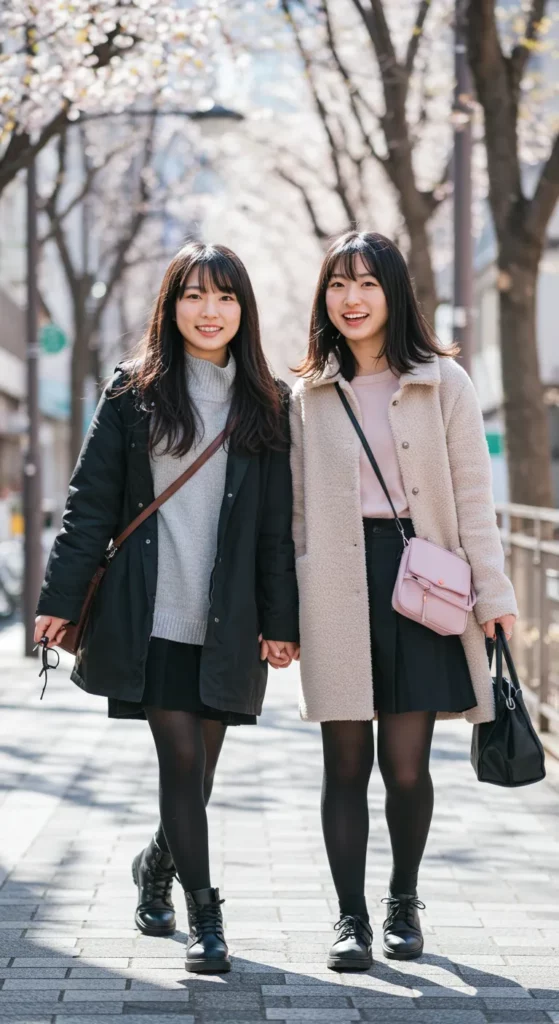
- Early spring (Mar): light wool sweater, a casual jacket or windbreaker — good with long pants or a skirt.
- Mid spring (Apr): light jacket (e.g., denim or thin windbreaker) with a long-sleeve T or blouse underneath.
- Late spring (May): light long sleeves or short sleeves — long pants or skirts work fine.

Summer (Jun – Aug)
Average temperatures:
- June: 23°C (low ~20°C, high ~26°C)
- July: 27°C (low ~23°C, high ~31°C)
- August: 28°C (low ~24°C, high ~32°C)
What to wear:
- Early summer (Jun): light long or short sleeves; bring a light jacket for rainy-season changes.
- High summer (Jul – Aug): short sleeves, shorts or skirts — watch the sun, bring sunscreen and a small umbrella; choose breathable, cool clothes.
Autumn (Sep – Nov)
Average temperatures:
- Sept: 23°C (low ~20°C, high ~27°C)
- Oct: 17°C (low ~13°C, high ~22°C)
- Nov: 12°C (low ~7°C, high ~17°C)
What to wear:
- Early autumn (Sep): long-sleeve shirts or light sweaters with a light jacket and long pants.
- Mid autumn (Oct): knitwear and a jacket paired with long pants or skirts — layers are handy for big temperature swings.
- Late autumn (Nov): thicker sweaters and coats — opt for warmer trousers or tights.


Winter (Dec – Feb)
Average temperatures:
- Dec: 7°C (low ~3°C, high ~11°C)
- Jan: 5°C (low ~1°C, high ~9°C)
- Feb: 6°C (low ~2°C, high ~10°C)
What to wear:
- Early winter (Dec): thick sweaters and a warm coat (wool or light down).
- Mid-winter (Jan – Feb): down coats, wool layers, scarves and gloves — pair with thermal pants or thicker leggings.
🔥 Hot Tickets & Deals 🔥
💴 All the best Japanese department stores, cosmetics, and electronics deals — right here!!
Electronics + cosmetics + sundries

Bic Camera
(Discount vouchers are generally valid across Japan)

Yamada Denki
(Discount vouchers are generally valid across Japan)

EDION
Namba Main Store / Kyoto Shijo Kawaramachi / Akihabara Store

Don Quijote
(Discount vouchers are generally valid across Japan)

Matsumoto Kiyoshi
(Discount vouchers are generally valid across Japan)

COSMETICS AND MEDICAL (cosmetics)
Shin-Marunouchi Building / New Yurakucho Building / Otemachi FirstSquare / Otemachi Plaza / Kodemmacho / Higashi-Nihonbashi

COSMOS Cosmetics
(Discount vouchers are generally valid across Japan)

SUGI Pharmacy
(Discount vouchers are generally valid across Japan)

Daikoku Drugstore
(Discount vouchers are generally valid across Japan)

Tsuruha Drug
(Discount vouchers are generally valid across Japan)

Cocokara Fine Cosmetics
(Discount vouchers are generally valid across Japan)

Kokumin Cosmetics
(Discount vouchers are generally valid across Japan)

Hokkaido Drugstore “Satsudora”

Okinawa cosmetics chain “RYUSPA”
Department stores
Mitsui Outlet
Odaiba DiverCity
COREDO Muromachi
LaLaport
Lazona

Daimaru Matsuzakaya Department Stores
Umeda Store / Shinsaibashi Store / Tokyo Store / Matsuzakaya Ueno Store / Kyoto Store
Sapporo Store / Kobe Store / Shimonoseki Store / Matsuzakaya Nagoya Store / Matsuzakaya Shizuoka Store

Tobu Department Store Ikebukuro

Seibu Department Store
SOGO Department Store

Tokyo Rakuten Duty-Free Ginza
(GinzaNovo)

Odakyu Department Store Shinjuku
(Shinjuku West Exit)

Kintetsu Department Store
Osaka Abeno Harukas
Tax-free 10% + up to 5% extra discount

Keio Department Store Shinjuku
Tax-free 10% + up to 5% extra discount
Sports gear + apparel

JEANS MATE Clothing Store Coupon
Ikebukuro Store / Harajuku Takeshita Street Store / Kawasaki Store / Ofuna Store

Alpen Discount Coupon (sports goods)
(Discount vouchers are generally valid across Japan)
(Shinjuku store — Japan’s largest sports goods store)

L-Breath (sports goods)
(Discount vouchers are generally valid across Japan)

Victoria Golf (sports goods)
(Discount vouchers are generally valid across Japan)

Victoria (sports goods)
(Discount vouchers are generally valid across Japan)

Aoyama (The Suit Company)
Tax-free + extra 10% off coupon

Japanese luggage brand ACE
10% off coupon
🏷️ Iidabashi ➡️ Kagurazaka — Attraction sticky notes 🏷️
Attraction map
Suggested order for attraction sticky notes
We recommend opening a map on your computer to match the sticky notes and plan your route.
Orange blocks (Iidabashi area), blue blocks (Kagurazaka area)
🚶♂️ Iidabashi area 🚶🏻♀️
飯田橋車站
Iidabashi Station
이이다바시역
饭田桥车站
 Click to navigate
 Introduction

中華蕎麥麵 高橋
Chuka Soba Takahashi
중화소바 다카하시
中华荞麦面 高桥
 Click to navigate
 🕖11:30〜15:00
👑 Iidabashi No.1
Introduction
Chūka Soba Takahashi
Basic Info
Address: 〒102-0072 Tokyo, Chiyoda-ku, Iidabashi 3-11-30 Chiyodamachi Building 1F
Hours: 🕖11:30〜15:00 (last order 15:00, often sells out)
Closed: Sundays and national holidays
Price range: ¥1,000–1,999
Tabelog rating: 3.67 (916 reviews, as of Aug 2025)
What Makes It Special
Located near Iidabashi Station East Exit, “Chūka Soba Takahashi” is a classic ramen shop founded in 1991 and loved for its nostalgic, traditional-style chūka soba. The compact shop has an L-shaped counter with about 6–8 seats and a retro Showa-era vibe that transports you back in time. The signature dish is its cloud-eating ramen (wan-tan men), which often draws long queues at lunch — popular for a reason.
The ramen features a rich broth simmered from chicken and pork bones with just the right amount of oil so the surface glistens with an inviting sheen. The moderately thick, refreshing soup delivers warm, satisfying flavors. Noodles are medium-thin straight noodles that pair smoothly with the deep-flavored broth. The wontons are especially noteworthy: thick skins, generous fillings, fresh meat texture — every bite makes you reach for the next.
Toppings include finely chopped scallions, classic nori, soft-boiled eggs, and bamboo shoots (menma), creating a simple but comforting classic chūka soba experience. Customers can add chili for more kick. Though the space is small and not ideal for long hangouts, for lovers of authentic Tokyo ramen, this place is a must-visit.
香料咖哩 ARC-ROAD 飯田橋店
Spice Curry ARC-ROAD - Iidabashi Branch
스파이스 카레 아루쿠 로드 이다바시점
香料咖喱 ARC-ROAD 饭田桥店
 Click to navigate
 🕕11:00〜15:00
🕕17:30〜22:30
👑 Iidabashi No.2
Overview
Spice Curry Alkroad Iidabashi
Basic Info
Address: 〒102-0072 Tokyo, Chiyoda-ku, Iidabashi 4-8-11 Uedō Curry Iidabashi Shop 2F
Hours: 🕕11:00〜15:00 / 17:30〜22:30 (Mon–Fri), 🕕11:00〜15:00 / 17:30〜20:00 (Sat, Sun & public holidays)
Closed: No regular holidays
Price range: Lunch: ¥1,000–1,999; Dinner: ¥1,000–1,999
Tabelog rating: 3.67 (as of Aug 20, 2025)
Website / Social: Instagram official
What Makes It Special
Hidden on the 2nd floor near Iidabashi Station inside the Uedō Curry building, Spice Curry Alkroad serves a modern take on Indian flavors. Run by experienced Indian chefs, the kitchen blends North and South Indian techniques to create aromatic, less-oily curries packed with layered spices — perfect for folks who want serious flavor without feeling weighed down.
The retro-tinged interior has a cozy 13-seat bar counter decorated with hand-drawn art and cute accents, making it a warm spot for solo diners or small groups. Signature options include a “Two-Curry Plate” (¥1,200) and a daily biryani (¥1,000). You can mix from four curry choices — from rich, spiced chicken to seafood-and-meat combos — so experimentation is encouraged.
Complimentary mango lassi (Mango Lassi) comes with meals — creamy, fruity, and lightly tangy, it balances the spice beautifully. Condiments like green chili sauce, fukujinzuke, and black pepper let you tweak the heat and flavor to your liking. Alkroad has even participated in the Kanda Curry Grand Prix, earning praise for its refined spice blends. Great for curry lovers wanting authentic taste with a modern twist.
東京大神宮
Tokyo Daijingu Shrine
도쿄대신궁
东京大神宫
 Click to navigate
 🕕06:00〜21:00
❤️ Looking for love
Overview
Tokyo Daijingu Shrine
Tokyo Daijingu, nicknamed “Tokyo’s matchmaking shrine,” is one of the city’s most iconic shrines. Famous as a birthplace of modern Shinto wedding ceremonies (en-musubi — tying people together), it draws visitors hoping for love, marriage, or simply some traditional shrine vibes. Beyond its history and cultural importance, the shrine’s spiritual atmosphere attracts countless pilgrims — especially young women seeking romance and a little extra luck. Whether you want love to go smoothly, a happy marriage, or a taste of Japan’s shrine charm, Tokyo Daijingu is a must-visit.
Basic Info
Address: 〒102-0071 2-4-1 Fujimi, Chiyoda-ku, Tokyo
Hours: ⏲06:00–21:00 (visiting); ⏲09:00–17:00 (amulets & goshuin)
Access: About a 5-minute walk from Iidabashi Station (JR Chūō/Sōbu, west exit), or about 5 minutes from Iidabashi Station A4 exit on the Tokyo Metro Tozai, Namboku and Yurakucho lines.
Highlights
Set in a quiet corner of Chiyoda, the shrine’s elegant and understated architecture and torii-lined approach feel peaceful and photogenic. Inside the grounds a sacred tree over a century old is said to bring good luck — a favorite photo spot for visitors hoping for a little extra fortune. The precinct also includes small shrines like Iifuku Inari Shrine, associated with prosperity and arts; these draw people praying for business success, creative breakthroughs, or performance luck. Don’t miss the cute love charms, en-musubi bells, and colorful ema boards — some stalls even offer playful personality-readings and poetic guidance that visitors enjoy.
History
Tokyo Daijingu’s story goes back to 1880 (Meiji 13). At the time, the Meiji government promoted branch shrines of Ise to make worship more accessible. In 1900 the shrine began offering weddings to ordinary citizens, helping spread Shinto-style wedding rituals across Japan. After the 1923 Great Kantō Earthquake the shrine moved to its current Iidabashi site and was called “Iidabashi Daijingu”; in 1946 it officially became “Tokyo Daijingu.” The shrine venerates major kami such as Amaterasu Ōmikami and Toyouke-no-Ōmikami, and is celebrated as a sacred spot for en-musubi (forming bonds).
Cultural Notes
Considered a birthplace of modern Shinto weddings, Tokyo Daijingu played a big role in making shrine weddings available to the public. The shrine’s wedding hall (the “Matsuyasalon”) preserves a dignified atmosphere for ceremonies, while omamori (charms), goshuin (shrine stamps) and seasonal limited goshuin are often little works of art and treasured souvenirs. New Year’s hatsumōde draws over 50,000 visitors, and year-round the shrine blends traditional Shinto culture with modern life. Whether you’re praying for love, career success, or exam luck, this spot leaves people feeling upbeat and hopeful.
串燒 Yamu-chan
Yakitori Yamu-chan
야키토리 야무짱
串烧 Yamu-chan
 Tap to navigate
 🕕16:00–23:00
Overview
Yakitori Yamuchan Iidabashi
Basic Info
Address: 1F Hayashi Bldg, 2-4-7 Fujimi, Chiyoda-ku, Tokyo 102-0071
Hours: ⏲16:00–23:00 (last order 22:30; may close earlier depending on ingredient availability)
Closed: Sundays and national holidays (please confirm ahead)
Estimate: Evening ¥4,000–¥4,999
Tabelog score: 3.52 (based on 41 reviews as of Aug 2025)
What makes it special
Just steps from Iidabashi Station, “Yakitori Yamuchan” is a friendly local izakaya centered on grilled skewers (yakitori). The red lantern, wooden noren and warm interior give a classic downtown Japan vibe. Though compact (about 30 seats including the counter), the place is lively and welcoming — perfect for after-work drinks or small group gatherings.
The owner personally selects fresh chicken, pork and vegetables, focusing on quality ingredients and precise grilling to deliver juicy, smoky flavors. Signature items include tsukune with egg yolk, kashira (pork cheek), and sasami ume-shiso (chicken with plum & shiso). In winter the oden (stewed items) is a cozy favorite.
Beyond skewers, the menu offers comforting sides like macaroni salad, vinegared motsu (offal) and a spicy beef stew. Drink options range from draft beer and Hoppy to the house “Yamuchan Highball” (¥290) — slightly bitter and refreshing — plus a selection of sake and shochu. The restaurant is fully non-smoking and kept clean, which makes it especially friendly for women dining alone or in groups.
As a popular local spot, it often fills up fast — phone reservations are strongly recommended (especially evenings; sometimes book weeks ahead). Staff politely keep the atmosphere comfortable even when things get lively. If you want solid yakitori near Tokyo Daijingu with a relaxed, local feel, this is a great choice.
牛込見附遺跡
Ushigome-mitsuke Gate Ruins
우시고메 미쓰케 터
牛込见附遗迹
 Tap to navigate
 🕕24H
Overview
Ushigome Mitsuke
Basic Info
Address: 〒102-0071 2-chome Fujimi, Chiyoda-ku, Tokyo
Hours: 🕖00:00~24:00 (Open 24 hours)
Note: Outdoor site — best visited during daytime to appreciate the stonework. No admission fee.
Overview
Ushigome Mitsuke sits in central Tokyo near JR Iidabashi Station West Exit and preserves a fragment of Edo-period defensive stonework. Once part of the outer gate system that protected Edo Castle, the original gate is gone but the sloping stone walls remain, offering a tangible slice of old Tokyo. The masonry shows traditional cut-and-fit and hammered-joint techniques that highlight the craftsmanship of Edo-era stonemasons. A short, pleasant walk from Iidabashi (just a few dozen meters along Waseda-dori) brings you to the stone remains east of Ushigome Bridge. Reflections in the water, shady trees, historical plaques and a stone engraved “Matsudaira Awa-no-kami” make this a quiet, photogenic stop — perfect for history buffs and anyone who enjoys hidden city corners.
History
The site dates back to 1636 (Kanei 13) and was established under the oversight of the Tokushima Domain’s early lord (Hachisuka). It functioned as a lookout and defensive gate for Edo. After the Meiji Restoration its military role declined: parts were removed in 1872 (Meiji 5) and again in 1902 (Meiji 35). Careful preservation kept some stone slopes, and in March 1956 these were designated as part of the “Outer Moat Remains of Edo Castle.” Today the stones are valued relics that let visitors glimpse Edo’s urban past and the craftsmanship behind it.
運河咖啡館
Canal Café
카날 카페
运河咖啡馆
 Click to navigate
 🕖11:30~22:00
Overview
Canal Café Kagurazaka
Basic Info
Address: 〒162-0825 1-9 Kagurazaka, Shinjuku-ku, Tokyo
Hours: 🕖11:30~22:00 (Last orders: dinner 21:00; Sun & holidays open longer with slightly different last-order times. Lunch 11:30~14:00, weekends/holidays extended; afternoon tea around 14:00~16:30)
Holidays: Generally closed on the 1st and 3rd Monday of each month (open if that day is a national holiday). Check around New Year for special hours.
Reservation: Lunch set ¥2,000; Dinner course ¥4,000–¥4,999
Tabelog rating: 3.57 (out of 5.0; as of Aug 2025)
Official site: https://www.canalcafe.jp/
Highlights
Canal Café sits beside the canal in Kagurazaka and has been welcoming guests since 1918 with a relaxed waterside vibe. The venue offers an indoor dining area and a terrace overlooking the canal. The kitchen focuses on Italian-inspired dishes made with organic vegetables from local farms and carefully sourced meats — simple, fresh flavors with creative touches. Signature items include Neapolitan-style pizza, handmade pasta (rich, satisfying sauces like beef-cheek arrabbiata), and seafood dishes such as white-wine-steamed mussels. Desserts from the on-site “Canal Café Boutique” (try the kiwi almond pudding or citrus-mascarpone sweets) pair nicely with coffee or specialty drinks.
For a bit of fun you can rent a three-person boat (40 minutes ¥1,000) to glide along the canal — a charming way to see Kagurazaka from the water. The terrace also offers BBQ service (except in winter), letting you enjoy grilled food with a view. Whether it’s a romantic date or a relaxed family outing, Canal Café makes for a picture-postcard, easygoing experience.
不二家 飯田橋神樂坂店
Fujiya - Iidabashi Kagurazaka Branch
후지야 이이다바시 가구라자카점
不二家 饭田桥神乐坂店
 Click to navigate
 🕖10:00~21:00
Overview
Fujiya Iidabashi (Kagurazaka)
Basic Info
Address: 〒162-0825 Tokyo, Shinjuku-ku, Kagurazaka 1-12
Hours: 🕘10:00〜21:00 (Fri open until 22:00; Sat, Sun & public holidays 10:00〜20:00)
Closed: None
Website: http://pekochanyaki.jp/
Highlights
Fujiya Iidabashi’s star is the adorable “Peko-chan Yaki” — a Peko-chan–shaped baked treat filled with rich custard, chocolate, cream and seasonal flavors (matcha, chestnut, yuzu, etc.). Crunchy outside and soft, creamy inside — perfect for a warm snack and an Instagram snap. Sometimes you’ll even spot the rarer “Poco-chan Yaki” for a fun surprise. The shop also sells Fujiya classics like cream puffs, chocolate pies and Milky candies — great for sweet lovers and souvenir hunters.
About the shop
Located on lively Kagurazaka, just a 2-minute walk from JR and Tokyo Metro Iidabashi Station, this family-run shop opened in 1967 and is now in its third generation. The Peko-chan Yaki debuted in 1969 and has become a signature item, now sold exclusively at this branch. Watch the bakers through the shop window — irresistible if you pass by. A perfect stop for nostalgic treats or a quirky gift to bring home.
折扣碼+銀行優惠
goodxssss專屬折扣碼【KKGOODXSSSS】,單筆金額滿NT$1,500享94折,最高折抵NT$200
每會員可使用六次,搭配連結使用喔!
📍3 月活動:從世界花季開始
∙ 活動期間:2026/3/1 – 2026/3/31
∙ 活動連結:https://www.kkday.com/zh-tw/promo/bloomingworld
∙ 優惠資訊:
1️⃣ 折扣碼
∙ FLOWER:全站不限金額 97 折,上限折抵 150
∙ BLOOM88:花季行程商品滿 2000 享 88 折,上限折抵 240
2️⃣ 互動遊戲:戳戳樂 ➤ 抽 8,888 點
📍 夥伴限定/限量折扣碼(優惠期限:2/1 至 3/31)
【KKAFF400】全站商品滿 5,000 折 400
【KKAFF1000A】全站商品滿 10,000 折 1,000
【KKAFFTOUR88】行程商品享 88 折,上限折抵 300
【AFFNEW88A】新客全站不限低消享 88 折,上限折抵 150
【KKFLY】機票商品滿 7,000 折 300
【KKFHP500】機加酒商品滿 10,000 折 500
【EXCUZ2000】郵輪滿 30,000 折 2,000
【EXCUZ3000】郵輪滿 50,000 折 3,000
📍 每週目的地日優惠(優惠期限:至 3/31)
週一|港澳中日【HMCFHE】1/5 開始,滿 1688 折 88
週二|釜山日【KRGOBSE】1/6 開始,釜山、大邱地區全商品,滿 2,500 享 96 折,上限折抵 200
週三|東南亞日【SEAWED】1/7 開始,不限低消享 95 折,上限折抵 150
週四|首爾日【KRGOSLE】1/1 開始,首爾、京畿道、江原道地區全商品,滿 2,500 享 93 折,上限折抵 350
週四|日本日【JPDAY】1/1 開始,不限低消享 94 折,上限折抵 150
週五|台灣日【KKTW95EX】1/2 開始,滿 2,000 享 93 折,上限折抵 200
週六|歐美日【EEASAT】1/3 開始,滿 6,000 享 94 折,上限折抵 600⚡️適用加州迪士尼「2&3日」方案
週日|紐澳日【OOCSUN】1/4 開始,滿 5,000 享 93 折,上限折抵 600
📍 特定類別優惠
【LHTEC95】歐美加紐澳行程體驗包車消費滿萬享 95 折,上限折抵 300(使用期限至 3/31)
【LH400】歐美加紐澳商品滿 10,000 折 400 ⚡️適用加州迪士尼「全部」方案(使用期限至 3/31)
【JPSKI600】日本冬季滑雪、一日遊/多日遊商品滿 6,000 享 88 折,上限折抵 720(使用期限至 2/28)
【WINTERJP95】日本冬季行程享 95 折,上限折抵 1,000(使用期限至 2/28)
👉🏻 https://www.kkday.com/zh-tw/promo/winter-in-japan
【JPTRAIN】日本鐵路不限低消享 95 折,上限折抵 150(使用期限至 12/31)
【JPNEWTRAIN】日本鐵路新戶限定,不限低消享 93 折,上限折抵 100(使用期限至 12/31)
【KKJPTRAIN】聯盟夥伴限定推廣⚡️日本鐵路不限低消享 94 折,上限折抵 120(使用期限至 6/30)
👉🏻 https://www.kkday.com/zh-tw/transportation/japan-rail/?cid=20421
【KRWINTA】韓國商品滿 1,888 折 88(使用期限至 2/28)
【KRWINT】韓國行程滿 4,000 折 350(使用期限至 2/28)
👉🏻 https://www.kkday.com/zh-tw/promo/korea-winter?cid=20421
【KKHOTELNEW】全球住宿新客不限低消享 92 折,上限折抵 300(使用期限至 12/31)
【KKHOTEL】全球住宿舊客不限低消享 95 折,上限折抵 200(使用期限至 12/31)
👉🏻 https://www.kkday.com/zh-tw/promo/kkhotel?cid=20421
【2&3 月銀行優惠】
🔶 JCB 晶緻卡 / 極緻卡:https://www.kkday.com/zh-tw/promo/jcb_precious?cid=20421
∙ 日本 / 韓國 /港澳 / 泰國 / 越南指定類別商品滿 2,000 折 200(商品類別包含票券類商品 / 體驗類商品 / 日本鐵路商品 / 韓國演唱會接駁車商品)
【26JCB02】2 月
【26JCB03】3 月
🔶 星展饗樂生活卡:https://www.kkday.com/zh-tw/promo/dbs?cid=20421
∙【卡號前 8 碼+DBS26】全站不限金額 8 折,上限折抵 150(至 2026/12/31)
∙ 日韓行程體驗商品不限低消享 75 折,上限折抵 150
【DBSJK2602】2 月
【DBSJK2603】3 月
∙ 日本 KDDI eSIM 商品不限低消享 5 折,上限折抵 150:https://www.kkday.com/zh-tw/product/243815?cid=20421
【DBSKDDI02】2 月
【DBSKDDI03】3 月
🔶 國泰 CUBE 卡:https://www.kkday.com/zh-tw/promo/cube?cid=20421
∙ 切換「趣旅行」權益,KKday 全站最高 3.3% 回饋(至 2026/6/30)
∙ 3 月切換「日本賞」KKday 全站最高 3.5% 回饋
∙【CUBNEW26】2&3 月,新用戶日本、歐洲、美國、加拿大、紐西蘭、澳洲國家商品滿 2,100 折 350
∙ 折扣碼每週更新:每週六,全球商品滿 3,000 折 240
🔶 台新銀行:https://www.kkday.com/zh-tw/promo/richart?cid=20421
台新 Richart 卡(太陽卡 / 玫瑰卡 / @GoGo / FlyGo / 玫瑰 Giving / 大買家 / Richart 卡整併)
∙ 切換「玩旅刷」權益,KKday 全站最高 3.3% 回饋(至 2026/6/30)
∙【TSNEW26】2&3 月,新用戶東南亞 / 歐美加紐澳商品,滿 1,800 折 300
∙ 折扣碼每週更新:每週五,全球商品滿 3,000 折 240
🔶 新光 Visa 無限卡:https://www.kkday.com/zh-tw/promo/skb_infinite?cid=20421
∙ 全球商品滿 3,000 享 75 折,上限折抵 800
【SKBINF7502】2 月
【SKBINF7503】3 月
∙【SKBINF26Q1】2&3 月,住宿 / 行程 / 體驗 / 交通商品滿 8,000 折 2,500
🔶 富邦悍將勇士聯名卡:https://www.kkday.com/zh-tw/promo/guadians_braves?cid=20421
∙【FUBONTOKYO】2&3 月,東京知名樂園門票、熱門商品滿 1,500 折 450
∙【FUBONSP7510】2&3 月,全球運動商品滿 1,000 享 75 折,上限折抵 500
∙【FUBONLH500】2&3 月,歐美加紐澳商品滿 3,000 折 300
🔶玉山信用卡
– 玉山 Unicard:https://www.kkday.com/zh-tw/promo/unicard?cid=20421
∙ 刷卡享最高 4.5 % 玉山 ePoint 回饋(至 2026/3/31)
∙【UNIKUSKI09】2 月,日韓滑雪滿 3,500 享 88 折,上限折抵 600
∙【ESUNSKILH】2 月,歐美加紐澳商品滿 7,000 折 500
https://www.kkday.com/zh-tw/promo/esunall_ski?cid=20421
∙ 全球商品滿 10,000 折 1,500(適用瑞士熱門交通商品,限量提供、用完為止)
【UNI15002】2 月
【UNI15003】3 月
– 玉山國旅卡:https://www.kkday.com/zh-tw/promo/esun_travelcard?cid=20421
∙ 全球商品滿 2,000 折 300
【TR30002】2 月
【TR30003】3 月
– 玉山全卡:https://www.kkday.com/zh-tw/promo/esun_travelcard?cid=20421
∙【TR85Q4】2&3 月,高鐵假期商品享 85 折,上限折抵 600
∙【ESUNSKI09】2 月,日韓滑雪滿 3,500 享 9 折,上限折抵 700
– 玉山熊本熊卡:https://www.kkday.com/zh-tw/promo/esunall_ski?cid=20421
∙【UNIKUSKI09】2 月,日韓滑雪滿 3,500 享 88 折,上限折抵 600
🔶 中信 LINE Pay 卡:https://www.kkday.com/zh-tw/promo/ctbc_linepay?cid=20421
∙ 折扣碼每週更新:每週四體驗 / 行程 / 交通 / 景點通票商品 10% LINE Points 回饋
🔶 全支付:https://www.kkday.com/zh-tw/promo/pxpayplus?cid=20421
∙ 每週三用全支付下單享最高 22% 優惠+全點回饋 30 點(至 2026/6/30)
∙【PX26H1】2&3 月,新客全球商品滿 3,500 折 350
折扣碼每週更新:每週三,全球商品滿 3,500 折 245
🔶 街口支付:https://www.kkday.com/zh-tw/promo/jko?cid=20421
∙ 台新街口聯名卡付款享最高 3.5% 回饋(至 2026/12/31)
∙ 每週二領『街口券』,單筆消費滿 2,500 現折 125(至 2026/6/30)
∙【JKO26H1】2&3 月,新客全球商品單筆滿 3,500 折 350
折扣碼每週更新:每週二,全球商品滿 3,500 折 245
Tokyo's Hottest Tickets: Smart Travelers Always Compare Prices!
Tokyo's Hottest Tickets: Smart Travelers Always Compare Prices!
Tokyo's Hottest Tickets: Smart Travelers Always Compare Prices!
Tokyo's Hottest Tickets: Smart Travelers Always Compare Prices!
🚶♂️Kagurazaka area🚶🏻♀️
Noren 神樂坂店
Noren - Kagurazaka Branch
노렌 가구라자카점
Noren 神乐坂店
 Click to navigate
 🕕11:00〜19:00
Gifts and lifestyle goods
About
Noren Kagurazaka
Basic Info
Address: 〒162-0825 Tokyo, Shinjuku-ku, Kagurazaka 1-chome 12
Hours: 🔖11:00〜19:00
Closed: Every Tuesday (if Tuesday is a public holiday, closed the following Wednesday)
Website: Noren Kagurazaka official site
Highlights
Noren Kagurazaka is themed around “wa” — a cozy mix of traditional Japanese and modern lifestyle goods. Find tableware, utensils, everyday items and apparel with a warm, natural vibe. Popular picks include the original “Japan” souvenir (¥648), the retro-flower goshuin book “Retro Flower” (¥1,944), and handmade folding fans or cute earrings starting around ¥1,296 — perfect gifts. Nearby Noren MURO focuses on fermented foods and offers treats like “Kagurazaka Amazake” (¥378) and “Onigiri Miso Yuzu” (¥367), giving you a taste of nostalgic Japan.
About the shop
Opened December 17, 2016, the store sits in central Kagurazaka on the site of the old Yamato paper shop, bringing a deep cultural atmosphere. Named after the traditional shop curtain “noren,” the store invites you into a little Japanese wonderland. The design blends Edo-era motifs with modern touches — wooden entry signs, friendly icons and artful wall designs create a warm, nostalgic mood. Friendly staff and thoughtfully chosen products make it a great stop for unique souvenirs or a gentle cultural dive.
神樂坂通
Kagurazaka Street
가구라자카도리
神乐坂通
Click to navigate 🕕10:00〜20:00
About
Kagurazaka Street
Basic Info
Address: Kagurazaka 1–6 chome, Shinjuku-ku, Tokyo (from the Kagurazaka-shita intersection up to Kagurazaka-kami intersection)
Opening hours: 🕖 Hours vary by shop; generally 10:00–20:00. Restaurants and some stores may stay open later—check individual businesses.
Access: Easy to reach from nearby stations: Iidabashi Station (JR Sobu/Chuo lines and several metro lines) and Kagurazaka Station (Tokyo Metro Tozai). Specific exits put you right onto the slope.
What to expect
Kagurazaka is one of Shinjuku’s most charming strollable neighborhoods — a roughly 650‑meter slope lined with a mix of old and new. Think cobbled stone lanes, tiny izakaya and ryotei, French cafés, and trendy boutiques rubbing shoulders with traditional wagashi shops. On weekends parts of the street become pedestrian‑only, perfect for wandering slowly, hunting for cute souvenirs, and sampling classic and modern Tokyo eats. The area’s vibe is all about a tasteful blend of Edo history and contemporary Tokyo style.
You’ll also find temple landmarks like Bishamonten Zenkoku‑ji and the modern-meets-traditional Akagi Shrine. Small long-standing eateries such as the 19th-century fish restaurant and classic confectioners add cultural depth. If you visit in July, the Kagurazaka Matsuri (festival) transforms the slope into lively dancing, lanterns, and street food — an atmospheric taste of Tokyo summer.
神樂坂祭
Kagurazaka Festival
가구라자카 마츠리
神乐坂祭
Click to navigate 🕖 Every summer
Overview
Kagurazaka Matsuri
Basic Info
Address: Kagurazaka area, Shinjuku-ku, Tokyo (centered around Bishamonten Zenkoku‑ji)
Event period: July 23–26, 2025 (Wed–Sat) — already finished for 2025
Note: Light rain usually OK; heavy weather may change or cancel parts of the program—check official info before heading out.
What happens
Kagurazaka Matsuri is the neighborhood’s big summer bash — a mix of traditional Bon dancing and the high-energy Awa Odori parades. The multi-day festival turns the stone streets into stages: lantern markets, tons of food stalls, local shops selling festival goods (lanterns often priced around ¥2,500), and live street performances. The atmosphere blends old Edo rituals with modern Tokyo flair—think incense, lanterns, yukata, and non-stop dancing.
The finale nights feature dozens of dance troupes (and, on certain days, large Awa Odori processions) filling the street with drums, flutes, and infectious rhythm. Family-friendly events include a kids’ Awa Odori where local schoolchildren perform in yukata — super cute and lively. There’s also a traditional ritual where participants place a heated ceramic dish to pray for health and cooling off from the summer heat, adding a genuine local cultural touch.
Why go
If you want to experience a Tokyo summer festival that’s both iconic and local, Kagurazaka Matsuri delivers: great street food, lively dances, and a neighborhood that truly comes alive. Arrive early to grab good viewing spots, enjoy the mini-markets, and taste festival specialties for a memorable summer night in Tokyo.
藝者小徑
Geisha Alley
게이샤 골목
艺者小径
Click to navigate Overview
Geisha Alley (Kagurazaka) — Tokyo’s hidden hanamachi lane
Nestled beside the lively streets of Kagurazaka in Shinjuku, a narrow atmospheric lane—Geisha Alley—still hides among stone steps and wooden eaves. Once the route geisha used to reach the kenban (geisha office) and banquet houses, it carries echoes of the Meiji and Taisho eras. Today the old stones mix with modern restaurants, making it a perfect spot to experience traditional Tokyo culture with a contemporary twist.
Address
Kagurazaka area, Shinjuku-ku, Tokyo (around 3-10)
Hours
⏰Open all day (individual restaurants and shops set their own hours)
What to see
Often called the “Atami-yu Steps,” the short stone stairway on Kagurazaka’s west side links small lanes and retains an intimate scale (about 20–30 meters). Traditional wooden buildings sit next to modern eateries; at night lanterns and shop lights create a dreamy atmosphere. Along the way you’ll find tucked-away Spanish and Japanese restaurants recommended by locals. The preserved stone steps and wooden eaves give photographers and culture fans a taste of old Tokyo, while the mix of new and old makes for a quietly charming stroll.
History
The alley’s roots trace back to the Edo period (1603–1868). Kagurazaka was once a bustling hanamachi where geisha culture flourished. The lane became known for a nearby bathhouse and served as a daily route between the kenban and banquet halls. After the Great Kanto Earthquake and later shifts, merchants from areas like Nihonbashi and Ginza moved in, bringing more commerce and turning Kagurazaka into a fusion of tradition and modern life. Even today the stone pavements and wooden structures whisper of those glittering days.
Cultural notes
Geisha Alley distills Kagurazaka’s artistic spirit: geisha performing arts blend music, dance and ceremony in pursuit of refined beauty. The alley and surrounding lanes continue that legacy with elegant restaurants and cafes offering both classic Japanese fare and modern creations. Nearby kenban alleys still host shamisen practice, and hearing those strings can feel like a short trip back in time. Walking here is more than sightseeing—it’s a quiet conversation with Tokyo’s layered history.
果房哈密瓜與浪漫
Kabo Melon to Roman
과방 멜론과 로망
果房哈密瓜与浪漫
 Tap to navigate
 🕕11:00〜17:30
Overview
Fruit House Melon & Roman
Basic Info
Address: 162-0825 Tokyo, Shinjuku-ku, Kagurazaka 3-6-92
Hours: ⏰10:00〜18:00 (1F shop); ⏰11:00〜17:30 (2F café — last order 16:30; café seat time may be limited to 90 minutes during busy periods)
Closed: Mon & Tue (check the website for holiday changes)
Website: https://www.melon-roman.com/
Specialties
“Melon & Roman” centers on high-quality melons from Tsugaru in Aomori and turns them into a range of melon-themed treats. The shop sells handcrafted sweets such as melon-colored hand cakes (about ¥1,400), playful melon cup pastries (10 pieces for about ¥650), and cute melon gift items (around ¥1,650) — all designed to showcase the melon’s natural flavor and texture. The second-floor café offers seasonal melon desserts like the popular seasonal parfait (~¥1,700) and other melon-and-tea pairings. Takeaway is available for visitors who want melon goodness on the go.
About the shop
Opened on July 7, 2019 in Kagurazaka, “Melon & Roman” is Japan’s first shop dedicated to creative melon desserts. Working with producers from Tsugaru—one of Japan’s noted melon regions—the store celebrates local varieties. The interior blends Kagurazaka’s historic charm with melon-colored displays, and the experience is designed to appeal to all five senses: sight, smell, taste, touch and sound. With seasonal limited items and convenient takeaway, it’s a must-visit for fruit lovers and gift hunters.
捉迷藏橫丁
Kakurenbo Yokocho
카쿠렌보 요코초
捉迷藏横丁
Tap to navigate Overview
Hidden Alley (かくれんぼ横丁)
Basic Info
Address: Around 3-chome, Kagurazaka, Shinjuku, Tokyo 162-0825
Hours: 🕖 Open 24 hours (it’s a pedestrian alley you can stroll anytime — best experienced at night)
Getting there: About a 5–10 minute walk from Iidabashi (JR/Tokyo Metro), Kagurazaka (Tokyo Metro) or Ushigome-Kagurazaka (Toei)
What to See
Hidden Alley (かくれんぼ横丁) sits in Kagurazaka and is one of the neighborhood’s iconic stone-paved lanes. Its twisty, bench-lined path — which even resembles the character “互” — feels like a little maze. Legend says the name comes from how even sneaky visitors or wandering celebrities would get drawn into the nook, adding a pinch of mystery and romance. At night the restaurants light up the stone path, creating a calm, elegant atmosphere that feels like stepping back into a more glamorous era.
But it’s not just eye candy — Kagurazaka is a foodie hotspot. Inside the alley you’ll find a mix of eateries: tiny local joints, French-influenced bistros and modern dining spots, each with its own cozy vibe. For example, the place called “Sen” updates its kaiseki menu monthly to showcase seasonal flavors, while “Saka no Ue Restaurant” offers creative Italian-Japanese fusion for special nights. There’s also a playful local legend: three “pincoro” stones hidden along the path are said to look like a heart (love), a star (wishes & success) and an octagon (business luck). Spot them for a little extra good fortune — just don’t move them or the luck might poof away!
History & Culture
The Kagurazaka area dates back centuries and grew into a famed hanamachi (flower town) where artists, geisha and literati gathered. The alley’s stone path, black-tile houses and traditional architecture preserve that old-time charm while quietly hinting at stories of Tokyo’s past. Today Hidden Alley keeps that spirit alive but mixes in modern touches — shops and restaurants reinterpret traditional flavors and designs, making it a perfect spot where history and contemporary Tokyo meet. It’s also a favorite film and drama backdrop, so you might recognize it from the screen.
In short: Hidden Alley is short on size but big on atmosphere — ideal for a twilight stroll, dinner-hopping, or hunting for those tiny local secrets.
Bertrand Larcher Le Bretagne 神樂坂店
Bertrand Larcher Le Bretagne - Kagurazaka
베르트랑 라셰 르 브르타뉴 가구라자카
Bertrand Larcher Le Bretagne 神乐坂店
Tap to navigate 🕒11:30〜15:00
🕒17:30〜23:00
French cuisine
About
Le Bretagne — Kagurazaka
Restaurant Info
Address: 3-3-6 Kagurazaka, Shinjuku-ku, Tokyo
Hours:
【Restaurant】
🕒11:30〜15:00 (last order 14:00 — weekday lunch served in the main dining area)
🕒17:30〜23:00 (last order 21:00)
【Cafe & Cidre Bar】
🕒08:00〜23:00 (last order 22:00; weekends: 11:30〜22:00)
Closed: Monday & Tuesday (may vary on national holidays)
Budget:
Lunch: approx ¥6,000–¥7,999
Dinner: approx ¥10,000–¥14,999
Tabelog rating: 3.53 (as of Mar 2025)
Official site: https://www.le-bretagne.com/
Highlights
Located in tranquil Kagurazaka, “Le Bretagne” brings the classic flavors of Brittany to Tokyo. Founded by Bertrand Larcher in 1996, the place is famous for buckwheat galettes and cider. In March 2022 it reopened with a fresh layout, separating a relaxed cafe & cidre bar from the main restaurant — giving diners both casual and formal options.
Food & Atmosphere
The menu focuses on Breton specialties: savory buckwheat galettes with a crisp crust and soft interior, paired with fresh seafood, Iberico ham, or seasonal vegetables for layered flavors. You’ll also find creative dishes like Cocotte and hearty buckwheat stews, plus classic dessert crêpes paired with cider — sweet, comforting, and perfectly satisfying.
They offer around 40 types of Breton cider and about 100 natural and sparkling wine selections chosen by a professional sommelier. A must-try is the “Cotriade” — a Breton seafood stew slow-simmered to bring out the ocean’s sweetness, with a hint of cider. The cafe serves specialty coffee and lighter bites — great for breakfast or an afternoon break.
Space & Cultural Vibe
The restaurant is tucked into a traditional Kagurazaka building with stone details and black-tile walls, blending Japanese architecture with French comfort. The cafe/cider bar at the entrance feels casual and breezy — perfect for friends or a relaxed date — while the restaurant area offers more privacy and a refined mood for special occasions.
Tap to navigate 🕒10:30〜20:00
Cosmetics
About
MAKANAI Kagurazaka Main Store
Basic Information
Address: 〒162-0825 3-1 Kagurazaka, Shinjuku-ku, Tokyo
Business hours: 🕘10:30〜20:00 (Sundays & national holidays 🕘11:00〜19:00)
Website: http://makanaicosmetics.co.jp/
Product highlights
MAKANAI’s Kagurazaka shop is known for its uniquely Japanese natural cosmetics. Products use traditional Japanese natural ingredients—think camellia, rice bran, olive leaf, eggshell membrane and soybean-derived extracts—crafted to be gentle and non-irritating, suitable for many ages. The most popular item is the celebrity-favorite hand cream “Perfectly Formulated Hand Cream” (for example the “しとやかな桜の香り” scent), 40g — 1,980 JPY. Made from 100% natural components, it’s lightweight and water-like, absorbs quickly, and delivers deep hydration thanks to the brand’s exclusive KaESS complex (camellia extract, eggshell membrane and soybean moisturizing components). Great for dry seasons or sensitive skin. Some items also incorporate 999.9‰ gold leaf for an extra luxe sheen and skincare boost.
Beyond hand cream, MAKANAI offers a range of face, body and hair care—examples include the “Pure Coix-Seed & Seaweed” and “Rice Bran Mask”—all stressing harmony with your skin. The store also carries healthy teas and seasonings to showcase the brand’s interest in wholesome living. For convenience and gifting, MAKANAI offers seasonal gift sets like the “はじめてセット” (Hajimete Set), bundling star items so first-timers can try everything. These make excellent souvenirs for travelers hunting authentic Japanese beauty goods.
Store intro
MAKANAI’s story goes back to 1899, rooted in a long-standing gold-leaf workshop from Kanazawa, Ishikawa. That traditional craft background inspired the MAKANAI brand. The Kagurazaka flagship sits on a charming little hill between Kagurazaka and Iidabashi; the interior blends tradition and modern design—wood tables made from reclaimed Hokkaido timber, walls decorated with the brand’s rabbit motif and gold-leaf details—creating a warm, refined atmosphere. There’s a small coffee corner called “おやつ部” where you can take a relaxing break while shopping, enjoying the store’s simple, tasteful Japanese aesthetic.
MAKANAI isn’t just a shrine for makeup lovers — it’s a window into traditional Japanese craft and sustainable thinking. The brand emphasizes “cherishing nature’s gifts” and “using things fully,” curating natural-material products and thoughtful displays. A tucked-away back entrance adds a playful sense of discovery, perfect for travelers who enjoy finding hidden local gems and soaking up a bit of skin-care-driven bliss.
筑土八幡神社
Tsukudo Hachiman Shrine
쓰쿠도하치만 신사
筑土八幡神社
Click to navigate 🕘08:00〜17:00
Overview
Tsukudo Hachiman Shrine
Basic Information
Address: 〒162-0815 2-1 Tsukudo Hachimacho, Shinjuku-ku, Tokyo
Hours: 🕘08:00〜17:00 (Shrine opening hours may vary seasonally or for events—check official sources)
Access: About a 6-minute walk from Iidabashi Station (JR Chūō/Sōbu, Tokyo Metro Tozai, Yurakucho, Namboku lines, Toei Ōedo line); about a 7-minute walk from Ushigome-yanagichō Station (Toei Ōedo line)
Attraction overview
Tsukudo Hachiman Shrine is a small, historic shrine on a quiet hill between Kagurazaka and Iidabashi in Shinjuku. Its peaceful grounds provide a calm contrast to the nearby city bustle. Traditionally a local tutelary shrine, it’s dedicated to guardian deities and has long been a place for prayers for local prosperity and safety. Along the approach you can spot old stone lanterns and ancient trees that add a gentle, natural atmosphere to the precinct.
One of the shrine’s distinctive features is an unusual multi-symbol dedication—decorated with sun and moon motifs, peach blossoms and mythic animal figures—different from more common single-deity shrines, and believed locally to bring health, longevity and good relationships. There’s also a stone monument honoring a beloved children’s song composer (the stone is engraved with song lyrics like “Kintaro” and “Urashima Taro”), a sweet reminder of local culture. A small children’s playground with a slide makes the shrine a friendly spot for families.
History background
The shrine’s origins are said to go back over a thousand years to the Heian period. Local legend tells of an elderly villager who dreamed of a divine spirit and discovered a sacred pine; after making offerings and building a small shrine, the place became formally established. Later, priests reportedly brought sacred soil from famous shrines to set the foundation, which contributed to the shrine’s current name and status. Over the centuries the shrine was expanded and rebuilt multiple times. Although wartime damage occurred, the community rebuilt the shrine—completing a major reconstruction in the mid-20th century—and it now stands in the graceful style visitors see today. The shrine continues to protect several surrounding neighborhoods and passes its deep history to new generations.
Cultural significance
Tsukudo Hachiman is a cultural landmark in the eastern Ushigome/Kagurazaka area. Hachiman shrines are historically associated with warriors and local guardians, symbolizing victory and peace, and here that belief blends with local folk customs and music. The shrine’s rituals, the engraved stones linked to children’s songs, and the warm neighborhood festivals all show how Shinto belief, local art and community life connect. The big annual festival on September 15th gathers families and neighborhood groups—processions, performances and festival floats bring out the area’s strong sense of tradition and community spirit, making the shrine a great stop for travelers who want a taste of local Tokyo culture.
兵庫橫丁
Hyogo Yokocho
효고 요코초
兵库横丁
Click to navigate 🕘08:00〜17:00
Overview
Hyogo Yokocho (Hyogo Yokocho)
Basic Info
Address: 〒162-0825 Around 4-chome, Kagurazaka, Shinjuku-ku, Tokyo
Opening hours: 🕖 00:00〜00:00 (Open all day — best atmosphere in the evening or late at night)
Access: About a 5-minute walk from Kagurazaka Station on the Tokyo Metro Tozai Line, or about a 10-minute walk from Ushigome-Kagurazaka Station on the Toei Oedo Line, or Iidabashi Station (JR / Tokyo Metro)
What to Expect
Wandering through Hyogo Yokocho in Kagurazaka feels like stepping into a time capsule — a narrow, old-fashioned alley that takes you back to the streets of old Tokyo. Tucked beside the bustling main street, this tiny courtyard is full of charm: stone pathways, dark wood boards, and low-fashioned eaves that give off a thick, nostalgic vibe. Hyogo Yokocho is one of Kagurazaka’s oldest lanes — so narrow that two people can barely walk side by side, and cars can’t get through, making it a peaceful pocket away from the city noise. Flanking the alley are cozy eateries and a few hidden dining spots; at night soft lantern light glows on the stones, whispering stories of the old Edo and early modern era.
The alley’s charm lies in its secrecy and diversity. The entrance feels almost like a riddle — you may wonder if it’s a real path — but once you’re in, a whole world opens up. From traditional dishes to French cuisine, and even tucked-away bars, you’ll find a mix of famous and quirky small shops, each with its own personality and story. For example, the long-standing “Kagurazaka Oishinbo Main” keeps classic seasonal recipes alive, while “ARBOL” focuses on fresh organic ingredients to create modern Western dishes — a tasty fusion of Kagurazaka’s heritage and contemporary flavors. As you stroll, you’ll hear the occasional clink of cutlery or the mellow hum of conversation — tiny soundtracks that make you feel like you’ve slipped into another era, quietly soaking in Tokyo’s depth and elegance.
History & Cultural Background
The name “Hyogo Yokocho” traces back to the Sengoku era, when a section of Kagurazaka served as a weapons storehouse (“hyō” for arms, “gō” or “kura” for storehouse) — so people called the area the “Hyogo” storehouses. Though much of old Kagurazaka was later lost, the alley preserved traces of medieval warehouse lanes and is considered one of Kagurazaka’s oldest paths. During the Edo period Kagurazaka gradually became a lively entertainment and dining district; Hyogo Yokocho became a core spot for writers, artists, and local sophisticates. The famous “Wako Ryokan” was once a creative hub for novelists and filmmakers like Yamata Yōji and others, leaving countless cultural tales. Even though the ryokan closed temporarily in 2015, its buildings and history still add cultural depth to the alley.
善國寺
Zenkoku-ji Temple
젠코쿠지
善国寺
Tap to navigate 🕖 06:00〜18:00
🏷️ Open, exorcisms, and bustling shops
Introduction
Zenkoku-ji (Kagurazaka Banshamon Ten)
Basic Info
Address: 〒162-0825 5-36 Kagurazaka, Shinjuku-ku, Tokyo
Opening hours: 🕖 06:00〜18:00 (Visiting hours — for ceremony times, please check the official site)
Closed days: No fixed closed days (special events or rituals may affect visiting hours; recommended to confirm ahead)
What to Expect
Sitting in the heart of Kagurazaka’s lively streets, Zenkoku-ji — affectionately known as “Kagurazaka Banshamon Ten” by locals — is a calm and historic Buddhist temple. Its vivid vermilion gate stands proudly along the main street and is a popular photo spot (locals joke it’s the guardian of the “mountain-hand silver seat”). The temple’s principal statue of Banshamon Ten (designated as a cultural asset in Shinjuku) is about 30 cm tall and exquisitely carved, showing craftsmanship that hints at its long history. The deity holds a sword in the right hand and a pagoda in the left, wearing armor — a powerful, dignified presence. The statue is worshipped as a protector deity for opening businesses, exorcisms, and prosperity, especially busy during the shrine open seasons in January, May, and September when worshippers line up to pray for luck and good fortune.
Zenkoku-ji is not only a religious spot but also a cultural landmark for Kagurazaka. The two stone tigers in front of the temple (designated as folk cultural assets) are unique features: in 1848 local residents offered them to symbolize protection and safety for worshippers. The tiger sculptures have inscriptions mentioning Kagurazaka-era place names, reminding visitors of past prosperity and faith. The small temple gardens and lanes around Zenkoku-ji are full of nostalgic charm — a delightful stroll will lead you through layers of Edo, Meiji, and Taisho-era elegance, with stone basins and red maple leaves popping up as picturesque touches. Every year during the New Year’s “Yamanote Nanahoshi” procession, Zenkoku-ji represents the local guardian deity and attracts many worshippers who come to pray and gather blessings.
Historical Background
Zenkoku-ji was founded in 1595 (Bunki 4) by Nichiren sect priests and established as a temple by a high-ranking priest from the Ikegami Honmon-ji lineage, with support from the Tokugawa family. Legend says the founder dedicated the Banshamon statue (the tiger) as a guardian talisman, praying for peace in the region. The temple has endured multiple fires; in 1670 it was rebuilt by Lord Mizuho Mitsuhiro at Ushigome, and in 1793 it moved to its current Kagurazaka site, becoming a local religious center.
During the Edo period, Zenkoku-ji, together with regular temples and shrines, formed one of Kagurazaka’s three important religious spots, known for drawing samurai, merchants, and townfolk. From the Meiji through Taisho eras Kagurazaka thrived as a lively town with a bustling day-and-night market centered around the temple gate. Although the temple was nearly destroyed during the 1945 Tokyo air raids, its main hall was rebuilt in 1951 and restored to its former grandeur by 1961, continuing its role as a spiritual landmark for Kagurazaka.
Cultural Significance
The Banshamon statue at Zenkoku-ji shows how Japanese Buddhism blended with local folk beliefs. Banshamon (Vaisravana/Bishamonten) originally comes from Indian Buddhism as one of the Four Heavenly Kings and is seen as a guardian of the north who wards off evil and brings fortune. In Japan, Banshamon merged into the local belief in wealth and victory, gaining respect from both samurai and merchants. At Zenkoku-ji, the tiger guardian symbolizes protection and is tied to New Year traditions and local festivals, reinforcing the temple’s role in Kagurazaka’s social and commercial life.
神樂坂 山蟬
Kagurazaka Yamasemi
가구라자카 야마세미
神乐坂 山蝉
 Tap to navigate
 🕖 11:00〜15:00
🕖 17:00〜22:00
Introduction
Kagurazaka Yamasemi
Basic Info
Address: 5-31-1 Kagurazaka, Shinjuku, Tokyo 162-0825
Opening hours: 🕘 11:00–15:00 (last order 14:00) / 🕕 17:00–22:00 (last order 21:00; Tokyo hours may be adjusted)
Weekend & holiday hours: 🕚 11:30–22:00 (last order 21:00; Tokyo hours may be adjusted)
Closed: No fixed holidays — please check the official site or call to confirm
Budget: Lunch from ¥1,000; Dinner ¥4,000–4,999
Tabelog rating: 3.49 (as of Aug 2025)
Official website: https://stylegroup.co.jp
Highlights
Located in Kagurazaka, “Yamasemi” is a cozy soba-izakaya that mixes classic soba-making (freshly milled in the morning) with standout tonkatsu dishes. Supervised by a well-known head chef with rich fine-dining experience, the restaurant blends traditional techniques and creative touches to make a relaxed, artsy old-town dining spot.
The soba uses buckwheat from Hokkaido and Shinshu, stone-milled and hand-cut daily, paired with a rich dashi base made from dried fish, kelp and shiitake—clean, fragrant and smooth on the palate. Tonkatsu (pork cutlets) are treated with a low-temperature slow-cook technique: crispy outside, tender and juicy inside. The signature “hirekatsu” (loin cut) is often served with house sauces or condiments for layered flavors.
The restaurant also offers a curated sake list (about 10–15 selections) ranging from light to full-bodied, perfect to pair with soba and small plates. The interior favors warm wood tones with a broad counter and a couple of semi-private rooms — ideal for business meetups, friends or family dinners. They accept cashless payments like PayPay for convenience.
元祖 五十番 神樂坂總本店
Ganso Gojuban - Kagurazaka Main Store
원조 50번 가구라자카 본점
元祖 五十番 神乐坂总本店
 Click to navigate
 🕘10:00–20:00
Introduction
Ganso 50ban — Kagurazaka Main Store
Basic Info
Address: 6-4 Kagurazaka, Shinjuku, Tokyo 162-0825
Opening hours: 🕘 10:00–20:00
Website/Shop: https://50ban-shop.com/
Product highlights
Ganso 50ban is famous for its signature “Ganso nikuman” (original meat bun). Using top-quality flour to make a thin, soft white bun and domestic pork with fresh vegetables, the filling is simply seasoned to highlight natural flavors. Each bun weighs about 230g — roughly double a convenience-store bun — so it fills you up nicely.
The shop makes many varieties by hand: classics like “Gomoku nikuman” (mixed filling) (¥590), “Kurobuta man” (black pork) (¥370), “Ebi nira man” (shrimp & chive) (¥360) and a “3x jumbo gyoza” type. All items are handmade by trained staff. Cold and frozen packaged products are also available for takeout or shipping; some items can be kept at room temperature for a short time (check packaging) — handy for gifts or trips.
About the shop
Founded in Kagurazaka in 1957, Ganso 50ban began as a Chinese restaurant and later specialized in meat buns and prepared foods. Over 60+ years it became a local staple beloved by residents and visitors (it’s even been featured on TBS TV). After a move in 2017 and a management change, the new team continues the same recipes and handmade approach. They plan steady growth while keeping the classic taste intact.
鐵板燒 岩倉
Teppanyaki Iwakura
텟판야키 이와쿠라
铁板烧 岩仓
 Click to navigate
 🕖17:00–23:00
French cuisine
Introduction
Teppanyaki Iwakura
Basic Info
Address: M’s Kagurazaka 3F, 1 Iwatocho, Shinjuku, Tokyo 162-0832
Opening hours: 🕖 17:00–23:00
Closed: Sundays and national holidays
Dinner budget (estimate): ¥15,000–¥19,999
Tabelog rating: 3.76 (selected in Tokyo’s top 100 Japanese restaurants, 2023)
What makes it special
Located in Kagurazaka, “Iwakura” focuses on teppanyaki executed with finesse, marrying classic iron-plate grilling with charcoal and refined techniques. The kitchen highlights seasonal ingredients, using grilling, steaming and other methods to create elegant, layered flavors from seafood, vegetables to premium beef.
The head chef brings years of high-end experience and treats each dish as a balance of taste and presentation. Signature items showcase rich, comforting flavors and precise grilling — perfect for special nights. The monthly updated “Omakase Course” (about 10–11 dishes, from ¥12,000) celebrates seasonal produce and craftsmanship. Wine and sake lists are extensive (over 150 labels), and the intimate interior — a 7-seat counter, a 10-seat table and a semi-private room for 2–12 — suits dates, celebrations or business dinners. The house-made grilled dishes like their specialty teppan “chazuke” (grilled meat or fish finished with tea/broth) are a regular favorite among guests.
La Tourelle
La Tourelle
라 투르엘
La Tourelle
Click to navigate 🕚11:30–14:30
🕕18:00–22:30
French cuisine
Introduction
La Tourelle (La Tourelle) — Kagurazaka
Basic info
Address: 6-8-95 Kagurazaka, Shinjuku, Tokyo 162-0825 — Borgo Building, 2F
Hours: ⏱11:30〜14:30 (last order 13:00) / ⏱18:00〜22:30 (last order 20:00)
Closed: Every Monday and the third Tuesday (if Monday is a public holiday, the restaurant will open Monday and close Tuesday)
Budget: Lunch approx ¥10,000–14,999; Dinner approx ¥20,000–29,999
Tabelog rating: 3.75 (2025 Top 100)
Official site: https://tourelle.jp/
Restaurant highlights
Tucked into a corner of Kagurazaka, La Tourelle is a hidden French gem that blends classic technique with modern touches. Housed on the second floor of an elegant yellow Western-style building, the interior pairs white plaster walls with deep wood floors and skylights, creating a refined yet cozy vibe — ideal for dates, anniversaries, or business dinners.
Under Chef Seiji Yamamoto, who trained in France and refined his skills at notable Ginza kitchens, the menu focuses on seasonal ingredients and balances visual appeal, taste, and texture. Dishes (for example, a layered abalone creation with summer mushrooms and black currant, accented by sansho and purple basil) pair hearty ingredients with delicate flavors. The sommelier-selected wine list completes the experience, ensuring each course shines.
La Tourelle favors light, clean flavors with reduced butter and cream to highlight ingredient freshness — perfect if you want refined food without heaviness. Lunch offers friendly-course options (from around ¥3,000), while dinner features upscale set menus like “Menu Parole” (¥19,800) and “Menu Humeur” (¥36,300). Private dining for after-wedding gatherings is available to make special moments memorable.
梅花亭 神樂坂總本店
Baikatei - Kagurazaka Main Store
바이카테이 가구라자카 본점
梅花亭 神乐坂总本店
Click to navigate 🕕10:00〜18:00
Japanese sweets
Overview
Baikatei — Kagurazaka Main Store
Basic info
Address: 6-15 Kagurazaka, Shinjuku, Tokyo 162-0825
Hours: ⏱10:00〜18:00
Closed: Irregular (please check ahead)
Official site: http://www.baikatei.co.jp/
Product highlights
Baikatei is known for refined handmade wagashi made from domestic, additive-free ingredients that celebrate the seasons. Signature items include the founder’s classic fish-shaped monaka (crispy wafer with smooth bean paste) ~¥270 (tax incl.), and “Ukigumo,” a creative confection with a light shell and soft filling ~¥324 (tax incl.). The adorable “Kagurazaka Fukurai Neko” cat-shaped monaka (~¥270, tax incl.) is a crowd favorite, and seasonal limited treats like fig sweets (~¥410) and mizu-yokan (~¥390) showcase seasonal fruit and traditional craft.
Shop intro
Founded in 1935, Baikatei upholds the idea of “safe, reliable, pleasing to the eye, and delicious to eat.” Located in the heart of Kagurazaka, it’s about a 2-minute walk from Kagurazaka Station (Toei Oedo Line). The small shop gives off a deep traditional vibe, with products displayed on the counter so customers can easily choose. Baikatei makes around 32 different confections by hand and releases roughly 16 seasonal items per month (about 200 varieties a year). The fourth-generation head is a nationally recognized wagashi artisan and received special recognition in 2016, pushing traditional sweets into new creative territory. A must-visit for wagashi fans (Tabelog rating 3.72 in 2023).
Click to navigate 🕕12:00〜17:00
Handicrafts & lifestyle goods
Overview
jokogumo Kagurazaka Shop
Basic Info
Address: 162-0825 Tokyo, Shinjuku-ku, Kagurazaka 6-22
Business hours: 🕛12:00~17:00 (Some dates may extend to 18:30; check the official website calendar)
Closed: Irregular (usually closed Mon & Tue; please check the official calendar)
Official website: https://www.jokogumo.jp
Featured products
jokogumo Kagurazaka follows the concept of “a fusion of nature and culture,” focusing on natural materials and handmade items for everyday life. Items are carefully selected—domestic and imported, artisanal or industry-made—based on genuine love, aiming to enrich daily living. From Kurume Kasuri fabrics and the trendy “monpi” work pants (from ¥12,100) with a second-floor try-on space, to finely woven baskets, handmade pottery and natural-fiber knits, each piece carries nature’s gifts and human craft. The shop also stocks specialty daily-use goods from around Japan—traditional crafts from Iwate, naturally dyed wraps, and wooden tableware that are both beautiful and practical. Special exhibitions (for example the 2023 “FUJITAMIHO Exhibition”) showcase unique handcrafted items and the stories and feelings of their creators.
About the shop
Located in quiet Kagurazaka, “jokogumo (yokogumo)” is a cozy lifestyle shop where you can feel warmth and calm. The name evokes free-flowing clouds, reflecting owner Komachi Ikegawa’s pursuit of beautiful things—unbound by rigid frames—and a focus on items that touch the heart. The space feels like a small gallery: simple, elegant wooden shelves display carefully chosen items that tell stories of nature, culture and people. It’s a short 3–4 minute walk from Kagurazaka Dori and only about 300 meters from Ushigome-Kagurazaka Station A3 exit (Toei Oedo Line), so it’s easy to reach. More than a shopping spot, it’s a lovely place to explore how traditional Japanese crafts blend with modern living. Whether you’re hunting for unique daily goods or soaking in Kagurazaka’s relaxed charm, jokogumo is a delightful little find.
Atelier Kohta 神樂坂店
Atelier Kohta - Kagurazaka Branch
아틀리에 코타 가구라자카점
Atelier Kohta 神乐坂店
 Tap to navigate
 🕛10:00~21:00
Introduction
ATELIER KOHTA Kagurazaka
Basic Info
Address: 162-0825 Tokyo, Shinjuku-ku, Kagurazaka 6-25
Business hours: 🕛10:00~21:00 (Mon–Sat: takeout; sweets sold until sold out)
🕛10:00~19:00 (Sun & national holidays: takeout; sweets sold until sold out)
🕛13:00~17:00 (Mon: eat-in)
🕛13:00~16:30 (Tue–Fri: eat-in)
🕛11:00~16:30 (Sat, Sun & national holidays: eat-in)
Budget: Lunch approx ¥2,000–¥2,999
Tabelog rating: 3.86 (as of Aug 2024, based on 1,565 reviews)
Official website: https://www.atelierkohta.net/
Restaurant highlights
ATELIER KOHTA in Kagurazaka is famous for its “counter dessert” concept—sweets crafted right before your eyes. Since opening in 2012, it has drawn dessert lovers and was selected as one of Tabelog’s Top 100 Shops in 2023. The tiny 9-seat L-shaped counter puts you up close to head pastry chef Kohta Yoshikawa and his team as they perform dessert-making like theater: from torched crepe suzettes to layered seasonal mille-feuille, each dish is finished in front of you for a fresh, theatrical experience. The menu changes with the seasons, showing a deep respect for ingredients. Examples: a winter “Mont Blanc with black sesame parfait” mixes rich sesame and chestnut flavors paired with coffee granita; a summer “peach & almond shaved ice parfait” uses peach sorbet for a refreshing finish. The signature “Kagurazaka cheesecake” combines Hokkaido cream cheese with rich French butter for a dense but not heavy texture—popular for takeout. Note: from June 2024, due to staffing and cost issues, takeout pastries are temporarily suspended; only reserved whole cakes are kept. The interior is white-based, simple and elegant with an open kitchen—perfect for sharing with friends or a sweet date. It’s a memorable dessert experience that delights sight, taste and craft.
Point et Ligne 神樂坂店
Point et Ligne - Kagurazaka Branch
포엥 에 리뉴 가구라자카점
Point et Ligne 神乐坂店
 Tap to navigate
 🕛11:00~19:00
Introduction
Point et Ligne Kagurazaka
Basic Information
Address: 〒162-0825 6-45-2 Kagurazaka, Shinjuku-ku, Tokyo
Business hours: ⏱ 11:00–19:00
Website: https://www.point-et-ligne.com/
Product Highlights
Point et Ligne Kagurazaka is known for high-quality breads and baked goods. They use premium Japanese flour and avoid preservatives or frozen dough, following an all-scratch, fully handmade method from dough to baking. The shop offers both classic and inventive breads — for example, the mascarpone-filled “レジェルテ” (Rejerute, JPY 750, light and creamy), the cacao-rich “カカオルージュ” (Cacao Rouge, JPY 390, aromatic), plus limited-shop items like “クロッカン” (Crocanc, crunchy) and “サブレ・コン” (Sablé Con). Their baked sweets such as financiers and yuzu pound cakes are also fan favorites and sold individually — perfect for breakfast, afternoon tea, or gifts. In short: fresh, distinctive, and very giftable.
About the Shop
Point et Ligne (the French for “point and line”) opened its flagship in 2007 with the idea of taking Tokyo-made breads to the world. The Kagurazaka store opened on December 15, 2023, right in front of Kagurazaka Station (Tozai Line, exit 1). It’s a two-story boutique-style bakery with an elegant, craft-forward atmosphere. Friendly staff guide customers through the bread selection and baking styles, making shopping feel special. As the brand’s fourth location, the shop offers signature items and limited editions that attract both locals and visitors. Expect refined presentation and top-quality flavors.
赤城神社
Akagi Shrine
아카기 신사
赤城神社
Click to navigate 🕕 24H
❤ For love, success, studies,
and protection from misfortune
Introduction
Akagi Shrine
Basic Information
Address: 1-10 Akagi Motomachi, Shinjuku-ku, Tokyo
Business hours: ⏱ Open 24 hours / Shrine office & services: 09:00–17:00 (prayer reception until 16:00)
Access: Tokyo Metro Tozai Line “Kagurazaka Station” Exit 1 — 1 minute on foot; Toei Oedo Line “Ushigome-Kagurazaka Station” Exit A3 — 8 minutes on foot
About the Site
Akagi Shrine in Kagurazaka is an ancient shrine with over 700 years of history, beautifully blending traditional worship with modern architecture. Between 2009 and 2010, a revival project led by famed architect Kengo Kuma transformed the shrine into a unique landmark that mixes heritage and contemporary design. The shrine also hosts the cozy “あかぎカフェ” that serves shrine-inspired chilled drinks, letting visitors relax while soaking in the peaceful atmosphere. Akagi is beloved for prayers about steady success, exam and career blessings, and warding off trouble. Its cute motifs — like the “snow rabbit” — make it especially popular with young visitors.
History
Akagi Shrine’s origins trace back to the Kamakura period (around 1300). Local clans relocated and enshrined deities here, establishing the site as a spiritual center. Over centuries it became one of the major neighborhood shrines, tied closely to Tokyo’s evolving urban life. The shrine suffered damage across history, including wartime air raids in 1945 and a decline in the 2000s that led to closures. Thanks to community support and Kengo Kuma’s reconstruction completed in 2010, the rebuilt shrine combined modern materials like glass and steel with traditional forms and won the 2011 Good Design Award for its sensitive restoration.
Cultural Significance
Akagi enshrines deities associated with protection and prosperity and includes several smaller shrines within its grounds offering different blessings. Beyond being a religious site, the shrine acts as a cultural symbol of Kagurazaka, reflecting the neighborhood’s shift from historic entertainment district to today’s stylish, community-focused area. The modern design preserves a calm, reverent vibe while inviting people to experience traditional Japanese spirituality with a contemporary twist — which is why Akagi is often dubbed a local “Power Spot.”
Amitié 神樂坂
Amitié Kagurazaka
아미티에 가구라자카
Amitié 神乐坂
 Click to navigate
 🕕 11:00–19:00
Introduction
Patisserie Salon de Thé Amitié, Kagurazaka
Basic info
Address: 162-0818 8-10 Tsukiji-cho, Shinjuku-ku, Tokyo, KDX Residence Kagurazaka 1F
Opening hours: 🕘11:00–19:00
Closed: Tue (Weds sometimes — best to check ahead)
Website: http://www.patisserie-amitie.com/
Highlights
Amitié in Kagurazaka is famed for delicate French pastries—especially tarts and baked sweets. The seasonal ‘Tartelette Saison’ uses fruits like peach, pear or rhubarb with a bright raspberry sauce for a fresh, layered bite. Baked treats such as ‘Diamant Noix’ (walnut cookie) and ‘Galette Bretonne’ are rich, buttery and crisp—great as souvenirs or afternoon snacks. Their ‘Crème Caramel’ uses high-quality eggs from Toyama for a deep custard flavor. Classics like ‘Fraisier’ (strawberry cream cake) and melon desserts combine French technique with Japanese finesse: eye-catching and well-balanced.
About the shop
Hidden in a quiet Kagurazaka residential area, Patisserie Salon de Thé Amitié opened in 2007 and radiates a warm “French time” vibe that draws pastry lovers. Owner Chie Mitani trained at Le Cordon Bleu in Paris and refined her craft at top shops like Pierre Hermé, blending French tradition with Japanese attention to detail. The cozy shop has about 8 indoor seats and 4 outdoor spots, so it’s perfect for enjoying freshly made sweets with selected teas (think Dammann Ceylon or Earl Grey) in a warm wooden setting. Located between Kagurazaka and Edogawabashi stations, it’s off the main street but proud enough to be listed in Tabelog’s “Tokyo Top 100 (2023)”—a local favorite. Daily treat or gift, Amitié is Kagurazaka’s sweet little must-stop.
聖盧卡酒吧
Sanlúcar Bar
산루카 바
圣卢卡酒吧
 Tap to navigate
 🕐14:00–23:00
Introduction
Kagurazaka Sanlúcar Bar (Sanlucar BAR)
Basic info
Address: 6-43 Kagurazaka, Shinjuku-ku, Tokyo, K’s Place 102
Opening hours: 🕒14:00–23:00 (last entry 22:00; last orders 22:30)
Closed: Monday
Price: ¥4,000–5,999
Tabelog rating: 4.09 (as of Aug 2025, based on 401 reviews)
Website: https://sanlucar.jp/
What it’s like
Right across from Kagurazaka Station exit, Sanlúcar Bar is a charming, classic-style cocktail bar started in June 2010 by a bartender who trained for 20 years at the famous Ginza spot “TENDER.” Known for precision mixology and a relaxed atmosphere, the bar draws cocktail lovers and foodies alike. The low-key exterior shows sandblasted glass and a simple wooden interior; inside you’ll find warm, elegant décor, just five bar seats and one table for four—ideal for solo visitors or small groups. Whether it’s a light afternoon drink or a cozy evening with friends, this place gives off that special Kagurazaka mellow vibe.
Signature drinks & picks
The bar’s spirit is in classic cocktails, especially a delicate take on the gimlet using fresh lime juice—it’s their most popular pick, beloved for its fresh, balanced tang (they say 80% of guests order one). You can also enjoy classics like Martini and Daiquiri (around ¥1,500), plus their award-winning original cocktail Arcadia—a creative blend with bitters, coffee liqueur and milk cream that’s dessert-like and delicious. Whiskey fans are well cared for too, with choices like Laphroaig 10 and Suntory Roku. Staff happily suggest drinks based on your mood, so each glass can feel like a tiny custom experience.
Culture & vibe
Sanlúcar Bar takes its name from the Spanish port “Sanlúcar de Barrameda,” reflecting a travel-and-port feel the owner wanted—a little nod to wanderlust. The atmosphere is calm and friendly, and whether you’re a regular or a first-timer, you’ll get warm, professional service. Opening from 14:00 makes it a rare spot in Kagurazaka to enjoy classic cocktails in the daylight—perfect for a relaxed afternoon sip. Space is small and often full, so reservations are recommended.
神樂坂車站
Kagurazaka Station
가구라자카역
神乐坂车站
Tap to navigate Introduction

海鷗書店
Kamome Books
카모메 북스
海鸥书店
 Tap to navigate
 🕚11:00–21:00
Bookstore & café
Introduction
Kagurazaka — Kamome Books
Basic Info
Address: 1F, Kamome Building 1, 123 Ichiban Kamome-cho, Shinjuku, Tokyo
Hours: 🕖11:00〜21:00 (Closed Wednesdays, except public holidays)
Website: http://kamomebooks.jp/
What Makes It Special
Kamome Books is a tiny, friendly indie bookstore known for its quirky, carefully curated picks — not just new releases but themed shelves (think “Monday Morning Reads” or “Wisdom for Women”) that spark curiosity. Staff hand-select titles across literature, art, lifestyle and travel. The shop also offers original stationery and gift items: book tote bags, beautiful notebooks, pens and letter sets — perfect little souvenirs. The cafe, “WEEKENDERS COFFEE All Right,” serves quality roasted coffee to make your reading time extra comfy.
About the Shop
Located in Kagurazaka, Kamome Books is a cozy hybrid of bookstore, cafe and small gallery opened in November 2014 to keep a local bookshop vibe alive. The name “Kamome” (seagull) evokes the image of a book opening like wings — freedom and inspiration. The space feels warm and welcoming with glass-fronted displays and wood accents. Entering, you’ll smell coffee to the left from the cafe, find new magazines on the right, and discover a tiny gallery space for rotating exhibitions at the back. It’s more than a place to buy books — a cultural nook where locals and travelers can browse, chat, and unexpectedly fall in love with a title. Come for the books, stay for the coffee.
Tap to navigate 🕖11:00〜20:00
About
AKOMEYA TOKYO in la kagū Kagurazaka
Basic Info
Address: 67 Yaraimachi, Shinjuku, Tokyo 162-0805
Hours: 🕖11:00〜20:00
Website: https://www.akomeya.jp
What Makes It Special
AKOMEYA TOKYO in la kagū celebrates rice as the heart of Japanese food culture — think “a good bowl of rice brings happiness.” The shop stocks over 20 carefully selected rice varieties from around Japan, plus a wide range of matching condiments and side dishes (handmade pickles, simmered fish packs, miso, and more). You’ll also find cooking tools, tableware, cast-iron pots and wooden utensils chosen to enhance the dining experience. AKOMEYA makes its own rice-derivative skincare line (natural, gentle formulations) and runs a special “garden/venue” area that hosts pop-ups from famous local makers — from sweets to tea leaves to OIGEN ironware. It’s a compact celebration of Japanese foodcraft.
About the Shop
AKOMEYA TOKYO in la kagū opened on March 30, 2019 in Kagurazaka, inside “la kagū,” a renovated warehouse built in 1965. The design preserves the original warehouse feel while adding warm wood tones and open glass windows for a cozy, modern space. The first floor focuses on food and dining items, selling carefully selected ingredients, seasonings and beverages alongside AKOMEYA’s own deli and tea selections — offering ready meals, sweets and takeout coffee. The second floor, called “soko,” is a lifestyle and event space hosting cooking classes and cultural programs, letting customers dive deeper into Japanese food culture. Whether you’re shopping for a special gift or hunting for kitchen inspiration, AKOMEYA is a delightful stop in Kagurazaka.
草間彌生美術館
Yayoi Kusama Museum
쿠사마 야요이 미술관
草间弥生美术馆
 Tap to navigate
 🕖11:00〜17:30
About
Yayoi Kusama Museum
Basic Info
Address: 〒162-0851 107 Bentencho, Shinjuku-ku, Tokyo
Opening Hours: ⏱11:00–17:30 (Thu, Fri, Sat, Sun and public holidays; entry is by six timed slots: 11:00–12:30, 12:00–13:30, 13:00–14:30, 14:00–15:30, 15:00–16:30, 16:00–17:30; please arrive at least 30 minutes before your slot)
Closed: Every Mon, Tue, Wed (except public holidays), plus exhibition changeover periods, year-end/New Year and scheduled maintenance. Check the official website for details.
Official site: https://yayoikusamamuseum.jp
Museum Highlights
The Yayoi Kusama Museum sits in Bentencho, Shinjuku, Tokyo. Opened in October 2017, it is a small, privately founded museum by the internationally renowned artist Yayoi Kusama. The five above-ground floors plus one basement are finished in pristine white, decorated with Kusama’s signature polka dots and net motifs that instantly draw visitors into her surreal universe. The collection holds about 600 works including paintings, sculptures, installations and literary pieces. Through two planned special exhibitions each year, the museum shares Kusama’s powerful messages about the world, peace and love. The visitor route starts at the first-floor auditorium and leads one-way up the staircases through each floor to the fifth-floor exhibition, then returns by elevator — a thoughtful layout that lets visitors fully sink into Kusama’s artistic world.
Highlights include the second- and third-floor exhibition spaces showing classics like Infinity Nets, Pumpkins and My Eternal Soul, and immersive installations such as The Infinite Mirror Room that place visitors among endless dots and reflections. Outdoors, the giant polka-dotted pumpkin and other sculptures play off Tokyo’s cityscape, creating memorable photo spots. Even the elevator and restrooms echo polka-dot elements, so Kusama’s art philosophy is everywhere. The first-floor museum shop offers exclusive items and limited prints so you can take a piece of Kusama home. To ensure the quality of the experience, visits are by advance reservation only via the official website; each session lasts 90 minutes, creating a calm, focused art experience.
Exhibition Types
The museum centers on Kusama’s personal works, alternating regular displays with special project exhibitions. Regular exhibitions include paintings, sculptures and large-scale installations such as Narcissus Garden (1966/2020) and Flower Obsession (2017/2020), using polka dots, nets and repeated motifs to explore ideas like self-annihilation and infinite proliferation. Special projects are held roughly twice a year, each with a different theme; recent shows have dug into Kusama’s dreamy and auditory inspirations, featuring works like Pink Dots – I Want to Sleep on the Star Field (1993–1994). The museum also runs talks and activities that delve deeper into Kusama’s artistic concepts and creative process. Her print works, like the Infinity Nets and Pumpkin series, are famous for bright colors and innovative reproduction techniques, showcasing her breakthroughs in printmaking.
Background
Yayoi Kusama was born in 1929 in Matsumoto, Nagano. As a child she began creating the polka-dot and net motifs inspired by vivid hallucinations and sensory experiences, developing a singular style. In 1957 she moved to New York and gained recognition in a male-dominated art world for works like the Infinity Nets, soft sculptures and large installations, becoming a pioneer among avant-garde and conceptual artists. Her practice blends pop art, minimalism and feminist themes to probe self-annihilation and endless proliferation, influencing generations of artists. After returning to Japan in 1973 she continued creating and expanded into poetry and novels, receiving Japan’s Medal of Cultural Merit in 2016. In 2017 she founded the Yayoi Kusama Museum to share her artistic philosophy about the world, peace and love with a global audience.
Kusama’s art is more than a visual treat; it carries her life story and emotional intensity. Her works transform personal pain into a universal language through dots and nets, prompting deep reflection on the cosmos and life. Tucked in peaceful Bentencho, the museum is a quiet sanctuary away from the bustle, yet its unique presence draws art lovers from around the world and has become an important contemporary art landmark.


