Table of Contents
Yanesen: A Walk Through Tokyo’s Nostalgic “Shitamachi”
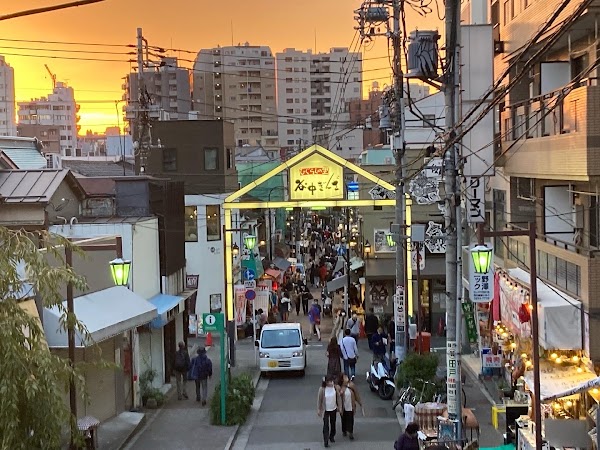
Yanesen is the collective name for Tokyo’s northeastern neighborhoods of Yanaka, Nezu, and Sendagi. The area still has temple streets, old houses, local shopping arcades, and the everyday feel of its winding lanes. Walk down Yūyake Dandan to Yanaka Ginza, then follow Hebimichi at an easy pace—you’ll see more than sights; you’ll catch glimpses of local life.
Yanaka is best for temples, Yanaka Cemetery, and neighborhood shops; Nezu centers on the shrine’s old gate-town and its rows of vermilion torii; Sendagi has literary connections, the Mori Ōgai Memorial Museum, and quiet residential streets. For a Yanesen walk, start from Nippori, Nezu, or Sendagi Station and plan either a half day or a full day.
In 1984, several local housewives founded Yanesen Kobo and published the “Yanaka・Nezu・Sendagi” magazine. Their work brought the neighborhood’s stories to a wider audience and helped support local heritage preservation.
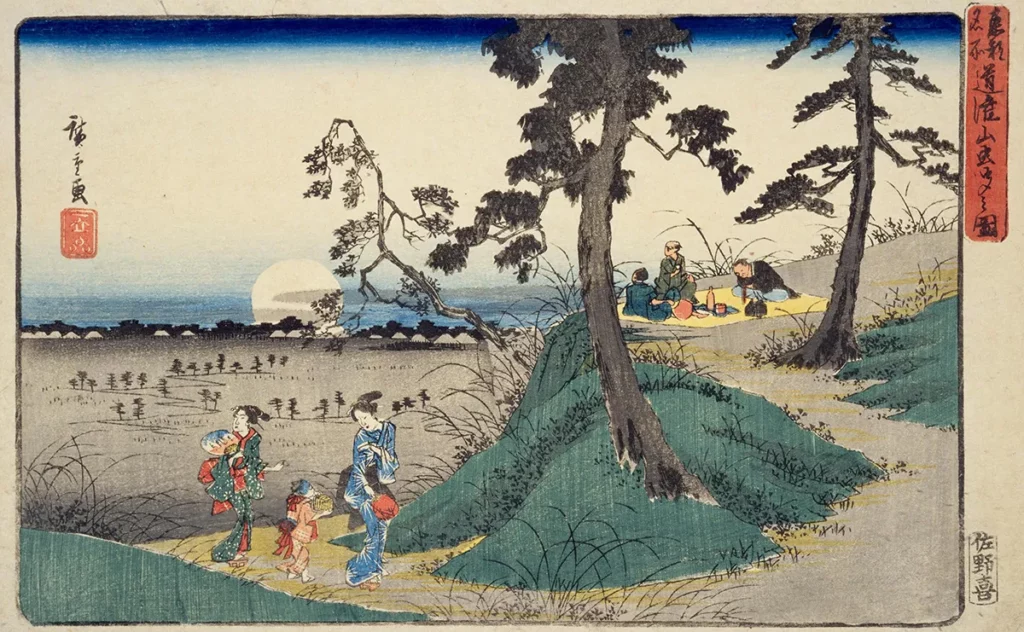
Dōkan Hill in a print by Utagawa Hiroshige. During the Edo period, it was open to the public for insect, flower, and moon viewing, and the crowds brought many dango stalls. In today’s Nippori, old place names and streetscapes still hint at that lively past.
Yanaka: Temple streets, Yanaka Ginza & cats
Yanaka keeps its temple-town character and local shopping streets. Yanaka Ginza is good for browsing small shops and picking up take-away snacks, while Yanaka Cemetery offers quiet shade and seasonal scenery.
Nezu: Senbon Torii at Nezu Shrine
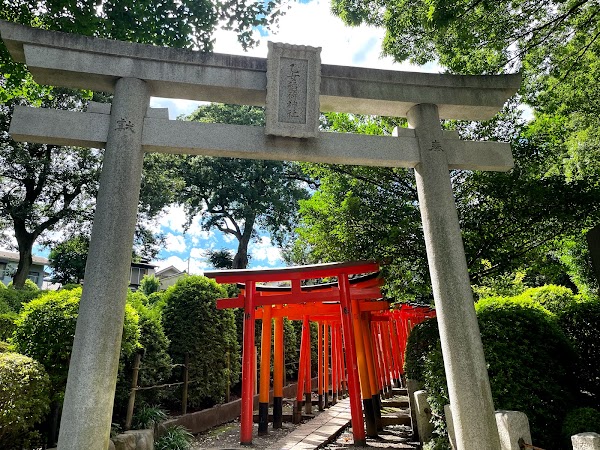
Nezu revolves around Nezu Shrine and the lanes around its old gate-town. The vermilion torii beside Otome Inari Shrine are the area’s most recognizable walking scene.
Sendagi: Literary footsteps and old homes
Sendagi still carries traces of writers who lived here. Add the Mori Ōgai Memorial Museum, Misaki-zaka, Dangozaka, and Yanaka Kitte-dori to your walk; old houses and small museums sit among the residential streets, rewarding a slower pace.

Yanesen Transport Guide
▼Interactive Tokyo Metro Map▼
Choose your Yanesen starting point based on what you want to see:
JR Nippori Station: Start with Yūyake Dandan, Yanaka Ginza, and Yanaka Cemetery; follow the station signs for the best exit on the day.
Tokyo Metro Chiyoda Line, Nezu Station: Start here for Nezu Shrine, the Senbon Torii, and Nezu’s side streets.
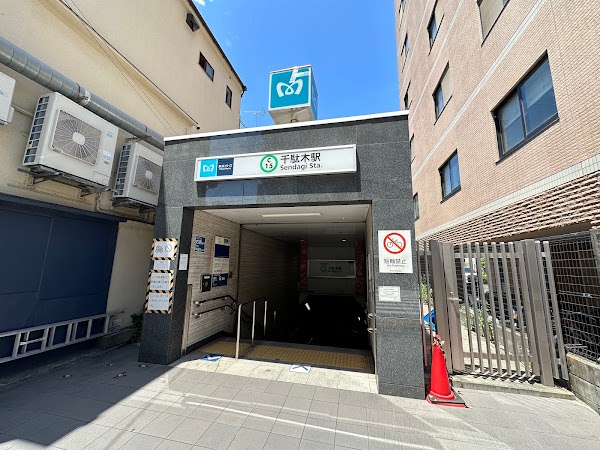
Tokyo Metro Chiyoda Line, Sendagi Station: A good choice for the Mori Ōgai Memorial Museum, Misaki-zaka, and the literary neighborhood.
For a first Yanesen walk, go counterclockwise: Nippori → Yanaka → Sendagi → Nezu → Ueno. If you only have half a day, stick to Yanaka Ginza and Nezu Shrine.
Two practical Yanesen walking tips
- Yanaka’s Seven Lucky Gods pilgrimage includes seven temples and shrines—Tennoji, Choanji, Toji, Seiunji, Shuseiin, Gokokuin, and Shinobazunoike Bentendo. For the full route, walk from Tabata to Ueno.
- In cherry-blossom season, add Sakura-dori in Yanaka Cemetery. It’s about a six-minute walk from Nippori Station, and the cemetery’s north side gives you views of Tokyo Skytree framed by blossoms. Check bloom timing and on-site access before you go.
Yanesen walking routes | Half-day and full-day options
Route A | Nezu Station to Nippori Station, about 2.4 km
Nezu Station Exit 1 → Nezu Shrine (about 30 min) → Daimyo Clock Museum (about 20 min) → Kannonji Tsujibei Wall (about 5 min) → Bunkyo Mori Ogai Memorial Museum (about 30 min) → Yanaka Ginza Shopping Street (about 50 min) → Taito City Asakura Museum of Sculpture (about 35 min) → JR Nippori Station West Exit.
Walking time is about 63 minutes, while the listed stops add up to about 170 minutes. Allow close to four hours for the full route; two to three hours works only if you choose a few highlights.
Route B | One-day neighborhood walk with food and coffee
Nezu Station → Nezu Shrine → Kamenoko Tawashi Yanaka → Torindo Ueno → KAYABA Coffee → Kannonji Tsujibei Wall → Taito City Asakura Museum of Sculpture → Yanaka Ginza Shopping Street → JR Nippori Station.
Route B puts a shrine, old houses, coffee, and the shopping street into one day. Adjust the order around opening hours; check addresses, opening times, and admission fees in the attraction notes and official announcements.
Yanesen Attractions Map | Nippori, Yanaka, Sendagi, Nezu & Iriya
Attraction sticky-note route
Open the Yanesen attractions map on a computer and use the sticky notes below to plan your walking order.
Orange = Nippori・Yanaka;Blue = Sendagi;Green = Nezu;Purple = Iriya。
Yanesen Attractions & Food Map
Nippori & Yanaka Attractions and Food
Showing: All(14)
Uguisudani Station
鶯谷駅
- Google Maps
- Apple Maps
- Copy address
Intro
▼Line Overview
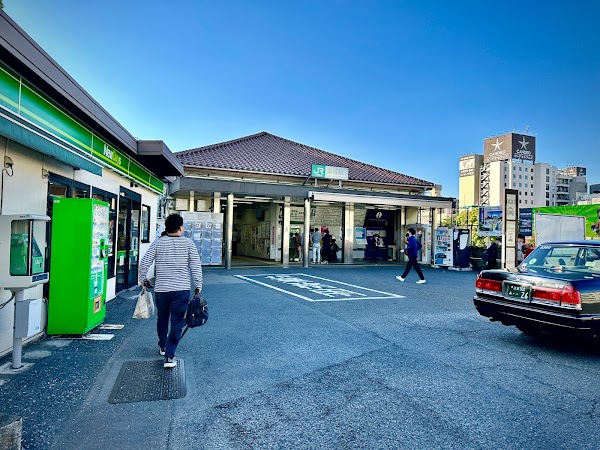
| Item | Details |
|---|---|
| Attraction Address | 1-chōme-4 Negishi, Taito City, Tokyo 110-0003, Japan |
SCAI The Bathhouse
SCAI THE BATHHOUSE
- Google Maps
- Apple Maps
- Copy address
🕖 12:00~18:00
Intro
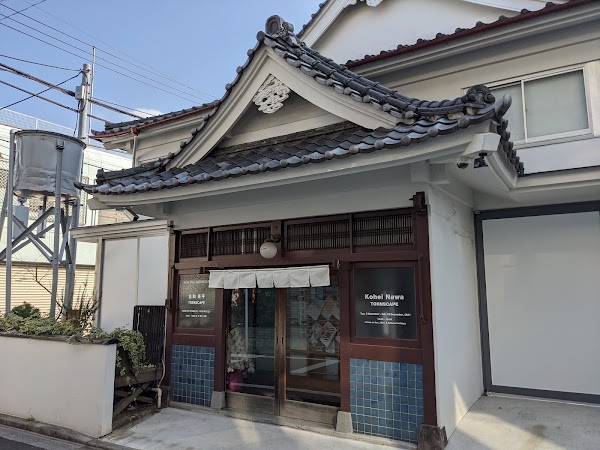
▼SCAI THE BATHHOUSE (澡堂畫廊)
| Item | Details |
|---|---|
| Address | 6-1-23 Yanaka, Taito-ku, Tokyo |
| Hours | 12:00–18:00 (Closed on Sundays, Mondays, and national holidays) |
| Admission | Free admission (subject to individual exhibitions) |
| Official Website | www.scaithebathhouse.com |
Overview
Located in the charming Yanaka area of Tokyo, SCAI THE BATHHOUSE is a highly talked-about contemporary art gallery. Originally a public bathhouse called "Kashiwayu" with a history of over 200 years, it was transformed into a venue for avant-garde art exhibitions in 1993. The exterior retains traditional features like the chidoribuki roof, tall chimney, and vintage entrance, while the interior has been converted into a pure white, minimalist exhibition space filled with natural light. This striking contrast of "ancient shell and modern soul" makes it a must-visit spot for art lovers in Tokyo.
Historical Background and Cultural Significance
Since the Edo period, "Kashiwayu" has served the local community as an important social hub. In Japanese culture, bathhouses are not just places for bathing but also venues for "honest interactions (裸の付き合い)" and deep exchanges across social classes. Although the bathing function has faded over time, the gallery's founder, Masami Shiraishi, chose to preserve this cultural essence of "communication," transforming the space into a platform for artistic dialogue.
The gallery retains the bathhouse's high ceilings and large windows, allowing contemporary artworks to be showcased in the flowing natural light. SCAI THE BATHHOUSE has long been dedicated to promoting Japanese contemporary artists (such as Tadashi Yokoo, Tatsuo Miyajima, and Kohei Nawa) while also introducing international masters' works to Japan. Here, visitors not only appreciate art but also engage in a sensory connection with the building's century-old memories, experiencing a perfect blend of traditional Japanese aesthetics and contemporary creativity.
🎬 SCAI THE BATHHOUSE Video
Ueno Sakuragi Area
上野桜木あたり
- Google Maps
- Apple Maps
- Copy address
🕖 11:00~18:00
Intro
▼Ueno Sakuragi Atari (上野桜木あたり)
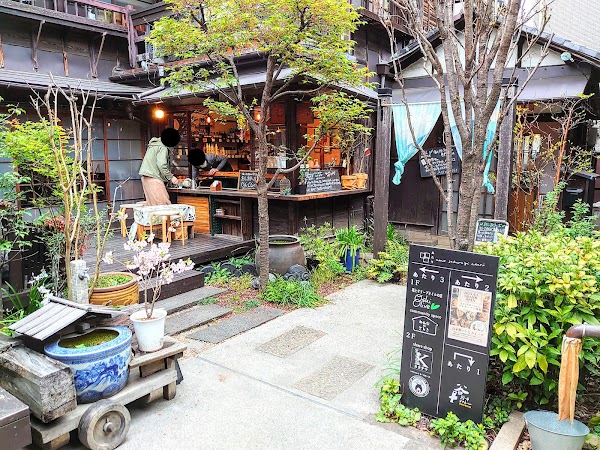
| Item | Details |
|---|---|
| Address | 東京都台東區上野櫻木2-15-6 |
| Business Hours | 08:00–20:00 (Hours may vary by store; please check the official website for details) |
| Official Website | uenosakuragiatari.jp |
Product Features
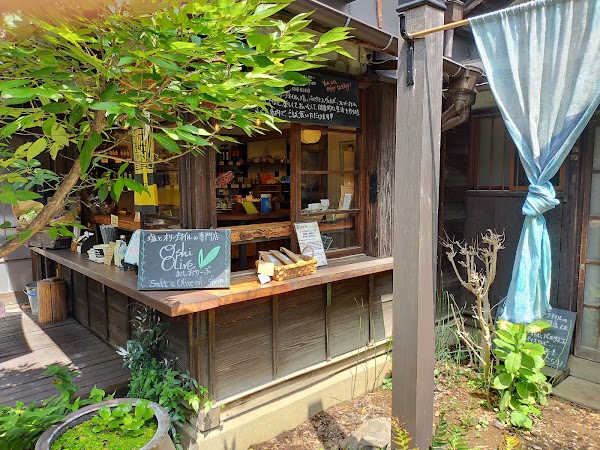
This place offers a variety of artisan products and gourmet food. The famous "Kayaba Bakery" serves baked goods that blend traditional Japanese and modern flavors, showcasing local ingredients for a simple yet delicious taste; "Yanaka Beer Hall" offers a selection of local Tokyo craft beers, perfect for sipping in a wooden old house. Additionally, "OshiOlive" specializes in salt and olive oil, selling high-quality seasonings and vinegars from around the world. Each product emphasizes the integration of aesthetics into daily life, appealing to tourists who appreciate culture and refined living.
Store Introduction
"Ueno Sakuragi Atari" is located in the charming Ueno Sakuragi area, featuring three renovated traditional wooden houses built in 1938. This space is not just a collection of shops but resembles a miniature local community. The architecture retains the wooden beams, sliding doors, and warm tiles of the old houses, exuding a cozy atmosphere that reflects the passage of time. The courtyard connects the buildings, creating a neighborhood vibe for interaction. Visitors can select unique souvenirs or relax under the eaves of the old buildings, experiencing the charm of time slowing down in this bustling metropolis of Tokyo.
🎬 上野桜木あたり Video
Katatema (Moment of Leisure)
カタテマ
- Google Maps
- Apple Maps
- Copy address
🕖 11:00~19:00
Intro
▼Katatema
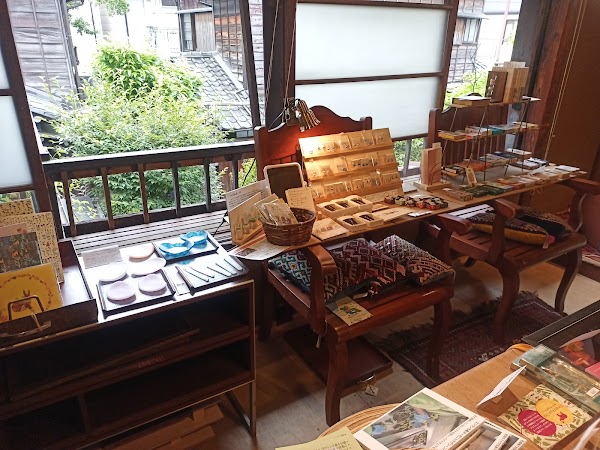
| Item | Details |
|---|---|
| Address | 2-15-6 Ueno Sakuragi, Taito-ku, Tokyo, Ueno Sakuragi Atari Building 3, 1st Floor |
| Business Hours | 11:00 AM – 6:00 PM (Closed on Mondays) |
Product Features
Katatema is a curated shop focused on "lifestyle aesthetics." It offers a selection of crafts, tableware, and everyday goods from various regions in Japan, emphasizing the warmth and beauty of items in daily use. Featured products include handcrafted ceramics, uniquely textured textiles, and limited edition works created in collaboration with local artisans. The shop's style leans towards simplicity, nature, and design, allowing customers to find unique items that enhance their quality of life.
Located within the historically rich Ueno Sakuragi Atari complex, this space was transformed from three old houses built in 1938 (Tsukagoshi Residence) into a multi-use area. Katatema resides in Building 3, where the interior retains the wooden structure and rustic windows from the early Showa period. Sunlight filters through the vintage glass, illuminating the carefully arranged products, creating a tranquil atmosphere that feels timeless.
It all started with a simple idea: "Even in the brief moments of daily life, one can create an interesting and rich experience." Thus, every item here embodies this philosophy: meticulously repaired tableware, historically rich old books, fragrant herbal teas, unique accessories, modern artworks, Kaga thimbles, and kintsugi crafts, all reflect the owners' dedication during those fleeting moments.
The name "Katatema" in Japanese implies "gap" or "at hand," symbolizing how, amidst a busy life, encountering a beautiful object can provide a moment of respite and enrichment for the soul. Visiting here is not just about shopping; it's also about experiencing the beauty of objects in a space filled with historical charm. The surrounding area, near Yanaka Cemetery and Ueno Park, exudes the leisurely and artistic atmosphere unique to Tokyo's downtown, making it a must-visit for travelers who appreciate renovated old houses and creative arts.
Yanaka Beer Hall
谷中ビアホール
- Google Maps
- Apple Maps
- Copy address
🕖11:00~20:00
Intro
▼Yanaka Beer Hall
| Item | Details |
|---|---|
| Address | 2-15-6 Sakuragi, Taito-ku, Tokyo, Ueno Sakuragi Atari Building 1 |
| Business Hours | Tuesday to Sunday 11:00–20:00, Closed on Monday |
| Dining Budget | Dinner ¥3,000–¥3,999, Lunch ¥2,000–¥2,999 |
| Tabelog Rating | 3.55 |
| Official Website | www.facebook.com/yanakabeerhall |
Restaurant Features
Located between Nippori and Ueno, at the entrance of the renovated traditional house complex "Ueno Sakuragi Atari," Yanaka Beer Hall attracts countless beer lovers with its rich Showa retro charm. The interior retains the traces of the old building, with wooden tones complementing the nostalgic atmosphere, providing a healing space to escape the urban hustle and enjoy leisurely drinks.
The highlight here is the selection of about 10 craft beers, including several original "Yanaka Beer" creations. If it's your first visit, it's highly recommended to order the "Tasting Set," allowing you to sample four different beer flavors at once. The restaurant also thoughtfully prepares Japanese-style snacks that pair perfectly with beer, such as hearty edamame and various seasonal dishes.
The restaurant offers indoor wooden floor seating, counter seats, and a comfortable outdoor terrace area, making it ideal for a relaxing break after a stroll or a light drinking gathering for 1 to 4 people. Enjoying a freshly brewed craft beer in this historically rich Japanese space is undoubtedly one of the most delightful experiences in Yanaka.
🎬 谷中ビアホール Video
👉autoreserve
👉kkday
Think
Think
- Google Maps
- Apple Maps
- Copy address
🕖10:30~17:00
Intro
▼Think(シンク)
| Item | Details |
|---|---|
| Address | 2-15-6 Ueno Sakuragi, Taito-ku, Tokyo, Ueno Sakuragi Atari Building 2, 1F |
| Business Hours | Wednesday to Sunday 10:30–17:00, closed Monday and Tuesday (if a holiday, closed the next day; Wednesday may have irregular closures) *Bread sells out early |
| Dining Budget | ¥1,000–¥1,999 |
| Tabelog Rating | 3.86 |
| Official Website | www.instagram.com/think_tokyo |
Restaurant Features
Located in the "Ueno Sakuragi Atari" complex, Think is a popular bakery housed in a nearly 90-year-old Showa-era wooden house. It combines the features of a Boulangerie (bakery) and Pâtisserie (French pastry shop), attracting countless food lovers with its nostalgic atmosphere and high-quality baked goods.
The bakery uses a blend of domestically sourced wheat, including Hokkaido wheat, and employs a long fermentation process. Its signature "Olive French Baguette" has a crispy crust and moist, chewy interior, perfectly blending the aroma of wheat with the flavor of green olives. Additionally, the crispy on the outside and soft on the inside "Canelé" and the "Danish pastry" series made with fermented butter are must-try options. Due to its popularity, items like the fermented butter scone often sell out before the afternoon, so it's recommended to arrive early to enjoy the romantic experience of discovering delicious food in a historic house.
🎬 Think Video
Salted Olive
おしおりーぶ
- Google Maps
- Apple Maps
- Copy address
🕖 10:30〜19:00
Intro
▼OshiOlive
| Item | Details |
|---|---|
| Address | 2-15-6 Ueno Sakuragi, Taito City, Tokyo |
| Business Hours | 11:00 AM - 7:00 PM (Closed on Mondays; if a national holiday falls on a Monday, it will be closed the following day) |
| Official Website | oshiolive.net |
Product Features
OshiOlive is a specialty store focused on natural seasonings, featuring "olive oil, salt, and vinegar."
The store showcases around 120 carefully selected products, including 30 types of olive oil, 20 types of salt, and a variety of vinegars, creating a dazzling array for customers. This place is not just a shop but a flavor laboratory that encourages customers to create their own unique sauces.
The core philosophy of OshiOlive is to "make everyday meals more delicious and fun." Almost all products in the store are available for tasting, allowing customers to explore different flavor combinations under the guidance of a professional Olive Oil Meister. For example, simple combinations of olive oil, vinegar, and salt can create over 600 possible mixes, easily enhancing the flavors of salads, meats, or pasta. The owner, Mr. Kiyoshi Nakagawa, entered this industry due to his focus on healthy eating, viewing olive oil as an ideal substitute for trans fats, and hopes to let more people experience the charm of seasonings through this store.
The store has a warm atmosphere, with the wooden structure of a traditional house complementing the modern product displays, creating a relaxing and novel experience. Whether you're looking for a unique gift or want to add a touch of creativity to your everyday cooking, this is an excellent choice. Additionally, the store occasionally holds workshops to help customers gain a deeper understanding of seasoning applications, adding interactive fun. At OshiOlive, you can take home not just a bottle of good oil or salt, but also new inspiration for your meals.
🎬 おしおりーぶ Video
Kayaba Coffee
カヤバ珈琲
- Google Maps
- Apple Maps
- Copy address
🕖08:00~18:00
Intro
▼Restaurant Information
| Item | Details |
|---|---|
| Attraction Address | 6-1-29 Yanaka, Taito City, Tokyo |
| Business Hours | 08:00 AM to 06:00 PM (Last order at 05:00 PM, desserts and drinks at 05:30 PM) |
| Official Website | kayaba-coffee.com |
Closed on:Monday (open if it falls on a national holiday, closed the following day; closed during year-end and New Year holidays)
Budget:1,000 to 2,000 yen (lunch approximately 1,000 to 2,000 yen)
Tabelog Rating:3.57 (as of August 2025, 109 reviews)
Located at the Yanaka Ueno Sakuragi intersection in Tokyo, "Kayaba Coffee" is a charming old-style café filled with Taisho and Showa-era ambiance. This wooden two-story townhouse, built in 1916, is renowned for its distinctive architectural style and retro atmosphere, transporting visitors back to Tokyo's downtown a century ago. Inside, the original red brick bar and vintage leather sofas are preserved, blending with modern design to create a warm nostalgic vibe. After renovations in 2020, the interior has been slightly updated, yet it still retains the beams and historical traces from the Taisho era, allowing guests to feel the layers of time.
The signature dish here, "たまごサンド" (Egg Sandwich), is renowned for its thick, steaming egg mixture perfectly paired with sourdough bread. The tanginess and egg aroma intertwine, complemented by refreshing dill mayonnaise, leaving a lasting impression. Another classic drink, "ルシアン" (Lucian), blends equal parts coffee and cocoa, offering a warm and smooth texture, making it a unique specialty of the shop. The menu also features "ハヤシライス" (Hayashi Rice) flavored with coffee and the morning-exclusive "あんバタートースト" (An Butter Toast), showcasing a blend of tradition and innovation.
The second-floor tatami seating offers a traditional Japanese dining experience. Remove your shoes and ascend the steep wooden stairs to sit beside a tea table on tatami mats, where the street view and gentle breeze help you forget the city's hustle and bustle. The establishment emphasizes the "slow food" philosophy, encouraging guests to slow down and savor the beauty of the food and space, making it particularly suitable for a leisurely stroll through Yanaka, allowing you to experience the relaxed atmosphere of the old town. Whether you are a local resident, a Tokyo University of the Arts affiliate, or a traveler seeking a nostalgic vibe, Kayaba Coffee is an ideal café to take a break.
🎬 カヤバ珈琲 Video
👉autoreserve
Yanaka Cemetery
谷中霊園
- Google Maps
- Apple Maps
- Copy address
Intro
▼Yanaka Cemetery
| Item | Details |
|---|---|
| Address | 7-5-24 Yanaka, Taito City, Tokyo |
| Opening Hours | Open 24 hours (Management Office: 08:30–17:15) |
| Admission Fee | Free admission |
| Official Website | www.tokyo-park.or.jp/reien/yanaka/index.html |
Attraction Overview
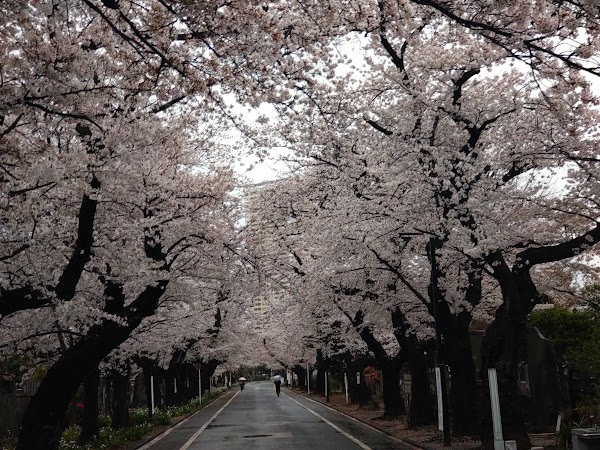
Located in Taito City, Tokyo, Yanaka Cemetery is one of Tokyo's famous public cemeteries and a beloved spot for leisurely walks. Covering an area of 10 hectares, it resembles a poetic park more than a cemetery. The main road, known as "Sakura Street," is lined with cherry blossom trees. In spring, the soft pink cherry blossom tunnel intertwines with ancient tombstones, creating a serene and spectacular scene that attracts photographers and travelers seeking this unique aesthetic of "mono no aware." Here, you can experience a rare leisurely pace in Tokyo, occasionally encountering lazy stray cats strolling in the warm sun.
Historical Background and Cultural Significance
Yanaka Cemetery was established in the 7th year of the Meiji era (1874), closely linked to the "Separation of Shinto and Buddhism" policy during the Meiji Restoration. The government appropriated part of the land originally belonging to Tennoji Temple to promote Shinto funerals. Many historical figures who reshaped Japan's history are buried here, including Tokugawa Yoshinobu, the last shogun of the Tokugawa shogunate, Eiichi Shibusawa, the father of Japanese capitalism, and renowned painter Yokoyama Taikan, as well as botanist Tomitaro Makino.
Culturally, Yanaka Cemetery embodies the Japanese perspective on "life and death." Although the cemetery is tranquil, it does not feel eerie; instead, it reflects respect and remembrance for the deceased. The ruins of the five-story pagoda of Tennoji Temple serve as a historical witness, having once been a local landmark before being destroyed in a famous tragic fire in 1957. Yanaka Cemetery, along with the nearby Yanaka Ginza shopping street and Nezu Shrine, forms the "Yanesen" area, a must-visit for those wanting to experience the nostalgic "shitamachi" charm of Tokyo and explore the beauty of modern history intertwined with nature.
🎬 谷中霊園 Video
Kannonji Tsukiji Wall
観音寺築地塀
- Google Maps
- Apple Maps
- Copy address
Intro
▼Kannon-ji Tsujibei
| Item | Details |
|---|---|
| Address | 5-8-1 Yanaka, Taito City, Tokyo |
| Opening Hours | Open all day (Temple visits from 09:00 to 17:00) |
| Admission Fee | Free |
Attraction Overview
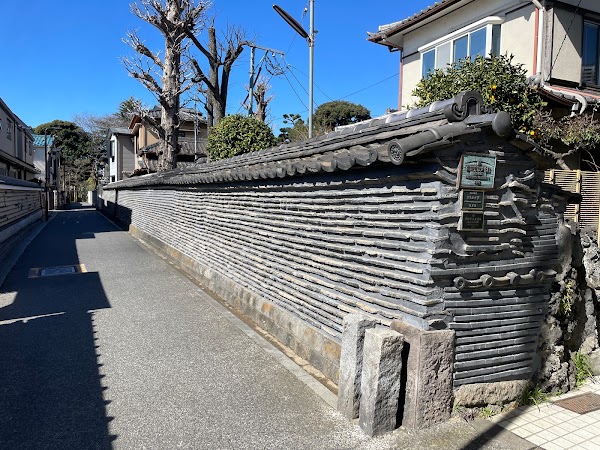
In the Edo-style neighborhood of Tokyo known as "Yanesen" (Yanaka, Nezu, Sendagi), Kannon-ji Tsujibei is undoubtedly one of the most iconic landmarks. This approximately 37.6-meter-long earthen wall quietly stands between the alleys on the south side of the temple. Its most notable feature is the layers of tiles mixed within the earth, a unique structure known as "Tsujibei." Surrounded by the modern city, this wall seems like a barrier of time, transporting visitors back to the Edo period over a century ago. Whether strolling along the narrow stone paths or quietly observing the textures of the tiles and yellow earth on the wall, one can feel a serene and rustic beauty of "wabi-sabi."
Historical Background and Cultural Significance
Kannon-ji itself is a Nichiren sect temple founded in 1611, and this "Tsujibei" is believed to be over 400 years old, currently designated as a registered tangible cultural asset of Japan.
From an architectural perspective, the "Tsujibei" is constructed by layering and compacting earth and broken tiles, which not only enhances the wall's strength and durability but also creates a rhythmic horizontal texture. In the Edo period, such walls were commonly found in the residences of high-ranking samurai or important temples, symbolizing status and solemnity.
Culturally, this wall represents not only an architectural art form but also has deep connections to the famous historical event of the "Akō Rōshi" (Forty-Seven Ronin). It is said that after the Akō Ronin attacked the Kira residence, two of the ronin—Kondō Heihachirō and Tomioka Sukeyemon—became monks here, making Kannon-ji a pilgrimage site for many history enthusiasts. This Tsujibei has witnessed numerous fires and conflicts in the Yanaka area, yet miraculously remains preserved, serving as a precious cultural link between the Edo period and modern Tokyo.
🎬 観音寺築地塀 Video
Asakura Sculpture Hall
朝倉彫塑館
- Google Maps
- Apple Maps
- Copy address
🕖 09:30~16:30
Intro
▼Asakura Sculpture Museum
| Item | Details |
|---|---|
| Address | 7-18-10 Yanaka, Taito City, Tokyo |
| Opening Hours | 09:30~16:30 (Last admission 16:00) |
| Admission Fee | General 500 yen / Elementary, Junior High, High School Students 250 yen |
| Official Website | www.taitogeibun.net/asakura |
Attraction Introduction
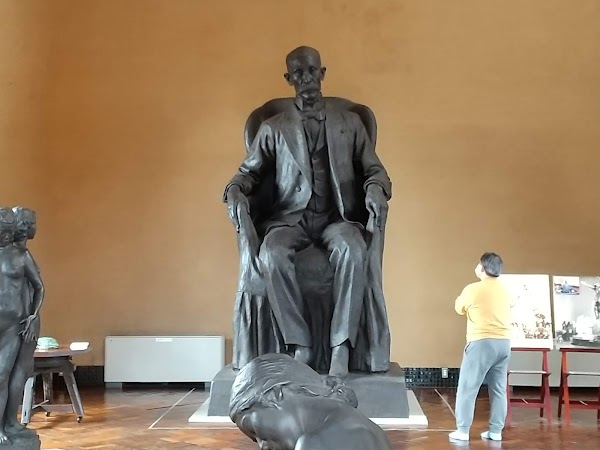
Located in the charming Yanaka area of Tokyo, the Asakura Sculpture Museum is a hidden gem that combines artistic beauty with architectural craftsmanship. This was once the studio and residence of Bunji Asakura (1883-1964), a leading figure in modern Japanese sculpture. The museum showcases Asakura's realistic bronze sculptures, particularly his famous "Cat" series, and visitors are also captivated by its unique architectural design. The building harmoniously blends a Western-style reinforced concrete studio with a traditional Japanese wooden house. The courtyard pond and rooftop garden (reportedly one of Japan's earliest examples of rooftop greening) create a serene and flowing landscape, allowing visitors to appreciate art while experiencing the tranquility and seasonal changes of nature.
Historical Background and Cultural Significance
Bunji Asakura is regarded as the "Father of Modern Sculpture" in Japan, with a style deeply influenced by naturalism, emphasizing observation and the vitality of life. The Asakura Sculpture Museum originated from the private residence and studio he personally designed and built in 1935. He lived and created here for 29 years until his passing in 1964. To preserve his artistic spirit, his family maintained the site and transformed it into an art museum, opening to the public in 1967.
This building was registered as a national tangible cultural asset in 2001, and the "Bunji Asakura Garden" was designated as a national scenic spot in 2008. Culturally, it not only documents the creative journey of a great artist but also serves as a precious testament to the architectural aesthetics and lifestyle of the early Showa period. The museum particularly emphasizes a "mindfulness" viewing experience, requiring visitors to remove their shoes and wear socks, allowing them to appreciate the art space created by Bunji Asakura in a way that connects closely with traditional Japanese living.
🎬 朝倉彫塑館 Video
👉Tokyo MUSEUM Pass
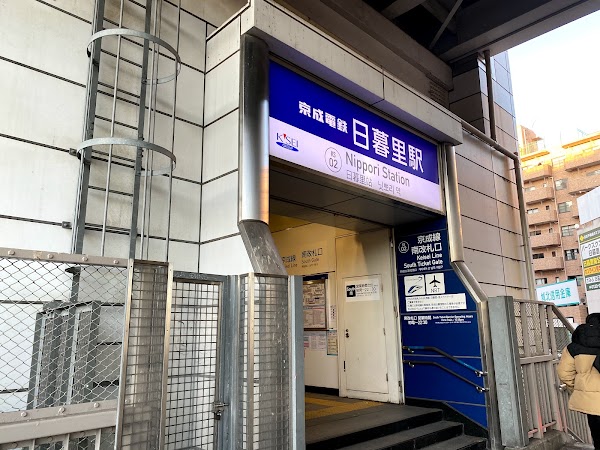
Nippori Station
日暮里駅
- Google Maps
- Apple Maps
- Copy address
Intro
▼Line Overview
| Item | Details |
|---|---|
| Attraction Address | Nippori Station 2 Chome Nishinippori, Arakawa City, Tokyo, Japan |
Inamura Shozo
イナムラショウゾウ
- Google Maps
- Apple Maps
- Copy address
🕖 10:00~18:00
Intro
▼Basic Information
| Item | Details |
|---|---|
| Attraction Address | 7-19-5 Yanaka, Taito City, Tokyo 110-0001 |
| Business Hours | 10:00 AM - 6:00 PM |
| Official Website | www.inamura.jp |
Product Features
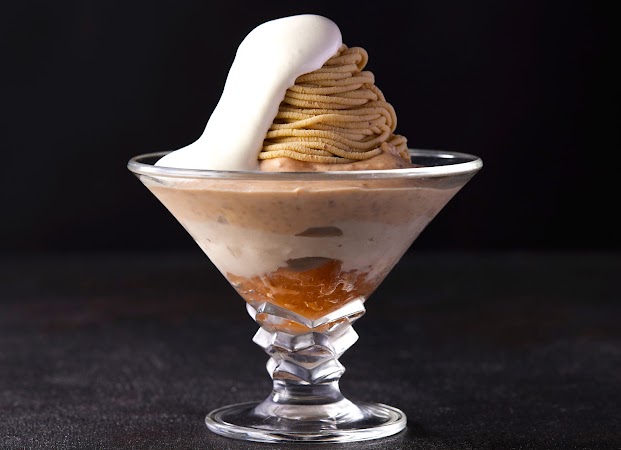
Inamura Shozo is renowned for its exquisite French pastries and handmade chocolates, offering a variety of classic and seasonal items that are beloved by dessert enthusiasts. The signature item, "Ueno no Yama Mont Blanc" (whole 4,500 yen, slice 640 yen), features chestnut mousse made from French chestnuts and top-quality fresh cream from Hokkaido, complemented by vanilla custard and almond sponge cake, creating a rich and delicate flavor with a lingering chestnut aroma. The limited edition "Hagoromo Mont Blanc" (980 yen), available only in October, is celebrated for its rarity and is referred to as the "Phantom Mont Blanc." Due to its limited quantity, advance reservations or following the official social media for sales information is recommended. Inamura Shozo is a chocolate specialty shop offering over 10 types of handmade chocolates and chocolate cakes. The "Dome Chocolat" (640 yen) features a base of 72% and 55% cocoa chocolate mousse, filled with sugar-free hazelnut paste and tart cherries, providing a balanced sweetness that showcases a rich yet not overly sweet mature flavor. The "Kumamoto" (660 yen) uses Kumamoto chestnuts, combined with 70% cocoa chocolate ganache and a milk chocolate outer layer, blending the warm sweetness of chestnuts and chocolate, making it a favorite among dessert lovers. The shop also offers "Marron Millefeuille" (640 yen) and the classic French dessert "Savarin" (590 yen), with the former featuring crispy puff pastry filled with chestnut cream and cream, and the latter made with brioche soaked in rum with raisins, delivering a traditional French flavor.Sandwich Specialty Store Popo
サンドイッチ専門店 ポポー
- Google Maps
- Apple Maps
- Copy address
🕖 07:00~13:00
Intro
▼Sandwich Specialty Store Popo(サンドイッチ専門店 ポポー)
| Item | Details |
|---|---|
| Address | 3-6-12 Nishi-Nippori, Arakawa-ku, Tokyo |
| Business Hours | Tuesday to Saturday 07:00–13:00 Closed on Mondays, Sundays, and public holidays. *Additional holidays during summer, please check before visiting. |
| Dining Budget | Up to ¥999 |
| Tabelog Rating | 3.64 |
| Official Website | No official website (takeout only) |
Restaurant Features
Located near Nishi-Nippori Station, "Popo" is a highly popular sandwich specialty store. Although it only offers takeout, there is often a long line at the entrance. It is known for its "overwhelming value" and "generous portions," making it a dream sandwich shop for locals and commuters alike.
The store offers a variety of flavors, with the most popular being the rich egg sandwich, the thick and hearty fried ham cutlet sandwich, and the vegetable sandwich loaded with large chunks of veggies. Due to the generous fillings, the sandwiches feel substantial in hand, with two being enough for a satisfying meal.
In addition to savory options, the fruit sandwiches here are also excellent, featuring refreshing whipped cream paired with sweet fruit, reminiscent of enjoying a cake. Since they sell out daily, food lovers are encouraged to arrive early to experience this extraordinary flavor that even convenience stores can't match.
🎬 サンドイッチ専門店 ポポー Video
Yanaka Ginza Food & Souvenirs
Showing: All(8)
Yanaka Ginza Shopping Street
谷中銀座商店街
- Google Maps
- Apple Maps
- Copy address
🕖10:30~18:00
Intro
▼Yanaka Ginza Shopping Street
| Item | Details |
|---|---|
| Location | Yanaka Ginza Shopping Street 3 Chome-13-1 Yanaka, Taito City, Tokyo 110-0001 Japan |
🎬 谷中銀座商店街 Video
Yanaka Matsunoya
谷中 松野屋
- Google Maps
- Apple Maps
- Copy address
🕖11:00~18:00
Intro
▼Yanaka Matsunoya
| Item | Details |
|---|---|
| Attraction Address | 3-14-14 Nishi-Nippori, Arakawa-ku, Tokyo |
| Business Hours | 11:00 AM - 6:00 PM (Weekdays), 10:00 AM - 6:00 PM (Saturdays, Sundays, and National Holidays), Closed on Tuesdays |
| Official Website | yanakamatsunoya.jp |
Product Features
Matsunoya specializes in 'daily necessities of folk art quality', with its
Product Features
focusing on 'natural materials' and 'craftsmanship'. The store is filled with handwoven bamboo baskets, rattan baskets, durable canvas bags, simple brooms, palm brushes, and various wooden kitchenware. These products often use natural materials such as bamboo, rattan, iron, wood, and lacquer, emphasizing a design philosophy of 'getting better with use', contrasting sharply with modern mass-produced plastic items, and are beloved by those who pursue a quality lifestyle.Store Introduction
Located at the entrance of the nostalgic 'Yanaka Ginza Shopping Street', Yanaka Matsunoya has upheld the spirit of a 'living tools' specialty store since its establishment in 1945. The owner personally visits rural workshops across Japan and even around the world to find handcrafted items that have been forgotten by modern cities yet are incredibly sturdy and durable. Although the store's space is refined, the shelves stacked to the ceiling with various goods exude a warm, human touch, allowing every customer who walks in to reconnect with the essence of life. This is not just a place to shop, but more like a small museum showcasing the wisdom of everyday Japanese life.
🎬 谷中 松野屋 Video
Yanaka Tail Shop
やなかしっぽや
- Google Maps
- Apple Maps
- Copy address
🕖09:00~17:00
Intro
▼Yanaka Shippoya
| Item | Details |
|---|---|
| Address | 東京都台東區谷中3-11-12 |
| Business Hours | 10:00 AM - 6:00 PM (Open until 7:00 PM on Saturdays, Sundays, and public holidays) |
| Official Website | yanakashippoya.com |
Product Features
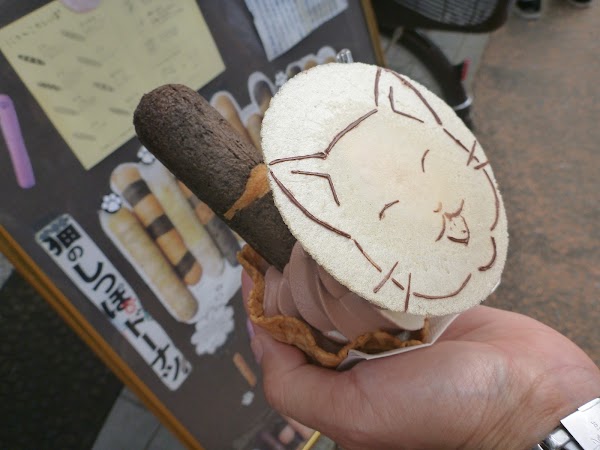
The most popular item in the store is the signature baked donut called "Cat Tail" (にゃんこのしっぽ). Inspired by the shape of a cat's tail, this dessert has a texture between cake and donut, with a crispy exterior and a firm interior. The flavor names are adorable, often named after cats' names or characteristics, such as "Tabby" (とら), which combines cocoa and white chocolate, and "Black Cat" (くろ), which features a rich cocoa flavor. Seasonal limited flavors made with premium ingredients like maple syrup, red beans, or custard are also available, sweet but not overly so, making them a must-try treat while strolling through Yanaka Ginza.
Store Introduction
"Yanaka Shippoya" is located in the charming Yanaka Ginza shopping street, known as "Cat Town." This shop perfectly combines cat culture with desserts. The store's exterior is warm and whimsical, with dozens of different patterned "tails" neatly displayed in the window, appealing to the inner child. The shop insists on using domestically produced wheat and baking powder with low aluminum content, and it uses baking instead of frying, allowing health-conscious customers to enjoy it worry-free. This handmade dessert filled with warmth offers a comforting experience for travelers wandering through Yanaka, whether as a souvenir or a snack on the go.
🎬 やなかしっぽや Video
Niku no Suzuki
肉のすずき
- Google Maps
- Apple Maps
- Copy address
🕖10:30~18:00
Intro
▼Niku no Suzuki (Yanaka Ginza)
| Item | Details |
|---|---|
| Address | 東京都台東區谷中3-9-15 |
| Business Hours | 10:30 AM - 6:00 PM (Closed on Mondays and Tuesdays) |
| Official Website | www.yanakaginza.com/shop/suzuki |
Product Features
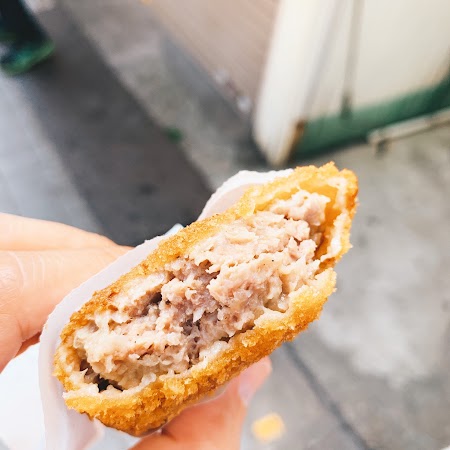
At "Niku no Suzuki," you must try the highly popular "Ganso Koshiniku Fry (元祖腰塚メンチカツ)." This fried meat patty is made from a blend of high-quality Australian beef and Japanese wagyu, featuring a golden, crispy exterior that encases juicy, tender meat. The moment you bite into it, the juices burst forth, delivering a rich beefy sweetness. Additionally, the shop offers various freshly fried traditional snacks, such as potato croquettes and special fried pork cutlets, making it a quintessential choice for experiencing the "eat while walking" culture of Yanaka Ginza.
Store Introduction
Located in the charming "Yanaka Ginza Shopping Street" in Taito City, "Niku no Suzuki" is a long-established butcher shop founded in 1933. Originally a professional meat shop, it has gained fame for its handmade fried delicacies over the years, attracting numerous Japanese TV shows and magazines for coverage. Although there is often a long line outside, the staff's swift service and friendly greetings maintain a warm, neighborhood feel in this small shop.
🎬 肉のすずき Video
Waguriya - Yanaka Branch
和栗や 谷中店
- Google Maps
- Apple Maps
- Copy address
🕖11:00~18:00
Intro
▼Waguriya Yanaka
| Item | Details |
|---|---|
| Address | 3-9-14 Yanaka, Taito City, Tokyo (inside Yanaka Ginza shopping street) |
| Business Hours | 11:00 AM – 6:00 PM (last order at 5:00 PM, while supplies last) |
| Official Website | www.waguriya.com |
Waguriya Yanaka is Japan's only dessert specialty shop dedicated to chestnuts year-round, located in the Yanaka Ginza shopping street in Tokyo. The shop uses high-quality chestnuts grown in its own farm in Ibaraki Prefecture, offering a range of mouthwatering chestnut desserts, especially its signature "Freshly Made Mont Blanc," known for its rich chestnut aroma and delicate texture, loved by both tourists and locals.
Restaurant Information
Closed: Mondays (may be open during peak seasons like Golden Week, summer, autumn, and New Year)
Budget: Lunch/Dinner 1,000–1,999 yen
Tabelog Rating: 3.58 (as of August 2025, reference Tabelog website)
Restaurant Features
Introduction
Waguriya is renowned for its ultimate pursuit of chestnuts, with the owner personally involved in the cultivation of chestnuts at their farm in Ibaraki Prefecture, carefully selecting premium varieties like the rare "Hitomaru" to ensure the aroma, color, and flavor of the chestnuts are at their best. The most popular item, "Mont Blanc Dessert Set" (1,600 yen, includes selected stem hojicha), is made to order, featuring silky chestnut puree paired with unsweetened fresh cream and crispy domestic egg meringue, melting in your mouth with a burst of chestnut flavor that lingers delightfully. Additionally, seasonal desserts like "Melon Mont Blanc" (1,300 yen) perfectly combine fresh melon with chestnut cream, offering a refreshing and luxurious taste experience, especially suitable for summer.
The shop's interior blends traditional Japanese and modern elements, featuring 6 tatami seats and 4 two-person table seats, totaling 14 seats, creating a tranquil and comfortable atmosphere ideal for a break or sharing dessert time with friends. Takeout options are available, such as chestnut soft serve (500 yen), which combines rich chestnut flavor with pure fresh milk, making it a perfect companion while strolling through Yanaka Ginza. Note that dining in usually requires waiting in line, so it's recommended to pick up a numbered ticket at 10:00 AM, especially for those wanting to try the limited "Premium Mont Blanc 'HITOMALU'" (2,300 yen, available from mid-September to early December), as queue rules must be followed to ensure smooth entry.
In addition to desserts, the shop also sells chestnut kinton, sweetened chestnuts, and chestnuts in syrup, making great gifts or treats for oneself. Waguriya is not just a dessert shop, but a feast of chestnut flavors, where both chestnut lovers and travelers seeking unique culinary experiences can find happiness.
🎬 和栗や 谷中店 Video
Himitsudo
ひみつ堂
- Google Maps
- Apple Maps
- Copy address
🕖 10:00~18:00
Intro
▼Himitsudo
| Item | Details |
|---|---|
| Address | 3-11-18 Yanaka, Taito City, Tokyo |
| Business Hours | Around 10:00 AM to 6:00 PM (may extend to 8:00 PM or open earlier depending on the day, please check the official Twitter @himitsuno132 in advance) |
| Admission Fee | No admission fee, only pay for food (e.g., "Himitsu no Ichigo Milk" starting at 1300 yen, seasonal items like "Peach Delight" at 1900 yen, etc.) |
| Official Website | himitsudo.com |
- Closed: Mondays (Tuesdays from October to May, subject to change, please confirm official information the day before)
'Himitsudo' located in Yanaka Ginza Shopping Street
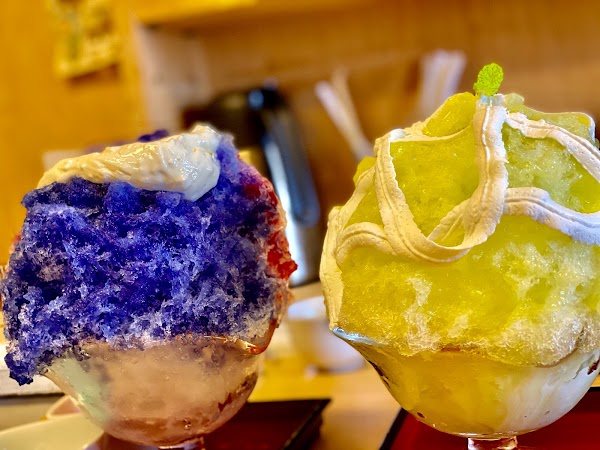
is a highly popular shaved ice shop in the area. Here, shaved ice is elevated to the level of dessert, becoming a key player in the nationwide shaved ice craze. There was a time when even in the cold month of February, people were willing to wait two hours in line. To accommodate the crowds, the shop not only expanded seating but even converted nearby residences into additional shop space, further increasing capacity. During the peak season in July, a timed ticket system is implemented, yet there can still be up to 60 people waiting in line!The essence of 'Himitsudo' shaved ice lies in "water," "ice," and "shaving," using purified and slowly frozen natural ice, shaved thinly to create a fluffy texture, with the thin ice melting quickly in the mouth, minimizing the risk of brain freeze. This delicate shaving technique avoids bubble intrusion, which can cause breakage, thus carefully selecting ice that meets all criteria.Typically, there is a long wait for seating, but the ice arrives promptly. The massive shaved ice features a variety of seasonal fruits, with items frequently changing, perfectly blending the fragrance and refreshing sweetness of the fruits with the ice. Digging in reveals fresh cream hidden inside, adding a creamy flavor that gradually transforms it into a Western-style dessert. The portions are large enough for one person to enjoy fully. However, it is indeed quite filling. This is an incredibly popular shop that speaks for itself.
🎬 ひみつ堂 Video
HAGI CAFE
HAGI CAFE
- Google Maps
- Apple Maps
- Copy address
🕖 08:00~10:30
🕖12:00~17:00
Intro
▼HAGI CAFE(ハギ カフェ)
| Item | Details |
|---|---|
| Address | 東京都台東區谷中3-10-25 HAGISO 1F |
| Business Hours | Monday 08:00–10:30 Tuesday to Thursday 08:00–10:30, 12:00–17:00 Friday to Sunday 08:00–10:30, 12:00–20:00 *Reservations accepted only during the 12:00 time slot on weekdays |
| Dining Budget | ¥1,000–¥1,999 |
| Tabelog Rating | 3.64 |
| Official Website | hagiso.jp |
Restaurant Features
Located in the Yanaka neighborhood, HAGI CAFE is a café on the first floor of HAGISO, a renovated traditional house with over 60 years of history. This café, featured in Tabelog's top 100, is known for its artistic wooden space and "Travel Breakfast."
The popular "Travel Breakfast" series selects a different region of Japan each season as its theme, transforming local seasonal ingredients into exquisite Japanese-style set meals. For example, the breakfast themed around "Amami Oshima" includes brown sugar fried chicken, island vegetable cakes, and tropical-flavored juice, allowing guests to embark on a small journey through taste even in the streets of Tokyo.
For lunch and dinner, the signature "Mackerel Sandwich" is highly recommended, featuring crispy fish and rich fillings, perfectly paired with HAGISO's special blend coffee. Whether enjoying the tranquil atmosphere of the traditional house indoors or the street vibe from the outdoor seating, this is the perfect spot to deeply experience the charm of Tokyo's downtown.
🎬 HAGI CAFE Video
👉autoreserve
ZAKURO Lamp Shop
ZAKURO らんぷ屋
- Google Maps
- Apple Maps
- Copy address
🕖 11:00~19:00
Intro
▼ZAKURO らんぷ屋
| Item | Details |
|---|---|
| Address | 3-15-5 Nishi-Nippori, Arakawa-ku, Tokyo |
| Business Hours | 11:00 AM – 7:00 PM |
| Official Website | zakuro-lampya.com |
Store Introduction
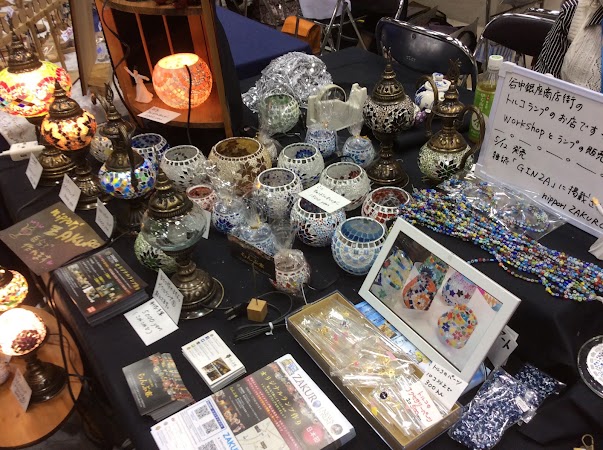
Located in the charming "Yanaka Ginza" shopping street in Tokyo, ZAKURO らんぷ屋 (ZAKURO Lamp House) offers a dreamlike space reminiscent of a Turkish bazaar. This is Japan's first specialty store for Turkish mosaic lamps, with hundreds of colorful fixtures hanging from the ceiling and shelves. The owner is known for their friendly and humorous service style, making this not just a store but a popular cultural landmark in the Yanaka area, attracting visitors who love crafts and exotic styles.
Product Features
The core product here is the vibrant, handcrafted "Turkish Mosaic Lamp." Each lamp is carefully crafted from painted glass and beads, casting warm and enchanting light through geometric patterns. In addition to selling finished products, the most popular offering is the "Mosaic Lamp Workshop." Participants can choose from various lamp base shapes and handpick their favorite glass pieces to create a one-of-a-kind lamp. The store also sells traditional Turkish ceramics, carpet-style goods, and exotic accessories, making it a perfect place to find distinctive gifts.
🎬 ZAKURO らんぷ屋 Video
Sendagi Attractions & Food
Showing: All(6)
Former Yasuda Kusuo Residence Garden
旧安田楠雄邸庭園
- Google Maps
- Apple Maps
- Copy address
🕖 10:30 AM - 4:00 PM
Intro
▼Former Yasuda Residence Garden
| Item | Details |
|---|---|
| Address | 5-20-18 Sendagi, Bunkyo-ku, Tokyo |
| Opening Hours | 10:30 AM – 4:00 PM (Open Wednesday and Saturday, last entry at 3:00 PM) |
| Admission Fee | ¥500 (Adult) |
| Official Website | www.national-trust.or.jp/protection/index.php?c=protection_view&pk=1491201890 |
Attraction Overview
Located on the high ground of Sendagi in Bunkyo-ku, the "Former Yasuda Residence Garden" is an exquisite mansion that embodies the architectural craftsmanship of the Taisho era. This well-preserved building showcases the lifestyle of the upper class "Yamate residences" of that time. Visitors can witness the clever blend of traditional Japanese architecture with Western elements, such as a Western-style reception room integrated into a traditional study. Surrounded by a lush Japanese garden, the residence offers seasonal views that transport you to a moment in time amidst the bustling heart of Tokyo.
Historical Background and Cultural Significance
Originally built in 1919 (Taisho 8), the residence was constructed by entrepreneur Kojiro Fujita. It was later purchased by Yoshijiro Yasuda, the son-in-law of Yasuda Zaibatsu founder Zenjiro Yasuda, after the Great Kanto Earthquake in 1923. The residence remained the home of the Yasuda family until the death of Yasuda Kusuo in 1996. To preserve this valuable modern building, the family donated it to the National Trust of Japan, and it was designated as a Tokyo Historic Site in 1998.
Culturally, the Former Yasuda Residence is one of the few Taisho-era modern Japanese buildings that survived earthquakes and wars, retaining its integrity to this day. The intricate interior details, from exquisite lattice carvings and moisture-proof drainage systems to the advanced soundproof glass of the time, reflect the craftsmanship and aesthetics of the Taisho period. It serves not only as an important model for studying Japan's modern residential history but also represents the cultural attempt to achieve a harmonious balance between tradition and innovation in the face of globalization.
🎬 旧安田楠雄邸庭園 Video
Sendagi Station
千駄木駅
- Google Maps
- Apple Maps
- Copy address
Intro
▼Line Overview
| Item | Details |
|---|---|
| Attraction Address | 3-chōme-38 Sendagi, Bunkyo City, Tokyo 113-0022 Japan |
Chibi Tokyo Store
チビトウキョウストア
- Google Maps
- Apple Maps
- Copy address
🕖 08:30-16:30
Intro
▼CIBI Tokyo Store
| Item | Details |
|---|---|
| Address | 東京都文京區千駄木3丁目37-11 |
| Business Hours | Weekdays 08:30–16:30, Weekends and Holidays 08:00–17:30 |
| Dining Budget | ¥1,000–¥1,999 |
| Tabelog Rating | 3.58 |
| Official Website | www.cibi.jp |
Restaurant Features
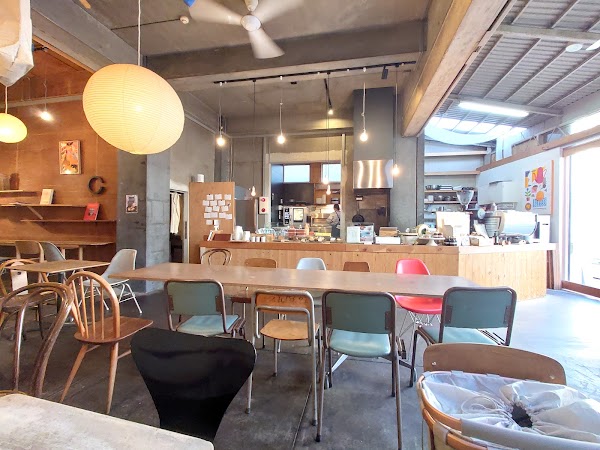
CIBI Tokyo Store is a lifestyle concept store originating from Melbourne, Australia, located in the charming Yanesen area (Yanaka, Nezu, Sendagi). The store is housed in a renovated warehouse of Yamato Transport (Kuroneko Yamato), featuring high ceilings and minimalist concrete walls that create a spacious and open atmosphere. It offers high-quality specialty coffee and blends Melbourne's relaxed breakfast culture with seasonal Japanese ingredients, making it a beloved community hub for locals and international travelers.
The signature dish is the "CIBI Breakfast," which includes homemade natural yeast sourdough bread, avocado, soft-boiled egg, and fresh salad—simple yet vibrant. In addition to main meals, the daily handmade muffins, scones, and cakes are also very popular, especially their unique flavor combinations like matcha with seasonal fruits. Additionally, there is a selection area in the store showcasing and selling carefully curated Japanese crafts, house-roasted coffee beans, designed kitchenware, and original tote bags, allowing customers to enrich their daily lives while enjoying delicious food.
🎬 チビトウキョウストア Video
Kikujudo Isetatsu Taniyama Main Store
菊寿堂いせ辰谷中本店
- Google Maps
- Apple Maps
- Copy address
🕖 10:00 - 18:00
Intro
▼Isetatsu Kikusudo Main Store
| Item | Details |
|---|---|
| Address | 2-18-9 Yanaka, Taito City, Tokyo |
| Business Hours | 10:00 AM - 6:00 PM |
| Official Website | www.isetatsu.com |
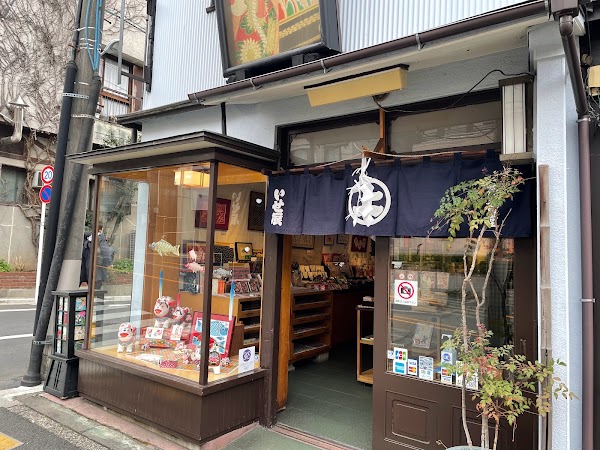
Product Features
The most representative product of "Isetatsu" is undoubtedly its traditional "Edo Chiyogami." Each sheet of Chiyogami is meticulously carved by professional engravers based on color separation, then printed by artisans using the "woodblock hand printing" technique, layer by layer. The vibrant and handcrafted Chiyogami features thousands of designs, including seasonal flowers, Edo-style motifs, and auspicious symbols. In addition to the paper itself, the store offers various stationery, gift envelopes (Pochibukuro), handkerchiefs, fans, and the popular traditional craft "Hariko Inu," making it the perfect choice for exquisite Japanese gifts.
Store Introduction
Located near Sendagi Station in the charming "Yanaka" area, Isetatsu Kikusudo Main Store has been in operation since 1864, boasting over 160 years of history. It is one of the few remaining traditional Edo Chiyogami shops in Tokyo that still adheres to the traditional woodblock printing technique.
Upon entering through the wooden doors, you are greeted by a dazzling array of paper crafts, where vibrant colors coexist harmoniously. This century-old store not only preserves the aesthetics of the Edo period but also integrates them into modern lifestyle accessories. At "Isetatsu," you can feel the artisans' relentless pursuit of perfection in every color and pattern. Even in an age dominated by modern mechanical printing, Isetatsu continues to uphold the artisan spirit that requires over three years to develop new designs. This is not just a shop, but a living museum showcasing Edo's visual culture, allowing every visitor to touch the warmth of history.
🎬 菊寿堂いせ辰谷中本店 Video
Biscuit
Biscuit
- Google Maps
- Apple Maps
- Copy address
🕖 11:00 - 18:00
Intro
▼Biscuit 谷中
| Item | Details |
|---|---|
| Address | 〒110-0001 東京都台東區谷中2-9-14 |
| Business Hours | 11:00 - 18:00 (No fixed days off) |
| Official Website | biscuit.co.jp |
Store Introduction
Located in the downtown area of Yanaka, Tokyo, "Biscuit" (ビスケット) is a charming vintage-style shop filled with delightful goods. It's like opening a treasure box of a girl's dreams, packed with antiques and nostalgic items sourced from Europe, making visitors gasp in awe upon entering. The owner, Tazuru Takewaki, personally visits European flea markets to carefully select each item, from handmade Victorian buttons, exquisite lace and fabrics, to colorful wrapping paper and stationery, all radiating a strong retro vibe. The shop features Hungarian Mór dolls (モール人形), adorable little animal figures that, despite being discontinued in 2011, remain popular due to their unique charm. Additionally, there are DDR-era teddy bears, Soviet badges, and handmade Dresden paper decorations (ドレスデントリム), each carrying the marks and stories of time.
The displays at "Biscuit" resemble still-life paintings, with warm lighting illuminating the handcrafted items, evoking the beauty and purity of a bygone era. Whether you're a craft enthusiast or a vintage lover, you'll find treasures that captivate your heart. Established in Roppongi in 2001, the shop moved to Yanaka in 2009, blending into the relaxed atmosphere of the downtown area.
Nekoemon
猫衛門
- Google Maps
- Apple Maps
- Copy address
🕖 11:00 - 18:00
Intro
▼NEKOEMON
| Item | Details |
|---|---|
| Address | 5-4-2 Yanaka, Taito-ku, Tokyo |
| Business Hours | Tuesday to Sunday 11:00–18:00, Closed on Monday |
| Dining Budget | ¥0–¥999 (Painting experience set about ¥3,300) |
| Tabelog Rating | 3.22 |
| Official Website | www.yanakado.com |
Restaurant Features
Located in the historic Yanesen area, NEKOEMON is an experiential café transformed from a 90-year-old traditional house. The highlight here is the "Lucky Cat Painting Experience," where you can choose a white porcelain cat to paint for good fortune (right paw raised) or friendship (left paw raised) while enjoying delicious coffee and desserts.
The desserts are filled with cat-themed elements, such as the adorable "Cat Panna Cotta" and cute paw-shaped madeleines, with even the glassware designed like cat paws, making it a paradise for cat lovers. The cozy and relaxed atmosphere is perfect for simply enjoying afternoon tea and soaking in the cat-themed decor, even if you don't participate in the painting experience.
This spot is popular among international tourists and solo travelers, so while strolling through the historic Yanaka streets, be sure to stop by this whimsical little shop to create your own lucky cat.
🎬 猫衛門 Video
Nezu Attractions & Food
Showing: All(6)
Le Coussinet
ル・クシネ
- Google Maps
- Apple Maps
- Copy address
🕖 Irregular hours
Intro
▼Le Coussinet
| Item | Details |
|---|---|
| Address | 2-34-24 Nezu, Bunkyo-ku, Tokyo |
| Business Hours | Irregular (usually open Friday, Saturday, and Sunday; check official social media for confirmation) |
| Dining Budget | ~¥999 |
| Tabelog Rating | 3.6 |
| Official Website | www.facebook.com/KingLeCoussinet |
Restaurant Features
Located in a small alley in Nezu, Le Coussinet is a mysterious dessert shop. Its most famous item is the "stone oven cream puff," which is highly praised by many food lovers as a must-buy when encountered due to its limited availability and irregular hours. The owner is extremely particular about quality, with claims that the best tasting period is only a few seconds after baking, so it's recommended to have change ready and clean hands to enjoy the freshly baked treats at their best.
The signature puff has a crispy shell with a delightful almond aroma, filled with rich and creamy custard that is light and not overly sweet. In addition to enjoying the stunning flavors on-site, the finished products in the glass display are also popular as souvenirs. Since the shop is managed solely by the owner and the opening days frequently change, be sure to check Facebook or Instagram before visiting to avoid disappointment. This is definitely a cozy little shop that offers dessert lovers a sense of "extraordinary experience."
🎬 ル・クシネ Video
Bonjour Mojo Mojo
ボンジュール モジョモジョ
- Google Maps
- Apple Maps
- Copy address
🕖11:00 until sold out
Intro
▼Bonjour mojo2
| Item | Details |
|---|---|
| Address | 2-33-2 Nezu, Bunkyo-ku, Tokyo, 1F, Building B |
| Business Hours | 11:00 until sold out, closed on Mondays and Tuesdays (irregular holidays each month, please check the official Instagram for updates) |
| Dining Budget | Up to ¥999 |
| Tabelog Rating | 3.44 |
| Official Website | www.facebook.com/1377911218988615 |
Restaurant Features
Tucked away in the alleys of Nezu, "Bonjour mojo2" is a charming animal-shaped bread shop with a 14-year history and a soothing atmosphere. The owner, Yumi Ohira, hails from a long-established bakery in Fukushima and has inherited her father's unique recipes, creating fluffy breads that evoke nostalgic memories of school lunches.
The most popular items here are the various "animal breads," featuring designs from monkeys and cats to lions, each hand-painted by the owner. Not only are they visually appealing, but the fillings are also substantial. For example, the cat bread is filled with sweet potato paste, while the crab-shaped bread contains rich, smooth cream. Additionally, this shop is a sister store of the well-known "Ohira Seipan," maintaining the same high quality and warm handmade feel.
Located on a narrow residential path, the shop resembles a fairy tale forest cottage. As it specializes in takeout and has limited quantities, it's recommended to arrive early or make a reservation. This delicious treat, filled with a personal touch, will deeply heal both adults and children with every bite.
🎬 ボンジュール モジョモジョ Video
Nezu Church
根津教会
- Google Maps
- Apple Maps
- Copy address
🕖10:30~17:00
Intro
▼日本基督教團 根津教會
| Item | Details |
|---|---|
| Address | 東京都文京區根津1-19-6 |
| Hours | 10:30 AM – 5:00 PM (Advance reservation recommended for interior visits, except during service times) |
| Admission | Free admission (donations welcome) |
| Official Website | neduchurch.wixsite.com/nezu |
Description
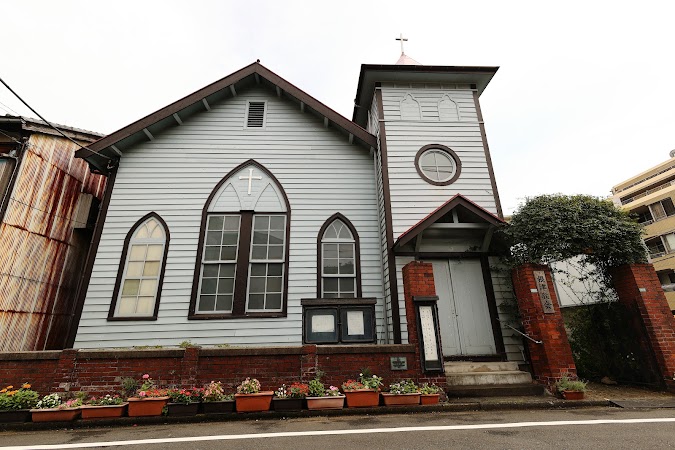
Located in the charming Yanaka area (Yanaka, Nezu, Sendagi), Nezu Church stands out with its striking wooden Western-style architecture. Unlike the traditional low Japanese houses nearby, this church features a spire and intricate wooden details, with a deep wood-colored exterior that exudes a warm and tranquil atmosphere. Inside, the church is solemn yet inviting, with light streaming through the windows onto the wooden benches, creating a timeless ambiance. It serves not only as a spiritual home for worshippers but also as a hidden gem for photography enthusiasts and architecture lovers, offering a peaceful retreat amidst the bustling city.
Historical Background and Cultural Significance
Nezu Church was established during the Taisho era (completed in 1919) and is designated as a registered tangible cultural property of Japan. Originally built as the "Hongo Gospel Church," it was designed under the guidance of the renowned American architect William Merrell Vories, showcasing the typical characteristics of Western missionary architecture of that time.
The church's most remarkable aspect is that it miraculously survived the Tokyo air raids of World War II, preserving its wooden structure and craftsmanship from the Taisho period. The building features intricate porch designs and geometric window grilles, making it an important example of the localization of Western religious architecture during Tokyo's modernization. Culturally, Nezu Church symbolizes the spirit of multiculturalism during the Taisho Romantic period, quietly taking root in the conservative downtown community and serving as a cultural bridge between the local community and Western faith. It continues to host concerts and various cultural events, spreading warmth and tranquility to this day.
🎬 根津教会 Video
Nezu Shrine
根津神社
- Google Maps
- Apple Maps
- Copy address
🕖 09:00 - 19:00
Intro
▼Nezu Shrine
| Item | Details |
|---|---|
| Address | 1-28-9 Nezu, Bunkyo-ku, Tokyo |
| Opening Hours | 06:00~17:00 (Closing time for the Tōrō gate varies by season; the offering hall is open from 09:00~17:00) |
| Admission Fee | Free (500 yen during the azalea season for entry to the azalea garden) |
| Official Website | www.nedujinja.or.jp |
Attraction Overview
Nezu Shrine is one of the most notable shrines in Nezu and a member of the famous "Tokyo Ten Shrines." The most frequently mentioned sight is the red tunnel formed by thousands of torii gates. Although smaller than the Fushimi Inari Shrine in Kyoto, it presents a refined Edo atmosphere amidst greenery and ancient architecture. The shrine also features a vast azalea garden spanning 2,000 tsubo, with around 100 varieties and 3,000 azalea plants. From mid-April to early May, the blooming flowers create a stunning sea of color against the backdrop of the vermilion shrine buildings.
Historical Background and Cultural Significance
Nezu Shrine has a long history, believed to have been established by the mythical Japanese hero Yamato Takeru over 1,900 years ago. The existing shrine buildings were constructed in 1706 by Tokugawa Tsunayoshi, the fifth shogun of the Edo shogunate. This complex includes the main hall, offering hall, worship hall, Tōrō gate, and lattice fence, all renowned for their ornate "Gongen-zukuri" style. Fortunately, it survived the Great Kanto Earthquake and the devastation of World War II, remaining intact to this day, and is designated as an Important Cultural Property by the Japanese government.
Culturally, Nezu Shrine has deep connections to Japanese literature. Located near the University of Tokyo, literary giants such as Natsume Sōseki and Mori Ōgai often walked here for inspiration, and the site even retains a stone known as the "Seat of Literary Giants." This place is not only a center of faith but also an important landmark witnessing the peak of Edo architectural craftsmanship and the atmosphere of Meiji literature.
🎬 根津神社 Video
Kamenoko Tawashi Yanaka Shop
亀の子束子 谷中店
- Google Maps
- Apple Maps
- Copy address
🕖 09:00 - 19:00
Intro
▼Kamenoko Tawashi Yanaka Store (亀の子束子 谷中店)
| Item | Details |
|---|---|
| Address | 2-5-14 Yanaka, Taito City, Tokyo |
| Business Hours | 11:00 AM – 6:00 PM |
| Official Website | www.kamenoko-tawashi.co.jp |
Store Introduction
Located in the charming Yanaka district, Kamenoko Tawashi Yanaka Store is housed in a renovated traditional wooden residence. This store is a direct branch of the "Kamenoko Tawashi Nishio Store," which has a history of over a century. The interior retains the charm of an old folk house, with minimalist yet high-quality wooden shelves neatly displaying a variety of palm brush products. This place is not just a shop for cleaning tools; it resembles a miniature museum showcasing Japanese craftsmanship, elevating ordinary household items into stylish home accessories.
Product Features
The most famous product in the store is undoubtedly the classic "Palm Dish Brush," which has remained virtually unchanged since its invention in 1907. Made from high-quality natural palm fibers, this brush is durable and highly effective, making it an essential companion in Japanese kitchens. In addition to the classic version, the Yanaka Store also offers several innovative products:
1. Kamenoko Sponge: Emphasizing antibacterial properties and drainage, its simple colors and excellent durability make it a best-selling star in the store.
2. White Palm Series: Lighter in color and firmer in texture, suitable for cleaning root vegetables or tougher dishes.
3. Limited Edition Merchandise: Includes canvas bags and T-shirts featuring a cute turtle logo, as well as limited items in collaboration with various brands, popular among young people and tourists alike.
🎬 亀の子束子 谷中店 Video
Nezu Station
根津駅
- Google Maps
- Apple Maps
- Copy address
Intro
▼Line Overview
| Item | Details |
|---|---|
| Attraction Address | 1-chōme-1 Nezu, Bunkyo City, Tokyo 113-0031 Japan |
Iriya & Yoshiwara Attractions and Food
Showing: All(10)
Iriya Station
入谷駅
- Google Maps
- Apple Maps
- Copy address
Intro
▼Line Overview
| Item | Details |
|---|---|
| Attraction Address | 1 Chome-14-12 Iriya, Taito City, Tokyo 110-0013 Japan |
Nodaya - In Front of Iriya Kishibojin
入谷鬼子母神門前のだや
- Google Maps
- Apple Maps
- Copy address
🕖 11:00~14:30
🕖17:30~20:00
Intro
▼Nodaya in front of Iriguchi Kizumomojin
| Item | Details |
|---|---|
| Address | 2-3-1 Shitaya, Taito-ku, Tokyo |
| Business Hours | Tuesday to Sunday 11:00–14:30 / 17:30–20:00 Closed on Mondays (if Monday is a holiday, closed on Tuesday instead; irregular closures each month) *Closes early if ingredients run out, so it's recommended to arrive early |
| Dining Budget | ¥10,000–¥14,999 |
| Tabelog Rating | 3.9 |
| Official Website | www.facebook.com/unagi.nodaya |
Restaurant Features
Founded in the first year of the Meiji era, "Nodaya" is a renowned establishment directly operated by the eel cuisine master "Nodaya Higashihōkai." It is famous for offering both the four major brands of farmed eel and the four major brands of wild eel. The chef uses a century-old grilling technique called "Manben Kaeshi" to grill the eel to a golden perfection, featuring the Kanto-style "Edo-yaki" with a savory sauce, the Kansai-style "Jiyaki" with a sweet sauce, and a unique "Iwa Shio-yaki."
Must-try dishes include the eel rice bowl with crispy skin and tender meat, perfectly paired with rice, and the "Eel Vinegared Sashimi (うなぎの酢〆裏梅造り)," which can only be found here in all of Japan. Additionally, creative dishes showcasing the artisan's diverse techniques, such as the "Eel Delicacy Trio," are also highly praised.
The restaurant is listed among the top eel establishments, and the artisan's skill in handling live eels is like a culinary performance. In a space filled with the nostalgia of old shops and the aroma of charcoal, you can experience the pinnacle of eel cuisine. Due to its immense popularity and commitment to fresh preparation, reservations are recommended to ensure you can enjoy this precious "artisan's skill."
🎬 入谷鬼子母神門前のだや Video
👉autoreserve
👉kkday
Iriya Kishimojin
入谷鬼子母神
- Google Maps
- Apple Maps
- Copy address
🕖 06:00 - 19:00
Free admission
Intro
▼Iriya Kizumoto Shrine (Shingenji)
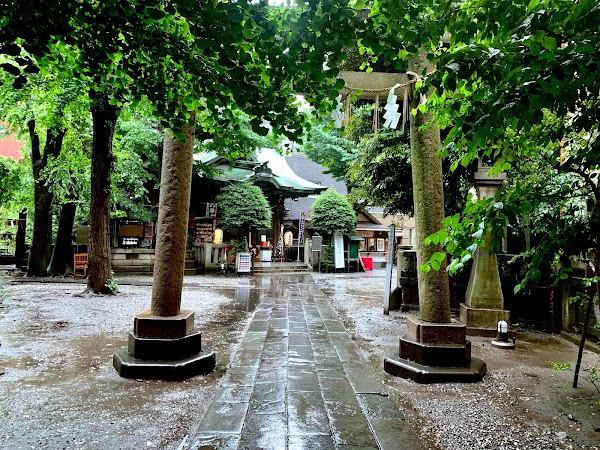
| Item | Details |
|---|---|
| Address | 1-12-16 Shitaya, Taito City, Tokyo |
| Opening Hours | 09:00~17:00 |
| Admission Fee | Free |
| Official Website | www.asagao-maturi.com |
Attraction Description
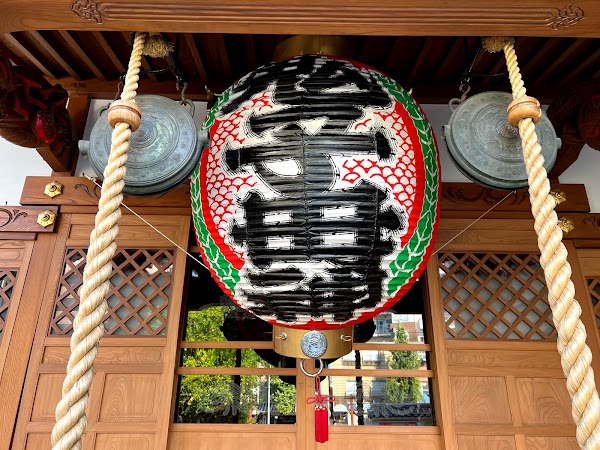
Iriya Kizumoto Shrine (officially known as Hōkeshū Honmon-ryū Butsuryūzan Shingenji) is a representative temple in Tokyo's downtown area. It is best known for the "Iriya Asagao Market (Morning Glory Festival)" held annually from July 6 to 8, a summer tradition dating back to the Edo period, where thousands of colorful morning glory pots fill the surrounding streets, attracting hundreds of thousands of visitors to experience the vibrant Edo festival atmosphere. Besides the festival, the temple offers a peaceful environment, where many parents come to pray for their children's safe growth. Notably, the character for "oni" on the temple plaque is missing a stroke (the dot on top), symbolizing that the Kizumoto deity has transformed into a guardian under the influence of Buddha.
Historical Background and Cultural Significance
Shingenji was founded in the second year of Manji (1659) by the monk Nichiyō from Hōkō-ji. The "Kizumoto" deity enshrined here is a well-known guardian of safe childbirth and child-rearing, alongside Zoshigaya and Ichikawa (Hōkekyō-ji), recognized as one of the "Three Great Kizumoto Shrines of Edo."
Culturally, Iriya Kizumoto Shrine is beloved by the common people of Edo. A popular saying goes, "Osore Iriya no Kizumoto" (meaning "surprised and impressed"), a pun that combines the place name "Iriya" with "Kizumoto," reflecting its high recognition in folk beliefs. Additionally, in the late 19th century, local gardeners successfully cultivated various rare morning glory varieties, making "Iriya's Asagao" famous nationwide. Although morning glory fields disappeared for a time after the Meiji period, they were revived by local enthusiasts after World War II, becoming an important cultural heritage that connects history and modernity, symbolizing the vitality of Tokyo's downtown.
🎬 入谷鬼子母神 Video
Ono Terusaki Shrine
小野照崎神社
- Google Maps
- Apple Maps
- Copy address
🕖 09:00 - 16:00
Free admission
Intro
▼Ono Terusaki Shrine
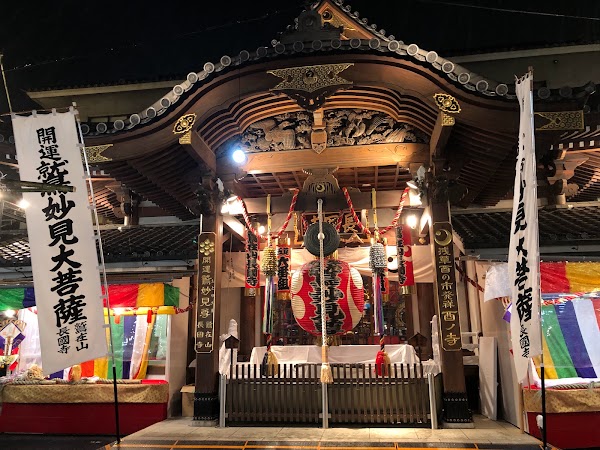
| Item | Details |
|---|---|
| Address | 2-13-14, Shitaya, Taito-ku, Tokyo |
| Opening Hours | 09:00–16:00 (Shrine Office) |
| Admission Fee | Free |
| Official Website | onoteru.or.jp |
Attraction Overview
Located in the Iriya area of Tokyo, Ono Terusaki Shrine is a serene spot hidden among the city's alleys. Its most famous sight is the ginkgo trees in early winter, where golden leaves blanket the ground, beautifully contrasting with the vermilion shrine buildings. The atmosphere within the shrine is tranquil, offering a peaceful escape from the bustling tourist areas, making it popular among locals and travelers seeking a deeper experience. In addition to the seasonal beauty, the shrine's water basin and charming stone komainu statues are must-see details for visitors. Notably, the shrine offers beautifully designed and creative goshuin, often featuring limited editions that reflect seasonal and cultural events, making it a sacred place for goshuin collectors.
Historical Background and Cultural Significance
Ono Terusaki Shrine was established during the Heian period (852 AD) and primarily enshrines the renowned Heian-era scholar and artist Ono no Takamura. Known for his exceptional talent, he is also said to have a mysterious identity of "serving the court by day and assisting King Enma in the underworld by night," thus revered as the god of knowledge, arts, and work. During the Edo period, the god of learning Sugawara no Michizane was also enshrined here, making it an important site for prayers for successful exams and career achievements.
Within the shrine grounds is the "Shitaya no Fuji," designated as an important tangible folk cultural asset. This is a miniature version of Mount Fuji made from real lava, allowing common people in the Edo period to symbolically complete their pilgrimage by climbing this smaller representation. Additionally, the late national actor Kiyoshi Atsumi prayed here before landing his famous role, adding a legendary aspect of "praying for career breakthroughs." This ancient shrine, blending the literary atmosphere of the Heian period, the faith culture of the Edo period, and modern artistic sensibilities, profoundly showcases Tokyo's diverse and rich historical heritage.
🎬 小野照崎神社 Video
Washi Shrine
鷲神社
- Google Maps
- Apple Maps
- Copy address
🕖 09:00 - 17:00
Free admission
Intro
▼Washi Shrine (Asakusa)
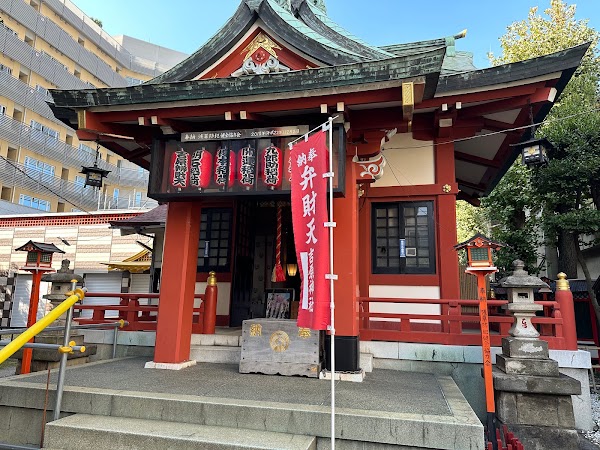
| Item | Details |
|---|---|
| Address | 3-18-7 Taito, Tokyo |
| Hours | 09:00~17:00 |
| Admission | Free |
| Official Website | otorisama.or.jp |
Attraction Overview
Located in the Asakusa area, Washi Shrine is Tokyo's most famous site for praying for "prosperity in business" and "good fortune." Upon entering the shrine, the most striking feature is the large "Nadeokame" (face-rubbing turtle) in front of the main hall. It is said that rubbing different parts of the turtle's face brings various good luck, such as rubbing the forehead for intelligence and the nose for wealth. While it may not be as bustling as Senso-ji Temple, it is filled with a strong atmosphere of popular faith, making it a must-visit for travelers seeking an in-depth experience of Edo culture.
Historical Background and Cultural Significance
The origins of Washi Shrine date back to the mythological era. Legend has it that Yamato Takeru prayed for victory here during his eastern expedition and hung a "Kumade" (bamboo rake) on a pine tree in front of the shrine as an offering, which became the origin of the "Tori no Ichi" festival. Since the Edo period, Washi Shrine has had a deep connection with the nearby Yoshiwara pleasure district, becoming a guardian deity for merchants and geishas seeking business success.
The most famous cultural event is the "Tori no Ichi" held every November on "Tori no Hi." During the festival, the shrine grounds are filled with stalls selling "Kumade" decorated with various coins, turtle masks, and rice ears, symbolizing "bringing in good luck and wealth." Whenever a sale is made, vendors and customers collectively perform the rhythmic "Sanbon-shime" clapping ritual, creating a deafening atmosphere filled with the vibrant spirit of Edo culture, which is the essence of Washi Shrine's century-old traditions.
🎬 鷲神社 Video
Yoshiwara Shrine
吉原神社
- Google Maps
- Apple Maps
- Copy address
🕖09:30~16:30
Free admission
Intro
▼Yoshiwara Shrine
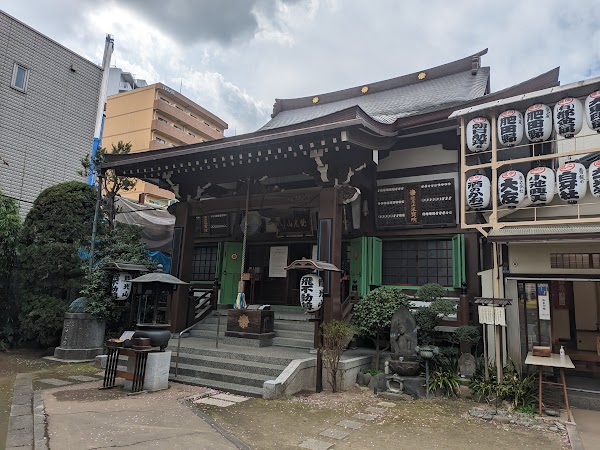
| Item | Details |
|---|---|
| Address | 3-20-2 Chitoku, Taito, Tokyo |
| Opening Hours | 09:30–16:30 (Office hours) |
| Admission Fee | Free admission |
| Official Website | yoshiwarajinja.tokyo-jinjacho.or.jp/syoukai00.html |
Attraction Overview
Yoshiwara Shrine is located in the Chitoku area, north of Asakusa, and is one of the Seven Lucky Gods of Asakusa, dedicated to Benzaiten. This shrine is closely linked to the mysterious and legendary history of the nearby Yoshiwara pleasure district. Although the shrine is small, it exudes a tranquil and solemn energy, especially with its vibrant red torii gate and Edo-period architectural details, attracting countless visitors seeking fortune, artistic success, and the fulfillment of women's wishes. The most popular souvenirs here are the goshuin featuring Benzaiten and colorful "hana-sen," making it a favored energy spot for modern women.
Historical Background and Cultural Significance
The history of Yoshiwara Shrine dates back to the famous red-light district "Yoshiwara." Initially, five Inari shrines (Gendo, Enomoto, Akashi, Kaiun, and Kurozuke) were scattered around the district for local protection, until they were merged at the current site in the 5th year of Meiji (1872) and officially named "Yoshiwara Shrine."
This shrine holds deep cultural significance, having been the sole spiritual support for the women of the district (geishas and courtesans). In the strict hierarchy and harsh life of the pleasure district, women came here to pray for beauty, skill enhancement, and hope for the future. The shrine also enshrines Ichikishimahime (Benzaiten), symbolizing beauty and talent. Even after being rebuilt multiple times following the Great Kanto Earthquake and World War II air raids, Yoshiwara Shrine continues to protect this land, telling the story of the sorrow and resilience of women behind the prosperity of the Edo period, making it an essential historical site for studying Edo downtown culture.
🎬 吉原神社 Video
Hibari Fudo Temple
飛不動尊
- Google Maps
- Apple Maps
- Copy address
🕖09:00 AM - 5:00 PM
Free admission
Intro
▼Tobifudo (Ryukozan Shoboin)
| Item | Details |
|---|---|
| Address | 3-11-11 Ryusen, Taito-ku, Tokyo |
| Opening Hours | 09:00~17:00 |
| Admission Fee | Free |
| Official Website | tobifudo.jp |
Attraction Overview
Located in the downtown area of Taito, Tokyo, Tobifudo, officially known as Ryukozan Shoboin, is a temple of the Tendai sect. Though small in scale, it is renowned throughout Japan for "protecting flight safety." The most popular offerings here are various charms related to aviation, including the "Flight Charm" featuring airplane designs and stickers wishing for safe travels, attracting countless pilots, flight attendants, and travelers about to board flights. The atmosphere within the temple is peaceful, adorned with ema (wooden plaques) depicting airplanes, creating a unique landscape where modern faith coexists harmoniously with traditional temples.
Historical Background and Cultural Significance
Tobifudo was established in the 3rd year of the Kyoroku era (1530), making it nearly five hundred years old. The origin of its name "Tobifudo" is tied to a fantastical legend: it is said that the founding priest of Shoboin went to Mount Ominesan in Yamato Province (now Nara Prefecture) for training, bringing with him the statue of Fudo Myoo. Unexpectedly, the devotees left in Tokyo, missing the statue dearly, prayed earnestly, and the statue miraculously flew back to Tokyo overnight, hence the name "Tobifudo."
This legend of "flight" has taken on new meaning in modern times. With the development of the aviation industry, people have transformed this miracle into prayers for safe flights and the prevention of air disasters. Additionally, as "Tobifudo" also implies "dispelling illness," it is regarded as a place for seeking health and protection from diseases. As one of the "Shichifukujin of Yanaka," it enshrines Ebisu and is the 24th sacred site of the 36 Fudo locations in Kanto, embodying a rich tradition of Edo faith and culture.
🎬 飛不動尊 Video
Ichiha Memorial Hall
一葉記念館
- Google Maps
- Apple Maps
- Copy address
🕖 09:00 - 16:30
Adults 300 yen
Students (elementary to high school) 100 yen
Intro
▼Ichiyo Memorial Museum
| Item | Details |
|---|---|
| Address | 3-18-4 Ryusen, Taito City, Tokyo |
| Opening Hours | 09:00–16:30 (Last admission at 16:00) |
| Admission Fee | General 300 yen / Students 100 yen |
| Official Website | www.taitogeibun.net/ichiyo |
Attraction Overview
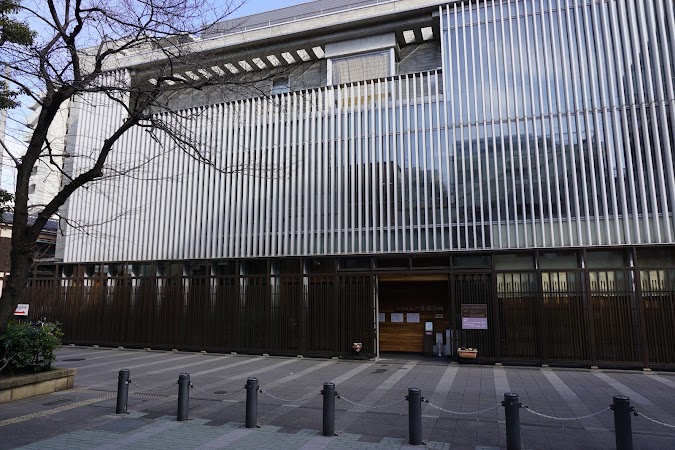
Located in Taito City, Tokyo, the Ichiyo Memorial Museum is a literary museum dedicated to the outstanding Meiji-era female novelist Higuchi Ichiyo. The museum is situated in the Ryusen area where Ichiyo once lived, which is also the setting for her famous work "Takekurabe." The building features a modern and sophisticated design, showcasing a wealth of valuable historical materials about Ichiyo, including her handwritten drafts, diaries, letters, and poetry. Through exquisite displays and multimedia guides, visitors can transcend time and experience the literary vitality of this talented woman who persisted in her writing despite poverty and illness.
Historical Background and Cultural Significance
Higuchi Ichiyo (1872-1896) was a comet in the history of modern Japanese literature. Although she passed away at the young age of 24, her works such as "The Year-End," "Takekurabe," and "Daku River," published in just over a year, marked a new era for women's literature in Japan. To honor her literary contributions, this museum was established in 1961 as Japan's first literary museum dedicated to female writers. The museum preserves a model of the house where Ichiyo lived, recreating the atmosphere of life in the downtown area during the Meiji era.
Culturally, Higuchi Ichiyo symbolizes the awakening of women's consciousness in Japan. Her portrait is printed on the current 5,000 yen banknote, attesting to her esteemed historical status in Japanese society. The Ichiyo Memorial Museum is not only a pilgrimage site for literature enthusiasts but also an important cultural window for studying the social landscape and women's lives during the Meiji period. Each year, the museum hosts various special exhibitions that delve into Ichiyo's creative journey and the cultural context of Tokyo at that time, allowing future generations to continue to feel her delicate, poignant, yet resilient literary spirit.
🎬 一葉記念館 Video
👉Tokyo MUSEUM Pass
Senzoku Inari Shrine
千束稲荷神社
- Google Maps
- Apple Maps
- Copy address
🕖09:00 AM - 5:00 PM
Free admission
Intro
▼Chizuka Inari Shrine
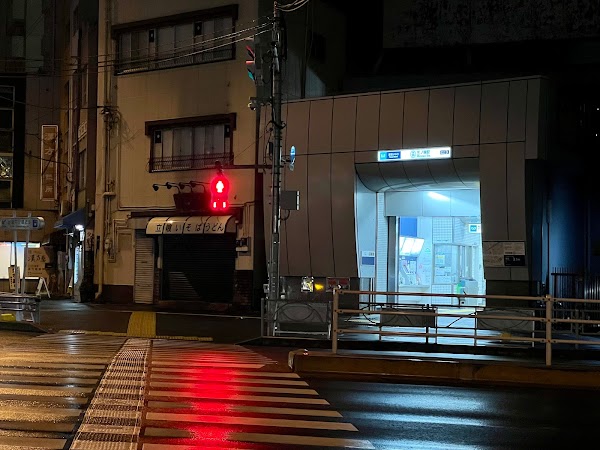
| Item | Details |
|---|---|
| Address | 2-19-3 Ryusen, Taito-ku, Tokyo |
| Opening Hours | 09:00–17:00 (Office) |
| Admission Fee | Free |
| Official Website | senzokuinari.tokyo-jinjacho.or.jp/index.html |
Attraction Overview
Chizuka Inari Shrine quietly stands in the residential area of Ryusen in Taito, modest in size yet exuding an ancient and mysterious atmosphere. The most prominent features are the red torii gate and the fox statue, which serves as the guardian deity. Visitors are particularly drawn to the literary monument and statue of Higuchi Ichiyo located on the grounds. As this site was the backdrop for the famous work "Tōmeitō," many literary fans come to experience the nostalgic ambiance depicted in the novel. During the annual festival, the area around the shrine becomes lively, showcasing the rich traditional culture of Tokyo's downtown.
Historical Background and Cultural Significance
The exact founding date of Chizuka Inari Shrine is unclear, but it is believed to have a long history, originally serving as the deity of harvest protecting the surrounding Chizuka village farmlands. During the Edo period, it was near the famous Yoshiwara pleasure district, making it an important place for local craftsmen and residents to pray for prosperous business.
Its cultural significance is closely tied to Japanese literature. The genius female writer Higuchi Ichiyo lived near the shrine during the Meiji era and found inspiration here to write "Tōmeitō." The novel opens with: "Surrounding Chizuka Inari Shrine is a bustling yet melancholic town..." The shrine not only features a bust of Higuchi Ichiyo but also a literary monument inscribed with passages from the novel, symbolizing its unique role as a vessel of literary memory transitioning from a local guardian deity. Additionally, the shrine preserves the traditional belief in "Golden Inari," representing ancient wishes for abundant harvests and prosperous living.
🎬 千束稲荷神社 Video
Minowa Station
三ノ輪駅
- Google Maps
- Apple Maps
- Copy address
Intro
▼Line Overview
| Item | Details |
|---|---|
| Attraction Address | 3-19-6 Negishi, Taito-ku, Tokyo 110-0003, Japan |