Travel
ś
📜 Foreword
📚 Tokyo's must-visit for culture lovers: Kanda · Jimbocho · Ochanomizu — Deep travel guide 🎸
Kanda, Jimbocho and Ochanomizu area. This place is not only the hub of Japanese universities and academic institutions, but also world-famous for the “old book town”, “instrument street” and “sports gear street”. If you love books, music or outdoor activities, this is a must-visit stop in Tokyo!
1) Jimbocho: the world’s most famous used-book district 📖
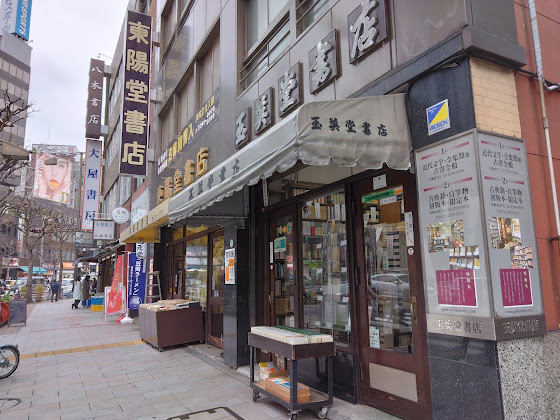
Jimbocho (Jinbŋchŋ) is the heart of this area, famous for its hundreds of secondhand bookstores.
🌟 Highlights
-
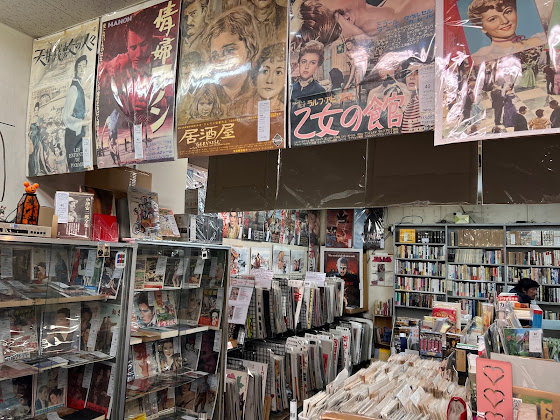
📚 Literary atmosphere: Streets are lined with long-established secondhand bookshops covering literature, history, art, philosophy and foreign-language books. Many shops have decades of history; their shelves feel like a maze of knowledge.
-
🍛 Coffee battleground: Beyond books, Jimbocho is Tokyo’s famous “coffee battleground.” You’ll find cafes from European-style to Japanese-style—great options for a lunch break.
2) Ochanomizu: where academia meets music 🎶
Ochanomizu (Ochanomizu) is known for its prominent academic buildings and lively music shops.
🌟 Highlights
-
🎸 Instrument Street: From JR Ochanomizu Station, walk along the Ochanomizu instrument street to find a row of shops selling guitars, basses, drums and keyboards. You’ll find the latest top-of-the-line gear as well as rare secondhand and vintage instruments—a paradise for music lovers.
-
🎓 Academic vibe: Famous schools like Tokyo Medical and Dental University, Meiji University and Juntendo University are based here, giving the area a strong academic atmosphere.
-
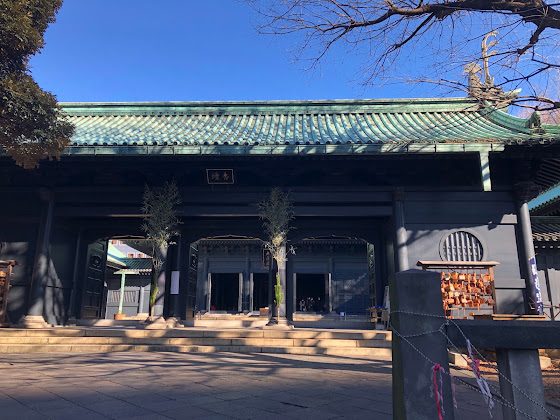
⛪ Hijiri Bridge and Yushima Seido: Hijiri Bridge connects Ochanomizu and Yushima and offers views of JR trains passing below. Nearby Yushima Seido is a historic center of Confucian learning—quiet and solemn, great for a peaceful visit.
3) Kanda: old Edo vibes and great eats 🍺🍶
Kanda (Kanda) generally refers to the area centered on JR Kanda Station. The parts adjacent to Jimbocho form a specialized sports-goods district.
🌟 Highlights
-
⚽ Sports-goods street: Along the local lanes where Jimbocho meets Kanda you’ll find many outdoor, ski and camping gear shops. Especially before winter, this area is a go-to for skiers shopping for equipment.
-
🍺 Nostalgic izakayas: Around Kanda Station you’ll find many postwar-style alleyways and traditional izakayas, full of Showa-era nostalgia—perfect for experiencing downtown Tokyo’s nightlife.
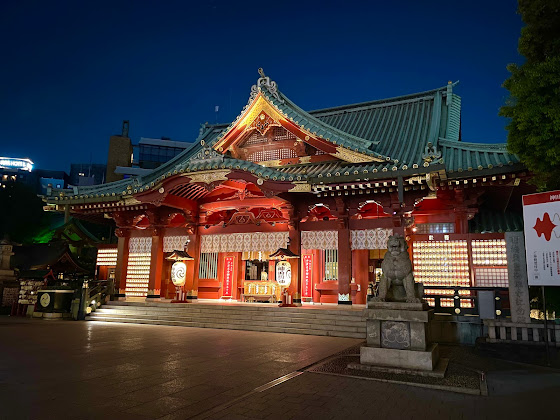
- Kanda Myojin: Known as the “guardian shrine of Edo,” Kanda Myojin is the most important shrine in the area and holds a respected place in local culture.
🚝 Transportation Guide
Transport: Easy connections to Tokyo’s core
This area sits in central Tokyo with excellent transport links in all directions, making it super convenient.
✈️ Main stations and lines
| Area | Main station | JR / Subway lines | Key tourist / business hubs |
| Kanda | JR Kanda Station | JR Chūō Line, Yamanote Line, Keihin-Tōhoku Line, Tokyo Metro Ginza Line | Connects to Tokyo Station, Akihabara and Ueno — a commercial core. |
| Ochanomizu | JR Ochanomizu Station | JR Chūō Line (Rapid), Chūō-Sōbu Line, Tokyo Metro Marunouchi Line | Links to Shinjuku and Tokyo Station; core for instrument shops. |
| Jimbocho | Jimbocho Subway Station | Tokyo Metro Hanzomon Line, Toei Mita Line, Toei Shinjuku Line | Antiquarian book town and cafe core; connects to Suidobashi and Otemachi. |
🛫 Useful Japanese for Travelers
Click the text below to hear audio!
旅遊實用日文
Hello
こんにちは
Excuse me
すみません
Thank You Very Much
ありがとうございます
Goodbye
さようなら
Where is the restroom?
トイレはどこですか?
Where is the tourist information center?
観光案内所はどこですか?
Do you have a pamphlet?
パンフレットはありますか?
Can I take a picture?
写真を撮ってもいいですか?
Can you take a picture for me?
写真を撮ってもらえますか?
Where is the taxi stand?
タクシー乗り場はどこですか?
Please go here
ここに行ってください
Please show me this
これを見せてください
I want to go here.
ここへ行きたいのですが。
I don't speak Japanese
日本語は話せません
Do you speak English?
英語は話せますか?
Please speak more slowly.
もっとゆっくり話してください。
One more time, please.
もう一度お願いします
Does the Staff Speak Chinese?
店員は中国語を話せますか
🎁 Shopping Japanese Phrases
Click the text below to hear audio!
購物實用日文
Please give me this
これをください
This one, please
これをお願いします。
Menu, please
メニューをください
What do you recommend?
オススメは、何ですか?
Do you have anything cheaper?
もっと安いものはありますか?
Is this made in Japan?
これは日本製ですか?
Please place an order
注文をお願いします
Check, please
お会計をお願いします
Is it tax-free?
免税できますか?
How much is it?
いくらですか?
Where do I pay?
支払いはどこですか?
Can I use a credit card?
クレジットカードは使えますか?
I will pay in cash
現金で支払います
Pay with Suica
スイカで支払います
I will pay by card
カードで支払います
Can you wrap them separately?
別々に包んでもらえますか?
May I have the receipt, please?
領収書をお願いします。
👗 Clothing-store Japanese Phrases
Click the text below to hear audio!
服飾店實用日文
How much is this?
これはいくらですか。
May I try it on?
試着してもいいですか?
Do you have an S size?
S サイズのはありますか?
Do you have an M size?
M サイズのはありますか?
Do you have an L size?
L サイズのはありますか?
Do you have XL size?
XL サイズのはありますか?
Do you have something a bit bigger?
もうすこし大きいのはありますか?
Do you have something a bit smaller?
もうすこし小さいのはありますか?
The size fits.
サイズが合います。
Sorry, the size did not fit.
すみません、サイズが合いませんでした。
I'll think about it a bit more.
もうちょっと考えます。
This is fine
これは大丈夫です
I'm okay. Thank you.
大丈夫です。ありがとうございます。
Please give me this. Do you have a new one?
これをください。新品ありますか。
Can you make it a bit cheaper?
もう少し安くなれませんか。
I'd like to see some other options.
もうちょっと他の見たいです。
It wasn't as expected, so I'll pass
イメージと違ったので、やめときます
I'll take this
これ頂きます
🍴 Restaurant Japanese Phrases
Click the text below to hear audio!
Excuse me
すみません
Menu, please!
メニューをください!
Order, please
注文、お願いします
This one, please
これ、お願いします
Thank you for the meal
ごちそうさまでした
Water, please
お水、お願いします
How do I eat this?
どうやって食べますか?
A small plate, please
小皿、お願いします
May I take a photo?
寫真、いいですか?
Excuse me, please change the grill net.
すみません、網を替えてください
Check, please
お會計、お願いします
Where do I pay?
支払いはどこですか?
How much is it?
いくらですか?
Can I use a credit card?
クレジットカードは使えますか?
I will pay in cash
現金で支払います
May I have the receipt, please?
領収書をお願いします。
🔥 Hot Tickets & Deals 🔥
💴 All the best Japanese department stores, cosmetics, and electronics deals — right here!!
Electronics + cosmetics + sundries
Bic Camera
(Discount vouchers are generally valid across Japan)
Yamada Denki
(Discount vouchers are generally valid across Japan)
EDION
Namba Main Store / Kyoto Shijo Kawaramachi / Akihabara Store
Don Quijote
(Discount vouchers are generally valid across Japan)
Matsumoto Kiyoshi
(Discount vouchers are generally valid across Japan)
COSMETICS AND MEDICAL (cosmetics)
Shin-Marunouchi Building / New Yurakucho Building / Otemachi FirstSquare / Otemachi Plaza / Kodemmacho / Higashi-Nihonbashi
COSMOS Cosmetics
(Discount vouchers are generally valid across Japan)
SUGI Pharmacy
(Discount vouchers are generally valid across Japan)
Daikoku Drugstore
(Discount vouchers are generally valid across Japan)
Tsuruha Drug
(Discount vouchers are generally valid across Japan)
Cocokara Fine Cosmetics
(Discount vouchers are generally valid across Japan)
Kokumin Cosmetics
(Discount vouchers are generally valid across Japan)
Hokkaido Drugstore “Satsudora”
Okinawa cosmetics chain “RYUSPA”
Department stores
Mitsui Outlet
Odaiba DiverCity
COREDO Muromachi
LaLaport
Lazona
Daimaru Matsuzakaya Department Stores
Umeda Store / Shinsaibashi Store / Tokyo Store / Matsuzakaya Ueno Store / Kyoto Store
Sapporo Store / Kobe Store / Shimonoseki Store / Matsuzakaya Nagoya Store / Matsuzakaya Shizuoka Store
Tobu Department Store Ikebukuro
Seibu Department Store
SOGO Department Store
Tokyo Rakuten Duty-Free Ginza
(GinzaNovo)
Odakyu Department Store Shinjuku
(Shinjuku West Exit)
Kintetsu Department Store
Osaka Abeno Harukas
Tax-free 10% + up to 5% extra discount
Keio Department Store Shinjuku
Tax-free 10% + up to 5% extra discount
Sports gear + apparel
JEANS MATE Clothing Store Coupon
Ikebukuro Store / Harajuku Takeshita Street Store / Kawasaki Store / Ofuna Store
Alpen Discount Coupon (sports goods)
(Discount vouchers are generally valid across Japan)
(Shinjuku store — Japan’s largest sports goods store)
L-Breath (sports goods)
(Discount vouchers are generally valid across Japan)
Victoria Golf (sports goods)
(Discount vouchers are generally valid across Japan)
Victoria (sports goods)
(Discount vouchers are generally valid across Japan)
Aoyama (The Suit Company)
Tax-free + extra 10% off coupon
Japanese luggage brand ACE
10% off coupon
🏷️ Kanda · Jimbocho: Handy sightseeing tips 🏷️
Sightseeing map
Sights — Suggested Route Map
We recommend opening the map on a computer and following the notes below to understand the route.
a. Orange area (Manseibashi + Ochanomizu area), b. Green area (Shinmei Shrine area), c. Blue area (Jimbocho area)
🚶♂️ Manseibashi + Ochanomizu sights 🚶♀️
from Akihabara(3min)
Former Manseibashi Station
旧万世橋駅
Click for Navigation
Introduction
Ruins of Early Manseibashi Station and the Transportation Museum
The old platform area of Early Manseibashi Station has been refurbished into a viewing platform.
This elevated Manseibashi station first opened in 1912 (Meiji 45). The platform was rebuilt and reopened as the “2013 Platform” in 2013. Visitors can climb two staircases up to the platform level and relax in a glass‑wrapped café that gives the feel of strolling inside the old station. The central space — with JR tracks running beneath — creates a unique open area worth exploring.
[Facility Overview]
Manseibashi Station once stood on the Chuo Line between Kanda and Ochanomizu. It opened in 1912 (Meiji 45) and was closed in 1943 (Showa 18). Some parts of the old elevated red‑brick structure, including the platform and stairs, were preserved. The “Early Manseibashi Station” exhibit displays these remnants so visitors can appreciate their historical value. In addition to showing the 1912 platform and the 1935 Transportation Museum floors, the original platform was transformed into the “2013 Platform,” featuring open space and cafés. There are also exhibits that trace the station’s history up to the present.
[Highlights of Early Manseibashi Station]
■ “Early Manseibashi Station 1912 Platform”
The 1912 platform was built when the station opened in April 1912. After the Transportation Museum opened in 1936, this platform served as a special entrance directly into the museum and parts of it were used as a lounge. The platform is made of solid granite and Sekigahara stone, giving a sense of weight and craftsmanship; the tile and ceramic finishes echo the high‑end station workmanship seen at places like Tokyo Station.
When reopened to the public, the space kept as much of the original look as possible while guaranteeing the safety of the elevated structure and carrying out partial restorations.
■ “Early Manseibashi Station 1935 Floor”
A new Transportation Museum building was constructed here and a new floor was added in 1935. Before the station closed in October 1943, this floor was used as part of the station. The floor surface mixes rough concrete and period tiles; while the finish differs from the original opening era, it retains the historical feel.
Along the stairways, you can still see handwritten marine reports that used to be posted at the station. These were preserved by the Transportation Museum and are now kept in the Railway Museum. Replicas are displayed in their original spots, and a large interactive “Manseibashi Archives” screen records the story from Manseibashi Station to the Transportation Museum and beyond.
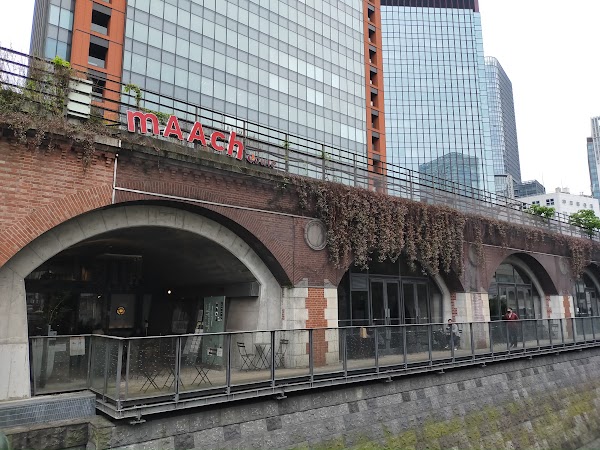
mAAch ecute Kanda Manseibashi
マーチエキュート神田万世橋
Click for Navigation
Overview
mAAch ecute Kanda Manseibashi
Address: 1-25-4 Kandasudacho, Chiyoda-ku, Tokyo
Official site: https://www.ecute.jp/maach
Hours: Shops 11:00–20:00 (individual store and restaurant hours vary)
What it is
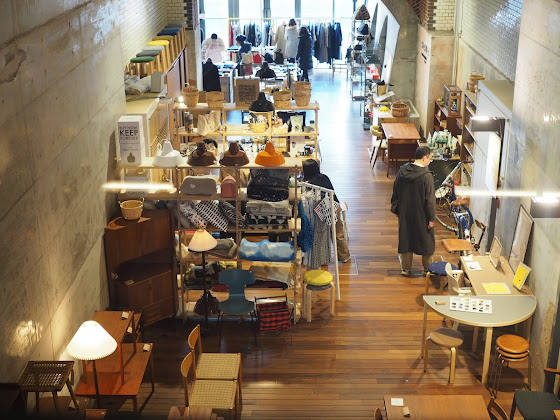
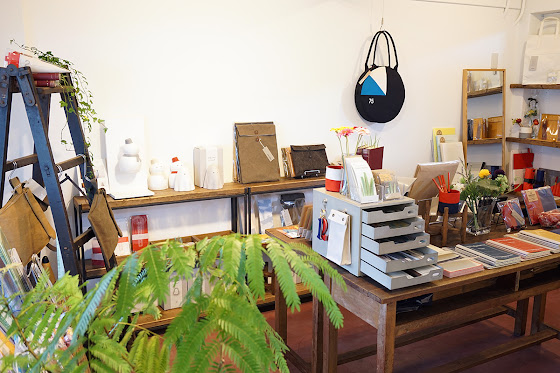
mAAch ecute Kanda Manseibashi is a characterful shopping spot that turns century‑old red‑brick elevated railway ruins into a creative retail area. Rather than a typical mall, it fills the former station arches with boutique shops, workshops and cafés, using the vacant 1943 station space to create a charming cluster of stores.
Layout
The facility mainly uses the area beneath the elevated tracks (1F) and the old station platform (2F).
1F: Shops and dining — under the red brick arches you’ll find lifestyle shops, design workshops, specialty cafés and restaurants. There’s also a display area showing the station’s history and railway models called the “Library.”
2F (old platform): Preserved and turned into a glass‑wrapped viewing terrace with cafés. You can go up via the “1912 stairs” or the “1935 stairs” to the historic platform. The platform still sits above the active JR Chuo Line tracks, so enjoying a coffee while watching trains pass by is part of the fun.
History
This place was once Manseibashi Station, opened in 1912 and designed by architect Kingo Tatsuno (who also worked on Tokyo Station). It used to be a lively Chuo Line terminus. After the 1923 Great Kanto Earthquake the station’s role declined, and in 1936 the Transportation Museum was added. The station closed in 1943, leaving the elevated structure and platform. After the museum moved in 2006, the historic space was lovingly renovated and reborn in 2013 as “mAAch ecute Kanda Manseibashi,” a modern cultural and shopping destination blending past and present.
Kanda Sudacho
神田須田町
Click for Navigation
Overview
Located in Chiyoda’s Kanda Sudacho, this place name goes back to the Edo period. It used to sit beside the Kanda River on sandy farmland called “Suda,” which later became “Suda (Sudacho). Because it was near the meeting point of the Kanda and Nihonbashi rivers, it grew into an important transport hub.
From the Meiji era through the Taisho era and beyond, this area was a terminal for tram and city train lines, bringing commerce and lively streets. In the Edo era through the late Taisho, Kanda Sudacho and the nearby streets hosted artisans and shops — many crafts and eateries traded here for generations, creating a nostalgic food and shopping scene locals still love.
During the Kamigata and later periods, parts of the neighborhood were home to craftsmen who made “renjaku” (a kind of carrying strap used to protect shoulders), giving the area the nickname “Old Renjaku Town.” Kanda Sudacho survived wartime damage and retained many late Taisho and early Showa buildings, along with long‑running restaurants, food stalls and shops that carry historical charm to this day.
The entrance to Sudacho from Seimon Road was once a junction connecting five main streets. Nearby markets and a lively atmosphere made this spot full of food stalls and specialty shops. Many old stores still keep the traditional flavor alive, making this area a top pick for nostalgic architecture and classic local eats.
Min-an
眠庵
🕖18:00~21:30
Top 100 & Bib Gourmand
Overview
Nemurian (Nemuri-an)
Address: 1-16-4 Kandasudacho, Chiyoda-ku, Tokyo
Official website: http://www.nemurian.net/
Opening hours:
Mon–Sat 18:00–21:30
Closed Sun and national holidays
Note: may close on other days too—check the official site for details
Tabelog rating: 3.7
Price range: ¥3,000–¥3,999
Highlights
Nemurian is a hidden “kakurega” tucked down a quiet alley in Kandasudacho, housed in a renovated old-style home with a nostalgic atmosphere. You remove your shoes on entry—it’s like visiting a friend’s house.
The place is run solo by the owner, so reservations are strongly recommended. The signature is the “two kinds” soba platter, letting you taste two high-quality sobas from different regions (e.g., Hokkaido, Fukushima) in one go.
Beyond soba, Nemurian doubles as a cozy izakaya and sake bar. The owner curates an excellent sake list, and the small dishes (tsumami) are well matched—think simmered beef with daikon or miso-marinated cheese. A great spot to quietly enjoy top-notch soba and sake.
Takayama Coffee
高山珈琲
Click for Navigation
🕖11:00~17:00
Popular cafe
Overview
Takayama Coffee (Takayama Coffee)
Address: 1-12 Kandasudacho, Chiyoda-ku, Tokyo
Official site: https://twitter.com/takayama_coffee/
Opening hours:
Mon–Thu 11:00–17:00 (L.O. 16:00)
Closed Fri, Sat, Sun and public holidays
Note: occasional closures—check official SNS for updates
Tabelog rating: 3.75
Price range: ¥1,000–¥1,999
Highlights
Takayama Coffee is a tiny, super-popular cafe between Kanda and Asakusabashi, famous for service that makes customers want to come back. The owner’s warm hospitality makes the place feel like home while you enjoy tasty bites.
The signature is the irresistible cinnamon toast—thick-cut bread toasted just right, heaped with cinnamon and paired with fresh cream for a perfectly balanced sweetness. It’s worth lining up for.
Also on the menu are hearty sandwiches, a fluffy apple pie, and a rich blueberry tea (Blue Foncee). A cozy spot to enjoy simple comforts and good vibes.
Kanda Kikukawa - Kanda Branch
神田きくかわ 神田店
Click for Navigation
🕖11:00~20:25
Long-established mackerel specialty shop
Overview
Kanda Kikukawa — Kanda Branch
Address: 1-24-2 Kandasudacho, Chiyoda-ku, Tokyo
Official site: http://www.kanda-kikukawa.co.jp/shop/
Opening hours:
Tue–Thu 11:00–20:25
Sat, Sun, holidays 11:00–19:50
Closed Mon (if Monday is a holiday they open and close on Tue)
Note: no reservations accepted
Tabelog rating: 3.56
Price range:
Dinner ¥6,000–¥7,999
Lunch ¥5,000–¥5,999
Highlights
“Kanda Kikukawa” is a long-established unagi (grilled eel) shop near Kanda Station. Their unajū (eel over rice) is often praised as a “complete, perfect meal.”
The secret is the house sauce, which includes a touch of honey in the glaze—this keeps the eel moist and fluffy while the skin gets a pleasant char and glossy finish. The set comes with vitamin-rich sides like pickles and citrusy accompaniments to balance the meal and round out nutrients, delivering that “perfect meal” experience.
Besides unajū, their grilled eel dishes pair beautifully with sake or beer. Many customers enjoy ordering a single grilled eel plate with a drink, soaking up the calm, old-school atmosphere.
Fukuo Shoten
福尾商店
Click for Navigation
🕖10:00~18:00
Top 100 shop
Overview
Fukuo Shoten
Address: 1F, 1-34 Kanda Sudachō, Chiyoda-ku, Tokyo
Official website:http://fukuo-shouten.keeping.jp/
Opening hours:
Tue–Fri 10:00–18:00
Sat 10:00–17:00
Closed Mon, Sun & national holidays
Note: In-store café service is currently suspended; mainly takeout available.
Tabelog rating: 3.7
Budget: up to ¥999
What makes it special
Founded in 1886, this old-school Kanda shop is famous for kanten (agar jelly) and tokoroten. They insist on high-quality tengusa from Izu, giving their sweets a uniquely delightful texture. The standout is the “Shifuku Ume Kanten”—refreshing pickled plum with delicate sweetness paired with springy kanten—an absolute must-try. Their signature tokoroten is praised for its pure, snappy bite. Freshly made “Sanpuku Senbei” (lucky crackers) are also popular. Even as takeout-only for now, it’s a top spot for authentic Japanese sweets.
Curry Enthusiast
カレーノトリコ
Click for Navigation
🕖11:00–15:00 / 18:00–22:00
One of Tabelog’s Top 100 shops
“No private conversations”
“No phones while eating”
“Not a date spot”
Overview
Curry Notrico
Address: 1F, 3-5 Kanda Kajichō, Chiyoda-ku, Tokyo
Official page:https://www.facebook.com/currynotrico
Opening hours:
Mon, Tue, Thu, Fri 11:00–15:00 / 18:00–22:00
Wed & Sat 11:00–15:00
Closed Sun & national holidays
Tabelog rating: 3.77
Budget: ¥1,000–¥1,999
What makes it special
Voted one of Tabelog’s curry hotspots in Tokyo, Curry Notrico is famous for its bold flavors and no-frills vibe. The tiny counter only seats seven, but that hasn’t stopped lines from forming. The menu centers on Indian-style curry, dry curry, and the must-order “Aigake” (double curry) — two different tastes on one plate: a lighter, spiced curry broth and a rich, meaty dry curry made with ground meat and punchy spices. You can choose chicken (seared, juicy thigh chunks) or shrimp. The place has strict rules like no private chat and no phone use while eating — serious business, but the food is worth the discipline.
One stop from here to Tokyo Station — walk to JR Kanda and a train to Tokyo Station takes about 7 minutes, or it’s a 4.5 km walk. From there you can head to the two areas below.
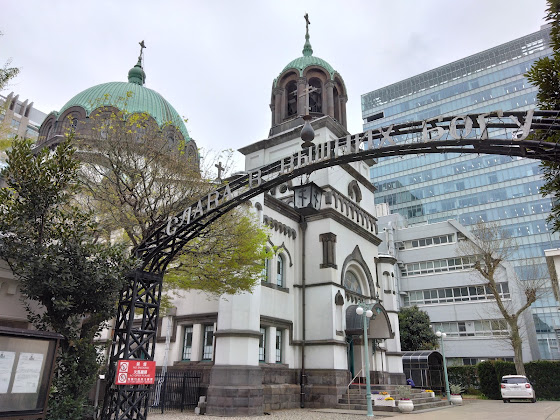
Nikolai Cathedral
ニコライ堂
Click for Navigation
Suggested donation for entry: Adults ¥300 (
Junior high ¥100; elementary and younger free)
Overview
- Note: If your group is under 10 people, no reservation is required.
- Group visits: Please book at least one week in advance.
- Admission donation: Adults ¥300 (junior high ¥100; elementary and younger free).
- Contact: Tokyo Resurrection Cathedral (Nikolai Church) Office — closed Mondays.
Disk Union - Ochanomizu Ekimae Branch
ディスクユニオン お茶の水駅前店
Click for Navigation
🕖 12:00–20:00
CDs & vinyl
About
Disk Union (ディスクユニオン) Ochanomizu Ekimae Store
Address: Tokyo, Chiyoda-ku, Kanda Surugadai 2-1-18 2F・3F
Official site: https://diskunion.net/shop/ct/ocha_ekimae
Hours:
Weekdays 12:00–20:00
Saturdays, Sundays & public holidays 11:00–20:00
What to expect
A true mecca for fans of Japanese music (wamon). The Ochanomizu Ekimae Store is Disk Union’s specialty spot for J‑Pop, recent global revivals like Showa-era songs and City Pop. Whether you’re hunting rare LPs, used CDs, or the newest releases, their stock is impressively deep. The selection spans classic oldies to modern idol and image music — a must-stop for vinyl hunters.
About the store
Disk Union is Japan’s top record store chain, famous for its huge second‑hand inventory and genre‑focused shops. True to its name, this branch is super convenient — just outside JR Ochanomizu Station (Ochanomizu-no-Mizubashi exit).
The shop spans two floors (2F & 3F) and dives deep into Japanese music. The 2nd floor mainly covers J‑Pop, idols, Showa-era pop, City Pop and soundtracks; the 3rd floor focuses on crate‑digging Japanese music, indie acts and heavier genres. If you love exploring Japan’s unique music culture, it feels more like a treasure‑packed library than a shop — plan to lose a couple of hours here.
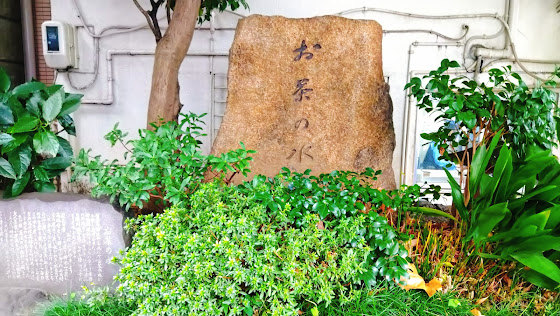
Ochanomizu Monument
お茶の水の石碑
Click for Navigation
About
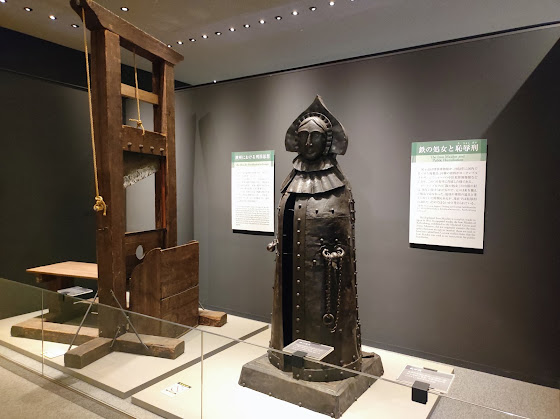
Meiji University Museum
明治大学博物館
Click for Navigation
About
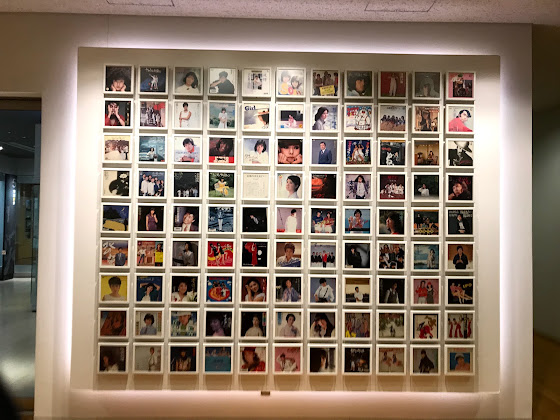
Aku Yuu Memorial Hall
阿久悠記念館
Click for Navigation
About
Yu Aku (1937–2007)
Writer. Born in Hyogo Prefecture in 1937, he graduated from Meiji University (Literature) in 1959. After working at an advertising agency, he became a freelance writer in 1966 and began full-time writing. He wrote over 5,000 songs—from enka and pop to anime themes—becoming one of Japan’s leading lyricists. One of his novels about a boys’ baseball team was adapted into a film. He won many awards including the Japan Record Award, the 45th Kikuchi Kan Prize (1997) for 30 years of lyric work, Meiji University’s Special Achievement Award (1998), the Medal with Purple Ribbon (1999), and the Order of the Rising Sun (2007).
Murasaki Sports - Kanda Ogawamachi Branch
ムラサキスポーツ 神田小川町店
Click for Navigation
🕖 11:00–20:00
Sports equipment
About
Murasaki Sports — Kanda-Ogawamachi Store
Address: 2-4-8 Kanda-Ogawamachi, Chiyoda-ku, Tokyo, MY Building
Official website: https://www.murasaki.co.jp/
Hours: 11:00–20:00
About the shop
“Murasaki Sports” is Japan’s largest specialty chain for action-sports gear, focused on surfing, skateboarding and snowboarding (single-board) with a “RIDE LIFE” vibe. The Kanda-Ogawamachi store sits in what’s often called Tokyo’s sporting-goods hotspot — a go-to for winter-sports gear.
This branch stands out for its wide, pro-level selection. It brings top brands from around the world, so whether you’re a beginner needing a full outfit or a seasoned rider chasing the newest models, you’ll usually find what you want here.
What to expect
The shop’s strongest line is snowboard gear. In winter you’ll find eye-catching boards, bindings, boots, outerwear and protective gear on display. Skateboarding and surfing items are also well stocked.
Most staff are active riders or sportspeople themselves, so they can give practical, experience-based advice and help you pick the right kit. If you love board sports, this is a solid stop on your Tokyo list.
Route estimate
From Akihabara Station: via Manseibashi + Ochanomizu route ≈ 2.2 km, about a 40-minute walk
🚶♂️ Kanda Myojin — attractions 🚶🏻♀️
🏯 Kanda Myojin & the Kanda Festival: Edo’s passion and tradition
Kanda Myojin, officially Kanda Shrine, is the chief guardian shrine for 108 neighborhoods including Kanda, Nihonbashi and Akihabara. The Kanda Festival centered on Kanda Myojin is a lively annual showcase of Tokyo’s traditional culture and spirit.
🗺️ Detailed info 🗺️
⛩️ Festival core: the Kanda Festival’s cycle & history
The Kanda Festival’s biggest feature is that the full-scale “Honmatsuri” (main festival) is held only every two years (odd-numbered years). In even years there are smaller-scale rituals such as the “Reisai” or “Reitaisai.”
Honmatsuri (Main Festival): Held in odd-numbered years — the largest, most spectacular festival, lasting about a week.
Even-year events: Smaller in scale and usually focused on shrine rituals; sometimes combined with other local rites like the Yamawaki (Nichigashi shrine) celebrations.
🌟 Must-see highlights (Honmatsuri)
Grand procession (around May 10): The best chance to feel Edo-era pageantry — ornate floats, shrine palanquins, riders and costumed troupes parade through central Tokyo, creating a spectacular clash of old and new.
Mikoshi shrine entry (around May 11): The dramatic moment when mikoshi (portable shrines) enter the shrine — a high-energy highlight. A recommended viewing spot is the central avenue in front of Akihabara Station, where cheers and shoving add to the excitement, or wait near Kanda Myojin to see the mikoshi arrive up close.
Parade route: The procession moves through many central shopping areas — for example, in front of Nihonbashi Mitsukoshi is an important convergence point, while the central avenue near Akihabara becomes a lively festival plaza.
📅 Other notable events
Besides the big biennial Honmatsuri, Kanda Myojin hosts several other events worth checking out:
Taiko Drum Festival: Usually on the weekend closest to May 15 — national taiko groups compete and perform in the shrine grounds, showing off impressive drumming skills.
Reitaisai (Annual Festival): Around May 15 each year; even in years without Honmatsuri there are official rituals.
New Year’s Eve ritual: December 31 — welcome the new year at the shrine.
New Year visits (Hatsumode): January 1–3 — as a major guardian shrine in Tokyo, it gets extremely crowded during the New Year period.
If you plan to visit Tokyo before May 2025, the Kanda Festival is a can’t-miss slice of Japanese culture — plan ahead and check the official routes and latest schedules.
Yuruliku
yuruliku
Click for Navigation
Introduction
Yushima Seido
湯島聖堂
Click for Navigation
About
Amanoya
天野屋
Click for Navigation
🕖10:00〜16:00
Century-old shop
Top 100 dessert shop
Introduction
Amanoya
Address: 2-18-15 Sotokanda, Chiyoda-ku, Tokyo
Official website: http://www.amanoya.jp/
Hours (cafe):
Mon, Wed–Sun 10:00〜16:00
Closed Tue
Tabelog rating: 3.71
Budget: ~ ¥999
What makes it special
“Amanoya” is a century-old sweets shop near Kanda Myojin’s big torii gate. Since the Edo period they’ve stuck to making traditional rice-flour sweets (mochi) on site and selling house specialties like “Myojin amazake” (sweet rice drink), natto-style soybeans, and classic Edo flavors.
The left side of the shop is a sweet cafe. Their signature, “Myojin Amazake,” is a must-try: totally sugar-free, sweetened only by rice and koji, giving a gentle, natural sweetness that surprises you — cozy and comforting. It’s often served with crunchy pickled ginger to refresh the palate.
Also popular is the soft warabi-mochi topped with kuromitsu (black sugar syrup) and kinako (roasted soybean flour). The shop’s calm, historic vibe makes it the perfect pit stop after visiting Kanda Myojin to taste a bit of Edo’s traditional sweets.
Myojinshita Kandagawa - Main Store
明神下 神田川 本店
Click for Navigation
🕖11:30〜14:30, 17:00〜21:00
Top 100 shop
Traditional Edo-style unagi (eel) shop
Introduction
Myojinshita Kandagawa — Main Branch
Address: 2-5-11 Sotokanda, Chiyoda, Tokyo
Opening hours:
Tue–Sat 11:30–14:30, 17:00–21:00
Closed Mon, Sun & public holidays
Tabelog rating: 3.7
Budget:
Dinner ¥15,000–¥19,999
Lunch ¥8,000–¥9,999
Highlights
Founded in 1805, Myojinshita Kandagawa is a classic Edo-style eel restaurant near Kanda Myojin and a frequent pick on Tabelog’s top eel lists. The building itself is a charming old folk house — step in and time seems to slow. Their Kanto-style method (steam then grill) makes the eel incredibly tender. The shop’s long-guarded secret sauce is bright and slightly spicy rather than sweet, so the eel’s natural aroma really shines. Paired with perfectly cooked rice and a red miso soup with small nameko mushrooms, it’s the signature old-school combo. More than a meal — a calm, slightly fancy time capsule experience.
Takeya
竹や
Click for Navigation
🕖11:00–15:00 / 17:00–23:00
Top 100 Udon Shops
Overview
Takeya (竹や)
Address: 1-9-15 Yushima, Bunkyo-ku, Tokyo — Ochanomizu HY Building 1F
Official: https://www.instagram.com/takeya.ochanomizu/
Opening hours:
Mon–Fri 11:00–15:00 / 17:00–23:00
Sat & public holidays 11:00–15:00 / 17:00–21:00
Closed Sun
Tabelog rating: 3.67
Budget:
Dinner ¥2,000–¥2,999
Lunch up to ¥999
Highlights
Takeya has repeatedly made Tabelog’s Top 100 udon list and sits just by Ochanomizu station — super convenient. The star here is their smooth, springy thin-cut udon.
The most popular dish is the Kyushu-style prawn tempura curry udon: a creamy, Western-style curry broth with chewy thin udon and crispy fried prawn tempura — an absolute winner. Their clear, elegant traditional udon broths are also highly praised.
The space is calm and roomy, perfect for a quick weekday lunch or a relaxed evening with seasonal small plates and drinks.
Kanda Myojin Hall
神田明神ホール
Click for Navigation
Free to join
Overview
Tokyo Popular Tickets, Compare Prices to Get the Best Deal
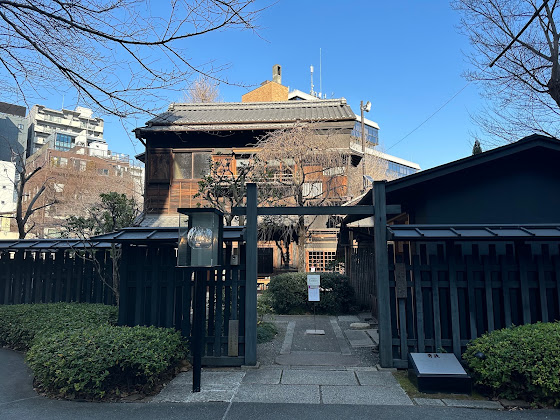
Imasa "House of Kanda"
井政「神田の家」
Click for Navigation
🕖12:00~17:00
Adults ¥1000
High school and under ¥500
Intro
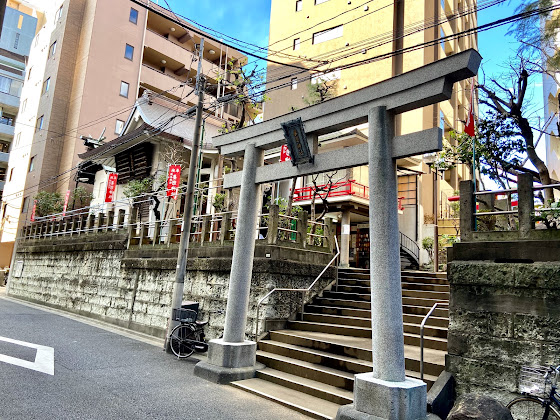
Tsuma Koi Shrine
妻恋神社
Click for Navigation
Join for free
Intro
Route assessment
From Meiji University to Tsuma-koi Shrine: about 1.5 km — a 25-minute walk.
🚶♂️Jinbōchō attractions🚶🏻♀️
Sanseido Bookstore
三省堂書店
Click for Navigation
Introduction
Sanseido Bookstore — Jinbōchō Main Store
Address: 1-1 Kanda-Jinbōchō, Chiyoda-ku, Tokyo (Jinbōchō 1-chome Nanbu Building)
Official website:https://www.books-sanseido.co.jp/
Hours: 10:00~20:00
Highlights
As Sanseido’s flagship, its book selection and expertise are top-notch. Beyond the latest bestsellers, magazines and manga, it keeps Jinbōchō’s “book street” tradition alive with an impressively deep stock in humanities, social sciences, natural sciences and law. There’s also a stylish stationery corner selling quality notebooks, fountain pens and unique bookish goods — a delight for stationery lovers.
About the store
Sanseido’s Jinbōchō main store is one of Japan’s iconic bookstores and the heart of the Jinbōchō book district. After redevelopment of the old site, the store reopened in 2023 as a “temporary shop” in the Jinbōchō 1-chome Nanbu Building across the street from the original location, continuing to serve book lovers (the old main building is currently under reconstruction).
The temporary shop may be interim, but it offers spacious floors from B1 to 6F. Bright, easy to navigate and designed around the concept of a “forest of books,” it creates a comfy vibe for browsing and getting wonderfully lost among the shelves. It’s more than a place to buy books — it’s a hub for knowledge exchange, regularly hosting author signings and small exhibitions, full of cultural charm.
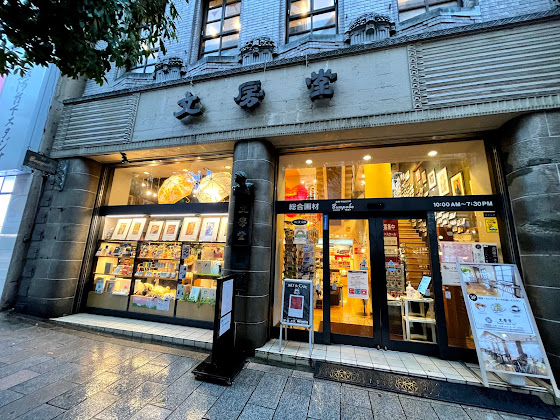
Bunboudo
文房堂
Click for Navigation
Introduction
Ramen Jiro
ラーメン二郎
Introduction
ラーメン二郎 神田神保町店
地址:東京都千代田區神田神保町1-21-4
官方網站:https://twitter.com/jbc_ramen_jiro
營業時間:
週一至週六 11:00~17:30
週日・國定假日 公休
※售完即止
Tabelog評價:3.73
用餐預算:¥1,000~¥1,999
餐廳特色
ラーメン二郎神田神保町店,被許多愛好者譽為「世界最高峰」的二郎拉麵之一。作為東京最知名的排隊名店,有著平均排隊90分鐘至2.5小時的超高人氣,是造訪前必須有的心理準備。
其湯頭特色為「微乳化」,表面浮著一層厚實的液體油,湯底是極為濃厚、充滿衝擊力的豚骨高湯,與醬油(カエシ)的鹹香達成了完美平衡。麵條是二郎特有的中太粗麵,口感強勁(ワッシワシ),嚼勁十足。
份量是這裡的最大特色。即使點的是「小碗拉麵」,麵量(未煮前)也輕易超過400克,搭配如山高的蔬菜與厚切大塊叉燒(豚),光是標準份量就極具挑戰性。這不僅是一家追求壓倒性份量的店,其無可匹敵的美味品質,使其成為二郎愛好者心中的聖地。
Lock On King
ロックオンキング
Click for Navigation
Introduction
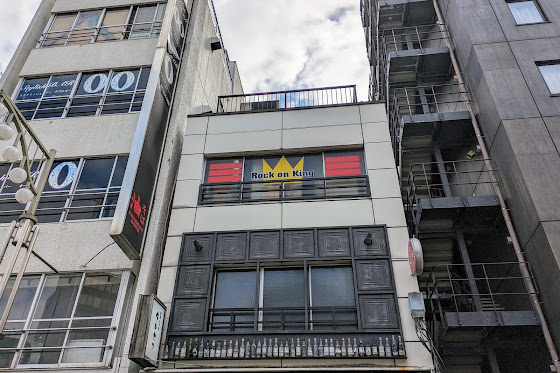
Rock on King
Address: 3F Fujimoto Building, 1-19-1 Kanda-Jinbocho, Chiyoda-ku, Tokyo 101-0051
Official website:https://www.rockonking.com/
Opening hours: 13:00–19:00 (Closed: Wed & Sun)
What to expect
Rock on King is a second-hand shop specializing in music materials—mainly Japanese rock, but also City Pop and Western music. It boasts an overwhelming collection of rare items, especially music magazines from the 1980s–1990s (reportedly over 10,000 issues). You’ll also find sheet music, rare fan-club newsletters, concert programs, photobooks, posters, ticket stubs, band T-shirts and other merch. A true treasure trove for music fans.
About the shop
Tucked away on the third floor in Jinbocho’s famous book district, Rock on King is a secret shrine for Japanese rock lovers. The space is compact but neatly organized, with precious items from legends like X JAPAN, LUNA SEA and L’Arc~en~Ciel. The owner is a passionate collector who knows every item, and many visitors come not just to hunt for finds but to have a deep “rock chat” with them. If you’re digging for Japan’s music golden era, this is a must-visit stop.
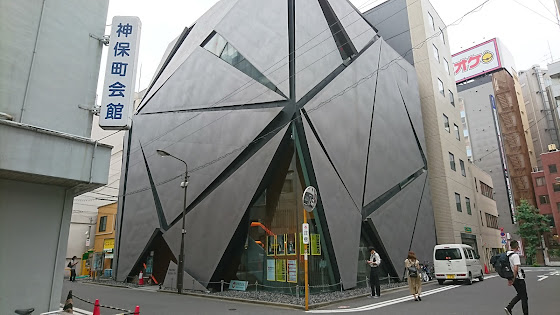
Jimbocho Theater
神保町シアター
Click for Navigation
Overview
Jinbocho Theater
Address: 1-23 Kanda-Jinbocho, Chiyoda-ku, Tokyo
Official website:https://www.shogakukan.co.jp/jinbocho-theater/
Opening hours:
Weekdays 11:00–21:00
Weekends & holidays 10:00–21:00
(Note: ticket sales and final screening times vary by program)
Ticket prices:
General ¥1,400
Senior (シニア) ¥1,200
Student ¥1,000
(Note: discounted tickets available for special days and campaigns)
Overview
Hidden in the famous Jinbocho “book town,” Jinbocho Theater is a cultural oasis for film lovers. Opened by publisher Shogakukan in 2007, it’s a cozy venue dedicated to classic and art-house cinema. With only 99 seats, it’s known for comfortable chairs and a warm, homey viewing atmosphere—perfect for escaping the city buzz and enjoying carefully curated film programs.
History & cultural significance
Before the war, Jinbocho was a lively entertainment area full of cinemas and traditional performance theaters (yose). Over time that scene faded, and Jinbocho Theater was created to help revive film and theater culture and bring new energy to this bookish neighborhood.
The building itself is a cultural landmark: its unique exterior won the Good Design Award in 2008. The designer used rugged steel plates to echo the atmosphere of old-style theaters, blending the building into Jinbocho’s streetscape. The venue also houses a Yoshimoto manzai theater, and the shared lobby brings together book, film and theater fans, sparking creative exchanges.
As a cultural venue, the theater’s soul is its programming. Centered on classic Japanese films, it often runs literature-themed series—like “Love Scenes Portrayed by Great Writers”—making it a perfect match for Jinbocho’s literary vibe. Whether silent-era masterpieces or nostalgic Showa-era favorites, films here get a fresh lease on life.
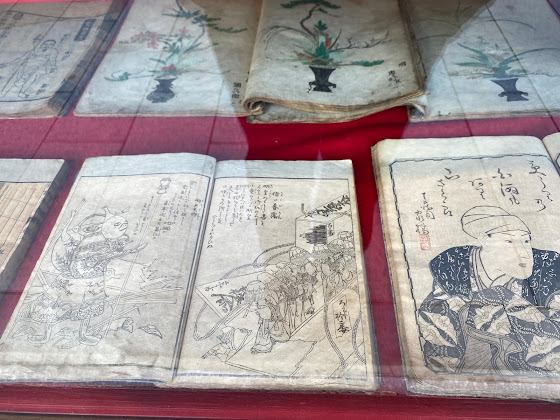
Ooya Bookstore
大屋書房
Click for Navigation
Overview
Kanda Brazil
神田伯剌西爾
Click for Navigation
🕖11:00~21:00
Featured shop
About
Kanda Brazil (Kanda Brazil)
Address: B1F Komiyama Building, 1-7 Kanda-Jinbōchō, Chiyoda-ku, Tokyo
Official site: https://k-brazil.jp/
Opening hours:
Monday–Saturday 11:00〜21:00
Sundays & holidays 11:00〜19:00
Tabelog rating: 3.71
Price range: ¥1,000〜¥1,999
Restaurant features
Kanda Brazil is a long-established kissaten (old-style coffee shop) in Jinbōchō that’s been around for over 50 years. Located on the basement floor, stepping inside feels like entering a charming, nostalgic old house. The place is famous for its quiet, bookish atmosphere — many customers come alone to relax and read. The signature dish is the ‘no-bake cheese omelette’, especially the cheese-topped omelette, which gets rave reviews. It has a clean flavor, mild acidity, low sweetness, and sits on a fragrant, slightly crispy base — simply delightful. Their ‘Kanda special’ coffee has low acidity, a rich mouthfeel and just the right hint of sweetness, perfectly matching the omelette. It’s a spot where you can forget the time and enjoy a calm, leisurely break. Note: This shop allows smoking, so minors are not permitted.
Gharial
ガヴィアル
Click for Navigation
🕖11:00〜16:00
Top 100 Restaurant
Introduction
Gavial (Gavial)
Address: 2F Inagaki Building, 1-9 Kanda-Jinbōchō, Chiyoda-ku, Tokyo
Official site: http://gavial1982.com/
Opening hours:
Monday 11:00〜16:00
Wednesday–Sunday & national holidays 11:00〜21:00
Closed on Tuesdays
※ If Monday is a national holiday, opening hours are 11:00〜21:00
Tabelog rating: 3.77
Price range: ¥1,000〜¥1,999
Restaurant features
Tucked in Jinbōchō’s fierce coffee scene, Gavial is a highly praised European-style espresso specialty shop. At meal times there’s often a long queue — you can really feel the hype (and they don’t take reservations). Their coffee isn’t overpowering; it wins people over with warmth and a subtle sweet note balanced by pleasant acidity. Many fans describe Gavial as the “ultimate home-style espresso.” Whether it’s a classic plate like their beef curry (try it with cheese) or a uniquely flavored coffee, everything shows the chef’s deep skill in simmering and flavor building. The space is roomier than you’d expect and service gets good marks — a must-visit when hunting for great coffee in Jinbōchō.
Kanda Jimbocho Used Bookstore Street
神田神保町古書店街
Click for Navigation
Introduction
@Wonder
@ワンダー
Click for Navigation
Introduction
Route estimate
From Meiji University to Jinbōchō it’s about 1.2 km — roughly a 20‑minute walk.