Table of Contents
🗼 2026 Tokyo Attractions: Strolling through Azabudai Hills, Roppongi, and Tokyo Tower
This guide covers Toranomon Hills, Azabudai Hills, Roppongi Hills, Tokyo Tower, and Shiba Park.It includes information on attractions, transportation, and shops.The areas are divided into three sections on the map: Toranomon/Kamiyacho, Azabudai/Roppongi, and Tokyo Tower/Shiba Park.
1. Toranomon Hills (Toranomon Hills): The first stop connecting to the future.
This route begins in the tech-savvy area ofToranomon.Toranomon Hills Station Tower opened in October 2023, integrated with the Tokyo Metro Hibiya Line’s ‘Toranomon Hills Station’.
2. Azabudai Hills (Azabudai Hills): The shock of Japan’s tallest building.
It’s about a 10–15 minute walk from Toranomon toAzabudai Hills.The facilities include Mori JP Tower, Garden Plaza, and Azabudai Hills Market, featuring around 150 shops.
3. Roppongi Hills (Roppongi Hills): Mori Art Museum, Tokyo City View, and shopping.
Roppongi Hills features the Mori Art Museum and Tokyo City View, with shops and restaurants all in one complex.
4. Tokyo Tower: Main Deck, Top Deck, and Shiba Park.
Tokyo Tower is located next to Shiba Park, with observation decks at 150 meters (Main Deck) and 250 meters (Top Deck); Zojoji Temple and Shiba Park are also nearby.
Sample Itinerary and Route Planning
Route A: Roppongi Art and Night Views
⏱ Estimated time:About 4 hours 30 minutes
📝 Route notes:This route visits Roppongi's two major landmarks, Roppongi Hills and Tokyo Midtown, followed by representative museums and observation decks.
Route B: Hamamatsucho–Shiba Park One-Day Neighborhood Walk
📝 Route notes:Explore historic and modern landmarks including gardens, temples and Tokyo Tower. Starting at high-rise-lined Shiodome Station, visit Hamarikyu Gardens, a designated historic site where the Tokugawa shoguns once hunted with hawks, then Kyu Shiba Rikyu Garden. Continue through Daimon to Zojoji Temple, the Tokugawa family's ancestral temple, go up to the Tokyo Tower observatory, and finish with a break in Shiba Park.

Azabudai・Roppongi Transportation Guide
▼Tokyo Metro Interactive Map▼
Recommended Route:
You can walk the entire route or take Tokyo Metro Hibiya Line Get off at ‘Toranomon Hills Station.’ Walk down to Azabudai Hills, then decide whether to head towards Roppongi or continue towards Tokyo Tower and Shiba Park, following the coastal route.
It is recommendedto walkas the areas are very close together (about a 10-15 minute walk between each station), and the street scenes and small shops are the essence of the stroll!
If you want to save energy, you can take the Hibiya Line and get off at ‘Kamiyacho Station’ (directly connected to Azabudai Hills).
Map of Attractions in Azabudai, Roppongi, and Tokyo Tower
Attraction layout and flow
It’s recommended to open a map on your computer to study the flow corresponding to the layout.
Orange area (Toranomon Kamiyacho area)),Blue area (Tokyo Tower Shiba Park direction)Green area (Azabudai Roppongi direction)
Roppongi and Shiba Attractions Sticky Note
▼Toranomon Kamiyacho Area▼
Toranomon Hills Station Tower
A new landmark tower that embodies the essence of Tokyo.
Integrated with the Hibiya Line’s Toranomon Hills Station, this complex offers a unique experience.
TOKYO NODE (8F, 45~49F)
Located on the upper floors, this facility features event halls, galleries, restaurants, and a rooftop garden.
Positioned as a hub for sharing information from Tokyo to the world, it has hosted events like the urban creative festival ‘TOKYO PROTOTYPE’.
SELECT by BAYCREW’S (2-3F)
SELECT by BAYCREW’S offers a curated selection of fashion, art, culture, and food.
A new store opened by BAYCREW’S, known for brands like ‘JOURNAL STANDARD’.
Spanning two floors and approximately 800 square meters, the space showcases selections themed around fashion, art, culture, and food.
Herringbone Footwear (3F)
A sneaker boutique focusing on gender-neutral footwear.
Featuring brands like Nike, New Balance, and Adidas, the store is known for its organized display of sneakers for easy comparison.
The store’s ‘guardrail’ art installation is the perfect photo spot for trying on shoes.
THE STAND fool so good (s) (2F)
A complex store that offers a variety of lifestyle goods and gourmet food.
Featuring a unique blend of “fun, comfort, and a touch of individuality,” this shop offers a wide range of stylish accessories, stationery, and lifestyle goods. Each item is carefully selected, making them perfect for gifting and hard to resist picking up.
Showing: All(14)
Toranomon Hills Station
虎ノ門ヒルズ駅
- Google Maps
- Apple Maps
- Copy address
Intro
▼Toranomon Hills Station Tower
虎ノ門ヒルズ ステーションタワー
- Google Maps
- Apple Maps
- Copy address
🕖11:00–23:00
New landmark opening in 2023
Intro
▼Toranomon Hills Station Tower
| Item | Details |
|---|---|
| Address | 2-6-2 Toranomon, Minato City, Tokyo |
| Business Hours | Commercial area (shops and restaurants): 11:00–21:00 (shops), 11:00–23:00 (restaurants); some stores may vary, please check the official website. TOKYO NODE (8F, 45F–49F): varies by exhibition or event, recommended to check the TOKYO NODE official website. |
| Admission | Tickets may be required for exhibitions or events at TOKYO NODE, prices vary by event, please refer to the official website. |
| Official Website | www.toranomonhills.com |
Overview
Toranomon Hills Station Tower is a shining new star in the heart of Tokyo, grandly opened on October 6, 2023. This 49-story, 4-level underground skyscraper, standing approximately 266 meters tall, is not only the latest landmark on Tokyo's skyline but also seamlessly connects with the Tokyo Metro Hibiya Line at "Toranomon Hills Station," becoming a hub for transportation and commerce in international Tokyo. The tower integrates high-end office spaces, an international hotel, diverse commercial facilities, and the innovative information hub "TOKYO NODE" located on the upper floors, perfectly showcasing Tokyo's charm and vitality as a global city.
Strolling through the "T-MARKET" on the second basement level, you will find yourself in a food and lifestyle market designed by top Japanese designer Masamichi Katayama, featuring around 27 dining and retail shops surrounding the bright and open "Station Atrium," offering a rich selection from Japanese cuisine to international delicacies. The dining area on the fourth floor gathers 20 renowned Japanese and Western restaurants, catering to both high-end dining experiences and casual street food cravings. The "T-Deck" on the second floor is an aerial walkway connecting Mori Tower and Station Tower, allowing you to enjoy food and nature amidst the Tokyo cityscape.
The most striking feature is "TOKYO NODE," located on the 45th to 49th floors, which serves as a global information platform combining exhibition halls, event spaces, restaurants, and a sky garden. From here, you can overlook Tokyo, with views of the Imperial Palace, Tokyo Tower, and even the distant Tokyo Skytree. Especially on the 49th floor's "SKY GARDEN & POOL," you can experience the luxury of an infinity pool and rooftop restaurant at 250 meters high, feeling the brilliance of Tokyo at night. TOKYO NODE is not only a crossroads of business and art but also an important window for Tokyo to showcase innovation and culture to the world.
Historical Background
Toranomon Hills Station Tower is the fourth building in the redevelopment project led by Mori Building Company, following Mori Tower in 2014, Business Tower in 2020, and Residential Tower in 2022, completed in 2023, marking the full completion of the area's redevelopment. The project began in 2016, aiming to transform the Toranomon area into an "international new urban center and global business hub." Through the integration with the Circular No. 2 Line and the new Tokyo Metro station, Station Tower not only enhances the area's transportation connectivity but also adds a new urban landmark to Tokyo.
The tower's design is led by the internationally renowned architectural firm OMA, featuring a unique twisting appearance that changes with viewing angles, showcasing diverse architectural aesthetics. Mori Building's vision is to create a platform that gathers global talent, creativity, and business opportunities, and Station Tower embodies this vision. From the project's initiation in 2014 to the full opening of the "Glass Rock" facility in 2025, Toranomon Hills has become a model for urban renewal in Tokyo, rivaling Roppongi Hills and demonstrating Tokyo's ambition as an international city.
Cultural Significance
The core facility of Toranomon Hills Station Tower, "TOKYO NODE," is based on the concept of "connection and transmission," hosting international exhibitions, art performances, and technology experience events to convey Tokyo's creative energy to the world. For example, the opening exhibition "Syn: A New Horizon of Bodily Sensation," created by Rhizomatiks and ELEVENPLAY, won the 2024 DFA Asia Design Award, showcasing the beauty of the fusion of technology and art. Additionally, TOKYO NODE regularly hosts large exhibitions like "Design A Exhibition Neo," attracting global attention.
The commercial and dining facilities within the tower reflect Japan's ultimate pursuit of "food culture," from the "Toranomon Yokocho" gathering renowned Tokyo eateries to international restaurants like "KEI Collection PARIS," each exemplifying Japan's attention to detail and inclusiveness of diverse cultures. The Toranomon area, where Station Tower is located, is close to government agencies in Kasumigaseki and many embassies, inherently possessing a strong international atmosphere, and the tower's emergence further strengthens its position as a center for global business and cultural exchange, symbolizing Tokyo's spirit of openness and innovation in the era of globalization.
🎬 虎ノ門ヒルズ ステーションタワー Video
Le Pristine Restaurant Tokyo
ル・プリスティン レストラン 東京
- Google Maps
- Apple Maps
- Copy address
🕖12:00 PM - 3:00 PM
🕖6:00 PM - 10:00 PM
Toranzaka Hill Hotel 1F
Intro
▼Le Pristine Restaurant Tokyo
| Item | Details |
|---|---|
| Address | 2-6-4 Toranomon, Minato City, Tokyo, Toranomon Hills Hotel 1F |
| Hours | Monday to Saturday and public holidays 12:00–15:00, 18:00–22:00; Sunday 12:00–15:00 (lunch only, closed for dinner) |
| Dining Budget | Dinner ¥15,000–¥19,999 Lunch ¥8,000–¥9,999 |
| Tabelog Rating | 3.9 |
| Official Website | lepristinetokyo.com |
Restaurant Features
Located on the first floor of Toranomon Hills Hotel, Le Pristine Restaurant Tokyo is led by renowned chef Sergio Herman, who has previously earned three Michelin stars and has been featured in the "World's 50 Best Restaurants" for eight consecutive years. This immersive dining restaurant combines music, art, design, and fashion, blending traditional seafood from the chef's hometown in Zeeland, Netherlands, with pure Italian cuisine to create a unique "NEW ITALIAN" style.
The signature dish "Seafood Orecchiette" features the sweet essence of lobster, clams, and mussels, a classic that has extended from the Antwerp flagship to Tokyo. Additionally, the exquisite "Pizzette" and special cream are highly praised by food enthusiasts. The modern and spacious design is perfect for business meetings as well as celebrations for birthdays or special anniversaries. Amid Tokyo's ever-evolving urban landscape, Le Pristine offers a top-tier feast that intertwines visual and culinary experiences.
🎬 ル・プリスティン レストラン 東京 Video
👉autoreserve
👉kkday
KEI Collection PARIS
- Google Maps
- Apple Maps
- Copy address
🕖17:30~02:00
Torihonmachi Hill Station Tower 49F
Intro
▼KEI Collection PARIS(ケイ コレクション パリ)
| Item | Details |
|---|---|
| Address | 2-6-2 Toranomon, Minato City, Tokyo, 49F Toranomon Hills Station Tower |
| Business Hours | Monday 17:30–00:30, Thursday, Friday, Saturday 17:30–02:00, Sunday 12:00–15:00 / 17:30–00:30, Closed Tuesday and Wednesday |
| Dining Budget | ¥30,000–¥39,999 (average actual spending) |
| Tabelog Rating | 3.84 |
| Official Website | www.kei-collection.com |
Restaurant Features
Created by Kei Kobayashi, the first Asian chef in history to earn three Michelin stars, KEI Collection PARIS is located on the 49th floor of Toranomon Hills Station Tower. This is a "grilling gourmet laboratory" designed for mature adults, emphasizing a precise pursuit of top-quality ingredients and perfect cooking techniques.
The restaurant's standout feature is its flexible "a la carte" experience, allowing guests to choose dishes from a daily changing menu based on their mood and appetite, crafting a personalized tasting menu. The dishes blend the refined essence of French cuisine with Japanese ingredients, showcasing international flair from the creatively inspired "Akagi Wagyu Uni Hand Roll Sushi" to the impressive "French Rich Sauce Filet Steak Sandwich."
In addition to the food, the restaurant offers spectacular night views and a stylish open kitchen bar. Whether it's the exquisite strawberry parfait for dessert or a wine recommended by a professional sommelier, this "closest to the sky" space provides a luxurious culinary experience.
🎬 KEI Collection PARIS Video
👉autoreserve
Tokyo Node
Tokyo Node
- Google Maps
- Apple Maps
- Copy address
🕖10:00 - 20:00
Hills of Toranomon Rooftop
Intro
▼TOKYO NODE: A Creative Hub on the Tokyo Skyline
| Item | Details |
|---|---|
| Address | 2-6-1 Toranomon, Minato City, Tokyo, in the Toranomon Hills Station Building (TOKYO NODE is located on the 8th floor and 45th to 49th floors) |
| Hours | TOKYO NODE is a multifunctional facility with varying hours for exhibitions and restaurants. It is recommended to check the official website or the latest information for each facility before visiting. For example, TOKYO NODE CAFE operates from approximately 11:00 AM to 11:00 PM (last order at 10:00 PM). Special exhibitions like "Design Ah! Exhibition neo" typically run from 10:00 AM to 8:00 PM. |
| Admission | There is no admission fee for TOKYO NODE itself, but various exhibitions, events, or special experiences held inside may charge an entrance fee. Prices vary by event. For example, some exhibition ticket prices are: general adults 2,500 - 2,800 yen, university and high school students 2,000 - 2,200 yen, and elementary and junior high school students 800 - 1,000 yen. |
At the top of the Toranomon Hills Station Building, a cultural information hub named TOKYO NODE has emerged. It is not only a fantastic spot to enjoy breathtaking views of Tokyo but also a forward-looking platform that brings together diverse fields such as business, art, entertainment, technology, and fashion, inspiring cross-disciplinary collaboration and the birth of new values.
A Journey Through Time: The Birth and Vision of TOKYO NODE
TOKYO NODE, located on the 8th floor and 45th to 49th floors of the Toranomon Hills Station Building, grandly opened on October 6, 2023. Its establishment is a key part of Tokyo's urban renewal plan, aiming to transform the Toranomon area into an international business and cultural center. Designed by the internationally renowned architectural firm OMA, TOKYO NODE centers around the concept of "connection," creating an open and continuous space that encourages dialogue and collaboration across various sectors to envision the future of Tokyo together.
TOKYO NODE not only offers top-notch exhibition spaces but also features scenic restaurants, cafes, and a unique sky garden. Visitors can enjoy Tokyo's unparalleled city skyline while indulging in a rich experience of food and art, nourishing both body and soul. It carries the mission of promoting multicultural exchange and innovation, becoming an important window for Tokyo to the world.
🎬 Tokyo Node Video
Toranomon Jiseimen Robinson
虎ノ門 自家製麺 ロビンソン
- Google Maps
- Apple Maps
- Copy address
🕖11:00~14:00
Intro
▼Homemade Noodles Robinson
| Item | Details |
|---|---|
| Address | 1-16-9 Toranomon, Minato-ku, Tokyo, 1F Shobun Building |
| Business Hours | Monday to Saturday 11:00–14:00, Closed on Sundays and public holidays. *Closed for New Year from December 28, 2025, to January 5, 2026. |
| Dining Budget | ¥1,000–¥1,999 |
| Tabelog Rating | 3.76 |
| Official Website | www.facebook.com/自家製麺ロビンソン-107738371677779 |
Restaurant Features
Located in Toranomon, "Homemade Noodles Robinson" is a popular ramen shop known for its meticulous preparation akin to kaiseki cuisine. With only 9 counter seats, the space is calm and the service is friendly, earning praise from food enthusiasts. The highlight here is the broth made from carefully selected ingredients, combining Shodoshima Maru Island soy sauce, domestic chicken, Rausu kelp, and various dried fish, resulting in a rich and elegantly balanced flavor.
The restaurant offers two types of homemade noodles: the chewy "hand-rolled flat noodles" and the delicate "thin noodles." The "Special Chinese Ramen" is the top choice, featuring "Echigo Mochi Pork" chashu, which stands out with its subtle smoky aroma and extremely tender meat. It is recommended to add sansho pepper or yuzu juice during your meal to instantly elevate the overall Japanese flavor experience.
Due to limited lunch hours and no reservations, it is advisable to arrive early to avoid long waits. Whether you are a ramen lover seeking the ultimate broth or a woman dining alone, this place offers a reassuring and impressive culinary experience.
🎬 虎ノ門 自家製麺 ロビンソン Video
Toranomon Yokocho (Alley)
虎ノ門横丁
- Google Maps
- Apple Maps
- Copy address
🕖 11:00–23:00
Intro
▼Toranomon Yokocho
| Item | Details |
|---|---|
| Address | 1-17-1 Toranomon, Minato City, Tokyo, 3rd Floor, Toranomon Hills Business Tower |
| Business Hours | Weekdays and Saturdays 11:00–23:00, Sundays and public holidays 11:00–22:00 (some shops may vary, please check the official website for confirmation) |
| Official Website | www.toranomonhills.com/toranomonyokocho |
Overview
Located on the 3rd floor of Toranomon Hills Business Tower in Tokyo, Toranomon Yokocho is a culinary paradise featuring renowned restaurants, blending the nostalgic atmosphere of traditional "yokocho" (alleyway food streets) with modern urban style. With 26 famous Tokyo restaurants, it offers a diverse range of cuisines from Japanese, Chinese, French, to Thai, allowing visitors to savor the essence of Tokyo's food scene all in one place. The yokocho features a "shared seating area," where diners can bring dishes and drinks from different shops to a communal space, facilitating easy interaction with friends or strangers and experiencing the Japanese drinking culture of "hashigo-zake" (bar hopping). Additionally, there is a "kakudachi" (standing drinking area) offering unique beverages like handcrafted gin from the Toranomon Distillery and craft beers, allowing guests to enjoy drinks while exploring the food.
The design of Toranomon Yokocho was crafted by renowned architects Makoto Tanijiri and Ai Yoshida, themed around "New Yokocho / A Social Space," creating an open feel reminiscent of street corners. A large red lantern marks the entrance, while the interior combines wooden elements with modern styles, reflecting the retro charm of Tokyo's alleyways from the Showa era, without losing the sophistication of a high-end business district. Notably, the yokocho also features limited-time "POPUP restaurants," curated by food expert Makki Makimoto, introducing emerging popular shops or new chefs periodically, ensuring fresh surprises with each visit.
Historical Background
Toranomon Yokocho is located in the rapidly developing Toranomon area of Tokyo, which was once a traditional commercial and office district. With the completion of the Toranomon Hills Business Tower, the area has transformed into a global hub for business and culture. In 2020, Mori Building created Toranomon Yokocho within this new landmark, aiming to elevate Tokyo's food culture to new heights. The establishment of the yokocho is not only a modern interpretation of Japan's traditional "yokocho" culture but also responds to the demand for high-quality dining and social experiences among business professionals and younger generations in the era of globalization. The project was planned by food expert Makki Makimoto, who selected renowned Tokyo establishments that had never expanded beyond their original locations, such as the long-established yakitori shop "Torishige" in Shinjuku and the teppanyaki branch of the Michelin two-star Spanish restaurant "Suriola," bringing these hidden culinary gems to a broader stage.
🎬 虎ノ門横丁 Video
Nihon Token Co., Ltd.
㈱日本刀剣
- Google Maps
- Apple Maps
- Copy address
🕖 10:00 - 17:00
Intro
▼Japan Sword Co., Ltd.
| Item | Details |
|---|---|
| Address | 〒105-0001 Tokyo, Minato-ku, Toranomon 3-8-1 |
| Official Website | www.japansword.info |
- Contact Phone: 03-3434-4321
Store Introduction
Japan Sword Co., Ltd. is a high-end specialty store located in Toranomon, Minato, Tokyo, focusing on Japanese swords and related artifacts. As a guardian of Japanese sword culture, it offers a variety of historical swords for sale, along with sword fittings, iaito, and antique art pieces, making it popular among sword enthusiasts and collectors. The store is known for its professional appraisals and high-quality collections, providing a rich cultural atmosphere for visitors seeking famous swords or a deeper understanding of Japanese sword culture.
Toranomon Okanoeisen
虎ノ門 岡埜榮泉
- Google Maps
- Apple Maps
- Copy address
🕖 09:00~17:00
Famous Daifuku Shop
Intro
▼Toronomon Okano Eizen
| Item | Details |
|---|---|
| Address | 3-8-24 Toranomon, Minato City, Tokyo |
| Business Hours | Monday to Friday 09:00–17:00, Saturday 09:00–12:00, Closed on Sundays and public holidays ※Until sold out, early arrival is recommended |
| Dining Budget | Up to ¥999 |
| Tabelog Rating | 3.74 |
| Official Website | www.wagashi.or.jp/tokyo_link/shop/0409.htm |
Restaurant Features
"Toronomon Okano Eizen" is a renowned traditional shop in Tokyo, a top reference in the world of daifuku. With 80 years of dedication to perfecting daifuku, it has won the hearts of countless food lovers through its exceptional rice processing techniques and exquisite red bean filling. Its signature "Mame Daifuku" is often sold out by mid-morning, making it a coveted treat.
The Mame Daifuku is praised as the "quintessential form." It has a thick, incredibly soft and chewy texture, with a filling that is smooth like silk and has a refined sweetness. The embedded adzuki beans add a delightful salty flavor and texture, perfectly balancing sweetness, saltiness, and mouthfeel. Many diners claim its deliciousness even surpasses that of the famous "Three Great Mame Daifuku."
Located near Toranomon Hills Station, it is an excellent choice for business gifts and locals alike. If you want to experience this traditional delicacy that has been passed down for decades, it is highly recommended to visit early in the morning after opening to avoid disappointment.
🎬 虎ノ門 岡埜榮泉 Video
Teppanyaki Sazanka
鉄板焼 さざんか
- Google Maps
- Apple Maps
- Copy address
🕖 11:30 AM - 2:30 PM
🕖 5:30 PM - 9:30 PM
Stunning high-altitude views
Intro
▼Sazanka
| Item | Details |
|---|---|
| Address | 2-10-4 Toranomon, Minato-ku, Tokyo, The Okura Tokyo Prestige Tower 41F |
| Hours | 11:30–14:30 17:30–21:30 (L.O. 21:00) |
| Dining Budget | Dinner ¥20,000–¥29,999 Lunch ¥10,000–¥14,999 |
| Tabelog Rating | 3.61 |
| Official Website | theokuratokyo.jp/dining/list/sazanka |
Restaurant Features
Located on the 41st floor of The Okura Tokyo, Sazanka offers a luxurious dining experience that combines exquisite craftsmanship with stunning views. The restaurant specializes in expertly grilled Japanese wagyu, seafood, and seasonal vegetables.
Notably, it features Kobe beef and whole female wagyu sourced from contracted farms, known for its silky texture. The interior design is inspired by earth and fire, with sleek ceramic panel counters that immerse diners in the theatrical experience of teppanyaki.
In addition to top-quality meats, the signature "Gem Dessert Plate" is renowned for its stunning presentation, perfectly balancing the richness of teppanyaki. Whether for a bright and open lunch or an elegant dinner with a view of Tokyo's nightscape, this is an ideal choice for celebrations or romantic dates.
🎬 鉄板焼 さざんか Video
Atago Shrine
愛宕神社
- Google Maps
- Apple Maps
- Copy address
🕖 24H
Intro
▼Atago Shrine, Tokyo
| Item | Details |
|---|---|
| Address | 〒105-0002 1-5-3 Atago, Minato, Tokyo |
| Hours | Open all day |
| Admission | Free entry |
| Access | About 5 minutes walk from Kamiyacho Station on the Hibiya Line, about 8 minutes walk from Toranomon Station on the Ginza Line, about 8 minutes walk from Onarimon Station on the Toei Mita Line |
| Official Website | www.atago-jinja.com |
Overview
Atago Shrine, located in Minato, Tokyo, sits atop Atago Mountain, which rises 25.7 meters, making it the highest natural peak in the 23 wards of Tokyo. Surrounded by skyscrapers, the shrine retains a lush natural environment, featuring cherry blossoms in spring, cicadas in summer, autumn leaves, and a tranquil atmosphere in winter. The shrine is famous for its steep "Stairs to Success" (Men's Slope), an 86-step stone staircase with a 40-degree incline, symbolizing success and attracting countless businesspeople and worshippers seeking career advancement and personal breakthroughs. The serene atmosphere at the shrine includes a clear koi pond where visitors can purchase fish food (100 yen) to interact with the koi, adding to the enjoyment. Additionally, an elevator on the east side of Atago Mountain provides easy access to the summit for those with mobility challenges, allowing everyone to experience this sacred urban oasis.
Historical Background
Atago Shrine was established in 1603 (Keicho 8) under the orders of Tokugawa Ieyasu to worship the fire deity "Homusubi no Mikoto," praying for fire prevention and disaster relief in Edo. The shrine's history is closely tied to the Edo period, when Atago Mountain was a famous viewpoint overlooking the entire city of Edo, with clear weather allowing views of Tokyo Bay and the Boso Peninsula. During the late Edo period, Saigo Takamori and Katsu Kaishu met at the summit of Atago Mountain to discuss strategies to avoid conflict, leading to the bloodless surrender of Edo Castle, marking an important chapter in Japanese history. A plum tree, believed to have been offered by Tokugawa Iemitsu, still stands on the grounds, witnessing the shrine's centuries of history.
Cultural Significance
Atago Shrine is renowned as the "God of Fire Prevention," symbolizing fire safety and disaster relief, and is deeply revered by the people of Tokyo. In addition to prayers for safety, the imagery of fire is also associated with passion and vitality, making the shrine a place of blessings for love, business prosperity, and industries related to printing and computers. The "Sen'nichi Mairi" (Hozuki Market) held every June is a significant event at the shrine, where it is said that visiting on this day is equivalent to a thousand days of blessings, attracting many worshippers and creating a lively atmosphere. Furthermore, the "Stairs to Success Festival" held in late September features a portable shrine parading up and down the steep stone steps, symbolizing courage and breakthroughs. The "Stairs to Success" originated from a legend in the Edo period: a samurai named Magaki Heikuro, under Tokugawa Iemitsu's command, successfully climbed the steep steps to pick plum blossoms at the summit, earning the title of "Success." This legend has made the steps a symbol of career success, drawing countless modern professionals to challenge themselves and pray for career advancement and personal growth.
🎬 愛宕神社 Video
NHK Museum of Broadcasting
NHK放送博物館
- Google Maps
- Apple Maps
- Copy address
🕖09:30~16:30
Intro
▼NHK Broadcasting Museum
| Item | Details |
|---|---|
| Address | 〒105-0002 Minato, Tokyo, Atago 2-1-1 |
| Opening Hours | 9:30 AM to 4:30 PM (last admission at 4:00 PM) |
| Admission Fee | Free |
| Official Website | www.nhk.or.jp/museum |
- Closed: Every Monday (if a national holiday, it will be postponed to the next day), year-end and New Year
Overview
Located on Atago Mountain in Minato, Tokyo, the NHK Broadcasting Museum is the world's first museum dedicated to the history of broadcasting, officially opened on March 3, 1956, at the birthplace of Japanese broadcasting. It serves as a historical reflection of NHK (Japan Broadcasting Corporation) and an important landmark of Japanese broadcasting culture. The museum offers a vivid display that takes visitors through a century of Japanese broadcasting, from the first radio waves in 1925 to today's digital age. With approximately 27,000 historical items and 8,000 books, it showcases the evolution of broadcasting technology and its cultural impact.
The museum features interactive experience areas, such as the "Broadcast Experience Studio," where visitors can become anchors and enjoy the thrill of news reporting. There are also displays of costumes and props from "Kōhaku Uta Gassen" and "Taiga Drama," providing a glimpse into the behind-the-scenes production of NHK's classic programs. Special exhibitions like the "NHK Character Exhibition" or the centennial retrospective of "Today's Cooking" resonate with familiar program characters and Japanese culinary culture. The museum's atmosphere is both nostalgic and educational, making it suitable for visitors of all ages.
Historical Background
The history of the NHK Broadcasting Museum is closely tied to the beginnings of Japanese broadcasting. On March 22, 1925, at 9:30 AM, the Tokyo Broadcasting Station (the predecessor of NHK) in Shibaura transmitted Japan's first broadcast wave, marking the start of Japanese broadcasting history. Atago Mountain, where the museum is located, was the former site of the Tokyo Broadcasting Station, known as the "Hometown of Broadcasting." In 1956, NHK established this museum with the mission of preserving broadcasting culture, making it the world's first specialized museum focused on broadcasting. In 1968, the museum moved to a newly built four-story building, and significant renovations were carried out in 2003 and 2016 to expand exhibition space and update exhibits, seamlessly connecting history with modern technology.
Cultural Significance
The NHK Broadcasting Museum is not only a venue for technological displays but also a microcosm of Japanese cultural heritage. As a medium that provides "equal opportunities for culture," broadcasting has transformed the lifestyles of Japanese people, allowing even those in remote areas to access knowledge and entertainment. The museum's collection of early broadcasting equipment, scripts, and commemorative posters documents the changes in Japanese society, such as posters from local broadcasting stations during the post-war recovery period, written from right to left, reflecting the strong sense of the era. The "Today's Cooking" exhibition showcases the evolution of Japanese culinary culture, from handwritten recipes a century ago to modern cooking shows, reflecting changes in family life and the transmission of culinary traditions.
Additionally, the museum is committed to media literacy education through the "NHK Media Literacy Classroom," teaching younger generations how to discern the truth of information in the digital age, embodying NHK's social responsibility as a public broadcasting organization. Whether for history enthusiasts or travelers wanting to understand Japanese broadcasting culture, this is a place full of inspiration and emotion.
🎬 NHK放送博物館 Video
Kamiyacho Station
神谷町駅
- Google Maps
- Apple Maps
- Copy address
Intro
▼3206 Main Store
3206 本店
- Google Maps
- Apple Maps
- Copy address
🕖08:00~20:00
Intro
▼3206 Main Store
| Item | Details |
|---|---|
| Address | 3-20-4 Toranomon, Minato City, Tokyo |
| Business Hours | Monday to Friday 08:00–20:00, Saturday and Sunday 09:00–16:00 ※Closed on New Year's Day |
| Dining Budget | ¥0–¥999 |
| Tabelog Rating | 3.60 |
| Official Website | www.3206.jp |
Restaurant Features
Located near Kamiyacho Station, 3206 Main Store is a renowned sandwich and bakery shop in Tokyo, often regarded by enthusiasts as the top sandwich restaurant. The shop offers a wide variety of visually appealing sandwiches, with the signature "Deviled Egg Sandwich" being the most popular. This sandwich boldly includes three to four soft-boiled eggs, paired with rich cream cheese and tartar sauce, achieving a perfect balance between the chewy egg whites and the smooth yolks, delivering an indescribable sense of happiness.
In addition to the egg sandwich, the "Spicy Thai Chicken Sandwich" is also a new favorite among foodies, featuring thick chicken thigh meat with a spicy red sauce, green onions, and cilantro, showcasing a rich Southeast Asian flavor. Whether it's the hearty tuna avocado or various creatively sweet and savory options, the sandwiches here allow you to enjoy a refined and layered culinary experience amidst the hustle and bustle of city life. The shop also has outdoor seating, making it perfect for takeout to enjoy in nearby parks.
🎬 3206 本店 Video
▼Tokyo Tower towards Shiba Park▼
Tokyo Tower (Tokyo Tower)
A symbol of post-war recovery and rapid economic growth
Historical Significance: Completed in Showa 33 (1958), it has been a representative landmark of Tokyo. Standing at 333 meters tall, its official name is ‘Japan Radio Tower.’ Before the completion of Tokyo Skytree, it served as the primary broadcasting tower for television and radio in the Kanto region. In Heisei 25 (2013), it was designated as a National Registered Tangible Cultural Asset.
Architectural Design and Earthquake Resistance: Designed by the father of earthquake-resistant structures,Dr. Tachū Naito,in collaboration with Nihon Sekkei. To support its height in earthquake-prone Tokyo, a triangular truss structure was used. Below the main deck at 150 meters, an X-shaped design provides strong earthquake resistance, while a V-shaped configuration above helps disperse wind forces.
Materials and Craftsmanship: Constructed from steel, it weighs only about 4,000 tons (roughly half that of the Eiffel Tower), yet achieves greater height. This feat, combining cutting-edge design and exceptional craftsmanship of the time, brought immense confidence and hope to the Japanese people.
Shiba Park (Shiba Park)
One of Japan’s oldest parks, surrounding Zojoji Temple and offering views of Tokyo Tower.
History and Landscape: Designated as one of Japan’s first parks in Meiji 6 (1873). Originally part of the extensive grounds of the Tokugawa shogunate’s family temple, Zojoji Temple, it was later divided into areas due to the separation of religion and politics, becoming the circular park that now surrounds Zojoji Temple and the Tokyo Prince Hotel.
Nature and History Intertwined: Located adjacent to Tokyo Tower on the west side, the park features rolling terrain and large trees such as camphor and zelkova. Visitors can appreciate the historical depth of Zojoji Temple alongside the magnificent view of Tokyo Tower.
Showing: All(16)
Napolistaca Kamiyacho
ナポリスタカ 神谷町店
- Google Maps
- Apple Maps
- Copy address
🕖11:30 AM - 2:30 PM
🕖6:00 PM - 10:30 PM
A must-try
Intro
▼Pizzeria da peppe NAPOLI STA'CA
| Item | Details |
|---|---|
| Address | 1-11-4 Azabudai, Minato City, Tokyo, Inna Trip Building 1F |
| Business Hours | Tuesday to Thursday 11:30–14:30, 18:00–22:30; Friday 11:30–14:30, 18:00–23:00; Saturday 11:30–15:00, 18:00–23:00; Sunday and holidays 11:30–15:00, 18:00–22:00. Closed on Mondays (open on holidays and closed the following day), with irregular closures on Tuesdays. |
| Dining Budget | Dinner ¥5,000–¥5,999; Lunch ¥1,000–¥1,999 |
| Tabelog Rating | 3.65 |
| Official Website | napolistaca.jp |
Restaurant Features
Located in Kamiyacho, near Tokyo Tower, "NAPOLI STA'CA" is a renowned Neapolitan pizza restaurant. The establishment has a strong reputation, having been ranked 2nd in Asia and 13th in the world. The decor and atmosphere are filled with authentic Southern Italian charm, complemented by enthusiastic Italian staff, making you feel as if you’ve stepped into a restaurant on the streets of Naples.
The most famous dish here is the star-shaped pizza "Don Salvo," which is not only unique in appearance but also rich in flavor. The crust is filled with creamy cheese and ham, while the center features sweet, juicy tomatoes and mozzarella cheese, creating a moist and aromatic experience that every visitor must try. Additionally, the seafood-flavored pasta (Pescatore) and the juicy Salsiccia sausage are also highly praised.
Whether it's the antipasto platter or authentic Italian desserts, the flavors here showcase the "Neapolitan soul" that sets it apart from typical Italian restaurants in Japan. If you want to experience a vibrant and extraordinary Italian journey in Tokyo, this is definitely the place to go.
🎬 ナポリスタカ 神谷町店 Video
👉autoreserve
👉kkday
Yokohamaya
横濱屋
- Google Maps
- Apple Maps
- Copy address
🕖10:00~19:00
Intro
▼Yokohama-ya
| Item | Details |
|---|---|
| Address | 1-11-2 Azabudai, Minato City, Tokyo |
| Business Hours | Monday to Friday 10:00–19:00, Saturday, Sunday, and National Holidays 12:00–18:00 *National Holidays may vary |
| Dining Budget | ¥1,000–¥1,999 |
| Tabelog Rating | 3.54 |
| Official Website | profu.link/u/yokohmahamaya |
Restaurant Features
Located at the intersection of Azabudai Hill and Tokyo Tower, "Yokohama-ya" is a legendary café that has been in operation since 1982. This hidden basement space feels detached from the bustling city and was a favorite of famous figures like writer Masataro Ikebana and actor Ken Takakura, exuding a nostalgic Showa-era atmosphere.
The café is run by the well-known "Slash Uncle" owner, who began self-learning social media management and writing books at the age of seventy, known for his rich life experiences and friendly demeanor. The signature dish here is the "Hayashi Rice," made without a drop of water, relying solely on the moisture from a large amount of onions and the sweetness of vegetables, following a treasured family recipe from the owner's grandmother. The lunch set also includes homemade desserts and a rich, handcrafted original blend coffee.
In addition to savory dishes, the "Tarte Tatin" is a must-try specialty, with dark caramelized apples exuding a rich sweet and sour aroma. Whether you want to experience the elegant atmosphere of old Tokyo or seek a warm lunch filled with human touch, Yokohama-ya is a hidden culinary gem not to be missed in the Azabudai area.
🎬 横濱屋 Video
Tokyo Tower
東京タワー
- Google Maps
- Apple Maps
- Copy address
🕖09:00 - 22:30
Intro
▼Tokyo Tower
| Item | Details |
|---|---|
| Address | 4-2-8 Shiba Park, Minato City, Tokyo |
| Hours | Main Deck (150m): 9:00 AM - 10:30 PM (last entry 10:00 PM) Top Deck Tour (250m): 9:00 AM - 10:45 PM (last tour 10:00 PM - 10:15 PM, reservation required) Outdoor stairway: Up 9:00 AM - 4:00 PM, Down 9:00 AM - 9:00 PM |
| Official Website | www.tokyotower.co.jp |
- Ticket Prices:
- Main Deck:
- Adult: 1,500 yen
- High School Student: 1,200 yen
- Middle/Elementary School Student: 900 yen
- Child (4 years and older): 600 yen
- Top Deck Tour (reservation required):
- Adult: 3,500 yen
- High School Student: 3,300 yen
- Middle/Elementary School Student: 2,300 yen
- Child (4 years and older): 1,700 yen
- 1 Day Pass (unlimited access to Main Deck):
- Adult: 2,700 yen
- High School Student: 2,200 yen
- Middle/Elementary School Student: 1,400 yen
- Child (4 years and older): 1,000 yen
- Main Deck:
Attraction Introduction
Tokyo Tower stands at 333 meters in Shiba Park, Minato City, making it the second tallest building in Japan, after Tokyo Skytree. Inspired by the Eiffel Tower in Paris, this red and white broadcasting tower was completed in 1958 and has become one of Tokyo's most iconic landmarks. Tokyo Tower serves not only as a functional broadcasting tower for radio and television signals but also as a tourist destination that blends history, culture, and modern technology. From its two observation decks—Main Deck (150m) and Top Deck (250m)—visitors can enjoy a 360-degree view of Tokyo, and on clear days, even see Mount Fuji and Rainbow Bridge. At night, Tokyo Tower is famous for its dazzling light shows, changing colors with the seasons, with cool white in summer and warm orange in winter, adding a romantic atmosphere.
FootTown, located beneath the tower, is a four-story commercial facility featuring restaurants, shops, and entertainment options. Visitors can taste exclusive Tokyo Tower delicacies, such as special ice cream featuring the mascot "Noppon Brothers," or purchase unique souvenirs like models of Tokyo Tower and omamori (amulets). Additionally, the "Tower Shrine" on the second floor of the Main Deck is the highest shrine in the 23 wards of Tokyo, believed to be particularly effective for prayers related to love and success, attracting many students and couples. For adventurous visitors, Tokyo Tower also offers an outdoor stairway experience with approximately 600 steps, allowing you to exercise while enjoying the city views, making it a fun activity.
Historical Background
Construction of Tokyo Tower began on June 29, 1957, and it officially opened on December 23, 1958, with a total cost of about 3 billion yen, designed by Japan's "Tower Doctor" Tachū Naito and Nippon Kōken Co., Ltd. At that time, Japan was undergoing post-war recovery and rapid economic growth, and the completion of Tokyo Tower symbolized Japan's resurgence from defeat, becoming a symbol of economic and cultural significance. To build this then-world's tallest self-supporting steel tower, the engineering team even used scrap metal from U.S. tanks during the Korean War, which accounted for about one-third of the tower's steel, reflecting creativity in resource recycling and the era's context. In 1961, Tokyo Tower added broadcasting antennas, beginning to provide services for TV stations like NHK and TBS, and it still transmits signals for some FM radio stations today. The top antenna was bent during the 2011 Great East Japan Earthquake, but after repairs, it returned to its original state in 2012, during which a mysterious "mystery baseball" was unexpectedly discovered, becoming one of the tower's amusing anecdotes.
Cultural Significance
Tokyo Tower is not only a geographical landmark of Tokyo but also a spiritual symbol of Japan's post-war recovery and modernization. It has witnessed Japan's journey from the hardships of the post-war era to prosperity, becoming a classic scene in countless dramas, movies, and anime, embodying the collective memory of Tokyoites. Its red and white appearance, while stemming from aviation safety regulations, has inadvertently become a microcosm of the fusion of tradition and modernity, with its colors echoing the cultural significance of the Japanese flag. The "Tower Shrine" within the tower adds a traditional spiritual dimension to this modern structure, allowing visitors to pray and seemingly connect modern Tokyo with ancient beliefs. Furthermore, the light shows at Tokyo Tower, designed by internationally renowned designer Mikako Ishii, incorporate seasonal light changes and holiday-specific events (such as 333 carp streamers for the Dragon Boat Festival), reflecting Japan's seasonal culture and allowing visitors to experience Tokyo's diverse charm. Whether overlooking the bustling city during the day or immersing in the romantic lights at night, Tokyo Tower attracts travelers from around the world with its unique historical and cultural richness.
🎬 東京タワー Video
👉Tokyo Travel Pass
👉klook
👉kkday
WAKANUI Grill Dining Bar Tokyo
ワカヌイ グリル ダイニング バー 東京
- Google Maps
- Apple Maps
- Copy address
🕖1:30 PM - 2:30 PM
🕖5:30 PM - 10:00 PM
Steak
Intro
▼WAKANUI GRILL DINING BAR TOKYO(ワカヌイ グリル ダイニング バー 東京)
| Item | Details |
|---|---|
| Address | 3-4-30 Shiba Park, Minato-ku, Tokyo, 10F Shiba Park Building 32 |
| Hours | Monday to Friday 11:30–14:30, 17:30–22:00; Saturday and public holidays 11:30–15:00, 17:30–22:00; Closed on Sundays (open if Monday is a holiday, with Sunday off) |
| Dining Budget | Dinner ¥15,000–¥19,999; Lunch ¥3,000–¥3,999 |
| Tabelog Rating | 3.64 |
| Official Website | www.wakanui.jp |
Restaurant Features
Located on the 10th floor of the Shiba Park Building, WAKANUI offers a prime view of Tokyo Tower, making it an ideal choice for fine dining and romantic dates. The restaurant specializes in high-quality meats from New Zealand, particularly its signature "Spring Lamb Chop," which is grilled over charcoal for exceptional tenderness and deep flavor, making it a must-try delicacy.
The beef here is equally impressive, featuring premium Ocean Beef and grass-fed beef, enhanced through both wet and dry aging techniques to elevate the meat's sweetness and tenderness to the highest level. Additionally, the New Zealand King Salmon, mussels, and classic dessert "Pavlova" are also highly praised.
The restaurant has a professional sommelier who can recommend suitable New Zealand wines, paired with the stunning night view of Tokyo Tower, providing an extraordinary dining experience for both business entertaining and personal celebrations.
🎬 ワカヌイ グリル ダイニング バー 東京 Video
Shiba Park
芝公園
- Google Maps
- Apple Maps
- Copy address
🕖24H
Intro
▼Shiba Park
| Item | Details |
|---|---|
| Location | 4-10-17 Shiba Koen, Minato City, Tokyo |
| Opening Hours | Open 24 hours |
| Admission Fee | Free |
| Access | Toei Mita Line "Shiba Koen Station" (I05) Exit A4, about 2 minutes on foot; Toei Mita Line "Onarimon Station" (I06), about 2 minutes on foot; Toei Asakusa Line/Oedo Line "Daimon Station" (A09/E20), about 5 minutes on foot; Toei Oedo Line "Akabanebashi Station" (E21), about 2 minutes on foot; JR "Hamamatsucho Station", about 12 minutes on foot |
| Official Website | www.tokyo-park.or.jp |
Overview
Shiba Park, located in Minato City, Tokyo, is an urban oasis surrounding Zojoji Temple, adjacent to Tokyo Tower, and serves as a convergence of nature and history in the heart of Tokyo. Established in 1873, it is one of the first five locations designated as parks in Japan, alongside Ueno Park and Asakusa Park. The park's vast greenery, towering ancient trees, and the modern landmark of Tokyo Tower create a striking contrast, providing visitors with a tranquil retreat amidst the bustling city. The park features not only natural flora but also historical sites like the Shiba Maruyama Kofun and Maruyama Shell Mound, offering a glimpse into Tokyo's ancient past. In spring, cherry and plum blossoms bloom, while autumn brings vibrant foliage, attracting countless visitors for sightseeing, picnics, or leisurely walks.
The park's pathways are a highlight, especially the promenade on the east side facing Tokyo Tower, often used as a romantic date spot or filming location. Facilities include baseball and tennis courts, as well as a children's playground and health trails, ensuring enjoyment for visitors of all ages. Additionally, Shiba Toshogu Shrine, dedicated to Tokugawa Ieyasu, features a ginkgo tree planted by the third shogun, Tokugawa Iemitsu, which has withstood the test of time for centuries and is designated as a natural monument of Tokyo, leaving visitors in awe.
Historical Background
The history of Shiba Park dates back to the Edo period when it was part of the Zojoji Temple grounds, an important religious site for the Tokugawa shogunate. In 1598, Tokugawa Ieyasu moved Zojoji Temple from Kojimachi to this location, establishing it as the family temple of the Tokugawa clan. In 1873, with the Meiji government's proclamation, Shiba Park officially became one of Japan's first parks, marking the beginning of its history as a public space. However, after the war, due to the separation of religion and state, the religious land of Zojoji Temple was separated from the park, creating the unique circular layout surrounding the temple today. The Shiba Maruyama Kofun within the park is the largest keyhole-shaped tomb in Tokyo, believed to be the burial site of a powerful clan from the Musashi region, witnessing traces of ancient Japanese history. Additionally, the Maruyama Shell Mound in the park is a relic from the Jomon period (approximately 14,000 BC to 300 BC), showcasing the lifestyle of ancient inhabitants.
Cultural Significance
Shiba Park is not only a place for nature and recreation but also a microcosm of Tokyo's history and culture. The coexistence of the park, Zojoji Temple, and Tokyo Tower symbolizes the fusion of tradition and modernity. As the family temple of the Tokugawa clan, Zojoji carries the religious and political memories of the Edo period, while the ginkgo tree at Shiba Toshogu Shrine tells the story of the Tokugawa shogunate's glorious era. The Shiba Maruyama Kofun and Maruyama Shell Mound in the park allow visitors to appreciate the deep roots of ancient Japanese culture. Every spring, the park's 70 plum trees and 140 cherry trees bloom, attracting visitors to participate in "ume-mi" and "hanami" activities, reflecting the Japanese appreciation for nature and seasonal changes. Furthermore, the park regularly hosts community events like "Fureai Matsuri da, Shiba District!" showcasing the vitality and cohesion of the residents of Minato City. With its unique blend of history, nature, and cultural elements, Shiba Park is an unmissable travel landmark in Tokyo.
🎬 芝公園 Video
Zojoji Temple
増上寺
- Google Maps
- Apple Maps
- Copy address
🕖24H
Intro
▼Zojoji Temple
| Item | Details |
|---|---|
| Address | 4-7-35 Shiba Park, Minato, Tokyo |
| Hours | The temple grounds are open all day, with main hall visiting hours from 6:00 AM to 5:30 PM, and the treasure exhibition room from 10:00 AM to 5:00 PM (last entry at 4:30 PM) |
| Official Website | www.zojoji.or.jp |
- Admission: Free entry to the grounds, adult ticket for the treasure exhibition room is 700 yen, 400 yen for high school students and below, group discount (20 or more) is 600 yen for adults and 300 yen for high school students and below
Attraction Overview
Located in Shiba Park, Minato, Tokyo, Zojoji Temple is a Pure Land sect temple with over 600 years of history, known for its deep ties to the Tokugawa shogunate and its unique scenery alongside Tokyo Tower. The temple is situated at the foot of Tokyo Tower, blending seamlessly with the surrounding Shiba Park, creating an urban oasis of tranquility. Entering through the main gate "Daimon," visitors walk along the approach to be greeted by the majestic "Sankeitai Gate," the largest wooden structure in Eastern Japan, its vermilion hue contrasting beautifully with the blue sky, reminiscent of the splendor of the Edo period. The main hall enshrines Amida Buddha, exuding grandeur and solemnity, allowing visitors to feel the tranquility and peace of the Pure Land sect. Strolling through the temple grounds, shaded by lush trees, bamboo paths, and Jizo statues, combined with the modern skyline of Tokyo Tower, creates a unique scene where tradition meets modernity, attracting countless visitors for photos.
Zojoji Temple is not only a religious site but also a cultural landmark in Tokyo. The "Ankoku-den" within the temple enshrines the "Black Honzon" Amida Buddha, cherished by Tokugawa Ieyasu, known as the "Buddha of Victory," attracting many worshippers seeking success and peace. Additionally, the "Treasure Exhibition Room" displays models of the Tokugawa shogunate's mausoleum and precious artifacts, offering a glimpse into the exquisite craftsmanship of the Edo period. Events like the "Tanabata Festival" during the Tanabata season and the New Year's visit are lively, showcasing Tokyo's traditional folk charm. Whether seeking spiritual calm or wanting to experience the unique blend of Tokyo's history and modernity, Zojoji Temple is a must-visit attraction.
Historical Background
The history of Zojoji Temple dates back to 1393, founded by the eighth patriarch of the Pure Land sect, Yuhi Shonin, in what was then Edo's Beizuka (now around Kioicho, Chiyoda). Originally a Shingon sect temple named Komyoji, it later converted to the Pure Land sect and was renamed Zojoji. In 1598, the temple moved to its current location, becoming the family temple of Tokugawa Ieyasu, thus forging an unbreakable bond with the Tokugawa shogunate. During the Edo period, Zojoji was the center of the Pure Land sect in Kanto, covering an extensive area of 250,000 tsubo, with 48 affiliated temples and 150 study halls, housing 3,000 monks, earning the title of "Temple of One Million Stones." Tokugawa Ieyasu donated precious editions of the "Tripitaka," which are now designated as important cultural properties of Japan and are set to be included in UNESCO's "Memory of the World Register" in 2025, highlighting their cultural significance. However, in modern times, Zojoji faced hardships, with parts of its land confiscated during the Meiji period, and the 1945 Tokyo air raids destroying its mausoleum and five-story pagoda. The main hall rebuilt in 1974 and the Ankoku-den completed in 2010 symbolize the temple's rebirth and legacy after the war.
Cultural Significance
As one of the seven major temples of the Pure Land sect, Zojoji embodies the core teachings of Honen Shonin on "Nembutsu" for rebirth in the Pure Land, emphasizing that sincere recitation of "Namu Amida Butsu" leads to enlightenment. The architecture and layout of the temple are rich in Buddhist symbolism, such as the 108 spaces from the main gate to the Sankeitai Gate, representing the transcendence of 108 afflictions; the Sankeitai Gate itself symbolizes the "Gate of Emptiness," "Gate of Formlessness," and "Gate of No Wishes," guiding worshippers away from greed, anger, and ignorance towards spiritual liberation. The 18 and 25 steps in front of the main hall symbolize Amida Buddha's 18th vow and the 25 Bodhisattvas, leading believers towards the Pure Land. The mausoleum of the Tokugawa shogunate reflects the shogunate's reverence for Buddhism and the intertwining of political power, showcasing the fusion of religion and culture during the Edo period. Additionally, the west-facing Kannon and Jizo statues express the public's wishes for safe childbirth and healthy growth of children, reflecting the warm aspects of Japanese folk beliefs. Zojoji Temple is not just a religious site but a microcosm of Japan's history, culture, and folklore, narrating the story of Tokyo's transformation from Edo to modern times.
🎬 増上寺 Video
Tonkatsu Iwai
とんかつ いわい
- Google Maps
- Apple Maps
- Copy address
🕖11:30 AM - 2:30 PM
🕖5:30 PM - 8:30 PM
Tokyo Top Ten Pork Cutlet
Intro
▼Tonkatsu Iwai (Formerly Nomoto-ya)
| Item | Details |
|---|---|
| Address | 2-3-7 Shiba Park, Minato-ku, Tokyo, 2F Tamagawa Building |
| Business Hours | Monday to Friday 11:30–14:30 (L.O. 13:45), 17:30–20:30 (L.O. 19:45) Saturday 11:30–14:30 (L.O. 13:45) National holidays 11:30–14:30 (L.O. 13:45) Closed on Sundays. *Business may end early if rice or pork miso soup runs out. |
| Dining Budget | ¥2,000–¥2,999 |
| Tabelog Rating | 3.75 |
| Official Website | tonkatsu-iwai.com |
Restaurant Features
Located near Daimon and Hamamatsucho, "Tonkatsu Iwai" is one of Tokyo's top ten pork cutlet restaurants. The restaurant carefully selects the rare "Kurobuta" from Kagoshima, known for its six white markings on the nose, tail, and legs, raised on sweet potatoes, resulting in delicate and uniquely sweet fat.
The most recommended way to enjoy it is with "stem wasabi" and "Kagoshima soy sauce," rather than traditional tonkatsu sauce, which perfectly highlights the meat's natural sweetness and juices. The signature "Special Thick-Cut Pork Loin" melts in your mouth with its transparent, sweet juices. In addition to classic pork cutlets, the seafood and Kurobuta shumai, wrapped in delicate white batter, are also highly praised by food lovers.
Due to the restaurant's location on the second floor of a building and limited space, children under elementary school age are not allowed for safety reasons. The restaurant does not accept reservations and only accepts cash, with limited daily servings. To taste this highly acclaimed Kurobuta flavor, it is recommended to arrive early.
🎬 とんかつ いわい Video
Chukasoba Izuru
中華そば いづる
- Google Maps
- Apple Maps
- Copy address
🕖11:00~14:00
🕖17:30~20:30
Intro
▼Chuka Soba Izuru
| Item | Details |
|---|---|
| Address | 2-1-18 Shiba Daimon, Minato City, Tokyo |
| Business Hours | Monday to Friday 11:00–14:00, 17:30–20:30 Closed on Saturday and Sunday. *Hours and days off may vary, please check the official website before visiting. |
| Dining Budget | ¥1,000–¥1,999 |
| Tabelog Rating | 3.73 |
| Official Website | x.com/nibosi_izuru |
Restaurant Features
Located in the Daimon area, "Chuka Soba Izuru" is a top-notch shop in the world of niboshi (dried sardine) ramen. This restaurant is renowned for its rich and flavorful niboshi broth, especially the "Thick Niboshi Soba," which combines the concentrated essence of niboshi with firm noodles that have low water content, offering a complex texture that is a must-visit for serious niboshi lovers.
In addition to the rich series, the signature "Special Niboshi Soba" showcases a delicate and refreshing taste derived from three types of niboshi. The toppings include two kinds of low-temperature cooked chashu (chicken and pork), ajitama (flavored egg), and seaweed, each complementing the niboshi broth perfectly. Notably, the "Aedama" (mixed noodles) served here is also a highlight, with noodles accompanied by niboshi oil and fish powder, providing a distinctly different flavor experience whether eaten alone or mixed with the remaining broth.
With only 9 seats available, this popular shop, which only operates on weekdays, often has long lines before opening. If you want to experience authentic and high-quality Tokyo niboshi ramen, this hidden gem is not to be missed.
🎬 中華そば いづる Video
Shiba Daijingu Shrine
芝大神宮
- Google Maps
- Apple Maps
- Copy address
🕖 09:00-17:00
Intro
▼Shiba Daijingu
| Item | Details |
|---|---|
| Address | 〒105-0012 Tokyo, Minato-ku, Shiba Daimon 1-12-7 |
| Opening Hours | 9:00 AM - 5:00 PM (Open daily) |
| Admission Fee | Free entry |
| Access | 5-minute walk from JR Hamamatsucho Station North Exit, 1-minute walk from Toei Asakusa Line/Oedo Line Daimon Station A6 Exit, 5-minute walk from Toei Mita Line Onarimon Station |
| Official Website | www.shibadaijingu.com |
- Parking: 10 free parking spaces available (for worshippers only)
Attraction Overview
Shiba Daijingu is located in the bustling business district of Shiba Daimon, Minato, Tokyo, yet maintains a serene and sacred atmosphere, often referred to as the "Ise Shrine of Kanto." This shrine is dedicated to the two main deities of Ise Shrine—Amaterasu and Toyouke, boasting a history of over a thousand years. It is one of Tokyo's ten shrines and serves as a center for Ise faith in the Kanto region. Shiba Daijingu is renowned for its powerful spiritual energy, particularly in blessings for good relationships and business prosperity, attracting many women and businesspeople to visit. The unique "Chinmoku" amulet is especially popular, said to bring happiness and good fortune to women.
The "Daradara Matsuri" (Dragging Festival), held annually from September 11 to 21, is Shiba Daijingu's most distinctive event. During the festival, a ginger market is set up within and around the shrine, selling fresh ginger and related products, symbolizing health and warding off evil. This 11-day festival, named for its lengthy duration, is lively and showcases the vibrant culture of the Edo period. Visitors can also receive goshuin and taste unique ginger candies, experiencing the shrine's unique charm.
Historical Background
Shiba Daijingu was established in the second year of the Kan'ei era (1005) during the Heian period, built during the reign of Emperor Ichijo, and has a history of over a thousand years. According to shrine records, the deities of Ise Shrine manifested here to quell a rebellion in the eastern provinces, leading the villagers to establish the shrine, marking the origin of Shiba Daijingu. Initially called "Shiba Shinmei Shrine" or "Iikura Shinmei Shrine," it was also referred to as "Hibiya Shinmei Shrine" due to its location in Musashi Province. During the Kamakura period, Minamoto no Yoritomo held it in high regard, donating over 1,300 kan of land; in the Edo period, Tokugawa Ieyasu visited multiple times and donated 15 koku of land, making the shrine a center of faith for both samurai and commoners.
Shiba Daijingu has endured numerous calamities, including a fire in 1876, the Great Kanto Earthquake in 1923, and the Tokyo air raids in 1945, with the shrine building being destroyed and rebuilt multiple times. The current main hall was completed in 1964, and in 2005, the "Shiba Daijingu 1000-Year Festival" was held to celebrate its millennium of enshrinement. These historical changes testify to the shrine's resilience and the devoted support of its followers.
Cultural Significance
As the "Ise Shrine of Kanto," Shiba Daijingu embodies the essence of Ise faith. Amaterasu symbolizes the sun and good fortune, while Toyouke is closely associated with abundant harvests and good relationships, combining to provide diverse blessings. The "Chinmoku" amulet, originating from the Edo period, was initially festival-exclusive but is now available year-round. Its name "Chinmoku" sounds like "Chijaku," implying an increase in clothing and good relationships, making it particularly popular among women. Additionally, the "Ginger Mound" and "Daradara Matsuri" reflect the ginger farming culture of the Edo period in the Shiba area, where ginger is seen as a symbol of health and warding off evil, integrating into the lives of common people and enhancing the shrine's local character.
Shiba Daijingu is also closely linked to Edo culture. During the Edo period, it was a lively venue for sumo and kabuki performances. The "Megumi no Kenka" (Fight of the Fire Brigade) in 1805 inspired the kabuki play "Megumi no Kenka," and related artifacts, such as the "Megumi" inscribed komainu and the half-bell displayed during festivals, are still preserved on site. These cultural heritages make Shiba Daijingu not only a religious site but also a reflection of Tokyo's history and the lives of its common people.
🎬 芝大神宮 Video
Seitaien Shibadaimon
正泰苑 芝大門店
- Google Maps
- Apple Maps
- Copy address
🕖11:30 AM - 2:30 PM
🕖5:00 PM - 11:30 PM
Top 100 Yakiniku Restaurants
Intro
▼Shoutaien Shiba Daimon Branch(正泰苑 芝大門店)
| Item | Details |
|---|---|
| Address | 1-7-4 Shiba Daimon, Minato City, Tokyo, Parkside Shiba Daimon 1F |
| Business Hours | Monday to Friday 11:30–14:30 / 17:00–23:30, Saturday 17:00–23:30, Sunday and holidays 17:00–23:00 ※Open year-round (except for New Year’s) |
| Dining Budget | Dinner ¥6,000–¥7,999, Lunch ~¥999 |
| Tabelog Rating | 3.68 |
| Official Website | syoutaien.com |
Restaurant Features
Shoutaien is a renowned yakiniku restaurant in Tokyo, beloved for its high-quality meat at great value. The interior is decorated in red and black tones, creating a sophisticated atmosphere, with various seating options including a counter, regular tables, and horigotatsu, making it suitable for dates or gatherings with friends.
The most recommended dish is the "Chuu Rosu (中ロース)," known for its light and tender texture, paired with a special mildly sweet sauce and sesame aroma, recognized by visitors as a must-try delicacy. Additionally, the thick-cut wagyu diaphragm (ハラミ) and fresh beef tongue are also must-order items. During lunch, they offer a luxurious "Three-Color Yakiniku Don," featuring selected wagyu, pork belly, and chicken thigh, grilled to perfection, allowing you to enjoy a high-end yakiniku experience even in the busy Minato area.
The restaurant provides attentive service, maintaining high standards even during busy times. It is recommended to make a reservation by phone in advance (phone service starts after 3 PM) to avoid long waits.
🎬 正泰苑 芝大門店 Video
👉autoreserve
Shunsai Taiju
旬彩 鯛樹
- Google Maps
- Apple Maps
- Copy address
🕖11:30~13:30
🕖18:00~23:00
Intro
▼Syunsai Taiki
| Item | Details |
|---|---|
| Address | 1-24-5 Hamamatsucho, Minato-ku, Tokyo, Romane Building 1F |
| Business Hours | Monday to Friday 11:30–13:30, 18:00–23:00 Closed on Saturdays, Sundays, and public holidays *Business hours and holidays may change, please confirm before visiting |
| Dining Budget | Dinner ¥10,000–¥14,999 Lunch ¥2,000–¥2,999 |
| Tabelog Rating | 3.66 |
| Official Website | www.instagram.com/syunsai_taiki |
Restaurant Features
"Syunsai Taiki" is a hidden gem located in the alleys of Hamamatsucho, recognized as one of the top 100 izakayas in 2021, famous for its exquisite fish dishes. The most praised dish here is the "Uwajima Tai Rice" from Ehime Prefecture, a soul dish available only during lunch.
During lunch, only the "Uwajima Tai Rice Set" is offered, yet it attracts countless food lovers. The star of the set is the tender, translucent tai sashimi, served with a special raw egg soy sauce. When dining, the tai, coated in egg and sauce, is placed on steaming white rice, perfectly blending the sweetness of the fish, the richness of the egg yolk, and the fragrance of the rice. Additionally, the set includes fish tempura paired with seasonal vegetables in a light sauce, providing rich layers and satisfaction.
Whether for a vibrant lunch or a relaxing evening izakaya feast, the warm and comfortable space, along with a commitment to fish cuisine, allows you to deeply appreciate the beauty of seasonal Japanese flavors.
🎬 旬彩 鯛樹 Video
👉autoreserve
Hamamatsucho Station
浜松町駅
- Google Maps
- Apple Maps
- Copy address
Intro
▼Sushidokoro Miyaba
すし処 宮葉
- Google Maps
- Apple Maps
- Copy address
🕖 11:30~14:30
🕖18:00~21:30
200-year-old famous sushi restaurant
Intro
▼Sushi Shop Miyaba
| Item | Details |
|---|---|
| Address | 2-11-8 Hamamatsucho, Minato City, Tokyo |
| Business Hours | 11:30–14:30 18:00–21:30 *Irregular holidays |
| Dining Budget | Dinner ¥15,000–¥19,999 Lunch ¥8,000–¥9,999 |
| Tabelog Rating | 3.67 |
| Official Website | www.sushidokoro-miyaba.com |
Restaurant Features
"Sushi Shop Miyaba" is a traditional Edomae sushi restaurant with over 200 years of heritage. Located near Hamamatsucho Station, it offers a serene and elegant atmosphere away from the city's hustle and bustle. The decor is understated, focusing entirely on the sushi itself, showcasing the essence of Edomae sushi and the spirit of craftsmanship.
The restaurant places special emphasis on the freshness of ingredients and preparation techniques, with signature tuna offerings that include lean and fatty cuts, each bite perfectly blending fat and vinegared rice. Another must-try is the famous "Anago," which, after being grilled, delivers a fragrant aroma combined with a fluffy, tender texture and a lingering finish. The sushi chef's movements are refined and graceful, skillfully crafting each piece at the counter, allowing guests to appreciate the artistry of the craft while enjoying the delicious food.
The atmosphere here is calm and welcoming, making it an ideal spot for solo diners seeking authentic sushi or for friends celebrating special moments, all within a minimalist and clean space that offers a taste of culinary excellence spanning two centuries.
🎬 すし処 宮葉 Video
👉autoreserve
Kyu Shiba Rikyu Onshi Garden
旧芝離宮恩賜庭園
- Google Maps
- Apple Maps
- Copy address
🕖 09:00-17:00
Intro
▼Kyu Shiba Rikyu Garden
| Item | Details |
|---|---|
| Address | 1-4-1 Kaigan, Minato City, Tokyo |
| Hours | 9:00 AM to 5:00 PM (last entry at 4:30 PM); may be extended during special events |
| Official Website | www.tokyo-park.or.jp/park/kyu-shiba-rikyu |
- Closed: Year-end and New Year (December 29 to January 1)
- Admission Prices:
- General: 150 yen (120 yen for groups of 20 or more)
- 65 and older: 70 yen (50 yen for groups of 20 or more)
- Elementary school students and younger, junior high students residing or studying in Tokyo, and those with disabilities and their companions: Free
- Annual Pass: General 600 yen, 65 and older 280 yen
- Common Annual Pass for 9 Tokyo Metropolitan Gardens: General 4,000 yen, 65 and older 2,000 yen
- Free Admission Days: Green Day (May 4), Citizens' Day (October 1)
- Contact: Kyu Shiba Rikyu Garden Service Center, Phone: 03-3434-4029
Attraction Overview
Kyu Shiba Rikyu Garden, nestled in the bustling Minato area of Tokyo, is a serene Edo-period garden just a minute's walk from JR Hamamatsucho Station's north exit, making it a green gem in the city. The garden features a stroll-style pond garden surrounding a central pond of about 9,000 square meters, designed with carefully arranged stones, islands, and hills, creating a captivating landscape that changes with the seasons. In spring, cherry blossoms, wisteria, and azaleas bloom, while summer brings the elegance of bellflowers and crepe myrtles. Autumn showcases vibrant maple leaves, and winter offers the beauty of wax plums and daffodils, providing visitors with a visual feast of seasonal changes. The garden's snow-viewing lanterns and the West Lake embankment create picturesque scenery that invites lingering.
The stone arrangements in the garden are particularly remarkable, using stones from Odawara, such as Nebukawa stone and Fuji black stone, mimicking the legendary Penglai Mountain and West Lake scenery from China, showcasing the essence of Edo-period garden art. Although the seawater that once filled the "Tide-In Pond" has turned to freshwater due to land reclamation, the remnants of the seawater intake still tell the story of the garden's historical connection to Tokyo Bay. Visitors can stroll along the pond's path, admiring the reflections of the central island, floating islands, and snow-viewing lanterns, experiencing the tranquil ambiance of the Edo period. Additionally, the garden features a traditional archery range (140 yen per hour, equipment must be provided) and free guided tours (Saturdays and Sundays at 2:00 PM, lasting about 45 minutes to 1 hour, suspended in July and August), allowing visitors to delve deeper into this historical oasis.
Historical Background
The history of Kyu Shiba Rikyu Garden dates back to the early Edo period, created between 1678 and 1686 by the chief councilor Okubo Tadao. At that time, this land was part of Tokyo Bay and was reclaimed between 1655 and 1658. Okubo Tadao used it as a residence for the Odawara clan, inviting gardeners from Odawara to carefully design it, naming it "Rakujuen." The garden was designed as a stroll-style pond garden, with the central pond originally being the "Tide-In Pond," which changed appearance with the tides of Tokyo Bay. The stone arrangements and embankments used volcanic rocks unique to Odawara, reflecting Okubo's deep affection for his hometown.
As time passed, the garden changed hands among various feudal lords, including Kato Kiyomasa and the Kishu Tokugawa family, eventually becoming the Kishu Tokugawa's Shiba residence at the end of the Edo period. After the Meiji Restoration, it was owned by the Arisugawa family in 1871, purchased by the Imperial Household Agency in 1875, and the following year became the Imperial villa "Shiba Rikyu," serving as a guesthouse for foreign dignitaries. The Great Kanto Earthquake in 1923 nearly destroyed the garden's buildings and trees, but in 1924, to commemorate the marriage of Emperor Showa, the garden was granted to Tokyo City, and after restoration, it opened to the public on April 20 of the same year under the name "Kyu Shiba Rikyu Garden." In 1979, the garden was designated as a National Scenic Spot due to its historical and artistic value, becoming one of the best-preserved Edo-period gardens in Tokyo. The year 2024 marks its 100th anniversary, with special events like the nighttime light show "Kyu Shiba Rikyu Night Gathering" enhancing its charm.
🎬 旧芝離宮恩賜庭園 Video
👉Tokyo Travel Pass
👉Tokyo MUSEUM Pass
WATERS takeshiba
ウォーターズ竹芝
- Google Maps
- Apple Maps
- Copy address
🕖11:00–22:00
Intro
▼WATERS takeshiba
| Item | Details |
|---|---|
| Attraction Address | 1-10-30 Kaigan, Minato City, Tokyo |
| Business Hours | 11:00-22:00 (Some store hours may vary; please check the official website for details) |
| Admission Fee | Free (Some facilities like theaters or specific events may require separate tickets, prices vary by event) |
| Official Website | waters-takeshiba.jp |
Store Introduction
WATERS takeshiba, a new landmark by Tokyo Bay, opened in October 2020. Located in Minato City, it is adjacent to Hamarikyu Gardens and combines commerce, culture, art, and leisure. With a vision of 'creating the next prosperous metropolis,' it perfectly blends Tokyo's waterfront charm with urban convenience, creating a relaxing 'waterfront free time' experience. The facility is divided into the 'Tower Building' and 'Theater Building,' with the commercial area 'Atre Takeshiba' offering a variety of dining, shopping, and entertainment experiences suitable for visitors of all ages.
Atre Takeshiba features a diverse range of shops, from upscale dining to casual cafes. For example, 'Singapore Seafood Republic Tokyo' on the 3rd floor of the Tower is famous for its hearty seafood dishes, providing a relaxed and exotic dining experience; 'BRAUERTAFEL' attracts food lovers with its craft beer and German cuisine. Additionally, there is an indoor playground and photography studio designed for families. The outdoor plaza within the facility has comfortable wooden steps and lawns, where visitors can enjoy leisurely moments in the sea breeze or stroll by the water, taking in the charming views of Tokyo Bay and Hamarikyu.
WATERS takeshiba's uniqueness lies in its design philosophy that combines nature and the city. The nearby 'Takeshiba Tidal Flat' preserves the natural ecosystem, allowing visitors to experience a harmonious atmosphere of coexistence with nature in the city. Furthermore, the pier offers water bus services connecting Asakusa, Odaiba, Toyosu, and more, providing tourists with a new perspective on the scenery of Tokyo Bay. Every winter, it hosts the 'Blue Sparkle' light show, where approximately 45,000 blue lights illuminate the waterfront, creating a dreamy 'waterfront amusement park' atmosphere that attracts many couples and photography enthusiasts.
Historical Background and Cultural Context
The Takeshiba area, where WATERS takeshiba is located, has a history dating back to the land reclamation project of 1927, sharing a legacy of traditional and modern Tokyo with the nearby Hamamatsucho. Since the Edo period, Hamamatsucho has been a gathering place for shrines and shopping streets, nurturing a rich community culture. WATERS takeshiba builds on this foundation, combining modern architecture with waterfront landscapes to create a space that connects the past and the future. It is not only a place for shopping and leisure but also a hub for culture and art. The 'JR East Japan Shiki Theater [Spring] [Autumn]' and 'Free Theater' within the facility are home to the Shiki Theatre Company, regularly staging classic musicals like 'The Lion King' and 'Aladdin,' as well as the upcoming 'Back to the Future' in 2025, injecting new vitality into Tokyo's performing arts culture.
Additionally, the 'Forest of Dialogue' in the Theater Building is Japan's first museum themed around diversity and inclusion. Through experiential activities like 'Dialogue in the Dark,' it allows visitors to experience the world in a non-visual way, promoting understanding and respect for diverse cultures. These facilities embody WATERS takeshiba's commitment to cultural innovation, aiming to inspire and resonate with every visitor while enjoying shopping and dining.
🎬 ウォーターズ竹芝 Video
Takeshiba Passenger Ship Terminal
竹芝客船ターミナル
- Google Maps
- Apple Maps
- Copy address
🕖07:00-22:00
You can take a boat to Asakusa from here.
Intro
▼Takeshiba Passenger Ship Terminal
| Item | Details |
|---|---|
| Address | 〒105-0022 Tokyo, Minato-ku, Kaigan 1-16-3 |
| Hours | 07:00-22:00 (Extended if there are departures after 22:00) |
| Admission | No ticket required, free entry |
| Transportation | Take the Yurikamome to "Takeshiba Station," right at the exit; or walk about 8 minutes from JR Hamamatsucho Station or about 11 minutes from Toei Oedo Line "Daimon Station." |
| Official Website | www.tptc.co.jp/terminal/guide/takeshiba |
Overview
Takeshiba Passenger Ship Terminal is the maritime gateway to the Izu Islands and Ogasawara Islands, located in the coastal area of Tokyo's Minato ward, offering stunning views of Tokyo Bay. It serves as both a departure point for travelers and a leisure space that blends nature with urban charm. The promenade beside the terminal features wooden designs and pine trees, creating a relaxed coastal atmosphere. From here, you can enjoy views of Tokyo Skytree, Rainbow Bridge, and the illuminated waterfront cityscape at night, attracting couples and photography enthusiasts alike. The terminal has first and second waiting areas, with the second featuring a dolphin sculpture inspired by the Ogasawara Ocean, immersing visitors in island vibes. The "Tokyo Island" shop inside sells local specialties from Izu and Ogasawara, such as tempura made from ashitaba, island sushi, and camellia oil hand cream, allowing travelers to taste unique island flavors before departure.
Sightseeing Routes
Takeshiba Passenger Ship Terminal offers several sightseeing routes for visitors to experience the charm of Tokyo Bay in different ways. Here are the main routes:
- Tokyo Bay Night Cruise: Operated by Tokai Kisen, this cruise runs from Takeshiba Passenger Ship Terminal from July to September (excluding Mondays), offering a 1 hour and 45-minute night cruise. Enjoy views of Rainbow Bridge, Odaiba, and Tokyo Skytree at night, with tickets priced at 2,000 yen for adults, and a special price of 1,000 yen for those wearing yukata from Sunday to Thursday (reservation required).
- https://x.com/tptcterminal/status/1924698377851437375
- Water Bus "HIMIKO": Operated by Tokyo Cruise, this water bus departs from Takeshiba Terminal (Waters Takeshiba) to Asakusa, navigating the Sumida River and showcasing the views of Tokyo Bay and the coastal cityscape. Designed by anime master Leiji Matsumoto, this futuristic water bus features a sci-fi style, perfect for families and anime fans. The journey lasts about 40 minutes, with ticket prices varying by season and route; check the official website for details.
- https://www.suijobus.co.jp/cruise/waterstakeshiba/
- Chartered Sightseeing Yacht: Offered by companies like Anniversary Cruise, this service departs from Takeshiba Small Boat Terminal, providing private yacht cruises around Tokyo Bay and Yokohama Port, ideal for birthdays and anniversaries. Routes can be customized to include Tokyo Bay night views or specific attractions, with costs depending on the type of boat and duration, requiring advance reservation.
- https://www.suijobus.co.jp/cruise/waterstakeshiba/
Historical Background
The history of Takeshiba Passenger Ship Terminal is closely tied to the development of Tokyo Port. Opened on May 20, 1941, alongside Shibaura Terminal, it marked the beginning of Tokyo Port as an international trade port, establishing its role as a key maritime hub in Japan. Starting in 1991, Takeshiba Terminal underwent a large-scale redevelopment project, integrating office buildings, hotels, restaurants, and a waterfront park, fully completed in 1995 with the opening of the Yurikamome line. This redevelopment not only enhanced the terminal's transportation functions but also transformed it into a comprehensive facility with both practical and tourist value. Today, Takeshiba Passenger Ship Terminal is not only a transportation hub to the Izu and Ogasawara Islands but also a popular spot for visitors to connect with the sea and experience the charm of Tokyo Bay.
Cultural Significance
Takeshiba Passenger Ship Terminal embodies the deep connection between Tokyo and its outlying islands, reflecting Japan's appreciation for maritime culture. The Izu and Ogasawara Islands are known for their unique natural ecology and culture, with Ogasawara designated as a UNESCO World Heritage site, accessible only by boat, making Takeshiba Terminal the sole entry point to explore this "Eastern Galapagos." The terminal regularly hosts "Island Jiman" events, showcasing the islands' unique cuisine and culture, such as Aogashima's island sushi, Hachijo Island's kusaya (fermented fish), and traditional taiko and dance performances, allowing urban residents to experience the unique charm of the outlying islands. Additionally, the central plaza features a mast-shaped monument of the sailing ship "Nippon Maru," symbolizing the legacy of Japan's maritime history, evoking a sense of adventure and exploration. This place serves not only as a transportation hub but also as a bridge connecting Tokyo with island cultures, allowing every visitor to feel the romantic essence of the sea and islands.
Travel Tips
- Food Recommendations: The "HARBOR" restaurant at the terminal offers Japanese, Western, and Chinese cuisine, perfect for a meal before boarding or while strolling.
- Event Highlights: The "Tokyo Island Fair" held every May gathers island delicacies and performances, making it a great opportunity to experience island culture. The summer Tokyo Bay Night Cruise is also an excellent choice for enjoying the night views.
🎬 竹芝客船ターミナル Video
▼Azabudai towards Roppongi▼
Roppongi (Roppongi)
The urban area where Roppongi Hills, Tokyo Midtown, and Azabudai Hills converge
Historical Development:
During the Edo period, this area was home to samurai residences and temples. In the 3rd year of the Keian era (1650), Mōri Motonari’s grandson, Mōri Hidemoto, established a mansion in Azabu Hikawa (present-day around Roppongi 6-chome) and built the “Mōri Garden.”
During the Meiji era, it was not only developed as a military area but also became an upscale residential district for the upper class.
The wartime military facility was destroyed and later transformed into a U.S. military base, leading to the emergence of many establishments and restaurants catering to foreigners, heavily influenced by American culture.
Since the late 1960s, this area has transformed from a high-end residential district into a bustling street. During the late 1980s bubble economy, it was filled with disco halls, becoming a glamorous symbol of the era.
Modern Redevelopment and the Three Tower Landmarks: In the 2000s, large-scale redevelopment took place, completing two iconic towers that symbolize Roppongi—Roppongi Hills (Roppongiヒルズ / Roppongi Hills) and Tokyo Midtown (Tokyo Midtown / Tokyo Midtown)These mixed-use complexes, combining residential, commercial, accommodation, and museum facilities, make Roppongi a hub for diverse crowds, surrounded by numerous embassies. Recently, the third tower has emerged.「 Azabudai Hills」The Mori JP Tower, standing at approximately 330 meters, is Japan’s tallest building and features around 150 shops in a large complex. With about 2.4 hectares of green space interspersed among the commercial facilities, you can find outdoor areas to relax while shopping or viewing exhibitions.
A Sanctuary for Art and Exhibitions: The vibrant Roppongi area is home to many sophisticated museums where you can experience art and culture, including the National Art Center, Tokyo, Mori Art Museum, and Suntory Museum of Art. These venues are in close proximity, making it perfect for a day of art exploration.
Unique Slopes: The Roppongi area features many unique slopes that tell stories of history, such as Imo Washi-zaka, named after the former sweet potato store, Nogizaka in front of Nogizaka Shrine, and Tanukizaka, named for its legendary wild animal caves.
Showing: All(14)
Azabudai Hills
麻布台ヒルズ
- Google Maps
- Apple Maps
- Copy address
🕖11:00–23:00
Must-Visit Attractions
Intro
▼Azabudai Hills
| Item | Details |
|---|---|
| Attraction Address | 1-3-1 Azabudai, Minato City, Tokyo, Azabudai Hills Mori JP Tower |
| Business Hours | Restaurants: 11:00–23:00 (varies by store) Shops: 11:00–20:00 (varies by store) Services: 10:00–20:00 (varies by store) Azabudai Hills Market: 11:00–20:00 (varies by store) |
| Admission Ticket | No admission fee, commercial facilities are free to enter |
| Official Website | www.azabudai-hills.com |
Store Introduction
Azabudai Hills is a new large-scale mixed-use commercial facility opened on November 24, 2023, in Minato City, Tokyo, developed by Mori Building Co., Ltd. with a total area of approximately 8.1 hectares, regarded as a 'microcosm of Tokyo's future city.' Its core concept is 'Modern Urban Village,' aiming to create a green, interactive 'plaza city' that integrates shopping, dining, culture, art, and healthy lifestyles. The commercial area is divided into 'Mori JP Tower (Tower Plaza),' 'Garden Plaza,' and 'Azabudai Hills Market,' with about 150 stores offering a diverse selection from high-end luxury brands to everyday dining to meet the needs of different visitors.
In the 'Tower Plaza' on the lower levels of 'Mori JP Tower,' about 60 stores cover fashion, lifestyle goods, cafes, and convenience stores, suitable for daily consumption and leisure. 'Garden Plaza' consists of four zones A, B, C, and D, featuring about 80 stores, characterized by high-end luxury brands, top restaurants, and wellness-themed beauty areas, along with outdoor terrace cafes for visitors to enjoy leisurely moments in greenery. The 'Azabudai Hills Market' located in the underground central plaza spans approximately 4,000 square meters, gathering 34 specialty stores that offer fresh ingredients, delicatessen, wine, desserts, and flowers, emphasizing Japan's rich food culture, suitable for family shopping or gourmet seekers looking for high-quality ingredients.
Notable shops at Azabudai Hills include the Thai star restaurant 'SAAWAAN BISTRO,' making its debut in Japan, the first Tokyo store of the renowned Kyoto coffee brand '% ARABICA,' and a limited menu store of the long-established bakery 'Pelican Cafe.' Additionally, dessert lovers should not miss 'Minimal - Bean to Bar Chocolate,' which offers unique chocolate tasting courses at its Azabudai Hills location, as well as the limited savory cookie jars from 'Patisserie GIN NO MORI,' perfect as souvenirs. These stores not only provide top-quality products but also offer unique experiential services, making shopping a lifestyle enjoyment.
Historical Background and Cultural Context
Azabudai Hills is a 30-year urban redevelopment project completed by Mori Building, located in the heart of Minato City, adjacent to Roppongi Hills and Toranomon Hills, with a prime location that connects cultural and commercial functions. The project is themed 'Green & Wellness,' incorporating approximately 24,000 square meters of green space, including a fruit orchard and vegetable garden in the central plaza, planting 11 types of fruit trees such as blueberries, lemons, and peaches, creating an oasis atmosphere in the city. The architectural design is led by the American firm PC&P for the high-rise towers, while British designer Thomas Heatherwick is responsible for the low-rise curved buildings and landscape design, creating a unique visual aesthetic and a space that blends with nature.
The cultural significance of Azabudai Hills is reflected in its concept of 'connecting people.' The central plaza serves not only as a relaxation space but also as a venue for concerts, seasonal markets, and summer festivals, promoting community interaction. The 'Mori Building Digital Art Museum: Epson teamLab Borderless' and 'Azabudai Hills Gallery' integrate art into daily life, showcasing public art pieces from artists like Yoshitomo Nara, allowing visitors to experience cultural enrichment while shopping. Additionally, Azabudai Hills hosts the international school 'British School in Tokyo' and the Keio University Preventive Medical Center, reflecting a commitment to education and health, attracting seekers of an international and upscale lifestyle.
Azabudai Hills is not just a commercial space but a symbol of urban renewal in Tokyo, redefining modern urban living through the combination of green environments, high-end consumption, and cultural experiences, injecting new vitality and international appeal into Tokyo.
🎬 麻布台ヒルズ Video
YORONIKU TOKYO Azabudai Hills
YORONIKU TOKYO 麻布台ヒルズ
- Google Maps
- Apple Maps
- Copy address
🕖17:00~23:00
A must-try for grilled meat
Intro
▼YORONIKU TOKYO AZABUDAIHILLS(ヨロニクトウキョウアザブダイヒルズ)
| Item | Details |
|---|---|
| Address | 1-3-1 Azabudai, Minato City, Tokyo, Azabudai Hills Tower Plaza 3F |
| Business Hours | Tuesday to Sunday 17:00–23:00, Closed on Monday ※Closed during year-end and New Year |
| Dining Budget | ¥15,000–¥19,999 |
| Tabelog Rating | 4.31 |
Restaurant Features
"YORONIKU" is a landmark restaurant that leads the innovation of Tokyo's yakiniku culture. After locations in Minami Aoyama and Ebisu, it has opened its third branch in Azabudai Hills, marking the brand's first "fully private room" restaurant. Led by the acclaimed yakiniku prodigy Hideyuki Kuwahara (Vanne), it infuses the "Remix spirit" from his music background into wagyu cuisine, breaking traditional yakiniku norms and creating a new realm of meat kaiseki.
The restaurant offers a "Full Attend" service, ensuring each piece of meat is presented at the perfect doneness. Signature dishes include the lightly grilled "Silk Roast," aromatic "Truffle Sukiyaki," and creative dishes that combine yakiniku with various ingredients. Recently, there are also imaginative seasonal creations like "Meat Corn."
The restaurant's ambiance is understated luxury, with fully private rooms, some of which offer stunning views of the Azabudai Hills nightscape. From selecting meat cuts and cutting techniques to the final layering design, YORONIKU provides diners with a sensory feast while enjoying exquisite cuisine.
🎬 YORONIKU TOKYO 麻布台ヒルズ Video
👉autoreserve
Don Quijote Roppongi Store
ドン・キホーテ 六本木店
- Google Maps
- Apple Maps
- Copy address
🕖24H
Intro
▼👉Coupon
Roppongi Station
六本木駅
- Google Maps
- Apple Maps
- Copy address
Intro
▼Iruka TOKYO - Roppongi
入鹿TOKYO 六本木
- Google Maps
- Apple Maps
- Copy address
🕖11:00~20:00
Intro
▼IruKa TOKYO Roppongi
| Item | Details |
|---|---|
| Address | 4-12-12 Roppongi, Minato City, Tokyo, 1F, Hōtakadō Building |
| Business Hours | Tuesday to Sunday 11:00–20:00, Closed on Monday. *Hours and days off may vary, please confirm before visiting. |
| Dining Budget | ¥2,000–¥2,999 |
| Tabelog Rating | 3.85 |
| Official Website | ameblo.jp/malbo666 |
Restaurant Features
"IruKa TOKYO Roppongi," recommended by the Michelin Guide and recognized by Tabelog as one of the top 100 restaurants, is one of Tokyo's most iconic high-end ramen shops. The interior is simple and elegant, featuring rare semi-private seating that offers a calm dining atmosphere uncommon in ramen shops.
Their signature "Ultimate Matsutake Mushroom Soy Sauce Ramen" is famous for its unique "quartet broth," blending the essence of chicken, beef, Ise lobster, and clams, resulting in a rich and deep flavor profile. A standout feature is the Black Duxelles Paste served with the meal, made from truffles and various mushrooms, which instantly transforms the broth's flavor, elevating the aroma to another level.
The chashu is thoughtfully crafted, offering a combination of duck, chicken, and pork, showcasing their sincerity. Due to its popularity among both domestic and international travelers, there is often a long queue, so it's advisable to visit during off-peak hours to experience this visually and tastefully balanced masterpiece.
🎬 入鹿TOKYO 六本木 Video
Roppongi Hills
六本木ヒルズ
- Google Maps
- Apple Maps
- Copy address
🕖11:00~21:00
Intro
▼Roppongi Hills
| Item | Details |
|---|---|
| Address | 〒106-6108 Minato City, Tokyo, 6-10-1 Roppongi |
| Opening Hours | Store and restaurant hours vary by shop, generally from 11:00 to 21:00 (some restaurants may stay open until 23:00 or later; please check individual shop pages for specifics). Special holidays such as March 20, 2025, close at 17:00, and April 29 and May 6 close at 22:00. |
| Admission | Entry to Roppongi Hills commercial area is free; some facilities (like the Mori Art Museum and Tokyo City View Observation Deck) require separate tickets, with prices varying by exhibition. For details, please visit the official website. |
| Official Website | www.roppongihills.com |
Store Introduction
Roppongi Hills is one of Tokyo's most iconic high-end mixed-use developments, created by Mori Building Co., Ltd., and opened in 2003 in the heart of Minato City. This "vertical garden city" features over 200 unique shops and restaurants, covering fashion, cuisine, art, and entertainment, providing a one-stop urban living experience. The facilities are divided into several areas, including West Walk, Keyakizaka, and Roppongi Hills Arena, each with its own unique atmosphere and brand characteristics.
In West Walk, you can find internationally renowned brands such as Gucci, Louis Vuitton, Rolex, and Cartier, attracting luxury-seeking consumers. Keyakizaka is highlighted by the restaurant of French chef Joël Robuchon, combining exquisite dining with a stylish shopping experience. Additionally, located in the basement of Metro Hat/ Hollywood Plaza, Fruit Gathering specializes in high-end beauty brands like SABON and C.O.Bigelow, offering a unique shopping experience that is popular among trendy beauty enthusiasts. Roppongi Hills is also known for its seasonal events, such as the "Godzilla 70th Anniversary Exhibition" from April 26 to June 29, 2025, where several restaurants offer Godzilla-themed special menus, and shops sell limited-edition items, allowing visitors to enjoy cultural fun while shopping.
Historical Background
The development of Roppongi Hills is a concrete realization of Mori Building's "Cultural City" concept, aiming to integrate economy, culture, and lifestyle. Since its opening in 2003, it has quickly become a landmark project for urban regeneration in Tokyo, attracting over 40 million visitors annually. It is not only a shopping paradise but also a hub for global culture and creativity, showcasing Tokyo's contemporary art and international perspectives through the Mori Art Museum, Tokyo City View Observation Deck, and various events.
Cultural Significance
Roppongi Hills is not just a commercial center but also a symbol of Tokyo's "Cultural City." Designed as a "vertical garden city," it cleverly combines green spaces with modern architecture, creating an open and vibrant urban environment. For example, the Mori Garden features a traditional Japanese garden style, blooming cherry blossoms in spring, providing a tranquil retreat from the bustling city life. Additionally, Roppongi Hills regularly hosts cultural events, such as the "TOKYO M.A.P.S" music festival and various art exhibitions, integrating Tokyo's anime, music, and contemporary art into the commercial atmosphere, attracting creative individuals and tourists from around the world. This blend of culture and commerce makes Roppongi Hills one of Tokyo's most international and forward-looking landmarks.
🎬 六本木ヒルズ Video
Roppongi Hills Observatory
六本木ヒルズ展望台
- Google Maps
- Apple Maps
- Copy address
🕖10:00–22:00
Intro
▼Roppongi Hills Observation Deck (Tokyo City View)
| Item | Details |
|---|---|
| Address | 6-10-1 Roppongi, Minato City, Tokyo, 52nd Floor, Roppongi Hills Mori Tower |
| Opening Hours | 10:00–22:00 (Last entry at 21:30); extended to 25:00 on Fridays, Saturdays, and the day before holidays (Last entry at 24:00) |
| Official Website | tcv.roppongihills.com/jp |
- Ticket Prices:
- Weekdays: Adult 2,000 yen
- Weekends and holidays: Adult 2,200 yen
- High school and university students: 1,200 yen
- Ages 4 to middle school: 600 yen
- Seniors 65 and over: 1,500 yen
- Ages 0–3: Free
- Note: Some exhibitions require an additional ticket (General and student 500 yen, Ages 4 to middle school free, Seniors 65 and over 500 yen). Holders of disability certificates and one accompanying person can enter for free without reservation, just show the certificate.
- Closed Days: Irregular
Attraction Overview
Located on the 52nd floor of Roppongi Hills Mori Tower, Tokyo City View is one of Tokyo's most iconic observation decks, standing at 250 meters with an 11-meter high ceiling and 360-degree panoramic glass windows, offering an unparalleled sense of openness. From here, visitors can overlook landmarks such as Tokyo Tower, Tokyo Skytree, and the Rainbow Bridge in Odaiba, and on clear days, even catch a glimpse of Mount Fuji and the Boso Peninsula's stunning scenery. After sunset, it transforms into a breathtaking night view spot certified as a "Japanese Night View Heritage," where Tokyo's dazzling lights and skyscrapers create a breathtaking urban tapestry. The observation deck's "Sky Gallery" regularly hosts exhibitions themed around "urban entertainment," such as the ongoing 2025 exhibitions of Osamu Tezuka's "Phoenix" and Leiji Matsumoto's works, perfectly blending art with the cityscape for a unique viewing experience.
In addition to visual enjoyment, the 52nd floor of Tokyo City View also features "Museum Cafe & Restaurant THE SUN & THE MOON," offering special dishes and drinks linked to the exhibitions, from the daytime "AfterMOON Tea" to the evening "MOONLight High Tea," allowing visitors to savor delicious food while immersing themselves in Tokyo's beautiful skyline. Additionally, the souvenir shop on the 52nd floor offers exclusive items designed by renowned artists, such as chocolates, cookies, and stationery, allowing visitors to take home a piece of this unique experience.
Historical Background
Tokyo City View opened in April 2003 with the launch of Roppongi Hills, a core commercial and cultural landmark in Minato City, Tokyo, developed by Mori Building Company, aimed at creating an urban complex that integrates business, art, and living. The Mori Tower, where the observation deck is located, quickly became a new landmark in Tokyo with its modern design and exceptional height. The establishment of Tokyo City View not only provided an excellent spot to appreciate the panoramic view of Tokyo but also, through its connection with the Mori Art Museum and Mori Arts Center Gallery, combined art, culture, and urban landscape, symbolizing Roppongi as a "Cultural Capital."
🎬 六本木ヒルズ展望台 Video
👉klook
👉kkday
Mori Art Museum
森美術館
- Google Maps
- Apple Maps
- Copy address
🕖10:00–22:00
Intro
▼Mori Art Museum
| Item | Details |
|---|---|
| Address | 6-10-1 Roppongi, Minato City, Tokyo, 53rd Floor, Roppongi Hills Mori Tower |
| Opening Hours | Monday, Wednesday to Sunday 10:00–22:00 (last admission 21:30); Tuesday 10:00–17:00 (last admission 16:30). On specific dates (like April 29 and May 6), open until 22:00 on Tuesdays (last admission 21:30). Open daily during exhibitions. |
| Access | 3-minute walk from Roppongi Station, Hibiya Line, Exit 1C (directly connected to the lobby). |
Ticket Prices: Ticket prices vary by exhibition and must be purchased through the Mori Art Museum website or Klook for date-specific tickets, available until June 8, 2025. Audio guide tickets require an additional 500 yen (smartphone and headphones needed). The "Repeater Discount" offers half-price for a second visit (applicable to the "Machine Love" exhibition, February 13 to June 8, 2025). Group tickets (15 or more) must be reserved in advance for group rates; for details, contact the group reservation center (phone: 03-6406-6771). Discounts for general admission are available on International Museum Day (May 18).
Attraction Overview
The Mori Art Museum is located on the 53rd floor of Roppongi Hills Mori Tower, approximately 250 meters above ground, making it Japan's highest exhibition space. This contemporary art museum has become a cultural landmark in Tokyo with its forward-thinking exhibitions and unique location. Designed by internationally renowned architect Richard Gluckman, it features a suspended exhibition space that creates a unique artistic experience. The museum does not have permanent exhibitions but focuses on international contemporary art, covering diverse fields such as fashion, architecture, photography, and video, attracting around 1 million visitors annually. The current exhibition "Machine Love: Video Games, AI, and Contemporary Art" (February 13 to June 8, 2025) explores the intersection of technology and art, showcasing paintings, sculptures, and digital works that challenge viewers' imaginations about creativity and the future. The museum also offers the "Mori Art Museum Shop," selling exclusive merchandise related to the exhibitions, such as mugs, T-shirts, and artist collaboration souvenirs, allowing visitors to take a piece of art home.
🎬 森美術館 Video
👉Tokyo Travel Pass
👉Tokyo MUSEUM Pass
Peppermint Roppongi Hills Store
ペーパーミント 六本木ヒルズ店
- Google Maps
- Apple Maps
- Copy address
🕖 11:00 - 21:00
Boutique Stationery Store
Intro
▼Papermint Roppongi Hills
| Item | Details |
|---|---|
| Address | 〒106-0032 Tokyo, Minato-ku, Roppongi 6-10-1, Roppongi Hills West Walk 4F |
| Business Hours | Daily 11:00 - 21:00 |
| Official Website | shop.papermint.jp |
- Contact Phone: 03-5411-0139
- Payment Methods: Accepts credit cards (VISA, MasterCard, JCB, AMEX, UnionPay, etc.), transportation IC cards, and other payment methods
Store Introduction
Papermint Roppongi Hills, located on the 4th floor of the West Walk in the fashionable Tokyo landmark Roppongi Hills, is a boutique stationery store with the concept of "Every day is a special occasion." It is not only a paradise for stationery lovers but also a great place to find unique gifts and express heartfelt sentiments. The store features over 300 types of original greeting cards for various occasions such as birthdays, holidays, and thank-yous, making every day a special day. In addition to greeting cards, Papermint offers exquisite stationery and lifestyle goods from both Japanese and international brands, ranging from cute animal-themed calendars to high-quality writing instruments, each item filled with design and thoughtfulness.
The store has a warm and elegant atmosphere, with carefully designed product displays that provide customers with joy and inspiration while shopping. Whether you are looking for a thoughtful gift or unique stationery for yourself, this place can meet your needs. With its creativity and quality, Papermint has become an unmissable cultural corner in Roppongi Hills, attracting both locals and international visitors to explore.
The National Art Center, Tokyo
國立新美術館
- Google Maps
- Apple Maps
- Copy address
🕖 10:00-18:00
Intro
▼National Art Center, Tokyo
| Item | Details |
|---|---|
| Address | 〒106-8558 Minato, Tokyo, Roppongi 7-22-2 |
| Opening Hours | 10:00-18:00 (last entry at 17:30; some exhibitions on Fridays and Saturdays extend to 20:00, depending on the exhibition) |
| Transportation | Tokyo Metro Chiyoda Line Nogizaka Station Exit 6 (directly to the museum) Tokyo Metro Hibiya Line Roppongi Station Exit 4a (about 5 minutes on foot) Toei Oedo Line Roppongi Station Exit 7 (about 4 minutes on foot) About 10 minutes by taxi from JR Harajuku Station/Shibuya Station |
| Official Website | www.nact.jp |
- Closed: Every Tuesday (if a national holiday or substitute holiday falls on this day, it will be open, and the closure will be postponed to the next working day), year-end and New Year (late December to early January)
- Ticket Information: The museum lobby is free to enter; tickets for exhibitions must be purchased separately, with prices varying by exhibition (for example, general admission for the "DESIGN MUSEUM JAPAN Exhibition 2025" is about 1,500 yen; please refer to the official website for current exhibition details)
About the Attraction
The National Art Center, Tokyo is located in the fashionable and artistic Roppongi area, designed with the concept of "a museum in the forest" by renowned Japanese architect Kenzō Tange (1934-2007). This museum is famous for its streamlined, curved glass façade, resembling rolling waves, blending seamlessly with the greenery of Aoyama Park. The glass curtain wall features a double-layer design with small dots to regulate light, allowing natural light to softly illuminate the interior, creating a bright and airy atmosphere. The three-story high lobby, complemented by two inverted cone structures (housing a café and a restaurant), is not only an architectural highlight but also a pilgrimage site for fans due to its appearance in the anime "Your Name."
As Japan's largest art museum, the National Art Center has 14,000 square meters of exhibition space, including 12 exhibition halls and 4 outdoor exhibition areas, focusing on diverse planned exhibitions and public exhibitions, with no permanent collection. The exhibitions cover a wide range of topics, from world-famous paintings and Japanese anime to contemporary design, showcasing the diversity of art. The museum also features an art library, lecture hall, restaurant, and the creative shop "SOUVENIR FROM TOKYO," providing a comprehensive experience from visual to culinary. The French restaurant "Brasserie Paul Bocuse Le Musée" on the third floor often offers creative menus in conjunction with exhibitions, allowing visitors to enjoy a feast while appreciating art.
Historical Background
Opened in 2007, the National Art Center is Japan's fifth national art museum and the first located in Minato, Tokyo. As part of the Japanese government's 2001 initiative to promote art and research, the museum is positioned as an "art center" aimed at fostering domestic and international artistic exchange and cultural creation. Architect Kenzō Tange designed it with the "Metabolism" philosophy, emphasizing the coexistence of architecture and nature, utilizing a low-energy underground cooling system and double-layer glass blinds, reflecting environmental consciousness and innovation. This building has not only won the Chicago Athenaeum International Architecture Award but has also become a landmark in Tokyo due to its unique appearance and functionality.
Cultural Significance
The National Art Center transcends traditional museum frameworks, with its lack of permanent collections making it a "living museum" that continuously introduces the latest global art information and presents diverse values. From world-famous paintings to Japanese anime, from traditional crafts to avant-garde design, it serves as a stage for cultural fusion, attracting visitors from around the world. The public exhibitions provide a platform for art groups from across Japan, reflecting Japan's inclusiveness and support for grassroots art; while planned exhibitions like the "DESIGN MUSEUM JAPAN Exhibition" explore local design treasures, showcasing the integration of cultural creativity and aesthetic living. The museum is not only a temple of art but also a microcosm of Tokyo as an international cultural capital, connecting people through art and promoting mutual understanding and coexistence.
🎬 國立新美術館 Video
Tokyo Midtown
東京ミッドタウン
- Google Maps
- Apple Maps
- Copy address
🕖 11:00 - 20:00
Intro
▼Tokyo Midtown
| Item | Details |
|---|---|
| Address | 9-7-1 Akasaka, Minato City, Tokyo |
| Business Hours | Shops: 11:00–20:00 Restaurants: 11:00–23:00 *Some facilities (like museums and events) may have different hours; please check the official website. |
| Official Website | www.tokyo-midtown.com |
- Ticket Information: Entry to Tokyo Midtown is free, but some facilities like the Suntory Museum of Art or 21_21 DESIGN SIGHT require separate tickets, with prices varying by exhibition (for example, adult tickets for the Suntory Museum are around 1,500–2,000 yen; please refer to the official website for details).
Attraction Overview
Tokyo Midtown is located in the heart of Roppongi, Tokyo, and is a mixed-use urban space that combines shopping, dining, offices, hotels, residences, museums, and green areas. Since its opening in 2007, it has embraced the core concept of "JAPAN VALUE," blending traditional Japanese aesthetics with modern innovation to create a captivating urban lifestyle scene. Strolling through Tokyo Midtown, you'll be drawn to its modern glass curtain buildings surrounded by greenery. The core commercial area, Galleria, features around 130 boutiques and restaurants, ranging from high-end fashion brands to everyday essentials like Uniqlo. The outdoor Midtown Garden serves as an urban oasis, with approximately 1,880 square meters of lawn and around 140 cherry blossom and camphor trees, allowing visitors to experience nature's tranquility amidst the bustling city.
This place is not only a paradise for shopping and relaxation but also a hub for art and design. The Suntory Museum of Art and 21_21 DESIGN SIGHT showcase the essence of traditional and contemporary Japanese design, while the Tokyo Midtown Design Hub regularly hosts exhibitions and seminars, attracting global creative talents. Seasonal events such as the spring cherry blossom festival, summer footbath pavilion, autumn outdoor film festival, and winter illuminations make Tokyo Midtown a vibrant destination year-round.
Historical Background
The land where Tokyo Midtown stands was once the residence of the Mori clan during the Edo period. From 1873, it became a camp for the Imperial Japanese Army, and in 1946, it was taken over by the U.S. military as officer housing. After being returned to Japan in 1960, it became the site of the Defense Agency (now the Ministry of Defense) in the Hinokicho area until 2000 when the agency relocated to Ichigaya. In 2007, Mitsui Fudosan acquired the land through public bidding, creating the modern complex of Tokyo Midtown. As part of the redevelopment of Roppongi, Tokyo Midtown, along with the nearby Roppongi Hills and the National Art Center, forms the "Roppongi Art Triangle," becoming a focal point for culture and commerce in Tokyo.
Cultural Significance
Tokyo Midtown embodies four core values: Diversity, Hospitality, On the Green, and Creativity, reflecting Japan's pursuit of harmony and innovation. The green space design incorporates traditional Japanese garden wisdom, preserving around 140 century-old trees and planting 20,000 low shrubs, allowing urban and natural coexistence. The Suntory Museum of Art exhibits traditional crafts and contemporary art, complementing the contemporary design exhibitions at 21_21 DESIGN SIGHT, showcasing the cultural continuity from Japan's past to its future. Additionally, Tokyo Midtown emphasizes international services, offering multilingual guides in English and Chinese, as well as facilities like a prayer room for Muslims, reflecting Japan's respect for multiculturalism. The annual TOKYO MIDTOWN AWARD design competition provides a platform for young creators, sparking new ideas in Japanese design.
Tokyo Midtown is not only a commercial landmark in Tokyo but also a crossroads of Japanese culture and modern life. Whether you're looking for fashionable shopping, gourmet dining, or immersion in art and nature, this place promises an inspiring and surprising journey.
🎬 東京ミッドタウン Video
Suntory Museum of Art
サントリー美術館
- Google Maps
- Apple Maps
- Copy address
🕖 10:00–18:00
Intro
▼Suntory Museum of Art (サントリー美術館)
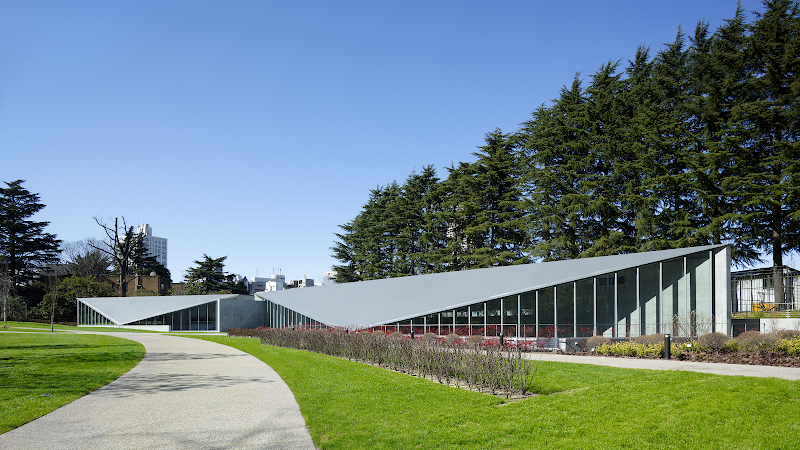
| Item | Details |
|---|---|
| Address | 〒107-8643 Tokyo, Minato-ku, Akasaka 9-7-4, Tokyo Midtown Galleria 3F |
| Hours | 10:00–18:00 (last entry 17:30), extended to 20:00 on Fridays (last entry 19:30). Please note that hours may vary during exhibitions; check the official website for the latest information. |
| Official Website | www.suntory.co.jp/sma |
- Closed: Every Tuesday, during exhibition changes, and year-end/new year
- Ticket Prices: Varies by exhibition; check individual exhibition pages for prices. Some exhibitions offer online ticket sales; advance reservations are recommended.
Overview
Located in Tokyo Midtown, the Suntory Museum of Art embodies the concept of "Beauty in Everyday Life," focusing on Japanese traditional art and Western and Eastern glass crafts. The collection spans various eras and styles, featuring around 3,000 items, including one national treasure, 15 important cultural properties, and 21 significant artworks. Designed by architect Kengo Kuma, the museum blends traditional and modern aesthetics, with white ceramic vertical louvers controlling light and creating a tranquil atmosphere, making visitors feel as if they are in a "living room in the city." The museum also features a tea room, "Genchoan," and a combined shop and café, "shop×cafe," allowing visitors to relax after enjoying the art. Additionally, the museum regularly hosts lectures and workshops to deepen visitors' understanding of Japanese art.
History
Founded in 1961 by Suntory President Keizo Saji, the Suntory Museum of Art was initially located in the Palace Building in Marunouchi, centered on the idea of integrating art into daily life. In 1975, the museum moved to the Suntory Building in Akasaka, and it temporarily closed in 2005 due to the company's relocation. It reopened in Tokyo Midtown in 2007 and underwent renovations in 2020, enhancing seismic resistance, updating LED lighting, and redesigning the entrance and facilities under Kengo Kuma's supervision. As part of the "Roppongi Art Triangle" (alongside the Mori Art Museum and the National Art Center), the Suntory Museum of Art continues to explore the deep allure of Japanese art through its unique curatorial perspective.
Cultural Significance
The Suntory Museum of Art's mission, "Connecting Beauty, Opening Beauty," emphasizes the close relationship between art and life. Its collection focuses on the aesthetic consciousness of the Japanese, particularly the beauty found in "clothing, food, and shelter," showcasing everything from ornate folding screens to exquisite Edo Kiriko and Satsuma Kiriko glass crafts, reflecting Japan's meticulous attention to detail. The exhibitions not only present classic masterpieces, such as the national treasure "The Tale of Genji Illustrated Handscroll" and the important cultural property "The Tale of the Sake-Drinking Boy," but also explore lesser-known "curiosities," challenging traditional perceptions of art. For example, the recent exhibition "Shōjō Begins" delves into the cultural significance of demon legends from the Heian period, combining painting and Noh theater to reveal the fusion of Japanese mythology and art. The Suntory Museum of Art is not just a venue for art display but also a bridge for conveying Japanese aesthetic values and cultural heritage.
🎬 サントリー美術館 Video
👉Tokyo Travel Pass
21 21 DESIGN SIGHT
21 21 DESIGN SIGHT
- Google Maps
- Apple Maps
- Copy address
🕖 10:00 - 19:00
Designed by Tadao Ando
Founded by Issey Miyake
Intro
▼21_21 DESIGN SIGHT
| Item | Details |
|---|---|
| Location | Tokyo Midtown, 9-7-6 Akasaka, Minato-ku, Tokyo, Japan |
| Hours | 10:00 - 19:00 (Last entry at 18:30); hours may vary due to exhibitions or events, please check in advance. |
| Official Website | www.2121designsight.jp |
Closed: Every Tuesday, New Year holidays, and during exhibition changes
Ticket Prices:
- General: 1,600 yen
- University Students: 800 yen (valid student ID required)
- High School Students: 500 yen (valid student ID required)
- Junior High School Students and below: Free (elementary students and below must be accompanied by a parent or guardian)
- Free for those with disability certification and their companions
- 100 yen discount with Tokyo Midtown Card or Mitsui Shopping Park Card; 200 yen discount for Tokyo Midtown APP workers and BIZ users
Transportation:
- Subway: About a 5-minute walk from Roppongi Station on the Toei Oedo Line or Tokyo Metro Hibiya Line; about a 5-minute walk from Nogizaka Station on the Tokyo Metro Chiyoda Line
- Bus: About a 4-minute walk from Akasaka 6-chome or Akasaka bus stops; about a 5-minute walk from FUJI EXPRESS's Nogizaka Station Entrance or Hinokicho Park bus stops
- Note: The venue has no parking; it is recommended to use the Tokyo Midtown parking lot or bicycle parking
Attraction Overview
Located in Tokyo Midtown Garden in Roppongi, 21_21 DESIGN SIGHT is a unique cultural landmark centered on design. Designed by renowned architect Tadao Ando and founded by fashion designer Issey Miyake, this design museum has been guiding visitors to rethink everyday objects and explore infinite possibilities through exhibitions, lectures, and workshops since its opening in 2007, themed around "the everyday." The museum does not have permanent exhibitions but challenges traditional design concepts with changing thematic exhibitions, covering diverse topics from ramen bowls to building materials, ensuring fresh surprises with each visit. The building features a roof made of folded steel plates, inspired by Miyake's "A-POC" concept, with 80% of its structure underground, harmoniously integrated with the surrounding Hinokicho Park and Midtown Garden, showcasing a minimalist and modern Japanese aesthetic.
The on-site shop "21_21 NANJA MONJA" offers creatively designed products, allowing visitors to take a piece of design home. Additionally, the café run by renowned chef Takamasa Yamaguchi is an excellent place to relax and reflect on the exhibitions. Whether you're a design enthusiast or a traveler seeking inspiration, this venue offers a fresh perspective on how design enriches life.
Historical Background
The creation of 21_21 DESIGN SIGHT stems from Issey Miyake's desire for a center of Japanese design culture since the 1980s. He discussed with creators like Tadao Ando, Isamu Noguchi, Ikko Tanaka, and Shiro Kuramata, believing Japan needed a base to promote design culture. In 2003, Miyake published an article titled "Creating a Design Museum" in the Asahi Shimbun, which garnered widespread attention and led to support from companies like Mitsui Fudosan, ultimately opening in 2007 in Tokyo Midtown. The name "21_21" is derived from the concept of surpassing perfect vision (20/20), symbolizing a sharper perspective on the future and the infinite possibilities of design. Currently, exhibitions are curated by Takuro Sato (director), Naoto Fukasawa (product designer), and Noriko Kawakami (co-director), continuously exploring the relationship between design and society. In 2014, the museum received a special award from the Mainichi Design Awards for "presenting multiple perspectives on design," and in 2017, a "third exhibition room" was added to further expand its influence.
Cultural Significance
21_21 DESIGN SIGHT is not just a museum but a cultural platform redefining "design." It emphasizes that design is not merely visual aesthetics but a bridge connecting people and objects, inspiring thought and action. The exhibitions focus on "the everyday," exploring how design impacts life details, conveying Japan's respect for aesthetics, responsibility, and nature. Tadao Ando's architectural design, with its minimalist steel and glass façade, echoes Japan's traditional modest aesthetics while integrating modern technology, showcasing a balance of harmony and innovation. The "Product Logo" inside, inspired by address signs, reminds visitors to notice the subtle beauty in everyday life, embodying the essence of Japanese design culture—"finding the extraordinary in the ordinary," infusing inspiration and vitality into life through design.
🎬 21 21 DESIGN SIGHT Video
👉Tokyo Travel Pass
Nogi Shrine
乃木神社
- Google Maps
- Apple Maps
- Copy address
🕖06:00-17:00
Pray for safe childbirth
Academic success
Happy marriage
Intro
▼Nogi Shrine
| Item | Details |
|---|---|
| Address | 8-11-27 Akasaka, Minato City, Tokyo |
| Opening Hours | 6:00-17:00 (Prayer reception and treasure hall open from 9:00-17:00) |
| Official Website | nogijinja.or.jp |
- Admission Fee: Free (1,500 yen for the treasure hall)
Attraction Overview
Nogi Shrine, located in Akasaka, Minato, is a serene oasis in the bustling city, just 15 meters from Nogi-zaka Station on the Tokyo Metro Chiyoda Line, a one-minute walk away. The shrine attracts countless visitors with its tranquil atmosphere and rich historical significance. Surrounded by greenery, it showcases plum blossoms in spring and vibrant maple leaves in autumn, creating a picturesque scene throughout the seasons. Entering the shrine, the vermilion hall contrasts beautifully with the lush trees, allowing one to forget the city's hustle and feel a sense of peace and solemnity.
Nogi Shrine is not only a place for prayers for safe childbirth, academic success, and marital happiness but has also become a pilgrimage site for young fans due to its connection with the idol group Nogizaka46. Each New Year, it welcomes a steady stream of worshippers, especially fans of Nogizaka46, who come to pray and seek a "connection" with their idols. The treasure hall within the shrine displays precious historical artifacts that narrate the loyalty and glory of the Meiji era, perfect for travelers who appreciate history and culture.
Historical Background
Nogi Shrine was established in 1923 (Taisho 12) to honor General Nogi Maresuke and his wife Nogi Shizuko from the Meiji era. Nogi Maresuke was a key figure in the Russo-Japanese War, known for his loyalty and courage, and served as the president of the Gakushuin, responsible for educating the young Emperor Showa. On July 30, 1912 (Meiji 45), following the death of Emperor Meiji, the Nogi couple chose to commit suicide at their home (now Nogi Park and the former Nogi residence) on the day of the emperor's funeral, shocking the nation. Moved by their loyalty, Tokyo Mayor Yoshirō Sakata initiated the "Central Nogi Association" to establish the shrine next to the Nogi residence in their memory. The shrine was destroyed in an air raid in 1945, and the current structure was rebuilt in 1962, becoming a branch shrine of the main shrine with a prestigious status.
Cultural Significance
Nogi Shrine embodies the essence of the Japanese samurai spirit, particularly the values of "loyalty" and "marital harmony." The story of Nogi Maresuke and Shizuko reflects selfless devotion to the emperor and the country, as well as the deep emotional bond between husband and wife, which is still regarded as a virtue in modern Japan. The enshrined deities, Nogi Maresuke and Nogi Shizuko, are believed to bestow blessings of connection, fortune, and academic success upon worshippers. The "Ume Kaori Amulet," issued during the blooming of plum blossoms each spring, symbolizes purity and resilience, making it a favorite among visitors. Additionally, the shrine's wedding ceremonies, known for their traditional rituals and lush surroundings, are among the most popular Shinto wedding venues in Tokyo.
For modern travelers, Nogi Shrine is not only a reflection of history but also a symbol of the fusion of culture and pop. Whether tracing historical footprints or experiencing the youthful spirit of Nogizaka46, this place offers a unique charm of Tokyo. Strolling through the shrine and the adjacent Nogi Park, one can quietly absorb the stories of this land, adding an unforgettable touch to your Tokyo journey.