Tsukiji–Tsukishima Walk: From Seafood Haven to Old-Tokyo Charm
This walking route follows the reclaimed waterfront around the Sumida River, passing through Tsukiji, Tsukudajima and Tsukishima for a mix of old-town food and riverside scenery.
Walking route and highlights
Tsukiji Hongwanji Temple & the Outer Market: Start the walk by visiting the distinctive Tsukiji Hongwanji Temple, then stroll through the lively Tsukiji Outer Market.
Tsukiji Uogashi: This fish market is trusted by professional food businesses, who come here specifically to buy wholesale. Take your time exploring the stalls and finding fresh, high-quality ingredients.
Namiyoke Inari Shrine & Sumida River Terrace: After visiting Namiyoke Inari Shrine, whose grounds include unusual memorial mounds such as the Ebi-zuka and Ankō-zuka, continue toward the Sumida River. Be carefulnot to cross Kachidoki Bridge (Kachidoki Bridge); instead, enjoy a relaxed walk along the riverside Sumida River Terrace (隅田川テラス).
Tsukuda Ohashi and Tsukudajima’s old-town atmosphere: As boats pass along the river, walk across Tsukuda Ohashi to reach Tsukudajima. The area still preserves the nostalgic feel of its old wooden homes, making it feel like stepping back in time.
Tsukishima Monja Street (月島もんじゃストリート): The final stop is Tsukishima, a good place to settle in for a meal. Its famous Monja Street is lined with distinctive shops, so choose one and compare the different takes on monjayaki.
Suggested route:
Start at Tsukiji early to avoid the lunchtime crowds and have more time to browse and look for food.
Seafood rice bowls & sushi: There are countless seafood-bowl and sushi shops here, all known for fresh ingredients. Sit down for a meal or take a bowl to go.
Tamagoyaki: One of Tsukiji’s classic snacks. Many shops serve tamagoyaki freshly made to order; its sweet-salty flavor and soft, fluffy texture are worth trying.
Other street eats: Beyond seafood, you can also find grilled scallops, grilled prawns, skewers, strawberry daifuku and other snacks—perfect for browsing and eating as you go.
After lunch, head from Tsukiji to Tsukishima, choose a shop on Monja Street, and enjoy making and eating monjayaki.
The walk from Tsukiji to Tsukishima takes about 15–20 minutes, or you can ride one subway stop.
After eating, take a stroll along the隅田川 and enjoy the riverside scenery and distant skyscrapers.
🚶♂️ Tsukiji & Tsukishima Walking Route
🚉
Tsukiji Station
START / Exit 1
Walk 2 min➔
1
築地本願寺
Stay about 20 min
Walk 5 min➔
2
築地魚河岸
Stay about 15 min
Walk 7 min➔
3
勝鬨橋
Stay about 5 min
Walk 5 min➔
4
隅田川露台
Stay about 5 min
Walk 16 min➔
5
住吉神社
Stay about 10 min
Walk 11 min➔
6
Tsukishima Monja Street
Stay about 30 min
Walk 8 min➔
🏁
Tsukishima Station
GOAL / Exit 8
About 4.5 km
Half day
About 6,000 steps
Tsukiji & Tsukishima transport guide
▼Interactive Tokyo Subway Map▼
Loading map…
How to get to Tsukiji
Heading to Tsukiji Outer Market, the easiest way is by subway. There are two nearby stations to choose from:
Toei Oedo Line: Get off at Tsukiji Shijo Station, exit A1 — about a 1-minute walk. This station is the closest to the Outer Market.
Tokyo Metro Hibiya Line: Get off at Tsukiji Station, exit 1 or 2 — about a 1-minute walk.
If you’re near Ginza or Yurakucho you can also walk — roughly 10 minutes to Tsukiji.
Essential Transport Cards for Japan
👉Suica IC Card
Tokyo Subway 1–3-Day Pass
👉kkday
👉Klook
Greater Tokyo 5-Day Pass
👉kkday
👉Klook
👉Trip
How to go from Tsukiji to Tsukishima
Tsukiji and Tsukishima are very close, so choose transport based on your energy and time.
Subway: From Tsukiji Station (Tokyo Metro Yurakucho Line) or Tsukiji Shijo Station (Toei Oedo Line), take the train to Tsukishima Station. It’s just a few minutes — super convenient.
Walk: If you want to feel the local vibe, walk from Tsukiji to Tsukishima. Enjoy Sumida River scenery and old-town charm. Walking takes about 15 to 20 minutes, great if you’ve got time and legs to spare.
How to reach Tsukishima
If you’re heading straight to Tsukishima, the main stop is Tsukishima Station.
Tokyo Metro Yurakucho Line: Get off at Tsukishima Station.
Toei Oedo Line: Also get off at Tsukishima Station.
Tsukishima Station is where these two lines meet, so transfers are easy. After exiting, it’s a 1–5 minute walk to the famous Monjayaki Street (Tsukishima Nishinaka Shopping Street).
Fresh seafood donburi and nigiri 🍱: Early birds catch the best fish! Drop into any sushi shop here and you’ll find top-quality seafood delivered from Toyosu at dawn. Fat, melt-in-your-mouth slices — unforgettable.
Affordable street-snack crawl 🍢: No need for a sit-down meal — try thick grilled tamagoyaki (served hot and smoky), fresh-grilled scallop skewers, fish-cheek skewers, and the recent hit strawberry daifuku. Eat while strolling (please use designated eating spots) — pure joy!
Experience craftsmen’s spirit 🔪: You’ll find many century-old shops selling Japanese knives, dried goods and kombu.
📌 Tsukiji Hongan-ji: An Indian-style temple tucked into Tokyo
A one-of-a-kind ancient-Indian look 🇮🇳: Designed by master architect Itō Chūta, the exterior references ancient Indian Buddhist architecture. Stone facades and domes bring a South-Asian vibe to Tokyo.
East-meets-West interior 🎸: Step into the main hall and you’ll spot a huge pipe organ and beautiful stained glass. Western elements melt into Pure Land Buddhist design — a truly unique combo.
Adorable guardian animals 🐘: Ito loved whimsical animals, so stone-carved elephants, lions, oxen and peacocks are tucked around the temple — a fun little scavenger hunt!
Showing: All(16)
Tsukiji Station
築地駅
Click for Navigation
Google Maps
Apple Maps
Copy address
Intro
▼
Tsukiji Hongan-ji Temple
築地本願寺
Click for Navigation
Google Maps
Apple Maps
Copy address
🕖06:00~21:00
Intro
▼
Tsukiji Hongan-ji
Item
Details
Address
3-15-1 Tsukiji, Chuo City, Tokyo
Hours
06:00–21:00 (Main hall visiting hours: 06:00–16:00, closed after evening chanting)
Attraction Overview
Tsukiji Hongan-ji, located in the bustling Chuo district of Tokyo, is a Jodo Shinshu temple that beautifully blends Eastern and Western architectural aesthetics. Designed by the renowned architect Chuta Ito, its main hall draws inspiration from ancient Indian and Asian Buddhist architecture, showcasing a unique exotic charm. Inside the temple, the grand circular roof, inspired by Bodhi leaves, and the lotus flower patterns on the facade harmonize with the stained glass windows, creating a stunning visual experience. The large pipe organ and hidden animal carvings (such as lions, elephants, and peacocks) add to the mystery and intrigue. At night, the temple is illuminated, enhancing its solemnity and attracting countless visitors. The on-site café "Tsumugi" offers its signature "18-item breakfast," allowing visitors to enjoy delicious food while experiencing the temple's tranquil atmosphere. Additionally, Tsukiji Hongan-ji hosts various events, including Bon Odori, organ concerts, and English Dharma talks, providing spiritual comfort and cultural experiences for modern urban dwellers.
Historical Background
Tsukiji Hongan-ji was established in 1617, initially located near Asakusa as a branch of the Nishi Hongan-ji in Kyoto, founded by Shinran Shonin, and dedicated to the statue of Amida Buddha. In 1657, the temple was destroyed by the Meireki Fire and was subsequently relocated and rebuilt with the assistance of the Edo Shogunate. At that time, the area was a body of water, and the temple's followers led land reclamation efforts, giving rise to the name "Tsukiji" (meaning "constructed land"). The main hall was again destroyed by a fire caused by the Great Kanto Earthquake in 1923 and was rebuilt in 1934, designed by Chuta Ito, resulting in the unique structure seen today. In 2014, the main hall, gate pillars, and stone walls were designated as Important Cultural Properties of Japan, highlighting their historical and architectural significance. Currently, the temple is undergoing preservation and repair work (expected to be completed by December 2026) to protect this precious heritage.
Cultural Significance
Tsukiji Hongan-ji is not only a religious site but also a symbol of the dissemination of Jodo Shinshu teachings and cultural integration. Its architectural style reflects Chuta Ito's research on Buddhist culture, skillfully blending elements from India, China, and Japan, embodying the inclusive spirit of Jodo Shinshu's "universal salvation." The temple centers on the teachings of Shinran Shonin (1173-1263), emphasizing the practice of chanting "Namu Amida Butsu" to guide followers in seeking inner peace and liberation. Annual rituals such as the Obon Festival and Hōon-kō commemorate ancestors and Shinran Shonin, conveying the values of gratitude and connection. Furthermore, the temple's "Temple Weddings" and KOKORO Academy courses integrate traditional Buddhist wisdom into modern life, attracting younger generations and international visitors, making Tsukiji Hongan-ji a cultural bridge connecting tradition with modernity, Tokyo with the world.
🎬 築地本願寺 Video
Tsukiji Soratsuki - Main Branch
築地 そらつき 総本店
Click for Navigation
Google Maps
Apple Maps
Copy address
🕖08:00~15:00
Intro
▼
Tsukiji Soratsuki Main Store
Item
Details
Address
4-11-10 Tsukiji, Chuo City, Tokyo (inside Tsukiji Outer Market)
Business Hours
08:00–15:00
Closed: Irregular
Product Features
Tsukiji Soratsuki Main Store is famous for its signature "Tsukiji Strawberry Daifuku," a dessert made with premium "Shiga Habutae Mochi" that offers a smooth and delicate "silken" texture, paired with fresh large strawberries. The combination of visual appeal and flavor, with a delightful sweet and sour taste, leaves a lasting impression. The store offers various daifuku flavors, including matcha, yuzu, sesame, rich custard, and chocolate fillings, all made with carefully selected ingredients, showcasing a perfect blend of traditional Japanese sweets and Western desserts. Additionally, there is a seasonal limited "Melting Warabi Mochi," which has a smooth texture without sugar or preservatives, paired with fragrant soybean flour, making it impressive whether served cold or at room temperature. The store also offers strawberry soft serve, strawberry smoothies, and strawberry candies, perfect for takeout, aligning perfectly with the grab-and-go culture of Tsukiji Outer Market.
Store Introduction
Located in Tokyo's Tsukiji Outer Market, Tsukiji Soratsuki Main Store is a specialty shop focusing on strawberry desserts and wagashi, operated by Tsukiji Soratsuki Co., Ltd. Since its establishment in 2016, the store has adhered to the philosophy of "creating travel memories," combining the essence of traditional Japanese sweets with innovative desserts, attracting countless local and international visitors. Its "Tsukiji Strawberry Daifuku" is not only a star product in the market but has also been featured in media, including Japan's TV programs "Hirunandesu!" and NHK's "Asaichi." The store's decor features a fresh and cute style, with strawberry-themed displays that create a strong visual appeal, making it especially suitable for photo-loving tourists. Whether you're looking for souvenirs or ready-to-eat sweets, Tsukiji Soratsuki adds a touch of sweetness to your Tsukiji journey.
🎬 築地 そらつき 総本店 Video
Tsukiji Sanokiya
築地さのきや
Click for Navigation
Google Maps
Apple Maps
Copy address
🕖07:00~15:00
Intro
▼
Tsukiji Sanokiya
Item
Details
Address
4-11-9 Tsukiji, Chuo City, Tokyo
Business Hours
07:00–15:00 (until sold out)
Closed: Sundays, national holidays, market closure days
Product Features
Tsukiji Sanokiya is famous for its unique "Maguroyaki" (tuna-shaped cakes), a dessert that creatively transforms traditional Taiyaki into a tuna shape, perfectly reflecting the fishing culture of Tsukiji Market. The shop offers three main flavors: - Hon Maguro (Premium Tuna Cake): Made with additive-free red bean paste from Tokachi, Hokkaido, with a moderate sweetness and a crispy outer shell, priced at about 220 yen each. - Chutoro (Medium Fat Tuna Cake): Soft mochi dough wrapped around red bean paste, containing apricot or seasonal fruits (like pineapple) for a refreshing sweet and sour flavor, priced at about 240 yen. - Kihada Maguro (Yellowfin Tuna Cake): Crispy dough paired with rich custard cream filling, sweet but not overwhelming, perfect for those who enjoy Western-style fillings. Additionally, the shop offers "Maguro Monaka" with two flavors: red bean and yuzu, which have a longer shelf life, making them suitable as souvenirs. Seasonal limited items like additive-free plum soda and amazake showcase the shop's dedication to quality ingredients.
Store Introduction
Located in the outer market of Tsukiji, Tsukiji Sanokiya is a wagashi shop full of creativity and local character. Since its opening, the shop has attracted countless locals and tourists with its signature "Maguroyaki." This tuna-shaped dessert not only catches the eye but also features intricate fish-shaped details created with special molds, from the head to the tail fin, making it a perfect photo opportunity. The shop insists on using additive-free ingredients and red beans from Tokachi, Hokkaido, presenting a pure Japanese flavor while incorporating innovative elements like custard filling and seasonal fruits, achieving a perfect blend of tradition and modernity. Though small, the shop exudes a warm atmosphere, and the friendly service enhances the shopping experience. Whether you're looking for a snack at Tsukiji Market or a unique souvenir, Tsukiji Sanokiya is a must-visit.
🎬 築地さのきや Video
Tsukiji Outer Market
築地場外市場
Click for Navigation
Google Maps
Apple Maps
Copy address
🕖05:00~15:00
Intro
▼
Tsukiji Outer Market
Item
Details
Address
5 Chome-2-1 Tsukiji, Chuo City, Tokyo
Business Hours
05:00–15:00 (Hours may vary by shop)
Overview
Tsukiji Outer Market is Tokyo's iconic destination for food and ingredients, known as "Japan's Kitchen." The market features around 460 specialty shops selling fresh seafood, produce, dried goods, seasonings, cooking utensils, and various restaurants offering a rich selection of dishes from seafood bowls to tamagoyaki. The lively atmosphere is filled with the sounds of vendors and the aroma of fresh ingredients, attracting visitors from around the world and locals alike. Whether tasting freshly made sushi, selecting top-quality seafood, or enjoying grilled seafood, Tsukiji Outer Market pulsates with the vibrancy of Tokyo's food culture. The morning is the busiest time, especially from 9:00 to 10:00, when the ingredients are fresh and choices are abundant, making it the best time for visitors. Additionally, the "Platt Tsukiji" information center provides maps and information to help first-time visitors plan their trip.
Historical Background
The history of Tsukiji Outer Market dates back to the Edo period. In 1657, the Tokugawa shogunate reclaimed land from Tokyo Bay, creating "Tsukiji" (meaning "reclaimed land"). Initially, there were only shrines and samurai residences in a tranquil environment. The Great Kanto Earthquake in 1923 destroyed the original fish market located in Nihonbashi, prompting the market to relocate to Tsukiji in 1935, becoming the site of the Tokyo Central Wholesale Market, which led to the development of Tsukiji Outer Market to serve the retail and dining needs of the area. With Japan's rapid economic growth in the 1980s and the global popularity of Japanese cuisine, Tsukiji Market became an internationally renowned center for ingredient trading. In 2018, the central wholesale market moved to Toyosu, but the outer market retained its original location, continuing the tradition of "food town" with about 460 shops, attracting countless visitors.
Cultural Significance
Tsukiji Outer Market is not just a place for ingredient trading; it is a microcosm of Japanese food culture. Every piece of tuna and every skewer of tamagoyaki reflects the artisans' pursuit of excellence and respect for tradition. The "Tsukiji Seminar" within the market teaches ingredient selection and cooking techniques, highlighting Tsukiji's commitment to food education; the "Namiyoke Shrine" protects the market, symbolizing prayers for disaster prevention and reflecting the Japanese belief in coexistence with nature. The narrow alleys and bustling atmosphere carry the memories of Tokyo's common people's lives since the Edo period, showcasing the diversity and refinement of Japanese culinary culture. For international visitors, Tsukiji Outer Market is an excellent place to experience Japan's intangible cultural heritage of "washoku," where every bite of fresh seafood and traditional seasonings tells the story of Japan's passion for food.
🎬 築地場外市場 Video
Tsukiji Kanno - Main Store
つきじ かんの 本店
Click for Navigation
Google Maps
Apple Maps
Copy address
🕖04:30~16:30
Intro
▼
Tsukiji Kanno Main Store
Item
Details
Address
4-9-5 Tsukiji, Chuo City, Tokyo
Opening Hours
04:30–16:30
Tabelog Rating: 3.8 (based on 46 reviews as of 2025)
Restaurant Features
Introduction
Located in the Tsukiji Outer Market, "Tsukiji Kanno Main Store" is a restaurant famous for its fresh seafood bowls and sushi, loved by locals and tourists alike. The restaurant sources fresh ingredients daily from Toyosu Market, ensuring each dish showcases the unique flavors of Tsukiji. The signature dish, "Hon Maguro Three-Variety Bowl," features a luxurious combination of hon maguro, uni, and ikura (salmon roe), allowing diners to savor the ocean's sweetness and richness in every bite. The restaurant offers a variety of options, from the budget-friendly "Makanai Don" (around 900 yen) to the premium "Deluxe Seafood Bowl" (around 2,300 yen), catering to different budgets. Additionally, takeout service is available, making it easy to enjoy Tsukiji's deliciousness at home. The lively atmosphere and semi-outdoor seating design let you enjoy your meal while experiencing the unique energy of the Tsukiji Market. Whether you're a value-seeking foodie or a traveler wanting to experience authentic seafood cuisine, this is a must-visit culinary landmark.
Located in Tokyo's Tsukiji Outer Market, "Tsukiji Sushi Ichiban 4-Chome Outer Market Store" is a sushi restaurant famous for its premium bluefin tuna. Known for its fresh ingredients and 24-hour service (except during specific hours on Sundays), the restaurant is near the entrance of the Tsukiji Outer Market, marked by a large tuna sign that attracts countless locals and tourists. It offers freshly delivered sushi and seafood dishes, highlighting the rich flavors of bluefin tuna, from fatty toro to lean akami, all presented with high quality that is mouthwatering. A major highlight is the tuna cutting show held every Saturday at 11:30 AM, showcasing professional knife skills and serving freshly cut tuna sushi that delights both the eyes and the palate.
The restaurant has a relaxed atmosphere, with counter and table seating on the first and second floors, totaling 39 seats, making it suitable for solo diners, family gatherings, or small get-togethers with friends. The menu is diverse, featuring classic sushi options (such as the "Recommended 10 Pieces Sushi" for 3,960 yen) and the signature "Toro Tekka Don" (4,378 yen), renowned for its overflowing red tuna akami, which has won first place in the Tsukiji-Ginza seafood bowl rankings. Additionally, side dishes like the famous "Marutake" tamagoyaki and grilled Ezo abalone are also highly praised, paired with fine sake from across Japan to enhance the dining experience. The restaurant provides an English menu, making it very friendly for international visitors, whether they are travelers arriving in Tokyo early in the morning or office workers wanting to enjoy fresh sushi late at night; this place is an excellent choice.
🎬 築地すし一番 4丁目場外市場店 Video
Reserve
👉autoreserve
Sashimi BAR Kashigashira
刺身BAR河岸頭
Click for Navigation
Google Maps
Apple Maps
Copy address
🕖11:00~14:00
🕖18:00~23:00
Intro
▼
Sashimi BAR Kagawa
Item
Details
Address
4-12-2 Tsukiji, Chuo City, Tokyo, Lions Mansion Higashi-Ginza B1
Located in Tokyo's Tsukiji Outer Market, "Sashimi BAR Kagawa" is a hidden izakaya famous for its fresh seafood dishes, run by an experienced owner who previously worked in bidding and brokerage at Tsukiji Market. The restaurant is known for its meticulous selection of ingredients and exceptional knife skills, offering stunning sashimi and seafood dishes. The signature dish, "Tsukiji Outer Market Don," is a highlight during lunch, featuring a double-layer seafood bowl with about 20 types of seasonal fresh seafood, including shrimp, squid, tuna, uni, and sea urchin, resembling a treasure box of the ocean that dazzles both visually and in taste. During dinner, a variety of seafood courses are available, such as the "Tsukiji Kagawa Course," which includes 10 dishes at an affordable price of 3,800 yen, offering a rich selection of sashimi, grilled fish, and simmered fish, providing excellent value. Additionally, the restaurant offers various sake and shochu that perfectly complement the sweet flavors of the seafood, leaving a lasting impression. The cozy atmosphere, with wooden decor and soft lighting, creates a comfortable dining environment, ideal for casual drinks with friends or family gatherings. Both locals and tourists can experience the most authentic seafood feast in this hidden gem located in the basement.
🎬 刺身BAR河岸頭 Video
Reserve
👉autoreserve
Uni Tora Nakadori - Iori
うに虎 中通り 庵
Click for Navigation
Google Maps
Apple Maps
Copy address
🕖07:00~20:00
Intro
▼
Tsukiji Uotora Uni Tora Nakadori An Store
Item
Details
Address
4-10-16 Tsukiji, Chuo City, Tokyo
Business Hours
07:00~20:00
Tabelog Rating: 3.50 (as of August 2025)
Restaurant Features
Introduction
Located in Tokyo's Tsukiji Outer Market, "Uni Tora Nakadori An Store" is a specialty restaurant focusing on sea urchin (uni) and tuna, renowned for its fresh ingredients and exquisite culinary skills. The restaurant selects fresh sea urchin daily from the Tsukiji Outer Market, featuring over 10 varieties from Hokkaido and other regions of Japan, allowing customers to savor unique flavors from different origins. Signature dishes like "Selected Sea Urchin Donburi (Elegant)" and "Sea Urchin and Tuna Donburi" perfectly combine the rich sweetness of fresh sea urchin with the delicate texture of tuna, leaving a lasting impression. The restaurant has a relaxed atmosphere, ideal for seafood lovers to enjoy a leisurely dining experience. Most seating is at the counter, allowing customers to closely observe the chef's professional skills, enhancing the dining enjoyment. Additionally, the restaurant offers various sea urchin dishes, from sushi to donburi, catering to different preferences, ensuring every customer can experience the ultimate charm of sea urchin.
🎬 うに虎 中通り 庵 Video
Reserve
👉autoreserve
Tsukiji Yamachō Tamagoyaki
築地山長玉子燒
Click for Navigation
Google Maps
Apple Maps
Copy address
🕖06:00~15:30
Intro
▼
Tsukiji Yamacho Tamagoyaki
Item
Details
Address
4-10-10 Tsukiji, Chuo City, Tokyo
Business Hours
06:00–15:30
Product Features
Tsukiji Yamacho is renowned for its traditionally handmade tamagoyaki, made with fresh eggs and a carefully brewed dashi stock from Tsukiji's Katsuo-bushi, without any chemical seasonings, offering a refreshing and natural flavor. Signature items include classic thick tamagoyaki, sansho pepper tamagoyaki, skewered tamagoyaki, and specialty tamagoyaki with shrimp, crab meat, or anago. The "Skewered Tamagoyaki Tasting Set" (priced at 600 yen) combines various flavors of skewered tamagoyaki, making it easy to eat and share, and is very popular among tourists. Additionally, the texture of the tamagoyaki is designed to complement sushi rice, with moderate sweetness and a rich mouthfeel, making it suitable for meals or as a souvenir.
Store Introduction
Tsukiji Yamacho is located in the outer market of Tsukiji, Tokyo, and is a long-established specialty store for tamagoyaki, originally supplying high-quality tamagoyaki to sushi and dining establishments. Since September 2009, to meet the needs of general customers, Yamacho opened a store in the outer market, offering a variety of convenient tamagoyaki products. Their products are crafted using traditional artisan techniques, with each piece of tamagoyaki handmade to preserve the original flavors of the ingredients and present a delicate texture, beloved by both locals and tourists. The store not only offers on-site purchases but also supports nationwide delivery, making it easy for customers to bring the delicious taste of Tsukiji home. Whether for everyday dining or festive gifts, Tsukiji Yamacho's tamagoyaki is an excellent choice.
🎬 築地山長玉子燒 Video
Tsukiji Shoro - Main Store
つきぢ松露 本店
Click for Navigation
Google Maps
Apple Maps
Copy address
🕖Weekdays 06:00 AM - 03:00 PM
Intro
▼
Truffle Tamagoyaki Main Store
Item
Details
Address
〒104-0045 Tokyo, Chuo-ku, Tsukiji 4-chome 13-13
Business Hours
Weekdays 06:00–15:00 Sundays, Holidays, and Market Closed Days 07:00–16:00
Product Features
Truffle Tamagoyaki is renowned for its golden color and tender texture, using "Tsuji Eggs" from Ibaraki Prefecture as the main ingredient, ensuring fresh eggs delivered the day after laying for quality and safety. The secret dashi broth adds a refreshing yet rich flavor, with moderate sweetness, making it perfect with rice or as a side dish. The signature "Truffle" is carefully grilled using a four-layer technique, preserving the deliciousness of the broth and the aroma of the eggs. In addition to the classic version, there are variations like "Parent-Child" (with Tottori Prefecture's Daisen chicken and mitsuba), "Kishu" (with reduced-salt ume from Wakayama Prefecture), and "Kamaage" (with Shizuoka Prefecture's Yui sakura shrimp), showcasing the rich flavors of ingredients from across Japan. The store-exclusive "Seven Types Platter" and "Truffle Sandwich" offer a unique culinary experience in Tsukiji, attracting food lovers to taste.
Store Introduction
Truffle Tamagoyaki Main Store is located in Tokyo's Tsukiji Outer Market and has been a specialized tamagoyaki shop since its establishment in 1924 (Taisho 13). Originally starting with "Truffle Sushi," the shop shifted focus to tamagoyaki production after the war due to a shortage of sushi ingredients, establishing its unique flavor since 1946 (Showa 21), beloved by Tokyoites. The third-generation successor, Saito Motoshiro, continues the tradition, insisting on using "Tsuji Eggs" and collaborating with farms to develop eggs specifically designed for tamagoyaki, showcasing a relentless pursuit of quality. The store's atmosphere embodies the vibrancy and tradition of Tsukiji, attracting countless local and international visitors. From high-end sushi restaurants to department stores, Truffle Tamagoyaki's presence is felt throughout Japan, becoming one of the representatives of Tokyo's culinary culture.
🎬 つきぢ松露 本店 Video
Tsukiji Croquette
築地コロッケ
Click for Navigation
Google Maps
Apple Maps
Copy address
🕖09:30~14:00
Intro
▼
Tsukiji Croquette
Item
Details
Address
4-13-9 Tsukiji, Chuo City, Tokyo
Business Hours
09:30~14:00
Product Features
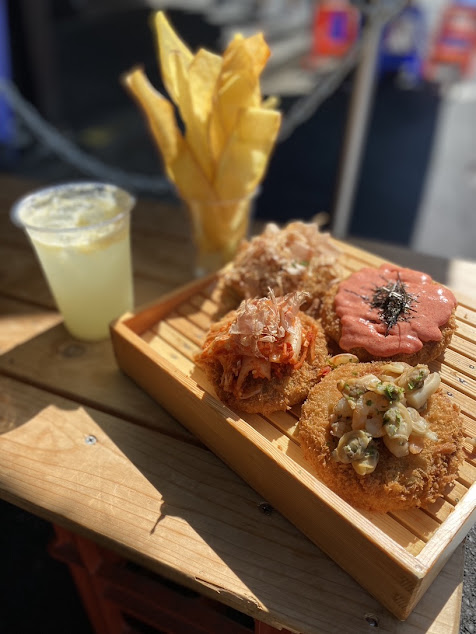
Tsukiji Croquette is famous for its unique "Mixed Grilled Croquette," which incorporates Tokyo's traditional mixed grilled dish (a type of teppanyaki with ingredients like cabbage and grains) into a crispy croquette, delivering an amazing texture. The signature "Tsukiji Mixed Grilled Croquette" uses fresh cabbage and pickled ginger, topped with bonito flakes and seaweed powder, emitting a rich aroma that is irresistible. The shop offers various flavors, including "Mentaiko Mixed Grilled Croquette," which adds a savory taste with rich mentaiko sauce; "Seafood Mixed Grilled Croquette," which features the sweetness of fresh seafood; and the unique "Coconut Curry Croquette," blending exotic flavors. Prices range from 300 to 600 yen, making it perfect for a light snack or on-the-go eating. Each croquette is freshly made to order, with a soft filling and crispy exterior, perfectly showcasing the culinary charm of the Tsukiji outer market.
Shop Introduction
Located on Hōyō Street in the Tsukiji outer market, "Tsukiji Croquette" is a specialty croquette shop run by the long-established fruit wholesaler "Yamatsuda," beloved by both tourists and locals. Although the shop is small, it is filled with a lively atmosphere, often bustling with queues, embodying the vibrancy of the Tsukiji market. This place is not only great for tasting delicious food but also an excellent spot to experience Tokyo's local food culture. Whether you're a traveler seeking a quick bite or a food enthusiast wanting to explore Tsukiji's unique flavors, Tsukiji Croquette offers a delightful surprise for your taste buds.
🎬 築地コロッケ Video
Kaigen
海玄
Click for Navigation
Google Maps
Apple Maps
Copy address
🕖10:00~15:00
Intro
▼
Kaigen - Tsukiji
Item
Details
Address
4-13-8 Tsukiji, Chuo City, Tokyo, Solacia Building 1F
Business Hours
10:00 AM - 3:00 PM (Last order 2:30 PM) (Dinner available on Monday, Tuesday, Friday, and Saturday from 5:00 PM - 8:00 PM, last order 7:30 PM; only lunch on Sundays and public holidays)
Tabelog Rating: 3.81 (as of January 2025)
Restaurant Features
Introduction
Located in the Tsukiji Outer Market, "Kaigen" is a seafood donburi specialty shop featuring natural bluefin tuna, operated directly by Japan's top tuna wholesaler "Yamakou." The restaurant is renowned for its high-quality tuna dishes, especially its signature "Ultimate Kaigen Tuna Don," which uses natural bluefin from regions like Aomori's Oma and Hokkaido's Toyoi, including lean, medium fatty, and fatty cuts, paired with special soy sauce and red vinegar rice, showcasing the tuna's sweetness and rich flavor. Each seafood donburi comes with tuna collagen soup and a small side dish (such as simmered tuna or yam puree), enhancing the dining experience. The restaurant has a bright and clean environment, featuring spacious counter and table seating, suitable for solo diners, couples, or family gatherings. Kaigen is known for its cost-effectiveness, and although prices are on the higher side, the premium ingredients and meticulous preparation attract food lovers, often resulting in queues. Whether you are a seafood donburi enthusiast or a traveler wanting to experience Japan's top tuna culture in Tsukiji, Kaigen is a must-visit culinary landmark.
🎬 海玄 Video
Tsukiji Uogashi
築地魚河岸
Click for Navigation
Google Maps
Apple Maps
Copy address
🕖07:00~19:00
Intro
▼
Tsukiji Uo-gashi
Item
Details
Address
Odawara Bridge Building: 6-26-1 Tsukiji, Chuo City, Tokyo; Uo-gashi Bridge Building: 6-27-1 Tsukiji, Chuo City, Tokyo
Business Hours
05:00–15:00 (Recommended for general visitors to arrive after 09:00; Uo-gashi Dining Hall is open from 07:00–19:00)
Product Features
Tsukiji Uo-gashi focuses on fresh seafood, featuring around 60 retail shops operated by wholesalers, offering high-quality ingredients from fresh fish and shellfish to dried goods and marinated fish. Fresh fish such as hon-maguro, kinmedai, and nodoguro are delivered daily from Toyosu Market by professional wholesalers, ensuring excellent quality at reasonable prices. Featured products include: - Kohou: Known for its hon-maguro and negitoro, offering high-quality tuna cuts and sashimi, perfect for family seafood bowls. - Tsukiji Sankyo: Offers additive-free dried goods and exclusive original dashi packs, suitable for healthy diets and baby food. - Oikume: Established in the fourth year of the Meiji era, specializing in sun-dried fish and Saikyo-zuke, praised on TV as "the best aji fillet in Japan." - Sandai-ji Suisan: Focused on fresh shrimp and crab, sold individually, suitable for retail and food service. - Komekin: Provides organic vegetables and rare herbs to enhance seafood dishes. Additionally, the Uo-gashi Dining Hall offers a variety of delicious foods, such as traditional soba noodles from Tsukiji Yabu Soba, limited edition katsu curry from Toto Grill, and tuna tekka don from Tekka-ya, allowing visitors to enjoy fresh ingredients immediately.
Shop Introduction
Tsukiji Uo-gashi is a fresh market established in October 2018 by Chuo City, Tokyo, to continue the history and vitality of Tsukiji Market, located within the outer market of Tsukiji, consisting of the Odawara Bridge Building and Uo-gashi Bridge Building. As a retail market operated by wholesalers, it serves not only professional buyers but also welcomes general consumers and tourists. The market preserves the tradition of Tsukiji as a "sacred place for food," combining modern facilities to provide a clean and comfortable shopping environment. The first floor features fresh and processed food stalls, selling a wide range of products from fresh fish and meat to organic vegetables; the third floor houses the Uo-gashi Dining Hall and rooftop plaza for dining and relaxation, with barbecue events held at certain times. Tsukiji Uo-gashi is not only an excellent place to purchase fresh ingredients but also the best spot to experience Tokyo's food culture, attracting food enthusiasts from around the world.
🎬 築地魚河岸 Video
Namiyoke Shrine
波除神社
Click for Navigation
Google Maps
Apple Maps
Copy address
🕖24H
Intro
▼
Hama-Yoroi Shrine
Item
Details
Location
6-20-37 Tsukiji, Chuo City, Tokyo
Opening Hours
09:00–17:00 (Office and offering hours; no specific restrictions for worship)
Attraction Overview
Hama-Yoroi Shrine, located near the Tsukiji Outer Market in Tokyo, is a shrine rich in Edo-period charm, known for "warding off disasters and riding the waves." The most striking features of the shrine are the two massive lion heads—"Yaku-Yori Tenjo Daishi" and "Benzaiten Ohaguro Shishi," symbolizing the male and female lions, which are awe-inspiring. Visitors can write their wishes on "wish strings" and place them inside the lion heads, praying for misfortune to be dispelled and wishes to come true. Additionally, the shrine grounds feature unique offering mounds like "Sushi Tsuka" and "Ebi Tsuka," reflecting Tsukiji's cultural heritage as a seafood market. The "Tsukiji Lion Festival" held every June is a highlight, with lively portable shrine parades and festival stalls attracting countless visitors, showcasing the vibrancy of Tokyo's traditional celebrations. Whether seeking spiritual solace or experiencing Japanese culture, Hama-Yoroi Shrine is a must-visit in Tsukiji.
Historical Background
The history of Hama-Yoroi Shrine dates back approximately 350 years to the early Edo period. At that time, the Tsukiji area was still a vast ocean, and the Edo Shogunate undertook large-scale land reclamation to expand Edo Castle. However, the turbulent waves frequently destroyed the embankments, hindering progress. In the second year of Manji (1659), one night, a glowing object appeared on the sea, and upon approaching by boat, people discovered it was a solemn deity of Inari. The residents reverently brought it to the current site to build a shrine and held a grand festival, after which the waves miraculously calmed, allowing the reclamation project to proceed smoothly. Since then, this deity has been revered as "Hama-Yoroi Inari," and the shrine was named accordingly. During the Meiji period, the separation of Shinto and Buddhism led to its current name, becoming a spiritual pillar for local residents and market workers. Although most of the large lion heads dedicated during the Edo period were destroyed in the Great Kanto Earthquake, the existing pair has been designated as cultural properties of Chuo City, carrying a long historical memory.
Cultural Significance
Hama-Yoroi Shrine is not only the guardian of Tsukiji but also a symbol of the fusion of traditional Japanese beliefs and local culture. The main deity, Uka-no-Mitama-no-Mikoto, governs the harvest of grains and commercial prosperity, closely tied to Tsukiji's history as Japan's largest seafood market. The belief in the Seven Lucky Gods within the shrine is also a significant feature, with one statue of a Seven Lucky God open for worship on the 7th of each month, attracting many devotees seeking fortune, health, and improvement in their studies. Furthermore, various offering mounds within the shrine, such as "Ankou Tsuka" and "Tamago Tsuka," reflect the Japanese people's gratitude and reverence for ingredients, embodying the cultural value of "no food waste." The "Tsukiji Lion Festival" held every June continues the traditions of the Edo period, with massive lion heads and the Chinkan Shrine portable shrine parading through the streets, symbolizing the dispelling of evil and blessings, showcasing the passion and unity of Japanese festival culture. These elements collectively shape the unique spiritual atmosphere of Hama-Yoroi Shrine, making it a cultural landmark connecting the past and present.
🎬 波除神社 Video
Catholic Tsukiji Church Cathedral
カトリック築地教会聖堂
Click for Navigation
Google Maps
Apple Maps
Copy address
🕖10:00~17:00
Intro
▼
Tsukiji Catholic Church
Item
Details
Address
〒104-0044 5-26 Akashi-cho, Chuo-ku, Tokyo
Hours
10:00 AM - 5:00 PM (Visiting hours may vary depending on events or mass; it is recommended to contact in advance for confirmation)
Overview
Tsukiji Catholic Church is located in Akashi-cho, Chuo-ku, Tokyo, and is a historic building with an exotic charm, renowned for its unique Greek temple-like façade. This church is like a hidden gem in the heart of Tokyo, supported by six majestic Corinthian columns and adorned with lily and rose reliefs on the triangular pediment, exuding a classical and solemn atmosphere. Inside, the stained glass windows cast a soft glow, especially the yellow window depicting grapevines and leaves, filling the space with warmth and a sacred ambiance. The church also houses a harmonium used since the Meiji era, adding a spiritual touch to religious ceremonies. Additionally, the statue of St. Peter at the entrance and the bronze bell made in France in 1876 (known as "Edo's Jenny Louise") tell the long history of this church. Photographs and artifacts displayed in the information room further illustrate how this church has stood resilient through the tides of history. Whether you are an architecture enthusiast or a traveler seeking spiritual tranquility, this place is worth a visit.
Historical Background
Tsukiji Catholic Church is the oldest Catholic church established in Tokyo, originating in the 4th year of the Meiji era (1871), when Father Maran of the Paris Foreign Missions Society rented a shop near the Inari Bridge in Tetsuzaka as a temporary church to begin missionary activities. After the ban on Christianity was lifted in Japan in the 6th year of the Meiji era (1873), missionary work could be conducted openly. On November 22, 1874, a temporary chapel was established in the Tsukiji foreign settlement, dedicated to St. Joseph. In the 10th year of the Meiji era (1877), the church was designated as a bishopric, becoming the center for Catholic missions north of Tokyo. In the 11th year of the Meiji era (1878), a magnificent Gothic red-brick church was completed, becoming a landmark in Tokyo at that time. However, this church was destroyed in the Great Kanto Earthquake of 1923. Subsequently, on April 10, 1927, a new church was completed under the direction of Archbishop Jean Pierre Rey, featuring a wooden plaster structure in the style of the Greek Parthenon, designed by Father Girodias and constructed by Minjiro Ichino. This new church was designated as a historical building of Tokyo in 1999 and became a tangible cultural asset of Chuo-ku in 2001. Notably, Akashi-cho, where the church is located, was spared during the WWII air raids due to its proximity to St. Luke's International Hospital, allowing it to remain intact to this day.
Cultural Significance
Tsukiji Catholic Church is not only a place of worship but also an important witness to Japan's modern history and foreign cultural exchange. As the earliest Catholic church in Tokyo, it embodies Japan's historical transition from isolation to openness, and from the prohibition of Christianity to religious freedom. The Tsukiji foreign settlement, where the church is located, served as a bridge for interaction between foreigners and Japanese during the Meiji period, nurturing educational institutions like Futaba Gakuen and witnessing the fusion of Western culture and Japanese tradition. The church's Greek temple-style architecture reflects Archbishop Rey's pursuit of classical aesthetics while also demonstrating the Catholic Church's efforts to convey faith through familiar Western architectural language in Japan. Artifacts such as the statue of St. Peter, the bronze bell, and the harmonium within the church narrate the resilience and rebirth of Japanese Catholics after the prohibition period. Furthermore, the church was open to Japanese people from its early days, attracting significant figures like Hara Takashi (the 19th Prime Minister of Japan) to participate in religious activities, showcasing its influence in modern Japanese society. Today, this church remains a center of faith for Tokyo's Catholics and a precious space for visitors to experience the blend of history, culture, and spirituality.
What is monjayaki? It’s a delicious pan-griddle dish made from a batter of flour, dashi stock, shredded cabbage and various mix-ins (like mentaiko, cheese, or mochi). You cook it on an iron griddle and press it down with a small spatula into a slightly gooey, caramelized “pan-bottom” — that crispy-savoury edge is the magic! 🤤
🛤️ 2. Stroll the alleys: charming Showa-era lanes
Old-time vibe: These lanes survived World War II air raids and keep many wooden old houses and lively small shops. Walking the alleys you might spot grandmas filling water at doorways or lazy cats napping in sunbeams, a vivid contrast to Tokyo’s skyscrapers. 📸
Sumiyoshi Shrine: Near Tsukishima and Tsukuda, this century-old shrine is a local spiritual heart. People come to pray for safe sea voyages, a calm life, and good fortunes — a peaceful little stop on your walk.
🌉 3. Riverside views: Eita River and Kachidoki Bridge
Tsukishima is ringed by waterways, so an evening riverside walk along the Eita River is perfect for a relaxed stroll.
Kachidoki Bridge: One of the most famous bridges on the Eita River — historically it opened for big ships and is now fixed in place. After dark it lights up in beautiful blue-green hues, framed by Tokyo’s modern skyline. 🌆
Romantic nightscape: The area is less crowded than big tourist spots, making it ideal for couples’ walks or photographers chasing reflections and moody riverside shots.
Showing: All(7)
DOWNTOWN
Click for Navigation
Google Maps
Apple Maps
Copy address
🕖11:00~18:00
Intro
▼
DOWNTOWN Tsukishima
Item
Details
Address
1-20-5 Tsukishima, Chuo City, Tokyo
Business Hours
11:00 AM – 6:00 PM (currently shortened hours, normal hours are 11:00 AM – 8:00 PM)
Closed: Wednesdays and Thursdays
Product Features
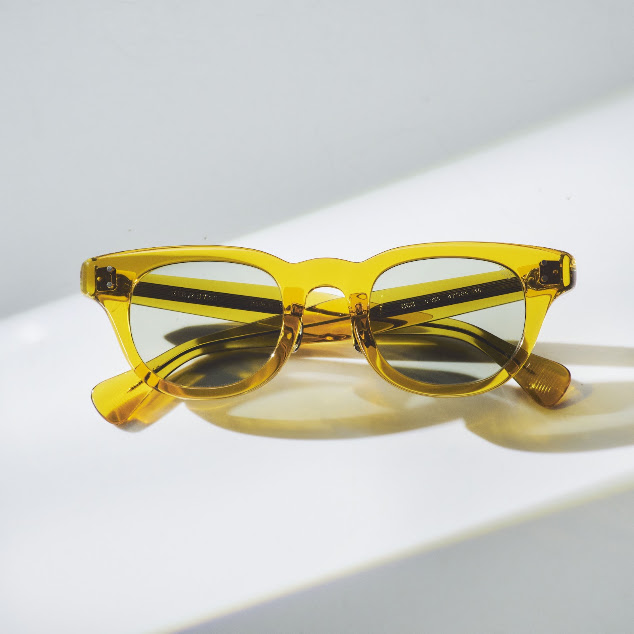
DOWNTOWN Tsukishima is a curated eyewear shop focused on high-quality glasses, featuring top brands from Japan and abroad, with about 80% of the products from Fukui Prefecture. Notable brands include "MATSUDA," known for its avant-garde designs and craftsmanship from Sabae, favored by Hollywood stars, such as the pair worn by Robert Downey Jr. in "Iron Man 3"; the French brand "Tarian," recognized for its bold creativity and exquisite craftsmanship; and "YUICHI TOYAMA," which combines originality with everyday practicality. The shop also offers high-quality corrective glasses designed for children, ensuring young customers can find stylish and functional options. From classic to avant-garde, each pair of glasses is carefully selected by the owner to help customers discover their unique style.
Store Introduction
DOWNTOWN, located in Tsukishima, Tokyo, is an eyewear boutique co-founded by two friends from Fukui Prefecture, Takashi Hara and Yusuke Nakayama, which opened on May 24, 2020. The store is situated in Tsukishima, an area that blends traditional charm with modern vibes, deliberately avoiding the competitive environments of Shibuya or Aoyama to create a distinctive shopping space. The atmosphere is relaxed and refined, featuring vintage records of Showa-era songs or jazz music, with a large full-length mirror in the center for customers to appreciate the pairing of glasses with their overall outfits. Takashi Hara has marketing experience with the "MATSUDA" brand and excels in selecting high-sensitivity designs; Yusuke Nakayama has accumulated ten years of professional experience at the well-known eyewear store "GlobeSpecs," specializing in vision correction and eyewear adjustment techniques. With the philosophy of "making glasses a tool for exploring a new self," they aim to convey the fashion appeal and practical value of eyewear, ensuring that both fashion enthusiasts seeking personalized styles and customers needing professional correction can find satisfying options here. The store actively participates in local events in Tsukishima, such as flea markets and bean-throwing festivals, integrating into the community and becoming a new landmark of interest.
Tsukishima Kyuei
月島久栄
Click for Navigation
Google Maps
Apple Maps
Copy address
🕖10:00 AM - 10:00 PM
Popular Pineapple Bun
Intro
▼
Tsukishima Kyu-ei
Item
Details
Address
1-21-3 Tsukishima, Chuo City, Tokyo
Business Hours
10:00 AM - 10:00 PM (may change, please confirm before visiting)
Closed: Irregular holidays
Product Features
Tsukishima Kyu-ei is famous for its signature "Melon Bread," with a crispy outer layer and a soft, fluffy interior that exudes a rich buttery aroma. Priced around 180 to 200 yen, it's an affordable option for souvenirs or snacks. In addition to the classic melon bread, the shop offers various creative items, such as apple pie (about 260 yen), chocolate pie, blueberry pie, and "Hailasukuroiyaru" (melon bread crisps) made from melon bread dough, providing a unique taste that lingers. The shop insists on using no fragrances or colorings, making it suitable for all ages, especially popular among local families and tourists.
Store Introduction
Located in the Nishinaka shopping street of Tsukishima, commonly known as "Monja Street," Tsukishima Kyu-ei has become a popular bakery since its opening in 2008. The store is just a 3 to 5-minute walk from the bustling Tsukishima Station, making it easily accessible and attracting many tourists and locals. The shop keeps its ovens running to ensure that every melon bread is freshly baked, with an irresistible aroma that even passersby find hard to resist. Outside, there are cute benches for customers to enjoy their warm melon bread right away, adding a little joy to their journey. The store also plays the "Melon Bread Song," a catchy tune that leaves a lasting impression and adds fun to the shopping experience. Tsukishima Kyu-ei is not only a dessert stop for monja lovers but also one of the best places to experience the charm of Tokyo's downtown.
🎬 月島久栄 Video
Tsukishima Monja Moheji - Grand Main Store
月島もんじゃ もへじ 総本店
Click for Navigation
Google Maps
Apple Maps
Copy address
🕖10:00~22:00
Intro
▼
Tsukishima Monja Moheji Main Store
Item
Details
Address
3-16-9 Tsukishima, Chuo City, Tokyo, 1F Rino Style Tsukishima
Business Hours
Weekdays 10:45 AM - 3:00 PM / 5:00 PM - 11:00 PM (Last order 10:00 PM, last drink order 10:30 PM) Weekends and holidays 10:30 AM - 11:00 PM (Last order 10:00 PM, last drink order 10:30 PM)
Tabelog Rating: 3.55 (as of August 15, 2025)
Restaurant Features
Introduction
Located on the famous "Monja Street" in Tsukishima, "Tsukishima Monja Moheji Main Store" is one of the most representative seafood monjayaki restaurants in the area, known for its fresh ingredients and rich dashi. The restaurant is directly operated by Tsukiji Fish Market, which has been in business for 146 years, selecting fresh seafood daily from Tsukiji and Toyosu markets to create mouthwatering monjayaki and teppanyaki dishes. The signature dish "Mentaiko Mochi Cheese Monja" features a base of dashi made from eight types of seafood, combined with generous portions of mentaiko, chewy mochi, and rich cheese, offering a delightful and complex taste. Additionally, the restaurant provides professional staff to grill the dishes, allowing first-time monjayaki diners to easily enjoy the flavors. The atmosphere blends traditional Japanese style with modern design, making it spacious and comfortable, perfect for family gatherings, casual drinks with friends, or romantic dates. Besides monjayaki, the restaurant's teppanyaki dishes like "Seafood Garlic Rice" and seasonal seafood offerings are also highly praised, best enjoyed with beer or specialty drinks, perfectly embodying Tokyo's downtown dining culture.
🎬 月島もんじゃ もへじ 総本店 Video
Sumiyoshi Shrine
住吉神社
Click for Navigation
Google Maps
Apple Maps
Copy address
🕖24H
Intro
▼
Tsukishima Sumiyoshi Shrine
Item
Details
Location
1-1-14 Tsukuda, Chuo City, Tokyo
Hours
08:00~16:30 (Office hours; worship open all day)
Attraction Overview
Located in Tsukuda Island, Chuo City, Tokyo, Sumiyoshi Shrine is the guardian shrine for areas like Tsukishima, Kachidoki, Toyomi, and Harumi, known for its deities of maritime safety and navigation. It is about a 5-minute walk from Tsukishima Station on the Tokyo Metro Yurakucho Line or Toei Oedo Line, making it easily accessible and attracting many worshippers and visitors. The shrine sits by the Sumida River, with its red torii gate standing prominently by the riverside, contrasting with the surrounding traditional townscape and modern skyscrapers, showcasing Tokyo's unique blend of old and new. The shrine features not only a historic main hall but also designated cultural properties, such as ceramic plaques and water basins, offering a rich historical atmosphere. Additionally, the annual festival held on August 6-7, along with the triennial grand festival featuring a rare octagonal portable shrine procession, draws large crowds eager to experience traditional downtown Tokyo festivities. The shrine also offers a unique charm called "Minasekin," believed to bring good fortune, which is popular among worshippers.
Historical Background
Sumiyoshi Shrine was established in 1646 (the third year of the Shoho era), originating from fishermen in Tsukuda Village, Osaka (now Nishiyodogawa Ward, Osaka City), who moved to Edo with Tokugawa Ieyasu. They brought a spirit from the Sumiyoshi Shrine in Settsu Province (now Tanino Shrine) to this location. According to legend, during the Tensho period (1573-1592), when Tokugawa Ieyasu visited the Sumiyoshi Shrine in Kyoto, local fishermen assisted him in crossing the river with their fishing boats and later provided military ships and fish supplies during the Siege of Osaka, establishing a deep connection. In 1590, after Ieyasu took control of Edo, 33 fishermen from Tsukuda Village moved to Edo with the priest Hiraoka Kondo Yoshitsugu, and in the second year of Shoho (1645), they were granted land across from Teppozu by the shogunate, cultivating it into Tsukuda Island, and the following year, they established Sumiyoshi Shrine to enshrine the three Sumiyoshi deities (Tachibanakanomikoto, Nakakanomikoto, and Okikanomikoto), Empress Jingu, and the spirit of Tokugawa Ieyasu. As the guardian deity of the entrance to Edo port, Sumiyoshi Shrine is highly revered by the shipping industry and wholesale associations, becoming an important symbol of downtown culture.
Cultural Significance
Sumiyoshi Shrine is not only a guardian of maritime safety but also a reflection of downtown Tokyo culture. Tsukuda Island, having escaped the devastation of the Great Kanto Earthquake and the Tokyo air raids, retains the narrow alleys and rich downtown atmosphere of the Edo period, complementing the shrine's historical ambiance. The three Sumiyoshi deities enshrined here originate from Japanese mythology; according to the "Nihon Shoki," these deities were born when Izanagi no Mikoto purified himself, symbolizing protection of the sea and navigation, closely tied to Tsukuda Island's fishing traditions. Additionally, as the Benzaiten shrine in the downtown Tokyo pilgrimage of the Eight Lucky Gods, it adds religious and cultural significance. The octagonal portable shrine (designated tangible cultural property of Chuo City) mimics the Emperor's high seat, showcasing exquisite craftsmanship and reverence for the imperial family from the Edo period. The triennial grand festival procession, accompanied by lion heads and large banners, is lively and reflects the unity of the downtown residents and their commitment to tradition. Sumiyoshi Shrine is not only a center of faith but also a cultural landmark connecting the past with the present, and tradition with modernity.
🎬 住吉神社 Video
Ishikawajima Lighthouse Ruins
石川島燈台跡
Click for Navigation
Google Maps
Apple Maps
Copy address
🕖24H
Intro
▼
Ikawajima Lighthouse Ruins
Item
Details
Location
1-11-4 Tsukuda, Chuo City, Tokyo (inside Tsukuda Park)
Hours
Open all day
Attraction Overview
The Ikawajima Lighthouse Ruins, located in Tsukuda Park, Tokyo, is a site rich in historical charm. This lighthouse is not an operational beacon but a monument restored in 1989 to commemorate the Ikawajima Lighthouse built in the late Edo period (Keio 2, 1866). The lighthouse features a classic hexagonal two-story design, with public restrooms at the base, complementing the surrounding Sumida River waterfront scenery. Tsukuda Park is shaded by trees, and in spring, cherry blossoms bloom, attracting visitors for walks, flower viewing, or enjoying the tranquil atmosphere of Tokyo's waterfront. Next to the lighthouse, there are ukiyo-e reliefs showcasing the charm of Tsukudajima during the Edo period, allowing visitors to feel as if they have traveled back in time to experience old Tokyo. Whether strolling along the Sumida River terrace or tasting the local specialty "monjayaki" in nearby Tsukishima, the Ikawajima Lighthouse Ruins is an excellent spot to explore the blend of Tokyo's history and modernity.
Historical Background
The Ikawajima Lighthouse was originally built in Keio 2 (1866) under the supervision of Shimizu Junki, the head of the Tsukudajima workhouse. This hexagonal two-story lantern was designed to guide vessels navigating the mouth of the Sumida River and the waters off Shinagawa, ensuring safe passage. The construction funds came from the oil pressing profits of the workhouse, and it was built by light offenders or homeless individuals, reflecting the humanitarian reform spirit of the time. The workhouse, established in the Edo period (1790) by the shogunate official Matsudaira Sadanobu, aimed to house the homeless and light offenders, assisting their rehabilitation and reintegration into society through vocational training and labor (such as oil pressing, woodworking, and sewing), serving as a prototype for modern prisons. The construction of the Ikawajima Lighthouse was not only a practical innovation but also embodied the social reform ideals of the workhouse. Although the current lighthouse ruins are a restoration, the surrounding stone walls (some made from Izu stone used in Edo Castle construction) and explanatory panels still tell the story of this historical transformation.
Cultural Significance
The Ikawajima Lighthouse Ruins are not only a landmark on Tokyo's waterfront but also a symbol of social reform during the Edo period. The establishment of the workhouse reflects the shogunate's progressive thinking in addressing homelessness and light offenses in a humane manner, which was quite rare in East Asian society at the time. The construction process of the lighthouse showcased the combination of labor and rehabilitation, as the individuals in the workhouse contributed to society (such as building the lighthouse and participating in the reclamation project at Yokosuka Iron Works) while gaining opportunities for self-sufficiency through skill learning. Additionally, Tsukudajima and the surrounding Sumida River have been vital areas for fishing and shipping since the Edo period, fostering a unique tsukudani culture and fishing village atmosphere. Today, the Ikawajima Lighthouse Ruins, along with the cherry blossoms in Tsukuda Park, Sumiyoshi Shrine, and the monjayaki district in Tsukishima, form a cultural landscape in Chuo City, attracting visitors to experience Tokyo's diverse charm amidst modern skyscrapers and historical sites. This lighthouse ruins remind us of how history quietly narrates itself in the corners of the city, inspiring reflection on the connections between the past and the future.
🎬 石川島燈台跡 Video
Ishikawajima Park
石川島公園
Click for Navigation
Google Maps
Apple Maps
Copy address
🕖24H
Flower Viewing Spot
Intro
▼
Ikegami Park
Item
Details
Location
2-1-5 Tsukuda, Chuo City, Tokyo
Hours
00:00–23:59 (Open all day, some facilities may have restrictions)
Overview
Ikegami Park, located in Tsukuda, Chuo City, is a long urban park stretching along the Sumida River and Harumi Canal, covering approximately 3.3 hectares. The park extends from Chuo Bridge to Aioi Bridge, featuring a unique L-shaped design with upper and lower sections. The lower section has a waterfront promenade, allowing visitors to experience the shimmering water and gentle breeze, resembling a mini cruise in the city. The "Paris Square" within the park, paved with granite, exudes a European charm, contrasting with the surrounding modern high-rise buildings of "Okawabata River City 21." In spring, cherry blossom trees bloom, creating a pink flower corridor that attracts countless visitors for flower viewing and strolls. Additionally, the park offers views of Tokyo Skytree and Eitai Bridge, providing a refreshing sight during the day and a stunning night view illuminated by bridge lights. This place is perfect for walking, jogging, or picnicking, and serves as a tranquil escape from the urban hustle.
Historical Background
The Tsukuda area where Ikegami Park is located has a history dating back to the Edo period. At that time, Tsukuda and Ikegami were two separate islands, which later merged due to land reclamation. In the mid-Edo period, there was a "Hitoashi Yado" here, serving as a training facility for social reintegration, helping residents return to society. During the late Edo period, Ikegami became a cradle of modern industry in Japan, establishing the Ikegami Shipyard in the 1860s, which later developed into Ishikawajima-Harima Heavy Industries (now IHI), the birthplace of Japan's first privately-owned Western-style shipyard. The park opened in April 1990, repurposed from the old shipyard site, and won the Minister of Land, Infrastructure, Transport and Tourism Award in the landscaping category of the "Heisei 12 Urban Park Competition" in 2000, recognizing its outstanding achievements in waterfront design and landscape planning. Today, the area surrounding the park has transformed into a modern residential and commercial district, yet it retains a strong historical ambiance.
Cultural Significance
Ikegami Park is not only a blend of nature and urban life but also carries the cultural memory and modern changes of Tokyo's downtown. The Tsukuda area is known for preserving the fishing village charm of the Edo period, complementing the "Monjayaki" culture of Tsukishima, attracting visitors to explore the beauty of traditional and modern Tokyo. The "Paris Square" in the park symbolizes the friendly relationship between the Sumida River and France's Seine River, reflecting Tokyo's cultural inclusivity as an international city. Every spring during cherry blossom season, the park becomes a shared flower viewing spot for locals and tourists, with scenes of people strolling under the cherry trees encapsulating Japan's traditional "Hanami" culture. Furthermore, the park's waterfront design allows people to connect with the Sumida River, evoking historical ties to Tokyo as a water city while providing a space for reflection on industrial heritage and coexistence with nature. Whether walking along the promenade or sitting quietly in Paris Square, visitors can feel the unique cultural context and rhythm of life in Tokyo.
🎬 石川島公園 Video
Tsukishima Station
月島駅
Click for Navigation
Google Maps
Apple Maps
Copy address
Intro
▼
築地、月島散策動線參考
Loading map…
📍The next stop after Tsukishima is Toyosu — you can plan to have lunch at Tsukiji or Tsukishima before heading to Toyosu TeamLab, or go to Ariake and Odaiba to shop and watch the sunset