【2026 Tokyo】Asakusa, Kappabashi, and Kuramae attractions map | Kaminarimon and prop town walking guide

118 views
Article directory

Tokyo Asakusa, Kappabashi, and Kuramae In-depth Travel and Walking Guide

Asakusa is known as the representative of Tokyo’s “shitamachi” (old Tokyo). Asakusa, Kappabashi and Kuramae are all in Taito District, with different walking styles and atmospheres: Asakusa is dominated by the scenery of Sensoji Temple, Nakamise and Sumida River; Kappabashi is suitable for finding kitchen utensils, tableware and food models; Kuramae retains the rhythm of a warehouse district, with coffee shops, groceries and craft stores where you can browse slowly. This article mainly focuses on the tourist attraction maps of Asakusa, Kappabashi, and Kuramae, and organizes the places worth stopping in each area and the key transportation points.

⛩️ Asakusa area: Edo style and Kaminarimon check-in

AsakusaIt is the most representative Shitamachi tourist area in Tokyo.从雷门、仲见世到浅草寺,短短一段参道就能感受到寺町与商店街交织的热闹;想看隅田川与东京晴空塔®,可再往吾妻桥一带散步。

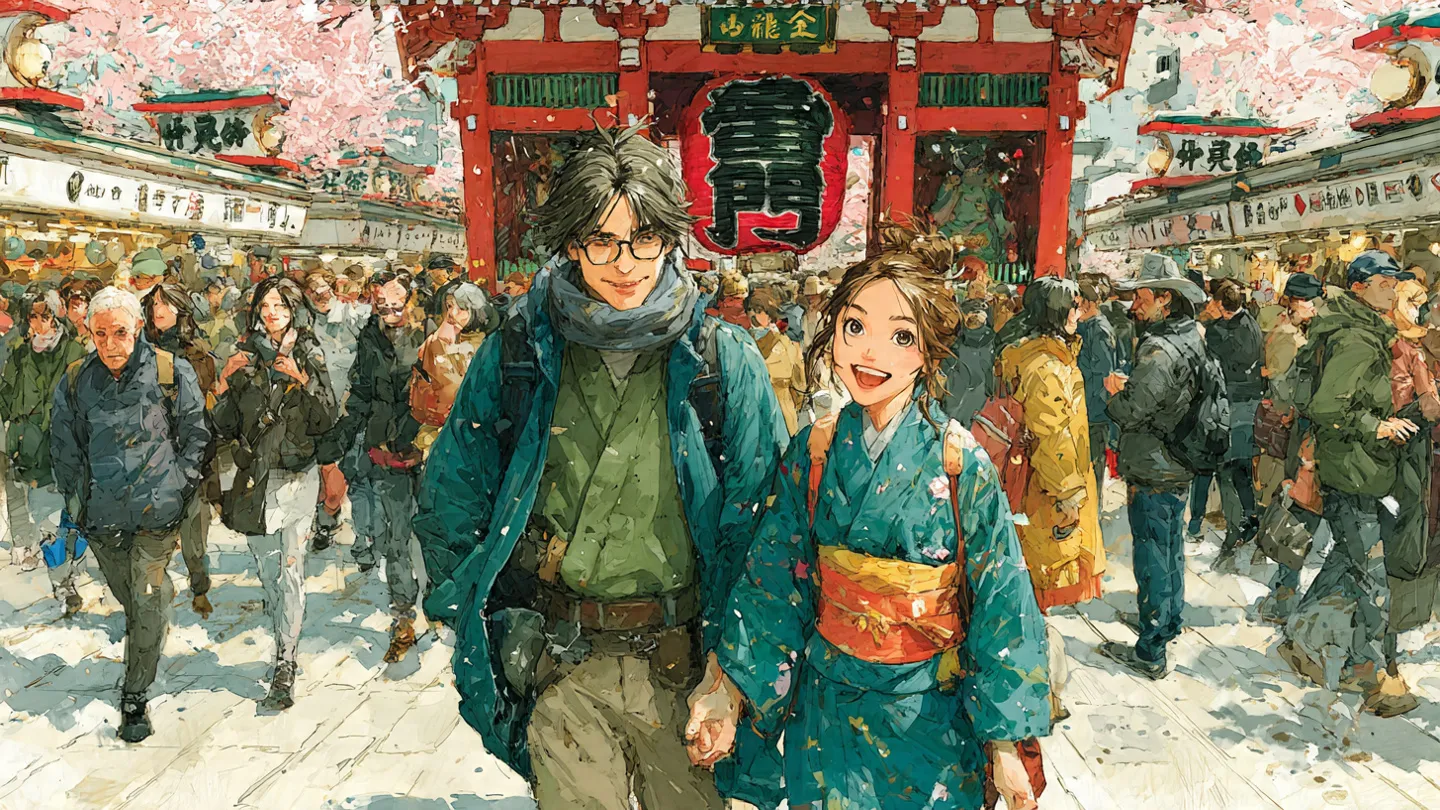
  • Kaminarimon: Asakusa’s iconic landmark, the huge red lantern and the carvings on the bottom are worth looking up and taking a closer look at.

  • Nakamise Shopping Street: On the shrine connecting Kaminarimon Gate and Sensoji Temple’s Treasure Gate, you can find Ningyo-yaki, senbei, remi confectionery and traditional souvenirs.

  • Sensoji Temple: One of the oldest temples in Tokyo, incense is flourishing in front of the main hall; after visiting, you can continue walking to Denjubu-dori, Asakusa Six Wards or Oku-Asakusa.

water bus: From the Asakusa ferry terminal near Azuma Bridge, you can take the TOKYO CRUISE to Hinode Pier, Hamarikyu or Odaiba Seaside Park; the boat type, fare and frequency vary depending on the route.

🍴 Heyuqiao Props Street: Catering kitchenware and food models

Kappabashi Props StreetLocated between Asakusa and Ueno, it has gradually developed from a tool dealer and antiquities dealer in the Taisho period to a gathering place for utensils for the catering industry. Nowadays, in addition to pots, buns, tableware, baking tools and packaging supplies, you can also find food models, lanterns, curtains and other shops; even non-catering operators can buy them.

  • xinmeiyang food shop: The large chef statue on the roof is very eye-catching, and the store mainly sells tableware and catering supplies.

  • Kamasa Store: Famous for professional kitchen utensils such as pots and pans.

  • Purchase reminder: The business days of each store are different. Most stores are open on Saturdays, but about 70% of stores are closed on Sundays and national holidays. When targeting a specific store, check the business information first.

🎨 Kuramae area: Brooklyn in Tokyo

Kuramae(Kuramae) used to be a gathering place for rice warehouses, warehouses and wholesale industries. In recent years, design studios, coffee shops, leather goods and lifestyle groceries have moved in, so it is often called “Tokyo’s Brooklyn”. The distance between the blocks is not large, so it is suitable to walk all the way from Asakusa or Khapabashi. Please pay attention to the holidays and business hours of each store before entering the store.

The place name Asakusa comes from the fact that the grass in this area is not dense in the Musashino area, which was originally dense with vegetation, hence the name. In other words, the grass here is relatively “shallow”, hence the name “Asakusa”. Due to its proximity to the Sumida River, this area was originally a low wetland. In addition, there are other sayings, such as “Atsuakusa” derived from the Ainu language, which means “across the ocean” and

And “Asha-Kusha” originated from Tibetan, which means “the seat of the saint”. The Sensoji Temple here is one of the most famous temples in Tokyo, attracting countless believers and tourists every year. Whether you are admiring the spectacular Kaminarimon Gate or strolling through the alleys around the temple, you can feel the strong historical atmosphere.

The place name “Asakusa” appears for the first time in authentic historical materials, in the history book “Azuma Mirror” compiled during the Kamakura period. “Azuma Mirror” is an official record of the Kamakura shogunate. It records that the Minamoto Dynasty, which had a deep belief in the Kannon Bodhisattva, prayed for victory in the war at Sensoji Temple when they entered the Musashi Kingdom from Shimoso (now northern Chiba Prefecture and southern Ibaraki Prefecture) in the fourth year of the rule (1180). Later, in the 5th year of the Bunji period (1189), when the Fujiwara clan of Hiraizumi, Oshu (now Hiraizumi Town, Iwate Prefecture) was conquered, Ritomo also placed his prayers for victory on Sensoji Temple and donated about 35.7 hectares of farmland to the temple.

As the warriors of the Genpei War went westward, they experienced a tour of the thirty-three Guanyin temples in the Western Kingdom, deepening their faith. This became an opportunity to establish the Sanjusan Kannon Temple in the Bando area in the early Kamakura period. Among them, Sensoji Temple became the 13th temple and the only temple in Tokyo, and it still welcomes many pilgrims.

Zozen is famous for its crafts and design studios, making it a paradise for young people and creative lovers. Here, you can visit various handicraft workshops, experience traditional techniques first-hand, and buy unique souvenirs. Although the streets of Zoumae are quiet, they are full of artistic and creative atmosphere. Walking there makes people feel extremely comfortable.

▼Tokyo Subway Interactive Map▼

Loading map…
  • Tokyo Metro Ginza Line: Get off at “Asakusa Station” and walk from Exit 1 to Kaminarimon Gate for about 1 minute. Sensoji Temple and Nakamise are also within walking distance.

  • Toei Subway Asakusa Line: Get off at “Asakusa Station”, take Exit A4 to Kaminarimon and walk for about 2 minutes; when departing from Haneda Airport, please pay attention to the Keikyu/Toei Asakusa Line bound for Asakusa.

  • Tobu Skytree Line (Tobu Isesaki Line): Get off at “Asakusa Station”, suitable for coming from the direction of Tokyo Skytree, Kitasenju or Saitama.

  • Tsukuba Express: Get off at “Asakusa Station”, which is closer to Kappabashi Toido Street and Asakusa Six Wards; when going to Kaminarimon, Nakamise and Sensoji Temple, Asakusa Station on the Ginza Line, Toei Asakusa Line and Tobu Line is closer.

  • From Tokyo Station: You can first take the JR Yamanote Line or Keihin Tohoku Line to Ueno Station, and then transfer to the Tokyo Metro Ginza Line to Asakusa Station. It is suitable for travelers staying around Tokyo Station, Ginza or Ueno.

  • From Haneda Airport: Take the Keikyu Line/Toei Asakusa Line towards Asakusa; some flights are direct, and some require a transfer at Sengakuji Temple.

  • From Narita Airport: You can take the Keisei Access Express directly to Asakusa, or take the Skyliner to Ueno and then transfer to the Ginza Line; the former saves one transfer, and the latter is faster to the Ueno area.

A must-have transportation card for your trip
One-day to three-day subway pass
Kanto area 5-day pass

Asakusa, Kappabashi, and Kuramae attractions map

Attractions sticky note arrangement moving line

You can open the map first, and then check the location, business hours and visit highlights by referring to the sticky notes below.

Orange block: Sensoji areaPurple block: Sumida ParkYellow block: west side of Sensoji TempleGreen area: Kawabashi Props StreetBlue block: Kuramae area

Loading map…
淺草散步路線
Loading map…

Asakusa-Zamae Attractions and Food Post-it Notes

a Sensoji Temple area

▼Near Asakusa Station▼

There are many kimono rental shops around Asakusa Station; if you have made a reservation, you can arrange your stay based on the store’s location and return time.

Showing: All(10)

Edo Kimono Workshop Miyabi Asakusa Station Branch

江戸和装工房 雅 浅草駅前店

江戸和装工房 雅 浅草駅前店 Culture

Intro

Tickets

Oimoyasan Koushin

おいもやさん興伸

おいもやさん興伸 Dessert

Intro

Kameju

亀十

亀十 Dessert

🕖10:00~20:00

Intro

Kimono Rental VASARA Sensoji Branch

着物レンタルVASARA 浅草寺店

着物レンタルVASARA 浅草寺店 Culture

Intro

Tickets

Rickshaw Asakusa Sightseeing Tokyo Rickshaw

人力車 浅草観光 東京力車

人力車 浅草観光 東京力車 Sight

Intro

Tickets

Tokiwado Kaminari Okoshi Main Shop

常盤堂雷おこし本舗

常盤堂雷おこし本舗 Sight

Intro

Namiki Yabu Soba

並木藪蕎麦

並木藪蕎麦 Sight

🕖11:00~19:30

Intro

Unagi Irokawa

うなぎ 色川

うなぎ 色川 Sight

🕖11:30~14:00

Intro

Steak Tomii

ステーキ とみい

ステーキ とみい Japanese

🕖17:00~22:00

Intro

Chuka Soba Billiken

中華ソバ ビリケン

中華ソバ ビリケン Ramen

🕖11:00 AM - 3:00 PM


🕖5:30 PM - 9:00 PM

Top Ramen Shops

Intro

Tokyo hot spring ticket package, price comparison for three companies not including tax
Klook.com
klook
Klook.com
klook
Klook.com
klook
Klook.com
klook
Klook.com
klook
Klook.com
klook

▼Nakamise Shopping Street▼

🏮Get to know Nakamise Shopping Street 🛍️

Nakamise Shopping StreetIt is one of the oldest and most representative tourist shopping streets in Tokyo. it is locatedKaminarimonandSensoji Temple Treasure GateIn between is the busiest section of the approach to Sensoji Temple.

⛩️ Reason and history: from sweeper to prosperous market

The history of Nakamise Shopping Street can be traced back to the Edo period. Its establishment and development are entirely centered aroundSensoji TempleBorn:

  • Origins of sweeper privilege (17th century): Sensoji Temple is the main religious center in Edo (now Tokyo). Initially, residents living around the temple were entrusted with the responsibilityCleaning and maintenance of Sensoji TempleWork. In return, the Tokugawa shogunate granted them access to the temple approachSetting up a stall to do businessprivileges.

  • The earliest licensed commercial zone: This shrine was later officially approved as a shopping street. This is the origin of the name “Zhong Jian Shi” – “Zhong” means the middle, that is,Between the temple and the mountain gate“Jianse” (store).

  • The intersection of culture and business: In the Edo period, the main products sold here wereTemple-related souvenirs, incense, and offerings, and some daily necessities. Over time, Nakamise gradually developed into a prosperous market that showcases Edo customs and is full of human touch.

  • Modern reconstruction and prosperity: Although Nakamise has been damaged by fires and earthquakes many times, it has been rebuilt and restored. The shopping street buildings you see today are reinforced concrete structures rebuilt during the Taisho period (around the early 20th century). They retain the appearance of traditional machiya, but are sturdier and more durable inside.

🍡 Tourism highlights and shopping features

The total length of Nakamise Shopping Street is approximately250 meters,have87 stores, is an excellent place to experience the traditional Japanese shopping atmosphere:

  1. Traditional snacks and desserts 😋:

    • Ningyo-yaki: The most representative Asakusa snack, filled with red bean paste and available in various shapes, making it an excellent souvenir.

    • Kaminari Okoshi: A traditional crispy rice cake dessert with various flavors and very popular among tourists.

    • Freshly grilled senbei (Senbei): Hot rice crackers filled with the aroma of soy sauce are a classic Japanese snack that can be eaten on the go.

  2. Traditional crafts and souvenirs 🎁:

    • Selling a variety ofJapanese gadgets, such as folding fans, geta, hair accessories, yukata, and various souvenirs with the words “Thundermon” or “Asakusa” printed on them.

    • You can find many uniquehandmade crafts, showing the exquisite skills of Japanese craftsmen.

  3. Unique architectural design 🖼️:

    • The store facades on both sides of the shopping street adopt a uniformVermilion red and wood grain appearance, retaining the style of the Edo period.

    • After the store closes, the rolling iron door is painted withUkiyo-ePatterns will also become another focus of appreciation.

Showing: All(15)

Kaminarimon (Thunder Gate)

雷門

雷門 Temple

Intro

Yukikage - Asakusa Main Store

ゆきかげ 浅草本店

ゆきかげ 浅草本店 Ramen

🕖11:00~15:00
🕖17:00~23:30

Intro

Asakusa Kibidango Azuma

浅草きびだんご あづま

浅草きびだんご あづま Dessert

Intro

Sakai Kogodo

酒井好古堂

酒井好古堂 Souvenir

Intro

Bunsendo

文扇堂

文扇堂 Souvenir

Intro

Kikusuido

菊水堂

菊水堂 Dessert

Intro

Asakusa mille mele

浅草 mille mele

浅草 mille mele Dessert

Intro

Masaru

まさる

まさる Japanese

Intro

Rickshaw Ebisuya Asakusa Branch

人力車 えびす屋浅草店

人力車 えびす屋浅草店 Sight

Intro

Tickets

Asakusa Lantern Monaka

浅草ちょうちんもなか

浅草ちょうちんもなか Dessert

Intro

Asakusa Mangando

浅草満願堂

浅草満願堂 Dessert

Intro

Dyed Hand Towel Fujiya

染絵てぬぐい ふじ屋

染絵てぬぐい ふじ屋 Souvenir

Intro

Asakusa Kokonoe

浅草九重

浅草九重 Dessert

Intro

Nakamise Sukeroku

仲見世 助六

仲見世 助六 Souvenir

Intro

Kimuraya Main Store

木村家本店

木村家本店 Dessert

Intro

▼Inside Sensoji Temple▼

🏮Understand the etiquette of visiting Japanese shrines 🛍️

The following is a summary of the common worship etiquette in Japanese shrines, which is applicable to shrines with torii gates, hand water houses and worship halls. Sensoji Temple is a Buddhist temple. When going to the main hall, you should place your palms together to pray; when reading, you can distinguish the etiquette according to the place you visit.

1. Etiquette of passing through the Torii ⛩️

ToriiIt is the dividing line between the human world and the divine realm, and represents the entrance to the divine realm.

  1. bow: Please stop for a moment before passing through the torii gate.Facing the center of the shrine, bow gently once, to express respect for the gods.

  2. Avoid going to the center: The center of the torii gate (called “center”) isA dedicated channel for gods. We should try to walk on the left and right sides as much as possible, and should not stay or stand in the middle for a long time.

2. Rules for walking on the shrine 🚶‍♀️

  • Like the torii gate,The center of the shrine is also the gateway to the gods.. Visitors should try to walk on both sides of the shrine path.

3. Purification Ceremony of Temizuya 💧

Before entering the worship hall, you must firstHand water house(a place with a pool and ladle) to purify the body and mind, representing the washing away of the filth of the world.

Correct “Seven Steps to Purify Your Heart”:

  1. Right hand holding ladle: Scoop a ladle of water.

  2. wash left hand: Pour water into the palm of your left hand for cleaning.

  3. wash right hand: Change the ladle handle to your left hand and pour water into the palm of your right hand for cleaning.

  4. clean mouth: Change to the right hand again to hold the ladle and pour the water into itleft hand palm, rinse your mouth with water from the palm of your left hand (do not drink water directly against the handle of the ladle).

  5. wash left hand again: Use the remaining water to wash your left hand again.

  6. Cleaning the ladle: Hold the ladle upright, let the remaining water flow down the handle, and rinse the handle.

  7. return to position: Put the ladle back to its original position with the opening facing down.

💡 Tips:Used from beginning to endsame ladle of waterComplete all steps.

4. The process of worshiping in front of the worship hall (Ohairi) 🛐

Come to worship the godsworship hallBefore entering, please follow the standard process of “two salutes, two claps, and one salute”:

  1. coin: Put the sesame oil money (saishan, さいせん) into the money box (usually¥5Coin, the Japanese pronunciation is similar to the homophony of marriage.

  2. rattle: If there is a bell (Honping bell) in front of the worship hall, ring it gently to inform the gods of your arrival.

  3. Second ceremony (bow)Bow deeply twice(90 degrees).

  4. Two clap hands (clap hands): Raise your hands to your chest and open your palms,clap twice(Align palms).

  5. Put your palms together and pray: Keep your hands together,Sincerely pray to God silentlyOr express gratitude.

  6. a bow (a bow):at last,Bow deeply again


5. Etiquette for leaving the divine realm 👋

  • bow again: When leaving the torii gate, rememberTurn back towards the shrine and bow again to thank you., thank the gods for their blessing, and then step out of the divine realm.

  • keep quiet: During the entire worship process, especially in the worship hall and hand water house, please keep quiet, avoid making loud noises, and respect other worshipers.

By mastering the above five steps, you can complete the ritual of visiting a Japanese shrine in the most correct and respectful way! I wish you a smooth journey and all your wishes come true! 😊


Asakusa, Kappabashi, and Kuramae FAQs

Q1: How long does it take to arrange for Asakusa, Kappabashi and Kuramae?

It will take about 2 to 3 hours to only see Kaminarimon Gate, Nakamise and Sensoji Temple; if you include Kappa Bridge or Kuramae, you can reserve half a day. If you take the water bus, rent a kimono, or shop carefully, it will be easier to arrange a whole day.

Q2: When does Sensoji Temple’s main hall open? Do I need a ticket to worship?

The main hall of Sensoji Temple is usually open from 6:00 to 17:00 from April to September, and from 6:30 to 17:00 from October to March. No tickets are required to visit the church within the territory; for other churches, rituals or special events, please refer to on-site announcements.

Q3: What is the best way to visit Nakamise Shopping Street?

Nakamise is about 250 meters from Kaminarimon Gate to Hohomon Gate and has a total of 87 stores. It takes about 10 minutes to pass alone; if you want to see the souvenirs, buy ningyoyaki or senbei and take photos, you can spend 45 to 60 minutes. Store opening hours vary. If you want to buy specific items, it is recommended to go during the day.

Q4: Is it worth going to Kappabashi Tool Street on Sunday? Can general travelers buy it?

You can go shopping, but there will be fewer store options. There are no unified public holidays in Kappabashi. Most stores are open on Saturdays, and about 70% of stores are closed on Sundays and national holidays. Almost all stores accept retail purchases from general tourists.

Q5: What kind of things are suitable for shopping in Kappabashi?

Bread cubes, pots, tableware, baking tools, catering packaging supplies and food models are all popular items. Knives, fragile tableware and large utensils must be carried in accordance with airline and baggage regulations; please ask the store staff to help confirm packaging and shipping options before purchasing.

Q6: How to choose the fare, voyage and ship type of TOKYO CRUISE departing from Asakusa?

A general boat ride from Asakusa to Hinode Pier costs about 1,000 yen one way for adults and takes about 40 minutes; it takes about 1,180 yen and takes about 35 minutes to Hamarikyu Palace. The fare includes the garden entrance fee. If you want to take the HOTALUNA designed by Leiji Matsumoto, it costs about 2,000 yen one way for adults and takes about 65 minutes to Odaiba Seaside Park. Flight schedules, ship types, and suspension conditions are subject to change. Please check the TOKYO CRUISE official timetable on the day of departure.

Q7: How much does a rickshaw cost in Asakusa?

Taking the Ebisuya in Asakusa as an example, the 12-minute ticket costs 4,000 yen for one person per car and 5,000 yen for two people per car; the 30-minute ticket costs 9,000 yen for one person per car and 10,000 yen for two people per car; and the 60-minute price is 16,000 yen and 20,000 yen respectively. Prices are per vehicle, and may be subject to additional charges if the language is specified or the pick-up location is specified.

Q8: What are the time and ticket prices for rakugo performances at Asakusa Performing Arts Hall?

Asakusa Performing Arts Hall’s general performance matinee performances are approximately 11:40-16:30, and the night performances are approximately 16:40-21:00; general admission for adults is 3,500 yen. There are usually night discounts after 18:00, about 2,500 yen for adults; special programs, times and prices may vary.

Showing: All(5)

Hozomon Gate

宝蔵門

宝蔵門 Temple

Intro

Mizusha (Water Stand)

お水舎

お水舎 Temple

Intro

Jokoro

常香炉

常香炉 Temple

Intro

Sensoji Temple

浅草寺

浅草寺 Temple

Intro

Asakusa Shrine

浅草神社

浅草神社 Temple

Intro

Klook.com

b Sumida Park⮕Imato Shrine

Showing: All(4)

Sumida Park

隅田公園

隅田公園 Sight

🕖24H

🌸 Spring Cherry Blossom Viewing

🎆 Summer Fireworks

Intro

Tokyo Cruise

TOKYO CRUISE

TOKYO CRUISE Sight

🕖First ferry around 10:00~
🕖Last ferry around 17:00~

Intro

Tickets

Chinzan-so Temple

待乳山聖天

待乳山聖天 Temple

Intro

Imado Shrine

今戸神社

今戸神社 Temple

🕖09:00~17:00

Origin of the Lucky Cat

Intro

Monument of the final place of Okita Suji

photo
imags
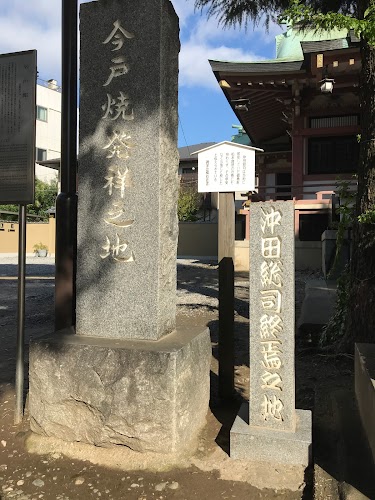
There is a monument to “Okita Soji’s final destination” inside Imado Shrine. After the Battle of Toba Fushimi, General Okita followed the shogunate army back to Edo. He was already suffering from severe lung disease. Therefore, Souji and other patients were placed at Matsumoto Yoshijun’s villa near Imado Shrine for recuperation.
Although there are three versions of his exact lifespan: 24, 25 or 27 years old, there is no doubt that he died young.
Unlike “Isamu Kondo” who left majestic photos and “Hijikata Tobizo” who had a graceful style and Western hairstyle, Okita Souji did not leave any photos during his lifetime, which makes people feel a little sad about the ending of this swordsman.

c West side of Sensoji Temple

Showing: All(6)

Asakusa Hanayashiki

浅草花やしき

浅草花やしき Sight

Intro

Tickets

Edo Taito Traditional Craft Museum

江戸たいとう伝統工芸館

江戸たいとう伝統工芸館 Souvenir

Intro

Hoppy Street

ホッピー通り

ホッピー通り Izakaya

Intro

Asakusa Yokocho

浅草横町

浅草横町 Izakaya

Intro

Sky Grill Buffet Musashi

スカイグリルブッフェ 武藏

スカイグリルブッフェ 武藏 Western

🕖11:30 AM - 3:00 PM

🕖5:00 PM - 9:00 PM

100m high-rise view

All-you-can-eat set menu

Intro

Reserve

Higashi Honganji Temple

東本願寺

東本願寺 Temple

Intro

d Kappabashi Tool Street area

Showing: All(4)

Kappabashi Tool Street

かっぱ橋道具街

かっぱ橋道具街 Souvenir

Intro

Niimi Western Tableware Store

ニイミ洋食器店

ニイミ洋食器店 Souvenir

Intro

Iidaya

飯田屋

飯田屋 Souvenir

Intro

Sato Sample

サトウサンプル

サトウサンプル Souvenir

Intro

Klook.com

e Kuramae area

Showing: All(10)

Houseboat Funayado Tsurushin Asakusa

屋形船 船宿釣新 浅草

屋形船 船宿釣新 浅草 Sight

Intro

Tickets

Kuramae Shrine

藏前神社

藏前神社 Temple

Intro

Asakusa Mikuramae Bookstore

浅草御蔵前書房

浅草御蔵前書房 Sight

Intro

MAITO - Kuramae Main Store

MAITO 蔵前本店

MAITO 蔵前本店 Souvenir

Intro

Kaika

家香

家香 Culture

Intro

Liberty Town

自由丁

自由丁 Sight

Intro

Kakimori

カキモリ

カキモリ Sight

Intro

Torikoe Shrine

鳥越神社

鳥越神社 Temple

Intro

Torikoe Side Dish Alley

鳥越おかず横丁

鳥越おかず横丁 Souvenir

Intro

Japan Stationery Museum

日本文具資料館

日本文具資料館 Culture

Intro

Leave a Comment

合作提案
部落格推廣
____________
協力提案
ブログプロモーション

goodxssss@gmail.com