

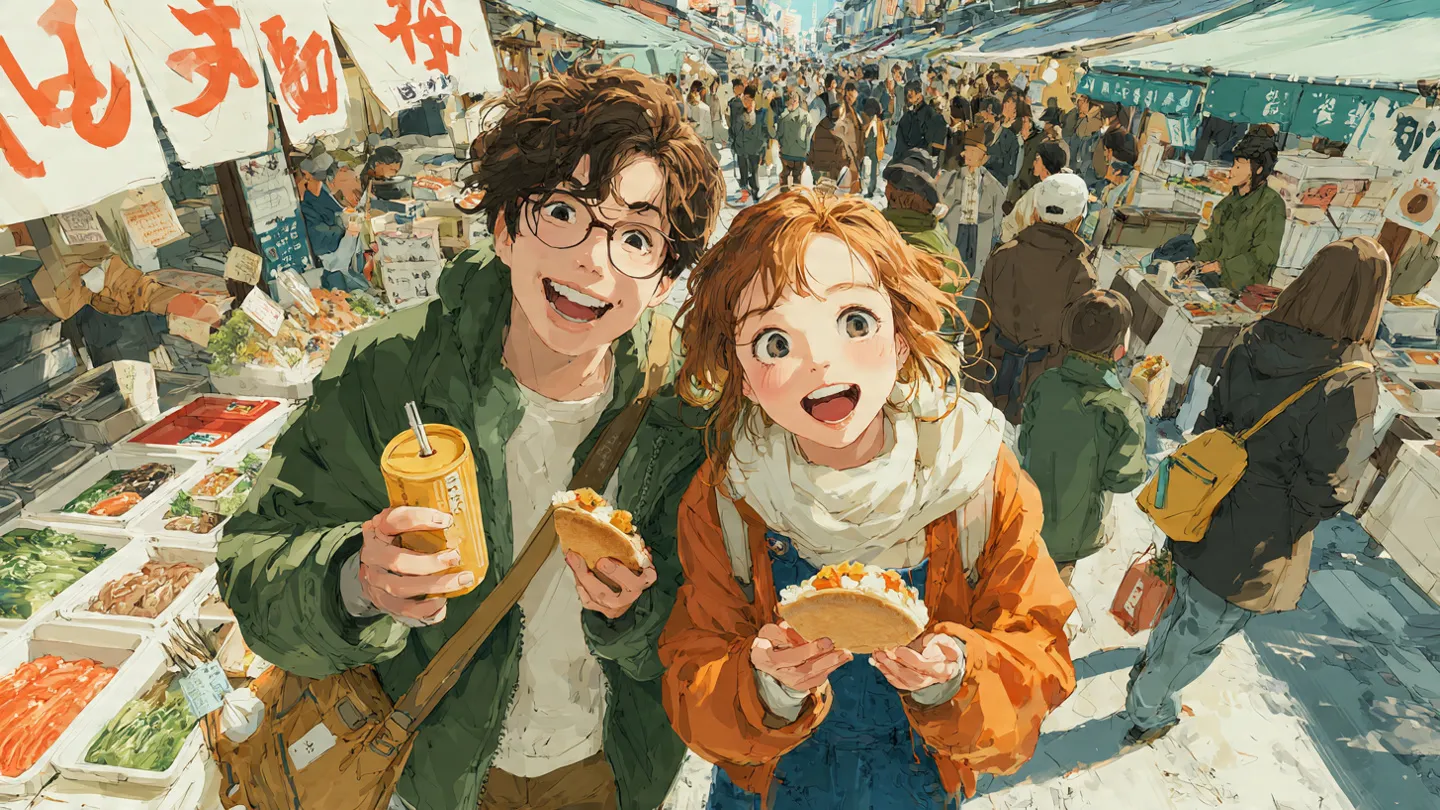
Yum.
Travel
ś


📝 Preface
Tsukiji → Tsukishima: From Seafood Mecca to Old-Town Vibes
Tsukiji: A Lively Food Paradise
Tsukiji’s best-known spot is the Outer Market. Although the original wholesale market moved to Toyosu, the Outer Market is still a lively food treasure trove where you can sample fresh seafood and all kinds of Japanese bites.
Tsukishima: The Monjayaki Neighborhood with Shitamachi Vibes
Walk from Tsukiji or take one subway stop and you’ll arrive in Tsukishima, a neighborhood that keeps Tokyo’s dense “shitamachi” (old-town) atmosphere. The most famous dish here is monjayaki (もんじゃ焼き).
Recommended plan:
Get to Tsukiji early to avoid the lunch crowds—more time to stroll and hunt for tasty finds.
Sashimi bowls & sushi: Countless shops serve ultra-fresh donburi and sushi. Sit down for a relaxed meal or grab a box to enjoy while walking.
Tamagoyaki: A Tsukiji classic. Many stalls make it fresh—sweet and savory, soft and fluffy. A can’t-miss treat.
All kinds of snacks: Beyond seafood you’ll find grilled scallops, giant prawns, skewers, strawberry daifuku and more—perfect for snacking on the go.
- Around noon, head from Tsukiji to Tsukishima. Find a shop on Monjayaki Street and try making and tasting monjayaki yourself.
- Tsukiji to Tsukishima is about a 15–20 minute walk, or just one subway stop.
Afterward, stroll along the Sumida River to enjoy the riverside views and distant skyscrapers.
🚝 Transport Guide

How to reach Tsukiji & Tsukishima?

How to get to Tsukiji
Heading to Tsukiji Outer Market, the easiest way is by subway. There are two nearby stations to choose from:
Toei Oedo Line: Get off at Tsukiji Shijo Station, exit A1 — about a 1-minute walk. This station is the closest to the Outer Market.
Tokyo Metro Hibiya Line: Get off at Tsukiji Station, exit 1 or 2 — about a 1-minute walk.
If you’re near Ginza or Yurakucho you can also walk — roughly 10 minutes to Tsukiji.
How to go from Tsukiji to Tsukishima
Tsukiji and Tsukishima are very close, so choose transport based on your energy and time.
Subway: From Tsukiji Station (Tokyo Metro Yurakucho Line) or Tsukiji Shijo Station (Toei Oedo Line), take the train to Tsukishima Station. It’s just a few minutes — super convenient.
Walk: If you want to feel the local vibe, walk from Tsukiji to Tsukishima. Enjoy Sumida River scenery and old-town charm. Walking takes about 15 to 20 minutes, great if you’ve got time and legs to spare.
How to reach Tsukishima
If you’re heading straight to Tsukishima, the main stop is Tsukishima Station.
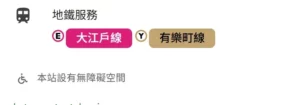
Tokyo Metro Yurakucho Line: Get off at Tsukishima Station.
Toei Oedo Line: Also get off at Tsukishima Station.
Tsukishima Station is where these two lines meet, so transfers are easy. After exiting, it’s a 1–5 minute walk to the famous Monjayaki Street (Tsukishima Nishinaka Shopping Street).
🛫 Common Japanese for Travelers
Tap the text below — it plays audio!
旅遊實用日文
你好 안녕하세요
Hello
不好意思 실례합니다
Excuse me
非常感謝你 감사합니다
Thank you very much
再見 안녕히 계세요
Goodbye
廁所在哪裡? 화장실이 어디에 있습니까?
Where is the toilet?
旅遊咨詢處在哪裡? 관광 안내소가 어디에 있습니까?
Where is the tourist information center?
有宣傳冊子嗎? 팸플릿이 있나요?
Do you have a brochure?
我可以拍照嗎? 사진을 찍어도 될까요?
May I take a photo?
可以幫我拍照嗎? 사진 좀 찍어주시겠어요?
Could you take a photo for me?
計程車站在哪裡? 택시 승강장이 어디에 있습니까?
Where is the taxi stand?
請去這裡 여기로 가주세요
Please go here
請展示這個 이것 좀 보여주세요
Please show this
我想去這裡。 여기에 가고 싶습니다.
I would like to go here.
我不會說日語 일본어를 할 줄 모릅니다
I don't speak Japanese
你會說英語嗎? 영어 할 줄 아세요?
Do you speak English?
請說慢一點。 좀 더 천천히 말씀해 주세요.
Please speak more slowly.
請再說一遍 다시 말씀해 주세요
Please say it again
有店員會說中文嗎? 직원은 중국어를 할 수 있나요?
Can the staff speak Chinese?
🎁 Shopping Phrases
Tap the text below — it plays audio!
購物實用日文
請給我這個。 이것 주세요.
Please give me this.
我想要這個,謝謝。 이것 부탁드립니다.
I would like this, please.
請給我菜單。 메뉴 주세요.
Please give me the menu.
您推薦什麼? 추천하는 건 무엇인가요?
What do you recommend?
有更便宜的東西嗎? 더 저렴한 것이 있나요?
Do you have anything cheaper?
這是日本製的嗎? 이것은 일본 제품입니까?
Is this made in Japan?
我想點餐。 주문하겠습니다.
I would like to place an order.
請結帳。 계산서 부탁드립니다.
Could I have the bill, please?
可以免稅嗎? 면세 가능한가요?
Is this tax-free?
多少錢? 얼마입니까?
How much is it?
我在哪裡付款? 어디에서 결제하나요?
Where do I pay?
可以用信用卡嗎? 신용카드 사용 가능한가요?
Can I use a credit card?
我要用現金付款。 현금으로 결제하겠습니다.
I'll pay in cash.
我用 Suica 付款。 스이카로 결제하겠습니다.
I'll pay with Suica.
我用卡付款。 카드로 결제하겠습니다.
I'll pay with a card.
可以分開包裝嗎? 따로 포장해 주실 수 있나요?
Can you wrap them separately?
請給我收據。 영수증 부탁드립니다.
Could I have a receipt, please?
👗 Clothing Store Japanese
Tap the text below — it plays audio!
服飾店實用日文
這個多少錢? 이거 얼마예요?
How much is this?
我可以試穿嗎? 이걸 입어봐도 될까요?
May I try this on?
有 S 號的嗎? S 사이즈 있어요?
Do you have this in size S?
有 M 號的嗎? M 사이즈 있어요?
Do you have this in size M?
有 L 號的嗎? L 사이즈 있어요?
Do you have this in size L?
有 XL 號的嗎? XL 사이즈 있어요?
Do you have this in size XL?
有再大一點的嗎? 좀 더 큰 사이즈 있어요?
Do you have a larger size?
有再小一點的嗎? 좀 더 작은 사이즈 있어요?
Do you have a smaller size?
這個尺寸合適。 사이즈가 맞아요.
The size fits.
不好意思,這個尺寸不合適。 죄송해요, 사이즈가 안 맞아요.
Sorry, the size doesn't fit.
我再想一想。 좀 더 생각해볼게요.
I'll think about it a bit more.
這個可以。 이거 괜찮아요.
This is fine.
我不用了,謝謝您。 괜찮습니다, 감사합니다
No, thank you though
我要這個。有全新的嗎? 이걸로 할게요. 새 제품 있어요?
I'll take this one. Do you have a new one?
可以再便宜一點嗎? 좀 더 싸게 할 수 있어요?
Can it be a little cheaper?
我想再看看其他的。 좀 더 다른 걸 봐볼래요.
I want to look at others a bit more.
跟我想像的不一樣,我不要了。 생각했던 거랑 달라서 패스할게요.
It's different from what I imagined, so I'll pass.
我要這個。 이걸로 할게요.
I'll take this.
🍴 Restaurant Japanese
Tap the text below — it plays audio!
打擾了 실례합니다
Excuse me
請給我菜單! 메뉴판을 주세요!
Can I have the menu, please?
我要點餐 할게요
I'd like to order.
我點這個 이거 주세요
I'll have this.
謝謝招待 감사합니다
Thank you for the hospitality.
請給我水 물 좀 주세요
Can I have some water, please?
這個要怎麼吃呢? 이거 어떻게 먹죠?
How do I eat this?
請給我一個小盤子 작은 접시 하나 주세요
Can I have a small plate, please?
可以幫我拍照嗎? 사진 좀 찍어 주실래요?
Could you take a photo for me, please?
麻煩幫我換烤網 구이망을 바꿔 주시겠어요?
Could you change the grill net for me, please?
麻煩結帳 계산서 주세요
Can I have the bill, please?
我在哪裡付款? 어디에서 결제하나요?
Where do I pay?
多少錢? 얼마입니까?
How much is it?
可以用信用卡嗎? 신용카드 사용 가능한가요?
Can I use a credit card?
我要用現金付款。 현금으로 결제하겠습니다.
I'll pay in cash.
請給我收據。 영수증 부탁드립니다.
Could I have a receipt, please?
☀️ Tokyo Weather & What to Wear
Tokyo: Seasons, Temperatures & What to Wear
Spring (Mar – May)
Average temperatures:
- March: 10°C (low ~5°C, high ~15°C)
- April: 15°C (low ~10°C, high ~20°C)
- May: 20°C (low ~15°C, high ~25°C)
What to wear:
- Early spring (March): A light sweater and a thin jacket or windbreaker; pair with long pants or a skirt.
- Mid-spring (April): A light jacket (denim or thin windbreaker) over a long-sleeve T or shirt.
- Late spring (May): A light long-sleeve or short-sleeve top paired with pants or a skirt.
Summer (June – August)
Average temperatures:
- June: 23°C (low ~20°C, high ~26°C)
- July: 27°C (low ~23°C, high ~31°C)
- August: 28°C (low ~24°C, high ~32°C)
What to wear:
- Early summer (June): light long sleeves or short sleeves; bring a lightweight jacket for rainy-season changes.
- High summer (July – August): T-shirts, shorts or skirts; watch the sun and carry a small umbrella—keep it light and cool.
Autumn (September – November)
Average temperatures:
- September: 23°C (low ~20°C, high ~27°C)
- October: 17°C (low ~13°C, high ~22°C)
- November: 12°C (low ~7°C, high ~17°C)
What to wear:
- Early autumn (September): long-sleeve shirts or light sweaters with a light jacket and trousers.
- Mid autumn (October): shirts and a jacket with pants or a skirt; mornings and evenings can be much cooler—dress in layers.
- Late autumn (November): thicker sweaters or jackets; wear warm pants or skirts.
Winter (December – February)
Average temperatures:
- December: 7°C (low ~3°C, high ~11°C)
- January: 5°C (low ~1°C, high ~9°C)
- February: 6°C (low ~2°C, high ~10°C)
What to wear:
- Early winter (December): thick sweaters and a warm coat like wool or a light down jacket.
- Deep winter (January – February): down jackets, sweaters, scarves and gloves; pair with warm long pants or add thermal leggings or tights.
🔥 Hot Tickets & Deals 🔥
💴 All the best Japanese department stores, cosmetics, and electronics deals — right here!!
Electronics + cosmetics + sundries

Bic Camera
(Discount vouchers are generally valid across Japan)

Yamada Denki
(Discount vouchers are generally valid across Japan)

EDION
Namba Main Store / Kyoto Shijo Kawaramachi / Akihabara Store

Don Quijote
(Discount vouchers are generally valid across Japan)

Matsumoto Kiyoshi
(Discount vouchers are generally valid across Japan)

COSMETICS AND MEDICAL (cosmetics)
Shin-Marunouchi Building / New Yurakucho Building / Otemachi FirstSquare / Otemachi Plaza / Kodemmacho / Higashi-Nihonbashi

COSMOS Cosmetics
(Discount vouchers are generally valid across Japan)

SUGI Pharmacy
(Discount vouchers are generally valid across Japan)

Daikoku Drugstore
(Discount vouchers are generally valid across Japan)

Tsuruha Drug
(Discount vouchers are generally valid across Japan)

Cocokara Fine Cosmetics
(Discount vouchers are generally valid across Japan)

Kokumin Cosmetics
(Discount vouchers are generally valid across Japan)

Hokkaido Drugstore “Satsudora”

Okinawa cosmetics chain “RYUSPA”
Department stores
Mitsui Outlet
Odaiba DiverCity
COREDO Muromachi
LaLaport
Lazona

Daimaru Matsuzakaya Department Stores
Umeda Store / Shinsaibashi Store / Tokyo Store / Matsuzakaya Ueno Store / Kyoto Store
Sapporo Store / Kobe Store / Shimonoseki Store / Matsuzakaya Nagoya Store / Matsuzakaya Shizuoka Store

Tobu Department Store Ikebukuro

Seibu Department Store
SOGO Department Store

Tokyo Rakuten Duty-Free Ginza
(GinzaNovo)

Odakyu Department Store Shinjuku
(Shinjuku West Exit)

Kintetsu Department Store
Osaka Abeno Harukas
Tax-free 10% + up to 5% extra discount

Keio Department Store Shinjuku
Tax-free 10% + up to 5% extra discount
Sports gear + apparel

JEANS MATE Clothing Store Coupon
Ikebukuro Store / Harajuku Takeshita Street Store / Kawasaki Store / Ofuna Store

Alpen Discount Coupon (sports goods)
(Discount vouchers are generally valid across Japan)
(Shinjuku store — Japan’s largest sports goods store)

L-Breath (sports goods)
(Discount vouchers are generally valid across Japan)

Victoria Golf (sports goods)
(Discount vouchers are generally valid across Japan)

Victoria (sports goods)
(Discount vouchers are generally valid across Japan)

Aoyama (The Suit Company)
Tax-free + extra 10% off coupon

Japanese luggage brand ACE
10% off coupon
🏷️Tsukiji - Tsukishima attraction tips🏷️
Attraction map
Attraction sticky-note route
We recommend opening the map on a computer to match the sticky notes and plan the route.
Orange blocks (Tsukiji area), blue blocks (Tsukishima area), green lines (Nishi-Nakadori shopping street)
🚶♂️ Tsukiji area 🚶🏻♀️
📍From Tsukiji Station to Ginza it’s about a 10-minute walk, so you can combine both into one day: morning at Tsukiji, afternoon in Ginza.
📍 Must-see highlights
Fresh seafood donburi and nigiri 🍱: Early birds catch the best fish! Drop into any sushi shop here and you’ll find top-quality seafood delivered from Toyosu at dawn. Fat, melt-in-your-mouth slices — unforgettable.
Affordable street-snack crawl 🍢: No need for a sit-down meal — try thick grilled tamagoyaki (served hot and smoky), fresh-grilled scallop skewers, fish-cheek skewers, and the recent hit strawberry daifuku. Eat while strolling (please use designated eating spots) — pure joy!
Experience craftsmen’s spirit 🔪: You’ll find many century-old shops selling Japanese knives, dried goods and kombu.
📌 Tsukiji Hongan-ji: An Indian-style temple tucked into Tokyo
A one-of-a-kind ancient-Indian look 🇮🇳: Designed by master architect Itō Chūta, the exterior references ancient Indian Buddhist architecture. Stone facades and domes bring a South-Asian vibe to Tokyo.
East-meets-West interior 🎸: Step into the main hall and you’ll spot a huge pipe organ and beautiful stained glass. Western elements melt into Pure Land Buddhist design — a truly unique combo.
- Adorable guardian animals 🐘: Ito loved whimsical animals, so stone-carved elephants, lions, oxen and peacocks are tucked around the temple — a fun little scavenger hunt!
築地車站
Tsukiji Station
쓰키지 역
筑地车站
 Click to navigate
 Introduction

築地本願寺
Tsukiji Hongan-ji Temple
쓰키지 혼간지
筑地本愿寺
 Click to navigate
 🕘06:00〜21:00
Introduction
Tsukiji Hongan-ji
Address: 3-15-1 Tsukiji, Chuo-ku, Tokyo
Opening hours: 🕘06:00〜21:00 (main hall worship: 06:00〜16:00; closed after evening rites)
Highlights
Tsukiji Hongan-ji sits in Tokyo’s bustling central district and blends Eastern and Western architectural ideas into a Pure Land Buddhist temple. The main hall was designed by famous architect Itō Chūta and draws inspiration from Indian and wider Asian Buddhist buildings. The grand circular roof and lotus motifs, together with colorful stained glass, create a striking visual contrast. Inside you’ll also find a large pipe organ and whimsical stone animal carvings (elephants, lions, oxen, peacocks) that add mystery and charm. At night the temple is beautifully lit and attracts many visitors. The on-site café “Tsumugi” serves the signature “18-item breakfast,” letting guests enjoy good food while soaking up the temple’s calm. The temple also hosts a variety of events — bonsai workshops, pipe-organ concerts and English dharma talks — offering modern city-dwellers spiritual and cultural experiences.
History
Tsukiji Hongan-ji was founded in 1617, originally near Asakusa as a branch of Kyoto’s Nishi Hongan-ji. It was established to enshrine an Amida Buddha statue. Destroyed in the 1657 Great Meireki Fire, it was later moved and rebuilt at the present site with help from the Tokugawa shogunate. The name “Tsukiji” (literally “reclaimed land”) comes from the land reclamation efforts when the temple community helped fill in what used to be sea. The temple was again destroyed after the 1923 Great Kanto Earthquake and rebuilt in 1934 to the design of Dr. Itō Chūta — the unique structure you see today. In 2014 the main hall, gate pillars and Oya stone walls were designated Important Cultural Properties of Japan, recognizing their historical and architectural value. Preservation and restoration work is ongoing (planned through Dec 2026) to protect this treasure.
Cultural meaning
Tsukiji Hongan-ji is more than a religious site — it symbolizes the integration of Pure Land Buddhist teachings with global cultural influences. The temple’s style reflects architect Itō Chūta’s study of Buddhist architecture from India and Asia, blending elements from India, China and Japan to express Pure Land inclusiveness. The temple centers on the teachings of Shinran (1173–1263) and emphasizes accessible practice and inner peace. Annual ceremonies like the Obon services and gratitude lectures honor ancestors and convey values of compassion and connection. Temple weddings, the “KOKORO Academy” classes, and other modern programs bring Buddhist wisdom into contemporary life, attracting younger visitors and international guests — making Tsukiji Hongan-ji a cultural bridge between Tokyo and the world.
築地 SORATSUKI 總本店
Tsukiji Soratsuki - Main Branch
츠키지 소라츠키 총본점
筑地 SORATSUKI 总本店
 Click to navigate
 🕘08:00〜15:00
Introduction
Tsukiji Soratsuki Main Store
Address: 4-11-10 Tsukiji, Chuo-ku, Tokyo (inside Tsukiji Outer Market)
Opening hours: 🕖08:00〜15:00
Closed: Irregular
Highlights
Famous for its signature “Tsukiji Strawberry Daifuku” — silky wagashi mochi wrapped around large fresh strawberries for a delightful sweet-and-tart bite. They offer many daifuku flavors (matcha, yuzu, sesame, rich custard, chocolate), all using carefully selected ingredients blending traditional Japanese confections with Western-style sweets. Seasonal “Melting Hon Warabi Mochi” (no sugar or preservatives) served with fragrant kinako is impressive hot or cold. For takeaway, try the strawberry soft serve, scones and candied strawberries — perfect while wandering the market.
About the shop
Located in Tsukiji Outer Market, Tsukiji Soratsuki is a specialty store focused on strawberry desserts and wagashi, run by Tsukiji Soratsuki Co., Ltd. Since opening in 2016 they’ve aimed to “create travel memories” by marrying traditional Japanese sweets with creative new treats, drawing both locals and international visitors. Their “Tsukiji Strawberry Daifuku” has even been featured on TV shows like Hirunandesu! and NHK’s Asaichi. The fresh, cute interior and strawberry-themed displays are very photo-friendly — ideal for snap-happy travelers. Whether hunting for souvenirs or a quick sweet bite, this shop adds a tasty splash to your Tsukiji stroll.
築地Sanokiya
Tsukiji Sanokiya
쓰키지 사노키야
筑地Sanokiya
Tap to navigate 🕖07:00〜15:00
Introduction
Tsukiji Sanokiya
Address: 4-11-9 Tsukiji, Chuo-ku, Tokyo
Opening hours: 🕖07:00〜15:00 (sold until gone)
Closed: Sundays, national holidays and market closed days
Highlights
Known for its playful “maguro-yaki” (tuna-style taiyaki) — a creative fish-shaped confection that nods to Tsukiji’s fishing culture. Main flavors:
– Hon Maguro (bluefin): No-additive azuki from Hokkaido Tokachi, balanced sweetness with a crisp outer shell — about ¥220.
– Chutoro (medium-fat): Soft mochi-wrapped azuki with citrus or seasonal fruit (e.g., pineapple) for a refreshing sweet-tart twist — about ¥240.
– Kihada (yellowfin): Savory-crisp shell filled with rich custard — sweet but not cloying, great for fans of Western-style fillings.
They also sell “maguro monaka” (azuki or yuzu fillings) with longer shelf life, ideal as souvenirs. Seasonal items like additive-free plum soda and sweet sake showcase the shop’s care for ingredients.
About the shop
Tsukiji Sanokiya, tucked in the Outer Market, is a small, creative wagashi shop. Its signature maguro-yaki is not only eye-catching but impressively detailed thanks to special molds that render fish shapes from head to tail — irresistible for photos. The shop insists on quality ingredients (Hokkaido Tokachi azuki, no additives) and blends tradition with modern touches like custard and seasonal fruits. Friendly staff and a cozy vibe make it a great stop for a market snack or a unique souvenir.
築地場外市場
Tsukiji Outer Market
쓰키지 장외시장
筑地场外市场
 Tap to navigate
 🕖05:00〜15:00
Introduction
Tsukiji Outer Market
Address: 5-2-1 Tsukiji, Chuo-ku, Tokyo
Opening hours: 🕖05:00〜15:00 (shop hours vary)
What to expect
Tsukiji Outer Market is Tokyo’s iconic food and ingredient hub — often called “Japan’s kitchen.” About 460 specialty shops sell fresh seafood, produce, dried goods, seasonings, cooking tools and even restaurants serving everything from seafood bowls to tamagoyaki. The lively market buzz, shouts from vendors and scents of fresh ingredients draw both locals and tourists. Whether you want fresh sushi made on the spot, top-quality seafood to buy, or grilled seafood snacks, Tsukiji shows Tokyo’s food culture at its most vibrant. Mornings (especially 9:00–10:00) are the liveliest and the best time to experience peak freshness. The market information center “Platto Tsukiji” offers maps and tips for first-time visitors.
History
Tsukiji Outer Market’s history goes back to the Edo period. In 1657 the Tokugawa shogunate reclaimed land from Tokyo Bay, creating the area known as “Tsukiji” (land reclaimed from the bay). Originally home to shrines and samurai residences, it stayed peaceful until the 1923 Great Kanto Earthquake destroyed the fish market at Nihonbashi, prompting the market’s relocation to Tsukiji in 1935. The Outer Market grew to serve retail and dining needs nearby. With Japan’s rapid economic growth in the 1980s and the global rise of Japanese cuisine, Tsukiji became internationally famous. Although the central wholesale market moved to Toyosu in 2018, the Outer Market kept its original site and around 460 shops, continuing the “food town” tradition and drawing crowds.
Cultural significance
Tsukiji Outer Market is more than a marketplace; it’s a microcosm of Japanese food culture. Every fish and every tamagoyaki carries artisans’ pursuit of quality and respect for tradition. The market’s “Tsukiji skills seminars” teach ingredient selection and cooking techniques, reflecting a focus on food education, while the nearby Namiyoke Shrine offers prayers for safety and disaster protection. The bustling stalls and lively atmosphere carry memories of Tokyo life since the Edo era, showing both variety and refinement in Japanese dining culture. For international visitors, Tsukiji Outer Market is a top spot to experience the world of Japanese “washoku” — from fresh seafood to traditional seasonings, every bite tells a story of passion for food.
築地菅野 本店
Tsukiji Kanno - Main Store
쓰키지 칸노 본점
筑地菅野 本店
 Tap to navigate
 🕖04:30〜16:30
Introduction
Tsukiji Kanno Honten
Address: Tokyo-to, Chuo-ku, Tsukiji 4-9-5
Hours: ⏲04:30〜16:30
Tabelog rating: 3.8 (based on 46 reviews, as of 2025)
Restaurant highlights
Located just outside the Tsukiji market, “Tsukiji Kanno Honten” is a popular spot for fresh seafood bowls and sushi loved by locals and visitors. They buy fresh ingredients each morning at Toyosu, so every dish shows true market freshness. The signature “Hon Maguro Trio Bowl” combines bluefin tuna, ikura and other toppings for an intense ocean flavor in every bite. The menu covers budget options (roughly ¥900) to premium bowls (around ¥2,300), so there’s something for every budget. Takeout is available if you want to bring Tsukiji flavors home. The lively vibe and semi-open seating let you enjoy your meal while watching the market action—great whether you want value or a special seafood treat.
築地壽司一番 4丁目場外市場店
Tsukiji Sushi Ichiban - 4-chome Outer Market Branch
쓰키지 스시이치반 4초메 장외시장점
筑地寿司一番 4丁目场外市场店
 Tap to navigate
 🕘24H
About
Tsukiji Sushi Ichiban — 4-chome Outer Market
Address: Tokyo-to, Chuo-ku, Tsukiji 4-8-6
Hours: ⏲00:00〜23:59 (varies on weekends)
Tabelog rating: 3.5
Restaurant highlights
Known for bluefin tuna as its signature, this sushi restaurant is famous for fresh seafood and long hours. Located near the market entrance, the big fresh-fish display is a local landmark that draws crowds. They serve high-quality nigiri—from fatty cuts to lean slices—showing off tuna’s full range of flavors. A live tuna-cutting demo (usually a weekend highlight) showcases professional knife skills while serving fresh slices on the spot. Casual seating makes it ideal for solo diners, families or friends looking for reliable, classic sushi near the market.
刺身BAR河岸頭
Sashimi BAR Kashigashira
사시미바 가시가시라
刺身BAR河岸头
Tap to navigate 🕘11:00〜14:00
🕘18:00〜23:00
About
Sashimi BAR Kawagishitou
Address: Tokyo-to, Chuo-ku, Tsukiji 4-12-2 Lion’s Mansion Higashi-Ginza B1
Hours: ⏲11:00〜14:00 (Mon–Sat lunch, L.O. 14:00)
⏲18:00〜23:00 (Mon–Sat dinner, L.O. 22:00)
⏲11:00〜15:00 (Sun & holidays lunch, L.O. 15:00)
Tabelog rating: 3.45 (as of 2025-08-16)
Restaurant highlights
This tucked-away bar near Tsukiji is famous for super-fresh sashimi and expert knife work, run by a chef with deep market experience. The lunch “Tsukiji Don” piles up ~20 kinds of seasonal seafood—uni, scallops, tuna, ikura and more—for a visually stunning and delicious bowl. Dinner offers multi-course seafood sets (for example, a course around ¥3,800) that include seared, grilled and simmered preparations showcasing the natural sweetness of the sea. Warm wood interiors and soft lighting create a comfy vibe—perfect for relaxed meals with friends or family. English menus are available, so it’s a great pick for curious travelers and locals alike.
海膽虎 中通 庵
Uni Tora Nakadori - Iori
우니토라 나카도리 이오리
海胆虎 中通 庵
Tap to navigate 🕘07:00〜20:00
About
Tsukiji Itadori Uni-Tora — Nakadori
Address: Tokyo-to, Chuo-ku, Tsukiji 4-10-16
Hours: ⏲07:00〜20:00
Tabelog rating: 3.50 (as of Aug 2025)
Restaurant highlights
Specializing in uni (sea urchin) and fresh fish, this place sources multiple uni varieties every day—often 10+ kinds—so you can sample different regional tastes in one visit. Signature items like the premium uni rice bowl and uni-centric seafood bowls combine rich creaminess with delicate fish textures for memorable bites. The casual counter seating keeps you close to the chefs so you can watch them prepare each order. A must-visit for uni fans and anyone wanting a focused, top-quality seafood experience at Tsukiji.
築地山長玉子燒
Tsukiji Yamachō Tamagoyaki
츠키지 야마초 타마고야키
筑地山长玉子烧
Tap to navigate 🕘06:00〜15:30
About
Tsukiji Yamacho Tamagoyaki
Address: Tokyo, Chuo-ku, Tsukiji 4-chome 10-10
Hours: 🕖06:00〜15:30
Specialties
Tsukiji Yamacho is famous for traditional, handmade tamagoyaki. They use fresh eggs and a carefully simmered sea bream stock from Tsukiji, avoid chemical seasonings, and deliver a clean, natural taste. Signatures include classic thick tamagoyaki, sansho (Japanese pepper) tamagoyaki, skewered tamago, and versions with shrimp, crab or bamboo shoots. The “Kushi Tamago Aji Kurabe” set (priced at 600 JPY) mixes several skewered flavors—perfect for sharing and a tourist favorite. The tamagoyaki is made to pair with sushi rice: mildly sweet, fluffy, and ideal for bento or as a tasty souvenir.
About the shop
Located in the Tsukiji Outer Market, this long-established tamagoyaki shop originally supplied sushi restaurants and professional kitchens with high-quality tamagoyaki. Since opening a market stall to the public in September 2009, they offer a variety of ready-to-eat tamagoyaki. Each piece is hand-cooked by traditional craftsmen to preserve ingredient flavor and a delicate texture. You can buy on-site or order nationwide — great for everyday bites or gift hunting. Light, tasty, and very easy to love.
築地松露 本店
Tsukiji Shoro - Main Store
쓰키지 쇼로 본점
筑地松露 本店
Tap to navigate 🕖 Weekdays 06:00〜15:00
Overview
Matsuro Tamagoyaki — Main Shop
Address: 〒104-0045 Tokyo, Chuo-ku, Tsukiji 4-13-13
Hours: 🕖 Weekdays 06:00〜15:00; Sun/holidays/market closed days 07:00〜16:00
Specialties
Matsuro is known for its golden color and soft, silky texture. They use fresh “都路卵” eggs from Ibaraki (same-day delivery) to guarantee quality. Their secret sea-flavored dashi gives a clean but rich taste, and sweetness is kept just right to pair with rice. The signature “Matsuro” tamagoyaki is cooked in four layers by skilled hands to lock in aroma and flavor. Besides the classic, try variations like the “Oyako” (with local chicken), regional styles (e.g. Kishu plum notes), and limited seasonal flavors. The shop also offers unique items like the “Seven Flavors” set and the “Matsuro Sand” for a fun tasting experience.
About the shop
Matsuro sits in Tsukiji Outer Market and traces its roots back to Taisho 13 (1924). Originally a sushi supplier, the shop shifted focus to tamagoyaki after WWII and established its unique style by 1946. Now run by the third generation, Matsuro keeps using carefully selected eggs (“都路卵”) and traditional techniques. Beloved by locals and travelers alike, Matsuro’s tamagoyaki has become a tasty symbol of Tokyo’s food culture.
築地可樂餅
Tsukiji Croquette
쓰키지 고로케
筑地可乐饼
 Tap to navigate
 🕖09:30〜14:00
Overview
Tsukiji Korokke
Address: 2nd Kidata Building 1F, 4-13-9 Tsukiji, Chuo-ku, Tokyo
Hours: 🕖09:30〜14:00
Specialties
Tsukiji Korokke is best known for its original “zakkoku” (mixed-grain) croquettes—a crunchy outside with a soft, flavorful inside. They blend Tokyo-style mixed ingredients (fresh veg, grains and seasonings) and top them with fragrant bonito flakes and seaweed powder. Popular picks include the classic Tsukiji Zakkoku Korokke, mentaiko (spicy cod roe) zakkoku, seafood zakkoku, and a coconut-milk curry croquette. Prices range around 300–600 JPY. Each croquette is fried to order—crispy exterior, tender inside—perfect for munching while strolling the market.
About the shop
Run by long-standing produce wholesaler “山傳”, this small but lively stall is a crowd favorite. Expect a queue—it’s part of the fun. Great for quick bites and a tasty way to experience Tsukiji’s local food scene.
海玄
Kaigen
가이겐
海玄
Tap to navigate 🕖10:00〜15:00
Overview
SeaGen (シーゲン) – Tsukiji
Address: Tokyo, Chuo-ku, Tsukiji 4-13-8 Solasia Building 1F
Hours: 🕖10:00〜15:00 (last order 14:30)
(Mon, Tue, Thu, Fri, Sat dinner available 17:00〜20:00, last order 19:30; Sundays and national holidays: lunch only)
Tabelog rating: 3.81 (as of Jan 2025)
What to expect
SeaGen is a seafood-focused spot in Tsukiji offering high-quality fish bowls made with top-tier Japanese seafood. Their standout is the “Ultimate Seafood Tuna Don”—fresh tuna sourced from places like Aomori or Hokkaido, served with akami, chutoro and otoro slices when available, plus a special sauce and seasoned rice. Each bowl often comes with a light fish broth and a small side to round out the meal. The interior is clean and bright with counter and table seating—perfect for solo diners, couples or families. Prices are on the higher side, but the quality and freshness are what people line up for. If you want premium seafood in Tsukiji, this is a solid pick.
築地魚河岸
Tsukiji Uogashi
츠키지 우오가시
筑地鱼河岸
 Tap to navigate
 🕖07:00〜19:00
Overview
Tsukiji Uogashi
Address: Odawarabashi Building: 6-26-1 Tsukiji, Chuo City, Tokyo
Umisachibashi Building: 6-27-1 Tsukiji, Chuo City, Tokyo
Hours: 🕖05:00~15:00 (For general visitors we recommend arriving after 09:00; the Fish Cafeteria is open 07:00~19:00)
Product Highlights
Tsukiji Uogashi centers on ultra-fresh seafood and brings together about 60 independent retailers run by specialist wholesalers. You can find everything from fresh fish and shellfish to dried goods and premium ingredients for grilling. Fresh catches like bluefin tuna, kinmedai (alfonsino), and nodoguro (blackthroat seaperch) are procured daily at Toyosu Market and delivered straight by the pros—excellent quality at friendly prices. Featured shops include:
– 游峰: Known for bluefin and negitoro slices—perfect for tasty home seafood bowls.
– 築地三亀: Offers additive-free dried goods and original sauces—great for healthy cooking.
– 尾粂: Founded in the Meiji era, specializes in sun-dried items and Kyoto-style grilled fish—praised on TV as some of Japan’s best grilled catches.
– 三大寺水產: Focuses on aged fish and shellfish, selling portions by the tail—ideal for retailers and restaurants.
– 米金: Supplies organic vegetables and aromatic herbs to elevate seafood dishes.
Beyond these, the market’s food hall serves a variety of delights—from classic Tsukiji soba and limited Tokyo grills to freshly made seafood rice bowls—so visitors can enjoy the sea-fresh flavors on the spot.
About the Market
Tsukiji Uogashi continues the history and lively spirit of the Tsukiji market. Opened in October 2018 as a fresh-food market outside the old inner market, it combines the Odawarabashi and Umisachibashi buildings. Though wholesale businesses run the stalls, tourists and everyday shoppers are warmly welcome. The market keeps Tsukiji’s reputation as a “food mecca” while offering modern, comfortable shopping spaces. The ground floor sells fresh seafood, meats, and organic produce; the third floor houses a food hall and rooftop plaza for dining and relaxing, with occasional live-grilling events. Uogashi is not just a top spot to buy fresh ingredients—it’s one of the best places to experience Tokyo’s food culture, drawing gourmets from around the world.
波除神社
Namiyoke Shrine
나미요케 신사
波除神社
Click to navigate 🕖24H
Introduction
Namiyoke Shrine
Address: 6-20-37 Tsukiji, Chuo City, Tokyo
Hours: 🕖09:00~17:00 (office and amulet desk hours; visiting for worship isn’t strictly limited)
Attraction Overview
Nestled beside Tsukiji’s outer market, Namiyoke Shrine is famous for its maritime spirit—known as a place to “ward off disaster and calm the waves.” The shrine’s most striking features are two giant hawk heads that catch every visitor’s eye. People write wishes on ema (wooden votive plaques) and place them near the hawk head, praying to dispel bad luck and have wishes granted. The precinct also contains unique offering mounds that reflect market culture, and the lively annual “Tsukiji Lion Festival” in June draws crowds with energetic processions. Whether you want a cultural moment or a bit of spiritual comfort, Namiyoke is a must-see in Tsukiji.
History
Namiyoke Shrine’s history goes back roughly 350 years to early Edo-period land reclamation. In 1659 (Manji 2), fishermen discovered a mysterious shining object at sea—later identified as a sacred wooden figure—and enshrined it. After ceremonies, the sea calmed and land reclamation work progressed smoothly. The deity became known as a guardian that wards off waves, giving the shrine its name. Over time the shrine became a spiritual anchor for local residents and market workers. Despite earthquakes and fires, the shrine’s symbolic hawk heads survived and are now cultural assets of Chuo City, carrying long-held local memories.
Cultural Significance
Namiyoke Shrine is both a protector and a symbol of how traditional beliefs blend with market life. The main enshrined deity, Ukanomitama no Mikoto, is associated with grain, prosperity, and commerce—perfectly tied to Tsukiji’s role as a major seafood market. The shrine also features the tradition of the Seven Lucky Gods: different statues are presented for worship on set days, attracting visitors who pray for luck, health, and success. Offerings like special rice cakes reflect gratitude toward food and the cultural value of not wasting ingredients. The energetic June festivals and street processions showcase the communal passion of Japanese ritual life, making Namiyoke a living cultural landmark that connects past and present.
天主教築地教會聖堂
Catholic Tsukiji Church Cathedral
가톨릭 쓰키지 교회 성당
天主教筑地教会圣堂
Click to navigate 🕖10:00~17:00
Introduction
Tsukiji Catholic Church
Address: 〒104-0044 5-26 Akashicho, Chuo-ku, Tokyo
Opening hours: 🕖10:00〜17:00 (Visiting hours may vary with events or displays — please contact ahead to confirm)
Spot Overview
Tsukiji Catholic Church sits in Akashicho, Chuo — a lovely historic building with a distinct Greco-classical (Parthenon-like) facade. It feels like a hidden gem in central Tokyo: six stately Doric columns support a triangular pediment decorated with lily and rose reliefs, giving the exterior a classical, solemn air. Inside, stained-glass windows cast gentle, colorful light — particularly the yellow panes painted with grapevines and leaves that warm the space and create a sacred atmosphere. The church still keeps a Meiji-era harmonium whose mellow tones add spiritual color to services. By the entrance are a plaster saint statue and a French-made bronze bell from 1876 (nicknamed “Edo’s Jenny Louise”), all hinting at the church’s long history. Photos and relics in the archives — including items from after the Great Kanto Earthquake — show how the church stood firm through turbulent times. Whether you love architecture or seek a quiet moment, this is a worthwhile stop.
History
Tsukiji Catholic Church is one of Tokyo’s earliest Catholic congregations, tracing back to Meiji 4 (1871). Missionary work began when Father Maran held services near the foreign settlement. After the ban on Christianity was lifted in Meiji 6 (1873), missionary activities grew and the community opened publicly. On Nov 22, Meiji 7 (1874), a provisional church was established under St. Joseph’s protection. By Meiji 10 (1877) the church was designated a diocesan seat and became a central hub for northern Tokyo’s missions. A grand Gothic red-brick cathedral was completed in Meiji 11 (1878) and became a local landmark, but it burned during the Great Kanto Earthquake in 1923. Later, on Oct 4, Showa 2 (1927), a new church was completed under Archbishop Jean Pierre Rey, adopting a classical Greek-temple style using timber and masonry; design input came from Father Girodias and local architects. The rebuilt church was listed as a historic Tokyo building in Heisei 11 (1999) and became a registered cultural asset in Heisei 13 (2001). Thanks to its proximity to St. Luke’s International Hospital, it escaped wartime bombings and remains intact today.
Cultural Significance
The church is more than a place of worship — it’s a witness to Japan’s modern history and to cultural exchange between Japan and the West. As one of Tokyo’s earliest Catholic communities, it witnessed Japan’s transition from isolation to openness and the move from religious suppression to freedom. The foreign-resident origins of its grounds once fostered schools and educational institutions that blended Western and Japanese traditions. Its classical façade shows the local Catholic leadership’s admiration for classical Western art while trying to root that language on Japanese soil. The church’s statues, bell, and harmonium tell stories of revival and resilience after suppression. Early openness attracted notable visitors (including figures like Prime Minister Hara Takashi), illustrating the church’s social role. Today it remains a spiritual center for Tokyo Catholics and a peaceful, enriching stop for visitors interested in history, culture and quiet reflection.
🍜 More Tsukiji Eats
🚶♂️ Tsukishima area 🚶🏻♀️
📍After finishing seafood in Tsukiji, if the weather’s nice you can stroll across the bridge for about 10–15 minutes to reach Tsukishima
🤤 1. Tsukishima must-eat: Monja Street
When you get to Tsukishima, head straight to “Tsukishima Nishinaka-dori Shopping Street” — commonly called Monja Street! This 500-meter stretch is packed with over 75 monjayaki specialty shops.
What is monjayaki? It’s a delicious pan-griddle dish made from a batter of flour, dashi stock, shredded cabbage and various mix-ins (like mentaiko, cheese, or mochi). You cook it on an iron griddle and press it down with a small spatula into a slightly gooey, caramelized “pan-bottom” — that crispy-savoury edge is the magic! 🤤
🛤️ 2. Stroll the alleys: charming Showa-era lanes
Old-time vibe: These lanes survived World War II air raids and keep many wooden old houses and lively small shops. Walking the alleys you might spot grandmas filling water at doorways or lazy cats napping in sunbeams, a vivid contrast to Tokyo’s skyscrapers. 📸
Sumiyoshi Shrine: Near Tsukishima and Tsukuda, this century-old shrine is a local spiritual heart. People come to pray for safe sea voyages, a calm life, and good fortunes — a peaceful little stop on your walk.
🌉 3. Riverside views: Eita River and Kachidoki Bridge
Tsukishima is ringed by waterways, so an evening riverside walk along the Eita River is perfect for a relaxed stroll.
Kachidoki Bridge: One of the most famous bridges on the Eita River — historically it opened for big ships and is now fixed in place. After dark it lights up in beautiful blue-green hues, framed by Tokyo’s modern skyline. 🌆
Romantic nightscape: The area is less crowded than big tourist spots, making it ideal for couples’ walks or photographers chasing reflections and moody riverside shots.
Click to navigate 🕖11:00〜18:00
Introduction
DOWNTOWN Tsukishima
Address: 1-20-5 Tsukishima, Chuo-ku, Tokyo
Opening hours: 🕖11:00〜18:00 (temporarily shortened; normally 11:00〜20:00)
Closed: Wed & Thu
Highlights
DOWNTOWN Tsukishima is a boutique specializing in high-quality eyewear, gathering top Japanese and international labels. You’ll find MATSUDA’s handcrafted pieces, France’s Tarian with bold creativity and fine craft, and YUICHI TOYAMA’s unique yet practical designs. The shop also offers premium children’s frames so young ones can be stylish and see clearly. Every frame is carefully chosen by the owners to help customers find a look that feels like them.
About the shop
Founded by two friends from Fukui in May 2020, DOWNTOWN sits in Tsukishima’s relaxed, modern neighborhood—intentionally away from noisy tourist spots to create a calm, curated shopping space. Soft retro or chamber music plays while a full-length mirror helps you check how frames suit your face and outfit. One owner has MATSUDA retail experience; the other brings over a decade at GlobeSpecs, specializing in prescriptions and adjustments. Their idea is “let glasses be the tool to discover yourself” — whether you want fashion-forward frames or precise optical service, you’ll find satisfying choices here. The shop also participates in local events like markets, blending into the community and becoming a local landmark.
月島久榮
Tsukishima Kyuei
쓰키시마 큐에이
月岛久荣
 Click to navigate
 🕖10:00〜22:00
Popular: lotus bun
Introduction
Tsukishima Melon Pan Shop
Address: 1-21-3 Tsukishima, Chuo-ku, Tokyo
Opening hours: 🕖10:00〜22:00 (may change depending on circumstances; best to check before you go)
Closed: Irregular
Highlights
Famous for its roasted melon pan: a crisp, cookie-like crust with a soft, fluffy inside and a rich buttery aroma that’s hard to forget. Individual melon pans are usually priced around ¥180–¥200—very friendly on the wallet and perfect as a handheld treat. The shop also sells apple pie (around ¥260), chocolate and blueberry pies, plus a unique melon-pan chip snack made from melon-pan dough called “ハイラスクロイヤル.” They stick to natural ingredients—no artificial flavors or colors—making the treats popular with locals and tourists alike.
About the shop
Located on Nishinaka Shopping Street (the famous Monja Street), this bakery—often called a local favorite—opened in 2008 and has become a go-to spot. It’s just a 3–5 minute walk from bustling Tsukishima Station, so very convenient. The oven keeps things coming out fresh all day, filling the street with an irresistible smell that even passersby can’t resist. Outside seating lets you enjoy hot melon pan immediately, a little happiness on the go. The playful “Melon Pan Song” the shop plays adds to the charm and vibe.
月島文字燒 Moheji 總本店
Tsukishima Monja Moheji - Grand Main Store
쓰키시마 몬자 모헤지 총본점
月岛文字烧 Moheji 总本店
 Click to navigate
 🕖10:00〜22:00
Introduction
Tsukishima Monja “Moheji” Main Branch
Address: Lino Style Tsukishima 1F, 3-16-9 Tsukishima, Chuo-ku, Tokyo
Opening hours: 🕘 Weekdays 10:45〜15:00 / 17:00〜23:00 (last food order 22:00, last drink order 22:30)
🕘 Weekends & holidays 10:30〜23:00 (last food order 22:00, last drink order 22:30)
Tabelog rating: 3.55 (as of 2025-08-15)
What makes it special
Located on the famous Monja Street, Moheji is a representative monjayaki restaurant known for fresh seafood and rich flavors. Their signature is mentaiko-mochi-cheese monja (明太もちチーズもんじゃ), built on a flavorful seafood dashi and topped with generous ingredients. The restaurant sources fresh fish daily from local markets and grills dishes to create satisfying charcoal and teppan flavors. Staff will cook for you if it’s your first time trying monja, so first-timers can relax and enjoy the experience. The spacious, modern-traditional interior is perfect for family gatherings, friends, or couples. Besides monja, their teppan dishes like seafood garlic rice and seasonal specials are also highly praised—pair them with sake or a special drink for a lovely Tokyo meal experience.
住吉神社
Sumiyoshi Shrine
스미요시 신사
住吉神社
Click to navigate 🕖24H
Introduction
Tsukishima — Sumiyoshi Shrine
Address: 1-1-14 Tsukuda, Chuo City, Tokyo
Opening hours: 🕖08:00–16:30 (shrine office hours; shrine grounds open all day)
Overview
Located on Tsukishima, Sumiyoshi Shrine is the neighborhood guardian for sea safety and navigation — a longtime favourite of local fishermen and sailors. It’s only about a 5-minute walk from Tsukishima Station (Tokyo Metro Yurakucho Line or Toei Oedo Line), so very easy to pop in. The bright red torii by the river makes a striking contrast with the modern high-rises nearby — a neat old-meets-new Tokyo snapshot. Inside you’ll find historic shrine buildings and designated local cultural items like pottery votive plaques and the purification basin, giving the place a strong sense of history. The shrine’s summer rites on Aug 6–7 and its rare three-year main festival feature lively mikoshi processions that draw crowds. You can also buy a quirky local charm called “己成金,” said to bring financial luck — very popular with visitors.
History
Sumiyoshi Shrine at Tsukishima traces its roots back to the mid-1600s (founded around 1646). It began when people relocating from the Osaka area brought a branch of the Sumiyoshi deities with them to the Edo region. Over the Tokugawa period the shrine grew close ties with local fishing and shipping communities, serving as a protector for the harbour entrances and ferry routes. Supported by local livelihoods tied to rivers and the sea, the shrine became an important symbol of the area’s maritime life.
Cultural significance
More than just a maritime guardian, Sumiyoshi Shrine is a living piece of Shitamachi (old downtown Tokyo) culture. Despite damage from earthquakes and wartime air raids, it has preserved Edo-era atmosphere and craft traditions. The three Sumiyoshi deities it enshrines are connected in Japanese myth with protection over the sea and voyages, which links tightly to Tsukishima’s fishing and shipping heritage. The shrine leads local festivals — including energetic three-year processions with lion heads and big drums — that keep neighborhood bonds and traditions alive. It’s both a spiritual hub and a cultural landmark where past and present meet.
石川島燈塔遺跡
Ishikawajima Lighthouse Ruins
이시카와지마 등대 터
石川岛灯塔遗迹
 Click to navigate
 🕖24H
Introduction
Ishikawajima Lighthouse Promenade
Address: 1-11-4 Tsukuda, Chuo City, Tokyo (inside Tsukuda Park)
Opening hours: 🕖Open all day
Overview
The Ishikawajima Lighthouse Promenade sits inside Tsukuda Park and is packed with historic charm. The “lighthouse” is a memorial-style tower (not an active navigation light) rebuilt in 1989 to evoke a late-Edo–period design. The six-sided, two-story structure with public facilities at the base pairs nicely with riverside views and park greenery — in spring the cherry blossoms make it a perfect stroll-and-photo spot. The promenade also features ukiyo-e reliefs that highlight Tsukuda’s old Edo atmosphere. Whether you’re wandering the riverside terrace or sampling local monjayaki nearby, it’s a peaceful corner where Tokyo’s history quietly shows off.
History
The original lighthouse-like structure dates back to around 1866 and was built by local Ishikawajima residents to help guide boats at the river mouth. Historically the site and its upkeep involved the local community and dock workers, and its construction reflected social initiatives of the era — providing work and training opportunities to the needy so they could rejoin society. Although today’s lighthouse is a modern restoration, nearby stonework and plaques still tell the story of the area’s past maritime life and social reforms.
Cultural significance
The Ishikawajima Lighthouse Promenade is more than a photo spot — it’s a symbol of the neighborhood’s maritime and social history. The construction projects around the site offered jobs and skills training (oil processing, carpentry, weaving, etc.) to homeless people and former convicts in earlier times, helping them rebuild their lives. Today the promenade, together with Tsukuda Park, Sumiyoshi Shrine and the nearby monjayaki street, forms a cultural cluster that showcases the area’s unique cooking culture and riverside village atmosphere. Stroll here to feel Tokyo’s layered history and local character.
石川島公園
Ishikawajima Park
이시카와지마 공원
石川岛公园
Click to navigate 🕖24H
Cherry blossom hotspot
Introduction
Ishikawajima Park
Address: 1-5 Tsukuda 2-chome, Chuo-ku, Tokyo
Opening hours: ⏰00:00–23:59 (Open all day; some facilities may have restrictions)
Spot Overview
Ishikawajima Park sits on Tsukuda in Tokyo’s Chuo Ward — a long, narrow city park that follows the river and bay, covering about 4.3 hectares. The park stretches from Chuo Ohashi Bridge to Aioi Bridge, featuring a distinctive L-shaped layout split into upper and lower levels. The lower level has a waterside promenade so visitors can feel the waves and breeze — like a tiny urban cruise. The park’s “Pari Square” (Paris Plaza) is paved with granite and gives off a European vibe, playfully echoed by the nearby modern high-rise complex “Okkawabata River City 21.” In spring the cherry trees burst into pink, creating a floral tunnel that draws crowds for hanami. From the park you can also see Tokyo Skytree and Eitai Bridge — whether under blue skies or at night with bridge lights, the views never disappoint. It’s perfect for strolling, jogging, or picnicking — a compact, peaceful escape from the busy city.
Historical Background
The Tsukuda area where Ishikawajima Park now sits has roots back to the Edo period. Tsukuda and Ishikawajima started as two small, separate islands and were later linked by land reclamation and construction work. During the Edo era the area hosted social-rehabilitation facilities (like the old “labor stations”), and by the Meiji period it became an industrial hub. In the 1860s the Ishikawajima shipyard was established — the origin of today’s IHI — marking the start of modern Japanese shipbuilding. The park opened in April 1990 on the former shipyard site, and in 2000 it won a major municipal park design award for its waterside planning and landscape. While the surroundings have modernized into residential and commercial areas, the park still preserves a strong sense of historical character.
Cultural Significance
Ishikawajima Park isn’t just a green spot — it carries Tsukuda’s cultural memories and shows the neighborhood’s shift from Edo waterways to modern life. The park’s atmosphere keeps traces of the old riverside village and even echoes Tsukuda’s beloved monjayaki culture. The “Pari Square” symbolizes a friendly link between the Sumida River and the Seine, reflecting Tokyo’s international, inclusive spirit. Every spring the park fills with locals and tourists enjoying hanami under the cherry trees — the classic Japanese “flower-viewing” vibe is strong here. The waterside design invites people to connect with the area’s Edo-era water history while offering a place to reflect on industrial heritage and nature coexisting. Whether you’re strolling along the promenade or chilling at Paris Plaza, this spot gives a slice of Tokyo’s unique cultural texture and everyday rhythm.
月島車站
Tsukishima Station
쓰키시마 역
月岛车站
Click to navigate Introduction
Tsukiji & Tsukishima — route suggestions
📍The next stop after Tsukishima is Toyosu — you can plan to have lunch at Tsukiji or Tsukishima before heading to Toyosu TeamLab, or go to Ariake and Odaiba to shop and watch the sunset


