Fukuoka Tower One-Day Itinerary 2026 | Ohori Park, Fukuoka Castle & Momochi Seaside

5K views
Table of Contents

Fukuoka Tower One-Day Itinerary: Ohori Park, Fukuoka Castle and Momochi Seaside

From historic castle ruins to Hakata Bay

This route is ideal for a Fukuoka day trip that combines history, a lakeside walk and seaside views. Start in the morning at Ohori Park and the Fukuoka Castle ruins in Maizuru Park, stop at Kouno Shrine, then head to Momochi Seaside in the afternoon. Finish at Fukuoka Tower for views over Hakata Bay, sunset and the city lights. The core route is about 7 km, or roughly 12,000 steps, depending on stops and meals.

Highlights along the route

  1. Fukuoka Castle ruins: Walk among stone walls, Tamon turrets and the former keep site; Maizuru Park is also a popular cherry-blossom spot in spring.
  2. Kouno Shrine: Located north of the castle ruins, it is an easy stop for learning about the Kuroda family and Fukuoka domain.
  3. Ohori Park: Follow the approximately 2-km lakeside path, with time for the Fukuoka Art Museum, Japanese garden or a boat ride.
  4. Fukuoka Tower and Momochi Seaside: Move from the historic centre to Hakata Bay, then walk around Momochi Seaside and Marizon after visiting the 234-metre tower.

Want to add Uminonakamichi?

Uminonakamichi is another major Fukuoka coastal area, known for seasonal flowers, marine leisure and family attractions. It is in a different direction from Ohori Park and Fukuoka Tower, so plan at least half a day separately rather than rushing all three areas into one itinerary.

about 7km
one day
About 12,000 steps

Kuroda Yoshitaka (Kanbei)

(1546–1604)

A samurai of the Azuchi–Momoyama period and the son of Kuroda Shigetaka. He was born on 29 November 1546 in Himeji, Harima Province (present-day Hyogo Prefecture). His childhood name was Mankichi; he was commonly known as Kanbei and Kageyu, and later took the name Josui after shaving his head.

His Life at a Glance

  • Family background and succession: His father Shigetaka served the Kodera family, a branch of the Akamatsu clan, and governed Himeji Castle. Yoshitaka later restored the Kuroda family name.

  • Serving Toyotomi Hideyoshi: In the early Tensho period, he established ties with Oda Nobunaga. In 1577, he offered Himeji Castle to Hashiba Hideyoshi as Hideyoshi advanced into Harima. Kanbei then became one of Hideyoshi’s key strategists and took part in campaigns in Chugoku and Shikoku.

  • Fief in Kyushu and retirement: After the pacification of Kyushu in 1587, he received six districts in Buzen Province and entered Nakatsu Castle. He retired in 1589 at the age of 44, handing the family headship to his son Nagamasa, but continued to serve Hideyoshi as a military strategist during the Bunroku and Keicho campaigns.

  • Contribution during the Battle of Sekigahara: Based in Kyushu, he defeated Otomo Yoshimune, attacked Mori Katsunobu at Kokura in Buzen, and advanced through Chikugo toward Higo to fight the Shimazu clan.

  • Later years and death: After the war, Nagamasa received a fief in Chikuzen, and Yoshitaka moved to Fukuoka. He died in Fushimi, Kyoto, on 20 March 1604 and was buried at Sofukuji Temple in Hakata Matsubara, present-day Fukuoka.

  • Christian faith: Yoshitaka was also a prominent Christian daimyo. After being guided by Takayama Ukon, he was baptized and took the Christian name Simeon.

Many legends surround Kanbei

Numerous anecdotes about Kanbei have been passed down. Although many were written by later generations, they often portray Hideyoshi’s wariness of Kanbei’s abilities.

Why did Hideyoshi fear him? The main reason was Kanbei’s remarkable foresight.


Kanbei’s foresight

The Kuroda family records tell of Lord Kodera Masashige asking Kanbei whether he should side with the Miyoshi, Mori Terumoto or Oda Nobunaga. Kanbei argued that the Miyoshi had strong influence in Kinai but had plotted against Shogun Ashikaga Yoshiaki; Mori Terumoto was young and lacked stable control over his retainers; while Nobunaga had risen from half of Owari, defeated Imagawa Yoshimoto and brought Ashikaga Yoshiaki to Kyoto. Kanbei therefore declared that Nobunaga would be the person who eventually ruled Japan.

Masashige followed his advice and chose Nobunaga. The story shows Kanbei’s early insight. However, the Kuroda family records were compiled later and may have been written with hindsight, so the episode should not be treated as unquestionable historical fact.


More legends about Kanbei

One story concerns Hideyoshi’s rapid return from the Chugoku region. When news of the Honnoji Incident and Nobunaga’s death reached Hideyoshi, Kanbei quietly remarked that his lord’s good fortune was about to arrive. Such stories suggest that Hideyoshi regarded Kanbei as a man whose intelligence demanded caution.

The Tsuneyama Chronicles also records Hideyoshi asking Kanbei who would rule Japan next. Kanbei answered Mori Terumoto, while Hideyoshi pointed to the person in front of him—Kanbei himself.

Other accounts claim that Hideyoshi heard Kanbei would be the man capable of surveying the country after Hideyoshi’s death. These stories magnified Kanbei’s reputation over time, but most were compiled later and should be read critically.


Did Kanbei really aspire to seize Japan?

The best-known story appears in the Records of Famous Generals. Hideyoshi once asked who would govern Japan after him. When the retainers named Tokugawa Ieyasu and Maeda Toshiie, Hideyoshi named Kanbei instead, saying that if Kanbei truly wished to do so, he could seize the country even while Hideyoshi was alive.

According to the story, Kanbei heard this and lamented that it would bring disaster on his family. He then shaved his head and adopted the name Josui. This, too, is a later anecdote rather than conclusive historical evidence.

Getting Around: How to Connect These Attractions

map

Ohori Park, the Fukuoka Castle ruins and Kouno Shrine are concentrated in the same area and work well as a walking route. Fukuoka Tower and Momochi Seaside are more comfortable in the afternoon or around sunset.

From Fukuoka Airport or Hakata Station to Ohori Park

  • From Fukuoka Airport: Take the Fukuoka City Subway Airport Line. The ride from Fukuoka Airport Station to Hakata Station takes about 5 minutes; continue to Ohori Koen Station, then walk about 5–10 minutes from Exit 3 or 5 to Ohori Park and Maizuru Park.
  • From Hakata Station: Take the Airport Line directly to Ohori Koen Station. Walking is the easiest way to connect the castle ruins, Kouno Shrine and Ohori Park, so allow 2–3 hours rather than rushing through the entrances.

From Ohori Park to Fukuoka Tower and Momochi Seaside

  • Take a Nishitetsu bus from the Ohori Park area toward Fukuoka Tower (TNC Broadcasting Hall); the ride takes about 10 minutes. Walking is also possible: the route is about 3 km and takes 20–30 minutes.
  • From Tenjin Express Bus Terminal (1A), take Nishitetsu bus 300 or 301 toward Nokonoshima Ferry Terminal. Get off at the Mizuho PayPay Dome bus stop and walk about 8 minutes toward Fukuoka Tower South Exit. Check Nishitetsu’s official information before departure because schedules may change.

Getting to Uminonakamichi

  • By train: Take the Airport Line from Fukuoka Airport to Hakata, about 5 minutes. Change to the JR Kagoshima Main Line to Kashii, about 12 minutes, then take the JR Kashii Line to Uminonakamichi, about 18 minutes.
  • By bus and ferry: From Tenjin Bus Stop 2A in front of Solaria Stage, take a Nishitetsu bus to Hakata Port in about 11–12 minutes, then take the Fukuoka City Ferry Uminonakamichi Line for about 20 minutes. Ferry services can be affected by weather, so check the day’s timetable.

Planning tip: Ohori Park, the castle ruins and Fukuoka Tower make a good city walking route. Uminonakamichi is better treated as a separate half-day or full-day plan so that transfers do not consume the whole itinerary.

Start at Ohori Park, walk through Maizuru Park to the Fukuoka Castle ruins, and visit Kouno Shrine before lunch. Continue by bus to Fukuoka Tower and Momochi Seaside in the afternoon. Ending at the tower gives you the option of sunset and night views. Allow 6–8 hours for the core route.

Take the Fukuoka City Subway Airport Line to Ohori Koen Station. Exits 3 and 5 are about a 5–10-minute walk from Ohori Park and Maizuru Park. The castle ruins, Kouno Shrine and the park are close enough to connect on foot.

Yes, but it is about 3 km and normally takes 20–30 minutes. To save energy, take a Nishitetsu bus from the Ohori Park area toward Fukuoka Tower (TNC Broadcasting Hall), then walk to the tower’s south entrance.

The 234-metre tower has an observation deck at about 123 metres, with 360-degree views of Fukuoka, the Sefuri Mountains and Hakata Bay. The address is 2-3-26 Momochihama, Sawara-ku, Fukuoka; Fukuoka Tower South Exit is about a 2-minute walk away. Current reference information lists 09:30–22:00 hours, last admission at 21:30 and an observation ticket of about JPY 1,000. Confirm current prices and closing days before visiting.

Momochi Seaside Park stretches north of Fukuoka Tower with a sandy beach, Hakata Bay views and a waterfront path. Marizon offers restaurants and places to sit by the water. Bayside Place Hakata is a separate harbour area near Hakata Port, so do not try to combine both areas on a tight schedule.

It is possible only as a quick visit, but it is not recommended for most travellers. Reach Uminonakamichi by changing at Hakata and Kashii, or take a ferry from Hakata Port after travelling from Tenjin. Because the area suits flowers, marine leisure and family activities, allow at least half a day.

Maps of Fukuoka Castle Ruins, Ohori Park, and Fukuoka Tower Attractions

Map Notes and Route Order

a.Blue area(Maizuru Park)b.Purple area(Ohori Park)c.Green area(Kouno Shrine)d.Yellow area(Fukuoka Tower)

Loading map…

Fukuoka Castle Ruins, Ohori Park & Fukuoka Tower map notes

🚶‍♂️Maizuru Park area🚶🏻‍♀️

Akasaka Station

赤坂駅

赤坂駅 station

Intro

Ohorikoen Station

大濠公園駅

大濠公園駅 station

Intro

Maizuru Park
a3

Maizuru Park

address:Fukuoka Prefecture, Fukuoka City, Chuo-ku Castle 1
Business hours:Open 24 hours a day (please refer to the official website for the opening hours of each facility in the park)
Tickets:Free admission (additional charges may apply to some park facilities)

historical background

The history of Maizuru Park is inseparable from the "Fukuoka Castle" in its hinterland. Fukuoka Castle was built in 1601 by Kuroda Nagamasa, the first lord of the Fukuoka Domain in the early Edo period. It took seven years. Because the outline of the castle resembles a flying crane, it was nicknamed "Maizuru Castle" and the name of the park came from this. Fukuoka Castle was once the largest castle in Kyushu, with a magnificent castle tower, multiple turrets (turrets) and a vast moat. Unfortunately, after the Meiji Restoration, most of the buildings were demolished due to the abolition of the castle. Today, only the stone walls, part of the gates, oars and the spectacular castle tower base remain, telling tourists about the glory of the past. These precious relics have been designated as national historic sites and quietly guard this land.

cultural connotation

Strolling through the park and caressing the ancient city walls that have endured four hundred years of wind and frost, you can deeply feel the development of Fukuoka as a castle town. The "Korokan Ruins Exhibition Hall" in the park also displays the ruins of the guest house that served as a reception hall for foreign envoys during the Heian period, testifying to Fukuoka's important position as a gateway for international exchanges since ancient times. For local residents, Maizuru Park is a cultural hub that connects the past and present. It is also a core venue for holding various festivals and activities to gather community emotions.

🕖24H

Maizuru Park is a vast park that perfectly integrates historical ruins and natural scenery of the four seasons. The park has a vast hinterland, centered around the ruins of Fukuoka Castle, and is dotted with vast lawns, tranquil ponds, and dense woods. This is not only an excellent place for citizens to take walks, jogs and picnics on weekdays, but it is also the most famous flower viewing spot in Fukuoka city. In spring, thousands of cherry blossom trees bloom at the same time, turning the entire park into a dreamy sea of ​​pink flowers. The famous “Fukuoka Castle Cherry Blossom Festival” is held at this time; in early summer, wisteria, hydrangea and lotus flowers bloom in succession, each showing charming postures and adding colorful colors to the park.

Loading map…

Fukuoka Castle Kaminohashi Gate Ruins

福岡城 上之橋御門跡

福岡城 上之橋御門跡 Sight

🕖 24H

Intro

Fukuoka Castle Mukashi Tanboukan

福岡城むかし探訪館

福岡城むかし探訪館 Culture

🕖 09:00~17:00

Intro

Korokan Ruins Exhibition Hall

鴻臚館跡展示館

鴻臚館跡展示館 Culture

🕖 09:00~17:00

Intro

Fukuoka Castle Keep Ruins

福岡城 天守台跡

福岡城 天守台跡 Sight

🕖 09:00~17:00

Intro

Fukuoka Castle Minami-maru Tamon-yagura Turret

福岡城 南丸多聞櫓

福岡城 南丸多聞櫓 Sight

🕖 09:00~17:00

Intro

Maizuru Park Peony & Herbaceous Peony Garden

舞鶴公園 牡丹芍薬園

舞鶴公園 牡丹芍薬園 Sight

🕖 09:00~18:00

Intro

Shimonohashi Gomon Gate

下之橋御門

下之橋御門 Sight

🕖24H

Intro

Fukuoka Castle Shiomi-yagura

福岡城潮見櫓

福岡城潮見櫓 Sight

🕖24H

Intro

Fukuoka Castle Kaminohashi Gate Ruins

福岡城 上之橋御門跡

🕖 24H

Kaminohashi Gate Ruins Attraction Introduction

Kaminobashi Gate Ruins is the main entrance to the east side of Fukuoka Castle, and is also one of the most magnificent gates among the existing ruins of the castle. When you step into this area, you will be greeted by huge and thick stone walls, which silently tell the vicissitudes of history for hundreds of years. This was once a key passage connecting the residences of warriors in the city with the merchant neighborhoods outside the city. Walking here, you can seem to hear the uniform footsteps of the passing warriors. Today, although the castle gate no longer exists, its majestic stone wall (stone wall) structure is still intact, allowing every visitor to deeply feel the majestic momentum of Fukuoka Castle as the largest city in Kyushu.

Historical Background

Kaminobashi Gate As the Higashi Otemon in the “Sannomaru” area of ​​the castle, its defensive position is crucial. This door adopted the most advanced“Finger-shaped Tiger’s Mouth”defense structure at the time. This design consists of two gates, namely the “One Gate” (Goryeo Gate) on the outside and the “Two Gates” (Wataru Gate) on the inside. A square courtyard space (i.e. “Fang”) is surrounded by a stone wall between the two doors. When the enemy breaks through the first gate, they will be trapped in this square space and suffer attacks from the defenders on the four walls. It is a very powerful defense. This design fully demonstrates the superb technology and strategic thinking of castle architecture in the early Edo period.

Japanese knowledge: What is a cross-shaped tiger’s mouth? Click here to learn about

Fukuoka Castle Mukashi Tanboukan

福岡城むかし探訪館

🕖 09:00~17:00

Fukuoka Castle Visitor Center

Business hours:09:00~17:00 (Last admission time is 16:30)

Ticket information:free

Fukuoka Castle Past Visit Hall

“Fukuoka Castle Past Visit Hall” is a facility that allows visitors to easily and happily experience the historical charm of Fukuoka Castle from various angles through ancient maps and reproduced models. The information desk in the museum will also introduce you to the major attractions and recommended attractions in the city.

Main facilities and exhibition introduction

  • Graphic display boardThis book introduces the story of Kuroda Kanbei and Nagamasa, the father and son who built Fukuoka Castle, and the retainers who supported them, as well as the charm of Fukuoka Castle, which is known as a famous castle, and the mystery of the castle tower.

  • CG dynamic videouses CG computer animation technology to recreate the past Fukuoka Castle. In the video, the existence of Fukuoka Castle Castle, whose existence is still a mystery, will appear, and a virtual walking route leading to the castle tower will be presented to you in the intertwined scenes of the past and present.

  • Reproduction modelThe floor of the exhibition hall is paved with an ancient map of Fukuoka Castle Town from the Edo period, and a 1/400 scale display is displayed in the center. The finely scaled reproduction model of Fukuoka Castle allows you to see the complete appearance of Fukuoka Castle in the past.

  • Various materialsThe museum has books and materials related to Fukuoka Castle and its history at that time. You can relax in the sofa area while reading freely.

Must-eat food nearby
Loading map…

Showing: All(18)

Jacques - Ohori Branch

ジャック 大濠店

ジャック 大濠店 Dessert

🕖10:00 - 16:00

Top Dessert Shops

Tabelog3.78

Intro

Reserve

La Brioche

ラ ブリオッシュ

ラ ブリオッシュ Dessert

🕖07:30~16:00

Tabelog3.58

Intro

Ai to Unagi

愛とうなぎ

愛とうなぎ Food

🕖11:00 - 14:00/16:00 - 21:00

Eel Cuisine

Tabelog3.7

Intro

Reserve

Gohan-ya Iisuke

ごはんや 飯すけ

ごはんや 飯すけ Izakaya

🕖11:30 - 14:00/1:00 - 21:00

Set meals, Izakaya

Tabelog3.66

Intro

Reserve

Ganso Ramen Nagahamake

元祖ラーメン長浜家

元祖ラーメン長浜家 Ramen

🕖24H

Tabelog3.63

Intro

Ganso Nagahamaya

元祖長浜屋

元祖長浜屋 Ramen

🕖06:00~01:45

Tabelog3.61

Intro

Sanuki Udon Shisei

讃岐うどん 志成

讃岐うどん 志成 Food

🕖11:00~15:00

Tabelog3.58

Intro

Yakitori Toritsugu

焼とり 鳥次

焼とり 鳥次 Yakitori

🕖18:00 - 23:00

Michelin Bib Gourmand Recommended

Yakitori Izakaya

Tabelog3.64

Intro

Reserve

Okibi no Io

熾火のイオ

熾火のイオ Yakitori

🕖18:00 - 00:00

Yakitori Izakaya

Tabelog3.64

Intro

Reserve

Onokoro Gogou

おのころ五合

おのころ五合 Izakaya

🕖17:00 - 23:00

Izakaya

Tabelog3.7

Intro

Reserve

Daidai

橙 Washoku

🕖12:00 - 22:00

Michelin Recommended

Specialty Shabu-Shabu Restaurant

Tabelog3.75

Intro

Reserve

Pulpo Wine Bistro

ワイン食堂プルポ

ワイン食堂プルポ Western

🕖17:00~22:00

Spanish Cuisine

Tabelog3.62

Intro

Reserve

Restaurant Georges Marceau

レストラン・ジョルジュマルソー

レストラン・ジョルジュマルソー Western

🕖11:45 AM - 3:00 PM / 6:00 PM - 11:00 PM

French Cuisine

Tabelog 3.72

Intro

Reserve

TTOAHISU

TTOAHISU

TTOAHISU Western

🕖12:00~15:00/18:00~23:00

International Cuisine

Tabelog4.15

Intro

L'Ermitage

レルミタ

レルミタ Western

🕖12:00-15:00/18:30-22:30

Spanish Cuisine

Tabelog4.03

Intro

Reserve

Gallinette

ガリネット

ガリネット Western

🕖18:00~22:00

French Cuisine

Tabelog3.62

Intro

Reserve

Sushi Cuisine Ikko

鮨料理 一高

鮨料理 一高 Food

🕖11:30 - 15:00/17:30 - 22:00

High-end sushi

Tabelog3.93

Intro

Reserve

Yoshitomi Sushi

吉冨寿し

吉冨寿し Food

🕖12:00 PM - 2:00 PM / 6:00 PM - 9:00 PM

High-end Sushi

Tabelog 3.62

Intro

Popular Fukuoka Tickets | Compare Options Before Booking
Klook.com
Klook
Klook.com
Klook
Klook.com
Klook
Klook.com
Klook
Klook.com
Klook
Klook.com
Klook

🚶‍♂️bOhori Park area🚶🏻‍♀️

Dahao Park
b1

Dahao Park

Attraction information

address:1-2 Ohori Park, Chuo-ku, Fukuoka City, Fukuoka Prefecture
Official website:https://www.ohorikouen.jp/
Business hours:The park area is open 24 hours a day.

Historical background and cultural connotation

The history of Ohori Park can be traced back to the Edo period, and its predecessor was Fukuoka Castle's "outer moat" (pronounced Ohori in Japanese). The then lord of the Fukuoka domain, Kuroda Nagamasa, cleverly made use of this wetland in the inner bay of Hakata Bay and dug it into a huge barrier to protect the castle. In modern times, with the development of the city, this historic moat was planned and reconstructed. In 1929, in order to commemorate the "East Asia Expo" held to commemorate the accession of Emperor Showa to the throne, the Fukuoka Prefectural Government decided to imitate the landscape of West Lake in Hangzhou, China, and conduct large-scale renovations of the area, thus giving birth to today's Ohori Park.

This design based on Chinese classical gardens gives Ohori Park a unique cultural connotation, making it not only a simple park, but also a cultural landscape that combines Japanese tradition and Chinese aesthetics. The park was officially registered as a "registered monument" (a scenic spot) by the Japanese government in 2007, affirming its important position and outstanding landscape value in the history of modern Japanese parks.

🕖24H

Ohori Park is known as the “urban oasis for Fukuoka citizens” and is an urban park full of water and greenery. The biggest feature of the park is its vast pond, which occupies almost half of the park. There are several small islands dotted in the center of the pond, connected by elegant bridges, allowing visitors to easily shuttle between them and enjoy the lake and water from different angles. Surrounding the pond is a trail about two kilometers long. Whether jogging in the morning, walking in the afternoon, or cycling in the evening, this is an excellent place for citizens and tourists to enjoy their leisure time. In addition to the natural scenery, the park also has a children’s play area, a Noh theater, the Fukuoka City Museum of Art, and an exquisite Japanese garden, which is suitable for both movement and tranquility, meeting the leisure needs of all ages.

Take the subway to Dahao Park Station and walk for about 3~5 minutes

Loading map…
Loading map…

Showing: All(6)

Ohori Park Noh Theater

大濠公園能樂堂

大濠公園能樂堂 Culture

🕖09:00~21:00

Intro

Restaurant Hananoki

レストラン 花の木

レストラン 花の木 Western

🕖12:00~15:00/17:30 - 21:00

French Cuisine

Tabelog3.73

Intro

Reserve

Ohori Park Japanese Garden

大濠公園 日本庭園

大濠公園 日本庭園 Sight

🕖 09:00~17:00

Intro

SORA - Ohori Park Japanese Garden

大濠公園日本庭園 宙 SORA

大濠公園日本庭園 宙 SORA Sight

🕖19:00~22:00

A must-visit if time permits

Intro

Tickets

Fukuoka Art Museum

福岡市美術館

福岡市美術館 Culture

🕖 09:30 AM - 05:30 PM

Collection of over 16,000 items

Intro

&LOCALS - Ohori Park Branch

&ローカルズ 大濠公園店

&ローカルズ 大濠公園店 Cafe

🕖09:00 - 18:30

Coffee and Desserts

Tabelog3.52

Intro

🚶‍♂️cKouno Shrine area🚶🏻‍♀️

Loading map…

Showing: All(2)

Terumo Shrine

光雲神社

光雲神社 Temple

🕖09:00~17:00

Dedicated to Kuroda Kanbei and Kuroda Nagamasa

Intro

Nishi Park

西公園

西公園 Sight

🕖24H

Selected Cherry Blossom Spots in Japan

Intro

Popular Fukuoka Tickets | Compare Options Before Booking
Klook.com
Klook
Klook.com
Klook
Klook.com
Klook
Klook.com
Klook
Klook.com
Klook
Klook.com
Klook

🚶‍♂️dFukuoka Tower area🚶🏻‍♀️

Fukuoka Tower
d1

Fukuoka Tower

address:3-26 Momochihama 2-chome, Sarara-ku, Fukuoka City, Fukuoka Prefecture

Official website:https://www.fukuokatower.co.jp/

Business hours:09:30~22:00 (last entry time 21:30)

Ticket price:
Adults (high school students and above): 1,000 yen
Elementary and junior high school students: 500 yen
Toddler (4 years old and above): 200 yen

historical background

Fukuoka Tower was built to commemorate the "Asia Pacific Expo (よかとピア)" held in 1989 to celebrate the 100th anniversary of the founding of Fukuoka City. It was built as a symbolic building for the exposition at that time and was officially opened to the public on March 17 of the same year. Since its completion, Fukuoka Tower has not only shouldered the function of a radio tower for transmitting television and radio signals, but has also become the tourist center representing Fukuoka City with its unique design and excellent views. It has witnessed the development of the Kaihin Momochi area from a piece of reclaimed land to a modern sub-city.

cultural connotation

The light show on Fukuoka Tower is particularly famous. It changes its theme with the seasons and special holidays, such as cherry blossoms in spring, milky way in summer, bright moon in autumn and Christmas tree in winter. It adds brilliant colors to Fukuoka's night sky and has become a part of citizens' lives. In addition, Fukuoka Tower has also been certified as a "holy place for lovers". The observation room is equipped with heart-shaped installation art and a "love lock wall", attracting countless couples to lock love locks engraved with their names, symbolizing eternal love, making it one of the most romantic date spots in Fukuoka, injecting warm humanistic emotions into this modern tower.

🕖09:30~22:00

Fukuoka Tower, standing beside Hakata Bay, is the most dazzling landmark in Fukuoka City and the tallest seaside tower in Japan, with a height of 234 meters. Its equilateral triangular structural appearance covered by 8,000 half-reflecting mirrors gives it the modern reputation of “Mirror Sail”. Passengers can take the high-speed elevator and reach the 123-meter-high top-level observation deck in just 70 seconds. Here, you can have a 360-degree panoramic view of Fukuoka City’s urban streetscape, the lush green mountains and the magnificent Hakata Bay. The view is vast during the day, the sunset in the evening is dreamlike, and the city of Fukuoka is brilliantly lit at night. It was even selected as one of the “Top 100 Night Views in Japan”, making it the best place to experience the beauty of Fukuoka.

Dahao Park takes about 21 minutes by bus and 3 kilometers on foot

Loading map…
Loading map…

📍116 meters above the ground

Looking to the 1st floor SKY Play 116

This floor is full of interesting interactive facilities, such as the heart-shaped photo spot certified as the “Sacred Land for Lovers”, the pinball machine-shaped God Lottery (lottery machine), and the “Sky Gacha Machine”, etc.

🔹 The huge gashapon machine“Sky Gachapon” is 500 yen per time. The capsule contains limited peripheral products of Fukuoka Tower.

📍120 meters above the ground

Looking to the 2nd floor SKY cafe & dining “Refuge” (ルフージュ)

This is the sky cafe & restaurant “Refuge” where you can enjoy a 360-degree panoramic view. The night view while sipping a cocktail is truly breathtaking.

After 6pm, a seat fee of 300 yen per person is required. Set menus are by reservation only and must be made the day before. The lunch set starts at 2,800 yen and the dinner set starts at 4,500 yen.

📍123 meters above the ground

「Sky View 123″360-degree panoramic view with zero blind spots, giving you a panoramic view of the Fukuoka street scene and the sea and sky

  • To the eastis the busiest business district in Kyushu including Hakata Station and Tenjin.
  • To the west, you can have an unobstructed view of the yacht harbor and seaside park.
  • To the south, you can have a panoramic view of the streetscape that won the Asia Urban Landscape Award and the green mountain ranges in the distance.
  • To the north, you can overlook the horizon of the sea and sky in front of Hakata Bay, allowing you to immerse yourself in a sense of openness and liberation that cannot be experienced on the ground.

Showing: All(7)

Seaside Momochi Seaside Park

シーサイドももち海浜公園

シーサイドももち海浜公園 Sight

🕖24H

1.5 km wide sandy beach

Intro

Fukuoka City Museum

福岡市博物館

福岡市博物館 Culture

🕖 09:30~17:30

Intro

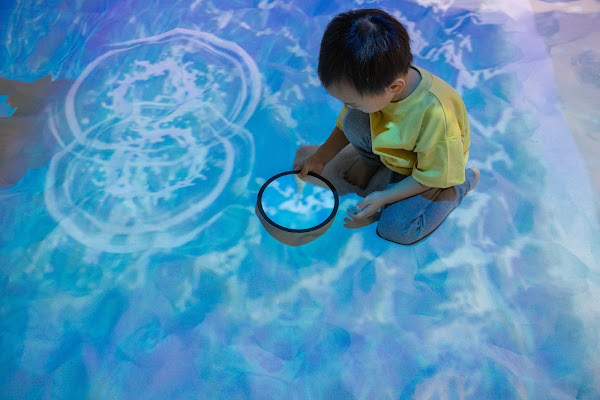
teamLab Forest Fukuoka - SBI SECURITIES

チームラボフォレスト 福岡 - SBI証券

チームラボフォレスト 福岡 - SBI証券 Culture

🕖 11:00~20:00

Intro

Tickets

Teppanyaki Kinyotei

鉄板焼 金葉亭

鉄板焼 金葉亭 Japanese

🕖11:30 AM - 2:00 PM / 5:30 PM - 10:00 PM

Scenic Restaurant

Tabelog 3.5

Intro

Reserve

Yakiniku Akami NIKUGATO - E・ZO FUKUOKA Branch

焼肉赤身 にくがとう E・ZO FUKUOKA店

焼肉赤身 にくがとう E・ZO FUKUOKA店 Food

🕖11:00~22:00

Lunch BBQ rice set is a great deal!

Tabelog3.51

Intro

Reserve

Asobi Park PLUS - MARK IS Fukuoka Momochi Branch

あそびパークPLUS マークイズ福岡ももち店

あそびパークPLUS マークイズ福岡ももち店 Sight

🕖 10:00~20:00

Indoor Children's Playground

Intro

MARK IS Fukuoka Momochi

MARK IS 福岡ももち

MARK IS 福岡ももち Souvenir

🕖 10:00~21:00

Intro

Leave a Comment

合作提案
部落格推廣
____________
協力提案
ブログプロモーション

goodxssss@gmail.com