Table of Contents
Harajuku, Omotesando, Shibuya: The golden triangle of Tokyo's trend culture
Harajuku, Omotesando, and Shibuya are Tokyo’s most iconic fashion hubs. These interconnected districts each offer a unique style, collectively forming the heart of Tokyo’s youth culture. This guide explores this vibrant area and provides practical travel information.
Features of the Harajuku, Omotesando, Aoyama, and Shibuya areas
Harajuku: Youth, Street, and Kawaii Culture
Harajuku is the birthplace of Tokyo’s teen culture, famous for its unique and avant-garde street fashion. It is filled with youthful energy, vibrant colors, and Japan’s signature “Kawaii” (cute) culture.
Omotesando: Fashion, Luxury, and Art Avenue
Omotesando is known as the “Champs-Élysées of Tokyo,” a tree-lined boulevard defined by its sophisticated design and elegant atmosphere. It is home to top-tier international boutiques and flagship fashion stores.
Shibuya: A Crossroads of Bustle, Diversity, and Pop Culture
Shibuya is one of Tokyo’s busiest and most iconic districts, renowned for its unique trendsetting culture, massive department stores, and energetic street vibe.
Aoyama: Design Shops, Galleries, and Quiet Alleys
Aoyama, located between Omotesando, Gaienmae, and Aoyama-itchome, is a hub for designer brands, select shops, galleries, and restaurants. Turning into the side streets from the main Omotesando thoroughfare reveals a quieter pace than Harajuku or the area in front of Shibuya Station.

Shibuya Transport Guide
▼Tokyo Metro Interactive Map▼
🚆 From Narita Airport to Shibuya
Narita Express (N’EX): Direct access to JR Shibuya Station. One-way fare is 3,330 yen. For round trips within 14 days, use the N’EX TOKYO Round Trip Ticket for 5,200 yen. Travel time is approximately 80–90 minutes depending on the train; seat reservations are available.
Low-cost Airport Bus: To Shibuya Station (SHIBUYA FUKURAS), one-way fare for adults is 1,500 yen. Luggage storage is available, but travel time depends on traffic. Please check the latest schedule and boarding locations on the day of travel.
Skyliner + JR: Take the Skyliner to Nippori, then transfer to the JR line for Shibuya. This is not a direct route.
Fares, schedules, and operations are subject to change. Please check the latest information from JR East and Narita Airport on the day of your departure.
Harajuku: JR Yamanote Line “Harajuku Station“; Tokyo Metro Fukutoshin Line, Chiyoda Line “Meiji-jingumae Station“.
Omotesando: Tokyo Metro Hanzomon Line, Ginza Line, Chiyoda Line “Omotesando Station“.
Shibuya: JR Yamanote Line, Saikyo Line, Shonan-Shinjuku Line; Tokyo Metro Ginza Line, Fukutoshin Line, Hanzomon Line; Tokyu Toyoko Line, Den-en-toshi Line; Keio Inokashira Line “Shibuya Station“.
🚃 JR Yamanote Line
This loop line circles central Tokyo in about 1 hours.
Key Function: Best for travel between major central hubs like Shinagawa, Hamamatsucho, Tokyo, Ueno, Shibuya, and Shinjuku.
Pro Tip: For travel between “Shinjuku Station ⇔ Tokyo Station,” the JR Chuo Line is faster.
How to Use: Fares are distance-based; using IC cards like Suica or PASMO is most convenient. Check platforms and directions via transit apps before departure.
🚇 Subway
Tokyo’s subway is operated by “Tokyo Metro” and “Toei Subway,” totaling 13 lines.
Identification: Each line has a unique color and stations are numbered. Carrying a route map is recommended for easier navigation.
Sightseeing Recommendations: Convenient lines for tourists include the “Tokyo Metro Ginza Line,” “Marunouchi Line,” and “Toei Asakusa Line.”
Details:
Fares: Distance-based. Tokyo Metro starts at 180 yen, and Toei Subway starts at 180 yen.
Travel Time: Travel time between stations is about 2–3 minutes.
Frequency: During the day, trains run every 2–10 minutes (varies by line).
Harajuku - Omotesando - Shibuya Attractions Map
Attraction Map Navigation
We recommend opening the map on a computer to coordinate with the notes.
Orange block (near Harajuku Station + West Exit), Blue block (Takeshita Street), Green block (Harajuku + Omotesando), Purple block (Shibuya)
Harajuku - Omotesando - Shibuya Attractions Sticky Note
▼Harajuku Station Area + West Exit Attractions Introduction▼
🌳 Meiji Jingu and Yoyogi Park Stroll 🌿
Meiji Jingu is a famous venue for traditional Japanese weddings. If you visit on a weekend or holiday, you may see processions in gorgeous kimonos. The shrine’s Inner Garden (paid entry) houses the famous Kiyomasa’s Well, said to be dug by Edo-period daimyo Kato Kiyomasa and considered a Tokyo power spot, attracting many visitors seeking good luck.
Yoyogi Park hosts large events and markets, such as flea markets, regional food festivals (e.g., Thai, Indian), and music events. The park’s Central Plaza and surroundings are gathering spots for street performers on weekends. It is a window into Tokyo’s youth culture, filled with freedom, passion, and creativity.
Update: The Meiji Jingu Treasure Museum is currently closed; please do not include it in your itinerary. The Inner Garden and Kiyomasa’s Well can still be visited; the garden entry contribution is 500 yen.
Showing: All(6)
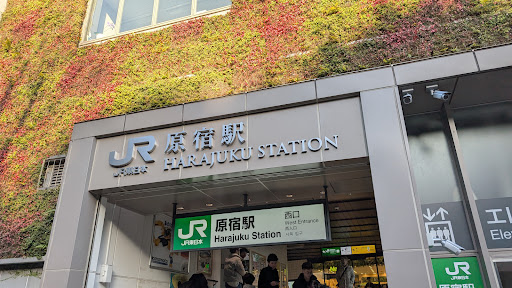
Harajuku Station
原宿駅
- Google Maps
- Apple Maps
- Copy address
Intro
▼Meiji Jingu Museum
明治神宮ミュージアム
- Google Maps
- Apple Maps
- Copy address
🕖 10:00~16:30
Intro
▼Meiji Jingu Museum
| Item | Details |
|---|---|
| Address | 〒151-0052 1-1 Yoyogi Kamizono-cho, Shibuya-ku, Tokyo |
| Opening Hours | 10:00 AM – 4:30 PM (Last admission at 4:00 PM) |
| Admission Fee | Adults 1,000 yen / High school students 900 yen / Free for elementary school students and holders of disability certificates (Elementary students must be accompanied by a guardian) |
| Official Website | www.meijijingu.or.jp/museum |
Closed: Every Thursday (Open on national holidays, closed the following day; also closed during exhibition changes)
Overview
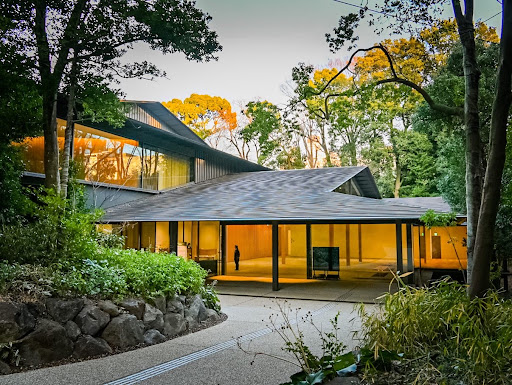
The Meiji Jingu Museum officially opened in the fall of 2019 as part of the centennial celebration of the Meiji Jingu Shrine. Designed by renowned Japanese architect Kengo Kuma, the museum embodies the concept of "harmonious coexistence with the shrine's forest," featuring a gently sloping roof, large floor-to-ceiling windows, and wooden materials, allowing it to blend seamlessly into the lush greenery of the Meiji Jingu grounds, creating a tranquil space filled with Zen-like serenity. The building itself is a work of art.
The museum spans two floors, primarily showcasing precious artifacts and artworks related to Emperor Meiji and Empress Shoken, as well as the history of the shrine's establishment and the evolution of its forest (the "du"). Visitors can gain deep insights into the lives of the imperial couple and the cultural essence of the Meiji Restoration through the collection and multimedia displays.
Historical Background and Cultural Significance
The Meiji Jingu Shrine was established in 1920 to enshrine the spirits of Emperor Meiji and Empress Shoken. The creation of the Meiji Jingu Museum aims to systematically preserve and display these historically significant and culturally valuable "treasures."
The museum's collection is diverse, including items used by the imperial couple, such as exquisite tables, writing instruments, and modern Japanese art and crafts encouraged by the emperor. Among the notable treasures is a portrait of Emperor Meiji and Empress Shoken painted by Italian artist Edoardo Chiossone, which holds significant historical value.
🎬 明治神宮ミュージアム Video
Meiji Jingu Shrine
明治神宮
- Google Maps
- Apple Maps
- Copy address
05:00~18:00
New Year's Day visit on January 1
Intro
▼Meiji Jingu
| Item | Details |
|---|---|
| Attraction Address | Yoyogi Kamizono-cho, Shibuya-ku, Tokyo 1-1 |
| Business Hours | 05:00~18:00 (Hours vary by season, adjusted according to sunrise and sunset) |
| Admission Ticket | Free admission to the shrine; Meiji Jingu Gyoen admission ¥500 (adult) |
| Official Website | www.meijijingu.or.jp |
Attraction Introduction
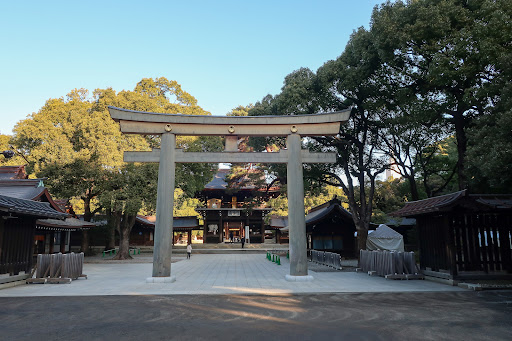
Meiji Jingu is located between the bustling areas of Shibuya and Shinjuku in Tokyo, yet it feels like an independent oasis. Passing through the massive wooden torii gate, one is greeted by a vast and deep forest, instantly shutting out the noise of the city. This expansive shrine, known as the 'Forest of Eternity,' is home to over one hundred thousand trees from various regions of Japan and overseas, towering majestically.
It enshrines Emperor Meiji and Empress Shoken, making it one of the most important and frequently visited shrines in Japan. Strolling along the gravel path, one can feel the ancient and solemn atmosphere, especially in the plaza in front of the main hall, where traditional Shinto weddings are often held, dignified and elegant, making it a representative landmark for experiencing Japan's traditional spiritual culture in Tokyo.
Historical Background and Cultural Significance
The establishment of Meiji Jingu began in 1915, aimed at commemorating Emperor Meiji, who promoted Japan's modernization and laid the foundation for modern Japan (died in 1912), and Empress Shoken (died in 1914). The shrine was officially completed in 1920, with its unique feature being the surrounding forest.
This was a decades-long afforestation project involving the participation of the entire nation.
The designers at that time did not plant fully grown trees but planned for an 'artificial natural forest' that could evolve and thrive on its own for the next hundred or thousand years. This consideration for sustainability and the future reflects the profound cultural concept of the Japanese people respecting nature and coexisting harmoniously with it.
Culturally, Meiji Jingu is the most important location for 'Hatsumode' (the first shrine visit of the New Year) in Japan, attracting millions of worshippers every New Year's Day to pray for peace and smoothness in the new year. Additionally, the shrine hosts various festivals each year, such as the Grand Festival, serving as an important window to understand the Japanese imperial family and traditional Shinto culture. The 'Gyoen' within the shrine preserves historical sites visited by Emperor Meiji and Empress Shoken, with the iris garden being particularly famous.
🎬 明治神宮 Video
Yoyogi Park
代々木公園
- Google Maps
- Apple Maps
- Copy address
Intro
▼Yoyogi Park
| Item | Details |
|---|---|
| Attraction Address | Yoyogi Kamiyama-cho, Shibuya-ku, Tokyo, Yoyogi Park |
| Business Hours | Open year-round (park green space) |
| Admission Ticket | Free admission |
| Official Website | www.tokyo-park.or.jp/park/format/index039.html |
Attraction Introduction
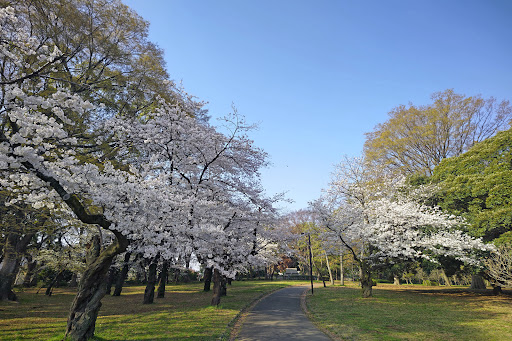
Yoyogi Park is one of the largest metropolitan parks in central Tokyo, spanning Shibuya Ward, and serves as a green oasis in the bustling city. The park is divided into two by Meiji Shrine and features expansive lawns, tree-lined paths, and a tranquil fountain plaza, providing visitors with a peaceful retreat from the hustle and bustle. The scenery here changes with the seasons, with cherry blossoms in spring and the avenue of zelkova trees (keyaki namiki) turning golden in autumn, creating a spectacular view. Due to its proximity to Harajuku and Shibuya, Yoyogi Park has become a crossroads of Tokyo's street culture and leisure life, making it an excellent spot to experience the pulse of Tokyo, whether for jogging, picnicking, or enjoying street performances.
Historical Background and Cultural Significance
The land of Yoyogi Park carries a rich history of change. During the Meiji era, it was a military training ground for the Japanese army. After World War II, the land was taken over by the U.S. military and became a residential area for military families known as 'Washington Heights.'
1964 was an important year in the development of Yoyogi Park. In preparation for the Tokyo Olympics, large-scale renovations were carried out, and part of the area was converted into an Olympic Village. After the Olympics, the area was re-planned as a Tokyo Metropolitan Park and officially opened to the public in 1967. The central area of the park still retains the National Yoyogi Stadium, designed by the renowned architect Kenzo Tange, which has become a cultural landmark embodying the Olympic spirit.
In modern culture, the importance of Yoyogi Park is undeniable. The park's activity square frequently hosts various international exchange events, food culture festivals, and flea markets on weekends, such as the popular Thai Festival and Indian Festival, reflecting Tokyo's multicultural charm as an international metropolis. Additionally, it serves as a gathering place for subcultural groups like rock and street dance, regarded as an important birthplace of Tokyo's street art and youth culture, bringing vibrant energy to the entire area.
🎬 代々木公園 Video
@cosme TOKYO
- Google Maps
- Apple Maps
- Copy address
🕖 11:00 AM - 9:00 PM
Beauty flagship store
Intro
▼@cosme TOKYO (Beauty Tokyo Flagship Store)
| Item | Details |
|---|---|
| Attraction Address | Shibuya, Tokyo, Jingumae 1 Chome 14 Ban 27 Go |
| Business Hours | 10:00~21:00 |
| Official Website | www.cosme.net/store/about/tokyo |
Store Introduction
@cosme TOKYO is the comprehensive flagship store established by Japan's largest beauty review website "@cosme" in Harajuku, Tokyo, located in front of the JR Harajuku Station transportation hub. With its unique online-offline integration concept, it has become a pilgrimage site for beauty enthusiasts. This three-story building not only gathers thousands of beauty and skincare products from Japan and abroad but also brings real-time review data and popularity rankings from the website directly into the physical store, allowing consumers to easily grasp the current hottest beauty trends. It breaks the boundaries of traditional beauty stores, enabling consumers to freely and easily try various products, making it the best place to experience the "essence of Japanese beauty."
Product Features
@cosme TOKYO organizes products by "ranking" and "trends," making it suitable to start with popular items:
- Best Hit Ranking:The first floor features an oversized ranking area displaying the latest and most popular cosmetics and skincare products from the website, which are updated weekly, allowing consumers to easily find the currently trending products.
- Hall of Fame Products:The store will specially showcase star products that have received high ratings for a long time and have entered the "Hall of Fame" level, ensuring consumers do not miss out on those time-tested classics.
- Emerging Brands and Trending Area:In addition to mainstream big brands, the store also offers many niche emerging brands and seasonal limited products to satisfy consumers' curiosity for exploring new things.
- Online Reviews Synchronization:Many product display cases have QR Codes, allowing customers to scan and immediately view the real reviews and experiences of the product on the @cosme website, bringing virtual word-of-mouth experiences into reality.
Here, shopping is not just consumption but an immersive experience to instantly grasp beauty trends.
🎬 @cosme TOKYO Video
WITH Harajuku
WITH原宿
- Google Maps
- Apple Maps
- Copy address
🕖 11:00~23:00
Intro
▼WITH HARAJUKU
| Item | Details |
|---|---|
| Address | 1-14-30 Jingumae, Shibuya, Tokyo |
| Business Hours | General stores and cafes: 11:00 AM - 8:00 PM Dining area: 11:00 AM - 11:00 PM (Some store hours may vary) |
| Official Website | withharajuku.jp |
Feature Introduction: A New Landmark in Harajuku, Combining Fashion and Green Living
WITH HARAJUKU is located in front of JR Harajuku Station and opened in 2020 as a stylish commercial complex. It transforms the youthful and trendy image of Harajuku with the design concept of "HARAPPA" (meadow), integrating greenery and open spaces into the architecture, creating an urban oasis that connects people and culture. The mall gathers numerous international and Japanese brands and features large event spaces and a rooftop garden, allowing customers to enjoy moments of nature and relaxation while shopping, embodying Tokyo's new interpretation of high-quality urban living.
Historical Background
: Urban Regeneration Project in Front of the StationThe site of WITH HARAJUKU was formerly the NTT DoCoMo old site, developed as part of the urban regeneration project for the area surrounding JR Harajuku Station and Meiji Jingu Mae. Its completion not only replaced the old building but also resonates with the new Harajuku Station building, becoming an important junction connecting Harajuku Station, Takeshita Street, and Omotesando. It represents the vibrant Harajuku district's latest attempt to combine functionality, design, and public space as it enters a new era.
Main Floor Introduction
3F (Events and Dining): Features "WITH HARAJUKU HALL" and an event terrace, serving as a space for cultural activities, exhibitions, and parties. Additionally, there are restaurants offering high-quality dining services.
2F (Fashion Flagship): Home to Japan's most iconic national clothing brand "UNIQLO Harajuku Store," offering many exclusive collaborations and innovative products.
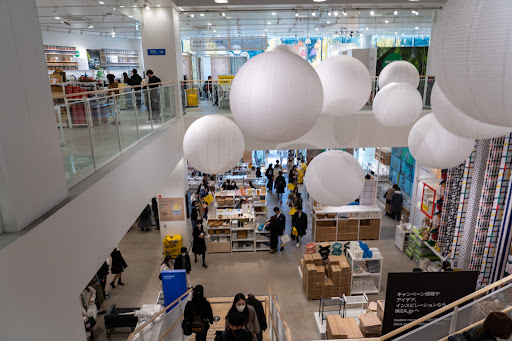
1F (Lifestyle and Coffee): The first city center store of Swedish home brand "IKEA Harajuku Store" is located here, providing convenient urban services. There are also cafes and design shops to enrich the shopping experience.
B1/B2 (Dining): Features a variety of restaurants and a food court, catering to different dining needs from light snacks to full meals.
🎬 WITH原宿 Video
▼Takeshita Street Highlights▼
🛍️ Harajuku Takeshita Street: The Birthplace of Tokyo Kawaii Fashion!🎀
Takeshita Street is a world-renowned hub for Japanese youth trends, street fashion, and “Kawaii” culture. This shopping street, about 350 meters long, is a must-visit pilgrimage site for every young traveler or fashion enthusiast in Tokyo!
Trendsetting: Shops here update rapidly; clothing, accessories, and makeup trends here often lead youth fashion in Japan and across Asia. Want the latest Japanese style? This is the place!👗
Unique “Kawaii” Food: Filled with super cute, dreamy-colored desserts and street snacks, it’s a paradise for Instagrammable photos!🍰
Affordable Shopping: Compared to high-end areas like Omotesando or Ginza, prices here are very accessible, perfect for students or travelers wanting to experience affordable Japanese style.💰
The history of Takeshita Street
Takeshita Street’s rise is tied to its location and post-war social changes:
Post-war Background and Location: Takeshita Street was named for its proximity to the JR Harajuku Station Takeshita Exit. After WWII, it was a place for selling US military goods and cheap sundries.
Differentiation from Shibuya: Entering the 1970 era, Takeshita Street transformed into a relatively affordable and younger alternative, distinguishing itself from the adult-oriented, higher-priced styles of Shibuya or Ginza.
Pop Culture Driver: From the 1980 era, shops selling idol merchandise and celebrity photos moved in, attracting many young fans. Later, unique Japanese street fashions like “Decora” and “Lolita” style were born in Harajuku and spread via Takeshita Street, establishing it as the birthplace and showcase of Japanese youth trends.
Modern Status: Today, Takeshita Street remains a place for youth to express themselves and discover new trends, and is the top choice for foreign tourists to experience authentic Japanese street culture.
Showing: All(6)
Takeshita Street
竹下通り
- Google Maps
- Apple Maps
- Copy address
🕖 10:00 AM - 8:00 PM
Youth Street Fashion
Intro
▼Takeshita Dori
| Item | Details |
|---|---|
| Attraction Address | 1 Chome Jingumae, Shibuya City, Tokyo (extending from the JR Harajuku Station Takeshita Exit to Meiji Street) |
| Business Hours | Most shops are open from 10:00 to 20:00 (Note: Business hours vary by store; drugstores or complex malls may close earlier or later.) |
Product Features
Takeshita Street is the world-renowned birthplace of "Kawaii" culture, with products that are extremely distinctive and vibrant. It gathers unique "Harajuku-style" fashion, including boldly colored clothing, trendy accessories, punk or lolita-style items, and cosplay-related products. The most famous food specialties are the colorful and diverse crepes and the unimaginable rainbow cotton candy. Additionally, this place is a holy land for young people seeking affordable trendy goods, idol merchandise, and unique gacha toys, with a rapid turnover of products that always leads the youth trends in Japan.
When viewing the Harajuku shopping map, you can use the JR Harajuku Station Takeshita Exit and Meiji Street as reference points, and then walk in segments according to the stores you want to visit.
Store Introduction
Takeshita Street is a vibrant pedestrian shopping street approximately 350 meters long. It is not only an iconic landmark in the Harajuku area of Shibuya, Tokyo, but also the heart of Japan's youth pop culture and street fashion. This street is packed every day with young tourists from around the world and local students, creating an incredibly lively atmosphere. Along the street, there are about 130 shops lined up, offering everything from affordable fashion clothing, drugstores, and 100-yen shops (like Daiso), to various themed cafes and food stalls.
Takeshita Street is usually designated as a pedestrian zone from 11 AM to 6 PM every day, allowing you to shop without constantly worrying about traffic. Takeshita Street features both trendy new shops and long-established stores, so you can leisurely browse for Harajuku-style clothing, accessories, or street snacks.
🎬 竹下通り Video
RS No. 9 HARAJUKU
RS No. 9 HARAJUKU
- Google Maps
- Apple Maps
- Copy address
🕖11:00~20:00
Intro
▼RS No. 9 HARAJUKU
| Item | Details |
|---|---|
| Address | 〒150-0001 1-20-6 Jingumae, Shibuya-ku, Tokyo (located on the 2nd floor of UNIVERSAL MUSIC STORE HARAJUKU) |
| Business Hours | 11:00 AM - 8:00 PM (irregular holidays; please check official announcements for temporary closures or changes) |
Store Introduction
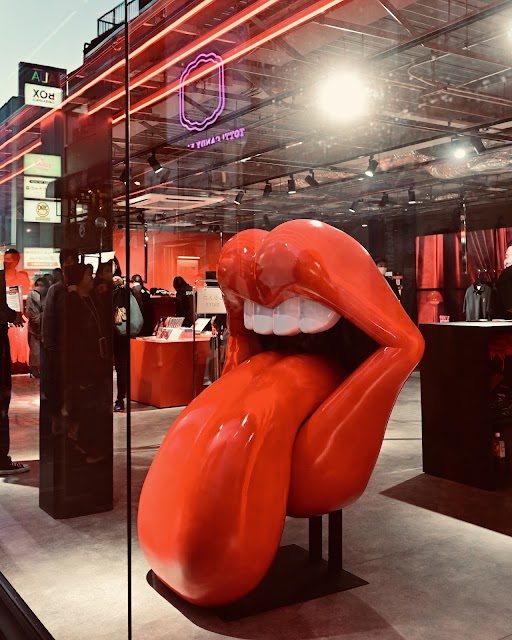
Located on Takeshita Street in Harajuku, Tokyo, "RS No. 9 HARAJUKU" is the official merchandise flagship store of the legendary British rock band The Rolling Stones, which grandly opened on October 20, 2023. This store is the second official Rolling Stones shop in the world, following "RS No. 9 CARNABY" in London's Soho, situated in the birthplace of Japanese street culture—Harajuku—perfectly blending the essence of music and fashion. Just a 3-minute walk from the JR Harajuku Station's Takeshita exit, it is a must-visit for both music fans and fashion enthusiasts.
The store is located on the second floor of UNIVERSAL MUSIC STORE HARAJUKU, featuring a spacious layout with around 150 items on display, including classic T-shirts, hoodies, jackets, beanies, socks, and even accessories like umbrellas and handkerchiefs. In addition to selling classic styles from the London store, it also offers Japan-exclusive items, such as traditional hand towels in collaboration with "かまわぬ" and a co-branded series with local designer "mastermind JAPAN," showcasing a rich blend of Japanese aesthetics and the iconic Rolling Stones "tongue and lips" logo. The interior decor is inspired by the spirit of Rolling Stones music, with a giant red lips logo hanging prominently, walls adorned with lyric decorations, and even a display area simulating a recording studio, immersing visitors in the band's creative world.
RS No. 9 HARAJUKU is not just a shopping space; it is a cultural experience venue. The opening coincided with the release of The Rolling Stones' new album "Hackney Diamonds" after an 18-year hiatus, with the store launching related limited-edition products and hosting special events, such as offering customers a unique experience aboard a Rolling Stones-themed London bus. Whether you are a devoted fan of The Rolling Stones or simply love music and fashion, this place allows you to feel the charm of 60 years of rock legend. From London to Tokyo, RS No. 9 HARAJUKU brings the spirit of The Rolling Stones to Asia, adding a touch of rebellious rock vibe to the streets of Harajuku.
🎬 RS No. 9 HARAJUKU Video
Marion Crepes
マリオンクレープ
- Google Maps
- Apple Maps
- Copy address
🕖 10:30 - 20:00
Crepe Trend Origin Store
Intro
▼Marion Crepe Store Information
| Item | Detailed Information |
|---|---|
| Attraction Address | Tokyo, Shibuya-ku, Jingumae 1-6-15 Juness Building 1F |
| Business Hours | 10:30 - 20:00 (Hours may vary depending on the season or events, it is recommended to confirm in advance) |
Store Introduction
Marion Crepe Harajuku Takeshita Street Store (マリオンクレープ 原宿竹下通り店) is located on the famous Takeshita Street in Harajuku, Tokyo, which is the center of Japanese pop culture and a hotspot for young people. As Japan's first specialty store to introduce crepes in a paper-wrapped format and spark the 'eat on the go' trend, Marion Crepe has become one of the classic landmarks in Harajuku since its establishment in 1976 in Shibuya. The Harajuku Takeshita Street store is not only the most representative branch of the brand but also a familiar stop for many visitors to Harajuku.
The store offers over 100 varieties of crepes, ranging from classic strawberry whipped cream to creatively seasonal limited editions, and even savory snack-type crepes to satisfy various taste preferences. The store is located on the 1 floor of the Juness Building, just about 2 minutes' walk from JR Harajuku Station Takeshita Exit, making it convenient for travelers to grab one while enjoying the youthful atmosphere of Harajuku. Those who want to enjoy a crepe on Takeshita Street and experience the street vibe of Harajuku can include this store in their itinerary.
🎬 マリオンクレープ Video
Cute Cube Harajuku
キュートキューブ原宿
- Google Maps
- Apple Maps
- Copy address
🕖10:00~20:00
Intro
▼CUTE CUBE HARAJUKU
| Item | Details |
|---|---|
| Address | 〒150-0001 Tokyo, Shibuya-ku, Jingumae 1-7-1 |
| Business Hours | 10:00 AM - 8:00 PM (Individual store hours may vary; please check the official website or in-store announcements) |
Store Introduction
Located in the heart of Takeshita Street in Harajuku, CUTE CUBE HARAJUKU is a commercial facility themed around "cuteness," and has become one of the iconic landmarks of Harajuku culture since its opening on September 6, 2013. Developed by Mitsubishi Corporation Urban Development, the name "CUTE CUBE" symbolizes a treasure chest filled with elements of "cuteness" for young girls. Spanning from the basement to the third floor, it features a variety of shops offering fashion apparel, miscellaneous goods, desserts, and cafes, attracting local Japanese youth and international visitors alike.
Upon entering CUTE CUBE HARAJUKU, you are greeted by the youthful atmosphere unique to Takeshita Street. The first floor hosts classic dessert shops like "Marion Crepes," offering Harajuku-exclusive rolled crepes that are hard to resist; nearby is the "Sanrio CUTE CUBE HARAJUKU store," selling merchandise featuring classic characters like Hello Kitty, satisfying fans' collecting desires. The basement level features "CANDY A GOGO," a colorful candy warehouse that feels like stepping into a fairy tale, with a wide array of imported candies and traditional Japanese konpeito, making the selection process enjoyable. As you ascend the floors, you'll find shops selling trendy accessories and clothing, such as "MixTHINKS," designed specifically for young girls, each exuding Harajuku's unique "Kawaii" charm.
CUTE CUBE serves as a window into Japanese pop culture. The building's exterior, primarily white with transparent glass and minimalist design, blends into the lively atmosphere of Takeshita Street while maintaining a distinct character. Although there is no dedicated parking, its prime location—just a 4-minute walk from JR Harajuku Station's Takeshita Exit and about 5 minutes from Tokyo Metro Meiji-Jingu-mae Station—makes it a must-visit spot on your travel itinerary. Whether you want to experience Harajuku's "cuteness" trend or simply seek a place to relax, this location will leave you with cherished memories.
🎬 キュートキューブ原宿 Video
LONG! LONGER!! LONGEST!!!
- Google Maps
- Apple Maps
- Copy address
🕖10:00~20:00
Intro
▼LONG! LONGER!! LONGEST!!! Harajuku
| Item | Details |
|---|---|
| Address | 〒150-0001 Tokyo, Shibuya-ku, Jingumae 1-7-3 CUTE CUBE HARAJUKU 1F |
| Business Hours | 10:00–20:00 (Open year-round, but hours may change due to special circumstances; please check the official website) |
Store Introduction
Located on Takeshita Street in Harajuku, "LONG! LONGER!! LONGEST!!!" is a specialty food and dessert shop themed around "Japan's longest experience." Since opening on March 1, 2018, at CUTE CUBE HARAJUKU, it has quickly become a popular photo spot in Harajuku. Just a 5-minute walk from JR Harajuku Station, its prime location attracts both local youth and international visitors with its unique "length" concept. This shop is created by SugarFactory, known for the famous rainbow cotton candy store "TOTTI CANDY FACTORY," incorporating the idea of "creating unforgettable memories" into every product.
The store features four signature items: soft serve ice cream, tornado potatoes, churros, and cotton candy, each available in three sizes: "LONG," "LONGER," and "LONGEST," with the "LONGEST" size claiming to be the longest in Japan. For example, the longest cotton candy reaches 60 cm, the soft serve ice cream is 40 cm, the tornado potato is 52 cm, and the churro is 55 cm, providing a striking visual impact perfect for social media. The interior design features a yellow and gray color scheme with neon lights, creating a stylish and lively atmosphere that immediately immerses visitors in the youthful vibe of Harajuku. Additionally, the tornado potatoes come in various flavors such as barbecue, onion soup, and spicy garlic, while the churros offer options like chocolate, caramel, and almond to satisfy different taste preferences.
🎬 LONG! LONGER!! LONGEST!!! Video
Banana no Kamisama
バナナの神様
- Google Maps
- Apple Maps
- Copy address
🕖11:00~20:00
Intro
▼Banana God Harajuku Takeshita Street Store
| Item | Details |
|---|---|
| Attraction Address | 〒150-0001 1-1-6 Jingumae, Shibuya-ku, Tokyo 8 Iguchi Building 1 Floor |
| Business Hours | 11:00~20:00 (subject to seasonal or event adjustments, please refer to official announcements) |
Store Introduction
Located on the bustling Takeshita Street in Harajuku, Tokyo, Banana God Harajuku Takeshita Street Store is a specialty beverage shop themed around the 'new banana experience.' Since its opening on 2020 10 10, it has quickly become a popular spot for young people and tourists to take photos. Just a 3-minute walk from the JR Harajuku Station Takeshita Exit, the store boasts a prime location with a constant flow of visitors, perfectly blending into this vibrant fashion district full of youthful energy.
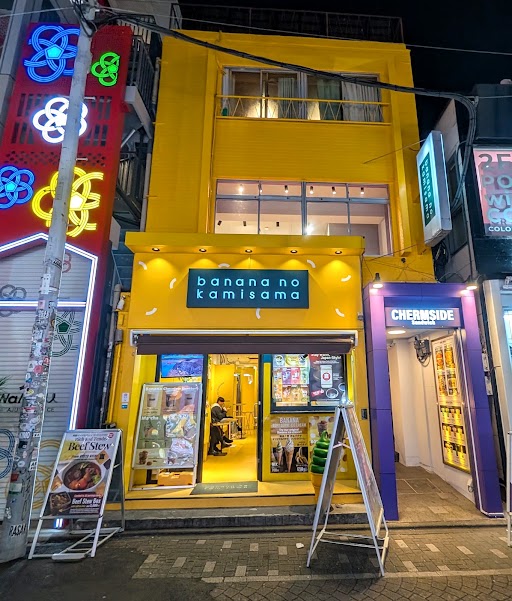
Banana God specializes in domestically grown bananas cultivated using the 'Agrevo farming method,' which contain amino acids, resulting in a sweeter taste and smoother texture. The store features a variety of banana smoothies, from the classic God Smoothie to seasonal limited flavors like salted caramel, offering a diverse selection that dazzles the eyes. Notably, the shop uses vacuum blending technology to create beverages, preserving the nutrients and flavors of the bananas, making each sip feel like tasting a gift from a fresh orchard. Additionally, customers can choose their own toppings, such as grains, nuts, or chocolate chips, to create a personalized delicious experience.
🎬 バナナの神様 Video
▼Harajuku + Omotesando Highlights▼
🌸 Harajuku x Omotesando: The Dual Charm of Tokyo Trends and Luxury 🗼
Harajuku is the center of youth trends, offering affordable, fast-fashion items and cosplay costumes—a great spot for unique outfits and youth subculture.
Omotesando is known as the “Champs-Élysées of the East,” with wide, elegant streets lined with zelkova trees. It is filled with international luxury flagship stores (e.g., LV, Dior, Chanel). Omotesando is also an open-air gallery of modern architectural art. Many shops are designed by world-class architects; for example, Tadao Ando’s Omotesando Hills is an artwork in itself.
The alleys around Omotesando hide many exquisite cafes and art galleries, perfect for slow living and appreciating design.
The origin of Omotesando is tied to religious rituals. Its name means “front approach road.” This wide, tree-lined avenue was built in the 1920 era to welcome the opening of Meiji Jingu, serving as the main path for worshippers.
Showing: All(12)
FENDER FLAGSHIP TOKYO
- Google Maps
- Apple Maps
- Copy address
🕖11:00~20:00
Intro
▼FENDER FLAGSHIP TOKYO
| Item | Details |
|---|---|
| Address | 〒150-0001 東京都渋谷区神宮前1丁目8-10 The Ice Cubes B1F〜3F |
| Business Hours | 11:00~20:00 (may be closed at year-end and New Year, please check the official website for details) |
Store Introduction
FENDER FLAGSHIP TOKYO is the first flagship store of the globally renowned instrument brand Fender, opened grandly on June 30, 2023, in Harajuku, Tokyo. Located at the intersection of fashion and pop culture in Jingumae, this four-story store is housed in the iconic "The Ice Cubes" glass building, spanning from B1 to 3F, with a spacious area designed to meet the diverse needs of modern musicians. Upon entering, you are greeted by a wide array of electric guitars, basses, acoustic guitars, ukuleles, amplifiers, and accessories, ensuring that both beginners and professional players can find their ideal choice.
The first floor showcases the latest and featured products, including signature models and Tokyo-exclusive instruments, along with a section for Fender's first apparel brand "F IS FOR FENDER," offering high-quality Japanese-made clothing and lifestyle goods that blend music and fashion's unique charm. The B1 floor is dedicated to acoustic guitars and features Fender's first permanent café, "FENDER CAFE powered by VERVE COFFEE ROASTERS," managed by a well-known California coffee brand, serving original coffee and light meals, allowing customers to relax and socialize in a musical atmosphere. The second floor includes soundproof practice rooms equipped with over 30 amplifiers, letting you fully experience Fender's classic tones. The top floor, 3F, is called the "Dream Factory," exclusive to the Fender Custom Shop, showcasing top-quality guitars handcrafted by master artisans and offering custom ordering services, making it a place where musical dreams come true.
🎬 FENDER FLAGSHIP TOKYO Video
Laforet Harajuku
ラフォーレ原宿
- Google Maps
- Apple Maps
- Copy address
🕖11:00~20:00
Intro
▼Laforet Harajuku
| Item | Details |
|---|---|
| Attraction Address | 〒150-0001 Jingumae 1-chome, Shibuya-ku, Tokyo 11-6 |
| Business Hours | 11:00~20:00 (Some stores may vary, please refer to the official website for the latest announcements) |
Store Introduction
Laforet Harajuku is located in the heart of Harajuku, Tokyo, and is one of Japan's most iconic fashion landmarks. Since its opening in 1978, this commercial facility developed by Mori Building Group has been a gathering place for young people and fashion enthusiasts, situated at the intersection of Omotesando and Meiji Street, just a 5-minute walk from the JR Harajuku Station Omotesando Exit, and very close to Exit 5 of the Tokyo Metro Meiji-Jingu-Mae Station. The building is known for its unique white grid design, and inside, it houses approximately 130 stores, covering women's wear, men's wear, accessories, and trendy goods, catering to diverse needs across all age groups.
Laforet Harajuku gathers many young brands and has always been an important place to observe Japanese street culture. Laforet Harajuku is known for supporting emerging designers and brands, and many internationally renowned Japanese fashion brands started here. The building features a skip floor design from basement 1.5 to the upper 5 floors, with each level filled with surprises: exclusive stores selling limited items and regularly updated pop-up shops, allowing visitors to feel the latest fashion trends with each visit. The 'Laforet Museum Harajuku' on the 6 floor is another highlight, as this multifunctional exhibition hall regularly hosts fashion exhibitions, art shows, and music events, perfectly blending fashion and culture, attracting countless creative souls.
🎬 ラフォーレ原宿 Video
White Atelier by Converse
- Google Maps
- Apple Maps
- Copy address
🕖12:00~20:00
Intro
▼White Atelier by Converse Harajuku Store
| Item | Details |
|---|---|
| Address | 6-16-5 Jingumae, Shibuya-ku, Tokyo HOLON-Ⅲ |
| Business Hours | 12:00~20:00 (Irregular holidays, please check official announcements in advance) |
Phone: 03-5778-4170
Store Introduction
Located along the bustling Cat Street in Harajuku, White Atelier by Converse Harajuku Store attracts fashion enthusiasts with its striking pure white exterior. This is Converse's first directly operated store in Japan, opened in 2015, centered around the brand concept of "Design Yourself," creating a "white canvas" for customers to co-create their lifestyle with the brand. The store offers classic All Star shoes and seasonal limited items, and uniquely features a basement customization space where you can design your own one-of-a-kind Converse shoes.
Upon entering, the white walls showcase a vibrant display of shoes, resembling artworks adorning a blank canvas. Descending the stairs to the basement, the atmosphere shifts instantly—concrete walls and the workshop scene behind glass exude a strong "atelier" vibe. Here, you can start with the limited edition all-white All Star, choosing between high-top or low-top styles, and mix and match various designs, laces, and charms to create your personalized shoes. The entire process is not just shopping; it's a creative journey that immerses you in endless fun.
On November 29, 2024, the second floor of the Harajuku store opened a new dedicated customization level, further expanding design options. In addition to the classic all-white model, you can now choose from various shoe types like CANVAS ALL STAR HI / OX and ALL STAR Ⓡ TREKWAVE HI / OX, including colorful options like black and red, as well as platform designs, allowing your creativity to flourish. Whether for personal use or as a gift for a loved one, this place meets your pursuit of personalization and uniqueness. Once completed, your custom shoes will be ready to take home in about two hours, and you’ll be eager to stroll the streets of Harajuku in them!
🎬 White Atelier by Converse Video
MoMA Design Store Omotesando
MoMA Design Store 表參道
- Google Maps
- Apple Maps
- Copy address
🕖11:00 - 20:00
Intro
▼MoMA Design Store Omotesando
| Item | Details |
|---|---|
| Attraction Address | 〒150-0001 Jingumae, Shibuya-ku, Tokyo 5-10-1 GYRE 3F |
| Business Hours | 11:00 - 20:00 (Open year-round, but may be adjusted according to GYRE building regulations; it is recommended to check the official latest announcements) |
Store Introduction
Located in the fashion landmark Omotesando in Tokyo, the 'MoMA Design Store Omotesando' is the first flagship store established overseas by the Museum of Modern Art (MoMA) in New York, situated on the third floor of the design-centric GYRE building. This place is not just a store, but more like a small museum that perfectly integrates art and life. The store features approximately 2000 types of 'Good Design' products carefully selected by MoMA curators, ranging from furniture and lighting to stationery and kitchenware, including exclusive items created in collaboration with renowned artists, all showcasing creativity and practicality in design.
Upon entering the store, you will be attracted by the dazzling array of design items: umbrellas painted with blue skies on the inside, allowing a touch of brightness even on rainy days; Yayoi Kusama's iconic polka dot pumpkin decorations adding fun to the space; and Yoshitomo Nara's big-eyed girl skateboard exuding a rebellious yet cute artistic vibe. These products are not only everyday items but also a medium for integrating art into life, making each use a beautiful enjoyment. Additionally, the store features traditional Japanese crafts combined with modern design in tableware and crafts, fully showcasing the beauty of cultural fusion.
As an extension of MoMA, every product here has been rigorously selected, emphasizing functionality, innovation, and aesthetic value. Purchasing items from here is not only an investment in design but also a participation in supporting art, as part of the proceeds will be used to support exhibitions, educational programs, and collection maintenance at the Museum of Modern Art in New York. If you are looking for design selections, small gifts, or home goods, you can visit the MoMA Design Store Omotesando.
🎬 MoMA Design Store 表參道 Video
Tokyu Plaza Harajuku "Harakado"
東急プラザ原宿「ハラカド」
- Google Maps
- Apple Maps
- Copy address
🕖11:00 - 21:00
Intro
▼TOKYU PLAZA Harajuku "HARAKADO"
| Item | Details |
|---|---|
| Address | 6-31-21 Jingumae, Shibuya-ku, Tokyo, inside Harajuku Square |
| Official Website | www.tokyu-plaza.com/harakado |
Business Hours:
- Shopping & Service Floors (B1F–4F): 11:00–21:00
- Dining Floor HARAJUKU KITCHEN & TERRACE (5F–7F): 11:00–23:00
- Kosugiyu Harajuku (B1F): 07:00–23:00 (Some store hours may vary; please check the official website for details)
Highlights
TOKYU PLAZA Harajuku "HARAKADO" is not just a commercial facility but is positioned as a "new cultural hub." The name "HARAKADO" means "corner," aiming to be a crossroads for people to meet and cultures to intertwine. It seeks to inherit Harajuku's history as a cultural birthplace from the 1960s, encouraging "co-creation" between tenants and creators rather than mere commercial sales.
The architectural design by renowned architect Akihisa Hirata showcases unique geometric beauty. Among its highlights is the "HARAJUKU KITCHEN & TERRACE" located on the 5th to 7th floors, conceptualized as "Harajuku's urban cafeteria," offering a diverse range of cuisine and featuring a lush rooftop terrace that provides a seamless outdoor experience for diners. Additionally, the facility includes the rare public bath "Kosugiyu Harajuku," offering visitors a unique place to relax in the bustling city.
Floor Overview (Main Floor Zones)
- B1F: Houses the "Kosugiyu Harajuku" public bath, along with some dining and service shops.
- 1F–4F: Shopping and service floors featuring fashion, lifestyle, and emerging brands.
- 3F: Dedicated creative and artist space aimed at becoming a new base for cultural exchange and creation.
- 5F–7F: Dining area "HARAJUKU KITCHEN & TERRACE," offering a variety of dining options and terrace space.
Historical Background
The site of "HARAKADO" was once near one of Harajuku's most culturally significant landmarks: the "Harajuku Central Apartment" (原宿セントラルアパート). From the 1960s to the 80s, this apartment was a gathering place for many of Japan's top artists, designers, photographers, and cultural creators, nurturing the unique "Harajuku culture."
The establishment of TOKYU PLAZA Harajuku "HARAKADO" aims to inherit and develop this spirit of "creation and communication." Together with its sister facility, TOKYU PLAZA Omotesando Harajuku "OMOKADO," it stands at the Jingumae intersection, regarded as a new landmark in the Harajuku and Omotesando area, tasked with passing on Harajuku culture to the next generation.
🎬 東急プラザ原宿「ハラカド」 Video
Tokyu Plaza Omotesando "Omokado"
東急プラザ表参道「オモカド」
- Google Maps
- Apple Maps
- Copy address
🕖11:00 - 20:00
Intro
▼Tokyu Plaza Omotesando "OMOKADO"
| Item | Details |
|---|---|
| Address | 4-30-3 Jingumae, Shibuya, Tokyo |
| Business Hours | General shops: 11:00 AM – 8:00 PM Dining floor: 11:00 AM – 10:00 PM (Some stores may vary) |
| Official Website | Please search for "Tokyu Plaza Omotesando 'OMOKADO'" official website for the latest information |
Highlights
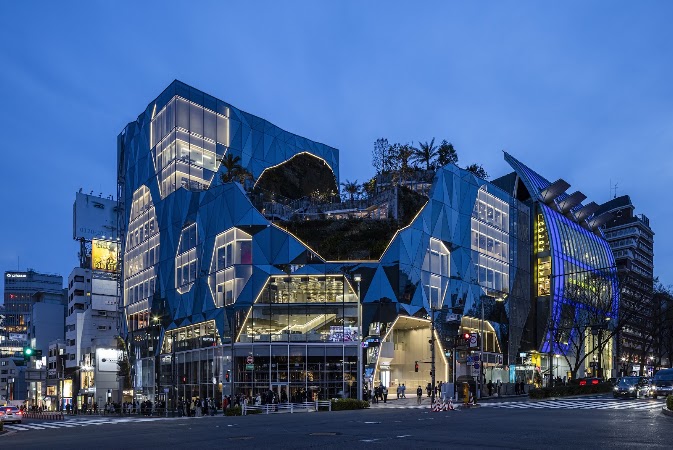
Tokyu Plaza Omotesando "OMOKADO" is located at the famous Jingumae intersection, a landmark at the corner of the trendy Omotesando and Meiji Street. Its name "OMOKADO" derives from "the corner of Omotesando." The mall is known for its unique architectural design and curated brand selection, making it a fashion beacon in Tokyo.
The most striking feature is its futuristic **mirror entrance** design. Countless mirrors reflect the Omotesando streetscape and sky, creating a kaleidoscopic space that is a must-visit photo spot for tourists.
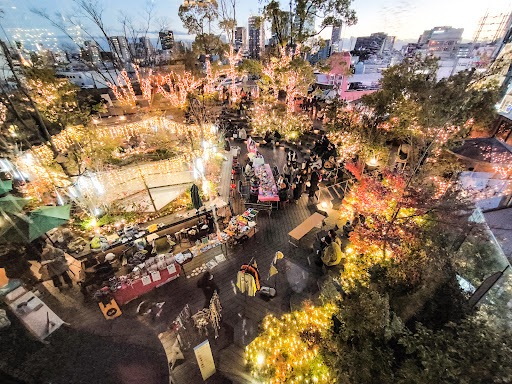
Another highlight is the **"OMOHARA no Mori"** on the top floor. This urban oasis offers a comfortable resting space where visitors can relax amidst the shopping hustle and enjoy views of the Omotesando and Harajuku intersection, feeling the pulse of Tokyo.
Floor Guide
The layout of "OMOKADO" is thoughtfully planned, featuring a diverse range of brands from avant-garde design to high-quality lifestyle:
- B1F – 2F: Mainly international trendy fashion, designer brands, and limited concept stores. Offers the latest clothing and accessory selections, keeping up with Tokyo's fashion pulse.
- 3F – 5F: Includes lifestyle goods, beauty products, personalized shops, and creative items. Customers can enhance their daily life while searching for fashionable pieces.
- 6F – 7F: A variety of dining options, from exquisite Japanese cuisine to international dishes and trendy cafes. Most restaurants offer excellent views, enhancing the dining experience.
History
Tokyu Plaza Omotesando was formerly known as "Tokyu Plaza Omotesando Harajuku," which opened in 2012. The facility quickly became a hot topic due to its unique mirror entrance designed by architect Takushi Nakamura. In recent years, to adapt to the ever-changing urban commercial demands and trends, the mall underwent a transformation and upgrade, re-emerging with the new name and concept of "OMOKADO," further solidifying its core position in Tokyo's fashion landmarks.
🎬 東急プラザ表参道「オモカド」 Video
Omohara no Mori
おもはらの森
- Google Maps
- Apple Maps
- Copy address
🕖11:00 AM - 9:00 PM
6th Floor, Tokyu Plaza
Intro
▼Omohara no Mori Shop Information
| Item | Details |
|---|---|
| Location | 〒150-0001 Tokyo, Shibuya-ku, Jingumae 6-chome 31-21, Tokyu Plaza Omotesando Harajuku 6th Floor |
| Business Hours | 11:00 AM - 9:00 PM (same as Tokyu Plaza Omotesando Harajuku; please refer to official announcements for temporary closures or changes) |
Store Introduction
"Omohara no Mori," located on the 6th floor of Tokyu Plaza Omotesando Harajuku in Harajuku, Tokyo, is the most stunning aerial oasis in this fashionable commercial facility. This unique space cleverly blends the urban hustle with natural tranquility, with the name "Omohara" derived from the abbreviations of "Omotesando" and "Harajuku," symbolizing its location at the intersection of two major trendsetting areas. As a shop that combines a café with an open relaxation area, it serves not only as a resting spot during shopping but also as a rare "sky forest" in Tokyo's streets.
The main feature here is the lush design on the terrace, planted with various trees and shrubs, making visitors feel as if they are in a forest. During the day, sunlight spills onto the wooden deck, accompanied by a gentle breeze and the aroma of coffee, allowing one to temporarily forget the city's busyness; at night, it transforms into a romantic retreat adorned with lights, overlooking the Harajuku street scene, offering a unique charm. The store features "FOREST KITCHEN," serving light meals, desserts, and beverages, from healthy salads to seasonal coffee, catering to diverse customer needs. Additionally, there are comfortable seating areas nearby, perfect for a solo break or gathering with friends, providing a relaxing corner for everyone.
🎬 おもはらの森 Video
Kiddy Land Harajuku
キデイランド 原宿店
- Google Maps
- Apple Maps
- Copy address
🕖11:00~21:00
Intro
▼Kiddy Land Harajuku Store Information
| Item | Details |
|---|---|
| Attraction Address | 〒150-0001 Shibuya-ku, Tokyo, Jingumae 6-chome 1-9 |
| Business Hours | Monday to Friday 11:00~21:00, Saturday, Sunday, and public holidays 10:30~21:00 (please refer to the official website for temporary closures or changes in business hours) |
Store Introduction
Located on Omotesando in Harajuku, Tokyo, Kiddy Land Harajuku Store is one of Japan's most iconic toy and character merchandise specialty stores. Since its establishment in 1950, this store has become a landmark in Harajuku and opened its flagship store at the current location in 1966, boasting over half a century of history. The store is situated in a five-story building (including a basement), about 7 minutes' walk from JR Harajuku Station and only about 4 minutes from the Tokyo Metro 'Meiji-Jingumae' Station, making it easily accessible and attracting countless local residents and international tourists.
Kiddy Land Harajuku Store is known for its rich and diverse range of products, covering various merchandise from classic cartoon characters to the latest pop culture items. The basement exclusively sells Disney-related products, the first floor showcases the latest trendy toys and seasonal limited items, the second floor is dedicated to popular anime characters, the third floor features exclusive corners for Snoopy and Studio Ghibli, and the fourth floor offers cute stationery and lifestyle goods. Each floor is meticulously designed, making visitors feel as if they are in a whimsical world full of childhood fun and dreams. Whether looking for unique gifts or satisfying a desire to collect, this place ensures a fulfilling experience.
In addition to the products themselves, Kiddy Land Harajuku Store is also famous for its interactive experiences. The store regularly hosts character-themed events, such as limited product launch events or fan meet-and-greets, allowing visitors to closely experience the pulse of Japanese pop culture. The atmosphere in the store is lively yet orderly, with colorful displays and character standees everywhere, exuding a joyful vibe. Kiddy Land Harajuku Store has dolls that children love and retro toys that adults reminisce about; it is a perfect stop for families or those looking to buy character merchandise.
🎬 キデイランド 原宿店 Video
Omotesando Hills
表参道ヒルズ
- Google Maps
- Apple Maps
- Copy address
🕖11:00~21:00
Intro
▼Omotesando Hills
| Item | Details |
|---|---|
| Address | 4-12-10 Jingumae, Shibuya, Tokyo |
| Business Hours | 11:00 AM – 9:00 PM (Sundays usually 11:00 AM – 8:00 PM; restaurant and café hours may vary, please refer to the official website) |
| Official Website | www.omotesandohills.com |
Highlights: A Fusion of Modern Architecture and Fashion
Omotesando Hills is not just a shopping mall; it is a masterpiece that blends architectural aesthetics with the pulse of Tokyo fashion. Located on the iconic fashion avenue of Omotesando, it was designed by internationally renowned architect Tadao Ando. The most distinctive feature is a 700-meter-long spiral ramp that perfectly mirrors the slope of Omotesando, allowing shoppers to naturally ascend from the basement level to the third floor, creating a unique shopping experience. The mall houses around 100 top domestic and international fashion brands, lifestyle goods, and fine dining establishments, making it a landmark of Tokyo's trend culture.
Floor Guide: A Fashion Journey on the Spiral Ramp
The retail area of Omotesando Hills is mainly distributed across three above-ground levels (B1F to 3F) and three basement levels (B2F, B3F), forming a cohesive shopping space through Tadao Ando's ingenious design:
- B3F, B2F: Mainly features themed restaurants, a food court, cafés, and parking, offering a variety of dining options.
- B1F, 1F: Home to international luxury brands, high-end jewelry, and designer flagship stores, a must-visit for trendsetters.
- 2F, 3F: Focused on selected domestic and international fashion brands, personalized shops, and lifestyle goods, along with salons and other lifestyle services.
Historical Background
: The Revival of the Tongluan Association ApartmentsThe history of Omotesando Hills traces back to the land it occupies. The mall was rebuilt on the site of the former Tongluan Association Aoyama Apartments, constructed in 1927. The Tongluan Association Apartments were reinforced concrete residential buildings built to address housing issues after the Kanto Earthquake, holding significant historical value. During the demolition of the old apartments and the construction of the new mall, designer Tadao Ando specifically preserved and restored parts of the old apartment's façade and structure, integrating historical memories into modern architecture, making Omotesando Hills a representation of contemporary Tokyo's vibrancy while honoring and passing down the legacy of the past. Omotesando Hills officially opened in 2006 and has since become an indispensable part of the Omotesando landscape.
🎬 表参道ヒルズ Video
Omotesando Station
表参道駅
- Google Maps
- Apple Maps
- Copy address
Intro
▼Nezu Museum
根津美術館
- Google Maps
- Apple Maps
- Copy address
🕖10:00 AM - 5:00 PM
7,600 collections
Intro
▼Nezu Museum Information
| Item | Details |
|---|---|
| Address | 〒107-0062 Minato, Tokyo, 6-5-1, Minami Aoyama |
| Opening Hours | 10:00–17:00 (Last admission at 16:30; special exhibitions or events may extend to 19:00; please check official announcements for details) |
| Admission Fee | Special Exhibition: General 1500 yen, Students (high school and above) 1200 yen; Collection Exhibition: General 1100 yen, Students (high school and above) 800 yen; Free for elementary school and below, group discounts apply for 20 or more |
Attraction Introduction
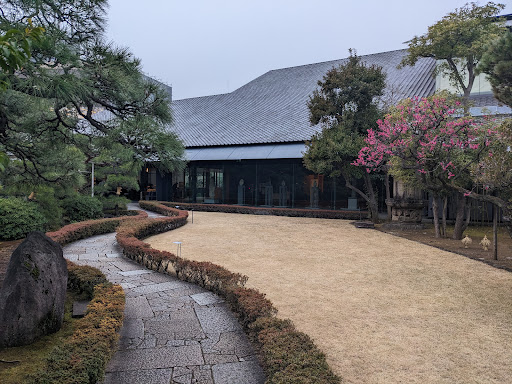
The Nezu Museum, located in the upscale residential area of Minami Aoyama, Tokyo, is a private museum that blends tradition and modernity. It showcases exquisite ancient art from Japan and East Asia, renowned for its tranquil garden and modern building designed by architect Kengo Kuma. The museum is about an 8-minute walk from Omotesando Station on the Tokyo Metro, making it a convenient cultural oasis in the city. Throughout the year, it hosts around seven exhibitions, featuring national treasures like the "Swallow and Iris Screen" and delicate tea ceremony utensils, covering various fields such as painting, ceramics, and calligraphy, allowing visitors to glimpse the profound beauty of Eastern art. Additionally, the NEZUCAFÉ offers light meals and coffee, while the tea house in the garden provides a serene atmosphere for experiencing traditional Japanese tea ceremonies.
What makes the Nezu Museum unique is its expansive garden, covering approximately 20,000 square meters, featuring four traditional tea houses and winding paths. In spring, cherry blossoms bloom, and in autumn, the leaves turn fiery red, showcasing the beauty of each season. The garden design preserves traditional Japanese landscaping techniques, with ponds, stone lanterns, and trees harmoniously arranged, making visitors feel as if they are in an elegant courtyard from the Edo period. The museum building itself was redesigned by Kengo Kuma in 2009, primarily using bamboo and wood, perfectly combining traditional Japanese aesthetics with modern design, and has won the Japan Institute of Architects Award (BCS Award), becoming a cultural landmark in Tokyo.
Historical Background
and Cultural Significance
The history of the Nezu Museum dates back to 1941, founded by the first generation of Nezu Kaichiro (1860-1940), the founder of Tobu Railway, entrepreneur, and tea master. Born in Yamanashi Prefecture, he developed a strong interest in ancient art at a young age, and after achieving success in Tokyo, he began to collect a vast array of art from Japan and East Asia. Concerned about the outflow of precious artifacts to Europe and America during the Meiji period, he was determined to keep these cultural treasures in Japan and, adhering to the philosophy of "sharing joy with others," established a foundation in 1940, with the museum officially opening the following year. Nezu Kaichiro was not only known as the "King of Eastern Railways" but also as a cultural figure passionate about tea ceremonies, with his collection of tea utensils becoming a significant part of the museum.
The initial collection comprised about 4,643 pieces, which has now grown to over 7,600, including seven national treasures, 89 important cultural properties, and 94 important artworks, covering various fields such as Buddhist art, ink painting, modern painting, lacquerware, ceramics, and swords. Among the most famous is Ogata Korin's national treasure "Swallow and Iris Screen," known for its gold leaf background and expressive flowers, attracting countless visitors each May when it is exhibited. The second generation of Nezu Kaichiro inherited this vision and completed a major renovation in 2009, with the new building not only preserving the historical memory of the Nezu family but also integrating traditional Japanese aesthetics into modern design, embodying the spirit of "harmony, respect, purity, and tranquility" found in tea ceremonies.
The Nezu Museum is not just a space for art display but also a symbol of the transmission of Japanese culture. It tells the story of the Nezu family's dedication to the preservation of art and Japan's pursuit of beauty from ancient times to the modern era. Each piece in the collection carries the profound essence of Eastern culture, worthy of careful appreciation.
🎬 根津美術館 Video
Meiji Jingu Gaien
明治神宮外苑
- Google Maps
- Apple Maps
- Copy address
🕖24H
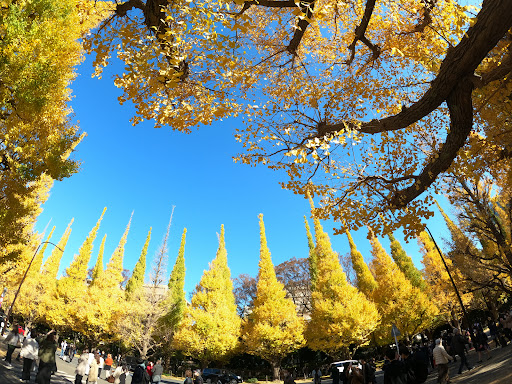
Autumn Ginkgo Viewing Paradise
Intro
▼Meiji Jingu Gaien Attraction Information
| Item | Details |
|---|---|
| Attraction Address | 〒160-0013 1-1 Kasumigaokamachi, Shinjuku, Tokyo |
| Opening Hours | Open all day (some facilities like the Seiko Memorial Painting Gallery or sports venues have specific hours; check the official website for details) |
| Admission Fee | Free entry (Seiko Memorial Painting Gallery admission: 500 yen for adults, free for junior high school students and below; other facilities like the ice rink have separate fees) |
Attraction Introduction
Meiji Jingu Gaien, located in central Tokyo, is an urban oasis that blends natural beauty with cultural heritage. Spanning from Shinjuku to Minato's Kita-Aoyama, this expansive park is famous for its magnificent ginkgo avenue, the historic Seiko Memorial Painting Gallery, and various sports facilities. In autumn, the golden ginkgo trees create a 300-meter-long dreamlike tunnel, attracting countless visitors for photos; in spring, around 400 cherry blossoms bloom around the gallery, adding a touch of romance to the park. Gaien is not only a scenic spot but also home to Meiji Jingu Stadium and the National Stadium, making it a paradise for sports enthusiasts. Whether walking, jogging, or experiencing traditional culture, this place showcases the multifaceted charm of Tokyo.
Historical Background
The history of Meiji Jingu Gaien began after Emperor Meiji's death in 1912, when the public voluntarily raised funds to create this park at the site of the old Aoyama Drill Ground to commemorate him and Empress Shoken. Unlike the inner shrine built with national funds, the outer garden was initiated by the "Meiji Jingu Support Association," which gathered donations from across the country, tree donations, and labor contributions from youth groups, officially completed and dedicated to Meiji Jingu on October 22, 1926. The park was initially aimed at promoting public health and cultural dissemination, leading to the construction of the Seiko Memorial Painting Gallery, the Meiji Memorial Hall (originally the Constitution Memorial Hall), and sports facilities like baseball and sumo arenas. Managed by the state before World War II, it was handed over to the Meiji Jingu religious corporation after the war, becoming an important public space in Tokyo.
Cultural Significance
Meiji Jingu Gaien is not only a fusion of nature and architecture but also embodies a microcosm of Japan's modernization. The Seiko Memorial Painting Gallery displays 80 murals vividly depicting the lives of Emperor Meiji and Empress Shoken, reflecting Japan's transformation from feudalism to modernity during the Meiji Restoration. The ginkgo avenue, designed by modern Japanese landscape master Dr. Takashige Yoshinobu, employs perspective techniques to harmonize the trees with the gallery, showcasing Japan's unique insight into the integration of nature and art. This place serves as a spiritual refuge for Tokyo residents, narrating stories of resilience from post-war reconstruction and offering a tranquil retreat in modern urban life, intertwining the narratives of people and nature, tradition and modernity. Recent redevelopment plans have sparked controversy, further highlighting its precious value as a cultural heritage site.
🎬 明治神宮外苑 Video
▼Shibuya Attractions▼
⚡️ Tokyo Trend Hub: Shibuya🏙️
The soul of Shibuya, home to the “world’s busiest intersection.” When the lights turn green, the surge of people from all directions is a dramatic, intense sight that every Tokyo traveler must see. Now, you can also stand at the Shibuya SKY observation deck, 229 meters high, to overlook the famous crossing and feel the pulse of Tokyo’s traffic.
Shibuya is the birthplace of Japan’s “Gal culture” and various subcultures. Its department stores and boutiques are always at the forefront of fashion. If you’re a fashionista, be prepared to spend big here.
Showing: All(21)
Shibuya Hikarie
渋谷ヒカリエ
- Google Maps
- Apple Maps
- Copy address
🕖11:00~21:00
Intro
▼Shibuya Hikarie
| Item | Details |
|---|---|
| Attraction Address | Shibuya 2-21-1, Shibuya-ku, Tokyo |
| Business Hours | Store (B3F~5F): 11:00~21:00 Restaurant (6F, 7F, 11F): 11:00~23:00 (Some restaurants are open later) ※ Actual times are subject to official announcements. |
| Official Website | www.hikarie.jp |
Feature Introduction
Shibuya Hikarie is not just a shopping center; it is a symbol of modernization and cultural vitality in the Shibuya area. This towering complex is directly connected to Shibuya Station, making it the first stop to start your journey in Shibuya. The design concept of Hikarie focuses on 'bringing brilliance to mature women,' thus, from the dessert delicacies on the B3 floor to the fashion brands and lifestyle goods on the upper floors, a selection of high-quality products that combine quality and design has been carefully curated. What’s more special is that this place not only has shopping functions but also integrates art and cultural spaces, elevating shopping into a comprehensive urban experience.
Floor Introduction
Hikarie cleverly integrates shopping, dining, art, and office space:
B3F~5F: ShinQs Department Store
This is a fashion department area designed specifically for adult women, featuring beauty products, clothing, miscellaneous goods, and high-end desserts. Especially the food area on the basement floor (ShinQs Food), which gathers exquisite foods and souvenirs from around the world, is a paradise for food lovers.
6F, 7F, 11F: Dining Floors
Offering a diverse selection ranging from Japanese and Italian to creative cuisine, many restaurants have large glass windows, allowing you to enjoy the bustling streets of Shibuya while savoring delicious food.
8F: 8/ CUBE / COURT
Known as the 'Creative Floor', this place regularly hosts various art exhibitions, designer pop-up shops, and workshops, making it an excellent venue to experience the pulse of modern art and design in Tokyo.
9F: Hikarie Hall
A multifunctional performance hall that frequently holds fashion shows, large conferences, and cultural events.
11F~16F: Tokyu Theatre Orb (東急シアターオーブ)
A world-class professional musical theater that has introduced many top productions from Broadway and the West End, it is an important center for performing arts in Tokyo.
Historical background
Hikarie in Shibuya officially opened in 2012 year 4 month, and is the first major project in the 'Shibuya Redevelopment Plan.' It is located on the former site of the 'Tokyu Cultural Hall,' which was an important cultural landmark in Shibuya after the war. After the opening of Hikarie, the area around Shibuya Station gained more business, cultural, fashion, and entertainment facilities, making the neighborhood more complete. Through its innovative cultural space configuration, it successfully vertically integrated the originally dispersed urban functions, bringing a new glow and vitality to Shibuya.
🎬 渋谷ヒカリエ Video
Shibuya Aqs
渋谷アクシュ
- Google Maps
- Apple Maps
- Copy address
🕖11:00~23:00
Intro
▼Shibuya AKUSHU
| Item | Detailed Information |
|---|---|
| Attraction Address | 2-10 Shibuya, Shibuya-ku, Tokyo 1 |
| Business Hours | 11:00~23:00 (Commercial facilities and dining floors, varies by store) |
Feature Introduction
Shibuya Akushu is a newly born mixed-use high-rise building in the Shibuya area as part of a large urban renewal project. Its name 'Akushu' means 'handshake' in Japanese, reflecting the building's design that connects different areas of Shibuya and provides spaces for people to stay and interact. The design of this building is primarily modern and minimalist, with a stylish appearance and a sense of openness, bringing new vitality to the Shibuya district. It not only offers modern office spaces but also features a variety of dining and retail stores, aiming to meet the diverse needs of both workers and visiting tourists.
Floor Introduction
Shibuya Akushu is mainly divided into commercial and office areas:
*B1F~4F/5F (partial):Mainly for commercial retail and dining floors. This place gathers a selection of specialty restaurants, cafes, and lifestyle shops, offering a variety of choices from casual meals to fine dining, making it a new destination for food and shopping in Shibuya.
*Upper floors:Planned as high-end modern office spaces, aimed at attracting cutting-edge companies to further solidify Shibuya's position as a center for technology and innovation in Japan.
The design of this mixed-use facility aims to achieve smooth and comfortable flow of people, perfectly combining commercial and office spaces within the same building.
Historical Background
The birth of Shibuya Acsh is an important part of the large-scale redevelopment plan for Shibuya. Over the past decade, several major projects have been carried out around Shibuya Station, such as Shibuya Hikarie, Shibuya Stream, and Shibuya Scramble Square. As a key node connecting these new and old landmarks, Shibuya Acsh particularly focuses on improving the connectivity and landscape of the surrounding sidewalks, creating a more cohesive feel for the entire district. Its completion not only increases the commercial volume of Shibuya but also signifies Shibuya's complete transformation from a traditional transportation hub into an international urban center that integrates commerce, culture, and innovation.
🎬 渋谷アクシュ Video
Shibuya Scramble Square
渋谷スクランブルスクエア
- Google Maps
- Apple Maps
- Copy address
🕖10:00~21:00
Intro
▼Shibuya Scramble Square
| Item | Details |
|---|---|
| Attraction Address | Shibuya, Shibuya-ku, Tokyo 2 Chome 24-12 |
| Business Hours | 10:00~21:00 (General store hours, some dining floors have longer operating hours) |
| Official website | www.shibuya-scramble-square.com |
Feature introduction
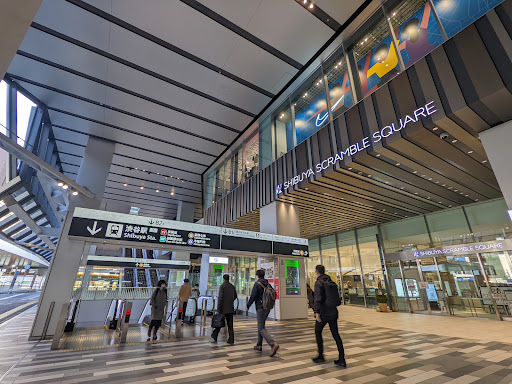
Shibuya Scramble Square is the newest landmark in the Shibuya area and the tallest building. It is not only a large integrated commercial facility that brings together fashion, food, art, and innovation, but also a gateway to the heart of Shibuya. The mall is known for its highly integrated retail space and multifunctional office areas, but its biggest highlight is undoubtedly 'SHIBUYA SKY' located on the top floor, a breathtaking open-air observation deck that allows visitors to overlook Tokyo from a 360 degree perspective, capturing the famous Shibuya Crossing, Tokyo Tower, and even the distant view of Mount Fuji.
Floor introduction
The shopping area of Shibuya Scramble Square is concentrated from the second basement level to the fourteenth floor, carefully planned to meet various shopping and dining needs:
- B2F~1F:The food court and dessert area features many well-known dining brands and souvenir shops from both Japan and abroad.
- 2F~9F:Fashion and trendy products, including a wide range of clothing, accessories, lifestyle goods, and beauty brands, targeting the latest trend-conscious consumers.
- 10F~11F:Lifestyle offers lifestyle proposals and cultural creative spaces, providing a comfortable leisure shopping experience.
- 12F~14F:A scenic restaurant that offers a variety of dishes, allowing customers to enjoy the urban beauty of Shibuya while dining.
- 15 floor to 45 floor to the top:Features the entrance and observation facilities of SHIBUYA SKY, where you can enjoy the cityscape of Shibuya from a high vantage point.
Historical background
Shibuya Scramble Square is one of the core projects of the "Shibuya District Redevelopment Plan" promoted jointly by the Tokyu Group, East Japan Railway Company (JR East), and Tokyo Metro. It is located on the former site of the old Shibuya Station's East Building and was planned to enhance Shibuya's status as an international cultural and commercial center.2019 year 11 month 1 dayIt opened, integrating the transportation and commercial facilities around the station, and is an important part of the Shibuya redevelopment.
🎬 渋谷スクランブルスクエア Video
SHIBUYA SKY
SHIBUYA SKY
- Google Maps
- Apple Maps
- Copy address
🕖10:00 AM - 10:30 PM
Shibuya Scramble Square Top Floor
Intro
▼SHIBUYA SKY
| Item | Details |
|---|---|
| Attraction Address | Shibuya, Shibuya-ku, Tokyo 2-chome 24-12 (Top floor of Shibuya Scramble Square) |
| Business Hours | 10:00~22:30 (Last entry time 21:20) |
Tickets:
- Online Pre-purchase (Adult): Approximately ¥2,200
- Same-day Purchase (Adult): Approximately ¥2,500
- (There are also student, child, and infant ticket prices; it is recommended to refer to the official website for information)
Attraction Introduction
SHIBUYA SKY, located on the top floor of Shibuya Scramble Square, is an observation deck where you can enjoy a 360-degree panoramic view of the Tokyo cityscape. It is not a traditional indoor viewing window, but is divided into 'SKY GATE' (entrance), the indoor observation corridor 'SKY GALLERY', and the most striking open-air rooftop 'SKY STAGE'. When you take the dedicated elevator directly to the 47th floor, the magnificent skyline of Tokyo will be fully revealed before your eyes.
On the open 'SKY STAGE', you can lie on a hammock and gaze at the sky, or experience the thrill of feeling suspended in the air while looking down through transparent glass at the famous 'Sky Edge' corner. Here, you can clearly capture the bustling scene of the world-renowned Shibuya Scramble Crossing, and on clear days, you can even see Tokyo Tower, Tokyo Skytree, and the majestic Mount Fuji in the distance. Especially during sunset and nighttime, the city lights are dazzling, making it a popular spot for taking photos.
Historical Background and Cultural Significance
The birth of SHIBUYA SKY is an important milestone in the large-scale urban renewal project in the Shibuya area. The Shibuya Scramble Square building, where it is located, officially opened in November 2019, and is the tallest building in Shibuya. This development project aims to transform Shibuya from a mere shopping and transportation hub into an international urban center that integrates business, culture, and innovation.
In addition to the views, SHIBUYA SKY is also suitable for observing the continuously changing streetscape of Shibuya and the scale of downtown Tokyo. It redefines the experience of urban viewing, taking people from indoors to an expansive open-air space, allowing them to connect with this bustling city from a new perspective. It has become an important landmark in contemporary social media culture, and its unique design and spectacular views have quickly made it the best place for the younger generation and international visitors to experience the pulse of 'modern Tokyo'.
🎬 SHIBUYA SKY Video
👉klook
👉Trip
👉kkday
Shibuya Station
渋谷駅
- Google Maps
- Apple Maps
- Copy address
Intro
▼Tokyu Plaza Shibuya
東急プラザ渋谷
- Google Maps
- Apple Maps
- Copy address
🕖11:00~20:00
Intro
▼TOKYU PLAZA Shibuya
| Item | Details |
|---|---|
| Address | 1-2-3 Dogenzaka, Shibuya-ku, Tokyo (inside Shibuya Fukuras building) |
| Business Hours | Shopping floors (2F–5F): 11:00–20:00 Dining floors (6F・7F): 11:00–23:00 Rooftop restaurant and bar (17F・18F): 11:00–23:00 (some shops open later) |
| Official Website | www.tokyu-plaza.com/shibuya |
Highlights
TOKYU PLAZA Shibuya is the core commercial facility of the "Shibuya Fukuras" complex near the west exit of Shibuya Station. Unlike nearby malls targeting a younger crowd, the new TOKYU PLAZA Shibuya focuses on "an adult Shibuya," featuring a diverse range of brands in fashion, lifestyle goods, and gourmet food, aimed at consumers with refined tastes. The mall is designed with a stylish and sophisticated aesthetic, emphasizing a quality dining experience and leisure time alongside shopping. A major highlight is the rooftop garden and high-rise restaurants, offering a moment of tranquility amidst the bustling center of Shibuya, along with stunning city views.
Floor Overview
The floor layout of TOKYU PLAZA Shibuya varies from the basement to the upper levels, with the main floor features as follows:
- 2F–5F Shopping Floors: A collection of fashion brands for mature women and men, curated goods, lifestyle products, and specialty cafes.
- 6F・7F Shibuya Grand Dining (シブヤグラン食堂): Home to about 30 restaurants offering Japanese, Western, and Chinese cuisines, suitable for business lunches or dinner gatherings.
- 17F SHIBU NIWA (Rooftop Garden): A relaxation space with a spacious sky garden, providing a place for customers to unwind. This area features a bar section from the upscale dining brand CÉ LA VI.
- 18F CÉ LA VI Restaurant and Sky Bar: Located on the top floor, it offers an ultimate luxury dining experience, making it one of the best spots to enjoy Tokyo's night view and exquisite cuisine.
Historical Background
The original TOKYU PLAZA Shibuya opened in 1965 and was one of the earliest commercial facilities in Shibuya, holding shared memories for generations of Tokyoites, but closed in 2015 due to urban renewal plans. The current TOKYU PLAZA Shibuya reopened in 2019 as part of the "Shibuya Fukuras" building. This rebirth not only inherits the previous identity as a "gathering place for adults" but also integrates modern architectural design and international brands, marking an important milestone in Shibuya's new urban redevelopment.
🎬 東急プラザ渋谷 Video
Shibuya Sakura Stage
渋谷サクラステージ
- Google Maps
- Apple Maps
- Copy address
🕖10:00~21:00
Intro
▼Shibuya Sakura Stage
| Item | Details |
|---|---|
| Address | 1-1 Sakuragaokacho, Shibuya, Tokyo |
| Business Hours | Shopping Area 11:00–21:00; Dining Area 11:00–23:00 (Individual store hours may vary, please check the official website) |
| Official Website | www.shibuya-sakura-stage.com |
Highlights
Shibuya Sakura Stage is the latest and most representative part of the large-scale redevelopment project around Shibuya Station. It is not just a shopping center but a new type of "urban area" that integrates office, commercial, residential, and cultural exchange functions. Its standout feature is the seamless connection to Shibuya Station, aiming to serve as a "new gateway" for visitors and business people coming to Shibuya. The design incorporates "sakura" elements throughout, perfectly blending the existing cultural heritage of Sakuragaokacho with modern architecture, creating a comfortable environment filled with greenery and open spaces. The commercial facilities here focus on providing a high-quality lifestyle experience, offering everything from fine dining to trendy shops, bringing more mature and diverse consumer options to Shibuya.
Floor Overview (Main Commercial Areas)
Shibuya Sakura Stage mainly consists of three main buildings: SAKURA Tower, Central Building, and SHIBUYA SIDE, with commercial facilities primarily located on the lower floors of each building:
- B1F – 3F (Commercial Area/Dining): These floors are the most crowded, featuring a diverse range of dining options from cafes and casual eateries to upscale restaurants, as well as fashion boutiques and lifestyle shops. The area connected to the station is particularly convenient for transportation.
- Upper Floors (Offices/Residences): SAKURA Tower, as a super high-rise mixed-use building, has its upper floors primarily designed for modern office spaces and luxury residential areas, showcasing Shibuya's status as an international business hub.
- Open Spaces and Squares: The facility includes several green plazas and public spaces, such as the plaza facing SHIBUYA SIDE, which often hosts seasonal events and markets, becoming a new gathering place for citizens and tourists.
Historical Background
The "Sakuragaokacho" area where Shibuya Sakura Stage is located was once an important slope connecting Shibuya Station with Daikanyama and Ebisu. However, as time progressed, the urban functions of the area gradually aged. To address this issue and in response to Shibuya's grand plan for a "once-in-a-century redevelopment," the Shibuya Sakura Stage project was born. It replaced several old buildings through large-scale land consolidation and vertical design, not only improving traffic flow but also significantly enhancing the area's disaster prevention and urban functions, reestablishing Sakuragaokacho's strategic position in Shibuya's overall layout.
🎬 渋谷サクラステージ Video
Shibuya TSUTAYA
澀谷TSUTAYA
- Google Maps
- Apple Maps
- Copy address
🕖10:00~22:30
Intro
▼SHIBUYA TSUTAYA
| Item | Details |
|---|---|
| Attraction Address | 東京都澀谷區宇田川町21-6 |
| Business Hours | 10:00~22:30 (For the main retail area, please refer to the official website for business hours of each floor) |
Store Introduction
SHIBUYA TSUTAYA is not just a bookstore or CD store; it is a landmark cultural hub located directly across from the Shibuya landmark 'Scramble Crossing.' After a major renovation lasting 2024 years, this building has redefined itself with the new concept of 'Creating the Future,' positioning itself as a 'smart entertainment space' that combines entertainment, culture, information, and experience.
It is no longer merely a media rental store but has transformed into a retail and experience venue centered around globally recognized IP content such as Japanese anime, manga, and games. From the ground floor to the upper levels, it gathers various functions including books, music, video, merchandise, a café, and an art gallery, providing an immersive shopping and交流 space for all fans of Japanese pop culture.
Product Features
The products and services at SHIBUYA TSUTAYA are highly focused on 'IP Collaboration and Experience':
- Themed IP Areas:Each floor has dedicated areas in collaboration with well-known anime, manga, and game works, offering exclusive or limited merchandise.
- Starbucks Coffee:The Starbucks located in a prime viewing position allows customers to enjoy coffee while overlooking the famous Shibuya Scramble Crossing.
- Books and Media:In addition to regular books and music, there is an enhanced selection focusing on 'Art,' 'Design,' and 'Japanese Pop Culture' to meet more specialized and diverse needs.
- Events and Exhibitions:There are multiple event spaces (such as the basement) that regularly host new product launches, author meet-and-greets, and limited-time pop-up stores, making this a constantly evolving cultural pulse center.
If you want to buy Japanese pop products or explore Shibuya's pop culture, SHIBUYA TSUTAYA is an easy stop to arrange.
🎬 澀谷TSUTAYA Video
Bic Camera Shibuya East Exit Store
ビックカメラ 渋谷東口店
- Google Maps
- Apple Maps
- Copy address
🕖10:00~21:00
Intro
▼Bic Camera Shibuya East Exit Store
| Item | Details |
|---|---|
| Address | 1-24-12 Shibuya, Shibuya-ku, Tokyo |
| Business Hours | 10:00~21:00 |
Highlights
Bic Camera Shibuya East Exit Store is a large electronics retail complex located in the trendy Shibuya area of Tokyo. Its greatest feature is its **prime location**, right next to the JR Shibuya Station East Exit, making it extremely convenient for both locals and tourists, and a top choice for purchasing electronics and daily necessities. The spacious store offers a wide range of products, from the latest photography equipment and audio-visual electronics to beauty and health products, games, and even cosmetics and alcohol, providing a one-stop shopping experience. Additionally, it offers comprehensive tax-free services and multilingual support for international visitors, ensuring a smooth shopping process.
Floor Guide (Main Product Distribution)
Due to the variety of electronic products, the store's floor layout is detailed, with the following general product distribution; specific floors may change at any time:
- B1F-1F:Cosmetics, alcohol, seasonal items, smartphones, accessories
- 2F-4F:Personal computers, computer peripherals, game consoles and software, office supplies
- 5F-6F:Home appliances (refrigerators, washing machines, air conditioners), kitchen appliances (ovens, coffee machines)
- 7F-8F:Beauty appliances, health products, watches, cameras, camcorders
- 9F (Top Floor):Toys, sports equipment, bedding
Historical Background
Bic Camera is one of Japan's most iconic large electronics retail chains, known for its extensive product range and competitive prices. The Shibuya East Exit Store, as a core location in Tokyo, serves not only as a sales point but also as a retail landmark in the city. It has evolved alongside the development of the Shibuya area, providing services near one of Tokyo's busiest and trendiest intersections, reflecting the vitality and efficiency of modern Japanese retail. It is more than just a store; it serves as a living "guide to technology and lifestyle products."
👉Coupon
Miyashita Park
宮下公園
- Google Maps
- Apple Maps
- Copy address
🕖08:00~23:00
Intro
▼Miyashita Park (MIYASHITA PARK)
| Item | Details |
|---|---|
| Attraction Address | Shibuya, Tokyo, Jingumae 6 Chome 20 Ban 10 Go |
| Business Hours | Park Area 08:00~23:00 (Some facilities, such as commercial areas, have different business hours) |
| Admission Ticket | Free Admission |
| Official Website | www.miyashita-park.tokyo |
Attraction Introduction
Miyashita Park is a groundbreaking multi-level park located at the intersection of Shibuya and Harajuku in Tokyo. It is no longer a traditional ground-level park but a 'rooftop park' built on top of a low-rise shopping mall, parking lot, and boutique hotel, stretching approximately 330 meters long, resembling a green aerial corridor in the city. The park's design is vibrant and modern, featuring top-notch facilities such as a skateboard park, bouldering wall, and beach volleyball court, providing an excellent gathering place for young people who love street culture.
While enjoying the cityscape, visitors can easily walk into the commercial facilities below to enjoy shopping and dining, making it a new type of urban oasis that integrates nature, sports, commerce, and leisure. If you feel tired from walking and want a place to sit, people-watch, or casually browse the mall, Miyashita Park is a great addition to your Shibuya itinerary.
Historical Background and Cultural Significance
The history of Miyashita Park dates back to 1953, originally a park built above a parking lot, and one of Japan's earlier 'multi-level parks.' For a long time, it has been an important public space in the Shibuya area and a gathering place for street culture enthusiasts and marginalized social groups.
In 2020, after a large-scale reconstruction, Miyashita Park reopened under the name 'MIYASHITA PARK.' This transformation was not only an architectural innovation but also held significant social and cultural implications. The old park was transformed into a commercial complex operated by Mitsui Fudosan, sparking lively discussions and controversies regarding the privatization of urban public spaces and changes in social class. Miyashita Park reflects the recent urban renewal approach in Tokyo: preserving public spaces while integrating shopping and leisure facilities.
Today, Miyashita Park represents the modern Shibuya's 'multi-functional, high-efficiency' urban spirit. It is an example of the perfect combination of landscape design and commercial operation, while also quietly recording the cultural footprints of the ongoing tug-of-war and balance between public and private domains in the city's development.
🎬 宮下公園 Video
Shibuya PARCO
澀谷PARCO
- Google Maps
- Apple Maps
- Copy address
🕖11:00~21:00
Intro
▼Shibuya PARCO
| Item | Details |
|---|---|
| Address | 15-1 Udagawacho, Shibuya, Tokyo |
| Business Hours | 11:00 AM – 9:00 PM (General Store Floors); 11:30 AM – 11:00 PM (Some Dining Floors) |
| Official Website | shibuya.parco.jp |
Historical Background
Shibuya PARCO first opened in 1973, becoming a pioneer of youth culture and fashion trends in Shibuya. To adapt to the changing times and urban renewal plans in the area, the old building temporarily closed in 2016. After extensive reconstruction, it grandly reopened in 2019 as the "fourth generation," transforming into a futuristic complex that blends art, fashion, technology, and subculture. This rebirth not only inherits PARCO's cultural DNA but elevates it to a new height, becoming a landmark of the new era in Shibuya.
Features
Shibuya PARCO is hailed as a "next-generation global fashion and cultural center," captivating visitors with its perfect fusion of high-end fashion and pop subculture. The mall showcases a plethora of avant-garde designer brands, experimental boutiques, and art-filled galleries and exhibition spaces. Its most notable feature for international visitors is its deep representation of Japan's "Cool Japan" culture. From cutting-edge games and anime to unique dining experiences, Shibuya PARCO offers a multidimensional entertainment and shopping space, allowing you to experience Tokyo's forefront lifestyle and artistic trends all in one place.
Floor Overview (Key Floor Concepts)
- B1F: Chaos Kitchen
This level gathers a variety of food and beverage shops, including vegetarian restaurants, avant-garde bars, and specialty snacks, brimming with vitality and experimental spirit, making it a haven for food lovers. - 1F–5F: Fashion & Luxury
Home to internationally renowned designer brands, emerging Japanese fashion labels, and high-end boutiques, leading the latest fashion trends. - 6F: CYBERSPACE SHIBUYA
The core highlight of Shibuya PARCO, featuring Japan's most popular anime, games, and character merchandise. Includes the world's first official flagship store, Nintendo TOKYO, and Pokémon Center Shibuya, a pilgrimage site for anime fans and gamers. - 7F: Cosmetics & Art
A dedicated area for beauty and skincare products, along with an arts space. - 8F: PARCO MUSEUM TOKYO / GALLERY X
Regularly hosts various themed art exhibitions and cultural events, serving as the center for PARCO's cultural promotion. - 10F: ROOFTOP PARK
Offers an open relaxation space, allowing visitors to enjoy a moment of greenery and city views in the heart of Shibuya while shopping. This floor also features upscale dining options.
🎬 澀谷PARCO Video
Shibuya Loft
渋谷ロフト
- Google Maps
- Apple Maps
- Copy address
🕖11:00~21:00
Intro
▼Shibuya Loft (渋谷ロフト)
| Item | Details |
|---|---|
| Address | 21-1 Udagawacho, Shibuya, Tokyo |
| Business Hours | 10:00 AM – 9:00 PM |
| Official Website | www.loft.co.jp |
Store Introduction
Shibuya Loft, as the flagship store of Loft, is one of the iconic spots of Tokyo's trendy culture. It is not just a general store but a creative lifestyle shop with the philosophy of "enriching and making life fun." Spanning from basement level 1 to 6 above ground, each floor offers different lifestyle proposals, showcasing Japan's exceptional design sense and pursuit of high-quality living details. Here, consumers can find a wide range of products that combine practicality and aesthetic design, experiencing Japan's unique general goods culture.
Product Features
Shibuya Loft's
Product Features
lie in its "high sensitivity" and "seasonality."- Unique Stationery: Loft is a paradise for stationery lovers. From the latest functional notebooks and limited edition pens to various fun-designed small items, the variety and speed of updates often leave visitors lingering.
- Household Goods and Design Selections: The products include kitchen tools, tableware, beauty and skincare items, travel goods, and even small furniture. The selection criteria are strict, emphasizing creative design, practical functionality, and environmental friendliness, with many exclusive items hard to find elsewhere in Japan.
- Seasonal and Trend Areas: The first floor usually features a dedicated "Loft Market" or themed area, launching limited products and experience zones based on seasons, holidays (like Christmas and cherry blossom season), or current trends. For example, during Halloween, this is the hotspot for unique decorations and costume accessories.
- Beauty and Health Section: With a dedicated floor selling the latest Japanese beauty products, organic skincare, and various health lifestyle aids, it is a must-visit place to experience Japanese beauty trends.
🎬 渋谷ロフト Video
Dogenzaka Street
道玄坂通
- Google Maps
- Apple Maps
- Copy address
🕖10:00~23:00
Intro
▼Dougenzaka Street
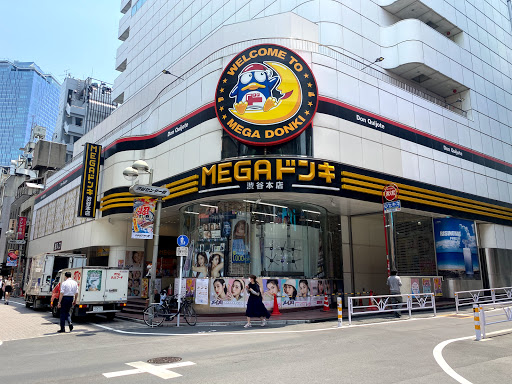
| Item | Detailed Information |
|---|---|
| Attraction Address | 〒150-0043 Shibuya-ku, Tokyo, Dougenzaka 2 Chome 25-12 |
| Business Hours | 10:00~23:00 (Some stores may vary, it is recommended to check the official website for the latest announcements) |
Store Introduction
Dōgenzaka Street is a new mixed-use commercial facility located in Dōgenzaka, Shibuya, Tokyo, officially opened on 2023 8 24. This building, developed by Pan Pacific International Holdings (PPIH), reaches a height of 115 meters, with 28 floors above ground and 1 basement levels, covering a total area of approximately 41,767 square meters. Its design concept is to 'create a passage in Dōgenzaka,' aiming not only to serve as a shopping venue but also to become a 'street' connecting Shibuya Cultural Village and Dōgenzaka Alley, enhancing the area's mobility and appeal. The commercial floors are located from 1 to 2, featuring 12 unique stores, from an upgraded version of Don Quijote to a hamburger shop making its debut in Japan, filled with surprises.
Upon entering Dōgenzaka Street, the most eye-catching feature is the 'Domise' on 1 floor (surprise specialty store), a new format from Don Quijote, showcasing quality products from its popular private brand 'Passionate Prices,' including daily necessities, food, and cosmetics, allowing shoppers to enjoy the fun of 'high quality at low prices.' Next to it is 'Lil Woody’s,' a hamburger shop from Seattle, USA, making its first appearance in Japan, delighting food lovers with juicy handmade burgers. Dessert enthusiasts should not miss the rich handmade ice cream from the century-old Italian brand 'Giolitti,' paired with a cup of specialty coffee from 'Sarutahiko Coffee,' perfectly embodying a leisurely afternoon. Additionally, there are 'Goncha' bubble tea, 'Frijoles' with its exotic flavors of Mexican burritos, and creative Western-style delicacies from 'eashion fun SHIBUYA,' offering a wide variety that keeps visitors coming back.
In addition to shops and dining options, the architectural space of Dōgenzaka Street itself is worth noting, allowing visitors to appreciate its connection to the Dōgenzaka streetscape while shopping. The facility has four entrances and exits, linking Cultural Village Street and Dōgenzaka Alley, forming a 'passage' that allows visitors to freely explore and discover surprises in Shibuya. Above 2 floor, there are modern office spaces and 'Hotel Indigo Tokyo Shibuya,' combining commercial and accommodation functions, becoming a new landmark in Shibuya. The official mascot 'Dodo' (derived from the 'D' in Dōgenzaka Street) welcomes visitors with its cute appearance, symbolizing the facility's desire to become a beloved part of the community. Whether you are looking for food, fashion, or unique experiences, Dōgenzaka Street allows you to feel the diverse charm of Shibuya.
🎬 道玄坂通 Video
MEGA Don Quijote Shibuya Main Store
MEGAドン・キホーテ 渋谷本店
- Google Maps
- Apple Maps
- Copy address
🕖all day
Intro
▼👉Coupon
Shibuya Hyakken-dana
しぶや百軒店
- Google Maps
- Apple Maps
- Copy address
🕖12:00~05:00
Intro
▼Shibuya Hyakkendana
| Item | Details |
|---|---|
| Address | 〒150-0043 2-chome, Dogenzaka, Shibuya-ku, Tokyo |
| Business Hours | Varies by store; some open from 12:00 PM to 5:00 AM the next day. Check individual store websites or confirm on-site. |
Store Introduction
Shibuya Hyakkendana is a historic shopping street located in Dogenzaka, Shibuya, Tokyo. Its name comes from the "Hyakkyo Nagaya" of the Edo period, referring to the hundred shops lined along the street. It is about a 5-minute walk from Shibuya Station, marked by a red torii gate at the entrance, instantly transporting visitors from the modern city to a retro atmosphere reminiscent of the Showa era. Although called a "shopping street," it is not a traditional retail area but primarily features various dining and entertainment establishments, exuding a vibrant nightlife that attracts travelers eager to explore Tokyo's hidden corners.
As you stroll through the narrow alleys of Hyakkendana, you'll discover a unique charm that preserves the essence of old Tokyo. Small izakayas, barbecue shops, ramen restaurants, and bars line the streets, many adorned with wooden signs and warm lighting that create a cozy and nostalgic ambiance. While the nearby Maruyama-cho hotel district adds a touch of mystery, it is this blend of old and new that makes Hyakkendana an essential part of Shibuya. From day to night, the area is always lively, especially after dusk when the shops light up, and the sounds of laughter and the aroma of drinks intertwine, inviting you to step inside and explore.
Hyakkendana is not only a culinary hotspot but also a stage for cultural experiences. Every summer, it hosts the "Shibuya Hyakkendana Hashigo Sake" event, where participants can use tickets to sample specialty dishes and fine drinks at multiple shops, experiencing the local flavor of Dogenzaka. For those who enjoy off-the-beaten-path travel, Hyakkendana offers an alternative to the hustle and bustle of Shibuya 109 and the crossing. Here, you won’t feel the pressure of skyscrapers, but rather the warmth of street stories, making it worth slowing down to savor this hidden gem of Tokyo behind the bustling facade.
🎬 しぶや百軒店 Video
Shibuya 109
渋谷 109
- Google Maps
- Apple Maps
- Copy address
🕖10:00~21:00
Intro
▼Shibuya 109
| Item | Details |
|---|---|
| Address | 2-29-1 Dogenzaka, Shibuya, Tokyo |
| Business Hours | 10:00 AM - 9:00 PM (Store Floors) |
| Official Website | www.shibuya109.jp |
Highlights
Shibuya 109 is the heart of Japanese pop culture and a landmark of Asian fashion trends. This unique cylindrical building is located at one of Shibuya's busiest corners, with large advertising billboards constantly changing to showcase the latest fashion trends. Targeting young women in their teens to twenties, 109 is known for its fast, diverse, and expressive fashion styles. Here, you can catch a glimpse of Tokyo's most avant-garde and "Gyaru" fashion, making it a sacred place for young people to chase trends and express themselves.
Historical Background
Opened in April 1979 and designed by renowned Japanese architect Minoru Takeyama, Shibuya 109 was initially envisioned as a fashion center under the Tokyu Group. The name "109" cleverly plays on the Japanese pronunciation of "Tokyu" (Tō=10, Kyū=9). Since its inception, 109 has been closely linked to Japan's unique street culture, particularly from the late 1990s to the early 2000s, when it became the birthplace and mecca of "Shibuya-kei" fashion, especially "Gyaru" culture, solidifying its unshakeable position in the young fashion scene.
Floor Guide
Shibuya 109 has 2 basement levels and 8 above-ground levels, housing around 120 stores. While not as large as major department stores, its product selection is precise and focused:
- B2F – 8F: Primarily features young women's clothing, shoes, accessories, bags, and beauty goods. Each floor is filled with the latest Japanese trendy items, with compact and vibrant store designs.
- Main Products: *Fast fashion, personalized designer brands, cosmetics, and nail services.
Overall, the design of 109 aims to allow young people to find their own fashion style at reasonable prices in a lively and musical environment, experiencing the most authentic Shibuya fashion.
🎬 渋谷 109 Video
Bic Camera Shibuya Hachiko Exit Store
ビックカメラ 渋谷ハチ公口店
- Google Maps
- Apple Maps
- Copy address
🕖11:00~22:00
Intro
▼👉Coupon
Toguri Museum of Art
戸栗美術館
- Google Maps
- Apple Maps
- Copy address
🕖10:00~17:00
Intro
▼Toguri Museum
| Item | Details |
|---|---|
| Attraction Address | 〒150-0001 1-16-13 Jingumae, Shibuya, Tokyo |
| Business Hours | 10:00 AM - 5:00 PM (Last admission at 4:30 PM), closed on Mondays (if a national holiday falls on a Monday, it will be closed the following day) |
| Admission Fee | General 1,200 yen; High school and university students 700 yen; Junior high and elementary students 400 yen; Seniors over 65 1,000 yen |
Attraction Introduction
The Toguri Museum is located in a tranquil corner of Shibuya, Tokyo, and is a boutique museum focused on showcasing Japanese and East Asian ceramics. Just a few steps away from the bustling Harajuku and Omotesando, this understated yet elegant building is renowned for its unique collection, attracting ceramic enthusiasts and cultural explorers. The exhibits are based on the private collection of founder Toguri Toru, featuring exquisite ceramics from ancient times to the Edo period, particularly notable for its 'Ko-Imari' export porcelain. The museum hosts multiple themed exhibitions throughout the year, changing its displays each season, allowing visitors to discover something new with every visit.
The interior space is designed to be simple yet refined, divided into two exhibition areas, complemented by soft lighting and detailed explanatory panels that narrate the story of each exhibit. From luxurious blue-and-white porcelain to rustic tea ceremony utensils, it not only showcases the ultimate beauty of Japanese ceramic craftsmanship but also reflects the historical exchange between Eastern and Western cultures. Additionally, the museum features an online column called 'Learning Room,' where staff periodically share knowledge about ceramics, allowing enthusiasts who cannot visit in person to gain a deeper understanding of this art form's charm.
Historical Background
Cultural Significance
The Toguri Museum was founded in 1987 by entrepreneur Toguri Toru, who dedicated his life to collecting East Asian ceramics, particularly enamored with 17th to 18th-century Ko-Imari porcelain. These ceramics originated from the Arita region in Kyushu, Japan, during the mid-Edo period when Japan traded through Nagasaki with the Dutch East India Company, exporting exquisite porcelain to Europe, becoming a testament to the fusion of Eastern and Western cultures. Toguri's mission was to 'allow more people to appreciate the beauty of ceramics,' and he opened thousands of his collections to the public, making the museum one of the few cultural institutions in Japan focused on ceramic art.
Ko-Imari porcelain is known for its delicate blue-and-white designs and intricate floral patterns, blending traditional Japanese aesthetics with the demands of the European market, showcasing the exceptional skills and creativity of Japanese artisans at the time. These pieces are not only practical vessels but also carriers of art and history, embodying the brief brilliance of Japan's openness to the outside world during the Edo period. Through these exhibits, the Toguri Museum tells the story of how Japanese ceramics transitioned from local craftsmanship to the global stage, allowing visitors to experience an aesthetic resonance that transcends borders. For those who love in-depth travel, this place is not just a visual feast but also a journey through time in the world of ceramics.
🎬 戸栗美術館 Video
👉Tokyo Travel Pass
👉Tokyo MUSEUM Pass
Shibuya City Nabeshima Shoto Park
渋谷区立鍋島松濤公園
- Google Maps
- Apple Maps
- Copy address
🕖24H
Intro
▼Nabeshima Shoto Park, Shibuya
| Item | Details |
|---|---|
| Address | 〒150-0046 Tokyo, Shibuya, Shoto 2-10-7 |
| Opening Hours | Open all day (some facilities like restrooms may have maintenance times; check Shibuya's official announcements) |
| Admission Fee | No admission fee, free entry |
Attraction Overview
Nabeshima Shoto Park, located in the upscale residential area of Shoto in Shibuya, Tokyo, is a tranquil green oasis amidst the hustle and bustle. Just a 12-minute walk from the busy Shibuya Station, it offers a serene atmosphere where nature and history intertwine. The park centers around a natural spring pond, surrounded by lush trees and seasonal flowers, especially renowned as a cherry blossom viewing spot in spring. A vintage waterwheel by the pond slowly turns, evoking memories of the past and adding a poetic touch to this green space.
Covering approximately 5,012 square meters, the park may not be vast, but its clever design features winding paths and resting areas, perfect for a stroll or a break. The spring pond is not only a natural landscape but also one of the few remaining precious water sources in Shibuya, attracting various birds and allowing visitors to experience the beauty of nature up close. Additionally, the park boasts notable public facilities, such as a wooden restroom designed by renowned architect Kengo Kuma, part of "THE TOKYO TOILET" project, which, with its warm wooden structure and modern aesthetics, has become a unique feature of the park.
Historical Background
and Cultural Significance
The history of Nabeshima Shoto Park dates back to the Edo period when this land belonged to the Kishu Tokugawa family's lower residence. In 1876 (Meiji 9), the land was transferred to the Nabeshima family of Saga Domain, who established a tea garden named "Shotoen" and sold tea under the name "Shoto," becoming a well-known brand at the time. The name "Shoto" comes from the sound of pine trees swaying in the wind within the tea garden, imbued with a strong sense of Japanese poetic beauty, setting the cultural tone for the area. In 1932 (Showa 7), after the tea garden was discontinued, the area around the spring pond was transformed into a children's playground, gradually evolving into the park we see today, managed by Shibuya Ward.
This park is not only a gift of nature but also a witness to historical changes. It embodies the transformation from an Edo period noble residence, through Meiji-era tea culture, to a modern urban green space, reflecting Japan's appreciation for the coexistence of nature and culture. For travelers who love history and culture, this hidden gem offers a deep exploration of Shibuya's diverse facets; for visitors seeking a moment of tranquility, this oasis is the perfect refuge from the city's noise. Whether it's the romance of cherry blossom season or the everyday serenity, Nabeshima Shoto Park is worth pausing to savor.
🎬 渋谷区立鍋島松濤公園 Video
Shoto Museum of Art
澀谷區立松濤美術館
- Google Maps
- Apple Maps
- Copy address
🕖10:00~18:00
Intro
▼Shibuya Ward Shoto Museum of Art
| Item | Details |
|---|---|
| Address | 〒150-0046 Tokyo, Shibuya Ward, Shoto 2-14-14 |
| Opening Hours | 10:00 AM - 6:00 PM (last admission at 5:30 PM, extended to 7:00 PM on Fridays, last admission at 6:30 PM); closed on Mondays (if a national holiday, closed the following day) |
| Admission Fee | General exhibition adult ticket is about 500 yen, special exhibition prices vary (please refer to the official website for details); free for high school students and below, discounts for seniors over 65 and people with disabilities |
Attraction Introduction
Nestled in the upscale residential area of Shoto in Shibuya, the "Shibuya Ward Shoto Museum of Art" is an urban oasis that blends architectural beauty with an artistic atmosphere. It is about a 15-minute walk from JR Shibuya Station. Although it is away from the bustling intersections and shopping streets, it attracts countless art lovers with its tranquil and elegant environment. Designed by the renowned Showa-era architect Seiichi Shirai, the museum's exterior is made of light pink granite (which Shirai referred to as "Red Cloud Stone"), featuring gently curved walls and a golden entrance that exudes a romantic and philosophical aura. The central atrium includes an underground fountain, complemented by a spiral staircase and natural light, creating a three-dimensional artwork that makes one marvel at the building itself as a visual feast.
The museum primarily hosts diverse planned exhibitions, ranging from classical art to contemporary creations, and even showcases works by local elementary and junior high school students, reflecting its mission as a community cultural education platform. The first floor features a spacious lobby and a "Salon Musée" lounge, providing visitors with a space to relax and interact; the second floor is the main exhibition area, regularly updating its exhibits and hosting lectures and film screenings in a multifunctional hall. Whether you want to appreciate architectural beauty or explore the depths of art, this place offers a rare sense of tranquility and cultural ambiance in Tokyo.
Historical Background
and Cultural Significance
The Shibuya Ward Shoto Museum of Art officially opened on November 1, 1981, established by Shibuya Ward to enhance the cultural literacy of its residents. Designer Seiichi Shirai is known as a "philosophical architect," having studied in Europe and influenced by German and Russian philosophy, integrating rationality and sensibility into his architectural creations. The Shoto Museum is one of his later representative works, embodying his unique insights into space, light, and materials. The Shoto area has been a residential district for nobility and wealthy individuals since the Edo period, and the establishment of the museum not only continues the elegant tradition of this land but also injects a touch of cultural color into the modern city.
Culturally, the Shoto Museum is not just a place for displaying art but also a bridge for communication between the residents of Shibuya and artists. It embodies Japan's pursuit of beauty and emphasis on education, bringing art into daily life through diverse exhibitions and activities. From Shirai's design philosophy to the historical narratives embedded in the exhibits, this place tells the story of how Japan finds balance between tradition and modernity, becoming a subtle yet profound cultural landmark in the international metropolis of Tokyo.
🎬 澀谷區立松濤美術館 Video
👉Tokyo Travel Pass
👉Tokyo MUSEUM Pass
Shinsen Station
神泉駅
- Google Maps
- Apple Maps
- Copy address
Intro
▼Harajuku, Omotesando, Aoyama, and Shibuya Travel FAQ
How to plan a day in Harajuku, Omotesando, Aoyama, and Shibuya without backtracking?
We recommend starting in the morning from JR Harajuku Station or Meiji-jingumae Station to visit Meiji Jingu first. If you wish to enter the Inner Garden and see Kiyomasa’s Well, allow an extra 60–90 minutes. Spend midday at Takeshita Street, walk through Cat Street or Omotesando toward Aoyama in the afternoon, and head to Shibuya in the evening for PARCO, MIYASHITA PARK, or SHIBUYA SKY. Choose Cat Street for street-style shops, or Omotesando’s main street toward Aoyama for architecture and luxury brands.
How to choose between N'EX, buses, and Skyliner from Narita Airport to Shibuya?
If staying near Shibuya Station with heavy luggage, consider the direct N’EX: a one-way standard ticket is 3,330 yen, taking about 80–90 minutes. For round trips within 14 days, check the 5,200 yen round-trip ticket. The low-cost bus from Narita Airport to Shibuya FUKURAS costs 1,500 yen for adults one-way; travel time depends on traffic and schedules. The Skyliner goes to Nippori, requiring a transfer to the JR line to reach Shibuya.
Do I need to take a train between Harajuku, Omotesando, and Shibuya?
If the weather is nice and you aren’t carrying much, you can walk from Harajuku to Omotesando, then take Cat Street to Shibuya. If it rains, you have many bags, or you need to return to Shibuya directly from Aoyama, use the Ginza, Hanzomon, or Chiyoda lines at Omotesando Station to adjust your route.
Is the Tokyo Metro one-day pass worth buying?
If you are mainly walking around Harajuku, Omotesando, and Shibuya, using an IC card is usually sufficient. The Tokyo Metro 24-hour ticket costs 700 yen. With a minimum IC fare of 178 yen, it pays off after 4 trips. If you plan to visit Ginza, Ueno, or Asakusa, consider the 24-hour ticket or the Tokyo Subway Ticket.
What time should I queue for SHIBUYA SKY? Do I need to buy tickets in advance?
To see the city transition from day to night, book your entry time before sunset and plan your Shibuya dinner accordingly. SHIBUYA SKY is located in Shibuya Scramble Square, with an observation deck about 229 meters above Shibuya. Sunset, weekends, and holidays are popular; if rain or strong winds close the outdoor area, visit PARCO, Hikarie, or MIYASHITA PARK instead.
Can Meiji Jingu, Kiyomasa's Well, and Yoyogi Park be visited on the same day?
Yes. Visiting the Meiji Jingu main hall is free. Kiyomasa’s Well is inside the Inner Garden, which has a 500 yen entry contribution. The garden is generally open 3–10 month 9:00–16:30, and 11–2 month 9:00–16:00, with extended hours during the iris season in 6 month. Meiji Jingu’s overall gate hours adjust with sunrise and sunset. If time is limited, visit only the main hall and Yoyogi Park; plan for the garden if you have more time.
What is suitable to buy in Harajuku, Omotesando, and Aoyama?
Takeshita Street features affordable fashion, goods, sweets, and subculture shops; Cat Street has select shops, sneakers, and cafes; Omotesando is home to flagship stores, malls, and architecture; Aoyama offers designer boutiques, galleries, and restaurants. Decide your stay duration based on the types of shops and budget, then use a map to group nearby stores together.
Can I still enjoy this route on a rainy day?
On rainy days, shorten outdoor walking routes like Harajuku and Cat Street. Indoor options include Omotesando Hills, Shibuya Hikarie, PARCO, MIYASHITA PARK, and Shibuya Scramble Square. If you still want to visit Meiji Jingu, enter and exit from the nearest station to avoid long walks.