

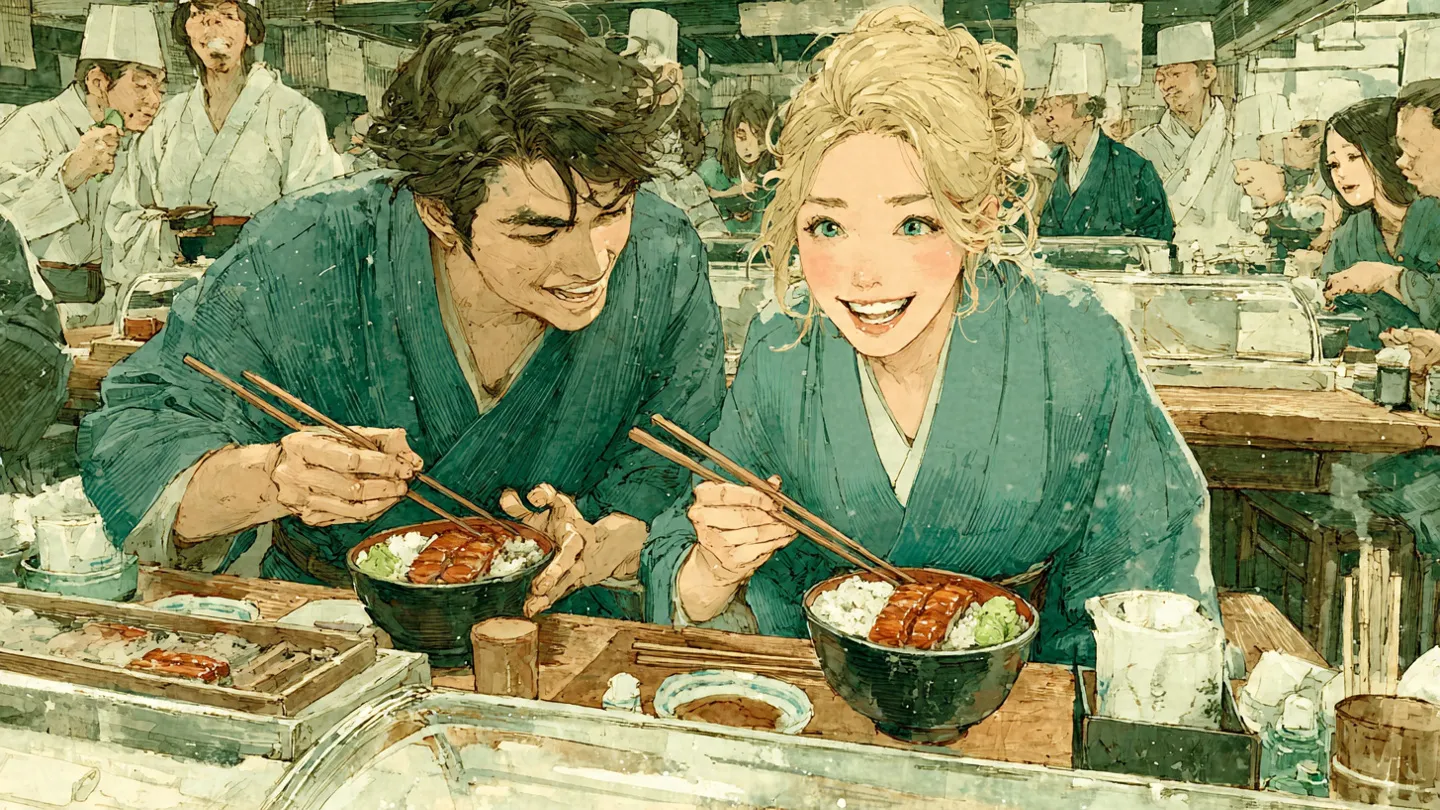


When glossy, caramelized eel rests on shiny rice, the sweet-salty sauce and smoky aroma hit your nose — this is more than taste, it’s a little theater of craftsmanship. From precise filleting and delicate skewering to charcoal grilling, every bite reflects centuries of skill.
But while putting together this Tokyo unagi guide, we found many spots are pricey or hard to book — some easily set you back ¥30,000–40,000, which can be a turn-off.
So we shifted focus and picked 20 must-try unagi restaurants in Tokyo that are under ¥20,000. You can still enjoy top-quality eel without the sky-high price.
Get your taste buds ready — this guide will lead you across Tokyo to the tastiest, most spirited, and best-value eel feasts.
20 Must-Try Affordable Unagi Restaurants in Tokyo
Gourmet List
1. Unagi Uomasa
2. Watabe
3. Iriya Kishibojin Monzen Nodaya
4. Manyu
5. Unagiya
6. Obana
7. Hatsuogawa
8. Unagi Tokitou
9. Hashimoto
10. Ginza Yondaime Takahashiya
11. Unagi Aikawa
12. Sumiyaki Unafuji Yurakucho
13. Miyake Akira
14. Myojin-shita Kandagawa Main Store
15. Unagi Akimoto
16. Unagi Mejiro Zoromo
17. Yaesu Unahashimoto
18. Godaime Nodaiwa Azabu Iikura Main Store
19. Nihonbashi Izumoya
20. Sumiyaki Unafuji Yaesu
🛫 Common Japanese for Travel
Tap the text below to hear audio!
旅遊實用日文
你好 안녕하세요
Hello
不好意思 실례합니다
Excuse me
非常感謝你 감사합니다
Thank you very much
再見 안녕히 계세요
Goodbye
廁所在哪裡? 화장실이 어디에 있습니까?
Where is the toilet?
旅遊咨詢處在哪裡? 관광 안내소가 어디에 있습니까?
Where is the tourist information center?
有宣傳冊子嗎? 팸플릿이 있나요?
Do you have a brochure?
我可以拍照嗎? 사진을 찍어도 될까요?
May I take a photo?
可以幫我拍照嗎? 사진 좀 찍어주시겠어요?
Could you take a photo for me?
計程車站在哪裡? 택시 승강장이 어디에 있습니까?
Where is the taxi stand?
請去這裡 여기로 가주세요
Please go here
請展示這個 이것 좀 보여주세요
Please show this
我想去這裡。 여기에 가고 싶습니다.
I would like to go here.
我不會說日語 일본어를 할 줄 모릅니다
I don't speak Japanese
你會說英語嗎? 영어 할 줄 아세요?
Do you speak English?
請說慢一點。 좀 더 천천히 말씀해 주세요.
Please speak more slowly.
請再說一遍 다시 말씀해 주세요
Please say it again
有店員會說中文嗎? 직원은 중국어를 할 수 있나요?
Can the staff speak Chinese?
🎁 Common Japanese for Shopping
Tap the text below to hear audio!
購物實用日文
請給我這個。 이것 주세요.
Please give me this.
我想要這個,謝謝。 이것 부탁드립니다.
I would like this, please.
請給我菜單。 메뉴 주세요.
Please give me the menu.
您推薦什麼? 추천하는 건 무엇인가요?
What do you recommend?
有更便宜的東西嗎? 더 저렴한 것이 있나요?
Do you have anything cheaper?
這是日本製的嗎? 이것은 일본 제품입니까?
Is this made in Japan?
我想點餐。 주문하겠습니다.
I would like to place an order.
請結帳。 계산서 부탁드립니다.
Could I have the bill, please?
可以免稅嗎? 면세 가능한가요?
Is this tax-free?
多少錢? 얼마입니까?
How much is it?
我在哪裡付款? 어디에서 결제하나요?
Where do I pay?
可以用信用卡嗎? 신용카드 사용 가능한가요?
Can I use a credit card?
我要用現金付款。 현금으로 결제하겠습니다.
I'll pay in cash.
我用 Suica 付款。 스이카로 결제하겠습니다.
I'll pay with Suica.
我用卡付款。 카드로 결제하겠습니다.
I'll pay with a card.
可以分開包裝嗎? 따로 포장해 주실 수 있나요?
Can you wrap them separately?
請給我收據。 영수증 부탁드립니다.
Could I have a receipt, please?
👗 Useful Japanese for Clothing Stores
Tap the text below to hear audio!
服飾店實用日文
這個多少錢? 이거 얼마예요?
How much is this?
我可以試穿嗎? 이걸 입어봐도 될까요?
May I try this on?
有 S 號的嗎? S 사이즈 있어요?
Do you have this in size S?
有 M 號的嗎? M 사이즈 있어요?
Do you have this in size M?
有 L 號的嗎? L 사이즈 있어요?
Do you have this in size L?
有 XL 號的嗎? XL 사이즈 있어요?
Do you have this in size XL?
有再大一點的嗎? 좀 더 큰 사이즈 있어요?
Do you have a larger size?
有再小一點的嗎? 좀 더 작은 사이즈 있어요?
Do you have a smaller size?
這個尺寸合適。 사이즈가 맞아요.
The size fits.
不好意思,這個尺寸不合適。 죄송해요, 사이즈가 안 맞아요.
Sorry, the size doesn't fit.
我再想一想。 좀 더 생각해볼게요.
I'll think about it a bit more.
這個可以。 이거 괜찮아요.
This is fine.
我不用了,謝謝您。 괜찮습니다, 감사합니다
No, thank you though
我要這個。有全新的嗎? 이걸로 할게요. 새 제품 있어요?
I'll take this one. Do you have a new one?
可以再便宜一點嗎? 좀 더 싸게 할 수 있어요?
Can it be a little cheaper?
我想再看看其他的。 좀 더 다른 걸 봐볼래요.
I want to look at others a bit more.
跟我想像的不一樣,我不要了。 생각했던 거랑 달라서 패스할게요.
It's different from what I imagined, so I'll pass.
我要這個。 이걸로 할게요.
I'll take this.
🍴 Useful Japanese for Restaurants
Tap the text below to hear audio!
打擾了 실례합니다
Excuse me
請給我菜單! 메뉴판을 주세요!
Can I have the menu, please?
我要點餐 할게요
I'd like to order.
我點這個 이거 주세요
I'll have this.
謝謝招待 감사합니다
Thank you for the hospitality.
請給我水 물 좀 주세요
Can I have some water, please?
這個要怎麼吃呢? 이거 어떻게 먹죠?
How do I eat this?
請給我一個小盤子 작은 접시 하나 주세요
Can I have a small plate, please?
可以幫我拍照嗎? 사진 좀 찍어 주실래요?
Could you take a photo for me, please?
麻煩幫我換烤網 구이망을 바꿔 주시겠어요?
Could you change the grill net for me, please?
麻煩結帳 계산서 주세요
Can I have the bill, please?
我在哪裡付款? 어디에서 결제하나요?
Where do I pay?
多少錢? 얼마입니까?
How much is it?
可以用信用卡嗎? 신용카드 사용 가능한가요?
Can I use a credit card?
我要用現金付款。 현금으로 결제하겠습니다.
I'll pay in cash.
請給我收據。 영수증 부탁드립니다.
Could I have a receipt, please?
☀️ Tokyo seasons, temps & what to wear
Tokyo seasons: temperature & clothing suggestions
Spring (Mar – May)
Average temps:
- March: 10°C (low ~5°C, high ~15°C)
- April: 15°C (low ~10°C, high ~20°C)
- May: 20°C (low ~15°C, high ~25°C)
What to wear:
- Early spring (Mar): light sweater and a lightweight jacket or windbreaker — pair with long pants or a skirt.
- Mid spring (Apr): a light jacket (denim or thin windbreaker) with a long-sleeve T or blouse underneath.
- Late spring (May): light long-sleeve or short-sleeve tops with long pants or skirts.


Summer (Jun – Aug)
Average temps:
- June: 23°C (low ~20°C, high ~26°C)
- July: 27°C (low ~23°C, high ~31°C)
- August: 28°C (low ~24°C, high ~32°C)
What to wear:
- Early summer (Jun): light long- or short-sleeve shirts and carry a light jacket to handle sudden rainy-season changes.
- Midsummer (Jul – Aug): short sleeves, shorts or skirts — watch out for sun and bring sun protection and a compact umbrella. Opt for breathable, cool clothing.
Autumn (Sep – Nov)
Average temps:
- September: 23°C (low ~20°C, high ~27°C)
- October: 17°C (low ~13°C, high ~22°C)
- November: 12°C (low ~7°C, high ~17°C)
What to wear:
- Early autumn (Sep): long-sleeve shirts or a light sweater, paired with a light jacket and long pants.
- Mid autumn (Oct): knitwear and a jacket with long pants or skirts — mornings and evenings get noticeably cooler, so layer up.
- Late autumn (Nov): thicker sweaters and coats — choose warm trousers or layered outfits.


Winter (Dec – Feb)
Average temperatures:
- December: 7°C (low 3°C, high 11°C)
- January: 5°C (low 1°C, high 9°C)
- February: 6°C (low 2°C, high 10°C)
What to wear:
- Early winter (Dec): thick wool coats or warm outerwear like wool or light down jackets.
- Mid-winter (Jan – Feb): down jacket, wool coat, scarf and gloves; pair with thermal leggings or add thicker tights.
 Click to navigate
 鰻魚 魚政
Unagi Uomasa
장어 우오마사
鳗鱼 鱼政
Tabelog
||
Google Maps
1
reservation
Some famous places draw attention from flashy decor or wild creativity; others earn respect through steady devotion to tradition. Tucked a one-minute walk from Keisei Yotsugi Station, うなぎ 魚政 is a quiet eel specialty spot that feels restorative and even made the “100 Best” list.
Its understated exterior and nostalgic interior give way to an irresistible grilled-eel aroma. The shop’s heart is its strict use of Kishu binchotan charcoal and a careful process using live eel: cut, skewer, sear, steam, then a final high-heat binchotan grill. That care preserves the eel’s flavor and fragrance — and requires patience: expect roughly a 40-minute wait for the eel to be ready.
The result is worth it. Natural eel offers a clean, layered flavor with a light sauce; farmed eel surprises with a charred crust and an unexpectedly silky, melt-in-your-mouth interior that pairs perfectly with rice and sauce. Small dishes like the crisp bone snack and sashimi-style liver (no off-flavor) served with sansho pepper are perfect complements. Add a short-grilled natural-eel plate with the house liver sauce for an extra-special touch.
Video introduction
うなぎ 魚政
- Budget: ¥10,000〜¥14,999 (dinner), ¥8,000〜¥9,999 (lunch)
- Type: Unagi (eel) rice
- Phone: 03-3695-5222
- Reservations: Fully reservation-based
- Opening hours:
- Mon, Thu, Fri, Sat, Sun:
- Lunch: 11:30〜14:00 (last food order 12:30; last drink order 13:00)
- Dinner: 17:30〜21:00 (last food order 18:30; last drink order 19:00)
- Tue, Wed: closed
- Note: Dinner time is counted as 2 hours from the reserved start time.
- Mon, Thu, Fri, Sat, Sun:
- Address: Tokyo-to, Katsushika-ku, Higashi-Yotsugi 4-14-4
- Access: Get off at Keisei Oshiage Line “Yotsugi Station”; 1-minute walk (about 67 m)
- Children: Allowed (only for school-age children and above)
- Policy: Children must be 7 years or older and order one adult portion (same dish as accompanying adult). Children under 7 are not accepted.
- Payment:
- Credit cards accepted
- No smoking: Fully non-smoking (there is a smoking area at the shop entrance)
- Official website: http://unagi-uomasa.jp/
Click to navigate Watabe
Watabe
와타베
Watabe
Tabelog
||
Google Maps
2
reservation
Tucked away in a quiet lane of Tokyo’s Bunkyo ward is a must-visit eel restaurant called “わたべ” (Watabe) that loyal fans happily return to again and again. Not only has it repeatedly earned a spot in the Michelin Guide’s Bib Gourmand, its silky, delicate texture has made it a byword for pure eel bliss among connoisseurs.
Their signature “Special Unajū”, a dream everyone envies — is what people pine for. The chef uses carefully selected top-grade eel and a Kanto-style method (steam first, then grill) passed down for over seventy years, producing an incredibly tender result. When the steaming-hot box arrives, the contrast between the warmth and the melt-in-your-mouth softness is a one-of-a-kind global taste experience.
Worth mentioning is the house secret sauce that accompanies the eel: a base simmered for decades and continuously replenished, yet surprisingly light and not overly sweet. It gently coats the eel and each glossy grain of rice, and the harmony feels like a perfectly arranged musical phrase — unforgettable on first bite.
What really wows is that Watabe isn’t just about unajū. With management shaped by French culinary training, they lift eel up to the level of creative cuisine, turning a single meal into an enjoyable little expedition of flavors.
The must-order “Mini Enma-Jū” lets you enjoy two styles at once — the sweet, glazed kabayaki and the cleaner shiro-yaki — paired with condiments and a rich soup, giving multiple ways to enjoy the eel. The most striking inventive dish here, often called the “annual MVP,” is the bold gratin that pairs caramelized, silky chicken liver with smoky grilled eel. Two totally different, intense ingredients, handled at precise heat and temperature, fuse into a surprising harmony that lifts the whole meal.
Aside from the main dishes, the skewers are not to be missed either. The rustic “eel head skewer” gets charred just enough on the outside while staying rich and juicy inside, making the ingredient shine through; the generous “liver-yaki skewers” bring a slightly bitter-sweet punch that pairs perfectly with crisp Japanese sake like “Tobikasa Yoshiki.”
From carefully selected seasonal hors d’oeuvres to top-grade sashimi (sometimes from rare local eel varieties), down to the attentive, friendly service by staff nicknamed “Junior” who treat customers like old friends, every little detail shows this place’s warmth and professionalism.
わたべ (Watabe)
- Budget:
- Dinner: ¥6,000–¥7,999
- Lunch: ¥5,000–¥5,999
- Type: Unagi (eel) rice, seafood, Japanese cuisine
- Phone: 03-3812-7448
- Reservations: Reservations accepted
- Note: For dinner reservations, if you’re short on time please pre-order your eel dish — eel needs steaming then grilling, which takes longer.
- Opening hours:
- Mon: 11:30–14:30 (last order 13:30), 17:00–21:00
- Tue, Fri, Sat, Sun: 11:30–14:30 (last order 13:30), 17:00–21:00 (dinner last order 20:00)
- Wed, Thu: Closed
- Address: 1-9-14 Koishikawa, Bunkyo-ku, Tokyo — Atlas Tower Koishikawa 1F
- Access:
- Toei Mita Line “Kasuga” Station A5 exit — 1 minute on foot
- Toei Oedo Line “Kasuga” Station A5 exit — 1 minute on foot
- Tokyo Metro Namboku Line “Korakuen” Exit 8 — 3 minutes on foot
- Tokyo Metro Marunouchi Line “Korakuen” Station — 5 minutes on foot
- Children allowed: Yes (accepts infants, toddlers, and elementary-age kids)
- Note: The restaurant has two Japanese-style tatami rooms with low heaters (掘りごたつ); customers bringing children are advised to call ahead.
- Payment:
- Credit cards accepted (VISA, Master)
- QR code payments available (PayPay)
- Does not accept some electronic money services
- Smoking: Non-smoking throughout
- Note: Smoking can be separated; daytime is smoke-free. If a private room is available, smoking may be allowed there during lunch.
- Official website: http://unagiyawatabe.com
Video intro
Click to navigate 入谷鬼子母神門前Nodaya
Nodaya - In Front of Iriya Kishibojin
이리야 기시보진몬젠 노다야
入谷鬼子母神门前Nodaya
Tabelog
||
Google Maps
3
reservation
reservation
Strolling toward the gate of Iriya Kishimojin, you’ll notice a mouthwatering mix of smoky grill aroma and savory sauces — that’s the signature scent of “Nodaya” (est. Meiji 1868). This shop isn’t just an ordinary local eel place; it’s the direct descendant of an old-school Kanto eel-brotherhood whose owners have kept the culinary faith for generations. The head chef, born into this tradition, presents Japan’s eel culture with deep respect and skill, showing the craft’s full glory through techniques like “3-year skewering, 8-year cutting, a lifetime of grilling.” Every bite is a bridge between eras.
“Nodaya” charms visitors with its unique “century-old grilling” techniques, producing a golden-brown kabayaki that captures attention. They offer two regional styles: the Kanto-style “kanto-yaki,” steamed then grilled for a soft texture paired with a sharp, spicy sauce; and the Kansai-style “jika-yaki,” grilled directly over coals for a drier, charred umami with a thicker sweet glaze. The special “rock-grilled” option is also a crowd-pleaser. Whatever the method, the high-heat, long-burning grill showcases the artistry of true grilling.
What astonishes many is that this venerable shop is among the few places in Japan where you can taste both nationally famous branded-eel preparations and creative modern eel dishes under one roof. They serve innovative new eel varieties — from silky “soy-glazed big-bean eel” to tangy “lactic-acid eel” and the delicate “shared-water fantasy eel.” Beyond their classic kabayaki, the chef’s creativity branches into modern compositions like the exclusive “vinegar-marinated eel with plum,” demonstrating mastery across steaming, grilling, and pickling techniques.
Nodaya — in front of Iriya Kishimojin
- Budget:
- Dinner: ¥10,000–¥14,999
- Lunch: ¥8,000–¥9,999
- Type: Unagi rice bowls, seafood, Japanese cuisine
- Phone: 050-5869-5137
- Reservations: Accepted
- Opening Hours:
- Tue–Sun: 11:00–14:30, 17:30–20:00
- Mon: Closed (if Monday is a public holiday, the following Tuesday will be closed instead)
- Note: Closes when sold out. Because freshness is taken very seriously, early arrival is recommended. There are a few irregular closed days each month.
- Address: 2-3-1 Shitaya, Taito-ku, Tokyo
- Access:
- Tokyo Metro Hibiya Line “Iriya” Station Exit 2 — turn right, two short blocks (about a 30-second walk)
- JR “Uguisudani” Station south exit — about 5 minutes on foot
- Located along the Yanesen area, right in front of the Iriya Kishimojin gate
- Children: Elementary school age and older only (each child must order a meal). Online reservations do not accept child-specific bookings. Parents: please note kids may get bored while waiting, as unagi takes time to prepare.
- Payment: Credit cards and QR payments accepted
- Smoking: No smoking
- Official: https://www.facebook.com/unagi.nodaya
Video intro
Tap to navigate 鰻禪
Unazen
우나젠
鳗禅
Tabelog
||
Google Maps
4
Near Tokyo Skytree, tucked in a cozy old-town corner, you’ll find a beloved family-run unagi spot simply known for doing one thing very well. There’s no fancy menu — just three portion options: “double,” “special,” and “regular” — a confident stance that says, “Trust our eel.”
That confidence comes from the owner’s strict approach: every eel is killed after it’s ordered and personally overseen by the chef, then grilled slowly over careful heat. The process takes time, but it teases out a delightful contrast — a slightly charred, fragrant exterior and a melt-in-your-mouth softness inside, with silky, flavorful fat. Paired with perfectly steamed white rice and the classic kabayaki sauce, it’s a perfect three-way match. The sauce carries that old Edo (traditional Tokyo) tang that feels like a little time-travel bite.
They use top-grade eel from a trusted region, prized for its thin skin and rich but clean fat — the kind professional chefs nationwide ask for. The owner grills each piece until the surface is nicely caramelized while keeping the inside tender. When the eel hits the rice and sauce, it’s a harmonious bite: glossy oil, distinct grains of rice, and the savory sauce all working together.
Video overview
Unazen (Unazen)
- Budget: ¥5,000–¥5,999
- Type: Unagi rice bowl
- Phone: 03-3624-0475
- Reservations: Not accepted
- Opening Hours:
- Tue, Wed, Fri: 11:00–16:00
- Sat, Sun: 11:00–15:00
- Closed: Mon and Thu (if Monday is a national holiday they may operate as usual)
- Note: May close early when sold out.
- Address: 3-6-18 Azumabashi, Sumida-ku, Tokyo
- Access:
- Toei Asakusa Line / Tokyo Metro Ginza Line “Asakusa” Station — about a 7-minute walk
- Tobu Skytree Line “Honjo-Azumabashi” Station — A4 exit about 1 minute on foot (A5 exit also possible)
- Children: Allowed
- Payment: Cash only (no credit cards, electronic payments, or QR)
- Smoking: No smoking
- Official: https://www.facebook.com/pages/%E9%B0%BB%E7%A6%85/157435990939125
Tap to navigate 鰻家
Unagiya
우나기야
鳗家
Tabelog
||
Google Maps
5
Near Higashi-Nagasaki Station on the Seibu Ikebukuro Line, a tempting aroma leads hungry travelers straight to the long-standing shop “Kameya.” Founded in 1969, this famed eel restaurant serves classic Kanto-style unagi that has won over countless fans — and it’s even known as one of Soichiro Honda‘s favorite places. Regulars often say, “Once you’ve eaten here, other eel just can’t compare.” The secret is simple: family recipes handed down through three generations that keep every visitor coming back.
Step inside “Kameya” and you get a warm, homey vibe. The third-generation owners quietly do their work in the kitchen, faithfully preserving traditional eel-cooking techniques. They insist on using high-quality live Sanriku eel and the classic Kanto “mae-yaki” deep-grill method. After slow simmering and careful grilling, the meat becomes supremely tender — the fat and fibers melt together, the skin softens, and every bite delivers top-tier satisfaction.
Kameya grades its eel by fatness into five levels — “ume, take, matsu, toku, toku-jo” — focusing on quality rather than portion size. Food lovers are recommended to pre-order the “toku-jo” to truly taste the best. The special sauce balances sweet and savory, highlighting the eel’s rich flavor without overwhelming it.
Beyond the main unaju, the small plates show the chef’s skill. Charred eel bones are fragrant and crunchy; the handmade rolled omelet is surprisingly delicate and fluffy — a perfect warm starter. Lucky diners may also find the rare, richly flavored “yakikimo” (grilled eel liver) on the menu when available — said to appear only when timing and supply align.
Kameya
- Estimate: ¥8,000〜¥9,999
- Type: Unagi (eel) rice bowl
- Phone: 03-3953-0049
- Reservations: Accepted (strongly recommended to call in advance — weekends and holidays fill up fast. When booking, please tell the shop your desired menu and time; they will prepare accordingly.)
- Business hours:
- Mon, Tue, Wed, Sat, Sun:
- Lunch: 11:30〜14:30 (last order 14:00)
- Dinner: 17:00〜20:30 (last order 20:00)
- Thu, Fri: Closed
- Note: Hours and holidays may change — please confirm with the restaurant before you go.
- Mon, Tue, Wed, Sat, Sun:
- Address: 5-18-17 Minami-Nagasaki, Toshima-ku, Tokyo
- Access:
- Seibu Ikebukuro Line “Higashi-Nagasaki Station” south exit — 4 minutes on foot
- Toei Oedo Line “Ochiai-minami-Nagasaki Station” (A2 exit) — 10 minutes on foot
- Stroller: Information unknown
- Payment:
- No credit cards
- No electronic payments
- No QR code payment
- Smoking: No smoking inside
Video introduction
Tap to navigate 尾花
Obana
오바나
尾花
Tabelog
||
GoogleMaps
6
In downtown Tokyo’s Shitamachi area of Minami-Senju you’ll find the long-standing eel shop “Obana.” For decades it has stuck to the faith of “true, traditional” unaju. There’s no flashy advertising and no reservation system — just honest, time-honored flavor that keeps customers coming back year after year. The charm here is not presentation but relentless dedication to ingredients and technique.
Visiting “Obana” requires patience. Because the shop often sells out, portions can run out even on weekdays; devoted fans sometimes arrive early and line up well before service. The waiting area, with wooden benches and chilled water, is simple but comfortable — the staff does its best to make the wait pleasant.
The dim, cozy interior and spacious table layout make for a relaxed meal. The menu is straightforward: the star is unaju (available in small and large sizes), plus items like shirayaki (plain grilled eel), lotus-leaf-style grilled eel, classic “unagi-maki” (eel rolled in egg), and vinegar-cucumber eel dishes like “uzaku.” The eel-maki — soft rolled egg wrapping savory eel — is a popular starter, mixing sweet and salty notes to whet the appetite.
From seating to the eel arriving usually takes around 40 minutes. That long wait is precisely so each dish reaches perfect doneness: the eel is grilled to a glossy golden finish, excess fat removed, and the sauce left to cling just right. The slightly oily glaze pairs beautifully with rice, making it hard to stop at one bite.
The accompanying liver-clear soup uses the eel’s essence as base: light, clean, and showing off the eel’s savory depth without any gamey taste. Its pure simplicity is the reason many diners willingly queue for hours just to have it again.
Obana (おばな)
- Estimate: ¥8,000〜¥14,999
- Type: Unagi (eel) rice bowl
- Phone: 03-3801-4670
- Reservations: Not accepted
- Business hours:
- Wed, Thu, Fri, Sat, Sun, holidays: 11:30〜13:30 / 16:00〜19:30
- Note: Business ends when the eel is sold out. Hours and holidays may change; please confirm before visiting.
- Mon, Tue: Closed
- Address: 5-33-1 Minami-Senju, Arakawa-ku, Tokyo
- Access: JR Joban Line, Tokyo Metro Hibiya Line, TX — “Minami-Senju Station” 4〜5 minutes on foot
- Stroller: Restricted (preschool-age children may not be allowed)
- Payment:
- No credit cards
- No electronic payments
- No QR code payment
- Smoking: No smoking inside (outdoor ashtray available)
Video introduction
Tap to navigate 初小川
Hatsuogawa
하츠오가와
初小川
Tabelog
||
GoogleMaps
7
Tucked away in an old reedbed sits a century-old eel shop, the venerable Hatsuogawa. Founded in 1907, Hatsuogawa doesn’t dazzle with flashy storefronts — it’s beloved for its simple, steadfast river-house spirit and has become many diners’ go-to word for classic eel rice. For longtime regulars, whether they’ve traveled across Kanto or farther, their final nostalgic stop always seems to be here.
Hatsuogawa’s unagi follows the classic “Kantō‑style” method: steamed first, then grilled, giving a soft texture that melts in your mouth. Unlike heavier eel dishes, its charm lies in restrained sweetness and a delicate sauce. With a lower sugar level, the sauce lets the eel’s fattiness and fresh flavor shine, producing a mellow, savory profile that suits people who prefer less-sweet seasoning.
Decades of consistent quality are this shop’s foundation. They stick to “fresh-grilled eel with plain rice,” serving hot, intensely delicious eel every time. Even if the signature “grilled liver” isn’t available, ordering a larger eel (upper grade) alongside a single liver skewer usually keeps regulars very happy.
Video introduction
Hatsuogawa (初小川)
- Budget: ¥4,000〜¥4,999
- Type: Unagi (eel rice)
- Phone: 03-3844-2723
- Reservations: Accepted (not taking bookings more than one month ahead)
- Business hours:
- Mon, Tue, Thu, Fri, Sat, Sun:
- Lunch: 12:00〜13:30
- Dinner: 17:00〜19:30
- Wed: Closed
- Note: Business hours and holidays may change. Please confirm with the restaurant before visiting.
- Mon, Tue, Thu, Fri, Sat, Sun:
- Address: 2-8-4 Kaminarimon, Taito, Tokyo
- Access: 5-minute walk from Asakusa Station (Toei Asakusa Line)
- Child seat: Information not available
- Payment:
- No credit cards
- No electronic payments
- No QR code payments
- Smoking: No smoking
- Official site: https://www.instagram.com/hatsuogawa/
Click for directions 鰻魚Tokito
Unagi Tokito
우나기 토키토
鳗鱼Tokito
Tabelog
||
Google Maps
8
reservation
Even after centuries of eel tradition, innovators keep popping up to refresh the classic. “Unagi Tokito” (うなぎ時任) is one such shop — praised in Azabu-Jūban and guided by a chef who blends eel know-how with French technique. The chef began working in eel kitchens at 16, spent many years honing skills (including about 15 years at the famed Nodaiwa in Azabu-Jūban), and built a rock‑solid traditional foundation before branching out.
Now he brings that experience to create a new, warmer take on eel — including what he calls a French‑style unagi preparation that sets a modern standard. The big draw here is thoughtful fusion: dishes that break the old stereotype of eel being only kabayaki (sweet soy glaze). Diners go on a tasteful journey from classic Japanese flavors to inventive, lightly Westernized plates.
Signature items — think an unagi burger that pairs kabayaki with bread and tomato, or delicate vinegared preparations and creamy white stews paired with prosciutto — show how the chef teases out each ingredient’s best qualities. The grill is handled with precision so the skin gets nicely crisp and smoky while the flesh stays tender. Paired with a bright, not-too-sweet sauce, the eel’s natural freshness really pops.
The restaurant also honors tradition: meals are served in jewelled Edo‑style lacquered boxes, and an hourglass is used so you can enjoy the eel at just the right moment — a formal, ceremonial touch. From the counter you’ll see the chef’s full concentration and smell the irresistible grill aroma: a neat mix of Japanese subtlety and French daring. Whether you love classic unagi or want a bold new take, Unagi Tokito is a memorable stop for adventurous eaters in Tokyo.
Video introduction
Unagi Tokito
- Estimated price:
- Dinner: ¥15,000–¥19,999
- Lunch:¥10,000–¥14,999
- Type: Unagi rice bowls, Japanese cuisine, French-influenced dishes
- Phone: 050-5596-0456
- Reservations: Available
Reservation notes: Please tell us in advance about any allergies or foods you cannot eat. Set meals all start at the same time, so please be punctual. Cancellation fees: 100% of the meal cost will be charged from 3 days before; cancelling reserved seats only will also incur a cancellation fee (¥5,000 per person).
- Business hours:
- Mon: 18:00–20:30 (dinner — business fully ends at 20:30)
- Tue–Sat: 12:00–14:00 (lunch — eel bowls stop when sold out) and 18:00–20:30 (dinner — business fully ends at 20:30)
- Sun: Closed
- Note: Lunch and dinner set courses start at the same time.
- Address: AZABUMAISON201, 2-5-11 Azabujuban, Minato-ku, Tokyo
- Access:
- Toei Oedo Line / Tokyo Metro Namboku Line “Azabujuban Station” Exit 4 — 7 minutes on foot
- Children: Allowed (infants, toddlers, preschoolers). Strollers may be brought inside.
Note: Guests with children are limited to using private rooms.
- Payment: Credit cards accepted
- Smoking: Completely non-smoking
Click for directions Hashimoto
Hashimoto
하시모토
Hashimoto
Tabelog
||
Google Maps
9
booking
This place in Edogawabashi, Tokyo — chosen as one of the top 100 unagi restaurants — is “Hashimoto” (founded in Tenpō 6, 1835). It’s a must-visit shrine for eel lovers. Standing at the doorway, the shop’s elegant, time-worn charm and the sweet-savory aroma instantly pull you into an Edo-flavored dining world. Even on weekdays seats often fill up, so booking ahead is highly recommended if you want a relaxed meal in this historic shop.
Hashimoto’s unagi magic is its fluffy, melt-in-your-mouth “fuwatoro” texture. The eel is steamed then grilled, with no hard or burnt edges — it simply dissolves on the tongue, a true little moment of happiness. Lift the lacquered lid and you’ll be greeted by a gleaming amber fillet: rich, tender meat with cleanly handled small bones. Paired with the house’s long-kept secret sauce and slightly firm rice, each bite is addictive — you won’t be able to stop.
If you choose the “extra-large double unagi,” portion size and richness jump up noticeably for only about an ¥800 difference — many diners say it’s worth every yen. Besides the main unagi bowl, other dishes also show the shop’s care: silky-sweet braised eggplant, fragrant and refreshing grilled chicken skewers, and savory crunchy bone snacks — all great little bites to pair with a drink while you wait 20–30 minutes for your unagi.
Though Hashimoto sits at a higher price point, sincere service, top-quality ingredients, and the painstakingly made sauce prove the value. Sitting in this warm, classic Japanese shop and breathing that irresistible aroma, you’ll likely say with a smile: “This is truly an unagi place worth visiting!” — a delicious trip into tradition and dedication.
Hashimoto
- Estimated price: ¥6,000–¥7,999
- Type: Unagi rice bowls, kabayaki (grilled eel) dishes
- Phone: 03-3811-4850
- Reservations: Available
- Business hours:
- Mon, Tue, Wed, Fri, Sat, Sun: 11:30–14:00 and 16:30–20:00 (last order 19:30)
- Thu: Closed
- Address: 2-5-7 Suidō, Bunkyo-ku, Tokyo
- Access:
- 3 minutes on foot from Edogawabashi Station. From Exit 4 turn right, pass Lawson at the Ishigaki-bashi corner, cross the bridge and take the second building along the river.
- Children: Allowed
- Payment:
- Credit cards accepted
- Electronic payments accepted
- QR code payments not accepted
- Smoking: Non-smoking throughout (implemented since May 1, Heisei 29)
- Official site: http://www.unagi-hashimoto.jp/
Video introduction
Click for directions 銀座 四代目 高橋屋
Ginza Yondaime Takahashiya
긴자 욘다이메 다카하시야
银座 四代目 高桥屋
Tabelog
||
Google Maps
10
booking
In the eel-dedicated scene of Ginza, the long-established Takahashiya — known as “Takahashiya” for generations — shines like a local star at its No. 2 Ginza location. Despite being in a luxurious neighborhood and repeatedly winning rice-selection awards, this place never stops chasing the pure, original taste of eel. The room buzzes with conversation, but diners’ eyes are glued to the lively eel being prepared and to the blue-heat of the grill where the chefs display their skilled craft.
What really draws people to Takahashiya is being able to watch the entire process, from live eel to plated dish. Especially impressive is their use of a Kansai-style “ground-grill” technique to make the “shirayaki” (plain-grilled eel), which captivates countless guests. Chefs handle the live eel right in front of you, placing it very close to the glowing charcoal; the skin instantly reaches a perfect crispness with a delicate, almost glossy finish, while the meat inside keeps its rich oils and succulent, briny flavor.
The recommended tasting method starts from the tail without adding any seasonings first, to appreciate the clean smoky aroma and the eel’s original freshness. Then you can add freshly grated wasabi and sea salt, or try refreshing yuzu juice with soy sauce and the house tare — those shifts of flavor push the eel’s natural taste toward peak deliciousness. This flawless grilling technique is the result of years of practice by the chefs, and it’s what makes Takahashiya’s signature impossible to replace.
If you prefer a more classic approach, their eel prepared in the Kanto style — steamed first, then grilled — is the way to go. The steamed-then-grilled eel is tender and sits beautifully with the house-simmered sweet tare; paired with the restaurant’s secret sauce the flavors balance between sweet, savory, and umami. They also provide two freshly ground pepper options — one with a numbing edge, one aromatic — so diners can fine-tune each bite. Uniquely, they even drizzle grilled eel sauce over a raw egg yolk, letting you dip the rich yolk and eel together for a distinctive taste experience.
Ginza — 4th Generation Takahashiya Ginza Store
- Budget:
- Dinner: ¥8,000–¥9,999
- Lunch: ¥5,000–¥5,999
- Type: Eel rice, Japanese cuisine
- Phone: 03-3547-0021
- Reservations: Reservations accepted (walk-ins welcome when seats are available)
- Note: If you make a reservation, you may be asked for a phone number for confirmation.
- Hours:
- Tues–Sun:
- 11:30–16:00 (last food order 15:00, last drinks 15:30)
- 17:00–22:00 (last food order 21:00, last drinks 21:30)
- Mon: Closed
- Regular holidays: Closed every Monday, and on the 2nd Monday and Tuesday of certain weeks.
- Tues–Sun:
- Address: 4-12-1 Ginza, Chuo-ku, Tokyo, SFRG Ginza East Building 4F
- Access:
- 4 minutes walk from Ginza Station
- 1 minute walk from Higashi-Ginza Station (enter/exit near the Kabukiza side; Kabukiza parking nearby)
- Children: Children welcome (strollers and infant seats accepted)
- Kids’ menu available; strollers may be brought in.
- Note: If guests or children don’t eat eel or unagi rice, please discuss alternatives in advance.
- Payment:
- Credit cards accepted
- No smoking: Fully non-smoking
- Official website: https://takahashiya-ginza.com/
Video overview
Tokyo's Hottest Tickets: Smart Travelers Always Compare Prices!
Tokyo's Hottest Tickets: Smart Travelers Always Compare Prices!
Tokyo's Hottest Tickets: Smart Travelers Always Compare Prices!
Tokyo's Hottest Tickets: Smart Travelers Always Compare Prices!
Open navigation 鰻魚專賣店 愛川
Eel Specialty Restaurant Aikot
장어 전문점 아이카와
鳗鱼专卖店 爱川
Tabelog
||
Google Maps
11
reservation
For eel lovers, this place has long offered a tasty choice between Kanto-style and Kansai-style grilling. If you want to solve that eternal debate, the hidden gem near Takahata Racecourse called “Aikawa” might be the perfect answer. Tucked on the first floor of a quiet building, this small famous spot combines deep expertise with a playful spirit that attracts diners from all over. Because seating is fully reservation-based, book ahead to avoid disappointment.
Aikawa’s unique charm is that you can freely mix Kanto and Kansai styles on one plate. Order a half-and-half eel rice (for example, half-and-half eel), and you get to enjoy two totally different textures and flavors at once. The Kanto method steams then grills, giving a tender, melt-in-the-mouth feel; Kansai’s direct-grill keeps the skin crisp and gives a smoky punch. Both styles have their strong points, and having them side by side is a masterclass in eel craftsmanship.
While you wait for your eel, don’t miss their rich skewer selection. The must-order is the charcoal-grilled eel tail skewer: bite into it and you get crunchy, deeply savory skin and concentrated, meaty flavor and chew — a guaranteed crowd-pleaser. Other highlights like shirayaki skewers, liver skewers, Kyoto-style roasts, and grilled conger are also superb and pair perfectly with sake.
When the main course arrives, the satisfaction is unbeatable. Eel here is thick and well-grilled, with excellent ingredients like fresh eel from premium producers. Paired with a not-too-sweet but aromatic tare and a punchy sauce, every bite is fully rewarding. Beyond the food, Aikawa’s warm, attentive service — from careful plating to generous pours of sake — makes this small beautiful space feel special. It’s not just a meal; it’s a memorable experience from flavor to heart.
Unagi Specialty — Aikawa
- Budget: ¥6,000〜¥7,999
- Type: Eel bowls, seafood, Japanese cuisine
- Phone: 050-5593-9737 (Reservation line: 050-1720-8227)
- Reservations: Accepted
- Hours:
- Mon, Thu, Fri, Sat, Sun, Holidays, day before holiday, day after holiday:
- 11:00〜14:30 (last order 13:30)
- 17:00〜20:30 (last order 19:30)
- Note: Often sells out — arrive early if you can.
- Mon, Thu, Fri, Sat, Sun, Holidays, day before holiday, day after holiday:
- Address: Tokyo, Shinjuku-ku, Takadanobaba 1-17-22
- Access:
- JR / Seibu-Shinjuku Line “Takadanobaba” Station — 7 min walk
- Tokyo Metro Tozai Line “Takadanobaba” Station Exit 7 — 2 min walk
- Kids: Allowed
- Payment:
- Credit cards accepted (VISA, Master, JCB, AMEX, Diners)
- QR code payment accepted (PayPay)
- Does not accept certain electronic payments
- Smoking: No smoking
- Official site: https://www.unagi-aikawa.jp/
Photos & Videos
Tap to navigate 炭燒 鰻富士 有樂町店
Charcoal Grilled Una Fuji - Yurakucho Branch
숯불구이 우나후지 유라쿠초점
炭烧 鳗富士 有乐町店
Tabelog
||
Google Maps
12
reservation
Starting from the historic Nagaya area and riding a wave of revival, the popular eel spot “Unafuji” finally set foot in Tokyo’s first-step revitalized OKUROJI between Shinbashi and Yurakucho. The sister-run restaurant blends traditional flavors with modern finesse — a hit with locals and award panels alike (THE TABELOG AWARD winner four years running and picked for the “Top 100”). For eel lovers, this is pure joy.
What sets them apart is a bold local grilling technique (think super-high heat), not the usual steaming-then-grill. They crank up the fire to achieve an ultra-crispy skin while keeping the flesh meltingly tender — imagine a silky, custard-like bite that locks in original flavors and rich aroma.
The kitchen is picky about ingredients: they use premium “aonagi” eels (only about 20% of the catch meet their standard) that are roughly 30% larger than average — meaty, fatty, and full-flavored. Combined with their signature sauces and techniques, the result is a simple-but-addictive unagi experience worth the wait.
Visiting Unafuji gives you a compact tasting tour of three classic styles in one seat — texture, savory sauce, and that smoky finish — which is why it’s become a must-visit stop for Tokyo eel fans.
Photos & Videos
Charcoal-Grilled Unafuji — Yurakucho
- Budget: ¥6,000〜¥7,999 (dinner), ¥5,000〜¥5,999 (lunch)
- Type: Eel bowls, seafood, dining
- Phone: 050-5457-0685
- Reservations: Accepted
- Hours:
- Mon–Sun, holidays, and days before holidays: 11:00〜22:00 (last order 21:00)
- Holidays: Irregular
- Address: Tokyo, Chiyoda-ku, Uchisaiwaicho 1-7-1 H12
- Access:
- JR Yurakucho Station Hibiya Exit — 6 min walk
- JR Shimbashi Station Ginza Exit — 4 min walk
- Tokyo Metro Ginza Line Shimbashi Station Exit 7 — 6 min walk
- Kids: Allowed (school-age children welcome; strollers allowed)
- Payment:
- Credit cards accepted
- Electronic payments accepted
- QR code payments accepted
- Smoking: No smoking
- Official site: https://sumiyaki-unafuji.com/shops/#ginza/
Tap to navigate 三宅輝
Miyake Teru
미야케 테루
三宅辉
Tabelog
||
Google Maps
13
reservation
Tucked away in quiet Roppongi is an elegant kappo-style spot called “Miyake” — picked in the 2025 Michelin Guide Tokyo and now a must-try. It’s not just about deliciousness; it’s a showcase of Japanese culinary craft and culture. The young, energetic head chef trained under a respected traditional master and later earned recognition from the prefectural agricultural office for promoting “Japanese food for everyone,” showing how his cooking influences Japan’s food scene.
Miyake’s kitchen blends classic techniques with modern creativity. They choose a special local sea bream brand and highlight it with a unique roasting method. One standout is their white-roasted sea bream, matured for over ten days so the texture and layers of flavor are more complex than you’d expect. To finish dishes, they use an heirloom soy sauce aged over 130 years — it teases out the roast’s aroma and umami in a way diners call a rare treat.
Beyond classic sea bream dishes, Miyake’s creativity shows up on the à la carte menu. Their signature “gentle sashimi dressing” tones down sharpness to let the fish’s natural sweetness and purity shine, overturning typical sashimi expectations. A seasonal plate like the pine-scented roasted eel soba gets praise for how the chef weaves subtle flavors into each bite. Even the plates and bowls are original designs by the chef — every detail, from ingredients to tableware, reflects a personal aesthetic.
Dining at Miyake is a full-sensory experience, from visuals to taste. Many guests choose counter seats by the grill to watch the chef slowly char the fish over coals. From rich appetizers and grilled rolls to savory bone snacks, the sequence of dishes turns a meal into a ceremony. Pair it with a carefully selected Japanese sake recommended by the staff and you’ll pick up even more of the fine grilling aromas and delicate textures. This hidden Roppongi gem lets you enjoy top-level sea bream while feeling the warmth of Japan’s culinary tradition.
Miyake
- Prices:
- Dinner: ¥30,000〜¥39,999
- Lunch: ¥8,000〜¥9,999
- Type: Japanese cuisine, sea bream, seafood
- Phone: 050-5571-3172
- Reservations: Fully reservation-based (arrive early and call to check availability)
- Hours:
- Mon–Fri: 17:00〜22:30 (last order 22:00)
- Sat:
- Lunch: 12:00〜14:00 (last order 13:00; drinks last call 13:45)
- Dinner: 17:00〜22:30 (last order 22:00)
- Sun & holidays: closed (also closed New Year, Obon, and parts of Golden Week)
- Note: Latest entrance for dinner is 20:00.
- Address: Tokyo, Minato-ku, Roppongi 3-8-12 Roppongi JT Building 1F
- Access:
- Tokyo Metro Hibiya Line “Roppongi Station” — 5 min walk
- Toei Oedo Line “Roppongi Station” — 10 min walk
- Kids: Information unclear (this high-end place recommends inquiring first)
- Payment:
- Credit cards accepted (VISA, Master, JCB, AMEX, Diners)
- Smoking: No smoking
- Official site: https://www.facebook.com/roppongi.miyake.akira
Video introduction
Tap to navigate 明神下 神田川 本店
Myojinshita Kandagawa - Main Store
묘진시타 칸다가와 본점
明神下 神田川 本店
Tabelog
||
GoogleMaps
14
Reserve
Near Ochanomizu Station sits a historic and stylish sea bream restaurant — the original “Myojinshita Kandagawa.” Open since Bunka Year 2 (1805), the building itself has over two centuries of history and sets a mood that draws you in. The dark, dignified exterior and the classic interior with a quiet garden make the place feel timeless, and private rooms offer a perfect setting for friendly gatherings or business dinners. Guests can also choose counter seats with a charcoal grill to enjoy the theater of cooking up close.
This spot isn’t just about filling your stomach — it’s about savoring a refined moment. The kitchen follows a steaming-then-grilling method that creates a crispy, caramelized skin while keeping the flesh tender and melt-in-your-mouth. Their signature sauce is rich but not overly sweet, bright and clean in flavor, cleverly highlighting the fish’s natural sweetness and the fragrance from the fire. Paired with a bowl of glistening rice, it’s heavenly.
Whether you pick the modest “Ume” portion or the luxurious “Take” portion — or order the white-roast and clear sea bream soup — each dish pays tribute to the restaurant’s history and craftsmanship. In the subdued private rooms, tasting these two-century-old classics is more than a meal; it’s a graceful, nostalgic ceremony of flavor.
Video introduction
Myojin-shita Kandagawa — Main Branch
- Budget:
- Dinner: ¥15,000–¥19,999
- Lunch: ¥8,000–¥9,999
- Type: Unagi (うなぎ)
- Phone: 03-3251-5031
- Reservations: Available
- Opening hours:
- Tue–Sat: 11:30–14:30, 17:00–21:00
- Mon, Sun, Holidays: Closed
- Note: Opening hours and holidays may change. Please check with the restaurant before visiting.
- Address: 2-5-11 Sotokanda, Chiyoda-ku, Tokyo
- How to get there:
- Subway Ginza Line — Suehirocho Station. Walk west along the Kanda Myojin bridge, turn left at the Otokozaka intersection toward Myojin, about an 8-minute walk.
- From JR Ochanomizu Station (Hijiribashi Exit) go left past Hijiri Bridge, turn right at the Yushima Seido intersection, then through the Tendayama approach into the Myojin area; turn left at the Myojin underpass intersection and you’ll see the old black-walled building. About a 9-minute walk.
Click to navigate 鰻魚秋本
Unagi Akimoto
우나기 아키모토
鳗鱼秋本
Tabelog
||
GoogleMaps
15
reservation
In the modernized office blocks around Tokyo’s Kanda/Sobacho stands an elegant, century-old wooden building — the birthplace of the famous unagi shop Akimoto, founded in Meiji 42 (1909). Once awarded a Michelin star, this long-standing restaurant keeps a timeless charm that draws both locals and visitors looking for comfort food with history.
Akimoto’s signature eel isn’t rushed. Raised in the clear spring water of the Oi River and snowmelt from the Southern Alps, each eel gets carefully nurtured — often over long periods (an average of about 15 months) — to develop a clean, refined flavor. This slow, attentive rearing removes off-flavors and concentrates natural fats and sweetness, giving every bite a delicate, fresh finish.
Regulars often start with eel liver simmered in soy or grilled liver with a drink, waiting for the main event. When the “special kabayaki” arrives, the restaurant’s two-part serving style is surprising and delightful: eel and rice are plated separately so you can mix them to taste. The house’s sweet soy-based sauce is provided on the side so each guest can adjust the flavor intensity. Clever set menus pair the rich kabayaki with layered side dishes and a soft, sweet-style eel omelet, plus a unique clear soup — all showing the kitchen’s careful, skillful touch. The result is a balanced feast combining century-old know-how and quality ingredients — simple, satisfying, and memorable.
Video presentation
Unagi Akimoto
- Budget:
- Dinner: ¥6,000–¥7,999
- Lunch: ¥4,000–¥4,999
- Type: Unagi, Japanese cuisine, kabayaki
- Phone: 03-3261-6762
- Reservations: Reservations accepted (please call to arrange)
- Opening hours:
- Mon–Sat: 11:30–14:30 (last order 14:00); 17:00–20:30 (last order 20:00)
- Sun & Holidays: Closed
- Regular holiday: Closed on the second Saturday of every month
- Note: Hours and holidays may change; please confirm before you go.
- Address: 3-4-4 Suehirocho, Chiyoda-ku, Tokyo
- How to get there:
- Tokyo Metro Yurakucho Line — Suehirocho Station: 1-minute walk
- JR Chuo Line — Yotsuya Station: 10-minute walk
- Tokyo Metro Marunouchi / Namboku Lines — Yotsuya Station: 11-minute walk
- Kids allowed: Information not available
- Payment:
- Credit cards accepted
- Smoking: Completely non-smoking
- Official website: http://www.unagi-akimoto.com/
Click to navigate 鰻魚 目白Zorome
Unagi Mejiro Zorome
우나기 메지로 조로메
鳗鱼 目白Zorome
Tabelog
||
GoogleMaps
16
reservation
reservation
In bustling Mejiro, Tokyo — just a minute from the station — you’ll find a tucked-away eel specialist beloved by foodies called “ぞろ皮”. It keeps a low-key, almost shy vibe, avoiding loud fuss and offering a calm, grown-up dining space. Inside, pale wooden tables and chic black accents blend modern and Western touches. Sit at the counter if you can: you’ll be close enough to watch the chef’s pure-blue flame grilling technique — a sight, sound and smell that wakes all the senses. This five-sense experience is the unique charm of “ぞろ皮”.
The real draw is their rare eel nicknamed the “phantom eel.” Sourced from Yaizu in Shizuoka and raised on the clear streams from Mount Fuji and the Southern Alps, these eels are limited in number and known for a naturally sweet, fragrant richness. Their DHA and EPA levels are reported at four to five times those of typical farmed eel, making them both tasty and nutritious.
Besides the phantom eel, the kitchen offers select domestic eels picked for top quality, prepared in the Kanto-style way: steamed first, then charcoal-grilled. This method keeps the outside pleasantly caramelized while the inside stays melt-in-your-mouth tender. The live eels are only cooked after you order, ensuring peak freshness — when the golden-brown fillet is placed on your plate, that glossy color and delicate bite prove the chefs have mastered the art of grilling.
Eel — Mejiro ぞろ皮
- Estimated price:
- Dinner: ¥5,000–¥5,999
- Lunch: ¥3,000–¥3,999
- Type: Eel rice bowl (unagi)
- Phone: 050-1809-2201
- Reservations: Accepted
- Hours:
- Mon, Tue, Thu, Fri, Sat, Sun: 11:00–14:00 / 17:00–21:00
- Wed: Closed
- Address: B1F, Mejiro Square Building, 3-3-1 Mejiro, Toshima-ku, Tokyo
- Access: 1-minute walk from JR Yamanote Line “Mejiro Station” (approx. 47 m from the station)
- Children: Allowed (kids of school age accepted; strollers permitted)
- Payment:
- Credit cards accepted (VISA, Master)
- No electronic payment accepted
- Smoking: Non-smoking
- Official site: None
Video introduction
Click to navigate 八重洲 鰻橋本
Yaesu Unagi Hashimoto
야에스 우나기 하시모토
八重洲 鳗桥本
Tabelog
||
GoogleMaps
17
reservation
By the Yaesu North Exit of Tokyo Station stands a long-established eel restaurant — “鰻 はし本” (Unagi Hashimoto). Founded in 1947, the shop follows the old belief that good food is the basis of good health, passing down the idea that properly prepared eel is food medicine. After a full renovation in October 2024, the elegant interior and refreshed space give a new look while respecting the restaurant’s history.
What Unagi Hashimoto insists on is the traditional Kanto-style eel craft. Unlike some modern shops that rush to finish grilling, the current head chef keeps to original methods: steaming first, then grilling only after you order. This patient approach preserves the eel’s signature texture, aroma and flavor.
The restaurant carefully selects domestic eels best suited to the Kanto roasting style — including varieties raised with attention to water quality and feed, and eels prized for their natural aroma. Chefs split live eels, skew them precisely and grill them so the meat stays tight, the fat rich and the size just right — showcasing the eel’s natural sweetness and fragrance.
The signature dish “Unajū” (grilled eel over rice) is treated like an art piece. For example, they use ten pieces of eel to create a single generous serving, stewing it in their unique Hashimoto sauce to achieve an ultra-tender finish. Served with their warm, sweet sauce and slightly firm steamed rice, a light sprinkle of sansho pepper wakes up the eel’s delicate fat and aroma — a bite that makes you forget the noisy city outside.
Yaesu Unagi Hashimoto
- Estimated price:
- Dinner: ¥10,000–¥14,999
- Lunch: ¥5,000–¥5,999
- Type: Eel rice bowl (unagi)
- Phone: 050-1808-6166
- Reservations: Accepted
- Hours:
- Mon–Fri: 11:00–14:30 (last order 13:30) / 17:00–20:30 (last order 19:30)
- Sat: 11:30–15:00 (last order 14:00)
- Sun & holidays: Closed
- Note: Saturday service limited to the 2nd and 4th Saturday lunch only.
- Address: 1-5-10 Yaesu, Chuo-ku, Tokyo
- Access:
- 3-minute walk from JR “Tokyo Station”
- 3-minute walk from “Nihombashi Station”
- Children: Allowed
- Payment:
- Credit cards accepted (VISA, Master, JCB, AMEX, Diners)
- QR code payments accepted (PayPay)
- Smoking: Non-smoking
- Official site: https://www.facebook.com/unahashi.com
Video introduction
Click to navigate 五代目 野田岩 麻布飯倉本店
Godaime Nodaiwa - Azabu Iikura Main Store
5대째 노다이와 아자부 이이쿠라 본점
五代目 野田岩 麻布饭仓本店
Tabelog
||
Google Maps
18
Tucked in Tokyo’s Hamamachi rice-warehouse area, wrapped in an old-world charm, sits the famed eel shop “Nodaiwa.” A household name since the Edo period, this place is basically a shrine of Tokyo-style unagi. Unlike heavier-flavored styles, Nodaiwa sticks to a refined Edo approach: gentle grilling, deep steaming and a clean, refreshing sauce, bringing out the eel’s elegant taste. The result is the delicate, polished flavor Tokyo gourmets chase.
Here, the eel’s texture is the giveaway. Long, careful steaming makes the meat ridiculously tender—so soft a gentle tap separates the flesh from the bones. The sauce is clear rather than sticky, balanced sweet-and-savory without masking the eel’s natural oils; it only acts like a graceful cloak. Served over perfectly portioned rice, each bite delivers layered and satisfying flavors. Paired with a clear liver soup enhanced by mitsuba and yuzu, the mild, silky liver adds a lovely contrast that leaves you smiling.
While waiting for the grilled eel, a trio of small starters teases the appetite. The signature chilled eel dish sparkles with concentrated eel flavor; combined with vinegared side items and lightly dressed vegetables, it’s a compact, refined amuse-bouche. Pair everything with a carefully made sansho (Japanese pepper) ale or a crisp citrus-forward “Sansho Ale” and the flavors lift even higher.
From outside to the interior—which uses plenty of antique materials—the place breathes old-money calm. It’s close to Kamiyacho station but feels like a time capsule, a quiet retreat where you can savor moments. Today, Nodaiwa isn’t just a classic for Japanese diners; it’s a must for international foodies too. Stop by for a midday splurge and treat yourself to a luscious, half-eel feast—the kind of meal that makes hard work taste worth it.
5th Generation — Nodaiwa, Azabu Iikura Main Branch
- Budget: ¥8,000—¥9,999
- Type: Unagi (eel) rice bowls, vinegar-seasoned sides
- Phone: 03-3583-7852
- Reservations: Reservations accepted
- Note: Book early. Reservations for 2 people are limited to seats in the annex.
- Hours:
- 11:00–14:30
- 17:00–21:00
- Closed: Sundays, irregular Mondays, Doyo no Ushi days, and summer holidays
- Note: Hours and holidays may change; please confirm with the restaurant.
- Address: 1-5-4 Higashi-Azabu, Minato-ku, Tokyo
- Access: Oedo Line Akabanebashi Station, or Hibiya Line Kamiyacho Station — about a 5-minute walk toward Tokyo Tower
- Child seats: Information unclear (please check with the restaurant ahead)
- Payment:
- Credit cards accepted (VISA, Master, JCB, AMEX, Diners)
- No e-money accepted
- No QR code payments accepted
- Smoking: Fully non-smoking
- Official site: http://www.nodaiwa.co.jp/index2.html
Video Introduction
Tap to Navigate 日本橋Izumoya
Nihonbashi Izumoya
니혼바시 이즈모야
日本桥Izumoya
Tabelog
||
Google Maps
19
Reservation
When cherry blossoms paint the streets pink, Japan puts on its seasonal best—and if you want a comforting bite while taking in that view, the famous “Nihonbashi Izumoya” is a top pick. This longtime shop is known for its steadiness and high-quality eel dishes, making it a go-to name for classic Edo-style unagi lovers.
Izumoya’s eel is a textbook example of the Kanto–style kabayaki—chefs grill the eel, steam it, then brush on sauce for a second finish. The result? A perfectly fluffy, melt-in-your-mouth texture (fuwafuwa). The meat isn’t overly charred or chewy, and there are no pesky tiny bones. Eel portions are just-right and meaty, so each bite feels warm and satisfying with a rich, concentrated umami.
The signature is its gentle, balanced warmth. At first bite the sauce tastes light and elegant. As the eel’s oils and the rice’s sweetness mingle, the eel’s true flavor blooms, making the whole dish harmonious. Served with a clean liver soup and crisp vinegared side dishes, it’s a classic from start to finish—the kind of meal that comforts and delights your palate.
For regulars, Izumoya’s “limited 10-meal special” is a beloved insider treat—it’s essentially a half-eel set at a great price. You might need to queue early on opening day to snag one, but for lucky diners the wait is totally worth it. From the attentive service to the well-timed farewell gifts after the meal, every detail shows the shop’s care. When the tasting ends, that lingering warm eel flavor stays with you—a picture-perfect end to a great day.
Video Introduction
Nihonbashi Izumoya
- Budget:
- Dinner: ¥15,000–¥19,999
- Lunch: ¥4,000–¥4,999
- Type: Grilled eel (unagi) dishes, Japanese cuisine, rice bowls
- Phone: 03-3241-2476
- Reservations: Reservations accepted (please call to reserve a table — provisional holds not accepted)
- Hours:
- Mon–Sat:
- 11:00–14:00 (last order 13:30)
- 17:00–21:30 (last food order 20:30, last drinks 21:00)
- Sundays & holidays: Closed (check the official site for exact closed dates)
- Mon–Sat:
- Address: 3-3-4 Nihonbashi Honshimbashi, Chuo-ku, Tokyo
- Access:
- Ginza Line — Mitsukoshimae Station, A8 exit: 3 min walk
- Hanzomon Line — Mitsukoshimae Station, B1 exit: 3 min walk
- Sobu Rapid Line — Shin-Nihombashi Station, Exit 2: 3 min walk
- Child seats: Available (welcomes babies, toddlers and elementary-aged kids; please avoid loud crying to respect other guests)
- Payment:
- Credit cards accepted
- Smoking: Non-smoking throughout (ashtrays available next door)
- Official website: http://www.idumoya.com/
Click to navigate 炭燒 鰻富士 八重洲店
Charcoal Grilled Una Fuji - Yaesu Branch
숯불구이 우나후지 야에스점
炭烧 鳗富士 八重洲店
Tabelog
||
GoogleMaps
20
reservation
For true lovers of classic, old‑school eel, you don’t need to chase the distant coastline — right in central Tokyo you can find that addictive, stick-to-your-memory flavor at the legendary shop “Unafuji” (うな富士). Whether it’s the Midtown Yaesu branch in front of Tokyo Station or other locations, they maintain top standards and have become a new benchmark for Tokyo eel.
Their most unforgettable signature is the liver‑topped eel rice (kimo‑iri unagi‑meshi). Thick slices of eel, expertly grilled, deliver smoky, caramelized edges and a tender, silky interior. The chef’s timing on the charcoal gives each bite a rich aroma and satisfying juiciness — every mouthful hits with aroma and punch.
Portion and cut options matter: choose the style that fits your appetite. The “mori” option gives easy bite-sized pieces that pair perfectly with the shop’s recommended condiments like fresh wasabi, which cuts through the richness with a bright, clean note.
What really surprises is the generous liver portion piled right in the center — a meaty, concentrated hit that isn’t greasy but elevates the whole bowl. The restaurant also layers extra oily-tail pieces so after the first round you’ll find a hidden, decadent treat. Paired with a light clear soup and zesty eel vinegar, it’s an irresistible combo.
Unafuji’s success comes not just from premium eel and grilling skill, but from faithfully recreating the old shop’s memory and flavor. Even inside big commercial complexes, they stick to high standards so you can enjoy a top-class eel experience without trekking far.
Sumiyaki Unafuji — Tokyo Midtown Yaesu
- Budget: ¥5,000–¥5,999
- Type: Grilled eel (unagi) dishes
- Phone: 050-5600-2487
- Reservations: Reservations accepted
- Hours:
- Mon–Sun, holidays & the day before holidays: 11:00–23:00 (last order 22:00)
- Note: No fixed holidays (depends on the venue)
- Address: 3F, Tokyo Midtown Yaesu, 2-2-1 Yaesu, Chuo-ku, Tokyo
- Access: Direct underground connection to JR Tokyo Station
- Child seats: Available
- Payment:
- Credit cards accepted (VISA, Master, JCB, AMEX, Diners, UnionPay)
- Electronic payments accepted (transport IC cards, Rakuten Edy, nanaco, WAON, iD, QUICPay)
- QR code payments accepted (PayPay, Alipay, WeChat Pay)
- Smoking: Non‑smoking
- Official website: https://sumiyaki-unafuji.com/shops/#yaesu/


