Kiyomizudera Day Trip: Kodaiji and Higashiyama Walk
The Kiyomizudera area spreads across the lower slopes of Kyoto’s Higashiyama district and delivers many of the scenes first-time visitors associate with the city. Start at World Heritage-listed Kiyomizudera on Mount Otowa, then follow Kiyomizuzaka, Sannenzaka and Ninenzaka north. Yasaka Koshindo and Yasaka Pagoda sit along the way before the route joins Nene-no-michi, Kodaiji, Entokuin and Ishibe-koji. Temples, stone-paved slopes, wooden townhouses and distant pagoda views appear in sequence, so the whole district works as one continuous walk.
This route offers more than photo stops. Kiyomizudera preserves stories of the monk Enchin, Sakanoue no Tamuramaro and Kannon worship. Kodaiji is closely connected to Nene, the principal wife of Toyotomi Hideyoshi. Farther south, the Sanjusangendo area formed part of Emperor Go-Shirakawa’s former Hojuji-dono estate and now includes Chishakuin, Toyokuni Shrine and the Kyoto National Museum. On a first visit, complete the classic Kiyomizudera-to-Kodaiji walk; add Sanjusangendo when you have at least half a day.
Three things to know before a Kiyomizudera day trip
Start early to avoid the largest crowds: Kiyomizudera opens at 6:00, unusually early for a major temple. Visit first and browse the slopes on the way down; this is much quieter than climbing close to midday.
The core route takes about three hours: Gojozaka bus stop → Kiyomizudera → Kiyomizuzaka, Sannenzaka and Ninenzaka → Yasaka Koshindo → Nene-no-michi → Kodaiji → Ishibe-koji → Higashiyama Yasui bus stop. Three hours excludes a proper meal, extended shopping and kimono rental; allow half a day for a slower pace.
Footwear matters more than styling: Kiyomizuzaka and Sannenzaka include long inclines, stone steps and uneven paving, while the temple grounds are extensive. Wear broken-in shoes with grip and support. In a kimono, take shorter steps and schedule more breaks.
To add Sanjusangendo, walk south along Higashioji-dori from Gojozaka toward Higashiyama Nanajo. The two bus stops are less than one kilometre apart, or roughly 15 minutes on foot. If you are tired, use the city bus instead.
Kansai Airport to Kyoto
🚄 Kansai Airport (KIX) to Kyoto
The two main choices from Kansai International Airport to Kyoto are JR trains and the Airport Limousine Bus.
The JR Limited Express HARUKA is the fastest and more comfortable option. It runs directly to Kyoto Station and offers roomier seating.The trip takes about 75–80 minutes and costs roughly ¥3,590.
👉kkday HARUKA ticket
👉Klook HARUKA ticket
👉Trip HARUKA ticket
If your trip covers Osaka, Kyoto, Nara, Kobe and Himeji, compare the three JR Kansai rail passes against your actual journeys before buying.
JR Kansai Mini Pass: 3 days, about ¥2,800
👉kkday
👉Klook
👉Trip
JR Kansai Area Pass: 1 day, about ¥2,600
👉kkday
👉Klook
👉Trip
JR Kansai Wide Area Pass: 5 days, about ¥11,500
👉kkday
👉Klook
👉Trip
Kansai transport + attraction bundle: 30-day validity, from about ¥11,000
👉Klook
Compare what each platform includes; Trip generally provides the clearest explanation.
Osaka to Kyoto
▼JR Kyoto Line▼
From central Osaka, the main choices are JR and the private railways, primarily Hankyu and Keihan.
1. JR Kyoto Line, the fastest option: Limited stops and direct service to Kyoto Station. The trip takes about 29 minutes and costs around ¥580, with frequent departures.
If your itinerary covers Osaka, Kyoto, Nara, Kobe and Himeji, compare the three JR Kansai rail passes against your actual journeys before buying.
JR Kansai Mini Pass: 3 days, about ¥2,800
👉kkday
👉Klook
👉Trip
JR Kansai Area Pass: 1 day, about ¥2,600
👉kkday
👉Klook
👉Trip
JR Kansai Wide Area Pass: 5 days, about ¥11,500
👉kkday
👉Klook
👉Trip
Kansai transport + attraction bundle: 30-day validity, from about ¥11,000
👉Klook
Compare what each platform includes; Trip generally provides the clearest explanation.
▼Hankyu Railway▼
2. Hankyu Railway, for Kawaramachi and Arashiyama: convenient for Kyoto’s lively Kawaramachi area. Osaka-umeda Station↔Kyoto-kawaramachi Station takes about 45 minutes and costs around ¥410. It suits travellers leaving from Umeda or staying near Kawaramachi and Gion; besides single tickets, consider the passes below.
Hankyu Tourist Pass
Coverage: unlimited rides on the Hankyu Railway and Hanshin Railway networks.
Advantage: a lower-cost option for trips centred on Osaka Umeda, Kyoto Kawaramachi and Kobe.
Best for: travellers based in Umeda who plan to focus on Kyoto Kawaramachi, Shijo and Kobe.
Hankyu Tourist Pass:
👉kkday
👉Klook
👉Trip
Kansai Railway Pass for 2 or 3 days:
👉kkday
👉Klook
👉Trip
▼Keihan Railway▼
2. Keihan Railway, for Gion and Kiyomizudera: convenient for Gion-shijo, Kiyomizu-gojo and the Higashiyama area.
Route: Yodoyabashi or Temmabashi↔Gion-shijo or Kiyomizu-gojo, about 55–60 minutes and ¥480.
This route suits travellers staying on the eastern side of central Osaka, such as Yodoyabashi, who plan to visit Kyoto’s Higashiyama district.
Keihan Kyoto–Osaka Sightseeing Pass
Coverage: unlimited travel for one day on the Keihan Main Line and the Iwashimizu-hachimangu cable car. More than three rides can make the pass worthwhile.
Direct access to major sights: Keihan links several useful stops, especially in Kyoto:
Fushimi Inari Taisha from Fushimi-inari Station ⛩️
Gion and Kiyomizudera from Gion-shijo and Kiyomizu-gojo
Tofukuji from Tofukuji Station 🍁
Uji for Byodoin and the Uji River 🍵
Osaka Castle from Temmabashi Station
Keihan One-Day Pass:
👉kkday
👉Klook
👉Trip
Kansai Railway Pass for 2 or 3 days:
👉kkday
👉Klook
👉Trip
Central Kyoto to Kiyomizudera
Central Kyoto to Kiyomizudera: buses are convenient, but keep a backup route
There is no railway station beside the temple gate, so every route ends with an uphill walk. From Kyoto Station, the simplest option is a city bus to Gojozaka followed by about ten minutes on foot. Regular services include route 206, while sightseeing express buses EX100 and EX101 run on Saturdays, Sundays and Japanese public holidays according to the day’s timetable. The express fare is ¥500 for adults and the Subway & Bus One-Day Pass is accepted, but queues and road congestion are still possible during cherry-blossom season, autumn foliage and holiday periods.
Two alternatives to a crowded bus
Keihan Kiyomizu-gojo Station: The walk takes about 25 minutes. It is longer, but journey time is more predictable and it works well from Osaka’s Keihan corridor or Gion-shijo.
Subway Higashiyama Station: Walk about 35 minutes through Nene-no-michi, Ninenzaka and Sannenzaka. This reverses the standard Higashiyama route and suits travellers who already plan to explore Kodaiji.
With a Subway & Bus One-Day Pass, another option is the subway from Kyoto Station to Kujo, followed by city bus 202 or 207 from Subway Kujo Station-mae, also called Oishibashi, to Gojozaka. It can avoid some central congestion. Check official same-day timetables and fares before leaving.
Subway & Bus One-Day Pass
👉Klook
Access to Kiyomizudera and the correct uphill entrances
From Kyoto Station: Take city bus 206, or check sightseeing express EX100 and EX101 on Saturdays, Sundays and Japanese public holidays. Get off at Gojozaka and walk about ten minutes. From Hankyu Kyoto-kawaramachi or Keihan Gion-shijo, city bus 207 reaches Kiyomizu-michi, also about ten minutes below the temple.
By Keihan Railway: Kiyomizu-gojo Station is about 25 minutes away on foot. The route is uphill, so allow extra time with older travellers, children or large luggage. Kiyomizudera has no car park, and nearby paid parking can fill quickly.
Do not rely blindly on map shortcuts: The temple advises that the practical approaches are Kiyomizuzaka to Niomon Gate or Chawanzaka to the disaster-prevention road. Map apps occasionally suggest mountain paths that do not enter the precinct. Follow local signs.
Getting to Kodaiji and walking from Kiyomizudera
Higashiyama Yasui is the closest city-bus stop to Kodaiji, followed by a walk of about seven minutes. If you are already at Kiyomizudera, do not return to Higashioji-dori just to catch a bus. Walk downhill through Sannenzaka, Ninenzaka and Nene-no-michi; Kodaiji is about 20–30 minutes away, depending on crowds, photographs and shopping stops.
After Kodaiji, pass through Ishibe-koji to return to Higashiyama Yasui, or continue to Maruyama Park, Yasaka Shrine and Gion. During spring and autumn evening openings, visit the area by day, have dinner nearby and return after dark rather than travelling back to Kyoto Station.
Where is Yasaka Koshindo on this route?
Yasaka Koshindo, formally Daikokuzan Kongoji, stands between Kiyomizudera and Kodaiji near Yasaka Pagoda, or Hokanji. Walk downhill from Kiyomizudera through Sannenzaka and Ninenzaka, then turn into Yasaka-dori. The walk itself takes about 10–15 minutes, although the lanes become congested at popular times.
The brightly coloured kukurizaru, or bound-monkey talismans, are the best-known feature. They are not merely decorations: they symbolise restraining desire to concentrate on a wish. The small precinct takes about 15–30 minutes. Keep entrances and ceremonial routes clear and do not occupy a photo spot for an extended period.
A sample three-hour Kiyomizudera and Kodaiji walk
Gojozaka bus stop → about 10 minutes on foot → Kiyomizudera (60–90 minutes) → Kiyomizuzaka, Sannenzaka and Ninenzaka → Yasaka Koshindo and Yasaka Pagoda → Nene-no-michi → Kodaiji → Ishibe-koji → about five minutes → Higashiyama Yasui bus stop.
The three-hour version focuses on worship and walking. Allow four to five hours for kimono rental, a cafe queue, careful souvenir shopping or Entokuin. Starting at Kiyomizudera in the morning gives you a mostly downhill route. Starting at Kodaiji in the afternoon works too, but the final approach to Kiyomizudera is uphill.
Best-value hotels near Kiyomizudera
Prices below are in Japanese yen
The hotels below combine solid guest ratings with reasonable prices
Kyo no Yado Kiyomizu Gojo Kuretake-so
京乃宿 清水五条 呉竹荘
Click for Navigation
Google Maps
Apple Maps
Copy address
Average price around ¥12,000
3-star hotel
Intro
▼
Kyonoyado Kiyomizu Gojo Kuretake-so
Item
Details
Address
79-2 Yoshino-cho, Higashiyama-ku, Kyoto City, Kyoto Prefecture
Check-in / Check-out
15:00~10:00 (Check-in/Check-out)
Price Range
¥6,900~¥21,500
Hotel Facilities
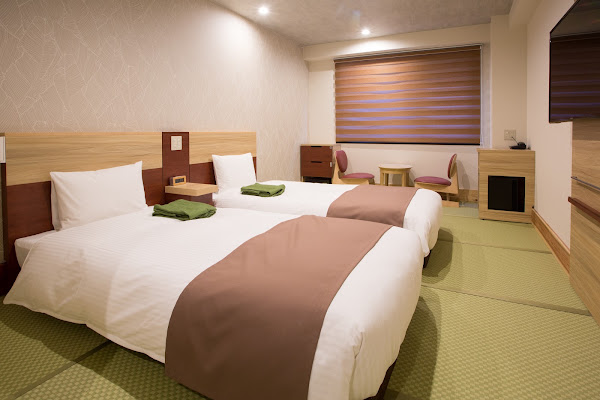
Large public bath (with sauna/steam room), tatami and Western-style rooms, complimentary welcome drink service (Happy Hour), Japanese-style breakfast buffet, free Wi-Fi
Train: Take the Keihan Main Line to "Kiyomizu Gojo Station," then walk about 5 minutes. Car/Taxi: From JR "Kyoto Station," it takes about 10 minutes by taxi.
Hotel Introduction
Kyonoyado Kiyomizu Gojo Kuretake-so is located in the historically rich Higashiyama area of Kyoto, just a 5-minute walk from Keihan "Kiyomizu Gojo Station." Famous attractions like Kiyomizu Temple, Sanjusangendo, and the Kyoto National Museum are within walking distance, making it an excellent base for travelers looking to deeply explore the beauty of Kyoto.
The hotel aims to create a "relaxing Kyoto inn," with carefully designed tatami-floored Japanese-Western rooms that allow you to take off your shoes and enjoy the perfect blend of traditional Japanese atmosphere and modern functionality. The spacious public bath, complete with a sauna (steam room), offers a chance to wash away the fatigue of a day spent exploring the ancient capital and enjoy complete relaxation for the body and mind.
Additionally, the Kuretake-so, originating from a traditional restaurant, puts great effort into hospitality. The hotel offers a popular "Happy Hour" welcome drink service, where guests can enjoy a complimentary selection of alcoholic or non-alcoholic beverages upon arrival. In the morning, a traditional "obanzai" Japanese breakfast buffet is served, featuring carefully selected fresh ingredients from Kyoto, energizing your morning with artisanal craftsmanship.
🎬 京乃宿 清水五条 呉竹荘 Video
Book
👉agoda
👉klook
👉Booking
Guesthouse Soi
ゲストハウス ソイ
Click for Navigation
Google Maps
Apple Maps
Copy address
General price around ¥11,000
Guesthouse
Intro
▼
Guesthouse Soi
Item
Details
Address
509-2 Shimoma-cho, Higashiyama-ku, Kyoto City, Kyoto Prefecture
Check-in / Check-out
15:00~10:00 (Check-in/Check-out)
Reference Price
¥4,000~¥10,000
Facilities
Free Wi-Fi, shared lounge, shared kitchen, coin-operated laundry and dryer, bicycle rental, luggage storage, multilingual support (including Chinese and English)
By Train and Bus: Take bus 206 from JR "Kyoto Station" to "Machicho" stop, then walk about 4 minutes (approximately 250 meters uphill); or walk about 15 minutes from Keihan Electric Railway "Shichijo Station". By Car: About 500 meters from Higashiyama Gojō intersection, with paid parking available nearby (it is recommended to contact the guesthouse in advance for confirmation).
Hotel Introduction
Guesthouse Soi is nestled on a tranquil slope in the charming Higashiyama area, run by a multinational couple who are passionate travelers. Its prime location allows easy access to famous attractions like Kiyomizu-dera, Sanjusangendo, and the Kyoto National Museum, enabling you to fully immerse yourself in the unique atmosphere of Kyoto.
The interior blends traditional Japanese and modern comfort styles, offering a variety of room options. Whether you prefer a cozy double room with a private bathroom or a tatami room suitable for families or small groups, all rooms ensure privacy. The guesthouse features a well-equipped shared kitchen and a warm lounge where travelers can connect and share their stories from around the world.
Additionally, the hosts are fluent in Chinese, English, and Japanese, providing friendly service that makes guests feel at ease. This place is perfect for short-term backpackers and families, and it also offers long-term stay discounts, creating a warm haven that feels like home during your Kyoto journey.
🎬 ゲストハウス ソイ Video
Book
👉agoda
Minn Kiyomizu Gojo
Minn 清水五条
Click for Navigation
Google Maps
Apple Maps
Copy address
Average price around ¥11,000
3-star hotel
Intro
▼
Minn 清水五条 (Minn Kiyomizu Gojo)
Item
Details
Location
432-6 Gojo Bridge East 4 Chome, Higashiyama Ward, Kyoto City, Kyoto Prefecture
Train: Take the Keihan Main Line to "Kiyomizu Gojo Station" (清水五条駅), about a 6-minute walk; or take the Karasuma Subway Line to "Gojo Station," about a 16-minute walk. Bus: The nearest city bus stop is about a 7-minute walk away.
Hotel Introduction
Minn 清水五条 (Minn Kiyomizu Gojo) is a perfect blend of modern convenience and traditional Japanese charm in an apartment-style hotel. Its prime location allows easy access to Kyoto's must-visit sites like Kiyomizu Temple, Yasaka Shrine, Kennin-ji Temple, and the bustling Gion district, all within a 10 to 15-minute walk. This is an excellent place for travelers looking to stroll through the historic streets of Kyoto and deeply explore its history and culture.
Unlike typical business hotels, Minn 清水五条 features spacious and well-equipped apartment-style rooms, making it especially suitable for families or groups. The room design is simple and bright, with some types offering comfortable Western beds while cleverly incorporating traditional tatami spaces and Japanese futons, allowing guests to experience authentic Japanese hospitality alongside modern amenities. Additionally, each room is equipped with kitchenette facilities like a microwave and refrigerator, enabling travelers to prepare simple meals and enjoy a homely atmosphere even during extended stays.
To meet modern travelers' needs for privacy and efficiency, the hotel has fully adopted an advanced contactless check-in and check-out system, eliminating the need to wait in line at the front desk, and providing instant online assistance through a virtual front desk. Whether it's a leisurely trip with friends or a warm family getaway, Minn 清水五条 can create comfortable and wonderful memories for your Kyoto journey.
Open the map on a computer or larger screen, then compare it with the attraction cards below. A phone works, but full-screen view makes slopes, turns and walking distances easier to judge.
Cards follow the walking route and colour zones: a green covers Gojo-dori and Kiyomizu Shinmichi, b light blue covers Kiyomizuzaka, c blue covers Kiyomizudera, d light purple covers Sannenzaka, Ninenzaka and Ichinenzaka, e red covers Ishin-no-michi, and f yellow covers Kodaiji.
Loading map…
Open the sightseeing map
Higashiyama Attraction Cards
▼a Gojo-dori & Kiyomizu Shinmichi▼
Arriving at the Starting Station
Bus
Before climbing from Gojozaka to Kiyomizudera, stop around Gojo-dori and Kiyomizu Shinmichi for kimono rental or ceramics. This area has deep ties to Kyo ware and Kiyomizu ware, with tableware shops, workshops and small design stores along the route. Cups, small plates, chopstick rests and incense holders are generally easier to carry than large vases.
What souvenirs should you buy near Kiyomizudera?
Kyo and Kiyomizu ware: Ask about tax-free shopping and reinforced protective wrapping. Carrying ceramics in cabin baggage is safer than checking them in.
Shichimi and sansho seasonings: Small and easy to store, these suit travellers shopping for someone who cooks. Check heat level and best-before date.
Kyoto sweets, yatsuhashi and matcha snacks: Check storage instructions and shelf life. In summer, avoid products that need continuous refrigeration.
Popular shops often develop queues around midday. For kimono rental, change before climbing. For a temple-focused visit, see Kiyomizudera early and shop on the way down so you do not carry fragile pottery all morning.
Showing: All(7)
Kyoto Ceramic Hall
京都陶磁器会館
Click for Navigation
Google Maps
Apple Maps
Copy address
Intro
▼
Kyoto Ceramic Museum
Item
Details
Address
583-1 Yugyomaecho, Higashiyama Ward, Kyoto, 605-0864 Japan
Opening Hours
10:00–18:00 (Closed on Wednesdays and New Year holidays)
The Kyoto Ceramic Museum primarily showcases "Kyo-yaki" and "Kiyomizu-yaki" works created by members of the Kyoto Ceramic Association. The range of products is extensive, from traditional tea sets and flower vases crafted with ancient techniques to modern, uniquely designed everyday tableware and ornaments. Each piece embodies the artisans' craftsmanship and skill, offering exceptional quality and diverse styles. Whether you're looking for a unique artwork or a refined souvenir, this place fulfills all your expectations of Kyoto ceramics.
Store Introduction The Kyoto Ceramic Museum is the best starting point to learn about and purchase Kyoto ceramics. Operated by the local ceramic association, it is a highly credible center for Kyo-yaki and Kiyomizu-yaki. The museum is conveniently located along the path to Kiyomizu Temple at Gojo-zaka. The building has two floors; the first floor features a permanent exhibition area showcasing the works of association members, gathering masterpieces from hundreds of ceramic artists, resembling a small ceramic museum. The second floor houses a gallery and special exhibition area, regularly hosting themed exhibitions or solo shows by renowned ceramic artists.
Ookini Kimono Rental - Kiyomizu-dera Branch
おおきに着物レンタル清水寺店
Click for Navigation
Google Maps
Apple Maps
Copy address
Intro
▼
OOKINI Kimono Rental Kiyomizu Temple Store
Item
Details
Store Address
559-8 Yuyakumae-cho, Higashiyama-ku, Kyoto
Business Hours
08:30–18:00; return time depends on reservation plan
Transportation
Kiyomizu Temple, Sannenzaka, and Yasaka Koshindo are within walking distance
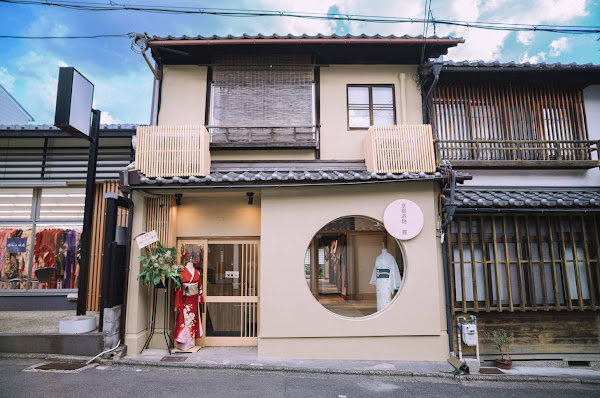
The store is located near Kiyomizu Temple, allowing you to stroll along Kiyomizuzaka, Sannenzaka, and Ninenzaka after changing. You can also visit Yasaka Koshindo and Kodaiji Temple. To avoid crowds and long photo lines, it's recommended to book a morning slot and consider the stone slopes and walking distance when choosing footwear.
Check Before Booking
Different plans include varying hairstyles, makeup, photography, and accessories, so verify the plan details, latest return time, and late fees when booking. The ability to store large luggage may also be limited by store space, so confirm with the store before bringing a suitcase.
Reserve
👉klook
Kyoto Uji Kintoki-ya
京都宇治金時や
Click for Navigation
Google Maps
Apple Maps
Copy address
Intro
▼
Kyoto Uji Kintokiya
Item
Details
Address
569-10 Shiraito-cho, Higashiyama-ku, Kyoto City, Kyoto Prefecture
Business Hours
10:00 AM – 9:30 PM *Hours may vary, please check before visiting
Kyoto Uji Kintokiya focuses on creating "lasting memories during your Kyoto journey" with the philosophy of "Simple is best," emphasizing the pure flavors of the ingredients. The owner is a dedicated artisan of shaved ice, capable of transforming perceptions of food. The signature Uji Kintoki shaved ice is acclaimed as one of the most delicious in the country. Each element, from the exquisite texture of the ice to the perfectly balanced matcha and high-quality red bean paste, is pursued to perfection. The owner even believes that the best season to enjoy shaved ice is not the hot summer, but the cooler autumn and winter. Enjoying a bowl of meticulously crafted shaved ice in a traditional town house setting will be one of your most unforgettable culinary memories near Kiyomizu Temple.
Okimono-ya - Kiyomizu Branch
Okimono屋 清水店
Click for Navigation
Google Maps
Apple Maps
Copy address
Intro
▼
Okimono屋 清水店
Item
Details
Store Address
569-9 Shiraito-cho, Higashiyama-ku, Kyoto City, Kyoto Prefecture
Business Hours
Open from 09:30; last return by 17:30
Transportation
About a 3-minute walk from Kyoto City Bus "Gojosaka" stop
Located near Gojosaka, Kiyomizu Store is ideal for starting a kimono walk from Kiyomizu Temple. After changing, you can visit Kiyomizu Temple, Sannenzaka, Yasaka Koshindo, and Kodaiji in order; if you prefer not to walk uphill too much in a kimono, consider making Kiyomizu Temple your first stop after changing.
Reservation and Return Reminder
The package may include basic hairstyles, obi, and accessories, which may require additional purchase; please refer to the reservation page for details. During peak seasons, cherry blossom season, and autumn foliage season, it is recommended to allow time for check-in and outfit selection, and to complete returns by 17:30.
Reserve
👉kkday
👉klook
Kyoto Kimono Rental Rei - Kiyomizu Branch
京都着物レンタル麗 清水店
Click for Navigation
Google Maps
Apple Maps
Copy address
Intro
▼
Kyoto Kimono Rental Rei Kiyomizu Store
Item
Details
Store Address
572-11 Shiraito-cho, Higashiyama-ku, Kyoto City, Kyoto Prefecture
Business Hours
09:00–17:30; Last acceptance at 16:00
Nearby Attractions
Within walking distance to Kiyomizu Temple, Sannenzaka, and Yasaka Koshindo
The store is close to Kiyomizu Temple, making it ideal to combine the kimono experience with a walking route in Higashiyama on the same day. The area around Kiyomizu Temple has many slopes and stone paths, so if you plan to visit Kodaiji Temple, it’s advisable to change clothes early, minimize personal belongings, and choose comfortable footwear.
How to Choose a Plan?
Before making a reservation, compare the clothing levels, hairstyle designs, accessories, children's plans, and whether photography services are included in the price. The last acceptance time does not equal the last return time; you should still return to the store on time as instructed by the staff on the day.
Reserve
👉kkday
Ippu-ya
一布や
Click for Navigation
Google Maps
Apple Maps
Copy address
Intro
▼
Ippuya
Item
Details
Address
〒605-0846 Kyoto City, Higashiyama Ward, Gojo Bridge East 6-chome 540-16 (Kiyomizu Chawan-zaka)
Store Introduction Ippuya is a "Kyoto Fabric Workshop" with the philosophy of "adding rich colors to life through fabric." Located next to Kiyomizu Temple at Chawan-zaka, the shop is dedicated to infusing heartfelt intentions into every piece of fabric, offering customers luxurious and innovative textile products. Here, traditional Kyoto aesthetics perfectly blend with modern lifestyle needs.
Product Features
The products at Ippuya stand out due to three key commitments:
・Commitment to "Handmade": Every step, from patchwork to sewing, is completed by skilled artisans. Each piece embodies the intention of making the final product more splendid and exceptional, resulting in unique variations with a warm texture.
・Commitment to "Polyester": The shop leverages the unique advantages of polyester to develop washable, wrinkle-resistant, high-quality yet affordable fabrics. This commitment stems from pride in being experts in synthetic fiber textiles.
・Commitment to "Hidden Details": To preserve the fabric's inherent quality, the shop uses the same material for bonding and employs a seamless finish technique, enhancing the product's elegant appearance. This attention to detail reflects the brand's meticulous craftsmanship.
Imamura Pottery Store
今村陶器店
Click for Navigation
Google Maps
Apple Maps
Copy address
Intro
▼
Kiyomizu Chawan-zaka Imamura Pottery Shop
Item
Details
Address
Imamura Pottery Shop, Kiyomizu Shindo
Imamura Pottery Shop takes pride in its extensive selection, often leaving customers amazed at how complete the collection is. The products here feature the following highlights:
Exquisite Kiyomizu Ware: Offers the representative ceramics of Kyoto, "Kiyomizu Ware," known for its unique refinement and elegant style.
Diverse Japanese Tableware: In addition to Kiyomizu Ware, it boasts a wide variety of tableware from other regions of Japan, providing an abundant selection.
- Fusion of Tradition and Innovation: The products are rooted in the traditional techniques of classical Kyoto kilns while incorporating modern aesthetics and innovative elements, captivating ceramic enthusiasts with their unique beauty. - Accessible Masterpieces: The shop features many masterpieces by skilled artisans, allowing customers to hold them and deeply appreciate their exquisite craftsmanship and beauty, evoking profound emotions.
▼b Kiyomizuzaka▼
Kiyomizuzaka is the main approach to Kiyomizudera’s Niomon Gate, where routes from Gojozaka and Kiyomizu-michi converge. Kyoto sweets, pickles, shichimi, ceramics, cafes and restaurants line the slope, and crowds become denser near the gate. Visit early for townhouse and stone-paved views; browse after the temple, because most shops do not open at 6:00 with Kiyomizudera.
The maiko experience typically includes white makeup, a wig, dressing, and indoor photography, taking about 90 to 120 minutes; some packages also offer outdoor walks or additional photos. This experience differs from regular kimono rentals, as the makeup and dressing time is longer, so be sure to allow enough buffer time when planning your visit to Kiyomizu Temple.
What to Note Before Booking?
Different packages may vary in the number of photos, outdoor range, age restrictions, and makeup removal services, so please refer to the latest information on the booking page. If you plan to visit Kodaiji Temple or Gion afterward, it is advisable to confirm the end time of the experience to avoid missing entry to subsequent attractions.
Reserve
👉kkday
Shichimiya Honpo
七味家本舖
Click for Navigation
Google Maps
Apple Maps
Copy address
Intro
▼
Shichimiya
Item
Details
Store Address
221 Kiyomizu 2-chome, Higashiyama-ku, Kyoto (intersection of Kiyomizu-zaka and Sannenzaka)
Shichimiya was established around 1655 and is an old spice shop on the approach to Kiyomizu Temple. Their signature shichimi spice blend focuses not just on heat but layers flavors with sansho, sesame, perilla, and aonori, making it perfect for pairing with udon, soba, rice bowls, or hot pot. If you prefer pure spiciness, you can choose ichimi, while those who enjoy refreshing aromas can compare sansho or yuzu-flavored products.
Shopping Tips
This shop is located at the intersection of Kiyomizu-zaka and Sannenzaka, making it convenient to stop by after visiting Kiyomizu Temple. The small size of the spices makes them easy to store and carry, making them a great addition to your must-buy list from Kiyomizu Temple; however, since flavors can vary significantly, it's best to check if the recipient can handle the aroma and heat of sansho before gifting.
Donguri Republic
どんぐり共和国 清水店
Click for Navigation
Google Maps
Apple Maps
Copy address
Intro
▼
Acorn Republic Kiyomizu Store (どんぐり共和国 清水店)
Item
Details
Address
2 Chome-218-1 Kiyomizu, Higashiyama Ward, Kyoto, 605-0862 Japan
Business Hours
09:30–17:30
Product Features
This is an official merchandise store authorized by Studio Ghibli. The store offers a wide variety of products, from the iconic Totoro and Catbus plush toys from "My Neighbor Totoro" to Jiji the black cat from "Kiki's Delivery Service" and No-Face from "Spirited Away." Almost all characters from Ghibli's classic animations can be found here. The product range includes plush toys, figurines, stationery, lifestyle goods, accessories, as well as DVDs and music CDs, making it a dream destination for both adults and children to relive childhood memories.
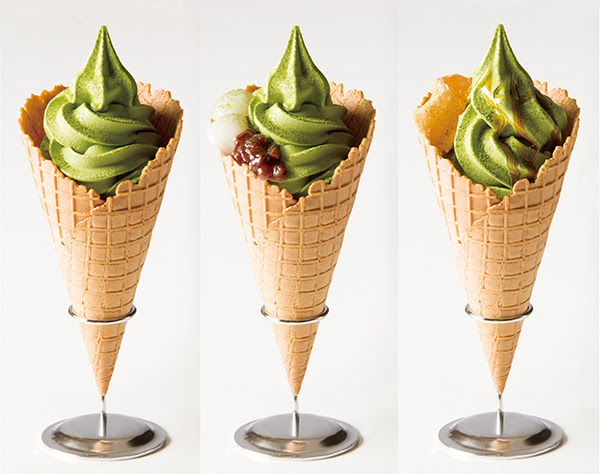
"Kiyomizu Kyoami" is a popular dessert shop located along the path to Kiyomizu Temple. Since its establishment in 1982, it has attracted countless visitors with its unique creative sweets. The most popular item is the "Yatsuhashi Matcha Cream Puff," which perfectly combines Kyoto's famous "Yatsuhashi" with Western-style cream puffs. The outer shell incorporates the unique cinnamon flavor of Yatsuhashi, providing a crispy and aromatic texture; the filling, made of rich matcha custard, is added only after the order is placed, ensuring freshness in every bite. The large portion and the contrast of crispy outside and soft inside make it a delightful treat. In addition to cream puffs, the shop also offers desserts like soft serve ice cream. The spacious indoor seating allows travelers to rest after a stroll, making it a must-visit delicious stop on the way to Kiyomizu Temple, whether you want to eat on the go or relax inside.
Otowa Charyo is located on Asahi-zaka, leading to Kiyomizu Temple, and is operated by the renowned Kyo-yaki and Kiyomizu-yaki specialty store "Asahido." The shop boasts an excellent location, with window seats offering a stunning view of Kyoto's streets, making it an ideal choice for a meal during your sightseeing. Their soba noodles are a signature dish, made from buckwheat flour sourced from Yaguno in Fukuchiyama, Kyoto, known for its elegant aroma and firm texture. The soba noodle set with tempura and sesame tofu is highly recommended. Additionally, the shop offers a variety of Japanese desserts, including "Matcha-zukushi," allowing you to leisurely enjoy a traditional afternoon tea. ※ Please note: This establishment does not accept reservations, and during peak travel seasons, you may need to wait in line for an extended period, so it's advisable to allow ample time.
🎬 音羽茶寮 Video
Kyo Baum - Kiyomizu Branch
京ばあむ 清水店
Click for Navigation
Google Maps
Apple Maps
Copy address
Intro
▼
Kyo Baum Kiyomizu Store
Item
Details
Address
2-229 Kiyomizu, Higashiyama Ward, Kyoto City, Kyoto Prefecture
Business Hours
10:00 AM - 5:00 PM *Open year-round, but may have irregular holidays; it's recommended to check before visiting
Kyo Baum is a new classic souvenir from Kyoto, perfectly combining Uji matcha and Kyoto-produced soy milk to create a heartwarming Baumkuchen. This dessert is not only loved by locals but is also a must-try for foreign visitors in Kyoto. Its standout feature is the beautiful three-layer cross-section created by intertwining matcha and soy milk batters, with a texture that is "shittori howahowa" (moist and fluffy). Upon taking a bite, the elegant aroma of matcha fills the air, achieving a perfect balance between slight bitterness and the gentle warmth of soy milk. In addition to the classic round Baumkuchen, the shop offers creative limited desserts such as soft serve, smoothies, and brownies, with the "walking Kyo Baum" on a skewer being the perfect treat to enjoy while strolling around Kiyomizu Temple. The first floor of the shop features a spacious and bright shopping area, while the second floor is the dining area. If you get tired from shopping, feel free to stop by for a dessert and enjoy a leisurely time in Kyoto.
🎬 京ばあむ 清水店 Video
Kiyomizu Junsei Okabe-ya
清水 順正 おかべ家
Click for Navigation
Google Maps
Apple Maps
Copy address
Intro
▼
Kiyomizu Junsei Okabe
Item
Details
Address
Kiyomizuzaka Kiyomizu Junsei Okabe
Business Hours
11:00~16:00 *Hours may vary by season *Irregular holidays
Dining Budget
¥2,000~¥2,999
Tabelog Rating
3.42
Restaurant Features
Kiyomizu Junsei Okabe is located on Kiyomizu-zaka, leading to Kiyomizu Temple, and is renowned for its authentic Kyoto tofu dishes. The restaurant offers warm and comforting yudofu, sesame tofu, shabu-shabu, and a variety of other Japanese cuisine. Its signature yudofu is famous for its generous portions, with silky tofu paired with exquisite side dishes, creating a delightful culinary experience, perfect for rewarding your weary stomach after a visit. Slightly off the busy main road, the restaurant allows guests to enjoy their meals in a relatively tranquil environment, accompanied by a garden fountain and modern architecture. If you want to experience traditional Kyoto cuisine while visiting Kiyomizu Temple, this is definitely a must-visit spot.
🎬 清水 順正 おかべ家 Video
Reserve
👉autoreserve
Loose Kyoto
ルース キョウト
Click for Navigation
Google Maps
Apple Maps
Copy address
Intro
▼
loose kyoto
Item
Details
Address
4-163-6 Kiyomizu, Higashiyama Ward, Kyoto City, Kyoto Prefecture
Located along the way to Kiyomizu Temple, loose kyoto is a charming café and donut specialty shop. The interior features high ceilings and skylights, creating a bright and comfortable space. Although there are no formal seating areas, long benches along the walls allow travelers to take a break. The donuts have a nostalgic Old Fashion style, with a crispy exterior and moist, light interior, offering a simple yet delightful taste. Pairing them with a carefully brewed light roast coffee or a rich matcha latte makes for a perfect energy boost during sightseeing. Friendly staff, warm messages at the bottom of cups, and the farewell greeting of "Have a great day" add a personal touch to this little shop. It's perfect for grabbing a donut to enjoy while strolling through the historic streets of Kyoto.
🎬 ルース キョウト Video
K36
K36
Click for Navigation
Google Maps
Apple Maps
Copy address
Intro
▼
K36
Item
Details
Address
2-204-2 Kiyomizu, Higashiyama-ku, Kyoto, Kyoto Prefecture, The Hotel Seiryu Kyoto Kiyomizu 4th Floor
Business Hours
Rooftop (Outdoor Bar) 17:00–00:00 The Bar (Indoor Bar) 15:00–00:00 *No fixed holidays
K36 is located on the rooftop of The Hotel Seiryu Kyoto Kiyomizu and features two distinctly different bar atmospheres. Its main attraction is the 360-degree panoramic view of Kyoto city.
In the spacious Rooftop outdoor bar, you can enjoy the beautiful sunset over Higashiyama; after dark, the illuminated Hokan-ji Temple's Yasaka Pagoda is just a stone's throw away, offering stunning views and an unparalleled atmosphere. The indoor The Bar provides a more refined adult space for savoring fine drinks.
This venue welcomes not only hotel guests but all visitors. Since general seating is not available for reservation, it is recommended to arrive early to enjoy a drink in this prime spot that captures the timeless beauty of the ancient capital.
🎬 K36 Video
Benoit Kyoto by Alain Ducasse
ブノワ 京都 アラン・デュカス
Click for Navigation
Google Maps
Apple Maps
Copy address
Intro
▼
BENOIT Kyoto Alain Ducasse
Item
Details
Address
2-204-2 Kiyomizu, Higashiyama-ku, Kyoto, The Hotel Seiryu Kyoto Kiyomizu
BENOIT (ブノワ) carries the legacy and spirit of a century-old Parisian restaurant, opening elegantly in Kiyomizu under the supervision of legendary chef Alain Ducasse (アラン・デュカス). Located within The Hotel Seiryu Kyoto Kiyomizu, it offers a prime view of the iconic Yasaka Pagoda. The concept is to provide "French cuisine for everyday enjoyment," reinterpreting traditional dishes from various regions of France in a modern style. Here, you can savor seasonal courses meticulously crafted by the chef team, with each dish from appetizers to desserts showcasing the refinement and deliciousness of modern French bistros. Classic dishes like the French casserole "Cassoulet" perfectly embody the restaurant's rich culinary heritage. Amidst the ancient atmosphere of Kyoto, experience a century of Parisian elegance as BENOIT invites you to enjoy a delightful journey through French cuisine.
🎬 ブノワ 京都 アラン・デュカス Video
Reserve
👉autoreserve
👉kkday
Issun-boshi
一寸法師
Click for Navigation
Google Maps
Apple Maps
Copy address
Intro
▼
Japanese Noodle 一寸法師
Item
Details
Address
4-148-6 Kiyomizu, Higashiyama-ku, Kyoto
Business Hours
Breakfast 07:00–11:00 until sold out (100 bowls daily) *Open year-round
This ramen shop is located next to Kiyomizu Temple and is steeped in story—it's said to be the site where the Japanese fairy tale "Issun-boshi" fought a demon. The restaurant embraces this theme, offering homemade ramen that immerses you in the legend while you enjoy your meal. Their "Asa Ramen" is available at an amazing price, making it a delightful treat after morning prayers. The signature "Saikyo White Miso Soy Milk Ramen" is a masterpiece that even vegetarians can enjoy, with a rich soy milk broth blending the acidity of tomatoes, the freshness of mitsuba, and the fragrance of yuzu, creating a complex yet light dish. In addition to ramen, the "Enmusubi Tamago" (Fortune Egg) with a lucky stamp and the aromatic "Charcoal Grilled Mayonnaise Chashu Don" are also must-try delights. Since only 100 bowls are available after 11:00, it's recommended for travelers to arrive early.
🎬 一寸法師 Video
▼c Kiyomizudera▼
Kiyomizudera hours, admission and quieter times in 2026
Kiyomizudera generally opens at 6:00 in 2026. It closes at 18:00 on most dates and at 18:30 from 1 July to 31 August outside special evening periods. Spring, summer and autumn night openings continue until 21:30, with last admission at 21:00. Admission is ¥500 for adults and ¥200 for primary and junior-high school students.
Spring evening opening: 27 March–5 April.
Summer Sennichi Mairi and evening opening: 14–16 August. Special access to the inner sanctuary runs 9–16 August, 9:00–17:00.
Autumn evening opening: 21–30 November.
The quietest period is usually around 6:00–8:00. Most approach shops are still closed, making this a good time for Niomon Gate, the Main Hall stage, Okunoin and Otowa Waterfall. Have breakfast and browse Kiyomizuzaka afterwards. Evening visits do not require reservations, but dates can change; check the official Kiyomizudera website before travelling.
⛩️ The Origins and History of Kiyomizudera 🌲
How Kiyomizudera began: Otowa Waterfall and Kannon worship
Kiyomizudera was founded in 778. According to the temple origin story, the monk Kenshin followed a dream from Nara to Mount Otowa and met the ascetic Gyoei beside a clear spring. Gyoei left sacred wood suitable for carving a Kannon image, and Kenshin remained to protect the hermitage and holy site. Kenshin later took the name Enchin and is honoured as the temple’s founding priest.
About two years later, Sakanoue no Tamuramaro met Enchin at Otowa Waterfall. Together with his wife, Miyoshi no Takako, he supported a temple dedicated to the Eleven-Headed, Thousand-Armed Kannon. The name “Kiyomizu,” meaning pure water, refers to the spring that still feeds the waterfall. Fires destroyed the complex repeatedly; most surviving halls were rebuilt in 1633 under Tokugawa Iemitsu. In 1994, the temple became part of the UNESCO World Heritage property Historic Monuments of Ancient Kyoto.
Why does the stage use no nails?
The Main Hall stage projects from a steep slope using the traditional kakezukuri method. Eighteen pillars and horizontal beams interlock without iron nails. About 13 metres above the ground, the stage was created for performances offered to Kannon rather than simply as a viewpoint.
The principal image and Sennichi Mairi
The Eleven-Headed, Thousand-Armed Kannon is a hidden image shown only once every 33 years. During Sennichi Mairi each August, visitors can enter the normally closed inner sanctuary and worship before the maedachi image, Fujin, Raijin and the Twenty-Eight Attendants. In 2026, inner-sanctuary access runs 9–16 August, with evening viewing on 14–16 August.
Niomon Gate
清水寺 仁王門
Click for Navigation
Google Maps
Apple Maps
Copy address
Intro
▼
Nioh Gate, Kiyomizu Temple
Item
Details
Location
Nioh Gate, Kiyomizu Temple
The Nioh Gate is the official entrance to the UNESCO World Heritage site, Kiyomizu Temple, welcoming visitors from around the world with its majestic presence. This gate measures approximately 10 meters wide, 5 meters deep, and 14 meters high, making it one of the largest mountain gates in Kyoto. Its vibrant red color stands out against the lush green backdrop of Higashiyama, making it a perfect spot for photos. Flanking the gate are two powerful Nio statues, known as the "Agyo" with an open mouth and the "Ungyo" with a closed mouth, symbolizing the beginning and end of the universe, guarding this sacred space day and night.
Historical Background and Cultural Significance
The original structure of the Nioh Gate was destroyed during the Onin War in the 15th century, and the existing building was reconstructed in the early 16th century (late Muromachi period) and designated as an Important Cultural Property of Japan. Its architectural style retains distinct features from the Muromachi period, showcasing the exquisite craftsmanship of wooden structures from that era.
The Nioh Gate plays a crucial role in demarcating the sacred from the secular. Passing through the gate signifies a temporary release from worldly troubles, entering the divine realm protected by Kannon. The plaque hanging in the center of the gate, inscribed with "Kiyomizu Temple," is said to be the work of the famous calligrapher Fujiwara no Yukinari from the Heian period, adding significant artistic value to this ancient gate. As the first stop for worshippers at Kiyomizu Temple, the Nioh Gate itself is a precious historical artifact, embodying the faith and aesthetics of the ancient capital.
Kiyomizu-dera Temple Three-Story Pagoda
清水寺 三重塔
Click for Navigation
Google Maps
Apple Maps
Copy address
Intro
▼
Kiyomizu-dera Three-Storied Pagoda
Item
Details
Location
Kiyomizu-dera Three-Storied Pagoda
Entering the temple's Nio Gate, the first sight is this vibrant and majestic three-storied pagoda. Standing about 31 meters tall, it is one of the largest pagodas in Japan, with its bright red "shon-dan" color standing out against the lush green mountains. Whether in the spring when cherry blossoms bloom or in the autumn when the leaves blaze, the pagoda remains a timeless focus for photographers and a classic symbol of Kiyomizu-dera for visitors.
Historical Background and Cultural Significance
The three-storied pagoda of Kiyomizu-dera dates back to the early Heian period, established when Sakanoue no Tamuramaro founded the temple. However, the pagoda has been destroyed by fire several times. The magnificent structure we see today was rebuilt in 1632 during the Kan'ei Great Reconstruction led by Tokugawa Iemitsu, incorporating the ornate style of the Momoyama period, showcasing the advanced architectural techniques and artistic aesthetics of the time.
As a "National Important Cultural Property" of Japan, this three-storied pagoda is not only grand in appearance but also rich in cultural significance. Inside, it enshrines the Dainichi Nyorai Buddha, with the walls and columns adorned with colorful images of the Eight Patriarchs and esoteric Buddhist paintings, while the ceiling features depictions of celestial beings and dragons, creating a solemn Buddhist cosmology.
Located to the left of the Nioh Gate entrance of Kiyomizu Temple, Seikido offers a unique spiritual experience. Its most famous feature is the "Tainai Meguri" (Womb Walk). Visitors must remove their shoes and pay the experience fee before entering a completely dark underground passage. The only guide is a large string of Buddhist prayer beads along the wall, symbolizing the compassion of Buddha. This journey, representing a return to the womb, heightens the senses in the surrounding silence and darkness, prompting self-reflection and spiritual calm. At the end of the passage, visitors will see the "Seikyu Stone," inscribed with Sanskrit, slowly rotating in dim light. They can place their hands on the stone, turn it, and make a single wish, then follow the light out, symbolizing purification and rebirth.
Historical Background and Cultural Significance
The existing structure of Seikido was rebuilt in 1718 and primarily enshrines "Daizuigu Bosatsu." This bodhisattva is known for fulfilling various wishes of the faithful, with "Seikyu" implying a compassionate response to prayers. Thus, this site has historically been a place of energy for wishes related to love, safe childbirth, academic success, and career advancement.
The design of "Tainai Meguri" profoundly embodies Buddhist philosophical thought. The dark passage symbolizes the womb of Daizuigu Bosatsu, and walking through it represents a journey back to the origin of life. In this process, one sheds worldly troubles and sins, ultimately making a wish upon the Seikyu Stone, which symbolizes the essence of the bodhisattva, and steps into the light, completing a spiritual "rebirth."
Thousand Stone Buddhas Group
千体石仏群
Click for Navigation
Google Maps
Apple Maps
Copy address
Intro
▼
Kiyomizu-dera Thousand Stone Buddha Group
Item
Details
Location
Kiyomizu-dera Thousand Stone Buddha Group
Amidst the bustling Kiyomizu-dera, there lies a serene landscape that feels entirely different. Turning left from the main hall's entrance, heading towards the Seiryuin, the noise fades away, revealing a solemn and incredible sight—the "Thousand Stone Buddha Group." Hundreds of stone Buddhas stand quietly, each adorned with red and white bibs, displaying various postures and expressions, some compassionate, others serene. This area feels like a sanctuary of time, with the collective warmth and tranquility emanating from the stone Buddhas deeply touching the hearts of every visitor.
Historical Background and Cultural Significance
The existence of this stone Buddha group tells a poignant story of faith and protection. Their history dates back to the early Meiji period when the Japanese government initiated the "Abolish Buddhism" movement, aiming to establish Shinto as the state religion, leading to the destruction of many temples and abandonment of Buddhist statues. Many stone Buddhas, originally enshrined in various neighborhoods of Kyoto, such as Amida Buddha and Kannon, faced destruction.
However, the citizens of Kyoto could not bear to see the statues that had long protected their homes disappear. They spontaneously began a gentle resistance, personally transporting these homeless stone Buddhas to Kiyomizu-dera seeking refuge. Thus, each statue here carries the deep faith and determination of the citizens to protect them at all costs. Although referred to as "thousand," the actual number is unknown; it is this collective goodwill of the nameless public that has created this moving cultural landscape today.
The Stage of Kiyomizu-dera Temple
清水寺の舞台
Click for Navigation
Google Maps
Apple Maps
Copy address
Intro
▼
Kiyomizu-dera (Kiyomizu Temple) and Kiyomizu Stage
Item
Details
Location
1-294 Kiyomizu, Higashiyama Ward, Kyoto City
Visiting Area
Kiyomizu Stage is located in the main hall of Kiyomizu-dera; tickets must be purchased according to temple regulations
Recommended Stay
About 60 to 90 minutes in the main temple area; allow extra time for queues during peak seasons
Kiyomizu Stage extends over the slope of Otowa Mountain, supported by traditional wooden construction techniques, approximately 13 meters above the ground. From the stage, you can overlook the city of Kyoto and enjoy cherry blossoms in spring, fresh greenery in summer, and autumn leaves; to capture the stage itself, continue along the worship route to the opposite Okunoin.
Historical and Cultural Background
Kiyomizu-dera was founded in 778, and the existing main hall was rebuilt by Tokugawa Iemitsu in 1633. It was designated a UNESCO World Heritage Site in 1994 as part of "Historic Monuments of Ancient Kyoto." The Japanese saying "jumping off the Kiyomizu Stage" describes making a bold decision, originating from a past folk belief; any dangerous behavior is strictly prohibited on site.
How to Visit Kiyomizu-dera and Kodaiji Temple?
It is recommended to walk down from Kiyomizu-dera, passing through Sannenzaka, Ninenzaka, Hokanji Temple, and Yasaka Koshindo, finally reaching Kodaiji Temple. This route is mostly downhill and convenient for arranging snacks and souvenirs, but the stone paths can be slippery in the rain, so slow down if wearing a kimono or accompanying elderly people.
Otowa Waterfall
音羽の滝
Click for Navigation
Google Maps
Apple Maps
Copy address
Intro
▼
Kiyomizu-dera Otowa no Taki
Item
Details
Location
Kiyomizu-dera Otowa no Taki
Attraction Description
Located beneath the main hall, Otowa no Taki (Otowa Waterfall) is the origin and sacred site of the temple, attracting visitors year-round. The waterfall consists of three streams of clear water flowing down the mountainside. These streams are considered holy water, each representing different blessings: "Academic Success", "Romantic Success", and "Longevity". Visitors line up to use a long-handled ladle provided by the temple to drink from one of the streams to pray for good fortune. A popular belief is that one should only choose one stream to drink from; drinking from all three is seen as greedy and may prevent wishes from coming true, adding a touch of reverence and fun to the experience.
Historical Background and Cultural Significance
The history of Kiyomizu-dera dates back to 778 AD, closely linked to Otowa no Taki. It is said that the monk Enchin was guided in a dream to find golden water on Otowa Mountain, ultimately discovering this waterfall and dedicating it to Kannon, marking the beginning of Kiyomizu-dera. The name "Kiyomizu" comes from the clear holy water of Otowa no Taki.
Since ancient times, the water from Otowa no Taki has been regarded as "golden water" or "longevity water," believed to possess miraculous healing and life-extending powers. It is not only the source of faith for Kiyomizu-dera but also symbolizes the compassion of Kannon. For a thousand years, countless worshippers have come here, not only to admire the magnificent architecture but also to seek a sip of water that cleanses the soul and brings blessings. The existence of Otowa no Taki makes Kiyomizu-dera not just a historical building but a place filled with spirituality and vibrant energy.
Jishu Shrine is dedicated to the deity of love, Okuninushi. The shrine is famous for its "Love Fortune Stones," which are about 10 meters apart. It is said that if you can walk from one stone to the other with your eyes closed while silently saying the name of your beloved, your love will be fulfilled. This place is always filled with young couples earnestly praying for love, making it a unique experience not to be missed when visiting Kiyomizu-dera.
Historical Background and Cultural Significance
Jishu Shrine has a history older than Kiyomizu-dera, dating back to Japan's mythological era. After Buddhism was introduced to Japan, the coexistence of shrines and temples, known as "Shinbutsu Shugo," became quite common. As the guardian shrine of Kiyomizu-dera, Jishu Shrine has long shared the devotion of worshippers. The ability to fulfill both Buddhist prayers and Shinto blessings for love in one place is the deep cultural charm of this site.
Jojuin is a sub-temple located within the UNESCO World Heritage site of Kiyomizu-dera, renowned for its stunning "Moon Garden." This garden is a classic early Edo-period pond-style garden that skillfully incorporates the surrounding views of Higashiyama and Otowa Mountain into its design, creating a profound and layered landscape. The arrangement of the pond, stone bridge, evergreen pines, and maple trees offers different charms in each season, especially breathtaking during cherry blossom in spring and maple leaves in autumn. Due to the garden's rarity and maintenance challenges, Jojuin is generally not open to the public, allowing visitors to glimpse its mysterious and tranquil beauty only during specific seasonal openings.
Historical Background and Cultural Significance
The history of Jojuin dates back to the early Edo period, established by the then-abbot Kenshin. The garden's designer is debated, with some attributing it to Soami and others to Kobori Enshu, but regardless of its creator, its artistic value is widely recognized, being celebrated as one of the "Snow, Moon, and Flowers" gardens (the Snow Garden is at Kinkaku-ji, and the Flower Garden was at Matsubai-in, which no longer exists). Thus, Jojuin's "Moon Garden" remains the only surviving precious garden today. The central heart-shaped pond and the stone arrangements mimicking Mount Sumeru and Mount Horai embody a profound Buddhist worldview. Strolling through, one can appreciate the exquisite aesthetics of a Japanese garden while experiencing a sense of Zen and tranquility, making it an excellent place to delve into Kyoto's deep cultural essence.
After Kiyomizudera, follow Sannenzaka → Ninenzaka → Ichinenzaka → Nene-no-michi toward Kodaiji. This is the easiest downhill direction and passes Yasaka Pagoda and Yasaka Koshindo. Without temple visits or shopping, Kiyomizudera to Kodaiji takes about 20–30 minutes. Wet paving becomes slippery, so slow down in a kimono, with a pushchair or when travelling with older visitors.
More About Sannenzaka to Ichinenzaka
Sannenzaka: Higashiyama’s classic stone steps
Sannenzaka, also called Sanneizaka, opened in 808. Its name is traditionally linked to worshippers visiting Kiyomizudera’s Koyasu Pagoda to pray for safe childbirth. Stone steps and paving preserve a historic streetscape lined with shichimi, pickles, Kyoto sweets and Kyo or Kiyomizu ware. The incline is noticeable, and visitors often stop abruptly for photographs, so avoid looking at your phone while walking.
Ninenzaka: townhouse views and Yasaka Pagoda
Ninenzaka links Sannenzaka with the route toward Kodaiji. Its gentler slope has a dense mix of wooden townhouses, restaurants and design shops. Views of Yasaka Pagoda between the side streets form one of Higashiyama’s most recognisable compositions. Early morning is quieter and late-afternoon light softer, but daytime is better if shopping matters.
Ichinenzaka and Nene-no-michi: moving into quieter lanes
Short Ichinenzaka branches from Ninenzaka toward Kodaiji. Farther north, stone-paved Nene-no-michi runs between Entokuin and Kodaiji and is also used by rickshaws. Early morning and the period before sunset are calmer, but lighting becomes limited after dark, so watch your footing.
Ishibe-koji: a narrow lane below Kodaiji
Developed in the late Meiji period, Ishibe-koji connects the foot of Kodaiji with Shimogawara-dori. Inns, restaurants and stone walls create a subdued streetscape, with some paving reused from the former Kyoto streetcar network. This is a residential and working lane, not a photo set. Keep voices low, follow no-photography signs and do not enter private passages.
Showing: All(8)
Shoyeido Incense Co.
香老舗 松栄堂 産寧坂店
Click for Navigation
Google Maps
Apple Maps
Copy address
Intro
▼
Shoyeido Sanneizaka Store
Item
Details
Address
334 Sanneizaka, Higashiyama Ward, Kyoto City, Kyoto Prefecture
Store Introduction Located on the ancient stone-paved path leading to Kiyomizu Temple, Sanneizaka Store of Shoyeido is a traditional machiya building filled with Kyoto charm. Established in 1705, Shoyeido has over three hundred years of history and is one of Kyoto's most iconic incense shops. As you stroll along the slope, even before entering the store, you will be drawn in by a delicate and serene fragrance. Inside, a variety of incense products are displayed, from traditional stick incense and pressed incense to beautifully designed sachets and scented candles, conveying the elegant aesthetics of Japanese "Kodo" through modern living. Staff will carefully explain the characteristics of different scents, allowing customers to savor and find their own unique fragrance.
Product Features
Shoyeido's incense insists on using high-quality natural ingredients, handcrafted according to ancient formulas and traditional techniques, resulting in a warm, rich aroma with complex layers that can calm the mind.
Hōrin Series: This is one of Shoyeido's classic stick incense series, based on sandalwood, blending elegant scents like "Horikawa," "Nijo," and "Genroku," which are popular among high-end restaurants and inns, making it a great introduction to Japanese incense.
Tagasode Sachet: Elegantly shaped and colorful sachets containing a special blend of fragrances. Their subtle and lasting scent is perfect for placing in closets, wallets, or as souvenirs, making them a highly popular star product.
Seasonal Limited Products: In line with the changing seasons in Japan, Shoyeido releases seasonal limited incense themed around spring cherry blossoms and autumn maple leaves, allowing you to experience Kyoto's seasonal poetry through scent.
Electronic Incense Burner: To help modern people enjoy the pleasure of incense safely and conveniently, Shoyeido has developed an electronic incense burner that allows you to enjoy the purest scents without the need for fire.
Umezono
梅園 清水店
Click for Navigation
Google Maps
Apple Maps
Copy address
Intro
▼
Umehara Sweet Shop, Kiyomizu Branch
Item
Details
Address
3-339-1 Kiyomizu, Higashiyama-ku, Kyoto
Business Hours
11:00 AM - 6:00 PM
Dining Budget
Up to ¥1,999
Tabelog Rating
3.51
Restaurant Features
Umehara Sweet Shop, established in 1927, is a traditional Japanese dessert shop located along the famous stone-paved street "Sannenzaka" leading to Kiyomizu Temple. The charming machiya architecture blends perfectly with the historical streetscape. For visitors exploring the area around Kiyomizu Temple, this is an excellent spot to experience Kyoto's traditional flavors and take a short break.
The shop's most famous dessert is the Mitara Dango. Unlike the commonly seen round dumplings, Umehara's dumplings are uniquely shaped like square pillars, designed for better sauce adherence. Grilled over charcoal, they have a slightly charred aroma and a warm, soft texture, drizzled with the shop's secret sweet soy sauce, creating a delightful blend of salty and sweet flavors that lingers in the memory. In addition to the signature dumplings, the warabi mochi, anmitsu, and various desserts made with Uji matcha are also popular among customers, making it a must-visit for tasting traditional Kyoto sweets.
Fujinami - Sannenzaka Main Branch
藤菜美 三年坂本店
Click for Navigation
Google Maps
Apple Maps
Copy address
Intro
▼
Fuji Nami Sanneyaka Main Store
Item
Details
Location
3-338-39 Kiyomizu, Higashiyama-ku, Kyoto
Business Hours
10:00–17:30
Product Features
“Fuji Nami” specializes in Japanese sweets, with two signature items that every visitor must try:
Mitara Dango (みたらし団子): Unlike the common sweet soy sauce dango, Fuji Nami's dango is freshly grilled upon order, featuring a slightly charred exterior and a warm, soft texture. Brushed with the shop's special sweet and savory soy sauce, the aroma is irresistible, perfectly blending the simple rice and sauce flavors, making it addictive.
Warabi Mochi (わらび餅): Known for its extreme softness and melt-in-your-mouth texture, the chilled and smooth warabi mochi is evenly coated with fragrant soybean flour and can be drizzled with brown sugar syrup according to personal preference. Each bite offers a refreshing, sweet taste that is not overwhelming, making it a perfect treat for summer.
Store Introduction The main store of Fuji Nami quietly sits beside the stone-paved path leading to Kiyomizu Temple, blending seamlessly into Kyoto's historical streets with its traditional town house architecture. This shop is the ideal resting spot for tourists on their way to visit Kiyomizu Temple. There is often a long queue at the entrance, drawn in by the aroma of freshly grilled dango. Inside, there is a cozy dining area where travelers can sit down, savor delicious Japanese sweets, and enjoy the view of the ancient city, relishing a moment of leisure and tranquility.
MACCHA HOUSE Matcha-kan
MACCHA HOUSE 抹茶館
Click for Navigation
Google Maps
Apple Maps
Copy address
Intro
▼
MACCHA HOUSE 抹茶館 京都産寧坂店
Item
Details
Address
3-337 Kiyomizu, Higashiyama Ward, Kyoto City, Kyoto Prefecture
“MACCHA HOUSE 抹茶館” is a chain that presents traditional matcha culture in a modern style. Its Kyoto Sanneizaka branch is located along the charming stone path leading to Kiyomizu Temple, making it a popular stop for tourists.
The highlight of the shop is its collaboration with the nearly 200-year-old Kyoto Uji tea merchant “Morihan,” using their high-quality matcha to create various desserts and drinks. The most popular item on the menu is undoubtedly the “Uji Matcha Tiramisu.” This dessert is served in a traditional square wooden sake cup called “masu,” topped with a generous layer of rich matcha powder, with smooth mascarpone cheese and moist cake underneath. When you dig in with a spoon, the sweet bitterness of the tea perfectly blends with the creamy sweetness of the cheese, creating a rich and layered experience that is a must-try on social media. In addition to tiramisu, the shop also offers a variety of matcha parfaits, drinks, and light meals, allowing customers to fully experience the charm of Uji matcha.
Kyoto Konnyaku Shabon
京都蒟蒻しゃぼん 清水本店
Click for Navigation
Google Maps
Apple Maps
Copy address
Intro
▼
Kyoto Konnyaku Shabon Kiyomizu Main Store
Item
Details
Address
3-340-3 Kiyomizu, Higashiyama Ward, Kyoto City, Kyoto Prefecture
The core product of "Kyoto Konnyaku Shabon" is a uniquely textured konjac facial soap that is bouncy like jelly. This cleansing soap is made primarily from natural konjac mannan, offering excellent moisturizing properties and a gentle cleansing effect. Its standout feature is that the ceramide component in konjac replenishes moisture and forms a protective barrier while washing, leaving the face hydrated and not tight after use. Each konjac soap is tailored to different skin types and needs, infused with various natural Japanese plant extracts such as gold leaf, cherry blossom, yuzu, and matcha, each with distinct benefits, vibrant colors, and subtle fragrances that enhance the experience. Its round and cute ball shape makes it a highly popular souvenir from Kyoto.
Store Introduction "Kyoto Konnyaku Shabon Kiyomizu Main Store" is located on the bustling approach to Kiyomizu Temple, on Sannenzaka, where the traditional Kyoto machiya architecture blends perfectly with the historical streetscape. A large "Konnyaku Shabon" curtain hangs at the entrance, making it very eye-catching. Upon entering the store, you will be captivated by the colorful, translucent konjac soaps displayed on the shelves. The store thoughtfully provides handwashing stations in front of each product, allowing customers to personally experience the unique bouncy texture and fine, rich lather of the konjac soap. In this Kyoto-themed space, selecting a suitable natural facial soap is not just shopping; it’s a culturally enriching and therapeutic experience.
Starbucks
スターバックス 京都二寧坂
Click for Navigation
Google Maps
Apple Maps
Copy address
Intro
▼
Starbucks Coffee Kyoto Ninenzaka Yasaka Chaya
Item
Details
Address
349 Masuyacho, Higashiyama Ward, Kyoto City, Kyoto Prefecture
This Starbucks is unique as it is the first in the world where customers can enjoy coffee while sitting on tatami mats. The store is housed in a traditional Japanese machiya that is over a hundred years old, preserving its original architectural style. Customers must remove their shoes to enter the tatami seating area on the second floor, where cushions made from traditional Tamba textiles, "Tamba Chirimen," provide an unprecedented coffee experience deeply intertwined with local culture. While the menu is similar to other Starbucks locations, each sip of coffee here feels like a journey through time.
Store Introduction Starbucks Kyoto Ninenzaka Yasaka Chaya quietly sits on the historic stone-paved path leading to Kiyomizu Temple, perfectly blending into the surrounding area rich in history. The building's exterior retains the understated elegance of a traditional machiya, marked only by a blue noren featuring the Starbucks logo, making it easy to overlook this special shop if you're not paying attention. The store has two floors; the first floor features the ordering counter and a small Japanese garden. Ascending the narrow wooden stairs, the second floor is the main seating area, consisting of several tatami rooms named "Oozashiki," "Okuzashiki," and more. Customers can choose their favorite corner to sit on the floor, enjoying the view of the bustling Ninenzaka street through the wooden lattice windows, experiencing the unique tranquility and leisure of Kyoto. This location is not just a coffee shop but a cultural space that connects modern coffee culture with the aesthetic beauty of traditional Japanese architecture.
Akoya Chaya is located on the historic stone steps of Ninenzaka leading to Kiyomizu Temple and is a highly popular tea rice specialty shop. The main highlight of the restaurant is its unique "Tea Rice Buffet (お茶漬けバイキング)."
Once seated, you can enjoy an unlimited selection of exquisite Japanese flavors. You can choose between white rice and healthy 16-grain rice. The soul of the buffet is the over twenty colorful, carefully crafted "Kyoto Pickles (京漬物)," ranging from classic shibazuke and pickled vegetables to various seasonal offerings, providing a feast for the eyes. You can freely select your favorite pickles and toppings to place on steaming hot rice, finishing it off with warm, aromatic hojicha (Japanese roasted tea) to create your perfect tea rice.
After your meal, the restaurant also serves a dessert called "Akoya Monaka." This is a DIY Japanese sweet where you fill a crispy shell with sweet red bean paste, perfectly concluding this delightful feast. Due to its unique dining experience and delicious offerings, there is often a long line at the entrance, so it's recommended to arrive early.
🎬 阿古屋茶屋 Video
Kasagi-ya
かさぎ屋
Click for Navigation
Google Maps
Apple Maps
Copy address
Intro
▼
Kasagiya
Item
Details
Address
349 Masuyacho, Higashiyama Ward, Kyoto City, Kyoto Prefecture
Business Hours
10:00–17:00
Dining Budget
~¥999
Tabelog Rating
3.62
Restaurant Features
Nestled along the bustling stone path of Ninenzaka in Kyoto's Higashiyama district, Kasagiya is a traditional Japanese dessert shop exuding the nostalgic charm of the Taisho era. Established in 1914, this old shop is housed in a renovated machiya building, with its understated noren curtains and rustic wooden structure seemingly freezing time in Kyoto a century ago. The space is small, with only a few seats, yet it is filled with a warm and tranquil atmosphere.
The signature dish here is the warm and sweet "San-shaku Hagi Mochi," made from three flavors: red bean, white bean paste, and soybean flour. Each piece is handmade, with a soft and chewy texture that pairs perfectly with the subtly sweet bean paste filling, making it a beloved choice among customers. In addition to the mochi, the warm "Red Bean Soup with Mochi" is also a popular winter selection. It is said that the famous artist Yumeji Takehisa, active during the Taisho era, was a regular here, adding a touch of romantic artistic flair to this little shop.
Capturing the five-story pagoda from Yasaka Street, about 46 meters high, is one of the most iconic views in Higashiyama, Kyoto. Early mornings offer a chance to photograph the quiet stone-paved slope, while evenings capture the warm streetlights and the silhouette of the pagoda. When moving from Kiyomizu-dera to Kodaiji Temple, you can include Yasaka Koshindo along the same route.
On-Site Etiquette
This popular spot is still a thoroughfare for residents and businesses, so avoid standing in the middle of the road for long, blocking vehicles, or trespassing on private property while taking photos. Access to the pagoda may change due to temple operations or weather, so check the conditions for the day if you plan to visit the pagoda.
Yasaka Koshindo, officially known as Daikokusan Kongōji, is one of Japan's three major Koshindo temples. The colorful "Hanging Monkey (Kukuri Saru)" symbolizes the act of first restraining a desire and then focusing on truly important wishes; it is not merely a decorative photo spot, so understanding its significance is recommended during your visit.
Route from Kiyomizu Temple to Yasaka Koshindo
From Kiyomizu Temple, walk down Sannenzaka and Ninenzaka, stopping to photograph Yasaka Pagoda before heading to Yasaka Koshindo, and then continue to Kodaiji Temple. The entire route is suitable for walking, but the area can get crowded during peak times; be mindful not to block the worship path when taking photos, and avoid touching or pulling the Hanging Monkey.
Cultural Background of Koshin Belief
The Koshin belief originates from Chinese Taoist thought and has blended with Buddhism and folk beliefs after arriving in Japan. Yasaka Koshindo enshrines Blue-Faced Kongo and features the "See No Evil, Speak No Evil, Hear No Evil" imagery of the three monkeys. The Japanese word for monkey (猿, saru) sounds like the word for leaving (去る, saru), giving monkeys a auspicious meaning of warding off misfortune.
🎬 八坂庚申堂 Video
Coquelicot Blanc
コクリコブラン
Click for Navigation
Google Maps
Apple Maps
Copy address
Intro
▼
COQUELICOT BLANC(コクリコブラン)
Item
Details
Address
391-3 Kinyuencho, Higashiyama Ward, Kyoto City, Kyoto Prefecture
Business Hours
Monday to Friday 10:00–18:00, Saturday, Sunday, and public holidays 09:00–18:00. *Hours may change, please confirm before visiting.
COQUELICOT BLANC is a popular bakery located near Gion Shijo in Kyoto, known for its colorful and artfully crafted breads and pastries that have sparked lively discussions on social media. The most popular item is the two-tone croissant, which has a crispy, light exterior and a variety of fillings including matcha, blueberry, and Earl Grey chocolate. Additionally, the cute "Cougel Marron" is a must-try. The bakery's offerings are not only visually appealing but also highly praised for their taste. Due to its proximity to the popular photo spot "Yasaka Koshindo," many visitors purchase adorable breads here before taking photos in front of the colorful "Wishing Monkeys" at the temple. The space is small and mainly offers takeout, making it a must-visit for a visual and culinary feast while exploring Kyoto.
🎬 コクリコブラン Video
% Arabica
アラビカ 京都 東山
Click for Navigation
Google Maps
Apple Maps
Copy address
Intro
▼
% ARABICA Kyoto Higashiyama
Item
Details
Address
87-5 Hoshino-cho, Higashiyama-ku, Kyoto City, Kyoto Prefecture
% ARABICA adheres to the brand philosophy of "See The World Through Coffee," dedicated to providing the purest and most delicious coffee. The shop primarily uses high-quality Arabica coffee beans sourced from around the world, extracted using top-notch Slayer espresso machines to ensure the ultimate flavor in every cup. Among them, the smooth and rich "Kyoto Latte" is the most popular signature drink, perfectly blending milk foam and espresso, making it a dream beverage for many coffee lovers. In addition to freshly brewed coffee, the shop also sells house-roasted coffee beans and stylish minimalist merchandise, allowing customers to take this wonderful coffee experience home.
Store Introduction As the first flagship store of % ARABICA globally, the Higashiyama store is located on the historic Yasaka Street in Kyoto. The shop features the brand's signature minimalist design, with pure white walls complemented by warm wooden tones, standing out refreshingly on the ancient streets. Looking out from the small shop, you can see the iconic landmark of Kyoto, "Yasaka Pagoda," creating a stunning contrast between the modern coffee space and the scenery of the ancient capital, making it a popular spot for travelers worldwide. Although the shop is small and often has long lines, holding a cup of high-quality coffee while gazing at the ancient pagoda on the historic stone-paved road is a unique way to experience the charm of Kyoto.
🎬 アラビカ 京都 東山 Video
Il Ghiottone
イル ギオットーネ
Click for Navigation
Google Maps
Apple Maps
Copy address
Intro
▼
IL GHIOTTONE
Item
Details
Address
388-1 Yasaka Kamimachi, Higashiyama Ward, Kyoto City, Kyoto Prefecture
Business Hours
Monday, Thursday, Friday, Saturday, Sunday 12:00–14:00 and 18:00–20:00 Closed Tuesday and Wednesday *Please check the official website for holiday schedules
Nestled beside the iconic Yasaka Pagoda in Kyoto, "IL GHIOTTONE" is a creative Italian restaurant that captivates food lovers across Japan. The core concept is "If Italy had a state called Kyoto," focusing on blending the essence of Kyoto's culture with Italian culinary traditions, utilizing fresh seasonal vegetables and seafood from Kyoto to create unique Kyoto-style Italian dishes. Housed in a renovated traditional home, the restaurant offers a dining environment rich in Kyoto charm, with the majestic five-story pagoda visible from the windows. Whether enjoying the greenery from the first floor or experiencing the ancient tower up close in the second-floor private room, comfort is paramount. The chef transforms carefully selected seasonal ingredients into artistic dishes, with every bite of appetizers, memorable pasta, and main courses evoking emotion. In addition to an extensive wine selection, the restaurant also offers local sake and matcha from "Ippodo Tea," enhancing the dining experience with a touch of elegance. This is not just a feast for the palate, but a cultural journey to deeply experience the beauty of Kyoto.
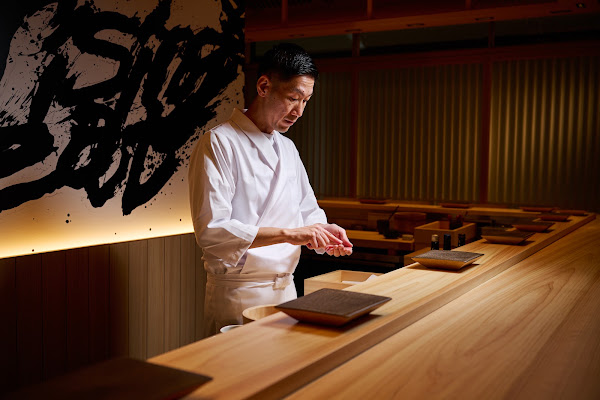
This restaurant is a new branch of the Michelin-starred Edomae sushi restaurant "AZABU," previously located in New York and Miami. Nestled next to the famous Kodaiji Temple, it is hidden within the former residence of Japanese painting master Seihō Takeuchi, "SODOH HIGASHIYAMA KYOTO," offering a serene and elegant atmosphere, akin to a secluded dining spot. 【Sushi Azabu Higashiyama】is based on traditional Edomae sushi, skillfully combining local Kyoto ingredients and seasonal flavors to provide unique set meals. In addition to nigiri sushi, a chirashi sushi set is also available for lunch. The "Grilled Sesame Tofu," particularly praised in reviews for its creamy texture and rich aroma, is a must-try delicacy. Here, you can enjoy top-quality sushi and a variety of sake in a space filled with historical charm, making it an excellent choice for entertaining guests or dining with family.
🎬 鮨麻布 東山 Video
Reserve
👉autoreserve
▼Return to Ninenzaka▼
Showing: All(5)
Western Food Restaurant MISHINA
洋食の店 みしな
Click for Navigation
Google Maps
Apple Maps
Copy address
Intro
▼
Western Cuisine Restaurant Mishina
Item
Details
Address
357 Masuyacho, Higashiyama Ward, Kyoto City, Kyoto Prefecture
Closed: Wednesdays, 1st and 3rd Thursday of each month ※ Please refer to the store's announcements for detailed holidays Note: Reservation only (Lunch is priority for reservations)
Restaurant Features
Nestled in the alleys of Ninenzaka in Kyoto, "Mishina" is a hidden gem with only 10 seats. Many customers come for its unique "Fried Dish Set" (フライ定食).
The meal begins with a rich asparagus soup, followed by the star of the show—fried shrimp and croquettes. The fried items, coated in fine breadcrumbs, are crispy and light, praised by many food lovers as "the finest fried dishes among Western cuisine restaurants." The most surprising part is that after enjoying the Western dishes, the restaurant serves a traditional Japanese "Chirimen Sansho Chazuke" (お茶漬け), finishing the meal with a warm tea broth.
This one-of-a-kind set, combining Western-style soup, fried items, and Japanese chazuke, creates an unforgettable culinary experience. If you want to experience the unique charm of the fusion of Japanese and Western styles in Kyoto, be sure to make a reservation in advance.
🎬 洋食の店 みしな Video
Reserve
👉autoreserve
Kodai-ji Temple, Jugyu-an
高台寺 十牛庵
Click for Navigation
Google Maps
Apple Maps
Copy address
Intro
▼
Kodaiji Jukuan
Item
Details
Location
353 Masuyacho, Higashiyama Ward, Kyoto City, Kyoto Prefecture
Business Hours
Tuesday to Sunday Lunch 11:30–15:00 Dinner 17:30–22:00 Closed on Mondays
Kodaiji Jukuan is a tranquil ryotei located within the grounds of Kodaiji Temple, a favorite spot of Toyotomi Hideyoshi's wife, Nene. Set in a vast area of about 2,000 tsubo, it features a 110-year-old sukiyazukuri building crafted by renowned artisans and a famous garden designed by the seventh-generation master Ogawa Jihei from the Meiji era. The restaurant has been awarded two Michelin stars in the "Michelin Guide Kyoto Osaka 2025." Here, you can enjoy traditional and delicate seasonal kaiseki cuisine while gazing at the changing scenery of the garden and the streets of Kyoto, including the iconic Yasaka Pagoda. Every detail, from the architecture and garden to the dishes, reflects the proud culture of Japanese ryotei, offering an unparalleled hospitality experience, making it an extraordinary place for special occasions.
🎬 高台寺 十牛庵 Video
Reserve
👉autoreserve
KYOTO BISTRO
KYOTO BISTRO
Click for Navigation
Google Maps
Apple Maps
Copy address
Intro
▼
KYOTO BISTRO
Item
Details
Address
360 Masuyacho, Higashiyama Ward, Kyoto, Kyoto Prefecture, Park Hyatt Kyoto
Business Hours
Lunch 11:30–17:00 Dinner 17:00–21:00 (Last order 20:00) ※Breakfast 07:30–10:30 for guests only
KYOTO BISTRO is located on the first floor of the Park Hyatt Kyoto, offering views of the historic Ninenzaka and a cozy space to enjoy meals throughout the day. Despite being in a luxury hotel, the atmosphere is relaxed, allowing non-guests to dine comfortably. The menu features Kyoto-inspired dishes that cleverly blend culinary cultures from around the world. Whether you're looking for an exquisite lunch, a leisurely afternoon tea, or a dinner with a great ambiance, this restaurant caters to your needs. The first floor has comfortable sofas and dining tables, while the second floor offers private rooms served by dedicated chefs, perfect for celebrations like birthdays or anniversaries. In the historically rich city of Kyoto, KYOTO BISTRO provides a special moment to experience the fusion of local culture and international cuisine.
🎬 KYOTO BISTRO Video
Reserve
👉autoreserve
Donguri Republic - Ninenzaka Branch
どんぐり共和国 二寧坂店
Click for Navigation
Google Maps
Apple Maps
Copy address
Intro
▼
Acorn Republic Ninenzaka Store (どんぐり共和国 二寧坂店)
Item
Details
Address
363 Masuyacho, Higashiyama Ward, Kyoto City, Kyoto Prefecture
This is a dream paradise for all Studio Ghibli fans. Acorn Republic specializes in officially licensed merchandise from "Studio Ghibli," led by animation master Hayao Miyazaki. The store offers a wide range of products, from classic plush toys and figurines of Totoro, No-Face, and Jiji to exquisite stationery, handkerchiefs, accessories, and tableware. Whether you're looking for cute collectibles or want to bring the warmth of the Ghibli world into your daily life, you'll find your desired items here. Additionally, the store occasionally releases limited-edition products, making it a great treasure-hunting spot for fans.
Store Introduction The biggest feature of Acorn Republic Ninenzaka Store is its perfect integration into the historical charm of Kyoto. The shop itself is a traditional "Kyomachiya" (Kyoto-style wooden house), adorned with a Japanese noren featuring Totoro designs. Its antique appearance blends seamlessly with the stone-paved streets of Ninenzaka and the surrounding traditional buildings. Upon entering, the warm wooden decor, thoughtfully arranged products, and the presence of Ghibli animation characters make you feel as if you've stepped into a fantastical world from a movie. Encountering this charming shop while strolling through the historically rich streets of Kyoto is undoubtedly a delightful and healing experience.
Amber
アンブル
Click for Navigation
Google Maps
Apple Maps
Copy address
Intro
▼
Kohaku
Item
Details
Address
4F, Park Hyatt Kyoto, 360 Masuyacho, Higashiyama Ward, Kyoto
Hours
16:00~00:00
Dining Budget
Estimated ¥4,000~¥4,999 Customer Rating ¥6,000~¥7,999 *15% service charge applies
Located on the fourth floor of the Park Hyatt Kyoto, "Kohaku" is a top-tier bar with stunning views. The large floor-to-ceiling windows offer a panoramic view of Kyoto's historic streets and the iconic Yasaka Pagoda, creating a dreamlike scene as the sunset and city lights blend together. The charm of Kohaku lies not only in its scenery but also in its story-driven original cocktails. Led by Chief Bartender Akiko Nakamura, each cocktail incorporates Kyoto's history, art, and culture, giving each drink a unique soul. Additionally, the bar offers rare Japanese whiskies and the exclusive original craft gin "Kizuki no Bi Seiryu," created in collaboration with the Kyoto Distillery. In this refined and elegant space, whether enjoying a quiet moment alone or sharing a sophisticated experience with a partner, guests can indulge in a feast for both the eyes and the palate.
🎬 アンブル Video
▼e Ishin-no-michi Area▼
A side road between Ninenzaka and Ichinenzaka leads to Ishin-no-michi. It is a worthwhile detour for travellers interested in the closing years of the shogunate, the Meiji Restoration or dramas about Sakamoto Ryoma.
The cemetery at Kyoto Ryozen Gokoku Shrine contains the graves of Sakamoto Ryoma, Nakaoka Shintaro, Kido Takayoshi and more than a thousand imperial loyalists. This is a place of remembrance rather than a routine photo stop. Be quiet and account for the additional uphill walk.
Showing: All(4)
Ryoma Slope
幕末志士葬送之道(龍馬坂)
Click for Navigation
Google Maps
Apple Maps
Copy address
Intro
▼
Path of the Bakumatsu Patriots (Meiji Restoration Path, Seiryuzan)
Item
Details
Location
Path of the Bakumatsu Patriots (Ryoma Slope)
The "Path of the Bakumatsu Patriots" is not a tangible facility but a pilgrimage route steeped in heavy history. It typically refers to the path leading from the Gion and Kodaiji areas of Kyoto, along the stone-paved "Meiji Restoration Path" (維新の道), ultimately reaching the Kyoto Seiryuzan Gokoku Shrine. Walking along this tranquil slope, flanked by rustic earthen walls and traditional inns, the bustling sounds of Kyoto gradually fade away, replaced by a solemn atmosphere. This is not just a stroll; it feels like a journey through time, with each step tracing the footsteps of patriots from over a century ago, guiding visitors to the resting place of heroes.
Historical Background and Cultural Significance
This path is closely linked to the dawn of Japan—the "Meiji Restoration." In the mid-19th century Bakumatsu period, Kyoto was the central stage for the struggle between the Restoration patriots and the shogunate forces, where countless idealistic young samurai ran, conspired, and even sacrificed their lives. After these anti-shogunate patriots were assassinated or fell in battle on the streets of Kyoto, their comrades often had to secretly carry their bodies along this dark mountain path to Seiryuzan for burial, risking their lives to evade the shogunate's watchful eyes.
Thus, this road became known as the "Path of Burial," witnessing the heroism and determination of that era.
Ryozen Museum of History
霊山歴史館
Click for Navigation
Google Maps
Apple Maps
Copy address
Intro
▼
Kyoto Ryozen Museum of History
Item
Details
Address
1 Ryozen-cho, Higashiyama-ku, Kyoto City, Kyoto Prefecture
Opening Hours
10:00 AM - 5:30 PM (Last admission at 5:00 PM)
Admission Fee
Adults ¥700 / High School Students ¥400 / Elementary and Junior High Students ¥300
Exhibition Overview The Ryozen Museum of History in Kyoto is Japan's only museum dedicated to the study and display of the tumultuous history of the "Bakumatsu" (the end of the Edo period) and the "Meiji Restoration." The museum houses over 5,000 precious historical artifacts, including items related to key figures like Sakamoto Ryoma, anti-shogunate patriots, and the opposing forces of the shogunate, such as the Shinsengumi. Through authentic objects like letters from patriots, personal swords, and weapons and daily goods from that era, the exhibition vividly narrates a time filled with passion, ideals, and conflict. For visitors who love Japanese history, especially the Bakumatsu period, this is a sacred place to deeply feel the pulse of history.
Historical Background and Cultural Significance
The Ryozen Museum is located at the foot of Higashiyama in Kyoto, an area with extraordinary historical significance. The museum is near the "Kyoto Ryozen Gokoku Shrine," where the cemetery behind the shrine holds the remains of many patriots who sacrificed their lives during the Bakumatsu period, most notably Sakamoto Ryoma and Nakaoka Shintaro. Therefore, the museum was established to commemorate these patriots who sacrificed themselves for the dawn of a new era in Japan and to accurately pass on their spirit and deeds to future generations.
The cultural significance of the museum lies in its balanced portrayal of history, showcasing artifacts from both the pro-shogunate (supporting the shogunate) and anti-shogunate (opposing the shogunate) perspectives. Visitors can feel the resolve of shogunate samurai through the beloved sword "Kotetsu" of Shinsengumi leader Kondo Isami, and experience the brutality of the era's transformation through a replica of the blood-stained folding screen from the "Omiya Incident" where Sakamoto Ryoma was assassinated. This provides a comprehensive platform for understanding the beliefs and struggles of people from different positions amid the massive tide of national transformation, vividly depicting the prologue to modern Japan's birth.
Kyoto Ryozen Gokoku Shrine
京都霊山護国神社
Click for Navigation
Google Maps
Apple Maps
Copy address
Intro
▼
Ryozen Gokoku Shrine, Kyoto
Item
Details
Address
1 Ryozen-cho, Higashiyama-ku, Kyoto
Opening Hours
09:00–17:00 (Last entry for cemetery visit is 16:30)
Admission Fee
300 yen for adults (This is the fee for entering the cemetery "Reiiki")
Located at the foot of Ryozen in Higashiyama, Ryozen Gokoku Shrine is a solemn place that carries an important chapter of modern Japanese history. It serves as the final resting place for many reformists from the "Bakumatsu" period, the dawn of Japan's modernization. The atmosphere within the shrine is solemn, and climbing the stone steps offers a view of Kyoto city, contrasting the ancient capital's scenery with the history fought for by these reformists, moving every visitor. For history enthusiasts, especially those interested in the Bakumatsu era, this site is a must-visit sanctuary to feel the pulse of the times and remember the heroes.
Historical Background and Cultural Significance
The establishment of Ryozen Gokoku Shrine dates back to 1868 (the first year of the Meiji era), ordered by Emperor Meiji, making it one of Japan's earliest Gokoku shrines. Its original purpose was to honor the reformists who sacrificed their lives during the overthrow of the Tokugawa shogunate and the promotion of the Meiji Restoration.
In the cemetery "Reiiki" behind the shrine, many historically significant figures are buried. The most well-known are the prominent figures of the Bakumatsu period, Sakamoto Ryoma and his ally Nakaoka Shintaro, whose graves are always adorned with flowers and respect from admirers nationwide. Additionally, one of the three great reformists, Kido Takayoshi (Katsura Kogoro), along with hundreds of other reformists from Choshu, Tosa, and other domains, rest here. Walking through the cemetery, each tombstone represents a poignant story, collectively forming the grand narrative of the Meiji Restoration. This place is not only a witness to history but also a cultural space that embodies the "spirit of restoration," deeply reflecting the Japanese people's remembrance and reverence for key figures at the turning points of their nation.
Grave of Sakamoto Ryoma & Nakaoka Shintaro
坂本龍馬・中岡慎太郎の墓
Click for Navigation
Google Maps
Apple Maps
Copy address
Intro
▼
Kyoto Ryozen Gokoku Shrine (Tomb of Sakamoto Ryoma and Nakaoka Shintaro)
Item
Details
Address
1 Ryozen-cho, Higashiyama-ku, Kyoto City, Kyoto Prefecture
Opening Hours
09:00–17:00 (Last entry at 16:30)
Admission Fee
Adults 300 yen / Elementary and junior high school students 200 yen (This is the fee for entering the cemetery)
Kyoto Ryozen Gokoku Shrine quietly sits at the foot of Ryozen Mountain in the Higashiyama district of Kyoto, serving as an extremely important spiritual site in modern Japanese history. This is not an ordinary tourist shrine, but rather the resting place of the patriots who sacrificed their lives for Japan's future during the Bakumatsu period. Entering the cemetery, one ascends the stone steps slowly, surrounded by a solemn atmosphere. The tombs of Sakamoto Ryoma and Nakaoka Shintaro stand side by side at a scenic spot on the hillside, as if still quietly guarding their beloved Kyoto and Japan. From in front of the tomb, visitors can gaze out over the cityscape of Kyoto, a sight that evokes deep emotions for history enthusiasts paying their respects.
Historical Background and Cultural Significance
Sakamoto Ryoma and Nakaoka Shintaro were key figures in the movement for change in Japan during the Bakumatsu period (mid-19th century). They worked to dismantle the old feudal system, facilitating the alliance between the rival Satsuma and Choshu clans (Satcho Alliance), and proposed the idea of "Taisei Hokan," laying the groundwork for ending centuries of samurai rule and ushering in the modern Meiji era.
However, just as their ideals were on the verge of realization, on November 15, 1867, the two were assassinated at Omiya in Kyoto by unknown assailants, an event known as the "Omiya Incident," resulting in their untimely deaths. Their passing is regarded as one of the greatest tragedies before the shift of eras.
This site became their final resting place because Ryozen was a major area of activity and burial for pro-imperial patriots at that time. After the Meiji Restoration, Emperor Meiji ordered the establishment of this Gokoku Shrine to honor the achievements of these patriots. Thus, this place is not only the tomb of Sakamoto Ryoma and Nakaoka Shintaro but also the resting place of countless reformists like Kido Takayoshi and Takasugi Shinsaku. For the Japanese, visiting this site is not only a way to remember historical figures but also a profound tribute to the passionate spirit that sacrificed lives for their ideals.
How long should you spend around Kiyomizudera?
Kiyomizudera only: Allow 60–90 minutes for the Main Hall stage, Okunoin, Otowa Waterfall and the principal route.
Kiyomizudera, Sannenzaka, Ninenzaka and Yasaka Koshindo: Allow two to three hours, including brief shopping and photographs.
Add Kodaiji, Entokuin or a meal: Plan four to five hours. Cherry-blossom season, autumn foliage, public holidays and evening openings require extra queue and walking time.
Kodaiji, Entokuin and Nene-no-michi: Hideyoshi and Nene in Higashiyama
Kodaiji, formally Kodaijushozenji, was founded by Nene, the principal wife of Toyotomi Hideyoshi, in memory of her husband. The Kodaiji maki-e lacquerwork in Otamaya, Kaisando Hall and the Garyochi Pond landscape provide important links to Momoyama art and Nene’s later life. Spring and autumn evening openings reveal a different side of the gardens.
Entokuin: Across Nene-no-michi, this was Nene’s later residence and preserves a north garden connected to Fushimi Castle. A combination ticket can be good value if you plan to visit both sites.
Nene-no-michi: This stone-paved street connects Kodaiji, Entokuin, Ishibe-koji and Maruyama Park. It is also the natural walking spine between Kiyomizudera and Gion.
Ishibe-koji: This narrow lane developed in the late Meiji period and retains stone walls and wooden buildings. Photography is restricted in some sections; follow local signs.
Showing: All(17)
Ryozen Kannon Bodhisattva
霊山観世音菩薩
Click for Navigation
Google Maps
Apple Maps
Copy address
Intro
▼
Ryozen Kannon
Item
Details
Address
526-2 Takedaijishita Kawaramachi, Higashiyama Ward, Kyoto City, Kyoto Prefecture
Located in the bustling Higashiyama district of Kyoto, near Kodaiji Temple and Kiyomizu Temple, Ryozen Kannon offers a unique place of tranquility and solemnity beneath the skyline of the ancient capital with its massive pure white Kannon statue. Standing 24 meters tall and weighing about 500 tons, the Kannon gazes down compassionately at visitors. Unlike the lively surrounding temples, the atmosphere here is more solemn and peaceful. After purchasing a ticket, visitors receive an incense stick to offer at the main incense burner in front of the Kannon statue, praying for the deceased and for world peace.
Historical Background and Cultural Significance
Established in 1955, Ryozen Kannon's historical and cultural significance runs deeper than its grand appearance. Its founding purpose is to commemorate all those who sacrificed their lives in World War II (the Pacific War), not only Japanese soldiers but also victims from allied nations, serving as a war memorial that transcends nationality and religious affiliation.
Founder Hiroshi Ishikawa hoped to provide a resting place for all souls lost to war and to pray for lasting world peace. Inside the Kannon statue is an altar for the Twelve Heavenly Generals, and beside the statue is the "Reihaiden," which enshrines the spirits of over two million victims. Thus, Ryozen Kannon is not only a religious facility but also a monument that carries the historical pain, calling for peace and reconciliation. It serves as a reminder of the brutality of war and the humanitarian spirit that transcends borders.
EBISUYA Rickshaw
人力車のえびす屋 京都東山
Click for Navigation
Google Maps
Apple Maps
Copy address
Intro
▼
EBISUYA Kyoto Higashiyama Rickshaw
Item
Details
Main Boarding Area
Kodaiji Park Area
Business Hours
Starting at 10:00; last acceptance time varies by season
Transportation
About a 5-minute walk from Kyoto City Bus "Higashiyama Yasui" Station
The Higashiyama rickshaw is perfect for travelers who want to minimize walking on slopes while learning about the neighborhood's stories. The rickshaw puller will guide you through Kodaiji, Ishibei Koji, and the Gion area based on your chosen time; short rides last about 12 minutes, with options for 30 minutes and over 60 minutes available.
Plan Your Route Before Booking
Prices vary based on ride duration, number of people, and route. Reservations are recommended during cherry blossom and autumn foliage seasons. If you want to connect to Kiyomizu Temple or Yasaka Koshindo, inform the rickshaw puller of your itinerary at check-in for assistance in arranging a suitable drop-off point; operation during rainy weather will be determined based on safety at the site.
09:00–17:30 (Last entry 17:00); Extended hours during special night visits until 22:00 (Last entry 21:30)
Admission Fee
Kodaiji Temple (including the Kodaiji Museum) Adult ¥800, High school and junior high students ¥400; Combined ticket for Kodaiji Temple, Kodaiji Museum, and Entokuin ¥1,200
Transportation
About a 7-minute walk from Kyoto City Bus "Higashiyama Yasui" stop
Kodaiji Temple was built by Kita-no-Mandokoro (Nene) in memory of Toyotomi Hideyoshi, featuring a serene worship route that incorporates Momoyama culture, Zen temple gardens, and views of Higashiyama. The Waryu Pond and Engetsu Pond reflect the seasonal colors of the trees, with autumn foliage and special night visits being particularly popular; it is recommended to spend at least 60 to 90 minutes to explore the gardens, bamboo groves, and important buildings.
Maki-e, Tea Rooms, and Momoyama Culture
The interior of the main hall is famous for its exquisite Kodaiji maki-e, housing statues of Toyotomi Hideyoshi and Kita-no-Mandokoro; buildings such as the Kaisando, Kasatei, and Shiguretei also preserve the aesthetics of the Momoyama period. Some important structures can only be viewed from the outside, and visitors should follow on-site instructions for walking and photography.
One-Day Itinerary: Kiyomizu-dera and Kodaiji Temple
If starting from Kiyomizu-dera, you can walk down Sannenzaka and Ninenzaka, visiting Hokanji Temple and Yasaka Koshindo before reaching Kodaiji Temple. For night illuminations, you can explore the Kiyomizu-dera area during the day and visit Kodaiji Temple in the evening; special visit dates and open areas may change each year, so check the official announcements before your visit.
Shigure-tei Pavilion
時雨亭
Click for Navigation
Google Maps
Apple Maps
Copy address
Intro
▼
Kodaiji Temple (including Shigure-tei)
Item
Details
Location
Kodaiji Temple, Kyoto, Shigure-tei
Attraction Introduction
Perched on higher ground within the temple, the two tea houses, "Shigure-tei" and "Kasa-tei," are designated as important cultural properties. Shigure-tei is a rare two-story tea house, characterized by its simple yet elegant style. It is said that the wife of Toyotomi Hideyoshi often ascended to the second floor of this tea house to gaze into the distance, reminiscing about her time with Hideyoshi. From here, visitors can not only overlook the temple's garden but also feel a deep sense of tranquility that transcends time.
Kodaiji Temple was originally magnificent, but much of its original architecture was lost to several fires. However, "Shigure-tei" and "Kasa-tei" miraculously survived. They were not built on the original site of Kodaiji but were relocated here from Fushimi Castle, where Toyotomi Hideyoshi spent his later years, under the direct order of his wife. It is said that these two tea houses were designed by the Japanese tea ceremony master Sen no Rikyū, representing precious remnants of Azuchi-Momoyama period tea house architecture. Shigure-tei is unique in that it serves as both a tea house and a "viewing pavilion," allowing users to enjoy the scenery from a height. It is connected to the single-story "Kasa-tei," which has a roof structure resembling a traditional umbrella, by a rustic corridor, creating a perfect contrast and harmony. They are not only significant carriers of Japanese tea culture but also an eternal symbol of the wife's deep longing for her deceased husband, embodying the resilience and affection of a bygone female figure.
Otamaya
靈屋
Click for Navigation
Google Maps
Apple Maps
Copy address
Intro
▼
Kōdai-ji (Including: Spirit Room)
Item
Details
Location
Kyoto Kōdai-ji Spirit Room
Spirit Room is the final resting place prepared by Kitano for herself and Hideyoshi, embodying the spirit of the entire temple. In the center of the Spirit Room, the Buddha altar "Kuzushi" houses wooden statues of Toyotomi Hideyoshi and Kitano, with Kitano's tomb located directly beneath the altar. The interior of the Spirit Room is lavishly decorated, featuring a significant amount of lacquerware known as "Kōdai-ji Maki-e" on its doors and stairs. This technique, representative of Momoyama period art, is characterized by depicting autumn flowers and plants like chrysanthemums and maple leaves using gold and silver powder on black lacquer, showcasing a luxurious and elegant style with high artistic value, designated as an Important Cultural Property of Japan. The Spirit Room serves not only as a place to pay respects to historical figures but also as a hall of art that embodies the beauty of top-tier craftsmanship from the Momoyama period.
Kaisan-do
開山堂
Click for Navigation
Google Maps
Apple Maps
Copy address
Intro
▼
Kaisan-do
Item
Details
Location
Kiyoto, Kaisan-do
Kaisan-do is one of the main buildings in the renowned Kodaiji Temple in Higashiyama, Kyoto, located at the heart of the temple complex. This solemn hall was built to honor the founding abbot, Zen Master Shōyū Sōgen. The structure exudes the grandeur of the Azuchi-Momoyama period, with its "Hōgyō-zukuri" roof design and intricate details, making it particularly significant within the temple. On either side of Kaisan-do, the famous "Waryū-rō" and "Engetsu-tai" covered corridors connect to the spirit hall and moon-viewing platform, resembling a resting dragon from a distance, and are among the most iconic views of Kodaiji.
Historical Background and Cultural Significance
Kaisan-do is designated as an "Important Cultural Property" in Japan, holding exceptional historical value. It not only commemorates the founding master but also embodies precious memories of Toyotomi Hideyoshi and his wife, Nene.
The ceiling inside the hall is believed to have been relocated from the "Ouzan" (the lord's office) in Fushimi Castle, where Toyotomi Hideyoshi lived, featuring ornate floral and fan designs that showcase the vibrant culture of the Momoyama period. A portion of the central floor is made from the roof boards of the carriage used by Nene, symbolizing her enduring remembrance of her late husband, Hideyoshi.
In the center of the hall is a wooden statue of the founding abbot, Zen Master Shōyū Sōgen, flanked by statues of his elder brother and the guardian Buddha, the Eleven-Headed Kannon, believed to have been carried by Hideyoshi. This place is not only a religious site but also a cultural treasure trove that blends history, architectural beauty, and deep emotions, allowing visitors to closely experience the legacy of the Momoyama period.
Kodai-ji Temple, Ungo-an
高台寺雲居庵
Click for Navigation
Google Maps
Apple Maps
Copy address
Intro
▼
Kodaiji Unkian
Item
Details
Address
526 Takeda, Higashiyama Ward, Kyoto City, Kyoto Prefecture (located within Kodaiji Temple)
Business Hours
10:00 AM – 4:00 PM ※Hours may vary, please confirm with the shop before visiting.
Unkian is nestled within the beautiful Kodaiji Temple garden in Higashiyama, Kyoto. This temple was built by Toyotomi Hideyoshi's wife, Nene, to pray for his peace in the afterlife. After strolling through the elegant and expansive temple grounds and bamboo groves, Unkian is a perfect spot to rest and reflect. The menu is simple, focusing solely on a pure Japanese experience: a cup of warm, authentic matcha paired with a delicately sweet manju. It is said that the manju comes from the long-established wagashi shop "Shojuken," founded in 1932, creating a perfect balance with the slightly bitter matcha. In this tranquil space, you can quietly enjoy the garden scenery and experience the unique beauty of wabi-sabi that Kyoto offers. This is not just a snack; it is a healing moment immersed in history and nature.
French cafe CHASEN - Kodai-ji
French cafe CHASEN 高台寺
Click for Navigation
Google Maps
Apple Maps
Copy address
Intro
▼
French cafe CHASEN 高台寺(茶筅)
Item
Details
Address
526 Shimo-Kawara-cho, Higashiyama-ku, Kyoto City, Kyoto Prefecture
Business Hours
11:00~21:00 ※Business hours and holidays may change, please confirm with the store before visiting.
"CHASEN" is a French cafe located within the grounds of Kodaiji Temple, famous for its creatively crafted matcha desserts. The ambiance is excellent, perfectly blending the tranquility of the ancient capital with modernity, attracting many domestic and international visitors. A must-try signature dish is the "Tamatebako Dessert," inspired by the Kyoto-style "Hassun." When you open the paulownia box, a dreamy smoke billows out, revealing eight exquisite matcha sweets, creating a stunning visual effect. The cafe uses high-quality matcha from "Maruyama Tea Garden," giving desserts like matcha tiramisu, matcha truffles, and matcha parfaits a rich and elegant aroma. In addition to the luxurious Tamatebako, the matcha jelly and shiratama are also highly praised. Whether you’re taking a break during your Kyoto sightseeing or on a date with friends, CHASEN is a perfect choice for enjoying delightful dessert moments.
🎬 French cafe CHASEN 高台寺 Video
Fujinami - Kodai-ji Branch
藤菜美 高台寺店
Click for Navigation
Google Maps
Apple Maps
Copy address
Intro
▼
Kyoto Dango Fujinami Kodaiji Store
Item
Details
Address
463-24 Shimogawara-cho, Higashiyama-ku, Kyoto City, Kyoto Prefecture
Business Hours
10:00 AM - 6:00 PM *Business hours and holidays may change, please confirm with the store before visiting
Located on the stone path of Kodaiji in Higashiyama, Fujinami is a specialty shop where you can enjoy freshly made Japanese sweets. It’s not only a perfect resting spot during your sightseeing but also a great place to experience traditional Kyoto flavors. The shop adheres to Kyoto's traditional tastes and methods, making fresh dango daily on-site. The signature "Mitara-shi Dango" is small, moderately sweet, and has a chewy texture. The perfectly grilled dango is drizzled with a secret sauce, offering a refined sweet and savory flavor that makes you want to have one after another. The shop also provides soybean flour for customers to add as they like, allowing for different flavor experiences. With an open design, you can sit on the benches under the eaves, savoring the warm dango while enjoying the leisurely atmosphere of the ancient capital, adding a beautiful memory to your Kyoto trip.
🎬 藤菜美 高台寺店 Video
Gion Nishikawa
祇園 にしかわ
Click for Navigation
Google Maps
Apple Maps
Copy address
tabelog3.99
Michelin 2 Stars
Intro
▼
Gion Nishikawa
Item
Details
Address
473 Shimogawara-cho, Higashiyama-ku, Kyoto City, Kyoto Prefecture
Business Hours
Tuesday to Saturday 12:00–15:00; 18:00–19:00 Closed on Sunday and Monday. If Monday is a holiday, open on Sunday. Only dinner service during cherry blossom and autumn foliage seasons on Mondays.
Nestled quietly in the alleys of Gion, Gion Nishikawa is a top-tier Japanese restaurant that embodies Kyoto aesthetics. The building features a luxurious sukiya-style architecture, and the owner, Masayoshi Nishikawa, honed his culinary skills at the renowned Gion Sasaki. Within just over a year of opening independently, he received Michelin star recognition, making him a rising star in Kyoto's culinary scene.
The restaurant's dishes reflect a love for Kyoto and respect for ingredients. The dashi is made with water sourced from the "Bijin Mizu" at Yasaka Shrine, and vegetables come from the morning market in Ohara and contracted farmers. From sea bream from Akashi to eel from Numajima, the carefully selected local catches are transformed into seasonal masterpieces by the chef's skilled hands. Sitting at the 7.5-meter cypress wood counter, guests enjoy not just delicious food but a feast for all five senses.
🎬 祇園 にしかわ Video
Reserve
👉autoreserve
Kagizen Yoshifusa
鍵善良房 高台寺店
Click for Navigation
Google Maps
Apple Maps
Copy address
Intro
▼
Kagizen Yoshifusa Kodaiji Branch
Item
Details
Address
Shimo-Kawahara-dori, Higashiyama-ku, Kyoto City, Kyoto Prefecture
Business Hours
10:00 AM - 6:00 PM, Closed on Wednesdays (open on holidays, closed the following day)
"Kagizen Yoshifusa" is a traditional wagashi shop in Gion with nearly 300 years of history, and the Kodaiji branch is its elegant sister store. Despite being in the bustling Higashiyama area, the shop maintains a calm and serene atmosphere, providing a perfect spot to temporarily escape the noise. The signature dish is the well-known "Kuzukiri." Served in a bright red lacquer box, it features rich brown sugar syrup on top and translucent kuzukiri soaked in cold water below. Made fresh to order, the kuzukiri has a smooth and chewy texture, and its refreshing taste pairs wonderfully with the brown sugar syrup, making it a must-try elegant dessert in Kyoto. Additionally, the winter-only "Kibi Mochi Zenzai" is also popular, with its unique texture of tiny kibi mochi that warms the stomach when enjoyed with the soothing red bean soup. After strolling around Kodaiji and Yasaka Pagoda, be sure to savor a taste of Kyoto's century-old charm here.
🎬 鍵善良房 高台寺店 Video
Saryo Wakana
茶寮 和香菜
Click for Navigation
Google Maps
Apple Maps
Copy address
Intro
▼
Charyo Wakana
Item
Details
Address
476-2 Shimogawara-cho, Higashiyama-ku, Kyoto City, Kyoto Prefecture
Business Hours
Daily 11:00 AM – 6:00 PM (Lunch 11:00 AM – 2:00 PM / Coffee 2:00 PM – 6:00 PM)
"Charyo Wakana," located in Kyoto's Higashiyama district, is a unique tea house that blends Japanese sweets with luxurious rice bowls. It's not only a great place to enjoy traditional sweets, but its limited lunch sets also attract many food lovers. The signature dish is the freshly grilled "Sofuwa Mitarashi Dango," made from 100% rice flour and carefully roasted over charcoal, featuring a crispy exterior and a soft, chewy interior. The restaurant recommends tasting it within 20 seconds of being served for the ultimate flavor experience. Don't miss the "Domestic Beef Three Ways Rice Bowl," limited to 30 servings daily during lunch. This set includes three mini rice bowls: the "Seared Rose Wagyu Bowl," made with A5 wagyu sirloin; the uniquely textured "Raw Beef Tongue Bowl"; and the flavorful "Braised Beef Tendon Bowl." One set allows you to indulge in multiple luxurious beef dishes, perfect for those wanting to sample various delicious options at once.
Located between Yasaka Shrine and Kiyomizu Temple, Page One is a stylish café and bar run by the century-old ice shop "Morita Hyoumuro Honten." By day, it serves as an elegant tea house, transforming into a sophisticated bar at night. The highlight here is its unique shaved ice. The shop insists on hand-carving ice blocks into distinctive "ice bowls," which not only look stunning but also slow down the melting process. Each ice bowl is one-of-a-kind, adding a surprise to your dining experience. The syrups for the shaved ice are also made in-house, featuring refreshing freshly squeezed lemon, sweet and tangy strawberries, and rich Uji matcha, allowing you to savor the purest flavors of the ingredients. While exploring the ancient city of Kyoto, step into Page One for a delightful visual and taste experience of icy treats.
🎬 ページワン Video
Hisago
ひさご
Click for Navigation
Google Maps
Apple Maps
Copy address
Intro
▼
Hisago
Item
Details
Address
484 Shimogawara-cho, Yasaka Torii-mae, Higashiyama-ku, Kyoto City, Kyoto Prefecture
Business Hours
Tuesday, Wednesday, Thursday, Saturday, Sunday, National Holidays 11:30–16:00 Closed on Monday and Friday. If Monday is a national holiday, it will be closed on Tuesday; if Friday is a national holiday, it will be closed on Thursday.
"Hisago" is a renowned restaurant in the Gion area of Kyoto, near Kodaiji, famous for its oyakodon and soba noodles. Since its establishment in 1930, it has attracted countless diners with its unique flavors. Initially known for its homemade soba, the deliciousness of its oyakodon has spread by word of mouth, making it a dish that requires waiting in line to enjoy. The signature oyakodon is famous for its "melt-in-your-mouth" soft egg texture. The restaurant uses a broth made from mackerel flakes and kelp as a base, combined with two eggs, creating an unparalleled semi-cooked, moist texture. Tender chicken and fragrant broth blend perfectly with the rice, making each bite an ultimate delight. The sansho pepper provided on the table adds a hint of spiciness, enriching the flavor profile. When in Kyoto, if you want to savor a soul-satisfying oyakodon worth the wait, "Hisago" is definitely a choice you cannot miss.
🎬 ひさご Video
Ishibei-koji Mamecha Kyoto
石塀小路豆ちゃ 京都
Click for Navigation
Google Maps
Apple Maps
Copy address
Intro
▼
Mamecha Kyoto
Item
Details
Address
463-16 Shimogawara-cho, Higashiyama-ku, Kyoto City, Kyoto Prefecture
Nestled quietly in the historic and charming "Ishibei-koji," this is a hidden gem of a Kyoto cuisine restaurant. The renovated machiya building features a counter where guests can watch the chef at work on the first floor, while the second floor offers a comfortable dining atmosphere with both large and small private rooms, suitable for dates, business gatherings, or family meals. The restaurant serves "casual kaiseki" cuisine, allowing guests to enjoy exquisite dishes made with seasonal vegetables and fresh seafood in a relaxed manner. From warm appetizers to the signature "fluffy egg (ふわふわ玉子)," and the freshly cooked kamameshi at the table, each dish showcases the seasonal essence of Kyoto and the chef's creativity. Enjoy a visual and culinary feast in a space filled with Kyoto's charm, experiencing the tranquility and beauty unique to this ancient capital.
🎬 石塀小路豆ちゃ 京都 Video
Reserve
👉autoreserve
👉kkday
Sherry Club - Kyoto, Ishibei-koji
しぇりークラブ 京都・石塀小路
Click for Navigation
Google Maps
Apple Maps
Copy address
Intro
▼
Sherry Club Kyoto - Ishibei-koji
Item
Details
Address
489-2 Shimo-Kawara-cho, Higashiyama-ku, Kyoto
Business Hours
Tuesday to Friday 15:00–00:00, Saturday 12:00–15:00, 17:00–00:00, Sunday 12:00–23:00, Closed on Monday
Dining Budget
Official ¥5,000–¥5,999, Average Customer Review ¥8,000–¥9,999
Nestled quietly in Kyoto's Ishibei-koji, "Sherry Club" is a specialty shop for sherry and Spanish cuisine, transformed from an old warehouse. As you step into this stone-paved alley near Yasaka Shrine, the atmosphere seems to pause, and upon entering, a mature and elegant adult space unfolds before you. Sherry, a fortified wine from the southern Spanish region of Andalusia, invites you to explore its captivating world, starting with "What is sherry?" Watch as the bartender skillfully uses a traditional long-handled spoon, "Venencia," to draw sherry from the barrel into your glass, paired with authentic Spanish paella or garlic shrimp (Ajillo), creating a feast for both the eyes and palate. This hidden gem perfectly blends the ancient charm of Kyoto with the passionate flavors of Spain, making it an excellent destination to experience unique dining culture.
Reserve
👉autoreserve
👉kkday
Entoku-in Temple
圓徳院
Click for Navigation
Google Maps
Apple Maps
Copy address
Intro
▼
Entoku-in Temple
Item
Details
Address
530 Takeda-cho, Higashiyama-ku, Kyoto City, Kyoto Prefecture
Business Hours
10:00 AM - 5:00 PM (Last admission at 4:30 PM) *Special night visits in spring and autumn
Admission Fee
Adult ticket ¥500 (also available as a combined ticket with Kodaiji Temple and Shōmyō-in Museum)
Entoku-in quietly sits in Kyoto's Higashiyama, near Kodaiji Temple and the historic "Nene no Michi" (ねねの道). This was the residence of Nene, the wife of the warlord Toyotomi Hideyoshi, during her later years. Compared to the grand temples nearby, Entoku-in exudes an elegant and intimate atmosphere. The temple features two distinctly styled gardens: the southern garden, a dry landscape garden representing the Zen world with white sand and stones; and the northern garden, relocated from Fushimi Castle, showcasing the grandeur of the Momoyama period with dynamic arrangements of large stones and pine trees. The sliding door paintings (fusuma-e) are replicas of works by Hasegawa Tōhaku, allowing visitors to glimpse the vibrant culture of that era.
Historical Background and Cultural Significance
The history of Entoku-in is closely linked to the legendary woman of the Sengoku period, Nene. After Toyotomi Hideyoshi's death in 1598, Nene became a nun and in 1605 relocated the Fushimi Castle's palace and its front garden to this site as her residence, where she lived until her death in 1624, spending 19 years here. This place served not only as her site for praying for Hideyoshi's soul but also as an important political stage where powerful figures like Tokugawa Ieyasu visited for counsel, marking a historical transition from the Toyotomi to the Tokugawa era.
Its cultural significance is reflected in multiple aspects. Firstly, the northern garden, created by the renowned landscape designer Kobori Enshū, is a nationally designated scenic spot that preserves the garden aesthetics of the Momoyama period. Secondly, Entoku-in is a rare place to experience "Jinchu Rōshiki" (陣中羅織), where visitors can try on luxurious armor replicas inspired by Toyotomi Hideyoshi's relics, feeling the essence of Sengoku warriors. This site not only commemorates Nene's resilient life but also serves as a cultural space for people to closely experience the remnants of Momoyama culture and Sengoku history.
Nearest Station
Bus
Kodaiji hours, admission and visit length
Kodaiji is generally open 9:00–17:30, with last admission at 17:00. During special evening periods it usually remains open until 22:00, with last admission at 21:30. From 1 April 2026, admission is ¥800 for adults and ¥400 for junior-high and high-school students. The Kodaiji and Entokuin combination ticket is ¥1,200 for adults.
Allow 60–90 minutes for Kodaiji alone, or two to two and a half hours with Entokuin, Nene-no-michi and Ishibe-koji. Continue to Maruyama Park, Yasaka Shrine and Gion if time remains.
What is the most efficient Kiyomizudera day-trip route?
On a first Higashiyama visit, climb from Gojozaka and continue through Kiyomizudera, Kiyomizuzaka, Sannenzaka, Ninenzaka, Yasaka Koshindo, Nene-no-michi, Kodaiji and Ishibe-koji before taking a bus from Higashiyama Yasui. This runs mostly downhill. Allow about three hours for highlights, or four to five hours with a proper meal, shopping, kimono rental or Entokuin.
What time should you visit Kiyomizudera?
Kiyomizudera generally opens at 6:00 in 2026, and 6:00–8:00 is the best window for lighter crowds. Tour groups and shoppers have not fully arrived, making the Main Hall stage, Okunoin and Otowa Waterfall easier to visit. Most approach shops are still closed, so see the temple first and have breakfast or shop on the way down. Even early mornings become busy during peak blossom periods.
Is a bus or train better from Kyoto Station?
Outside peak periods, city bus 206 to Gojozaka is convenient. Sightseeing express EX100 and EX101 also run on Saturdays, Sundays and Japanese public holidays. During cherry-blossom season, autumn foliage and holidays, buses and Higashioji-dori can be congested. For predictable timing, take JR to Tofukuji, change to Keihan and walk about 25 minutes from Kiyomizu-gojo. A taxi helps with luggage or family groups, but the final approach is still uphill.
How long do Kiyomizudera, Yasaka Koshindo and Kodaiji take?
Allow 60–90 minutes for Kiyomizudera, 15–30 minutes for Yasaka Koshindo and 60–90 minutes for Kodaiji. Add another 60–90 minutes for walking, photographs and shops on Sannenzaka and Ninenzaka. Three hours is the practical minimum; half a day is better for a meal and unhurried stops. To see both daylight and an evening opening, plan from afternoon into the night.
How do you walk from Kiyomizudera to Yasaka Koshindo and Kodaiji?
Descend from Niomon Gate along Kiyomizuzaka, turn into Sannenzaka and Ninenzaka, then use Yasaka-dori for Yasaka Koshindo and Yasaka Pagoda. Return toward Ninenzaka and Ichinenzaka, then follow Nene-no-michi to Kodaiji. Each leg takes roughly 10–15 minutes without stops, but crowds, photos and shopping add time.
Are the slopes suitable for kimono and pushchairs?
There are many inclines and stone steps, especially on Kiyomizuzaka and Sannenzaka, and wet paving becomes slippery. A kimono is manageable with low, grippy footwear and a shorter route. Pushchairs can use some gentler or alternative paths, but steps may require a detour or lifting. With older visitors or young children, prioritise Kiyomizudera and Ninenzaka rather than every lane.
What souvenirs are worth buying near Kiyomizudera?
Useful local choices include small Kyo or Kiyomizu ware plates, cups and chopstick rests, plus shichimi, sansho seasoning, yatsuhashi, Kyoto sweets and matcha snacks. Ask shops to wrap ceramics against impact and keep them in cabin baggage away from heavy items. Check food shelf life, storage needs and your destination’s customs rules. Shop after an early temple visit so you do not carry fragile items all morning.
Can you walk from Kiyomizudera to Sanjusangendo?
Yes, but distinguish the distance between bus stops from the distance between temple gates. Gojozaka and Higashiyama Nanajo are less than one kilometre apart along Higashioji-dori, about 15 minutes on foot. Descending from the Kiyomizudera precinct to Gojozaka adds another 10–15 minutes, so allow 30–40 minutes overall. If tired, take a city bus from Gojozaka to Hakubutsukan Sanjusangendo-mae.
Should you choose Kodaiji or Entokuin?
Choose Kodaiji for temple halls, bamboo, Garyochi Pond and Kodaiji maki-e. Choose Entokuin for Nene’s former residence, gardens and a quieter indoor visit. They stand across Nene-no-michi and can be combined with one ticket. Allow 60–90 minutes for Kodaiji alone, or two to two and a half hours for both.
When are Kiyomizudera’s 2026 evening openings and Sennichi Mairi?
Evening openings run 27 March–5 April, 14–16 August and 21–30 November 2026. The temple closes at 21:30 with last admission at 21:00, and reservations are not required. Sennichi Mairi inner-sanctuary access runs 9–16 August from 9:00 to 17:00; 14–16 August also have evening viewing. Check the official notice before travelling because schedules can change.