Kyoto Gion Travel Guide 2026: Yasaka Shrine, Gion Shirakawa & Hanamikoji Walk

2.3K views
Table of contents

Kyoto Gion map: Yasaka Shrine, Maruyama Park and hanamachi walk

Gion is easiest to explore on foot, linking its highlights at an unhurried pace. Start at Yasaka Shrine at the eastern end of Shijo-dori, then continue through to Maruyama Park; head south for Yasui Konpiragu, Kennin-ji and Hanamikoji, or west towards Gion Shirakawa, the Kamo River and Pontocho. Shrines, temples, hanamachi streets, cafés, Kyoto cuisine and souvenir shops are all concentrated in this area, making it easy to plan even for a first visit to Kyoto.

How to explore Gion: a classic four-hour route

From the Gion city-bus stop, followYasaka Shrine → Maruyama Park → Yasui Konpiragu → Kennin-ji → Hanamikoji → Gion Shirakawa. Walking the highlights at a quick pace takes about four hours. If you want to enter Kennin-ji, rent a kimono, have lunch or browse the shops slowly, allow 5–6 hours; if you also want Nishiki Market, walk west from Gion Shirakawa for about 15–20 minutes instead of returning to Yasaka Shrine.

What are Gion Shirakawa, Hanamikoji and Shijo-Kawaramachi best for?

Choose Gion Shirakawa for willow trees, the Shirakawa stream and Tatsumi Bridge; walk Hanamikoji for teahouses and traditional machiya streets; and head along Shijo-dori towards Kyoto-Kawaramachi for the widest choice of Gion food, souvenirs and department stores. If your trip falls during the Gion Festival in July, the yamahoko processions and traffic controls are concentrated around Shijo-Karasuma, while Yasaka Shrine remains the religious heart of the festival—check that year’s schedule before setting out.

🚄 Getting from Kansai International Airport (KIX) to Kyoto

There are two main ways to travel from Kansai International Airport (KIX) to Kyoto: the JR line and an airport limousine bus.

JR Limited Express HARUKA (fastest and most comfortable) – direct to Kyoto Station, with spacious, comfortable seats and the best overall convenience. About 75–80 minutes; fare around ¥3,590

If your itinerary includes Osaka, Kyoto, Nara, Kobe and Himeji, a JR Kansai rail pass can be good value for a multi-city trip. Three main pass options are available.

JR Kansai Mini Pass: 3 days, about ¥2,800
JR Kansai Pass: 1 day, about ¥2,600
JR Kansai WIDE Pass: 5 days, about ¥11,500
Kansai transport and attraction pass bundle: 30-day validity from about ¥11,000

Compare the details on each platform before booking; personally, I find Trip’s explanations the clearest and easiest to follow.

▼JR Kyoto Line▼

There are several ways to travel from central Osaka to Kyoto, mainly using theJR andprivate railway lines (Hankyu and Keihan).

1. JR Kyoto Line (fastest): It is the quickest option, makes relatively few stops and goes directly to Kyoto Station. About 29 minutes; around ¥580; roughly one train every 30 minutes.

If your itinerary includes Osaka, Kyoto, Nara, Kobe and Himeji, a JR Kansai rail pass can be good value for a multi-city trip. Three main pass options are available.

JR Kansai Mini Pass: 3 days, about ¥2,800
JR Kansai Pass: 1 day, about ¥2,600
JR Kansai WIDE Pass: 5 days, about ¥11,500
Kansai transport and attraction pass bundle: 30-day validity from about ¥11,000

Compare the details on each platform before booking; personally, I find Trip’s explanations the clearest and easiest to follow.

▼Hankyu Railway▼

2. Hankyu Railway (for Kawaramachi and Arashiyama): A convenient way to reach Kyoto’s liveliestKawaramachi district. Osaka-Umeda Station Kyoto-Kawaramachi Station takes about 45 minutes and costs around ¥410. It suits travelers leaving from Umeda and staying near Kawaramachi or Gion; besides a single ticket, you can also use the pass below.

Hankyu All-Line Pass

  • Coverage: Unlimited rides on allHankyu Railway andHanshin Railway lines.

  • Why use it: It is inexpensive and works well for travelers moving mainly betweenOsaka-Umeda, Kyoto-Kawaramachi andKobe.

  • Best for: Travelers based around Umeda who plan to focus on Kyoto-Kawaramachi (Shijo) and Kobe.

Hankyu All-Line Pass:
Kansai Railway Pass: 2–3 days:

▼Keihan Railway▼

2. Keihan Railway (for Gion and Kiyomizu-dera): Convenient for reachingGion-Shijo, Kiyomizu-Gojo (Kiyomizu-dera) and other sightseeing areas.

Origin/destination: Yodoyabashi / Temmabashi stations Gion-Shijo / Kiyomizu-Gojo; about 55–60 minutes, ¥480.

This is suitable for travelers staying in eastern Osaka, such as around Yodoyabashi, and planning to visit Kyoto’s Higashiyama area.

Keihan Railway: Kyoto–Osaka Sightseeing Pass

  • Coverage: Unlimited rides for one day on the Keihan Main Line and the cable car to Iwashimizu Hachimangu. Taking more than three rides usually makes the pass worthwhile.

  • Direct access to major sights: The Keihan network links several important attractions, especially in Kyoto:

    • Fushimi Inari Taisha (Fushimi-Inari Station) ⛩️

    • Gion and Kiyomizu-dera (Gion-Shijo and Kiyomizu-Gojo stations)

    • Tofuku-ji (Tofukuji Station) 🍁

    • Uji (Uji Station – Byodo-in and the Uji River) 🍵

    • Osaka Castle (Temmabashi Station)

Keihan Railway 1-Day Pass:
Kansai Railway Pass: 2–3 days:

Kyoto’s attractions are spread across the city rather than clustered around JR or subway stations as they are in Tokyo or Osaka, so thebus is an essential part of getting around.

Kyoto City Bus🏆 – the main sightseeing workhorse

Kyoto City Bus is themainstay for sightseeing. Nearly all major attractions, including Kiyomizu-dera, Kinkaku-ji, Ginkaku-ji and Arashiyama, can be reached directly or via the nearest stop.

Flat-fare zone: Most buses in central Kyoto use aflat fare (about ¥230 for one adult ride), so you do not need to calculate a complicated distance-based fare.

⚠️ Important notes

  • Crowded at peak times: During cherry-blossom and autumn-leaf seasons, weekends and other busy periods, popular routes such as 205, 100 and 101 can be extremely crowded and prone totraffic congestion, delaying your plans.

  • Board at the rear, exit at the front and pay when exiting: Kyoto city buses use rear-door boarding and front-door exit. If paying cash, prepare small change; buses have change machines, but large bills other than ¥1,000 notes may not be accepted.

🎫 Recommended value pass: Subway & Bus 1-Day Pass🥇

  • Coverage: All Kyoto City Subwaylines, all Kyoto City Busroutes (including sightseeing express buses), plus selected Kyoto Bus and Keihan Bus services.

  • Price: About¥1,100 for adults.

  • Break-even point: One subway ride costs about ¥210 and one bus ride about ¥230. In theory,five or more rides can make it worthwhile, while the subway also helps you avoid road congestion.

  • This is currently themost versatile and recommended pass for exploring central Kyoto, allowing you to combine buses and subways as needed.

Subway & Bus 1-Day Pass

Getting from central Kyoto to Yasaka Shrine and Gion

City bus: From Kyoto Station, take routes 86, 106 or 206 and get off at the “Gion” stop; Yasaka Shrine’s West Tower Gate is right there. Higashioji-dori can be congested during cherry-blossom and autumn-leaf seasons, weekends and holidays, so allow extra time for waiting and the ride.
Keihan Railway: Ride to “Gion-Shijo Station,” then walk about 7 minutes from Exit 6 to Yasaka Shrine. It is usually more reliable than the bus.
Hankyu Railway: Ride to “Kyoto-Kawaramachi Station,” then walk about 10 minutes from Exit 1 and follow Shijo-dori towards Gion.

京都車站⬌祇園

祇園四條⬌祇園

京都河原町⬌祇園

🚶‍♀️ Directions (Maruyama Park night cherry blossoms, behind Yasaka Shrine)

  • Leave through theeast exit (rear gate) of Yasaka Shrine and you will come straight to Maruyama Park; no additional ride is needed.

🚶‍♀️ Directions (Gion Hanamikoji and Shirakawa Minami-dori)

  • On foot: Leave through themain gate of Yasaka Shrine and walk west to Gion’s main streets. Hanamikoji is on the south side of Shijo-dori.

  • Keihan Railway: The most convenient station isGion-Shijo Station.

祇園四條⬌花見小路

Gion map | Yasaka Shrine, Maruyama Park and Hanamikoji route

Spot-note route order

The map and the spot notes below use the same area categories. On a phone, zoom in and check one area at a time; on a computer, open the map in another tab to compare the walking order.

a Orange section: Yasaka Shrine, b Green section: Maruyama Park, c Blue section: Gion

Loading map…

Kyoto Higashiyama spot notes

▼a Yasaka Shrine▼

Yasaka Shrine: the heart of the Gion Festival and protection-from-epidemics faith

Yasaka Shrine stands at the eastern end of Shijo-dori and is affectionately called “Gion-san” by Kyoto residents. The present main sanctuary was rebuilt in 1654 and designated a National Treasure in 2020; the West Tower Gate facing Shijo-dori was rebuilt in 1497 and remains the most recognizable landmark at the entrance to Gion.

The principal deity is Susanoo-no-Mikoto, alongside Kushinada-hime-no-Mikoto and the eight children deities. The shrine has long carried traditions of warding off misfortune, protecting against epidemics and Gion faith. A rite formed about 1,150 years ago to pray for an end to an epidemic and later developed into today’s Gion Festival. The festival runs from July 1 to 31, with the July 17 and July 24 yamahoko processions as its two major dates.

The shrine’s official history also records a legend of a large pond and a sacred dragon beneath the main sanctuary. This is part of the shrine’s origin tradition and can be understood as a belief in eastern protection and a dragon’s sacred site, rather than a visible attraction. The grounds can be entered all day; theamulet office and shrine office are generally open from 9:00 to 17:00.

Address: 625 Gionmachi Kitagawa, Higashiyama Ward, Kyoto, Japan
Official website: https://www.yasaka-jinja.or.jp/
Opening hours: Open all day (prayer reception andamulet office services generally 09:00–17:00)
Admission: Free

⛩️ Yasaka Shrine: the origin of epidemic protection and Gion faith

Yasaka Shrine is in Kyoto’s Higashiyama Ward. Locals affectionately call it “Gion-san,” and it is thehead shrine of around 2,300 Yasaka Shrines throughout Japan.

1. Foundation and principal deities

A. Principal deities (protection and blessings)

Yasaka Shrine mainly enshrines three deities associated with protection from epidemics and disasters:

bg

  1. Susanoo-no-Mikoto:
    • The hero of Japanese mythology who defeated the eight-headed serpent Yamata-no-Orochi, and thedeity of storms and the sea.
    • After Buddhism arrived in Japan, he became identified with Gozu Tenno, a deity associated with epidemics and disease, and was revered as a powerful protector whodrives away illness and misfortune.bg
  2. Kushinada-hime-no-Mikoto:
    • Susanoo’s wife, a deity associated withbeauty and good relationships. This is why Yasaka Shrine also enshrines thedeity of beauty at Utsukushigozensha.
  3. The Eight Children Deities:
    • The eight children of Susanoo and Kushinada-hime.

B. Foundation legend (the oldest account)

There are several accounts of when and how Yasaka Shrine was founded. The best-known tradition connects it withpeople who came from overseas:

  • During the reign of Emperor Saimei (656 CE): Tradition says that in 656 CE, a messenger namedIrishi fromGoguryeo in the eastern Korean Peninsula arrived in Japan and established “Shinra Shrine” at the present site, enshrining Gozu Tenno (identified with Susanoo). This is the earliest historical foundation that can be traced.
  • The Jogan era (869 CE) and the origin of the Gion Festival:
    • This was the most important moment in the shrine’s history. The capital, Heian-kyo, was suffering from an epidemic, which people believed was caused by angry spirits.
    • To appease the spirits and pray for the epidemic to disperse, the court erected66 halberds at Shinsen-en, representing the 66 provinces of Japan at the time, and sent out Yasaka Shrine’s portable deity palanquins in procession.
    • This rite was called theGion Goryo-e and became the origin of today’s spectacularGion Festival.

2. Legends of “Gion” and Gozu Tenno

Yasaka Shrine was known for centuries as “Gion Shrine,” a name with its own rich layer of legend.

bg

Legend one: Gozu Tenno and the deity of epidemics

During the period of shinbutsu-shugo, when Japanese kami and Buddhism were blended, Susanoo andGozu Tenno were regarded as the same deity.

  • Who is Gozu Tenno? Gozu Tenno is a deity associated with epidemics and disease. Legend says he could both summon and suppress illness.
  • The story of Somin Shorai: This legend is closely connected with the worship of Gozu Tenno.
    • Long ago, while traveling, Gozu Tenno asked two brothers for lodging. Wealthy Kōtan Shōrai refused him, whilepoor Somin Shorai welcomed him warmly.
    • To repay him, Gozu Tenno gave Somin Shorai astraw ring (chinowa) and foretold: “When an epidemic spreads, wearing this ring will keep you safe from disaster.”
    • When an epidemic later spread, Somin Shorai’s descendants remained safe. During the Gion Festival, people therefore wear charms inscribed with “Descendants of Somin Shorai” and pray for protection from illness and calamity.

Legend two: Yasaka Shrine and the vermilion West Tower Gate

The most striking features of Yasaka Shrine are its grandWest Tower Gate andSouth Tower Gate, especially the West Gate. A curious folk legend says that this vermilion gate **“never grows a spider web.”**

  • The legend: People say that no one has ever seen a spider build a web on Yasaka Shrine’s vermilion West Tower Gate.
  • Why, according to the legend:
    • One explanation is that the vermilion paint contains aspecial mineral that keeps spiders away.
    • A more mythic explanation is that spider webs symbolize theworries and entanglements of the ordinary world. The sacred vermilion gate marks the boundary between the divine and human realms and has the power topurify and repel, so worldly entanglements—including spider webs—cannot cling to it.

3. What Yasaka Shrine means today

Today, Yasaka Shrine is both a historic site and an essential part of everyday life in Kyoto:

  • Gion Festival: Held every July, this is Yasaka Shrine’s main annual festival and is often called “art in motion.” Kyoto is immersed in festival atmosphere throughout the month, expressing the shrine’s role in driving away misfortune and praying for peace and prosperity.
  • The deity of beauty: Utsukushigozensha enshrines deities of beauty, including Kushinada-hime-no-Mikoto, and attracts geiko, maiko and visitors seeking beauty.
  • New Year and hatsumode: From New Year’s Eve through New Year’s Day, Yasaka Shrine is one of Kyoto’s most popular places for hatsumode, the first shrine visit of the year, and is filled with worshippers.

Arrival Station

bus

Bus stop on the opposite side

Showing: All(16)

Okini Kimono Rental

おおきに着物レンタル 八坂神社袛園店

おおきに着物レンタル 八坂神社袛園店 Culture

Intro

Reserve

West Tower Gate

八坂神社 西樓門

八坂神社 西樓門 Temple

Intro

Purification Fountain

手水舍(西樓門)

手水舍(西樓門) Temple

Intro

Eki Jinja Shrine

疫神社

疫神社 Temple

Intro

Hamono Jinja Shrine

刃物神社

刃物神社 Temple

Intro

Ōkuninushi-sha Shrine

大國主社

大國主社 Temple

Intro

Dance Hall

舞殿

舞殿 Temple

Intro

Main Hall

本殿

本殿 Temple

Intro

Utsukushi Gozen-sha Shrine

美御前社

美御前社 Temple

Intro

Daijingū-sha Shrine

大神宮社

大神宮社 Temple

Intro

Tamamitsu Inari-sha Shrine

玉光稻荷社

玉光稻荷社 Temple

Intro

South Tower Gate

八坂神社 南樓門

八坂神社 南樓門 Temple

Intro

Niken Chaya

二軒茶屋

二軒茶屋 Dessert

Intro

Kyoto Gion Saryo

京都祇園茶寮

京都祇園茶寮 Cafe

Intro

Dessert Cafe Chorakukan

デザートカフェ長楽館

デザートカフェ長楽館 Cafe

Intro

Reserve

Le Cherne

ルシェーヌ

ルシェーヌ Western

Intro

Reserve

If you are not visiting Maruyama Park, leave through the South Gate. From here, Gion and Kodaiji are about 400 m away, while Yasui Konpiragu is about 500 m away.

▼b Maruyama Park▼

Maruyama Park: Gion’s night cherry blossoms and Higashiyama borrowed scenery

Maruyama Park borders the east side of Yasaka Shrine. Opened in 1886, it is Kyoto City’s oldest park. The eastern section was later improved with the involvement of Goichi Takeda and the seventh-generation Jihei Ogawa, using Higashiyama as borrowed scenery to shape a stroll garden with a pond; it was designated a Place of Scenic Beauty in 1931.

The central weeping cherry is known as the “Gion weeping cherry,” and the tree standing today is the second generation. Spring illumination and bloom dates can change each year. Come early for quieter photographs; visit around dusk for food stalls and the atmosphere of the illuminated cherry blossoms. The park is open 24 hours, but at night you should still consider lighting, weather and your return journey.

Showing: All(12)

Gion Weeping Cherry Tree

祇園しだれ桜

祇園しだれ桜 Sight

Intro

Maruyama Park

円山公園

円山公園 Sight

Intro

Chōraku-ji Temple

長樂寺

長樂寺 Temple

Intro

Kissui Benzaitennyo-dō Hall

吉水辨財天女堂

吉水辨財天女堂 Temple

Intro

Chion-in Temple Great Bell Tower

知恩院大鐘樓

知恩院大鐘樓 Temple

Intro

Chion-in Temple

知恩院

知恩院 Temple

Intro

Shōren-in Temple

青蓮院

青蓮院 Temple

Intro

Awata Shrine

粟田神社

粟田神社 Temple

Intro

Akechi Mitsuhide's Head Mound Monument

明智光秀首塚碑

明智光秀首塚碑 Sight

Intro

Furukawacho Shopping Street

古川町商店街

古川町商店街 Souvenir

Intro

Kyo-Konbuho Tanaka - Higashiyama Sanjo Branch

京昆布舗田なか東山三条店

京昆布舗田なか東山三条店 Souvenir

Intro

Higashiyama Station

東山駅

東山駅 station

Intro

Gion Weeping Cherry Tree

祇園しだれ桜

Maruyama Park and the Gion Weeping Cherry

Address: Maruyamacho, Higashiyama Ward, Kyoto
Opening hours: Open 24 hours
Admission: Free

About the attraction
Maruyama Park is Kyoto’s oldest city park and sits beside Yasaka Shrine. It is one of Kyoto’s best-known cherry-blossom viewing spots. The park is famous for the magnificent tree at its center, the “Gion Weeping Cherry.” Its elegant branches spread widely, and when the soft pink-and-white flowers cascade down in spring, the tree feels fresh and graceful by day and dreamlike under the lights at night. Often called the “queen of the cherry blossoms,” it draws a steady stream of visitors who set up beneath the tree for hanami and enjoy a quintessential Kyoto spring.

History and cultural meaning
Maruyama Park was established in 1886 (Meiji 19) and designated a Place of Scenic Beauty in 1931 (Showa 6). The park’s soul, the “Gion Weeping Cherry,” has a story of its own. The first-generation tree was believed to be more than 200 years old and had symbolized Kyoto spring since the Edo period, but it died in 1947 (Showa 22).

The tree we see today is the second generation, grown from seeds collected from the first and planted here in 1949 (Showa 24) by the renowned tree specialist Toemon Sano. Inheriting its parent’s graceful form, it carries a story of postwar renewal and generational continuity. It is more than a tree: it is an enduring spring memory and cultural symbol for Kyoto, witnessing the passage of history and the resilience of life. Each annual bloom feels like a gentle greeting to the old capital’s past and future.

Maruyama Park

円山公園

Cherry-blossom viewing spot

Maruyama Park, Kyoto

Address: Maruyamacho, Higashiyama Ward, Kyoto
Opening hours: Open 24 hours
Admission: Free

About the attraction
Maruyama Park borders Gion and Yasaka Shrine. It is Kyoto City’s oldest park and a designated Place of Scenic Beauty. The spacious grounds form a classic Japanese stroll garden with a pond, teahouses, restaurants and varied plantings that change with the seasons. Its most famous feature is the majestic weeping cherry in the center. Known as the “Gion night cherry,” it looks elegant and gentle in daylight, then takes on a mysterious, dreamlike quality under the lights. It is the star of Kyoto’s spring cherry-blossom season and attracts visitors from near and far.

History and cultural meaning
Established in 1886 (Meiji 19), Maruyama Park was one of modern Japan’s early public parks. Its design absorbed Western park ideas while preserving the aesthetics of a traditional Japanese garden. The site was historically part of the temple grounds of the celebrated Anyo-ji, giving the park a deep historical layer.

The park’s cultural heart is undoubtedly the “Gion night cherry.” The tree standing today is the second generation; the first was believed to be over 200 years old and withered in 1947 (Showa 22), leaving a shared memory among Kyoto residents. Seeds were collected from the first tree to grow its successor, allowing the “Gion night cherry” to be reborn. This story of continuity gives the blossoms a deeper cultural meaning: they are not only a natural spectacle but also a symbol of Kyoto’s care for history and memory. During cherry-blossom season, crowds enjoying hanami and rows of yatai food stalls create one of Kyoto’s most classic spring scenes.

Path distance

How much time to allow for Yasaka Shrine

The full walk around Yasaka Shrine and Maruyama Park is about 3.2 km (possibly closer to 4 km in practice), with roughly one hour of walking alone. Allow 2–3 hours for the area so you can explore without rushing. Buses and the subway make it easy to continue elsewhere from Higashiyama; returning to Yasaka Shrine’s West Tower Gate or Gion takes about 7 minutes on foot or by bus (around 700 m).

Klook.com

▼c Gion area▼

Gion: a hanamachi where Shirakawa, Hanamikoji and old temples meet

Gion gradually grew from the teahouse district in front of Yasaka Shrine and remains an important stage for Kyoto’s hanamachi culture. Kyoto’s five hanamachi are Gion Kobu, Gion Higashi, Miyagawacho, Pontocho and Kamishichiken. You are never guaranteed to see a geiko or maiko; the real appeal lies in the teahouses, traditional machiya, stone-paved lanes and performing arts culture that continues today.

How should you visit Gion Shirakawa and Hanamikoji?

Gion Shirakawa lies north of Shijo-dori, where willows, the Shirakawa stream, Tatsumi Bridge and restaurants create a relatively open waterside view. Hanamikoji is best known for the teahouse streets south of Shijo-dori. Early morning is best for quiet streets; evening brings more atmosphere as the hanamachi comes to life, but do not block entrances for photographs or follow geiko and maiko.

Kennin-ji: Zen and art at the end of Hanamikoji

Founded in 1202, Kennin-ji is Kyoto’s oldest Zen temple. Inside, you can see the Hojo garden, the Dharma Hall’s “Twin Dragons” painting and a high-resolution reproduction of Tawaraya Sotatsu’s “Wind God and Thunder God” screen; the original is held by the Kyoto National Museum. Allow 60–90 minutes for the main viewing area. Founder Eisai is closely associated with tea culture, and the Shitou Tea Ceremony is held each year on April 20, though places and application details depend on the temple’s announcement.

Yasui Konpiragu: pray first, then leave bad ties behind and make good connections

It takes about 8 minutes to walk from Maruyama Park to Yasui Konpiragu, then another 4 minutes to Kennin-ji. The usual order is to pray at the main sanctuary first, write the relationship you wish to leave behind or build on a katashiro paper, carry it through the stone from front to back and then back again, and finally attach it to the stone. The opening is narrow and queues form at busy times; if you cannot pass through, you can simply pray at the main sanctuary and write your wish.

Where should you place Gion food and souvenir shopping in the route?

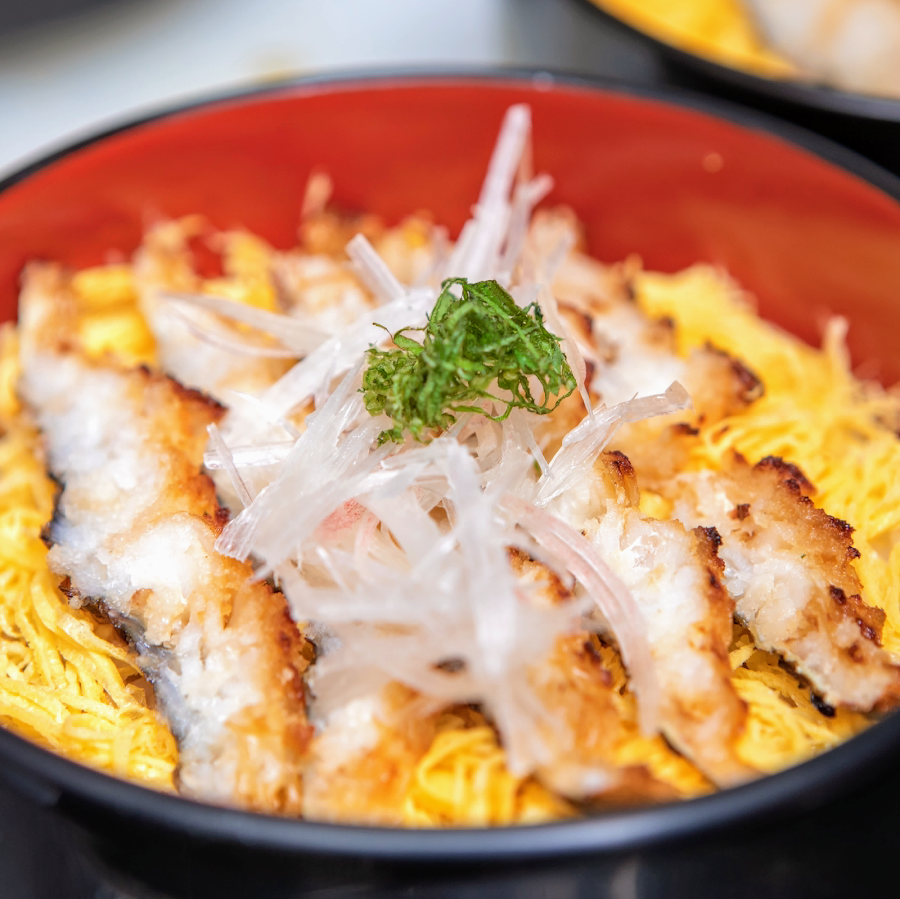
Look for Kyoto cuisine, sukiyaki, oyakodon or sweets around Hanamikoji, Gion Shirakawa and Shijo-dori. Reserve upscale restaurants and popular lunch spots in advance. For Gion souvenirs, consider matcha, Kyoto sweets, fragrances, blotting paper, hairpins and Japanese-style goods. Finish the shrine and temple visits first, then shop along Shijo-dori so you do not carry food and fragile items all day.

Showing: All(12)

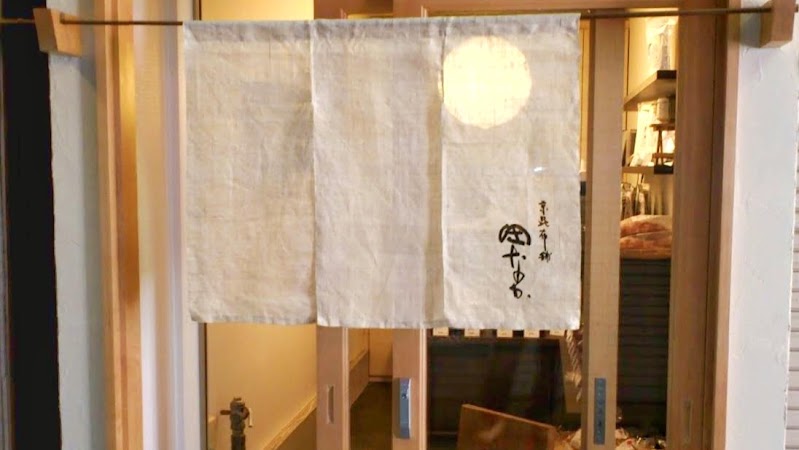
Izuju

いづ重

いづ重 Japanese

Intro

Kyo no Kome Ryotei Hachidaime Gihey

京の米料亭 八代目儀兵衛

京の米料亭 八代目儀兵衛 Japanese

Famous Clay Pot Rice

Affordable Chinese Cuisine

Intro

Reserve

Kazurasei Shinise

かづら清老舗

かづら清老舗 Souvenir

Handmade hairpins and natural camellia oil

Intro

Kyo Ramen Sadakazu

京ラーメン さだかず

京ラーメン さだかず Ramen

Intro

Kansendo

甘泉堂

甘泉堂 Dessert

Intro

Yojiya - Gion Main Store

よーじや 祇園本店

よーじや 祇園本店 Souvenir

Famous oil-absorbing paper

Intro

Hararyoukaku - Main Store

原了郭 本店

原了郭 本店 Souvenir

Spices, Shichimi powder

Intro

Kagizen Yoshifusa - Shijo Main Store

鍵善良房 四條本店

鍵善良房 四條本店 Dessert

Japanese Sweets

Intro

Kiridoshi Shinshindo

切通し進々堂

切通し進々堂 Cafe

Breakfast

Intro

Pocchiri - Gion Main Store

ぽっちり祇園本店

ぽっちり祇園本店 Souvenir

Intro

Gombe

権兵衛

権兵衛 Japanese

Intro

Kyoto Gion Okaru

京都祇園 おかる

京都祇園 おかる Japanese

Intro

▼Hanamikoji▼

photo

Hanamikoji is one of the key streets of Gion Kobu. Traditional teahouses, restaurants, homes and working spaces still line this north–south stone-paved street. It is not a film set, and some side lanes are private roads; follow any signs prohibiting photography, entry or lingering.

Etiquette for visiting Hanamikoji and Gion Shirakawa

  1. Do not stop, chase, touch or photograph geiko and maiko without permission: They are often on their way to work, and following them from behind can also be intrusive. For a Kyoto dance performance, choose Gion Corner, Miyako Odori or an officially authorized show or experience.

  2. Do not enter private property: Teahouse entrances, residential doorways and private lanes are not photo spots. Do not touch lanterns or noren curtains, or lean on railings.

  3. Leave room for traffic even when photographing the street: Vehicles still use Hanamikoji, so keep to the sides, do not set up tripods and do not queue in the middle of the road. Gion Shirakawa is more open, but avoid occupying one spot around Tatsumi Bridge for too long when it is crowded.

Showing: All(13)

Gion Tsujiri - Gion Main Store

祇園辻利 祇園本店

祇園辻利 祇園本店 Souvenir

Tea, desserts

Intro

Gion Kaburaya

祇園 蕪屋

祇園 蕪屋 Japanese

Japanese Cuisine

Intro

Reserve

Finlandia Bar

フィンランディア バー

フィンランディア バー Bar

Bar

Intro

Reserve

Gion Niku Ryori Oka

祇園 肉料理おか

祇園 肉料理おか Food

Bar

Intro

Reserve

Gion Tokuya

ぎおん徳屋

ぎおん徳屋 Dessert

Desserts

Intro

Wabiya Korekido - Gion Hanamikoji Main Branch

侘家古暦堂 祇園花見小路本店

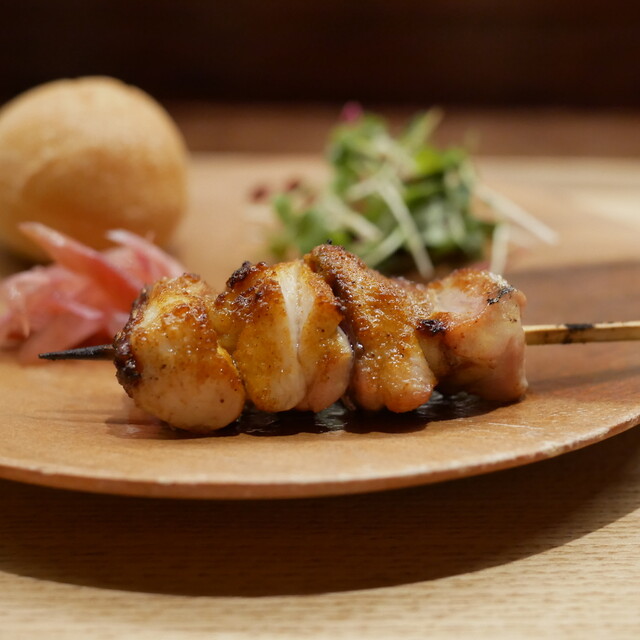
侘家古暦堂 祇園花見小路本店 Yakitori

Yakitori Izakaya

The stone-grilled oyakodon for lunch is highly recommended!

Intro

Reserve

Gion Karyo

衹園 迦陵

衹園 迦陵 Japanese

Japanese Cuisine

Intro

Reserve

Gion Kagai Art Museum

祇園 花街藝術資料館

祇園 花街藝術資料館 Culture

Intro

Kennin-ji Temple

建仁寺

建仁寺 Temple

Kyoto's oldest temple

Intro

Seirai-in Temple

西來院

西來院 Temple

Intro

Yasui Konpira-gū Shrine

安井金比羅宮

安井金比羅宮 Temple

Cut off bad ties and form good ones

Intro

Rokudō Chin'nō-ji Temple

六道珍皇寺

六道珍皇寺 Temple

Intro

Rokuharamitsu-ji Temple

六波羅蜜寺

六波羅蜜寺 Temple

Year 951

Intro

When returning from Rokuharamitsu-ji, you can take the train to Kiyomizu-Gojo Station (about a 7-minute walk) or a bus to Gojozaka Bus Stop (more routes, about a 6-minute walk). If you plan to see Kiyomizu-dera’s evening illumination, you can also walk there from this area (1 km, about 17 minutes).

To Qingshui Wujiao Station

bus

To Go Five-Story Slope

bus

Check the direction shown at the stop and make sure it is the direction you need. Do not board on the wrong side.

To Kiyomizu Temple

Path distance

How much time do Gion’s attractions need?

Allow about four hours for Yasaka Shrine, Maruyama Park, Yasui Konpiragu, the outside of Kennin-ji, Hanamikoji and Gion Shirakawa. If you want to enter Kennin-ji, queue to pray, rent a kimono, have a full meal or visit Nishiki Market, allow 5–6 hours. During the Gion Festival, cherry-blossom season and autumn-leaf season, add extra time for buses, queues and detours.

How should you plan Gion? Can it be done in four hours?

A four-hour highlights route starts after getting off at the Gion stop and follows Yasaka Shrine, Maruyama Park, Yasui Konpiragu, Kennin-ji, Hanamikoji and Gion Shirakawa. This timing allows only short visits and a walk; allow 5–6 hours if you want to enter Kennin-ji, have a proper meal, wear a kimono or browse shops. Finish at Gion-Shijo Station without returning to Yasaka Shrine.

From Kyoto Station to Yasaka Shrine, is the bus or train more reliable?

On weekdays outside rush hour, take city bus 86, 106 or 206 from Kyoto Station and get off at “Gion.” During cherry-blossom and autumn-leaf seasons, weekends and holidays, traffic can be heavy. If punctuality matters, take JR to Tofukuji and transfer to Keihan, then walk about 7–10 minutes from Gion-Shijo Station. If you are staying around Shijo-Karasuma or Osaka-Umeda, Hankyu to Kyoto-Kawaramachi Station is also convenient.

What is the difference between Gion Shirakawa and Hanamikoji, and when is best for photos?

Gion Shirakawa centers on willows, Tatsumi Bridge, the Shirakawa waterfront and restaurants, giving it a more open view. Hanamikoji is a stone-paved streetscape of teahouses and traditional machiya. Both are quieter early in the morning; evening has more depth and atmosphere but also more people. Photograph only from public roads where people can pass, never enter private lanes and do not photograph geiko or maiko without permission.

When is the Gion Festival, and how should you plan for food stalls at Yasaka Shrine?

The Gion Festival runs from July 1 to 31. July 17 is the procession and Shinko-sai of the first festival period, while July 24 is the procession and Kanko-sai of the later period. Food stalls are not set up every day of July at Yasaka Shrine; larger stalls, crowds and traffic controls tend to concentrate around the Yoiyama evenings before the main procession and Shijo-Karasuma. Check the official announcement for that year’s dates, routes and times.

Does Yasaka Shrine charge admission, and how long should you allow with Maruyama Park?

Both Yasaka Shrine and Maruyama Park are free to enter, and the shrine grounds and park are generally open all day. Yasaka Shrine’s office andamulet office are usually open from 9:00 to 17:00. Allow 45–60 minutes for the main sanctuary, dance hall and several subsidiary shrines, then another 30–60 minutes for Maruyama Park. Add at least 30 minutes during night illuminations in cherry-blossom season or the Gion Festival.

How should you choose food near Yasaka Shrine? Do Gion’s must-eats require reservations?

For Kyoto cuisine, kaiseki or sukiyaki, start with reservation-based restaurants around Hanamikoji and Gion Shirakawa; lunch is usually easier on the budget than dinner. For a quick meal, Shijo-dori and the area around Gion-Shijo Station have more oyakodon, soba and dessert options. Reserve popular restaurants, private rooms and weekend dinners in advance; for a last-minute meal, avoid the peaks around noon and 18:00.

What are the best Gion souvenirs, and when is shopping easiest?

Common Gion souvenirs include matcha and tea bags, Kyoto sweets, shichimi spice, fragrances, blotting paper, hairpins and Japanese-style accessories. Check best-before dates and import rules for food, and ask shops to reinforce packaging for pottery and hair accessories. The easiest plan is to visit shrines and temples in the morning, then shop along Shijo-dori towards Kyoto-Kawaramachi in the afternoon, rather than carrying bags over stone streets all day.

Is Gion near Yasaka Shrine suitable for wearing a kimono? What should you check when renting?

Yasaka Shrine, Hanamikoji and Gion Shirakawa are close together, making them ideal for a kimono walking route. If you add Maruyama Park, Yasui Konpiragu or Kennin-ji, expect more stone paving and walking. When booking, confirm the hairstyle, luggage storage, latest return time and late fees. Choose comfortable footwear, and allow time for water and rest in summer.

Can Kennin-ji and Yasui Konpiragu be visited in the same stretch?

Yes. They are about four minutes apart on foot. The smoothest direction is south from Maruyama Park to Yasui Konpiragu, west into Kennin-ji and then on to Hanamikoji. A visit to Yasui Konpiragu takes about 20–30 minutes, but add time if you queue to pass through the en-musubi stone; allow 60–90 minutes for Kennin-ji’s main viewing area. With the transfer included, two hours is comfortable.

Can you photograph a maiko if you see one on Hanamikoji?

Do not photograph, stop, chase or ask for a selfie without permission. Geiko and maiko are usually traveling to a work appointment, and some private lanes clearly prohibit photography and entry. For a performance or a planned photo, choose Gion Corner, Miyako Odori or an official tour, restaurant or experience. Even when photographing the street, stay clear of home entrances, teahouse doorways and the center of the road.

🔊Practical Japanese audio for travelers🔊

✈️ Useful Japanese for travel

🎁 Useful Japanese for shopping

👗 Useful Japanese for clothing stores

🍴 Useful Japanese for restaurants

Leave a Comment

合作提案
部落格推廣
____________
協力提案
ブログプロモーション

goodxssss@gmail.com