Shimogamo Shrine Guide | Tadasu-no-Mori, Kawai Shrine, and Surrounding Walks
Shimogamo Shrine (Kamo Miko Shrine)andShokokujiconnect two distinctly different landscapes on the northern side of Kyoto in one day: the first half traverses Tadasu-no-Mori, visiting Kawai Shrine, Aioi Shrine, and Mitarashi Pond; the second half moves north towards the Kyoto Gyoen, where you can admire the Zen architecture of Shokokuji and the Seiryu-ji Museum of Art. For your first self-guided tour of Shimogamo, start from Demachiyanagi Station and allow about 3 to 4 hours to explore the Kamo River Delta and nearby culinary delights.
Official Name:Kamo Miko Shrine, along with Kamigamo Shrine, is collectively known as the Kamo Shrines, both of which are listed as UNESCO World Heritage Sites.
Shimogamo Shrine Opening Hours:The main gate is open from 06:30 to 17:00; Kawai Shrine is open from 06:30 to 16:30. Hours may vary during religious ceremonies.
Shimogamo Shrine Admission Fees:General visits and walks through Tadasu-no-Mori are free; special access to the main hall and the Otabisho may incur fees as announced.
Recommended Visit Duration:A visit to the Main Hall, Aioi Shrine, and Kawai Shrine takes about 60 to 90 minutes. If you include the Kamo River Delta, local delicacies in Demachiyanagi, and Shokokuji, we recommend setting aside half a day.
World Heritage Site: Shimogamo Shrine and Tadasu-no-Mori Forest
Shimogamo Shrine is nestled at the confluence of the Kamo and Takano Rivers. The West Main Hall enshrines Kamo-taketsunomi-no-mikoto, while the East Main Hall enshrines Tamayori-hime-no-mikoto. The Tadasu-no-Mori forest, which the main approach passes through, preserves the ancient vegetation of the northern Yamashiro region. It offers cool shade and refreshing air in summer, and in autumn, its foliage often peaks later than other spots in Kyoto, frequently remaining vibrant until early December.
Aioi Shrine:Famous for its blessings on relationships and the ‘Renri-no-Sakaki’ (a sacred tree where two trunks have grown into one), this shrine is best visited just before reaching the Romon Gate.
Kawai Shrine:Dedicated to Tamayori-hime-no-mikoto, this shrine is popular for its prayers for beauty, unique mirror-shaped ’ema’ (votive plaques), and ‘beauty water’ (bijin-sui).
Mitarashi Pond:This is the site of the summer Mitarashi Festival, where visitors participate in a foot-soaking ritual. It is also said to be the legendary birthplace of the famous Mitarashi Dango.
Shokokuji: The ‘Crying Dragon’ painting in the Dharma Hall and the Jotenkaku Museum
Shokokuji is the head temple of the Shokokuji branch of the Rinzai school of Zen Buddhism. Founded by Ashikaga Yoshimitsu, it serves as the parent temple to both Kinkakuji (Rokuonji) and Ginkakuji (Jishoji). The Dharma Hall, donated by Toyotomi Hideyori in 1605, is the oldest of its kind in Japan. The ‘Crying Dragon’ painting by Kano Mitsunobu on the ceiling is open for special viewing during spring and autumn. In 2026, these periods are March 25 to June 2 and September 26 to December 15, from 10:00 to 16:30 (last entry at 16:00). Please note that viewings may be suspended during religious services.
Shimogamo Shrine and Shokokuji: History, Highlights, and Visiting Tips
Why is Shimogamo Shrine also known as Kamo Mioya Shrine?
The formal name of Shimogamo Shrine is Kamo Mioya Shrine. The West Main Hall enshrines Kamo Taketsunomi-no-Mikoto, while the East Main Hall enshrines his daughter, Tamayorihime-no-Mikoto. Both deities are ancestral figures to Kamo Wakeikazuchi-no-Okami, the deity of Kamigamo Shrine, hence the name “Mioya,” meaning “ancestral parents.” The shrine was a site of worship long before the capital was moved to Heian-kyo (modern-day Kyoto), eventually becoming the Ichinomiya (highest-ranking shrine) of Yamashiro Province and a vital guardian of the imperial capital.
Tadasu-no-Mori, Aioi Shrine, and Kawai Shrine
Tadasu-no-Mori, located around the main approach, preserves an ancient forest ecosystem and is the perfect place to slow your pace before reaching the main halls. Aioi Shrine, situated in front of the Romon Gate, is dedicated to matchmaking; nearby stands the “Renri-no-Sakaki,” a sacred tree formed by two trunks that merge into one. To the south, Kawai Shrine enshrines Tamayorihime-no-Mikoto and is famous for its mirror-shaped ema (votive tablets), prayers for beauty, and its role as a guardian for women.
What is the connection between Shokokuji and Kinkakuji and Ginkakuji?
Shokokuji was founded by Ashikaga Yoshimitsu, the third shogun of the Muromachi Shogunate, who invited the monk Muso Soseki to serve as its founding abbot. It is ranked second among the Kyoto Gozan (the five great Zen temples of Kyoto). The name “Shokokuji” is a title for the Minister of the Left and also pays homage to the famous Daxiangguo Temple in China. Both Kinkakuji (the Golden Pavilion) and Ginkakuji (the Silver Pavilion) are branch temples of the Shokokuji school. If you wish to understand the Ashikaga shogunate and Zen culture, Shokokuji is an excellent starting point.
The “Crying Dragon” in the Hatto Hall and the Jotenkaku Museum
The “Crying Dragon” painting on the ceiling of the Hatto Hall was created by Kano Mitsunobu. If you stand in a specific spot and make a sound, it creates a distinct echo, earning it the name “Crying Dragon.” The Hatto Hall, Hojo, and Kaisando are typically only open during special spring and autumn viewing periods. The Jotenkaku Museum operates according to its exhibition schedule, showcasing temple treasures from the Shokokuji school and works by artists such as Ito Jakuchu. Please note that separate tickets are required for these two locations.
From Kansai International Airport to Kyoto
🚄 Travel Guide: From Kansai International Airport (KIX) to Kyoto
There are two main ways to travel from Kansai International Airport (KIX) to Kyoto:JR LinesandAirport Limousine Bus.
JR Haruka Limited Express (the fastest and most comfortable option) –direct toKyoto Station. With spacious seating, this is our top recommendation.Approx. 75 – 80 minutes, fare approx. ¥3,590
👉kkday Haruka Ticket
👉Klook Haruka Ticket
👉Trip Haruka Ticket
If your itinerary includes Osaka, Kyoto, Nara, Kobe, and Himeji, purchasing the JR Kansai Area Pass is the most cost-effective choice. There are three types of passes available.
JR Kansai Mini Pass: 3 days approx. ¥2,800
👉kkday
👉Klook
👉Trip
JR Kansai Area Pass: 1 day approx. ¥2,600
👉kkday
👉Klook
👉Trip
JR Kansai Wide Area Pass: 5 days for approx. ¥11,500
👉kkday
👉Klook
👉Trip
All-in-one Kansai transport and attraction passes: 30-day validity from approx. ¥11,000
👉Klook
I recommend checking each platform, as I personally find the explanations on Trip to be the clearest and most straightforward.
Access to Shimogamo Shrine and Shokokuji
Shimogamo Shrine is accessible via the Keihan Railway, Eizan Railway, and Kyoto City Bus. If you are traveling directly from Kyoto Station, take City Bus No. 4 or 205 to the Shimogamo-jinja-mae stop. However, Kawaramachi-dori Street can get quite congested on weekends, during the autumn foliage season, or during the Aoi Matsuri festival. In those cases, it is often more reliable to take the JR Nara Line to Tofukuji Station and transfer to the Keihan Line to Demachiyanagi Station.
How to choose between Kyoto City Bus tickets and day passes?
City Bus single fare:The flat fare is 230 yen for adults, and you can use IC cards such as ICOCA or Suica. For standard routes, board through the rear door and exit through the front, paying as you get off.
Subway & Bus One-Day Pass:The pass costs 1,100 yen for adults and covers city subways, city buses, and select partner bus lines. It is worth purchasing if you plan to take multiple trips throughout the day; however, if you are only visiting Demachiyanagi, Shimogamo Shrine, and Shokokuji, simply using an IC card for individual fares is usually more convenient.
Avoiding Traffic:To travel from Shimogamo Shrine to Shugakuin or Ichijoji, it is best to return to Demachiyanagi Station and take the Eizan Electric Railway. For Shokokuji, head back to Imadegawa-dori Street to connect to Imadegawa Subway Station for a smoother journey.
Fares and routes are subject to change, so please check the Kyoto City Transportation Bureau website for the latest schedules before you depart.
Subway & Bus One-Day Pass
👉Klook
Getting to Shimogamo Shrine: Kyoto Station, Demachiyanagi, and Bus Routes
Direct from Kyoto Station:Take City Bus 4 or 205 and get off at the Shimogamo-jinja-mae or Tadasu-no-Mori stop. Please note that bus frequency and travel times can be affected by road traffic.
More Reliable Train Routes:From Kyoto Station, take the JR Nara Line to Tofukuji Station, transfer to the Keihan Main Line to Demachiyanagi Station, and enjoy a pleasant 12-minute walk to Shimogamo Shrine.
From Gion-Shijo:Take the Keihan Main Line to Demachiyanagi Station, then walk along the Takano River toward Tadasu-no-Mori.
Parking:The West Parking Lot is open 24 hours. The rate is 500 yen for the first hour and 300 yen for every 30 minutes thereafter, with no daily maximum. Please note that rates and entry/exit points may change during festival periods; we highly recommend using public transportation.
Keihan Railway One-Day Pass:
👉kkday
👉Klook
👉Trip
JR Kansai Area Pass:
👉kkday
👉Klook
👉Trip
Please check the travel platform descriptions carefully to ensure you purchase the correct pass.
Access and Special Viewing Information for Shokokuji
Subway:Take the Karasuma Line to Imadegawa Station and walk to Shokokuji via the Doshisha University area.
City Bus:Get off at Karasuma Imadegawa or Doshisha-mae and walk to the temple grounds.
Jotenkaku Museum:Open 10:00–17:00 (last entry 16:30). The museum is closed during exhibition changeovers, and admission fees vary by exhibition.
Hatto (Dharma Hall) Special Viewing:Open spring (March 25–June 2) and autumn (September 26–December 15), 10:00–16:30 (last entry 16:00). Please check the official website before visiting, as viewings may be suspended during religious services.
Shimogamo Shrine FAQ
How do I get to Shimogamo Shrine from Kyoto Station?
The most direct route is taking City Bus 4 or 205 from Kyoto Station and getting off at Shimogamo-jinja-mae or Tadasu-no-Mori. To avoid traffic, take the JR Nara Line to Tofukuji Station, transfer to the Keihan Main Line to Demachiyanagi Station, and walk for about 12 minutes. During autumn foliage season, weekends, and the Aoi Matsuri festival, taking the train is usually more reliable than the bus.
What are the opening hours, admission fees, and parking costs for Shimogamo Shrine?
The inner shrine grounds are generally open 06:30–17:00, and Kawai Shrine is open 06:30–16:30. General admission and walking through Tadasu-no-Mori are free, though special viewings require a separate fee. The west parking lot costs 500 yen for the first hour and 300 yen per 30 minutes thereafter, with no daily maximum. Rates and access may change during festivals, so please check the official website before you go.
How should I plan a walking route through Tadasu-no-Mori at Shimogamo Shrine, and how long does it take?
A visit covering Kawai Shrine, Tadasu-no-Mori, Aioi Shrine, the main hall, and Mitarashi Pond takes about 60–90 minutes. Starting from Demachiyanagi Station, follow this route: Kamo River Delta → Kawai Shrine → Tadasu-no-Mori → Aioi Shrine → Main Hall → Mitarashi Pond. If you plan to have lunch, explore the Demachi Masugata Shopping Arcade, or visit Shokokuji, allow 3–4 hours.
When can I purchase amulets and Goshuin (temple/shrine seals) at Shimogamo Shrine? Are there any seasonal amulets I should look for?
The amulet office is typically open 09:00–16:30, which differs from the shrine’s opening hours. The seasonal amulets, known as Shikino-Mamori, are inspired by the changing scenery of Tadasu-no-Mori and are intended to bring health and longevity. Aioi Shrine and Kawai Shrine also offer their own unique amulets, ema (votive plaques), and Goshuin. Availability and designs may change, so arrive early if you are looking for a specific item.
Is the ring sold at Shimogamo Shrine a permanent amulet?
The official list of amulets does not include the ring as a permanent item. Photos you see on social media might be of older versions, limited-time offerings, or unofficial merchandise, so it is best not to count on finding it there. If you are making a special trip, check the official website first and confirm with the shrine office upon arrival for the most accurate information.
When is the best time to see the autumn leaves at Shimogamo Shrine?
The autumn foliage in Tadasu-no-Mori usually peaks later than in central Kyoto, typically in early December, though the exact timing depends on the year’s temperatures. To avoid crowds, enter Tadasu-no-Mori from the Kawai Shrine side shortly after opening, and check the official Kyoto autumn foliage reports before you head out.
How can I participate in the 2026 Mitarashi Festival at Shimogamo Shrine?
In 2026, the festival will be held from July 18 to 30, between 09:00 and 20:00. The offering fee for the candle ritual is 500 yen for adults, with voluntary contributions for junior high students and younger. You will need to remove your shoes and socks to walk into the Mitarashi Pond, where the water reaches below your knees; we recommend wearing pants that are easy to roll up and bringing a towel to dry your feet. Please note that you must enter before 19:30 to participate in the candle offering.
How should I plan for dining and Mitarashi Dango near Shimogamo Shrine?
For lunch near Shimogamo Shrine, you can eat around Demachiyanagi Station before heading to the shrine, or visit the area along Shimogamo-hondori Street afterward. For Mitarashi Dango, Kamo Mitarashi Chaya is a great choice. Mochi, soba noodles, cafes, and the Demachi Masugata Shopping Arcade are perfect stops to pair with a visit to the Kamo River Delta. Popular spots often have queues at lunchtime, so allow at least 30 to 60 minutes of flexibility in your schedule.
Can I visit Shimogamo Shrine on the same day as Shokokuji, Ginkakuji, or Shugakuin Imperial Villa?
It is possible, but we recommend choosing only one. Following the map in this guide to visit Shokokuji and the Kyoto Imperial Palace is ideal for those who enjoy Zen temples, gardens, and art museums. If you want to visit Ginkakuji, you can head back to the Demachiyanagi area and travel toward the Higashiyama district. For Shugakuin or Ichijoji, taking the Eizan Railway from Demachiyanagi Station is the most efficient route. Since travel and sightseeing at Enryakuji on Mount Hiei take more time, it is best to dedicate a full day to that separately.
Shimogamo Shrine Attraction Map: Kamo River Delta, Shokokuji, and Local Dining
Loading map…
Open the attraction map
Shimogamo Shrine, Shokokuji, and Attraction Notes
🚶♂️Starting Point🚶🏻♀️
Demachiyanagi Station ⮕ Shimogamo Shrine (approx. 12-minute walk)
Loading map…
Subway & Bus
Aoibashi Nishizume Station ⮕ Shimogamo Shrine (approx. 9-minute walk)
Loading map…
Bus
Where to eat near Shimogamo Shrine?
You will find plenty of restaurants around Demachiyanagi Station, Shimogamo-hondori Street, and Shokokuji. If you are looking for lunch near Shimogamo Shrine, consider grabbing some bean cakes (mame-mochi), soba noodles, or coffee near Demachiyanagi Station before heading into Tadasu-no-Mori. If you are craving Mitarashi Dango, save a visit to Kamo Mitarashi Chaya for after your shrine visit. The sticky notes below are organized by route, featuring must-eat spots, cafes, shopping, and souvenirs near Shimogamo. Simply click to view addresses and opening hours.
"Salutya" is located near Demachiyanagi Station in Kyoto and is a café transformed from an old "Kyomachiya." The interior retains the traditional Japanese style while cleverly incorporating vintage Western furniture and decor, creating a unique and stylish nostalgic atmosphere. You can find sofas, a bar counter, and even tatami seating, providing a tranquil and comfortable space. The café's signature dish is the "Salutya Burger," known for its impressive portion size. The burger patty is thick and juicy, paired with a crispy exterior and soft interior bun, along with fresh vegetables, offering a rich and satisfying taste in every bite. In addition to the signature burger, the café also serves curry, sandwiches, and a variety of desserts and drinks, making it perfect for both meals and afternoon tea.
Charcoal Grilled Skewers Kakurega
炭火串焼き 隠家
Click for Navigation
Google Maps
Apple Maps
Copy address
Intro
▼
Nabariya
Item
Details
Address
13 Tanaka Shimonoyama-cho, Sakyo-ku, Kyoto
Business Hours
Monday to Saturday 17:00–00:00 (Last order 23:00) Sunday 16:00–22:00 (Last order 21:00) *Irregular holidays
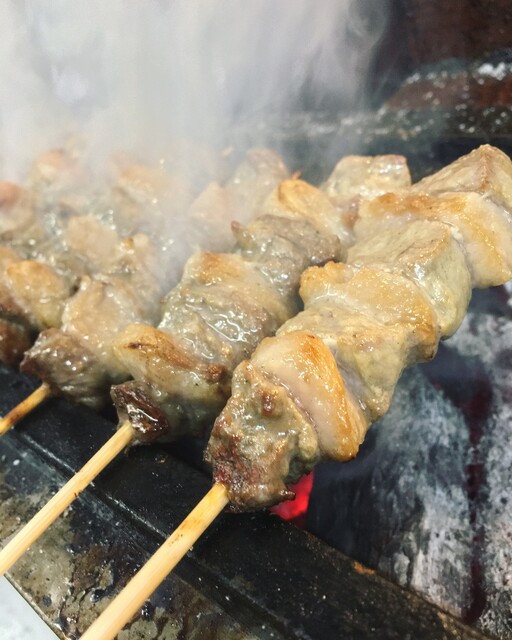
Nabariya aims to let guests easily enjoy authentic game meat in a casual setting, specializing in Japanese-style skewers featuring a variety of rare grilled game dishes (Gibier). The restaurant carefully selects and processes ingredients to offer high-quality meats with no gamey taste. Here, you can casually order skewers of deer, bear, rabbit, wild birds, quail, and boar, just like ordering chicken skewers. The restaurant also offers over 20 types of sake and wine, allowing you to find the perfect pairing for the game dishes. For those looking to try game cuisine for the first time, the friendly service and delicious food make this an excellent choice. *Note: This establishment only serves adult customers.
🎬 炭火串焼き 隠家 Video
Reserve
👉autoreserve
👉kkday
▼Aoibashi Nishizume Station▼
Showing: All(8)
Demachi Masugata Shopping Street
出町桝形商店街
Click for Navigation
Google Maps
Apple Maps
Copy address
Intro
▼
Demachi Masugata Shopping Street
Item
Details
Address
229 Seiryucho, Kamigyo Ward, Kyoto City, Kyoto Prefecture
Business Hours
Approximately 10:00 AM to 6:30 PM (varies by store)
Store Introduction Demachi Masugata Shopping Street is an arcade-style shopping street filled with nostalgic Showa-era charm and a sense of local life, often referred to as "Kyoto's Kitchen." Unlike other commercialized tourist spots, it retains its authentic character, featuring a variety of shops selling fresh produce, seafood, tofu, pickles, and daily necessities, closely connected to the everyday lives of local residents. Walking into the shopping street feels like stepping into a time tunnel, where you can experience the warmth of human interaction and the lively sounds of vendors, making it an excellent place to experience genuine Kyoto culture.
Product Features
If you plan to visit Shimogamo Shrine and shop at Demachi Masugata on the same day, you can stroll along Kawaramachi Street to reach the shopping street, starting with fresh and prepared foods before selecting souvenirs like wagashi and pickles.
The biggest highlight here is the century-old wagashi shop “Demachi Futaba” (出町雙葉), known for its signature “Meidai Dōmochi” (red bean rice cake), which has a chewy texture and sweet filling, making it a must-try dessert in Kyoto for many. Additionally, the shopping street is home to many unique small shops selling mackerel sushi, freshly roasted coffee, and various prepared dishes. It’s worth mentioning that Demachi Masugata Shopping Street served as the main inspiration for the setting of the well-known animation studio “Kyoto Animation”’s series “Tamako Market” (たまこまーけっと). The scenes of “Rabbit Mountain Shopping Street” in the anime are largely based on this location, attracting many anime fans for pilgrimage. The giant mackerel model hanging at the entrance of the shopping street is a must-see landmark for fans.
Since its establishment in 1966, Maki has been a beloved coffee shop in the Demachiyanagi area of Kyoto. The nostalgic Showa-era decor creates a calm and comfortable atmosphere, allowing guests to relax and enjoy their time. The most popular offering is the "Morning Set," available before noon. It features thick toast with a hollowed center filled with salad, ham, and a boiled egg, while the removed toast is spread with butter, all served on a plate. This visually creative and delicious breakfast attracts many visitors. Every meal comes with a cup of blended coffee, but the unique aspect is that you can upgrade to any drink on the menu for just a small additional charge, even ice cream! This thoughtful service and affordable pricing make it a favorite among people of all ages.
🎬 コーヒーハウス マキ Video
Kokyu
弧玖
Click for Navigation
Google Maps
Apple Maps
Copy address
Intro
▼
Kokyu
Item
Details
Address
204 Seiryucho, Kamigyo Ward, Kyoto City, Kyoto Prefecture
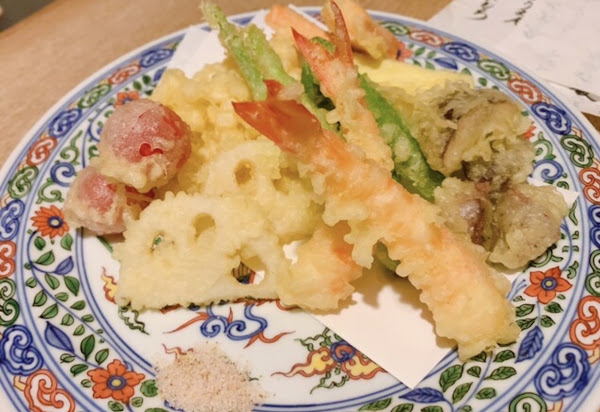
Located in the historic Demachiyanagi area of Kyoto, near Shimogamo Shrine and Kyoto Gyoen, Kokyu is a renowned kaiseki restaurant converted from a traditional machiya. The owner honed his culinary skills at the famous kaiseki restaurant Sakurada, attracting many chefs seeking inspiration. The restaurant operates on a reservation-only basis, offering lunch and dinner sets, with all guests starting their meals at the same time. The dishes feature carefully selected seasonal ingredients and are prepared using high-quality soft water sourced from underground, enhancing the flavors of the ingredients. The "Hassun," which showcases the essence of the season and the chef's skill, is a signature dish. The interior is tranquil and elegant, featuring 9 white wood counter seats and a private room, creating a special atmosphere away from the everyday. Each dish is like a work of art, providing a sensory feast that is perfect for celebrating important occasions with special people.
🎬 弧玖 Video
Reserve
👉autoreserve
👉kkday
HANA
HANA
Click for Navigation
Google Maps
Apple Maps
Copy address
Intro
▼
HANA(ハナ)
Item
Details
Address
234-3 Seiryu-cho, Kamigyo-ku, Kyoto, Kyoto Prefecture, 2-4F Tanabe Building
Business Hours
Tuesday to Sunday 17:00–01:00, closed on Monday. *Hours and holidays may change, please confirm with the restaurant before visiting.
HANA is a creative French bistro located in Demachiyanagi, Kyoto, known for its unbeatable window view of "Daimonjiyama." During the annual "Gozan no Okuribi" festival, it is undoubtedly the best spot to enjoy the event. The restaurant's unique space design features a spiral staircase that creates a wonderfully tranquil yet lively atmosphere. The cuisine blends French and Italian styles, offering a rich selection from exquisite appetizers and pasta to hearty main dishes. While the dishes are described as rustic, reminiscent of French countryside cooking, they are made with quality ingredients and bold flavors, showcasing the chef's creativity and dedication. Enjoying a distinctive French meal in a prime location with a view of Kyoto's nightscape, HANA provides a dual feast for the eyes and palate, perfect for food lovers who appreciate a unique ambiance.
Reserve
👉autoreserve
Masugataya
満寿形屋
Click for Navigation
Google Maps
Apple Maps
Copy address
Intro
▼
Masugata-ya
Item
Details
Address
179 Nikami-cho, Demachi, Kamigyo-ku, Kyoto City, Kyoto Prefecture
Business Hours
Monday, Tuesday, Thursday, Friday, Saturday, Sunday 12:00–18:00 Closed on Wednesday *Hours may vary, please confirm before visiting
Located in the Demachi Masugata shopping street in Kyoto, Masugata-ya is a popular eatery that requires patience to enjoy its delicious offerings. Although there is often a long line outside, the flavors are definitely worth the wait. The two main highlights here are the "Saba Sushi" and "Kyoto Udon." The signature saba sushi is cut thick, with fish that has a wonderful semi-raw texture and rich flavor, making it a must-try for almost every guest. The seemingly simple udon, on the other hand, features a broth that is the essence of the dish, delicately flavored and free of any off-tastes, perfectly paired with soft, fine noodles that showcase the warm charm of Kyoto-style udon. For first-time visitors, the "Saba Sushi Udon Set" is highly recommended, allowing you to enjoy both signature dishes at once. This is a place where satisfaction is gained through time, filled with local charm.
🎬 満寿形屋 Video
Demachi Futaba
出町ふたば
Click for Navigation
Google Maps
Apple Maps
Copy address
Intro
▼
Demachi Futaba
Item
Details
Address
236 Seiryu-cho, Kamigyo-ku, Kyoto City, Kyoto Prefecture
Business Hours
08:30–17:30 Closed on Tuesdays and the fourth Wednesday of each month (postponed if it falls on a national holiday)
Dining Budget
Up to ¥999
Tabelog Rating
3.85
Restaurant Features
When compiling a must-try dessert list for Shimogamo Shrine, Kyoto's famous wagashi shop "Demachi Futaba" cannot be overlooked. The constant queue in front of the shop has become a local sight; if you want to buy their signature bean rice cake, it's advisable to allow time for waiting and to enjoy it on the same day. This delicious prelude is to welcome that ultimate moment of "taste." Their signature product, "Meidai Dōmochi," is a delicacy that many are willing to wait for. Made with "Habutae Mochi" from Shiga Prefecture, the rice cake is as smooth as silk and so soft that it sinks when picked up. The cake is infused with slightly salty red peas, perfectly balancing with the sweet red bean paste from Hokkaido's Tokachi. The elegant yet not overly sweet flavor beautifully unites the deliciousness of the mochi, beans, and filling. In addition to the bean rice cake, the shop also offers seasonal wagashi like chestnut daifuku and mugwort cakes, each showcasing the original flavors of the ingredients to the fullest. This deliciousness, worth the wait, is a taste that Kyoto takes pride in.
Isehan Tea House is a renowned Japanese dessert shop in the Demachiyanagi area of Kyoto, recognized by Tabelog as one of the "Top 100 Wagashi Shops," making it a must-visit for dessert lovers. The shop insists on using high-quality domestic ingredients, such as the Dainagon red beans from Kyoto's Tanba region, and avoids artificial colors and flavors, allowing customers to savor the purest taste of the ingredients. The signature "Warabi Mochi" has a chewy texture, and the fragrant soybean flour is unforgettable. Additionally, the seasonal limited "Anmitsu" and shaved ice are also very popular items. The shop exudes a tranquil Japanese atmosphere, making it perfect for enjoying elegant and delicate Japanese sweets with friends during a stroll in Kyoto, experiencing the leisurely moments of the ancient capital.
🎬 茶房いせはん Video
Demachi-za
出町座
Click for Navigation
Google Maps
Apple Maps
Copy address
Intro
▼
Demachiza
Item
Details
Location
133 Miyoshi-cho, Kamigyo-ku, Kyoto City, Kyoto Prefecture
Hours
Cinema: Varies by the first screening time each day Bookstore (Demachiza no Soko): 11:00 AM - 10:00 PM Café (Talk Room): 12:00 PM - 9:00 PM
Admission
General ticket price is about ¥1,900 (Discounts available for university students, high school students, members, seniors, etc., depending on the film)
Overview Demachiza is located in the vibrant Demachi Masugata shopping street, combining an independent cinema, bookstore, and café into a cultural space. The bookstore "Demachiza no Soko" carefully selects books related to the themes of the films being screened, allowing the essence of the movies to continue through literature; the cinema exudes a warm, nostalgic atmosphere, specializing in art films, documentaries, and classic restorations from around the world; the café "Talk Room" upstairs provides a comfortable space for movie lovers to reflect and share thoughts before and after screenings.
Historical Background and Cultural Significance
Opened in December 2017, Demachiza was created in response to the culture of large chain cinemas. In an era where films have become fast food entertainment, its founding philosophy is to establish a "base for cinematic communication," aiming to rebuild a profound connection between films, books, and people. This place is not just about screening films; through unique film selections, thematic curation, and collaboration with the bookstore, it offers a rare hub for art and culture enthusiasts in Kyoto. Its cultural significance lies in creating a complete "viewing experience." Audiences can explore the bookstore, envisioning the contours of films through books; immerse themselves in the stories of light and shadow in the dark screening room; and finally, in the aroma of the café, reflect on the emotions and insights brought by the films, either alone or with friends. The existence of Demachiza enriches Kyoto's cultural landscape and preserves the irreplaceable humanistic spirit of independent cinemas.
Kamo River Delta (where the Kamo and Takano Rivers meet)
Item
Details
Location
Shimogamo Miyagawacho, Sakyo Ward, Kyoto City, Kyoto Prefecture
Hours
Open 24 hours
Admission
Free entry
Description
In the everyday scenery of Kyoto, the Kamo River Delta, formed by the confluence of the Kamo and Takano rivers, is a beloved retreat for locals and travelers alike. The highlight here is the neatly arranged "turtle" stepping stones (飛び石) on the riverbed, where people carefully step across the turtle and plover-shaped stones, creating a whimsical and poetic scene. Whether picnicking or reading on sunny days, or enjoying the sunset at dusk, the Kamo River Delta always reflects the leisurely and comfortable pace of life in Kyoto.
It frequently appears in many well-known anime and film works, such as "The Tatami Galaxy," "K-ON!," and "Tamako Market," making it a pilgrimage site for pop culture fans. For anime enthusiasts, stepping onto those turtle-shaped stepping stones feels like entering a two-dimensional world. This place is not just a natural landscape but also a cultural symbol that embodies the collective memory of Kyoto, intertwining traditional and modern charm.
Former Mitsui Family Shimogamo Villa
旧三井家下鴨別邸
Click for Navigation
Google Maps
Apple Maps
Copy address
Intro
▼
Old Mitsui Family Shimogamo Villa
Item
Details
Address
58-2 Shimogamo Miyakawacho, Sakyo-ku, Kyoto
Opening Hours
09:00–17:00 (Last admission at 16:30)
Admission Fee
500 yen on weekdays, 600 yen on weekends and holidays
The Old Mitsui Family Shimogamo Villa quietly stands on the south side of the UNESCO World Heritage Site, Shimogamo Shrine, near the confluence of the Kamo and Takano Rivers. It is a precious cultural asset where one can deeply appreciate the beauty of modern Japanese architecture. This villa was once a shared retreat of the famous Mitsui family, featuring a blend of Edo, Meiji, and Taisho architectural styles. Although simple, it exudes the aesthetic sensibility of a wealthy merchant family. The large glass windows of the main house cleverly bring the seasonal garden views indoors, creating picturesque scenes. Visitors can not only explore the interior of the building but also enjoy Kyoto sweets and matcha in the attached tea room while leisurely gazing at the beautiful garden that changes colors with the seasons, experiencing an elegant and tranquil moment.
Historical Background and Cultural Significance
The history of this building is quite unique. The core main house was originally built in 1909 (Meiji 42) and was located in Kiyamachi Sanjo, serving as a resting place for the Mitsui family during ancestral worship at the "Kenmyo Reisha." In 1925 (Taisho 14), to expand its scale, the main house was relocated to its current site in Shimogamo, and an entrance hall was added. Thus, the architectural complex of this villa bears witness to different eras of architectural techniques and design philosophies. For example, the third-floor observatory of the main house is a significant feature, as constructing a three-story wooden building at that time was a symbol of luxury. It is said that the Mitsui family would watch Kyoto's "Gozan Okuribi" fire sending ceremony from here.
After World War II, with the dissolution of the zaibatsu, this villa was transferred to national management in 1949. After careful restoration and organization, it was designated as an Important Cultural Property of Japan in 2011 and officially opened to the public in 2016. The Old Mitsui Family Shimogamo Villa not only showcases the essence of modern Japanese architecture but also carries the historical trajectory of the Mitsui family, allowing future generations to glimpse the lifestyle and cultural tastes of the former zaibatsu.
Kamosha Museum Shusuisha
鴨社資料館 秀穗舍
Click for Navigation
Google Maps
Apple Maps
Copy address
Intro
▼
Kamo Shrine Museum Shuhosha
Item
Details
Address
Shimogamo Shrine, Kamigamo, Sakyo-ku, Kyoto
Opening Hours
Hours vary; typically open on weekends or during special exhibitions. Check the official website for announcements before visiting.
Admission Fee
Approximately ¥500 (subject to change based on exhibitions)
Introduction Nestled near the UNESCO World Heritage Site of Shimogamo Shrine, the Kamo Shrine Museum Shuhosha is a precious building that retains the Edo period's charm. Originally the residence of the Asada family, who served the shrine as painters, it stands as a rare example of a "shakeya" (priestly family) structure in Japan. The entrance features a torii-shaped "Kabuto Gate," and the interior includes a "Shinbando" designed for remote worship, both preserving the unique marks of the past lives of priestly families. This place is not just a museum but a window into the lives and culture of those who served the shrine. (Photography is prohibited inside the museum)
Historical Background and Cultural Significance
The history of "Shuhosha" is a nearly forgotten memory of Kyoto. During the Edo period, the area around Shimogamo Shrine was home to a neighborhood of priestly families known as "Shakemachi." However, with the Meiji Restoration abolishing the hereditary priesthood and modern urban planning expanding roads, this historically rich area almost completely vanished. The former Asada residence is a miracle that has survived from this history. The Asada family belonged to the shrine's academic institution and recorded the shrine's festivals and important rituals through their art for generations. This building was constructed in the mid-Edo period, witnessing the rise and fall of Shakemachi. In modern times, ownership changed hands several times, and it became vacant. In 2014, to preserve this valuable cultural heritage, Shimogamo Shrine purchased it and restored it as part of the 34th "Shikinen Sengu" commemorative project, opening to the public in 2016 as the Kamo Shrine Museum Shuhosha. The name "Shuhosha" comes from a private school established by the shrine's priest, Kamokaku Hidetaka, during the Edo period, with Tamada Nagiyoshi serving as the headmaster. The school welcomed students from both noble and common backgrounds, becoming an important educational hub. Today, the revival of this building not only preserves tangible cultural assets but also carries on its intangible educational spirit, making it a significant place for studying Shinto culture and traditional customs.
Shimogamo Saryo - Main Store
下鴨茶寮 本店
Click for Navigation
Google Maps
Apple Maps
Copy address
Intro
▼
Shimogamo Saryo Main Store
Item
Details
Address
62 Shimogamo Miyakawacho, Sakyo Ward, Kyoto City, Kyoto Prefecture
Business Hours
Monday, Wednesday to Sunday Lunch 11:30–15:00 Dinner 17:00–21:00 Closed on Tuesday
Founded in 1856, Shimogamo Saryo is a traditional kaiseki restaurant with over 160 years of history. Located next to the World Heritage site "Shimogamo Shrine," its ancient and beautiful architecture is a sight in itself. Upon entering, you can feel the depth of history and the utmost hospitality, with a garden meticulously cared for over the century, allowing visitors to experience the unique beauty of Kyoto through the changing seasons. The cuisine at Shimogamo Saryo builds on tradition while continuously incorporating creative and thoughtful elements that resonate with the times. The chef carefully selects top-quality ingredients from across Japan, presenting kaiseki dishes that resemble works of art, with the elegant and delicate flavor of "dashi" (broth) moving many diners. From summer's conger eel and sweetfish to seasonal delicacies, each dish embodies respect for the ingredients and a celebration of the seasons. If you wish to arrange a formal kaiseki lunch at Shimogamo Shrine, it is recommended to allocate ample dining time and confirm reservations and dining rules in advance. Whether for family gatherings, business receptions, or important anniversaries, the elegant private rooms and attentive service here will provide you with a perfect and unforgettable experience.
🎬 下鴨茶寮 本店 Video
⛩️Inside Shimogamo Shrine⛩️
Showing: All(8)
Tadasu no Mori Forest
糺の森
Click for Navigation
Google Maps
Apple Maps
Copy address
🕖24H
Intro
▼
Tadasu no Mori (Shimogamo Shrine)
Item
Details
Location
Tadasu no Mori, Shimogamo Shrine
Attraction Description
Tadasu no Mori is a vast primeval forest within the UNESCO World Heritage site of Shimogamo Shrine, regarded as a sacred area since ancient times. Entering the forest feels like stepping away from the city's hustle and bustle; towering ancient trees block the sunlight, and the air is filled with freshness and tranquility. This is one of the rare primitive forest areas in Kyoto, with several gentle streams (such as Izumigawa and Naraogawa) flowing through, and sunlight filtering through the leaves creates a mysterious and solemn atmosphere. Strolling here allows you to bathe in nature's phytoncides and feel the sacred aura accumulated over a thousand years.
Historical Background and Cultural Significance
The history of Tadasu no Mori dates back to ancient times, long before Kyoto was established, as a place for the local clan, the Kamo clan, to worship deities. The name "Tadasu" is believed to mean "to discern the truth," and it is said that ancient people would hold trials before the deities here to seek fair judgments.
Tadasu no Mori connects with Shimogamo Shrine and Kawai Shrine, making it a natural starting point for a walk around the nearby attractions. This forest is also an important stage in Japanese literature and culture. It has appeared multiple times in Japan's oldest novel, "The Tale of Genji," and in the classical literature "The Pillow Book," becoming a subject of admiration for the Heian period nobility. Additionally, the grand and elegant procession of the Aoi Matsuri, one of Kyoto's three major festivals, passes through this forest, recreating the classical charm of the Heian period. As a path leading to the sacred realm, Tadasu no Mori serves to purify the body and mind, allowing worshippers to settle their spirits in this sacred nature before entering the shrine. This belief in coexistence with nature is its deepest cultural significance.
Nestled at the entrance of the "Tadasu no Mori" at Shimogamo Shrine, Kawai Shrine, though small, is renowned throughout Japan as the "First Beautiful Shrine." It has long been a center of faith for the protection of women, particularly famous for prayers for beauty, attracting countless women hoping to radiate from within. The shrine's unique highlight is the "Kagami Ema," shaped like a hand mirror, where visitors can draw their ideal appearance and apply their cosmetics, creating a one-of-a-kind wish plaque. Additionally, after visiting, savoring a cup of "Bijin Mizu" made from local wood pears, believed to enhance beauty, is an unmissable experience here.
Historical Background and Cultural Significance
The main deity of Kawai Shrine is Tamayori-hime, the mother of Japan's first emperor, Jimmu. Legend has it that Tamayori-hime was as beautiful as jade, revered as the guardian of beauty and youth, while also blessing safe childbirth, child-rearing, and relationships. As an affiliated shrine of the World Heritage Site Shimogamo Shrine, its history dates back to before the Heian period, making it one of Kyoto's oldest shrines.
The cultural core of Kawai Shrine lies in its unique worship method that combines "prayer" with "self-practice." The "Kagami Ema" serves not only as a wishing tool but also as a symbol of self-expectation. Through the act of drawing and applying makeup, visitors materialize their pursuit of beauty; this focused and sincere process itself is a form of beauty cultivation. This belief, linking external appearance with inner spiritual beauty, elevates Kawai Shrine beyond a typical place of prayer, transforming it into a sacred space of feminine energy filled with ritual significance and healing power.
🎬 河合神社 Video
Sawata-sha Shrine
雑太社
Click for Navigation
Google Maps
Apple Maps
Copy address
🕖24H
Intro
▼
Shimogamo Shrine, Zata Shrine (First Kick Site)
Item
Details
Location
Shimogamo Shrine, Zata Shrine
Attraction Description
Deep within the "Tadasu no Mori" of the UNESCO World Heritage Site, Shimogamo Shrine, stands a small shrine called "Zata Shrine." It may appear simple and unassuming, but it is a sacred place for rugby enthusiasts in Japan and around the world. This site is known as the "birthplace of Kansai rugby," and Zata Shrine is revered as the "God of Rugby." Next to the shrine is a stone monument inscribed with "First Kick Site," praying for victory in matches and safety in sports.
Historical Background and Cultural Significance
This remarkable connection between sports history and the ancient shrine began in 1910 (Meiji 44). At that time, founding members of Japan's first rugby team—students from Keio University—taught the sport to students of the former Third High School (now Kyoto University) in this "Tadasu no Mori." This historic first lesson marked the beginning of rugby in the Kansai region and sowed important seeds for the development of rugby in Japan. To honor and preserve this history, a group was established called the "World Heritage Shimogamo Shrine Rugby First Kick Site Commemorative Association," and a stone monument was erected at the teaching site. One of the deities worshiped at Zata Shrine, "Kantama no Mikoto," has a pronunciation similar to "Tamashii" (soul), making it a guardian deity in the rugby community.
Rest Stop Saruya
休憩處 さるや
Click for Navigation
Google Maps
Apple Maps
Copy address
🕖10:00~16:30
Intro
▼
Saruya (さるや)
Item
Details
Address
59 Shimogamo Izumigawa-cho, Sakyo-ku, Kyoto City, Kyoto Prefecture, within Shimogamo Shrine
Business Hours
10:00 AM – 4:30 PM *Hours may vary; please confirm before visiting.
Nestled in the lush Tadasu no Mori of the World Heritage site "Shimogamo Shrine," the elegant sweet shop "Saruya" is operated by the renowned Kyoto confectionery "Hosen." It offers visitors a serene atmosphere to take a break and enjoy traditional wagashi.
The shop's most famous offering is the "Saru Mochi," a specialty of Shimogamo Shrine that has been successfully revived after 140 years. This traditional sweet, originating from the Heian period, was used to pray for health and safety. The mochi is dyed with the morning hue known as "hanezuiro" using red bean broth, encasing rich Tanba Dainagon red beans, resulting in a refined taste that is sweet yet not overwhelming, echoing history and simple deliciousness.
In the open space where sunlight filters through the leaves, listening to the sounds of birds and the wind while enjoying a piece of Saru Mochi and hot tea is undoubtedly one of the most healing experiences in Kyoto. This tea house, honored by Tabelog and recognized among the top wagashi shops, is a must-visit for a delightful experience when you come to Shimogamo Shrine.
🎬 休憩處 さるや Video
Aioi-sha Shrine
相生社
Click for Navigation
Google Maps
Apple Maps
Copy address
🕖06:00–17:00
Blessings for love, relationships, and safe childbirth
Intro
▼
Shimogamo Shrine Aioi Shrine
Item
Details
Location
Shimogamo Shrine Aioi Shrine
Attraction Description
In the vast forest of Shimogamo Shrine stands a small yet renowned shrine, "Aioi Shrine." It is one of Kyoto's most famous "enmusubi" (matchmaking) sites, dedicated to love, relationships, and safe childbirth, attracting countless visitors seeking good fortune in love or protection for their existing relationships. The most striking feature next to the shrine is the sacred tree known as "Renri no Kenki," where two trees are tightly intertwined, symbolizing harmony between couples and the perfect bond of love.
Historical Background and Cultural Significance
The main deity of Aioi Shrine is "Kamimusubi no Kami," an ancient god in Japanese mythology who governs creation and generation, believed to possess the divine power to connect all things. The core of Aioi Shrine's faith revolves around the mysterious "Renri no Kenki."
This sacred tree is regarded as one of Kyoto's seven wonders. Legend has it that when one of the trees withers, a new sapling will appear elsewhere within Shimogamo Shrine, also displaying the unique intertwined form, symbolizing the everlasting nature of connections. This continuous legacy adds deeper meaning to the prayers for relationships here.
Visitors follow a unique ritual: first, they purchase an ema (wooden plaque) to write their wishes, then walk three circles around the sacred tree, with women going clockwise and men counterclockwise, and finally hang their wishes at the ema hanging area behind the shrine. The "Ai no Wa Mamori" of Aioi Shrine is often referred to as the Shimogamo Shrine ring; for purchases, please check the styles and stock available on the day. This series of ritualistic actions profoundly reflects the Japanese people's sincere and delicate culture of wishing for connections.
🎬 相生社 Video
Romon
楼門
Click for Navigation
Google Maps
Apple Maps
Copy address
Intro
▼
Shimogamo Shrine Torii Gate
Item
Details
Location
Shimogamo Shrine Torii Gate
Attraction Overview
The Torii Gate of Shimogamo Shrine is an iconic structure, standing about 13 meters tall and painted in vibrant vermilion. Its solemn and beautiful presence is not only an important cultural asset of Japan but also serves as a boundary between the sacred and the secular, guiding worshippers into a holy space. Passing through the gate, visitors can see the "East Main Hall" and "West Main Hall" (both national treasures), showcasing the beauty of ancient and elegant architecture. The current gate was rebuilt in 1628 during a ceremonial relocation, and along with most shrine buildings, it has been designated as an important cultural property, witnessing centuries of historical changes.
Quietly located at the confluence of the Kamo and Takano rivers, Shimogamo Shrine is one of the oldest and most spiritual shrines in Kyoto, recognized as a UNESCO World Heritage Site. Its most captivating feature is the expansive primeval forest known as "Tadasu no Mori," which has existed since the Jomon period, allowing visitors to feel a sense of tranquility and sacredness upon entering. Within the shrine, the vermilion gate, dance hall, and numerous shrine buildings exude the elegance of the Heian period, with the two main halls, "Higashi Honden" and "Nishi Honden," designated as national treasures, showcasing a simple yet dignified architectural style.
Historical Background and Cultural Significance
The formal name of Shimogamo Shrine is "Kamomioya Shrine," with a history dating back to before the 8th century, even predating the establishment of Kyoto as the capital in 794. Together with the also UNESCO-listed Kamigamo Shrine (Kamo Wakeikazuchi Shrine), it is known as "Kamo Shrine," historically serving as an important shrine for the protection of the nation.
The shrine primarily enshrines two deities: "Kamo Taketsunumi no Mikoto" at Nishi Honden, the god of development in ancient Kyoto, revered as a guiding and victory deity; and his daughter "Tamayori Hime no Mikoto" at Higashi Honden, honored as the guardian of marriage, safe childbirth, and child-rearing.
Culturally, Shimogamo Shrine plays a crucial role. The "Aoi Matsuri," held every May, is one of Kyoto's three major festivals, featuring a grand classical parade that starts from the Kyoto Imperial Palace, passes through Shimogamo Shrine, and concludes at Kamigamo Shrine, recreating the splendor of the Heian period. Additionally, the "Mitara Matsuri," held in summer, is distinctive as people walk barefoot into the Mitara River within the shrine, lighting candles to pray for health and safety, creating a unique summer scene in Kyoto. This ancient shrine is not only a witness to history but also a living stage for the thousand-year cultural heritage of Kyoto.
Transportation and Omamori Purchase Tips
For a hassle-free visit to Shimogamo Shrine, the easiest way is to take the Keihan or Eizan train to Demachiyanagi Station, then walk about 10–12 minutes; from Kyoto Station, you can take the JR Nara Line to Tofukuji, then transfer to Keihan to Demachiyanagi. The gate is generally open from 06:30 to 17:00, and Kawai Shrine is open from 06:30 to 16:30, with possible adjustments during festival periods.
If you wish to purchase an omamori from Shimogamo Shrine, the distribution office is usually open from 09:00 to 16:30, which does not completely align with the shrine's opening hours. Travelers often seek the "Shimogamo Shrine Seasonal Omamori," officially called "Shiki no Mamori," inspired by the seasonal scenery of Tadasu no Mori, wishing for health and longevity; styles, distribution periods, and quantities may vary, so please refer to official announcements or on-site information.
🎬 賀茂御祖神社 Video
Mitarashi Pond
御手洗池
Click for Navigation
Google Maps
Apple Maps
Copy address
🕖06:00–17:00
Intro
▼
Shimogamo Shrine Mitarashi Pond
Item
Details
Location
Shimogamo Shrine Mitarashi Pond
Attraction Introduction
Within the grounds of Shimogamo Shrine lies a sacred site known as "Mitarashi Pond," where the water is crystal clear and serves as an important energy spot within the shrine. The spring water that bubbles up from the pond's bottom is considered holy water, believed to possess powerful purifying abilities for both body and mind. It is said that during the Heian period, nobles would perform purification rituals here to wash away sins and impurities. A fascinating legend about this pond is that bubbles emerge from the bottom around the "Doyou Ushi no Hi" in summer, which is seen as an auspicious sign and has become the origin of the important summer festival "Mitarashi Matsuri."
"Mitarashi Matsuri", also known as "Atsutsuke Shinji" (foot immersion ritual), is a disaster-repelling ceremony held during the sweltering summer. Participants roll up their pants and walk barefoot into the cool Mitarashi Pond, offering candles at the altar while praying for good health and longevity. The refreshing spring water washes away the summer heat and negativity, representing a unique summer tradition of the people of Kyoto.
Additionally, the beloved Japanese delicacy "Mitarashi Dango" is believed to have originated here. It is said that a nearby teahouse was inspired by the bubbles rising from Mitarashi Pond to create skewered dumplings flavored with soy sauce as offerings to the gods, marking the origin of Mitarashi Dango. Therefore, visiting this site allows you to not only experience a sacred ritual but also trace the cultural roots of a classic dish.
🎬 御手洗池 Video
Shimogamo Shrine Amulets, Goshuin, and Service Hours
Amulets (omamori) and Goshuin (temple/shrine seals) are generally available from 09:00 to 16:30, though hours may change during festivals or at specific service counters. You can choose amulets based on your wishes: the ‘Four Seasons Amulet,’ featuring the scenery of Tadasu-no-Mori, is for health and longevity; Aioi Shrine offers Aoi-himo cords and ema (votive plaques) for matchmaking; and Kawai Shrine offers mirror-shaped amulets and makeup-themed ema. There are different Goshuin designs for the main shrine, Aioi Shrine, and Kawai Shrine. Popular and seasonal designs may vary, so please check the latest information at the service counter or via theofficial amulet listsubject to change.
Many visitors search for “Shimogamo Shrine rings,” but please note that rings are not currently part of the official, permanent collection of amulets. Designs seen on social media may be from past limited-edition releases or unofficial items, so we advise against planning your trip based solely on online photos. Regarding Goshuin (temple stamps), the designs and distribution methods vary between the main shrine, Aioi Shrine, and Kawai Shrine. If you are looking to collect specific versions, please plan to arrive and inquire before 16:30.
Shimogamo Shrine: Aoi Matsuri, Yabusame, and Mitarashi Matsuri
The Aoi Matsuri is held annually on May 15th, with the procession traveling from the Kyoto Imperial Palace to Shimogamo Shrine and then on to Kamigamo Shrine. The Yabusame Shinji (horseback archery ritual) takes place on May 3rd at the Tadasu-no-Mori riding ground. For the 2026 Mitarashi Matsuri, the event is scheduled from July 18th to 30th, 09:00–20:00. Visitors entering before 19:30 may participate in the candle offering. Please note that actual arrangements are subject to the shrine’s official announcements for that year.
A Guide to Shimogamo Shrine's Aoi Matsuri, Yabusame, and Mitarashi Matsuri
Aoi Matsuri: The Procession from Kyoto Imperial Palace to the Kamo Shrines
Originally known as the Kamo Matsuri, the Aoi Matsuri is a major annual festival for both Shimogamo Shrine and Kamigamo Shrine, and is recognized as one of Kyoto’s three most famous festivals. Held every May 15th, the “Roto-no-Gi” (procession) departs from the Kyoto Imperial Palace, stops at Shimogamo Shrine, and continues to Kamigamo Shrine. Participants, including the imperial messengers, the Saio-dai (festival princess), and the ox-drawn carriages, are adorned with double-leaf hollyhock (aoi) leaves, recreating the elegant atmosphere of the Heian period.
How to choose a viewing spot for the Aoi Matsuri?
To see the full procession, consider purchasing tickets for the official viewing stands at the Kyoto Imperial Palace or within the Tadasu-no-Mori forest at Shimogamo Shrine. If you prefer to experience the atmosphere as the festival enters the shrine grounds, you can wait in the areas surrounding Shimogamo Shrine. City buses are extremely crowded on this day and may run on irregular schedules; we recommend taking the Keihan Railway to Demachiyanagi Station, walking from there, and arriving early.
May 3rd: Yabusame Shinji
The Yabusame Shinji, held before the Aoi Matsuri, takes place on a 400-meter track within Tadasu-no-Mori. Archers on horseback shoot at three targets as they ride. While general viewing areas are free, paid seating is also available. Popular spots fill up very early, so please follow the directions of on-site staff and crowd control personnel.
Mitarashi Matsuri: The Foot-Washing Ritual at Mitarashi Pond
The Mitarashi Matsuri is an important summer ritual at Shimogamo Shrine, where visitors pray for good health and the warding off of misfortune. Participants pay the candle offering fee at the reception desk inside the Romon Gate, remove their shoes and socks, and walk into the Mitarashi Pond while holding a candle. After lighting the candle in front of the Mitarashi Shrine, visitors drink the sacred water to complete the ritual.
2026 Schedule, Fees, and Preparation
Dates:July 18 to 30, 2026.
Hours:09:00–20:00. Please enter by 19:30 to participate in the lantern offering.
Lantern Offering Fee:500 yen for adults; donations are welcome for junior high school students and younger.
Attire:The water in Mitarashi Pond reaches about knee-height. We recommend wearing pants that are easy to roll up and footwear that is simple to remove. Please bring a small towel to dry your feet. To keep the line moving, please refrain from stopping to take photos while in the pond.
Mitarashi Dango and Water Fortunes
The bubbles rising from the bottom of Mitarashi Pond are said to have inspired the shape of Mitarashi Dango, making these sweet rice dumplings a signature local treat near Shimogamo Shrine. The area can get quite crowded during festivals, so if you are looking for a bite to eat, consider visiting a dango shop after you leave the shrine grounds, and be sure to check their daily hours and wait times in advance.
If you are only visiting Shimogamo Shrine and not continuing to further destinations, you can catch a bus from here.
Shimogamo-jinja-mae (Towards Shijo Kawaramachi and Kyoto Station)
Loading map…
Bus
⛩️ West side of Shimogamo Shrine towards Shokokuji ⛩️
Showing: All(11)
Kamo Mitarashi Chaya
加茂みたらし茶屋
Click for Navigation
Google Maps
Apple Maps
Copy address
Intro
▼
Kamo Mitarashi Chaya
Item
Details
Address
53 Shimogamo Matsunokicho, Sakyo Ward, Kyoto City, Kyoto Prefecture
Business Hours
09:30–19:00 (Last order 18:00) Closed on Wednesdays (Open on national holidays)
Dining Budget
Up to ¥999
Tabelog Rating
3.70
Restaurant Features
Kamo Mitarashi Chaya is not only a century-old establishment but also the birthplace of the popular Japanese sweet " Mitarashi Dango." Located next to the UNESCO World Heritage Site, Shimogamo Shrine, it serves as a perfect dessert stop after visiting the shrine and is a must-try traditional snack for many travelers.
The Mitarashi Dango here has a unique characteristic: a skewer with five dumplings, where the top one is slightly separated from the four below. It is said to mimic the human form or is inspired by a sacred legend—when Emperor Go-Daigo scooped water from the "Mitarashi Pond" at the shrine, bubbles appeared in the water.
The dumplings are grilled to perfection, soft and chewy, with a sauce that is exceptional. Unlike the soy sauce flavor common in the Kanto region, the sauce here is based on brown sugar, offering a sweet and savory blend that is elegant and refined, making it a perfect match for the dumplings. In addition to the signature dumplings, the shop's Abekawa Mochi and Isomaki are also highly praised traditional sweets.
🎬 加茂みたらし茶屋 Video
Kamo River Park
鴨川公園
Click for Navigation
Google Maps
Apple Maps
Copy address
Intro
▼
Kamo River Park
Item
Details
Location
Kyoto Prefecture, Kyoto City (extends along the banks of the Kamo River, no single fixed address)
Kamo River Park is a linear park that runs through the center of Kyoto along the banks of the Kamo River, often referred to as "the lifeblood of Kyoto." It is a favorite spot for both locals and visitors to relax. While there are no grand buildings, the park offers a glimpse into the everyday life of Kyoto. Whether it's the pink tunnels of cherry blossoms in spring, the lush riverside scenery in summer, or the poetic views of autumn foliage, Kamo River Park showcases different charms in every season. You can stroll, cycle, picnic, or simply sit by the riverbank, watching the flowing water, birds, and the distant Higashiyama, feeling the slow passage of time. Notably, the "Turtle Jump Stones" near Demachiyanagi, where visitors can hop across turtle-shaped stones, is a must-try experience for many.
Historical Background and Cultural Significance
The history of the Kamo River is closely tied to the development of Kyoto. Since the capital was established in 794 AD, the Kamo River has served as an important water source for the city, playing various roles in defense and purification. However, the river has also experienced frequent flooding, leaving behind many historical records of flood control, showcasing the wisdom of ancient people coexisting with nature. Over time, the riverbanks, originally used for rituals and daily life, gradually transformed into a place of entertainment for the common people during the Edo period, developing a unique riverside culture. One of the most representative cultural practices is the "Kamo River Noryo-yokocho." This summer tradition, passed down since the early Edo period, sees restaurants along the riverbank set up elevated outdoor seating from May to September, allowing guests to enjoy Kyoto cuisine while listening to the soothing sounds of flowing water in the gentle evening breeze. This is not just a dining format but a perfect embodiment of Kyoto people's aesthetic integration of life with nature. Today, Kamo River Park stands as a symbol of the intertwining of Kyoto's history and modern life, carrying the memories of the ancient capital while continuously radiating new vitality.
Goryo Shrine, affectionately known as "Kamigoryo-san" by locals, is an ancient shrine located in Kyoto's Kamigyo Ward. It serves not only as a guardian shrine for the Kyoto Imperial Palace but also as the birthplace of "Goryo faith," holding significant importance in Japan's religious history. The atmosphere within the shrine is solemn and tranquil, providing a respite from the city's hustle and bustle. This site is also known as the location where the historical event "Onin War" began, adding a layer of historical depth to this sacred place. Entering the shrine, visitors can not only feel the rich cultural heritage but also admire many historic buildings and stone monuments, including the famous haiku poet Matsuo Basho's stone tablet, making it an excellent place to experience Kyoto's history and culture.
Historical Background and Cultural Significance
The establishment of Goryo Shrine dates back to the early Heian period, specifically the 13th year of the Enryaku era (794 AD). At that time, Emperor Kanmu conducted rituals here to appease the spirit of his brother, Prince Sayuri, who died unjustly, in order to quell the plagues and disasters caused by his resentment as he protected the newly built capital of "Heian-kyo." This marked the beginning of "Goryo faith"—transforming the grievances of nobles who died unnatural deaths into protective power for the nation through sincere worship. Initially, the shrine honored only Prince Sayuri, but later included other deities such as Princess Inoue and Prince Tabito, now worshipping a total of twelve deities. Since its founding, Goryo Shrine has been deeply revered by the imperial family, with imperial envoys dispatched during important ceremonies such as the enthronement of emperors, serving as a vital shrine for the protection of the imperial palace and the nation. The "Goryo Festival," held every May, is its most significant festival and one of the prototypes for many summer festivals in Kyoto, profoundly influencing later festival culture. Today, Goryo Shrine is not only a center of faith for local residents but is also regarded as a place of efficacy for seeking the blessings of the "Ubusuna deity" (the guardian of newborns and land), cherished by the public.
🎬 御靈神社 Video
Noodle Shop Sakamoto
麺屋 坂本
Click for Navigation
Google Maps
Apple Maps
Copy address
Intro
▼
Menya Sakamoto
Item
Details
Address
456-6 Kamigyo-ku, Karasuma Kuramaguchi, Kyoto, Kyoto Prefecture, 1F Daikoku Building
Menya Sakamoto offers a bowl of "nostalgic yet supreme flavor." The chicken broth blends rich seafood flavors, appearing refreshing yet irresistibly captivating, prompting many diners to exclaim "so delicious" after the first sip. The noodles are specially selected from the renowned Tokyo shop "Asakusa Kaikarou," providing a smooth and chewy texture, paired with different thicknesses according to the broth. Whether it's the signature "Chicken Chuka Ramen," the clear "Chicken Shio Ramen," or dipping noodles, each dish achieves perfect balance with the broth, chashu, and bamboo shoots. The space is compact but has a calm atmosphere, allowing diners to focus on savoring the delicious food. This is a ramen shop worth visiting even if it's not on your way.
🎬 麺屋 坂本 Video
Ikken Uehara
一献 うえ原
Click for Navigation
Google Maps
Apple Maps
Copy address
Intro
▼
Ikkon Uehara
Item
Details
Address
232-9 Kamigoryo Kamigyo Ward, Kyoto City, Kyoto Prefecture
"Ikkon Uehara" is a Michelin Bib Gourmand recommended kaiseki restaurant tucked away in a residential area of Kyoto's Kuramaguchi. The restaurant features only counter seating, creating a cozy and intimate atmosphere run by a cheerful chef and his attentive wife. It is known for its "seasonal small pot" that replaces stewed dishes and the beautifully presented "Hassun" showcasing seasonal delicacies. Chef Uehara's dishes are filled with seasonal flair and creativity, such as the "Ayu Confit," slow-cooked at low temperature for three hours, offering a crispy texture that is truly impressive. From the visually stunning Hassun to the flavorful clay pot rice, each dish reflects the chef's exquisite skills and playful spirit. Due to its popularity, it is recommended to make a reservation one to two months in advance. Here, you can not only savor delicious dishes that evoke emotion but also experience the couple's meticulous hospitality, making it a place you will want to revisit.
Reserve
👉autoreserve
Kuramaguchi Jusei
鞍馬口 寿星
Click for Navigation
Google Maps
Apple Maps
Copy address
Intro
▼
Kuramaguchi Jyusei
Item
Details
Address
228-5 Koyamacho, Kita Ward, Kyoto City, Kyoto Prefecture, 1F・2F
Business Hours
Tuesday & Sunday 17:30–22:00, Wednesday to Saturday 11:30–14:00, 17:30–22:00, Closed on Monday (irregular)
"Kuramaguchi Jyusei" is a Japanese restaurant located just a minute's walk from Kuramaguchi Station in Kyoto. The owner creates a calm and comfortable dining space with a humble and sincere attitude. There are no excessive decorations, yet the care and dedication to the cuisine are evident throughout.
The soul of the restaurant lies in its exquisite and elegant "dashi" (broth). Whether it's the signature oden or fresh fish dishes, the broth plays a key role in gently highlighting the pure flavors of seasonal ingredients. Reviews particularly praise the oden broth, the light and crispy tempura, and the creamy turnip steam (kabura mushi), each dish showcasing delicate craftsmanship.
Reserve
👉autoreserve
👉kkday
Shokoku-ji Temple
相國寺
Click for Navigation
Google Maps
Apple Maps
Copy address
Intro
▼
Kyoto Shokoku-ji
Item
Details
Address
〒602-0898 Kyoto City, Kamigyo Ward, Imadegawa-dori Karasuma Higashi-iri
Hours
10:00–16:30 (Last admission 16:00) *Usually open only during special visiting periods in spring and autumn; please check the official website for details.
Admission Fee
General 1,000 yen (This is a special visiting fee and may vary depending on the exhibition)
Shokoku-ji, officially known as Mannen-san Shokoku Jōten Zenji, is the head temple of the Shokoku-ji branch of the Rinzai sect, founded by Ashikaga Yoshimitsu, the third shogun of the Muromachi shogunate. It ranks second among the Five Mountains of Kyoto and is a highly representative Zen temple. Since its establishment in the late 14th century, Shokoku-ji has repeatedly risen from the ashes after suffering fires. The existing Hōdō is the oldest Hōdō structure in Japan, rebuilt in 1605, and its "Nairyu" ceiling painting is famous for producing a mysterious echo when clapped at a specific spot, resembling a dragon's roar. The temple grounds are solemn and tranquil, housing not only important cultural heritage buildings but also the Jōtenkan Museum, which holds precious artifacts, including the wall paintings by Ito Jakuchu.
Historical Background and Cultural Significance
The founder of Shokoku-ji, Ashikaga Yoshimitsu, held the title of "Left Minister," which in China is referred to as "Shōkoku," implying governance of the country, hence the temple's name. At its inception, the temple grounds were vast, reportedly housing over fifty sub-temples. As the family temple of the Ashikaga shogunate, Shokoku-ji played a central role not only in religion but also in politics and culture, profoundly influencing cultural development during the Muromachi period. Notably, the world-renowned Kinkaku-ji (Rokuon-ji) and Ginkaku-ji (Jishō-ji) are both sub-temples of Shokoku-ji, managed by its monks, highlighting its esteemed position in Japanese Buddhism. Shokoku-ji is not only a witness to history but also a treasure trove of Zen art and culture, nurturing many cultural figures, including the painter monk Sesshū.
Closed: 2nd and 4th Wednesday of each month (open if a holiday)
Restaurant Features
Daikokuya Kamamochi Honpo is a traditional wagashi shop quietly located in a residential area of Kyoto, renowned as a hidden gem. Close to Amida-ji, which honors Oda Nobunaga, the charming shop itself is steeped in history. Their signature item is the unique "kamamochi," shaped like a sickle, filled with a smooth and elegantly sweet red bean paste. The mochi exterior is chewy and has excellent elasticity, offering a distinctly different texture from regular daifuku or manju, leaving a lasting impression. Due to its popularity, the kamamochi often sells out early, so it's recommended to visit in the morning. This charming old shop not only embodies Kyoto's traditional flavors but has also attracted fans due to its appearance in Japanese dramas. For travelers seeking must-buy souvenirs or authentic Kyoto sweets, this is definitely a place worth visiting.
Hidden in the bustling Teramachi Street of Kyoto is Amida Temple, closely linked to Japan's Warring States history. This is not a popular tourist spot but a Pure Land sect temple filled with historical mysteries and a solemn atmosphere. The temple grounds are small yet tranquil, providing a stark contrast to the busy streets outside. The most notable feature here is believed to be the true resting place of the Warring States hero Oda Nobunaga, making it an invaluable site for history enthusiasts.
Historical Background and Cultural Significance
The history of Amida Temple is closely tied to the "Honnō-ji Incident." In 1582, Oda Nobunaga committed suicide at Honnō-ji after being betrayed by his retainer Akechi Mitsuhide, and his body went missing, becoming one of Japan's greatest mysteries. The temple's abbot, Seigyoku, who had a close relationship with Nobunaga, risked his life to rush to Honnō-ji amidst the chaos and secretly returned Nobunaga's body to the temple.
To protect Nobunaga's remains from desecration by enemies, Seigyoku cremated the body and, following Nobunaga's wishes, buried it deep within the temple grounds without public disclosure. Thus, Amida Temple's Oda Nobunaga grave (Gohon-ji) is considered the most credible site for his final resting place. In addition to Nobunaga, the grave also honors his son Oda Nobutada, who died at Nijo Castle, and the brothers Mori Ranmaru, Mori Chikamaru, and Mori Bōmaru, along with over a hundred other retainers who perished at Honnō-ji.
🎬 蓮台山 阿弥陀寺 Video
Tomb of Oda Nobunaga and Nobutada
織田信長公・信忠公墓所
Click for Navigation
Google Maps
Apple Maps
Copy address
Intro
▼
Oda Nobunaga and Nobutada's Tomb (Amida-ji Temple)
Item
Details
Location
14 Tsuruyama-cho, Kamigyo-ku, Kyoto (within the grounds of Rendaizan Amida-ji Temple)
Visitation
Primarily visit the temple grounds and tomb; please check the temple's announcements for the availability of the main hall and temple treasures.
Transportation
Take the Keihan Railway to Demachiyanagi Station or the Kyoto Subway Karasuma Line to Imadegawa Station, then walk about 10 minutes.
Attraction Overview
Located on Teramachi Street near Imadegawa, Rendaizan Amida-ji Temple features the tombstones of Oda Nobunaga and his son Nobutada, as well as memorial stones for Oda retainers like Mori Ranmaru. Compared to several popular Sengoku historical sites in Kyoto, this location is smaller, allowing visitors to reflect on the historical memories left by the Honno-ji Incident in a tranquil temple atmosphere.
Historical Background and Visiting Tips
According to the temple's tradition, after the Honno-ji Incident in 1582, the founder Seigyoku brought back the remains of Oda Nobunaga and those of Nobutada and his retainers who died at Nijo Castle for enshrinement. The official tourism materials from Kyoto City also introduce this site as the principal mausoleum and related tombs of Oda Nobunaga. Since this account includes temple traditions, it is recommended to understand it as "temple tradition" rather than as fully verified historical fact.
On June 2nd each year, during the "Nobunaga Memorial Day," the normally closed main hall and temple treasures are opened in conjunction with a memorial service. The opening hours, fees, and areas for visitation may vary each year. If you are visiting specifically for Oda Nobunaga's tomb, please check the annual announcements in advance and adhere to the visitation etiquette of the tomb and temple.
Sai-jinja Shrine
幸神社
Click for Navigation
Google Maps
Apple Maps
Copy address
Intro
▼
Sainokami Shrine
Item
Details
Address
303 Sainokami-cho, Kamigyo-ku, Kyoto, Kyoto Prefecture (Nishi entrance from Teramachi-dori, up Imadegawa)
Opening Hours
10:00 AM – 4:00 PM (Shrine office)
Admission Fee
Free admission
Official Website
None
Attraction Description
Sainokami Shrine, pronounced "さいのかみのやしろ" (Sainokami-no-yashiro) in Japanese, is an ancient shrine quietly standing in the northeast corner of the Kyoto Imperial Palace. It is a serene escape from the city's hustle and bustle, exuding a mysterious and solemn atmosphere. Although small in scale, it holds significant importance as a guardian deity for the local residents. The most notable features are the monkey statue on the east side of the main hall and a remarkable stone known as "Sarutahiko no Kami Stone," which is believed to bring good fortune when touched, making it a hidden spot for seeking connections.
Historical Background and Cultural Significance
The history of Sainokami Shrine is closely intertwined with that of Kyoto. At the beginning of the Heian period, this area was located at the "Oni Gate" (northeast) of the imperial city, considered a direction of evil spirits in Onmyodo. To protect the capital from diseases and malevolent spirits invading from the roads, the court worshipped the deity Sarutahiko no Kami here. Sarutahiko is a guiding god in mythology, revered for safe travel and opening paths. For centuries, Sainokami Shrine has played a crucial role in guarding Kyoto's Oni Gate. Its main deity, Sarutahiko no Kami, along with its messenger, the monkey, resides here. The Japanese word for monkey, "さる" (Saru), sounds like "去る" (Saru, meaning to drive away or leave), leading people to believe that the monkey statue in the shrine can help ward off disasters and misfortune. This small shrine is not only an important defensive stronghold of Heian-kyo but also embodies the ancient people's deep hopes for peace, good fortune, and the avoidance of calamity, making it an essential stop for understanding Kyoto's history and Onmyodo culture.
🎬 幸神社 Video
Route length: approx. 5.4 km (approx. 100 minutes of walking time)
Loading map…
The route mapped out here covers approximately 5.4 km, which takes about 100 minutes of pure walking time. Including visits to Shimogamo Shrine, Tadasu-no-Mori, the Kamo River Delta, dining, and Shokokuji, we recommend setting aside 3 to 4 hours.
When starting from Demachiyanagi Station, we suggest visiting the Kamo River Delta and Tadasu-no-Mori first. Save Demachi Masugata Shopping Street for your return trip; it is more convenient for picking up local delicacies and souvenirs near Shimogamo Shrine. If you plan to extend your trip to Shugakuin or Mount Hiei, we recommend allocating an additional half to full day.