



📜 Preface
Shinjuku is Tokyo’s busiest and most diverse hub. Here you’ll find soaring modern skylines, department stores packed with goods, and cozy retro izakaya alleys. Right next to Shinjuku is Shin-Okubo, a Koreatown that has rapidly grown in recent years—thick with K-culture and a unique vibe that attracts countless young visitors and Korean residents. These two neighborhoods, though different, sit side by side and offer you two completely different Tokyo experiences.
【Tokyo Trend Frontline: In-Depth Shinjuku & Shin-Okubo】
Shinjuku is one of Tokyo’s biggest transport hubs and a center for shopping, great food, and nightlife. Whether you want to shop till you drop, savor delicious meals, or feel the city’s pulse, Shinjuku has you covered.
-
Shinjuku Gyoen: A must-see oasis that blends Japanese, English, and French garden styles. Cherry blossoms in spring and blazing red leaves in autumn make it beautiful all year round.
-
Tokyo Metropolitan Government Building: Take the free elevator up to the 45th-floor observation deck for sweeping city views. On clear days you can even spot Mount Fuji—an excellent vantage point.
-
Omoide Yokocho (Memory Lane): Step into this tiny alley full of nostalgic bars and yakitori stands. Smoky, crowded, and full of atmosphere—it’s perfect for experiencing Tokyo’s local nightlife.
-
Kabukicho: Japan’s largest red-light and entertainment district, famous for neon signs, flashy billboards, and a lively atmosphere. Besides cinemas, arcades, and restaurants, it offers vibrant night entertainment.
Shin-Okubo: Tokyo’s Koreatown
Shin-Okubo is Japan’s largest Koreatown, brimming with K-culture. From K-POP and beauty products to authentic Korean cuisine, every street here is packed with Korean charm.
More detailed spot-by-spot info follows
🚝 Getting Around

【Shinjuku - Shin-Okubo: Transportation】
🚆 Traveling between Narita Airport and Shinjuku?
The most recommended option is the JR Narita Express (N’EX), providing a direct connection to Shinjuku in approximately 75–90 minutes.
Other options include:
Skyliner to Yamanote Line: Faster (60–70 mins) but requires a transfer.
Airport Limousine Bus: Direct, but takes longer.
🚆 How to get to Shinjuku?
Shinjuku Station is one of Japan’s busiest stations, handling over 3.5 million passengers a day and linking many JR lines, subways and private railways—super convenient!
1. Take JR Lines
Yamanote Line (Yamanote Line): the easiest option for getting around central Tokyo.
Chuo Line (Rapid): direct from Tokyo Station to Shinjuku in about 13 minutes.
Sobu Line (Local): handy if you’re coming from Akihabara, Chiba or that general direction.
2. Take Tokyo Metro
Marunouchi Line (M): this red line connects Ikebukuro, Ginza and Tokyo Station—convenient for direct access to Shinjuku.
Oedo Line (E): passes spots like Roppongi, Tsukiji and Ueno—great if you’re sightseeing.
Shinjuku Line (S): a solid choice if you’re coming from areas like Ichikawa or Kudanshita.
3. Private railways & other transit
Odakyu Line: transfers available if you’re coming from Kanagawa, Odawara or Hakone areas.
Keio Line: heads to Mt. Takao, Chofu and nearby spots—perfect for day-trippers.
Seibu-Shinjuku Line: goes directly to Seibu-Shinjuku Station—handy from Saitama, Tokorozawa and similar areas.
✈️ How to get to Shin-Okubo?
Shin-Okubo Station is much smaller than Shinjuku. It’s just one stop on the JR Yamanote Line, only about a 2-minute ride from Shinjuku Station—and it’s walkable too!
1. Take the JR Yamanote Line
From Shinjuku, just board the JR Yamanote Line (inner/outer loop)—one stop, about 2 minutes to Shin-Okubo.
From Tokyo Station it’s about a 15-minute ride to Shin-Okubo.
2. Walk
Walk from Shinjuku Station: around 10–15 minutes. Head along “Shokuan-dori” direction and you’ll soon see the lively Korea Town of Shin-Okubo.
Walk from Seibu-Shinjuku Station: even closer—about a 5-minute stroll.

🚃 JR Yamanote Line
This is a loop line that circles central Tokyo; a full lap takes about 1 hour.
Main use: Best for getting between major hub stations in the city center, like Shinagawa, Shibuya, Tokyo, Ueno, Ikebukuro, Shinjuku, and more.
Tip: For trips between ‘Shinjuku ⇄ Tokyo’, taking the JR Chuo Line is usually quicker.
Details:
Fare: Distance-based, about 150–280 JPY. Paying with an IC card (like Suica) is about 146–274 JPY.
Travel time: Roughly 1–3 minutes between stations.
Frequency: Daytime trains run about every 3–4 minutes.
✈️ Subway
Tokyo’s subway is run by Tokyo Metro and Toei Subway, with a total of 13 lines.
How to spot lines: Each line has its own color and station codes. Grab a route map to make navigation way easier.
Recommended for sightseeing: Convenient lines include the Tokyo Metro Ginza Line, Marunouchi Line, and the Toei Asakusa Line.
Details:
Fare: Distance-based. Tokyo Metro starts from about 180 JPY, and Toei Subway also starts around 180 JPY.
Travel time: Around 2–3 minutes between stations.
Frequency: Daytime trains run roughly every 2–10 minutes, depending on the line.
🛫 Useful Japanese for Travel
Tap the text below — it has audio!
旅遊實用日文
你好 안녕하세요
Hello
不好意思 실례합니다
Excuse me
非常感謝你 감사합니다
Thank you very much
再見 안녕히 계세요
Goodbye
廁所在哪裡? 화장실이 어디에 있습니까?
Where is the toilet?
旅遊咨詢處在哪裡? 관광 안내소가 어디에 있습니까?
Where is the tourist information center?
有宣傳冊子嗎? 팸플릿이 있나요?
Do you have a brochure?
我可以拍照嗎? 사진을 찍어도 될까요?
May I take a photo?
可以幫我拍照嗎? 사진 좀 찍어주시겠어요?
Could you take a photo for me?
計程車站在哪裡? 택시 승강장이 어디에 있습니까?
Where is the taxi stand?
請去這裡 여기로 가주세요
Please go here
請展示這個 이것 좀 보여주세요
Please show this
我想去這裡。 여기에 가고 싶습니다.
I would like to go here.
我不會說日語 일본어를 할 줄 모릅니다
I don't speak Japanese
你會說英語嗎? 영어 할 줄 아세요?
Do you speak English?
請說慢一點。 좀 더 천천히 말씀해 주세요.
Please speak more slowly.
請再說一遍 다시 말씀해 주세요
Please say it again
有店員會說中文嗎? 직원은 중국어를 할 수 있나요?
Can the staff speak Chinese?
🎁 Shopping Phrases
Tap the text below — it has audio!
購物實用日文
請給我這個。 이것 주세요.
Please give me this.
我想要這個,謝謝。 이것 부탁드립니다.
I would like this, please.
請給我菜單。 메뉴 주세요.
Please give me the menu.
您推薦什麼? 추천하는 건 무엇인가요?
What do you recommend?
有更便宜的東西嗎? 더 저렴한 것이 있나요?
Do you have anything cheaper?
這是日本製的嗎? 이것은 일본 제품입니까?
Is this made in Japan?
我想點餐。 주문하겠습니다.
I would like to place an order.
請結帳。 계산서 부탁드립니다.
Could I have the bill, please?
可以免稅嗎? 면세 가능한가요?
Is this tax-free?
多少錢? 얼마입니까?
How much is it?
我在哪裡付款? 어디에서 결제하나요?
Where do I pay?
可以用信用卡嗎? 신용카드 사용 가능한가요?
Can I use a credit card?
我要用現金付款。 현금으로 결제하겠습니다.
I'll pay in cash.
我用 Suica 付款。 스이카로 결제하겠습니다.
I'll pay with Suica.
我用卡付款。 카드로 결제하겠습니다.
I'll pay with a card.
可以分開包裝嗎? 따로 포장해 주실 수 있나요?
Can you wrap them separately?
請給我收據。 영수증 부탁드립니다.
Could I have a receipt, please?
👗 Clothing Store Phrases
Tap the text below — it has audio!
服飾店實用日文
這個多少錢? 이거 얼마예요?
How much is this?
我可以試穿嗎? 이걸 입어봐도 될까요?
May I try this on?
有 S 號的嗎? S 사이즈 있어요?
Do you have this in size S?
有 M 號的嗎? M 사이즈 있어요?
Do you have this in size M?
有 L 號的嗎? L 사이즈 있어요?
Do you have this in size L?
有 XL 號的嗎? XL 사이즈 있어요?
Do you have this in size XL?
有再大一點的嗎? 좀 더 큰 사이즈 있어요?
Do you have a larger size?
有再小一點的嗎? 좀 더 작은 사이즈 있어요?
Do you have a smaller size?
這個尺寸合適。 사이즈가 맞아요.
The size fits.
不好意思,這個尺寸不合適。 죄송해요, 사이즈가 안 맞아요.
Sorry, the size doesn't fit.
我再想一想。 좀 더 생각해볼게요.
I'll think about it a bit more.
這個可以。 이거 괜찮아요.
This is fine.
我不用了,謝謝您。 괜찮습니다, 감사합니다
No, thank you though
我要這個。有全新的嗎? 이걸로 할게요. 새 제품 있어요?
I'll take this one. Do you have a new one?
可以再便宜一點嗎? 좀 더 싸게 할 수 있어요?
Can it be a little cheaper?
我想再看看其他的。 좀 더 다른 걸 봐볼래요.
I want to look at others a bit more.
跟我想像的不一樣,我不要了。 생각했던 거랑 달라서 패스할게요.
It's different from what I imagined, so I'll pass.
我要這個。 이걸로 할게요.
I'll take this.
🍴 Restaurant Phrases
Tap the text below — it has audio!
打擾了 실례합니다
Excuse me
請給我菜單! 메뉴판을 주세요!
Can I have the menu, please?
我要點餐 할게요
I'd like to order.
我點這個 이거 주세요
I'll have this.
謝謝招待 감사합니다
Thank you for the hospitality.
請給我水 물 좀 주세요
Can I have some water, please?
這個要怎麼吃呢? 이거 어떻게 먹죠?
How do I eat this?
請給我一個小盤子 작은 접시 하나 주세요
Can I have a small plate, please?
可以幫我拍照嗎? 사진 좀 찍어 주실래요?
Could you take a photo for me, please?
麻煩幫我換烤網 구이망을 바꿔 주시겠어요?
Could you change the grill net for me, please?
麻煩結帳 계산서 주세요
Can I have the bill, please?
我在哪裡付款? 어디에서 결제하나요?
Where do I pay?
多少錢? 얼마입니까?
How much is it?
可以用信用卡嗎? 신용카드 사용 가능한가요?
Can I use a credit card?
我要用現金付款。 현금으로 결제하겠습니다.
I'll pay in cash.
請給我收據。 영수증 부탁드립니다.
Could I have a receipt, please?
☀️ Tokyo: Seasonal Temperatures
Tokyo — seasons, temps & outfit tips
Spring (Mar–May)
Average temps:
- March: 10°C (low ~5°C, high ~15°C)
- April: 15°C (low ~10°C, high ~20°C)
- May: 20°C (low ~15°C, high ~25°C)
What to wear:
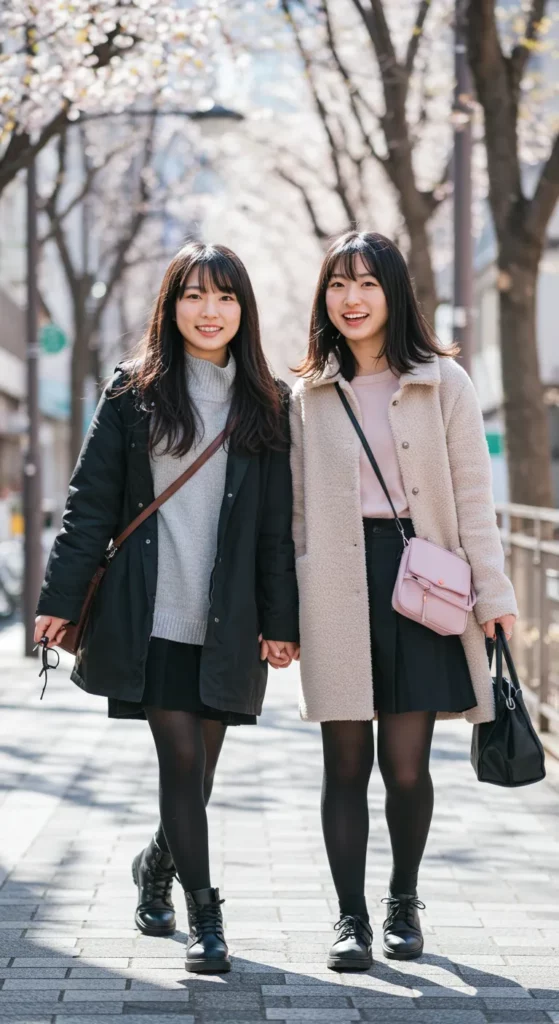
- Early spring (Mar): light knit, a thin jacket or windbreaker — pair with long pants or a skirt.
- Mid-spring (Apr): lightweight jacket (denim or thin windbreaker), layer with a long-sleeve tee or blouse.
- Late spring (May): thin long-sleeves or short sleeves — pants or skirts work fine.
Summer (Jun–Aug)
Average temps:
- June: 23°C (low ~20°C, high ~26°C)
- July: 27°C (low ~23°C, high ~31°C)
- August: 28°C (low ~24°C, high ~32°C)
What to wear:
- Early summer (Jun): light long- or short-sleeves; carry a light jacket for rainy-season swings.
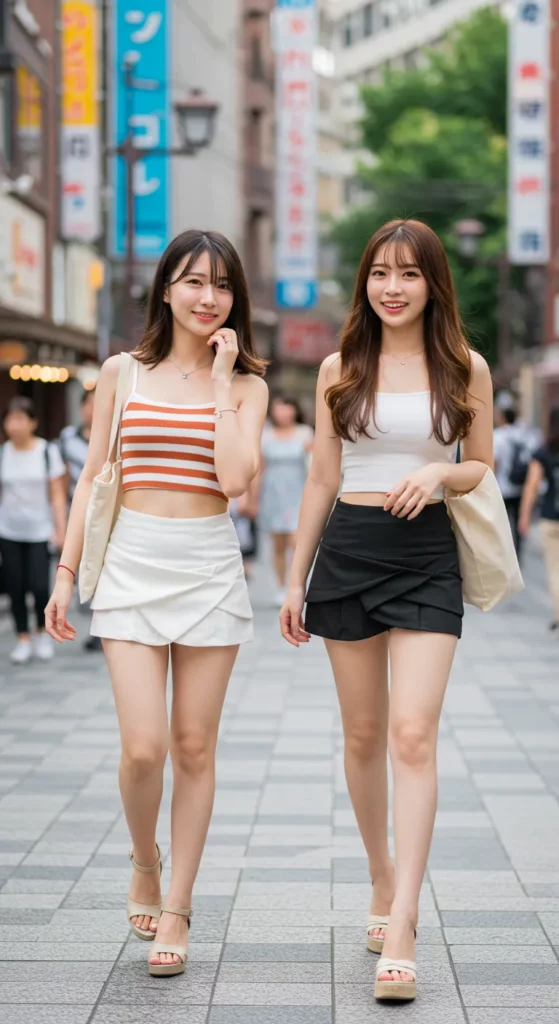
- Peak summer (Jul–Aug): short sleeves, shorts or skirts; bring sun protection and a compact umbrella — choose breathable, cool fabrics.
Autumn (Sep – Nov)
Average temperatures:
- September: 23°C (typical low 20°C, high around 27°C)
- October: 17°C (typical low 13°C, high around 22°C)
- November: 12°C (typical low 7°C, high around 17°C)
What to wear:
- Early autumn (Sep): long-sleeve tops or light sweaters, paired with a light jacket and long pants.
- Mid autumn (Oct): shirts and a jacket with long pants or skirts; mornings and evenings can be noticeably cooler—bring a warm layer.
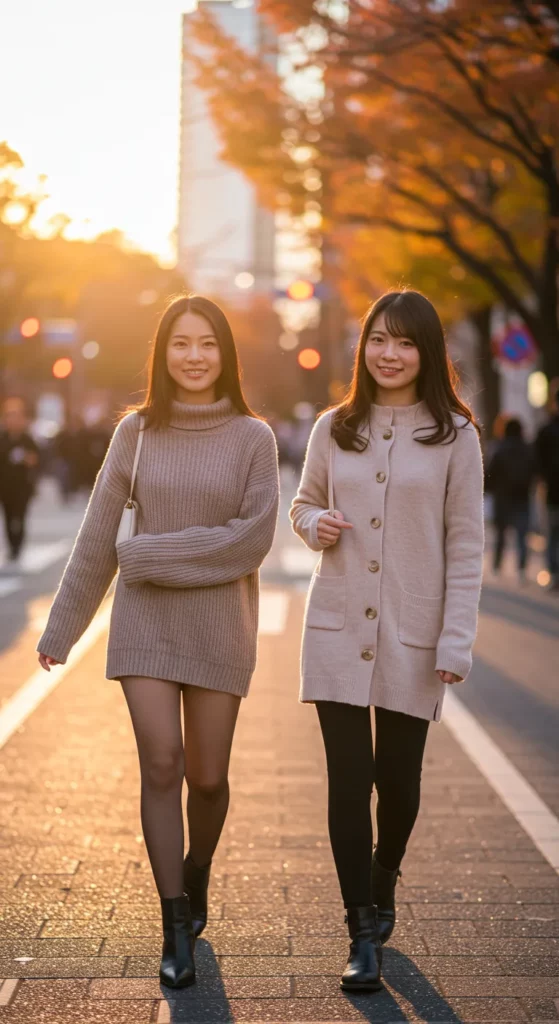
- Late autumn (Nov): thicker sweaters and coats—wear warm trousers or leggings.
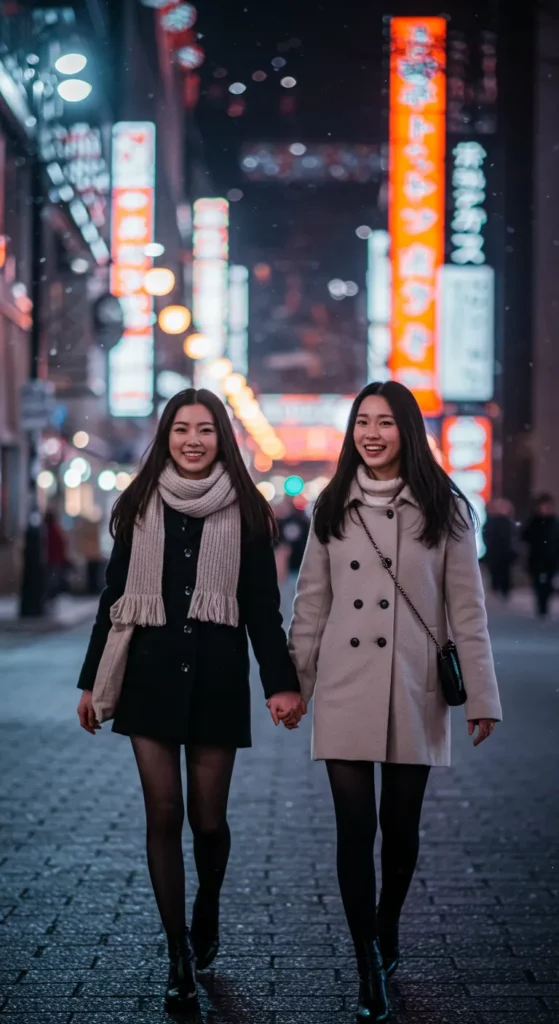
Winter (Dec – Feb)
Average temperatures:
- Dec: 7°C (low around 3°C, high around 11°C)
- Jan: 5°C (low around 1°C, high around 9°C)
- Feb: 6°C (low around 2°C, high around 10°C)
What to wear:
- Early winter (Dec): thick sweaters and a warm coat—wool coats or light down jackets work well.
- Mid-winter (Jan – Feb): down jacket, sweaters, scarf and gloves; pair with thermal leggings or add an extra layer under pants if needed.
🔥 Hot Tickets & Deals 🔥
💴 All the best Japanese department stores, cosmetics, and electronics deals — right here!!
Electronics + cosmetics + sundries

Bic Camera
(Discount vouchers are generally valid across Japan)

Yamada Denki
(Discount vouchers are generally valid across Japan)

EDION
Namba Main Store / Kyoto Shijo Kawaramachi / Akihabara Store

Don Quijote
(Discount vouchers are generally valid across Japan)

Matsumoto Kiyoshi
(Discount vouchers are generally valid across Japan)

COSMETICS AND MEDICAL (cosmetics)
Shin-Marunouchi Building / New Yurakucho Building / Otemachi FirstSquare / Otemachi Plaza / Kodemmacho / Higashi-Nihonbashi

COSMOS Cosmetics
(Discount vouchers are generally valid across Japan)

SUGI Pharmacy
(Discount vouchers are generally valid across Japan)

Daikoku Drugstore
(Discount vouchers are generally valid across Japan)

Tsuruha Drug
(Discount vouchers are generally valid across Japan)

Cocokara Fine Cosmetics
(Discount vouchers are generally valid across Japan)

Kokumin Cosmetics
(Discount vouchers are generally valid across Japan)

Hokkaido Drugstore “Satsudora”

Okinawa cosmetics chain “RYUSPA”
Department stores
Mitsui Outlet
Odaiba DiverCity
COREDO Muromachi
LaLaport
Lazona

Daimaru Matsuzakaya Department Stores
Umeda Store / Shinsaibashi Store / Tokyo Store / Matsuzakaya Ueno Store / Kyoto Store
Sapporo Store / Kobe Store / Shimonoseki Store / Matsuzakaya Nagoya Store / Matsuzakaya Shizuoka Store

Tobu Department Store Ikebukuro

Seibu Department Store
SOGO Department Store

Tokyo Rakuten Duty-Free Ginza
(GinzaNovo)

Odakyu Department Store Shinjuku
(Shinjuku West Exit)

Kintetsu Department Store
Osaka Abeno Harukas
Tax-free 10% + up to 5% extra discount

Keio Department Store Shinjuku
Tax-free 10% + up to 5% extra discount
Sports gear + apparel

JEANS MATE Clothing Store Coupon
Ikebukuro Store / Harajuku Takeshita Street Store / Kawasaki Store / Ofuna Store

Alpen Discount Coupon (sports goods)
(Discount vouchers are generally valid across Japan)
(Shinjuku store — Japan’s largest sports goods store)

L-Breath (sports goods)
(Discount vouchers are generally valid across Japan)

Victoria Golf (sports goods)
(Discount vouchers are generally valid across Japan)

Victoria (sports goods)
(Discount vouchers are generally valid across Japan)

Aoyama (The Suit Company)
Tax-free + extra 10% off coupon

Japanese luggage brand ACE
10% off coupon
🏷️Shinjuku - Shin-Ōkubo Handy Notes🏷️
Attraction Map
Attraction Notes — Suggested Route
Use a computer to open the map for planning—it’s easiest that way when mapping out these handy attraction notes.
Orange block (Shinjuku Station South Exit), Blue block (Shinjuku Station West Exit), Green block (Shinjuku Station East Exit), Purple block (Kabukicho area), Yellow block (Shin-Ōkubo area)
The place name “Shinjuku” actually comes from Edo-period transportation needs.
Birth of the relay station: During the Edo period (17th century), the Kōshū Kaidō was an important travel route. Because the distance between Edo (today’s Tokyo) and the first post town Takahata was too long, a new relay station was opened in 1698 near what is now Shinjuku Gyoen. This was called “Naito Shinjuku.”
Meaning of the name: The characters for “Shinjuku” literally mean “new lodging” or “new post station.” This new rest stop (shukuba) grew as traffic increased and gradually developed into a bustling town center.
Transport modernization: With the Meiji Restoration and the arrival of railways, Shinjuku Station’s importance rose rapidly. After the Great Kanto Earthquake many people relocated from older districts to this area, accelerating modernization. Over time it became one of today’s super-busy stations—with massive passenger flows making it a major transit hub.
🚶♂️Shinjuku Station — South Exit Area🚶🏻♀️
NEWoman
NEWoman
뉴우먼
NEWoman
 Click to navigate
 🕖 11:00~21:00
Introduction
NEWoMan Shinjuku
Address: 4-1-6 Shinjuku, Shinjuku-ku, Tokyo
Official website:https://www.newoman.jp/shinjuku/
Opening hours:
Shops: 11:00–20:00
Food Hall (B1): 11:00–21:00
Some restaurants and cafés have different hours—please check the official site for details.
About the place
NEWoMan Shinjuku is a carefully crafted shopping complex from JR East that rethinks the traditional department store. Focused on a “new-era women’s lifestyle,” it aims to offer a high-quality, culturally rich shopping experience. You’ll find a curated mix of designer labels, fresh fashion, stylish lifestyle goods, and imaginative sweets and eateries. Its biggest draw is how it integrates with the JR Shinjuku South Entrance area—connecting directly with transport hubs like the high-speed bus terminal “Busta Shinjuku” and the JR Shinjuku Miraina Tower—making it a convenient, trendy hub for food, fashion, art, and culture.
Floor guide (main retail areas)
B1F: Food Hall and in-station shops
A carefully selected lineup of premium ingredients, craft beers, freshly roasted items, Japanese and Western sweets, and handy takeout options—perfect for commuters and travelers on the go.
1F–4F: Fashion & lifestyle
A collection of international and Japanese designer brands, beauty and skincare, unique lifestyle goods, and premium cafés. Clean, modern layouts create a comfortable shopping vibe.
M2F–2F: Ekinaka (station-area) shops & restaurants
Shops with direct platform access and popular restaurants offering everything from quick bites to refined meals—great for a wide range of dining needs.
History & background
NEWoMan Shinjuku opened in March/April 2016 as a core project in the large-scale redevelopment of Shinjuku Station’s south exit area led by JR East. The plan transformed the station from a pure transport hub into a lifestyle and cultural exchange center. The redevelopment changed the skyline and circulation around Shinjuku South, aiming at a sophisticated female audience and creating a modern commercial landmark that blends high quality and contemporary flair.
澤村麵包&餐廳
Bakery & Restaurant Sawamura
베이커리 & 레스토랑 사와무라
泽村面包&餐厅
 Tap to navigate
 🕖 07:00 – 21:00
All-you-can-eat lunch breads
Overview
Opening hours
新宿高島屋
Shinjuku Takashimaya
신주쿠 타카시마야
新宿高岛屋
Tap to navigate 🕖 10:30-23:00
Overview
Shinjuku Takashimaya (Takashimaya Times Square)
Address: 5-24-2 Sendagaya, Shibuya-ku, Tokyo
Official website: https://www.takashimaya.co.jp/shinjuku/
Opening hours:
Main department store (B1F–11F): 10:30–20:00
Dining area (12F–14F): 11:00–23:00 (some restaurants may have different hours)
Hours may change for seasons or special events — please check the official website.
What makes it special
Takashimaya Times Square sits at the heart of the Takashimaya complex near JR Shinjuku Station’s South Exit. It’s not only one of Tokyo’s biggest department stores, it’s also a landmark of modern Shinjuku — a bright, roomy shopping playground filled with international brands and high-end goods. Besides its flagship merchandise, the building hosts large lifestyle stores like **Tokyu Hands** and the famous bookstore **Kinokuniya**, making it a go-to spot for fashion, gourmet food, home goods, and culture all under one roof.
Selected floors
- B1F: Gourmet basement (Depachika) — premium sweets, prepared foods, liquor and fresh ingredients from around the world.
- 1F: International luxury goods, premium jewelry, watches and cosmetics — the fashiony entrance floor.
- 2F–5F: Mainly women’s clothing, accessories and designer labels.
- 6F: Menswear and casual lifestyle fashion.
- 8F: Home goods, furniture and children’s items.
- 9F–11F: Tokyu Hands creative floors — all sorts of crafty and lifestyle goods.
- 12F–14F: Dining Garden — a selection of upscale restaurants serving Japanese, Western and other cuisines.
History & background
Takashimaya Times Square opened in October 1996 as one of Takashimaya’s flagship stores in Tokyo. Its design was part of the redevelopment of the area around Shinjuku Station’s South Exit, transforming a once-quiet corner into a bustling commercial hub. Representing postwar growth and Japan’s department store tradition, Takashimaya combines high-standard service and curated products to satisfy both domestic and international shoppers. It remains a must-visit spot when you want a mixture of luxury shopping, great food and that unmistakably modern-Shinjuku vibe.
鳥茂
Torishige
토리시게
鸟茂
 Tap for directions
 🕖17:00〜00:00
Overview
鳥茂 (Torishige)
Address: 2-6-5 Yoyogi, Shibuya-ku, Tokyo
Official site: https://ge7j300.gorp.jp/
Hours:
Mon–Sat and public holidays: 17:00–00:00
Closed Sundays
Note: For reservations call after 11:00. The restaurant may occasionally close unexpectedly on weekdays — please confirm ahead.
Tabelog rating: 3.93
Price range: ¥8,000–¥9,999
What to expect
Torishige opened in 1949 and is a legendary old-school grill specializing in skewered grilled offal and meats (motsuyaki). Now run by the younger third generation, the place keeps the traditional flavors while refining grilling techniques and adding new seasonal dishes. Signature items are made with serious care — for example, their tongue skewers (tan) and other specialty skewers use high-quality cuts and techniques passed down over decades.
Located just a 2-minute walk from JR Shinjuku Station South Exit, Torishige keeps its classic izakaya charm. Although compact and bustling like a proper yakitori joint, the food quality and warm service keep people queuing up — a beloved local favorite.
文化學園服飾博物館
Bunka Gakuen Costume Museum
분카가쿠엔 복식 박물관
文化学园服饰博物馆
 Tap for directions
 🕖10:00〜16:30
Overview
Bunka Gakuen Costume Museum
Visitor info
Address: 3-22-7 Shinjuku, Shibuya-ku, Tokyo 151-8529 — Bunka Quint Building 1
Official website: https://museum.bunka.ac.jp/
Hours: 10:00–16:30 (last entry 16:00)
Closed: Sundays, national holidays, year-end/New Year, and some summer dates (check the official calendar)
Admission:
General: ¥500
University & high school students: ¥300
Elementary & junior high students: ¥200
About the exhibits
The Bunka Gakuen Costume Museum is Japan’s first museum dedicated specifically to clothing and costume, affiliated with the famous Bunka Fashion College. Its collection spans traditional folk costumes, historic Asian and European garments, and contemporary works by designers — crossing eras and cultures. Beyond displaying clothing, the museum organizes themed exhibitions that dig into the ties between fashion, society and history. Each show feels like a short fashion-time-travel experience, revealing the craftsmanship and ideas woven into garments.
History & cultural role
The museum’s roots go back to the Bunka sewing school founded in 1923, the predecessor of Bunka Gakuen. Over time the school amassed a rich collection of garments and research materials to help students study clothing culture and history. To share these treasures with the public and promote costume research, the Bunka Gakuen Costume Museum officially opened in 1979. Today it’s both a shrine for fashion students and an important center for education and research, showing that clothing is more than fabric — it’s social meaning, era spirit and art.
新宿御苑
Shinjuku Gyoen
신주쿠 교엔
新宿御苑
 Tap for directions
 🕖 9:00 – 18:00
Overview
Shinjuku Gyoen — Basic Info
Address:11 Naitomachi, Shinjuku, Tokyo
Opening hours:9:00 – 18:00 (last entry 17:30; closing times may vary by season — check the official site)
Admission:Adult ¥500; seniors 65+ and students (15+) ¥250; under 14 free
Shinjuku Gyoen sits in central Tokyo, about a 10-minute walk from JR Shinjuku Station South Exit — super convenient. It’s a green oasis in the city. The park has three main entrances: Shinjuku Gate, Okido Gate, and Sendagaya Gate; Shinjuku Gate is the most popular with visitors.
Shinjuku Gyoen — Highlights
Shinjuku Gyoen covers 58.3 hectares with a 3.5 km perimeter, blending a Japanese garden, a Formal Garden and a Landscape Garden — a stunning example of modern Japanese garden art. In spring the park blooms with some 65 varieties and over 1,000 cherry trees, painting the grounds pink and red; in autumn vivid maples and camellias create beautiful colors. The park also has a greenhouse displaying rare plants and tea rooms where you can taste matcha and sweets — a neat way to experience traditional Japanese culture.
This is more than a flower spot — it’s a peaceful escape from the city bustle. Walk under the Platanus (plane) trees, stroll the grand avenues, or picnic on the open lawns to soak in the calm. Note: no alcohol or large play equipment allowed inside the park, to keep the space clean and tranquil.
History
Shinjuku Gyoen’s history goes back to the Edo period when the area belonged to the Naito family. In Meiji 12 (1879) the site was established as the “Shinjuku Imperial Park” under the Imperial Household, managed as a place for plant research and improvement. In Meiji 39 (1906), promoted by Fukuba Hayato and redesigned by French landscaper Henri Martinet, it became a blended East–West imperial garden. After World War II, in Showa 24 (1949), it opened to the public as a national park and quickly became a beloved natural spot for Tokyo residents and visitors.
Cultural Significance
Shinjuku Gyoen is not just a natural sight but also a window into modern Japanese history and imperial culture. The historic Goryotei teahouse was designed by Moriyama Matsunosuke in a traditional style using cypress and cedar, a rare example of that era’s architecture. The garden once hosted imperial plum- and cherry-viewing parties and now, as a national park, continues to preserve those cultural memories while also showing Western garden influences — a symbol of Japan’s layered cultural identity.
🚶♂️ Shinjuku Station West Exit Area 🚶♀️
回憶小巷
Memory Alley
추억 골목
回忆小巷
 Click to navigate
 🕖19:00〜彡:00
Food Alley
Overview
Nostalgia Yokocho
Address:1-3-1 Kabukicho, Shinjuku, Tokyo
Opening hours:19:00〜彡:00 (hours vary by shop)
Nostalgia Yokocho is a tucked-away bar street in Kabukicho, Shinjuku, full of charm. Narrow alleys host over 200 tiny izakayas, lanterns cast a warm yellow glow, and the air is filled with the scent of grilled skewers and soft laughter. Picture pushing open a low wooden door into a bar for 3–5 people — the bartender mixes a strong, steaming drink, walls are plastered with yellowing newspapers and celebrity autographs, and suddenly you’re in Showa-era nostalgia. These aren’t fancy nightclubs but secret little gardens for locals and storytellers; every bar feels like a living diary of old Tokyo.
Historically, this area traces back to the late 1940s. After the war the old entertainment districts were in ruins; displaced American GIs and young locals opened simple drinking spots near the red-light areas. In the 1950s small shops sprang up offering cheap drinks and snacks to servicemen, forming the unique “wooden bar” culture. The name “Nostalgia Yokocho” came in the 1980s when locals successfully fought redevelopment plans to preserve the area. After decades of ups and downs it survived urban renewal and experienced a revival during the 2010s tourism boom, now drawing visitors from around the world and witnessing Japan’s journey from hardship to prosperity.
和平紀念展示資料館
Peace Memorial Exhibition Hall
평화 기념 전시 자료관
和平纪念展示资料馆
Click to navigate 🕖09:30〜17:30
Free Admission
Overview
Peace Memorial Exhibition Center (War and Peace Memorial Exhibition)
Address:6-1 Nishishinjuku 2-chome, Shinjuku, Tokyo — Heiwa Kinen Building, 4th Floor
Official site:https://www.heiwakinen.go.jp/
Opening hours:09:30〜17:30 (last entry 17:00); closed on Mondays and year-end/new-year holidays
Admission:Free
Exhibition summary
The Peace Memorial Exhibition Center is located in Shinjuku and uses rich materials, photos and artifacts to tell the story from the late Meiji period through the post-war era, conveying the suffering and daily lives of Japanese civilians. The exhibits are organized around three main themes: “Battlefields,” “Return After the War,” and “Post-war Reconstruction,” carefully presenting the withdrawal and rehabilitation of soldiers, the hardships of war-time refugees and the rebuilding of homes after the war. The center presents ordinary people’s stories through a personal lens, prompting visitors to reflect deeply.
Historical background and cultural mission
The center was established under laws related to building peace memorial facilities and reflects Japan’s responsibility to remember war victims and to promote the importance of peace. This is not a military museum of weapons; it centers on the victims and the ways war shattered ordinary lives. Through vivid details — food shortages, psychological pressure and ruined livelihoods — the exhibition warns of war’s cruelty and reminds us to cherish peace. Using an experiential, empathetic approach, it has become an important peace-education site in Japan, aiming to help younger generations understand history and carry forward the ideals of peace.
東京都廳
Tokyo Metropolitan Government Building
도쿄 도청
东京都厅
Click to navigate 🕖 9:30 – 22:00
Free Admission
Overview
Tokyo Metropolitan Government Building — Basics
Address: 2-8-1 Nishi-Shinjuku, Shinjuku, Tokyo 163-8001
Opening hours:
- Observation decks (Main Building No.1, 45th floor): North deck 9:30 – 17:30, South deck 9:30 – 22:00 (last entry 30 minutes before closing)
- Closed days: North deck closed on the 1st and 3rd Monday of each month; South deck closed on the 2nd and 4th Tuesday. If those days fall on a national holiday, the closure moves to the next day. Closed Dec 29–Jan 3 (except Jan 1 in some years).
Admission: Free
What to expect
The Tokyo Metropolitan Government Building (Tokyo Met), designed by Kenzo Tange, is the administrative heart of Tokyo in Nishi-Shinjuku. Its famous twin-tower modernist silhouette stands out — Main Building No.1 reaches about 243 m with 48 floors, and the complex includes Main Building No.2 and a civic plaza of around 5,000 m². Beyond bureaucracy, the free observation decks are a hugely popular sightseeing spot that draw locals and tourists alike.
The observation decks on the 45th floor sit about 202 m up and offer full 360° views. On clear days you can see Tokyo Skytree and even Mount Fuji; at night the city lights create a dazzling panorama. There’s a café and souvenir shop so you can rest and grab a coffee while enjoying the view. The building also pops up in films and anime, adding a fun cultural twist to your visit.
History & cultural note
Tokyo Met’s history goes back to 1943 when Tokyo Prefecture and Tokyo City merged. The current modern complex was designed by Kenzo Tange and completed around 1990–1991 after redevelopment moved the city hall to Nishi-Shinjuku. Architecturally it mixes modern technology with hints of traditional Japanese aesthetics. The free observation decks, projection-mapping events and public plaza make the building not just a government office but a lively cultural window onto Tokyo.
東京都廳觀景室
Tokyo Metropolitan Government Observation Deck
도쿄 도청 전망실
东京都厅观景室
Click to navigate 🕖 9:30 ~ 22:00
Free admission
Tokyo Metropolitan Government Building, Main Building No.1 — 45th floor
Overview
Tokyo Metropolitan Government Observation Deck — Quick Info
Address: Tokyo Metropolitan Government, Main Building No.1, 45th floor, 2-8-1 Nishi-Shinjuku, Shinjuku, Tokyo
Hours: 9:30 – 22:00 (last entry 30 minutes before close; South deck closes at 17:30 for daytime viewing, North deck sometimes extends to 22:00)
Admission: Free
Why visit
Located in the heart of Nishi-Shinjuku, the observation deck on the 45th floor is the perfect, no-cost spot for panoramic Tokyo views. At about 202 m you get a full 360° vista — from dense city skyline to distant natural landmarks on clear days. Nights are especially magical: the city lights and skyscraper glow make for unforgettable photos. Whether you’re a local or a traveler, the free access means anyone can climb up, chill with a coffee at the deck café, and take a piece of Tokyo home via the souvenir shop.
The building itself is a landmark: designed by Kenzo Tange, it blends modernist lines with subtle Japanese influences. The observation deck is a compact taste of Tokyo’s mix of tradition, technology and pop culture — perfect for quick visits and great skyline shots.
新宿中央公園
Shinjuku Central Park
신주쿠 중앙공원
新宿中央公园
Click to navigate 🕖 24H
Free admission
Overview
Shinjuku Central Park
Address: 11 Nishi‑Shinjuku 2‑chome, Shinjuku‑ku, Tokyo
Official website:https://www.tokyo-park.or.jp/park/format/index043.html
Opening hours: Open 24 hours
Admission: Free (some events or facilities may charge)
Overview
Shinjuku Central Park is a precious green oasis tucked among the skyscrapers of Nishi‑Shinjuku — often called “the lungs of Shinjuku.” Right next to the massive Tokyo Metropolitan Government Building and surrounded by busy commercial towers, the park offers a refreshing contrast to the urban hustle. It’s a peaceful spot for office workers’ lunch breaks, weekend relaxation, or a quiet stroll. Facilities include wide lawns, a children’s playground, a unique water plaza and an artificial “Niagara” waterfall. Whether you’re wandering the leafy paths or enjoying cherry blossoms and autumn colors, the park is a refreshing urban retreat.
History & cultural notes
The park sits on land that used to house a postwar water purification plant. The purification facility was closed and moved in 1965 during the area’s redevelopment, and Shinjuku Central Park officially opened in 1968 to preserve public green space amid the rising high‑rises. The park reflects modern urban planning ideas of “coexisting with nature,” and it’s also an active community spot — hosting markets, festivals and performances — helping balance Tokyo’s fast pace with residents’ quality of life.
太宗寺
Taizoji Temple
태종사
太宗寺
 Tap to navigate
 🕖 09:00–17:00
Overview
Taishoji Temple, Shinjuku
Address: 9-2 Shinjuku 2‑chome, Shinjuku‑ku, Tokyo
Official website: None (please check local Shinjuku tourist info)
Opening hours: 09:00–17:00 (office/main hall); temple grounds generally open most of the day
Admission: Free
Overview
Taishoji Temple sits quietly amid Shinjuku’s tall buildings and is known for its serene atmosphere and rich history. Enter past a stately mountain gate into fragrant temple woods where the quietness separates you from the city buzz. The temple’s most eye‑catching sights are the powerful Buddhist statues — including the 2.67‑meter figure of Datsu‑e‑baba and an imposing statue of Enma, the Judge of the Underworld — which give the place a solemn, mysterious charm.
History & cultural notes
Taishoji dates back to the Keicho era (around 1596) and originally served as Taisho‑in. Located near old Edo-era main streets, it quickly became an important local site. A key cultural treasure here is one of the “Edo Six Jizo” statues — a monumental Jizo created centuries ago to ward off fears of the underworld, pray for safe travel and rescue souls. The temple’s dramatic statues (Enma and Datsu‑e‑baba) also reflect traditional Japanese views on death and afterlife, offering a vivid reminder of life’s impermanence — surprisingly deep stuff for a peaceful city temple.
Tokyo's Hottest Tickets: Smart Travelers Always Compare Prices!
Tokyo's Hottest Tickets: Smart Travelers Always Compare Prices!
Tokyo's Hottest Tickets: Smart Travelers Always Compare Prices!
Tokyo's Hottest Tickets: Smart Travelers Always Compare Prices!
🚶♂️ Shinjuku Station East Exit Area 🚶🏻♀️
LUMINE EST 新宿
LUMINE EST Shinjuku
루미네 에스트 신주쿠
LUMINE EST 新宿
Tap to navigate 🕖 11:00–22:00
Overview
LUMINE EST
Address: 3‑38‑1 Shinjuku, Shinjuku‑ku, Tokyo (at Shinjuku Station East Exit)
Official website:https://www.lumine.ne.jp/est/
Opening hours:
Shopping floors: 11:00–21:00 (weekdays) / 10:30–21:00 (weekends & holidays)
Restaurants: generally 11:00–22:00 (some restaurants vary)
What to expect
LUMINE EST is a large fashion mall directly connected to Shinjuku Station’s East Exit, aimed mainly at young shoppers. It brings together many Japanese trend brands, indie designer shops and the latest beauty products — fast‑moving, talk‑worthy items perfect for fashion‑forward visitors. The biggest perk is convenience: you step right off the station and into shopping, no umbrella juggling required. More than a mall, LUMINE EST is a youth culture hotspot in Shinjuku.
Floor guide
LUMINE EST stretches from B2 up to 8F with a clear layout:
B2F/B1F (basements): fashion accessories, variety goods and quick, tasty food options.
1F–7F: main shopping floors with clothing, shoes, accessories and cosmetics — the core fashion zones.
8F: restaurant floor with a variety of themed eateries offering Japanese and Western dishes — perfect for a food break after shopping.
History
The complex started as the “My City” department store in 1964 and was a long‑standing commercial landmark near Shinjuku Station. Following JR East’s retail strategy adjustments, it was reorganized and officially renamed LUMINE EST in 2006. “EST” stands for “East,” highlighting its prime East Exit location. Through redesign and rebranding, LUMINE EST successfully transformed into a modern, youthful fashion landmark.
新宿貓
Shinjuku Cat
신주쿠 캣
新宿猫
Tap to navigate 🕖 07:00–24:00
Overview
Shinjuku East Exit 3D Cat
Address: Tokyo, Shinjuku 3-23-18 (Cross Shinjuku Building)
Official site: (This is an ad display. Search for “Cross Shinjuku Vision” or “Shinjuku 3D Cat” for details)
Hours: 7:00–24:00 (3D cat playback times)
Admission: Free
About
Right at the busy Shinjuku East Exit, a giant three-petal cat lounges on the edge of a rooftop. It stretches, meows, and curiously peers down at the crowds — a charming sight that quickly went viral as the “Shinjuku East Exit 3D Cat.” It isn’t a real animal but a stunning visual trick created with a large curved LED screen and naked-eye 3D tech.
Thanks to clever animation and screen angles, the cat sometimes looks like it’s jumping off the building — surprising passersby who stop to stare. It’s become one of Shinjuku’s cutest and most techy attractions.
Background
Launched in July 2021 on the Cross Shinjuku Building’s exterior, the curved screen was made specifically for naked-eye 3D effects, using visual parallax to make flat images appear three-dimensional. After debuting, clips of the cat spread like wildfire on social media, turning it into an iconic symbol of Tokyo’s playful mix of tech and pop culture.
紀伊國屋書店
Kinokuniya Bookstore
기노쿠니야 서점
纪伊国屋书店
 Click for directions
 🕖10:30–21:00
Overview
Kinokuniya Bookstore — Shinjuku Main Store
Address: Tokyo, Shinjuku 3-17-7
Official site: https://www.kinokuniya.co.jp/
Hours: 10:30–21:00 (floor hours may vary)
About the store
Kinokuniya Shinjuku is one of Japan’s most iconic and largest bookstores — often called Tokyo’s “literary castle.” The huge building on Shinjuku’s main strip offers nine floors (B1–8F) of books, making it a paradise for readers and researchers alike.
Highlights
- Massive collection: Tens of thousands of titles across literature, history, art, science, manga, magazines and more.
- International books: Dedicated sections for foreign-language originals (English, Chinese, Korean, etc.), making it one of Tokyo’s top foreign-language bookstores.
- Cultural event space: Kinokuniya Hall hosts plays, concerts, signings and talks — the store is a lively cultural hub.
- Academic & specialty areas: Extensive professional and academic sections for researchers and students.
Whether you want the latest bestseller, rare academic texts or a calm spot to browse, Kinokuniya Shinjuku delivers an unbeatable book-hunting experience.
伊勢丹新宿店
Isetan Shinjuku Store
이세탄 신주쿠점
伊势丹新宿店
Click for directions 🕖 10:00 – 20:00
Overview
Isetan Shinjuku
Address: Tokyo, Shinjuku 3-14-1
Official site: https://www.mistore.jp/store/shinjuku.html
Hours: 10:00–20:00 (some restaurants and floors may have different hours)
Why visit
Isetan Shinjuku is a flagship fashion department store and a trendsetter in Japan and across Asia. With carefully curated products, elegant shopping spaces and famed hospitality (Omotenashi), it offers a premium shopping experience. Don’t miss the basement “Depachika” food hall — a foodie paradise packed with high-quality ingredients, exquisite sweets and ready-to-eat delights from around the world.
Floor highlights (top picks)
- B1 Depachika: Global gourmet foods, premium sweets, Japanese delicacies and fine wines — a must for food lovers.
- 1F Accessories & beauty: Top international beauty brands, jewelry, bags and leather goods.
- 2F–5F Women’s fashion: International designers and trendy women’s wear and shoes.
- 6F Home & lifestyle: Tableware, furniture, art and everyday goods to style your home.
- 7F Eat Paradise: A selection of curated restaurants offering Japanese and international dishes.
- Nearby: Isetan Shinjuku MEN’S building — a dedicated men’s store with premium brands and services.
History
Isetan’s roots trace to a kimono shop founded in 1886. The current Shinjuku store opened in 1933, and its main building retains 1930s Art Deco charm. Over decades Isetan has led modern lifestyle and fashion trends in Japan, combining innovation with top-quality service — an enduring Shinjuku landmark.
新宿丸井 本館
Shinjuku Marui - Main Building
신주쿠 마루이 본관
新宿丸井 本馆
Click for directions 🕖11:00–22:00
Overview
Shinjuku Marui Main Building
Address: Tokyo, Shinjuku-ku, Shinjuku 3-30-13
Official website: https://www.0101.co.jp/003/
Opening hours:
Shops: 11:00–21:00
Some restaurants: 11:00–22:00
(Schedules may change on Sundays and national holidays — please check the official website)
What makes it special
Shinjuku Marui Main Building isn’t just a big department store — it’s a trend-leading mall that champions the idea of “sustainable living.” It has moved beyond the old department-store mold, bringing in many eco-friendly, socially responsible and ethically made brands. You’ll find goods that focus on quality, design and conscious consumption — a neat mix from high fashion to practical, tech-beauty items, so shoppers with taste and values have plenty to choose from. On the roof you’ll find the well-known “Q-COURT” sky garden — a small green oasis in busy Shinjuku, perfect for a relaxed breather between sightseeing.
Floors at a glance (highlights)
B1F–1F: Cosmetics, gifts and fashion accessories — great for thoughtful souvenirs.
2F–6F: Men’s and women’s fashion, shoes and accessories — emphasis on quality and design.
7F: Lifestyle goods, homeware and activity spaces — choices to upgrade daily life.
8F: A varied dining area — from casual cafés to full-course meals, covering different dining needs.
RF (Rooftop): Q-COURT sky garden — a comfy outdoor spot to unwind.
History snapshot
The Marui (Marui) group started in 1931, originally known for installment sales and pioneering modern retail in Japan. The Shinjuku Marui Main Building has long been a commercial landmark in Shinjuku. Over the decades it has adapted, shifting toward brands and services that emphasize sustainability and better living. The building offers a diverse shopping experience that keeps it competitive in Shinjuku’s lively retail scene.
Q-COURT
Q-COURT
큐 코트
Q-COURT
Click to navigate 🕖 11:00〜20:00 Free admission
Rooftop of Shinjuku Marui Main Building
Overview
新宿末廣亭
Shinjuku Suehirotei
신주쿠 스에히로테이
新宿末广亭
Click to navigate 🕖 12:00〜16:30 ・ 17:00〜21:00
Overview
Shinjuku Suehirotei
Address: Tokyo, Shinjuku-ku, Shinjuku 3-6-12
Official website: https://suehirotei.com/
Hours: 12:00–16:30 (day shows; doors open 20 minutes before) / 17:00–21:00 (evening shows; doors open 20 minutes before)
Ticket prices: General ¥3,500, Student ¥3,000 (Special shows ¥4,000)
Shinjuku Suehirotei is a cozy wooden theater tucked in Shinjuku Sanchome — a little time-machine house that feels straight out of Edo/Tokyo nostalgia. As one of Tokyo’s four surviving traditional yose (vaudeville-style) theaters, it hosts daily rakugo (comic storytelling), manzai (comic duos), kōdan (narrative storytelling) and magic acts. Imagine warm lantern light, a storyteller in kimono, and the audience alternating between laughs and gasps — it’s intimate, lively, and charmingly old-school.
The theater’s roots go back to Meiji 30 (1897). After being nearly destroyed in the 1945 bombings, locals gathered materials nationwide to rebuild a wooden yose at Shinjuku Sanchome. It officially reopened in March 1946 and has since been a hub for traditional performance arts, running multiple daily shows (morning, afternoon, evening) so fresh laughs are always available. Renovations in 2003 made the space more comfortable with modern seats (117 seats) while keeping the classic yose vibe. In recent years Suehirotei has also hosted special events — for example, a commemorative performance in March 2025 celebrating a legendary rakugo performer and showcasing the art’s ongoing legacy.
At Suehirotei you’ll taste a slice of Japanese culture — like sipping a mellow vintage sake: rich, slightly tangy, and deeply satisfying. Rakugo isn’t just storytelling; it’s a little magic that twists words, mimics characters and turns everyday life into laughter and insight. Whether you’re seeking quiet cultural vibes or a laugh-filled night with friends, Suehirotei delivers a warm, character-packed experience that brings you delightfully close to traditional Japan.
世界堂新宿總店
Sekaido Shinjuku Main Store
세카이도 신주쿠 본점
世界堂新宿总店
Click to navigate 🕖 9:30–21:00
Art supplies
About
Sekaido — Shinjuku Main Store
Address: Sekaido Building, 3-1-1 Shinjuku, Shinjuku-ku, Tokyo
Official website: http://www.sekaido.co.jp/
Opening hours: 09:30–21:00
About the store
Sekaido Shinjuku is known as a “holy ground” for artists and design lovers. This multi-floor specialty store stocks everything for painting, design, manga and crafts — from large-format items to tiny tools — all displayed in an eye-catching way. As Sekaido’s flagship, it serves professional artists while also welcoming beginners and shoppers searching for high-quality art supplies. Located in Shinjuku, it’s one of Tokyo’s most iconic art-material shops.
Product highlights
The store’s strengths are its huge selection and very competitive prices. You’ll find everything from professional oil, acrylic and watercolor paints to canvases, brushes, art papers and framing tools. Even small stationery like mechanical pencils, colored pencils and sketchbooks includes many international brands and rare finds.
Each floor focuses on specific categories, for example:
- Basement: framing and frame materials.
- 1st floor: stationery, design goods and manga/drawing supplies.
- 2nd floor and up: professional art materials, papers, sculpting and craft supplies.
In addition, Sekaido often attracts customers with regular discounts. Whether you’re a member or not, the store’s deals make high-quality art supplies affordable — a top pick for value-seeking artists and hobbyists.
🚶♂️ Kabukicho area 🚶🏻♀️
Kabukicho (歌舞伎町) is often called Tokyo’s top nightlife district — a neon-packed, energetic entertainment hub. It’s flashy, lively, and a must-see for first-time visitors who want a taste of Japan’s nightlife culture.
Postwar redevelopment: After WWII much of the area was flattened. In 1948 the local government launched a cultural revival plan to rebuild and revive the neighborhood.
The Kabukicho theater idea: Planners originally wanted to build a large theater as the heart of the district. That idea helped inspire the name “Kabukicho.”
The rise of the entertainment district: Though the theater itself wasn’t completed due to funding issues, the area quickly became a hub of cinemas, dance halls, bars and restaurants. Kabukicho grew into one of Japan’s leading entertainment and nightlife zones.
歌舞伎町
Kabukicho
가부키초
歌舞伎町
Tap to navigate About
Kabukicho
Address: Kabukicho 1-chome & 2-chome, Shinjuku, Tokyo
Opening hours: 🕖 Open all day (individual shops vary; nightlife is busiest after dark)
Admission: Free to enter and wander (some venues or events may charge)
Spot overview
Kabukicho, in Shinjuku, is nicknamed the “city that never sleeps.” It’s one of Asia’s largest entertainment districts and a top stop for visitors seeking vibrant nightlife. With bright neon, packed streets, and countless restaurants, bars, cinemas and entertainment venues, the area hums with energy. It’s about a 7-minute walk from JR Shinjuku Station’s East Exit; the red-lit “Kabukicho Ichibangai” gate is a well-known landmark. In recent years the area has added theaters, cinemas and themed restaurants that draw both local and international visitors. Whether you’re after food, nightlife, or a uniquely Tokyo experience, Kabukicho is unmissable.
History background
Kabukicho’s story traces back to 1948 as part of Tokyo’s postwar cultural revival plan. Planners envisioned a large Kabukicho theater to boost culture and entertainment, but funding meant the theater itself was never completed. Still, the area transformed from postwar ruins into a bustling entertainment district thanks to cinemas, dance halls, bars and restaurants popping up through the 1950s and beyond. A tragic 2001 arson that killed 44 people prompted stronger safety and management measures. From the 2000s onward, efforts like improved monitoring and safer venue standards helped make Kabukicho more tourist-friendly. The recent opening of Kabukicho Tower in 2023 marked a new phase of modernization and diversification for the district.
驚安殿堂 新宿歌舞伎町店
Don Quijote Shinjuku Kabukicho Store
돈키호테 신주쿠 가부키초점
堂吉诃德 新宿歌舞伎町店
 Tap to navigate
 🕖24H
哥吉拉頭像
Godzilla Head
고질라 헤드
哥斯拉头
Tap to navigate 🕖24H
About
Shinjuku Godzilla Head
Address: 1-19-1 Kabukicho, Shinjuku, Tokyo (Toho Building, Shinjuku)
Official website: https://gracery.com/shinjuku/ (Hotel Gracery Shinjuku)
Opening hours: The street-view area is open 24 hours; the 8th-floor rooftop viewing area is usually open 09:00–17:00 (mainly for hotel guests or during special public openings)
Admission: Free to view from the street; access to the 8th-floor observation deck typically requires staying at Hotel Gracery Shinjuku or using certain dining facilities on the 8th floor.
Overview
This huge, charismatic Godzilla head sits atop the Toho Building in Kabukicho. Built so the head matches the original 1954 movie proportions (roughly 1:1 for the head), it’s become one of modern Tokyo’s most eye-catching landmarks. At night its twin eyes glow red and it sometimes roars with dramatic sound effects, turning Shinjuku’s nightlife into a cinematic, slightly sci‑fi spectacle. Occasionally brief light beams shoot from its mouth, adding a theatrical, otherworldly flair.
History and cultural context
The Shinjuku Godzilla head was installed together with the redevelopment of the Toho Building in 2015. Its scale and placement echo the Godzilla films and give visitors an immediate sense of cinematic scale. More than a studio mascot for Toho, the head symbolizes Kabukicho’s pop-culture revival and urban renewal. While classic Godzilla films portrayed the creature as a city-destroying force, here the head also plays a quirky guardian role and has become a beloved cultural icon. It highlights Japan’s fascination with kaiju culture and successfully blends film history with city sightseeing — a must-see for movie fans and pop-culture tourists alike.
新宿忍者現場表演
Shinjuku Ninja Live Show
신주쿠 닌자 라이브 쇼
新宿忍者现场表演
 Click to navigate
 🕖12:00–13:30
🕖15:00–16:30
🕖18:00–19:30
Ninja performance show
Introduction
Shinjuku Ninja Live Performance
Address: WARP SHINJUKU, 1-21-1 Kabukicho, Shinjuku, Tokyo
Official website: https://ninja-kabukitokyo.com/
Show times: 12:00–13:30, 15:00–16:30, 18:00–19:30 (weekday performances; schedule posted monthly)
Ticket price: ¥8,000 (includes a special bento and one drink)
Imagine diving into a dazzling sea of lights at Shinjuku’s Kabuki‑theater district: an immersive fusion of ancient ninja arts and modern light design. The Shinjuku Ninja live show is a roughly 90-minute, nonverbal performance that blends acrobatics, swordplay, and choreography with 3D projections and vivid sound to create an adventure-like experience. Performers move with lightning speed and dance among gorgeous set pieces while projection mapping transforms the stage into shifting worlds. Whether you’re with family or friends, the interactive elements get the audience involved—cheers, gasps, and sweaty-palmed thrills are all part of the fun, leaving the night buzzing long after the show ends.
Background: This show premiered in August 2024, created with support from the Japan Ninja Association and overseen by the renowned performer Tanaka Denshirō VII. Inspired by Edo-period theater techniques and traditional ninja lore, the production aims to refresh classic performing arts for modern audiences. In just one year it’s become a hot ticket in Shinjuku, showcasing how Japan’s entertainment industry can rework heritage into a lively 21st-century spectacle.
On a cultural level, the show is more than entertainment: it embodies the Japanese spirit of “ichigo ichie” (treasure each unique encounter), offering each performance as a once-in-a-lifetime experience that reconnects audiences with the purity and surprise of traditional art in a contemporary, playful form.
東急歌舞伎町塔
Tokyu Kabukicho Tower
도큐 가부키초 타워
东急歌舞伎町塔
Click to navigate 🕖24 hours (operating hours vary by facility)
Introduction
Tokyu Kabukicho Tower
Address: 1-29-1 Kabukicho, Shinjuku, Tokyo
Official website: https://www.tokyu-kabukicho-tower.jp/
Opening hours: Open 24 hours (individual facilities have different hours)
Rising 225 meters above Shinjuku, Tokyu Kabukicho Tower is Tokyu Group’s playful “dedicated-to-joy” complex designed to spark curiosity. Imagine stepping out from the underground Zepp Shinjuku music hall with concert vibes still buzzing, strolling into a first-floor dining promenade lit by neon, smelling seas from Hokkaido and sizzling yakitori — a festival of flavors. On the 17th-floor observation deck the Kabukicho lights flow like a red river, and at night the tower’s lighting makes the whole area feel like a never-ending celebration. Each level is packed with surprises and energy that make time fly.
Floor guide:
B1–B4: Zepp Shinjuku (music hall, capacity ~1500) and ZEROTOKYO (club space mixing DJs, music and lights).
1F: Entertainment & dining zone, including Shinjuku hall — a promenade of modern izakaya-style eateries, Tokyu Kabukicho Tower souvenir shop and TKTS ticket booth.
2F: Continuation of Shinjuku hall — more dining and entertainment facilities.
3F: namco TOKYO (large game center, Shinjuku’s biggest UFO-catcher arcade).
4F: THE TOKYO MATRIX (immersive experience attraction).
5F: EXSTION (members’ gym and dining).
6F–8F: THEATER MILANO-Za (theater, seats up to ~900).
9F–10F: 109 Cinemas Premium Shinjuku (8-screen cinema; sound supervised by Ryuichi Sakamoto).
17F: JAM17 DINING & BAR (stone-oven restaurant) and observation deck.
18F–38F: HOTEL GROOVE SHINJUKU (lifestyle hotel with 538 rooms, blending Shinjuku history and art elements).
39F–47F: BELLUSTAR TOKYO (Pan Pacific hotel with high-floor restaurants and bars).
48F: Top-floor facilities.
The tower traces back to a Tokyu Group plan from the 2010s to reinvent the old Tokyu Milano cinema and VR ZONE site. After years of planning, it opened on April 14, 2023, becoming Japan’s first major building designed by architect Kazuyo Sejima. Its exterior evokes old springs and Buddhist water motifs, stretching energy upward; red-and-white lights glitter at night like a continuous festival. It drew huge crowds in its opening month and quickly became Kabukicho’s new landmark — a blend of tradition and modern design, a must-visit for travelers in Tokyo.
新宿黃金街
Shinjuku Golden Gai
신주쿠 골든 가이
新宿黄金街
Click to navigate 🕖Thu 8:00 PM – 5:00 AM (next day)
Food street
Introduction
Golden Gai
Address: 1-1 Kabukicho, Shinjuku, Tokyo
Official website: http://golden-gai.tokyo/
Opening hours: Generally 20:00 – 05:00 (times vary by bar; check each place)
Golden Gai is a hidden nightlife maze tucked behind Shinjuku’s bustling Kabukicho — a cozy cluster of tiny bars that feels like stepping back in time. Over 300 snug establishments squeeze into narrow alleys under warm lights, wooden facades and a soundtrack of low conversations and laughter. Each doorway promises a unique tale: a bar run by a charismatic owner, a retro music spot playing oldies, or a friendly local haunt where two people can comfortably share a stool. This isn’t about big parties — it’s the private, delightful chaos of night owls, where every bar is a little story waiting to be discovered.
Golden Gai’s history began after World War II during the chaotic postwar years. Small stalls and black-market vendors popped up near Shinjuku Station’s east side, slowly evolving into a street of tiny drinking spots — nicknamed “yatai markets.” In 1949 GHQ ordered the black-market stalls removed, and the surviving sellers moved into simple wooden shacks on vacant lots. By 1958 the area had become a dense bar district, later officially named “Golden Gai.” After periods of boom and bust in the late 20th century, the neighborhood rebounded and in 2020 the former south and north vendor streets were unified under the name Golden Gai, symbolizing both preservation and renewal. The story of Golden Gai captures Tokyo’s shift from wartime rubble to resilient nightlife culture — a tiny-but-tenacious spirit that still draws curious visitors today.
花園神社
Hanazono Shrine
하나조노 신사
花园神社
Click to navigate Free admission
Introduction
Shinjuku Hanazono Shrine
Address: Shinjuku 5-17-3, Shinjuku, Tokyo
Official website: None (phone inquiries: 03-3209-5265)
Opening hours: Open daily (office/shrine sales by appointment: approx. 09:00–18:00)
Admission: Free
About the shrine
Tucked into the heart of vibrant, neon-lit Shinjuku, Hanazono Shrine offers a calm patch of sacred earth — a bright vermilion shrine providing a peaceful contrast to the city’s buzz. The shrine’s vivid red buildings stand out against surrounding modern architecture, making it not only a spiritual center but also a striking visual landmark. A special highlight is the long row of small torii gates and guardian fox statues forming a tunnel-like path, giving visitors a unique “time-travel” vibe when walking through.
History and cultural role
Hanazono Shrine’s roots go back to the Edo period, and records suggest a presence on this site before 1590. Originally part of the Taisho-era estates, the shrine’s garden area earned its name for the profusion of seasonal flowers. Over centuries it became a local guardian shrine, valued for its protective role. Frequent fires over time led to repeated reconstructions; to support rebuilding, the shrine developed theater spaces within its grounds where performances were held. This fostered a long relationship with the arts: the shrine became a center for performers, actors and creative communities. The shrine also hosts the lively Tori-no-Ichi festival each November, a major event praying for prosperous business and good fortune; during the festival the grounds fill with people buying ornate good-luck bamboo rakes, showcasing the shrine’s role as a living intersection of commerce and tradition in Shinjuku.
手裏劍道場 忍者機關屋敷
Shuriken Dojo Ninja Trick House
수리검 도장 닌자 카라쿠리 야시키
手里剑道场 忍者机关屋敷
Click to navigate 🕖10:00〜18:00
Ninja Experience Center
Introduction
Shuriken Dojo — Shinjuku Ninja Trick House
Address: 2-28-13 Kabukicho, Shinjuku, Tokyo — Daiichi Wakou Building, 4F
Official site: https://ninja-trick-house.com/en/
Hours: 10:00〜18:00 (last entry 17:00)
Admission: Adult (18+) ¥3,200, Child (4–17) ¥2,800, Toddler (1–3) ¥1,000
Picture this: in the buzzing heart of Kabukicho there’s a hidden ninja house down an alley waiting for you to don the cloak of a mysterious ninja and dive into a surprise-packed adventure. Shuriken Dojo — Shinjuku Ninja Trick House is the hands-on attraction that gets both kids and grown-ups cheering. From the moment you step into the otherwise unassuming fourth-floor space, you’re wrapped in ninja vibes — warm dim lights, old wooden decor, and walls full of ninja gear, like stepping into an Edo-era ninja village. Throw shuriken, swing lightweight swords, and solve clever traps and gadgets — every move feels movie-worthy: thrilling and hilarious. Perfect for families and friends: learn basic ninja moves and snap tons of cool photos for your socials, adding extra magic to your Tokyo trip.
This trick house grew from the early-2010s Tokyo entertainment boom. With global hits like Naruto and ninja pop-culture going viral, themed experiences sprang up to satisfy tourist curiosity about “traditional” Japan. Created by ninja-culture fans in lively Kabukicho, it captured Shinjuku’s eclectic charm. What began small quickly became popular, especially after the pandemic as a safe indoor activity for visitors. It has welcomed tens of thousands of guests and is a GO TOKYO recommended hidden gem. The concept shows Japan’s creativity: mixing historical elements with modern interactive tech to make the ninja legend hands-on.
🚶♂️ Shin-Ōkubo Area 🚶🏻♀️
Shin-Ōkubo (Shin-Ōkubo) is a unique corner of Shinjuku known as Tokyo’s Koreatown. It’s not just the epicenter of K-pop culture — it’s a lively tourist spot full of foreign vibes, tasty food, and shopping fun.
K-Pop Goods: Plenty of idol merch (BTS, TWICE, NewJeans, etc.), albums, magazines and official items. A must-visit hub for K-Pop fans to shop and hang out.
Korean Beauty: From budget to high-end brands — skincare, masks and sheet treatments galore. Many stores offer testers and discount sets, a favorite among young travelers.
Authentic Korean BBQ: Streets lined with yakiniku-style spots. The hot pick is thick-sliced pork belly (samgyeopsal), served with fresh veggies and kimchi — the best way to taste Korean BBQ culture.
Cheese Food Trend: One of the places that sparked Japan’s cheese craze. Whether it’s cheesy hot dogs, cheesy ribs, or those ultra-stretchy Korean cheese dishes, you’ll find them here.
韓國廣場
Korean Plaza
한국 광장
韩国广场
Click to navigate 🕖08:00〜22:45
Introduction
Korean Plaza Supermarket
Re:live
Re:live
리라이브
Re:live
Click to navigate 🕖 Depends on the day’s performance schedule
Introduction
Shin-Okubo Re:live showbox (RE:LIVE HALL)
Address: 1-17-8 Okubo, Shinjuku-ku, Tokyo 1F
Official site: https://showbox.jp/
Hours: Depends on the day’s performances; usually there is one afternoon and one evening show (e.g., 14:00–, 18:30–).
Tickets: Vary by performer and event. Typical prices: ¥5,000–¥7,000. Some promotional events may offer free entry.
Overview
Re:live showbox in Shin-Okubo (formerly the well-known SHOWBOX) is a compact live venue in Tokyo’s K-Town dedicated to K-pop idol groups and emerging Korean artists. Though the space only fits about 100 people, that close-up layout makes for highly interactive, intimate shows — a must-visit “holy spot” for fans and culture lovers. There are daily small-scale performances by different groups, letting visitors feel the heat and charm of K-Pop up close.
History & cultural significance
Shin-Okubo is Tokyo’s largest Korean neighborhood, packed with Korean food, beauty, and entertainment. Re:live showbox serves as a key window for Korean pop culture entering the Japanese market. Culturally, the venue is often the launching pad where Korean idol groups build their Japanese fanbase. Many lesser-known K-Pop acts perform here for weeks or months, using frequent shows plus post-show autograph or handshake events to grow and manage fans. So Re:live showbox is not just a performance space but a tiny lab for Japan–Korea cultural exchange and localizing idol culture. If you want to understand K-Pop’s path in Japan or experience idol stage energy up close, this place is worth your time.
IROHANI
IROHANI
이로하니
IROHANI
Click to navigate 🕖10:00–21:00
Korean DIY beauty
Overview
IROHANI Shin-Okubo
Address: 1-9-12 Hyakunincho, Shinjuku-ku, Tokyo
Official site: https://iroha2.com/
Instagram: @2018.irohani
Hours: 10:00–21:00 (open year-round)
Shop intro:
Step into Shin-Okubo’s K-Town and you’ll find IROHANI — a beauty lovers’ hidden treasure trove. Unlike the bustling big stores, IROHANI offers a calm, comfortable space where you can take your time choosing products. Experienced staff, up-to-date on Korean beauty trends, personally test and carefully recommend items so you only buy what’s worth it.
What makes their products special:
What hits you first at IROHANI is the wall of sheet masks — it’s a sheet-mask paradise for fans. The shop stocks over 100 brands and around 2,000 items, from skincare and makeup to body and hair care — basically everything you could want. One nice touch is their generous sample packs, so you can try before you buy. Also, they run a morning discount from 10:00 to 12:00 with up to 10% off selected items — perfect for bargain hunters and curious beauty explorers.
榴槤泡菜豆蔻
Kimchi Durian Cardamom
김치 두리안 카르다몸
榴莲泡菜豆蔻
Click to navigate 🕖11:00–20:00
Food street
Overview
“Kimchi, Durian, Cardamom…”
皆中稻荷神社
Kaiten Inari Shrine
가이텐 이나리 신사
皆中稻荷神社
Click to navigate 🕖09:00–17:00
Free admission
Overview
Shin-Okubo Kaichū Inari Shrine
Address: 1-11-16 Hyakunincho, Shinjuku, Tokyo
Official website: No clear official site — check with the shrine office for details
Hours: 09:00〜17:00 (the shrine office issues goshuin during these hours; shrine grounds may be visited at other times subject to shrine rules)
Admission: Free to enter
About
Tucked in Tokyo’s lively Shin-Okubo (Koreatown), Kaichū Inari is a small, quirky shrine hidden in the city maze, full of curious charm. The name “Kaichū” (Kaichū) is taken to mean something like “everyone hits the mark,” so locals treat it as a little powerhouse for victory and good luck. Compared with traditional Inari shrines, this one feels more modern and hopeful. Many visitors drop by before big moments — job interviews, exams, performances, or even lottery-like ticket draws — hoping for a boost. Don’t miss the shrine goods: unique, firecracker-themed stickers and one-off items that make fun, memorable souvenirs.
History & cultural notes
Kaichū Inari’s history traces back to the Edo period. To help protect Edo, a matchlock gun unit called the “Teppō-gumi Hyakunin-tai” was stationed here to guard the area. Legend says the soldiers prayed at this Inari before shooting drills, and during practice they often hit the mark — hence the shrine’s reputation for “hitting the target.” That spirit of achieving goals has carried into modern life: people come to pray for career success, studies, love, lottery luck, exams, auditions, and even event ticket lotteries. Visitors deeply believe Kaichū Inari can lend a helping hand toward victory and good fortune. The shrine’s protective charms and ema often carry the “goal achievement” theme, making it one of Shinjuku’s most colorful and talked-about little spots.
人生四格
Life in 4 Cuts
인생 4컷
人生四格
 Tap to navigate
 🕚10:00〜22:00
Overview
【LIFE 4-PANEL】
- Half-body (upper body) shots only
- No editing or retouch features (background colors depend on the machine)
- Prints only 4-grid photos
- Regularly updates limited-time frames featuring K-pop artists or special themes
- Standard frame: 2 photos for ¥500 (price varies by number of prints)
- Photos don’t come with stickers on the back
- Some shops offer Korean-style outfits or headpiece rentals
肌膚花園
Skin Garden
스킨 가든
肌肤花园
Tap to navigate 🕖10:00–22:30
K-Beauty
Overview
SKIN GARDEN – Shin-Okubo Flagship
Address: 2-1-2 Hyakunincho, Shinjuku-ku, Tokyo K-PLAZA 1F
Website: https://skingarden.jp/
Hours: 10:00〜21:00
About the shop
Located in Tokyo’s Korean neighborhood, Shin-Okubo, SKIN GARDEN quickly became one of Japan’s largest and most complete K-beauty stores. With a bright, spacious interior stacked with thousands of items—from big international brands to Korea’s newest indie labels—it’s a dreamy one-stop shop for beauty lovers.
Highlights
What sets SKIN GARDEN apart is its amazing brand coverage and huge product selection. They carry over 200 Korean beauty brands and more than 2,000 products. Whether you’re after the hottest cushions, viral serums, or the newest makeup launches, you’ll find it here. Products are clearly categorized—skincare basics, sheet masks, makeup, body care—making it easy to browse. The store often runs promotions and discounts, so you can pick up Korean beauty favorites without breaking the bank. If you want to chase the latest K-beauty trends, SKIN GARDEN is a top pick.
韓流百貨店
Hallyu Department Store
한류 백화점
韩流百货店
Tap to navigate 🕖10:00〜21:00
Overview
Hallyu Department Store – Shin-Okubo
Store info
- Address: 1-7-15 Hyakunincho, Shinjuku-ku, Tokyo 1F
- Website: https://www.handepa.jp/
- Hours: Weekdays 09:00〜21:00 / Weekends & holidays 09:00〜22:00
About the shop
Step into Shin-Okubo and you’ll find the Hallyu Department Store—a K-culture mecca and must-visit for K-pop fans. The roomy shop is stuffed with the latest Korean cosmetics, skincare, and celebrity goods, plus CDs, DVDs, magazines, and limited items. It’s easy to feel like you’ve been teleported to a Seoul shopping street.
Highlights
The store’s strength is variety and immediacy. They stock many famous Korean beauty brands so you can grab cosmetics and skincare all in one go. For K-pop fans it’s a dream: official merch, event goods, and more. You’ll also find snacks, drinks, and instant noodles—perfect for tasting local Korean flavors while you shop.
韓家
Cheonggane
청가네
韩家
Tap to navigate 🕖08:00〜23:00
Korean Food Supermarket
Overview
チョンガーネ – Shin-Okubo Main Store (Chongane)
Address: 2-1-2 Hyakunincho, Shinjuku-ku, Tokyo K-PLAZA Building No.2 1F
Hours: 08:00〜23:00
About the shop
“Chongane” is a flagship Korean food supermarket in bustling Shin-Okubo. The name literally hints at a friendly, bustling shop vibe. It’s a lively spot popular with both locals and visitors looking for authentic Korean flavors and culture—definitely a must-visit for food-loving travelers. The place buzzes with activity and feels like a little corner of Seoul.
Highlights
Chongane is famous for its fresh, daily-made kimchi—offering many varieties from classic baechu kimchi to refreshing pickled cucumbers. The fresh produce section has specialty Korean items like perilla leaves and Cheongyang chili peppers that are hard to find in regular Japanese supermarkets. You’ll also find snacks, instant noodles, seasonings, frozen foods, and alcoholic drinks—everything from home cooking staples to trendy gift sets. It’s a one-stop shop for Korean food cravings.
韓服裙褂店「回憶」
Hanbok Store 'Omoide'
한복 치마저고리 가게 오모이데
韩服裙褂店「回忆」
Tap to navigate 🕖10:00〜19:00
Overview
■ Hanbok Shop “Euihyang”
首爾市場
Seoul Market
서울 시장
首尔市场
Tap for directions 🕖09:00〜23:00
Overview
Shin-Okubo Seoul Market (Seoul Market)
Address: Japan 169-0072 Tokyo, Shinjuku-ku, Okubo 1-chome 16-15 Toyoseido Building 1F
Official website:
Opening hours: 09:00–23:00
Shop Overview
Shin-Okubo Seoul Market sits in the heart of Tokyo’s Shin-Okubo “Korean Town” and is one of the longest-standing, largest specialty stores for Korean ingredients. It’s a top pick for Korean residents in Japan and fans of Korean culture. Though the shop space is compact, the product range is huge — from everyday seasonings to seasonal and specialty Korean foods. Stepping inside feels like wandering into a bustling traditional market full of lively energy.
Main Features
The core value of Shin-Okubo Market is offering authentic Korean flavors.
- Fresh kimchi and prepared side dishes: They offer dozens of freshly made kimchi varieties (cabbage, radish, cucumber, etc.) plus a wide range of ready-to-eat Korean side dishes — perfect for travelers or busy locals wanting an instant taste of Korea.
- Wide selection of Korean ingredients: You’ll find special seasonings, flours, seaweed, ginseng, and those hard-to-find items in Japan like Korean rice cakes, mung bean powder, and chili powders — a one-stop shop for home cooks.
- Popular snacks and drinks: From the latest Korean instant noodles and sweets to Korean alcoholic drinks like soju and makgeolli (rice wine), there’s a dedicated section that follows Korea’s trends.
- Frozen and fresh foods: Various frozen dumplings, fish fillets, and meats/seafood commonly used in Korean cooking are available, so you can make a full Korean meal at home.
Whether you’re eager to try the trendiest Korean dishes or just want to pick up everyday Korean ingredients, Shin-Okubo Market offers rich and authentic choices that feel closest to the real thing.
戶山公園
Toyama Park
도야마 공원
户山公园
Click to navigate 🕖24H
Introduction
Toyama Park
Address: Toyama, Okubo, Shinjuku, Tokyo
Official website: https://www.tokyo-park.or.jp/park/format/index002.html
Opening hours: Open all day (service center 08:30–17:30)
Admission: Free
Attraction Overview
Toyama Park is a precious urban green space known for wide lawns, dense tree cover, and a relaxed vibe. Its standout feature is the man-made hill “Hakoneyama,” which, though only about 44.6 meters high, offers great views over Shinjuku and is a favorite spot for walks, exercise, and soaking up nature. In spring the cherry blossom paths are stunning — one of Tokyo’s top hanami spots — and in autumn the leaves turn vivid red and orange.
History and Cultural Background
The land of Toyama Park carries layers of Tokyo history. In the Edo period this area housed a famous samurai garden known as the “Toyama En.” Later, during the Meiji era, it became the site of a military academy and training grounds for the Imperial Japanese Army, where swordsmanship, tactics, and physical training were taught — an important chapter in Japan’s modern military history. After World War II the area was redesigned and opened as a public metropolitan park, turning it into a living historical site. As you stroll, you can sense the park’s journey from private samurai gardens to military grounds and finally to a public green space that reflects Tokyo’s modernization.


