


📜 Preface
Yanesen: Strolling through Tokyo's nostalgic "shitamachi"
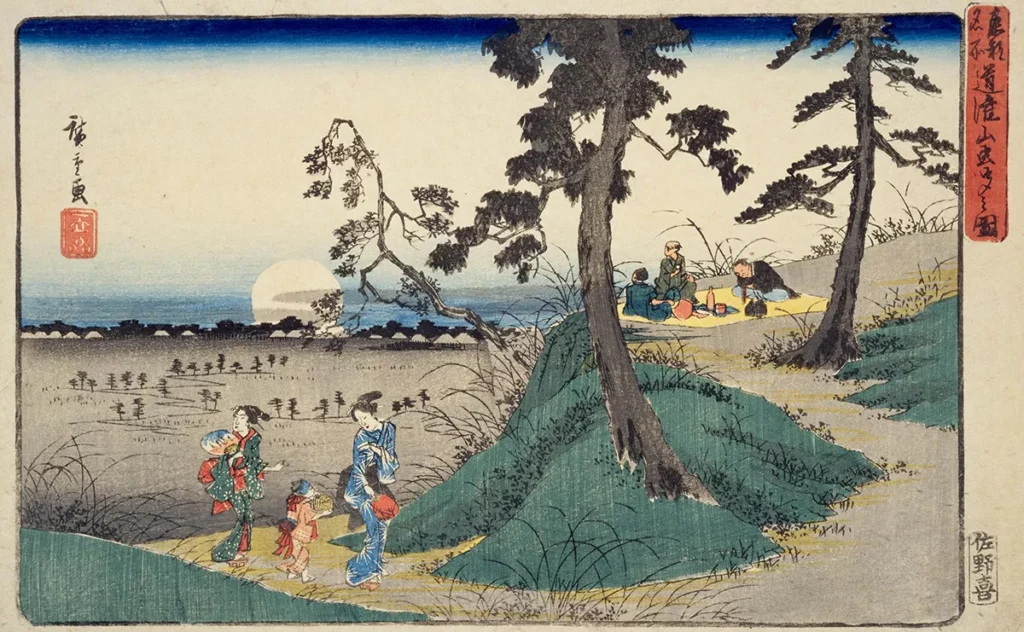
Utagawa Hiroshige once painted Dōkan Hill. It was the residential area when Ōta Dōkan built Edo Castle. After Edo opened up, the spot became popular for chrysanthemum- and moon-viewing and hanami, drawing many visitors and spawning lots of dango stalls. That’s basically modern-day Nippori.
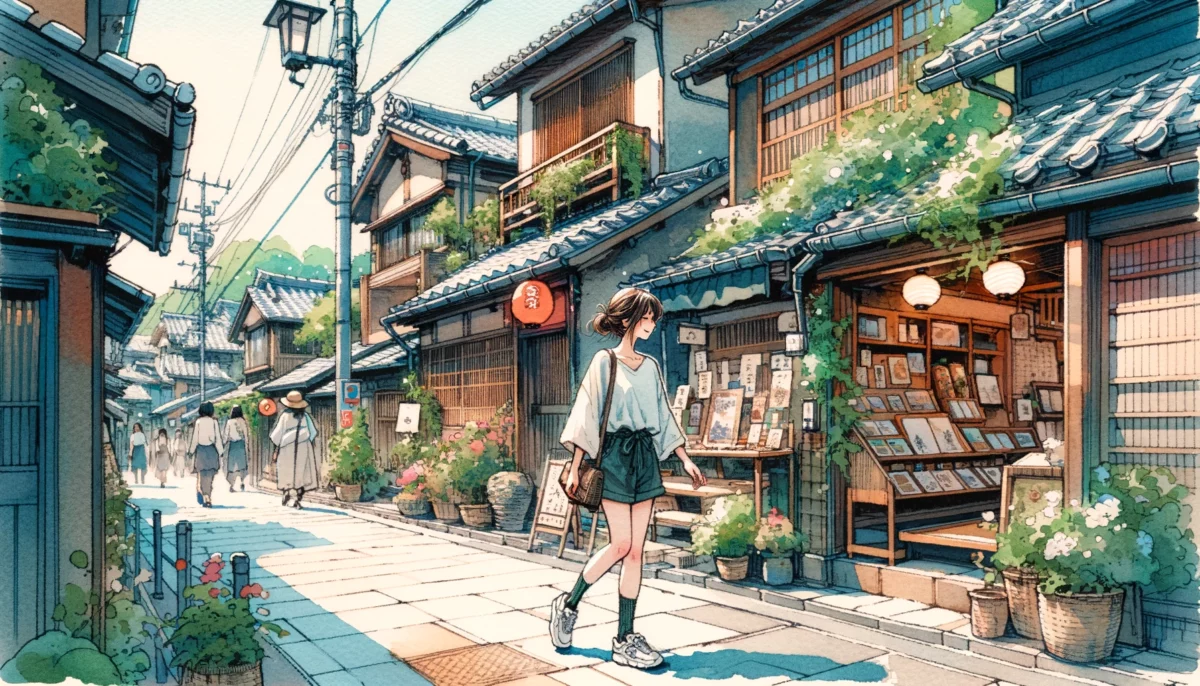
Yanesen is the collective name for the three neighborhoods Yanaka, Nezu and Sendagi, located in northeast Tokyo. This area is a total contrast to the busy city center and keeps a strong Showa-era nostalgic vibe.
In Yanesen you’ll find many long-standing shrines, temples and historic gardens that showcase the charming shitamachi culture. From the 19th-century events like the Great Kanto Earthquake to the WWII air raids, Yanaka, Nezu and Sendagi were fortunately spared major destruction and have preserved these precious historical traces.
In 1984 some local young residents started the “Yanesen Workshop” and published the “Yanaka · Nezu · Sendagi” magazine. That project not only introduced Yanesen to visitors from abroad but also helped with community rebuilding and cultural preservation. Thanks to these efforts more people recognized the area’s unique culture and history, turning Yanesen into a signature old-town area of Tokyo.
Yanaka: Old streets and a cat-lover’s haven
Yanaka is the heart of Yanesen and the most visited spot by travelers. The must-sees here are the lively Yanaka Ginza shopping street and the peaceful Yanaka Cemetery.
Nezu: Artsy and traditional cultural district
Nezu is famous for the beautiful Nezu Shrine and its distinctive alley scenery. The vibe here is quieter than Yanaka, perfect for travelers who enjoy deeper cultural experiences.
Sendagi: A meeting point of nostalgia and arts
Sendagi is the most artsy part of Yanesen. You’ll find many old residences and small art galleries—it’s a favorite neighborhood for artists and creators.
🚝 Getting there

Yanesen transportation tips

Getting to Yanesen is super easy — mainly by train (JR or subway):
JR Yamanote Line: Get off at Nippori Station. Exit from the North Gate and you can walk straight to Yanaka Ginza shopping street.
Tokyo Metro Chiyoda Line: Get off at Nezu Station or Sendagi Station. A short walk starts your Yanesen stroll.
Travel tip: Yanesen is perfect for an afternoon. Start at Nippori Station, wander along Yanaka Ginza toward Nezu Shrine, and finish at Sendagi Station — that route gives you the full nostalgic charm.
🛫 Useful Japanese for travel
Tap the text below — it has audio!
旅遊實用日文
你好 안녕하세요
Hello
不好意思 실례합니다
Excuse me
非常感謝你 감사합니다
Thank you very much
再見 안녕히 계세요
Goodbye
廁所在哪裡? 화장실이 어디에 있습니까?
Where is the toilet?
旅遊咨詢處在哪裡? 관광 안내소가 어디에 있습니까?
Where is the tourist information center?
有宣傳冊子嗎? 팸플릿이 있나요?
Do you have a brochure?
我可以拍照嗎? 사진을 찍어도 될까요?
May I take a photo?
可以幫我拍照嗎? 사진 좀 찍어주시겠어요?
Could you take a photo for me?
計程車站在哪裡? 택시 승강장이 어디에 있습니까?
Where is the taxi stand?
請去這裡 여기로 가주세요
Please go here
請展示這個 이것 좀 보여주세요
Please show this
我想去這裡。 여기에 가고 싶습니다.
I would like to go here.
我不會說日語 일본어를 할 줄 모릅니다
I don't speak Japanese
你會說英語嗎? 영어 할 줄 아세요?
Do you speak English?
請說慢一點。 좀 더 천천히 말씀해 주세요.
Please speak more slowly.
請再說一遍 다시 말씀해 주세요
Please say it again
有店員會說中文嗎? 직원은 중국어를 할 수 있나요?
Can the staff speak Chinese?
🎁 Shopping Japanese
Tap the text below — it has audio!
購物實用日文
請給我這個。 이것 주세요.
Please give me this.
我想要這個,謝謝。 이것 부탁드립니다.
I would like this, please.
請給我菜單。 메뉴 주세요.
Please give me the menu.
您推薦什麼? 추천하는 건 무엇인가요?
What do you recommend?
有更便宜的東西嗎? 더 저렴한 것이 있나요?
Do you have anything cheaper?
這是日本製的嗎? 이것은 일본 제품입니까?
Is this made in Japan?
我想點餐。 주문하겠습니다.
I would like to place an order.
請結帳。 계산서 부탁드립니다.
Could I have the bill, please?
可以免稅嗎? 면세 가능한가요?
Is this tax-free?
多少錢? 얼마입니까?
How much is it?
我在哪裡付款? 어디에서 결제하나요?
Where do I pay?
可以用信用卡嗎? 신용카드 사용 가능한가요?
Can I use a credit card?
我要用現金付款。 현금으로 결제하겠습니다.
I'll pay in cash.
我用 Suica 付款。 스이카로 결제하겠습니다.
I'll pay with Suica.
我用卡付款。 카드로 결제하겠습니다.
I'll pay with a card.
可以分開包裝嗎? 따로 포장해 주실 수 있나요?
Can you wrap them separately?
請給我收據。 영수증 부탁드립니다.
Could I have a receipt, please?
🧥 Clothing store Japanese
Tap the text below — it has audio!
服飾店實用日文
這個多少錢? 이거 얼마예요?
How much is this?
我可以試穿嗎? 이걸 입어봐도 될까요?
May I try this on?
有 S 號的嗎? S 사이즈 있어요?
Do you have this in size S?
有 M 號的嗎? M 사이즈 있어요?
Do you have this in size M?
有 L 號的嗎? L 사이즈 있어요?
Do you have this in size L?
有 XL 號的嗎? XL 사이즈 있어요?
Do you have this in size XL?
有再大一點的嗎? 좀 더 큰 사이즈 있어요?
Do you have a larger size?
有再小一點的嗎? 좀 더 작은 사이즈 있어요?
Do you have a smaller size?
這個尺寸合適。 사이즈가 맞아요.
The size fits.
不好意思,這個尺寸不合適。 죄송해요, 사이즈가 안 맞아요.
Sorry, the size doesn't fit.
我再想一想。 좀 더 생각해볼게요.
I'll think about it a bit more.
這個可以。 이거 괜찮아요.
This is fine.
我不用了,謝謝您。 괜찮습니다, 감사합니다
No, thank you though
我要這個。有全新的嗎? 이걸로 할게요. 새 제품 있어요?
I'll take this one. Do you have a new one?
可以再便宜一點嗎? 좀 더 싸게 할 수 있어요?
Can it be a little cheaper?
我想再看看其他的。 좀 더 다른 걸 봐볼래요.
I want to look at others a bit more.
跟我想像的不一樣,我不要了。 생각했던 거랑 달라서 패스할게요.
It's different from what I imagined, so I'll pass.
我要這個。 이걸로 할게요.
I'll take this.
🍴 Restaurant Japanese
Tap the text below — it has audio!
打擾了 실례합니다
Excuse me
請給我菜單! 메뉴판을 주세요!
Can I have the menu, please?
我要點餐 할게요
I'd like to order.
我點這個 이거 주세요
I'll have this.
謝謝招待 감사합니다
Thank you for the hospitality.
請給我水 물 좀 주세요
Can I have some water, please?
這個要怎麼吃呢? 이거 어떻게 먹죠?
How do I eat this?
請給我一個小盤子 작은 접시 하나 주세요
Can I have a small plate, please?
可以幫我拍照嗎? 사진 좀 찍어 주실래요?
Could you take a photo for me, please?
麻煩幫我換烤網 구이망을 바꿔 주시겠어요?
Could you change the grill net for me, please?
麻煩結帳 계산서 주세요
Can I have the bill, please?
我在哪裡付款? 어디에서 결제하나요?
Where do I pay?
多少錢? 얼마입니까?
How much is it?
可以用信用卡嗎? 신용카드 사용 가능한가요?
Can I use a credit card?
我要用現金付款。 현금으로 결제하겠습니다.
I'll pay in cash.
請給我收據。 영수증 부탁드립니다.
Could I have a receipt, please?
☀️ Tokyo weather & what to wear by season
Tokyo: Seasonal temperatures & what to wear
Spring (March – May)
Average temps:
- March: 10°C (low ~5°C, high ~15°C)
- April: 15°C (low ~10°C, high ~20°C)
- May: 20°C (low ~15°C, high ~25°C)
What to wear:
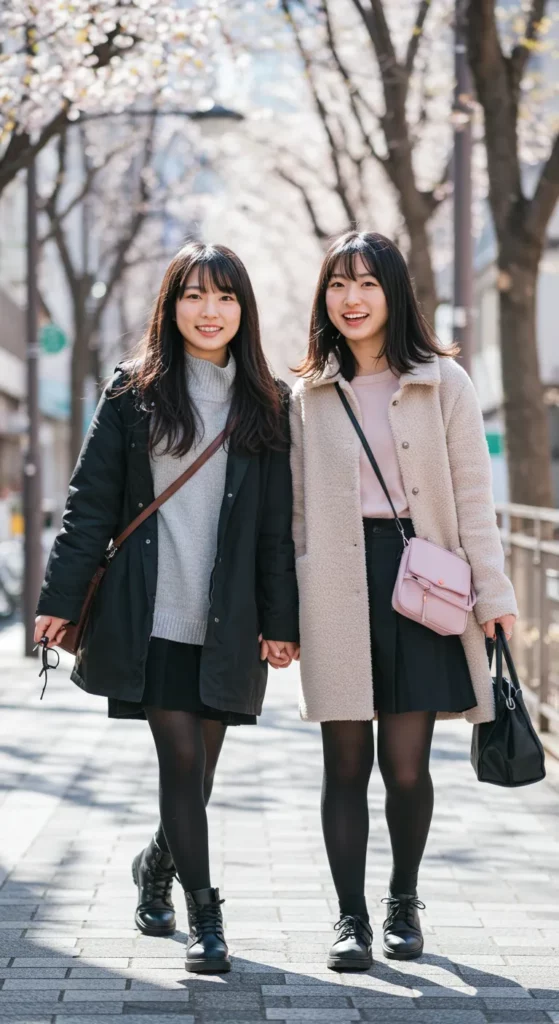
- Early spring (March): Light sweater, a light jacket or windbreaker — pair with long pants or a skirt.
- Mid-spring (April): A light jacket (like a denim jacket or thin windbreaker) with a long-sleeve T or blouse underneath.
- Late spring (May): Lightweight long sleeves or short-sleeve tops with pants or skirts work well.

Summer (June – August)
Average temps:
- June: 23°C (low ~20°C, high ~26°C)
- July: 27°C (low ~23°C, high ~31°C)
- August: 28°C (low ~24°C, high ~32°C)
What to wear:
- Early summer (June): Light long or short sleeves and bring a light jacket for sudden rainy-season chills.
- Peak summer (July – August): Short-sleeve tops, shorts or skirts — beware of sun and bring a hat/umbrella. Opt for breathable, cool fabrics.
Autumn (Sep – Nov)
Average temperatures:
- September: 23°C (low ~20°C, high ~27°C)
- October: 17°C (low ~13°C, high ~22°C)
- November: 12°C (low ~7°C, high ~17°C)
What to wear:
- Early autumn (Sep): long-sleeve shirts or a light sweater with a light jacket and long pants.
- Mid autumn (Oct): knitwear and a jacket with pants or a skirt — mornings/evenings can be chilly.
- Late autumn (Nov): thicker sweaters and a coat — choose warmer trousers or layered skirts.


Winter (Dec – Feb)
Average temperatures:
- December: 7°C (low ~3°C, high ~11°C)
- January: 5°C (low ~1°C, high ~9°C)
- February: 6°C (low ~2°C, high ~10°C)
What to wear:
- Early winter (Dec): warm sweater and a coat, like a wool coat or a light padded jacket.
- Deep winter (Jan – Feb): padded coat, wool layers, scarf and gloves; pair with thermal leggings or thicker pants (add thermal underwear if needed).
🔥 Hot Tickets & Deals 🔥
💴 All the best Japanese department stores, cosmetics, and electronics deals — right here!!
Electronics + cosmetics + sundries

Bic Camera
(Discount vouchers are generally valid across Japan)

Yamada Denki
(Discount vouchers are generally valid across Japan)

EDION
Namba Main Store / Kyoto Shijo Kawaramachi / Akihabara Store

Don Quijote
(Discount vouchers are generally valid across Japan)

Matsumoto Kiyoshi
(Discount vouchers are generally valid across Japan)

COSMETICS AND MEDICAL (cosmetics)
Shin-Marunouchi Building / New Yurakucho Building / Otemachi FirstSquare / Otemachi Plaza / Kodemmacho / Higashi-Nihonbashi

COSMOS Cosmetics
(Discount vouchers are generally valid across Japan)

SUGI Pharmacy
(Discount vouchers are generally valid across Japan)

Daikoku Drugstore
(Discount vouchers are generally valid across Japan)

Tsuruha Drug
(Discount vouchers are generally valid across Japan)

Cocokara Fine Cosmetics
(Discount vouchers are generally valid across Japan)

Kokumin Cosmetics
(Discount vouchers are generally valid across Japan)

Hokkaido Drugstore “Satsudora”

Okinawa cosmetics chain “RYUSPA”
Department stores
Mitsui Outlet
Odaiba DiverCity
COREDO Muromachi
LaLaport
Lazona

Daimaru Matsuzakaya Department Stores
Umeda Store / Shinsaibashi Store / Tokyo Store / Matsuzakaya Ueno Store / Kyoto Store
Sapporo Store / Kobe Store / Shimonoseki Store / Matsuzakaya Nagoya Store / Matsuzakaya Shizuoka Store

Tobu Department Store Ikebukuro

Seibu Department Store
SOGO Department Store

Tokyo Rakuten Duty-Free Ginza
(GinzaNovo)

Odakyu Department Store Shinjuku
(Shinjuku West Exit)

Kintetsu Department Store
Osaka Abeno Harukas
Tax-free 10% + up to 5% extra discount

Keio Department Store Shinjuku
Tax-free 10% + up to 5% extra discount
Sports gear + apparel

JEANS MATE Clothing Store Coupon
Ikebukuro Store / Harajuku Takeshita Street Store / Kawasaki Store / Ofuna Store

Alpen Discount Coupon (sports goods)
(Discount vouchers are generally valid across Japan)
(Shinjuku store — Japan’s largest sports goods store)

L-Breath (sports goods)
(Discount vouchers are generally valid across Japan)

Victoria Golf (sports goods)
(Discount vouchers are generally valid across Japan)

Victoria (sports goods)
(Discount vouchers are generally valid across Japan)

Aoyama (The Suit Company)
Tax-free + extra 10% off coupon

Japanese luggage brand ACE
10% off coupon
🏷️ Nippori & Yanesen — Handy attraction tips 🏷️
Attraction map
Attraction sticky-note route
We recommend opening a map on your phone or laptop to follow these handy sticky-note routes.
Orange block (Nippori / Yanaka area), Blue block (Sendagi area), Green block (Nezu area), Purple block (Iriya area)
🚶♂️ Nippori & Yanaka area 🚶🏻♀️
鶯谷站
Uguisudani Station
우구이스다니 역
莺谷站
 Click to navigate
 Introduction
Route overview

SCAI 古浴場畫廊
SCAI The Bathhouse
SCAI 더 배스하우스
SCAI 古浴场画廊
 Click to navigate
 🕖 12:00〜18:00
Introduction
SCAI THE BATHHOUSE (Bathhouse Gallery)
Address: 6-1-23 Yanaka, Taito-ku, Tokyo — site of the former Kashiyu public bath
Official website: https://www.scaithebathhouse.com/
Opening hours: 12:00〜18:00 (Closed Sun, Mon and national holidays)
Admission: Free (depends on the exhibition)
Overview
Located in the atmospheric downtown Yanaka area, SCAI THE BATHHOUSE is a compact but highly talked-about contemporary art gallery. Housed in a former public bath with centuries of local history, it was converted into a gallery after renovations in 1993. The exterior keeps traditional bathhouse features—tiled roof, chimney and nostalgic details—while the interior becomes a clean, white, high-ceilinged space flooded with natural light. That contrast of old shell and modern spirit makes it a must-visit for art lovers in Tokyo.
History & cultural context
Public baths like Kashiyu served as important community hubs since the Edo period — not only for bathing but as places for honest, cross-class socializing. Although the bathing function faded, the gallery’s founder preserved that spirit of communal exchange and turned the building into a platform for artistic dialogue.
The gallery retains tall ceilings and large windows so artworks change with the natural light. SCAI THE BATHHOUSE has long promoted Japanese contemporary artists (e.g., Tadanori Yokoo, Tatsuo Miyajima, Kohei Nawa) internationally while introducing global masters to Japan. Visiting here is less about ticking an art box and more about feeling a cross‑generational conversation between traditional daily-life aesthetics and contemporary creativity.
上野櫻木一帶
Ueno Sakuragi Area
우에노 사쿠라기 주변
上野樱木一带
 Click to navigate
 🕖 11:00〜18:00
Introduction
Uenosakuragi Atari (Uenosakuragi Atari)
Address: 2-15-6 Uenosakuragi, Taito-ku, Tokyo
Official website: https://uenosakuragiatari.jp/
Opening hours: 08:00–20:00 (hours vary by shop; check the official site)
What to expect
This compact spot brings together a variety of artisan shops and tasty bites. Famous Kayaba Bakery offers a blend of traditional and modern baked goods made with local ingredients; Yanaka Beer Hall serves carefully selected local beers perfect for sipping in a warm wooden interior. You’ll also find OshiOlive, a specialty store selling premium olives, olive oils, high-quality seasonings and vinegars from around the world. Every item leans toward a creative lifestyle aesthetic—perfect for fans of handmade goods, neat design and delicious discoveries.
About the complex
Uenosakuragi Atari sits in the charming Uenosakuragi neighborhood. The space was created by renovating a row of old Showa-era houses (built in 1938) into a mixed-use complex. The renovation preserved wooden beams, sliding doors and warm tile details, giving the place a cozy, lived-in feeling—more like a tiny local neighborhood hub than a shopping mall. Courtyards link the buildings, creating a social atmosphere where shops and visitors mingle. You can pick up distinctive souvenirs, relax in a restored old room, and enjoy the slower, nostalgic side of Tokyo.
片刻閒暇
Katatema (Moment of Leisure)
카타테마
片刻闲暇
Click to navigate 🕖 11:00–19:00
Introduction
Katatema (Katatema)
Address: 2-15-6 Uenosakuragi, Taito-ku, Tokyo — Uenosakuragi Atari Building 3, 1F
Opening hours: 11:00–18:00 (closed Mondays)
What they sell
Katatema is a lifestyle shop focused on well-chosen everyday items. Inside you’ll find handcrafted ceramics, distinctive textiles, tableware and limited collaboration pieces made with local artisans. Their selection leans toward rustic, natural and well-designed objects that quietly elevate daily life.
The shop sits within the historic Uenosakuragi Atari complex, in Building 3, and preserves original wooden structures and old-style windows. Sunlight filtering through stained glass falls on carefully arranged goods, creating a calm, timeless atmosphere.
Katatema grew from a simple idea: small, thoughtful items can make everyday life more interesting and richer. Each product reflects that philosophy—whether handcrafted tableware, fragrant herbal teas, unique snacks or modern craft pieces, everything shows the owners’ passion for design and quality.
The shop name hints at a quiet, timely pleasure—finding a beautiful object during a busy day can bring a small, satisfying moment. Visiting Katatema feels less like shopping and more like a short, delightful trip through history, design and good taste. Nearby Yanaka Ginza and Ueno Park add to the relaxed, artsy vibe—it’s a must-visit for fans of old houses and local crafts.
谷中啤酒廳
Yanaka Beer Hall
야나카 비어홀
谷中啤酒厅
 Click to navigate
 🕖 11:00–20:00
Introduction
Yanaka Beer Hall (Yanaka Beer Hall)
Address: 2-15-6 Uenosakuragi, Taito-ku, Tokyo — Uenosakuragi Atari Building 1
Official site: https://www.facebook.com/yanakabeerhall
Opening hours:
Tue–Sun 11:00–20:00
Closed Mondays
Tabelog rating: 3.55
Price range:
Dinner ¥3,000–¥3,999
Lunch ¥2,000–¥2,999
What makes it special
Located between Yanaka’s quiet lanes and Ueno, Yanaka Beer Hall sits at the entrance of the historic Uenosakuragi Atari complex. The interior keeps the aged charm of the building—warm wood tones and a nostalgic atmosphere—making it a cozy magnet for beer lovers. The standout feature is a carefully curated selection of about 10 beers, including the house-developed “Yanaka Beer.” If it’s your first visit, try the Tasting Set to sample four different flavors at once. The kitchen prepares dishes designed to pair with beer—think rich bean stews and seasonal plates that match the brews.
Seating includes indoor wooden-floor tables, counter seats, and a comfortable outdoor terrace—ideal for a relaxing break after walking around or a casual get-together for 1–4 people. In this history-filled, Japanese-style setting, a well-poured beer is the perfect way to unwind in Yanaka.
Think
Think
싱크
Think
 Click to navigate
 🕖 10:30–17:00
Introduction
Think (シンク)
Address: 2-15-6 Ueno Sakuragi, Ueno Sakuragi Atari 2 Building 1F, Taito-ku, Tokyo
Official site:https://www.instagram.com/think_tokyo/
Opening hours:
Wed–Sun 10:30–17:00
Closed Mon & Tue (if a public holiday falls here the closure may shift; Wed can be irregularly closed)
※If bread sells out they may close early
Tabelog rating: 3.86
Budget: ¥1,000–¥1,999
Highlights
Tucked inside the Ueno Sakuragi Atari complex, Think is a popular bakery set in a nearly 90-year-old Showa-era folk house. It blends boulangerie and pâtisserie styles, pairing nostalgic architecture with high-quality baked goods that draw long queues.
They use domestic flours like Hokkaido wheat and long fermentation. The signature olive baguette has a crisp crust and a moist, springy interior—wheat aroma meets green olive flavor beautifully. Canelés and butter-rich Danish pastries are must-buys too. This spot is very popular, and top items often sell out before afternoon—arrive early to enjoy the charming experience of discovering treats in an old folk house.
鹽漬橄欖
Salted Olive
오시오리브
盐渍橄榄
Tap to navigate 🕖 10:30–19:00
Overview
おしおりーぶ (OshiOlive)
Address: 2-15-6 Ueno Sakuragi, Ueno Sakuragi Building No.3 1F, Taito-ku, Tokyo
Official site:https://oshiolive.net/
Opening hours: 11:00–19:00 (closed Mon; if a national holiday falls on Mon they may shift closure to the next day)
What they sell
OshiOlive is a specialty shop focused on olive oils, salts and vinegars.
The store carries about 120 carefully selected items—around 30 olive oils, 20 vinegars and a variety of salts—making it a delight for flavor hunters. It feels more like a tasting room than a regular shop: customers can sample almost everything and create personalized blends guided by an Olive Oil Meister. Simple combos—olive oil, vinegar and salt—can unlock hundreds of pairings to brighten salads, meats or pasta. Owner Mr. Nakagawa promotes healthy eating and treats olive oil as a tasty, modern alternative to traditional fats, hoping more people discover its culinary charm here.
The cozy wooden-house interior mixed with contemporary displays makes the space relaxing and inspiring. Whether you’re after a unique gift or a fresh twist for everyday cooking, OshiOlive is a perfect stop. They also hold occasional workshops so you can dive deeper into flavor pairing. Walk away with a great bottle—and new ideas for your cooking.
茅場咖啡
Kayaba Coffee
카야바 커피
茅场咖啡
 Tap to navigate
 🕖 08:00–18:00
Overview
Kayaba Coffee: Warm, retro café moments in Yanaka
Cafe info
Address: 6-1-29 Yanaka, Taito-ku, Tokyo
Opening hours: 🕖 08:00–18:00 (Last food order 17:00; desserts & drinks 17:30)
Closed: Mondays (if a national holiday falls on Monday they may open and close the following day; closed during year-end/New Year)
Budget: ¥1,000–¥2,000 (lunch approx. ¥1,000–¥2,000)
Tabelog rating: 3.57 (as of Aug 2025, 109 reviews)
Official site:http://kayaba-coffee.com/
What makes it special
Located at the Yanaka-Sakuragi intersection, “Kayaba Coffee” is a beloved retro café housed in a wooden two-story shop built in 1916 (Taisho era). Its preserved exterior and vintage atmosphere whisk visitors back a century, offering a cozy, nostalgic escape. Inside you’ll find old red-brick counters and restored leather sofas mixed with updated touches—the 2020 renovation refreshed the interior while keeping original beams and historical traces, preserving a layered sense of time.
The signature menu item is the “tamago sando” (thick egg sandwich): a juicy, fluffy omelet paired with sourdough for a perfect balance of tang and eggy comfort. Another classic, the “Lucian” drink, blends coffee and milk into a smooth, warming cup that’s uniquely Kayaba. The menu also features Hayashi rice (hashed beef stew) and a limited-time an-butter toast (red bean & butter on toast), showing how tradition and creativity meet here.
Upstairs, Japanese-style seating with wooden beams offers a relaxed dining experience—kick off your shoes, sit by the window and watch the gentle street scene. Kayaba encourages slow dining: savor each bite and the calm space, especially after a stroll through the nearby Yanaka/Yanesen area. Whether you’re a local, an art lover or a retro-seeker, Kayaba Coffee is a must-visit for a comforting, time-traveling coffee break.
谷中靈園
Yanaka Cemetery
야나카 묘지
谷中灵园
 Tap to navigate
 Overview
Yanaka Cemetery
Address: Taito-ku, Yanaka 7-5-24, Tokyo
Official site:https://www.tokyo-park.or.jp/reien/yanaka/index.html
Opening hours: Open 24 hours (Administration office: 08:30–17:15)
Admission: Free
Overview
Yanaka Cemetery in Taito, Tokyo is one of the city’s famous public cemeteries and a beloved spot for leisurely strolls. The park-like grounds stretch about 10 hectares—more poetic garden than just a burial ground. A main lane called the “Sakura Avenue” runs through the center, lined with cherry trees. Every spring the pale pink blossoms against weathered tombstones create a quietly stunning scene that draws photographers and travelers looking for that unique sense of mono no aware. Expect a slower Tokyo pace here—and very likely a sunbathing stray cat or two.
History & cultural notes
Established in Meiji 7 (1874), Yanaka Cemetery grew out of the Meiji-era policy separating Shinto and Buddhism; some temple land was repurposed as a public cemetery. Many notable figures who shaped modern Japan are buried here, including Tokugawa Yoshinobu (the last shogun), industrialist Shibusawa Eiichi, painter Yokoyama Taikan, and botanist Makino Tomitaro.
Culturally, the cemetery reflects Japan’s calm, natural approach to life and death—respectful and reflective rather than gloomy. The ruins of Tennoji’s five-story pagoda are a poignant historical trace; once a local landmark, it was lost to a famous fire in 1957. Together with nearby Yanaka Ginza and Nezu Shrine, Yanaka Cemetery helps form the “Yanesen” area—a must-visit for anyone wanting old-town downtown vibes, slice-of-history wandering, and pockets of urban nature.
觀音寺築地牆
Kannonji Tsukiji Wall
간논지 츠키지 벽
观音寺筑地墙
Click to navigate Overview
觀音寺 築地塀 (Kannon-ji Tsujibei)
Address: Taito-ku, Yanaka 5-8-1, Tokyo
Opening hours: Open 24 hours (Please visit the temple grounds for worship between 09:00–17:00)
Admission: Free
Overview
Located in the nostalgic “Yanesen” area (Yanaka, Nezu, Sendagi), Kannon-ji’s famous tsujibei—the long earthen-tile wall—is one of the district’s most recognizable features. The roughly 37.6-meter earthen wall, with its layered tiles, creates a textured, timeless backdrop that transports you back through old Edo streets. Whether you stroll along the stone path or admire the tile-and-earth patterns on the wall, the place radiates a calm, quietly nostalgic beauty.
History & cultural notes
Kannon-ji itself dates back to 1611, and the tsujibei has a history of over 400 years; it’s listed among Japan’s Important Cultural Properties. The wall is built by layering clay and broken tiles, a technique that gives it strength and a rhythmic horizontal pattern. The area is steeped in tales of past fires and conflicts—some linked to the famous tale of the Forty-seven Ronin—and yet the wall and temple have survived through the centuries, becoming a cherished cultural relic that connects Edo-era Tokyo to today.
朝倉雕塑館
Asakura Sculpture Hall
아사쿠라 조각관
朝仓雕塑馆
Click to navigate 🕖09:30~16:30
Overview
Asakura Museum of Sculpture
Address: Taito-ku, Yanaka 7-18-10, Tokyo
Official site:https://www.taitogeibun.net/asakura/
Opening hours: 09:30–16:30 (last admission 16:00)
Admission: General ¥500 / Elementary, junior high, high school students ¥250
Overview
Nestled in Yanaka, the Asakura Museum combines sculpture and architecture in a charming, intimate setting. It was the studio and home of sculptor Asakura Fumio (1883–1964). Inside you’ll find his realistic bronze works—his famous “cat” series is a crowd-pleaser—and the building itself is a special mix of Western reinforced-concrete workshop elements and traditional Japanese wooden residence. The courtyard pond and rooftop garden (one of Japan’s earlier roof-greening examples) create a peaceful, ever-changing seasonal scene.
History & cultural notes
Asakura is often called a father of modern Japanese sculpture; he lived and worked here for 29 years until his death in 1964. The family turned the house into a museum in 1967 to preserve his legacy. The building was registered as a Tangible Cultural Property in 2001, and the Asakura residence and garden received national recognition in 2008. The site is a rare, quiet window into an important artist’s life and the architectural tastes of early modern Japan.
日暮里站
Nippori Station
닛포리 역
日暮里站
Click to navigate Overview
Route overview

稲村省三
Inamura Shozo
이나무라 쇼조
稻村省三
 Click to navigate
 🕖 10:00–18:00
About
Pâtissier-Chocolatier Inamura Shōzō (Hinata-ri)
Basic Information
Address: 110-0001 Taito-ku, Yanaka 7-19-5, Tokyo Opening hours: 🕖 10:00–18:00 Closed: Every Monday and the third Tuesday of the month (if Monday is a national holiday, the shop closes on Tuesday instead) Website: https://www.inamura.jp/Highlights
Inamura Shōzō is famous for refined pastries and handmade chocolates. The shop offers many classic and seasonal specialties loved by dessert fans. The signature “Ueno Mountain Mont Blanc” (whole ¥4,500, slice ¥640) uses French chestnuts and Hokkaido fresh cream, combined with mascarpone and almond meringue for a layered, delicate texture and an intense chestnut aroma. A limited October-only “Feather Mont Blanc” (¥980) — nicknamed a “fantasy mont blanc” — is made in very small batches; pre-order or follow their official channels for sales info. As a chocolate specialty maker, they offer more than ten types of handcrafted chocolates and chocolate cakes. “Dormy Chocolat” (¥640) comes in 72% and 55% variations and features fruit jams for balanced sweetness and depth. The “Kumamoto” (¥660) blends local produce and chestnuts with a 70% dark chocolate coating and milk chocolate outer layer for a warm, harmonious finish. The shop also sells a chestnut-filled salty mille-feuille “Marron no Mille-feuille” (¥640) and a classic French-style pastry “Sablé” (¥590); the former wraps chestnut cream in crisp layers, the latter uses rum-soaked raisins in brioche for a traditional flavor.About the Shop
Founded by internationally recognized pastry chef Inamura Shōzō, the brand opened its first store in Ueno in 2000, added a chocolate specialty shop in Yanaka in 2008, and in August 2019 consolidated into the current Hinata-ri location. Tucked into a quiet residential corner of Yanaka, the shop focuses on “letting ingredients speak for themselves” — combining Swiss and Parisian techniques to create desserts that look beautiful and taste authentic. The interior uses whites and soft greens to create a bright, warm atmosphere; cakes and chocolates are displayed like jewels that keep fans coming back. Chef Inamura trained at renowned pastry houses and has won multiple awards; that pursuit of quality shows in every ingredient choice and technique. The store provides professional vendeuses (sales staff) who happily recommend items based on your taste so every visitor can find a dessert they love. Note: this location is takeout-only — popular items sell fast, so pre-ordering is recommended to avoid disappointment.三明治專賣店 Popo
Sandwich Specialty Store Popo
샌드위치 전문점 포포
三明治专卖店 Popo
Click to navigate 🕖 07:00–13:00
About
Sandwich shop Popo (sandwich specialty store Popo)
Address: 3-6-12 Nishinippori, Arakawa-ku, Tokyo
Official site: None (takeout-only shop)
Opening hours:
Tue–Sat 07:00–13:00
Closed on Mondays, Sundays and national holidays
Note: summer holidays may vary — check ahead before visiting
Tabelog rating: 3.64
Price: ~ ¥999
What makes it special
Located near Nishinippori Station, Popo is a classy little sandwich shop that only does takeout — and people line up for it all the time. It’s famous for great value and generously filled sandwiches. Crowd favorites include the rich egg sandwich, thick juicy roasted pork thigh sandwich, and oversized vegetable sandwiches packed with big chunks of fresh veg. Their fruit sandwiches, with light fresh cream and seasonal fruit, are also a hit and often sell out the same day, so come early if you want one. Portions are hearty — one or two sandwiches is often enough for a full meal. Because everything is made in small batches and sells out quickly, we recommend arriving early or pre-ordering if possible to secure your pick. The friendly staff will help you choose, so even first-timers can grab a winning sandwich.
Tokyo's Hottest Tickets: Smart Travelers Always Compare Prices!
Tokyo's Hottest Tickets: Smart Travelers Always Compare Prices!
Tokyo's Hottest Tickets: Smart Travelers Always Compare Prices!
Tokyo's Hottest Tickets: Smart Travelers Always Compare Prices!
🚶♂️Yanaka Ginza Shopping Street🚶🏻♀️
谷中銀座商店街
Yanaka Ginza Shopping Street
야나카 긴자 상점가
谷中银座商店街
Click to navigate 🕖 10:30–18:00
About
Yanaka Ginza Shopping Street
谷中 松野屋
Yanaka Matsunoya
야나카 마츠노야
谷中 松野屋
Click to navigate 🕙11:00〜18:00
Introduction
Yanaka Matsunoya (谷中 松野屋)
Address: 3-14-14 Nishi-Nippori, Arakawa-ku, Tokyo
Official site: https://yanakamatsunoya.jp/
Opening hours: 11:00〜18:00 (weekdays); 10:00〜18:00 (Sat, Sun & national holidays). Closed Tuesdays.
Specialty:
Matsunoya focuses on everyday folk-craft goods made from natural materials and handcrafted workmanship. Inside you’ll find handwoven bamboo baskets, enduring canvas bags, sturdy brooms, brushes, and various wooden kitchen tools. Most items use natural materials like bamboo, rattan, iron, wood, and lacquer — the design idea is “they get better with use.” These simple, high-quality goods appeal to people who love tactile, long-lasting items.
About the shop:
Located right at the entrance to nostalgic Yanaka Ginza, Yanaka Matsunoya has been running since 1945 and keeps the spirit of “daily life tools” alive. The owner travels around Japan and the world to find traditional workshops producing honest, durable crafts that modern mass production often overlooks. The shop’s cozy interior and shelves stacked high with goods give a warm, lived-in feeling — more like a tiny museum of practical Japanese living than just a store. It’s a perfect place to find meaningful souvenirs or simply enjoy discovering craftsmanship up close.
谷中尻尾店
Yanaka Tail Shop
야나카 시포야
谷中尾巴店
 Click to navigate
 🕘09:00〜17:00
Introduction
やなかしっぽや (Yanaka Shippoya)
Address: 3-11-12 Yanaka, Taito-ku, Tokyo
Official site: https://yanakashippoya.com/
Opening hours: 10:00〜18:00 (Sat, Sun & national holidays open until 19:00)
Specialty:
The shop’s most popular item is the cat-tail-shaped taiyaki called “Nyanko-no-Shippo.” These sweet treats are inspired by a cat’s tail shape and have a delightful texture between pancake and pastry — a crispy outer shell with a nicely dense filling. Flavors range from classic cream and chocolate to seasonal specials using premium ingredients like sakura jam or azuki beans. They’re cute, tasty, and totally photogenic — a must-buy snack while strolling Yanaka Ginza.
About the shop:
Located in the heart of Yanaka Ginza’s old-town atmosphere, “Yanaka Shippoya” celebrates cat culture and sweet snacks combined. The storefront is cozy and cute, decorated with dozens of little “tails,” which is a big hit with selfie-ready visitors. The shop uses Japanese wheat and a controlled amount of sugar, and they bake (yaki) rather than deep-fry, so the result is light and not overly greasy — perfect for health-conscious wanderers. Whether as a take-home gift or a walk-and-eat treat, these handmade sweets bring instant comfort during your Yanaka stroll.
Audio menu
Click for Japanese audio
Brown Sugar
Brown Sugar
Cocoa
Cocoa
Banana
Banana
Sesame
Sesame
Coffee
Coffee
Kinako (Roasted Soybean Flour)
Roasted Soybean Flour
Oreo Cookie
Oreo Cookie
Bean Paste Filled
Bean Paste Filled
Cocoa & White Chocolate
Cocoa & White Chocolate
Cocoa & White Chocolate
Caramel Cream with Salt
Caramel Cream with Salt
Caramel Cream with Salt
Chocolate Chips
Chocolate Chips
Maple Syrup
Maple Syrup
Half Chocolate
Half Chocolate
Cinnamon Raisin
Cinnamon Raisin
Custard Cream
Custard Cream
With Cream Cheese
With Cream Cheese
Bite-sized Caramel
Bite-Sized Caramel
Soft Serve Ice Cream Waffle Ball
Soft Serve Ice Cream Waffle Ball
Soft Serve Ice Cream Cone
Soft Serve Ice Cream Cone
鈴木肉鋪
Niku no Suzuki
스즈키 고기
铃木肉铺
 Tap to Navigate
 🕖10:30–18:00
Introduction
Niku no Suzuki (Yanaka Ginza)
Address: 3-9-15 Yanaka, Taito-ku, Tokyo
Official site: https://www.yanakaginza.com/shop/suzuki/
Hours: 10:30–18:00 (closed Mon & Tue)
Highlights:
Don’t miss the shop’s mega-popular signature—the original “Ganso Koshinai Menchi-katsu” (元祖腰塚メンチカツ). Made from a premium mix of Australian beef and Japanese wagyu, the golden crispy exterior gives way to an unbelievably juicy interior that bursts with meaty flavor. They also serve freshly fried classics like potato croquettes and special pork cutlets—perfect for snacking while strolling Yanaka Ginza.
About the shop:
Tucked into the charming Yanaka Ginza shopping street, Niku no Suzuki has been around since 1933. What began as a specialist butcher evolved into a beloved fried-food spot; their hand-made fried treats gained fame on TV and in magazines. The line can get long, but the staff’s quick, friendly service keeps the cozy neighborhood vibe intact.
Audio Menu
Tap 'Japanese' for audio
Shiitake Minced Cutlet
Shiitake Minced Cutlet
Energetic Minced Cutlet
Energetic Minced Cutlet
Mini Minced Cutlet
Mini Minced Cutlet
Eggplant Minced Cutlet
Eggplant Minced Cutlet
和栗屋 谷中店
Waguriya - Yanaka Branch
와구리야 야나카점
和栗屋 谷中店
 Tap to Navigate
 🕖11:00–18:00
Introduction
Waguriya Yanaka
Waguriya Yanaka is Japan’s only shop focused solely on chestnut (waguri) sweets, located in Yanaka Ginza. Using carefully selected chestnuts from places like Chichibu, they create a range of chestnut desserts that chestnut lovers rave about—especially their freshly piped Mont Blanc.
Restaurant Info
Address: 3-9-14 Yanaka, Taito-ku, Tokyo (inside Yanaka Ginza)
Hours: 🕖11:00–18:00 (last order 17:00; items may sell out)
Closed: Monday (may be open during busy seasons)
Price: Lunch/Dinner ¥1,000–1,999
Tabelog rating: 3.58 (as of Aug 2025)
Official: https://www.waguriya.com/
What makes it special
Waguriya is obsessive about chestnuts—the owner personally visits growers and picks premium varieties (like the “Hitomaru” variety) to guarantee aroma, color and taste. The most popular item is the Mont Blanc set (¥1,600, includes a choice of tea). The chestnut cream is intensely fragrant and finely textured, paired with unsweetened cream and a meringue base for a perfectly balanced, memorable bite. Seasonal sweets such as the Lemon Mont Blanc (¥1,300) mix fresh flavors beautifully.
The shop blends Japanese and modern design with 14 seats (six counter seats and four two-person tables). Takeout is available—try the Chestnut Soft Cream (¥500) for a stroll-friendly treat. Expect lines; they recommend grabbing a numbered ticket at 10:00 to secure your spot—especially if you’re after limited items like the Premium Montblanc “HITOMALU” (¥2,300, offered mid-Sep to early Dec). Follow the queue rules for smooth entry.
Besides desserts, Waguriya sells chestnut snacks and baked goods—great gifts or souvenirs. Whether you’re a hardcore chestnut fan or just curious, this cozy spot is a must-visit for a taste of excellent Japanese chestnut sweets.
秘密堂
Himitsudo
히미츠도
秘密堂
 Tap to Navigate
 🕖 10:00–18:00
Introduction
Himitsu-do
Shop info
- Address: 3-11-18 Yanaka, Taito-ku, Tokyo
- Official website: https://himitsudo.com/
- Hours: Around 10:00–18:00 (on busy days hours may extend to 20:00 or they may open earlier; we recommend checking the official Twitter @himitsuno132 beforehand)
- Closed: Mondays (Oct–Mar closures may shift to Tuesdays; schedule can change — please confirm the day before)
- Price: No entrance fee — pay only for what you order (e.g., “Himitsu no Ichigo Milk” from ¥1,300; seasonal items like “Peach Trio” from around ¥1,900)
Himitsu-do on Yanaka Ginza Shopping Street
HAGI CAFE
HAGI CAFE
하기 카페
HAGI CAFE
Tap to navigate 🕖 08:00〜10:30
🕖 12:00〜17:00
Introduction
HAGI CAFE (Hagi Cafe)
Address: 3-10-25 Yanaka, Taito-ku, Tokyo, HAGISO 1F
Official website: http://hagiso.jp
Hours:
Mon 08:00–10:30
Tue–Thu 08:00–10:30 & 12:00–17:00
Fri–Sun 08:00–10:30 & 12:00–20:00
*Weekdays accept reservations only for the 12:00 slot.
Tabelog rating: 3.64
Budget: ¥1,000–¥1,999
What makes it special
HAGI CAFE sits in the charming Yanaka area inside HAGISO — a renovated folk house with over 60 years of history. Famous on Tabelog, the cafe is loved for its warm wooden interiors and the popular “travel breakfast” series. Each season they pick a different Japanese region as the theme and turn local seasonal ingredients into a refined Japanese-style breakfast. For example, a plate themed on a specific island might include brown-sugar sweet-and-sour fried chicken, island-style vegetable pancakes, and a rich fruit sauce — basically a tiny flavor trip through Japan.
At dinner they recommend the signature “sea bream sandwich”: savory fish with rich fillings that pair perfectly with HAGISO’s house coffee. Whether you sit inside amid the quiet, traditional atmosphere or outside enjoying Yanaka’s street vibe, HAGI CAFE is a top spot to soak up Tokyo’s retro charm.
石榴燈屋
ZAKURO Lamp Shop
자쿠로 램프 가게
石榴灯屋
Tap to navigate 🕖 11:00〜19:00
Introduction
ZAKURO らんぷ屋
Address: 3-15-5 Nishinippori, Arakawa-ku, Tokyo
Official website: https://zakuro-lampya.com/
Hours: 11:00–19:00
About the shop
Located near Yanaka Ginza, ZAKURO Lamp House is a dreamy spot filled with hundreds of colorful mosaic lamps. As Japan’s first shop specializing in Turkish mosaic lamps, its shelves and light panels glow with handcrafted pieces. The owner’s friendly, calm service helps the shop feel less like a store and more like a cultural locale in Yanaka, attracting handmade-craft lovers and fans of exotic décor.
Products & experiences
The star items are the vibrant, handmade Turkish mosaic lamps: each lamp is carefully assembled from colored glass and beads so that light casts beautiful patterns and creates a warm, magical atmosphere. The most popular offering is the hands-on mosaic-lamp workshop — participants choose a base and glass pieces, then glue them together to make a one-of-a-kind lamp. The shop also sells traditional Turkish ceramics, rugs, and eclectic tableware — perfect for unique souvenirs.
🚶♂️ Strolling area 🚶🏽♀️
舊安田楠雄邸庭園
Former Yasuda Kusuo Residence Garden
구 야스다 쿠스오 저택 정원
旧安田楠雄邸庭园
Tap to navigate 🕖 10:30–16:00
Overview
Former Yasuda Makio Residence Garden
Address: Tokyo, Bunkyo-ku, Sendagi 5-20-18
Official site: http://www.national-trust.or.jp/protection/index.php?c=protection_view&pk=1491201890
Opening hours: 10:30–16:00 (Open Wed & Sat; last entry 15:00)
Admission: ¥500 (adult)
About the spot
Perched on Sendagi hill, this beautifully preserved Taisho-era residence blends Japanese and Western architectural elements. It’s compact and elegant, with traditional rooms alongside a Western-style reception room. The surrounding garden offers lovely four-season views—a calm escape from busy Tokyo.
History & cultural value
Built in 1919 and surviving the 1923 Great Kanto Earthquake and wartime fires, the house preserves fine craftsmanship—carved woodwork, drainage systems and stained glass. Donated to the National Trust and later designated a cultural property, it’s a great snapshot of how Japan balanced tradition and modernity in the Taisho era.
千駄木車站
Sendagi Station
센다기역
千驮木车站
Click to navigate Overview
Route overview

小東京商店
Chibi Tokyo Store
치비 도쿄 스토어
小东京商店
Click to navigate 🕖 08:30–16:30
Overview
CIBI Tokyo Store
Address: Tokyo, Bunkyo-ku, Sendagi 3-chome 37-11
Official site: https://www.cibi.jp/
Opening hours: Weekdays 08:30–16:30; weekends & holidays 08:00–17:30
Tabelog rating: 3.58
Price range: ¥1,000–¥1,999
About
CIBI Tokyo is a Melbourne-inspired lifestyle café tucked in the leafy Sendagi area. The renovated warehouse-like space mixes airy industrial vibes and rustic touches, creating a relaxed spot loved by locals and travelers alike. Expect quality coffee and seasonal, Japan-influenced breakfasts.
Their signature “CIBI Breakfast” includes house sourdough, jam, a soft-boiled egg and fresh salad—simple, fresh and satisfying. Daily pastries, sandwiches and creative seasonal combos (like tea paired with fruit) are highlights. A small shop corner sells curated Japanese crafts, roasted beans and original goods—perfect for tasty souvenirs.
菊壽堂伊勢辰谷中本店
Kikujudo Isetatsu Taniyama Main Store
기쿠주도 이세타츠 타니야마 본점
菊寿堂伊势辰谷中本店
Click to navigate 🕖 10:00 – 18:00
Overview
Isetatsu Yanaka Main Store
Address: Tokyo, Taito-ku, Yanaka 2-18-9
Official site: https://www.isetatsu.com/
Hours: 10:00〜18:00
Highlights
“Isetatsu” is best known for its traditional Edo chiyogami (decorative printed paper). Each sheet is carved by specialist engravers and hand-printed by skilled artisans using woodblocks—layer by layer—to build bright, vivid patterns. The colorful, handcrafted chiyogami features seasonal flowers, Edo scenes and lucky motifs. Besides paper sheets, the shop offers stationery, lucky-gift envelopes (pochibukuro), small bags, handkerchiefs, fans, and the much-loved traditional papier-mâché dog figure (hariko no inu), making it a perfect stop for tasteful souvenirs.
About the shop
Located near Sendagi Station in the charming Yanaka area, Isetatsu was founded in Genji 1 (1864) and has a history spanning over 160 years. It remains one of Tokyo’s few publishers preserving the traditional woodblock hand-printing of Edo chiyogami. Step inside and you’ll see paper art that blends Edo aesthetics with a modern sensibility. Even in an era of machine printing, Isetatsu keeps the slow, meticulous spirit alive—designing new patterns, carving woodblocks and taking years to perfect a single series. It’s not just a store but a little museum of paper craft where visitors can feel the warmth of history by hand-touching real artisan work.
餅乾
Biscuit
비스킷
饼干
Click to navigate 🕖 11:00 – 18:00
Introduction
Biscuit Yanaka
Shop info
Address: 〒110-0001 Tokyo, Taito-ku, Yanaka 2-9-14
Official site: http://biscuit.co.jp
Hours: 11:00 – 18:00 (no fixed holidays)
About the shop
Biscuit in Yanaka is a charming little vintage & curiosity shop full of retro goodness and cute finds. Think European antiques, nostalgic trinkets and carefully selected small objects that make you gasp with joy as soon as you step in. The owner scours flea markets across Europe to pick everything from vintage buttons and fabrics to delicate packaging and stationery, then displays them with a warm, nostalgic vibe. The shop’s quirky signature pieces include adorable craft dolls (モール人形), DDR-era teddy bears, period badges and handmade Dresden paper ornaments—each item carrying its own history and charm. The well-curated displays and soft lighting create a cozy, retro atmosphere perfect for collectors or anyone hunting a special keepsake. Opened in 2001 and moved to Yanaka in 2009, Biscuit is now a can’t-miss tiny spot on the Shitamachi stroll.
貓衛門
Nekoemon
네코에몬
猫卫门
Click to navigate 🕖 11:00 – 18:00
Introduction
Nekoemon (NEKOEMON)
Address: Tokyo, Taito-ku, Yanaka 5-4-2
Official site: http://www.yanakado.com
Hours: Tue–Sun 11:00〜18:00
Closed Monday
Tabelog rating: 3.22
Price (per person): ¥0〜¥999 (Cat-painting experience approx ¥3,300)
Cafe features
Located in the nostalgic Yanaka area inside a renovated 90+-year-old folk house, Nekoemon is a cozy cat-themed café and experience spot. Its most popular activity is the “maneki-neko (lucky cat) painting” experience: pick a white ceramic beckoning cat (raise the right paw for money luck or the left paw for people luck), paint it while enjoying coffee and sweets, and leave with a personalized lucky charm. Desserts are full of cute cat motifs—think paw-shaped panna cotta, adorable madeleines, and even cat-foot glassware—making it a tiny heaven for cat lovers. The calm, warm ambiance is relaxing even if you skip the painting session. Loved by international visitors and solo travelers wandering Yanaka’s historic streets, it’s an ideal stop to relax and craft your own little souvenir.
🚶♂️ Nezu area 🚶🏿♀️
Le Coussinet
Le Coussinet
르 쿠시네
Le Coussinet
Click to navigate 🕖 Irregular opening hours
Introduction
Le Coussinet
Address: 2-34-24 Nezu, Bunkyo-ku, Tokyo
Official site: https://www.facebook.com/KingLeCoussinet
Hours: Irregular opening (usually Fri, Sat, Sun — check official social pages to confirm)
Tabelog rating: 3.6
Estimated price: ~ ¥999
Shop highlights
Tucked away down a little alley in Nezu, Le Coussinet is a tiny pastry shop with a magical vibe. Their most famous item is the “stone-oven cream puff” — because opening hours and quantities are limited, fans say if you spot one you pretty much have to buy it. The owner is obsessive about quality and even claims the best taste window after baking is only a few tens of seconds, so come prepared (cash ready and hands wiped) to enjoy the puff at its peak.
The shell is crisp with a lovely almond scent while the filling is a rich yet light custard that melts in your mouth. Besides the hot-out-of-the-oven thrill, their jarred sweets make popular gifts. Since the shop is usually a one-person operation and hours change often, check Facebook or Instagram before heading over so you don’t get disappointed. This charming little spot gives dessert lovers a delightful “this-is-not-your-average-pastry” experience.
Bonjour Mojo Mojo
Bonjour Mojo Mojo
봉쥬르 모조모조
Bonjour Mojo Mojo
Tap to navigate 🕖 11:00 — until sold out
Introduction
Bonjour mojo2
Address: 2-33-2 Nezu, Building 7B, 1F, Bunkyo-ku, Tokyo
Official site: Official Facebook / Official Instagram
Hours:
11:00 — until sold out
Closed Mon & Tue (dates may vary monthly; check the official Instagram announcements)
Tabelog rating: 3.44
Estimated price: ~ ¥999
Shop highlights
Hidden in the alleys of Nezu, “Bonjour mojo2” is a charming bakery with about 14 years of history, famous for its adorable animal-shaped breads. The owner inherited unique family recipes from an established bun-making household, producing nostalgic, comforting breads that taste like childhood school lunches.
Their best-sellers are the animal buns — from monkeys and cats to tigers — each hand-crafted by the owner so the look is cute and the filling is generous. For example, the cat bun may hide a sweet pumpkin jam while the squirrel-shaped roll can be filled with a rich, smooth butter cream. This shop is also a sibling store of the well-known “Ohira Bakery,” carrying on a tradition of high quality and warm, handmade charm.
The storefront looks like a little storybook cottage set in a residential street. Quantities are limited, so arrive early or reserve if you can. This warm, hands-on bakery leaves both adults and kids happily soothed after a bite.
根津教會
Nezu Church
네즈 교회
根津教会
Tap to navigate 🕖 10:30 — 17:00
Introduction
Nezu Church (United Church in Japan)
Address: 1-19-6 Nezu, Bunkyo-ku, Tokyo
Official site: https://neduchurch.wixsite.com/nezu
Hours: 10:30 — 17:00 (interior visits are recommended by prior reservation; closed outside worship times)
Admission: Free to visit (donations welcome)
About the site
Nestled in the streets of Yanaka, Nezu and Sendagi, Nezu Church stands as a wooden Western-style building from the Taisho era with a calm, townlike atmosphere. Unlike typical low Japanese houses, this church has a pitched roof and detailed wooden craftsmanship. The warm, dark wood exterior and the light filtering through the windows create a quietly serene space. Inside, the wooden pews and sunbeams make for an especially photogenic and peaceful spot — beloved by worshippers and photographers alike — a calm oasis within the lively city.
History and cultural significance
Founded in the Taisho period (1919), the Nezu Church building is registered as a Japanese Registered Tangible Cultural Property. Originally established as a local gospel church, it was designed under the influence of the famed American architect William Merrell Vories. Remarkably spared from the major wartime air raids, the church retains its original wooden structure and artisan details: elegant entrance porches, delicate window designs and fine woodwork. Today it quietly preserves the multicultural, Taisho-era spirit and continues to host concerts and cultural events that spread warmth and calm to the local community.
根津神社
Nezu Shrine
네즈 신사
根津神社
 Tap to navigate
 🕖 09:00 – 19:00
Introduction
Nezu Shrine
Address: 1-28-9 Nezu, Bunkyo, Tokyo
Official website: https://www.nedujinja.or.jp/
Opening hours: 06:00〜17:00 (torii closing times vary by season; admin office usually 09:00〜17:00)
Admission: Shrine grounds are free (entry to the azalea garden during bloom season requires a separate 500 yen fee)
Highlights
Nezu Shrine is often called one of Tokyo’s most beautiful shrines and is part of the famous “Tokyo Ten”. The striking red approach of torii gates is the star attraction — smaller than Fushimi Inari but with a refined, classical vibe when set against greenery and historic buildings. The grounds include an azalea garden of about 2,000 tsubo planted with roughly 100 varieties and some 3,000 azalea bushes. Each April to early May the garden erupts into a sea of flowers, a must-see for photos and strolls.
History & cultural notes
Nezu Shrine’s history stretches far back — legend says it was founded over 1,900 years ago. The current buildings date from 1706, built under the fifth Tokugawa shogunate, and include the main hall, worship hall, offertory hall, torii gates and corridors, all famed for elegant decorative styles. Remarkably, the complex survived the Great Kanto Earthquake and WWII fires relatively intact and is designated an Important Cultural Property. Located next to the University of Tokyo, it also has strong ties to Japanese literature; famous writers strolled here for inspiration, and the grounds even keep a stone known as the “Literary Seat.” It’s both a place of worship and a living piece of Edo/Meiji craftsmanship and culture.
龜之子束子 谷中店
Kamenoko Tawashi Yanaka Shop
카메노코 타와시 야나카점
龟之子束子 谷中店
Click to navigate 🕖 09:00 – 19:00
Overview
Kamenoko Tawashi Yanaka Shop (Kamenoko Tawashi Yanaka)
Address: 2-5-14 Yanaka, Taito, Tokyo
Official website: https://www.kamenoko-tawashi.co.jp/
Opening hours: 11:00〜18:00
About the shop
Tucked in the charming streets of Yanaka, this store is housed in a renovated old wooden home and serves as the direct shop of the famed Kamenoko Tawashi brand (a household name since 1907). The interior keeps a nostalgic folk-house feel, with simple, high-quality wooden shelves neatly displaying many styles of scrubbing brushes. It’s not just a cleaning-goods store — it feels like a tiny museum celebrating Japanese craftsmanship, turning ordinary household scrubbers into stylish, well-designed home accessories.
Popular products
The shop’s signature item is the classic scrubbing brush invented in 1907 — its shape has barely changed since and it’s prized for durability and cleaning power. In addition to the classic models, the Yanaka shop also highlights several newer items:
1. Kamenoko Marine Blue: Emphasizes mold resistance and drainage; its simple palette and great durability make it a best-seller.
2. White Tawashi Series: Lighter color and firmer texture — ideal for root vegetables and tougher cookware.
3. Weekly limited items: Cute branded tote bags, T-shirts and limited-collab goods — popular with young visitors and tourists looking for unique souvenirs.
根津站
Nezu Station
네즈 역
根津站
Click to navigate Overview
Route at a glance

🚶♂️ Enter Iriya & Yoshiwara area 🚶🏼♀️
入谷站
Iriya Station
이리야역
入谷站
Click to navigate Overview
Route at a glance
入谷鬼子母神門前Nodaya
Nodaya - In Front of Iriya Kishibojin
이리야 기시보진몬젠 노다야
入谷鬼子母神门前Nodaya
 Click to navigate
 🕖11:00〜14:30
🕖17:30〜20:00
Overview
Nodaya (in front of Iriya Kishimojin)
Address: 2-3-1 Shitaya, Taito-ku, Tokyo
Official site: https://www.facebook.com/unagi.nodaya
Hours:
Tue–Sun 11:00–14:30 / 17:30–20:00
Closed Mondays (if Monday is a public holiday, the closure moves to Tuesday; there are occasional monthly closures)
※Closes early when ingredients sell out, so arriving early is recommended.
Tabelog rating: 3.9
Budget: ¥10,000–¥14,999
Restaurant highlights
Nodaya was founded in the Meiji era and comes from a long line of unagi (eel) specialists. The chefs use a time-honored grilling method—careful turning and slow charring—to create a deep golden glaze. Expect classic Kanto-style kabayaki with a rich savory-sweet sauce, plus local roasting styles that bring a smoky, slightly different flavor. Standout dishes include perfectly grilled eel over rice and seasonal creative eel plates. Everything is prepared on-site with old-school skill in a cozy, nostalgic space—so portions are limited. Book ahead if you want to taste this crafted specialty.
入谷鬼子母神
Iriya Kishimojin
이리야 기시모진
入谷鬼子母神
Click to navigate 🕖 06:00 – 19:00
Free admission
Overview
Iriya Kishimojin (Shingen-ji)
Address: 1-12-16 Shitaya, Taito-ku, Tokyo
Official site: https://www.asagao-maturi.com/ (Iriya Morning Glory Festival official site)
Hours: 09:00–17:00
Admission: Free
Spot overview
Iriya Kishimojin (officially Shingen-ji) is a well-known local temple famous for the Iriya Morning Glory Market held each July 6–8. During the festival thousands of morning-glory plants line the streets, drawing big crowds and giving a nostalgic Edo-summer atmosphere. Outside the festival it’s a peaceful temple where many parents come to pray for children’s safety and healthy growth. A quirky local note: the temple sign’s character for “ghost” is written slightly differently—a small detail locals point to as the deity’s transformation into a protective spirit.
History & cultural notes
Shingen-ji was founded in Manji 2 (1659) and enshrines Kishimojin, a guardian deity of childbirth and childcare. It’s counted among Edo’s major Kishimojin sites. The morning-glory market has deep local roots and was revived after WWII by enthusiastic gardeners—today it’s an important cultural event that blends historical tradition with lively local spirit.
小野照崎神社
Ono Terusaki Shrine
오노 테루사키 신사
小野照崎神社
Click to navigate 🕖 09:00 – 16:00
Free admission
Overview
Onoterusaki Shrine
Address: 2-13-14 Shitaya, Taito-ku, Tokyo
Official site: http://onoteru.or.jp/
Hours: 09:00–16:00 (office)
Admission: Free
Spot overview
Tucked away in the Iriya neighborhood, Onoterusaki Shrine is a quiet local gem. Its early-winter ginkgo display—golden leaves carpeting the ground against the vermilion shrine buildings—is especially pretty. The peaceful grounds attract both locals and travelers looking to escape busier sightseeing spots. The shrine is also popular for its beautifully designed goshuin (shrine stamps), often issued as limited editions that collectors love.
History & cultural notes
Onoterusaki dates back to the Heian period (founded in 852). Over the centuries it became associated with local literary and artistic traditions and has long been a place where visitors pray for success in exams and careers. The shrine blends Heian-era elegance, Edo-period faith, and modern cultural touches into a layered historical charm.
鷲神社
Washi Shrine
와시 신사
鷲神社
Click to navigate 🕖 09:00 – 17:00
Free admission
Overview
Otorisama Shrine (Washinomiya)
Address: Taito-ku, Senzoku 3-18-7, Tokyo
Official website: https://otorisama.or.jp/
Opening hours: 09:00〜17:00
Admission: Free
About the spot
Nestled in the Senzoku neighborhood, Otorisama Shrine is famous in Tokyo for prayers for business prosperity and good luck. The eye-catcher is a large rubbing statue in front of the main hall—locals say touching different parts gives different benefits (rub the forehead for sharper thinking, the nose for better money luck, etc.). Not as touristy as Senso-ji, it’s cozy and full of genuine local faith—great if you want a quiet slice of Edo vibes.
History and cultural notes
The shrine’s roots trace back to legendary times. Stories say samurai prayed here and hung offerings on a pine tree, which eventually helped start the modern “Tori-no-Ichi” festival. Since the Edo era the shrine has been closely connected to nearby merchants and performers, acting as a protector for business and the arts. The biggest cultural event is the November “Tori-no-Ichi” market, when the grounds fill with stalls selling lucky charms—an energetic, centuries-old tradition.
吉原神社
Yoshiwara Shrine
요시와라 신사
吉原神社
Click to navigate 🕖09:30〜16:30
Free admission
Overview
Yoshiwara Shrine (Yoshiwara Jinja)
Address: Taito-ku, Senzoku 3-20-2, Tokyo
Official website: http://yoshiwarajinja.tokyo-jinjacho.or.jp/syoukai00.html
Opening hours: 09:30〜16:30 (shrine office hours)
Admission: Free
About the spot
Yoshiwara Shrine sits on the north side of Senzoku and is one of the seven famous local shrines, enshrining Benzaiten (the patron of wealth and the arts). Tied to the colorful history of the old Yoshiwara entertainment district, the peaceful shrine and its vivid red accents and Edo-style details attract visitors praying for money, artistic success, and personal wishes—especially many women hoping for beauty or career luck. Popular keepsakes include Benzaiten-themed goshuin and pretty floral stamps favored by modern visitors.
History and cultural notes
Yoshiwara Shrine’s history goes back to the Edo-period red-light district known as Yoshiwara Yūkaku. Originally five smaller shrines protected the area; they were merged in 1872 into today’s Yoshiwara Shrine. Culturally, the shrine served as spiritual support for courtesans and performers—women historically came to pray for beauty, skill, and hope. Despite repeated rebuilds after earthquakes and wartime damage, the shrine continues to guard this patch of Tokyo and preserves an important piece of Edo’s social history.
飛不動尊
Hibari Fudo Temple
히바리 후도 존
飞不动尊
Click to navigate 🕖09:00〜17:00
Free admission
Overview
Tobifudo (Ryukosan Shōhō-in)
Address: Taito-ku, Ryukō 3-11-11, Tokyo
Official website: http://tobifudo.jp/
Opening hours: 09:00〜17:00
Admission: Free
About the spot
Known as “Tobifudo” (literally the “Flying Fudo”), Ryukosan Shōhō-in is a Tendai temple famous for prayers related to aviation safety and travel. The grounds are covered in plane-themed ema and talismans—pilots, cabin crew, and travelers often stop by to pray for safe flights. The shrine’s unique blend of traditional faith and modern travel motifs makes it a quirky must-see for aviation fans and curious travelers alike.
History and cultural notes
Founded in 1530 (Eiroku 3), the temple has nearly 500 years of history. The name “flying yet unmoving” comes from a legend that a revered statue miraculously flew back to Tokyo overnight—hence the modern association with flight safety. Today the temple is seen as both a guardian for safe travel and a place to pray for health and protection from illness, carrying on a long local devotional tradition.
一葉紀念館
Ichiha Memorial Hall
이치하 기념관
一叶纪念馆
Click to navigate 🕖 09:00 – 16:30
Adults: ¥300
Students (elementary to high school): ¥100
Overview
Ichiyō Memorial Museum
Address: 3-18-4 Ryūsen, Taitō-ku, Tokyo
Official website: https://www.taitogeibun.net/ichiyo/
Opening hours: 09:00–16:30 (last entry 16:00)
Admission: General ¥300 / Elementary, junior & senior high school students ¥100
About the spot
Tucked in Tokyo’s Taitō ward, the Ichiyō Memorial Museum honors Meiji-era novelist Higuchi Ichiyō. The museum sits where she once lived—the setting of her famous story “Takekurabe”—and combines sleek modern design with displays of her original drafts, diaries, letters and waka poems. With curated exhibits and multimedia guides, visitors can travel back in time and feel the creative spirit of a talented writer who kept creating despite poverty and illness.
History & cultural significance
Higuchi Ichiyō (1872–1896) was a comet in modern Japanese literature: she died at 24 but, in just over a year, published works like “Ōtoshi Yoru,” “Takekurabe” and “Nigorigawa” that helped launch a new era for women writers. To honor her, Japan’s first museum dedicated to a female author opened here in 1961. The museum preserves a model of her home to recreate the downtown Meiji atmosphere.
Culturally, Ichiyō represents the awakening of female consciousness in Japan—her portrait even appears on the current ¥5,000 banknote. The museum is a must for literature lovers and a key cultural window into Meiji-era society and women’s daily life. Annual special exhibitions dive into her creative journey and Tokyo’s cultural backdrop, keeping her delicate, melancholic yet resilient literary voice alive.
千束稻荷神社
Senzoku Inari Shrine
센조쿠 이나리 신사
千束稻荷神社
Click to navigate 🕖09:00–17:00
Free admission
Introduction
Senzoku Inari Shrine
Address: 2-19-3 Ryūsen, Taitō-ku, Tokyo
Official website:http://senzokuinari.tokyo-jinjacho.or.jp/index.html
Opening hours: 09:00–17:00 (shrine office)
Admission: Free
About the spot
Senzoku Inari quietly sits in Ryūsen’s residential area. Small in scale but steeped in a timeless, sacred atmosphere, its red torii gates and fox guardian statues catch the eye. Inside the grounds you’ll find the literary stone and bronze of Higuchi Ichiyō, which draws many book lovers thanks to the shrine’s link to the story “Takekurabe.” During festival times the area buzzes with lively, traditional shitamachi (old-town) energy.
History & cultural notes
The exact founding date is unclear, but the shrine is said to be ancient and originally served as a guardian for the rice fields of Senzoku village. In the Edo period it was near the famous Yoshiwara entertainment district, making it an important place for locals and merchants to pray for success. The shrine’s literary connections run deep: Ichiyō once lived nearby and gained inspiration here, and the precinct preserves a half-body bronze of her and stone tablets engraved with novel excerpts—turning the site into a local literary landmark. You can also find traditional beliefs like the “golden rice” symbol here, representing fertility and prosperity.
三之輪站
Minowa Station
미노와역
三之轮站
Click to navigate Introduction
Route overview