



📝 Intro
🗺️ 2026 Tokyo must-do: Azabudai · Roppongi · Tokyo Tower walking plan
This route blends art, fashion, architectural aesthetics and a touch of romance. It’s a moderate walk—perfect for a full day mixing shopping and relaxed sightseeing.
Must-see Highlights
1. Toranomon Hills (Toranomon Hills): Your first stop into the future 🗼
Start the route at techy Toranomon. This 2023 landmark opens straight to the subway—super convenient!
2. Azabudai Hills (Azabudai Hills): Japan’s tallest tower — a real wow ☁️
A 10–15 minute walk from Toranomon brings you to the much-talked-about “Azabudai Hills“. It mixes greenery and people with top-tier, stylish architecture.
3. Roppongi Hills (Roppongi Hills): Where art meets fashion 🎨
From Azabudai head toward Roppongi — a long-standing cultural hub and paradise for art lovers.
4. Tokyo Tower (Tokyo Tower): The timeless red icon 🗼❤
Finish by seeing Tokyo’s iconic red tower up close. Walk from Roppongi or Azabudai and enjoy those peekaboo views of the tower between buildings.
More detailed guides for each spot follow
🚝 Transportation Guide
🛫 Transport & walking suggestions

Suggested route:
Take the Tokyo Metro Hibiya Line to “Toranomon Hills” station.
We recommend walking most of the way, since these areas are very close (about 10–15 minutes on foot between spots). The streets and small shops are the real highlights!
If you want to save energy, get off the Hibiya Line at “Kamiyacho Station” (direct access to Azabudai Hills).
🛫 Useful Japanese for Travel
Tap the text below for audio!
旅遊實用日文
你好 안녕하세요
Hello
不好意思 실례합니다
Excuse me
非常感謝你 감사합니다
Thank you very much
再見 안녕히 계세요
Goodbye
廁所在哪裡? 화장실이 어디에 있습니까?
Where is the toilet?
旅遊咨詢處在哪裡? 관광 안내소가 어디에 있습니까?
Where is the tourist information center?
有宣傳冊子嗎? 팸플릿이 있나요?
Do you have a brochure?
我可以拍照嗎? 사진을 찍어도 될까요?
May I take a photo?
可以幫我拍照嗎? 사진 좀 찍어주시겠어요?
Could you take a photo for me?
計程車站在哪裡? 택시 승강장이 어디에 있습니까?
Where is the taxi stand?
請去這裡 여기로 가주세요
Please go here
請展示這個 이것 좀 보여주세요
Please show this
我想去這裡。 여기에 가고 싶습니다.
I would like to go here.
我不會說日語 일본어를 할 줄 모릅니다
I don't speak Japanese
你會說英語嗎? 영어 할 줄 아세요?
Do you speak English?
請說慢一點。 좀 더 천천히 말씀해 주세요.
Please speak more slowly.
請再說一遍 다시 말씀해 주세요
Please say it again
有店員會說中文嗎? 직원은 중국어를 할 수 있나요?
Can the staff speak Chinese?
🎁 Useful Japanese for Shopping
Tap the text below for audio!
購物實用日文
請給我這個。 이것 주세요.
Please give me this.
我想要這個,謝謝。 이것 부탁드립니다.
I would like this, please.
請給我菜單。 메뉴 주세요.
Please give me the menu.
您推薦什麼? 추천하는 건 무엇인가요?
What do you recommend?
有更便宜的東西嗎? 더 저렴한 것이 있나요?
Do you have anything cheaper?
這是日本製的嗎? 이것은 일본 제품입니까?
Is this made in Japan?
我想點餐。 주문하겠습니다.
I would like to place an order.
請結帳。 계산서 부탁드립니다.
Could I have the bill, please?
可以免稅嗎? 면세 가능한가요?
Is this tax-free?
多少錢? 얼마입니까?
How much is it?
我在哪裡付款? 어디에서 결제하나요?
Where do I pay?
可以用信用卡嗎? 신용카드 사용 가능한가요?
Can I use a credit card?
我要用現金付款。 현금으로 결제하겠습니다.
I'll pay in cash.
我用 Suica 付款。 스이카로 결제하겠습니다.
I'll pay with Suica.
我用卡付款。 카드로 결제하겠습니다.
I'll pay with a card.
可以分開包裝嗎? 따로 포장해 주실 수 있나요?
Can you wrap them separately?
請給我收據。 영수증 부탁드립니다.
Could I have a receipt, please?
👗 Useful Japanese for Clothing Shops
Tap the text below for audio!
服飾店實用日文
這個多少錢? 이거 얼마예요?
How much is this?
我可以試穿嗎? 이걸 입어봐도 될까요?
May I try this on?
有 S 號的嗎? S 사이즈 있어요?
Do you have this in size S?
有 M 號的嗎? M 사이즈 있어요?
Do you have this in size M?
有 L 號的嗎? L 사이즈 있어요?
Do you have this in size L?
有 XL 號的嗎? XL 사이즈 있어요?
Do you have this in size XL?
有再大一點的嗎? 좀 더 큰 사이즈 있어요?
Do you have a larger size?
有再小一點的嗎? 좀 더 작은 사이즈 있어요?
Do you have a smaller size?
這個尺寸合適。 사이즈가 맞아요.
The size fits.
不好意思,這個尺寸不合適。 죄송해요, 사이즈가 안 맞아요.
Sorry, the size doesn't fit.
我再想一想。 좀 더 생각해볼게요.
I'll think about it a bit more.
這個可以。 이거 괜찮아요.
This is fine.
我不用了,謝謝您。 괜찮습니다, 감사합니다
No, thank you though
我要這個。有全新的嗎? 이걸로 할게요. 새 제품 있어요?
I'll take this one. Do you have a new one?
可以再便宜一點嗎? 좀 더 싸게 할 수 있어요?
Can it be a little cheaper?
我想再看看其他的。 좀 더 다른 걸 봐볼래요.
I want to look at others a bit more.
跟我想像的不一樣,我不要了。 생각했던 거랑 달라서 패스할게요.
It's different from what I imagined, so I'll pass.
我要這個。 이걸로 할게요.
I'll take this.
🍴 Useful Japanese for Restaurants
Tap the text below for audio!
打擾了 실례합니다
Excuse me
請給我菜單! 메뉴판을 주세요!
Can I have the menu, please?
我要點餐 할게요
I'd like to order.
我點這個 이거 주세요
I'll have this.
謝謝招待 감사합니다
Thank you for the hospitality.
請給我水 물 좀 주세요
Can I have some water, please?
這個要怎麼吃呢? 이거 어떻게 먹죠?
How do I eat this?
請給我一個小盤子 작은 접시 하나 주세요
Can I have a small plate, please?
可以幫我拍照嗎? 사진 좀 찍어 주실래요?
Could you take a photo for me, please?
麻煩幫我換烤網 구이망을 바꿔 주시겠어요?
Could you change the grill net for me, please?
麻煩結帳 계산서 주세요
Can I have the bill, please?
我在哪裡付款? 어디에서 결제하나요?
Where do I pay?
多少錢? 얼마입니까?
How much is it?
可以用信用卡嗎? 신용카드 사용 가능한가요?
Can I use a credit card?
我要用現金付款。 현금으로 결제하겠습니다.
I'll pay in cash.
請給我收據。 영수증 부탁드립니다.
Could I have a receipt, please?
☀️ Tokyo weather, temps & what to wear
Tokyo seasons & clothing suggestions
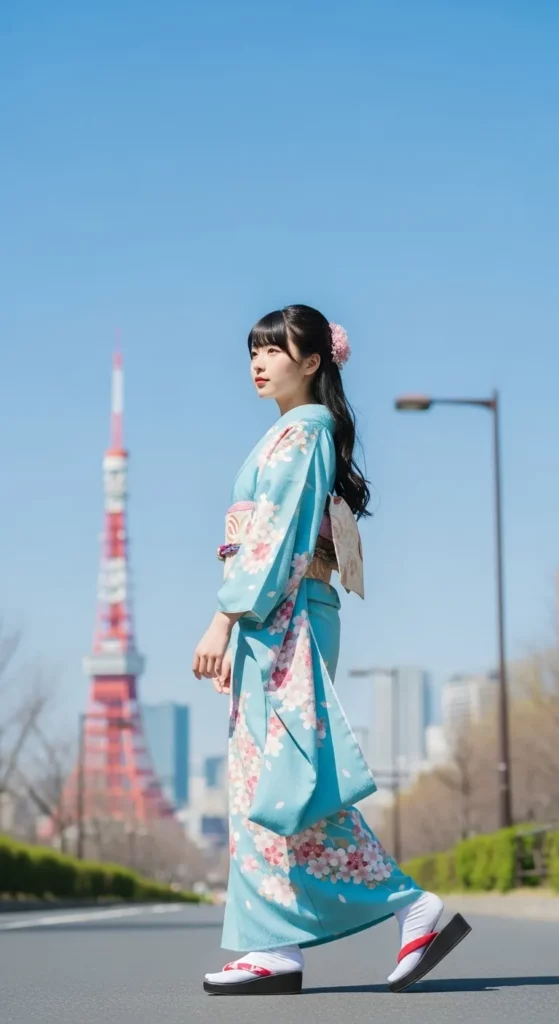
Spring (Mar–May)
Average temps:
- Mar: 9.4°C (low 5.0°C, high 14.2°C)
- Apr: 14.3°C (low 9.8°C, high 19.4°C)
- May: 18.8°C (low 14.6°C, high 23.6°C)
What to wear:
- Mar: Light sweaters, a lightweight jacket or trench with pants or a skirt. Mornings and evenings can be cool—bring windproof layers.
- Apr: A light jacket (denim or thin coat) over a long-sleeve tee or shirt. Days are pleasant but mornings/evenings may be chilly.
- May: Light long- or short-sleeves with pants or a skirt. Temperatures are steadier, but keep a thin jacket handy.
Summer (Jun–Aug)
Average temps:
- Jun: 21.9°C (low 18.5°C, high 26.1°C)
- Jul: 25.7°C (low 22.4°C, high 29.9°C)
- Aug: 26.9°C (low 23.5°C, high 31.3°C)
What to wear:
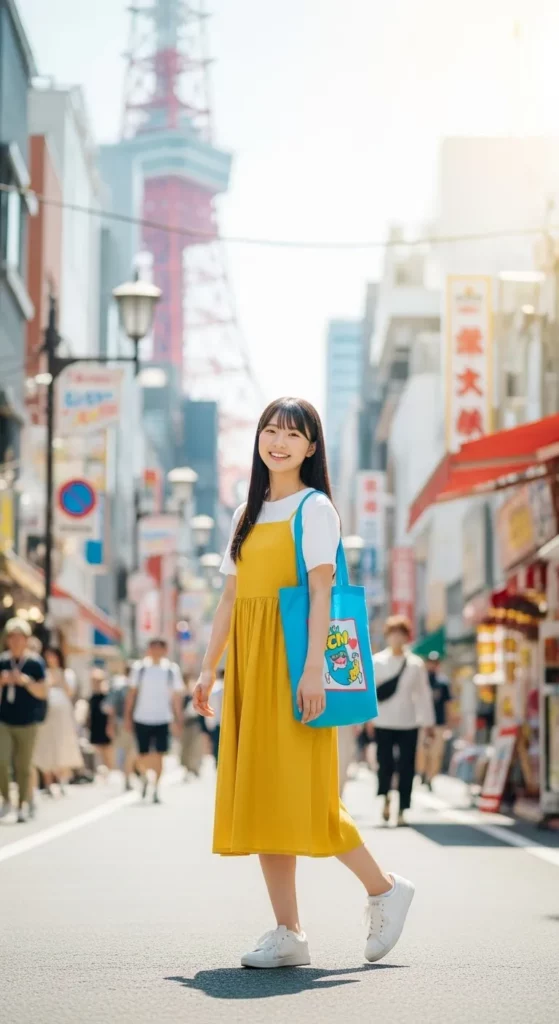
- Jun: Rainy season starts—wear light, breathable short-sleeves with pants or a skirt, and carry an umbrella.
- Jul–Aug: Hot and humid—stick to light tees, shorts or dresses. Use sun protection (hat, sunglasses, sunscreen) and carry water to avoid heat exhaustion.
Autumn (Sep–Nov)
Average temperatures:
- Sept: 23.3°C (low ~20.3°C, high ~27.5°C)
- Oct: 18.0°C (low ~14.8°C, high ~22.0°C)
- Nov: 12.5°C (low ~8.8°C, high ~16.7°C)
What to wear:
- Sept: Early autumn — long-sleeve shirts or light sweaters with a lightweight jacket and long pants. Typhoons might crash the party, so bring rain gear.
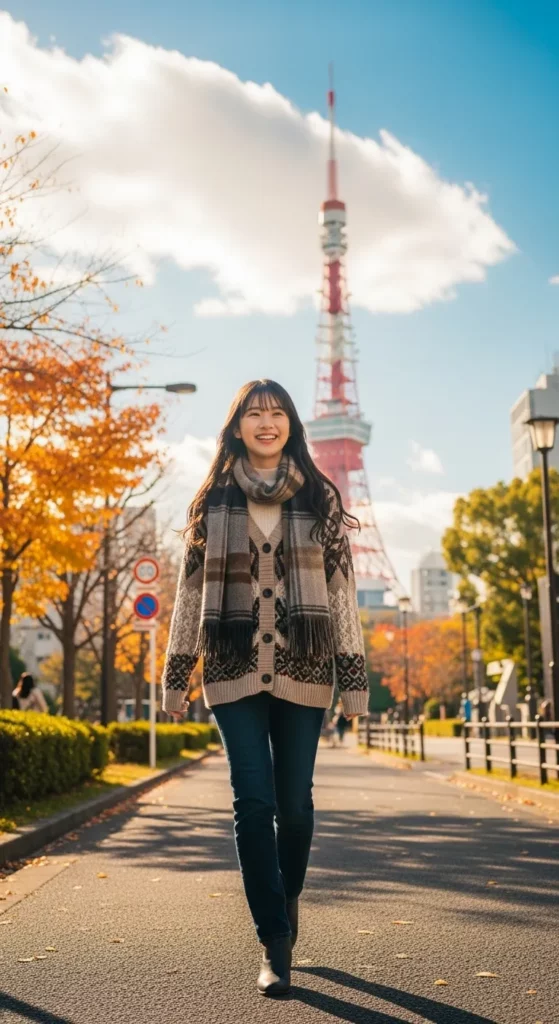
- Oct: Cool — layer with a knit or jacket and wear long pants or a skirt. Big temperature swings between morning/evening, so bring layers.
- Nov: Getting chilly — wear thicker sweaters or a jacket with warm pants or skirts. Scarves and warm accessories are handy.
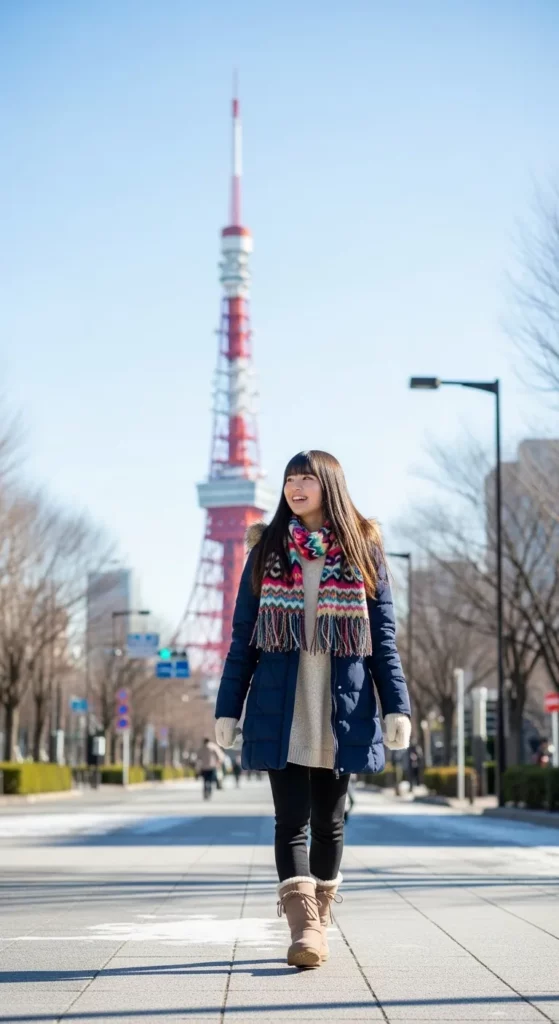
Winter (Dec–Feb)
Average temperatures:
- Dec: 7.7°C (low ~3.8°C, high ~12.0°C)
- Jan: 5.4°C (low ~1.2°C, high ~9.8°C)
- Feb: 6.1°C (low ~2.1°C, high ~10.9°C)
What to wear:
- Dec: Wear thick sweaters and a warm coat — wool coats or light down, plus scarf and gloves.
- Jan–Feb: Coldest months — down jackets and warm layers with thick pants or tights. Indoor heating is common, so dress in layers (onion-style) for easy adjustments.
Note: Tokyo winters are dry — bring moisturizers and keep warm.
🔥 Hot Tickets & Deals 🔥
💴 All the best Japanese department stores, cosmetics, and electronics deals — right here!!
Electronics + cosmetics + sundries

Bic Camera
(Discount vouchers are generally valid across Japan)

Yamada Denki
(Discount vouchers are generally valid across Japan)

EDION
Namba Main Store / Kyoto Shijo Kawaramachi / Akihabara Store

Don Quijote
(Discount vouchers are generally valid across Japan)

Matsumoto Kiyoshi
(Discount vouchers are generally valid across Japan)

COSMETICS AND MEDICAL (cosmetics)
Shin-Marunouchi Building / New Yurakucho Building / Otemachi FirstSquare / Otemachi Plaza / Kodemmacho / Higashi-Nihonbashi

COSMOS Cosmetics
(Discount vouchers are generally valid across Japan)

SUGI Pharmacy
(Discount vouchers are generally valid across Japan)

Daikoku Drugstore
(Discount vouchers are generally valid across Japan)

Tsuruha Drug
(Discount vouchers are generally valid across Japan)

Cocokara Fine Cosmetics
(Discount vouchers are generally valid across Japan)

Kokumin Cosmetics
(Discount vouchers are generally valid across Japan)

Hokkaido Drugstore “Satsudora”

Okinawa cosmetics chain “RYUSPA”
Department stores
Mitsui Outlet
Odaiba DiverCity
COREDO Muromachi
LaLaport
Lazona

Daimaru Matsuzakaya Department Stores
Umeda Store / Shinsaibashi Store / Tokyo Store / Matsuzakaya Ueno Store / Kyoto Store
Sapporo Store / Kobe Store / Shimonoseki Store / Matsuzakaya Nagoya Store / Matsuzakaya Shizuoka Store

Tobu Department Store Ikebukuro

Seibu Department Store
SOGO Department Store

Tokyo Rakuten Duty-Free Ginza
(GinzaNovo)

Odakyu Department Store Shinjuku
(Shinjuku West Exit)

Kintetsu Department Store
Osaka Abeno Harukas
Tax-free 10% + up to 5% extra discount

Keio Department Store Shinjuku
Tax-free 10% + up to 5% extra discount
Sports gear + apparel

JEANS MATE Clothing Store Coupon
Ikebukuro Store / Harajuku Takeshita Street Store / Kawasaki Store / Ofuna Store

Alpen Discount Coupon (sports goods)
(Discount vouchers are generally valid across Japan)
(Shinjuku store — Japan’s largest sports goods store)

L-Breath (sports goods)
(Discount vouchers are generally valid across Japan)

Victoria Golf (sports goods)
(Discount vouchers are generally valid across Japan)

Victoria (sports goods)
(Discount vouchers are generally valid across Japan)

Aoyama (The Suit Company)
Tax-free + extra 10% off coupon

Japanese luggage brand ACE
10% off coupon
🏷️ Azabudai, Roppongi, Tokyo Tower — quick attraction notes 🏷️
Attraction map
Attraction Tag Route
We suggest opening the map on your computer to plan and match the attraction tags
Orange block (Toranomon, Kamiyacho area), Blue block (Tokyo Tower, Shiba Park direction), Green block (Azabudai, Roppongi direction)
🚶♂️ Toranomon · Kamiyacho area 🚶🏻♀️
虎之門Hills站
Toranomon Hills Station
토라노몬 힐스 역
虎之门Hills站
 Click to navigate
 Introduction

虎之門Hills Station Tower
Toranomon Hills Station Tower
토라노몬 힐스 스테이션 타워
虎之门Hills Station Tower
 Click to navigate
 🕛 11:00–23:00
New landmark opened in 2023
Introduction
Toranomon Hills Station Tower
Basic info
- Address: 6-2 Toranomon 2-chome, Minato-ku, Tokyo
- Official website: https://www.toranomonhills.com/
- Hours:
- Commercial area (shops & restaurants): 11:00–21:00 (shops), 11:00–23:00 (restaurants). Some stores vary — see the official site.
- TOKYO NODE (floors 8–45 / 49): hours and availability depend on exhibitions and events — check the TOKYO NODE official site.
- Tickets: TOKYO NODE exhibitions or events may require paid tickets; prices vary by event — see the official site.
Overview
Toranomon Hills Station Tower is Tokyo’s shiny new landmark — opened on October 6, 2023. The tower stands 266 meters tall with 49 floors above ground and 4 basement levels, and connects seamlessly to Toranomon Hills Station (Tokyo Metro Hibiya Line). It mixes high-end offices, an international hotel, diverse shops and restaurants, plus a creative hub called TOKYO NODE — all designed to spotlight Tokyo’s energy to the world.
On basement B2 you’ll find “T-MARKET,” a bright market curated by designer Masamichi Katayama, featuring around 27 eateries and shops. The 4th-floor dining zone gathers 20+ well-known restaurants (Japanese and international), so whether you’re hunting fine dining or casual bites, there’s something for every craving. The 2nd-floor “T-Deck” skywalk links to Mori Tower and Station Tower — a lovely route to enjoy Tokyo street views, food and pockets of greenery while you stroll.
Don’t miss TOKYO NODE on floors 45–49: a global information and exhibition platform combining galleries, event spaces, restaurants and a sky garden. The 49th-floor “SKY GARDEN & POOL” offers a 250-meter-high open-air vibe — think infinity-feel pool and rooftop dining with spectacular Tokyo night views. TOKYO NODE is both a cultural exchange spot and Tokyo’s creative window to the world.
History & background
Station Tower is the fourth major building in the Toranomon Hills redevelopment led by Mori Building, following Mori Tower (2014), Business Tower (2020) and Residence Tower (2022). The project, planned from around 2016 and completed in 2023, aims to make Toranomon an international center for business and urban life. Integrated development with transport lines and the new Tokyo Metro station boosts connectivity and adds a fresh landmark to Tokyo’s skyline.
Designed by the renowned firm OMA, the tower’s rotating façades change with your viewing angle, showing varied architectural expressions. Mori Building’s vision was to build a global stage for talent, creativity and commerce — and Station Tower is a key part of that. From planning in 2014 to full operation in the mid-2020s, Toranomon Hills has become a modern Tokyo icon alongside places like Roppongi Hills.
Cultural vibe
At the heart of the tower is TOKYO NODE, built around the idea of “connect and transmit.” It stages international exhibitions, performances and tech experiences to spread Tokyo’s creative energy worldwide. For example, the opening show by Rhizomatiks & ELEVENPLAY — “Syn: a new body-sensing terrain” — blended tech and art and won a 2024 DFA Asia Design Award. TOKYO NODE also hosts major shows like “Design あ展 neo,” pulling global attention.
Shops and restaurants here chase Japan’s obsession with food culture — from famous local alley flavors to international fine-dining such as KEI Collection PARIS. Each spot highlights Japanese attention to detail and cultural inclusiveness. With many government offices and embassies nearby, the area already felt international; the tower now cements Toranomon’s role as a global business and culture hub — Tokyo’s skyline got a tasteful glow-up.
Le Pristine Restaurant Tokyo
Le Pristine Restaurant Tokyo
르 프리스틴 레스토랑 도쿄
Le Pristine Restaurant Tokyo
 Click to navigate
 🕛12:00~15:00
🕕18:00~22:00
Toranomon Hills Pub 1F
Overview
Le Pristine Restaurant Tokyo (Le Pristine Restaurant Tokyo)
Address: 1F, Toranomon Hills Hotel, 2-6-4 Toranomon, Minato-ku, Tokyo
Official website: https://lepristinetokyo.com/
Opening hours:
Mon–Sat & national holidays 12:00–15:00, 18:00–22:00
Sun 12:00–15:00 (Sunday lunch only; closed for dinner)
Tabelog rating: 3.9
Price estimate:
Dinner ¥15,000–¥19,999
Lunch ¥8,000–¥9,999
Restaurant highlights
Located on the 1st floor of Toranomon Hills Hotel, Le Pristine Restaurant Tokyo is led by renowned chef Sergio Herman (a Michelin three-star chef and repeatedly featured among the World’s 50 Best). It’s a stylish “New Italian” spot mixing music, art, design and fashion with pure Italian flavors to create a unique dining identity.
Signature dishes include the Seafood Orecchiette, combining baby lobster, scallop and fresh seasonal greens — a refined take on a classic. The delicate pizzette (small focaccias with house butter) are also widely loved. The modern, airy space works for business meals and special celebrations alike. In ever-evolving Tokyo, Le Pristine delivers a top-tier feast for both the eyes and the palate.
KEI Collection PARIS
KEI Collection PARIS
케이 콜렉션 파리
KEI Collection PARIS
Click to navigate 🕘 17:30–02:00
Toranomon Hills Station Tower 49F
Introduction
KEI Collection PARIS (KEI Collection PARIS)
Address: 49F, Toranomon Hills Station Tower, 2-6-2 Toranomon, Minato-ku, Tokyo
Official website: https://www.kei-collection.com/
Opening hours:
Mon 17:30–00:30
Thu, Fri, Sat 17:30–02:00
Sun 12:00–15:00 / 17:30–00:30
Tue, Wed closed
Tabelog rating: 3.84
Price estimate: ¥30,000–¥39,999 (actual average spend)
Restaurant highlights
Created by Kei Kobayashi — the French chef awarded three Michelin stars — KEI Collection PARIS sits high on the 49th floor. It’s a refined dining experience emphasizing premium ingredients and precise technique, often using intense heat for bold flavors.
The restaurant’s standout feature is its à la carte-style experience: diners build a personalized set from a daily-changing menu. Dishes blend French finesse with Japanese ingredients — from playful creations like the “Akagi Wagyu & uni hand roll” to show-stoppers such as the “French-style rich broth fillet sandwich.” Beyond the food, enjoy spectacular night views and an energetic open kitchen bar for a memorable, theatrical meal.
📷 View Full Attractions
Tokyo Node
Tokyo Node
도쿄 노드
Tokyo Node
 Click to navigate
 🕘 10:00 – 20:00
Toranomon Hills rooftop
Introduction
TOKYO NODE: a creative hub on Tokyo’s skyline
Located on the top floors of the Toranomon Hills Station Tower, TOKYO NODE is a cultural base built to share and spread ideas. It’s not just a stunning viewpoint over Tokyo — it’s a platform where business, art, entertainment, tech and fashion intersect to spark cross-border collaboration and new value.
Across time — the birth and vision of TOKYO NODE
TOKYO NODE occupies the tower’s top levels (including floor 8 and floors 45–49) and opened on October 6, 2023. Its creation is an important part of Tokyo’s urban renewal, aiming to shape the Toranomon area into an international business and cultural center. Designed by global architecture firm OMA, TOKYO NODE centers on the idea of “connection,” creating open, continuous spaces that encourage dialogue and collaboration to envision Tokyo’s future.
TOKYO NODE offers exhibition spaces, a scenic restaurant, a café and a unique sky courtyard. Visitors can enjoy Tokyo’s unmatched skyline and discover rich experiences in food and art. By promoting multicultural exchange and innovation, it becomes an important window from Tokyo to the world.
Visitor information
- Address: Toranomon Hills Station Tower, 2-6-1 Toranomon, Minato-ku, Tokyo (TOKYO NODE is located on the building’s top floors, including 8 and 45–49)
- Opening hours: TOKYO NODE hosts many facilities, so hours vary by exhibition and restaurant. Check the official site or each facility for the latest info.
- For example, TOKYO NODE CAFE typically opens 11:00–23:00 (last order 22:00).
- Special exhibitions like “Design Ah! Exhibition neo” usually run 10:00–20:00.
- Tickets: TOKYO NODE itself does not charge a general admission fee, but some exhibitions, events or special experiences inside may require tickets. Prices depend on the event.
- For example, some exhibition tickets are: Adults ¥2,500–2,800; university & high school students ¥2,000–2,200; children ¥800–1,000.
虎之門 自製麵 Robinson
Toranomon Jiseimen Robinson
토라노몬 자가제면 로빈슨
虎之门 自制面 Robinson
 Click to navigate
 🕖 11:00〜14:00
Introduction
Robinson — Homemade Noodles (Robinson)
Address: Minato-ku, Tokyo, Tora-no-mon 1-16-9 Futaba Building 1F
Official site: https://www.facebook.com/自家製麺ロビンソン-107738371677779
Opening hours:
Mon–Sat 11:00〜14:00
Closed Sundays & national holidays
Note: Closed from 2025-12-28 to 2026-01-05 for New Year holidays
Tabelog rating: 3.76
Price range: ¥1,000〜¥1,999
Restaurant highlights
Tucked in Tora-no-mon, Robinson is a tiny ramen spot famous for its handcrafted noodles. With just nine counter seats, the atmosphere is cozy and the staff friendly — a local favorite. The real draw is the carefully layered soup made from selected ingredients, paired with house-made noodles and toppings like domestic chicken and tender chashu. The taste is rich yet refined.
They offer two house-made noodle types: a satisfyingly chewy hand-pressed flat noodle and a delicate thin noodle. The signature “special chuka-style” bowl features seared pork that adds a subtle smoky aroma and melt-in-your-mouth texture. Try a sprinkle of sansho or a dash of yuzu ponzu to instantly brighten the dish.
Since they only serve lunch and don’t take reservations, arrive early. Whether you’re chasing exceptional ramen or just want a peaceful solo meal, Robinson delivers comforting and surprisingly elegant flavors.
虎之門橫丁
Toranomon Yokocho (Alley)
토라노몬 요코초
虎之门横丁
 Click to navigate
 🕖 11:00–23:00
Introduction
虎ノ門横丁
Basic info
- Address: Toranomon Hills Business Tower 3F, 1-17-1 Toranomon, Minato-ku, Tokyo
- Official site: https://www.toranomonhills.com/toranomonyokocho
- Opening hours: Weekdays & Sat 11:00–23:00, Sun & national holidays 11:00–22:00 (some shops vary; check official site)
Spot overview
Toranomon Yokocho, on the 3rd floor of Toranomon Hills Business Tower, is a stylish food hall that gathers famous Tokyo eateries in one place. It blends the nostalgic vibe of a traditional “yokocho” alley with modern urban flair. About 26 well-known restaurants serve everything from Japanese classics to international cuisine, letting you sample Tokyo’s best bites in one visit. Shared seating encourages mixing dishes from different vendors — great for groups or solo travelers keen to try more than one thing. There’s also a standing bar area offering craft sakes and specialty brews.
Designed by notable architects Sejima and Nishida and themed as a social, street-like space, the hall combines warm wood elements with contemporary touches. Bold red signage marks the entrance, while the interior balances retro alley charm and upscale design. Plus, rotating POPUP restaurants curated by culinary pros keep the lineup fresh — every visit can bring new flavors.
Historical background
Toranomon’s district has transformed from traditional commercial blocks into a global business and cultural hub. In 2020, Mori Building developed Toranomon Yokocho to raise Tokyo’s dining scene to a higher level. The project reimagines the classic yokocho, meeting modern demands for high-quality food and social experiences from both business crowds and younger diners. Curated by food expert Maki, the selection includes hidden gems and famous local names, bringing them into a lively shared space.
㈱日本刀劍
Nihon Token Co., Ltd.
㈜일본도검
㈱日本刀剑
Click to navigate 🕖 10:00 – 17:00
Introduction
Japan Swords
Shop info
- Address: 〒105-0001 Tokyo, Minato-ku, Toranomon 3-chome 8-1
- Official site: https://www.japansword.info
- Contact: 03-3434-4321
About the shop
Japan Swords, located in Toranomon, is a high-end specialty store dedicated to Japanese swords and related cultural items. As guardians of sword tradition, they sell historic blades, fittings, mounted swords, and traditional art pieces — a must-visit for collectors and enthusiasts. Renowned for expert curation and top-quality pieces, the shop is ideal whether you’re hunting a famous blade or want to learn more about Japan’s sword heritage.
虎之門 岡埜榮泉
Toranomon Okanoeisen
토라노몬 오카노에이센
虎之门 冈埜荣泉
 Click to navigate
 🕖 09:00〜17:00
Famous mame-daifuku shop
Introduction
Toranomon Okano Eisen (Okano Eisen)
Address: Tokyo, Minato-ku, Toranomon 3-8-24
Official site: http://www.wagashi.or.jp/tokyo_link/shop/0409.htm
Business hours:
Mon–Fri 09:00〜17:00
Sat 09:00〜12:00
Closed Sundays & national holidays
Note: Items often sell out—arrive early
Tabelog rating: 3.74
Price estimate: approx. ¥999
Restaurant highlights
“Toranomon Okano Eisen” is a beloved, long-established Tokyo wagashi shop famous for its daifuku. For around 80 years they’ve obsessed over making the perfect daifuku—using top rice, fine craftsmanship, and silky red bean paste—and have won a legion of fans. Their signature “Mame Daifuku” is a morning staple. This mame daifuku is often praised as the ideal classic: a pleasantly chewy but soft mochi skin with an ultra-smooth, elegant koshian (strained red bean paste) inside. The beans embedded in the outer skin add a delightful savory, slightly nutty bite that balances the sweetness. Many visitors even rank it above the well-known “Mame Daifuku big three.” Located near Toranomon Hills Station, it’s a top pick for souvenirs or a local treat. Want to taste a decades-old tradition? Be there when they open—seriously, don’t miss out.
鐵板燒 山茶花
Teppanyaki Sazanka
철판야끼 사잔카
铁板烧 山茶花
 Tap to navigate
 ⏖ 11:30〜14:30
⏖ 17:30〜21:30
Stunning sky-high views
Introduction
Teppanyaki Sazanka (Sazanka)
Address: Tokyo, Minato-ku, Toranomon 2-10-4 The Okura Tokyo Prestige Tower 41F
Official site: https://theokuratokyo.jp/dining/list/sazanka/
Business hours:
11:30〜14:30
17:30〜21:30 (L.O. 21:00)
Tabelog rating: 3.61
Price estimate:
Dinner ¥20,000〜¥29,999
Lunch ¥10,000〜¥14,999
Restaurant highlights
Located on the 41st floor of The Okura Tokyo, “Teppanyaki Sazanka” marries precision teppan cooking with gorgeous skyline views. The chefs nail heat control to showcase carefully selected Wagyu, fresh seafood, and seasonal vegetables.
They source top-grade beef like Kobe and purchase whole-heads from contracted farms—expect beautifully marbled, tender meat. The counter is designed like a small stage, so you sit front-and-center and feel the sizzle with all five senses.
Don’t skip the “Jewel Dessert Plate”—a pretty, palate-cleansing finale that lightens the hearty teppanyaki experience. Whether it’s a bright lunch or a refined dinner with Tokyo’s night lights, this is a go-to for celebrations or romantic dates.
愛宕神社
Atago Shrine
아타고 신사
爱宕神社
 Tap to navigate
 🕛 24H
Introduction
Atago Shrine (Atago Jinja)
Basic Information
- Address: 〒105-0002 Tokyo, Minato-ku, Atago 1-5-3
- Official website: https://www.atago-jinja.com/
- Hours: Open daily
- Admission: Free
- Access:
- About a 5-minute walk from Kamiyacho Station (Tokyo Metro Hibiya Line / Toranomon area)
- About an 8-minute walk from Toranomon Station (Tokyo Metro Ginza Line)
- About an 8-minute walk from Onarimon Station (Toei Mita Line)
Overview
Perched on Atagoyama, a 25.7‑meter hill and the highest natural peak inside Tokyo’s 23 wards, Atago Shrine offers a surprising pocket of green amid the skyscrapers. You’ll get cherry blossoms in spring, cicadas in summer, red leaves in autumn and a peaceful snowy silence in winter. The shrine is best known for the dramatic “Steps to Success” (Shusse-no-Ishidan or the male slope): 86 steep stone steps at roughly a 40° angle that have become a popular challenge for businessmen, locals and tourists seeking good luck and career breakthroughs. On the summit there’s a calm koi pond (feed them for about 100 yen) and small interactive spots. If stairs aren’t your thing, an elevator on the east side provides easier access so everyone can enjoy this urban shrine and its views.
History
Founded in 1603 by Tokugawa Ieyasu to enshrine the fire deity and pray for protection from fires and disasters, the shrine’s history is tightly linked to Edo/Tokyo’s development. Because of its hilltop position it was once a famous viewpoint to watch ships in Tokyo Bay and survey the city. A plum tree said to have been planted by the Tokugawa family still grows on the grounds, a living witness to the shrine’s centuries-long story.
Culture & Beliefs
Known as a “fire god” shrine, visitors pray here for fire prevention and disaster safety. Fire’s symbolism of passion and energy also attracts people asking for love, business success, printing- and IT-related fortunes. June’s “Sennichi” day (one visit worth a thousand) brings big crowds, while a September festival along the stone steps dramatizes courage and personal breakthroughs. A local legend about a samurai who climbed the steps, grabbed plum blossoms and earned success keeps inspiring folks to take the challenge and hope for a life upgrade.
NHK放送博物館
NHK Museum of Broadcasting
NHK 방송 박물관
NHK放送博物馆
Tap to navigate 🕖09:30〜16:30
Introduction
NHK Broadcasting Museum
Basic Information
- Address: 〒105-0002 Tokyo, Minato-ku, Atago 2-1-1
- Official website: https://www.nhk.or.jp/museum/
- Hours: Usually 9:30–16:30 (last admission 16:00)
- Admission: Free
- Closed: Mondays (or the following day if Monday is a national holiday) and year-end/New Year
Overview
Located on Atagoyama, the NHK Broadcasting Museum is the world’s first museum devoted to broadcasting history. Opened on March 3, 1956, it sits where Japan’s broadcast story began. Through lively, interactive displays it leads visitors from the earliest radio days in 1925 to today’s digital era. The collection includes roughly 27,000 historical items and about 8,000 books, showing how broadcasting technology and culture evolved.
Hands-on zones like the “Broadcast Experience Studio” let you try being an anchor or reporter and feel the thrill of making the news. You can see costumes and props from famous NHK shows (think the Red & White Song Battle and period dramas), plus special exhibitions such as NHK character displays or a centennial look at “Today’s Cooking” that connect programmes to everyday Japanese life. The museum blends nostalgia and education—great for all ages.
History
NHK’s ties to Atagoyama date back to March 22, 1925, when the Tokyo broadcasting station sent out Japan’s first radio broadcast. In 1956 NHK created the museum to preserve broadcasting culture. It moved into a new four‑story building in 1968 and had major renovations in 2003 and 2016 to expand gallery space and update exhibits. Today it connects broadcasting’s past with modern technologies.
Culture & Mission
More than a tech show, the museum traces how media shaped Japanese society—from old radios and scripts to milestone programs that mirrored social change. The “NHK Media Literacy Classroom” teaches younger visitors how to spot misinformation in the digital age, reflecting NHK’s public-service role. Whether you’re a history nerd or just curious about Japanese TV and radio, you’ll find plenty to surprise and entertain you.
神谷町站
Kamiyacho Station
가미야초 역
神谷町站
Tap to navigate Introduction

3206 本店
3206 Main Store
3206 본점
3206 总店
 Tap to navigate
 🕛08:00〜20:00
Introduction
3206 Main Store
Address: 3-20-4 Toranomon, Minato-ku, Tokyo
Official site: http://www.3206.jp/
Hours:
Mon–Fri 08:00〜20:00
Sat & Sun 09:00〜16:00
Note: Closed during the New Year period
Tabelog rating: 3.60
Price range: ¥0–¥999
Restaurant highlights
Located near Kamiyacho Station, 3206 is a well-known Tokyo sandwich and smokehouse loved for its creative bites. The must-try is the “Devil Egg” sandwich (デビルドサンド): three to four large, soft-boiled egg halves paired with rich mayonnaise and tartar—creamy whites and silky yolks that hit the spot.
Another favorite is the Thai-style spicy chicken sandwich with thick thigh meat, fragrant spicy red sauce, scallions and herbs for a bold Southeast Asian kick. From tangy fishy notes to playful sweet-and-spicy toppings, 3206 offers lively, layered flavors that brighten a busy day. There’s also outdoor seating—perfect for taking your meal to a nearby park.
🚶♂️Tokyo Tower | Shiba Park — Directions🚶♀️
Napolistaca 神谷町店
Napolistaca Kamiyacho
나폴리스타카 카미야초점
Napolistaca 神谷町店
 Tap to navigate
 🕛11:30〜14:30
🕛18:00〜22:30
Must-try
Introduction
NAPOLI STA’CA Kamiyacho (Pizzeria da peppe NAPOLI STA’CA)
Address: 1-11-4 Azabudai, Minato-ku, Tokyo, Innaatrip Building 1F
Official site: https://napolistaca.jp/
Hours:
Tue–Thu 11:30〜14:30 ・ 18:00〜22:30
Fri 11:30〜14:30 ・ 18:00〜23:00
Sat 11:30〜15:00 ・ 18:00〜23:00
Sun & holidays 11:30〜15:00 ・ 18:00〜22:00
Note: Closed on Mondays (if Monday is a holiday they may open and close the following day); Tuesdays can be irregular.
Tabelog rating: 3.65
Price:
Dinner ¥5,000–¥5,999
Lunch ¥1,000–¥1,999
Restaurant highlights
Near Kamiyacho and Tokyo Tower, NAPOLI STA’CA is a famed Neapolitan pizzeria known for authentic, bold flavors. The shop has earned high honors (2nd in Asia, 13th in the world) and serves an energetic Napoli-style dining experience with passionate staff.
Their signature star-shaped pizza “Don Salvo” is a must-order: a crust edged with rich cheese and cured meats and a center of juicy tomatoes and mozzarella—utterly delicious. The seafood pasta (Pescatore) and the juicy sausage (Salsiccia) are also highly praised.
Whether you go for starters, classic Italian desserts, or creative specialties, this place captures the spirit of Naples—perfect for a lively, authentic Italian night in Tokyo.
橫濱屋
Yokohamaya
요코하마야
横滨屋
 Tap to navigate
 🕛10:00〜19:00
Introduction
Yokohama-ya (Yokohamaya)
Address: B1F, Hoshino Building, 1-11-2 Azabudai, Minato-ku, Tokyo
Official website:https://profu.link/u/yokohmahamaya
Opening hours:
Mon–Fri 10:00–19:00
Sat, Sun & public holidays 12:00–18:00
※Public holidays: irregular closing
Tabelog rating: 3.54
Budget: ¥1,000–¥1,999
Restaurant highlights
Tucked between Azabudai hill and Tokyo Tower, Yokohama-ya is a legendary kissaten (old-style café) founded in 1982. Its basement space blocks the city buzz and is drenched in nostalgic Showa vibes — it was loved by famous names like writer Shotaro Ikenami and actor Ken Takakura.
Run by the well-known “lean-chair uncle” owner, who took up social media and even published books after turning seventy, the place is full of warm, lived-in character. The signature dish is simple and iconic: Hayashi rice — a rich beef-and-onion stew slow-cooked without adding any water, relying on the onions’ juices and vegetable sweetness. Lunch sets include a house dessert and the chef’s slightly tangy original blended coffee.
Also try the Tarte Tatin — deeply caramelized apples with a punchy sweet-and-tart note. Whether you want old-school Tokyo elegance or a cozy, heartfelt lunch, Yokohama-ya is Azabudai’s can’t-miss hidden gem.
東京鐵塔
Tokyo Tower
도쿄 타워
东京塔
 Click to navigate
 🕛09:00 – 22:30
About
Tokyo Tower
Basic Info
- Address: 4-2-8 Shiba Park, Minato City, Tokyo
- Official site: https://www.tokyotower.co.jp/
- Hours:
- Main Deck (observation deck, 150 m): 9:00 – 22:30 (last entry 22:00)
- Top Deck Tour (upper observation deck, 250 m): 9:00 – 22:45 (last guided tours roughly 22:00–22:15, reservation recommended)
- Outdoor stairways: upper section 9:00 – 16:00, lower section 9:00 – 21:00
- Ticket prices:
- Main Deck (observation deck):
- Adult: ¥1,500
- High school student: ¥1,200
- Junior/elementary student: ¥900
- Child (4+): ¥600
- Top Deck Tour (reservation required):
- Adult: ¥3,500
- High school student: ¥3,300
- Junior/elementary student: ¥2,300
- Child (4+): ¥1,700
- 1 Day Pass (unlimited Main Deck access):
- Adult: ¥2,700
- High school student: ¥2,200
- Junior/elementary student: ¥1,400
- Child (4+): ¥1,000
- Main Deck (observation deck):
Overview
Tokyo Tower stands in Shiba Park, Minato, at 333 meters tall — Japan’s second-tallest structure and one of Tokyo’s most recognizable symbols. Inspired by the Eiffel Tower and completed in 1958, it was built as a beacon of Japan’s postwar recovery. Besides being a broadcast tower, it’s a sightseeing icon where the Main Deck (150 m) and Top Deck (250 m) offer 360° views of Tokyo. On clear days you can spot Mount Fuji and Rainbow Bridge. At night the tower becomes a light show, changing colors by season—crisp white in summer, warm orange in winter—adding a romantic vibe to the skyline.
Below the tower, FootTown is a four-floor shopping and entertainment complex with restaurants, shops and souvenirs. Try limited-edition treats and buy quirky Tokyo Tower goods (think mini tower models and mascot merch featuring the Noppon brothers). The second floor even hosts the “Tower Shrine,” one of the tallest shrines inside Tokyo’s 23 wards, popular for luck in love and success — yes, students and couples come here to pray! For the spirited, there’s also an outdoor stair challenge of around 600 steps: a fun way to work up an appetite while enjoying city views.
A bit of history
Construction began on June 29, 1957 and the tower officially opened on December 23, 1958. It cost about ¥300 million and was designed by the famous tower engineer Tachū Naitō together with Nikken Sekkei. In the spirit of postwar resourcefulness, some of the steel included recycled military scrap—a creative reuse that became part of its story. In 1961 antennas were added to support TV broadcasting (NHK, TBS, etc.), and the tower still carries several radio and FM signals today. After the 2011 Tōhoku earthquake the antenna was bent and later repaired; during restoration work a mysterious baseball-like object was discovered, which became one of the tower’s little anecdotes.
Culture & atmosphere
Tokyo Tower is more than a landmark—it’s a symbol of modern Japan blending tradition and innovation. Its red-and-white paint follows aviation safety rules but has also become a stylish icon across Japanese pop culture: anime, movies and countless travel snaps. The “Tower Shrine” adds a dash of tradition inside this modern structure, and the tower’s lighting (designed by the renowned lighting designer Mikiko Ishii) changes with seasonal events—from special festival light-ups to the 333 koinobori display on Children’s Day—giving visitors different vibes depending on the time of year. Whether you catch it in bright daylight or bathing in romantic lights at night, Tokyo Tower never fails as a photogenic, history-rich stop on a Tokyo trip.
WAKANUI 燒烤餐廳 東京
WAKANUI Grill Dining Bar Tokyo
와카누이 그릴 다이닝 바 도쿄
WAKANUI 烧烤餐厅 东京
 Tap to navigate
 🕖1:30〜14:30
🕖17:30〜22:00
Beef steak
Introduction
WAKANUI GRILL DINING BAR TOKYO(ワカヌイ グリル ダイニング バー 東京)
Address: 10F, Shiba Park Building 32, 3-4-30 Shiba Park, Minato-ku, Tokyo
Official website:http://www.wakanui.jp/
Opening hours:
Mon–Fri 11:30〜14:30 / 17:30〜22:00
Sat & public holidays 11:30〜15:00 / 17:30〜22:00
Closed Sundays (if Monday is a holiday, the restaurant opens Sunday and closes Monday)
Tabelog rating: 3.64
Price estimate:
Dinner ¥15,000〜¥19,999
Lunch ¥3,000〜¥3,999
Restaurant highlights
Perched on the 10th floor of the Shiba Park Building, WAKANUI offers one of the best Tokyo Tower views in town — ideal for a special dinner or romantic date. The kitchen focuses on premium New Zealand meats, especially their signature Spring Lamb Chop: char-grilled to smoky, juicy perfection — a must-try.
Their beef selection is equally noteworthy, featuring high-quality ocean-fed “Ocean Beef” and grass-fed cuts. With careful aging and cooking techniques, the meat’s natural sweetness and tenderness are showcased at their best. You’ll also find New Zealand king salmon, light vegetable dishes, and the classic Pavlova dessert — all well reviewed.
A professional sommelier can recommend New Zealand wines to pair with your meal. With the Tokyo Tower night view as a backdrop, whether it’s a business dinner or a private celebration, WAKANUI serves a polished, memorable dining experience.
📷 View Full Attractions
芝公園
Shiba Park
시바 공원
芝公园
Click to navigate 🕖24H
Introduction
Shiba Park
Basic Information
- Address: 4-10-17 Shiba Koen, Minato-ku, Tokyo
- Official website:https://www.tokyo-park.or.jp
- Opening hours: Open 24 hours
- Admission: Free
- Access:
- Toei Mita Line “Shibakoen Station” (I05) Exit A4 — about 2 min walk
- Toei Mita Line “Onarimon Station” (I06) — about 2 min walk
- Toei Asakusa Line / Toei Oedo Line “Daimon Station” (A09 / E20) — about 5 min walk
- Toei Oedo Line “Akabanebashi Station” (E21) — about 2 min walk
- JR “Hamamatsucho Station” — about 12 min walk
Spot description
Shiba Park, in Minato Ward next to Tokyo Tower, is a leafy urban oasis and one of the city’s oldest public parks. Opened in 1873 (Meiji 6), it’s among Japan’s earliest designated parks and is famous alongside places like Ueno and Mukojima parks. The mix of wide lawns, ancient trees, and the modern silhouette of Tokyo Tower creates a striking contrast and makes the park a peaceful escape in the heart of the city. Visitors can enjoy nature, picnic, or take leisurely walks while admiring historical traces such as the Shibazuka burial mound and shell mounds.
The park’s walking paths — especially the route facing Tokyo Tower — are popular for romantic strolls and filming locations. Facilities include baseball and tennis courts, a playground for children, and health trails suitable for family outings, so visitors of all ages can find something fun to do. Within the park, the small Shiba Tōshō-gū shrine boasts a ginkgo tree reportedly planted by the Tokugawa family generations ago; it still stands proud and is considered a natural monument worth seeing.
Historical background
Shiba Park’s history goes back to the Edo period when the area belonged to the Zōjō-ji temple precincts. In 1598 Tokugawa Ieyasu moved Zōjō-ji here, making it the Tokugawa family temple. In 1873, following Meiji-era reforms, the site was officially opened as one of Japan’s first public parks, creating a public space for the city. Postwar separations of religious and public land resulted in the park’s current layout. The Shibazuka kofun inside the park is the largest ancient circular tomb in Tokyo, and the shell mounds show traces of prehistoric life, offering a tangible link to ancient Japan.
Cultural notes
Shiba Park is more than greenery — it’s where Tokyo’s history and culture meet nature. The park’s relationship with Zōjō-ji and Tokyo Tower symbolizes that blend of tradition and modernity. Each spring, about 70 plum trees and 140 cherry trees bloom, drawing crowds for hanami (flower-viewing) events. The park also hosts community events (local festivals and seasonal activities) that showcase neighborhood spirit. With its unique mix of history, nature, and culture, Shiba Park is a must-visit Tokyo landmark.
增上寺
Zojoji Temple
조조지
增上寺
Click to navigate 🕖24H
Introduction
Zojo-ji Temple
Visitor Info
- Address: 4-7-35 Shiba Park, Minato-ku, Tokyo
- Official site: https://www.zojoji.or.jp
- Hours: Temple grounds open all day. Main hall visiting hours: 6:00–17:30. Treasure exhibition room: 10:00–17:00 (last entry 16:30)
- Admission: Grounds free. Treasure exhibit: adults ¥700, high school students and under ¥400. Group rates (20+): adults ¥600, high school and under ¥300
Overview
Located in Shiba Park, Zojo-ji is a historic Jodo-shu (Pure Land) temple with over 600 years of history. Its striking contrast with the nearby Tokyo Tower makes for an iconic photo op. The temple sits at the base of Tokyo Tower and blends into the park to form a calm island of greenery in the city. Walk in from the main gate (the “Daimon”) along the approach and you’ll soon see the majestic “Sangedatsu Gate” — a large wooden structure painted vermilion that pops against blue skies. The main hall enshrines Amitabha (Amida) Buddha; the atmosphere is serene and the interior conveys a sense of traditional reverence. Stroll the grounds among verdant trees, bamboo groves and small memorials, with Tokyo Tower’s skyline in the background — a perfect mix of old and new that keeps tourists snapping photos.
Zojo-ji is more than a religious site — it’s a cultural landmark. Inside is the Ankokuden (Hall of Peace), dedicated to Tokugawa family memorials and a revered black-robed Amida image said to grant blessings and luck. The temple’s treasure room displays artifacts and samurai-era relics that highlight Edo-period craftsmanship. Seasonal events like the July “Obon” rites and other ceremonies draw lively crowds and showcase Tokyo’s traditional culture. Whether you’re after calm reflection or a quick dose of history-plus-photos, Zojo-ji is a must-visit.
History
Zojo-ji traces its origins to 1393 when it was founded in the Edo-era area of Kōdo (now around Shiba). Originally named Kōmyō-ji, it later became known as Zojo-ji and was relocated to its current site in 1598. It became the Tokugawa family temple and played a central role during the Edo period, overseeing many sub-temples and housing some 150 monastic dormitories; at its peak it served thousands of monks and lay followers. The Tokugawa donated valuable sutra editions (Song, Yuan, Ming prints) now considered national treasures — in 2025 some of these were selected for UNESCO’s Memory of the World register. The temple has seen hard times: parts of the complex were seized during the Meiji era, wartime bombings in 1945 destroyed many structures, and major reconstructions took place later. The rebuilt main hall (completed in 1974) and the 2010 Ankokuden reflect Zojo-ji’s postwar revival and continued cultural importance.
Culture & Meaning
As one of Jodo-shu’s main head temples, Zojo-ji centers on the Pure Land teaching of chanting Amida’s name to attain rebirth in the Pure Land. Its buildings, layout and ritual motifs reinforce this core teaching: for example, the approach from the main gate to the Sangedatsu Gate is traditionally counted as 108 symbolic steps representing the 108 worldly desires; walking them is a symbolic act of purification. Gates like Sangedatsu are interpreted as thresholds to release attachments and lead devotees toward spiritual freedom. The Tokugawa association also reflects the close tie between religion and power in Edo-era Japan. The temple’s bells, votive tablets and memorials express collective hopes for peace, safe childbirth and healthy children — a warm snapshot of everyday faith in Japan. Zojo-ji is both a functioning temple and a compact history lesson on Tokyo’s evolution from Edo to modern metropolis.
炸豬排 Iwai
Tonkatsu Iwai
돈카츠 이와이
炸猪排 Iwai
 Click to navigate
 🕦11:30〜14:30
🕦17:30〜20:30
One of Tokyo’s Top 10 Tonkatsu
Introduction
Tonkatsu Iwai (formerly: Nomoto-ya)
Address: 2-3-7 Shiba, Minato-ku, Tokyo — Tamagawa Building 2F
Official site: https://tonkatsu-iwai.com/
Hours:
Mon–Fri 11:30〜14:30 (L.O. 13:45) / 17:30〜20:30 (L.O. 19:45)
Sat 11:30〜14:30 (L.O. 13:45)
National holidays 11:30〜14:30 (L.O. 13:45)
Sun closed
Note: If rice or the pork-flavored soup runs out, service may end early.
Tabelog rating: 3.75
Estimated price: ¥2,000–¥2,999
What makes the restaurant special
Located between Daimon and Hamamatsucho, “Tonkatsu Iwai” is a well-known tonkatsu joint favored by locals and visitors alike. The restaurant prides itself on using the prized “Rokuhaku Kurobuta” (six-white black pork) — a breed known for its balanced fat and rich flavor. Fed on local vegetables, this pork produces a tender, slightly sweet fat that shines when fried.
A recommended way to eat here is with grated daikon and their island-style soy sauce rather than piling on heavy sauces — it highlights the meat’s clean, juicy flavor. The signature “thick-cut special loin” melts in your mouth with a translucent, sweet jus that guests rave about. Besides the classic cutlet, the simple breaded loin and black pork roast are also crowd-pleasers.
Because the restaurant is small and popular, they don’t accept reservations, are cash-only, and seat numbers are limited. Families with children below elementary school age aren’t allowed for safety and space reasons. If you want a table (or to try the famous black pork), come early — portions are limited each day and they sell out fast.
中華蕎麥 Izuru
Chukasoba Izuru
주카소바 이즈루
中华荞麦 Izuru
Click to navigate 🕦11:00〜14:00
🕦17:30〜20:30
Introduction
Izuru (Chuka Soba)
Address: 2-1-18 Shibadaimon, Minato-ku, Tokyo
Official site: https://x.com/nibosi_izuru
Opening hours:
Mon–Fri 11:00〜14:00, 17:30〜20:30
Closed Sat & Sun
Note: hours and holiday closures may change — check the official site before you go.
Tabelog rating: 3.73
Price range: ¥1,000〜¥1,999
Restaurant highlights
Located in the Daimon area, “Izuru” is famous for its niboshi-based ramen (dried sardine broth) and is a must-try for lovers of intense, savory soups. Their signature is a deeply flavored sardine broth paired with firm straight noodles — rich, layered, and seriously slurp-worthy.
Besides the bold broth, their specialty “thick sardine ramen” comes in a cleaner trio of variations too, each offering a light, refreshing balance. Toppings typically include two kinds of low-temperature roasted chashu (chicken and pork), a seasoned egg, and rock seaweed — every element plays nicely with the broth. Don’t miss the shop’s “aetama” (extra noodles tossed in flavor) — whether eaten solo or dropped into your remaining soup, it adds a whole new tasty layer.
The shop only has 9 seats, and because it’s a weekday-only local favorite, queues form early. If you want an authentic, high-quality Tokyo niboshi ramen experience, this tucked-away gem is absolutely worth the wait.
芝大神宮
Shiba Daijingu Shrine
시바 다이진구
芝大神宫
Click to navigate 🕖 09:00-17:00
Introduction
Shiba Daijingu
Basic info
- Address: 1-12-7 Shibadaimon, Minato-ku, Tokyo 105-0012
- Official site: http://www.shibadaijingu.com/
- Opening hours: Open 9:00–17:00 (no regular holidays)
- Admission: Free entry
- Access:
- JR Yamanote / Keihin-Tohoku Line: 5-min walk from Hamamatsucho Station north exit
- Toei Oedo / Asakusa Line: 1-min walk from Daimon Station A6 exit
- Toei Mita Line: 5-min walk from Onarimon Station
- Parking: 10 complimentary spaces available (use may be limited during events)
What to see
Shiba Daijingu sits in Tokyo’s bustling Shiba business district but offers a surprisingly calm, sacred atmosphere. Often called “the Ise Shrine of the Kanto region,” it enshrines two principal deities — Amaterasu Omikami and Toyouke-no-Okami — and has over a thousand years of history. It’s one of Tokyo’s notable shrines and an important center for Ise-related faith in the Kanto area. The shrine is especially popular for blessings related to business prosperity and good relationships, drawing many visitors — especially women and merchants seeking luck. The shrine’s unique protective charm (said to bring happiness and good matches to women) is a crowd favorite.
Every year from September 8 to 21 the shrine holds the “Daradara Matsuri” (also called the Ginger Festival). During the festival the grounds and surrounding area fill with stalls selling fresh ginger and related goods — a lively 11-day event celebrating ginger farming culture, health, and protection from illness. Visitors can get a special goshuin (shrine stamp) and try distinctive ginger drinks while enjoying the historical atmosphere.
History
Shiba Daijingu was founded in 1005 (Heian period) by imperial decree, so it boasts more than a thousand years of history. Legends say shrine spirits appeared here, and locals built the shrine after times of turmoil, making it the origin of the current Shiba Daijingu. It was once known by names tied to local areas. Over centuries it received imperial and feudal patronage — including donations in the Kamakura and Edo periods — becoming deeply rooted in both samurai and local civic belief.
The shrine has survived multiple disasters (fires in the Meiji era, the 1923 Great Kanto Earthquake, and wartime air raids in 1945) and has been rebuilt several times. The present main hall dates from a 1964 reconstruction, and in 2005 the shrine celebrated a millennium festival. Those ups-and-downs speak to the community’s enduring devotion and support.
Cultural significance
Shiba Daijingu serves as a Kanto hub for Ise faith, combining sun-worship and prayers for prosperity. The shrine’s charms (once limited to festival times) are now available year-round, which boosted their popularity, especially among female visitors. The shrine also reflects Edo-period local culture: its festivals, traditional performances, and preserved artifacts (like banners and festival floats) keep the neighborhood’s history alive. In short, Shiba Daijingu isn’t just a religious site — it’s a lively piece of Tokyo’s cultural heritage.
正泰苑 芝大門店
Seitaien Shibadaimon
세이타이엔 시바다이몬점
正泰苑 芝大门店
 Click to navigate
 🕖11:30〜14:30
🕖17:00〜23:30
Top grilled meat spot
Introduction
Shoutaien Shibadaimon (Shoutaien)
Address: 1-7-4 Parkside Shibadaimon 1F, Shibadaimon, Minato-ku, Tokyo
Official website:https://syoutaien.com/
Opening hours:
Mon–Fri 11:30〜14:30 / 17:00〜23:30
Sat 17:00〜23:30
Sun & public holidays 17:00〜23:00
Note: Closed only around New Year (exceptions apply)
Tabelog rating: 3.68
Price range:
Dinner ¥6,000〜¥7,999
Lunch up to ¥999
Restaurant highlights
Shoutaien is a well-known yakiniku spot in Tokyo that gives terrific bang for your buck — high-quality meats that keep regulars coming back. The interior mixes red and black for a mature vibe, offering counter seats, tables and private booths — perfect for dates or group dinners.
The crowd favorite is their version of churrasco (a tender, juicy roasted-cut), light and melt-in-your-mouth, paired with a slightly sweet house sauce and fragrant sesame notes — a real crowd-pleaser. Thick-cut short rib (harami) and premium beef tongue are also must-orders. At lunch they offer a deluxe “three-meat grilled bowl” with selected beef, pork and chicken, grilled to order so you can enjoy high-end yakiniku even on a busy day in the city.
Service is warm and attentive; even when busy staff keep things running smoothly. We recommend calling ahead to reserve (phone reservations available after 3 PM) to avoid long waits.
旬彩 鯛樹
Shunsai Taiju
슌사이 타이쥬
旬彩 鲷树
 Tap to navigate
 🕖 11:30~13:30
🕖 18:00~23:00
Introduction
Syunsai Taiki (Syunsai Taiki)
Address: 1-24-5 Romane Building 1F, Hamamatsucho, Minato-ku, Tokyo
Official website:https://www.instagram.com/syunsai_taiki/
Opening hours:
Mon–Fri 11:30〜13:30 ・ 18:00〜23:00
Closed: Sat, Sun & national holidays
Note: Hours and closed days may change — best to check before you go
Tabelog rating: 3.66
Price range:
Dinner ¥10,000〜¥14,999
Lunch ¥2,000〜¥2,999
Restaurant highlights
“Syunsai Taiki” is a hidden gem in the Hamamatsucho area, chosen as one of the top izakaya picks in 2021 and known for its delicate, refined fish dishes. The lunchtime star is the local specialty “Uwajima tai-meshi” (sea bream rice) — a simple but addictive bowl.
At lunch they serve a single-specialty set: glossy slices of raw sea bream with a light sauce, topped with a raw egg yolk and poured over hot rice — the sweet-tangy fish, creamy yolk and fragrant rice blend perfectly. Dishes also come with seasoned fish, light sauces and seasonal veg for layers of flavor.
Whether you’re after an energetic lunch or a relaxed evening izakaya meal, the cozy space and carefully prepared fish dishes make Syunsai Taiki a lovely spot to taste refined Japanese seafood.
濱松町站
Hamamatsucho Station
하마마쓰초 역
滨松町站
Tap to navigate Introduction

壽司處 宮葉
Sushidokoro Miyaba
스시도코로 미야바
寿司处 宫叶
 Tap to navigate
 🕖 11:30~14:30
🕖 18:00~21:30
200-year-old famous sushi shop
Introduction
Sushidokoro Miyaba (Miyaba)
Address: 2-11-8 Hamamatsucho, Minato-ku, Tokyo
Official website:https://www.sushidokoro-miyaba.com/
Opening hours:
11:30~14:30
18:00~21:30
Note: No set holidays (hours may vary)
Tabelog rating: 3.67
Price range:
Dinner ¥15,000〜¥19,999
Lunch ¥8,000〜¥9,999
Restaurant highlights
“Sushidokoro Miyaba” is a traditional Edo-style sushi shop carrying over 200 years of history. Located near Hamamatsucho Station, it feels calm and refined — no flashy décor, just a return to sushi basics and craftsmen’s spirit.
They focus on top-notch ingredients and classical prep techniques (pre-treatment methods). Signature pieces include bright red fish cured with akazu vinegar, medium-fat tuna belly, and every bite blends oiliness and vinegared rice perfectly. The must-try is the famed anago (grilled conger eel) — grilled until fragrant and melt-in-your-mouth soft.
The chefs work beautifully at the counter, crafting each piece right before your eyes. It’s a simple, intimate setting where you can savor exceptional sushi and admire the chef’s skill at the same time.
舊芝離宮恩賜庭園
Kyu Shiba Rikyu Onshi Garden
구 시바리큐 은사정원
旧芝离宫恩赐庭园
Tap to navigate 🕖 09:00-17:00
Introduction
Kyu Shiba Rikyu Garden
Info
- Address: 1-4-1 Kaigan, Minato-ku, Tokyo
- Official website: https://www.tokyo-park.or.jp/park/kyu-shiba-rikyu/
- Opening hours: 9:00 AM to 5:00 PM (last entry 4:30 PM). Hours may be extended during special events.
- Closed: Year-end/New Year (Dec 29–Jan 1)
- Admission:
- General: ¥150 (groups of 20+ ¥120)
- 65 and over: ¥70 (groups of 20+ ¥50)
- Elementary school children and younger, Tokyo residents or students, people with disabilities and their companions: free
- Annual pass: General ¥600, 65+ ¥280
- Tokyo Metropolitan 9-Garden annual pass: General ¥4,000, 65+ ¥2,000
- Free open days: Greenery Day (May 4) and Tokyo Citizens’ Day (Oct 1)
- Contact: Kyu Shiba Rikyu Garden Service Center, Tel: 03-3434-4029
Overview
Kyu Shiba Rikyu Onshi Garden sits in central Tokyo near Hamamatsucho—about a 5-minute walk from JR Hamamatsucho Station North exit. This tranquil Edo-period daimyo garden features a central pond of roughly 9,000 m², carefully arranged stones, islands and a teahouse, creating a changing, four-season landscape: cherry blossoms and wisteria in spring; irises and hydrangeas in summer; golden ginkgo in autumn; and camellias and winter blooms in colder months. Snow-viewing lanterns and the Western Lake mound produce picture-perfect reflections that make you forget you’re in the city.
The stone layouts use river and volcanic rocks to evoke famous scenes like Mount Fuji and West Lake, showing the finesse of Edo garden design. The pond was once seawater but turned brackish after nearby land reclamation—an inlet still hints at its coastal origins. Stroll the shoreline path to admire the central island, a floating islet and the Yukimi lantern reflections for a taste of Edo-era calm. The garden also offers a traditional archery practice area (¥140 per short session; bring your own gear) and free guided tours on Saturdays and Sundays at 2:00 PM (about 45–60 minutes; tours paused in July–August) to dive deeper into this slice of Tokyo greenery.
History
The garden’s history goes back to the early Edo period, roughly 1678–1686, when it was created under the Ōkubo family. The land was originally part of Tokyo Bay and was reclaimed in the mid-1600s. Over time the site belonged to several daimyo families and later became imperial property after the Meiji Restoration. In 1924, to commemorate the Crown Prince’s marriage, the garden was given to Tokyo City and opened to the public as “Kyu Shiba Rikyu Onshi Garden.” The 1923 Great Kanto earthquake caused heavy damage, but the garden was restored and is celebrated for preserving Edo-period garden art. In 1979 it was designated a nationally important scenic spot, and in 2024 special events, including night illuminations, marked its 100th anniversary.
WATERS takeshiba
WATERS takeshiba
워터스 다케시바
WATERS takeshiba
Tap to navigate 🕖11:00–22:00
Overview
WATERS Takeshiba (WATERS takeshiba)
Basic Info
- Address: 1-10-30 Kaigan, Minato-ku, Tokyo
- Official site: https://waters-takeshiba.jp/
- Hours: 11:00-22:00 (some shops differ — check the official site)
- Admission: Free (some venues like theaters or special events may require tickets)
About the complex
WATERS Takeshiba opened in October 2020 as a fresh Tokyo Bay landmark near Hamarikyu Gardens. It blends shopping, culture, art and chill-out spots — seaside vibes with city convenience — aiming to create a relaxed “waterside free time.” The complex consists of a “tower building” and a “theatre building.” The shopping area, Atre Takeshiba, gathers restaurants, shops and entertainment suitable for all ages.
Dining options range from upscale restaurants to laid-back cafés. For example, “Singapore Seafood Republic Tokyo” on the tower’s 3rd floor serves popular hand-held seafood dishes with international flair, while “BRAUERTAFEL” draws guests with craft beer and German-style dishes. There’s also an indoor play area and photo booths for families. The outdoor plaza features comfy wooden steps and lawns where visitors can relax in the sea breeze, stroll along the waterfront, and take in views of Tokyo Bay and Hamarikyu.
WATERS Takeshiba’s charm comes from combining nature and city design. The nearby Takeshiba tideland preserves wildlife, letting visitors feel a touch of nature in the city. A boat pier links to spots like Odaiba and Toyosu, offering a fresh perspective on Tokyo Bay. Every winter the area hosts the “Ao no Kirameki” light show — about 45,000 blue lights with projection mapping — creating a dreamy waterside scene that’s a magnet for couples and photographers.
History & cultural offerings
The Takeshiba area is reclaimed land from 1927 and shares history with nearby Hamamatsucho, long a gathering place of temples and shops that fostered rich local culture. WATERS Takeshiba builds on that legacy, combining modern architecture with waterfront scenery to create spaces that link past and future. It’s more than shopping and leisure — it’s a hub for culture and the arts. The complex houses JR East’s Four Seasons Theaters [Spring] [Autumn] and the “Freedom Theater,” staging classics like “The Lion King” and “Aladdin,” as well as new works (e.g., the 2025 production “Return to the Future”), breathing fresh life into Tokyo’s performing arts scene.
Also on site is the “Dialog Diversity Museum” (Dialog no Mori), Japan’s first museum focusing on multicultural inclusion. Through experiences like “Dialog in the Dark,” visitors are invited to sense the world non-visually, promoting understanding and respect for cultural diversity. These cultural facilities reflect WATERS Takeshiba’s commitment to creative culture — so while you shop and eat, you might also leave inspired.
竹芝客船航運中心
Takeshiba Passenger Ship Terminal
다케시바 여객선 터미널
竹芝客船航运中心
 Click to navigate
 🕛07:00-22:00
You can take a boat from here to Hamarikyu Gardens
Introduction
Takeshiba Passenger Ship Terminal
Basic Info
- Address: 1-16-3 Kaigan, Minato-ku, Tokyo 105-0022
- Official website: Takeshiba Passenger Ship Terminal
- Opening hours: 07:00-22:00 (extended to cover any ship arrivals/departures after 22:00)
- Admission: Free, no ticket required
Overview
Takeshiba Passenger Ship Terminal is the gateway between Tokyo and nearby islands like Ogasawara and Kozushima. Sitting on Tokyo Bay’s waterfront, it offers lovely bay views and a calm seaside atmosphere. The wooden Promenade Deck planted with pines creates a relaxed, coastal vibe — a perfect little urban escape. From here you can spot Rainbow Bridge and Tokyo Skytree, and at night the lit-up waterfront makes for romantic strolls and great photos. Inside the terminal you’ll find two waiting areas; the second features a dolphin-inspired sculpture that immediately gives island feels. The terminal shop “TOKYO AILAND” sells island specialties from Ogasawara and Kozushima — think ashitaba tempura, island-style sushi and camellia-oil hand cream — so you can taste island flavors before you even set sail.
Sightseeing Cruises
Takeshiba offers several sightseeing routes so visitors can enjoy Tokyo Bay in different ways. Main routes include:
- Tokyo Bay Night Cruise: Operated by Tokai Kisen, runs July–September (except Mondays) from Takeshiba. About 1 hour 45 minutes with night views of Rainbow Bridge, the waterfront and Tokyo Skytree. Adult fare about ¥2,000; discounted ¥1,000 on certain days for passengers in yukata (advance reservation required).
- https://x.com/tptcterminal/status/1924698377851437375
- Water Bus “HIMIKO” (HIMIKO): Operated by TOKYO CRUISE, departs the Takeshiba water-bus pier and heads to Odaiba via Tennozu and other stops. Designed by animation master Leiji Matsumoto, the exterior is futuristic while the interior is family-friendly. Trip time about 40 minutes; fares vary by season and route — check the official site.
- https://www.suijobus.co.jp/cruise/waterstakeshiba/
- Private charter yachts: Offered by companies like Anniversary Cruise, departing from the small-boat pier at Takeshiba. Ideal for birthdays and special events — routes are customizable and prices depend on boat type and duration. Reservations required.
- https://www.suijobus.co.jp/cruise/waterstakeshiba/
History
Takeshiba’s history is closely tied to the development of Tokyo Port. The pier opened on July 20, 1941, around the same time as Shibaura Pier, marking Tokyo Port’s growth into an international trade hub. From 1991 the area underwent large-scale redevelopment — adding offices, hotels, restaurants and a seaside park — and with the full operation of the Yurikamome line in 1995 the project was completed. The redevelopment turned the terminal into both a transport hub and a pleasant sightseeing facility. Today it’s not only a departure point for island trips but also a popular spot to get close to the sea and enjoy Tokyo Bay’s charm.
Cultural Highlights
Takeshiba connects Tokyo with its remote islands and highlights their rich nature and culture. Ogasawara is a World Natural Heritage site, and the terminal regularly hosts the “Shimajiman” (Island Expo) to showcase island foods and culture — from island sushi to Hachijo Island’s kusaya (fermented dried fish), plus traditional taiko drumming and dance. The central plaza also features a mast-shaped memorial inspired by the ship “Nippon Maru,” honoring Japan’s maritime history and spirit of exploration. The terminal is both a transport hub and a cultural bridge to the islands.
Travel Tips
- Getting there: Take the Yurikamome line to “Takeshiba Station” — you’re at the terminal as soon as you step off. It’s also about an 8-minute walk from JR Hamamatsucho (Yamanote / Keihin-Tohoku lines) or an 11-minute walk from Daimon Station.
- Food: The terminal’s “HARBOR” restaurant serves Japanese, Western and fusion dishes — great before boarding or after a stroll.
- Highlights: The annual “TOKYO AILAND FESTIVAL” in May gathers island foods and performances — a great chance to sample island culture. In summer, the Tokyo Bay night cruise is the top pick for night views.
Tokyo's Hottest Tickets: Smart Travelers Always Compare Prices!
Tokyo's Hottest Tickets: Smart Travelers Always Compare Prices!
Tokyo's Hottest Tickets: Smart Travelers Always Compare Prices!
Tokyo's Hottest Tickets: Smart Travelers Always Compare Prices!
🚶♂️ Azabudai · Roppongi direction 🚶🏼♀️
麻布台Hills
Azabudai Hills
아자부다이 힐스
麻布台Hills
Click to navigate 🕖11:00–23:00
Must-visit spot
Introduction
Azabudai Hills
Basic info
- Address: 1-3-1 Azabudai, Minato-ku, Tokyo — Azabudai Hills, Mori JP Tower
- Official site: https://www.azabudai-hills.com
- Opening hours:
- Restaurants: 11:00–23:00 (varies by shop)
- Shops: 11:00–20:00 (varies by shop)
- Services: 10:00–20:00 (varies)
- Azabudai Hills Market: 11:00–20:00 (varies)
- Admission: Free — commercial facilities are open to the public
About the complex
Azabudai Hills is a brand-new large mixed-use complex opened on November 24, 2023, developed by Mori Building. Covering 8.1 hectares and nicknamed “Tokyo’s city of the future,” its core concept is “Modern Urban Village”: a green, people-centered plaza mixing shopping, dining, culture, art and wellness. The retail zones are Tower Plaza, Garden Plaza and the Market — in total about 150 shops offering everything from luxury brands to everyday eats to satisfy a wide range of visitors.
The Tower Plaza lower floors host about 60 shops — fashion, daily goods, cafes and convenience stores — great for daily needs and relaxing. Garden Plaza is split into A–D zones with roughly 80 stores focusing on high-end labels, premium restaurants and beauty/wellness concepts, plus outdoor terrace cafes for lazy afternoons. Underground, the Market spans about 4,000 sqm and gathers 34 specialty vendors selling fresh produce, prepared foods, wine, desserts and flowers, emphasizing Japan’s rich food culture — perfect for families or gourmet shoppers.
Notable tenants include Thailand’s SAAWAAN BISTRO, Kyoto-born coffee brand % ARABICA (Azabudai’s first Tokyo store), and Pelican Cafe’s limited-menu outlet. Sweet lovers shouldn’t miss Minimal – Bean to Bar Chocolate’s exclusive tasting sessions and Patisserie GIN NO MORI’s seasonal pastries — these spots offer both premium products and unique experiences that turn shopping into fun.
History & cultural focus
Azabudai Hills is Mori Building’s urban redevelopment flagship after 30 years, located in central Minato near Roppongi Hills and Toranomon Hills. With a “Green & Wellness” theme, it blends 24,000 sqm of green space including fruit orchards and kitchen gardens planting 11 fruit trees such as blueberries, figs and peaches to create an urban green oasis. Design by US firm PC&P and UK designer Thomas Heatherwick produced low-rise curved buildings and landscapes that merge striking visuals with nature.
The cultural program focuses on “connecting people.” The central plaza is more than a lounge — it’s a stage for concerts, seasonal markets and festivals that encourage community interaction. Art is woven into daily life via venues like the Mori Building digital art experiences (teamLab-related projects) and Azabudai Hills galleries, showcasing public artworks and collaborations. The site also hosts international education and preventive medical facilities, reflecting commitments to education, health and high-end lifestyles that attract internationally minded residents and visitors.
Azabudai Hills isn’t just a mall — it’s a new Tokyo icon. With its green environment, premium retail and cultural offerings, it redefines modern urban life and injects fresh energy and international appeal into Tokyo.
YORONIKU TOKYO 麻布台之丘
YORONIKU TOKYO Azabudai Hills
요로니쿠 도쿄 아자부다이 힐즈
YORONIKU TOKYO 麻布台之丘
Click to navigate 🕚17:00–23:00
Must-try yakiniku
Overview
YORONIKU TOKYO AZABUDAIHILLS (ヨロニクトウキョウ アザブダイヒルズ)
Address: 1-3-1 Azabudai, Minato-ku, Tokyo — Azabudai Hills Tower Plaza 3F
Hours:
Tue–Sun 17:00–23:00
Closed Mondays
Closed during New Year holidays
Tabelog rating: 4.31
Price estimate: ¥15,000–¥19,999
Restaurant highlights
YORONIKU is a trendsetter in Tokyo’s yakiniku scene. After successes in Minami-Aoyama and Ebisu, this is their Azabudai Hills flagship focusing on private rooms. Led by the creative chef Vanne (famous in the yakiniku world), the restaurant injects a “Remix spirit” into beef dishes, breaking yakiniku norms and inventing new approaches to grilled meat.
They offer a “Full Attend” service so each slice reaches your table at the perfect moment. Signature items range from lightly seared “Silk Loin (Shirukuroosu)” to fragrant, showy grilled cuts and inventive pairings that combine grilled beef with various ingredients. Recently they’ve also been serving seasonal surprise creations like “Nikumorokoshi” — definitely not your average BBQ.
The interior is understated and elegant with fully private rooms; some rooms even offer lovely night views of Azabudai Hills. From meat selection to cutting technique and final presentation, YORONIKU aims to deliver an intense, multi-sensory dining experience that feels like a theatrical feast.
唐吉訶德 六本木店
Don Quijote Roppongi Store
돈키호테 롯폰기점
唐吉诃德 六本木店
 Click to navigate
 🕖24H
六本木站
Roppongi Station
롯폰기 역
六本木站
Click to navigate Overview

入鹿TOKYO 六本木店
Iruka TOKYO - Roppongi
이루카TOKYO 롯폰기점
入鹿TOKYO 六本木店
Click to navigate 🕖 11:00–20:00
Overview
Iruka TOKYO Roppongi (イルカトウキョウ)
Address: 1F, 4-12-12 Roppongi, Minato-ku, Tokyo
Official site: https://ameblo.jp/malbo666/
Opening hours:
Tue–Sun 11:00–20:00
Closed on Mondays
Note: Hours and closed days may change—best to double-check before you go.
Tabelog rating: 3.85
Price per person: ¥2,000–¥2,999
What makes it special
Recommended by Michelin guides and Tabelog alike, Iruka TOKYO Roppongi is one of Tokyo’s standout modern ramen spots. The interior is minimalist and elegant, with a few semi-private seats that make for a surprisingly calm ramen experience in bustling Roppongi.
Their signature, the “Ultimate Beef Liver Curry Oil Ramen,” is famous for a unique “four-layer” broth that blends chicken, beef, seafood (including lobster and shellfish) into a deep, richly layered soup. A highlight is the Black Duxelles Paste—made from shiitake and mixed mushrooms—which melts into the broth and instantly adds another fragrant dimension.
The open-fire/grill side dishes are creative too, often pairing duck, chicken and pork in interesting combos. The place is popular with both local and international visitors, so lines can get long. Tip: avoid peak meal times for a quicker, more relaxed experience.
六本木Hills
Roppongi Hills
롯폰기 힐스
六本木Hills
Click to navigate 🕖 11:00–21:00
Overview
Roppongi Hills (六本木ヒルズ)
Basic info
- Address: 6-10-1 Roppongi, Minato-ku, Tokyo 106-6108
- Official site: https://www.roppongihills.com/
- Hours: Shop and restaurant hours vary by tenant; generally 11:00–21:00 (some restaurants stay open until 23:00 or later). Check each shop or facility for exact times. Special event hours may apply on holidays.
- Tickets: General access to the Roppongi Hills complex is free, but some attractions (e.g., Mori Art Museum, Tokyo City View) require separate tickets—prices vary by exhibition. See the official site for details.
About the complex
Roppongi Hills is one of Tokyo’s premier mixed-use developments, created by Mori Building and opened in 2003. Located in the heart of Roppongi, it brings together over 200 shops and restaurants, galleries, and entertainment venues to form a one-stop urban lifestyle hub. Areas like West Walk, Keyakizaka, and Roppongi Hills Arena each have their own vibe and unique tenants.
At West Walk you’ll find luxury names like Gucci, Louis Vuitton, Rolex and Cartier. Keyakizaka is home to dining highlights such as Joel Robuchon, blending fine dining with a luxury shopping experience. In the basement (B1), Fruit Gathering hosts premium beauty brands like SABON and C.O.Bigelow for a curated shopping experience. Roppongi Hills also hosts seasonal exhibitions and festivals—shops and restaurants often offer exclusive goods and themed menus during these events.
History & cultural role
Roppongi Hills was born from Mori’s “Cultural Capital” concept: mixing business, culture and daily life. Since opening in 2003 it quickly became an iconic Tokyo landmark, drawing millions of visitors each year. Beyond shopping, it’s a cultural crossroads—home to the Mori Art Museum, Tokyo City View observation deck and many events that showcase contemporary art and international exhibitions.
The cultural vibe
More than a mall, Roppongi Hills aims to be a “vertical garden city,” blending green spaces and modern architecture. Mori Garden offers a quiet, traditional Japanese garden escape—especially lovely during cherry blossom season. Regular cultural programs (like music festivals and art fairs) fuse live performance, art and urban life, making Roppongi Hills a go-to spot for international visitors and creative types alike. That mix of culture and commerce is why it’s one of Tokyo’s most cosmopolitan and trend-forward landmarks.
六本木Hills展望台
Roppongi Hills Observatory
롯폰기 힐스 전망대
六本木Hills展望台
Click to navigate 🕖 10:00–22:00
Overview
Roppongi Hills Observation Deck — Tokyo City View
Basic Info
- Address: Roppongi Hills Mori Tower, 52F — 6-10-1 Roppongi, Minato-ku, Tokyo
- Official website: Tokyo City View Official Website
- Opening hours: 10:00–22:00 (last entry 21:30). On Fridays, Saturdays and the day before holidays open until 25:00 (last entry 24:00).
- Admission:
- Weekdays: Adult ¥2,000
- Weekends & holidays: Adult ¥2,200
- High school / university students: ¥1,200
- Children (age 4 to junior high): ¥600
- Seniors (65+): ¥1,500
- Age 0–3: Free
- Note: Some exhibitions require an additional fee for special add-on tickets (general & student +¥500; children 4–junior high free; seniors 65+ +¥500). Visitors with disability certification and one accompanying person enter free without reservation—just show your card at the entrance.
- Closed: No regular holidays (open daily)
What to expect
Perched on the 52nd floor of Roppongi Hills Mori Tower, Tokyo City View is one of Tokyo’s landmark observation spots. At about 250 meters up and with 11-meter-high panoramic glass, you get uninterrupted 360° views of the city—Tokyo Tower, Skytree, Rainbow Bridge and, on clear days, Mount Fuji and Odaiba all make an appearance. At sunset the view turns into a dazzling mosaic of lights—perfect for skyline photos or a romantic gasp. The Sky Gallery regularly hosts city-themed exhibitions; in 2025 expect quirky shows like the handcrafted “Birds of Fire” and works by contemporary artists—art and cityscape mixed for extra Instagram mileage.
On-site is the Museum Cafe & Restaurant THE SUN & THE MOON, serving exhibition-inspired bites and drinks—from daytime “AfterMOON Tea” to the evening “MOONLight High Tea”—so you can snack with a view. The 52F gift shop stocks exclusive designer items (think artful chocolates, pastries and stationery) so you can take a little Roppongi memory home.
History
Tokyo City View opened in April 2003 along with Roppongi Hills, a flagship urban redevelopment by Mori Building. Roppongi Hills quickly became a cultural-commercial hub in Minato, blending business, art and city life. The Mori Tower’s modern silhouette became a new Tokyo landmark, and City View—together with the Mori Art Museum and Sky Gallery—helped shape Roppongi’s image as a “city of culture.”
森美術館
Mori Art Museum
모리 미술관
森美术馆
Tap to navigate 🕖 10:00–22:00
Introduction
Mori Art Museum
Basic Info
Address: Roppongi Hills Mori Tower, 53F — 6-10-1 Roppongi, Minato-ku, Tokyo
Opening hours: Mon, Wed–Sun 10:00–22:00 (last entry 21:30); Tue 10:00–17:00 (last entry 16:30). On certain dates (e.g. Apr 29 & May 6) Tuesdays may be open until 22:00 (last entry 21:30). The exhibition period varies by show.
Admission: Ticket prices depend on the current exhibition. Tickets are sold via the Mori Art Museum official site or Klook for specified dates; sales run through June 8, 2025 for the current show. Audio guide: +¥500 (you need a smartphone & headphones). A “repeater” discount may apply for a second visit during select exhibitions. Group tickets (15+ people) require advance reservation and come with discounts—contact the group booking center (Tel: 03-6406-6771). On International Museum Day (May 18) general admission discounts may be offered.
Access: Tokyo Metro Hibiya Line — Roppongi Station, Exit 1C, about a 3-minute walk (direct access to the Grand Hall).
Overview
The Mori Art Museum sits on the 53rd floor of Roppongi Hills Mori Tower, roughly 250 meters above ground, making it one of Japan’s highest contemporary art spaces. Designed by internationally known architect Richard Gluckman, the museum uses flexible, gallery-style spaces to create unique art experiences. Rather than permanent displays, Mori focuses on international contemporary art across diverse media—painting, sculpture, photography and digital works—attracting about a million visitors a year. Recent exhibitions (e.g., “Mashin Lab: Video Games, AI and Contemporary Art”) explore the crossroads of technology and art with paintings, sculptures and digital pieces that challenge visitors’ imagination. The museum shop sells exclusive artist merchandise—prints, T-shirts and curated goods—perfect for taking a bit of the show home.
Peppermint 六本木Hills店
Peppermint Roppongi Hills Store
페퍼민트 롯폰기 힐스점
Peppermint 六本木Hills店
Tap to navigate 🕖 11:00 – 21:00
Specialty stationery store
Introduction
Papermint — Roppongi Hills
Store Info
- Address: 106-0032 Tokyo, Minato-ku, Roppongi 6-10-1, Roppongi Hills West Walk 4F
- Official website: https://shop.papermint.jp
- Hours: Daily 11:00 – 21:00
- Phone: 03-5411-0139
- Payment: Credit cards (VISA, MasterCard, JCB, AMEX, UnionPay), transit IC cards and other payment methods
About the Store
Papermint at Roppongi Hills sits on the west-side promenade of Tokyo’s fashion landmark. With the motto “365 days are special,” it’s a cozy heaven for stationery lovers and a great spot to find thoughtful, unique gifts. The shop carries over 300 original greeting cards for birthdays, holidays, thank-yous, and more—small treasures to make any day feel special. Beyond cards, you’ll find carefully chosen Japanese and international stationery and lifestyle goods, from cute illustrated calendars to high-quality writing instruments—each item selected for design and charm.
The shop’s warm, elegant vibe and neat displays make browsing a calm, inspiring experience. Whether you’re hunting for a heartfelt gift or a quirky notebook for yourself, Papermint has something to delight. Creative and quality-focused, it’s a must-visit in Roppongi for both locals and travelers.
國立新美術館
The National Art Center, Tokyo
국립신미술관
国立新美术馆
Tap to navigate 🕖 10:00-18:00
About
The National Art Center, Tokyo
Visitor Information
- Address: 106-8558 Tokyo, Minato-ku, Roppongi 7-22-2
- Official website: www.nact.jp
- Hours: 10:00 – 18:00 (last admission 17:30; some exhibitions run until 20:00 on Fridays and Saturdays—check exhibition details)
- Closed: Tuesdays (if a national holiday falls on Tuesday the museum may open and close the following weekday instead), year-end/New Year (late Dec–early Jan)
- Admission: The museum lobby is free to enter; special exhibitions require separate tickets and prices vary (for example, some shows list adult tickets around ¥1,500—see official site for details)
- Getting there:
- Tokyo Metro Chiyoda Line — Nogizaka Station, Exit 6 (direct access to the museum)
- Tokyo Metro Hibiya Line — Roppongi Station, Exit 4a, ~5 min walk
- Toei Oedo Line — Roppongi Station, Exit 7, ~4 min walk
- From JR stations (e.g., Harajuku / Hamamatsucho) about a 10-minute taxi ride
What to Know
Designed by Kisho Kurokawa (1934–2007), the National Art Center stands in Roppongi’s cultural district and was conceived as a “museum in a forest.” Its flowing glass curtain exterior, like gentle waves, blends with the nearby green spaces. The double-layer glass and thoughtful lighting invite soft natural light into the vast interior, creating a bright, airy atmosphere.
Inside there’s a dramatic three-story atrium and two inverted-bell structures that house cafés and restaurants—features that have even made cameos in films like Your Name. As Japan’s largest art venue, the center offers roughly 14,000 sqm of exhibition space across 12 galleries and 4 outdoor areas. With no permanent collection, it focuses on rotating, multi-disciplinary exhibitions—from world-famous paintings to manga and contemporary design—plus public programs, a library, lecture halls, and shops like “SOUVENIR FROM TOKYO.” The third-floor restaurant, Brasserie Paul Bocuse Le Musée, often serves creative menus tied to exhibitions.
History & Design
Opened in 2007 as part of a government effort to promote arts and cultural exchange, the center emphasizes architectural harmony with nature and energy efficiency (low-energy HVAC and layered glass). It’s earned architectural praise and become a modern Tokyo landmark—well worth adding to your Roppongi itinerary.
東京Midtown
Tokyo Midtown
도쿄 미드타운
东京Midtown
Tap to navigate 🕖 11:00 – 20:00
About
Tokyo Midtown (Tokyo Midtown)
Basic Info
- Address: Akasaka 9-chome 7-1, Minato-ku, Tokyo
- Official website: www.tokyo-midtown.com
- Opening hours:
- Shops: 11:00–20:00
- Restaurants: 11:00–23:00
- Note: Some facilities (e.g., museums, special events) may have different hours—please check the official website.
- Tickets: Entry to Tokyo Midtown is generally free. Certain venues such as the Suntory Museum of Art and 21_21 DESIGN SIGHT require separate tickets; prices vary by exhibition (e.g., Suntory Museum adult tickets approx. ¥1,500–2,000). See the official site for details.
Highlights
Tokyo Midtown sits at the heart of Roppongi and is a mixed-use urban complex combining shopping, dining, offices, hotels, residences, museums and green space. Since opening in 2007, it’s built around the concept “JAPAN VALUE,” blending traditional Japanese aesthetics with contemporary creativity to create a lively city destination. Wander the glass-front architecture and you’ll quickly feel the calm pull of the surrounding greenery.
The core commercial arcade, the “Galleria,” houses about 130 shops and restaurants—from high-end fashion to everyday brands like Uniqlo. Outside, Midtown Garden is a peaceful urban green: roughly 1,880 m² of lawn with about 140 cherry and other trees, offering a natural break in the busy city.
Tokyo Midtown is more than shopping and relaxation—it’s an art and design hub. The Suntory Museum of Art and 21_21 DESIGN SIGHT showcase Japan’s traditional crafts and modern design. The Tokyo Midtown Design Hub hosts rotating exhibitions and talks that attract creatives from around the world. Seasonal events—spring cherry blossom festivals, summer foot-bath/cool-down spots, autumn outdoor film events and winter illuminations—keep the place buzzing year-round.
History
The site was once the Edo-period residence of a feudal family. From 1873 it served as military grounds for the Imperial Army. After WWII it was used as housing for U.S. officers, then returned to Japan and became the Defense Agency site until 2000. In 2007 Mitsui Fudosan developed the area into the modern mixed-use complex known today as Tokyo Midtown. Together with nearby Roppongi Hills and the National Art Center, it forms the “Roppongi art and business triangle,” a cultural and commercial focal point.
Culture & Experience
Tokyo Midtown’s core values are DIVERSITY, HOSPITALITY, ON THE GREEN and CREATIVITY. Its green-design preserves old, mature trees while adding around 20,000 low shrubs so the city and nature coexist. The Suntory Museum highlights traditional and contemporary Japanese craft, while 21_21 DESIGN SIGHT explores modern design. The complex offers multilingual services (English, Chinese, etc.) and facilities like a Muslim prayer room, showing respect for diverse visitors. The annual “TOKYO MIDTOWN AWARD” design contest supports young creators and keeps fresh ideas flowing.
More than a shopping destination, Tokyo Midtown is where modern life, culture and nature meet. Whether you’re hunting for the latest trend, savoring great food, or soaking up art and greenery, it’s a compact Tokyo experience full of charm and surprises.
三得利美術館
Suntory Museum of Art
산토리 미술관
三得利美术馆
Click to navigate 🕖 10:00–18:00
Overview
Suntory Museum of Art (サントリー美術館)
Basic Information
- Address: 3rd Floor, Tokyo Midtown Galleria, 9-7-4 Akasaka, Minato-ku, Tokyo 107-8643, Japan
- Official website: https://www.suntory.co.jp/sma/
- Opening hours: 10:00–18:00 (last entry 17:30). Fridays extended to 20:00 (last entry 19:30). Hours may change during special exhibitions—check the official website for the latest info.
- Closed: Tuesdays, exhibition changeover periods, and year-end/New Year holidays
- Admission: Varies by exhibition—see each exhibition page for ticket prices. Some exhibitions offer online tickets; booking ahead is recommended.
Overview
Located in Roppongi’s Tokyo Midtown, the Suntory Museum of Art centers on the idea of “beauty in everyday life,” focusing on Japanese traditional art and East–West glass craft. The collection spans eras and styles—lacquerware, paintings, ceramics, pottery, textiles—around 3,000 items, including 1 National Treasure, 15 Important Cultural Properties, and 21 Important Art Objects. Designed by architect Kengo Kuma, the museum blends tradition with modern spatial aesthetics: white ceramic vertical louvers control light and create a calm, living-room-like feel in the city. Facilities include the tea room “縄鳥庵” and a combined shop and café “shop×cafe,” so you can enjoy art and then relax with coffee. The museum also runs talks and workshops to deepen visitors’ appreciation of Japanese aesthetics.
History
Founded in 1961 by Suntory president Keizo Torii, the museum originally opened in Marunouchi to bring art into daily life. It moved to the Suntory building in Akasaka in 1975 and temporarily closed in 2005 during corporate relocation. The museum reopened at Tokyo Midtown in 2007 and completed renovations in 2020 to strengthen seismic resistance, update LED lighting, and redesign the entrance and facilities under Kengo Kuma’s supervision. As part of Roppongi’s “art triangle” (with Mori Art Museum and The National Art Center), the Suntory Museum continues to explore deep layers of Japanese aesthetics through its distinctive curatorial eye.
Cultural significance
The museum’s mission, “美を結ぶ。美をひらく。” (“Connect beauty. Open beauty.”), stresses the close link between art and everyday life. Its collection highlights Japanese aesthetic awareness—especially the beauty in clothing, food, and housing—from ornate folding screens to delicate Edo and Satsuma cut glass, showcasing Japan’s attention to detail. Exhibitions present classics like the National Treasure picture scrolls of The Tale of Genji and Important Cultural Properties such as the “Sake-den Dōji” scrolls, while also spotlighting lesser-known curiosities that challenge traditional views. Recent shows (for example, ones examining Heian-period ghost tales) blend painting and Noh to reveal how myth and art intersect. The Suntory Museum is thus not just an exhibition hall but a bridge to everyday Japanese aesthetics and cultural heritage.
21 21 DESIGN SIGHT
21 21 DESIGN SIGHT
21 21 DESIGN SIGHT
21 21 DESIGN SIGHT
Click to navigate 🕖 10:00 – 19:00
Designed by Tadao Ando
Established by Issey Miyake
Introduction
21_21 DESIGN SIGHT
Basic Information
Address: Tokyo Midtown, 9-7-6 Akasaka, Minato-ku, Tokyo, Japan
Official website: www.2121designsight.jp
Hours: 10:00 – 19:00 (last entry 18:30). Hours may change for exhibitions or events — check ahead.
Closed: Tuesdays, New Year holidays, and during exhibition changeovers
Admission:
- General: ¥1,600
- University students: ¥800 (valid student ID required)
- High school students: ¥500 (valid student ID required)
- Junior high school and under: Free (elementary and younger must be accompanied by a parent or guardian)
- Visitors with disability certification and one companion: Free
- Tokyo Midtown or Mitsui Shopping Park card holders: ¥100 off; Tokyo Midtown app workers and &BIZ users: ¥200 off
Getting there:
- Subway: About a 5-minute walk from Roppongi Station (Toei Oedo Line or Tokyo Metro Hibiya Line); about a 5-minute walk from Nogizaka Station (Tokyo Metro Chiyoda Line)
- Bus: About 4 minutes on foot from “Akasaka Rokuchome” or “Akasaka” bus stops; about 5 minutes from FUJI EXPRESS stops “Nogizaka Station Entrance” or “Sakuramachi Park”
- Note: The venue has no parking; use Tokyo Midtown parking or bicycle parking
What to expect
Located in the Tokyo Midtown gardens in Roppongi, 21_21 DESIGN SIGHT is a unique design-focused cultural landmark. Designed by renowned architect Tadao Ando and founded by designer Issey Miyake, the museum opened in 2007 and centers on the theme of “everyday” — using exhibitions, talks, and workshops to make visitors re-see ordinary things. There is no permanent collection; rotating thematic shows range from ramen bowls to building materials, so every visit feels fresh. The building’s distinctive steel-plate roof was inspired by Miyake’s “A-POC” (A Piece Of Cloth) idea; about 80% of the structure is underground, blending with Sakuracho Park and the Midtown gardens to showcase a simple, modern Japanese aesthetic.
The on-site shop “21_21 NANJA MONJA” sells clever design items to take home, and the attached café — run by a well-known chef — is a perfect spot to relax and reflect. Whether you’re a design fan or just hunting inspiration, this place will make everyday life look a bit more interesting (and more Instagrammable).
History
21_21 DESIGN SIGHT was born from Issey Miyake’s long-held wish (since the 1980s) for a center to promote design culture in Japan. Together with creators like Tadao Ando, Isamu Noguchi, Ikko Tanaka, and Shiro Kuramata, he discussed the need for a public design hub. In 2003 Miyake published an article titled “Creating a Design Museum” in the Asahi Shimbun, which sparked public support and corporate backing (including Mitsui Fudosan). The museum finally opened in Tokyo Midtown in 2007. The name “21_21” alludes to seeing beyond perfect (20/20) vision — a sharper view toward the future and design’s possibilities. Current curators include Taku Satoh (Director), Naoto Fukasawa (product designer), and Noriko Kawakami (Alliance Director), who continue to explore design’s ties to society. In 2014 the museum won a special prize at the Mainichi Design Awards for “showing design’s multiple perspectives,” and in 2017 it added a “Third Exhibition Room” to expand its influence.
Cultural meaning
21_21 DESIGN SIGHT is more than a museum — it’s a cultural platform redefining “design.” It emphasizes that design isn’t just visual beauty but a bridge between people and things, and between people themselves, sparking thought and action. Exhibitions focus on the everyday, from ramen bowls to natural materials, exploring how design affects life’s small details and conveying Japan’s respect for aesthetics, responsibility, and nature. Ando’s architecture — simple steel and glass — echoes traditional Japanese modesty while embracing modern tech. The museum’s “Product Logo” (inspired by house nameplates) reminds visitors to notice small beauties in daily life — the spirit of Japanese design: “finding the extraordinary in the ordinary,” bringing inspiration and energy into everyday life.
乃木神社
Nogi Shrine
노기 신사
乃木神社
Click to navigate 🕛06:00-17:00
Prayers for a safe delivery
Academic success
Happy marriage
Introduction
Nogi Shrine
Basic Information
- Address: 8-11-27 Akasaka, Minato-ku, Tokyo
- Official site: https://nogijinja.or.jp
- Opening hours: 6:00–17:00 (prayer desk and treasure house open 9:00–17:00)
- Admission: Free (the treasure house requires an entrance fee of JPY 1,500)
Overview
Located in Akasaka, Minato, Nogi Shrine sits in a green pocket amid the city’s bustle. It’s practically next to Nogizaka Station on the Tokyo Metro Chiyoda Line — about a 15-meter, 1-minute walk. The shrine’s calm atmosphere and deep historical roots draw many visitors. Surrounded by trees, it delights with plum and cherry blossoms in spring and vivid autumn leaves, making it photogenic all year. Walk into the grounds and the vermilion shrine buildings framed by verdant trees instantly hush the city’s noise — a peaceful, reverent spot.
Nogi Shrine isn’t just for prayers for safe childbirth, study success, or happy marriages. It’s also a youth pilgrimage spot thanks to connections with General Nogi Maresuke and the idol group Nogizaka46. Every New Year the shrine fills with worshippers, especially Nogizaka46 fans who come to pray and seek a little idol-related luck. The treasure house displays precious historical artifacts that tell the story of loyalty and honor from the Meiji era — a neat stop for history and culture lovers.
Historical background
Nogi Shrine was founded in 1923 (Taisho 12) to enshrine General Nogi Maresuke and his wife, Shizuko, who served the Meiji Emperor. General Nogi was a key figure in the Russo–Japanese War and later an academic leader. Following the death of the Meiji Emperor in 1912, the couple’s ritual suicide at their home near present-day Nogi Park shocked the nation. Moved by their loyalty, Tokyo civic leaders established the Central Nogi Association and built the shrine beside their residence to honor them. The shrine was destroyed in the 1945 air raids and rebuilt in 1962 into the shrine hall you see today.
Cultural significance
Nogi Shrine reflects Bushido values like loyalty and marital harmony. The story of General Nogi and his wife highlights selfless devotion to ruler and country and deep spousal respect — virtues still admired in Japan. The enshrined couple are believed to bestow blessings for relationships, career success, and academic achievement. In spring, the plum-blossom season features the charming “Plum Scent Guardian” ceremony, symbolizing purity and resolve and beloved by visitors. The shrine’s traditional Shinto weddings, set among tranquil greenery, are a top choice for pre-wedding photos in Tokyo.
For modern travelers, Nogi Shrine is more than a historical footprint — it’s where culture, pop trends, and calm meet. Whether you’re tracing history, catching Nogizaka46 vibes, or strolling Nogi Park, this spot adds a memorable touch to your Tokyo trip.


