

Love it.
Travel
ś


📜 Intro
🌸 Ueno: sights, shopping & eats — all you need! 🛍️
Ueno is where Tokyo’s culture meets everyday life. From world-class museums to bustling budget markets, Ueno Park and Ameya Yokocho offer a rich mix of experiences. This quick guide helps you catch Ueno’s highlights and make your Tokyo trip more rewarding!
1. Ueno Onshi Park (Ueno Park) 🌳 – an oasis of art & nature
Ueno Onshi Park is Japan’s first public park and covers a large area. It’s not only famous for cherry blossoms but also gathers museums, art galleries and a zoo — the cultural core of the neighborhood.
📌 Must-sees in the park: Tokyo National Museum, Tokyo Metropolitan Art Museum, National Museum of Nature and Science, Ueno Zoo, Shinobazu Pond
🌸 Cherry blossom tips
Ueno’s cherry blossoms are a classic Tokyo sight. Every spring thousands of trees bloom at once, especially along the central promenade to the museums, forming a dreamy cherry blossom tunnel that draws crowds for daytime picnics and illuminated night viewing.
2. Ameya Yokocho (Ameyoko) 🛒 – local eats & shopping heaven
Under the elevated tracks between Ueno and Okachimachi stations you’ll find the lively Ameya Yokocho (short: Ameyoko). After WWII it started as a market selling American surplus and has grown into one of Tokyo’s most popular open-air markets.
🛍️ Shopping & specialties
Affordable snacks & cosmetics: stalls and shops sell snacks, dried goods, fresh seafood and cosmetics. Especially at year-end the market overflows with bargain hunters — lively energy everywhere.
Fresh seafood shout-sellers: Ameyoko is famous for vendors loudly promoting fresh seafood — prices are often cheaper than supermarkets, perfect for impulse buys.
Casual clothes & shoes: despite the market vibe you’ll find many small shops selling sneakers and casual wear at friendly prices.
More details coming up
📜 Ueno stories

Since the Edo period Ueno has been a gathering place for culture and natural beauty, especially famed for Bentendo and the scenery around Shinobazu Pond.
Bentendo was founded in 1625 with support from the Tokugawa family. The temple served not only religious functions but also symbolized protection for Edo; it was even designed as a kind of “mini Mount Fuji” to guard the city.
Shinobazu Pond is a nature-rich spot full of historical meaning and was once part of Tokyo Bay. When the area was developed, an island with bamboo and a worship hall was formed — the place has been loved from old times to today for hanami and relaxation.
The woodblock above depicts the Ueno battle on May 15, 1868, between shogunate loyalists and the new government forces. The clash sparked fires that burned many buildings in the area; the surroundings of today’s park became open ground as a result.
Today Ueno Park is one of Japan’s earliest public parks, showcasing Meiji-era modernization and hosting many exhibitions that displayed Japan’s industry and culture at the time.
🚝 Narita Airport → Ueno
[Skyliner Keisei] Direct to Ueno — about 42 min, approx ¥2,580
🚝 Transport


Ueno’s best feature is its huge rail network — whether you’re coming straight from the airport, heading into central Tokyo, or traveling to other parts of Japan, you’ll find the right station here!
1. JR Ueno Station (Ueno Station) 🇯🇵
JR Ueno Station is the main gateway to Ueno Park, the museums and the zoo — a large hub served by many lines.
🚄 Shinkansen (bullet train): If you’re arriving from regions like Tohoku or beyond by Shinkansen, JR Ueno is an important stop.
🔵 JR Yamanote Line: Tokyo’s central loop line connecting major stations — it’s the most used transit and sightseeing route to reach Ueno.
✨ Highlight: fast and convenient, reaches most major Tokyo sights. (Main transit line)
🟢 JR Keihin-Tohoku Line: Runs north–south through Tokyo linking Ōmiya, Tokyo and Yokohama.
🏠 JR Utsunomiya / Takasaki Lines: Important lines coming into Tokyo from the north.
2. Ueno Station (Tokyo Metro Ueno Station) 🚇
If you plan to use Tokyo’s subway network, Ueno Station is where two key subway lines meet:
🍊 Ginza Line (Ginza Line): Asia’s oldest subway line! It links Asakusa, Omotesandō, Ginza, Nihonbashi and other major shopping districts.
✨ Highlight: brings you straight into Tokyo’s busiest core.
💚 Hibiya Line (Hibiya Line): Connects Nakameguro, Roppongi, Ginza, Akihabara and more.
✨ Highlight: great for hitting Akihabara (Electric Town) and then heading to Ueno for shopping or entertainment.
🛫 Useful Japanese for travelers
Tap the text below — there’s audio!
旅遊實用日文
你好 안녕하세요
Hello
不好意思 실례합니다
Excuse me
非常感謝你 감사합니다
Thank you very much
再見 안녕히 계세요
Goodbye
廁所在哪裡? 화장실이 어디에 있습니까?
Where is the toilet?
旅遊咨詢處在哪裡? 관광 안내소가 어디에 있습니까?
Where is the tourist information center?
有宣傳冊子嗎? 팸플릿이 있나요?
Do you have a brochure?
我可以拍照嗎? 사진을 찍어도 될까요?
May I take a photo?
可以幫我拍照嗎? 사진 좀 찍어주시겠어요?
Could you take a photo for me?
計程車站在哪裡? 택시 승강장이 어디에 있습니까?
Where is the taxi stand?
請去這裡 여기로 가주세요
Please go here
請展示這個 이것 좀 보여주세요
Please show this
我想去這裡。 여기에 가고 싶습니다.
I would like to go here.
我不會說日語 일본어를 할 줄 모릅니다
I don't speak Japanese
你會說英語嗎? 영어 할 줄 아세요?
Do you speak English?
請說慢一點。 좀 더 천천히 말씀해 주세요.
Please speak more slowly.
請再說一遍 다시 말씀해 주세요
Please say it again
有店員會說中文嗎? 직원은 중국어를 할 수 있나요?
Can the staff speak Chinese?
🎁 Common Japanese for shopping
Tap the text below — there’s audio!
購物實用日文
請給我這個。 이것 주세요.
Please give me this.
我想要這個,謝謝。 이것 부탁드립니다.
I would like this, please.
請給我菜單。 메뉴 주세요.
Please give me the menu.
您推薦什麼? 추천하는 건 무엇인가요?
What do you recommend?
有更便宜的東西嗎? 더 저렴한 것이 있나요?
Do you have anything cheaper?
這是日本製的嗎? 이것은 일본 제품입니까?
Is this made in Japan?
我想點餐。 주문하겠습니다.
I would like to place an order.
請結帳。 계산서 부탁드립니다.
Could I have the bill, please?
可以免稅嗎? 면세 가능한가요?
Is this tax-free?
多少錢? 얼마입니까?
How much is it?
我在哪裡付款? 어디에서 결제하나요?
Where do I pay?
可以用信用卡嗎? 신용카드 사용 가능한가요?
Can I use a credit card?
我要用現金付款。 현금으로 결제하겠습니다.
I'll pay in cash.
我用 Suica 付款。 스이카로 결제하겠습니다.
I'll pay with Suica.
我用卡付款。 카드로 결제하겠습니다.
I'll pay with a card.
可以分開包裝嗎? 따로 포장해 주실 수 있나요?
Can you wrap them separately?
請給我收據。 영수증 부탁드립니다.
Could I have a receipt, please?
👗 Useful Japanese for clothing stores
Tap the text below — there’s audio!
服飾店實用日文
這個多少錢? 이거 얼마예요?
How much is this?
我可以試穿嗎? 이걸 입어봐도 될까요?
May I try this on?
有 S 號的嗎? S 사이즈 있어요?
Do you have this in size S?
有 M 號的嗎? M 사이즈 있어요?
Do you have this in size M?
有 L 號的嗎? L 사이즈 있어요?
Do you have this in size L?
有 XL 號的嗎? XL 사이즈 있어요?
Do you have this in size XL?
有再大一點的嗎? 좀 더 큰 사이즈 있어요?
Do you have a larger size?
有再小一點的嗎? 좀 더 작은 사이즈 있어요?
Do you have a smaller size?
這個尺寸合適。 사이즈가 맞아요.
The size fits.
不好意思,這個尺寸不合適。 죄송해요, 사이즈가 안 맞아요.
Sorry, the size doesn't fit.
我再想一想。 좀 더 생각해볼게요.
I'll think about it a bit more.
這個可以。 이거 괜찮아요.
This is fine.
我不用了,謝謝您。 괜찮습니다, 감사합니다
No, thank you though
我要這個。有全新的嗎? 이걸로 할게요. 새 제품 있어요?
I'll take this one. Do you have a new one?
可以再便宜一點嗎? 좀 더 싸게 할 수 있어요?
Can it be a little cheaper?
我想再看看其他的。 좀 더 다른 걸 봐볼래요.
I want to look at others a bit more.
跟我想像的不一樣,我不要了。 생각했던 거랑 달라서 패스할게요.
It's different from what I imagined, so I'll pass.
我要這個。 이걸로 할게요.
I'll take this.
🍴 Useful Japanese for restaurants
Tap the text below — there’s audio!
打擾了 실례합니다
Excuse me
請給我菜單! 메뉴판을 주세요!
Can I have the menu, please?
我要點餐 할게요
I'd like to order.
我點這個 이거 주세요
I'll have this.
謝謝招待 감사합니다
Thank you for the hospitality.
請給我水 물 좀 주세요
Can I have some water, please?
這個要怎麼吃呢? 이거 어떻게 먹죠?
How do I eat this?
請給我一個小盤子 작은 접시 하나 주세요
Can I have a small plate, please?
可以幫我拍照嗎? 사진 좀 찍어 주실래요?
Could you take a photo for me, please?
麻煩幫我換烤網 구이망을 바꿔 주시겠어요?
Could you change the grill net for me, please?
麻煩結帳 계산서 주세요
Can I have the bill, please?
我在哪裡付款? 어디에서 결제하나요?
Where do I pay?
多少錢? 얼마입니까?
How much is it?
可以用信用卡嗎? 신용카드 사용 가능한가요?
Can I use a credit card?
我要用現金付款。 현금으로 결제하겠습니다.
I'll pay in cash.
請給我收據。 영수증 부탁드립니다.
Could I have a receipt, please?
☀️ Tokyo seasons — temps & what to wear
【Ueno: seasonal temps & what to wear】
Spring (Mar – May)
- Average temps:
- Mar: 10°C (low ~5°C, high ~15°C)
- Apr: 15°C (low ~10°C, high ~20°C)
- May: 20°C (low ~15°C, high ~25°C)
- What to wear:
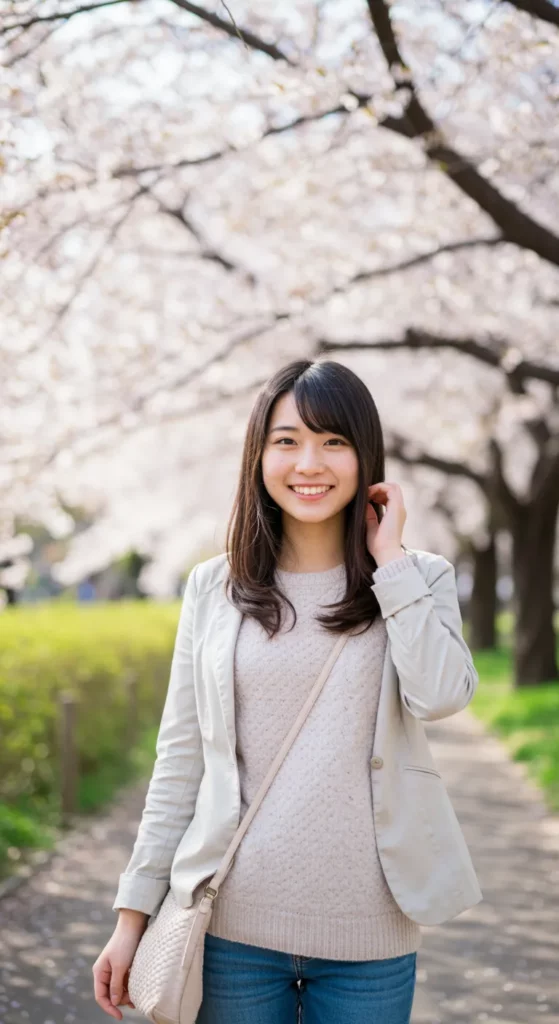
- Early spring (Mar): light wool sweater, light jacket or windbreaker; pair with long pants or a skirt.
- Mid spring (Apr): light jacket (denim or thin windbreaker) with long-sleeve T or blouse underneath.
- Late spring (May): light long-sleeve or short-sleeve tops with pants or skirts—comfortable and layered.
Summer (Jun – Aug)
- Average temps:
- Jun: 23°C (low ~20°C, high ~26°C)
- Jul: 27°C (low ~24°C, high ~31°C)
- Aug: 29°C (low ~25°C, high ~33°C)
- What to wear:
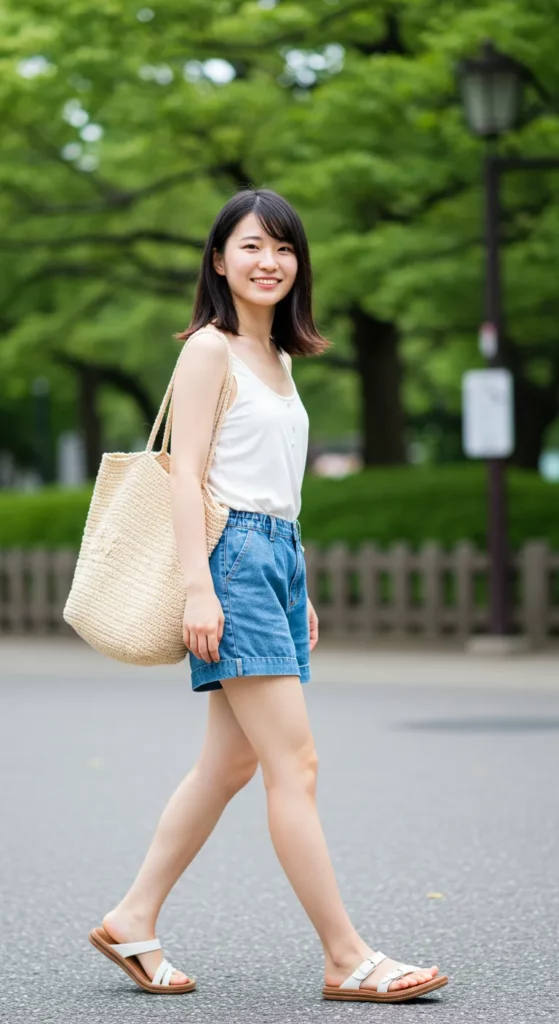
- Short-sleeves or lightweight shirts and shorts/skirts; breathable fabrics.
- Sandals or sneakers suitable for hot weather.
- Tokyo’s rainy season brings more rain—bring a compact raincoat or foldable umbrella.
Autumn (Sep – Nov)
- Average temps:
- Sep: 25°C (low ~22°C, high ~28°C)
- Oct: 19°C (low ~15°C, high ~23°C)
- Nov: 13°C (low ~8°C, high ~18°C)
- What to wear:
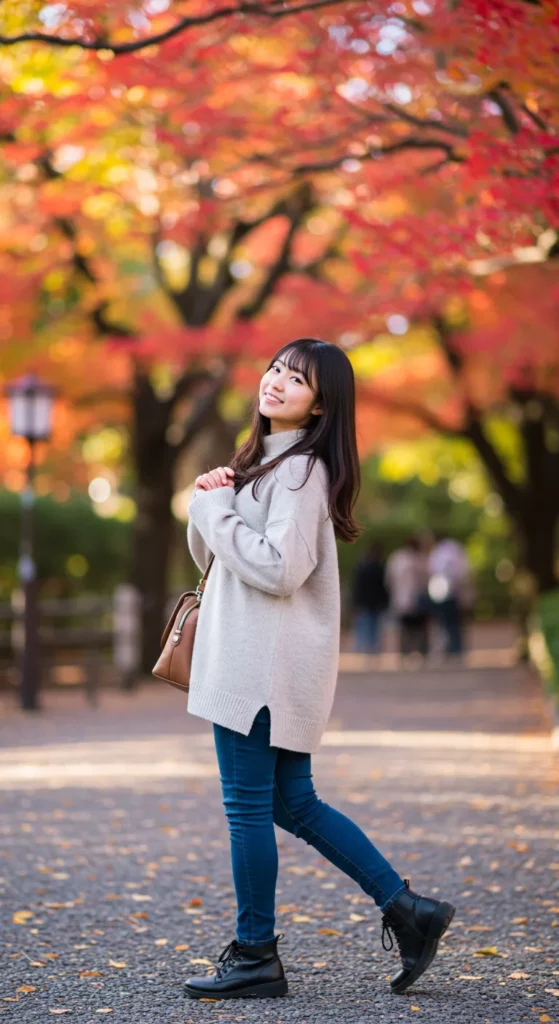
- Early autumn (Sep): thin long sleeves and a light jacket with pants.
- Mid/late autumn (Oct–Nov): wool layers or light sweaters; layer with shirts or long-sleeve tops.
Winter (Dec – Feb)
- Average temps:
- Dec: 8°C (low ~4°C, high ~12°C)
- Jan: 5°C (low ~2°C, high ~8°C)
- Feb: 7°C (low ~3°C, high ~10°C)
- What to wear:
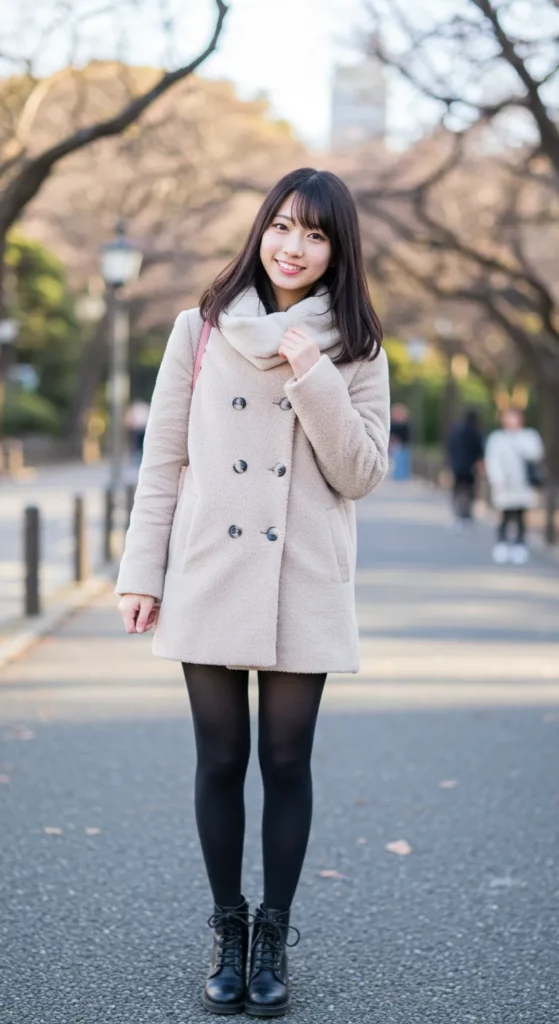
- Coats or padded jackets; layer with thick sweaters or wool outfits.
- Hats, scarves and gloves help keep extra warm.
- Wear non-slip shoes for chilly days.
🔥 Hot Tickets & Deals 🔥
💴 All the best Japanese department stores, cosmetics, and electronics deals — right here!!
Electronics + cosmetics + sundries

Bic Camera
(Discount vouchers are generally valid across Japan)

Yamada Denki
(Discount vouchers are generally valid across Japan)

EDION
Namba Main Store / Kyoto Shijo Kawaramachi / Akihabara Store

Don Quijote
(Discount vouchers are generally valid across Japan)

Matsumoto Kiyoshi
(Discount vouchers are generally valid across Japan)

COSMETICS AND MEDICAL (cosmetics)
Shin-Marunouchi Building / New Yurakucho Building / Otemachi FirstSquare / Otemachi Plaza / Kodemmacho / Higashi-Nihonbashi

COSMOS Cosmetics
(Discount vouchers are generally valid across Japan)

SUGI Pharmacy
(Discount vouchers are generally valid across Japan)

Daikoku Drugstore
(Discount vouchers are generally valid across Japan)

Tsuruha Drug
(Discount vouchers are generally valid across Japan)

Cocokara Fine Cosmetics
(Discount vouchers are generally valid across Japan)

Kokumin Cosmetics
(Discount vouchers are generally valid across Japan)

Hokkaido Drugstore “Satsudora”

Okinawa cosmetics chain “RYUSPA”
Department stores
Mitsui Outlet
Odaiba DiverCity
COREDO Muromachi
LaLaport
Lazona

Daimaru Matsuzakaya Department Stores
Umeda Store / Shinsaibashi Store / Tokyo Store / Matsuzakaya Ueno Store / Kyoto Store
Sapporo Store / Kobe Store / Shimonoseki Store / Matsuzakaya Nagoya Store / Matsuzakaya Shizuoka Store

Tobu Department Store Ikebukuro

Seibu Department Store
SOGO Department Store

Tokyo Rakuten Duty-Free Ginza
(GinzaNovo)

Odakyu Department Store Shinjuku
(Shinjuku West Exit)

Kintetsu Department Store
Osaka Abeno Harukas
Tax-free 10% + up to 5% extra discount

Keio Department Store Shinjuku
Tax-free 10% + up to 5% extra discount
Sports gear + apparel

JEANS MATE Clothing Store Coupon
Ikebukuro Store / Harajuku Takeshita Street Store / Kawasaki Store / Ofuna Store

Alpen Discount Coupon (sports goods)
(Discount vouchers are generally valid across Japan)
(Shinjuku store — Japan’s largest sports goods store)

L-Breath (sports goods)
(Discount vouchers are generally valid across Japan)

Victoria Golf (sports goods)
(Discount vouchers are generally valid across Japan)

Victoria (sports goods)
(Discount vouchers are generally valid across Japan)

Aoyama (The Suit Company)
Tax-free + extra 10% off coupon

Japanese luggage brand ACE
10% off coupon
🗼 Ueno Quick Tips 🗼
Attraction map
Attraction quick-route map
We suggest opening the map on your phone to plan a handy route.
Orange block (Ameya-Yokochō), Blue block (Okachimachi), Green block (Yushima area), Yellow block (Ueno Station), Red block (Ueno Park), Purple block (Shinobazu Pond)
🚶♂️ Ueno Station area 🚶🏻♀️
三省堂書店 Atre上野店
Sanseido Bookstore Atre Ueno
산세이도 서점 아트레 우에노점
三省堂书店 Atre上野店
 Tap to navigate
 🕖 10:00–21:00
Overview
Sanseido Bookstore — Atre Ueno
Address: 7-1-1 Ueno, Taito-ku, Tokyo — Atre Ueno WEST 1F
Official site: https://www.books-sanseido.co.jp/shop/atre_ueno/
Opening hours: 10:00〜21:00
What’s special
Sanseido at Atre Ueno doesn’t just sell the latest books, magazines and manga — it focuses on selections that echo Ueno’s rich arts and culture scene. Besides a generous book collection, the shop offers curated stationery and lifestyle goods. A highlight is the shop-in-shop “Jinbocho Ichinoichi,” which gathers stylish daily items, paper goods and gifts so you can enjoy hunting for small treasures while browsing. Note: this branch centers on books and goods and does not sell CDs or video media.
About the store
Located on WEST 1F inside JR Ueno Station’s Atre Ueno, the store is perfectly placed for travelers and commuters needing a quick cultural pit stop. Opened in December 2022 to continue the station’s bookish tradition, Sanseido brings its long-standing Kanda-Jinbocho expertise to Ueno — a neighborhood full of museums, galleries and a zoo — offering a bright, relaxed space where you can find travel info, art books or commuter reads.
BOOKCOMPASS 上野站店
BOOKCOMPASS Ecute Ueno Store
BOOKCOMPASS 에큐트 우에노점
BOOKCOMPASS 上野站店
Click to navigate 🕔 07:00 – 22:00
Introduction
BOOKCOMPASS ecute Ueno
Address: 7-1-1 Ueno, Taito-ku, Tokyo — JR East Ueno Station, 3rd floor (inside ecute Ueno)
Official site: https://www.ecute.jp/ueno/shop/535
Opening hours: Mon–Fri 07:00〜22:00 / Sat, Sun & public holidays 07:00〜21:00
What’s special
As an “ekinaka” (station) bookstore inside JR Ueno’s paid area, BOOKCOMPASS at ecute focuses on traveler- and commuter-friendly picks: bestsellers, business books and magazines, plus displays that reflect Ueno’s cultural vibe. There’s a panda-themed corner with photo books, picture books and panda goods — great for souvenirs. The shop often ties in with nearby museums’ major exhibitions, offering related art books and guides, and selects compact pocket editions and travel guides ideal for train trips.
About the store
Located on the 3rd floor of ecute Ueno, this bright, easy-to-browse shop is ideal when you’re transferring trains or killing time. Its concept is a “knowledge pit-stop for commuting, studying and travel” — not a giant bookstore, but smartly curated with local charm, making it a must-visit for book lovers and travelers. Opening at 7 AM is a handy bonus for early starters.
飛行船劇院
Airship Theater
비행선 극장
飞行船剧院
 Click to navigate
 Fees vary by exhibition
Introduction
Hikosen Theater (飛行船シアター)
Address: 4-24-11 Higashi-Ueno, Taito-ku, Tokyo
Official site: https://hikosen-theater.com/
Opening hours: Vary by performance (facility hours typically 09:00〜22:00)
Tickets: Vary by show
Overview
Hikosen Theater in Ueno blends traditional stagecraft with modern tech. Its standout feature is 270-degree projection mapping that covers not only the front stage but the side walls too, creating a deeply immersive visual experience. Run by the well-known Gekidan Hikosen troupe, the venue stages puppet musicals, 2.5D shows adapted from anime/games, voice-actor events and concerts — a lively hub for Japan’s pop culture and performing arts.
History & cultural note
The theater evolved from the long-standing Ueno Gakuen Ishibashi Memorial Hall (opened 1974), famed for its acoustic design. In spring 2022 it was renovated and relaunched by Bushiroad Music as Hikosen Theater. The venue keeps the hall’s excellent sound characteristics while adding modern visual tech — symbolizing continuity and renewal. Gekidan Hikosen, with over 55 years of history and international recognition for its Mask Play puppet performances, helps bridge traditional theatre craft and contemporary pop-culture shows, making the theater a unique cultural crossroads.
部分
In part
일부
部分
 Click to navigate
 🕔 12:00 – 18:00
Curated shop
Introduction
In part
Address: Tokyo, Taito-ku, Higashi-Ueno 3-9-6
Official site: https://www.instagram.com/in_part__/
Opening hours: 12:00〜18:00 (irregular holidays — please check the official Instagram before you go)
What they sell
In part is a low-key, tastefully curated select shop focused on quality and craftsmanship. Their best-known item is the moccasin-style shoes from the label “Stock No.”. Besides footwear, the shop carefully selects clothing, lifestyle goods, and artisan pieces. The picks aren’t trend-chasing — they aim for a timeless, everyday feel, each item carrying the maker’s personal touch.
About the shop
Tucked away from the bustle of Ameyoko, In part quietly sits in the alleys of Higashi-Ueno, offering a calm, focused vibe. The space isn’t huge, but thoughtful displays and natural light create a relaxed shopping atmosphere. It’s more than a store — it acts like a gallery-shop and often hosts trunk shows or solo exhibitions. If you love discovering small brands, value good living, and appreciate meticulous Made-in-Japan craft, In part is a lovely secret base in Ueno.
🚶♂️Ueno Park area🚶🏻♀️
Ueno Park – Tokyo’s largest park
Ueno Park is one of Tokyo’s biggest and most popular parks, offering wide open spaces and a variety of sights and facilities. Famous for its cherry trees, ponds, walkways, and cultural institutions, it’s an ideal spot for both locals and visitors to unwind. Every spring the park’s cherry blossoms attract crowds from all over, making it one of Tokyo’s top hanami destinations.
Beyond the sakura, Ueno Park offers plenty of natural scenery. In summer, shady trees around the ponds make great spots to escape the heat; in autumn the colorful leaves are a photographer’s dream. You can sit on a bench by the water, picnic with friends, or rent a boat for a leisurely ride. The park also hosts museums and a zoo, so whether you want to relax or soak up culture, Ueno Park has you covered.
With its mix of nature and culture — from museums to the zoo — Ueno Park is perfect whether you’re after a peaceful stroll or a deeper dive into Japanese history and art.
上野恩賜公園
Ueno Onshi Park
우에노 온시 공원
上野恩赐公园
 Tap to navigate
 🕘05:00〜23:00
Introduction
Ueno Onshi Park
Address: Tokyo, Taito-ku, Ueno Park 5-20
Official site: https://www.kensetsu.metro.tokyo.lg.jp/jimusho/toubu/ueno/index_top.html
Opening hours: 05:00〜23:00 (individual facilities such as the zoo and museums have different hours — typically 09:30〜17:00)
Admission: Park entry is free (some facilities like the zoo, museums, and special exhibitions require separate tickets)
About the spot
Often called “Tokyo’s cultural forest,” Ueno Park is a lush, representative green heart in the busy city. The park is home to the famous Ueno Zoo and several major museums — notably the Tokyo National Museum, the National Science Museum, and the National Museum of Western Art — making the area rich in art and history. The park’s southern area features the large Shinobazu Pond with lotus flowers in summer and boat rentals for leisurely rides. In spring around 800–1,200 cherry trees burst into bloom, creating one of Japan’s most beloved hanami scenes. At the park entrance stands the iconic bronze statue of Saigo Takamori — a popular meeting point and photo spot.
History and cultural highlights
Ueno Park’s history stretches back to the Edo period; the land once fell within the grounds of the Tōshōgū shrine area. In the Meiji era the area was preserved as public green space — influenced by Dutch engineer Anthonius Bauduin’s proposal — and in 1873 it became Japan’s first public park. In 1924, Emperor Taishō formally handed park administration to Tokyo, which is why the park bears the respectful name “Onshi” (imperial gift). Today the park is not only a symbol of modern Japan’s urban green space but also a lively cultural hub where nature and world-class museums meet.
西鄉隆盛雕像
Statue of Saigo Takamori
사이고 다카모리 동상
西乡隆盛雕像
Tap to navigate Introduction
Ueno — Saigo Takamori Statue
Address: Tokyo, Taito-ku, Ueno Park 1 (inside Ueno Park)
Official site: https://www.kensetsu.metro.tokyo.lg.jp/jimusho/toubuk/ueno/
Opening hours: 05:00〜23:00 (park opening hours)
Admission: Free to enter
About the statue
This large bronze statue near Ueno Park’s entrance honors Saigo Takamori, a key figure of the Meiji Restoration. The statue stands about 3.7 meters tall (including an 1.8 m base) and depicts Saigo in simple clothes and straw sandals, strolling casually with his beloved dog (named Tsun) — a very approachable, down-to-earth image that contrasts with formal military statues. It’s not only a famous landmark but also a favorite meeting spot for locals and visitors alike.
History and a local anecdote
The statue was unveiled in Meiji 31 (1898), 21 years after Saigo’s death, and was primarily created by the renowned sculptor Takamura Kōun, with the dog sculpted by the animal sculptor Goto Seikō. Over time it gained both fame and folklore: at the unveiling, a spectator famously quipped “My husband doesn’t look like that!” which has fueled generations of playful speculation — some say the statue is just strikingly lifelike, others joke about the contrast between the casual pose and the heroic image. Whatever the reason, the “Saigo with his dog” statue is an indispensable part of Ueno’s cultural landscape and a charming slice of modern Japanese history and myth.
上野之森美術館
The Ueno Royal Museum
우에노노모리 미술관
上野之森美术馆
Tap to navigate 🕖10:00〜17:00
Overview
Ueno Royal Museum
Address: 1-2 Ueno Park, Taito-ku, Tokyo
Official website: https://www.ueno-mori.org/
Opening hours: 10:00〜17:00 (last entry 16:30)
Admission: Varies by exhibition — please check the official website
About
The Ueno Royal Museum sits in leafy Ueno Onshi Park right next to the big national museums, but it has its own vibe: rotating exhibitions full of creativity, from contemporary art and manga to traditional painting. Its terraced architecture and green setting make it a relaxed, friendly place to enjoy art — a must-stop for culture lovers exploring Ueno.
History & cultural notes
Opened in 1972 and run by the Japan Art Association, the museum focuses on promoting and discovering new art rather than only housing a permanent collection. It organizes signature events like the annual Ueno Royal Museum Grand Exhibition and the VOCA Exhibition, which are important showcases for contemporary Japanese artists. The museum brings art into public life with a lively mix of established and emerging talents.
彰義隊戰死者紀念碑
Shogitai War Dead Monument
쇼기타이 전사자비
彰义队战死者纪念碑
Tap to navigate Introduction
Ueno — Mound of the Shōgitai War Dead
Address: Ueno Park 8 (inside Ueno Onshi Park)
Official website: https://www.city.taito.lg.jp/
Opening hours: 05:00〜23:00 (aligned with Ueno Park opening hours)
Admission: Free
Spot overview
Tucked behind the famous Saigō Takamori statue and surrounded by trees, this quiet stone mound marks the final resting place of members of the Shōgitai who fell during the fierce Ueno battle at the end of the Edo period. It’s a small, somber corner of the park that contrasts with the surrounding greenery.
Historical background
In 1868 (Keiō 4), with the Tokugawa regime collapsing, a group of samurai formed the Shōgitai to resist the new government. The fierce clash on Ueno Hill — later called the Ueno War — saw the new government’s forces attack and break the Shōgitai defenses on May 15. The site preserves the memory of that tragic episode.
From condemnation to remembrance
After the war the Shōgitai were treated as rebels and their remains were neglected, but later they were gathered and reburied here; a memorial was erected in 1874. Today the mound sits near Saigō’s statue — a reminder that history’s judgments change over time, and both sides now share the park for visitors to reflect upon.
📷 View Full Attractions
清水觀音堂
Kiyomizu Kannon Hall
기요미즈 관음당
清水观音堂
 Tap to navigate
 🕖09:00〜17:00
Overview
Kiyomizu Kannon Hall
Address: 1-29 Ueno Park, Taito-ku, Tokyo
Opening hours: 🕖09:00〜17:00
Spot description
Kiyomizu Kannon Hall sits inside Ueno Onshi Park and offers a delightful slice of historical Tokyo. Its wooden stage, inspired by Kyoto’s Kiyomizu-dera, gives lovely views over the pond — especially during cherry blossom season when reflections make perfect photo moments. The distinctive “Moon Pine” in front is a top photography spot. Inside, the thousand-armed Kannon and the right-side Koyasu Kannon (for safe childbirth and child blessings) attract many worshippers. The monthly “Morning Dharma” on the first of each month is a popular local event.
Historical background
The hall dates back to 1631 and was founded by the Tendai priest Tenkai. Modeled after Kyoto’s Kiyomizu temple, it was moved to the present Ueno site in 1694. Having survived fires, the Ueno battle, and wartime damage, it was restored in 1996 and is now an important cultural asset that beautifully blends architecture, nature, and Edo-period spiritual life.
Cultural notes
More than a temple, Kiyomizu Kannon Hall reflects Edo-period culture and everyday beliefs. The thousand-armed Kannon and the Koyasu Kannon symbolize hopes for protection, safe childbirth, and family well-being. The hall’s harmony of building and landscape is a nice example of the Japanese idea of borrowing nature to create scenic balance — perfect for quiet reflection and taking memorable photos.
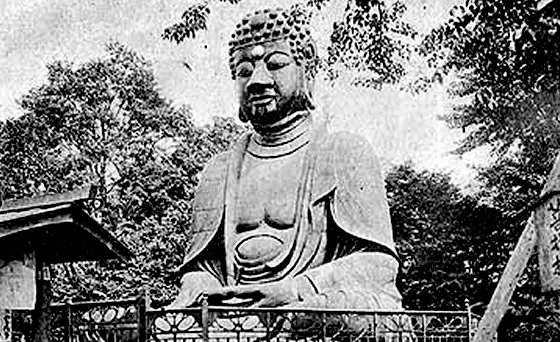
上野大佛
Ueno Daibutsu
우에노 다이부츠
上野大佛
Tap to navigate Introduction
Ueno Great Buddha
國立西洋美術館
National Museum of Western Art
국립 서양 미술관
国立西洋美术馆
Click to navigate 🕖 9:30–17:30
Overview
National Museum of Western Art
Address: Ueno Park 7-7, Taito-ku, Tokyo
Official site: https://www.nmwa.go.jp/
Opening hours: 09:30〜17:30 (Fridays & Saturdays open until 20:00)
Admission: Permanent exhibition: General ¥500 / University students ¥250 (Special exhibition tickets sold separately)
Overview
Nestled in Ueno Park, the National Museum of Western Art is Japan’s only national museum dedicated to Western art. Built around the Matsukata Collection, it houses rich Impressionist paintings and Rodin sculptures — think Monet’s Water Lilies and Rodin’s The Thinker and Gates of Hell. Beyond the artworks, architecture lovers flock here: the main building was personally designed by modernist master Le Corbusier and showcases his idea of a “museum as a growing organism,” full of geometric beauty and clever use of space.
History & cultural significance
The museum was created after World War II to preserve and display the Western artworks collected by Kōjirō Matsukata, many of which were returned from France. Established by the Japanese government in 1959, the museum became a key gateway for Western art in Japan and a symbol of postwar cultural exchange.
In 2016 the main building was inscribed by UNESCO as part of “The Architectural Work of Le Corbusier,” making it Tokyo’s only UNESCO World Cultural Heritage building. Features like the 19th-century gallery, the spiral circulation, and distinctive daylighting all reflect Le Corbusier’s exploration of people, architecture, and nature — so it’s a treat both for art lovers and architecture nerds.
國立科學博物館
National Museum of Nature and Science
국립 과학 박물관
国立科学博物馆
Click to navigate 🕧09:00〜17:00
Overview
National Museum of Nature and Science
Address: Ueno Park 7-20, Taito-ku, Tokyo
Official site: https://www.kahaku.go.jp/chinese_trad/
Opening hours: 09:00〜17:00 (Fridays & Saturdays extended to 20:00; closed Mondays)
Admission: ¥630 (general / university students). Free for high school students and younger and ages 65+ (special exhibitions may require separate tickets)
Overview
Located inside Ueno Park, the National Museum of Nature and Science is Japan’s only national comprehensive science museum — a family favorite and a treasure trove for science buffs. The complex is split into the “Japan Gallery” and the “Global Gallery.” The Japan Gallery focuses on Japan’s natural environments and living creatures, including the famous Hachikō specimen and other notable national treasures. The Global Gallery traces Earth’s life history and scientific progress with impressive dinosaur skeletons, large mammal displays, and the immersive “THEATER 360” dome 3D theater that lets you feel like you’re drifting above the planet or deep inside an original forest — great for hands-on, immersive learning.
History & cultural value
The museum’s roots go back to 1877 (Meiji 10), making it one of Japan’s oldest museums. The Japan Gallery building itself, completed in 1931 in a modern-revival style inspired by aeronautical shapes, is a historic asset and was designated an Important Cultural Property in 2008. The museum’s core idea — “the coexistence of humanity and nature” — is expressed through a systematic collection of over 4.5 million specimens, preserving natural history and scientific data for research and public education. It’s not just an exhibition space but a major center for natural science research in Japan, connecting past collections with future scientific discovery.
恩賜上野動物園
Ueno Zoological Gardens
우에노 동물원
恩赐上野动物园
 Click to navigate
 🕧09:30〜17:00
Overview
Ueno Zoo
Address: Ueno Park 9-83, Taito-ku, Tokyo
Official site: https://www.tokyo-zoo.net/zoo/ueno/
Opening hours: 09:30〜17:00 (last tickets at 16:00, closed every Monday)
Admission: Adults ¥600 / Seniors (65+) ¥300 / Junior & senior high students ¥200 / Elementary students and under: free
Highlights
Ueno Zoo sits in the lush, cultural setting of Ueno Park and is Tokyo’s oldest zoo — a green oasis in the city. The zoo cleverly uses the park’s hilly terrain and ponds, split into East and West Gardens. East Garden, higher up, houses historic structures like the Five-Story Pagoda and residents such as tigers, giraffes, and polar bears. Cross the iconic “Inohashi Bridge” to the West Garden to find the picturesque pond habitats and the beloved “Bear Cat Forest,” home to red pandas and other crowd-pleasers. The zoo’s stars right now are the panda pair “Xiao Xiao” and “Tai Tai,” whose cute antics melt countless hearts. The zoo also features the charismatic pelican-like shoebill — a must-see for bird fans.
History & cultural notes
Ueno Zoo’s history dates back to 1882 (Meiji 15), making it Japan’s oldest zoo and a witness to Tokyo’s modernization. The name “Ueno” became closely linked to the zoo after Emperor Taishō transferred the imperial menagerie to the city in 1924, turning it into a public leisure spot. The park preserves cultural assets like the Old Bentendo Five-Story Pagoda and a traditional teahouse “Seirengei,” letting visitors enjoy both wildlife and the deep Edo/Tokyo historical atmosphere.
舊東京音樂學校奏樂堂
Former Tokyo Music School Sogakudo
구 도쿄 음악학교 소가쿠도
旧东京音乐学校奏乐堂
 Click to navigate
 🕧09:30〜16:30
Overview
Kyu-Tokyo Music School Sogakudo
Address: Taito-ku, Tokyo, Ueno Park 8-43
Official website:https://www.taitogeibun.net/sougakudou/
Opening hours: 09:30〜16:30 (last entry 16:00)
Notes: Open Sundays, Tuesdays and Wednesdays. Thursdays, Fridays and Saturdays open when the hall is not in use. Closed every Monday (if Monday is a public holiday, closed the following day).
Admission: Adults ¥300 / Elementary, junior & senior high students ¥100
About
Nestled in Ueno Park, the Kyu-Tokyo Music School Sogakudo is Japan’s oldest surviving Western-style wooden concert hall. This elegant building is not only where Western music education took root in Japan, it’s also an important cultural asset. Inside you’ll find a preserved Meiji-era atmosphere and superb acoustics — the hall still hosts concerts today. Step in and you might just feel like you’ve time-traveled to a century-old recital, wrapped in artsy vibes.
History & cultural notes
The hall was first built in Meiji 23 (1890) as the school and performance hall for the Tokyo Music School (now Tokyo University of the Arts). It was designed by Yamaguchi Hanroku and Kurusu Masamichi, with acoustics by Uehara Rokushirō. The main pipe organ was made by Abbott & Smith and is one of the oldest organs used in Japanese concert halls. Over time the building faced the risk of demolition, but in 1987 it was dismantled, restored and relocated (within the Tokyo University of the Arts grounds) to preserve it. The hall witnessed the growth of modern Japanese music greats such as Toshiro Mayuzumi and Kōūsaku Yamada, making it an indispensable cultural relic for understanding Japan’s modern music history. Besides admiring the pretty architecture, the exhibition room also displays many precious items related to music education in Japan.
東京國立博物館
Tokyo National Museum
도쿄 국립 박물관
东京国立博物馆
Click for directions 🕖09:30〜17:00
Overview
Tokyo National Museum
Address: 13-9 Ueno Park, Taito-ku, Tokyo
Official website:https://www.tnm.jp/
Opening hours: 09:30〜17:00 (Fridays & Saturdays extended to 20:00; last admission 30 minutes before closing)
Admission: Adults ¥1,000 / University students ¥500 (Free for high school students and younger, visitors under 18, and those aged 70+)
Overview
Tokyo National Museum (TNM) sits inside Ueno Park and is Japan’s oldest and largest museum. Its collection is vast — over 120,000 items, including 89 National Treasures and 649 Important Cultural Properties (as of 2024). The museum is made up of six main buildings: the Honkan (Japanese art), the Toyokan (Asian art), the Heiseikan (special exhibitions and archaeology), the Horyuji Treasures Gallery, the Hyokeikan (representative Meiji-era Western-style architecture), and the Kuroda Memorial Hall. Strolling through displays from ancient pottery to Edo and modern masterpieces — plus Buddhist statues and crafts from across Asia — makes the museum a must-visit for anyone wanting a compact, rich intro to Japanese and Asian art.
History & cultural notes
TNM’s roots go back to Meiji 5 (1872), when exhibitions were first held at the Saihoji Temple site; the museum moved to its current Ueno Park location in 1882. As the premier museum of Japan, its buildings and collections reflect the country’s path to modernization. The iconic Honkan was completed in 1938 by architect Watanabe Jin and blends steel-framed reinforced concrete with Japanese roof aesthetics. The Hyokeikan (1909) was built to celebrate imperial events and shows a rare Western-style ceremonial architecture in Japan. More than just a storage for artifacts, TNM actively preserves and presents Japanese cultural heritage through regular and special exhibitions, gardens (open in spring and autumn) and tea rooms — letting visitors experience Japan’s “wa” spirit through both objects and setting.
寬永寺
Kanei-ji Temple
간에이지 절
宽永寺
Click for directions 🕖10:00〜16:00
Overview
Tōeizan Kaneiji Temple
Address: 1-14-11 Ueno Sakuragi, Taito-ku, Tokyo
Official website:http://kaneiji.jp/
Opening hours: 10:00〜16:00 (depends on main hall worship times)
Admission: Free to visit (special tours/visits to the Tokugawa mausolea may require reservation and a fee)
Spot description
Kaneiji sits quietly behind Ueno Park and was once the grand temple closely tied to the Tokugawa shogunate. Although its present form is much smaller than its heyday in the Edo period, the temple still radiates a solemn, historical air. Within the grounds you’ll find the Konponchō (main hall), Tokugawa family mausolea and other important cultural assets. Compared to the bustling park, Kaneiji offers a slice of calm and history — a peaceful spot where you can absorb traces of the Edo era. The temple’s natural scenery changes through the seasons, especially beautiful with autumn leaves and spring cherry blossoms.
History & cultural notes
Kaneiji was founded in 1625 by the Buddhist master Tenkai to protect Edo Castle’s northeast — a direction traditionally considered spiritually inauspicious — and it was granted the honorary title “Tōeizan.” In the Edo period the temple occupied a prime location and served as a family temple and mausoleum for many Tokugawa branches. The temple compound once covered a very large area that included much of what is now Ueno Park and nearby sites. Kaneiji suffered heavy damage during the end-of-Edo battles and many buildings were burned, but later restorations and surviving structures still tell the 300-year story of Tokugawa-era culture. Walking here gives you a feel for those layered histories amid a surprisingly quiet oasis.
🚶♂️Shinobazu Pond Area🚶🏻♀️
下町風情資料館
Shitamachi Tanabata Museum
시타마치 풍정 자료관
下町风情资料馆
Click for directions 🕖09:30-16:30
👉Tokyo MUSEUM Pass
Overview
Shitamachi Folk Museum (Taitō Ward Shitamachi Museum)
Address: Ueno Park 2-1, Taitō, Tokyo
Official website: https://www.taitogeibun.net/shitamachi/
Opening hours: 09:30–16:30 (last admission 16:00)
Admission: Adults ¥300 / Children & students ¥100
Overview
Near Ueno Onshi Park, the Shitamachi Folk Museum preserves and recreates everyday life in Tokyo’s old downtown (shitamachi). The first-floor exhibits realistically recreate 1950s–1960s downtown streets — shops, traditional row houses and public spaces — many items are hands-on so you can really step into the past. The second floor showcases toys, tools and historical materials from Meiji to early Showa, tracing how ordinary life changed over time.
History & cultural notes
Shitamachi has long been Tokyo’s center of artisan culture and tight neighborhood ties. After the 1923 Great Kanto Earthquake and the 1945 air raids, much was lost. Rapid postwar growth and the 1964 Tokyo Olympics threatened these traditions, so local residents and supporters worked to preserve memories and opened the museum in 1980. Many items were donated by local families and carry personal stories. The museum not only records history but also conveys the resilient, community-minded spirit of shitamachi — a great place to understand modern Tokyo’s roots in a friendly, down-to-earth way.
不忍池
Shinobazu Pond
시노바즈 연못
不忍池
Click to navigate Introduction
Ueno Shinobazu Pond
Address: Ueno Park / Ikenohata 3-chome, Taitō, Tokyo
Official website: https://www.kensetsu.metro.tokyo.lg.jp/jimusho/toubuk/ueno/index_top.html
Opening hours: 05:00–23:00 (park access); 09:00–17:00 (Bentendō); 10:00–17:30 (boat rentals — seasonal)
Admission: Free (boat rentals extra; reservation ¥600–¥800 / 30 min)
Spot overview
Shinobazu Pond in southern Ueno Park is a roughly 2-hectare natural pond divided into three areas: the lotus-filled ‘Hasu Pond’, the wildlife-friendly ‘Carp Pond’, and the ‘Boat Pond’ for pleasure boats and rowboats. Each season brings a different vibe — spring cherry blossoms, summer lotus blooms that carpet the water in pink, and golden reeds with migratory birds in autumn and winter. The octagonal Bentendō in the center is an iconic photo spot and a peaceful focal point where nature and culture meet.
There are often food stalls around the pond selling casual bites like grilled octopus, adding local, festival-like charm. A lovely spot to slow down, watch birds, or rent a boat for a short, calming ride.
不忍池辯天堂
Shinobazu Pond Bentendo
시노바즈 연못 벤텐도
不忍池辯天堂
Click to navigate 🕖07:00–17:00
Introduction
Bentendō at Shinobazu Pond
Address: Ueno Park 2-1, Taitō, Tokyo
Opening hours: 🔖07:00–17:00
Spot overview
Bentendō sits on the small artificial island (Naka-no-shima) in Shinobazu Pond and is an octagonal temple full of charm. Its green roof, red pillars and white walls stand out against the water — perfect for photos. In summer, the lotus blooms around it create a dreamy scene. Food stalls nearby sell snacks and add lively local energy. The hall enshrines the eight-armed Benzaiten — a guardian of music, arts and wealth — and draws worshippers seeking blessings, especially during the lively September festival.
History
Bentendō was originally founded in the early Edo period (around 1625) by a Tendai monk and became a popular pilgrimage site. Visitors once crossed by small boats to reach the island; a stone bridge was later built in the 1660s to make access easier. The original building burned in the 1945 air raids, and the current structure was reconstructed in reinforced concrete in 1958, keeping the traditional octagonal style. The temple ceiling features the painting ‘Golden Dragon’ by artist Kodama Kibou, adding a strong artistic vibe.
Cultural notes
Bentendō is more than a shrine — it’s a cultural symbol of Edo/Tokyo life, balancing religion, art and city spirit. The enshrined eight-armed Benzaiten, depicted with musical instruments rather than the usual snake, symbolizes removing worries and bringing long-lasting blessings, arts and prosperity — which explains why musicians, artists and businesspeople come to pray. The summer lotus show and winter pond views, together with the temple’s atmosphere, make Bentendō a beloved symbol of shitamachi culture and a favorite spot for both locals and visitors seeking calm and a cultural snapshot of old Tokyo.
花園稻荷神社
Hanazono Inari Shrine
하나조노 이나리 신사
花园稻荷神社
Click to navigate 🕖09:00–17:00
Introduction
Ueno Hanazono Inari Shrine
Address: 4-17 Ueno Park, Taito-ku, Tokyo
Official site: https://www.city.taito.lg.jp/ (Taito City tourist info)
Opening hours: 09:00~17:00 (office)
Admission: Free
Spot overview
Tucked quietly inside Ueno Onshi Park, Hanazono Inari feels like a tiny pocket of magic in the city. Its most eye-catching feature is the neat row of small red torii gates forming a photogenic path—less massive than Kyoto’s famous shrine gates, but the scarlet trail weaving under green trees is unexpectedly charming and full of atmosphere. Walk through the gates and you’ll feel the city melt away; the air gets calm and almost reverent. The shrine is also famous for strong “enmusubi” (matchmaking) power, so lovers, couples and anyone hoping for better relationships often drop by to pray.
History & cultural notes
Originally called “Shinobugaoka Inari,” this shrine’s history goes back to the early Edo period. Legend says the area used to be a resting ground for foxes, and people built a small cave shrine to comfort them—hence the old name “Ana Inari” (Cave Inari). In 1654 a disciple reportedly had a divine dream that led to rebuilding the neglected shrine and appointing a guardian deity for Ueno. It was later renamed Hanazono Inari during the Meiji era. You can still find traces of the old “Ana Inari”—a mysterious stone cave near the current building—so the shrine blends nature-worship (the fox lore) and Buddhist tradition. For locals, it’s long been a spiritual anchor for the lively Ueno neighborhood.
鰻魚割烹 伊豆榮 梅川亭
Eel Kappo Izuei Umekawatei
장어 갓포 이즈에이 우메카와테이
鳗鱼割烹 伊豆荣 梅川亭
 Click for directions
 🕖11:00~15:00
🕖17:00~21:00
Overview
Tai Kappo Izuei Umegawatei
Address: 4-34 Ueno Park, Taito-ku, Tokyo
Official site: http://www.izuei.co.jp/
Opening hours:
Tue–Sun & holidays 11:00~15:00
Tue–Sun & holidays 17:00~21:00
Closed on Mondays
Tabelog rating: 3.53
Price range:
Dinner ¥10,000~¥14,999
Lunch ¥5,000~¥5,999
Restaurant highlights
“Izuei” is a long-standing Edo-period restaurant with a history of preserving classic flavors. Umegawatei sits inside scenic Ueno Park and offers a refined, quietly elegant Japanese setting—like a peaceful hideaway in the middle of the city.
The restaurant’s specialty is the traditional “Edo-style sea bream” preparation: the fish is butterflied and treated from the back, then roasted, steamed and repeatedly basted with a savory-slightly-dry sauce before a final charcoal finish. This time-tested technique gives the sea bream a rich aroma, a silky texture and an utterly delicious finish.
Izuei offers private rooms from a few guests up to several dozen (set-course booking required). The roomy, calm spaces are perfect for receptions, banquets, formal family gatherings (memorials, weddings), or other important occasions.
上野東照宮
Ueno Toshogu Shrine
우에노 도쇼구
上野东照宫
Click for directions 🕖09:30~16:30
Overview
Ueno Toshogu Shrine
Address: Taito-ku, Tokyo — Ueno Park 9-88
Official website: https://www.uenotoshogu.com/
Hours:
Winter (Oct–Feb) 09:00–16:30
Summer (Mar–Sep) 09:00–17:30
Admission:
Grounds: Free
Shrine halls (close-up viewing of the Golden Hall, Karamon gate, etc.): Adults (junior high & up) ¥500, Elementary school ¥200
Plum Garden: Entry ¥1,000 (open during blossom season; may include shrine access — check the official site)
About the spot
Located in the artsy Ueno Onshi Park, Ueno Toshogu is famous for its lavish gilding and honors Tokugawa Ieyasu, founder of the Edo shogunate. Walk through the impressive stone torii and along the approach lined with hundreds of stone and bronze lanterns donated by feudal lords — very photogenic. The main attractions are the gold-covered shrine buildings and the ornate Karamon gate that sparkle in sunlight. The shrine’s plum garden is a seasonal highlight, with winter–spring blossoms adding softness and life to the solemn site.
History and cultural significance
Tokyo's Hottest Tickets: Smart Travelers Always Compare Prices!
Tokyo's Hottest Tickets: Smart Travelers Always Compare Prices!
Tokyo's Hottest Tickets: Smart Travelers Always Compare Prices!
Tokyo's Hottest Tickets: Smart Travelers Always Compare Prices!
🚶♂️ Ameyoko (Ameya-Yokocho) area 🚶🏻♀️
上野阿美橫
Ueno Ameyoko
우에노 아메요코
上野阿美横
Tap to navigate Introduction
Ameyoko
Ameyoko (Ameya-Yokocho) in Ueno, Tokyo is a lively, roughly 500-meter shopping street stretching from JR Ueno Station to Okachimachi. Around 400 shops sell everything from fresh seafood and dried goods to clothes and cosmetics—lots of variety at wallet-friendly prices, so it’s a magnet for tourists and locals alike.
The covered area under the footbridge between JR Ueno and Okachimachi is a bustling market where cars are banned, making it perfect for relaxed strolling and store-hopping. The market spreads out wide—no matter which direction you enter from, you’ll find something fun to discover.
There are two stories about the name. One says “Ame” (Ame) came from “America,” because the area used to sell many American goods after the war (think Hershey’s). The other says “Ame” comes from the Japanese word for candy (あめ), since the market once sold lots of sweets—hence the nickname “candy street.”
Every year at year-end the market holds a lively “Toshi-no-ichi” (year market) where shopkeepers shout and bargain energetically, drawing big crowds. There are also plenty of food stalls offering grilled seafood, skewers, sweets and more—perfect for grazing while you walk.
Today Ameyoko still keeps its unique market vibe, blending tradition and modern culture. It’s a great spot to soak up local life and grab some bargains. Go for a walk and feel the story-filled atmosphere yourself.
Crown Ace 上野店
Crown Ace - Ueno Branch
크라운 에이스 우에노점
Crown Ace 上野店
 Tap to navigate
 🕖 11:00–14:00
🕖 16:00–19:00
Introduction
Crown Ace Coffee Shop Ueno (クラウンエース)
Address: 6-12-11 Ueno, Taito-ku, Tokyo
Hours:
Mon, Tue, Thu–Sat 11:00–14:00 / 16:00–19:00
Sun 11:00–15:00
Closed Wed
Tabelog rating: 3.55
Budget: ~¥999
Highlights
Founded in Showa 48 (1973) under the Ueno overpass, Crown Ace is a cozy, retro coffee shop full of Showa-era charm. Known for great value, it’s a hidden favorite among coffee lovers and longtime locals.
The menu is very simple—think “Special Coffee” and hearty set options like hamburger-steak or fried pork-cutlet served with coffee. The pork-cutlet set is a bargain (about ¥650) and a top pick for many. The rich, slightly spicy sauce and bold flavors pair surprisingly well with slightly firm rice. The “Special Coffee” set even comes with a slow-braised pork-belly piece—one of the shop’s signatures.
With just 16 bar seats, the place runs on a ticket system and turns tables fast—perfect for solo diners wanting a quick, tasty meal. If you want a taste of retro Ueno flavors and friendly vibes, this is a solid pick.
山城屋
Yamashiroya
야마시로야
山城屋
 Tap to navigate
 🕖 11:00–21:30
Toy store
Introduction
- 1st floor: Trendy toys — showcases the hottest new items.
- 2nd floor: Anime and overseas character goods — lots of related merchandise.
- 3rd floor: Puzzles, game characters and trading card area — perfect for gamers.
- 4th floor: Children’s toys — fills kids’ needs.
- 5th floor: Models and figures — draws collectors.
- Basement 1: Cute character goods — all kinds of adorable items.
Galant
Galant
갸란
Galant
 Click for directions
 🕖 08:00–22:30
Introduction
GALANT (ギャラン)
Address: Tokyo, Taito-ku, Ueno 6-chome 14-4
Official website: None
Hours: 08:00〜22:30
Tabelog rating: 3.57
Price range: ¥1,000〜¥1,999
Restaurant highlights
“GALANT” opened in 1977 near Ueno Station and is a classic Showa-era kissaten (traditional café). The interior leans into a “Showa glamour” vibe — glittering lamps, leather sofas and deep-toned woodwork — giving off a warm, nostalgic atmosphere.
This is more than a chill spot: the menu steals the show. Must-tries include the dreamy green cream soda (Cream Soda), the rich and comforting Napolitan pasta (ナポリタン), plus Japanese-style sweets and parfaits such as fruit and chocolate sundaes. With about 100 seats and roomy spacing, it’s perfect for groups or a relaxed solo stop.
【Important info】
* Smoking: Smoking allowed throughout (a feature of traditional kissaten).
* Payment: Cash only.
📷 View Full Attractions
第四代 大野屋冰室
Yondaime Ohnoya Himuro
4대 오노야 히무로
第四代 大野屋冰室
 Click to navigate
 🕖 12:00〜17:00
Overview
Yondaime Oonoya Himuro (四代目大野屋氷室)
Address: Tokyo, Taito-ku, Ueno 6-14-1 1F
Official website: https://www.yondaimeoonoya.com/
Hours:
Tue–Sun 12:00〜17:00 (L.O)
Closed Mondays
※ Hours and closed days may change — check before you visit.
Tabelog rating: 3.55
Price: ~¥999
What makes it special
Just a 1-minute walk from Ueno Station, Yondaime Oonoya Himuro is a long-running shaved-ice specialty shop. Because they handle whole ice blocks themselves, they offer a lovely local service: free “extra shaved ice” (追い氷). If you still have syrup left in the bowl, they’ll top it up with more shaved ice at no charge — perfect for fully enjoying the clean, high-quality ice.
The shop is cozy and welcoming with only about 10 counter seats; regulars love the friendly vibe. The top pick is the classic “Ueno-style strawberry milk,” while the seasonal “Fresh Lemon” is a close second — tart, refreshing and ideal on hot days. If you want more zip, order the double-lemon upgrade for extra brightness.
They also allow a “representative queuing” system: one person can stand in line on behalf of friends so others can wait comfortably elsewhere. A charming little place — very local, very sweet, and great for cooling off.
上野丸井
Ueno Marui
우에노 마루이
上野丸井
Click to navigate 🕖 11:00〜20:00
Overview
Ueno Marui (上野マルイ)
Address: Tokyo, Taito-ku, Ueno 6-15-1
Official website: https://www.0101.co.jp/058/
Hours: 11:00〜20:00 (some floors & restaurants open until 21:00 or 22:00)
What to expect
Ueno Marui sits right across a small street exit of JR Ueno Station and is one of the area’s representative fashion & lifestyle department stores. It’s directly connected to the subway, making access very convenient. Unlike traditional upscale department stores, Marui emphasizes everyday and youth-oriented brands — an approachable spot where you’ll find lots of daily-life labels.
A major highlight is the large lifestyle & home-goods area that occupies basement space (e.g., MUJI and Cafe & Meal MUJI), while upper floors host big home-furnishing stores and a wide restaurant selection on the 9th floor — perfect for grabbing a bite after shopping.
Floor guide
- B2F: MUJI & Cafe&Meal MUJI (lifestyle goods and dining)
- B1F: Food & sweets (Starbucks, Baskin-Robbins 31, various desserts & gift items)
- 1F: Cosmetics, accessories, and service counter
- 2F: Women’s fashion, shoes & accessories, GAP
- 3F–5F: Men’s and women’s fashion, lifestyle goods, @cosme store, Francfranc
- 6F–7F: Men’s fashion, business-casual items, sports & outdoor gear
- 8F: NITORI (large furniture & household goods)
- 9F: Restaurant floor (grilled meats, Japanese dishes, Italian pasta and more)
History
Ueno Marui opened on August 24, 1985 on the former site of a previous department store and quickly became a key spot in the Ueno shopping scene under the Marui Group. In 2025 it marks its 40th anniversary. Over the decades it has repeatedly renovated and shifted from being a pure fashion department store to a mixed complex of dining, experiences and lifestyle shops — reflecting Ueno’s evolution from a local shopping area to a lively destination.
故事故事 上野
Story Story Ueno
스토리 스토리 우에노
故事故事 上野
Click to navigate 🕖 11:00〜20:00
Ueno Marui B1F
Overview
STORY STORY UENO
Address: 6-15-1 Ueno, Taito-ku, Tokyo — Ueno 0101 (Ueno Marui) B1F
Official site: https://www.yurindo.co.jp/story-story/store-ueno
Hours: 11:00~20:00
What to find
STORY STORY UENO is a fresh lifestyle bookstore run by the long-established Yurindo. It breaks free from the traditional bookstore mold by pairing carefully chosen books with stylish zakka — designer stationery, everyday goods, artisan picks and locally made creative items. Each product is chosen for its “story,” so browsing feels like reading little life-ideas and touching items that warm your day.
About the shop
Located on B1 of Ueno 0101 (Ueno Marui), STORY STORY UENO blends books, goods and experiences. Instead of a quiet, formal bookstore vibe, it feels more like a lively market. The bright, open layout has book and goods areas and a “Factory Market” zone that hosts workshops and pop-ups. It’s a great place to discover new things, find a unique gift, or just enjoy treasure-hunting near Ueno Station — a must-visit for culture-curious travelers.
OS藥妝
OS Drug
OS 드럭
OS药妆
 Click to navigate
 ⏖ 10:00~19:45
A must for drugstore shopping
Overview
OS Drug Ueno (OSドラッグ上野店) at 6-11-5 Ueno is a popular drugstore loved by locals and tourists. Known for its affordable prices and wide selection — medicines, daily goods and cosmetics — it covers most needs in one stop.
Customer reviews say OS Drug often undercuts other shops, especially on daily items and medicines, and it frequently has special deals so shoppers get extra value.
The store is open daily from 10:00 to 20:30, making it convenient for different schedules. Though the space is small, product displays are tidy and easy to browse. Important: this branch currently accepts cash only, so bring yen when you visit.
OS Drug is about 190 meters from JR Ueno Station — roughly a 3-minute walk — super handy for last-minute travel buys or everyday shopping.
“Os Drug” is a must-visit and one of Ameyoko’s busiest drugstores. No tax refunds here, but prices are often cheaper than duty-free. Note the Ueno branch is cash-only and closes at 7:45 PM — if you need restocking, come earlier.
志村商店
Shimura Shop
시무라 상점
志村商店
 Click to navigate
 ⏖ 10:00~17:30
Snack shop
Overview
Shimura Shop
Address: 6-11-3 Ueno, Taito-ku, Tokyo
Official site: https://www.ameyoko.net/shop/300
Hours: 10:00~17:30
What to find
Shimura Shop is famous for its hilarious “shout-and-fill” chocolate deal. Hand over a 1,000-yen note and the staff will enthusiastically chant and cram your bag with chocolates and snacks — “One more! One more! Put this in too!” — until it’s bursting. The bag’s usual value often tops ¥2,000, making this a fun, value-packed souvenir and an Ameyoko classic.
About the shop
Located in the famous Ameyoko shopping street in Ueno, Shimura Shop is a long-running candy store with over 40 years of history. It’s not just a souvenir spot, but a slice of lively Showa-era market culture. Staff stand on a platform and call out in a signature rhythm to attract passersby — an interactive show that draws crowds of tourists. You can’t pick exact items (bags usually include well-known domestic and international chocolates and biscuits), but the surprise — “how much will I get?” — is exactly the charm that keeps people coming back.
珍々軒
Chinchinken
친친켄
珍々轩
 Click to navigate
 ⏖ 10:00~23:00
Chinese food
Overview
Chin-Chin Tei (Chinchinken)
Address: Ueno 6-12-2, Taito-ku, Tokyo
Official website: N/A
Hours:
Tue–Sat 10:00〜23:00
Sun 10:00〜20:00
Closed Mon (if Monday is a national holiday, closed the following day)
Tabelog rating: 3.5
Price: ¥1,000〜¥1,999
What makes it special
Tucked under the JR Ueno elevated tracks, “Chin-Chin Tei” is an old-school Chinese spot full of retro charm. With seats both inside and out, it gives off a cozy roadside-eatery vibe—perfect for enjoying tasty food while soaking up lively street energy.
Their signature hits are fried rice, savory tantan-style ramen, and gyoza. The fried rice is clean and perfectly seasoned; the tantan-style bowl has a gentle chicken-based broth; and the gyoza portions are impressively generous (sometimes over 10 pieces). The gyoza themselves have a thick, bouncy wrapper and juicy filling that win over crowds.
Small and street-style as it is, the kitchen and cleanliness get praise—proof of the chef’s dedication. Popular enough to form long lines, so avoid peak meal times. If you want a simple, nostalgia-soaked yet seriously tasty bowl of noodles or fried rice in Ueno, this place is a great pick.
昇龍
Shoryu
승룡
昇龙
Tap to navigate 🕚 11:20〜21:00
Chinese cuisine
Introduction
Shoryu (Shōryū)
Address: Ueno 6-10-14
Official website: https://www.instagram.com/ueno_shoryu/
Hours:
Tue–Thu 11:20〜21:00
Fri 11:20〜21:30
Sat 11:20〜21:30 (15:00〜17:00 break)
Sun & public holidays 11:20〜20:00
Closed Mon (if Monday is a national holiday, closed the following day)
Tabelog rating: 3.5 (ramen list favorite)
Price: ¥1,000〜¥1,999
What makes it special
Located under the Ameyoko elevated tracks in Ueno, “Shoryu” is a famous street-style Chinese (ramen-focused) spot that’s made the Tabelog ramen list multiple times. Their signature is the giant “jumbo gyoza”—about twice a normal gyoza—so it’s a visual and tasty surprise when it hits the table.
Inside looks modest, but the dishes emphasize delicate, veggie-forward flavors—smooth mouthfeel and a fresh, not-oily quality. The noodles are thicker and chewy, pairing nicely with the light vegetable notes. Besides the must-try gyoza, the fried rice (with distinct grains and classic flavors) and other popular bowls are crowd favorites.
The shop is lively with a nostalgic atmosphere. Important note: they don’t take reservations and accept only cash (no credit cards or electronic payments). Bring cash and be ready to enjoy generous portions of comforting, classic eats.
大山肉鋪
Niku no Oyama
오야마 고기
大山肉铺
 Tap to navigate
 🕚 11:00〜23:00
Must-try takeaway: fried meat cutlet (menchi-katsu)
Introduction
Niku no Ohyama (肉の大山)
Address: Ueno 6-13-2
Official website: http://www.ohyama.com/ueno
Hours:
Mon–Sat 11:00〜23:00 (last order 22:15)
Sun & holidays 11:00〜22:00 (last order 21:15)
Open year-round (except New Year holidays)
Tabelog rating: 3.49
Price:
Dinner ¥1,000〜¥1,999
Lunch up to ¥999
What makes it special
Niku no Ohyama sits in a buzzing corner of Ameyoko and is the direct shop of a quality meat retailer—think high-quality meat at great prices, excellent value for money.
At the entrance there’s a hot standing-eat area for quick bites and beers, perfect for a speedy, delicious snack. Fewer people know there’s also a roomy, izakaya-style dining area offering a rich meat menu with various Japanese and Western-style dishes—great for sitting down and taking your time.
Signature item: the fried minced-meat cutlet (menchi-katsu) — juicy and rich, a crowd favorite. They also serve grilled items like beef ribs and rare treats such as “Tokyo Wagyu” tataki (lightly seared), with tender, melt-in-your-mouth texture that’s worth trying.
Lively atmosphere and plenty of drink choices make it ideal whether you’re eating solo, catching up with friends, or after a casual night out.
上野 藪蕎麥麵
Ueno Yabusoba
우에노 야부소바
上野 薮荞麦面
 Tap to navigate
 🕚 11:30〜15:00
🕚17:30〜21:00
Introduction
Ueno Yabu Soba
Address: 6-9-16 Ueno, Taito-ku, Tokyo
Official site: https://www.uenoyabusobasouhonten.com/
Opening hours:
Mon, Thu, Fri 11:30–15:00; 17:30–21:00
Sat, Sun & holidays 11:30–21:00
Closed: Tue, Wed
Tabelog rating: 3.61
Budget: ¥2,000–¥2,999
What makes it special
“Ueno Yabu Soba” is a long-established soba shop known around Ueno. It’s been selected as a top shop on Tabelog, and you’ll often see lines even on weekdays. Housed in a standalone, traditional-style building, the atmosphere is calm and very Japanese—perfect for soaking up classic charm without fuss.
Their soba noodles are finely made with a pleasantly chewy texture and clean flavor; you can taste the craftsmanship in every bite. The dipping broth (mentsuyu) is boldly seasoned, with a rich fish stock and fragrant scallion oil. A tip: try lifting just the front portion of the noodles to better enjoy the buckwheat aroma.
Signature dishes include tempura-seiro (tempura with chilled soba) where the tempura stays light and fragrant thanks to sesame oil—the contrast with the soba is delightful. After your main, don’t skip the richer soba broth (soba-yu) mixed with ground soba and condiments like sansho for a comforting finish.
Note: Weekday dinner service (from 17:30) accepts reservations.
咖啡王城
Coffee Castle
커피 오죠
咖啡王城
Click to navigate 🕖 08:00〜19:00
Introduction
Kohaku Oujou
Address: 6-8-15 Ueno, Taito-ku, Tokyo
Official site: https://twitter.com/coffeeoujyou
Opening hours:
08:00–19:00
(L.O. food 18:00 / drinks 18:30)
Tabelog rating: 3.61
Budget: ¥1,000–¥1,999
What makes it special
Located near Ueno Station, “Kohaku Oujou” is a cozy, retro-modern cafe that channels Showa-era charm. The interior keeps a tasteful vintage vibe and the whole place is non-smoking—great for relaxing over a calm cup.
Their must-try is the Napolitan spaghetti: a slightly sweet, tangy tomato sauce clings to springy noodles and thin-sliced ham, hitting nostalgic comfort-food notes. The hearty portion sizes and creamy desserts (like their popular pudding) are crowd-pleasers. Breakfast sets include thick-sliced toast or ham and eggs with a soft-boiled egg in a cup—perfect to pair with a hot coffee and feel suitably old-school-chic.
Because it’s a beloved local spot, expect queues on weekends and busy times. If you want a relaxed taste of Showa-style cafe culture in Tokyo, this is a solid pick.
茶之君野園
Kumino Tea Garden
차의 쿠미노엔
茶之君野园
 Click to navigate
 🕖 10:00〜18:30
Introduction
Kiminoen (Cha no Kiminoen)
Address: 4-9-13 Ueno, Taito-ku, Tokyo
Official site: http://www.kiminoen.jp/
Opening hours: Weekdays 10:00–18:30 / Sat & Sun 10:00–20:00
Featured products
Kiminoen’s star product is their matcha soft-serve. It blends high-grade Uji matcha with rich Hokkaido milk for a smooth, intense flavor—tea and milk in perfect balance. Besides sweets, their signature deep-brewed tea (toro-ri style) is a standout: a uniquely mellow, sweet-and-umami cup. The shop’s second floor showcases and sells various teawares and utensils, so tea lovers can take home both flavors and tools.
About the shop
Founded over 100 years ago in 1918, Kiminoen is a classic Ueno tea merchant known for retailing premium Japanese teas. The shop often has knowledgeable staff and tea experts on hand to explain tea types, brewing methods, and tasting notes—great for both beginners and aficionados. Between its historic roots and friendly service, Kiminoen is a little treasure trove for anyone wanting to bring authentic Japanese tea back home.
阿爾布奎克
Albuquerque
앨버커키
阿尔布奎克
Click to navigate 🕖 09:45〜20:00
Leather & silver accessories specialty shop
Introduction
ALBUQUERQUE (アルバカーキ)
Address: Tokyo, Taito-ku, Ueno 6-10-7 Ame Yoko Plaza 98
Official site: http://www.goodleather.co.jp/
Hours: 10:00〜20:00 (some days may open at 09:45; closed on the 2nd Wednesday of each month)
What makes it special
ALBUQUERQUE is a cozy specialty shop focused on Native American–style leather goods and silver accessories, full of American Southwest vibes. Their highlight is authentic Indian jewelry—many pieces are bought directly from U.S. artists to guarantee uniqueness and genuineness. The shop also stocks leather items like tote bags, belts, and motorcycle bags using top-grade hides (e.g., horsehide), and offers professional leather carving (Carving) services. Skilled artisans hand-carve details so each piece becomes a one-of-a-kind work of art. If you love vintage looks, rugged style, or high-quality handmade leather, this is a must-stop treasure trove.
About the shop
Opened in 1992, ALBUQUERQUE has been a fixture in lively Ameyoko for over 30 years. Located at Ameyoko Plaza under the elevated tracks, the storefront is packed with belts and eye-catching silver pieces. The interior is compact but jam-packed with thousands of items. Besides ready-made goods, they offer high-level custom orders—customers can request bespoke wallets or belts—and staff provide detailed advice on leather care and repairs. Expect warm, skilled service and true craftsmanship.
三香園商店
Sankouen Shop
삼향원 상점
三香园商店
Click to navigate 🕖09:00-19:00
Introduction
Sankouen Shop
Address: Tokyo, Taito-ku, Ueno 6-10-3
Official site: https://www.rakuten.co.jp/sankouen/
Hours: 10:00〜19:00
What makes it special
Sankouen is an old-school shop in Ameyoko specializing in traditional Japanese food ingredients—mainly high-quality Japanese tea and seaweed. They carefully select excellent tea leaves from around Japan, offering everything from sencha and gyokuro to easy everyday blends. Their seaweed is packed with rich flavor and umami, making it a top pick for souvenirs. The shop is strict about quality and flavor, aiming to bring the best of Japanese tea and seaweed to every customer.
About the shop
Located in the bustling Ameyoko shopping street, Sankouen is known for friendly service and expert knowledge. The exterior may look modest, but inside you’ll find deep-rooted tradition and a calm space to choose authentic Japanese flavors. Whether you’re after premium tea or tasty seaweed gifts, this is a great spot to experience classic Ameyoko charm.
中田商店
Nakada Shop
나카다 상점
中田商店
Click to navigate 🕖10:00〜19:00
Introduction
Nakata Shop (Ameyoko branch)
Address: Tokyo, Taito-ku, Ueno 6-4-10
Official site: http://www.nakatashoten.com/
Hours: Weekdays 11:00〜19:30 / Sat, Sun & holidays 10:00〜19:30 (closed only on New Year’s Day)
What makes it special
Nakata is a legendary military surplus and vintage shop in Ueno, beloved by military-gear fans. They sell everything from retired uniforms and deadstock to high-quality leather jackets from well-known brands like Alpha Industries, Schott, and Avirex. The shop also develops its own reproduction lines, including historic Imperial Japanese Navy pieces—meticulous, detailed, and adored by history buffs. Plenty of accessories—combat boots, tactical backpacks, patches, and repair supplies—make it perfect whether you’re into airsoft, military fashion, or hunting for unique vintage finds.
About the shop
Founded in 1950 (Showa 25), Nakata is one of Ameyoko’s oldest and most iconic stores. It started selling U.S. military goods after the war and grew with the market. Located near JR Okachimachi Station, its memorable sign and packed shopfront always attract passersby. Inside, the nostalgic Showa-era atmosphere and densely stacked goods create a fun ‘treasure hunt’ shopping experience. As a hub of Japan’s military-culture scene, it’s a must-visit for curious travelers.
飯屋 一之助 上野店
Meshiya Ichinosuke - Ueno Branch
메시야 이치노스케 우에노점
饭屋 一之助 上野店
Click to navigate 🕖12:00〜23:15
Introduction
めしや 一之助 上野店
Address: Tokyo, Taito-ku, Ueno 4-6-9 Passage Building 3F
Official site: https://ggf9214.gorp.jp/
Hours:
Open year-round 12:00〜23:15 (last food order 22:30 / drinks 22:45)
※ May close temporarily on building holidays
Tabelog rating: 3.54
Price range: ¥3,000〜¥3,999 (many reviews fall into ¥4,000〜¥5,999)
What to expect
“Meshiya Ichinosuke” is a lively spot near Okachimachi Station with convenient access. The restaurant reopened into a stylish space on Feb 21, 2025, offering comfy private booths—great for families, friends, or small banquets. The menu features izakaya-style dishes: skewers, grilled seafood, and seasonal Japanese plates that focus on freshness and presentation. Must-try dishes include a rich black-haired wagyu roast with a velvety egg yolk, savory grilled fish specialties, and luxurious seared whitefish topped with sea urchin—plus layered sashimi platters that look as good as they taste.
Seating for about 90, with various private booths available. They also have a solid drink list—Japanese sake, shochu, and cocktails—so you can relax with great food and drinks. Note: smoking is permitted throughout the seating area.
拉麵 鴨與蔥
Ramen Duck and Green Onion
라멘 카모토네기
拉面 鸭与葱
 Click to navigate
 🕖24H
Introduction
らーめん 鴨to葱 (Ramen Kamo to Negi)
Address: 6-4-15 Ueno, Taito-ku, Tokyo
Official site:https://www.kamotonegi.com
Hours:
Open 24 hours
※From March 1 it was changed to 24-hour service; if the broth sells out they may close early.
Tabelog rating: 3.74
Budget: ¥1,000–¥1,999
What makes it special
Located in Ueno Okachimachi, this famous queue-worthy shop “Kamo to Negi” builds its ramen around the trio “duck, negi (leek), and water,” delivering an incredibly pure and focused bowl. The broth uses no chemical seasonings—just duck simmered slowly with water for hours to draw out the meat’s natural sweetness and rich fatty aroma, giving each spoonful layered depth.
Another standout is their attention to negi. When you order, you can choose two types from three farm-selected varieties delivered that month, so the fresh leek’s sharpness and sweetness highlights the duck broth. Noodles are a special whole-wheat variety—smooth with a pleasant wheat fragrance.
Important: cash only (no credit cards or e-pay). Even though it’s advertised 24/7, they may close early if the broth runs out—allow extra time for the queue when trying this Tokyo must-eat duck ramen.
Aida屋
Aida-ya
아이다야
Aida屋
Tap to navigate 🕖10:30〜15:00
🕖17:30〜20:45
Overview
あいだや (Aidaya)
Address: Green Heights, 6-1-6 Ueno, Taito-ku, Tokyo
Official:https://www.instagram.com/ramenkoike_tokyo
Hours:
10:30〜15:00
17:30〜20:45
Tabelog rating: 3.71
Budget: ¥1,000–¥1,999
What to expect
This ultra-popular queueing spot in Ueno Okachimachi, “Aidaya,” shocks diners with the bold combo “rich noodles × sirloin.” It’s not just ramen—think of it as a luxe meat-and-noodle experience.
The must-order is the set with black-haired wagyu sirloin over rice. Staff cook or sear thin sirloin slices right in front of you; the tender, melt-in-your-mouth meat paired with special sauce and a rich egg yolk on rice feels like a top-tier seared donburi. Enjoy this little show before your rich ramen arrives.
The rich ramen itself shines too: glossy straight noodles that are springy and full of wheat aroma. Uniquely, they offer two rich broth options (examples: thick seafood, shrimp-rich, or scallion soy), so you can alternate flavors. Toppings include three types of chashu—pork shoulder, pork belly, and duck—each adding different notes. Despite busy lines and limited space, the shop is kid-friendly and welcomes families.
二木的菓子 BIC館
Niki no Kashi Bic Kan
니키노카시 비크관
二木的菓子 BIC馆
Tap to navigate 🕖10:00〜19:00
Overview
二木の菓子 BIC館
Address: 4-6-1 Ueno, Taito-ku, Tokyo
Official site:http://www.nikinokashi.co.jp/shoplist/bickan/
Hours: 10:00〜20:00
Highlights
Nikinokashi BIC-kan is famous for its “staggering variety,” stocking over 4,000 snack and food items. Unlike the nearby “First Shop,” BIC-kan sells not only candy and biscuits but a huge range of food products. Notable picks include:
- Value bulk packs & wholesale-grade items: Great for big hauls or sharing souvenirs.
- Regional limited flavors: Local KitKat flavors (matcha, sake, etc.), Pocky, and other area-limited souvenir snacks.
- Cooking ingredients galore: Japanese seasonings, instant curry, meal kits, kombu and dried seafood (e.g., dried scallops, niboshi), and teas— a treasure trove for home cooks.
- Original brand “Futatsugi (二つ木)”: Traditional confections like dorayaki and monaka developed with ingredient-focused makers.
About the shop
Located in Ueno’s Ameyoko, Nikinokashi is a long-standing, iconic snack store known for “good stuff sold cheap—everything you need.” BIC-kan (Big Hall) is a main branch loved by travelers. Prices are often more competitive than supermarkets or convenience stores, and tax-free service is available—perfect for souvenir shopping.
Aisles are lively and full of Ameyoko character but well organized. Unlike the First Shop’s focus on nostalgic snacks and toys, BIC-kan feels like a food department store—everything from office snacks to household cooking staples. If you want the fun of a Tokyo snack binge, this is a must-stop.
二木的菓子 第一營業所
Niki no Kashi Daiichi Branch
니키노카시 제1영업소
二木的菓子 第一营业所
Tap to navigate 🕖10:00〜19:00
Overview
Nikinokashi — Dai-ichi Sales Office
Address: Tokyo-to, Taito-ku, Ueno 4-1-8
Official site: http://www.nikinokashi.co.jp/
Hours: 10:00–20:00
What makes it special
“Nikinokashi” is one of Ameyoko’s iconic snack shops. The “Dai-ichi Sales Office” spans two floors and focuses on sweets, baked goods, and snacks. With over 5,000 items—from traditional Japanese confections and boxed sweets to popular flavors of KitKat, Pocky, and Kororo jelly candies, plus savory treats like dried scallops and seasoned squid—you can find souvenirs and snack gifts for every taste. The shop is known for low prices and bulk packaging options, making it perfect for travelers hunting for economical souvenirs or group gifts. The store also offers duty-free service, letting international visitors shop with even better value.
About the shop
Located in lively Ueno Ameyoko, Nikinokashi was founded in 1947 and is a well-loved local institution. Their jingle—”Nikinoki, Nikinoki, Nikinoki no kashi”—is a nostalgic earworm for many Japanese. While there are several Nikinokashi branches around Ameyoko, the Dai-ichi Sales Office is a go-to spot for bulk snack shopping. Unlike a “Big” supermarket that focuses on seasonings and groceries, this branch specializes in a wide selection of casual snacks and sweets. Shelves are densely packed with attractive choices, so it’s a treasure hunt for tourists and locals alike. Whether you’re after the latest trending flavor or a nostalgic childhood treat, this shop will satisfy your cravings—it’s an Ameyoko must for snack shoppers.
東京炸豬排 Gabuu
Tokyo Tonkatsu Gabuu
도쿄 돈카츠 가부
东京炸猪排 Gabuu
 Click to navigate
 🕖11:30–15:00
🕖17:30–21:00
About
Tokyo Tonkatsu Gabu
Address: Tokyo-to, Taito-ku, Ueno 4-6-4 OGSⅠ B1F
Official: https://twitter.com/tokyo_tonkatsu
Hours:
Lunch 11:30–15:00
Dinner 17:30–21:00
Note: Irregular holidays—check official social media for updates.
Tabelog rating: 3.64
Price per person: ¥3,000–¥3,999
What to expect
This shop is run by a chef who trained at the well-known Tonkatsu Keita, and it quickly became a talked-about tonkatsu spot in Ueno/Okachimachi. The dining space is tidy and pleasant, with minimal greasy odors—so you can head out feeling fresh even in business attire.
They obsess over ingredients and technique: top-grade pork (like Iwachu pork and premium brands) and carefully selected flours for the panko. Their signature cooking method is a two-step fry—low-temperature slow-fry followed by a brief high-temperature finish—to create a crisp exterior and juicy, tender meat inside. It’s the kind of tonkatsu that makes you say, “I can’t go back to ordinary fried pork after this.”
Beyond the star cutlet, set meals come with sides like fluffy Tsuyahime rice, seasonal vegetables, and miso soup—unlimited rice refills are often available—making the meal more satisfying than expected.
生水商店
Nama Mizu Store
나마 미즈 상점
生水商店
Click to navigate 🕖10:00–19:00
About
Showz • Men’s Bags & Accessories
Address: Tokyo-to, Taito-ku, Ueno 6-4-8 (Ameyoko Welcome Mall Green)
Official site: http://www.guidenet.jp/shop/232i/
Hours: 10:30–18:30 (closed Mondays)
What makes it special
Showz is a well-known Ameyoko shop specializing in men’s bags and accessories. Its curated selection focuses on functional, high-quality brands—especially the stylish, rugged BRIEFING line, from business bags to BRIEFING GOLF gear. You’ll also find fine leather goods, keyrings, and metal hardware—perfect for those after practical items with a clean, masculine aesthetic.
About the shop
Tucked into the lively Ameyoko arcade, Showz punches above its size with expert curation and friendly service, earning it a solid local reputation. Whether you need a durable daily commuter bag or a refined gift for a man who appreciates quality, Showz offers solid choices. If they don’t have the exact model on hand, they can help order it for you.
玉美
Tamami
타마미
玉美
Click to navigate 🕖10:30–19:00
American casual wear
About
🚶♂️ Okachimachi area 🚶🏻♀️
多慶屋
Takeya
다케야
多庆屋
Click to navigate 🕖09:00〜22:00
Overview
Takeya (Takeya)
Address: 14-33-2 Taito, Taito-ku, Tokyo
Official site: https://takeya.co.jp/
Hours:
TAKEYA 1 (1F-3F): 09:00〜22:00
TAKEYA 3: 10:00〜19:00
(Some zones like B1–B2 supermarket open until 01:00; 4F big market until 21:00)
Why visit
Just take one stroll in Ueno/Ameyoko and you’ll spot the huge purple building — Takeya is a long-standing discount department store famous for big variety and low prices. From daily essentials and snacks to cosmetics, health foods, famous-brand bags, watches and even home goods, they pretty much stock it all. Known as a shopper’s paradise, they combine competitive prices with solid return policies and multilingual shopping help, so you can enjoy fast, one-stop shopping. Recent renovations made the store brighter and added a large supermarket and 100-yen sections for extra convenience.
Floor guide
Takeya is mainly split into TAKEYA 1 and TAKEYA 3:
[TAKEYA 1] Daily goods & food hall
* 4F: Daiso 100-yen shop
* 3F: Cosmetics, pharmaceuticals, health foods, beauty appliances (some with duty-free counters)
* 2F: Daily sundries, kitchenware, stationery, men’s grooming
* 1F: Food hall (snacks, tea, coffee, alcohol, gifts)
* B1–B2: Summit Store supermarket (fresh produce, prepared foods; some sections open late)
[TAKEYA 3] Fashion & brands
* 6F: Interior goods
* 5F: Men’s fashion (clothes, shoes)
* 4F: Women’s fashion, designer bags
* 3F: Watches (seiko and others, wall clocks)
* 2F: Jewelry, eyewear
* 1F: Brand outlet, travel goods (suitcases)
* B1: Pet supplies, garden goods
History
Takeya opened in 1947 during Japan’s post-war recovery. What started as a tiny shop selling cameras and sundries with a “low-price surprise” idea grew into the iconic purple landmark of Ameyoko. Over 70 years, Takeya evolved from a local goods store into a bustling shopping destination loved by both locals and tourists — but it never forgot its bargain roots.
TOKYO燒肉Go 本店
TOKYO Yakiniku Go Main Store
도쿄 야키니쿠 고 본점
TOKYO烧肉Go 本店
 Click to navigate
 🕖17:00〜00:00
👑 A must-try: thick-cut yakiniku
Overview
TOKYO Yakiniku Go — Main Store
Address: 2F, Okachimachi Denki Building, 5-22-8 Ueno, Taito-ku, Tokyo
Official site: http://yakiniku-go.com/
Opening hours:
Mon–Fri 17:00〜00:00
Sat & day before national holidays 14:00〜00:00
Sun & national holidays 14:00〜23:00
Note: closed one irregular day each month.
Tabelog rating: 3.52
Budget: ¥6,000〜¥11,000
What makes it special
“TOKYO Yakiniku Go — Main Store” in Okachimachi is a hugely popular yakiniku spot known for its show-stopping thick-cut steaks. Their signature “Red Cliff” is a 200g premium slab flambéed right at your table for dramatic aroma and flavor, finished with a special scallion-butter sauce that packs a punch.
Besides the Red Cliff, they offer a selection of thick-cut beef tongue, skirt steak and the prized wagyu cut “Kainomi” — all hand-picked daily by the staff. Professional grillers are on hand to cook everything perfectly, so you can relax and enjoy. They also offer high-value set menus with all-you-can-drink options, from casual thick-cut sets to lavish multi-course feasts.
Just a 30-second walk from Okachimachi Station, this stylish spot is perfect for serious meat lovers or anyone after a memorable yakiniku experience.
御徒町吉池總店
Okachimachi Yoshiike Main Store
오카치마치 요시이케 본점
御徒町吉池总店
Click to navigate 🕖09:30〜20:00
Overview
Yoshiike Main Building — Okachimachi
Address: 3-27-12 Ueno, Taito-ku, Tokyo
Official site: http://www.yoshiike-group.co.jp/
Opening hours:
B2F〜1F Yoshiike Supermarket: 09:30〜20:00
1F〜6F UNIQLO / GU: 10:00〜21:00
9F Yoshiike Dining Hall: 11:00〜22:00
(Hours vary by shop — check the official site.)
Quick highlights
The Yoshiike Main Building in Okachimachi is a local landmark that mixes “fresh food specialty” with “fashion & lifestyle” under one roof. The supermarket on the lower levels is famous for top-quality seafood and fresh produce (many items shipped directly from Niigata), while the upper floors host big-name retailers like UNIQLO and GU. The top-floor dining areas offer great city views — a perfect combo of shopping, eating and sightseeing.
Besides fresh seafood, the building features a giant UNIQLO/GU complex across floors 1–6 — a must-visit for shoppers hunting Japanese apparel. The rooftop-level dining offers nice views over bustling Ueno/Okachimachi, so you can shop, eat and enjoy the scenery all in one stop — ideal for travelers wanting “food, fashion, and fun.”
Floor guide
This building’s layout covers different needs:
- 9F Yoshiike Dining Hall: Full-service restaurants with fresh seafood, sushi and Niigata sake, plus a view of the sky and trains.
- 8F Dining floor: A collection of specialty restaurants — Korean, Italian, Japanese and more.
- 7F Yuzawaya (ユザワヤ): Large craft and fabric store — huge selection of materials and tools.
- 5F–6F GU: Fashion brand GU with spacious stores and a wide range of styles.
- 1F–4F UNIQLO: Large UNIQLO flagship with diverse product ranges, connected to the Yoshiike seafood area.
- 1F Seafood area: The building’s hallmark market zone selling fresh whole fish, shellfish and octopus — lively and fresh.
- B1F Grocery & delicacies: Selected groceries, dried goods and gourmet items.
- B2F Liquor & daily goods: Rich selection of alcoholic drinks and daily necessities.
History
Yoshiike’s roots go back to 1920 (Taisho 9). The founders originally opened a fresh-fish shop in Tokyo’s old district and moved to present-day Okachimachi in 1933, formally becoming “Yoshiike.” Hailing from Niigata, the founders emphasized Niigata produce and flavors — a tradition the store still champions today.
The original main building was taken down and rebuilt in 2012, and the modernized Yoshiike Main Building reopened in 2014. While the exterior got a contemporary facelift, the shop has kept the spirit and passion of the old fishmonger — continuing to connect producers and dining tables with quality ingredients and decades of expertise.
海鮮・壽司 吃到飽 螃蟹村 上野本店
Seafood & Sushi All-You-Can-Eat Kanimura-Ueno Main Branch
해산물・스시 무제한 카니무라 우에노 본점
海鲜・寿司 吃到饱 螃蟹村 上野本店
 Click to navigate
 🕖11:00〜22:00
👑 Eat your fill of king octopus!
Overview
Seafood & Sushi All-You-Can-Eat — Kanimura Ueno Main Store (Kanimura)
Address: 1F, Daiichi Oshima Building, 3-28-6 Ueno, Taito-ku, Tokyo
Access: 1-minute walk from JR Okachimachi Station North Exit; 7-minute walk from JR Ueno Station Exit 7
Hours:
11:00〜22:00 (last entry 20:20)
Tabelog rating: 3.5
Price range:
Dinner ¥6,000〜¥7,999
Lunch ¥1,000〜¥1,999
Restaurant highlights
Opened March 2025 — located in the golden stretch near Ueno Okachimachi, “Kanimura” is an all-you-can-eat specialist for seafood lovers. The shop’s stars are Hon-Zuwai (snow crab) and Red Zuwai crab offered in generous, unlimited portions, so you can gorge on sweet crab meat and rich crab miso. Pairings like grilled crab claws or simmered crab make every bite unforgettable.
Beyond crab, the menu has over 100 hearty dishes: Edo-style nigiri made with fish straight from the market, sashimi, grilled and fried seafood, Chinese-style dishes and more. For a set price of ¥6,980 you can enjoy this seafood feast.
The interior mixes elegant modern design with warmth — about 190 seats in total, plus fully private rooms for family dinners, dates or large banquets. If you love crab and sushi, this is a new must-visit in Ueno.
📷 View Full Attractions
上野炸豬排御三家 蓬萊屋
Ueno Tonkatsu Gosanke - Horaiya
우에노 돈카츠 고산케 호라이야
上野炸猪排御三家 蓬莱屋
Click to navigate 🕖 11:30〜14:30
Overview
Horaiya (Houraiya)
Address: 3-28-5 Ueno, Taito-ku, Tokyo
Official site: http://www.ueno-horaiya.com/
Hours:
Mon, Tue, Thu, Fri 11:30〜14:30
Sat, Sun, National holidays 11:30〜14:30 / 17:00〜20:00
Closed: Wed (if Wed is a national holiday it opens and another weekday closes instead)
Tabelog rating: 3.54
Price range: ¥2,000〜¥2,999
Restaurant highlights
Horaiya is one of Ueno’s classic tonkatsu shops — known as one of the local “Ueno tonkatsu families” and famed for its refined Japanese-style pork cutlets. The restaurant’s signature fillet cutlet uses a special double-frying technique: first sealed at high heat to lock in juices, then finished at lower heat to make the outside crisp while keeping the inside moist and tender. The result is a perfect contrast of crunchy exterior and juicy interior that’s hard to forget.
They use high-quality lard for frying with a light, fragrant finish and special sauces that bring out the pork’s sweetness. Besides the delicious dishes, Horaiya’s nostalgic atmosphere and attentive service make it a must-visit for tonkatsu fans.
松坂屋
Matsuzakaya
마쓰자카야
松坂屋
Click to navigate 🕖 10:00〜20:00
Overview
Matsuzakaya Ueno Store
Address: 3-29-5 Ueno, Taito-ku, Tokyo
Official site: https://www.matsuzakaya.co.jp/ueno/
Hours: 10:00〜20:00 (B1F & 1F); 10:00〜18:30 (3F〜8F) — opening hours vary by floor, see the official site for details
Highlights
Matsuzakaya Ueno is the area’s iconic department store — well connected to the nearby Ueno-hirokoji and Ueno-Okachimachi stations for easy access. One of its biggest draws is the abundance of panda-themed items (a nod to Ueno Zoo’s famous pandas), from sweets and specialty goods to souvenirs. The food floors on B1 and 1F, nicknamed “Hoppe Town,” gather ready-to-eat foods, prepared meals and famous sweets — perfect for gifts and on-the-go treats. The renovated south building is now part of the mixed-use “Ueno FRONTIER TOWER,” linked to PARCO_ya and a cinema, bringing fresh, modern energy to this historic retailer.
Floor guide
● B1F (Food): A wide selection of prepared foods, bento and deli items — including the famous “Ueno-inspired” specialties; also offers panda goods and travel / tourist information.
● 1F (Cosmetics / Gifts / Food): Internationally known cosmetics counters, women’s miscellaneous goods and a selection of souvenir sweets and gift sets.
● M2F (Tax refund counter): Tax-free counter to help overseas visitors with quick refunds.
● 2F〜6F (Clothing / Lifestyle): Mainly stylish ready-to-wear for women, menswear, jewelry and lifestyle goods in a calm, comfortable setting.
● 7F〜8F (Exhibitions / Events): Exhibition halls and event spaces hosting rotating cultural exhibits and pop-up sales.
History
Matsuzakaya’s roots trace back to the Edo period; its predecessor was a kimono shop founded in 1611. The Ueno store’s origin dates to 1768, and the Matsuzakaya name became established after the Ito family acquired the store. The current main building was constructed in 1929 and rebuilt after the Great Kanto Earthquake — surviving and evolving through Japan’s modern retail history. Today, Matsuzakaya Ueno keeps its classic department-store charm while adding modern vitality, making it a landmark in Ueno’s changing cityscape.
PARCO_ya
PARCO_ya
파르코야
PARCO_ya
Click to navigate 🕖 10:00〜20:00
Overview
Ueno PARCO_ya
Address: 3-24-6 Ueno, Taito-ku, Tokyo
Official site: https://parcoya-ueno.parco.jp/
Hours: All floors 10:00–20:00 (6F restaurants 11:00–23:00)
About:
“Ueno PARCO_ya” is PARCO’s new concept brand—think “a slightly more grown-up PARCO.” Aimed at a more mature crowd, it mixes Ueno’s traditional “shitamachi” vibe with contemporary fashion. Inside you’ll find the latest fashion and cosmetics alongside long-standing local shops (for example, traditional wagashi and desserts), so you can shop and taste Ueno’s unique culture at the same time. The mall also connects underground with the longtime department store Matsuzakaya Ueno for easy wandering between the two.
Floors:
The complex occupies floors 1–6 of the mixed-use Ueno Frontier Tower.
1F–5F (Fashion & goods): Curated cosmetics, clothing, leather goods and lifestyle brands with a calmer, more refined selection—perfect for the “grown-up” theme. 1F includes notable select shops and a cafe for a chill break.
6F (Dining): The lively restaurant floor gathers many long-established Ueno eateries so you can sample local flavors all in one place.
7F–10F (Facilities): Although not run by PARCO_ya, these floors house TOHO Cinemas Ueno—making the area a convenient one-stop spot for shopping, dining, and entertainment.
History:
The building that houses “Ueno PARCO_ya”—Ueno Frontier Tower—was redeveloped and reopened in November 2017 on the site of the historic Matsuzakaya Ueno South Building. To honor Ueno’s retail history and local partnerships, PARCO appended the character “ya” (屋, meaning “shop/house”) to the brand name, creating “PARCO_ya”—a nod to returning retail to its roots while collaborating with long-time local stores.
Pon多本家
Pon Do Honke
폰도 혼케
Pon多本家
Tap to navigate 🕚11:00〜14:00
🕡16:30〜20:20
About
ぽん多本家 (Ponta Honke)
Address: 3-23-3 Ueno, Taito-ku, Tokyo
Official site: https://g608200.gorp.jp/
Hours:
Tue–Sat, and the day before national holidays: 11:00–14:00 / 16:30–20:20
Sundays and national holidays: 11:00–14:00 / 16:00–20:20
Closed: Mondays
Tabelog rating: 3.78
Budget: ¥4,000–¥4,999
Restaurant Highlights
Founded in 1905 (Meiji 38), Ponta Honke is a classic century-old Western-style restaurant in Tokyo, known especially for its signature fried pork cutlet (katsu). The original chef adapted European frying methods to create a uniquely tender, juicy katsu: lean pork is carefully trimmed, excess fat and membranes removed, and fried slowly in rendered pork fat for a deep, savory finish. The golden, crisp crust gives way to pinkish, tender meat inside—true proof of a masterful fry. Side dishes like perfectly separated grains of rice, clear pickles, and flavorful miso soup complete the traditional set, showing the meticulous care of this long-standing shop.
鳴鹿
Narika
나리카
鸣鹿
Tap to navigate 🕚09:00〜17:00
Science education equipment
About
Narika (Narika Co., Ltd.)
Address: 5-3-10 Sotokanda, Chiyoda-ku, Tokyo
Hours: 🕘09:00〜17:00 (office hours on business days only — check the official site for specifics)
Products & Features
Narika specializes in developing and selling science education equipment and supplies. Their catalog includes around 10,000 original items such as pipettes, petri dishes, disposable bags, microscopes, and small electrical devices. Products are designed with durability, scientific accuracy, and teacher/student usability in mind, while adding fun value for classroom use. For example, Narika microscopes are praised for precision and ease of use—suitable from elementary to high school—while lab tools like culture flasks and measuring devices focus on safety and practicality. They also offer special experiment kits (e.g., sea urchin fertilization kits) to help students explore biology hands-on. Sales are available through online platforms such as Rakuten, Amazon, and Monotaro for easy access by schools and individuals.
Company Overview
Narika was founded in 1918 originally as “Nakamura Scientific Instruments” and later reorganized and renamed over the years. In 1956 it restructured as a scientific instruments corporation, and in 2008 it officially adopted the name “Narika” to mark its 90th anniversary. Headquartered in Sotokanda, Tokyo, Narika employs hundreds of staff and is capitalized at significant scale. The company is committed to supporting science education—supplying quality, practical tools to schools and educational institutions, and actively participating in teacher training and outreach programs. Although they have few public retail storefronts, their robust online sales platform and customer service make their educational products widely accessible worldwide.
RUTTEN 的眼鏡與工藝
Glasses and Craft at RUTTEN
룻텐에서 안경과 크래프트
RUTTEN 的眼镜与工艺
Tap to navigate 🕖12:00〜21:30
About
Glasses and Craft at RUTTEN_
Address: Tokyo, Taito-ku, Ueno 5-5-10 1F
Official website:http://www.rutten-eyewear.com/
Opening hours:
Daytime (shop & cafe): 12:00〜19:30
Nighttime (bar): 19:30〜21:30 (Fridays & Saturdays only)
Regular holidays: Every Monday and the third Wednesday of the month
What they sell
This small shop splits its personality between eyewear and artisan goods. On the glasses side they carefully choose both domestic and international brands—think YELLOWS PLUS, OPHY, SHURON, BLANC—focusing on comfort and stylish design. The crafts corner displays warm, local Japanese folk toys (like clay figures) and wooden handcrafted items, creating a charming contrast with the modern frames. Also don’t miss the shop’s surprise item: the owner’s homemade “Craft Lemon Sour,” available in over 26 unique flavors — a hidden signature of the place.
About the shop
Located between Ueno and Okachimachi, “RUTTEN_” is a hybrid shop that’s tricky to explain in one line. The name, “Glasses and Craft,” sums up the owner’s mission: promote beautifully made objects with stories. The interior feels gallery-like and cozy. By day it’s a relaxed glasses shop-cafe where you can try frames, admire artisan goods on the shelves, and enjoy a hand-brewed coffee.
Come Friday and Saturday nights, and the place quietly turns into a tiny bar selling those famous “Craft Lemon Sours.” The owner channels their craft spirit into the drinks—using soda, different syrups and fruit liqueurs—to build layered, flavorful lemon sours that keep locals and after-work visitors coming back. This daytime/casual-bar combo makes RUTTEN_ a delightful little secret in Tokyo’s shitamachi, full of personality and pleasant surprises.
🚶♂️ Yushima area 🚶🏻♀️
records & books
records & books
레코드 앤 북스
records & books
Tap to navigate 🕛12:00〜20:00
Second-hand records
Introduction
Tōto records & books
Address: Tokyo, Bunkyō / Yushima 3-chōme 23-9 Komagome Biru 1F
Opening hours: 🕛12:00〜20:00 (Closed Tuesdays; may close on the 2nd or 3rd Wednesday. Special holiday closures such as year-end/New Year announced separately.)
What they sell
Tōto records & books specializes in second-hand vinyl, CDs and old books. The selection covers rare records from the 1950s through the 1990s, including J-POP, folk, singer-songwriters, ambient, anime/game soundtracks and more—perfect for music lovers and collectors. Each record comes with detailed condition notes and photos, and some items offer listening previews so you can choose carefully. The shop also stocks vintage books related to literature and music, plus niche fanzines that satisfy diverse reading tastes. New items are added every week, and selected stock is sold online through the “Tōto records & books annex,” making it easy for customers across Japan to buy.
About the shop
Tōto records & books opened in late July 2020 near Yushima Tenjin. Even though it launched during the second wave of the pandemic, the owner kept their passion for music and culture and created a small cultural spot full of vintage charm. The shop is located on the 1st floor of a small building; it’s not huge, but it’s known for a thoughtful selection and friendly, personal service. The atmosphere is warm, and the owner often chats with customers about records and books—regulars sometimes dig up real treasures. In addition to the physical store, they sell online and run periodic promotions (e.g., anniversary discounts of 15%–20%), which customers love. For vinyl and old-book fans visiting the area, this is a must-find hidden gem.
鳥惠 上野廣小路店
Tori-e - Ueno Hirokoji Branch
토리에 우에노히로코지점
鸟惠 上野广小路店
 Tap to navigate
 🕖17:30〜22:30
Roast chicken specialty restaurant
Introduction
Torie Ueno Hirokoji (Torie Ueno Hirokoji branch)
Address: Tokyo, Bunkyō / Yushima 3-40-8 Rinda Building 1F
Official website:https://torie-hirokoji.com/
Opening hours:
Mon–Fri 17:30〜22:30
Sat & national holidays 17:00〜22:30
Closed Sundays
※ Year-end/New Year, Golden Week, Obon and other periods may have different hours
Tabelog rating: 3.68
Estimated price: ¥10,000〜¥14,999
Dining highlights
“Torie Ueno Hirokoji” is a cozy spot where you can relax and enjoy premium roast chicken paired with wine. The restaurant works with professional sommeliers to select wines that complement their carefully roasted chicken dishes—from classic French-style wines to newer world selections.
The kitchen focuses on an “omakase” (chef’s choice) format, featuring high-quality chickens like Cochin and carefully sourced regional birds. Using precise charcoal-roasting techniques, the chefs lock in juices and build layered savory flavors, often finishing dishes with signature sauces or natural seafood-based seasonings—every skewer feels as refined as a high-end French dish.
There’s a lively counter for a hands-on experience and private booths for business dinners. This hidden gem is perfect for fans of the “roast chicken × wine” pairing. Note: to preserve the aroma of the charcoal-roasted food, the restaurant politely refuses guests wearing strong perfumes.
nico
nico
니코
nico
Tap to navigate 🕛12:00〜19:00
Imported goods shop
Introduction
Imported Goods Shop nico
Address: Room 103, Building B, Yushima Hightown, 4-6-12 Yushima, Bunkyo-ku, Tokyo
Business hours: 🕙12:00〜19:00 (Closed Mon & Tue; open on public holidays; may close temporarily during buying trips)
Shop highlights
Imported Goods Shop nico curates a unique selection focusing on items from countries like Russia, Brazil, Thailand and Vietnam. Expect colorful textiles and stationery, bags, tableware, kitchenware, and clothes with an international vibe — for example, the popular “Russian Grandma’s One‑Piece” and the once-talked-about “Russian Grandma Pants.” The shop also offers original tote designs such as the “Hightown Tote” and the “Shinobazu Pond Tote,” mixing practicality with artistic flair. nico stocks handmade crafts and travel keepsakes (like a ZINE about Trans‑Siberian Railway trips), giving visitors a rich slice of other cultures.
About the shop
Hidden inside a renovated high-end apartment complex built in 1968, nico is tucked away in Room 103 of Building B at Yushima Hightown. Enter through heavy iron-framed stained-glass doors and head down the basement stairs into a cozy space full of foreign charm. Owner nico personally sources items from places like Russia, bringing products full of local character and stories — so every piece feels warm and meaningful. The shop also has a small relaxation corner where you can chill while browsing. nico regularly holds exhibitions (e.g., “Kubi‑dake Sweater Club 2023”), showcasing works from multiple artists and making this little shop a cultural highlight in Yushima. Whether you’re hunting for a unique souvenir or want a taste of another country, nico is a must-visit.
舊岩崎邸庭園
Old Iwasaki House Garden
구 이와사키 저택 정원
旧岩崎邸庭园
Click to navigate 🕙09:00〜17:00
About
Former Iwasaki Residence Garden
Address: 1-3-45 Ikenohata, Taito-ku, Tokyo
Official site:https://www.tokyo-park.or.jp/park/format/index035.html
Opening hours: 09:00〜17:00 (last entry 16:30)
Admission: General ¥400 / 65+ ¥200 / Elementary school and under free
About the site
Located on the south side of Ueno Park, the Former Iwasaki Residence Garden is a historical gem where Meiji-era elegance meets modern refinement. The grand residence was originally the main home of Hisaya Iwasaki, the third head of the Mitsubishi conglomerate. The preserved buildings include an impressive Western-style main house, a charming billiard room with a European feel, and refined Japanese-style rooms. The Western building was designed by Josiah Conder — often called “the father of modern Japanese architecture” — and blends 17th-century British exterior elegance with interior touches that mix Arts & Crafts and Islamic-inspired details. Though the estate is smaller than in its heyday, it still retains the near-modern garden layout and remains a rare green jewel in the city.
History & cultural notes
Built in Meiji 29 (1896), the residence reflects Japan’s rapid modernization and the lifestyle and architectural tastes of wealthy industrial families. The property changed hands before finally becoming the Iwasaki family’s home and was remodeled over time. At its peak the estate had around 20 buildings; today only three buildings and the grounds remain and have been designated important cultural assets. The residence played an important role as a social stage where Japan met international visitors, hosting many prominent politicians and business figures. After World War II it was occupied by GHQ and later used by the Supreme Court’s legal research office; it was opened to the public as a metropolitan park in 2001. A stroll here gives a vivid sense of Meiji-era cultural fusion and Japan’s historical fascination with Western culture.
博林根
Bollingen
볼링겐
博林根
Click to navigate Jewelry shop
About
Bollingen Yushima
Address: 1F, 2-14-13 Yushima, Bunkyo-ku, Tokyo
Business hours: 🕖Please check the official site
Shop highlights
Bollingen focuses on original jewelry design and handmade pieces, offering unique handcrafted items that blend modern fashion with refined craftsmanship. Each piece is carefully made by designer NATSUKO SAKURAI, who selects materials with care and pays close attention to detail, producing clean, elegant designs suitable for daily wear or special occasions. The shop often releases limited-edition series that attract fans of distinctive accessories. Bollingen also holds occasional curated exhibitions showcasing NATSUKO SAKURAI’s seasonal selections and lifestyle goods, giving customers more varied choices.
About the shop
Located in Yushima, Bollingen is a small jewelry boutique full of personality, sitting on a charming street near Yushima Tenmangu and other local sights. Designer NATSUKO SAKURAI pours her passion for beauty and creativity into every item, offering visitors a distinct shopping experience. Bollingen also runs pop-ups at department stores (like Isetan Shinjuku and Ginza Mitsukoshi) and participates in overseas events to expand its reach. The shop’s cat-themed events (such as “ねこまつり”) add extra charm, attracting cat lovers to drop by, chat and shop.
matamata
matamata
마타마타
matamata
Click to navigate 🕖12:00〜18:00
Curated shop
About
matamata
Address: Yushima 2-9-10, Bunkyo-ku, Tokyo — Yushima Sankumi Building B1F
Business hours: 🕘 Weekdays 12:00–18:00 / Weekends & national holidays 10:00–18:00 (Closed Mon–Wed)
Shop highlights
matamata is a small boutique specializing in handmade crafts, bringing together works from roughly 40 independent creators from Japan and beyond, in a wide range of materials and styles. The shelves are packed with unique items—silver jewelry, wooden crafts, ceramics, textiles, clothing, curious knick‑knacks and playful toys—valued for their individuality and creativity. For example, INORIs’s きのこランプ (mushroom lamp) charms fans with its whimsical shapes, while the popular “おかえりネコ” series scores for its cute cat designs. The shop also stocks limited editions from TOKYO KENDAMA—high‑quality kendama made from woods like purpleheart and zebrawood, paired with bespoke accessories—perfect for lovers of traditional crafts. During the “ねこまつり at 湯島” periods, matamata releases lots of cat‑themed items and turns into a small pilgrimage spot for cat fans.
About the shop
Located in Yushima, matamata is a hidden selection shop on the basement floor of the Yushima Sankumi Building. It opened on August 12, 2021 and is run by sculptor Zoock. The vibe is like a secret base, lined with one‑of‑a‑kind handmade pieces chosen for being “fun, unique and refined,” breaking material and style limits to showcase creators’ imagination. matamata works closely with the local “ねこまつり at 湯島” event, holding two cat‑themed activities a year that brighten the store and draw lots of visitors. Whether you’re hunting for a special souvenir or just admiring creative work, matamata offers the warmth and inventiveness of handmade art. There’s also a well‑known coffee spot on site, 自家焙煎珈琲みじんこ, where shoppers can enjoy a fragrant cup of house‑roasted coffee and relax while browsing.


