Nihonbashi & Ningyocho Guide: Walk from Yaesu into Edo's Downtown
Step out of Tokyo Station’s Yaesu side for the first time and you are met by towers, malls and the flow of commuters. Follow Chuo-dori toward Nihonbashi, and the stone bridge, qilin sculptures and long-established shops gradually pull your view from modern Tokyo back into Edo.
Continue to Ningyocho, where wagashi, tamagoyaki and small Shitamachi shops line Amazake Yokocho and the pace of the street begins to slow. Yaesu, Nihonbashi and Ningyocho work well as a half-day to full-day walking route: see the redevelopment east of Tokyo Station in Yaesu, the Five Routes starting point, historic architecture and waterfront around Nihonbashi, then save time for Amazake Yokocho, Suitengu, old-shop sweets and local dining in Ningyocho.
This guide starts with transport and map orientation, then follows the walking order to introduce Nihonbashi and Ningyocho attractions, food stops and shopping highlights. With only half a day, choose either Mitsukoshimae Station or Ningyocho Station as your starting point and focus on one section.
About 6 km
Half day to one day
About 10,000 steps
🚝Transport Guide for Yaesu, Nihonbashi and Ningyocho
▼Tokyo Metro Interactive Map▼
Loading map…
Yaesu, Nihonbashi and Ningyocho can be connected on foot and by subway. Before planning, check the positions of Tokyo Station, Mitsukoshimae Station, Nihonbashi Station, Ningyocho Station and Suitengumae Station to avoid unnecessary backtracking.
1. Main Transport Hubs
Area
Main stations
Available lines
Yaesu
Tokyo Station
JR Shinkansen, JR lines, Tokyo Metro Marunouchi Line (walk to the transfer from the Yaesu side)
Nihonbashi
Nihonbashi Station / Mitsukoshimae Station
Tokyo Metro Ginza, Tozai and Hanzomon Lines; Toei Asakusa Line
Ningyocho
Ningyocho Station / Suitengumae Station
Tokyo Metro Hibiya Line; Toei Asakusa Line; Hanzomon Line
2. Getting Between the Areas
Yaesu → Nihonbashi: The most straightforward option is a 10–15 minute walk along Chuo-dori from Tokyo Station’s Yaesu side. If you specifically want the subway, walk toward Otemachi or the Nihonbashi area before transferring; in most cases, walking is easier.
Nihonbashi → Ningyocho: Walk from Nihonbashi Bridge toward Ningyocho while taking in the old shops and neighborhood architecture. When you are in a hurry, take the Toei Asakusa Line one stop to Ningyocho Station.
Mitsukoshimae → Ningyocho: Take the Tokyo Metro Hanzomon Line to Suitengumae Station, then walk into the Ningyocho area. If shopping and architecture are the priority, walking all the way from Mitsukoshimae to Amazake Yokocho is more natural.
3. Discount Transport Passes
Tokyo subway passes: Tokyo Metro and Toei Subway offer 24-, 48- and 72-hour passes. Whether a pass pays off depends on how many rides you take and which routes you use. If your plan is simply to walk from Tokyo Station to Nihonbashi and then on to Ningyocho, an IC card or individual fares may be easier. JR services and the Shinkansen are not included in a Tokyo subway pass, so calculate those separately.
Open the map first, then use the attraction notes below to follow the route: the orange area is Yaesu, the green area is Nihonbashi, the blue area is Ningyocho, and the purple line is Amazake Yokocho. Starting from Tokyo Station’s Yaesu side, follow Chuo-dori to Nihonbashi, then extend the walk to Ningyocho according to your energy.
Yaesu lies on the east side of Tokyo Station, facing Marunouchi on the west. Large-scale urban renewal projects, including Tokyo Midtown Yaesu, have transformed the area into a new Tokyo gateway combining upmarket shopping, dining and excellent transport.
Tokyo Midtown Yaesu: Yaesu’s newest landmark includes a luxury hotel, premium offices and a shopping center. It is a convenient place for contemporary fashion, design-led retail and refined restaurants.✨
Yaesu Underground Mall: One of Japan’s long-established and largest underground shopping areas, with a wide choice of restaurants, fashion stores and practical services for a rainy-day visit.
Kyobashi Edogrand: South of Yaesu, this mixed-use complex combines modern architecture with dining and leisure facilities.
Where the Name Yaesu Came From
The distinctive name Yaesu carries a surprisingly international story:
A Dutch navigator’s footprint: Yaesu is associated with the early-seventeenth-century Dutch navigator Jan Joosten van Lodensteyn, who arrived in Japan.
A trusted adviser to Tokugawa Ieyasu: Joosten became an adviser to Ieyasu and was given a residence. The Japanese pronunciation of his name was rendered locally as “Yayosu” or “Yaesu.”
A name that endured: Although Joosten later died at sea, his name remained in the place name and became the source of today’s Yaesu🌐
Showing: All(8)
Daimaru Tokyo Store
大丸東京店
Click for Navigation
Google Maps
Apple Maps
Copy address
🕖10:00~20:00
Intro
▼
Daimaru Tokyo Store
Item
Details
Address
1-9-1 Marunouchi, Chiyoda-ku, Tokyo
Business Hours
・B1F~11F (Mall): 10:00~20:00 ・12F (Restaurants): 11:00~22:00 ・13F (Restaurants): 11:00~23:00 (*Closed on January 1)
Highlights Daimaru Tokyo Store is renowned for its unbeatable location, directly connected to JR Tokyo Station's Yaesu North Exit, making it extremely convenient for commuting, business, and sightseeing. This department store is located within the "GranTokyo North Tower," becoming one of the landmarks in the Marunouchi area. Its main attraction is the B1 food floor "Hoppetown," considered one of Japan's largest underground markets. It features numerous famous dessert, souvenir, and bento counters, especially the 60-meter-long "Bento Street," offering nearly a thousand delicious bentos, making it a food paradise for tourists and office workers alike. Additionally, the mall includes large specialty stores like Tokyu Hands and Ishii Sports, catering to diverse shopping needs. The restaurant floor on the 12th floor has a lounge area with glass windows overlooking the beautiful night view of Tokyo Station's red brick building and Marunouchi.
Floor Guide Daimaru Tokyo Store has a clear floor plan, offering a comprehensive experience from food to high-end boutiques: ・13F: Restaurants ・12F: Restaurants ・11F: Golf / Outdoor Goods / Exhibition Hall / Duty-Free Counter ・10F: Art / Jewelry / Watches / Tokyu Hands ・9F: Home Goods / Toys / Children's Clothing / Tokyu Hands ・8F: Men's Clothing / Tokyu Hands ・7F: Men's Fashion / Accessories / Travel Goods ・6F: Women's Clothing ・5F: Women's Clothing ・4F: Women's Clothing / Lingerie ・3F: Women's Shoes / Handbags / Accessories ・2F: Cosmetics / International Brands ・1F: International Brands / Women's Accessories / Food (Snacks, Souvenirs) ・B1F: Food "Hoppetown" (Bentos, Deli, Fresh Produce, Snacks)
Historical Background
The history of "Daimaru" dates back to 1717 (the 2nd year of the Kyoho era), when founder Shimomura Hikoemon opened a kimono shop called "Daimonji-ya" in Fushimi, Kyoto. During the Edo period, Daimaru expanded its business in Osaka and Nagoya with high-quality products, establishing its status as a premium kimono retailer. In modern times, Daimaru actively transformed into a department store. As for the Tokyo store, it ceased operations during the Meiji period and reopened in 1954 after a 44-year hiatus. The current Daimaru Tokyo Store opened in 2007 with the completion of the "GranTokyo North Tower," quickly becoming one of Tokyo's representative department stores, continuing its over 300-year commercial legacy.
🎬 大丸東京店 Video
Discount
👉Coupon
Stone Walls of Edo Castle Outer Moat
江戸城外堀の石垣
Click for Navigation
Google Maps
Apple Maps
Copy address
Intro
▼
Stone Walls of Edo Castle Moat
Item
Details
Location
1 Chome-8-3 Marunouchi, Chiyoda City, Tokyo 100-0005 Japan
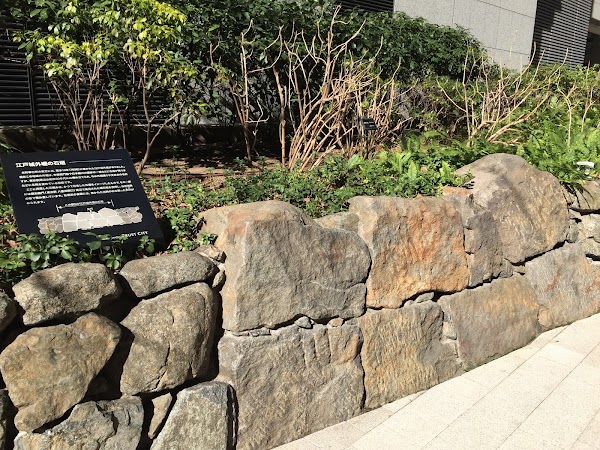
The stone walls of the Edo Castle moat were constructed in 1636, to the east of the Kitamachi Magistrate's Office. The current area of the moat still retains some stone walls, such as those at the site of the Tokiwabashi Gate and along the banks of the Nihonbashi River. However, the area around Tokyo Station was filled in during the 1950s, leaving only remnants in the names of the moat and intersections. The reconstructed stonework is based on the imagined appearance of the original moat, with some sections using stones from the moat wall discovered near the Yaesu South Exit of Tokyo Station, almost rebuilt in their original form. Arrow slits from the time of construction are visible on the surface of the walls.
Jan Joosten Monument
ヤン・ヨーステン碑
Click for Navigation
Google Maps
Apple Maps
Copy address
Yaesu Underground Mall B1
Intro
▼
Yan Yosuten Monument
Item
Details
Location
Yan Yosuten Monument, 2 Chome−1−1 Yaesu, Chuo City, Tokyo 104-0028, Japan, B1F Yaechika
In 1600, Dutch navigator Jan Joosten, aboard the ship "Rivard," drifted to Usuki in Bungo Province (now Oita Prefecture) with William Adams (known as Miura Anjin) and others. Upon arriving in Edo, he presented twelve tigers to Tokugawa Ieyasu, who was very pleased and provided him with accommodation near Edo Castle, appointing him as a diplomatic advisor responsible for overseas trade.
The name "Yaesu" is believed to have originated from Jan Joosten's Japanese name "Yayousu," evolving into "Yayasu" and "Yayousu."
By the Genroku era (late 1600s), the area from Babasakimon near Edo Castle to Wada Kuramon was referred to as "Yayosu Riverbank," and in 1872, the town names from Babasakimon to Kajibashi were designated as Yaesu-cho 1-chome and 2-chome. Later, in 1929, during a change of town names, the area on the Imperial Palace side was named "Marunouchi," while the seaside was named "Yaesu."
🎬 ヤン・ヨーステン碑 Video
Tokyo Midtown Yaesu
東京ミッドタウン八重洲
Click for Navigation
Google Maps
Apple Maps
Copy address
🕖11:00-23:00
Intro
▼
TOKYO MIDTOWN YAESU
Item
Details
Address
2-2-1 Yaesu, Chuo City, Tokyo
Business Hours
・B1F (Shops): 10:00~21:00 ・1F~3F (Shops & Services): 11:00~21:00 ・1F~3F (Restaurants): 11:00~23:00 (※Some store hours may vary)
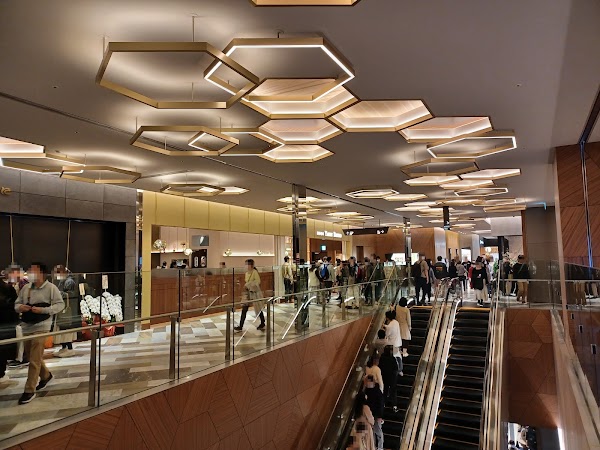
Highlights TOKYO MIDTOWN YAESU is the third facility under the "Tokyo Midtown" brand, following Roppongi and Hibiya, and grandly opened in March 2023. This 45-story large complex directly connects to the underground of JR Tokyo Station, becoming a new gateway to the Japanese capital. The shopping mall features about 57 unique stores, many of which are making their debut in Tokyo and Japan. Its design concept aims to blend traditional Japanese craftsmanship with modern innovation, providing both domestic and international travelers a top-notch space to experience Japan's exquisite culture while enjoying high-quality shopping and dining.
Floor Overview The mall is mainly concentrated on B1 to 3F, with each floor having its distinct theme: ・B1F (Daily Use): This floor connects to the Yaesu underground shopping street of Tokyo Station, offering convenient daily necessities. It features several takeout food options, drugstores, and the largest "Anker Store" in the Kanto region, making it easy for commuters and travelers to shop quickly. ・1F (Japan Luxury): The theme is "Japanese Luxury," gathering many popular Japanese brands. From exquisite crafts to high-end fashion, it showcases Japan's proud manufacturing spirit and aesthetics. ・2F (Japan Lifestyle / Yaesu Public): This floor is filled with stylish souvenirs and lifestyle goods from various regions of Japan. Notably, the "Yaesu Public" space combines a standing food area with a relaxed lounge, allowing people to casually enjoy snacks and interact. ・3F (Dining Bar Floor): This floor features several restaurants and bars that embody "Tokyo characteristics." Whether you want to savor exquisite dishes or enjoy a casual drink, it caters to food lovers' tastes.
Historical Background
The establishment of TOKYO MIDTOWN YAESU is a key project in the large-scale redevelopment plan around Tokyo Station. The location, "Yaesu," has been a transportation hub to various parts of Japan since the Edo period. The creation of this new landmark aims not only to revitalize the Yaesu area but also to establish a new "gateway" for international visitors. The building itself is a milestone in urban renewal, integrating a bus terminal, commercial facilities, office spaces, and Japan's first "Bulgari Hotel," aiming to connect Japan with the world and bridge tradition with the future.
🎬 東京ミッドタウン八重洲 Video
Tokyo Torch
TOKYO TORCH
Click for Navigation
Google Maps
Apple Maps
Copy address
🕖11:00-23:00
Intro
▼
TOKYO TORCH (東京火炬)
Item
Details
Location
2-6-4 Otemachi, Chiyoda, Tokyo (This is the address of "Tokiwabashi TOWER")
Business Hours
Shops 11:00–20:00 / Restaurants 11:00–23:00 (Hours may vary by store; please check the official website for details)
Overview "TOKYO TORCH" is a large mixed-use district located in front of the Nihonbashi exit of Tokyo Station, developed by the real estate giant Mitsubishi Estate. The name "TORCH" symbolizes "lighting up Japan," aiming to become a new beacon of hope for the future. This area is not only a premier commercial office center but also features diverse commercial facilities and expansive outdoor public spaces. One of the current core areas is "TOKYO TORCH Park," a large plaza of about 7,000 square meters directly connected to the waterfront of the Nihonbashi River, featuring unique plants from across Japan and a "koi pond," serving as an oasis in the urban desert. Visitors can relax here or enjoy dining in the outdoor seating area of "TOKYO TORCH Terrace," experiencing the vibrancy and leisure of downtown Tokyo.
Floor Overview (Main Public Areas) TOKYO TORCH is a district composed of multiple buildings, and as of 2025, visitors can mainly explore the following areas:
Tokiwabashi TOWER (常盤橋TOWER):
B1F–3F: This is the main commercial facility floor, featuring various restaurants and shops known as "TOKYO TORCH Terrace." From fine dining to cafes and izakayas, there's something for everyone.
B1F: Home to the food area "T-Market," offering a variety of dining options.
TOKYO TORCH Park (Outdoor Plaza):
Located between "Tokiwabashi TOWER" and the future "Torch Tower," this outdoor space serves as a central venue for events and citizen relaxation.
Torch Tower (火炬塔) - ※ Expected to be completed in 2027
This will be the future core of the project, reaching approximately 390 meters upon completion, making it the tallest building in Japan.
The future plan includes a luxury hotel, a large performance hall, and an observation deck on the upper floors offering panoramic views of Tokyo.
Historical Background
The "Tokiwabashi district," where "TOKYO TORCH" is located, has been an important gateway connecting Edo Castle and Nihonbashi since the Edo period, holding significant historical meaning. This area was once home to old buildings such as the Japan Economic Newspaper Company and the Japan Building. With the redevelopment around Tokyo Station, the "Tokiwabashi District Redevelopment Project" was born, aiming to create a new international financial and commercial center that transcends borders, attracts crowds, and can respond to future disasters. "Tokiwabashi TOWER" was completed and opened in 2021, while the soul building of the entire TOKYO TORCH project, "Torch Tower," is still under construction. This place not only showcases architectural technology but also symbolizes Tokyo's ambition to connect the past (the history of Tokiwabashi) with the future (the tallest building in Japan).
🎬 TOKYO TORCH Video
Isshikibashi
一石橋
Click for Navigation
Google Maps
Apple Maps
Copy address
Intro
▼
Ichibashi Bridge
Item
Details
Location
1 Chome-11 Yaesu, Chuo City, Tokyo 103-0028, Japan
Ichibashi Bridge (connecting Nihonbashi Honmachi 1-chome and Yaesu 1-chome) is a bridge located at the confluence of the old Edo Castle outer moat (excavated roughly on the west side of the outer moat) and the Nihonbashi River, still witnessing the history of the city.
During the Edo period, Ichibashi included eight bridges visible from it: Nihonbashi, Edo Bridge (Nihonbashi River), Tokiwa Bridge, Gofuku Bridge, Kaji Bridge (outer moat), Zenbottle Bridge, and Dosan Bridge (Dosan Moat), collectively known as "Hachimi Bridge (Hachibashi)." A monk named Shakukeishun, who lived in Edo, mentioned in his travelogue "Shihouan Yuuriki Zakki" that when he exchanged rice bags on this bridge for the banned currency (Eiraku Tōhō), it became the origin of the bridge's name. Additionally, the playful saying that the combined names of Goto Shōsaburō (Kinza) to the north and Goto Nūbōsuke (Gofukusho) to the south formed "five to," which coincidentally makes one stone, also circulated among people in the Edo period.
From the Edo period to the Meiji era, Ichibashi underwent several renovations, and in Taisho 11 (1922), it was transformed from a wooden bridge to a modern double-arch bridge made of reinforced concrete (with a granite facade), measuring approximately 43 meters long and 27 meters wide. After restorations during the Showa and Heisei periods, it was converted into a steel plate girder bridge (with an I-shaped cross-section for the main girder structure), but one solid granite pier from the Taisho period (approximately 1 cubic meter in height) remains, showcasing its majestic form as the oldest RC arch bridge in Tokyo.
🎬 一石橋 Video
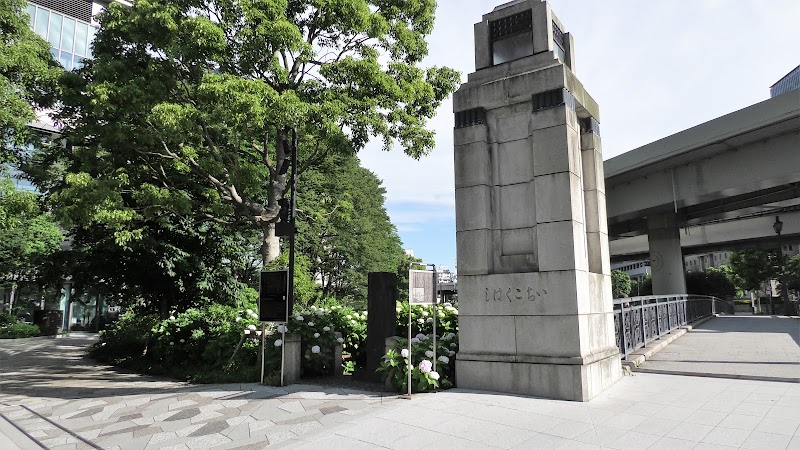
Zenbashi Bridge Ruins
銭瓶橋跡
Click for Navigation
Google Maps
Apple Maps
Copy address
Intro
▼
Senbinkyo Bridge Ruins
Item
Details
Location
Senbinkyo Bridge Ruins 2 Chome-6 Ōtemachi, Chiyoda City, Tokyo 100-0004 Japan
Location: North sidewalk of Nippon Building, 2 Chome-6 Ōtemachi
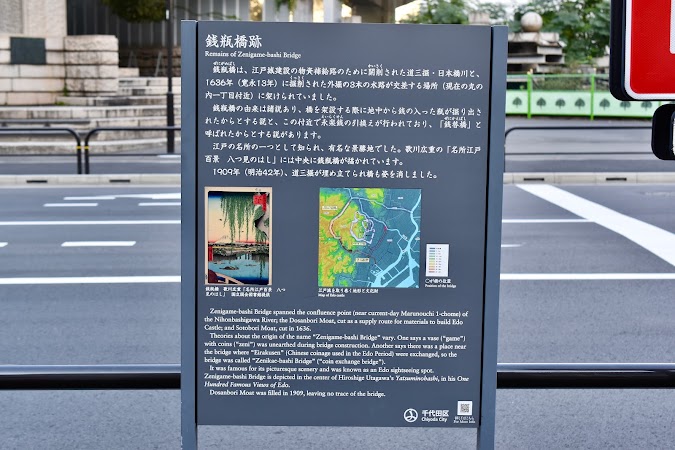
Senbinkyo Bridge was built at the intersection of three waterways, including the Dosan Ditch and Nihonbashi River, which were excavated for the supply route during the construction of Edo Castle in 1636 (the 13th year of the Kan'ei era). There are several theories about the origin of the name Senbinkyo; one suggests that bottles containing coins were unearthed during the bridge's construction, while another claims it was named for the exchange of Eiraku coins that took place nearby, hence "Money Exchange Bridge (お金換え橋)." As one of Edo's famous sites, it was once a well-known scenic spot. In Utagawa Hiroshige's "One Hundred Famous Views of Edo," Senbinkyo Bridge is depicted prominently among the eight bridges.
In 1909 (the 42nd year of the Meiji era), the Dosan Ditch was filled in, and the bridge subsequently disappeared.
Tokiwabashi Gate Remains
常盤橋門跡
Click for Navigation
Google Maps
Apple Maps
Copy address
Intro
▼
Tokiwa Bridge Ruins
Item
Detailed Information
Attraction Address
Tokiwa Bridge Ruins 3 Chome-1-8 Nihonbashihongokucho, Chuo City, Tokyo 103-0021 Japan
A Meiji-era illustration of Tokiwa Bridge by Utagawa Hiroshige III.
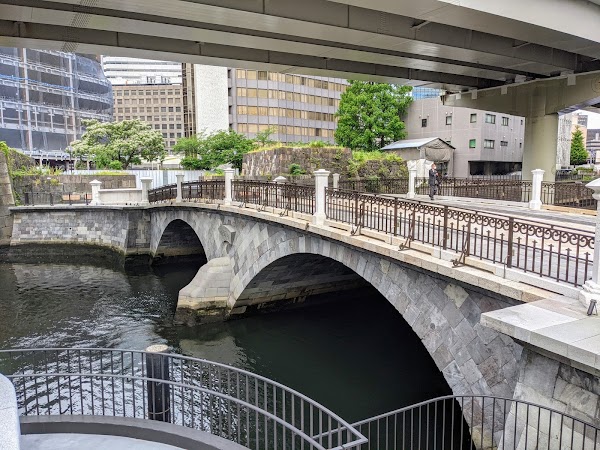
Tokiwa Bridge was one of the important castle gates connecting Edo Castle to the streets, belonging to the five main gates of Edo. Particularly, Tokiwa Bridge served as the outer main gate (Otemon) of the inner citadel of Edo Castle and was an important transportation hub leading to the Oshu Road. Today, although parts of the outer moat of Edo Castle have been filled in, traces of the defensive structures from that time remain, including multi-layered stone walls and castle gates (see attached) with bridges and guardhouses. There were about 60 main castle gates at the end of the Edo period, and Tokiwa Bridge was guarded by the samurai of the outer domain, maintaining a good condition. After the abolition of the castle gates in the 6th year of Meiji (1873), the gate was dismantled, but the wooden bridge used for Tokiwa Bridge was also removed in the 10th year of Meiji and rebuilt as a new stone arch bridge called 'Tokiwa Bridge' using the stone materials from the outer moat gate. The pedestrian walkway and roadway on the bridge are separated and decorated with Western-style designs, reflecting the appearance of civilization and enlightenment.
Tokiwa Bridge is the only remaining stone arch bridge from the Meiji era.
During the Meiji Restoration, the new government replaced the traditional wooden bridges built during the Edo period with new technologies one by one. Among them, stone arch bridges were chosen for their durability and ease of maintenance for small rivers. Tokiwa Bridge was constructed in the 10th year of Meiji (1877). In fact, during the Meiji era, there were 13 stone arch bridges built over various rivers in Tokyo, of which only Tokiwa Bridge remains.
A significant figure played a crucial role in the construction of these stone arch bridges.
He was the stonemason Kan Gorō Hashimoto (1822–1897) from Higo (Kumamoto). Why would a stonemason from Higo participate in the bridge construction in Tokyo after the Meiji Restoration? Tracing back Kan Gorō's roots reveals a grand story spanning three generations of his family.
The ancestor of Higo stonemasons, Fujihara Hayashichi and the 'Megane Bridge'.
The story begins in Nagasaki during the Tenmei era (1781–89). The samurai Fujihara Hayashichi (1765–1837), who was born here, was the grandfather of Kan Gorō Hashimoto. Hayashichi became interested in the structure of the Megane Bridge in Dejima, Nagasaki, and learned the techniques of stone arch bridge construction through contact with the Dutch on Dejima.
By the way, the Megane Bridge itself was built in the 11th year of Kan'ei (1634) by the monk Mokushi Nyozai from China.
However, at that time, unauthorized contact with the Dutch on Dejima was prohibited. Hayashichi fled Nagasaki and eventually arrived at Taneyama Village in Higo (now Yatsushiro City, Kumamoto Prefecture). Here, Hayashichi met the local stonemason Uza. Hayashichi taught Uza the techniques of stone arch bridge construction and established the Taneyama stonemasons, building the first stone arch bridge in this area in the 1st year of Bunka (1804).
Iwanaga Sangorō and the achievements of the Taneyama stonemasons.
The era moved to the Tenpo period (1830–44). Sangorō, the second son of Uza and also Hayashichi's son-in-law, led the Taneyama stonemasons in the continued construction of stone arch bridges in Higo, earning the Iwanaga surname from the Higo domain and being allowed to carry a sword. Among them, the bridge Sangorō built, the Oogame Falls Bridge, later became a model for the Tsūjun Bridge.
Additionally, due to their reputation, Sangorō and the Taneyama stonemasons were summoned by the Satsuma domain in the 11th year of Tenpo (1840) to build five stone arch bridges, including Tamagawa Bridge, Shinjo Bridge, Nishida Bridge, Kōrai Bridge, and Take no Hashi, known as the Five Stone Bridges of Kōtukawa. Among them, Nishida Bridge is a historic bridge used by the domain lord during the Sankin-kōtai (alternate attendance) system. Today, three of the Five Stone Bridges have been relocated to the Stone Bridge Memorial Park.
Assassination crisis and return from Satsuma.
In the Satsuma region, the Taneyama stonemasons demonstrated exceptional performance. During this period, an unexpected crisis occurred; the Satsuma domain feared the leakage of stone arch bridge construction techniques and rumors circulated about assassinating Sangorō and his companions. To avoid the crisis, Sangorō gradually sent his companions back to Higo.
Ultimately, in the 2nd year of Kaei (1849), Sangorō was allowed to return to Higo, but encountered assassins on the way back. However, feeling Sangorō's integrity, the assassins ultimately spared his life. Sangorō returned safely to Higo and passed away in the 4th year of Kaei (1851).
Jōhachi's achievements and the Tsūjun Bridge.
After Sangorō's death, the Taneyama stonemasons were supported by the descendants of the first Fujihara Hayashichi, including Usuke, Uichi, and Jōhachi. This Jōhachi later became Kan Gorō Hashimoto.
By the 7th year of Kaei (1854), the Taneyama stonemasons gathered all their technical expertise to construct the Suido Bridge, completing the Tsūjun Bridge. The construction of Tsūjun Bridge was mainly overseen by Jōhachi, and due to his achievements in bridge construction, the Higo domain allowed him to carry a sword and conferred the name Kan Gorō Hashimoto.
Kan Gorō Hashimoto and the stone arch bridges of the Meiji era.
Time moved to the 4th year of Meiji (1871). Kan Gorō Hashimoto, who had gained fame for continuously building stone arch bridges in the Higo region, was finally summoned by the new government to serve in the Civil Engineering Bureau of the Imperial Household. His first stone arch bridge built in Tokyo was the Bansai Bridge, which was referred to as 'Bandai Bridge' during its construction. Later, in the 7th year of Meiji, he built the Asakusa Bridge and then returned to his hometown in Higo.
However, after Kan Gorō returned home, many stone arch bridges continued to be built in Tokyo. So, who constructed these bridges? According to the aforementioned documents, since the construction records of Tokiwa Bridge mentioned the names of stonemasons from Ibaraki Prefecture, it can be inferred that Kan Gorō passed on the techniques of the Taneyama stonemasons to stonemasons in the Kanto region, who then inherited them.
The stone arch bridge construction techniques learned by Fujihara Hayashichi from the Dutch in Nagasaki, continued to be built by the Taneyama stonemasons established by Hayashichi and Uza in Higo and Kagoshima, even under life-threatening circumstances. This life-and-death transmission of techniques was passed on by Kan Gorō Hashimoto to the stonemasons in Kanto, supporting the new urban construction of Tokyo that emerged during the Meiji Restoration.
🎬 常盤橋門跡 Video
Tokyo hot spring ticket package, price comparison for three companies not including tax
▼Nihonbashi Area | Edo Commerce, Modern Architecture and Waterfront Walks▼
Nihonbashi is where Edo commerce, modern architecture and contemporary shopping share one cityscape. In 1604, the Edo shogunate designated Nihonbashi as the starting point of the Five Routes; people and goods gathered along the roads and the Nihonbashi River, shaping a merchant district and water-transport hub. Today, walking from Nihonbashi toward Muromachi and Ningyocho still reveals old shops, department stores, financial buildings and towers standing side by side.
How to Explore Nihonbashi
The bridge and road origin marker: The present Nihonbashi is a stone double-arch bridge completed in 1911. Look closely at its qilin sculptures and bronze details; the road origin marker sits in the middle of the roadway, so stay in the pedestrian area when taking photos. A replica by the bridge can be viewed up close.
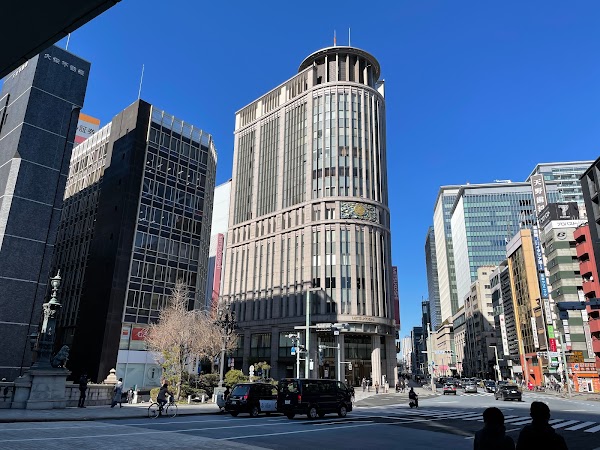
Modern-architecture walk: Set the Bank of Japan Head Office, Nihombashi Mitsukoshi Main Store, Nihombashi Takashimaya S.C. and Nihonbashi Muromachi Mitsui Tower into one architecture route to see how Meiji-to-Showa city memories coexist with new commercial facilities.
Waterfront and old shops: Nihonbashi Pier offers sightseeing cruises, while the district still has long-established shops for nori, wagashi, tendon and bedding. To combine attractions and food, start around Mitsukoshimae, cross Nihonbashi and continue toward Ningyocho.
Nihonbashi History and the Road Origin Marker
日本的清明上河圖-熙代胜覽-圖中描繪的日本橋
Nihonbashi is more than a bridge used as a place name; it is a compact record of how Edo grew into a city. In 1604, it became the starting point for the Tokaido, Nakasendo and the other Five Routes. Road traffic and water transport on the Nihonbashi River brought merchants, fish markets and regional culture together.
The present bridge was completed in 1911 and is a stone double-arch structure. It was designated an Important Cultural Property of Japan in 1999. The Japan Road Origin Marker in the center of the bridge lies in the roadway, so never step into traffic for a photo. Use the replica beside the bridge for a closer look.
📌 Travel Highlights: Where New Commerce Meets Waterfront History
Historic landmark: Nihonbashi Bridge 🌉
From the bridge, look for the qilin, lions and bronze lamp posts. Looking up at the expressway also shows how Tokyo continues to reshape the space between an established river and modern transport. For a full bridge view, frame it from the bridge approach or riverbank.
Architecture, shopping and a cruise on the water 🍵
Nihombashi Mitsukoshi Main Store, Nihombashi Takashimaya S.C., the Bank of Japan Head Office and Nihonbashi Muromachi Mitsui Tower make a strong modern-architecture route. A Nihonbashi cruise links the Nihonbashi, Kanda and Sumida Rivers from the water. Cruise routes, fares and departures vary with the date, tide and weather, so leave time to reserve and reconfirm.
Showing: All(12)
Nihonbashi Takashimaya S.C.
日本橋髙島屋 S.C.
Click for Navigation
Google Maps
Apple Maps
Copy address
🕖11:00-20:00
Intro
▼
Nihonbashi Takashimaya S.C.
Item
Details
Address
2-4-1 Nihonbashi, Chuo City, Tokyo
Business Hours
・Main Building, Takashimaya WATCH MAISON: 10:30 AM - 7:30 PM ・New Building (Specialty Stores): 10:30 AM - 8:00 PM ・East Building (Pokémon Center DX): 10:30 AM - 9:00 PM (*Hours may vary for some restaurants and stores)
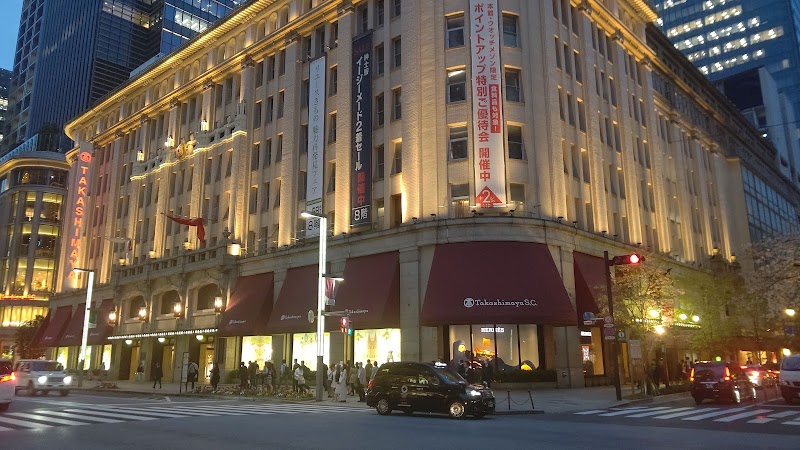
Highlights Nihonbashi Takashimaya S.C. is a landmark shopping center that perfectly blends tradition and innovation. It consists of four uniquely designed buildings: the "Main Building," designated as an Important Cultural Property, the "New Building," featuring hundreds of fashion and lifestyle specialty stores, the "East Building," home to the "Pokémon Center TOKYO DX," and the "Takashimaya WATCH MAISON," one of the largest watch specialty stores in the world.
Entering the Main Building feels like stepping back in time, with its luxurious decorations from the early Showa period, marble columns, and vintage elevators still operated manually by staff, all showcasing a rich historical ambiance. The New Building offers a modern shopping experience, featuring trendy clothing, exquisite goods, and popular restaurants. It serves as the heart of the Nihonbashi area, where history enthusiasts, shopping lovers, and families can all find their own enjoyment.
Floor Guide The four buildings of Nihonbashi Takashimaya S.C. are connected by passageways, providing a rich floor layout:
Main Building: As the main department store, B1F features the "DEPACHIKA" food market with famous Japanese sweets and delicacies; floors above 1F offer international brands, cosmetics, men's and women's clothing, and home goods. The 8F is a restaurant street. The rooftop has a garden, serving as an oasis in the city.
New Building: Primarily consists of specialty stores. B1F to 7F houses numerous selected shops and restaurants from Japan and abroad, including the popular bakery "365日與日本橋," lifestyle goods store "日本市," and modern-style restaurant streets on 6F and 7F.
East Building: Mainly a specialty floor, most notably featuring the "Pokémon Center TOKYO DX & Pokémon Café" on 5F, a pilgrimage site for fans.
Takashimaya WATCH MAISON: An independent watch specialty store showcasing and selling top luxury watch brands.
Historical Background
The history of Takashimaya dates back to 1831 when it was founded as a kimono shop in Kyoto. The "Nihonbashi Takashimaya" (now the Main Building) grandly opened in 1933 (Showa 8), becoming Japan's first department store equipped with air conditioning throughout, and its architectural design, blending Western Renaissance style with Eastern elements, was a topic of discussion at the time.
In the 1950s, the department store even kept a baby elephant named "Takako" on the rooftop, becoming a shared memory for Tokyo residents. In 2009, the Main Building was designated as Japan's first department store building to be recognized as an Important Cultural Property due to its significant historical and artistic value. In 2018, with the addition of the New and East Buildings, it was reborn as "Nihonbashi Takashimaya S.C.," becoming a new landmark connecting the history and future of Nihonbashi.
🎬 日本橋髙島屋 S.C. Video
KABUTO ONE
Click for Navigation
Google Maps
Apple Maps
Copy address
🕖11:00-23:00
Intro
▼
KABUTO ONE
Item
Details
Address
7-1 Kabutocho, Chuo City, Tokyo
Business Hours
08:00–20:00 (Hours may vary by store and facility, as seen with 1F Kable Book Lounge)
Highlights
KABUTO ONE is a mixed-use commercial building located in Kabutocho, Nihonbashi, Tokyo, known as the birthplace of finance in Japan, often referred to as "Japan's Wall Street." The completion of KABUTO ONE symbolizes a new future for this historic financial district. Its main feature is the open atrium on the first floor, "The Heart." At its center is a massive 11-meter LED screen, "The K," displaying real-time market information like the TOPIX index, cleverly integrating financial elements into public art. The spacious and bright atrium combines a café, bookstore, and relaxation area, serving as a meeting place for finance professionals and a relaxing urban oasis for citizens and tourists alike.
Floor Overview
KABUTO ONE is a building with 2 basement levels and 15 above-ground floors, with public and commercial facilities concentrated on the lower floors:
B1F (Shops and Services):
Features a convenience store, food shops, pharmacy, and clinic, providing essential services for those working here.
1F (Atrium and Dining):
Home to the core area "The Heart." Includes the "Kable" Book Lounge, offering a comfortable space for reading and working. Also features the unique café "KNAG" and the craft beer tavern "HOPPERS."
3F (Meeting Rooms):
Offers multifunctional meeting spaces for rent.
4F (KABUTO ONE Performance Hall):
A large performance hall accommodating about 300 people, used for financial seminars, startup presentations, and various events.
5F–15F (Office Areas):
Main office floors.
Historical Background
"Kabutocho" is the cradle of Japanese capitalism. In 1871, Japan's first national bank was established here; in 1878, the Tokyo Stock Exchange was also born here. This area has always been the core of Japan's economy. However, over time, Kabutocho's vibrancy has diminished. KABUTO ONE is the core project of the "Nihonbashi Kabutocho District 1 Type 1 Urban Redevelopment Project," completed in 2021. The name "KABUTO" comes from the place name, while "ONE" signifies its historical importance as the financial "first" and hopes to become the "only" driving force for the area's revival. It carries the important mission of connecting the past and future, revitalizing the financial district's energy.
🎬 KABUTO ONE Video
Otohime Plaza
乙姫広場
Click for Navigation
Google Maps
Apple Maps
Copy address
Intro
▼
Ebisukyo Plaza
Item
Details
Location
1 Chome-8-1 Nihonbashimuromachi, Chuo City, Tokyo 103-0022 Japan
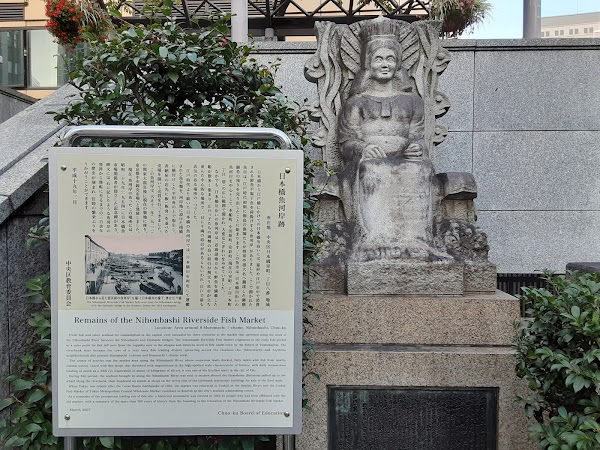
At Ebisukyo Plaza, located on the eastern side of the northern end of Nihonbashi, there is a stone monument inscribed with "Birthplace of the Nihonbashi Fish Market," behind which stands a statue of Ebisukyo.
This area is the origin of the fish market, which thrived as the kitchen of Edo/Tokyo from the Edo period until it moved to Tsukiji after the Great Kanto Earthquake. Boats laden with fresh fish from Tsukishima and nearby waters would navigate up the Nihonbashi River and dock at the piers along the riverbank, making it a bustling fish market.
Next to the monument is a bronze plate displaying a photo depicting the scene from that time.
The statue of Ebisukyo is inspired by the lively fish market of the time—where sea bream and flounder danced like the Ryugu Castle—embodying the image of Ebisukyo.
Climbing the stone steps beside the Ebisukyo statue leads to a terrace covered with a trellis, offering a view of Nihonbashi and the riverbank of the Nihonbashi River from this slightly elevated position. While shopping or strolling in the Nihonbashi area, taking a moment to rest here and enjoy the cool river breeze could be a nice choice.
Nihonbashi Mitsukoshi Main Store - New Building
日本橋三越本店 新館
Click for Navigation
Google Maps
Apple Maps
Copy address
🕖10:00-19:00
Intro
▼
Nihombashi Mitsukoshi Main Store
Item
Details
Address
1-4-1 Nihombashi Muromachi, Chuo City, Tokyo
Business Hours
・ Entire building: 10:00 AM - 7:00 PM ・ Main and New Buildings B1F, 1F: 10:00 AM - 7:30 PM ・ New Building 9F, 10F Restaurants: 11:00 AM - 10:00 PM
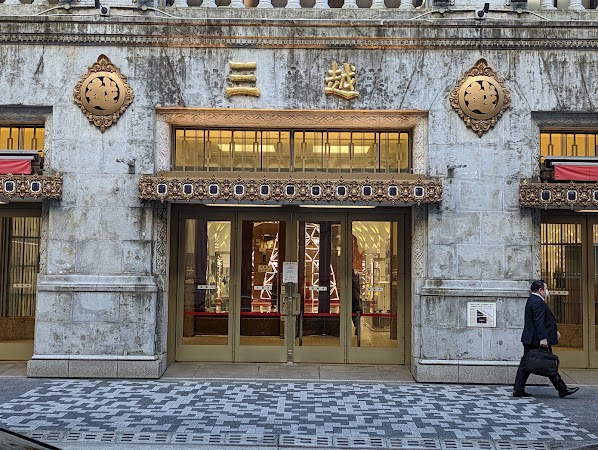
Highlights Nihombashi Mitsukoshi Main Store is Japan's oldest department store, with its main building being a magnificent work of art designated as an Important Cultural Property of Japan. The "New Building," added in 1973 and grandly reopened in 2004, features modern design that connects seamlessly with the main building, creating a top-tier shopping destination. The New Building focuses more on modern lifestyle proposals. One of its most notable features is the large electronics retailer "BIC CAMERA" (located on the 6th and 7th floors), allowing customers to enjoy high-end department store services while conveniently shopping for the latest electronics. Additionally, the upper floors (9th and 10th) are dedicated to a gourmet restaurant street, offering a variety of dining options with extended hours, making it an excellent place for dinner. The seamless connection between the New and Main Buildings allows customers to freely navigate between classic and modern, experiencing a unique shopping pleasure.
Floor Guide (New Building) The New Building emphasizes lifestyle functionality and dining experiences: ・ 10F: Restaurant Street ・ 9F: Restaurant Street / Mitsukoshi Cultural Salon ・ 8F: Hair Salon / Beauty Salon / Photography Studio ・ 7F: BIC CAMERA (Electronics) / Travel Salon ・ 6F: BIC CAMERA (Electronics) ・ 2F~5F: Men's and Women's Fashion / Lifestyle Goods ・ 1F: Entrance Floor (Connected to Main Building) ・ B1F: Food / Fresh Produce ・ B2F: Food / Prepared Foods
Historical Background
Mitsukoshi's history dates back to 1673 with the kimono shop "Echigoya." In 1904, Mitsukoshi announced Japan's first "Department Store Declaration," officially transforming into a modern department store and pioneering the Japanese department store industry. The current main building was completed in 1914, featuring a splendid Renaissance style, marking it as a groundbreaking structure of its time. Although damaged in the 1923 Great Kanto Earthquake, it was quickly restored and expanded in 1935. To meet the growing customer demand, the "New Building" was added in 1973. In 2016, the main building was designated as an Important Cultural Property due to its significant historical and artistic value. Nihombashi Mitsukoshi Main Store is not just a shopping venue but also a living testament to Tokyo's commercial development history.
Discount
👉Coupon
Nihonbashi Mitsukoshi Main Store
日本橋三越本店
Click for Navigation
Google Maps
Apple Maps
Copy address
🕖10:00-19:00
Intro
▼
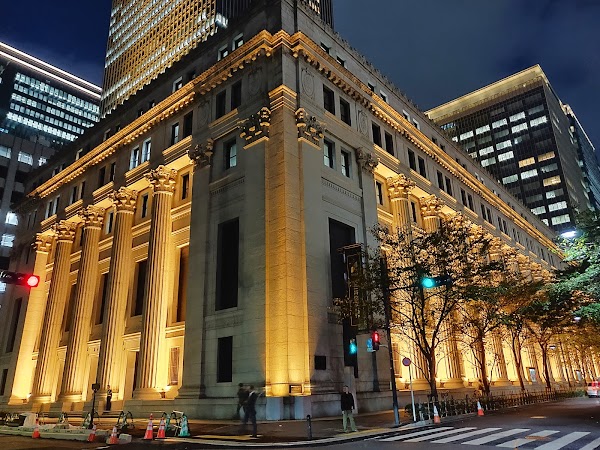
Nihombashi Mitsukoshi Main Store
Item
Details
Address
1-4-1 Nihombashi Muromachi, Chuo City, Tokyo
Business Hours
・Entire building (Main & New): 10:00 AM – 7:00 PM (※ Hours may vary by floor and event; please refer to the official website for updates)
Highlights Nihombashi Mitsukoshi Main Store is not just a department store; it is a living museum. Its main building was designated as an Important Cultural Property of Japan in 2016, designed in a grand Renaissance style that showcases an unparalleled sense of history. Upon entering the central hall on the first floor, visitors are immediately struck by two iconic symbols:
Angel Statue "Magokoro (真心)": This towering five-story (approximately 11 meters) wooden angel statue is a masterpiece by sculptor Gen Gen Sato, taking ten years to complete. Its exquisite craftsmanship and magnificent pose symbolize Mitsukoshi's spirit of "heartfelt hospitality," making it a rare artistic gem within the department store.
Entrance Lion Statues: The two bronze lion statues at the main entrance serve as guardians of Mitsukoshi and are one of Tokyo's most famous meeting spots. It is said that touching the lions' front paws brings good luck.
Additionally, the central hall features an ancient pipe organ that still performs live music at specific times, filling the grand space with elegant melodies, enhancing the shopping experience.
Floor Overview Nihombashi Mitsukoshi Main Store consists of two buildings, the "Main" and "New," connected by a passageway.
Main Building (Honkan): ・B1F: Food area (Depachika), featuring top-tier sweets, delicacies, and fresh produce from Japan and around the world. ・1F: Central hall, cosmetics, accessories. ・2F–7F: Home to international luxury brands, men's and women's clothing, home goods, kimonos, art galleries, and the historic "Mitsukoshi Theater." ・RF: Rooftop garden.
Historical Background
Mitsukoshi's history dates back to 1673 (Edo period), originally named "Echigoya," a store selling kimonos. Founder Takatoshi Mitsui achieved great success with his innovative business model of "cash transactions, fair dealings" (at a time when credit was common). In 1904, Mitsukoshi announced the "Department Store Declaration," officially transforming from a traditional kimono shop into Japan's first modern department store. The current main building was completed in 1914 and rebuilt after the Great Kanto Earthquake, becoming a significant landmark in Japan's modern architectural history. It is not only a pioneer in Japan's department store industry but also a symbol of the prosperity of the Nihombashi area for over a century.
Admission/Fees: No admission fee; product prices vary, starting from approximately 5,830 yen (e.g., glass earrings from about 5,830 yen, necklaces from about 8,140 yen; please check the official website or in-store for actual prices).
Store Introduction
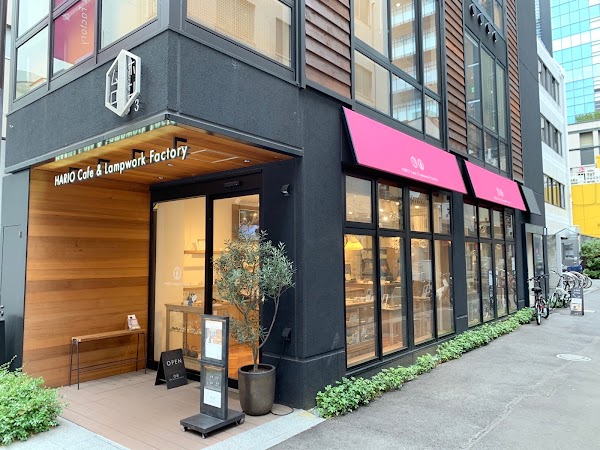
HARIO Lampwork Factory is a handmade glass accessory shop under the century-old heat-resistant glass brand HARIO, located in a charming space in Nihonbashi, Tokyo. It combines a workshop and display area, offering a glimpse into the allure of traditional glass craftsmanship. Each glass accessory on display—necklaces, earrings, rings, hair ornaments, etc.—is handcrafted by artisans using the Lampwork technique, showcasing lightweight, transparent, and sparkling designs. These pieces not only highlight the pure beauty of glass but also incorporate natural elements like water droplets, petals, and stars, making it feel like wearing a small piece of a crystalline natural landscape.
In addition to selling accessories, the store offers repair services; if your glass accessory is accidentally damaged, you can bring it in for professional restoration. Furthermore, HARIO Lampwork Factory collaborates with other brands to release limited editions, such as fun accessories in partnership with Nagoya's famous "Piyorin," adding to the joy of collecting. The store's atmosphere is warm and elegant, making it a perfect stop for travelers seeking unique gifts or a treat for themselves, allowing them to experience the delicacy and warmth of Japanese craftsmanship.
Historical Background and Cultural Significance
Founded in 1921, HARIO initially focused on producing heat-resistant glassware for laboratories and dining, relying on artisans to hand-blow glass, giving each piece a unique soul. As mechanized production became widespread, traditional craftsmanship began to decline, prompting HARIO to establish the Lampwork Factory to return to its roots and preserve this precious lampworking technique. The Lampwork technique involves heating glass with flames, shaped by artisans' skilled hands, creating delicate and personalized accessories, each infused with the artisan's effort and creativity.
The heat-resistant glass from HARIO Lampwork Factory is not only lightweight and durable but also captures light, presenting a dreamlike visual effect that resonates with Japan's reverence for nature and harmony. These accessories are not just fashionable items; they embody the fusion of traditional Japanese craftsmanship and modern design, telling the story of artisans' dedication to handmade spirit and their vision for the future. Whether for gifting or personal use, these glass accessories add a touch of refined Japanese elegance to life.
🎬 HARIO Lampwork Factory Video
Mitsui Memorial Museum
三井記念美術館
Click for Navigation
Google Maps
Apple Maps
Copy address
🕖10:00-19:00
Intro
▼
Mitsui Memorial Museum
Item
Details
Address
7th Floor, Mitsui Main Building, 1-1 Nihonbashi Muromachi 2-chome, Chuo-ku, Tokyo
Opening Hours
10:00 AM – 5:00 PM (Last entry at 4:30 PM)
Admission Fee
Varies by special exhibition (e.g., General ¥1,500). Please check the official website for current ticket prices.
Overview
The Mitsui Memorial Museum is located within the Mitsui Main Building in Nihonbashi, Tokyo, a structure designated as an Important Cultural Property of Japan. The museum systematically collects and displays artworks treasured by the Mitsui family, who have been influential in the business world for over 300 years since the Edo period. With a rich collection of over 4,000 items, it includes paintings, calligraphy, swords, Noh masks, textiles, and a large number of tea ceremony utensils. This place is not only a sanctuary for art lovers but also features high-quality special exhibitions, making it an excellent venue to delve into Japan's top craftsmanship and aesthetics.
Historical Background and Cultural Significance
The museum's history is closely tied to that of the Mitsui family. The Mitsui family, the predecessor of the Mitsui Group, began its journey during the Edo period, achieving great success in business while also playing a significant role as patrons and collectors in the cultural and artistic fields. The museum opened in October 2005 with the aim of showcasing these treasured artifacts to the public. Its cultural significance is reflected in two aspects: first, the "beauty of architecture," as the Mitsui Main Building, where the museum is located, was built in 1929 (Showa 4) and is one of Japan's finest examples of Western Neoclassical architecture, with its grand and elegant design being a work of art in itself. Second, the "excellence of the collection," which includes 6 national treasures and 75 important cultural properties. Notably, the collection of tea utensils is renowned, featuring essential items in Japanese tea culture, such as the national treasure "Shino Tea Bowl, Inscription: Uhan Wall." Visiting the Mitsui Memorial Museum is not just about appreciating artworks; it is a deep cultural experience that traverses the history of modern Japanese architecture and the refined aesthetics since the Edo period.
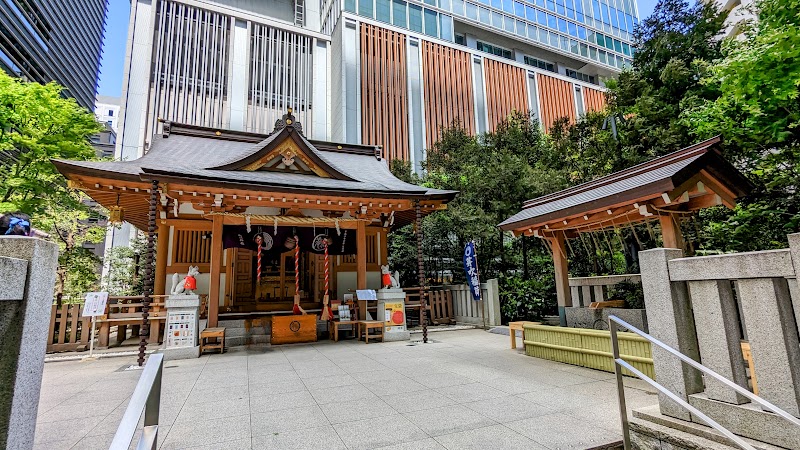
In the bustling financial center of Nihonbashi, Tokyo, lies the exquisite and energetic Fukude Shrine. Nestled beside "COREDO Muromachi," its vibrant red torii gate contrasts sharply with the modern glass buildings, beautifully showcasing the coexistence of ancient tradition and contemporary prosperity. Renowned for its long history and effective blessings for "financial luck," Fukude Shrine is one of the most famous "energy spots" in central Tokyo. Many visitors come here to pray for lottery wins, business success, or financial prosperity.
Historical Background and Cultural Significance
The history of Fukude Shrine dates back to the Heian period during the Jōgan era (859-877 AD), boasting over a thousand years of history. The shrine is also widely known by its alternate name, "Mebuki Shrine." Legend has it that Tokugawa Ieyasu, the first shogun of the Edo period, prayed here before battle and saw new buds growing on the shrine's torii gate, interpreting it as an omen of victory, thus bestowing the name "Mebuki," symbolizing "rebirth" and "hope." During the Edo period, Fukude Shrine was one of the few shrines officially permitted by the shogunate to hold "Tomi-kuji" (the prototype of modern lotteries). This unique history has made it a sacred place for seeking luck and winning. Over the years, the shrine has relocated multiple times due to fires and urban planning, but in 2014, it was solemnly rebuilt on its original site in "Fukude Village" as part of the Nihonbashi redevelopment project. This "rebirth" not only resonates with its name "Mebuki" but also establishes it as an important cultural symbol of tradition and innovation in the Nihonbashi area.
🎬 福徳神社 Video
OREDO Muromachi Terrace
OREDO室町テラス
Click for Navigation
Google Maps
Apple Maps
Copy address
🕖11:00-23:00
Intro
▼
COREDO Muromachi Terrace
Item
Details
Location
3-2-1 Nihonbashi Muromachi, Chuo City, Tokyo
Business Hours
・Shops Weekdays 11:00–20:00 / Weekends and Holidays 10:00–20:00 ・Restaurants 11:00–23:00 (※Some store hours may vary)
Highlights COREDO Muromachi Terrace is a commercial area within the "Nihonbashi Muromachi Mitsui Tower" and is the latest and largest facility in the COREDO Muromachi series. The main attraction of the mall is undoubtedly the introduction of "Eslite Spectrum Nihonbashi," hailed as one of the "coolest department stores in the world," as its core tenant, marking Eslite's first store in Japan. The overall design of the mall blends modernity with the historical essence of Nihonbashi, featuring a spacious semi-outdoor area called "Ooyane Plaza" on the first floor, which spans approximately 1,500 square meters. This oasis in the city often hosts various events, becoming a hub for socializing and relaxation.
Floor Guide The commercial floors of COREDO Muromachi Terrace are mainly concentrated from B1 to 2F, gathering about 31 charming shops. ・2F: This floor is almost entirely occupied by the expansive space of "Eslite Spectrum Nihonbashi." Here, you can find a selection of books, stationery goods, lifestyle items, hands-on workshops, and delicious food and beverages from Taiwan. The design is inspired by the "corridors" of the Edo period, allowing customers to enjoy the joy of discovery while browsing. ・1F: Centered around "Ooyane Plaza," this floor features several unique dining establishments that have made their debut in Japan or the Kanto region, including popular bakeries and cafes. The open design emphasizes a sense of space, allowing customers to enjoy their meals while feeling the outdoor light and breeze. ・B1F: This floor is directly connected to Tokyo Metro "Mitsukoshimae" Station and JR "Shin-Nihonbashi" Station, making it very convenient for transportation. It hosts several high-value restaurants, offering a variety of options from izakaya and ramen to international cuisine, making it an excellent choice for local office workers and tourists looking for lunch or dinner.
Historical Background
COREDO Muromachi Terrace grandly opened on September 27, 2019. The Nihonbashi area has been the economic and cultural center of Japan since the Edo period. As a key part of Mitsui Real Estate's large-scale redevelopment project in the Nihonbashi area, the "Nihonbashi Revitalization Project," COREDO Muromachi Terrace aims to "inherit and innovate" the historical culture of Nihonbashi. It is not only a new member following COREDO Muromachi 1, 2, and 3 but also injects new vitality and an international perspective into this historic district by introducing culturally curatorial brands like "Eslite Spectrum," making it a new landmark for gathering people, experiencing culture, and enjoying leisure time.
🎬 OREDO室町テラス Video
Discount
👉Coupon
👉Coupon
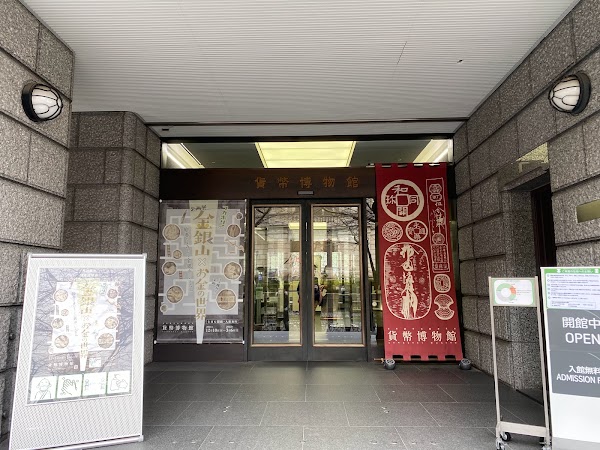
Currency Museum
貨幣博物館
Click for Navigation
Google Maps
Apple Maps
Copy address
🕖09:30-16:30
Free Admission
Intro
▼
Bank of Japan Currency Museum
Item
Details
Address
1-3-1 Nihonbashi Honcho, Chuo City, Tokyo (inside the Bank of Japan branch)
Closed: Mondays (open if a holiday falls on a Monday), year-end and New Year (December 29 to January 4)
Exhibition Overview This museum specializes in the collection and study of currency history, affiliated with Japan's central bank, the Bank of Japan. Upon entering the museum, visitors feel as if they have traveled through time, showcasing the evolution of Japanese currency from the ancient "Wado Kaichin" to the Edo period's "Oban" and "Koban" (large gold coins), and modern paper currency. The museum not only features Japanese currency but also houses valuable coins and related materials from around the world, particularly from East Asia. The goal of the museum is to encourage visitors to reflect on the role of currency in history, its functions, and how it reflects the culture and society of different eras.
Historical Background and Cultural Significance
The Currency Museum was established to commemorate the 100th anniversary of the Bank of Japan in 1982. Its core collection comes from the lifelong collection of the renowned ancient coin collector and researcher, Mr. Keiichi Tanaka, known as the "Coin Museum." Mr. Tanaka's collection covers currency from ancient to modern Japan and includes a wealth of East Asian currency materials centered around China. In 1944, to prevent these precious cultural assets from being lost in wartime, he donated his entire collection to the Bank of Japan. The museum officially opened in November 1985 and underwent a comprehensive renovation in 2015. It serves not only as an exhibition space but also as part of the Bank of Japan's Financial Research Institute, tasked with the academic study of currency history. One of the most appealing experiences for visitors is the opportunity to physically touch and feel a model of a 100 million yen banknote and the actual weight of a thousand ryo box from the Edo period, providing a tangible understanding of "the value of money."
🎬 貨幣博物館 Video
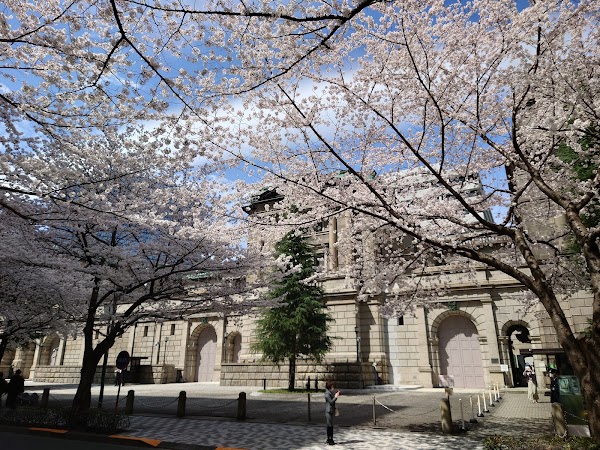
Bank of Japan Head Office Main Building
日本銀行本店本館
Click for Navigation
Google Maps
Apple Maps
Copy address
Intro
▼
Bank of Japan Head Office
Item
Details
Address
Bank of Japan Head Office Nihonbashi, 2 Chome-1-1 Nihonbashihongokucho, Chuo City, Tokyo 103-0021 Japan
Opened in 1882, the Bank of Japan's Head Office was completed in 1896. The building features a strong Neo-Baroque style, with Renaissance design elements integrated into the walls. In 1974, it was designated an Important Cultural Property, representing modern architecture.
The Bank of Japan began operations in 1882 near the Eitai Bridge by the Sumida River. Later, plans were made to build a new branch at the old Ginza site in Nihonbashi (now located in Honcho). Construction of the current Head Office building started in September 1890 and took seven years, finishing in February 1896. The design was led by Professor Tatsuno Kingo from the Imperial University of Engineering (now the University of Tokyo), who also designed the famous brick building of Tokyo Station, pioneering modern Western architectural design in Japan.
The building has three above-ground floors and one basement level (total floor area of about 1,100 square meters). The first floor is predominantly stone, while the second and third floors use brick with thinly sliced granite cladding. It features a dome at the center, with four columns at the front and two on each wing. Structurally, it is a strongly decorative Neo-Baroque building, but the central design is primarily Renaissance, creating a unique character that also results in a subtle sense of disharmony. It is said that the design of this central bank building was inspired by the latest Belgian architecture of the time, though it seems to have only referenced it.
Above the main entrance, six large chests are mounted, with two roaring lions holding the bronze emblem of the Bank of Japan. After receiving the design commission from the Bank of Japan, Tatsuno traveled to Europe and discovered that such emblems were widely used in many palaces and temples, leading him to incorporate these elements. However, the unusual combination of lions and chests gives the building a somewhat discordant air, almost symbolic.
This attempt to implement Western-style architecture for Japan's central bank reflects the struggles of the young nation to catch up with advanced powers.
As the first national-level project in the field of architecture, this building showcases the most advanced technologies of its time. Initially planned to be entirely stone, lessons learned from the Gifu earthquake led to the use of brick for the second floor and a method of using hollow bricks filled with concrete for the third floor. This lightweight upper section achieved high seismic resistance while maintaining overall consistency with stone cladding. Additionally, strict quality management of cement was enforced. Designed by Tatsuno and commissioned to the British company Clark Barnett, it featured Japan's first "fireproof iron door" (steel shutters), the second elevator produced in Japan, systematic air conditioning, and water-flushing toilets from the outset. When evaluating this building, one should consider not only its artistic value but also its historical and industrial significance.
As a modern architectural landmark, the Bank of Japan Head Office was designated an Important Cultural Property as early as 1974. This marked a departure from the so-called "Western-style buildings introduced by foreign experts employed by the government or private sector during the late Edo to early Meiji period," making it a pioneering case for the protection and preservation of modern Western architecture in Japan, holding significant importance.
Nestled in the bustling financial district of Nihonbashi, Koami Shrine is a sacred site radiating powerful energy. Despite its compact grounds, it attracts a steady stream of visitors, often seen queuing to pay their respects. Known for its exceptional "strong luck removal" and "prosperity," it is celebrated as one of Tokyo's most potent energy spots. If you include Koami Shrine in a Nihonbashi Ningyocho sightseeing route, consider walking along the Nihonbashi River after your visit; the shrine grounds are compact, so allow extra time if there is a queue.
Historical Background and Cultural Significance
Koami Shrine's history dates back to the Muromachi period (around 1466), boasting over 550 years of heritage. Its name "strong luck" originates from miraculous events: during the 1923 Great Kanto Earthquake, the shrine survived unscathed; in World War II, it remained intact amid the intense bombings of Tokyo, preserving its precious pre-war appearance. Legend has it that soldiers who carried the shrine's talismans returned home safely. These tales of "invincibility" have made Koami Shrine one of Japan's strongest shrines for disaster prevention and luck removal. Culturally, it is most famous for "money washing." The shrine houses "Tokyo Money Washing Benzaiten" (Benzaiten, the goddess of wealth), alongside the "Money Washing Well." According to legend, placing coins or bills in a bamboo basket and washing them with well water purifies wealth and "doubles" it, bringing prosperity. Additionally, the shrine enshrines Fukurokuju, one of the Seven Lucky Gods, who oversees relationships, longevity, and happiness, making it a popular spot for seeking all-around good fortune.
▼Ningyocho Area | Shitamachi Food, Long-Established Shops and Amazake Yokocho▼
Ningyocho sits next to Nihonbashi and Ginza but retains the everyday feel of an Edo Shitamachi neighborhood. During the Edo period, the area gathered kabuki, ningyo joruri puppet theater and popular entertainment; one story also links the name Ningyocho to puppet theaters and puppet makers who lived here. Today towers appear mainly at the corners, while the back streets still hold old shops, shrines, wagashi stores and small restaurants.
How to Plan Food and Shopping in Ningyocho
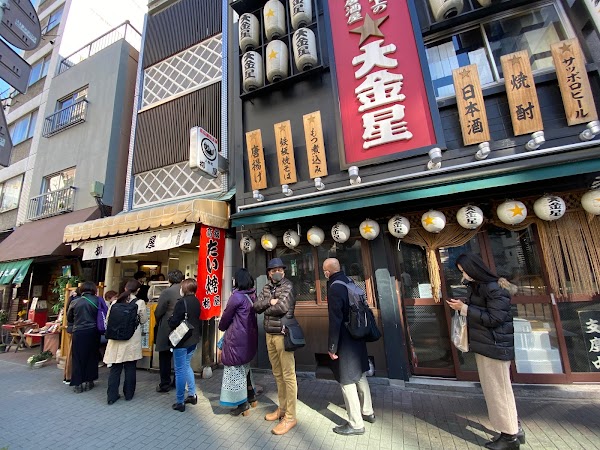
Amazake Yokocho: About a one-minute walk from Exit A1 of Ningyocho Station, this roughly 400-meter street has wagashi, tofu, tamagoyaki, senbei, tea and traditional restaurants. It is ideal for a slow afternoon of grazing and browsing.
Ningyocho food: Start with ningyoyaki, tamagoyaki and hojicha sweets, then choose sukiyaki, shamo-nabe or yoshoku according to your budget when you want a sit-down meal. The shops listed in the attraction notes below have different opening days, so check each shop’s announcement before leaving.
Ningyocho attractions: Suitengu, Amazake Yokocho, the mechanical clock tower and the Nihonbashi Seven Lucky Gods can all be linked on foot. With limited time, eat first, then choose one or two historical stops to explore properly.
Ningyocho History and Shitamachi Culture
Traditional crafts and hands-on discoveries ✂️
The Nihonbashi and Ningyocho area still has shops for brushes, washi paper, folding fans, tenugui towels and wagashi. They are not all large tourist facilities; the pleasure is in noticing the signs and windows as you walk and choosing a Tokyo souvenir with a stronger sense of place than a standard gift.
Mechanical clock tower and Nihonbashi Seven Lucky Gods 🕰️
The mechanical clock tower near the entrance to Amazake Yokocho is a recognizable Ningyocho landmark. The Nihonbashi Seven Lucky Gods route links eight shrines around Suitengu, and official walking information uses about 1.5 hours as a guide. For a complete pilgrimage, do not squeeze it into a meal-only half day; check the day’s worship and amulet arrangements at each shrine.
From kabuki and puppet theater to Shitamachi life 📜
In the early Edo period, the present Ningyocho area gathered kabuki venues and puppet theaters, with popular entertainment driving local commerce and food culture. That history is why today’s ningyoyaki, old shops and narrow lanes are more than nostalgic scenery: they continue the city’s everyday food and craft traditions.
Showing: All(8)
Amazake Alley
甘酒横丁
Click for Navigation
Google Maps
Apple Maps
Copy address
Shitamachi food and shopping
Within walking distance of Ningyocho Station
Intro
▼
Amazake Yokocho
Item
Details
Address
Amazake Yokocho 2 Chome-4 Nihonbashiningyocho, Chuo City, Tokyo 103-0013 Japan
Located on the eastern side of Chuo City in Tokyo, "Amazake Yokocho" is a shopping street that blends rich downtown charm. This historic street stretches from Ningyocho shopping district to Kiyosubashi Street, bustling with shops and energy.
How to plan a food-and-shopping walk in Ningyocho
If you are looking for Ningyocho food and want to plan some Ningyocho shopping, Amazake Yokocho is an easy place to start: walk out from Ningyocho Station and follow the row of long-established shops, dessert stores, and restaurants, combining shopping with casual bites in one stroll.
The name Amazake Yokocho is said to originate from the Meiji era, when a sake shop called "Owariya" was located at the southern entrance of the street. This shop not only sold sake but also left a significant historical mark on the area. Today, visitors can still find a long-established tofu shop called "Futaba," which has been in business since the 40th year of the Meiji era, where the refreshing sake is perfect for sipping while strolling along the street.
In addition to traditional cuisine, Amazake Yokocho is home to many great shopping and dining spots. The street's "Ningyo-yaki Honpo Itakura-ya" specializes in ningyo-yaki, while "Ningyocho Imahan Honten" is famous for its shabu-shabu and sukiyaki, and their beef croquettes are also very popular. For local snacks, "Torichu" offers delicious grilled chicken skewers and tamagoyaki.
This area is not only rich in food but also close to several historic performance venues, such as rakugo theaters and the "Meijiza" theater, which attract large audiences year-round, keeping Amazake Yokocho lively. After watching a performance, visitors often stroll through the shopping street to buy souvenirs or enjoy authentic cuisine.
Stepping out of Amazake Yokocho leads to a leisurely walk along the Sumida River. Consider visiting Suitengu Shrine and Koganji Shrine, which are not only spiritual havens but also great opportunities to learn about traditional Japanese culture. On this street filled with history and culture, every step resonates with the blend of Tokyo's past and present.
🎬 甘酒横丁 Video
Ningyoyaki Honpo Itakuraya
人形焼本舗板倉屋
Click for Navigation
Google Maps
Apple Maps
Copy address
🕖10:00~17:30
Intro
▼
Itakuraya
Item
Details
Address
2-4-2 Ningyocho, Chuo City, Tokyo
Business Hours
Monday to Saturday 10:00–17:30 Closed on Sundays and public holidays
This is the original shop of Ningyo-yaki, a famous local specialty in Ningyocho, established in 1907. It is a landmark old shop in the area. Their Ningyo-yaki is shaped like the "Seven Lucky Gods," with a honey cake exterior filled with smooth red bean paste (こしあん). Interestingly, there are only six molds for the Seven Lucky Gods, and the shop claims that the seventh god is "the customer's smile." Itakuraya's Ningyo-yaki has a moist texture and just the right sweetness, making it a classic treat perfect for souvenirs or snacks when visiting Ningyocho.
If you are exploring Ningyocho for food, this is a convenient takeout snack to add along the Amazake Yokocho walk.
🎬 人形焼本舗板倉屋 Video
Mori no En
森乃園
Click for Navigation
Google Maps
Apple Maps
Copy address
🕖10:00 AM - 7:00 PM
Tea leaves for sale / Soft serve ice cream
Intro
▼
Morinoen
Item
Details
Address
2-4-9 Nihonbashi Ningyocho, Chuo City, Tokyo
Business Hours
10:00 AM – 7:00 PM (1F: Tea Sales / Ice Cream) *1F shop closed only on New Year's Day
Founded in 1914, Morinoen is a renowned specialty shop for "Hojicha" in Ningyocho, Tokyo. The shop insists on using its own roasting techniques to provide aromatic roasted tea, beloved by locals and tourists alike. Although the second-floor café, once famous as a "Top 100 Sweet Shops," has closed, the first floor's tea sales and takeout ice cream remain popular. A must-try is the "Hojicha Ice Cream," which boasts a strong and rich roasted tea aroma while being surprisingly refreshing. If you're lucky, opt for the limited "Hojicha Ice Cream with Monaka." The crispy shell paired with elegant roasted tea red bean filling offers a rich texture. The shop also sells “Gokujo Hojicha,” roasted twice for a rich aroma and mellow taste. If you are mindful of caffeine, choose according to your needs and the official product information.
🎬 森乃園 Video
Gyokueido Hikokuro
玉英堂彦九郎
Click for Navigation
Google Maps
Apple Maps
Copy address
🕖09:30~17:00
Intro
▼
Gyokueidou Hiyakuro
Item
Details
Address
2-3-2 Ningyocho, Chuo City, Tokyo, Gyokueidou Building 1F
Business Hours
Monday to Friday 09:00–19:00, Saturday 09:00–18:00, Sunday & National Holidays 09:30–17:00 *Irregular holidays
Gyokueidou Hiyakuro is a legendary wagashi shop with nearly 450 years of history, established in 1576 in Kyoto, currently offering takeout only. The shop insists that all wagashi are handmade, preserved by three generations of family tradition. Their signature treat is "Torayaki," which differs from typical dorayaki with its beautifully patterned tiger-striped skin that is exceptionally moist, light, and fluffy. The filling features rich Hokkaido Dainagon red beans, cleverly blending chunky and smooth textures, achieving a sophisticated balance of sweetness without being overwhelming. Another stunning item is "Tamaman," a large yam bun. When cut open, it reveals five layers of beautiful cross-sections with chestnuts, red bean paste, and other fillings, resembling a work of art. This wagashi shop takes traditional techniques to the extreme while showcasing a modern elegance, beloved by food enthusiasts.
🎬 玉英堂彦九郎 Video
Ningyocho Imahan Main Branch
人形町今半 本店
Click for Navigation
Google Maps
Apple Maps
Copy address
🕖11:00~15:00 / 17:00~22:00
Intro
▼
Ningyocho Imahan Main Store
Item
Details
Address
2-9-12 Ningyocho, Chuo City, Tokyo
Access
Tokyo Metro Hibiya Line: about 1 minute on foot from Ningyocho Station Exit A2; Toei Asakusa Line: about 2 minutes from Ningyocho Station; Tokyo Metro Hanzomon Line: about 3 minutes from Suitengumae Station Exit 7. (Exit and construction conditions may change; check again before departure.)
Business Hours
Monday to Friday 11:00–15:00 / 17:00–22:00 Saturday, Sunday, and holidays 11:00–22:00
Ningyocho Imahan is a well-known sukiyaki restaurant famous for its melt-in-your-mouth premium meats and attentive service. This charming standalone Japanese restaurant offers an excellent space for guests to fully immerse themselves in food and conversation. Dining here, whether enjoying sukiyaki or shabu-shabu, involves skilled staff in kimonos cooking at the table, carefully monitoring the sauce's richness, heat, and doneness to ensure guests experience the perfect dish. The restaurant's hospitality is highly praised, making it ideal for family gatherings, business meetings, or special occasions like birthdays, providing an unparalleled sense of satisfaction. Its carefully selected black-haired wagyu, paired with seasonal vegetables like "Noto-kko" mushrooms, creates an exquisite flavor that only a long-established restaurant can deliver. For a celebratory or formal meal among Ningyocho restaurants, the seating, tableside service, and sukiyaki experience at Ningyocho Imahan Main Store make it better suited to dinner or a special occasion than a casual takeout stop.
🎬 人形町今半 本店 Video
Yanagiya
柳屋
Click for Navigation
Google Maps
Apple Maps
Copy address
🕖12:30~18:00
Intro
▼
Yanagiya
Item
Details
Address
2-11-3 Ningyocho, Chuo City, Tokyo
Business Hours
Tuesday to Saturday 12:30–18:00, Closed on Monday and Sunday
Dining Budget
~¥999
Tabelog Rating
3.78
Restaurant Features
Founded in 1916, Yanagiya is one of the "Three Great Taiyaki Shops" in Tokyo, a century-old establishment. Located in the sweet sake alley of Ningyocho, it always attracts a steady stream of customers. The standout feature here is the adherence to the traditional "Ichijo-yaki" (also known as "natural baking") technique. Craftsmen use a heavy 2-kilogram mold to carefully grill each taiyaki over an open flame, resulting in an incredibly thin and crispy skin with a delightful charred aroma. The filling is made from red bean paste sourced from Tokachi, Hokkaido, generously packed throughout. Its sweetness is refined and not overwhelming, achieving a perfect balance with the crispy exterior. Although primarily a takeout shop, grabbing a freshly baked taiyaki is a must-do for tasting Tokyo's finest delicacies.
Established in 1935, this traditional wagashi shop is located in the charming "Amazake Yokocho." Originally founded in Kyoto, it moved to its current location in Ningyocho in 1951 and has been beloved by locals for many years. When visiting Amazake Yokocho, don't miss the shop's "Amazake" (¥200). Made solely from rice malt, it has a mild flavor that showcases the purest natural sweetness, warming both body and soul. The shop's most popular item is "Warabi Mochi," known for its chewy and soft texture, coated in high-quality soybean flour, making it a delightful Japanese treat. Another signature item is "Torayaki," named for its soft, striped skin resembling a tiger, filled with perfectly sweetened red bean paste, offering an elegant flavor. The shop only provides takeout service (with benches available outside for a short rest) and accepts cash payments only.
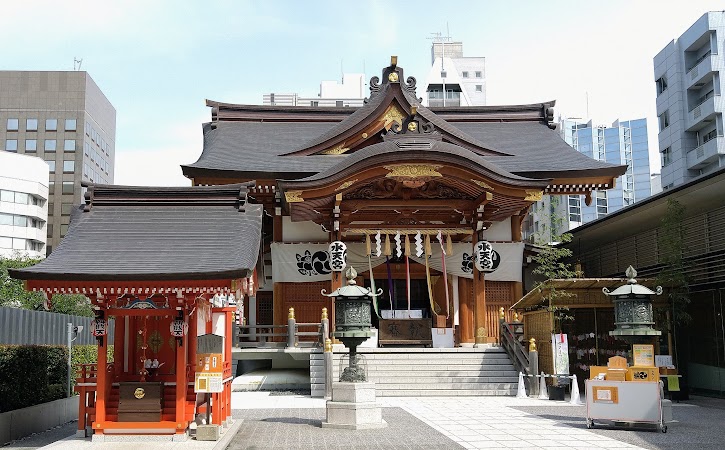
Suitengu Shrine
水天宮
Click for Navigation
Google Maps
Apple Maps
Copy address
🕖07:00-18:00
Intro
▼
Suitengu Shrine
Item
Details
Address
Suitengu Shrine 2 Chome-4-1 Nihonbashikakigaracho, Chuo City, Tokyo 103-0014 Japan
Access
Tokyo Metro Hanzomon Line: about 1 minute on foot from Suitengumae Station Exit 5; Hibiya Line: about 6 minutes from Ningyocho Station Exit A2; Toei Asakusa Line: about 8 minutes from Ningyocho Station Exit A3.
Hours
7:00 AM to 6:00 PM
If you are planning a Nihonbashi Ningyocho sightseeing walk, Suitengu Shrine pairs well with Amazake Yokocho; check the shrine’s posted worship and prayer reception hours before visiting.
Suitengu Shrine
A Shrine for Safe Delivery and Childbirth
Offers blessings for childbirth, Shinto rituals, and protection from evil.
Opening Hours:Amulet Office: 8:00 AM to 6:00 PM
Prayer Acceptance: 8:00 AM to 3:15 PM
Number of Visitors
【Except for Dog Days】Up to 6 adults
【Dog Days (Weekdays)】
・For childbirth prayers, 1 pregnant woman and 1 adult
・For Shinto rituals and other prayers, up to 2 adults
※Children are not limited in number and can enter the shrine.
【Dog Days (Weekends and Holidays)】
・For childbirth prayers, only 1 pregnant woman
・For Shinto rituals and other prayers, up to 2 adults
※Children are not limited in number and can enter the shrine.
Introduction to Suitengu Shrine
The origin of Suitengu Shrine is in Kurume, Kyushu (now Kurume City, Fukuoka Prefecture). The 9th lord of Kurume, Arima Yoriyoshi, in 1818, relocated the Suitengu enshrined in his home to the Mita Akabane residence in Tokyo, marking the shrine's origin in Tokyo.
Suitengu enshrines four deities.
Tenjin Omikami (Tenjin no Kami)
The deity that manifested at the highest point of Takamagahara during the creation of the universe, considered the ancestor of all Japanese gods, known for vast divine virtues, especially in childbirth and child-rearing.
Emperor Antoku (Antoku Tenno)
The son of Emperor Takakura and the Kōmyō-in, he ascended to the throne at the age of three as the 81st emperor.
In the 4th year of Jōei (1185), at the age of eight, he was thrown into the sea by his grandmother, Nii no Tsubone, at Dan-no-ura.
Kōmyō-in (Kōmyō-in)
The daughter of Taira no Kiyomori and Tokiko (Nii no Tsubone), she became the consort of Emperor Takakura at the age of eighteen. After giving birth to Emperor Antoku, she took the name Kōmyō-in and spent her remaining years performing memorial rites for the Taira clan after the battle of Dan-no-ura.
Nii no Tsubone (Nii no Tsubone)
The principal wife of Taira no Kiyomori, named Tokiko. After Kiyomori's death, she became a nun and was granted the title of Junior Second Rank, hence called Nii no Tsubone. She fled from Kyoto with her grandson, Emperor Antoku, to the west, ultimately drowning at Dan-no-ura.
Origin of Suitengu Shrine
Influenced by the divine virtues of Tenjin Omikami, the Arima family of Settsu adopted Tenjin Omikami as their guardian deity. After the Onin War, the Arima family retreated to Arima in Kobe after being defeated in the Kakitsu War (1441) and changed their surname to Arima. Later, the family was rediscovered by Toyotomi Hideyoshi and returned to the political center, expressing gratitude for the divine virtues of Arima Shrine by adopting the Arima Shrine crest "Mitsu Tomoe" as their family crest. Now, only the head of the family is allowed to use the Mitsu Tomoe emblem.
Construction of Suitengu Shrine after the Kurume Domain was established
In the 6th year of Genna (1620), the Arima family (Arima Toyoshi) was granted 210,000 koku in the Kurume domain. The second lord, Arima Tadayori, donated a large tract of land along the Chikugo River to the shrine, which was then known as "Nii no Tsubone Daimyōjin," and constructed the shrine.
Suitengu Shrine was invited to Edo
The reverence for the deity has been passed down through generations. In the 1st year of Bunsei (1818), the 9th lord, Arima Yoriyoshi, during his attendance at Edo, relocated the spirit of the shrine from Kurume to the residence in Shiba Akabane Bridge for easier worship. Since then, Suitengu Shrine has remained with the head of the family and was moved to Aoyama in the 4th year of Meiji, and the following year to Nihonbashi Kōgane-cho. Despite enduring many hardships, including the Great Kanto Earthquake, it still stands strong today.