

Love it.
Travel
ś
Introduction
【Explore Ginza & Hibiya: The Ultimate Must-Visit Guide!】
Ginza & Hibiya: Tokyo’s Stylish Heart of Boutiques, Culture & Green Space
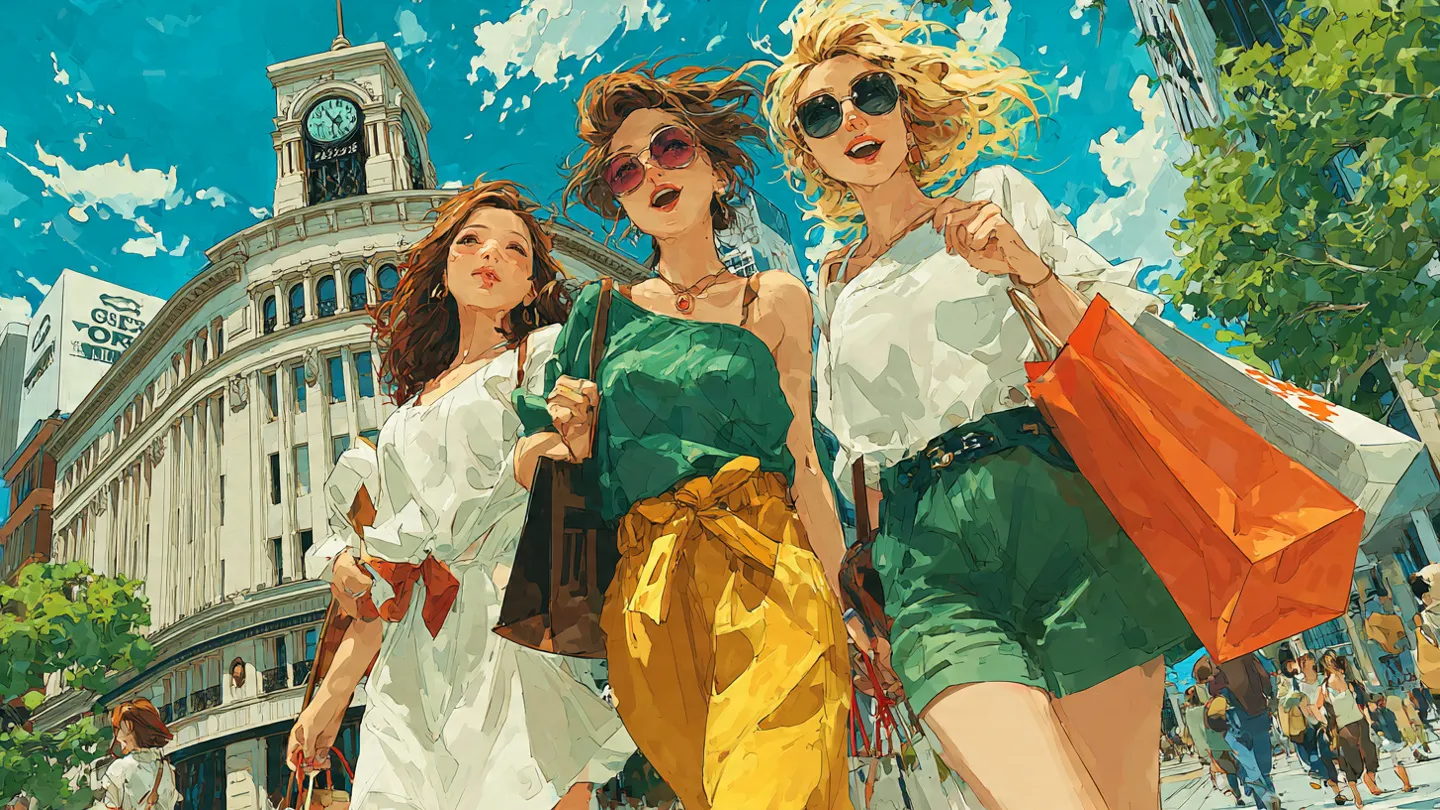
Ginza and Hibiya are Tokyo’s most refined and elegant neighborhoods—close to each other but with distinct vibes. It’s not only a fashion shopping paradise but also blends art performances and urban green spaces, offering diverse options for travelers with different tastes.
Ginza: The Mecca of Luxury Shopping
Ginza is an iconic Tokyo landmark, famous for its high-end flagship stores, department stores and refined restaurants. Its orderly streets are filled with an elegant atmosphere—perfect for experiencing Tokyo’s luxury and fashion scene.
Shopping heaven: Ginza brings together many international flagship and specialty stores. Classics like Ginza Mitsukoshi and Wako are worth a visit, and you can find many unique Japanese designer brands.
Culture & dining: Beyond shopping, Ginza hosts rich cultural venues such as the long-established Kabuki-za, where you can enjoy the finer points of traditional Japanese theater. Dining ranges from Michelin-starred restaurants to cozy spots serving local specialties.
Pedestrian paradise: On weekends, Chuo-dori becomes a pedestrian-only street, closed to cars so visitors can stroll leisurely down the main road and enjoy a unique shopping atmosphere.
Hibiya: Arts & Urban Green in the Heart
Hibiya sits next to Ginza but has a different, more relaxed vibe. Centered around Hibiya Park, it’s a peaceful green oasis in the busy city and an important spot for arts and performances.
Hibiya Park: Japan’s first Western-style park, featuring seasonal flowers, fountains and a music hall. Whether it’s cherry blossoms in spring, maples in autumn, or a calm coffee break at the park café, it’s a great escape from the urban rush.
The arts hub: Hibiya is a major center for theater and cinema in Tokyo, home to well-known venues like the Tokyo Takarazuka Theatre and the Nissay Theatre. You can often catch musicals, concerts and stage plays. Also, TOHO CINEMAS Hibiya offers a top-notch movie experience.
Mixed-use facilities: Tokyo Midtown Hibiya blends shopping, dining and cinemas. Its modern design and diverse services attract both locals and visitors.
More detailed descriptions of each spot follow
Transportation Guide

How to get to Ginza & Hibiya?

Getting between Ginza and Hibiya is super convenient—you can use several subway lines.
Ginza: Ginza Station (Ginza Line, Marunouchi Line, Hibiya Line)
Hibiya: Hibiya Station (Hibiya Line, Chiyoda Line, Toei Mita Line)
Yurakucho: Yurakucho Station (Yurakucho Line, JR Yamanote Line, Keihin-Tohoku Line) — from here it’s an easy walk to either Ginza or Hibiya.
These two neighborhoods are within walking distance of each other, so consider visiting both in the same day. Spend a relaxed morning at Hibiya Park and shop your heart out in Ginza in the afternoon—a perfect combo of nature, culture and retail.
Useful Japanese Phrases for Travelers
Click the text below for audio!
旅遊實用日文
你好 안녕하세요
Hello
不好意思 실례합니다
Excuse me
非常感謝你 감사합니다
Thank you very much
再見 안녕히 계세요
Goodbye
廁所在哪裡? 화장실이 어디에 있습니까?
Where is the toilet?
旅遊咨詢處在哪裡? 관광 안내소가 어디에 있습니까?
Where is the tourist information center?
有宣傳冊子嗎? 팸플릿이 있나요?
Do you have a brochure?
我可以拍照嗎? 사진을 찍어도 될까요?
May I take a photo?
可以幫我拍照嗎? 사진 좀 찍어주시겠어요?
Could you take a photo for me?
計程車站在哪裡? 택시 승강장이 어디에 있습니까?
Where is the taxi stand?
請去這裡 여기로 가주세요
Please go here
請展示這個 이것 좀 보여주세요
Please show this
我想去這裡。 여기에 가고 싶습니다.
I would like to go here.
我不會說日語 일본어를 할 줄 모릅니다
I don't speak Japanese
你會說英語嗎? 영어 할 줄 아세요?
Do you speak English?
請說慢一點。 좀 더 천천히 말씀해 주세요.
Please speak more slowly.
請再說一遍 다시 말씀해 주세요
Please say it again
有店員會說中文嗎? 직원은 중국어를 할 수 있나요?
Can the staff speak Chinese?
Common Japanese Phrases for Shopping
Click the text below for audio!
購物實用日文
請給我這個。 이것 주세요.
Please give me this.
我想要這個,謝謝。 이것 부탁드립니다.
I would like this, please.
請給我菜單。 메뉴 주세요.
Please give me the menu.
您推薦什麼? 추천하는 건 무엇인가요?
What do you recommend?
有更便宜的東西嗎? 더 저렴한 것이 있나요?
Do you have anything cheaper?
這是日本製的嗎? 이것은 일본 제품입니까?
Is this made in Japan?
我想點餐。 주문하겠습니다.
I would like to place an order.
請結帳。 계산서 부탁드립니다.
Could I have the bill, please?
可以免稅嗎? 면세 가능한가요?
Is this tax-free?
多少錢? 얼마입니까?
How much is it?
我在哪裡付款? 어디에서 결제하나요?
Where do I pay?
可以用信用卡嗎? 신용카드 사용 가능한가요?
Can I use a credit card?
我要用現金付款。 현금으로 결제하겠습니다.
I'll pay in cash.
我用 Suica 付款。 스이카로 결제하겠습니다.
I'll pay with Suica.
我用卡付款。 카드로 결제하겠습니다.
I'll pay with a card.
可以分開包裝嗎? 따로 포장해 주실 수 있나요?
Can you wrap them separately?
請給我收據。 영수증 부탁드립니다.
Could I have a receipt, please?
Clothing Store Japanese Phrases
Click the text below for audio!
服飾店實用日文
這個多少錢? 이거 얼마예요?
How much is this?
我可以試穿嗎? 이걸 입어봐도 될까요?
May I try this on?
有 S 號的嗎? S 사이즈 있어요?
Do you have this in size S?
有 M 號的嗎? M 사이즈 있어요?
Do you have this in size M?
有 L 號的嗎? L 사이즈 있어요?
Do you have this in size L?
有 XL 號的嗎? XL 사이즈 있어요?
Do you have this in size XL?
有再大一點的嗎? 좀 더 큰 사이즈 있어요?
Do you have a larger size?
有再小一點的嗎? 좀 더 작은 사이즈 있어요?
Do you have a smaller size?
這個尺寸合適。 사이즈가 맞아요.
The size fits.
不好意思,這個尺寸不合適。 죄송해요, 사이즈가 안 맞아요.
Sorry, the size doesn't fit.
我再想一想。 좀 더 생각해볼게요.
I'll think about it a bit more.
這個可以。 이거 괜찮아요.
This is fine.
我不用了,謝謝您。 괜찮습니다, 감사합니다
No, thank you though
我要這個。有全新的嗎? 이걸로 할게요. 새 제품 있어요?
I'll take this one. Do you have a new one?
可以再便宜一點嗎? 좀 더 싸게 할 수 있어요?
Can it be a little cheaper?
我想再看看其他的。 좀 더 다른 걸 봐볼래요.
I want to look at others a bit more.
跟我想像的不一樣,我不要了。 생각했던 거랑 달라서 패스할게요.
It's different from what I imagined, so I'll pass.
我要這個。 이걸로 할게요.
I'll take this.
Restaurant Japanese Phrases
Click the text below for audio!
打擾了 실례합니다
Excuse me
請給我菜單! 메뉴판을 주세요!
Can I have the menu, please?
我要點餐 할게요
I'd like to order.
我點這個 이거 주세요
I'll have this.
謝謝招待 감사합니다
Thank you for the hospitality.
請給我水 물 좀 주세요
Can I have some water, please?
這個要怎麼吃呢? 이거 어떻게 먹죠?
How do I eat this?
請給我一個小盤子 작은 접시 하나 주세요
Can I have a small plate, please?
可以幫我拍照嗎? 사진 좀 찍어 주실래요?
Could you take a photo for me, please?
麻煩幫我換烤網 구이망을 바꿔 주시겠어요?
Could you change the grill net for me, please?
麻煩結帳 계산서 주세요
Can I have the bill, please?
我在哪裡付款? 어디에서 결제하나요?
Where do I pay?
多少錢? 얼마입니까?
How much is it?
可以用信用卡嗎? 신용카드 사용 가능한가요?
Can I use a credit card?
我要用現金付款。 현금으로 결제하겠습니다.
I'll pay in cash.
請給我收據。 영수증 부탁드립니다.
Could I have a receipt, please?
Tokyo Seasons, Temperatures & What to Wear
Tokyo Seasons: Temperature & Dressing Tips
Spring (March–May)
Average temperatures:
- March: 9.4°C (low 5.0°C, high 14.2°C)
- April: 14.3°C (low 9.8°C, high 19.4°C)
- May: 18.8°C (low 14.6°C, high 23.6°C)
What to wear:
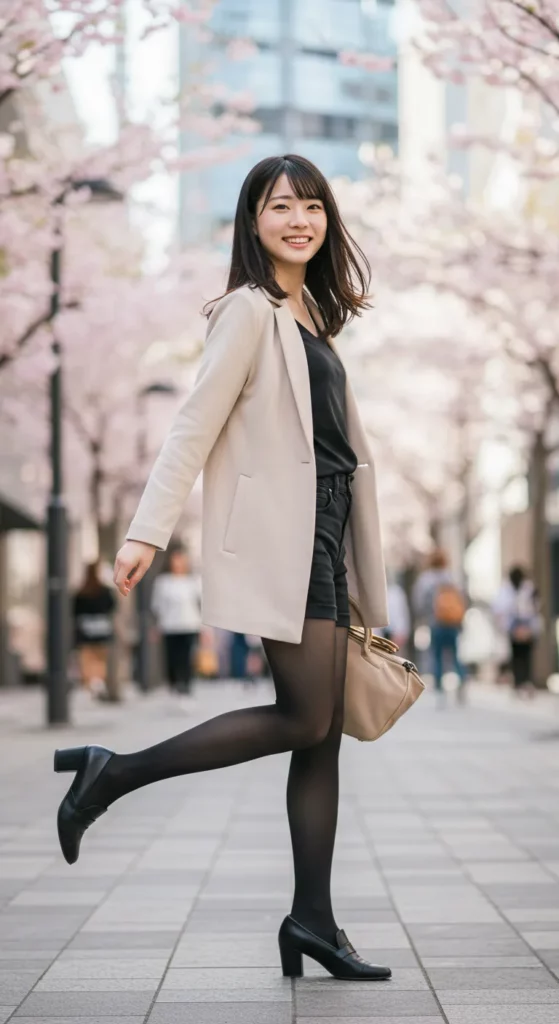
- March: Wear light knitwear and a light jacket or windbreaker, paired with long pants or skirts. Nights and mornings can be chilly, so bring an extra layer.
- April: A light jacket (like denim or a thin windbreaker) over long-sleeve tees or shirts works well. Days are comfy but mornings/evenings may still feel cool.
- May: Light long- or short-sleeve tops with pants or skirts. Weather is more stable, but keep a thin jacket handy for sudden changes.
Summer (June–August)
Average temperatures:
- June: 21.9°C (low ~18.5°C, high ~26.1°C)
- July: 25.7°C (low ~22.4°C, high ~29.9°C)
- August: 26.9°C (low ~23.5°C, high ~31.3°C)
What to wear:
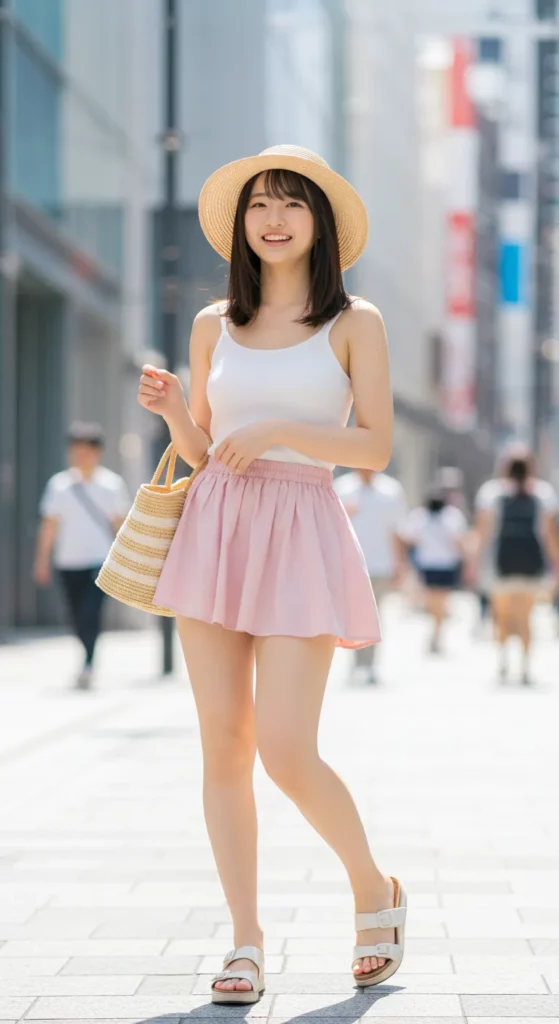
- June: It’s the rainy (tsuyu) season—wear light, breathable short sleeves with long pants or a skirt, and bring an umbrella.
- July–August: Hot and humid—stick to lightweight short sleeves, shorts, or dresses. Use sun protection like a hat, sunglasses, and sunscreen, and carry a water bottle to stay hydrated.
Autumn (Sept–Nov)
Average temperatures:
- September: 23.3°C (low ~20.3°C, high ~27.5°C)
- October: 18.0°C (low ~14.8°C, high ~22.0°C)
- November: 12.5°C (low ~8.8°C, high ~16.7°C)
What to wear:
- September: Early autumn—wear long-sleeves or a light sweater with a thin jacket and long pants. Bring an umbrella in case of wind or showers.
- October: Cooler—opt for sweaters or a jacket with long pants or a skirt. Evenings can get chilly—layer up.
- November: It turns cold—choose thicker knitwear or a coat with warm trousers. Add a scarf for extra warmth.

Winter (Dec–Feb)
Average temperatures:
- December: 7.7°C (low ~3.8°C, high ~12.0°C)
- January: 5.4°C (low ~1.2°C, high ~9.8°C)
- February: 6.1°C (low ~2.1°C, high ~10.9°C)
What to wear:
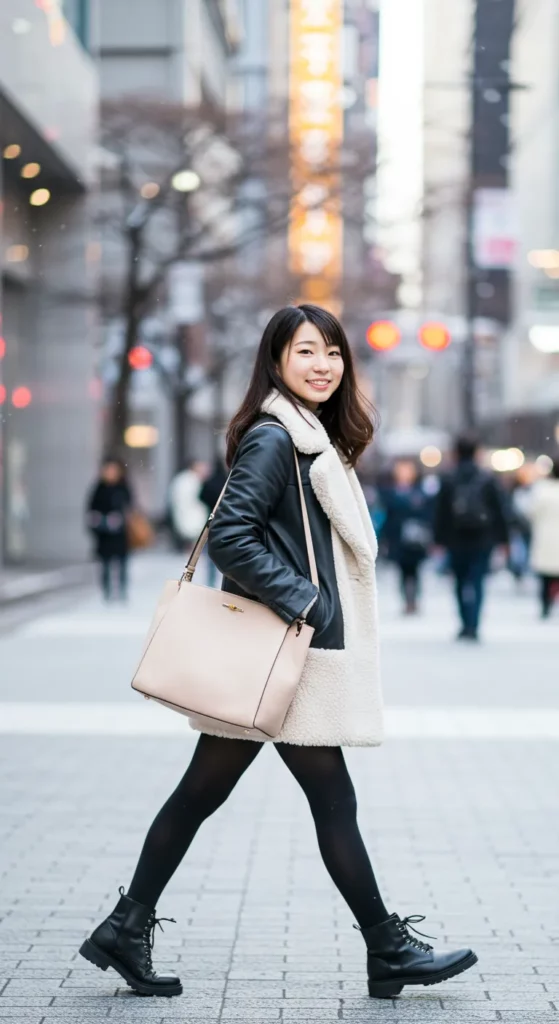
- December: Wear thick knits and a warm coat—wool coats or padded jackets work well; add scarves and gloves.
- January–February: Coldest months—choose padded coats and multiple warm layers, plus thick pants (thermal leggings are handy). Indoor heating is common, so layer for easy adjustments.
Note: Tokyo winters are dry—bring moisturizer and pay attention to staying warm.
🔥 Hot Tickets & Deals 🔥
💴 All the best Japanese department stores, cosmetics, and electronics deals — right here!!
Electronics + cosmetics + sundries

Bic Camera
(Discount vouchers are generally valid across Japan)

Yamada Denki
(Discount vouchers are generally valid across Japan)

EDION
Namba Main Store / Kyoto Shijo Kawaramachi / Akihabara Store

Don Quijote
(Discount vouchers are generally valid across Japan)

Matsumoto Kiyoshi
(Discount vouchers are generally valid across Japan)

COSMETICS AND MEDICAL (cosmetics)
Shin-Marunouchi Building / New Yurakucho Building / Otemachi FirstSquare / Otemachi Plaza / Kodemmacho / Higashi-Nihonbashi

COSMOS Cosmetics
(Discount vouchers are generally valid across Japan)

SUGI Pharmacy
(Discount vouchers are generally valid across Japan)

Daikoku Drugstore
(Discount vouchers are generally valid across Japan)

Tsuruha Drug
(Discount vouchers are generally valid across Japan)

Cocokara Fine Cosmetics
(Discount vouchers are generally valid across Japan)

Kokumin Cosmetics
(Discount vouchers are generally valid across Japan)

Hokkaido Drugstore “Satsudora”

Okinawa cosmetics chain “RYUSPA”
Department stores
Mitsui Outlet
Odaiba DiverCity
COREDO Muromachi
LaLaport
Lazona

Daimaru Matsuzakaya Department Stores
Umeda Store / Shinsaibashi Store / Tokyo Store / Matsuzakaya Ueno Store / Kyoto Store
Sapporo Store / Kobe Store / Shimonoseki Store / Matsuzakaya Nagoya Store / Matsuzakaya Shizuoka Store

Tobu Department Store Ikebukuro

Seibu Department Store
SOGO Department Store

Tokyo Rakuten Duty-Free Ginza
(GinzaNovo)

Odakyu Department Store Shinjuku
(Shinjuku West Exit)

Kintetsu Department Store
Osaka Abeno Harukas
Tax-free 10% + up to 5% extra discount

Keio Department Store Shinjuku
Tax-free 10% + up to 5% extra discount
Sports gear + apparel

JEANS MATE Clothing Store Coupon
Ikebukuro Store / Harajuku Takeshita Street Store / Kawasaki Store / Ofuna Store

Alpen Discount Coupon (sports goods)
(Discount vouchers are generally valid across Japan)
(Shinjuku store — Japan’s largest sports goods store)

L-Breath (sports goods)
(Discount vouchers are generally valid across Japan)

Victoria Golf (sports goods)
(Discount vouchers are generally valid across Japan)

Victoria (sports goods)
(Discount vouchers are generally valid across Japan)

Aoyama (The Suit Company)
Tax-free + extra 10% off coupon

Japanese luggage brand ACE
10% off coupon
🏷️ Ginza - Hibiya attractions note 🏷️
Attraction map
Attraction sticky-note route
We recommend opening the map on your computer to plan the sticky-note route.
Orange blocks (Kyobashi · Ginza area), blue blocks (Hibiya · Yurakucho area)
🚶♂️ Kyobashi · Ginza area 🚶🏻♀️
京橋車站
Kyōbashi Station
교바시역
京桥站
 Tap to navigate
Overview

国立電影資料館
National Film Archive of Japan
국립 영화 아카이브
国立电影资料馆
 Tap to navigate
🕖 11:00〜18:30
Overview
National Film Archive — Basics
Address: 3-7-6 Kyobashi, Chuo-ku, Tokyo 104-0031
Opening hours:
- Exhibition rooms: 11:00 – 18:30 (last entry 18:00)
- Library: 12:00 – 18:00 (last entry 17:30)
- Screening times: vary by program — please check the official website for the latest schedule
- Closed: Mondays (if a national holiday falls on Monday, closed the following day instead), year-end/New Year holidays and other specified closed days
Admission:
- Exhibitions: Adults 250 JPY; university students 130 JPY. Free for high school students and younger (including under-18s), seniors 65+, visitors with disabilities (plus one companion), and Campus Members.
- Screenings: General 520 JPY; university & high school students 310 JPY; elementary/junior-high students 100 JPY. Free for visitors with disabilities (ID required). Special screenings may have separate fees.
Access: 1-minute walk from Kyobashi Station (Tokyo Metro Ginza Line) Exit 1; 1-minute walk from Takaracho Station (Toei Asakusa Line) Exit A4; 10-minute walk from JR Tokyo Station Yaesu South Exit.
About the venue
Located in Tokyo’s Kyobashi, the National Film Archive of Japan (NFAJ) is Japan’s only national film institution. Its mission is to “preserve films and keep cinema alive” — collecting, preserving, and showcasing Japanese and global film heritage. It’s a paradise for film lovers and a great spot to explore Japan’s film culture and history. The facility includes two screening halls (the large commemorative hall “OZU” and a small hall), an exhibition room, and a library. Regular special screenings, exhibitions, and educational programs let visitors dive into the charm of cinema.
From classic masterpieces to early silent films, the archive holds around 40,000 films and countless related materials — a true treasure trove. Step into the modern building and you’ll feel the blend of film art and technology, a journey through Japan’s golden film era.
History
The archive’s roots go back to 1952, when it was part of the National Museum of Modern Art, Tokyo, operating as a “Film Library” collecting films for research. In 1970 it operated as the museum’s Film Center, and in 1995 it moved to its current site to become an independent film preservation and exhibition organization. In April 2018 it separated from the museum system, was upgraded to Japan’s sixth national museum, and renamed the National Film Archive of Japan.
Its exhibition history shows cinema’s evolution from silent films to the digital era and reflects the nation’s emphasis on protecting cultural heritage. Today the archive preserves fragile film materials, actively restores old works, and uses digital technology to bring them back to life.
Cultural significance
The National Film Archive is not just a film vault — it’s a major carrier of Japanese culture. Film is one of the 20th century’s most influential art forms and developed uniquely in Japan. The archive’s collections document social change, people’s emotions, and moments in time. From prewar documentaries to postwar economic-era films and internationally-minded works, each screen preserves cultural memory.
It’s also a bridge for international film exchange, collaborating with archives worldwide to pass on and renew film culture. Whether you’re a film researcher or a casual visitor, here you’ll see how cinema crosses languages and borders and connects us all.
警察博物館
Police Museum
경찰 박물관
警察博物馆
Click to navigate
🕖10:00〜18:00
Free admission
Overview
Tokyo Police Museum — Basic Info
Address: 3-5-1 Kyobashi, Chuo-ku, Tokyo
Hours: 10:00–18:00 (last entry 17:30)
Admission: Free
Closed: Mondays (if a national holiday, the next day), and year-end/New Year (Dec 28–Jan 4)
Access:
-
\t
- Tokyo Metro Ginza Line — Kyobashi Station Exit 2, about a 2-minute walk \t
- Tokyo Metro Yurakucho Line — Ginza-itchome Station Exit 7, about a 4-minute walk \t
- Toei Asakusa Line — Takaracho Station Exit A4, about a 5-minute walk \t
- JR Yurakucho Station (Kyobashi Exit), about a 7-minute walk \t
- JR Tokyo Station (Yaesu South Exit), about a 10-minute walk
What to see
Located in Kyobashi, the Tokyo Police Museum (Polisumujiamu) is run by the Metropolitan Police Department and blends history, hands-on activities, and modern tech. The museum spans floors 1–5: the 1st-floor “Pippo-kun Hall” showcases real police cars, white motorcycles and elevators — you can even try on a police uniform and take souvenir photos (kids love it). Floors 2–3 offer interactive experiences such as fingerprinting stations and a simulated 110 emergency call. Floors 4–5 display historical artifacts and records of major incidents, letting you trace police development over time.
Free and conveniently close to Ginza and Tokyo stations, it’s a compact stop worth squeezing into your Tokyo itinerary. Whether you’re curious about Japan’s public-safety system or just want a cool uniform photo, this place delivers.
History & cultural notes
The museum started in 1961 as a police PR center at the old Kyobashi station, moved and was rebuilt in 1987, and was officially renamed the Police Museum in 1994. A full renovation in 2017 turned it into an experience-oriented museum incorporating modern tech (like VR) so visitors can feel the world of police work from new angles. The exhibits trace the roots of modern Japanese policing back to Meiji-era reforms (1874) led by Kawaji Toshiyoshi.
Culturally, the museum highlights Japan’s emphasis on order and community harmony (the “wa” spirit). Displays—from Meiji-era red motorcycles to modern gear—show how tradition and innovation sit side by side. Friendly mascots like “Pippo-kun” help soften the image of strict duty into approachable community symbols, which is quite telling of Japanese society.
銀座 伊東屋 本店
Ginza Itōya Main Store
긴자 이토야 본점
银座 伊东屋 本店
 Tap to navigate
🕖 10:00 – 19:00
Overview
Ginza Itoya Main Store — Basic Info
Address: 2-7-15 Ginza, Chuo-ku, Tokyo 104-0061
Hours: Weekdays & Sat: 10:00 – 20:00
Sundays & national holidays: 10:00 – 19:00
12th floor Cafe Stylo: 11:30 – 21:00 (last order 20:00)
※ Hours may change for special situations—check the official website.
About the store
“Ginza Itoya Main Store” is a long-standing stationery flagship founded in 1904, easily recognized by its iconic red clip logo. Located in central Ginza, it’s more than a shop—it’s an experience. The store consists of two buildings, G.Itoya and K.Itoya, along Ginza and Azuma streets, with a total of 12 floors offering everything from everyday stationery to premium pens and creative craft supplies.
On the ground floor you’ll find beautifully curated stationery from around the world—great for picking gifts. The 2nd-floor “Write & Post” area gives you a cozy writing space and real postboxes so you can mail your notes on the spot. The 3rd-floor “Pen & Ink Bar” displays a wide range of pens available for testing—pen lovers, rejoice. The 11th-floor “FARM” grows fresh produce hydroponically, which is served at the 12th-floor Cafe Stylo, so you can enjoy locally grown, healthy dishes right in Ginza.
Whether you’re hunting for a unique gift, enjoying hands-on creative fun, or simply want a relaxing stationery break, Ginza Itoya delivers. It’s not just a paradise for pen nerds—it’s a cultural spot you shouldn’t miss in Tokyo.
松屋銀座
Matsuya Ginza
마츠야 긴자
松屋银座
 Tap to navigate
🕖 10:00 – 20:00
Overview
Matsuya Ginza — Store Info
Address: 3-6-1 Ginza, Chuo-ku, Tokyo
Hours: Generally 11:00 – 20:00. (On Sundays or the last day of consecutive holidays it may close at 19:30; specific dates may vary — please check official announcements.)
About the store
Matsuya Ginza sits in the heart of Tokyo’s busiest Ginza district and is a high-end department store focused on fashion and design. Open since 1925, it’s a cultural icon that blends international luxury brands with fine Japanese craftsmanship. From top-shelf luxury names like Louis Vuitton and Christian Dior to unique specialty shops, Matsuya offers a diverse shopping experience that satisfies many tastes.
The department store often hosts limited-time exhibitions, gourmet festivals, and events so visitors can enjoy more than shopping—it’s also a place to experience art and food culture. The basement “GINZA Food Stage” gathers various delicacies from traditional Japanese sweets to international cuisine, while the upper-floor restaurants offer comfortable dining spaces—perfect for taking a breath amid Ginza’s bustle.
無印良品 銀座
Muji Ginza
무인양품 긴자
无印良品 银座
Tap to navigate
🕖 10:00–21:00
Overview
MUJI GINZA — Store Info
Address: 〒104-0061 Tokyo, Chuo-ku, Ginza 3-5-5
Opening hours: 10:00–21:00 (1F MUJI Coffee & Bakery 9:30–21:00, B1 MUJI Diner 7:30–22:00, last order 21:30)
Access
– Tokyo Metro Ginza/Marunouchi/Hibiya lines, Ginza Station Exit B4 — about a 3-minute walk – Tokyo Metro Yurakucho Line, Ginza-itchome Station Exit 5 — about a 3-minute walk – JR Yamanote Line, Yurakucho Station Central Exit — about a 5-minute walk
About the store
MUJI GINZA is MUJI’s flagship, opened on April 4, 2019. The 10-floor building (B1–10F) embodies MUJI’s idea of a simple, comfortable life, offering clothing, food, home goods and services — more of an experience than just shopping.
Highlights: MUJI HOTEL GINZA (6F–10F) offers smart, well-priced stays; B1 MUJI Diner focuses on simple, healthy dishes; 1F MUJI Coffee & Bakery bakes fresh bread daily and serves the exclusive “Ginza Blend” coffee. The store also has a produce market, chilled foods and lots of snacks — perfect for sampling MUJI’s food and lifestyle.
Located in Ginza, Tokyo’s fashion and culture hub, MUJI GINZA blends tradition and modernity. Whether you need daily essentials or want to soak up Ginza’s vibe, it’s a must-visit for travelers and locals alike.
精工博物館 銀座
Seiko Museum Ginza
세이코 뮤지엄 긴자
精工博物馆银座
Click to navigate
🕖 10:30 – 18:00 Free admission
Overview
The Seiko Museum Ginza — Shop Info
Address: Ginza 4-3-13 Namiki-dori Building, Chuo-ku, Tokyo
Opening hours: 10:30 – 18:00 (last entry 17:30)
Closed: Mondays (if Monday is a national holiday, closed the following day), year-end/New Year holidays
Admission: Free (advance reservation on the official website recommended)
About the museum
The Seiko Museum Ginza is the birthplace of Seiko craftsmanship and carries the brand’s long history and spirit. The museum moved to Ginza and reopened on August 19, 2020, commemorating founder Kintarō Hattori’s 160th anniversary. The venue spans about 492.5 m² across B1 to 6F and showcases a rich variety of exhibits, from classic timepieces to Japan’s traditional and modern watches.
A highlight at the entrance is the large pendulum clock “RONDEAU LA TOUR” (5.8 m high). Inspired by French tower clocks, it performs a short routine before each hour with light and sound — a signature attraction in Ginza. The museum displays around 500 items, including early Seiko watches, timing devices from the 1964 Tokyo Olympics, and rare historical and modern timepieces that trace Japan’s watchmaking evolution.
The museum is great for clock lovers and anyone curious about Japan’s modern industry and culture. Free admission and a convenient location — about a 2-minute walk from Tokyo Metro Ginza Station — make it ideal for a quick stop or a deeper visit.
和光本館
Wako Main Building
와코 본관
和光本馆
Click to navigate
🕖 10:30 – 19:00
Overview
Wako Main Building — Shop Info
Address: 〒104-8105 Tokyo, Chuo-ku, Ginza 4-5-11
Opening hours: 10:30 – 19:00 (may vary by season or special events; check official announcements)
Wako, at the Ginza 4-chome intersection, is one of Ginza’s most iconic landmarks, famous for its elegant clock tower. Designed by architect Jin Watanabe and completed in 1932, the building blends classical and Art Deco styles and represents Ginza’s historic elegance. Wako is linked to the Seiko Group and the legacy of Kintarō Hattori.
Inside you’ll find a curated selection of high-quality goods: the house’s watches and jewelry, premium domestic and international crafts, ceramics, handbags and interior items. Seasonal window displays always attract attention, making Wako a signature sight in Ginza. Whether you’re after a special souvenir or a refined shopping experience, Wako delivers classic elegance.
銀座三越
Ginza Mitsukoshi
긴자 미츠코시
银座三越
Click to navigate
🕖 10:00 – 20:00
Overview
Ginza Mitsukoshi — Shop Info
Address: 4-6-16 Ginza, Chuo-ku, Tokyo (104-8212)
Opening hours: Generally 10:00–20:00 (some floors or special events may have different hours — please check official notices)
About the shop
Ginza Mitsukoshi sits right in the heart of Ginza — the famous 4-chome crossroads — and has been a landmark since it opened in 1930 (Showa 5). As a key spot of the Isetan Mitsukoshi Group, it offers upscale fashion, gourmet food, and lifestyle goods, and represents Ginza’s unique vibe. The building stretches from basement floors up to the 12th floor with departments ranging from clothing and cosmetics to jewelry, home goods and restaurants — basically everything a traveler might want for shopping, dining and people-watching.
Ginza Mitsukoshi is known for curated service and a special shopping experience. The 9th floor’s “Terrace Garden” is a lovely green hideaway — a calm urban oasis next to the nearby shrine area. The 11th–12th floors host a variety of restaurants serving Japanese and international dishes so you can spend the whole day eating and strolling. On the 8th floor you’ll find “Japan Duty Free GINZA,” an airport-style duty-free store that draws many international visitors, and the new “Art Aquarium Museum GINZA” offers goldfish-themed contemporary art exhibits blending tradition and modern design.
Every year Ginza Mitsukoshi holds seasonal events — for example, the “Hana Matsuri” (Flower Festival) in early March — bringing festival vibes and floral displays. Whether you’re after luxury brands or local charm, Ginza Mitsukoshi is a must-visit in Ginza.
Art Aquarium美術館 GINZA
Art Aquarium Museum Ginza
아트 아쿠아리움 미술관 긴자
Art Aquarium美术馆 GINZA
Click to navigate
🕖 10:00 – 19:00
Online tickets are usually cheaper
👉kkday
👉Klook
About
Art Aquarium Ginza – Basic Info
Address: 4-6-16 Ginza, Chuo-ku, Tokyo — Ginza Mitsukoshi New Building 8F (entrance/check-in: New Building 9F) Official site: https://artaquarium.jp/ Opening hours: Daily 10:00–19:00 (last entry 18:00). On Wednesdays extended to 20:00 (last entry 19:00). Hours may change due to store holidays or maintenance — please confirm in advance. Tickets: Adults (junior high school and up) — web-limited timed tickets 2,500 JPY; on-site ticket machine timed tickets 2,700 JPY. Children of elementary school age and under can enter free (each paying adult may bring up to 2 children free).
About the museum
Hidden in the heart of Ginza, the Art Aquarium Ginza blends traditional Japanese motifs with contemporary art to create a dreamlike goldfish exhibition. Centered on goldfish as the main theme and combining light, sound, and scent, the museum creates immersive visual feasts. It’s an easy walk from Ginza Station — rain or shine — and a peaceful escape from the busy city.
This is more than a goldfish display — it’s a “museum of life’s aesthetics.” The museum showcases around 70 varieties of goldfish, from delicate long-finned types to plump, round breeds, each showcased in carefully designed water sculptures that seem to dance. The water installations draw on Japanese traditional elements (like handheld lanterns, lamp motifs, and bamboo grove concepts) to weave classical aesthetics with modern art. Seasonal special exhibitions (for example, spring’s “Meccha Sakura 2025” or winter’s “Goldfish and the Imaginary Silver World”) keep the experience fresh all year round.
Step inside and the lighting and reflections transport you to another world. Soft lights shimmer on the water while gentle music and subtle scents calm the senses — perfect for photographers, art lovers, or anyone needing a little zen. Whether you’re snapping photos for Instagram or simply chilling out, the Art Aquarium Ginza is a delightful, slightly surreal stop in Ginza.
History & cultural notes
The concept of goldfish appreciation in Japan traces back to the Edo period (1603–1868). Goldfish were once treasured by nobles and wealthy merchants, admired for their elegant swimming and varied forms — and over time they became symbols of good luck and good fortune, often featured in summer festivals and folk art. The museum’s design borrows these cultural elements, creating exhibits like lantern-themed installations or bamboo-grove-inspired tanks, letting visitors enjoy both the visual beauty of the fish and a taste of Japan’s traditional aesthetics. This blend of nature and culture has made the Art Aquarium Ginza a unique cultural landmark in Ginza.
歌舞伎座
Kabukiza
카부키자
歌舞伎座
Click to navigate
🕚 11:00~18:00
About
Kabukiza — Shop Information
Address: Tokyo, Chuo-ku, Ginza 4-chome 12-15
Opening hours: Varies with performance schedule. Generally daily 11:00 to 18:00 (check the monthly performance timetable on the official site; we recommend confirming in advance).
Tickets: Kabukiza is a theater — you can enter the shop area without a performance ticket, but you need tickets to watch shows. Prices depend on seat and program: top seats roughly from ¥15,000, second-tier from about ¥4,000, and single-act seats (Hitomakumi) around ¥500–2,000 (varies with performance length).
Shop Overview
Located in Ginza, Kabukiza is not only Japan’s dedicated kabuki theater but also a cultural hub that blends tradition and modernity. The building called “GINZA KABUKIZA” houses several shopping areas; the most popular is the underground 2nd-floor “Kobikicho Hiroba.” Here you’ll find all sorts of kabuki-related goods, including elegant wagashi (Japanese sweets), souvenirs, theater-limited items, and performers’ merchandise. Whether you’re visiting before or after a show or just want a taste of traditional Japan, this is a shopping spot you shouldn’t miss.
The shop design continues the Kabukiza atmosphere with warm wooden finishes and soft lighting that create a cozy shopping environment. A recommended treat is the “Medetai-yaki,” a fish-shaped cake inspired by Kabukiza’s lucky charm, filled generously and crisp on the outside — a visitor favorite. Monthly limited-time pop-up shops add seasonal treats and handcrafted items, giving deeper glimpses into Japanese culture.
東京鳩居堂 銀座本店
Tokyo Kyūkyodō Ginza Main Store
도쿄 큐쿄도 긴자 본점
东京鸠居堂 银座本店
Tap to navigate
🕖11:00~19:00
Overview
Kyukyodo Tokyo Ginza — Shop Information
Address: 5-7-4 Ginza, Chuo-ku, Tokyo 104-0061
Opening hours: 11:00 – 19:00 (Dec 31: 11:00 – 17:00). Hours may change for special events — please check the official website.
Closed: January 1–3 and other irregular holidays
Phone: 03-3571-4429
Access: About a 1-minute walk from Ginza Station (A2 exit) on the Tokyo Metro Ginza line, Marunouchi line, and Hibiya line.
Shop Overview
Kyukyodo Ginza is near the crossroads of Ginza’s 4-chome — a long-established shop specializing in incense and traditional stationery. Founded in 1663 as a family business, it carries over 350 years of history. The store’s philosophy is to preserve and nurture Japanese traditional culture while blending it with modern sensibilities, offering high-quality, seasonally inspired goods that add subtle beauty to everyday life.
Inside, a refined atmosphere greets you. The first floor showcases elegant conveniences like sachets, tins, greeting cards, and seasonal limited items (think summer fans and winter hand warmers). The second floor is a world of incense, brushes, and paper goods — from traditional calligraphy brushes to fine washi, making it feel like a cultural festival under one roof. Whether you’re hunting for a graceful gift or inspiration for your journaling, you’ll find something special here.
Outside, the shop’s red-brick façade and the “Mukai Kame” signboard add to Ginza’s streetscape charm. This is more than a shop — it’s a space that carries the essence of Japanese culture and draws curious travelers from around the world.
銀座 愛馬仕之家 Forum
Ginza Maison Hermes Forum
긴자 메종 에르메스 포럼
银座爱马仕之家论坛
Tap to navigate
🕖11:00~19:00
Free admission
Overview
Hermès Ginza Le Forum — Shop Information
Address: 5-4-1 Ginza, Chuo-ku, Tokyo 104-0061, Bldg. floors 8–9
Opening hours: 11:00–19:00 (last entry 18:30). Open Sundays 11:00–19:00 (last entry 18:30). Closed Wednesdays. Opening times may be adjusted for exhibitions — check the official site in advance.
Admission: Free
Shop Overview
Le Forum (Ginza Maison Hermès Le Forum) sits in the heart of Ginza and is a unique space created by the French luxury house Hermès. Designed by renowned architect Renzo Piano and completed in 2001, the building is famous for its warm, lantern-like glass façade. Le Forum occupies floors 8 and 9 and serves as Hermès’ gallery and exhibition space, focusing on contemporary artists’ works that resonate with the brand’s elegant identity.
This is more than a store; it’s a home where fashion meets art. Floors B1–4 are dedicated retail areas selling Hermès’ finest, while the 8th floor Forum regularly hosts free exhibitions showcasing international and Japanese artists across painting, sculpture, and installation. The 10th floor houses the reservation-only cinema “Le Studio,” offering a unique film-watching experience.
The Forum’s design uses translucent glass to flood exhibits with natural light, creating immersive displays. Whether you love art or are just wandering by, this cultural spot is worth a visit — a classy reminder of how Ginza blends fashion and art.
銀座 索尼公園
긴자 소니 파크
银座索尼公园
Tap to navigate
🕖11:00~19:00
Overview
Ginza Sony Park — Store Info
Address: 5-3-1 Ginza, Chuo-ku, Tokyo
Business hours: 11:00–19:00 (Open year-round except New Year’s and other days when Ginza Sony Park is closed)
Overview
Ginza Sony Park is a unique urban space created by Sony in Ginza, located beside the Sukiyabashi intersection. It officially reopened on January 26, 2025. More than a nod to the original 1968 Sony Building’s idea of “opening up to the city,” it expands that concept into a creative hub that mixes relaxation and activity.
Rather than fixed, permanent shops, the park focuses on ever-changing pop-ups and events. Since relaunch it has staged projects like “Sony Park Exhibition 2025” and artist collaborations from the Sony music collective, offering lively, festival-like creative experiences. The three underground floors host casual dining and innovative food concepts that explore new interactive ways of enjoying meals and daily life. Whether you’re strolling, resting, or joining an event, Ginza Sony Park is a relaxed space made for free discovery.
Click for directions
🕕11:00~21:00
Overview
GinzaNovo (formerly Tokyu PLAZA Ginza)
Address: 5-2-1 Ginza, Chuo-ku, Tokyo
Official site: https://www.ginzanovo.com/
Business hours: 11:00–21:00 (restaurants and B2F food area until 23:00)
Highlights
GinzaNovo (formerly Tokyu PLAZA Ginza) is one of the largest commercial complexes in Ginza. Its exterior draws on Edo Kiriko glass craftsmanship to create a jewel-box visual that shimmers by day and glows at night. Embracing a “Creative Japan” concept, it hosts international luxury brands (Prada and more) and features the largest duty-free store in central Tokyo (Lotte Duty Free) on levels 8–9—perfect for shoppers seeking tax-free goods. Relaxing spaces, including a quiet area on level 6 and open areas on upper floors, give visitors rare pockets of calm in the busy streets.
Floor guide
11F – 10F: Fine dining and gourmet restaurants (including THE APOLLO and traditional Kyoto-style spots).
9F – 8F: Lotte Duty Free offering cosmetics, watches, and luxury goods.
7F – 3F: Premium fashion, lifestyle goods, and creative brands.
2F – 1F: International flagship boutiques (e.g., Prada) and the tourist information center “G Info”.
B1F – B2F: Curated dining, dessert cafes, and Gin Chika Marche.
* RF (roof): “KIRIKO TERRACE” outdoor deck with cherry trees and water features, ideal for views over the Ginza crossroads.
History
This site was redeveloped from the former Sukiyabashi shopping spot and reopened as Tokyu PLAZA Ginza on March 31, 2016. After winning several international design awards, ownership transferred in 2024 to Gaw Capital Partners and PCG. The venue was rebranded as GinzaNovo in December 2025 to represent a refreshed, modern mix of retail, public spaces, and cultural programming—giving Ginza a new chapter in its long shopping history.
GINZA SIX
GINZA SIX
GINZA SIX
Click for directions
🕕10:30~20:30
Overview
GINZA SIX — Basics
Address: 6-10-1 Ginza, Chuo-ku, Tokyo
Business hours: 10:30 – 20:30 (retail); Restaurants on 13F typically 11:00 – 23:00 — hours vary by shop (please check official sites for details).
Overview
GINZA SIX is a high-end, mixed-use retail complex at the heart of Ginza, officially opened on April 20, 2017. Developed jointly by major retail groups and real estate investors, it aims to offer a “six-star” shopping experience. The building spans 13 floors above ground and 6 below, totaling about 148,700 sqm—making it the largest commercial facility in the Ginza district.
Inside are 241 stores, from top international luxury brands like Fendi, Kenzo, and Vivienne Westwood to Japanese fashion and lifestyle labels. Alongside fashion and jewelry you’ll find numerous restaurants and cafes offering refined dining. GINZA SIX also blends culture into city life—B3 houses the Kanze Noh Theater, bringing traditional Noh performances into a modern urban setting. The 4,000 sqm rooftop garden provides a green oasis where visitors can find quiet amid Ginza’s hustle.
The design, led by renowned architect Yoshio Taniguchi, mixes modern minimalism with traditional Japanese motifs—like Noren-inspired visuals—while the central “Ginza Passage” improves flow and convenience. Seasonal sales and special events (for example, the annual “GINZA SIX SALE”) regularly attract fashion lovers from near and far.
TEA FORTE 銀座店
TEA FORTE Ginza
TEA FORTE 긴자점
TEA FORTE 银座店
 Click for directions
🕕10:30~20:30
Overview
TEA FORTE Ginza — Shop Info
Address: GINZA SIX B2F, 6-10-1 Ginza, Chuo-ku, Tokyo
Hours: 10:30 – 20:30 (same as GINZA SIX; please check before visiting)
The shop offers a café; drink prices follow the menu (for example, Organic Earl Grey 968 yen — prices may vary by season).
About the shop
TEA FORTE Ginza is located on B2 of GINZA SIX and is the first directly managed store of the luxurious New York tea brand TEA FORTE in Japan. Opened on April 5, 2022, it was founded by designer Peter Hewitt (known for work at MoMA). The brand’s concept — “bringing modern style into tea culture” — aims to create a unique experience that delights both the eyes and the palate. The store not only offers carefully curated teas and café service but also sells beautifully designed tea gift boxes—perfect for gifts or personal treats.
TEA FORTE’s signature is the pyramid-shaped tea infuser (Pyramid Infuser). This elegant design helps premium tea leaves and herbs fully unfurl in hot water, releasing rich aromas. The shop offers a wide variety—from classics like Organic Earl Grey to limited collaborations such as “Paradis Single”—each cup brings layered visual and flavor enjoyment. The Ginza store also offers exclusive items so visitors can experience the brand’s craftsmanship and creativity.
The café space is warm and comfortable—ideal for taking a break during busy Ginza shopping. Whether you’re sipping a comforting hot tea or picking up a refined tea gift, TEA FORTE Ginza provides a tasteful sensory escape.
豐岩稲荷神社
Toyoiwa Inari Shrine
토요이와 이나리 신사
丰岩稻荷神社
 Click to navigate
Overview
Toyoiwa Inari Shrine — Basic Info
Address: Ginza 7-chome, 8-banchi, Chuo-ku, Tokyo
Hours: Open all day (the shrine has no fixed hours; visiting on a clear day is recommended)
Admission: Free
About the place
Toyoiwa Inari Shrine is tucked away in Ginza’s bustling shopping area, hidden among tall buildings and narrow alleys. Small and charming, it feels like a secret spiritual spot. Although called a “shrine,” its scale is modest—more like a peaceful corner shrine. It enshrines Inari, often associated with rice, prosperity, business success, and family safety. You’ll see red torii and tiny fox statues and a carved stone bearing the name “Toyoiwa Inari Shrine.” Despite modern surroundings, the spot retains a rare calm and a sense of history, drawing locals, performers, and travelers who come to pray.
Entering the alley, you’ll spot bright red torii gates and a small shrine, with a stone inscription of the shrine’s name nearby. Though the area has modern buildings, it preserves a tranquil, old-time atmosphere. Visitors often pray here for career luck and good connections; performers from traditional Japanese theatre also historically prayed for success before performances, adding a cultural layer tied to Ginza’s entertainment history. Today, it’s not only a place for worship but also a pleasant detour for travelers exploring Ginza. Pair a visit with local dining and shopping to enjoy a quiet, reflective moment amid the city’s hustle.
資生堂畫廊
Shiseido Gallery
시세이도 갤러리
资生堂画廊
Click to navigate
🕖11:00 – 18:00
Free admission
Overview
博品館 TOY PARK 銀座本店
Hakuhinkan Toy Park Ginza Main Store
하쿠힌칸 토이 파크 긴자 본점
博品馆 TOY PARK 银座本店
 <p>⏖ 11:00 - 20:00</p><p>Toy store</p>
custom
HAKUHINKAN TOY PARK Ginza Main — Store Info
Address: 〒104-8132 8-8-11 Ginza, Chuo-ku, Tokyo
Official site: https://www.hakuhinkan.co.jp
Hours: Usually 11:00–20:00 (open year-round; special events may change hours — best to check ahead)
Fees: Free entry. Some attractions cost extra — e.g. the 36 m RACING PARK on 2F: roughly ¥200 for a 5-minute run.
About the store
Located in Ginza, HAKUHINKAN TOY PARK is a toy lover’s playground since 1982. Spanning B1 to 4F (five floors), it offers over 200,000 items — model kits, plushies, games, collectibles and party goods. Kids and adults both find joy here: race mini cars on the long track at 2F, create a personalized 3D figure at B1’s doob-3D, and relax at the eateries upstairs. Think of it as nostalgia, novelty and pure fun all rolled into one compact (but enormous) toy box.
月光莊畫材店
Gekkōsō Gazaiten
겟코소 화재점
月光庄画材店
 Click to navigate
🕖 11:00 – 19:00
Introduction
Gekkoso Art Supplies — Basic Info
Address: Eiju Building 1F/B1, 8-7-2 Ginza, Chuo-ku, Tokyo
Hours: 11:00 – 19:00 (recently sometimes 11:00 – 18:00; please check official notices)
Closed: No regular holidays
Phone: 03-3572-5605
Official site: http://gekkoso.jp
\u00a0
About the store
Gekkoso is a legendary art-supply shop in the heart of Ginza, founded in 1917. It’s a cozy, inspirational spot beloved by artists: handmade original materials, rich pigments, brushes, pencils and stationery crafted with care. The shop’s wooden interior and warm light make it feel like a creative hideout. Beyond supplies, Gekkoso hosts a gallery, framing services and a café — perfect whether you’re a pro, hobbyist or just want to soak up artistic vibes and buy a beautiful souvenir.
銀座West本店
Ginza West Main Store
긴자 웨스트 본점
银座West本店
Click to navigate
🕖 11:00 – 20:00
Introduction
Ginza West Main — Basic Info
Address: Ginza 7-chome, 3-6, Chuo-ku, Tokyo
Hours: Mon–Fri 9:00 – 22:00; Sat, Sun & public holidays 11:00 – 20:00 (tea room and shop share hours — check official site)
Closed: No regular holidays
Phone: 03-3571-1554
Official site: https://www.ginza-west.co.jp
About the store
Ginza West opened in 1947 and is a Ginza classic — a refined Western-style confectionery in a charming red-brick building. Its tea room keeps a Showa-era elegance with warm wood tones and soft lighting — ideal for a leisurely break. Famous for the “Leaf Pie” (リーフパイ) and a daily selection of about 20 freshly made cakes, Ginza West is a must for anyone seeking classic sweets and a touch of Ginza sophistication. The tea room is known for its attentive service and a relaxing atmosphere — a great spot to recharge during sightseeing.
Tokyo's Hottest Tickets: Smart Travelers Always Compare Prices!
Tokyo's Hottest Tickets: Smart Travelers Always Compare Prices!
Tokyo's Hottest Tickets: Smart Travelers Always Compare Prices!
Tokyo's Hottest Tickets: Smart Travelers Always Compare Prices!
🚶♂️ Hibiya & Yurakucho area 🚶🏻♀️
日比谷OKUROJI
Hibiya Okuroji
히비야 오쿠로지
日比谷OKUROJI
Click to navigate
Introduction
Hibiya OKUROJI — Basic Info
Address: 1-7-1 Uchisaiwaicho, Chiyoda-ku, Tokyo
Official site: https://www.jrtk.jp/hibiya-okuroji/
Opening hours: Varies by shop — check the official website or each store’s info
Shops Overview
“Hibiya OKUROJI” sits under the elevated tracks between JR Yurakucho and Shimbashi stations. Opened on September 10, 2020, this roughly 300-meter-long space hosts about 43 shops, including restaurants, fashion stores, and unique bars. The name combines the idea of the “inner” (OKU) and the “alley” (ROJI) — creating a tucked-away, charming atmosphere.
Walk in and you’ll spot the iconic red brick arch gate — one of Japan’s earliest railway overpass entrances from 1910 — still supporting rail lines today. These century-old bricks keep history alive and add a nostalgic flavor to the modern shops. Whether you’re tasting regional specialties or buying handcrafted goods, OKUROJI gives you a warm, authentic Tokyo vibe.
From casual cafés to hidden sake bars, every shop here has character and care. Perfect for an after-work drink, a food crawl, or discovering something new — Hibiya OKUROJI is a can’t-miss exploration spot in the Hibiya area.
Patisserie Ten and
Patisserie Ten and
파티스리 텐 앤드
Patisserie Ten and
 Tap to navigate
🕖 11:00 – 19:00
Overview
Shop Info
Address: HIBIYA OKUROJI, 1-7-1 Uchisaiwaicho, Chiyoda-ku, Tokyo
Official site: https://patisserie-ten.com/
Opening hours: 11:00 – 19:00 (based on official site; may change for seasons or special events—check ahead)
About the shop
“Patisserie TEN” is a boutique pastry shop inside Hibiya OKUROJI known for high-quality French-style desserts with creative twists. The menu ranges from classic cakes to seasonal, inventive sweets — each item shows the chef’s careful attention to detail. The shop’s vibe is modern yet cozy, perfect for dessert lovers or as a little Tokyo souvenir stop. Patisserie TEN emphasizes fresh ingredients and blends traditional French techniques with Japanese finesse to create memorable flavors.
東京寶塚劇場
Tokyo Takarazuka Theater
도쿄 다카라즈카 극장
东京宝冢剧场
Tap to navigate
🕖 10:00 – 18:00
Overview
Tokyo Takarazuka Theater — Basic Info
Address: 1-1-3 Hibiya, Chiyoda-ku, Tokyo
Official site: http://kageki.hankyu.co.jp/
Opening hours: Depends on performance schedule — check the official site. The ticket window is generally open 10:00–18:00 (may vary on performance days).
Ticket prices: Vary by seat and show, roughly from ¥4,500 (B) to ¥12,500 (SS); see the official ticket page for exact prices.
About the theater
Tokyo Takarazuka Theater is more than a stage — it’s a cultural hub where spectacular shows meet glamorous production. Home to the famous Takarazuka Revue, the theater is known for its all-female casts and lavish stage design. Inside you’ll find the shop “Quatre Rêves,” offering souvenirs like cast merchandise, performance DVDs, CDs, and program booklets. The shop is on the theater’s second floor and usually follows performance hours, so it’s easy to pick up mementos before or after the show. Whether you’re a devoted fan or a first-time visitor, this place delivers a memorable experience.
日比谷公園
Hibiya Park
히비야 공원
日比谷公园
Tap to navigate
🕖 10:00 – 18:00
Overview
Hibiya Park — Basic Info
Address: 1-6 Hibiya Park, Chiyoda-ku, Tokyo 100-0012
Official website: https://www.tokyo-park.or.jp/park/format/index039.html
Opening hours: Park open daily (service center and some facilities closed around year-end/New Year). Service center hours: 8:30–17:30.
Admission: Free entry
Hibiya Park — Highlights
Located in central Tokyo, Hibiya Park was one of Japan’s first Western-style public parks, officially opened on June 1, 1903. The park covers about 16.2 hectares — a green oasis amid the city’s skyscrapers, popular with office workers and families alike. You’ll get seasonal displays all year: wisteria and magnolias in spring, roses and hydrangeas in summer, ginkgo and zelkova colors in autumn, and plum blossoms in winter.
Facilities include the well-known Hibiya Dai Ongakudo (often called the big music hall) and a smaller music hall, Hibiya Park Hall, plus a library and tennis courts. The Fountain Plaza is the park’s focal point — the main fountain shoots up (around 12 meters) and operates daily; it runs from morning into the evening and cycles impressive water patterns every 28 minutes, with nice night lighting. Other photo spots: the duck fountain and the “Kubikake Ginkgo” (a 400–500 year‑old ginkgo), preserved here through the efforts of Dr. Honda and now a park icon.
Hibiya Park — Background
Hibiya Park’s history includes public gatherings, protests and rebuilds — notably events in the Meiji era that shaped modern public life. Today it remains a key Tokyo landmark. Since 2003 the park has hosted annual garden and cultural events each October; in 2023 it celebrated its 120th anniversary, proving a 19th‑century park still has plenty of charm.
Hibiya Park — Culture
More than greenery, Hibiya blends Western park design and Japanese garden sensibility: quiet ponds, sculpted lawns and dramatic fountains coexist. The park is a cultural hub — from concerts at the music halls to seasonal exhibitions and international festivals like Oktoberfest — making it an essential slice of Tokyo life.
法務省舊本館
Former Ministry of Justice Main Building
법무성 구 본관
法务省旧本馆
Tap to navigate
🕖 10:00 – 18:00
Overview
Ministry of Justice Old Building — Basic Info
Address: 1-1-1 Kasumigaseki, Chiyoda-ku, Tokyo 100-8977 Official website: http://www.moj.go.jp Opening hours: Morning 10:00 to evening 18:00 (last entry 17:30). On the third Friday of each month it closes early at 16:00 (last entry 15:30) for regular cleaning. Admission: FreeWhat to see
The Ministry of Justice Old Building — also called the “Red Brick Building” or Central Joint Government Building No.6 — sits in Kasumigaseki and is a fine example of German Neo‑Baroque architecture. Completed in 1895, it was originally used as the Ministry’s main office. Stroll around to catch echoes of the Meiji era: red brick walls, arched windows and elegant details that feel both stately and nostalgic. In spring, azaleas add a splash of color to the building’s dignified look. Inside, the Law History Exhibition and small galleries explain the modernization of Japan’s legal system in an accessible way.History & cultural value
The building’s origin stems from the Meiji government’s plan to centralize official offices. In 1889 architects Hermann Ende and Wilhelm Böckmann were commissioned to design it; construction took several years and the building was finished in 1895. Its steel frame helped it survive the 1923 Great Kanto earthquake with little damage, demonstrating advanced construction for its time. The interior was heavily damaged during the 1945 air raids and only the exterior walls and some floors remained. After two major restorations, the exterior was designated an Important Cultural Property in 1994 and the building was restored to its original appearance. Today the old Ministry of Justice building is not just a Meiji‑era public architecture icon — it symbolizes Japan’s modernization. The law history exhibits let visitors see original offices and artifacts, offering a compact but rich glimpse into Japan’s legal and architectural history.東京Midtown日比谷
Tokyo Midtown Hibiya
도쿄 미드타운 히비야
东京Midtown日比谷
Tap to navigate
🕖 11:00 – 21:00
Overview
Tokyo Midtown Hibiya — Shop Info
Address: 1-1-2 Yurakucho 1-chome, Chiyoda-ku, Tokyo
Official site: https://www.hibiya.tokyo-midtown.com/jp/
Hours: Shops: 11:00 – 21:00; Restaurants: 11:00 – 23:00 (hours vary by store; TOHO Cinema on 4F and Park View Garden on 6F typically accessible from around 8:30)
Overview
Tokyo Midtown Hibiya is a mixed-use commercial complex in Yurakucho developed by Mitsui Fudosan, officially opened on March 29, 2018. The building combines offices, shops and entertainment: B1 to 7F are retail floors with about 60 stylish and diverse shops, from fashion and lifestyle to gourmet dining. Designed around the concept “THE PREMIUM TIME, HIBIYA,” it aims to give visitors a premium, relaxing experience. Highlights include the B1 Hibiya Arcade and Hibiya Food Hall for abundant dining choices, the 3F Hibiya Central Market featuring creative stores and izakaya-style bars, and the 6F Park View Garden — a free green space for a quick nature break in the city.
日比谷站
Hibiya Station
히비야 역
日比谷站
Click to navigate
Overview

柯尼卡Minolta 天象儀TOKYO
Konica Minolta Planetaria Tokyo
코니카미놀타 플라네타리아 도쿄
柯尼卡美能达 天象仪TOKYO
Click to navigate
🕖 10:30 – 22:00
Overview
Konica Minolta Planetaria TOKYO — Shop Info
Address: Yurakucho Marion 9F, 2-5-1 Yurakucho, Chiyoda-ku, Tokyo 100-0006
Official site: https://planetarium.konicaminolta.jp/planetariatokyo/
Hours: 10:30 – 22:00 (may close irregularly for shows or maintenance; check the official site)
Tickets: Regular seat prices vary by program (around JPY 1,600–1,900); special seats (e.g., Galaxy seats) from about JPY 4,200. See the official site for details.
Overview
Konica Minolta Planetaria TOKYO sits in the heart of Yurakucho inside Yurakucho Marion (9F). Opened on December 19, 2018 and operated by Konica Minolta, it blends dual dome theaters with advanced light and digital projection to create immersive starry experiences — just a short walk from Yurakucho Station. The venue mixes cutting-edge planetarium tech with artistic programming to deliver memorable celestial shows.
The facility has two main domes: Dome 1 features multi-function digital projection (up to 8K) for deep, immersive visuals that can extend onto surrounding walls; Dome 2 uses the Cosmo Leap Σ engine and Media Globe Σ system plus the “SOUND DOME®” audio setup to reproduce extremely realistic starfields. The venue also offers a VR zone called “VirtuaLink”, a cafe, and the shop “GALLERY PLANETARIA” with space-themed goods and drinks — perfect for enjoying the stars and relaxing.
Beyond tech and entertainment, the planetarium carries historical meaning: Tokyo’s first planetarium was once located in Yurakucho back in 1938, and Konica Minolta revived that starry dream under the concept “FUTURE.” From collaborative music-and-visual shows to bar-style star-viewing experiences, the venue brings new, unforgettable ways to enjoy the night sky.
有樂町站
Yurakucho Station
유라쿠초 역
有乐町站
Click to navigate
Overview

Bic Camera 有楽町店
Bic Camera Yūrakuchō Store
빅 카메라 유라쿠초점
必酷相机 有乐町店
 Click to navigate
🕖 10:00 – 22:00


