


📜 Preface
Harajuku, Omotesando & Shibuya: Tokyo's trio of pop-culture neighborhoods
Harajuku, Omotesando and Shibuya are Tokyo’s most iconic pop-culture hubs. Tightly linked but each with its own vibe, together they form the city’s youthful cultural core. This quick guide will walk you through the area’s highlights and give practical travel tips.
Harajuku: youth, street style & ‘Kawaii’ culture
Harajuku is the birthplace of Tokyo youth culture, famous for its unique and cutting-edge street fashion. Expect youthful energy, bright colors and Japan’s distinctive ‘Kawaii’ (cute) aesthetic.
Omotesando: fashion, boutiques & an avenue of design
Omotesando is often called “Tokyo’s Champs-Élysées” — a tree-lined boulevard with refined design and elegant atmosphere. You’ll find international luxury brands and flagship stores here.
Shibuya: busy, diverse & the crossroads of pop culture
Shibuya is one of Tokyo’s busiest, most emblematic districts, known for its pop culture, large department stores and lively street vibe.
We’ll go into each spot in more detail later
🚝 Transportation guide

How to get to Harajuku, Omotesando & Shibuya?
✈️ From Narita Airport to central Tokyo?
For travelers with lots of luggage, JR’s Narita Express (N’EX) is the comfiest option — no transfers and comfortable seats that take you straight to JR Shibuya Station.
If you’re after speed, the Skyliner is your friend. It usually requires one transfer but often gives the shortest total travel time.
Too much luggage or don’t want train transfers? The limousine bus drops you right at many hotel entrances — super convenient.
Harajuku: JR Yamanote Line Harajuku Station; Tokyo Metro Fukutoshin Line and Chiyoda Line Meiji-jingumae Station.
Omotesando: Tokyo Metro Hanzomon Line, Ginza Line and Chiyoda Line Omotesando Station.
Shibuya: JR Yamanote Line, Keio Line, Shonan-Shinjuku Line; Tokyo Metro Ginza Line, Fukutoshin Line, Hanzomon Line; Tokyu Toyoko Line, Den-en-toshi Line; Keio Inokashira Line — Shibuya Station.
How to move between Tokyo's attractions?

👣 JR Yamanote Line
This is a circular (loop) line that circles central Tokyo — a full loop takes about 1 hour.
Main use: Best for getting between major central transfer stations like Shinagawa, Ikebukuro, Tokyo, Ueno, Shibuya and Shinjuku.
Tip: If you’re traveling between “Shinjuku ⇄ Tokyo Station”, taking the JR Chuo Line is usually faster.
Details:
Fare: Distance-based, about 150–280 JPY. Paying with an IC card (like Suica) costs about 146–274 JPY.
Travel time: About 1–3 minutes between stations.
Frequency: During daytime, about every 3–4 minutes.
🚇 Subway
Tokyo’s subway is run by two companies — Tokyo Metro and Toei — with a total of 13 lines.
How to identify: Each line has its own color and stations are numbered. Grab a route map — it makes getting around much easier.
Tourist picks: Convenient lines for sightseeing include the Tokyo Metro Ginza Line, the Marunouchi Line, and the Toei Asakusa Line.
Details:
Fare: Distance-based. Tokyo Metro starts at ¥180, Toei starts at ¥180.
Travel time: About 2–3 minutes between stations.
Frequency: On clear days, trains run about every 2–10 minutes (varies by line).
🛫 Useful Japanese travel phrases
Tap the text below — it has a voice feature!
旅遊實用日文
你好 안녕하세요
Hello
不好意思 실례합니다
Excuse me
非常感謝你 감사합니다
Thank you very much
再見 안녕히 계세요
Goodbye
廁所在哪裡? 화장실이 어디에 있습니까?
Where is the toilet?
旅遊咨詢處在哪裡? 관광 안내소가 어디에 있습니까?
Where is the tourist information center?
有宣傳冊子嗎? 팸플릿이 있나요?
Do you have a brochure?
我可以拍照嗎? 사진을 찍어도 될까요?
May I take a photo?
可以幫我拍照嗎? 사진 좀 찍어주시겠어요?
Could you take a photo for me?
計程車站在哪裡? 택시 승강장이 어디에 있습니까?
Where is the taxi stand?
請去這裡 여기로 가주세요
Please go here
請展示這個 이것 좀 보여주세요
Please show this
我想去這裡。 여기에 가고 싶습니다.
I would like to go here.
我不會說日語 일본어를 할 줄 모릅니다
I don't speak Japanese
你會說英語嗎? 영어 할 줄 아세요?
Do you speak English?
請說慢一點。 좀 더 천천히 말씀해 주세요.
Please speak more slowly.
請再說一遍 다시 말씀해 주세요
Please say it again
有店員會說中文嗎? 직원은 중국어를 할 수 있나요?
Can the staff speak Chinese?
🎁 Shopping Japanese phrases
Tap the text below — it has a voice feature!
購物實用日文
請給我這個。 이것 주세요.
Please give me this.
我想要這個,謝謝。 이것 부탁드립니다.
I would like this, please.
請給我菜單。 메뉴 주세요.
Please give me the menu.
您推薦什麼? 추천하는 건 무엇인가요?
What do you recommend?
有更便宜的東西嗎? 더 저렴한 것이 있나요?
Do you have anything cheaper?
這是日本製的嗎? 이것은 일본 제품입니까?
Is this made in Japan?
我想點餐。 주문하겠습니다.
I would like to place an order.
請結帳。 계산서 부탁드립니다.
Could I have the bill, please?
可以免稅嗎? 면세 가능한가요?
Is this tax-free?
多少錢? 얼마입니까?
How much is it?
我在哪裡付款? 어디에서 결제하나요?
Where do I pay?
可以用信用卡嗎? 신용카드 사용 가능한가요?
Can I use a credit card?
我要用現金付款。 현금으로 결제하겠습니다.
I'll pay in cash.
我用 Suica 付款。 스이카로 결제하겠습니다.
I'll pay with Suica.
我用卡付款。 카드로 결제하겠습니다.
I'll pay with a card.
可以分開包裝嗎? 따로 포장해 주실 수 있나요?
Can you wrap them separately?
請給我收據。 영수증 부탁드립니다.
Could I have a receipt, please?
👗 Clothing-store Japanese phrases
Tap the text below — it has a voice feature!
服飾店實用日文
這個多少錢? 이거 얼마예요?
How much is this?
我可以試穿嗎? 이걸 입어봐도 될까요?
May I try this on?
有 S 號的嗎? S 사이즈 있어요?
Do you have this in size S?
有 M 號的嗎? M 사이즈 있어요?
Do you have this in size M?
有 L 號的嗎? L 사이즈 있어요?
Do you have this in size L?
有 XL 號的嗎? XL 사이즈 있어요?
Do you have this in size XL?
有再大一點的嗎? 좀 더 큰 사이즈 있어요?
Do you have a larger size?
有再小一點的嗎? 좀 더 작은 사이즈 있어요?
Do you have a smaller size?
這個尺寸合適。 사이즈가 맞아요.
The size fits.
不好意思,這個尺寸不合適。 죄송해요, 사이즈가 안 맞아요.
Sorry, the size doesn't fit.
我再想一想。 좀 더 생각해볼게요.
I'll think about it a bit more.
這個可以。 이거 괜찮아요.
This is fine.
我不用了,謝謝您。 괜찮습니다, 감사합니다
No, thank you though
我要這個。有全新的嗎? 이걸로 할게요. 새 제품 있어요?
I'll take this one. Do you have a new one?
可以再便宜一點嗎? 좀 더 싸게 할 수 있어요?
Can it be a little cheaper?
我想再看看其他的。 좀 더 다른 걸 봐볼래요.
I want to look at others a bit more.
跟我想像的不一樣,我不要了。 생각했던 거랑 달라서 패스할게요.
It's different from what I imagined, so I'll pass.
我要這個。 이걸로 할게요.
I'll take this.
🍴 Restaurant Japanese phrases
Tap the text below — it has a voice feature!
打擾了 실례합니다
Excuse me
請給我菜單! 메뉴판을 주세요!
Can I have the menu, please?
我要點餐 할게요
I'd like to order.
我點這個 이거 주세요
I'll have this.
謝謝招待 감사합니다
Thank you for the hospitality.
請給我水 물 좀 주세요
Can I have some water, please?
這個要怎麼吃呢? 이거 어떻게 먹죠?
How do I eat this?
請給我一個小盤子 작은 접시 하나 주세요
Can I have a small plate, please?
可以幫我拍照嗎? 사진 좀 찍어 주실래요?
Could you take a photo for me, please?
麻煩幫我換烤網 구이망을 바꿔 주시겠어요?
Could you change the grill net for me, please?
麻煩結帳 계산서 주세요
Can I have the bill, please?
我在哪裡付款? 어디에서 결제하나요?
Where do I pay?
多少錢? 얼마입니까?
How much is it?
可以用信用卡嗎? 신용카드 사용 가능한가요?
Can I use a credit card?
我要用現金付款。 현금으로 결제하겠습니다.
I'll pay in cash.
請給我收據。 영수증 부탁드립니다.
Could I have a receipt, please?
☀️ Tokyo seasonal temperatures
【Tokyo: Seasonal Temps & What to Wear】
Spring (Mar – May)
Average temperatures:
- March: 10°C (low 5°C, high 15°C)
- April: 15°C (low 10°C, high 20°C)
- May: 20°C (low 15°C, high 25°C)
What to wear:
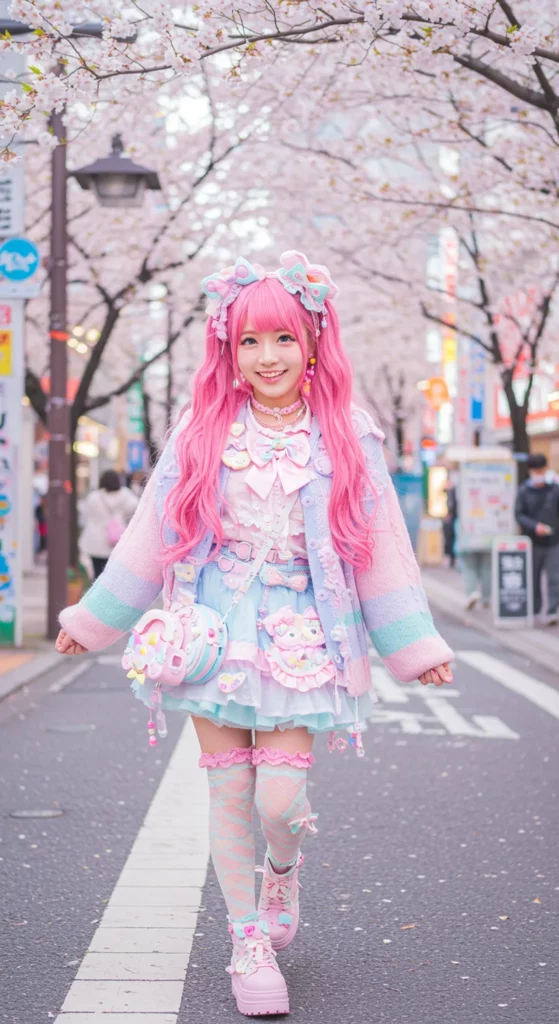
- Early spring (Mar): Wear a light sweater or thin jacket/windbreaker, with long pants or skirts to handle cool mornings and evenings.
- Mid spring (Apr): A light jacket (denim or thin windbreaker) over a long-sleeve tee or blouse is great for daytime activities.
- Late spring (May): Warmer—light long sleeves or short sleeves work, paired with long pants or skirts.
Summer (Jun – Aug)
Average temperatures:
- June: 23°C (low 20°C, high 26°C)
- July: 27°C (low 23°C, high 31°C)
- August: 28°C (low 24°C, high 32°C)
What to wear:
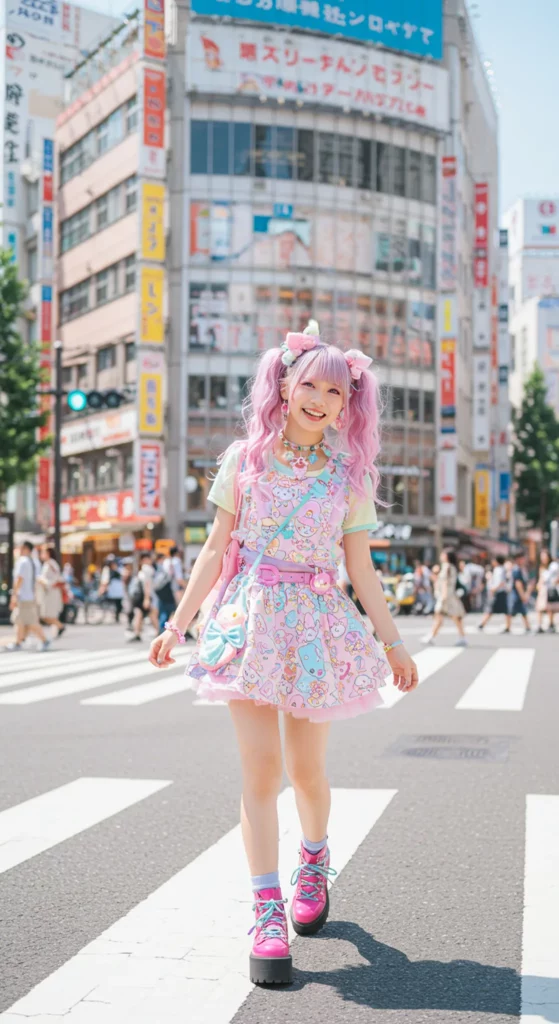
- Early summer (Jun): Wear light long or short sleeves and carry a light jacket for rainy-season changes.
- Peak summer (Jul – Aug): Hot—short sleeves, shorts or skirts. Bring sun protection like hats, sunglasses, and sunscreen.
Autumn (Sep – Nov)
Average temps:
- Sep: 23°C (low ~20°C, high ~27°C)
- Oct: 17°C (low ~13°C, high ~22°C)
- Nov: 12°C (low ~7°C, high ~17°C)
Packing tips:
- Early autumn (Sep):Light long-sleeve shirts or thin sweaters are great—pair with a light jacket and long pants to handle cool nights and warm days.
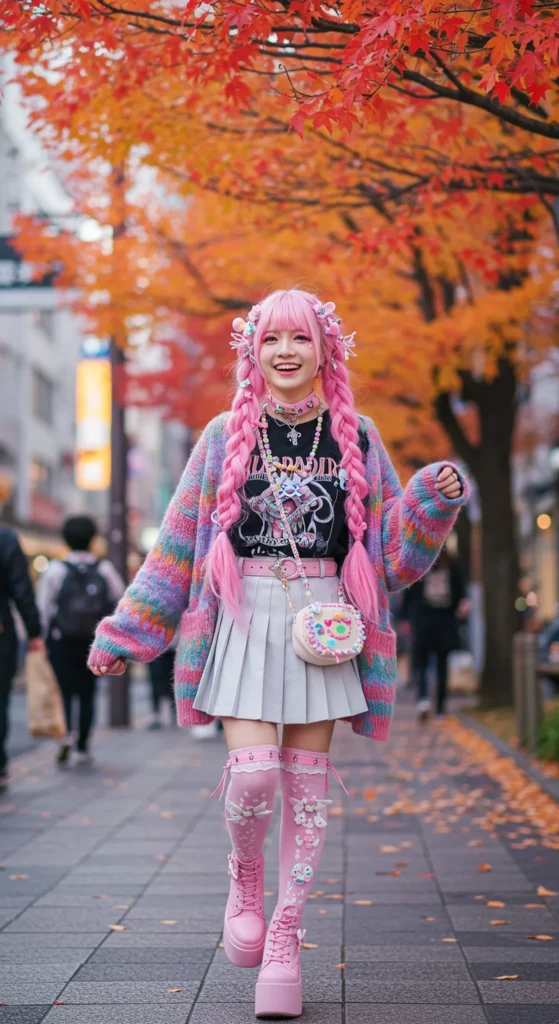
- Mid autumn (Oct):Knitwear and a jacket work well; wear long pants or a skirt. Mornings/evenings get noticeably cooler—keep something warm handy.
- Late autumn (Nov):Temperatures drop—choose thicker sweaters or a jacket and warm trousers or skirts.

Winter (Dec – Feb)
Average temps:
- Dec: 7°C (low ~3°C, high ~11°C)
- Jan: 5°C (low ~1°C, high ~9°C)
- Feb: 6°C (low ~2°C, high ~10°C)
Packing tips:
- Early winter (Dec):Wear thick sweaters and a warm coat—wool coats or light down jackets are recommended to block the chill.
- Mid-winter (Jan – Feb):It gets colder—use padded coats, sweaters, scarves and gloves. Pair with warm trousers or skirts (add thermal leggings or thick socks) to stay comfortable.
🔥 Hot Tickets & Deals 🔥
💴 All the best Japanese department stores, cosmetics, and electronics deals — right here!!
Electronics + cosmetics + sundries

Bic Camera
(Discount vouchers are generally valid across Japan)

Yamada Denki
(Discount vouchers are generally valid across Japan)

EDION
Namba Main Store / Kyoto Shijo Kawaramachi / Akihabara Store

Don Quijote
(Discount vouchers are generally valid across Japan)

Matsumoto Kiyoshi
(Discount vouchers are generally valid across Japan)

COSMETICS AND MEDICAL (cosmetics)
Shin-Marunouchi Building / New Yurakucho Building / Otemachi FirstSquare / Otemachi Plaza / Kodemmacho / Higashi-Nihonbashi

COSMOS Cosmetics
(Discount vouchers are generally valid across Japan)

SUGI Pharmacy
(Discount vouchers are generally valid across Japan)

Daikoku Drugstore
(Discount vouchers are generally valid across Japan)

Tsuruha Drug
(Discount vouchers are generally valid across Japan)

Cocokara Fine Cosmetics
(Discount vouchers are generally valid across Japan)

Kokumin Cosmetics
(Discount vouchers are generally valid across Japan)

Hokkaido Drugstore “Satsudora”

Okinawa cosmetics chain “RYUSPA”
Department stores
Mitsui Outlet
Odaiba DiverCity
COREDO Muromachi
LaLaport
Lazona

Daimaru Matsuzakaya Department Stores
Umeda Store / Shinsaibashi Store / Tokyo Store / Matsuzakaya Ueno Store / Kyoto Store
Sapporo Store / Kobe Store / Shimonoseki Store / Matsuzakaya Nagoya Store / Matsuzakaya Shizuoka Store

Tobu Department Store Ikebukuro

Seibu Department Store
SOGO Department Store

Tokyo Rakuten Duty-Free Ginza
(GinzaNovo)

Odakyu Department Store Shinjuku
(Shinjuku West Exit)

Kintetsu Department Store
Osaka Abeno Harukas
Tax-free 10% + up to 5% extra discount

Keio Department Store Shinjuku
Tax-free 10% + up to 5% extra discount
Sports gear + apparel

JEANS MATE Clothing Store Coupon
Ikebukuro Store / Harajuku Takeshita Street Store / Kawasaki Store / Ofuna Store

Alpen Discount Coupon (sports goods)
(Discount vouchers are generally valid across Japan)
(Shinjuku store — Japan’s largest sports goods store)

L-Breath (sports goods)
(Discount vouchers are generally valid across Japan)

Victoria Golf (sports goods)
(Discount vouchers are generally valid across Japan)

Victoria (sports goods)
(Discount vouchers are generally valid across Japan)

Aoyama (The Suit Company)
Tax-free + extra 10% off coupon

Japanese luggage brand ACE
10% off coupon
🏷️ Harajuku - Omotesando - Shibuya: handy attraction notes 🏷️
Attraction map
Attraction sticky-note route
We suggest opening a map on your computer and matching the sticky notes to plan your route.
Orange area (near Harajuku Station + west exit), blue area (Takeshita Street), green area (Harajuku + Omotesando), purple area (Shibuya)
🚶♂️ Near Harajuku Station + West Exit area 🚶🏻♀️
🌳 Meiji Shrine & Yoyogi Park Stroll 🌿
Meiji Shrine is Tokyo’s famous traditional wedding venue. If you’re lucky enough to visit on a weekend or holiday, you’ll often spot wedding processions in beautiful traditional attire—a lovely slice of tradition. Inside the shrine grounds is the Inner Garden (paid entry) and the famed Meiji Well, said to have been opened by the historical figure who helped build the shrine—it’s considered a power spot in Tokyo and a popular place for locals to pray for good luck.
Yoyogi Park frequently hosts big events and markets, like flea markets, regional food festivals (think Thai, Indian, etc.), and music events—making the park lively and fun. The park’s central square and surrounding areas are a weekend magnet for street performers and creatives. It’s a fantastic, free-spirited window into Tokyo’s youth culture.
原宿車站
Harajuku Station
하라주쿠역
原宿车站

Introduction

明治神宮博物館
Meiji Jingu Museum
메이지진구 박물관
明治神宫博物馆

🕚 10:00〜16:30
Introduction
Meiji Jingu Museum (Meiji Jingu Museum)
Address: 1-1 Yoyogi, Shibuya-ku, Tokyo 151-0052
Official site: https://www.meijijingu.or.jp/museum/
Opening hours: 10:00–16:30 (last entry 16:00)
Closed: Thursdays (opens if a national holiday; closed the following day; additional closures during exhibition changes)
Admission: General ¥1,000 / High school and younger ¥900 / Elementary school students and disability handbook holders free (elementary students must be accompanied)
Overview
The Meiji Jingu Museum opened in autumn 2019 inside the shrine precinct to commemorate the centennial. Designed by famed architect Kengo Kuma, the building blends with the shrine forest using low-pitched roofs, generous overhangs, skylights and natural wood—creating a calm, shrine-like space where the building itself feels like art.
The museum spans two floors featuring imperial treasures and artworks related to Emperor Meiji and Empress Shoken, plus exhibits on the shrine’s founding and the forest’s evolution. Interactive displays and multimedia give visitors a clear, compact introduction to the imperial couple’s lifestyle and Meiji-era culture.
Historical & cultural notes
Meiji Shrine was established in 1920 to enshrine the spirits of Emperor Meiji and Empress Shoken. The museum preserves and displays culturally valuable “treasures” related to them.
Collections include imperial furnishings and writing instruments, and modern Japanese art produced under imperial patronage. A standout piece is the imperial portrait print by Edoardo Chiossone—a historically significant treasure.
明治神宮
Meiji Jingu Shrine
메이지진구
明治神宫
 Click for directions
 05:00〜18:00
Jan 1: New Year shrine visit
Overview
Meiji Jingu (Meiji Shrine)
Address: 1-1 Yoyogi, Shibuya-ku, Tokyo
Official site: http://www.meijijingu.or.jp/
Opening hours: 05:00–18:00 (seasonal changes; gate times vary by sunrise/sunset)
Admission: Shrine grounds free; Meiji Jingu Inner Garden gate fee ¥500 (adults)
Spot overview
Meiji Shrine sits between Harajuku and busy Shibuya, yet feels like a separate green world. Walk through the massive wooden torii and you enter a broad, tranquil forest—often called the “forest of eternity”—planted with tens of thousands of trees from across Japan and overseas. The trees create a cool, restorative atmosphere.
The shrine, dedicated to Emperor Meiji and Empress Shoken, is one of Japan’s most important and most visited. Strolling the gravel paths, especially in front of the main hall, you’ll often see traditional Shinto weddings—elegant, solemn and very photogenic. It’s a top spot to experience Japan’s living traditions.
Historical & cultural notes
The shrine’s construction began in 1915 in memory of the emperor (d.1912) and empress (d.1914), and the official shrine was completed in 1920. The surrounding forest was planned as a long-term, nationwide tree-planting project to create a sustainable, natural environment—an idea emphasizing harmony with nature that reflects Japanese cultural values.
The shrine is also the prime destination for Hatsumode (New Year’s first shrine visit), drawing millions every year to pray for good fortune. The inner garden preserves traces of the imperial couple’s visits, and its iris fields are especially famous, combining classical beauty with natural scenery.
代代木公園
Yoyogi Park
요요기 공원
代代木公园
Click for directions Overview
Yoyogi Park
Address: Yoyogi Park, Yoyogi, Shibuya-ku, Tokyo
Official site: https://www.tokyo-park.or.jp/park/format/index039.html
Hours: Open year-round (park areas may vary)
Admission: Free
Overview
Yoyogi Park is one of central Tokyo’s largest city parks, straddling Harajuku and Yoyogi. It offers wide lawns, tree-lined paths and a calm fountain plaza—an urban green escape perfect for jogging, picnics or chilling away from the crowds. Each season brings a different vibe: cherry blossoms in spring, golden rows of trees in autumn. Thanks to its proximity to Harajuku and Shibuya, the park is a cultural crossroads where street performers, weekend events and people-watching thrive.
Historical & cultural notes
The site’s history is layered: in the Meiji era it was an army training ground; after WWII it became US housing known as Washington Heights. For the 1964 Tokyo Olympics the area was heavily redeveloped, and in 1967 it reopened as a public park. The central area still features Kenzo Tange’s National Yoyogi Gymnasium, an Olympic-era architectural landmark.
Today Yoyogi Park hosts international festivals, food fairs and flea markets, and serves as a stage for dance crews and street performances—one of Tokyo’s best spots to feel the city’s youthful, creative energy.
 Click for directions
 🕚 11:00〜21:00
Beauty flagship store
Overview
@cosme TOKYO (cosme TOKYO flagship)
Address: 1-14-27 Jingumae, Shibuya-ku, Tokyo
Official site: https://www.cosme.net/store/about/tokyo/
Hours: 10:00–21:00
About the store
@cosme TOKYO is the real-life version of Japan’s biggest beauty site “@cosme” — a three-story flagship right in front of JR Harajuku Station. Packed with thousands of domestic and international cosmetics, it brings online rankings and trending picks into a hands-on store where you can freely try things out. It’s designed so beauty lovers can quickly spot what’s hot right now and sample products without the usual shop pressure — basically a playground for anyone curious about Japan’s beauty scene.
What makes it special
@cosme TOKYO’s layout centers on two big ideas: “rankings” and “trends.”
- Best Hit Ranking: The 1st floor has a huge ranking area showing the site’s newest and most popular makeup and skincare — updated weekly so you can find the current must-haves with ease.
- Pro & salon-level picks: The store highlights long-loved high-rated items and professional-grade favorites, so you won’t miss classic hits that stood the test of time.
- Indie brands & seasonal picks: Alongside big-name brands you’ll also find indie newcomers and limited seasonal goods — great for trend-spotting and unique finds.
- Online review sync: Many displays include QR codes so you can scan and read real user reviews and ratings on the @cosme site instantly — turning online chatter into real-life trial choices.
Shopping here isn’t just buying — it’s an instant, immersive way to grasp Japan’s latest beauty trends and try them on the spot.
WITH原宿
WITH Harajuku
WITH 하라주쿠
WITH原宿
 Tap to navigate
 🕖 11:00–23:00
Overview
WITH HARAJUKU (WITH原宿)
Address: 1-14-30 Jingumae, Shibuya-ku, Tokyo
Official site: https://withharajuku.jp/
Hours:
Shops & cafes: 11:00–20:00
Dining area: 11:00–23:00 (some stores may vary)
What it is — a new Harajuku landmark mixing fashion & green space
WITH Harajuku sits right in front of JR Harajuku Station and opened fully in 2020. Built around the idea of “HARAPPA” (an open field), it blends greenery and open spaces with shops, creating a chilled urban oasis. Inside you’ll find well-known international and Japanese brands plus large event spaces and gardens where shoppers can relax and enjoy a breath of nature amid the bustle of Tokyo.
Historical background — part of the station-area redevelopment
The site used to be an NTT DoCoMo facility and is part of the JR Harajuku station redevelopment around the Meiji Shrine area. The new building connects with the renovated Harajuku station and surrounding streets, forming a lively hub that mixes function, design and public space for the new era.
Main floors at a glance
3F (events & dining): Features WITH HARAJUKU HALL and an event stage for cultural programs, exhibitions and performances, plus a high-quality restaurant for relaxed dining.
2F (fashion): Home to iconic national brands including the UNIQLO Harajuku flagship, offering limited items and collaborative collections.
1F (daily life & cafes): Hosts IKEA’s first compact urban store concept along with convenient city-style services, plus cafes and design shops for a pleasant shopping stroll.
B1/B2 (dining): A diverse food area with everything from quick bites to full-service restaurants to satisfy all tastes.
🚶♂️ Takeshita Street area 🚶🏻♀️
🛍️ Takeshita Street: Harajuku’s kawaii fashion source! 🎀
Takeshita Street is the global mecca for Japan’s youth fashion, street style and “kawaii” (cute) culture. This roughly 350-meter shopping strip is a must-visit for fashion-forward travelers and trend lovers — a compact, colorful boulevard you simply can’t miss when exploring Harajuku.
Where trends start: Shops here refresh their style and stock faster than anywhere else — clothing, accessories and makeup trends that often spread from Harajuku across Japan and into Asia. Want the newest street looks? Start here! 🧥
Unique “kawaii” eats: The street is packed with wildly cute and colorful sweets and small treats that are perfect for photo ops — basically a paradise for snack-and-snap moments. 🍰
Wallet-friendly, breezy shopping: Compared to high-end districts, Takeshita Street is full of affordable finds, ideal for students or travelers who want trendy looks without breaking the bank. 💰
Takeshita Street — history & story
The rise of Takeshita Street and how it ties to its location and Japan’s postwar social and cultural shifts:
Postwar background and geographic advantage: Takeshita Street got its name from the Takeshita Exit of JR Harajuku Station. After WWII this area became known for selling U.S. military surplus and cheap goods.
Different from Shibuya: From the 1970s, Takeshita began transforming into a relatively affordable, younger-oriented alternative, distinguishing itself from the adult-targeted, pricier styles of Shibuya or Ginza.
A driver of pop culture: From the 1980s many small shops selling idol merchandise and celebrity photos moved in, drawing hordes of young fans. Unique street fashions like “Decora” (decorative style) and “Lolita” originated in Harajuku and spread via Takeshita Street, making it a birthplace and showcase for Japan’s youth fashion.
Modern identity: Today, Takeshita Street is still where young people express themselves and hunt for trends, and it’s a top pick for foreign visitors wanting to experience authentic Japanese street-culture vibes.
竹下通
Takeshita Street
다케시타 거리
竹下通
Tap to navigate 🕚 10:00〜20:00
Youth street fashion
Overview
Takeshita Dori (Takeshita Street)
Address: Jingumae 1-chome, Shibuya, Tokyo (stretches from the JR Harajuku Takeshita Exit to Meiji-dori)
Hours: Most shops around 10:00〜20:00
(Note: individual stores vary; cosmetics shops or malls may open earlier or close later.)
What to find
Takeshita is the world-famous origin of “kawaii” culture — bright, energetic, and eye-catching. You’ll find Harajuku-style fashion (colorful outfits, trendy accessories, Lolita and Decora items), cosplay goods, and, of course, crepes and over-the-top rainbow cotton candy. It’s also a hotspot for affordable trend goods, idol merch, and fast-rotating gachapon collectibles — a constant magnet for youth culture.
About the street
Takeshita is a roughly 350-meter pedestrian shopping street packed with youthful energy. It’s not just a Harajuku landmark — it’s the beating heart of Japan’s youth fashion scene. Every day the street is filled with travelers and local students, bustling with excitement. Lined with about 130 shops, you’ll find everything from budget fashion and cosmetics to 100-yen shops (like DAISO), to themed cafes and eateries.
Notably, Takeshita Street is usually set as a pedestrian-only zone from around 11:00 to 18:00, so you can enjoy shopping more safely and comfortably. The charm of the street is its mix of constantly changing new stores and long-standing shops that keep the original Harajuku vibe — together they make it a visual and exploratory shopping paradise.
滾石樂團官方商店
RS No. 9 HARAJUKU
RS No. 9 HARAJUKU
滚石乐队官方商店
Tap to navigate 🕚11:00〜20:00
Overview
RS No. 9 HARAJUKU
Shop info
Address: 150-0001 Tokyo, Shibuya-ku, Jingumae 1-20-6 (Located in UNIVERSAL MUSIC STORE HARAJUKU 2F)
Hours: 11:00〜20:00 (no fixed holidays; temporary closures or time changes may be announced)
About the store
Located near JR Harajuku’s Takeshita Exit, “RS No. 9 HARAJUKU” is the official Rolling Stones shop (The Rolling Stones) that opened grandly on October 20, 2023. Following “RS No. 9 CARNABY” in London, this is the band’s second official store worldwide, purposely placed in Harajuku — a cultural origin of Japanese pop fashion — blending music and style perfectly. It’s just a 3-minute walk from JR Harajuku Station’s Takeshita Exit, making it a must-visit for music and fashion fans.
The shop occupies the second floor of UNIVERSAL MUSIC STORE HARAJUKU and offers a wide selection of about 150 items, from classic band tees and hats to outerwear, knit caps, pants, umbrellas, and bags. Besides classic London merchandise, they also sell Japan-limited items, such as collaborations with local brands like “かまわぬ” and signature lines with designers like mastermind JAPAN, showcasing a bold merge of Japanese aesthetics and Rolling Stones iconography — especially the famous “tongue and lips” logo. The store design channels Stones’ musical spirit, with a giant red-lips logo on display, walls decorated with lyric-inspired art, and even an exhibition area simulating a recording studio to immerse visitors in the band’s creative world.
RS No. 9 HARAJUKU isn’t just a shopping spot — it’s a cultural experience. The opening coincided with the Stones’ 18th studio album “Hackney Diamonds,” and the store launched related limited items and special events, including unique fan experiences tied to the band. Whether you’re a devoted Stones fan or just love music and fashion, this place brings the band’s six-decade charisma from London to Harajuku, adding a rock ‘n’ roll edge to the neighborhood.
瑪莉安可麗餅
Marion Crepes
마리온 크레페
瑪莉安可麗餅
 Tap to navigate
 🕚 10:30 – 20:00
Origin shop of the crepe craze
Overview
Marion Crepe — Shop Info
Address: 1-6-15 Jingumae, Shibuya, Tokyo (Juness Building 1F)
Hours: 10:30 – 20:00 (may vary by season or events — please check ahead)
Overview
Marion Crepe Harajuku sits in the heart of Harajuku, Tokyo’s pop-culture hotspot and a magnet for young trendsetters. Since launching in Shibuya in 1976, Marion Crepe made the paper-roll crepe (perfect for “walk-and-eat”) famous and became a local classic. The shop offers over 100 crepe varieties — from classic custard and fresh-cream combos to seasonal limited editions and even savory snack-style crepes — so there’s something for everyone. Located on Juness Building 1F, it’s just about a 2-minute walk from JR Harajuku Station (Takeshita Exit), making it an ideal grab-and-go treat while you explore. Dessert lovers and culture hunters alike — this is a must-try.
可愛立方原宿
Cute Cube Harajuku
큐트 큐브 하라주쿠
可爱立方原宿
Tap to navigate 🕚10:00–20:00
Overview
CUTE CUBE HARAJUKU
Shop Info
Address: 150-0001 Tokyo, Shibuya-ku, Jingumae 1-chome 7-1
Hours: 10:00–20:00 (store hours may vary — check the official site or in-store notices)
Overview
Located in the middle of Harajuku’s Takeshita area, CUTE CUBE HARAJUKU is a compact, “cute”-themed shopping complex that opened on September 6, 2013. Designed to be full of kawaii charm (think little treasure-box shops), it houses a mix of fashion, variety stores, sweets and cafes across basement level 1 up to the 3rd floor. You’ll find spots like Marion Crepe, a Sanrio CUTE CUBE shop selling Hello Kitty and other classic character goods, and “CANDY A GOGO” in B1 for colorful sweets — plus trendy boutiques like MixTHINKS aimed at young visitors. The clean white-and-glass building blends into Harajuku’s energetic vibe. There’s no dedicated parking, but its superb location — about a 4-minute walk from JR Harajuku Station (Takeshita Exit) and 5 minutes from Meiji-jingumae (Tokyo Metro) — makes it an easy stop on your sightseeing route. Whether you’re after kawaii merch, sweets, or just the Harajuku atmosphere, it’s a fun little hub to explore.
 Tap to navigate
 🕚10:00–20:00
Overview
LONG! LONGER!! LONGEST!!! Harajuku
Shop Info
Address: 150-0001 Tokyo, Shibuya-ku, Jingumae 1-7-3 CUTE CUBE HARAJUKU 1F
Hours: 10:00–20:00 (open year-round; special conditions may cause temporary changes — check before visiting)
Overview
“LONG! LONGER!! LONGEST!!!” is a specialty sweets shop at CUTE CUBE HARAJUKU themed around “long” treats — think extra-long soft-serve, churros and eye-catching cotton candy made for sharing (and for your feed). Since opening on March 1, 2018, it’s become a Harajuku staple thanks to its playful, record-breaking-sized options and colourful presentation (perfect for SNS photos). The store was created by SugarFactory (famous for TOTTI CANDY FACTORY) with the idea of leaving visitors memorable moments in every product. Main offerings include soft-serve, elongated churros, cotton-candy creations and other length-focused sweets, available in three sizes: LONG, LONGER and LONGEST — the latter being the dramatic, photo-ready option. Flavour choices and toppings (chocolate, caramel, nuts, and more) vary to satisfy different tastes. The shop’s bright, fashionable interior (yellow and gray accents with neon lights) is made to feel lively and fun — step in and you’re instantly in Harajuku mode.
香蕉之神
Banana no Kamisama
바나나노카미사마
香蕉之神
Tap to navigate 🕚11:00–20:00
Overview
Banana no Kamisama — Harajuku (Takeshita Street)
Store Info
Address: 1-6-8 Jingumae, Shibuya-ku, Tokyo 150-0001 — Iguchi Building 1F
Hours: 11:00〜20:00 (may change for seasons or events; check official notices)
About
Located on lively Takeshita Street in Harajuku, Banana no Kamisama is a specialty drink shop centered on a fresh banana experience. Since opening on Oct 10, 2020, it quickly became a favorite photo spot for young locals and tourists. It’s about a 3-minute walk from JR Harajuku Station (Takeshita Exit) — prime location in this buzzing fashion district.
They use a unique domestic “Agrevo” farming method for their bananas, said to be rich in aromatic compounds and touted in beauty and health circles as almost “divine.” Their banana smoothies are richer and smoother than usual. Drinks are made with vacuum pressing to preserve nutrients and aroma, so each sip tastes like a gift from a fresh orchard. You can customize toppings like mochi, nuts, or chocolate chips to build your own flavor combo.
Tokyo's Hottest Tickets: Smart Travelers Always Compare Prices!
Tokyo's Hottest Tickets: Smart Travelers Always Compare Prices!
Tokyo's Hottest Tickets: Smart Travelers Always Compare Prices!
Tokyo's Hottest Tickets: Smart Travelers Always Compare Prices!
🚶♂️ Harajuku + Omotesando area 🚶🏻♀️
🌸 Harajuku x Omotesando: Tokyo’s double dose of street cool and luxury 🗼
Harajuku is the youth-culture hotspot — think fast, affordable fashion, cosplay outfits, and one-of-a-kind street styles. Perfect if you’re hunting quirky looks or festival-ready fits.
Omotesando, often called “the Champs-Élysées of the East,” is lined with zelkova trees and high-end boutiques (LV, Dior, Chanel). It’s also an open-air gallery of modern architecture — many flagship stores were designed by world-class architects, and places like Omotesando Hills are artful landmarks in themselves.
Wander the side alleys and you’ll find cozy specialty cafés and small art galleries — great for a slow break and design-loving vibes.
By the way, “Omotesando” originally refers to the shrine approach path. The wide tree-lined avenue was developed around the 1920s as the main route for pilgrims heading to Meiji Shrine.
 Tap to navigate
 🕖11:00〜20:00
Overview
FENDER FLAGSHIP TOKYO
Store Info
Address: 1-6-8 Jingumae, Shibuya-ku, Tokyo 150-0001 — The Ice Cubes B1F〜3F
Hours: 11:00〜20:00 (year-end / New Year may have closures; check official announcements)
About
FENDER FLAGSHIP TOKYO is Fender’s flagship store in Japan, opened on June 30, 2023. Spread over four stylish floors inside the landmark “The Ice Cubes” glass building in front of Meiji Shrine, it caters to modern musicians’ diverse needs.
Step in and you’ll see rows of electric guitars, basses, acoustics, amps, and accessories — whether you’re a beginner or a pro, there’s something to fall in love with. The first floor showcases the newest and special Fender items, including Tokyo-limited models, plus a dedicated area for Fender lifestyle goods “F IS FOR FENDER” offering Japan-made apparel and daily items that blend music and fashion.
The basement level is an instrument zone that also houses the “FENDER CAFE powered by VERVE COFFEE ROASTERS,” serving original coffee and light bites so you can chill among the gear. The second floor has soundproof demo rooms with 30+ amps so you can try gear to your heart’s content. The top floor, called the “Dream Factory,” is home to Fender Custom Shop — top-tier, luthier-made guitars and custom-order services, a dream spot for gearheads.
Laforet 原宿
Laforet Harajuku
라포레 하라주쿠
Laforet 原宿
Tap to navigate 🕖11:00〜20:00
Overview
Laforet Harajuku
Store Info
Address: 1-11-6 Jingumae, Shibuya-ku, Tokyo 150-0001
Hours: 11:00〜20:00 (some shops or events may vary—check the official site for updates)
About
Laforet HARAJUKU sits in the heart of Harajuku and is one of Japan’s most iconic fashion landmarks since opening in 1978. Built by the Mori Building group, it’s long been a hangout for young trendsetters and fashion lovers. It’s a short walk from JR Harajuku Station and even closer to Meiji-jingumae Station, making it super easy to pop in.
The building’s white-cube exterior is famous, and inside you’ll find around 130 stores — women’s, men’s, lifestyle, and trend boutiques — catering to many ages and styles. Laforet isn’t just shopping; it’s a birthplace of Japanese street culture. It supports up-and-coming designers and labels, many of whom launched here and later went global.
The mall uses a skip-floor layout from basement levels up to the 5th floor, so each level feels like a mini surprise: exclusive permanent shops, rotating limited-time stores, and pop-ups that keep things fresh. The 6th floor hosts the “Laforet Museum” (sometimes called Laforet MUSEUM Harajuku), a multi-purpose space for fashion shows, art exhibits, and music events — where fashion and culture collide in fun ways.
Converse 純白訂製工坊
White Atelier by Converse
화이트 아틀리에 바이 컨버스
匡威純白訂製工坊
Tap to navigate 🕖12:00〜20:00
Overview
White Atelier by Converse Harajuku
Shop info
Address: 6-16-5 Jingumae, Shibuya-ku, Tokyo HOLON-Ⅱ
Hours: 12:00–20:00 (irregular holidays; check official announcements before visiting)
Phone: 03-5778-4170
About the shop
Located along lively Cat Street in Harajuku, White Atelier by Converse Harajuku attracts fashion lovers with its crisp all-white exterior. This was Converse’s first directly operated store in Japan, opened in 2015 under the concept “Design Yourself” — a literal “white canvas” for personal creativity. The shop stocks classic All Star models and seasonal exclusives, and it features an underground customization studio where you can design your own pair by hand.
Inside, clean white walls make colorful shoes pop like little artworks. Head down to the basement and the atmosphere shifts to a workshop vibe — concrete walls and glass windows revealing the action behind the scenes. Start from an all-white All Star (high or ox), choose graphics, laces and hang tags, and create a one-of-a-kind Converse. It’s not just shopping — it’s a short creative adventure that’s genuinely fun.
On 29 Nov 2024, the Harajuku shop opened a new customization floor on the 2nd level to expand design options. Besides classic all-white models, you can pick styles like CANVAS ALL STAR HI/OX and ALL STAR ® TREKWAVE HI/OX, plus colored uppers (black, red, etc.) and platform designs — endless ways to express your creativity. Perfect for yourself or as a special gift. Production takes about two hours, then you can walk out ready to show off your custom kicks on Harajuku’s streets.
MoMA 設計商店 表參道店
MoMA Design Store Omotesando
MoMA 디자인 스토어 오모테산도
MoMA 設計商店 表參道店
Tap to navigate 🕚11:00 – 20:00
Introduction
MoMA Design Store Omotesando
Shop info
- Address: GYRE 3F, 5-10-1 Jingumae, Shibuya-ku, Tokyo 150-0001
- Hours: 11:00 – 20:00 (open year-round, but hours may vary with the GYRE building — check official announcements)
About the shop
The MoMA Design Store Omotesando is MoMA’s overseas flagship located on the 3rd floor of GYRE. More than a shop, it feels like a compact design museum where art and daily life meet. The store offers roughly 2,000 curator-selected “good design” items — from furniture and lighting to stationery and kitchenware, plus exclusive collaborations and limited-edition pieces that blend creativity with practicality.
Step inside and you’ll be greeted by eye-catching design pieces: a cheerful blue umbrella that brightens rainy days, playful homewares, and clever stationery that turns everyday routines into small pleasures. The shop also highlights traditional Japanese crafts alongside contemporary design, showcasing a beautiful cultural mix.
As an extension of MoMA, every item here is carefully chosen for function, innovation and aesthetic value. Buying here isn’t just a purchase — it’s supporting exhibitions, education and the museum’s collection. Whether you want a unique souvenir or a stylish home upgrade, MoMA Design Store Omotesando is a must-visit.
📷 View Full Attractions
東急PLAZA原宿「HARAKADO」
Tokyu Plaza Harajuku "Harakado"
도큐 플라자 하라주쿠 '하라카도'
东急PLAZA原宿“HARAKADO”
Tap to navigate 🕚11:00 – 21:00
Introduction
Tokyu Plaza Harajuku “HARAKADO” (HARAKADO)
Address: 6-31-21 Jingumae, Shibuya-ku, Tokyo (inside Harajuku Square)
Official site: https://www.tokyu-plaza.com/harakado/
Opening hours:
- Shopping & service floors (B1F–4F): 11:00–21:00
- Dining — HARAJUKU KITCHEN & TERRACE (5F–7F): 11:00–23:00
- Kosugiyu Harajuku (B1F): 07:00–23:00 (some shops may have different hours — check the official site)
Highlights
Tokyu Plaza Harajuku “HARAKADO” isn’t just another mall — it’s set up as a “new cultural hub.” The name blends Harajuku and “kado” (corner), aiming to be a meeting point where people and cultures connect. It builds on Harajuku’s creative scene since the 1960s and focuses on co-creation rather than pure retail.
Designed by a well-known architect, the building mixes unique geometry with modern touches. The main draw is the HARAJUKU KITCHEN & TERRACE on floors 5–7 — a food hall inspired by Harajuku’s street-food and city-eating culture, offering diverse eats and a leafy terrace so you can dine while enjoying the neighborhood atmosphere. Inside there’s also a public bath called “Kosugiyu Harajuku,” a rare spot to relax right in the busy city.
Floor guide (main zones)
- B1F: Public bath “Kosugiyu Harajuku” plus some dining and service shops.
- 1F–4F: Shopping and service floors featuring contemporary fashion, lifestyle items, and new brands.
- 3F: Dedicated creative and artist spaces — a new base for cultural exchange and creation.
- 5F–7F: “HARAJUKU KITCHEN & TERRACE” dining area with a variety of options and terrace seating.
Background
HARAKADO sits near the historic Harajuku Central Public Hall, a cultural landmark that attracted artists, designers, photographers and creators from the 1960s onward and helped shape Harajuku’s cultural identity. Tokyu Plaza Harajuku’s HARAKADO was built to carry that creative spirit forward and introduce it to a new generation.
東急PLAZA表參道「OMOKADO」
Tokyu Plaza Omotesando "Omokado"
도큐 플라자 오모테산도 '오모카도'
东急PLAZA表参道“OMOKADO”
Tap to navigate 🕚11:00 – 20:00
Overview
Tokyu Plaza Omotesando “OMOKADO” (Tokyu Plaza Omotesando “OMOKADO”)
Address: 4-30-3 Jingumae, Shibuya-ku, Tokyo
Official site: Please search for “Tokyu Plaza Omotesando ‘OMOKADO’” on the official Tokyu Plaza site for the latest info
Opening hours:
General shops: 11:00–20:00
Dining floors: 11:00–22:00 (some shops may vary)
Highlights
Tokyu Plaza Omotesando “OMOKADO” sits right at the famous Omotesando junction in front of the shrine — a landmark corner of the avenue. The name “OMOKADO” comes from “Omotesando Kado” (Omotesando corner). The mall gained fame for its distinctive architecture and carefully curated brand mix, becoming a symbol of Omotesando’s fashion-forward vibe.
The most eye-catching feature is the mirror-like entrance: reflective panels fold the street and sky into the building, creating a magical, flower-basket-like space that people love to photograph. It’s an absolute must-see snap spot.
Another highlight is the rooftop green area on the top floors called **“OMOHARA no Mori”** — a leafy rest spot where shoppers can take a breather, enjoy views, and feel the Omotesando atmosphere.
Floor guide
“OMOKADO” is thoughtfully arranged to showcase a wide range of lifestyle brands:
- B1F – 2F: International fashion, designer labels and limited-concept shops — fast access to the latest trends and accessories.
- 3F – 5F: Lifestyle goods, beauty & skincare, specialty stores and creative brands — find unique pieces that enrich daily life.
- 6F – 7F: A mix of dining options from refined Japanese cuisine to international fare and trendy cafés. Many spots offer great views to enhance your meal.
Background
The predecessor was the Tokyu Plaza Omotesando Harajuku opened in 2012. To meet changing urban and retail trends, the shopping complex was renovated and relaunched with the new name and concept “OMOKADO,” strengthening its role as a core Omotesando landmark.
表參道之森
Omohara no Mori
오모하라노 모리
表参道之森
Tap to navigate 🕚11:00–21:00
Tokyu Plaza 6F
Overview
Omohara no Mori — Store Info
Address: Tokyu Plaza Omotesando Harajuku 6F, 6-31-21 Jingumae, Shibuya-ku, Tokyo 150-0001
Opening hours: 11:00〜21:00 (Same as Tokyu Plaza Omotesando Harajuku. Check official notices for temporary closures or hour changes.)
Overview
“Omohara no Mori” on the 6th floor of Tokyu Plaza Omotesando Harajuku is a fashionable little green oasis — a rare “sky forest” in bustling Tokyo. The name “Omohara” is a playful mash-up of Omotesando and Harajuku, reflecting its location at the junction of two trendsetting neighborhoods. More than just a shopping stop, it’s a relaxed spot combining a café and an open lounge area where city vibes meet calm greenery.
The highlight is the terrace-style greenery and natural wooden decking planted with various trees and shrubs, so you can lounge among the leaves. In daylight the sun warms the wooden boards while a breeze and the scent of coffee make it easy to forget the city rush. At night it becomes a cozy, lamp-lit relaxation spot with a great view of the Harajuku streets. Inside you’ll find “FOREST KITCHEN” serving light meals, desserts and drinks — from healthy salads to seasonal specialty coffees — covering different tastes. Comfortable seating areas make it perfect whether you’re relaxing solo or hanging out with friends.
Kiddy Land 原宿店
Kiddy Land Harajuku
키디랜드 하라주쿠점
Kiddy Land 原宿店
Tap to navigate 🕚11:00〜21:00
Overview
Kiddy Land Harajuku — Store Info
Address: 6-1-9 Jingumae, Shibuya-ku, Tokyo 150-0001
Opening hours: Mon–Fri 11:00〜21:00; Sat, Sun & national holidays 10:30〜21:00 (Hours may change—see official announcements.)
Overview
Located on Omotesando Harajuku, Kiddy Land Harajuku is one of Japan’s iconic toy and character shops. Founded in 1950 and established at this flagship address in the 1960s, the store now spans five floors (including basement) and has become a Harajuku landmark. It’s about a 7-minute walk from JR Harajuku Station and 4 minutes from Meiji-jingumae station — super convenient for window shopping and souvenir hunting.
Kiddy Land is packed with a huge variety of items, from classic character goods to the latest trends. The basement focuses on Disney-related products, 1F displays the freshest trending toys and seasonal limited items, 2F houses popular animation and character zones, 3F features corners like Sanrio and Studio Ghibli collaborations, and 4F offers cute stationery and lifestyle goods. Every floor is carefully designed to feel like stepping into a playful, dreamy world. The store also runs regular themed events, limited releases and fan meet-ups, allowing visitors to get up close to Japan’s pop culture scene. Perfect whether you’re hunting for a unique souvenir or indulging your inner child.
表參道Hills
Omotesando Hills
오모테산도 힐즈
表参道Hills
Tap to navigate 🕚11:00〜21:00
Overview
Omotesando Hills
Address: 4-12-10 Jingumae, Shibuya-ku, Tokyo
Official site: https://www.omotesandohills.com/
Opening hours: 11:00〜21:00 (Sundays often 11:00〜20:00; restaurant and café hours vary—please check the official site)
Highlights — modern architecture meets fashion
Omotesando Hills is not just a mall but a stylish blend of architecture and Tokyo fashion culture. Located on Omotesando, it was designed by world-famous architect Tadao Ando. One of its most distinctive features is the long spiral ramp inside that naturally guides shoppers from the lower floors up through the complex, creating a unique shopping flow. The mall gathers around 100 domestic and international fashion, lifestyle and dining brands, making it a must-visit fashion landmark in Tokyo.
Floor guide — the stylish shopping stroll
The retail layout mainly spreads across three above-ground floors (1–3F and B1F) plus the lower levels (B2F, B3F), all linked by Ando’s clever design:
- B3F, B2F: Food courts, gourmet areas, cafés and parking — lots of dining choices.
- B1F, 1F: International premium brands, flagship boutiques and designer shops — the go-to for trendsetters.
- 2F, 3F: Carefully selected fashion labels, specialty stores and lifestyle goods, with services like salons or concierge-style facilities.
History — reborn from Dojunkai apartments
Omotesando Hills was built on the historic site of the Dojunkai Aoyama Apartments (originally from 1927). During redevelopment, Tadao Ando preserved and restored parts of the old facade and structure, blending historical memory with modern architecture. Opened in 2006, Omotesando Hills showcases both contemporary Tokyo elegance and respect for the site’s past — a landmark worth visiting.
表參道車站
Omotesando Station
오모테산도역
表参道车站
Tap to navigate Overview

根津美術館
Nezu Museum
네즈 미술관
根津美术馆
Tap to navigate 🕚10:00〜17:00
Collection: 7,600 items
Overview
Nezu Museum — Visitor Info
Address: 5-1 Minami-Aoyama 6-chome, Minato-ku, Tokyo 107-0062
Opening hours: 10:00–17:00 (last entry 16:30). Special exhibitions or events may extend hours to 19:00 — check official announcements for details.
Admission: Special exhibitions: Adults ¥1500, students (high school and up) ¥1200; Collection displays: Adults ¥1100, students ¥800. Elementary school children and under are free. Group discounts apply for 20+ people.
What to expect
The Nezu Museum sits in upscale Aoyama and blends traditional and modern private art. It showcases Japanese and East Asian antiques in a calm garden setting and a modern building designed by Kengo Kuma. About an 8-minute walk from Omotesando Station, it’s an urban green oasis that holds several exhibitions a year—from National Treasures like the “Quail and Millet” folding screen to delicate tea ceremony utensils—giving visitors a deep glimpse into East Asian aesthetics. The on-site NEZUCAFÉ offers light meals and coffee, while the garden’s tea room invites a quiet tea experience.
The museum’s standout feature is its spacious garden of roughly 20,000 m² with four traditional tea houses and winding paths. Cherry blossoms in spring and blazing maples in autumn make it picturesque year-round. The garden preserves classic Japanese landscaping—ponds, stone lanterns and trees—creating a serene courtyard. Renovated in 2009 using bamboo and wood, the building marries traditional charm with modern design and has won architecture awards (BCS Prize), becoming a cultural landmark in Tokyo.
History & cultural context
The museum traces back to founder Nezu Kaichirō (1860–1940), a railway entrepreneur and passionate collector who began gathering Japanese and East Asian art in the early 20th century. He aimed to keep treasures in Japan and make them accessible to the public; a foundation was established in 1940 and the museum officially opened. The collection started at about 4,643 items and has grown to over 7,600, including 7 National Treasures, 89 Important Cultural Properties and 94 important works across Buddhist art, ink painting, lacquerware, ceramics and swords. The famous “Quail and Millet” screen (with gold leaf and stylized plants) attracts many visitors each May. The 2009 renovation preserved the family’s history while adding a modern touch that emphasizes the tea spirit of “wa, kei, sei, jaku” (harmony, respect, purity, tranquility).
The Nezu Museum is more than an exhibition space: it’s a symbol of cultural preservation and a place to slowly savor the layers of East Asian art.
明治神宮外苑
Meiji Jingu Gaien
메이지 신궁 외원
明治神宫外苑
Tap to navigate 🕖 24H
Autumn ginkgo viewing spot
Overview
Meiji Jingu Gaien — Visitor Info
Address: 1-1 Jingumae, Shibuya-ku, Tokyo 160-0013
Opening hours: Open daily (some facilities like the Meiji Memorial Picture Gallery or sports venues have separate hours—check their websites)
Admission: Park access is free. Meiji Memorial Picture Gallery admission: Adults ¥500, high school and under free. Other facilities may charge separately.
What to expect
Meiji Jingu Gaien is a central Tokyo green space combining nature and cultural heritage. It stretches near Shinjuku and Kita-Aoyama and is famous for the majestic ginkgo avenue and the historic Meiji Memorial Picture Gallery. In autumn the golden ginkgo trees form a roughly 300-meter photo-perfect tunnel that draws crowds; in spring around 400 cherry trees bloom near the gallery. The area also includes Meiji Jingu Stadium and other sports facilities, so it’s perfect for both culture lovers and sports fans. Whether you’re strolling, jogging or visiting a museum, you’ll feel Tokyo’s varied charms here.
History
The Gaien began after Emperor Meiji’s death in 1912. To honor him and Empress Shoken, citizens and national donations transformed old military training grounds into a memorial park. Supported by volunteers and public funds, the Meiji Jingu Gaien was completed on October 22, 1926, and handed to Meiji Shrine. Early developments focused on public health and culture, leading to constructions like the Picture Gallery, Memorial Hall and sports facilities. Managed by shrine-related organizations after WWII, Gaien became an important public space in Tokyo.
Cultural significance
The Gaien blends natural beauty and architecture, reflecting Japan’s modernization. The Picture Gallery’s murals and the carefully designed ginkgo avenue show how Japan mixed tradition with modernity. It’s both a memorial and a lively urban retreat—valued as cultural heritage and a favorite spot for locals and visitors alike.
🚶♂️Hamaya Area🚶🏻♀️
⚡️ Tokyo’s buzzing origin: Shibuya 🏙️
Shibuya is home to the famous “world’s busiest” scramble crossing. When the signal turns green, people from all directions pour across in a human tide — a must-see for any Tokyo visitor. For a top-down view, head to Shibuya SKY at 229 meters and watch the famous scramble and the city’s non-stop flow below.
Shibuya is also a bubbling source of youth culture and trends, packed with boutiques, shops and trendsetters. If you care about style, this is where fashions collide and something new always starts — and yes, your outfit might get judged (in a fun way).
澀谷Hikarie
Shibuya Hikarie
시부야 히카리에
涩谷Hikarie
Tap to navigate 🕒11:00–21:00
Introduction
Shibuya Hikarie
Address: Tokyo, Shibuya-ku, Shibuya 2-21-1
Official site: https://www.hikarie.jp/
Opening hours:
Shops (B3F–5F): 11:00–21:00
Restaurants (6F, 7F, 11F): 11:00–23:00 (some eateries may stay open later)
※ Actual hours vary; check the official site for updates.
Highlights
Shibuya Hikarie is more than a mall — it’s a modern cultural symbol of Shibuya. This sleek high-rise links directly to Shibuya Station and is often the first stop on a Shibuya visit. Designed with the concept of “bringing a little sparkle to urban women,” Hikarie curates high-quality, design-forward shops from basement sweets to upper-floor fashion and lifestyle brands. It also blends art and cultural spaces into the shopping experience, turning a retail trip into a full city-day outing.
Floor guide
Hikarie mixes shopping, dining, art and offices:
B3F–5F: ShinQs Department
A fashion and lifestyle zone aimed at adult women, featuring cosmetics, apparel, sundries and premium sweets. ShinQs Food (basement) gathers gourmet takeaways and gift items from around the world—a foodie paradise.
6F, 7F, 11F: Dining Floors
A wide range from Japanese and Italian to creative cuisine. Many restaurants have large glass windows so you can dine while watching Shibuya’s lively streets.
8F: 8 / CUBE / COURT
Known as the “creative floor,” it hosts rotating exhibitions, designer pop-ups and workshops—perfect for experiencing Tokyo’s contemporary art and design scene.
9F: Hikarie Hall
A flexible performance hall often used for fashion shows, large conferences and cultural events.
11F–16F: Tokyu Theatre Orb
A world-class musical theatre that brings top-level productions from Japan and abroad; an important performance center in Tokyo.
History
Shibuya Hikarie opened in April 2012 as the flagship project of Shibuya’s redevelopment. Built on the former Tokyu Department Store site, it marks Shibuya’s shift from a youth-focused fashion area to an international, multi-purpose city hub combining business, culture, fashion and entertainment. By adding new cultural spaces and integrating scattered city functions, Hikarie brought fresh energy and shine to Shibuya.
澀谷Aqs
Shibuya Aqs
시부야 악슈
涩谷Aqs
Click to navigate 🕒11:00–23:00
Introduction
Shibuya AKUSHU (Shibuya Akushu)
Address: Tokyo, Shibuya-ku, Shibuya 2-10-1
Opening hours: 11:00–23:00 (hours vary by store and dining floor)
Highlights
Shibuya AKUSHU is a mixed-use high-rise born from Shibuya’s large-scale redevelopment. Its name “Akushu” (握手) evokes “handshake”—symbolizing connection across Shibuya’s neighborhoods and the hope it becomes a new gathering and exchange hub. The building’s clean, modern design feels open and inviting, adding fresh energy to the district. It doesn’t just offer contemporary office spaces; it also hosts varied dining and retail options to satisfy both workday crowds and wandering visitors.
Floor guide
AKUSHU is mainly divided into commercial and office areas:
* B1F–4F / part of 5F: Mainly retail, cafes and dining floors. You’ll find curated restaurants, coffee shops and lifestyle stores—from quick bites to refined dining—making it a new go-to for food and shopping in Shibuya.
* Upper floors: Planned as high-end modern office spaces, attracting cutting-edge companies and startups, further boosting Shibuya’s role as a tech and creative hub.
The mixed-use design aims to balance smooth pedestrian flow with comfortable spaces, combining commerce and offices seamlessly in one building.
History
AKUSHU was born as part of Shibuya’s large-scale redevelopment. Over the last decade the area around Shibuya Station has seen many major projects—Hikarie, Shibuya Stream and Shibuya Scramble Square among them. AKUSHU connects these new landmarks and focuses on improving pedestrian links and the urban streetscape, helping turn the district into a cohesive, modern commercial and cultural center.
澀谷Scramble Square
Shibuya Scramble Square
시부야 스크램블 스퀘어
涩谷Scramble Square
Click to navigate 🕙10:00–21:00
Introduction
Shibuya Scramble Square
Address: Shibuya 2-chome 24-12, Shibuya-ku, Tokyo
Official site: https://www.shibuya-scramble-square.com/
Opening hours: 10:00〜21:00 (general mall hours; some dining floors open later)
Highlights
Shibuya Scramble Square is Shibuya’s newest landmark and the area’s tallest building. It’s more than a mall—it’s a large, modern mix of dining, shopping, arts and creative spaces, and serves as a gateway to Shibuya’s core. The crown jewel is the rooftop observation deck “SHIBUYA SKY,” a stunning open-air viewpoint offering 360° views of Tokyo, from the iconic Shibuya Scramble Crossing to Tokyo Tower and, on clear days, Mount Fuji.
Floor guide
Shibuya Scramble Square’s retail areas stretch from B2 up to the upper floors, thoughtfully arranged to meet different shopping and dining needs:
- B2F〜1F: Food & sweets — a lineup of famous domestic and international restaurants and souvenir shops.
- 2F〜9F: Fashion & trends — clothing, accessories, lifestyle goods and beauty brands for the latest styles.
- 10F〜11F: Lifestyle and creative spaces offering relaxed shopping and experience zones.
- 12F〜14F: Scenic restaurants serving various cuisines so guests can enjoy city views with their meal.
- 15F〜45F〜Rooftop: The entrance and experience areas for SHIBUYA SKY, delivering unbeatable panoramic views.
History
Shibuya Scramble Square is a key project in the major Shibuya redevelopment driven by JR East, Tokyu and Tokyo Metro. Built on the site of the old Shibuya Station East building, it officially opened on November 1, 2019. Its completion marked a big step in transforming Shibuya into an international cultural and business hub, concentrating transport, retail and commercial functions in one place.
澀谷SKY觀景台
SHIBUYA SKY
시부야 스카이
澀谷SKY觀景台
Click to navigate 🕚10:00〜22:30
Shibuya Scramble Square rooftop
Overview
SHIBUYA SKY (Shibuya Sky)
Address: Shibuya 2-chome 24-12, Shibuya-ku, Tokyo (top floors of Shibuya Scramble Square)
Hours: 10:00〜22:30 (last entry 21:20)
Tickets:
- Online presale (adult): approx ¥2,200
- Same-day (adult): approx ¥2,500
- (Student, child and toddler fares available — check the official site)
About the attraction
SHIBUYA SKY is the ultra-high observation deck on top of Shibuya Scramble Square, offering a 360° panoramic experience. It’s divided into the entry area “SKY GATE,” the indoor circular “SKY GALLERY,” and the most famous open-air rooftop “SKY STAGE.” A dedicated elevator whisks you straight to the 47th floor for wide, unobstructed views of Tokyo.
On the SKY STAGE you can relax on suspended benches or step onto the “Sky Edge” with transparent glass panels for a thrilling view straight down. From here you can spot the bustling Shibuya Scramble Crossing below, and on clear days even Tokyo Tower, Tokyo Skytree and Mount Fuji. Sunset and nighttime city lights make it a must-visit for incredible photos.
Background
SHIBUYA SKY opened as part of the Shibuya Scramble Square development in November 2019. As Shibuya’s highest viewpoint, it redefines how visitors experience the city — moving from indoor galleries to an expansive open-air space and offering a fresh perspective on modern Tokyo.
📷 View Full Attractions
澀谷車站
Shibuya Station
시부야역
涩谷车站
Click to navigate Overview

東急Plaza 澀谷
Tokyu Plaza Shibuya
도큐 플라자 시부야
东急Plaza 涩谷
Click to navigate 🕚11:00〜20:00
Overview
Tokyu Plaza SHIBUYA
Address: Inside Shibuya Fukuras, 1-2-3 Dogenzaka, Shibuya-ku, Tokyo
Official site: https://www.tokyu-plaza.com/shibuya/
Hours:
Shopping (2F–5F): 11:00–20:00
Dining (6F–7F): 11:00–23:00
Upper restaurants & bars (17F–18F): 11:00–23:00 (some venues open later)
Highlights
Tokyu Plaza Shibuya is the core of the Shibuya Fukuras complex at the west exit of Shibuya Station. Aimed more at mature shoppers than the nearby youth-focused malls, it gathers fashion, lifestyle goods and dining under the theme “Shibuya for adults.” The place balances trendy design with comfort so you can shop, dine and relax—its rooftop garden and high-floor restaurants are perfect for quiet moments and great city views.
Floor guide
Tokyu Plaza Shibuya stacks activity from basement to top floors. Main areas include:
- 2F–5F Shopping: Curated men’s and women’s fashion brands, lifestyle stores, specialty shops and a cozy coffee lounge.
- 6F–7F Shibuya Grand Dining: Around 30 Japanese, Western and Chinese restaurants—from full-service to casual spots—ideal for business lunches or dinner gatherings.
- 17F SHIBU NIWA (rooftop garden): A relaxing open garden area with places to unwind and a bar zone by CÉ LA VI.
- 18F CÉ LA VI restaurant & sky bar: Located on the top floor, offering refined dining and stunning Tokyo night views—great for special evenings.
History
The original Tokyu Plaza Shibuya opened in 1965 and was one of Shibuya’s earliest commercial facilities, holding decades of shared memories. It closed for redevelopment in 2015 and reopened in 2019 as part of the Shibuya Fukuras project. This rebirth kept the mall’s role as a gathering spot while adding modern architecture and international brands, making it a significant new landmark in Shibuya.
澀谷Sakura Stage
Shibuya Sakura Stage
시부야 사쿠라 스테이지
涩谷Sakura Stage
Click to navigate 🕙10:00–21:00
Overview
Shibuya Sakura Stage (Shibuya Sakura Stage)
Address: 1-1 Sakuragaoka-cho, Shibuya-ku, Tokyo
Official site: https://www.shibuya-sakura-stage.com/
Hours: Shops 11:00–21:00; Dining 11:00–23:00 (individual shop hours may vary—check the official site)
Highlights
Shibuya Sakura Stage is one of the newest large-scale redevelopment projects around Shibuya Station, designed as a multifunctional “city area” that mixes shopping, offices, residences and cultural spaces. It connects seamlessly with the station and serves as a fresh urban gateway for visitors and businesspeople. Cherry-blossom motifs are woven into the design to blend local culture with modern architecture, offering green, open spaces and a relaxed atmosphere. The retail lineup focuses on high-quality lifestyle experiences—from refined dining to specialty shops—bringing more mature and diverse choices to Shibuya.
Floor guide (main commercial zones)
Sakura Stage mainly consists of the SAKURA Tower, the Central Building and SHIBUYA SIDE. Retail is concentrated on the lower floors of these buildings:
- B1F–3F (shops/restaurants): The busiest areas, packed with cafes, casual eateries and upscale restaurants, plus fashion and lifestyle stores—especially convenient thanks to direct station connections.
- Upper floors (offices/residences): SAKURA Tower functions as a high-rise mixed-use building with modern offices and premium residences, reinforcing Shibuya’s role as an international business hub.
- Open spaces & plazas: Multiple green plazas and public areas—such as the plaza facing Shibuya side—host seasonal events and markets, becoming new spots for locals and visitors to relax and mingle.
History
The Sakuragaoka area used to link Shibuya Station with nearby neighborhoods and had many older buildings. As the city modernized, the area needed renewal. To address this and realize a “once-in-a-century grand opening,” the Sakura Stage project was launched. It replaced the old multi-building layout with large-scale land consolidation and integrated design, improving transport links, disaster preparedness and municipal functions, and securing Sakura Stage’s strategic position within Shibuya’s urban layout.
澀谷TSUTAYA
Shibuya TSUTAYA
시부야 츠타야
涩谷TSUTAYA
 Click to navigate
 🕙10:00–22:30
Overview
SHIBUYA TSUTAYA
Address: 21-6 Udagawacho, Shibuya-ku, Tokyo
Opening hours: 10:00〜22:30 (main retail areas; individual floor hours may vary—check the official site)
About the store
SHIBUYA TSUTAYA is more than a bookstore or CD shop — it’s a cultural landmark facing the well-known Shibuya Jūjika Road. After a major 2024 renovation, the building relaunched under the concept “Create the Future,” redefining itself as a smart entertainment space that blends culture, information and hands-on experiences.
It has shifted from purely selling media to a retail-and-experience hub centered on well-known IPs (anime, manga, games, etc.). From the lower floors to the top, you’ll find books, music, video, themed merchandise, cafés and art spaces — offering a deep, immersive experience for fans of Japanese pop culture.
Shop highlights
SHIBUYA TSUTAYA emphasizes IP collaborations and live experiences:
- Themed IP zones: Dedicated areas on various floors for popular anime/manga/game collaborations, featuring exclusive or limited merchandise.
- Starbucks café: A Starbucks with great views so you can sip coffee while watching the busy Jūjika Road.
- Books & media: Beyond standard books and music, the selection strongly features art, design and Japanese pop-culture titles to meet specialist and diverse interests.
- Events & exhibitions: Multiple event spaces (including basements) host product launches, author talks and pop-up stores, keeping the venue fresh and culturally active.
Whether you’re hunting the latest Japanese pop-culture goods or looking for a lively cultural hangout, SHIBUYA TSUTAYA is a must-visit gateway to Shibuya’s vibrant scene.
Bic Camera 澀谷東口店
Bic Camera Shibuya East Exit Store
빅 카메라 시부야 동쪽 출구점
必酷相机 涩谷东口店
 Tap to navigate
 🕖10:00〜21:00
Overview
Bic Camera Shibuya East Exit Store
Address: 1-24-12 Shibuya, Shibuya-ku, Tokyo
Opening hours: 10:00〜21:00
Highlights
Bic Camera Shibuya East Exit is a large electronics megastore in central Shibuya. Its standout feature is an extremely convenient location — right next to JR Shibuya Station East Exit — making it easy to reach and a top choice for both locals and visitors buying home electronics and daily necessities. The store is spacious and stocks everything from the latest cameras and audio gear to beauty and health products, gaming, cosmetics and even liquor, providing a true one-stop shopping experience. It also offers tax-free service and multilingual support for international visitors, so shopping is smooth and hassle-free.
Floor guide (typical layout)
With many product categories, floor layouts are detailed and may change. A typical distribution is:
- B1F–1F: Cosmetics, liquor, fashion items, smartphones & accessories
- 2F–4F: Personal computers, PC peripherals, game consoles & software, office supplies
- 5F–6F: Home appliances (fridges, washing machines, air conditioners), kitchen appliances (ovens, coffee machines)
- 7F–8F: Beauty devices, health products, watches, cameras, photography gear
- 9F (top floor): Toys, sports equipment, hobby items
Background
Bic Camera is one of Japan’s iconic electronics chains, known for a wide product range and competitive prices. The Shibuya East Exit store is a flagship in central Tokyo — more than a shop, it’s a retail landmark. As Shibuya evolved, Bic Camera adapted and remains a busy, efficient hub reflecting modern Japanese retail energy. It’s not just a store, but a practical guide to tech and lifestyle goods.
宮下公園
Miyashita Park
미야시타 공원
宫下公园
Tap to navigate 🕖08:00〜23:00
Overview
MIYASHITA PARK
Address: 6-20-10 Jingumae, Shibuya-ku, Tokyo
Official site: https://www.miyashita-park.tokyo/
Opening hours: Park area 08:00〜23:00 (some facilities like shops have different hours)
Admission: Free entry
About the attraction
MIYASHITA PARK is a modern hybrid park bridging Shibuya and Harajuku. It’s not a traditional flat park but a rooftop “park-on-roof” built above a low-rise mall, parking and boutique hotels — about 330 meters long, like a green corridor through the city. Designed with lively, contemporary flair, it features a skateboard area, rock seating, sand volleyball courts and other sports facilities, making it a perfect hangout for youth and street-culture fans.
Visitors can wander through the shops below ground, enjoy shopping and dining, and combine nature, exercise, retail and relaxation in one place. Whether you want to escape the crowds or experience Shibuya’s trendiest lifestyle, MIYASHITA PARK is a can’t-miss spot.
History & cultural notes
The park’s history dates back to 1953 when it was originally built as an elevated park above a parking lot — one of Japan’s early rooftop parks. For years it served as an important public space in Shibuya and a gathering place for local culture lovers.
In 2020, after large-scale redevelopment, it reopened as “MIYASHITA PARK.” The transformation was more than architectural — it carried social and cultural implications about public space and privatization. Operated by Mitsui Fudosan, the new park sparked debates about how public spaces evolve into experience-driven commercial hubs. Today it represents Shibuya’s multifunctional, efficient urban spirit and illustrates the shifting balance between public and private urban spaces.
澀谷PARCO
Shibuya PARCO
시부야 파르코
涩谷PARCO
Tap to navigate 🕖11:00〜21:00
Overview
Shibuya PARCO
Address: 15-1 Udagawacho, Shibuya-ku, Tokyo
Official website: https://shibuya.parco.jp/
Opening hours: 11:00〜21:00 (general retail floors); 11:30〜23:00 (some dining floors)
History
Shibuya PARCO first opened in 1973 as a pioneering spot for youth culture and fashion in Shibuya. The original building temporarily closed in 2016 for redevelopment. After a major rebuild, it reopened in 2019 as the “fourth-generation” PARCO — a modern, mixed-use mall blending art, fashion, technology and pop culture. This revival kept PARCO’s cultural DNA while turning it into a new icon of contemporary Shibuya.
Highlights
Often called a “global center of next-gen fashion and culture,” PARCO shines by merging high-end fashion with street trends. Inside you’ll find avant-garde designer brands, experiential concept stores, and art-filled gallery spaces. It’s a top pick for international visitors seeking a genuine Cool Japan vibe. From cutting-edge anime and gaming hotspots to unique dining, PARCO offers a compact, multi-layered playground to experience Tokyo’s trendiest lifestyle in one stop.
Floor guide (key floors overview)
- B1F: Chaos Kitchen
A lively food floor gathering a mix of eateries and drink spots — from vegan restaurants and izakaya-style bars to specialty snack stalls. Full of energy and experimental flavors; a foodie playground. - 1F–5F: Fashion & Luxury
Home to international designer labels, fresh Japanese fashion brands and upscale boutiques leading the latest trends. - 6F: CYBERSPACE SHIBUYA
PARCO’s core highlight, packed with popular anime, games and character stores. Includes global flagship “Nintendo TOKYO” and “Pokémon Center Shibuya“, a must for fans. - 7F: Cosmetics & Art
A cosmetics and beauty zone with an art space. - 8F: PARCO MUSEUM TOKYO / GALLERY X
Hosts themed art exhibitions and cultural events — PARCO’s cultural hub. - 10F: ROOFTOP PARK
An open relaxation area where shoppers can enjoy a slice of green and city views. The floor also features upscale restaurants.
澀谷Loft
Shibuya Loft
시부야 로프트
涩谷Loft
Click to navigate 🕖11:00〜21:00
Introduction
Shibuya Loft
Address: 21-1 Udagawacho, Shibuya-ku, Tokyo
Official website: https://www.loft.co.jp/
Opening hours: 10:00〜21:00
About the store
Shibuya Loft is Loft’s flagship store and a landmark of Tokyo’s lifestyle culture. It’s more than a stationery shop — it’s a creative lifestyle select store built around the idea of “making life richer and more fun.” From B1 to 6F, each floor offers different lifestyle ideas, showcasing Japanese design sensibility and a pursuit of high-quality daily living. Here you can find a curated mix of practical and beautifully designed items that capture Japan’s unique selection of goods.
Product highlights
Shibuya Loft is known for a strong sense of style and timely selections.
- Unique stationery & writing tools: Loft is a paradise for stationery lovers. From the latest functional notebooks and limited-edition pens to quirky desk items, it’s a treasure trove that keeps people coming back.
- Home & design goods: The store offers kitchenware, tableware, beauty items, travel goods and small furniture. Selections emphasize creative design, functionality and eco-friendliness — many items are hard to find elsewhere in Japan.
- Seasonal & trend zones: The first floor often hosts the “Loft Market” or themed areas offering limited items tied to seasons or festivals (like Christmas or cherry blossom season) and current trends — perfect places to find unique gifts and outfits.
- Beauty & health section: A dedicated floor sells the latest Japanese cosmetics, organic skincare and health/lifestyle aids — a must-visit to experience Japan’s beauty trends.
道玄坂通
Dogenzaka Street
도겐자카 거리
道玄坂通
Click to navigate 🕖10:00〜23:00
Introduction
Dogenzaka-dori
Shop Information
Address: 150-0043 Tokyo, Shibuya-ku, Dogenzaka 2-chome 25-12
Opening hours: 10:00–23:00 (varies by store; check the official site for the latest updates)
About
Dogenzaka-dori is a brand-new mixed-use commercial facility in Shibuya that officially opened on August 24, 2023. Built by Pan Pacific International Holdings (PPIH), the building reaches about 115 meters, with 28 floors above ground and one basement level, totaling 41,767 m². The design concept is “making a street through Dogenzaka”—not just a mall but a connected avenue that links Shibuya’s cultural village with Dogenzaka’s cozy lanes, boosting flow and charm. The commercial area on the lower floors (1st and 2nd) hosts around a dozen specialty shops, from long-established ramen and burger places to exciting new entrants, so there’s always something to surprise you.
Step inside and you’ll first notice “Domise” on the 1st floor (a surprise specialty shop). It curates popular, affordable-quality items under the in-house brand “Passionate Prices,” covering daily goods, food and cosmetics—proof that great value can still be high quality. Nearby is Lil Woody’s, an American-style burger joint making its Japan debut with juicy, hand-formed patties. Dessert lovers shouldn’t miss Giolitti’s rich, artisanal gelato, perfectly paired with a cup of Sarutahiko Coffee’s crafted brew for a relaxed afternoon. You’ll also find Goncha’s beloved pearl milk tea, Frijoles’ Mexican grill flavors, and creative Japanese comfort food from eashion fun SHIBUYA—plenty of tasty options to keep you wandering from shop to shop.
Dogenzaka-dori isn’t just a shopping hall; its building design cleverly encourages exploration. There are four main entrances that thread through the cultural village and Dogenzaka alleys, forming a walkable “passage” so visitors can discover unexpected delights while strolling Shibuya. Above the retail levels you’ll find contemporary office spaces and a collaboration with Hotel Indigo Tokyo Shibuya, combining shopping and lodging to create a new Shibuya landmark. The official mascot “Dodo” (inspired by the site’s “D”) offers a cute welcome to visitors—it’s easy to see this place becoming a neighborhood favorite. Whether you’re after food, fashion or a unique experience, Dogenzaka-dori gives a fun, multi-faceted taste of Shibuya.
MEGA驚安殿堂 澀谷本店
MEGA Don Quijote Shibuya Main Store
메가 돈키호테 시부야 본점
MEGA驚安殿堂 澀谷本店
 Click to navigate
 🕖all day
澀谷百軒店
Shibuya Hyakken-dana
시부야 햣켄다나
涩谷百轩店
Click to navigate 🕖12:00~05:00
About
Shibuya Hyakkendana
Shop Information
Address: 150-0043 Tokyo, Shibuya-ku, Dogenzaka 2-chome
Opening hours: Varies by shop; some stores operate 12:00–late (check each store or the official site for exact times)
About
Shibuya Hyakkendana (Shibuya Hyakkendana) is a long-standing shopping street in the Dogenzaka area of Shibuya. Its name comes from the Edo-period “Hyakkendana longhouses,” referring to the row of many small shops lining the street. Just a 4-minute walk from Shibuya Station, the entrance is marked by a red shrine-like sitter, transporting visitors to a nostalgic, retro atmosphere. Though called a “shopping street,” this area is more about dining and nightlife—packed with izakayas, yakitori shops, ramen spots and bars that create a warm, lively night scene loved by explorers of Tokyo’s hidden corners.
Wandering Hyakkendana’s narrow lanes, you’ll find preserved old-Tokyo charm: tiny taverns, bakeries, ramen stalls and cozy bars with wooden signs and warm lighting that give a nostalgic vibe. Nearby hotels add a quirky touch to the neighborhood, but it’s this mix of old and new that makes Hyakkendana an essential slice of Shibuya. From daytime strolling to late-night drinks, the area buzzes with life—especially after dark—when lights, laughter and the scent of grilled food invite you to poke your head into every doorway.
Hyakkendana isn’t just a place to eat; it’s a small cultural stage. Each summer the street runs an event called “Hyakkendana Bar Crawl,” where ticket holders can sample signature dishes and drinks across participating shops—perfect for tasting local flavors and the friendly, communal spirit of Shibuya. For travelers who love offbeat routes, Hyakkendana offers a relaxed alternative to crowded tourist spots: no skyscraper pressure, just rich street-side stories waiting for you to slow down and savor Tokyo’s hidden charm.
澀谷109
Shibuya 109
시부야 109
涩谷109
Click to navigate 🕖10:00~21:00
About
Shibuya 109
Address: Dogenzaka 2-29-1, Shibuya, Tokyo
Official site: https://www.shibuya109.jp/
Opening hours: 10:00–21:00 (store floors)
Quick intro
Shibuya 109 is the beating heart of youth fashion culture in Tokyo and a landmark of Asian style trends. The iconic cylindrical building sits on one of Shibuya’s busiest corners, its massive billboards constantly flashing the latest trends. The main customer base is young women in their teens to twenties, known for seeking fast, bold and highly expressive fashion—especially the Gyaru look. Here you can find Tokyo’s trendiest, most street-forward styles; it’s basically a pilgrimage site for fashion-savvy young travelers.
History
Opened in April 1979 and designed by noted architect Minoru Takeyama, 109 was created as a fashion hub under the Tokyu Group. The name “109” subtly encodes “Tōkyū” in Japanese wordplay and quickly became synonymous with downtown youth culture. From the late 1990s through the early 2000s, 109 cemented its place as the epicenter of the Shibuya fashion scene, especially for Gyaru culture, making it an unshakable youth icon.
Floors & stores
Shibuya 109 spans from basement level B2 up to the 8th floor and houses around 120 shops, focusing tightly on youth fashion and accessories. Though smaller in scale than giant department stores, its selection is ultra-focused and curated:
- B2F – 8F: Mainly young women’s clothing, shoes, accessories, bags and cosmetics. Each floor bursts with the freshest street styles, presented in compact, energetic shop layouts.
- Key items: fast fashion, independent designer brands, cosmetics and nail services.
Overall, 109’s layout aims to immerse visitors in a lively, music-filled atmosphere where young people can discover their style at reasonable prices—an authentic Shibuya fashion experience.
Bic Camera 澀谷八公口店
Bic Camera Shibuya Hachiko Exit Store
빅카메라 시부야 하치코 출구점
必酷照相機 澀谷八公口店
Click to navigate 🕖11:00~22:00
戶栗美術館
Toguri Museum of Art
토구리 미술관
户栗美术馆
Click to navigate 🕖10:00~17:00
About
Toguri Museum
Visitor Info
Address: 1-16-13 Jingumae, Shibuya, Tokyo 150-0001, Japan
Hours: 10:00–17:00 (last admission 16:30). Closed Mondays (if Monday is a national holiday, closed the following day).
Admission: Adults ¥1,200; High school & university ¥700; Junior high & elementary ¥400; Seniors (65+) ¥1,000.
About the Museum
Tucked away in quiet Jingumae, the Toguri Museum showcases a private collection of Japanese and East Asian ceramics. Founded on the collection of Toguri Toru, the displays range from ancient pottery to iconic Edo-period Ko-Imari porcelain. The museum runs themed exhibitions year-round, so there’s usually something different to spot each visit—perfect for repeat offenders of the pottery hobby.
Galleries are calm and minimalist, with clear labels that tell the story behind each piece—from delicate blue-and-white wares to sturdy tea utensils. The museum also runs a “Learning Studio” where staff host casual talks and share ceramic know-how—great if you want to move beyond “pretty plate” territory and actually nerd out a bit.
澀谷區立鍋島松濤公園
Shibuya City Nabeshima Shoto Park
시부야 구립 나베시마 쇼토 공원
涩谷区立锅岛松涛公园
Click to navigate 🕖24H
Overview
Nabeshima-Shoto Park
Visitor Info
Address: 2-10-7 Shoto, Shibuya, Tokyo 150-0046, Japan
Hours: Open daily (some facilities such as restrooms may close for maintenance—check Shibuya Ward notices).
Admission: Free
What to Expect
Nestled in Shoto, one of Shibuya’s upscale residential pockets, Nabeshima-Shoto Park is a peaceful green oasis about a 12-minute walk from Shibuya Station. The park centers on a small pond surrounded by lush trees and seasonal flowers—cherry blossoms in spring are a local highlight. There’s even a restored vintage paddle boat that adds a little nostalgic charm to the scenery.
At roughly 5,012 m² it’s not huge, but the nicely designed paths and resting spots make it ideal for a short stroll or break from sightseeing. The pond still attracts birds and brings a refreshing close-to-nature feel to the neighborhood. A notable public feature is the wooden restroom designed by renowned architect Kengo Kuma—part of the “THE TOKYO TOILET” project—adding a modern, design-forward touch to the park.
History & Culture
The park’s history goes back to the Edo and Meiji periods when the area belonged to the Nabeshima family and hosted tea gardens. Over time it transformed—from private gardens to public recreation space—and eventually became the community park managed by Shibuya Ward today. It’s a neat little spot where nature and layers of local history meet—ideal for travelers who like a quiet, cultural detour from the city buzz.
澀谷區立松濤美術館
Shoto Museum of Art
시부야 구립 쇼토 미술관
涩谷区立松涛美术馆
Click to navigate 🕖10:00–18:00
Overview
Shoto Museum of Art
Visitor Info
Address: 2-14-14 Shoto, Shibuya-ku, Tokyo 150-0046, Japan
Hours: 10:00–18:00 (last admission 17:30; Fridays open until 19:00, last admission 18:30). Closed Mondays (if Monday is a national holiday, closed the following day).
Admission: Adults ¥4500 for general exhibitions; special exhibition prices vary (see the official website). Free for high school students and younger. Discounts for seniors (65+) and visitors with disabilities.
About the Museum
Tucked away in Shoto, one of Shibuya’s upscale residential neighborhoods, the Shoto Museum of Art is a calm, elegant spot about a 15-minute walk from JR Shibuya Station. Away from the busy scramble crossing and shopping streets, it draws art lovers who prefer a quiet, refined vibe. The museum was designed by Showa-era architect Seiichi Shirai. Its exterior uses pale pink volcanic stone (called ‘red cloud stone’ by Shirai) and a golden-yellow main gate, giving the building a poetic, philosophical air. Inside, a central atrium with an underground fountain, a spiral staircase and natural light feels like a standing artwork, turning the architecture itself into a visual treat.
Exhibitions range from classical to contemporary works, and the museum even shows pieces by local school students, highlighting its role as a community cultural and educational hub. The first floor houses a spacious hall and the ‘Salon Musée’ lounge for relaxing and socializing; the second floor is the main gallery with rotating shows and a multifunctional room for talks and film screenings. Whether you’re here to admire architecture or explore art, the Shoto Museum offers a rare, peaceful cultural corner of Tokyo.
History & Cultural Context
The Shoto Museum of Art opened on November 1, 1981 as a public facility meant to enrich local residents’ cultural life. Architect Seiichi Shirai, often nicknamed a ‘philosopher-architect’, studied in Europe and was influenced by German and Russian philosophical ideas, blending rationality and feeling into his designs. The museum is one of his later representative works and showcases his distinctive approach to space, light and materials. The Shoto area was once an exclusive residential district, and the museum continues that elegant tradition while adding a cultural touch to the modern city.
Culturally, the Shoto Museum is more than an exhibition space — it’s a bridge between Shibuya residents and artists. It reflects Japan’s appreciation for beauty and education, using diverse exhibitions and programs to bring art into everyday life. From Shirai’s design philosophy to the modern exhibits’ stories, the museum shows how Japan balances tradition and modernity, making it a modest but meaningful cultural landmark in Tokyo.
神泉車站
Shinsen Station
신센역
神泉車站
Click to navigate 


