



📜 Foreword
From Ebisu and Daikanyama to Nakameguro: Tokyo's trendiest walking route
Ebisu, Daikanyama and Nakameguro — three neighboring neighborhoods beloved by young people and creatives — form one of Tokyo’s trendiest areas. Each has its own charm, and together they make a perfect walking route full of fashion, food and art vibes. This guide will take you through the highlights of this golden triangle.
Ebisu: Urban elegance & foodie’s paradise
Ebisu feels refined and mature — packed with upscale restaurants and bars, plus hidden spots worth hunting down.
Yebisu Garden Place (Yebisu Garden Place): Ebisu’s most famous landmark. This large complex houses department stores, Michelin-star restaurants, an art museum and a cinema. You can go up to the Yebisu Garden Place observatory for free panoramic views of Tokyo’s night skyline.
Quirky shops & eats: Around Ebisu Station you’ll find tucked-away cafés, izakaya and upscale restaurants — perfect for food explorers looking for something special.
Daikanyama: A chic, European-style artsy neighborhood
About a 10-minute walk from Ebisu, Daikanyama has a completely different vibe — full of European flair and a strong artsy atmosphere. It’s the kind of neighborhood many dream about visiting.
Daikanyama T-Site (Tsutaya Books): The neighborhood’s soul. This three-building book complex doesn’t just sell books — it blends cafés, music and stationery into a cultural hub. The unique architecture and relaxed vibe make it a must-visit photo spot.
Boutiques & lifestyle shops: Daikanyama’s alleys hide curated fashion stores, refined lifestyle shops and indie designer brands — ideal for travelers who love niche design and unique style.
Nakameguro: Where cherry blossoms meet a chilled riverside scene
From Daikanyama you can walk or take one stop by train to arrive at Nakameguro, a riverside neighborhood full of mellow vibes. Centered on the Meguro River, the scenery along both banks changes with the seasons and is full of unique charm.
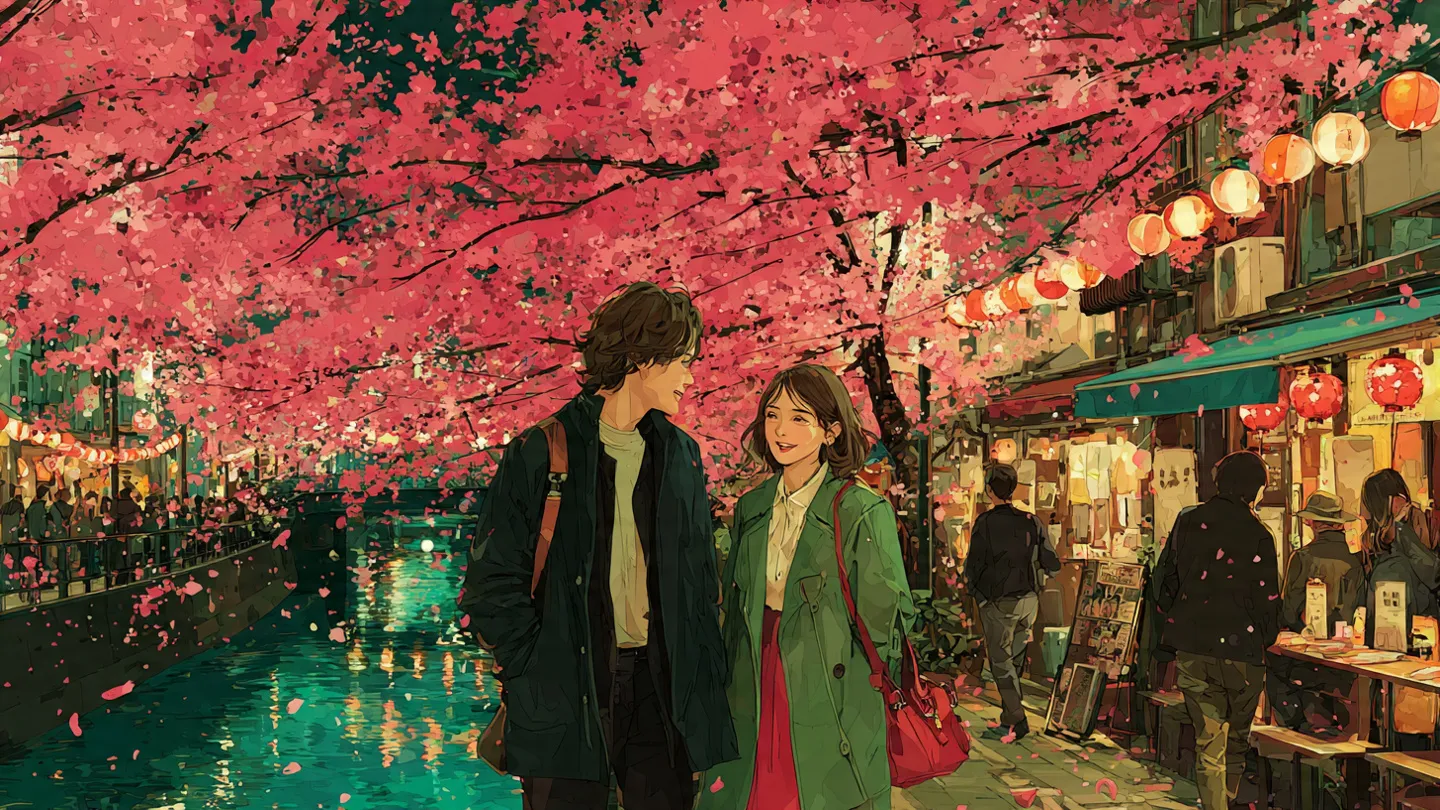
Meguro River Cherry Blossoms: Nakameguro’s most famous sight. Every spring the cherry trees lining the Meguro River bloom into a dreamy pink tunnel — one of Tokyo’s top sakura spots. The illuminated blossoms at night are extra romantic.
Art cafés & indie restaurants: The riverside gathers many unique cafés, Japanese lifestyle shops and creative restaurants. Each place has its own character — great for strolling and discovering lovely surprises.
🚝 Transport guide

Transport: Ebisu, Daikanyama & Nakameguro

Transport: All three neighborhoods are easy to reach by train. Take the JR Yamanote Line to Ebisu Station, then walk or take the Tokyu Toyoko Line to Daikanyama Station and Nakameguro Station.
Itinerary: We recommend fitting these three neighborhoods into one day, starting from Ebisu and walking to Daikanyama and Nakameguro. This route lets you experience different Tokyo vibes and enjoy the simple pleasure of wandering local streets.
How to get around Tokyo's sights?

🚃 JR Yamanote Line
This is a circular line that loops central Tokyo in about 1 hour.
Main use: Best for getting between major transfer hubs in central Tokyo, such as: Shinagawa, Hamamatsucho, Tokyo, Ueno, Shibuya and Shinjuku.
Quick tip: If you’re traveling between “Shinjuku ⇄ Tokyo”, the JR Chuo Line is usually faster.
Detailed info:
Fare: Distance-based, about 150–280 JPY. Using IC cards like Suica is slightly cheaper, around 146–274 JPY.
Travel time: About 1–3 minutes between nearby stations.
Frequency: Trains run roughly every 3–4 minutes during the day.
🚇 Subway
Tokyo’s subway is run by two companies — Tokyo Metro and Toei Subway — with a total of 13 lines.
How to ID lines: Each line has its own color and stations are numbered. Grab a route map to make getting around much easier.
Sightseeing picks: Handy lines for tourists include the Tokyo Metro Ginza Line, Marunouchi Line, and the Toei Asakusa Line.
Details:
Fares: Distance-based. Tokyo Metro starts at ¥180, and Toei Subway also starts at ¥180.
Travel time: About 2–3 minutes between stations.
Frequency: Daytime trains run roughly every 2–10 minutes (depends on the line).
🛫 Common Japanese travel phrases
Tap the text below — it has a voice feature!
旅遊實用日文
你好 안녕하세요
Hello
不好意思 실례합니다
Excuse me
非常感謝你 감사합니다
Thank you very much
再見 안녕히 계세요
Goodbye
廁所在哪裡? 화장실이 어디에 있습니까?
Where is the toilet?
旅遊咨詢處在哪裡? 관광 안내소가 어디에 있습니까?
Where is the tourist information center?
有宣傳冊子嗎? 팸플릿이 있나요?
Do you have a brochure?
我可以拍照嗎? 사진을 찍어도 될까요?
May I take a photo?
可以幫我拍照嗎? 사진 좀 찍어주시겠어요?
Could you take a photo for me?
計程車站在哪裡? 택시 승강장이 어디에 있습니까?
Where is the taxi stand?
請去這裡 여기로 가주세요
Please go here
請展示這個 이것 좀 보여주세요
Please show this
我想去這裡。 여기에 가고 싶습니다.
I would like to go here.
我不會說日語 일본어를 할 줄 모릅니다
I don't speak Japanese
你會說英語嗎? 영어 할 줄 아세요?
Do you speak English?
請說慢一點。 좀 더 천천히 말씀해 주세요.
Please speak more slowly.
請再說一遍 다시 말씀해 주세요
Please say it again
有店員會說中文嗎? 직원은 중국어를 할 수 있나요?
Can the staff speak Chinese?
🎁 Common shopping Japanese
Tap the text below — it has a voice feature!
購物實用日文
請給我這個。 이것 주세요.
Please give me this.
我想要這個,謝謝。 이것 부탁드립니다.
I would like this, please.
請給我菜單。 메뉴 주세요.
Please give me the menu.
您推薦什麼? 추천하는 건 무엇인가요?
What do you recommend?
有更便宜的東西嗎? 더 저렴한 것이 있나요?
Do you have anything cheaper?
這是日本製的嗎? 이것은 일본 제품입니까?
Is this made in Japan?
我想點餐。 주문하겠습니다.
I would like to place an order.
請結帳。 계산서 부탁드립니다.
Could I have the bill, please?
可以免稅嗎? 면세 가능한가요?
Is this tax-free?
多少錢? 얼마입니까?
How much is it?
我在哪裡付款? 어디에서 결제하나요?
Where do I pay?
可以用信用卡嗎? 신용카드 사용 가능한가요?
Can I use a credit card?
我要用現金付款。 현금으로 결제하겠습니다.
I'll pay in cash.
我用 Suica 付款。 스이카로 결제하겠습니다.
I'll pay with Suica.
我用卡付款。 카드로 결제하겠습니다.
I'll pay with a card.
可以分開包裝嗎? 따로 포장해 주실 수 있나요?
Can you wrap them separately?
請給我收據。 영수증 부탁드립니다.
Could I have a receipt, please?
👗 Clothing store Japanese
Tap the text below — it has a voice feature!
服飾店實用日文
這個多少錢? 이거 얼마예요?
How much is this?
我可以試穿嗎? 이걸 입어봐도 될까요?
May I try this on?
有 S 號的嗎? S 사이즈 있어요?
Do you have this in size S?
有 M 號的嗎? M 사이즈 있어요?
Do you have this in size M?
有 L 號的嗎? L 사이즈 있어요?
Do you have this in size L?
有 XL 號的嗎? XL 사이즈 있어요?
Do you have this in size XL?
有再大一點的嗎? 좀 더 큰 사이즈 있어요?
Do you have a larger size?
有再小一點的嗎? 좀 더 작은 사이즈 있어요?
Do you have a smaller size?
這個尺寸合適。 사이즈가 맞아요.
The size fits.
不好意思,這個尺寸不合適。 죄송해요, 사이즈가 안 맞아요.
Sorry, the size doesn't fit.
我再想一想。 좀 더 생각해볼게요.
I'll think about it a bit more.
這個可以。 이거 괜찮아요.
This is fine.
我不用了,謝謝您。 괜찮습니다, 감사합니다
No, thank you though
我要這個。有全新的嗎? 이걸로 할게요. 새 제품 있어요?
I'll take this one. Do you have a new one?
可以再便宜一點嗎? 좀 더 싸게 할 수 있어요?
Can it be a little cheaper?
我想再看看其他的。 좀 더 다른 걸 봐볼래요.
I want to look at others a bit more.
跟我想像的不一樣,我不要了。 생각했던 거랑 달라서 패스할게요.
It's different from what I imagined, so I'll pass.
我要這個。 이걸로 할게요.
I'll take this.
🍴 Restaurant Japanese
Tap the text below — it has a voice feature!
打擾了 실례합니다
Excuse me
請給我菜單! 메뉴판을 주세요!
Can I have the menu, please?
我要點餐 할게요
I'd like to order.
我點這個 이거 주세요
I'll have this.
謝謝招待 감사합니다
Thank you for the hospitality.
請給我水 물 좀 주세요
Can I have some water, please?
這個要怎麼吃呢? 이거 어떻게 먹죠?
How do I eat this?
請給我一個小盤子 작은 접시 하나 주세요
Can I have a small plate, please?
可以幫我拍照嗎? 사진 좀 찍어 주실래요?
Could you take a photo for me, please?
麻煩幫我換烤網 구이망을 바꿔 주시겠어요?
Could you change the grill net for me, please?
麻煩結帳 계산서 주세요
Can I have the bill, please?
我在哪裡付款? 어디에서 결제하나요?
Where do I pay?
多少錢? 얼마입니까?
How much is it?
可以用信用卡嗎? 신용카드 사용 가능한가요?
Can I use a credit card?
我要用現金付款。 현금으로 결제하겠습니다.
I'll pay in cash.
請給我收據。 영수증 부탁드립니다.
Could I have a receipt, please?
☀️ Tokyo seasons, temps & what to wear
Tokyo: seasonal temps & outfit tips
Spring (Mar – May)
Avg temps:
- Mar: 10°C (low ~5°C, high ~15°C)
- Apr: 15°C (low ~10°C, high ~20°C)
- May: 20°C (low ~15°C, high ~25°C)
What to wear:
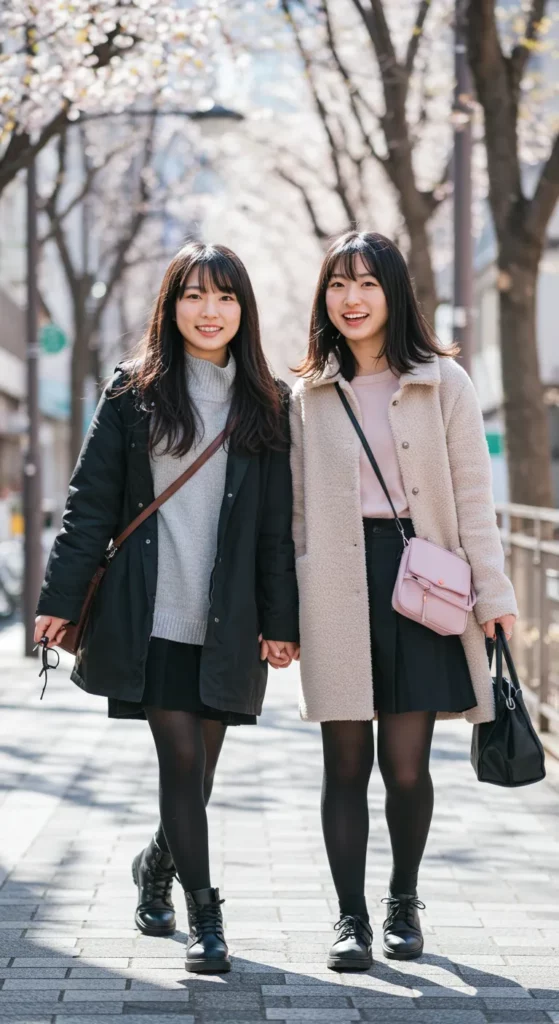
- Early spring (Mar): Light sweater and a light jacket or trench; pair with pants or a skirt.
- Mid spring (Apr): Light jacket (e.g., denim or thin trench) with a long-sleeve tee or shirt.
- Late spring (May): Lightweight long- or short-sleeve tops with pants or skirts.
Summer (Jun – Aug)
Avg temps:
- Jun: 23°C (low ~20°C, high ~26°C)
- Jul: 27°C (low ~23°C, high ~31°C)
- Aug: 28°C (low ~24°C, high ~32°C)
What to wear:
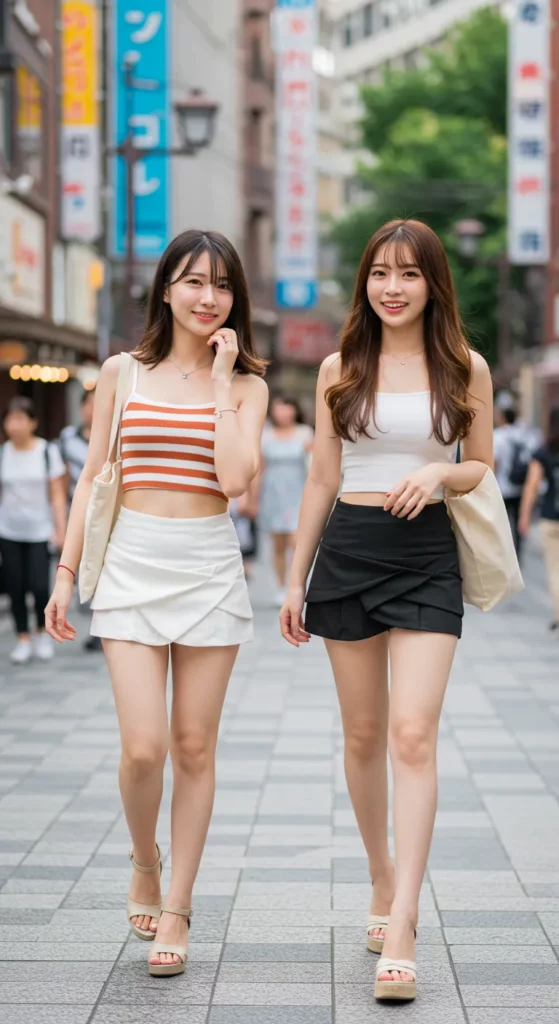
- Early summer (Jun): Light long- or short-sleeves; carry a light jacket for rainy-season changes.
- High summer (Jul – Aug): Short sleeves, shorts or skirts; watch out for sun and bring an umbrella or rain gear.
Autumn (Sep – Nov)
Avg temps:
- Sep: 23°C (low ~20°C, high ~27°C)
- Oct: 17°C (low ~13°C, high ~22°C)
- Nov: 12°C (low ~7°C, high ~17°C)
What to wear:
- Early autumn (Sep): Long-sleeve shirts or thin sweaters, paired with a light jacket and long pants.
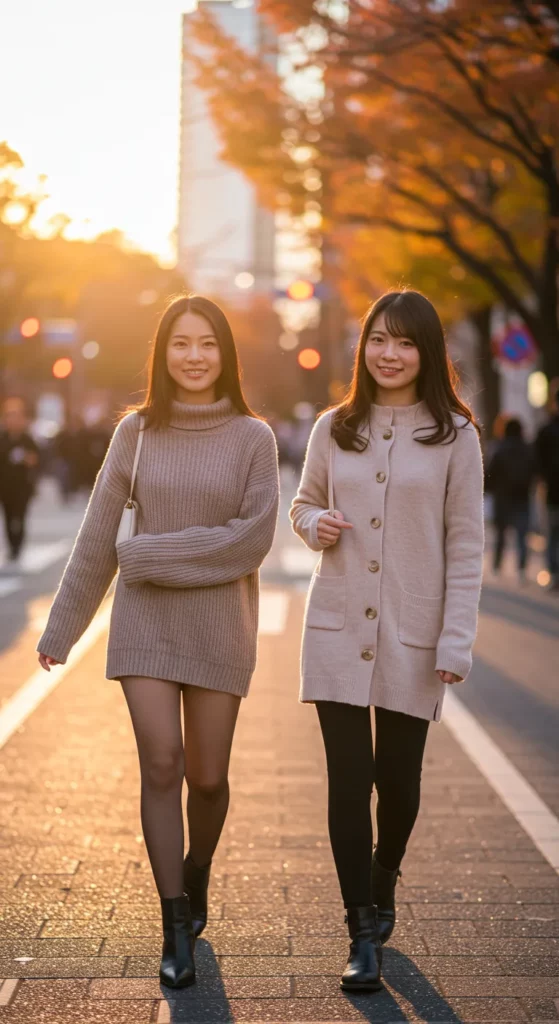
- Mid autumn (Oct): Layering like a cardigan or jacket with long pants — mornings/evenings can be chilly.
- Late autumn (Nov): Thicker sweaters or coats; wear warm pants or thermal layers.
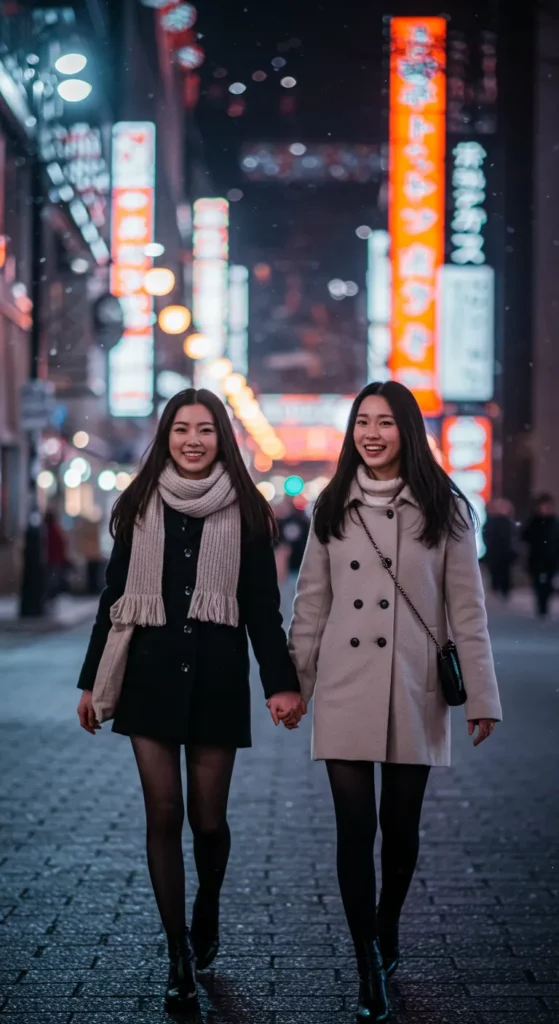
Winter (Dec – Feb)
Avg temps:
- Dec: 7°C (low ~3°C, high ~11°C)
- Jan: 5°C (low ~1°C, high ~9°C)
- Feb: 6°C (low ~2°C, high ~10°C)
What to wear:
- Early winter (Dec): Thick sweaters and warm coats, like wool or light down.
- Deep winter (Jan – Feb): Down coats, wool layers, scarves and gloves; pair with insulated pants or add thermal leggings.
🔥 Hot Tickets & Deals 🔥
💴 All the best Japanese department stores, cosmetics, and electronics deals — right here!!
Electronics + cosmetics + sundries

Bic Camera
(Discount vouchers are generally valid across Japan)

Yamada Denki
(Discount vouchers are generally valid across Japan)

EDION
Namba Main Store / Kyoto Shijo Kawaramachi / Akihabara Store

Don Quijote
(Discount vouchers are generally valid across Japan)

Matsumoto Kiyoshi
(Discount vouchers are generally valid across Japan)

COSMETICS AND MEDICAL (cosmetics)
Shin-Marunouchi Building / New Yurakucho Building / Otemachi FirstSquare / Otemachi Plaza / Kodemmacho / Higashi-Nihonbashi

COSMOS Cosmetics
(Discount vouchers are generally valid across Japan)

SUGI Pharmacy
(Discount vouchers are generally valid across Japan)

Daikoku Drugstore
(Discount vouchers are generally valid across Japan)

Tsuruha Drug
(Discount vouchers are generally valid across Japan)

Cocokara Fine Cosmetics
(Discount vouchers are generally valid across Japan)

Kokumin Cosmetics
(Discount vouchers are generally valid across Japan)

Hokkaido Drugstore “Satsudora”

Okinawa cosmetics chain “RYUSPA”
Department stores
Mitsui Outlet
Odaiba DiverCity
COREDO Muromachi
LaLaport
Lazona

Daimaru Matsuzakaya Department Stores
Umeda Store / Shinsaibashi Store / Tokyo Store / Matsuzakaya Ueno Store / Kyoto Store
Sapporo Store / Kobe Store / Shimonoseki Store / Matsuzakaya Nagoya Store / Matsuzakaya Shizuoka Store

Tobu Department Store Ikebukuro

Seibu Department Store
SOGO Department Store

Tokyo Rakuten Duty-Free Ginza
(GinzaNovo)

Odakyu Department Store Shinjuku
(Shinjuku West Exit)

Kintetsu Department Store
Osaka Abeno Harukas
Tax-free 10% + up to 5% extra discount

Keio Department Store Shinjuku
Tax-free 10% + up to 5% extra discount
Sports gear + apparel

JEANS MATE Clothing Store Coupon
Ikebukuro Store / Harajuku Takeshita Street Store / Kawasaki Store / Ofuna Store

Alpen Discount Coupon (sports goods)
(Discount vouchers are generally valid across Japan)
(Shinjuku store — Japan’s largest sports goods store)

L-Breath (sports goods)
(Discount vouchers are generally valid across Japan)

Victoria Golf (sports goods)
(Discount vouchers are generally valid across Japan)

Victoria (sports goods)
(Discount vouchers are generally valid across Japan)

Aoyama (The Suit Company)
Tax-free + extra 10% off coupon

Japanese luggage brand ACE
10% off coupon
🏷️ Ebisu → Daikanyama → Nakameguro Quick tips 🏷️
Map of attractions
Tour Spots — Sticky-Note Route Layout
We recommend opening a map on your computer and matching the sticky notes to plan your route.
Orange area (Ebisu), Blue area (Daikanyama), Green area (Nakameguro)
🚶♂️Ebisu area🚶🏻♀️
惠比壽車站
Ebisu Station
에비스역
惠比寿车站
 Click to navigate
 Introduction

atre 惠比壽
atre Ebisu
아토레 에비스
atre 惠比寿
 Click to navigate
 🔘 10:00–21:00
Introduction
Atre Ebisu
Basic Info
Address: 〒150-0022 Tokyo, Shibuya-ku, Ebisu Minami 1-5-5 (Main Building) / 〒150-0022 Tokyo, Shibuya-ku, Ebisu Minami 1-6-1 (West Building) Opening Hours: 🔘 10:00–21:00 (Main building — shopping) / 🔘 11:00–22:30 (Main building — restaurants & cafés) / 🔘 08:00–23:00 (West building — varies by shop) Closed: Irregular (check the official site for details) Official site: https://www.atre.co.jp/store/ebisuWhat Makes This Mall Special
Atre Ebisu sits right beside JR Ebisu Station and is part of the elegant Yebisu Garden Place area. It mixes refined shops and trendy picks, offering a pleasant shopping and dining experience for locals and visitors alike. With around 120 stores covering fashion, food, lifestyle goods and services, it’s easy to find everything from international brands and unique finds to fancy meals. The West Building rooftop is a nice quiet green spot — perfect for a short break from the city buzz. Atre focuses on balancing style and everyday usefulness. You’ll find boutique-inspired fashion labels, organic skincare like Neal’s Yard Remedies, and eateries ranging from Japanese small-kappo places to Thai spots like Mango Tree Cafe and classic beer halls such as Ginza Lion. Whether you want a gourmet bite or a shopping spree, this place has you covered.Floor Guide
B1F (Basement 1): Food zone — premium supermarket, deli counters (e.g., RF1-style shops) and famous sweets stores. Great for fresh ingredients, ready-made meals and gift boxes. 1F–2F: Fashion and home-living essentials, including gift & living concepts like Afternoon Tea and a bookstore-café combo with Starbucks for comfy reading time. 3F–4F: Women’s fashion and accessories — shops such as Allureville bring elegant, mixed-style clothes; designer shoe pop-ups and international brands appear regularly. 5F: Lifestyle and stationery — bookstores, premium stationery shops (like Smith), and high-quality shirt stores for those who love well-made basics. 6F: Cosmetics and food hall — multiple beauty brands to try and a selection of restaurants (including classic Western-style grill restaurants like Tsubame Grill), perfect for tasty meals. 7F–8F (Restaurant Floors): A wide range of dining options from Japanese grilled dishes to Western cuisine — suitable for business dinners or catching up with friends in a relaxed, stylish setting. West Building: Focuses more on dining and specialty shops, often with longer hours — handy for early mornings or late-night visits.A Little History
Atre Ebisu opened in 1997 as part of the JR Ebisu Station redevelopment and the nearby Yebisu Garden Place project. Before the 1990s Ebisu was more of a local, down-to-earth station, but redevelopment turned it into a refined, fashionable spot in Tokyo. Atre Ebisu blends convenience with stylish design and has become a daily meet-up place for people living and visiting the area — a nice example of Ebisu’s shift from industrial roots to a modern, cultural neighborhood.猿田彥咖啡 惠比壽總店
Sarutahiko Coffee Ebisu Main Store
사루타히코 커피 에비스 본점
猿田彦咖啡 惠比寿总店
 Click to navigate
 🔘 Weekdays 08:00–22:30
Introduction
Sarutahiko Coffee Ebisu (Main)
Basic info
Address: 150-0013 Tokyo, Shibuya-ku, Ebisu 1-6-6 Edozuka Building 1F Hours: 🕘 Weekdays 08:00–22:30 / Friday 08:00–23:30 / Saturday 10:00–23:30 / Sunday 10:00–22:00 Estimate: approx JPY 999 (lunch) / JPY 999 (dinner) Tabelog rating: 3.41 (based on 630 reviews, as of Aug 2025) Official site: https://sarutahiko.jp/What makes this cafe special
Sarutahiko Coffee Ebisu sits in the trendy Ebisu area and bills itself as “a coffee shop that makes you happy with just one cup.” Since opening in June 2011, this tiny 8.7-tsubo spot has become a beloved stop for coffee fans. The cozy, wood-forward interior blends classic vibes with modern café comfort — perfect for solo mornings, casual meetups, or relaxed nights with friends. They control the whole process “from bean to cup”: sourcing top beans directly from farms (direct trade), roasting in-house, and hand-pulling each drink. Expect single-origin pour-overs and carefully crafted espresso-based drinks — their house-hit named the “Ebisu City” blends fruity sweetness with a clean finish, often paired with an Isigny butter croissant for full bliss. Seasonal drinks and homemade sweets (like pudding and baked treats) rotate regularly, and there’s a separate retail counter selling beans to take home. Though small, the shop’s friendly service and high-quality coffee often draw locals and visitors alike — busy times and queues are common. For anyone chasing an excellent coffee experience in Tokyo, Sarutahiko Coffee Ebisu is a can’t-miss stop.壽司吉川 惠比壽
Sushi Yoshikawa Ebisu
스시 요시카와 에비스
寿司吉川 惠比寿
 Tap to navigate
 🕕6:00 PM–12:00 AM
Tabelog 3.55
Overview
Sushi Yoshikawa Ebisu
Restaurant info
Address: Tokyo, Shibuya-ku, Ebisu 1-6-3 Zenelal Ebisu ISSE 1F Hours: 🕕18:00–24:00 (last order 22:00) Estimate: approx ¥10,000–¥14,999 (dinner) Tabelog rating: 3.55 (based on 418 reviews) Official site: http://sushi-yoshikawa.jpWhy go
Located in Ebisu, “Sushi Yoshikawa” blends classic Edo-mae sushi with modern touches. Opened in October 2018 and led by a head chef with 25 years’ experience, the place aims to deliver a unique, multi-sensory sushi experience. Using top seasonal ingredients from around Japan, they craft each piece so flavor and texture merge in your mouth — think delicate balances and creative pairings. Signature plates toy with contrasts (freshness vs. umami-rich toppings) and presentation is as important as taste. The interior is elegant and warm — white wood and a polished counter put the chef’s skill front and center. Seating is intimate: a 10-seat counter plus private rooms for 3–5, ideal for special dinners, business meals, or small celebrations. The menu is reservation-only and often customized, so expect attentive service and dishes made to order. For serious sushi lovers wanting a refined Tokyo experience, Sushi Yoshikawa is a top pick. 📷 View Full Attractions
AFURI 惠比壽
AFURI Ebisu
아후리 에비스
AFURI 惠比寿
 Tap to navigate
 🕕11:00 AM–5:00 AM
Overview
AFURI Ebisu
AFURI’s Ebisu shop is the brand’s flagship known for its clean yuzu-shio ramen. The signature clear, citrusy broth is made using natural spring water from Mt. Afuri (Kanagawa), and it’s a favorite with locals and visitors who want a refreshing bowl — especially after a night out.Restaurant info
Address: Tokyo, Shibuya-ku, Ebisu 1-1-7 117 Building 1F Hours: 🕕11:00–05:00 (closes when broth is finished) Estimate: Night & lunch approx ¥1,000–¥1,999 Tabelog rating: 3.49 (as of Jan 2024) Official site: https://afuri.comWhat to expect
AFURI’s magic is its golden-clear broth scented with yuzu. The soup combines carefully prepared chicken stock, seafood, kelp and aromatic vegetables, simmered slowly to create a light yet layered bowl. The signature “Yuzu Shio Ramen” is bright and fragrant; thin noodles with a hint of wheat, a charred topping, and a silky broth make each slurp balanced and satisfying. You can choose the broth intensity (e.g., “light” to “rich”) to match your appetite. The modern, clean interior uses white tiles and warm wood to create a stylish but relaxed vibe. AFURI accepts credit cards, e-money, and IC transit cards for convenience. Besides the classic yuzu shio, menus rotate seasonally (cold yuzu ramen in summer, richer bowls in winter) and there are small sides like grilled rice and house-made chawanmushi. Open late until 5 AM, AFURI is a perfect late-night ramen rescue.Why it’s worth a stop
AFURI isn’t just tasty — it respects quality ingredients and simple, clean flavors. Whether you want a light, healthy bowl or a soothing late-night fix, AFURI delivers a memorable ramen experience. Don’t forget to try their yuzu shio — it’s refreshing and unmistakably AFURI.惠比壽橫丁
Ebisu Yokocho
에비스 요코초
惠比寿横丁
 Tap to navigate
 🕖17:00–05:00
Introduction
Ebisu Yokocho: A Night of Showa-Era Charm in Tokyo
Located in Ebisu, “Ebisu Yokocho” is a lively retro food alley full of Showa-era nostalgia — a spot that instantly takes you back to old Japanese street scenes. About 20 tiny specialty bars and stalls line the narrow lanes, serving everything from fresh seafood and grilled meats to Kansai-style okonomiyaki. It’s energetic, cozy, and perfect for locals and tourists looking for a fun night of drinks, chatting, and tasty discoveries.
Basic Info
Address: 1-7-4 Ebisu, Shibuya, Tokyo
Hours: 🕖11:00–05:00 (shop hours vary; some close between 03:00–05:00 — check ahead)
Budget: approx. ¥1,000–¥6,000 (varies by shop; average ¥2,000–¥3,000 per person)
Tabelog rating: 3.2 / 5 (aggregate; some individual shops such as “Sakana ○” or “Meat Sushi” score around 3.5–4.0)
Highlights
Rebuilt from an old shopping street in 2008, Ebisu Yokocho kept its retro vibe while turning into a bustling food street. Tiny 3–5-tatami-size shops sit cheek-by-jowl with open counters, encouraging natural interaction between staff, regulars, and newcomers. It’s more than a food court — locals call it a meeting spot in Tokyo, attracting everyone from office workers to tourists, and occasionally celebrities.
The variety is impressive: fresh sashimi, grilled meats, skewers, Kyoto-style oden, and creative plates. You can even find French bistros or Korean spots. Each shop has its signature — for example, “Meat Sushi” offers seared beef over rice, while seafood places pile on fresh shellfish. The cozy, communal setup makes it fun to sample many small dishes in one go.
One big draw is the late-night vibe: many shops stay open until the early morning, so night owls can enjoy Tokyo’s nightlife. Whether you want a casual after-work drink, a lively party with friends, or a flavor hunt, Ebisu Yokocho has a corner for you — neon signs and laughter turn the alleys into a memorable street-party scene at night.
Recommended Spots
- Meat Sushi (Kato Shoten – Meat Sushi): Famous for the “Sashitoro” (seared beef on rice) — rich and melt-in-your-mouth. Hours: 🕖17:00–05:00. Budget: approx. ¥2,000–¥3,000.
- Hama-yaki Sakaba “Sakana ○”: Fresh seafood dishes and hearty seafood platters (popular choices: ¥1,980 plates and ¥1,280 uni/shellfish boxes). Perfect for seafood lovers. Hours: 🕖17:00–05:00. Budget: approx. ¥3,000–¥4,000.
- Kyo-style Oden: Light Kyoto-style oden and signature side dishes — great for a gentle, comforting meal. Hours: 🕖16:00–04:00. Budget: approx. ¥3,000–¥4,000.
- Regional Izakaya “Jun-chan”: Local specialties like beef-tendon hotpot and pork-bone ramen, paired with regional sake. Hours: 🕖11:00–14:00 / 17:00–23:00. Budget: approx. ¥2,000–¥3,000.
Tips
Seats are limited and peak times around 19:00–20:00 get crowded — arrive early or avoid the rush. Some stalls accept reservations; check the shop’s site or call ahead. If you prefer quieter dining, choose shops like “Wine & Veg Takahashi-san”. Otherwise, dive in and enjoy this small Tokyo nightlife paradise!
鯛魚燒 HIIRAGI
Taiyaki Hiiragi
타이야키 히이라기
鲷鱼烧 HIIRAGI
 Click to navigate
 🕖10:00–18:30
👑 Ebisu No.2
The famous Ebisu taiyaki — a must-try!
Introduction
Hiiragi Taiyaki
Located in Ebisu, “Taiyaki Hiiragi” is a well-known taiyaki shop famous for its thin, crispy shell and rich filling. Both locals and tourists line up for its classic taste.Shop Info
Address: 〒150-0013 Tokyo-to, Shibuya-ku, Ebisu 1-chome 4-1 Ebisu Urban Heights 107 Hours: 🕖10:00–18:30 (sells out and then closes) Official site: https://taiyaki-hiiragi.com/Product Highlights
The signature taiyaki (¥230 each) uses Hokkaido azuki beans and a homemade batter for a perfectly balanced sweetness and a hint of savory aroma. Each fish-shaped cake is baked for over 30 minutes to ensure a crispy outer shell and a gooey, overflowing filling — addictive bite after bite. Seasonal items are also popular: summer sees “taiyaki with soft-serve ice cream,” while winter brings a warm red-bean soup “oshiruko” version. The shop also offers frozen taiyaki and packaged products for take-home or online orders, perfect as tasty souvenirs.About the Shop
“Taiyaki Hiiragi” started in 2006 as a spin-off from the famous taiyaki brand and quickly became a local landmark in Ebisu thanks to its quality and dedication to tradition. Located just a 3-minute walk from the east exit of Ebisu Station, its warm red signage and cute taiyaki logo make it easy to spot. The shop has about 108 taiyaki molds and sells roughly 1,000 taiyaki a day on average (up to 1,500 during busy seasons), so expect a queue. The owner insists on using high-quality ingredients like special Hokkaido azuki beans and a unique batter recipe, and friendly service adds to the charm. Whether you want a daily sweet fix or an iconic souvenir, Hiiragi’s taiyaki is a safe and delicious choice.蕃 YORONIKU
Ban YORONIKU
반 요로니쿠
蕃 YORONIKU
 Click to navigate
 🕖16:00–23:00
👑 Ebisu No.1
👑 Tokyo Roast Beef No.2
Introduction
Tsuta YORONIKU (Ebisu Yoroniku)
Address: GEMS Ebisu 8F, 1-11-5 Ebisu, Shibuya-ku, Tokyo
Official website: http://yoroniku-ebisu.com
Hours:
17:00–00:00
※Closed for New Year holidays (12/31–1/4)
Tabelog rating: 4.25
Budget: ¥15,000–¥19,999
What makes it special
Located in the foodie hotspot Ebisu, Tsuta YORONIKU is a next‑generation meat kaiseki born from the legendary Minami‑Aoyama shop “Yoroniku.” A frequent Tabelog Silver winner and one of Japan’s most in‑demand yakiniku spots, the restaurant uses top‑grade wagyu and has expert chefs grill each slice to the perfect doneness.
The signature is the delicate “Silk Loin” — paper‑thin, lightly seared and eaten wrapped around a small rice bite for an unbelievably silky mouthfeel. Other highlights include melt‑in‑your‑mouth chateaubriand and perfectly seared sirloin — true showcases of grilling skill.
The dining room blends classic and modern elegance and service that feels Grand‑Maison level. Whether you’re celebrating or chasing exceptional wagyu, Tsuta YORONIKU delivers a memorable visual and flavor feast.
Fu 定食屋
Fu Teishokuya
후 정식가게
Fu 定食屋
 Click to navigate
 🕖 Weekdays 07:30–15:00
🕖 17:30–22:30
Tabelog 3.63
Overview
Fu Teishokuya Ebisu
Restaurant info
Address: 4-5-23 Ebisu, Shibuya-ku, Tokyo — Rui Chateau Ebisu 101
Hours:
🔖 Weekdays 07:30–15:00 / 17:30–22:30 (last order 21:30)
🔖 Weekends & public holidays 07:30–22:30 (last order 21:30)
Closed: Wednesday (may vary — check official Instagram)
Price: Lunch ~ ¥1,000–1,999; Dinner ~ ¥2,000–2,999
Tabelog rating: 3.63 (based on 377 reviews, as of Mar 2025)
Official Instagram: fu_teishokuya
What makes it special
A short 4–5 minute walk from Ebisu Station East Exit, Fu Teishokuya opened in October 2022 as a modern take on the classic Japanese set‑meal (teishoku). Their philosophy — bring honest, everyday ingredients to your table — means no additives, lots of organic/local produce, and comfy, familiar flavors done with care.
The fun, hands‑on ordering
The biggest novelty is the semi‑self service ordering system: after you sit, pick your main dish and choose small side dishes from colorful tags on the board. Main dishes range about ¥600–900; side dishes (displayed on shelves and in the fridge) include items like sesame spinach, root veg, and simmered soy dishes, roughly ¥150–450 each. Finally choose your rice (regular or mixed grains) and miso or pork soup to complete your personalized set — simple, flexible and oddly satisfying.
Food & ingredients
They work closely with local producers to use fresh, seasonal and organic ingredients. Signature plates like lightly seared fresh mackerel with house yuzu tartar or charcoal‑grilled fish show off clean flavors and solid technique. Customers note prices are modestly higher than average, but the quality and care make it worth it.
Atmosphere
The interior is warm and simple: a red Mount Fuji noren at the entrance, a friendly Shigaraki‑style cat figurine, counter seating facing an open kitchen and handwritten menus on the walls. Summer wind chimes add charm. Seating can feel a bit snug — some guests mention limited space during busy times — but overall it’s clean, cozy and great for breakfast, lunch or a light dinner.
Why visit?
Fu Teishokuya elevates everyday Japanese home cooking with thoughtful ingredients and a creative, build‑your‑own set format. Whether you want a comforting rice bowl to start the day or a small shareable dinner with craft side dishes, it’s a relaxed spot worth dropping by when in Ebisu.
Click to navigate 🕖11:00–19:00
Tableware & kitchenware
Overview
The Harvest Kitchen General Store
Basics
Address: 〒150-0022 1-18-9 Ebisu, Shibuya-ku, Tokyo — Times Zone Hilltop Bldg 1F
Hours: ⏲11:00〜19:00
Closed: None (closed over New Year and occasionally — check official site)
Website: http://www.theharvest.jp/
Products
The Harvest Kitchen General Store curates quality kitchenware and tableware from Japan and beyond — think enamel, Shigaraki and Mino pottery, plus premium European names like ANFORA and Saturnia. Their “HARVEST Original” line stands out: seasonal Shigaraki pieces blend Japan’s 24 seasonal aesthetics into warm glazed textures, while the “Blue Lagoon” series brings a vivid teal splash to your table. You’ll also find limited glassware made with artist Westvillage Maya — cute, versatile, and great for everything from coffee to cocktails. Outside, the “Yard Sale” corner channels a European market vibe with affordable, characterful tableware that’s fun to browse.
About the shop
Located in Ebisu, The Harvest Kitchen General Store opened in October 2014, launched by Royal Bussan — a wholesaler with 40 years’ experience in restaurant supplies. The shop follows a “timeless over trendy” philosophy, blending traditional and modern picks to add a little happiness to everyday meals. Inspired by European markets, the storefront’s colorful outdoor displays feel like a mini bazaar. It’s popular not just with daily shoppers but also chefs, wedding planners, and designers — you’ll even spot pro-level tableware here. Whether you’re after practical everyday items or a unique gift, The Harvest aims to turn meals into small moments of joy.
Click to navigate 🕖 Weekdays 12:00〜19:00
Home goods
Info
P.F.S. PARTS CENTER
Basics
Address: 〒150-0022 1-17-5 Ebisu, Shibuya-ku, Tokyo Hours: ⏲ Weekdays 12:00〜19:00, Saturdays & public holidays 11:00〜19:00 Closed: Every Tuesday and Wednesday Website: https://www.pfsonline.jp/html/page54.htmlProducts
P.F.S. PARTS CENTER is Pacific Furniture Service’s lifestyle goods shop, focused on “furniture for living that keeps up with the times.” They pick functional, beautifully made industrial-style items — from LYON brand metal coat racks and CLARIN rocking chairs to vintage-style lamps by JIELDE and DAZOR, all loved for their sturdy, simple design. You’ll also find hardware like hinges, glass knobs, metal storage boxes, and tool chests — perfect for DIY fans and anyone wanting to personalize their space. For example, the “PILLAR BRACKET” is a clever accessory to create shelves or room dividers in small spaces, ideal for compact, creative layouts. These pieces are as practical as they are design-forward, adding a handcrafted look to your home.About the shop
Located in Ebisu, P.F.S. PARTS CENTER is a charming industrial-style shop under Pacific Furniture Service, known for designing, selling, and custom-making furniture. The store feels like a delightful treasure trove: shelves stacked with wood and metal fittings, tools, and lifestyle goods radiate a hearty vintage-industrial vibe. The shop emphasizes “attention to everyday details” — every item is tested by staff to ensure quality and usefulness. Whether you’re a designer who loves industrial aesthetics, a DIY enthusiast, or someone looking for unique lifestyle pieces, you’ll find inspiring items here. The store also offers free parking for customers, handy when you’re loading up your finds. P.F.S. PARTS CENTER isn’t just a shop — it’s a place that sparks ideas for your own stylish, practical life. Click to navigate 🕖Weekdays 12:00〜19:00
Home goods
Info
P.F.S. PARTS CENTER
Basic info
Address: 〒150-0022 Tokyo, Shibuya-ku, Ebisu 1-17-5
Hours: 🕖 Weekdays 12:00–19:00; Saturdays & national holidays 11:00–19:00
Closed: Every Tuesday and Wednesday
Website: https://www.pfsonline.jp/html/page54.html
What they sell
P.F.S. PARTS CENTER is the lifestyle-goods branch of Pacific Furniture Service. Their idea: furniture with a fashion sense and living with a touch of style. They curate practical, industrial-inspired items that also look beautiful. Beyond furniture fittings, they stock everyday pieces that lift your space — from industrial metal racks and vintage-style lamps to handy hardware and storage solutions. Expect brands and items loved for their rugged, simple design.
The shop also carries small but delightful accessories like locking clasps, glass lamp shades, metal storage boxes and tool chests — perfect for DIY lovers and anyone who enjoys personalizing their home. For example, the “PILLAR BRACKET” is a clever bracket system that turns floors and walls into shelves or display racks, ideal for making the most of small spaces. These products are both useful and full of crafted, industrial-chic charm.
About the shop
Located in Ebisu, Tokyo, P.F.S. PARTS CENTER feels like a warm, well-stocked workshop. Shelves are piled with wooden and metal fittings, tools, and lifestyle goods that give off a rich vintage vibe. The shop emphasizes that the little details in daily life matter — staff personally test many items to ensure quality and function. Whether you’re a design buff, a hands-on DIYer, or just hunting for quirky home goods, you’ll find inspiring pieces here. Free parking is available, so you can drive over with fewer worries. It’s more than a shop — it’s a place to spark ideas for your own stylish life.
Click to navigate 🕖11:00–20:00
Unique clothing & accessories
About
KAPITAL Ebisu Store
Basic info
Address: 1F Gaia Ebisu Building, 2-20-2 Ebisu, Shibuya-ku, Tokyo 〒150-0022
Hours: 🕖11:00–20:00
Website: https://www.kapital.jp/shop/detail/2.html
Closed: Irregular holidays (check the official site for updates)
What they sell
KAPITAL Ebisu is famous for its quirky “East-meets-West” designs that blend traditional Japanese craft with streetwise Western details. The brand is best known for high-quality denim — especially hand-finished indigo pieces that use traditional Kojima/Okayama weaving and special wash/distress treatments to produce a unique, boro-like character. Each piece feels like a story.
The store carries a wide range from classic, seasonless staples to limited seasonal items: military-style outerwear, folk-embroidered shirts, and playful accessories like printed bandanas and hand-knit caps. Small items — socks, scarves, bags — are full of personality and brighten up any outfit. The KOUNTRY line, notable for heavy rework techniques, transforms old garments into one-of-a-kind pieces and showcases KAPITAL’s slow-fashion spirit.
About the shop
Set in a quiet Ebisu neighborhood, KAPITAL’s Tokyo flagship (now also known as TOKYO NAKED STORE) attracts style lovers from around the world. The exterior uses reclaimed wood and materials; inside feels like a creative wooden house displaying vintage bikes, ceramics, and handcrafted exhibits. The shop is split into two floors: the first focuses on workwear and vintage-inspired items like denim and military pieces, while the second is a colorful folk-filled space with embroidered garments and vibrant accessories. Founded in Kojima, Okayama in 1984, KAPITAL still controls its whole production process — from dyeing and weaving to sewing and washing — keeping the brand’s craftsmanship front and center. Whether you love denim or just crave unique fashion adventures, this is a must-visit spot.
惠比壽 Sky Walk
Ebisu Sky Walk
에비스 스카이워크
惠比寿 Sky Walk
 Click to navigate
 🕖04:30–25:15
About
Ebisu Skywalk (恵比寿スカイウォーク)
Overview
Address: Shibuya-ku, Ebisu 4-chome 1 Opening hours: 🕖04:30〜25:15 (walkway access hours) Note: When the skywalk is closed outside these hours, use street-level routes to get to Yebisu Garden Place.What to expect
Ebisu Skywalk is an approximately 400-meter elevated pedestrian deck connecting JR Ebisu Station East Exit with Yebisu Garden Place. Designed as a covered “pedestrian deck” with air-conditioning and moving walkways, it keeps you comfortable (and dry) — no umbrella juggling needed on rainy days. Lush plantings like hops line both sides for a touch of greenery, and windows let you peek at nearby streets and quirky details (beer-themed street lamps, anyone?). There are wooden double benches mid-route for a quick rest — perfect if your legs need a breather. The path is wheelchair- and stroller-friendly, showing Tokyo’s focus on accessibility and convenience. More than just a transit link, the Skywalk gives a quick taste of Ebisu’s stylish, lively vibe — a mini urban adventure between the station and Garden Place. It occasionally displays ads or event notices (past examples include 2020 campaign banners and beer brand promos), which add a local cultural/commercial flavor and keep each walk fresh. For city-photography fans, the nearby “America Bridge” (Ebisu South Bridge) — a historic teal iron bridge — is a popular subject and adds cultural depth to the area.History
The Skywalk opened in 1994 alongside Yebisu Garden Place, part of Sapporo Breweries’ redevelopment of its old factory site into a mixed-use complex. Built to cover the roughly 400-meter gap between the station and the Garden Place, it helped shift the area from industrial to a fashionable commercial and cultural hub. Inspired by European elevated pedestrian decks, the design pairs moving walkways with air-conditioning — a small but telling example of Japan’s attention to user comfort. In 2019 the air-conditioning system was upgraded (AU75G → CU721), further improving comfort and showing ongoing maintenance commitment.惠比壽花園廣場
Ebisu Garden Place
에비스 가든 플레이스
惠比寿花园广场
Tap to navigate 🕖10:00〜20:00
Popular Ebisu attraction
Overview
Yebisu Garden Place
Yebisu Garden Place is one of Tokyo’s most iconic mixed-use complexes, combining restaurants, shops, museums, bars, and office buildings with a sleek European-influenced design. It’s a favorite for locals and visitors alike — a top spot for dining, shopping, culture, and seasonal events. Every winter the Baccarat Chandelier lighting turns the plaza into a romantic showpiece.
Basic info
Address: 150-0013 Tokyo, Shibuya-ku, Ebisu 4-chome 20
Hours: 🕖10:00〜20:00 (information center hours; actual shop and facility hours vary — check official sites)
Official site: https://gardenplace.jp/
About the place
Located on the border of Ebisu and Meguro, Yebisu Garden Place is about a 5-minute walk from JR Ebisu Station. The area is easily reachable via the covered, air-conditioned “skywalk” (moving walkway), making it a comfortable stroll even on hot or rainy days. The complex’s European-inspired central plaza (the Center Plaza) evokes old town squares, with wide open spaces and glass-roofed buildings creating a relaxed, airy atmosphere. Highlights include YEBISU BREWERY TOKYO, the Tokyo Photographic Art Museum, the high-end French restaurant “Château Restaurant Joël Robuchon,” and the “TOP of YEBISU” dining zone on levels 38–39, which offers spectacular views of Tokyo Tower and the skyline at night.
Beyond dining and shopping, the complex offers rich cultural experiences. The Tokyo Photographic Art Museum regularly hosts domestic and international photography and image exhibitions, while YEBISU BREWERY TOKYO gives visitors a deep dive into Japan’s beer history. Seasonal events — from YEBISU BEER HOLIDAY in summer to the Baccarat lighting in winter — ensure something interesting year-round.
History
Built on the old site of the Sapporo Breweries (formerly Japan Beer), Yebisu Garden Place opened in 1994 as part of a redevelopment led by Sapporo. The project turned an industrial area into a modern mixed-use district focused on commerce, culture, and lifestyle. The design team drew inspiration from European plaza culture; architect Kengo Kuma visited German town squares for reference, blending leisurely street atmospheres into the centre’s layout. The on-site YEBISU BREWERY TOKYO preserves parts of the old brewery and its memorabilia, celebrating the region’s brewing history. In 2024 the brewery space was relaunched as “YEBISU BREWERY TOKYO,” reviving local brewing activities and continuing a century-long legacy.
Cultural vibe
Yebisu Garden Place transforms an industrial footprint into a lively public space that balances respect for tradition with modern creativity. The European-style architecture and green spaces create a slightly upscale yet approachable mood that draws couples and families alike. The plaza’s seasonal programming — from winter illuminations to summer beer festivals and international exhibitions at the photography museum — makes it a key cultural hub and one of Tokyo’s classic spots often featured in TV dramas and travel stories.
俺のBakery 惠比壽
Ore no Bakery Ebisu
오레노 베이커리 에비스
俺のBakery 惠比寿
 Tap to navigate
 🕖10:00〜20:00
Overview
俺のBakery 恵比寿
Located in Tokyo’s Ebisu Garden Place, “Oreno Bakery Ebisu” is a well-known bakery centered on high-quality shokupan (Japanese white bread). Run by “Oreno Co., Ltd.”, it aims to offer delicious food with great value. The shop is famous for its carefully selected ingredients and unique methods—especially its signature “Ginza no Shokupan ~Kaori~”, which draws countless bread fans. Whether it’s for everyday breakfast or a special gift, their breads deliver a joyful, comforting taste.
Store info
Address:4-20-6 Ebisu, Shibuya-ku, Tokyo — Ebisu Garden Place Clock Plaza
Opening hours:⏱10:00~20:00 (Bakery may close earlier if sold out; we recommend checking ahead)
Holidays:Irregular (follows Ebisu Garden Place rules; closed on Jan 1)
Official site:Oreno Bakery Ebisu official site
Highlights
“Oreno Bakery Ebisu” is known for its premium shokupan. The signature “Ginza no Shokupan ~Kaori~” uses Hokkaido’s “Kitanokaori” wheat and milk from Iwate’s “Nakahora Farm” free-range cows to create a fluffy, springy texture with a rich aroma—fragrant even at the crust—earning it a reputation as a classic that’s “delicious right to the crust.” The shop also offers creative breads such as:
- Truffle Croissant:Crispy outside and soft inside, infused with rich truffle paste and savory notes—perfect if you like a touch of luxury.
- Bacon Epi:Crisp crust with rich bacon inside; each bite releases a satisfying savory aroma.
- Rum Raisin Butter:Soft dough paired with rich butter and rum-soaked raisins—sweet but not cloying, great with afternoon tea.
- Honey Bliss Bread:Soft bread filled with warm honey flavor that brings simple, happy vibes.
The shop also offers various sandwiches (like thick tamago-yaki and tuna sandwiches) and sweet breads, mostly priced around 300–400 JPY—good quality at friendly prices, suitable for many travelers.
About the shop
Located at the entrance of Ebisu Garden Place, the bakery is in a great spot—only a 5-minute walk from JR Ebisu Station East Exit via the Ebisu Skywalk. While mainly a bakery, the space is bright and simply designed. Next door is the “Oreno Italian Beer Terrace,” offering weekday-limited all-you-can-eat bread lunches that are popular with locals and tourists. As part of the “Oreno” family, the bakery upholds the brand’s “high quality, low price” philosophy. Since opening in 2016, it’s become a pioneer among Tokyo’s premium shokupan shops and was listed in Tabelog’s “Top 100 Bread Shops in Tokyo 2022.” Whether for yourself or as a souvenir, these breads show the bakers’ dedication to ingredients and craft.
 Tap to navigate
 🕖 Weekdays 12:00~20:00
Yebisu Beer Museum
Introduction
YEBISU BREWERY TOKYO
Located in Tokyo’s Ebisu, YEBISU BREWERY TOKYO is more than a beer lover’s paradise—it’s an experiential museum blending history, culture and modern brewing craft. This is one of the birthplaces of Japan’s iconic Yebisu beer, taking you through 130 years of beer stories and the endless possibilities of beer culture!
Basic Information
Address:〒150-8522 Tokyo, Shibuya-ku, Ebisu 4-20-1 (inside Yebisu Garden Place)
Opening hours:
🕛 Weekdays 12:00–20:00 (last entry 19:30)
🕛 Weekends & national holidays 11:00–19:00 (last entry 18:30)
Note: Closed on Tuesdays (if Tuesday is a national holiday, closing moves to the following day), plus New Year holidays and certain maintenance days.
Official site:https://www.sapporobeer.jp/yebisu/brewery-tokyo/
What to see inside
YEBISU BREWERY TOKYO combines a museum, brewery and taproom into one unique space that emphasizes “YEBISU believes beer is ∞.” The facility is split into three main areas: the Museum Area, the Brewery Area and the Tap Room Area—each offering a different slice of Yebisu’s charm from history to the present.
Museum Area:Exhibits trace Yebisu’s colorful history since 1890, featuring vintage posters, early beer bottles and steins. Bilingual (Japanese/English) panels and multimedia let visitors see how the brand grew from a local brewery into a symbol of Japanese beer. The displays also include rare old photos linking the brand to the Ebisu neighborhood, showing deep local ties.
Brewery Area:Equipped with high-end German brewing gear and an annual capacity of about 130,000 liters, this is a shrine for beer fans. Transparent glass lets visitors watch the brewing process up close—from malt milling to fermentation. There’s also a “Master Brewer’s Room” where the Chief Experience Brewer may appear to chat and share stories behind the beers.
Tap Room Area:The best place to taste Yebisu: year-round staples like “Yebisu ∞ (Infinity)” and “Yebisu ∞ Black,” plus seasonal or small-batch house beers such as “Foggy Ale 2024” and “En-en.” The lively taproom has varied seating layouts ideal for solo sips or sharing with friends. Simple bar snacks (pickles, light bites) perfectly complement the beer’s rich flavors.
Exhibit types
The exhibits center on beer culture and brand history, mixing interactive experiences with physical displays. Expect historical artifacts, ad design, brewing craft explanations and documentary footage produced with the Ebisu district. The special guided tour “YEBISU the JOURNEY” (reservation required, fee ¥1,800) is a 45-minute deep dive through museum and brewery, ending with a tasting of “Yebisu ∞” paired with snacks—a full-sensory beer journey. The museum also hosts special events and brand collaborations like the “YEBISU BEER HOLIDAY” (usually in September at Ebisu Garden Place) and other limited-time experiences.
History
Yebisu’s story began in 1890 when the Japan Beer Brewing Company (part of today’s Sapporo Breweries) founded a brewery in Ebisu. The brand name comes from Ebisu, one of Japan’s Seven Lucky Gods, symbolizing prosperity—hence the cheerful fisherman on the label. From 1890 until 1988, Ebisu was a major brewing site and earned acclaim at home and abroad. Production stopped when the brewery moved in 1988, but the name and reputation lived on, eventually becoming the area’s place name.
On April 3, 2024, YEBISU BREWERY TOKYO reopened on the site of the original Yebisu Beer Museum after a ¥1.7 billion renovation, restoring traditional brewing techniques. The brewery revived classic Tettnanger hops alongside modern brewing methods to create beers that balance tradition and innovation. YEBISU BREWERY TOKYO is more than a museum—it’s a living space connecting beer culture’s past and future.
東京都寫真美術館
Tokyo Photographic Art Museum
도쿄도 사진미술관
东京都写真美术馆
Click to navigate 🕚10:00–18:00
Introduction
Tokyo Photographic Art Museum (Tokyo Photographic Art Museum)
Basic Information
Address: 153-0062 Tokyo, Meguro-ku, Mita 1-13-3 (inside Ebisu Garden Place) Opening hours: 🕖10:00〜18:00 (Thu & Fri extended to 20:00; library may be closed; last admission 30 minutes before closing) Closed: Every Monday (if Monday is a national holiday the museum opens that day and closes the following weekday), year-end/New Year (Dec 29–Jan 3), and occasional temporary closures Official site: https://topmuseum.jpMuseum Highlights
The Tokyo Photographic Art Museum (often called TOP Museum) is Japan’s first museum dedicated to photography and imaging, located inside Ebisu Garden Place. It’s a must-visit for photo lovers and anyone curious about visual culture — part gallery, part meeting place for ideas. The museum features three specialized exhibition rooms and a first-floor screening room. Exhibitions span from early photographic works to contemporary creations, offering visitors a deep and varied visual experience. The collection holds over 38,759 works (as of March 2025), including rare early photographs and contemporary pieces, with especially strong holdings by Japanese photographers. There’s also a specialized reading room housing domestic and international photo collections, critical essays, and image archives — open free to the public and a great resource for researchers and enthusiasts. The screening room (with programs under themes like “Art and Humanity”) screens short films, documentaries, and experimental works. NADiff BAITEN, the museum shop, sells exhibition-related goods, rare books, and original art — perfect if you want to take a piece of the museum home. TOP also provides accessibility services such as guided tours, easy-Japanese guides, and multilingual support so everyone can enjoy the visual magic.Types of Exhibitions
TOP stages about 15–20 shows a year: regular TOP Collection exhibitions, planned exhibits, and special shows. The TOP Collection curates themed selections from the 38,759-item collection — past highlights include rare early color photographs by Louis Ducos du Hauron. Planned exhibitions introduce well-known photographers and filmmakers from Japan and abroad; in 2025 the program includes several major shows and film-related events. The museum also runs the annual Ebisu Image Festival, mixing exhibitions, screenings, and workshops to explore the endless possibilities of imaging arts. Special exhibitions such as “Hiroshima 1945” (Aug 2025) present powerful historical images — heavy but important viewing.History & Cultural Context
TOP opened as a temporary facility in 1990 and officially opened in January 1995 at Ebisu Garden Place, becoming Japan’s first public museum focused on photography and imaging. After a large renovation from 2014–2016, it reopened in 2016 as “TOP Museum,” aiming to be a leading center for photographic arts. The new design and logo (the letters “TOP” combined with light) reflect photography’s core — light — and the museum’s role as a gateway to visual culture. The museum emphasizes photography as a way to document, express, and reflect on humanity. From hand-colored early photos to contemporary digital practices, TOP’s exhibitions cross time and place to show how visual arts record history, shape culture, and imagine the future. The museum actively engages the public with talks and programs addressing social topics, encouraging repeat visits and deeper conversations — making it an essential stop on Tokyo’s cultural map.惠比壽神社
Ebisu Shrine
에비스 신사
惠比寿神社
 Click to navigate
 🕖08:00〜17:00
Main business, matchmaking
Introduction
Ebisu Shrine
Basic Info
Address: 〒150-0021 Tokyo, Shibuya-ku, Ebisu-Nishi 1-chome 11
Hours: 🕖08:00–17:00 (worship times; shrine office hours may vary — check ahead)
Access: 5-min walk from JR Yamanote Line “Ebisu Station” west exit; 4-min walk from Tokyo Metro Hibiya Line “Ebisu Station”
Overview
Located in bustling Ebisu, Ebisu Shrine is a peaceful little sanctuary tucked into the city center. Small but well-loved for its associations with business luck and local charm, it draws merchants, couples, and visitors alike. Walk off the busy shopping street into a calm courtyard and you’ll notice the old wooden shrine buildings standing quietly beside modern high-rises — a pleasant contrast that hints at the area’s history. The shrine’s wooden structures and flanking ancient greenery give a rare breath of nature in the middle of Tokyo.
Every year from October 19–20 the shrine hosts the “Ebisu Bettara Market,” a lively festival inspired by traditional markets like the one at Nihonbashi’s Takarada Ebisu. Stalls sell pickled daikon (bettara), and the event is both a local autumn celebration and a cultural highlight that mixes tradition with modern Tokyo life. The shrine also offers small fish-shaped votive charms (a reference to Ebisu) that visitors buy as lucky tokens to take home.
History
The origins of Ebisu Shrine reach back through local legend and long-standing worship traditions. Historically it enshrined several protective deities respected for household safety, good harvests, and general prosperity. Over time the shrine gathered stories and sacred objects that enriched its local significance.
After postwar redevelopment around 1959 the shrine was relocated near Ebisu Station and took on the name “Ebisu Shrine,” reflecting the neighborhood’s growing identity. The site later integrated rituals and roles with neighboring shrines and adapted to the area’s commercial growth, giving the shrine a renewed life as both a religious and community focal point. Today it serves as a guardian for the neighborhood while keeping seasonal festivals and traditions alive.
Cultural Significance
Ebisu’s cultural roots are tied to Shinto beliefs and the lore of the Seven Lucky Gods. Ebisu is typically depicted holding a fishing rod and a large fish — symbols of wealth, prosperous business, and bountiful catches — which makes him especially beloved by merchants and shopkeepers. That friendly, approachable image helps explain his popularity in lively commercial districts like this one.
Another local twist: the place name “Ebisu” is linked to Meiji-era brewery history — a brewery founded here used the Ebisu name for its beer, connecting industry and local identity. Events like the Bettara Market tightly weave tradition with commerce, showing how shrine festivals help keep neighborhood culture vibrant. Visitors often leave feeling both the shrine’s quiet solemnity and the warm, down-to-earth vibe of Tokyo city life.
🚶♂️Daikanyama Area🚶🏼♀️
Tap to navigate 🕖11:00–20:00
Perfumes
Overview
OFFICINE UNIVERSELLE BULY
Basic Info
Address (Daikanyama): 〒150-0021 Tokyo, Shibuya-ku, Ebisu-Nishi 1-25-9
Hours: 🕖11:00–20:00
Official: https://www.buly1803.com/jp/
Products & highlights
OFFICINE UNIVERSELLE BULY is known for its unique alcohol-free floral eau called “Eau Triple” — a perfume that appears milky on the skin and absorbs like a lotion, releasing a soft, long-lasting scent. Priced around ¥16,000 (about $142). The brand’s line includes eau de parfums, skincare, body care, oral care and beauty tools. For example, “Huile Antique” (dry body oil) blends natural extracts like yarrow and jasmine for deep hydration and fragrance; about ¥7,260. Buly also offers personalization services (engraving names or short messages on soaps, combs, toothbrushes, etc.), which makes great bespoke gifts.
Buly releases Japan-limited paper boxes (three scents) that combine Japanese craftsmanship with French aesthetics, highlighting fine detailing. Other hot items include the “Les Virginals” body milk and perfume set, priced around ¥11,220 — ideal for gifts or personal indulgence.
About the shop
OFFICINE UNIVERSELLE BULY was founded in 1803 by perfumer Jean-Vincent Buly in Paris and was beautifully revived in 2014 by Victoire de Taillac and Ramdane Touhami, blending French tradition with modern flair. The Daikanyama (Ebisu) boutique — Buly’s first shop in Japan, opened in 2017 — is thoughtfully divided into two atmospheres: one side channels 19th-century French elegance with rare woods and marble counters, the other embraces contemporary Tokyo minimalism with lacquer and wooden screens. The two halves, separated by gold trim, create a charming Franco-Japanese experience.
 Tap to navigate
 🕖11:30–14:30
🕖18:00–22:00
Tabelog 4.0 / Michelin 1 Star
Overview
recte (レクテ) – Daikanyama
Basic Information
Address: 2-17-5 Ebisu-nishi, Shibuya-ku, Tokyo 150-0021, Sunvillage Daikanyama 2F Hours: 🕖11:30〜14:30 (L.O. 12:30) / 🕖18:00〜22:00 (L.O. 19:30) Closed: Every Wednesday and the 1st & 3rd Thursday (If a national holiday falls on Wednesday, the restaurant is also closed) Budget: Lunch approx. ¥4,500; Dinner ¥25,000–39,999 (includes 10% service charge) Tabelog rating: 3.99 (as of Aug 2025, based on Tabelog user reviews) Official website: https://www.recte.jp/Restaurant highlights
recte, tucked into a quiet residential corner of Daikanyama, is a hidden French-style restaurant that has held a Michelin star in Tokyo for six consecutive years. Their philosophy is simple and honest: showcase the true taste and quality of ingredients without dressing them up. Led by head chef Naoho Sasaki, the kitchen uses a specially made stone oven (kamado) to precisely control heat and elevate each ingredient’s aroma and flavor. Located on the 2nd floor of Sunvillage Daikanyama, just a 4-minute walk from Daikanyama Station, recte sits on a peaceful street with an understated, elegant vibe — perfect for romantic dinners, anniversaries, or business meals. The restaurant serves full-course meals in a kaiseki-like format, sourcing top seasonal ingredients from across Japan — from freshly delivered fish to premium beef and seasonal game (jibie). Every dish balances fire and seasoning: the stone oven and charcoal roasting add a distinct smoky aroma and rounded savory depth. Starters focus on seafood with refined French sauces, while mains often highlight meat and wild game to deliver pure, vivid flavors. A professional sommelier offers thoughtful wine pairings to add layers to the meal. The interior is bright and elegant, with 16 seats and private rooms that accommodate 2–8 guests — ideal for small gatherings, though space is limited, so reservations are recommended. recte also places high priority on hygiene and guest safety: in-store disinfection, staff masks, and adjusted table spacing so diners can relax and enjoy the meal. Whether you seek the pinnacle of taste or a calm, refined dining atmosphere, recte combines sincere culinary philosophy with attentive service for an unforgettable French dining experience. Click to navigate 🕖16:00〜23:00
Tabelog 4.41 / Michelin One Star
Overview
TACUBO (タクボ) – Daikanyama
Basic Information
Address: 2-13-16 Ebisu-nishi, Shibuya-ku, Tokyo 150-0021, Langs Daikanyama 1F
Hours: 🕖16:00〜23:00 (last order 20:00). On Wednesdays, Saturdays and national holidays they also serve lunch 12:00〜15:30 (last order 13:00).
Closed: Every Sunday (if Monday is a national holiday, TACUBO opens Sunday and closes Monday); also closed on the 1st of each month and on the 2nd & 4th Saturdays.
Budget: Dinner ¥25,000–39,999; Lunch ¥6,000 (prices include tax and 10% service charge)
Tabelog rating: 4.41
Restaurant highlights
TACUBO sits on a quiet corner of Daikanyama and has been awarded a Michelin star since 2017. Chef Daisuke Takubo centers the menu on wood-fired grilling and a “natural” cooking philosophy — from ingredient selection to final plating, the aim is to bring out each ingredient’s true flavor. The open kitchen features a wood/charcoal hearth where beef, lamb and pork meet high heat to develop deep, smoky aromas and tender textures.
The chef partners with small farms and carefully selects seasonal produce — think local white shrimp, seasonal mushrooms, and regionally sourced wagyu — paired with thoughtfully chosen Italian and French wines. TACUBO offers several set omakase courses starting around ¥22,000 that progress from appetisers to dessert, showcasing meticulous technique and attention to detail. A signature example is the “TACUBO-style caprese” with water buffalo mozzarella and a tomato sorbet that refreshes the palate; grilled meats retain juice and a welcomed smoky finish.
The space is elegant and pared-back: an 8-seat counter lets guests watch the chef in action, and a private room for up to 6 offers seasonal views — great for intimate celebrations or relaxed gatherings. TACUBO also serves cold-brew Taiwanese tea and creative non-alcoholic pairings for those wanting alternatives to wine.
Whether you’re chasing peak flavor or a calm, refined meal in Daikanyama, TACUBO aims to deliver a memorable dining experience.
LOG ROAD 代官山
LOG ROAD DAIKANYAMA
로그로드 다이칸야마
LOG ROAD 代官山
Click to navigate 🕖08:00〜24:00
Shopping area
Overview
Log Road Daikanyama (Log Road Daikanyama)
Log Road Daikanyama is a unique shopping spot in Shibuya, Tokyo, built on a former Tokyu Toyoko Line track. It mixes nature and fashion to create a relaxed, villa-like green oasis. More than just a shopping area, it’s a rare leafy place in the city for an easy stroll that helps you forget Tokyo’s hustle and bustle.
Basic Info
Address: 13-1 Daikanyama-cho, Shibuya-ku, Tokyo
Opening hours: 🕖 08:00〜24:00 (Sundays & holidays 08:00〜22:00; individual shop hours may vary)
Website: http://www.logroad-daikanyama.jp/
Shop Highlights
Log Road Daikanyama gathers many characterful shops offering everything from fashion to gourmet treats. Among them, Fred Segal is a curated store from the US West Coast with separate men’s and women’s areas carrying higher-end brands, vintage pieces, cosmetics and lifestyle goods—perfect for fashion lovers. GARDEN HOUSE CRAFTS serves light dishes, salads, sandwiches and sweets made with fresh organic ingredients, emphasizing healthy eating and offering outdoor seating so you can enjoy meals amid the greenery. And Sneakersnstuff, the well-known sneaker shop from Stockholm, draws sneakerheads from around the world.
About the Complex
Log Road officially opened on April 17, 2015. It’s built along a 220-meter stretch of former Tokyu Toyoko Line track between Daikanyama and Shibuya stations, covering about 3,200 square meters. The long, narrow space was cleverly redesigned into a green promenade lined with five low-rise wooden buildings that blend modern design with natural elements. Seasonal plants, open-air seating and relaxation spots let visitors stroll, shop or dine in a calm, leafy setting.
Notable tenants include SPRING VALLEY BREWERY TOKYO, a craft brewery restaurant that brews on site and pairs natural-ingredient dishes—great for travelers who love beer culture. TEDDY’s BALANCE is a women-only fitness studio produced by famed ballet dancer Tetsuya Kumakawa, offering pilates and integrated training classes as a healthy lifestyle option. Log Road Daikanyama isn’t just a shopping area; it links Daikanyama, Shibuya and Ebisu with fashion and culture, attracting locals and international visitors to experience its unique “urban villa” vibe.
📷 View Full Attractions
Forestgate 代官山
Forestgate Daikanyama
포레스트게이트 다이칸야마
Forestgate 代官山
Click to navigate 🕖 Each shop has different opening hours
Mixed-use commercial complex
Introduction
Forestgate Daikanyama – Daikanyama’s New Landmark
Forestgate Daikanyama is a brand-new mixed-use complex in front of Daikanyama Station that opened on Oct 19, 2023. Built by Tokyu Fudosan, it blends work, living and play — shops, residences and shared offices — all wrapped in leafy design. The complex has two buildings: MAIN (upmarket residences, shared offices and retail) and TENOHA (cafés and event spaces) with an emphasis on sustainable living experiences.
Basic Info
Address: MAIN building: 〒150-0034 Tokyo, Shibuya-ku, Daikanyama-cho 20-23 TENOHA building: 〒150-0034 Tokyo, Shibuya-ku, Daikanyama-cho 20-12 Opening hours: 🕖 Opening hours vary by shop — check each store’s official website Official website: https://forestgate-daikanyama.jp/Highlights
Forestgate centers on ‘green & sustainability’ and ‘food’ to create spaces where nature and city life harmonize. The MAIN building, designed by a noted international architect, uses warm wood elements and translucent fittings to let light and breezes flow, giving an open, small-forest feeling. TENOHA features timber construction and embraces sustainability — its rooftop farm supplies vegetables and herbs directly to the on-site ‘CIRTY CAFE’, realizing a farm-to-table cycle. Around 400 plants are planted and maintained on site by garden professionals so visitors can enjoy urban greenery.
Beyond shopping and dining, the complex serves as a platform for community interaction and creative encounters. MAIN’s third floor ‘Business-Airport Daikanyama’ offers premium shared office space for startups and freelancers; the lower floors gather carefully selected eateries and lifestyle shops that attract food and design lovers.
Floor guide
MAIN building:- Basement 1: ‘The Garden Jiyugaoka’ (opened Dec 2023) — upscale food items and lifestyle goods for a refined shopping experience.
- 1F: A variety of specialty restaurants and cafés, including Blue Bottle Coffee Daikanyama (vegetable-focused menu and limited sweets), Mary Jane (all-weather dining and pet-friendly space), PAYSAGE (French pastries & afternoon tea), Et Nunc Daikanyama (daily-baked breads) and a ‘Food Warehouse’ with selected ingredients and gourmet items. SOLSO operates a lifestyle shop offering plant products and personalization services.
- 2F: An ‘ODM factory’ food lab and ‘Test Kitchen’ for R&D and tasting support for new food brands and chefs.
- 3F: ‘Business-Airport Daikanyama’ — shared office space with modern facilities.
- 4F and above: 57 premium rental residences, including signature units by renowned designers, combining relaxation, green living and culinary experience themes.
- 1F: ‘CIRTY CAFE’ — serving sustainable dishes using rooftop-farmed ingredients and hosting events, markets and workshops.
- 2F: Flexible event space suitable for exhibitions, talks and community activities.
History
The land where Forestgate now stands has deep historical ties. In 1955 Tokyu Fudosan developed the ‘Daikanyama Tokyu Apartment’ aimed at foreign residents, helping shape Daikanyama as a center for fashion and cultural exchange. Over the past 60+ years Tokyu has continued developing the area with projects like ‘Daikanyama Lavelia’ and ‘TENOHA Daikanyama’. Forestgate inherits that history and adds modern sustainable-living ideas, renewing and extending the area’s charm. Designed with recyclable and modular architecture in mind, TENOHA uses reusable timber structures to demonstrate environmental commitment while matching Daikanyama’s upscale lifestyle.
無印良品 代官山
MUJI Daikanyama
무인양품 다이칸야마
无印良品 代官山
Tap to navigate 🕖11:00〜19:00
Introduction
MUJI Daikanyama
Basic info
Address: 〒150-0033 Tokyo, Shibuya-ku, Sarugakucho 24-7 Daikanyama Plaza 1F
Opening hours: 🕖11:00〜19:00
Official website: MUJI Daikanyama official page
Products & highlights
MUJI Daikanyama centers on the MUJI Labo line — simple, high-quality clothing that focuses on raw materials and honest production. You’ll find natural-material pieces like undyed pure wool knits, light outerwear made from plant-based fibers, and relaxed, timeless silhouettes that balance comfort and style. The 2024 autumn/winter line highlights craftsmanship, with densely knitted outer layers and delicate hand-knit items that feel simple but layered.
The lifestyle section offers personal-care items made mainly from natural ingredients — cleansers, shampoo concentrates and bath products — with testers so visitors can try scents and textures. The food corner features homey, ingredient-forward dishes (like a curry that highlights the ingredients) and small seasonal bites to satisfy everyday and seasonal cravings.
Shop info
MUJI Daikanyama opened its clothing area on Oct 11, 2024 and completed an expansion of the lifestyle section on Nov 15. Located a 2-minute walk from Daikanyama Station on Daikanyama Plaza 1F, the store was designed with input from well-known architects and SANAA, using the idea of ‘products as the main attraction’. Large glass windows bring in natural light and round display motifs create a calm, gallery-like feel. The clothing area showcases MUJI Labo in circular wooden panels, while the lifestyle area uses tall shelves to make products the visual focus. There’s a dedicated tester corner with a water tap for trying shampoos and lotions, and free water is provided — all reflecting MUJI’s eco-friendly commitments. As MUJI Labo’s flagship, this store is more than shopping: it’s an experience space to explore MUJI’s ‘simple living’ philosophy and new design ideas — a must-visit for quality-minded travelers.
KAMAWANU 代官山店
Kamawanu Daikanyama Store
카마와누 다이칸야마점
KAMAWANU 代官山店
Tap to navigate 🕖11:00〜19:00
Introduction
kamawanu — Daikanyama
Basic info
Address: 〒150-0033 Tokyo, Shibuya-ku, Sarugakucho 23-1 Opening hours: ⏱️11:00〜19:00 (Sundays usually until 18:00) Closed: Tuesdays (special events may change closures between Aug 9–Sep 1; check official announcements), New Year holidays Website: http://www.kamawanu.co.jp/Product highlights
Kamawanu Daikanyama is beloved for its wide selection of tenugui (traditional Japanese hand towels). The shop usually carries about 250 designs — from classic Edo motifs to seasonal and modern patterns. All tenugui are dyed using traditional techniques and made from 100% cotton: highly absorbent, quick-drying, and perfect for daily use or as gifts. Popular lines include bird-and-branch designs inspired by treasured Japanese prints, blending classic and contemporary colorways. The store also releases seasonal limited editions (for example, Autumn 2025) and themed series like the cool-toned “hinyari sweet” for summer. Beyond tenugui, you’ll find furoshiki wrapping cloths, Japanese-style notebooks, and even custom tenugui shirts and other original items — lovely souvenirs that bring Japanese craftsmanship into everyday life. Special services such as made-to-order “tenugui eco-bag” (limited periods) let you personalise items so each piece becomes a unique keepsake.Hillside Forum
Hillside Forum
힐사이드 포럼
Hillside Forum
Click to navigate ⏱️11:00〜19:00
Gallery
Overview
Daikanyama Hillside Forum (Hillside Terrace)
Basic info
Address: 〒150-0033 Tokyo, Shibuya-ku, Sarugakucho 18-8 Hillside Terrace F Building Opening hours: ⏱️11:00〜19:00 (varies by exhibition; please check the official site) Website: https://hillsideterrace.com Access: 3-min walk from Daikanyama Station (Tokyu Toyoko Line), 7-min walk from Nakameguro Station (Tokyo Metro Hibiya Line), 10-min walk from Ebisu Station (JR Yamanote Line)What makes the venue special
Daikanyama Hillside Forum, set inside the stylish Hillside Terrace complex, is a bright contemporary exhibition space known for its open, loop-like design. The airy galleries host a wide range of shows — from photography and contemporary art to architecture and multimedia — and attract both Japanese and international artists. Visitors can admire exhibits and then chill at the nearby café, making it a perfect cultural pit-stop. Exhibitions are often short-term (usually one to three weeks); past programmes include thematic shows on new contemporary works, architecture & environment, and large photography exhibitions such as “JAPAN / A Love Story 100 Photographs.” The Forum also runs talks, concerts and workshops to bring artists and the public closer. For example, in Aug 2025 a guitar concert combined art and music for a multi-layered cultural experience. In short: Hillside Forum is a lively hub for contemporary creativity in Daikanyama — great for art lovers and casual visitors alike.代官山 T-SITE
Daikanyama T-SITE
다이칸야마 T-SITE
代官山 T-SITE
Click to navigate 🕖07:00〜23:00
Overview
Daikanyama T-SITE
Basic Info
Address:〒150-0033 16-15 Sarugaku-cho, Shibuya-ku, Tokyo
Opening hours:🕖07:00〜23:00 (Individual shop hours may vary; check the official site)
Official site:https://store.tsite.jp/daikanyama/
Highlights
Daikanyama T-SITE is centered on the Daikanyama Tsutaya Bookstore and focuses on books, films, music and cultural content. It offers carefully curated, high-quality products across literature, film, music, arts, architecture, cars, cooking and travel. Expert curators handpick books and media to meet diverse tastes—especially appealing to the “premium age” crowd (people in their 50s–60s).
Beyond books and media, you’ll find lifestyle goods, toys, electric bikes, plus a pet-friendly restaurant and café. The combination of shops and relaxed spaces makes shopping a pleasant, leisurely experience.
Recommended categories include:
- Curated books: specialist titles and rare magazines; a great selection of domestic and international periodicals.
- Film & music: carefully selected DVDs and CDs, including art-house films, anime and diverse music genres.
- Living goods: fresh produce and sustainable daily items from FOOD & COMPANY, and high-quality toys from Bornelund.
- Special activities & pop-ups: rotating exhibitions and pop-up stores (car showcases, art, limited-edition goods).
About the store
Daikanyama T-SITE is located in Tokyo’s trendy Daikanyama and opened on December 8, 2011. Designed by Klein Dytham Architects on the former site of the Mito Tokugawa family residence, the low-rise complex blends greenery with modern architecture. The exterior shelving shaped like a “T” nods to the Tsutaya brand, and the project has won multiple design awards.
More than a bookstore, T-SITE is a lifestyle facility centered on Tsutaya: restaurants, cafés, a veterinary clinic, toy shops and an e-bike specialty store are linked by about 4,000 tsubo of green space and walkways, creating a small-town atmosphere. With a focus on “quality daily life”, “newness” and “discovery”, it offers refined lifestyle ideas for older visitors while also attracting younger guests and families. Hundreds of events every year—car shows, art exhibitions, talks and workshops—keep visits fresh and entertaining.
Community connection is important here: the site was developed after surveying local needs and blends cafés with bookstores to suit Daikanyama’s elegant vibe. The on-site “GARDEN GALLERY” provides open exhibition space for brands and cultural events, and pet-friendly areas (including dog terraces and a dedicated pet zone) make dog owners especially comfortable. Whether you’re hunting for a great book, tasty food, or cultural activities, Daikanyama T-SITE makes for a relaxing, inspiring stop.
代官山 蔦屋書店
Daikanyama Tsutaya Books
다이칸야마 츠타야 서점
代官山 茑屋书店
 Tap to navigate
 🕖07:00〜26:00
Introduction
Daikanyama Tsutaya Books
Basic Info
Address: 〒150-0033 Tokyo, Shibuya-ku, Sarugaku-cho 17-5 Daikanyama T-SITE Opening hours: 🕖07:00〜26:00 (1F Books & Stationery 🕘09:00〜22:00, 2F Shared Space 🕖07:00〜22:00, Anjin izakaya 🕚11:00〜22:00, last order 21:00) Holidays: Open year-round (some special dates may change; check the official site) Official site: https://store.tsite.jp/daikanyama/Highlights
Daikanyama Tsutaya is built around the idea of a cultural hub for everyone, offering a rich mix of books, stationery, designer goods and lifestyle items. The store stocks carefully chosen titles from around the world—new Japanese releases, foreign books, rare and art volumes—covering humanities, arts, architecture, cars, cooking and travel for serious readers. Recommended picks include: – Curated book selections: series such as 『小學館の図鑑NEO』 (with DVD, retail ¥2,200 tax included) and premium art books like 『THE ART OF THE JEWELER』 (¥3,190 tax included), great for collectors. – Stationery: global premium pen brands and designer notebooks. – Living goods: selected household items and audio like GENEVA speakers (e.g. ¥33,000 tax incl.), plus exclusive collaboration items (example: “Kurofunebune × Daikanyama Tsutaya” case ¥42,350 tax incl.). The store also runs a monthly “Daikanyama Morning Market” offering fresh produce, goods and pet snacks to brighten daily life.About the store
Daikanyama Tsutaya at T-SITE is a mixed-use lifestyle complex centered on a bookstore. Since opening in December 2011, its architecture and cultural programming have made it a must-visit in Tokyo. The three-building layout features a distinctive “T” motif and garden paths linking specialty shops, creating a cultured, green oasis. The 2nd-floor “Anjin” offers coffee and sake alongside vintage magazines—perfect for reading or working. The in-store Starbucks serves hand-brewed coffee (open hours 🕖07:00〜26:00) and you can take drinks into the book area. Regular cultural events (art exhibits, creator talks) make this a lively spot for交流. More than a bookstore, it’s a place to experience daily life and culture—great for families and pet owners and a top cultural stop in Tokyo. Tap to navigate 🕖08:00〜11:30
🕖18:00〜23:00
Tabelog 3.7
Introduction
IVY PLACE – Daikanyama
Restaurant Info
Address: 16-15 DAIKANYAMA T-SITE GARDEN, Shibuya-ku, Tokyo
Opening hours:
🕖 Breakfast (weekdays): 08:00〜11:30 (last order 10:45)
🕖 Breakfast (weekends & holidays): 07:00〜11:30 (last order 10:45)
🕖 Lunch: Daily 11:30〜16:00 (last order 15:00)
🕖 Afternoon tea (desserts & drinks): Daily 15:00〜17:00 (last dessert order 17:00)
🕖 Dinner (weekdays): 18:00〜23:00 (last order 22:00)
🕖 Dinner (weekends & holidays): 17:30〜23:00 (last order 22:00)
Price range: Breakfast approx. ¥1,200–2,500, Lunch approx. ¥1,500–3,000, Dinner approx. ¥5,000–6,000
Tabelog rating: 3.58 (as of Aug 2025)
Official website: https://www.tysons.jp/ivyplace/
What makes it special
Nestled inside Daikanyama T-SITE, IVY PLACE blends café, restaurant and bar into a stylish, greenery-filled spot — an urban oasis perfect for relaxed dining. The white-toned exterior and wide terrace seating give a breezy, elegant vibe. The space, designed by a well-known architect, mixes vintage furniture and warm wood to create a cozy yet modern atmosphere suitable for anything from laid-back breakfasts to romantic dinners.
The menu centers on “Comfort Food”, mixing Western and Asian touches with health-conscious choices. The signature Classic Buttermilk Pancake is fluffy and beloved by visitors, often served with rich butter or fresh fruit. Lunch offers varied salads, pizzas and burgers; dinner features higher-end options like crafted steaks and seafood. Coffee lovers will appreciate the carefully selected beans (from premium origins such as Guatemala and Costa Rica), and breakfast coffee refills are sometimes complimentary — a welcomed morning perk.
Service is another highlight: friendly English-speaking staff and attentive service (small touches like helping with children’s dropped toys) make guests feel genuinely welcomed. The terrace is especially popular in spring and autumn when the greenery enhances the relaxed dining experience. For travelers seeking quality and atmosphere, IVY PLACE is more than a meal — it’s a little lifestyle upgrade in Tokyo.
Tokyo's Hottest Tickets: Smart Travelers Always Compare Prices!
Tokyo's Hottest Tickets: Smart Travelers Always Compare Prices!
Tokyo's Hottest Tickets: Smart Travelers Always Compare Prices!
Tokyo's Hottest Tickets: Smart Travelers Always Compare Prices!
🚶♂️ Nakameguro area 🚶🏽♀️
舊朝倉家住宅
Former Asakura Residence
구 아사쿠라 가 주택
旧朝仓家住宅
Click to navigate 🕖10:00〜18:00
Introduction
Former Asakura Residence
Basic Info
Address: 29-20 Sarugakucho, Shibuya-ku, Tokyo 150-0033
Opening hours: 🕖 10:00〜18:00 (Mar–Oct, last admission 17:30); 🕖 10:00〜16:30 (Nov–Feb, last admission 16:00)
Closed: Mondays (if Monday is a national holiday, closed the following day). Closed Dec 29–Jan 3.
Admission: General ¥100, Students (elementary/junior high) ¥50. Free for seniors 60+, people with disabilities and their companions.
About the site
The Former Asakura Residence is a short walk from Daikanyama station and is a beautiful example of Taisho-era architecture and design. Built in 1919 by architect Asakura Torao (commissioned by the Asakura family), the house preserves the elegance of the Taisho period. The main building is a two-story wooden structure with tatami and shōji interiors and a traditional tile roof; the exterior shows wooden siding and plaster — a fine example of large Taisho-era residences.
The interior is finely detailed, with a library, guest rooms and a tearoom furnished for both function and beauty, including tasteful embroideries and decorative elements that evoke Taisho sophistication. The residence’s courtyard garden cleverly uses the slope of the land to create layered views and a year-round natural display — cherry blossoms in spring, crimson maple leaves in autumn, and ponds, stone lanterns and flowing water that add a poetic touch. The garden and house together reflect Japanese traditions of architecture and harmony with nature, offering a peaceful escape from the city for both architecture lovers and visitors seeking calm and scenery.
Historical background
The residence was built in 1919 under the direction of the Asakura family and served both as a private home and a place for official hospitality, reflecting their social standing. Despite surviving the great 1923 Kanto earthquake and wartime air raids with minor damage to outbuildings, the main house remained largely intact. After the owner’s death in 1944 and postwar tax issues, the property changed hands in 1947 and had various uses. Major restorations took place between 1995 and 2000, and in 2004 it was designated an Important Cultural Property of Japan. Since 2008 parts of the site have been opened to the public, preserving this Taisho architectural treasure.
Cultural value
The Former Asakura Residence is more than a building — it’s a snapshot of Japan’s modernization and Taisho-era living culture. The blend of traditional aesthetics with modern functions shows how people then adapted new lifestyles while honoring older forms. The garden design also highlights Japanese ideas of borrowed scenery and coexistence with nature. Today the residence offers visitors a calm space to reflect on the past and experience a unique mix of tradition and modernity.
鄉櫻美術館
Sato Sakura Museum
사토 사쿠라 미술관
乡樱美术馆
Click to navigate 🕖10:00〜17:00
Introduction
Sato Sakura Art Museum
The Sato Sakura Art Museum is a contemporary Japanese painting museum in Nakameguro, Tokyo, opened in March 2012 near the famous cherry blossom riverside. It focuses on showcasing modern Japanese paintings, offering rich exhibitions and collections so visitors can appreciate the unique charm of Japanese paintings.
Basic Info
Address: 153-0051 Tokyo-to, Meguro-ku, Kamimeguro 1-7-13
Opening hours: 🕘10:00〜17:00 (last admission 16:30)
Official website: https://www.satosakura.jp/
What makes the museum special
The museum centers on contemporary Japanese painting and holds over 1,000 works, focusing mainly on artists active during the Showa and Heisei eras. Exhibition spaces are split into four galleries, each showing around 40 works at a time for an intimate viewing experience. A standout is the regular “Sakura Panorama” room — a large screen-style installation themed around cherry blossoms so visitors can enjoy blooming sakura all year round. The annual “Cherry Blossom Art” event invites younger Japanese artists to create sakura-themed pieces that often launch them into the spotlight.
Types of exhibitions
The museum highlights contemporary Japanese painting: landscape and seasonal scenes, portraits, floral and bird paintings, often blended with modern artistic elements. Regular themed exhibitions are held — for example, the 2025 show “Construction — Patterns & Forms” focused on architecture and aesthetics, and a “Contemporary Bird-and-Flower Painting” exhibition reinterpreting traditional motifs. They also run retrospectives; the 2024 show “A World of Many Eyes” showcased iconic works by influential painters. Exhibitions typically come with guided tours and artist talks for deeper engagement.
History
The Sato Sakura Art Museum opened its first location in Fukui Prefecture in 2006, launched a Tokyo branch in Nakameguro in 2012, and opened a New York annex in 2017 — demonstrating its push to internationalize Japanese painting. The Tokyo branch sits near the Meguro River and intentionally embraces the cherry blossom theme, echoing the area’s famous spring blooms. The museum both preserves and transmits traditional painting techniques and supports emerging painters, using initiatives like the “Cherry Blossom Art” event to spotlight new talent.
Cultural significance
Using cherry blossoms as a motif, the museum explores Japan’s deep cultural connection to nature and seasonal change. Exhibitions mix this cultural symbol with contemporary art to create dialogues between tradition and modernity. Visiting is more than visual enjoyment — it’s a small journey through Japanese aesthetics and philosophy, where guests can admire delicate brushwork while reflecting on nature, life, and time.
Click to navigate 🕘12:00〜19:00
Tableware, furniture, kitchenwares
Introduction
BRICK & MORTAR 恵比寿
Basic Info
Address: 153-0061 Tokyo-to, Meguro-ku, Nakameguro 1-4-4
Opening hours: 🕘12:00〜19:00 (closes at 18:00 on weekends)
Official site: http://www.brickandmortar.jp/
Store highlights
BRICK & MORTAR is famous for its carefully curated selection and unique aesthetic. The shop offers a wide mix of items — tableware, kitchen tools, stationery, home goods, and lifestyle accessories. Its flagship brand, “amabro,” combines traditional craft with modern design, offering refined ceramic tableware, practical-yet-stylish stationery, and artistic home pieces. The shop also stocks high-quality items from Japan and abroad: handcrafted wooden utensils, design-forward lighting, and distinctive fashion accessories — each product chosen for both beauty and everyday function.
About the shop
Located in Nakameguro, BRICK & MORTAR was founded in 2014 with the motto “fresh finds and free-spirited living.” More than a store, it’s a small cultural hub blending modern creativity with everyday life. The relaxed interior and clever displays let each item’s story show through. From traditional crafts to contemporary design, BRICK & MORTAR redefines product value and attracts design lovers and locals alike. The shop regularly hosts collaborative exhibitions with artists and designers — for example, the 2021 duo show “POSITION” combined works by the shop founder and collaborating artists to explore art and everyday meaning after the pandemic. Whether you’re hunting for a special gift or a tasteful home upgrade, this is a can’t-miss creative spot.
 Click to navigate
 🕘17:00〜23:30
Tabelog 3.54
Introduction
nakameguro 燻製 apartment
Hidden in Nakameguro, Tokyo, nakameguro 燻製 apartment is known for its signature smoked dishes and elegant, cozy vibe. The restaurant cleverly blends Japanese and Italian flavors to create surprising, smoky tastes — ideal for dates, anniversaries, or catching up with friends.
Restaurant info
Address: Meguro-ku, Nakameguro 1-1-52, Tokyo
Hours: 🕛17:00〜23:30 (last order 22:30)
Price: From JPY 5,000〜7,000 (dinner per person)
Tabelog rating: 3.54 (739 reviews, as of Aug 2025)
Website: https://span-co.jp/
What makes it special
Tucked away in a quiet Nakameguro residential street, nakameguro 燻製 apartment looks like a classy European home outside; inside, antique furniture and warm lighting create a snug, secret-hideout atmosphere. The kitchen focuses on all-smoked dishes made in-house — from savory starters to smoky desserts — each plate designed to surprise.
Signature items include the “Smoked Kurobuta & Beef Shank” (tender meat with rich smoked sauces or truffle accents) and the silky “Smoked Crème Brûlée” that fills the air with a delightful smoky aroma. Creative bites like the “Smoked Soft-Boiled Egg” and “Smoked Egg Yolk Rice” lift classic Japanese flavors into new territory.
There’s also a carefully chosen wine list (including rare picks) and smoked beers such as Germany’s Schlenkerla Rauchbier for fans of intense smoke flavor. Whether it’s a friendly dinner or a romantic evening, the food and vibe here are memorable.
Dining tips & recommendations
The restaurant is a short walk from Nakameguro Station — book ahead, especially for cozy lower-level booths or corner seats if you want some privacy. Staff are friendly and sometimes offer small smoked-themed surprises on special occasions (Valentine’s Day, etc.). The menu has à la carte and set options; the “THE CLASSIC 6000 JPY Course” includes four smoked tapas, smoked crème brûlée, instant smoked beef and other signature plates — great for first-timers. Using both cold and hot smoking techniques, the kitchen preserves ingredient flavors while adding unique smoky notes, so every bite feels special.
If you’re after Tokyo’s smoked cuisine scene or a calm, stylish place to dine, nakameguro 燻製 apartment is a Nakameguro must-visit. Pop in and enjoy a grown-up secret spot with delicious smoky flavors!
目黑川
Meguro River
메구로강
目黑川
Click to navigate 🕖24H
Introduction
Meguro River
Basic info
Address: Nakameguro, Meguro-ku, Tokyo (main cherry-blossom area along about 4 km of the river near Nakameguro Station, flowing through Senzoku, Meguro and Shinagawa wards)
Hours: 🕖Open daily (light-up events during cherry blossom season usually run until around 21:00; check official announcements for exact times)
Access: 1 min walk from Nakameguro Station (Tokyu Toyoko / Tokyo Metro), 8 min walk from JR Meguro Station; 5 min walk from Ikegami-Ohashi on the Tokyu Tamagawa Line for upper-stream areas)
What to see
Meguro River is one of Tokyo’s most iconic cherry blossom spots. The famous 4-km stretch near Nakameguro Station is lined with about 800 cherry trees. From late March to early April the pink canopy forms a stunning flower tunnel reflected on the water — petals drifting in the breeze create a dreamlike “river of blossoms” that draws crowds. At night, illuminations add a romantic glow and riverside stalls sell snacks and drinks, creating a lively spring festival atmosphere.
Outside sakura season the area stays charming year-round: cozy cafés, boutique shops and galleries give Nakameguro its laid-back, creative vibe. Walk from the station to COW BOOKS for a relaxed book-and-coffee stop, or enjoy craft beer at Sidewalk Stand while watching the river. Winter light-ups warm the riverside with gentle lights — no cherry blossoms required to enjoy the peaceful beauty. For travelers who like to slow down, Meguro River offers a rare slice of calm in Tokyo and a nice mix of nature and culture.
History
The river’s history goes back to the Edo period when it served irrigation and transport, linking Tokyo Bay with inland farms and villages. As Tokyo urbanized the river gradually became a residential hub and, after the 20th century, gained fame for its cherry trees. Planting began as a beautification effort by locals and officials and has become one of Tokyo’s most representative sakura landmarks. The cherry blossom festival, started in the 20th century, is now a shared spring celebration that captures Japan’s hanami spirit.
Click to navigate 🕖11:00〜20:30
Afternoon tea
Introduction
HAUTE COUTURE・CAFE (Nakameguro)
Basic Info
Address: 2F, Sakura Garden East, 1-16-9 Aobadai, Meguro-ku, Tokyo 153-0042
Hours: 🕘11:00〜20:30 (last order 20:00; seating slots: 11:00–13:00, 13:30–15:30, 16:00–18:00, 18:30–20:30 — reservations required)
Price: Around JPY 6,000–7,999 (dinner course)
Tabelog rating: 3.49 (558 reviews, as of Aug 2025)
Official site: https://haute-couture-cafe.owst.jp
Restaurant highlights
Located in Nakameguro, HAUTE COUTURE・CAFE is an afternoon-tea specialist that centers each season as its theme. Think ever-changing, Instagram-ready rooms where decor and menu evolve together — cherry‑blossom pink in spring, crimson leaves in autumn, and a glittering “Snow Gold Afternoon Tea” in winter. Desserts spotlight fresh fruit and seasonal ingredients; savory items add depth so the whole set feels layered and luxe. The cafe provides selfie props, professional lighting, and staff who’ll help take beautiful photos, ensuring you leave with perfect memories. They also offer birthday surprise packages and custom message cards — great for celebrations. Friendly service and a dreamy, theatrical atmosphere make it more than just a meal: it’s a seasonal show.
TRAVELER'S FACTORY
TRAVELER'S FACTORY
트래블러스 팩토리
TRAVELER'S FACTORY
Click to navigate 🕘12:00–20:00
Stationery & lifestyle goods, coffee
Introduction
TRAVELER’S FACTORY NAKAMEGURO (中目黒)
Address: 3-13-10 Kamimeguro, Meguro-ku, Tokyo
Official site: https://www.travelers-factory.com/
Hours: 12:00–20:00 (closed Tue; opens as usual on national holidays)
Featured products
The shop is best known for the TRAVELER’S notebook — a leather-covered notebook made with sturdy, hand-finished cowhide that ages beautifully over time. They offer a wide range of refill inserts (grids, lined, blank, etc.), brass pens, decorative brands, straps, and travel-themed postcards. Nakameguro also has store-limited items like stamped canvas bags and original coffee pouches.
About the shop
Hidden in a quiet Nakameguro corner, TRAVELER’S FACTORY feels like a shrine for stationery and travel lovers. The building looks like a small, long-running paper factory — raw textures and craftsman vibes throughout. The first floor is full of charming shopping and DIY refill corners where you can customize your notebook with stamps and inserts. Head upstairs to the second floor for a cozy café space serving their original “TRAVELER’S BLEND” coffee. Guests can enjoy a hand-poured cup while writing postcards, jotting travel notes, or simply soaking in a calm, creative atmosphere. It’s part bookstore, part stationery shop, part idea factory — a perfect little escape in busy Tokyo.
Café Façon 中目黑總店
Café Façon Nakameguro Main Store
카페 파송 나카메구로 본점
Café Façon 中目黑总店
Click to navigate 🕘10:00–22:00
Tabelog 3.7
Introduction
中目黑車站
Nakameguro Station
나카메구로역
中目黑车站
Introduction custom

 Click to navigate
 🕖12:00〜20:00
Introduction
Premarché Gelateria & Alternative Junk
Basic Info
Address: 〒153-0051 1F Meguro Ginza Bldg, 9-36 Kamimeguro 2-chome, Meguro-ku, Tokyo
Hours: 🕖12:00〜20:00
Closed: Thu (may change on holidays — check the website)
Website: https://gelato.organic/
What makes it special
Premarché Gelateria & Alternative Junk is well-known for its natural gelato. They avoid emulsifiers, stabilizers, artificial flavorings and refined white sugar, focusing instead on pure, intense flavors with a clean finish. The shop offers over 40 flavors — everything from classic sorbets and creamy vanilla to rich chocolate and inventive Japanese twists like matcha, yuzu and Kishu Nanko plum. More than half the lineup is dairy-free, and there are vegan options, so it’s great for people with lactose sensitivity or those who prefer plant-based treats. They also offer rice-flour waffle cups (gluten-free friendly) and free tastings of three flavors so you can mix and match fun combos — think matcha + kinako for layered taste and visual delight.
About the shop
Just a minute’s walk from Nakameguro Station, Premarché is a cozy, fashionable gelato spot designed to make everyone smile. Founder Nakagawa Nobuo brings 20+ years of experience in the natural foods scene, blending traditional Italian gelato techniques with modern, creative flavors. The shop emphasizes natural and organic ingredients, superfoods and seasonal produce to craft gelato that’s both tasty and mindful. Since opening in July 2018 in Nakameguro, their dedication to flavor and quality has earned international recognition — including a top placement at the 2018 SIGA Gelato competition and a TripAdvisor top dessert spot in Tokyo. Located in trendy Nakameguro, it’s a comfy stop you won’t want to miss while exploring the area.


