


Morita-ya - Kiyamachi Branch
モリタ屋 木屋町店


Kyoto's Century-Old Sukiyaki Restaurant by the Kamo River【モリタ屋 木屋町店】
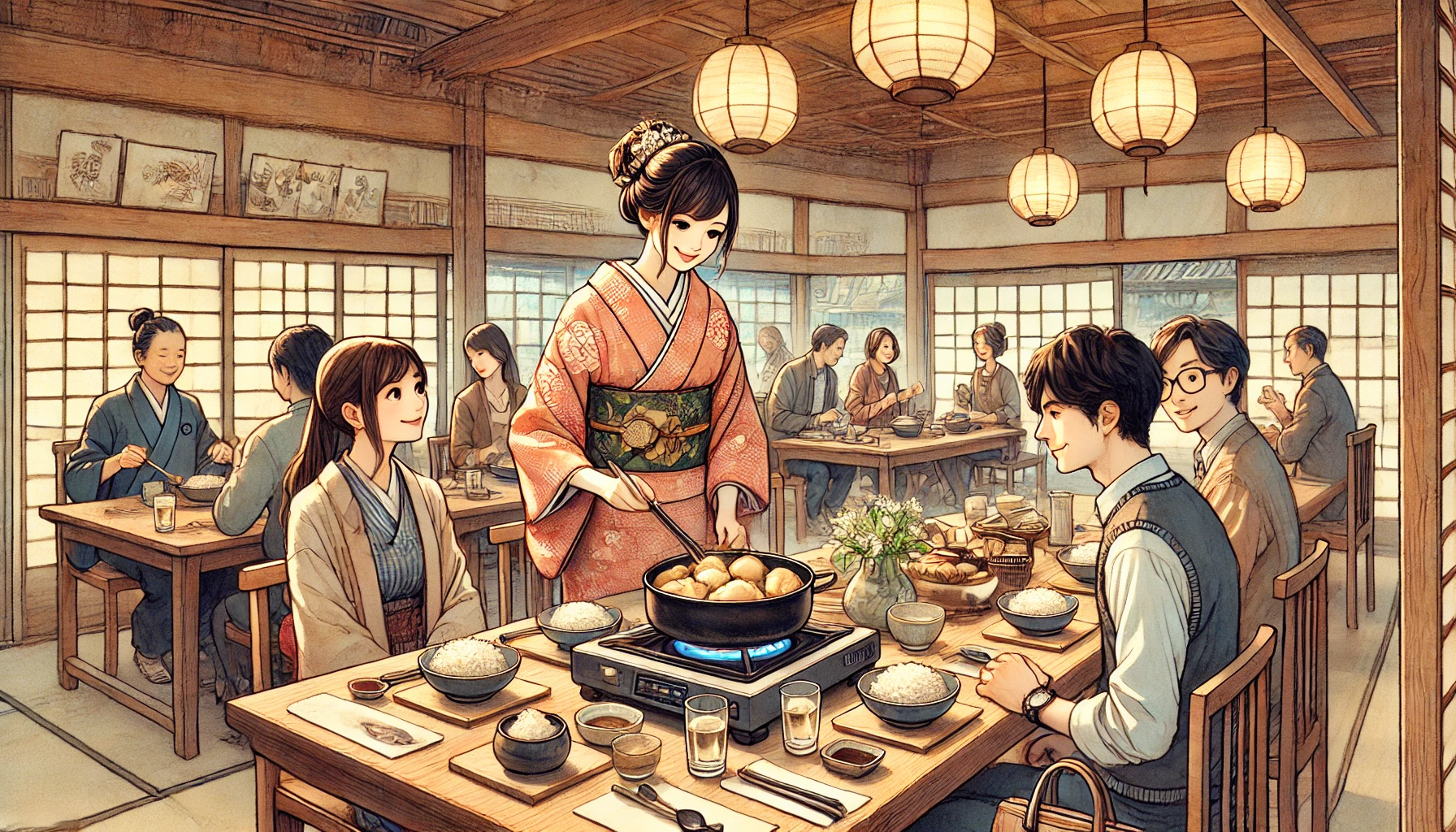
In the bustling area of Sanjo Kiyamachi, a narrow stone-paved alley leads you to the century-old sukiyaki establishment "モリタ屋 木屋町店," founded in the second year of the Meiji era (1869). For over 150 years, this "meat aristocracy" has quietly settled by the Kamo River. Pushing open the traditional wooden door, you are greeted by a tatami space imbued with the calm atmosphere unique to the Taisho and Showa eras. This restaurant has been selected for many consecutive years as one of Tabelog's top 100 sukiyaki and shabu-shabu restaurants, making it a must-visit for food lovers coming to Kyoto.
Dining at モリタ屋 is memorable not just for the food itself but for the meticulous dining experience as a whole. The restaurant features private rooms overlooking the courtyard, and from May to September, they set up "noryo-doko" by the Kamo River, allowing guests to enjoy the riverside breeze while taking in the night view across the river. The entire experience is attended to by professional nakai (servers), so you don't have to worry about cooking times or seasoning, making it suitable for family gatherings or important occasions, and it's also very appropriate to bring elders here.
モリタ屋 operates its own farm in Kyoto's Tanba region, carefully selecting black-haired wagyu and aging it using a unique method, with marbling as delicate as a marble pattern. The signature "Kansai-style sukiyaki" is prepared in a traditional manner: instead of pouring sauce beforehand, they sprinkle sugar (ザラメ) directly onto the iron pot and then layer thick slices of wagyu on top. The beef sizzles in the pot, releasing the aromas of caramel and fat, and when you drizzle some soy sauce and dip it in raw egg before taking a bite, the sweet and melt-in-your-mouth texture will leave you momentarily stunned on your first taste.
Besides the wagyu, the accompaniments in the pot are also worth looking forward to. The Kyoto vegetables soaked in broth, the soft and sweet Kujo green onions, the chewy Kyoto specialty fu (お麩), and the recently added burdock and Awaji onions add a layer of sweetness to the entire pot. Finally, finishing off with udon noodles stir-fried in the rich meat juices is the most satisfying bite of the meal. The 木屋町店 location is very popular, and the last order time is relatively early, so if you plan to visit, it's recommended to make a reservation in advance to avoid a wasted trip.
モリタ屋 木屋町店 (Moritaya)
• Business hours and regular holidays may vary, please confirm before visiting
• About 3 minutes walk from Subway Tozai Line "Sanjo Keihan Station"

Mishimatei - Main Branch
三嶋亭 本店


The top choice for Kyoto sukiyaki, 三嶋亭 本店: Established in the sixth year of the Meiji era, it offers the legendary taste of aged wagyu.
Next to the Teramachi shopping street in Kyoto, there stands a traditional machiya building preserved since the Meiji era, quietly nestled among the bustling surroundings. This is the long-established sukiyaki restaurant founded in the sixth year of Meiji (1873).三嶋亭本店has a history of over 150 years. Pushing open the heavy wooden door and stepping onto the tatami mats that bear the marks of time, the atmosphere instantly transforms. Consistently ranked among Tabelog's top restaurants and recommended by Michelin, 三嶋亭's status in Kyoto's culinary scene speaks for itself; for many food enthusiasts, this is the first place that comes to mind when thinking of authentic sukiyaki in Kyoto.
What makes 三嶋亭 unforgettable is their strict selection of black-haired wagyu and their unique aging technique. The restaurant only uses the highest grade of black-haired wagyu, aged for a specific period to fully release its umami and sweet fat, creating a depth of flavor that ordinary sukiyaki cannot match. There's no need to worry about controlling the heat, as each table is attended by a server dressed in traditional kimono who cooks alongside you. Watching the beautifully marbled red beef slowly meld with fine sugar and special soy sauce in a cast-iron pot is an enjoyment in itself. The Kansai-style sukiyaki is interpreted perfectly here, which is why many travelers specifically include 三嶋亭 in their Kyoto itineraries.
In addition to the signature Kansai-style sukiyaki (すき焼き), the menu also offers the elegantly flavored mizutaki and oil-grilled dishes (オイル焼き). Especially in winter (from November to February), the seasonal "みぞれ鍋" is a must-try. Made with Kyoto's specialty, Shogoin turnips, mashed and paired with a light broth to cook the wagyu, it is even more refreshing than sukiyaki, allowing the sweetness of the beef to shine through. Many repeat customers return just for this winter-exclusive dish, so if you're in Kyoto between November and February, it's definitely worth including this snow-viewing pot in your plans.
There are a few important points to note. 三嶋亭本店 has fully preserved the structure of the Meiji-era building, and there are no barrier-free facilities inside. Guests need to remove their shoes on the first floor and climb a steep wooden staircase to the dining area, and the restaurant requires that guests wear socks to protect the tatami mats. Additionally, the restaurant is quite popular, especially during the more affordable lunch hours (lunch course), where it can be difficult to secure a table. It is recommended to make reservations as early as possible once your plans are confirmed. Enjoying a meal of Kyoto wagyu sukiyaki in this authentic century-old machiya building is an experience worth traveling for.
三嶋亭 本店 (Mishimatei)
• Closed: Tuesdays and Wednesdays (irregular holidays may apply, please contact the restaurant for details)
• About an 8-minute walk from "Sanjo Station" on the Keihan Main Line

Morita-ya - JR Kyoto Isetan Branch
モリタ屋 JR京都伊勢丹店


A century-old wagyu restaurant directly connected to Kyoto Station: Moritaya JR Kyoto Isetan.
Moritaya JR Kyoto Isetan
- Budget: Dinner: ¥5,000~¥5,999 / Lunch: ¥2,000~¥2,999
- Type: Sukiyaki, Shabu-Shabu, Steak
- Phone: 075-365-7788
- Reservations: Accepts reservations
- Business Hours:
- 11:00~22:00 (Last order 21:00)
- Address: 京都府京都市下京区烏丸通塩小路下る東塩小路町901 ジェイアール京都伊勢丹 11F
- Access:
- Direct access from JR Kyoto Station, located on the 11th floor of JR Kyoto Isetan Food Court (160 meters from Kyoto Station)
- Payment Methods:
- Credit cards accepted
- Electronic payments accepted
- QR code payments accepted
- Non-Smoking/Smoking: Completely non-smoking
- Official Website: https://moritaya-kyoto.co.jp/

Kyoto Sanjo Haku
京都三条 箔


A Sukiyaki Restaurant with Views of the Kamo River and the History of the Bakumatsu Period【Kyoto Sanjo Haku】
Walking along Kiyamachi Street, you turn into a little alley with few passersby, and at the end, you find the quietly situated "Kyoto Sanjo Haku" by the Kamo River. In front of this old building stands a stone tablet marking the site of Mr. Tsuji Munezane's residence, and stepping inside feels a bit like stumbling into a night during the Bakumatsu period. As you walk through the damp stone path into the restaurant, the low door and aged wooden structure are all well-preserved, making it feel like a world apart from the bustling tourist area of Gion outside. There are many places to eat sukiyaki in Kyoto, but this atmosphere is hard to replicate; a Tabelog rating of 3.62 is just a number—once you sit down, you'll understand why it's worth booking weeks in advance.
The restaurant's courtyard was designed by world-class landscape designer Kazuyuki Ishihara, and as you eat while gazing at the meticulously arranged greenery outside, the pace of life naturally slows down. If you manage to book a private room on the second floor, the Kamo River flows right before your eyes, offering different views in spring for cherry blossoms, summer for cool breezes, and autumn for colorful leaves. It’s worth mentioning that this place is surprisingly family-friendly; not only do they welcome families with infants, but they also offer a children's sukiyaki set, allowing adults to enjoy their meal while kids can eat happily—making it a rare high-end family dining option in Kyoto.
The star of the show is, of course, the "Wagyu Sukiyaki Kaiseki." Carefully selected top-grade wagyu, such as Omi beef, is paired with the restaurant's special Haku sauce, and the entire cooking process is done at your table by the staff, ensuring perfect doneness and timing. The marbled wagyu slices shrink slightly in the sauce, releasing their aroma. Dipping it into the egg mixture, the combination of fat, sweet sauce, and the smoothness of the egg is hard to resist, making it difficult not to order another serving. The summer limited Hamo (pike eel) and Wagyu cold banquet set combines seasonal Kyoto Hamo with sukiyaki, and once you've tried it, it's hard to go back.
"Kyoto Sanjo Haku" is suitable for business banquets, family celebrations, or anniversaries—occasions where you want to enjoy a good meal. Both the environment and the cuisine live up to that expectation. The restaurant operates on a reservation-only basis, and private rooms are particularly in demand, so be sure to book as soon as your Kyoto itinerary is confirmed to secure a spot by the Kamo River; otherwise, you might miss out.
京都三條 箔 (Haku)
• Saturday, Sunday, and public holidays 12:00 - 15:00 (L.O. 13:00) / 17:00 - 22:00 (L.O. 19:00)
• Closed on Tuesdays
• Subway Tozai Line "Kyoto City Hall Station" Exit 1, walk about 5 minutes
• Hankyu Kyoto Line "Kyoto Kawaramachi Station" Exit 3, walk about 9 minutes

Sukiyaki Iroha - North Branch
すきやき いろは 北店


Kyoto Pontocho Century-Old Sukiyaki Restaurant【すきやき いろは 北店】
Between the Kamo River and Kiyamachi, there is a narrow stone-paved alley called "Pontocho," which is one of the places in Kyoto that has preserved the ancient city atmosphere most completely. Hidden in this alley is a century-old Sukiyaki restaurant in Kyoto, "すきやき いろは 北店," established in the 44th year of the Meiji era (1911), which still has long lines every day even after more than a hundred years. Pushing open the wooden door and stepping inside, the tranquil atmosphere of the tatami room and the dim yellow light immediately slow down your pace, making it hard to imagine that outside is the bustling Pontocho filled with tourists. This place has not only been selected as one of the "Tabelog Sukiyaki and Shabu-Shabu 100 Best Restaurants 2024," but it is also a hidden gem that many locals in Kyoto have been enjoying since childhood, often requiring reservations during holidays.
The sukiyaki at "いろは" follows the authentic Kansai style, with a nakai (table-side service staff) assisting you throughout the cooking process, so you don’t have to worry about the heat. The iron pot first has coarse sugar (ザラメ) added, followed by a secret sauce called warishita, and once the bottom of the pot is fragrant and bubbling, slices of top-quality marbled beef are added one by one. The moment the beef fat melts at the edge of the pot, the aroma of caramel and sauce mingles together, making it a pleasure just to wait by the side to eat.
The thinly sliced beef that just came out of the pot is cooked to perfection, and after swirling it in raw egg liquid, it is tender and rich, delivering the kind of flavor that makes you understand why there are long lines after just one bite. The cabbage, chrysanthemum leaves, and grilled green onions that go into the pot later soak up the beef and sauce, and the tofu is more substantial than expected. As you reach the end of the pot, remember to leave a bit of broth to cook some zosui (rice porridge), so you can drink in all the essence, and finish off with a scoop of the shop's matcha ice cream for a perfect conclusion. The seating in the restaurant mostly consists of tatami-mat private rooms, providing a sense of privacy, making it suitable for bringing family or enjoying a leisurely meal with friends. Compared to the lively atmosphere of izakayas in Naha, this place feels more like elegantly serving Kyoto's refined culture right at the table.
すきやき いろは 北店 (Sukiyaki Iroha Kitaten)
• Business hours and holidays may vary, it is recommended to confirm before visiting

Kyoto Wagyu Cuisine - Isseki Sancho
京都 和牛料理 一石三鳥

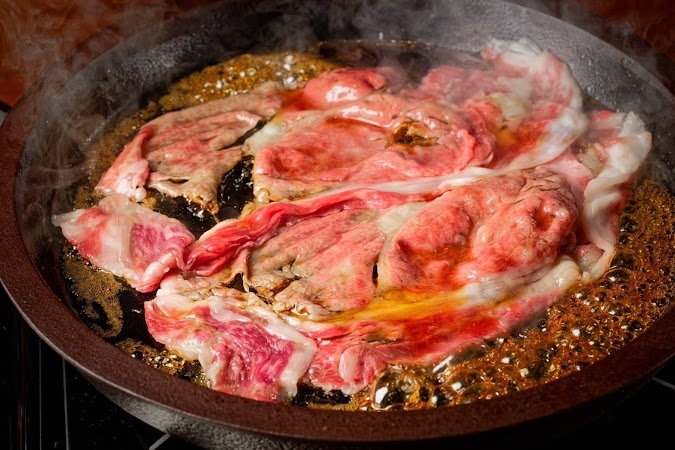
Recommended private Wagyu beef in Kyoto's Shimogyo Ward【Kyoto Wagyu Cuisine Ishi San Tori】
If you're tired of crowded tourist hotspots, "Ishi San Tori" on Omiya Street in Shimogyo might be just what you're looking for. Located intentionally away from the bustling Shijo Kawaramachi area, stepping inside feels like entering another world, with dim lighting and understated interior design that instantly brings a sense of calm. The chef here is a true meat artisan, carefully selecting premium beef from various regions of Japan, and the cooking techniques go beyond the typical yakiniku restaurant, offering a unique depth of flavor.
Regarding ingredients, the restaurant specifically imports "Pure Tajima Usunaga Beef" and "Special Matsusaka Beef," both of which are rare. The pairing of cuts and cooking methods is also meticulously considered, ensuring that you won't feel overwhelmed while enjoying the meal from start to finish. There are two types of seating: for those who enjoy watching the artisans at work, the counter with 12 seats offers an intimate experience; for quieter gatherings, the soundproof private rooms are well-designed. Families with children need not worry, as the restaurant arranges independent private rooms for parent-child guests, allowing both adults and kids to dine comfortably.
When ordering, the signature "Sirloin Yukke (サーロインユッケ)" is a must-try. This dish has been selected as one of the top 100 dishes, with evenly distributed marbling, served with a special sauce and a raw egg yolk, creating a smooth texture that leaves a lasting impression. In addition to grilled meat, the original dishes are also worth ordering, such as the rich-flavored "Wagyu Oxtail Soup Dumplings" and the sweet and sour "Bone-in Short Ribs in Vinegar (sweet-and-sour short ribs)," which are favorites among regulars. If you opt for the Kyoto-exclusive sukiyaki, the artisan will personally prepare Kobe beef at your table, and the sight of the fat sizzling in the sauce is a delight to behold.
Finally, remember to save room for a bowl of "Mackerel Dashi Cold Noodles (鯖出汁冷麺)" to finish your meal. The mackerel dashi is refreshing yet layered, perfectly cutting through the richness of the grilled meat, and the chilled noodles make for an ideal conclusion to the meal. Ishi San Tori has already become a sought-after restaurant in Tokyo and Osaka, and since the Kyoto location opened, reservations have been equally difficult to secure. Once you have a date in mind, it's advisable to book online as soon as possible; otherwise, it's nearly impossible to get a walk-in spot.
京都 和牛料理 一石三鳥
• Irregular holidays
• About 17 minutes walk from "Kyoto Station"; or take the city bus 205 from Kyoto Station to "Shichijo-Omiya・Kyoto Aquarium Mae" and walk about 1 minute

Shabu-shabu & Sukiyaki All-You-Can-Eat, Wagyu & Pork - Sanjo Kawaramachi Branch
しゃぶしゃぶ すき焼き 食べ放題 和牛と豚 三条河原町店


Kyoto Kawaramachi High-Rise Night View with All-You-Can-Eat Wagyu【和牛と豚 三条河原町店】
After wandering around the Kawaramachi shopping district, when your legs feel like they might give out, it's actually perfect to take the elevator up to the 9th floor of "Kyoto Ajibiru Kawaramachi" and find a seat by the window to catch your breath. The space at "和牛と豚" has a modern feel, with spacious and comfortable sofa seating, warm lighting, and a completely different atmosphere from the usual noisy izakayas. What really captivates is the large window, where the night view of Kyoto's streets unfolds before you, creating a sense of indescribable comfort when paired with the bubbling hot pot. Whether it's a date or a gathering with friends, this setting is quite fitting.
This place specializes in a 120-minute all-you-can-eat sukiyaki and shabu-shabu, but the quality of the meat truly exceeds the usual expectations of "all-you-can-eat." The wagyu is the beautifully marbled and aromatic Kagoshima "Satsuma Gyu," while the pork is the sweet and tender brand pork "Nankoku Mai Buta." Thinly sliced meat can be cooked in the pot for just a few seconds before being picked up, and whether dipped in sukiyaki sauce or eaten directly from the shabu-shabu, the moment it enters your mouth, the rich aroma of the fat fills your senses, with generous portions that don't leave a greasy feeling. The seasonal vegetables included in the pot are also very fresh, and in the last few rounds, it's perfect to add a bit more vegetables to cleanse the palate.
In addition to the hot pot, the additional cooked dishes are also worth ordering. The fried skewers have a very crispy coating, with both beef and vegetable skewers available; the Nankoku Mai Buta braised pork is tender and flavorful, falling apart with just a chopstick poke; and the fried chicken skin is also quite fragrant. All of these items can be ordered infinitely, showing a good level of sincerity. If you're bringing children, those aged 6 to 12 are half price, and children under 5 are free (a small cleaning fee is charged), with children's seat cushions available for borrowing, making it quite family-friendly.
Be sure to finish off by cooking udon noodles in the soup base; that bowl of noodles absorbs all the flavors of the wagyu and vegetables from the evening, often becoming the most unforgettable last bite of the day. Pair it with matcha, black sesame, or yuzu sorbet ice cream, and the meal is finally complete. Window seats and couple tables are in high demand, so it's recommended to make an online reservation in advance once your plans are set, otherwise, you might only get seated further inside.
しゃぶしゃぶ すき焼き 食べ放題 和牛と豚 三条河原町店
• Daily 17:30 - 00:30 (L.O. 23:00)
• About 8 minutes walk from Keihan Main Line "Sanjo Station" Exit 6
• About 6 minutes walk from Subway Tozai Line "Kyoto City Hall Station"

Sukiyaki Kimura
すき焼き キムラ

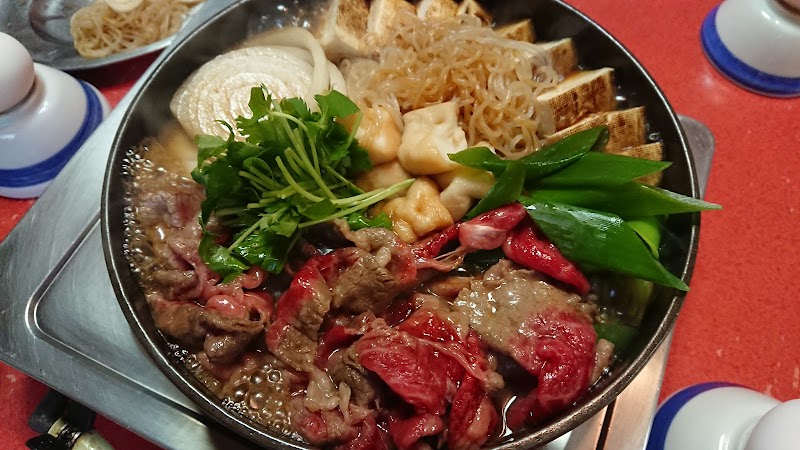
Established in 1928, Tatami seating, affordable Sukiyaki — Complete introduction to Kyoto Teramachi【すき焼き キムラ】
When it comes to Kyoto Sukiyaki, most people instinctively think of high-end restaurants that easily cost over ten thousand yen. However, hidden in the Teramachi Kyogoku shopping street is a century-old establishment that takes a completely different approach — "すき焼き キムラ" (Sukiyaki Kimura). Founded in 1928, it has remained true to the original intent of "popular food culture" for nearly a hundred years, offering affordable yet hearty home-style Sukiyaki. The restaurant is housed in a two to three-story Showa-era wooden building, and upon entering, you are greeted by a spacious tatami area, with an atmosphere that exudes the warmth of old Kyoto. Even a Japanese drama (starring Fumino Kimura) has filmed here.
The overall space is quite spacious, with up to 250 seats. In addition to traditional tatami seating areas, there are also chair seats available, which is a thoughtful design for pregnant women or those who are not used to sitting cross-legged for long periods. The clientele is quite interesting, consisting of local regulars, students on school trips, and foreign tourists. Regardless of who comes here, the atmosphere is relaxed, centered around the iron pot and casual conversations, completely devoid of the formal pressure found in high-end restaurants.
The menu is actually quite simple, mainly featuring two options: "Roast (Sirloin) Sukiyaki" and "Regular Sukiyaki." If it's your first time, it's recommended to order the roast recommended by the staff, as the meat is more tender and the marbling is more even. Once the ingredients are served, customers cook them themselves, sprinkling sugar and pouring broth into the iron pot, watching as the thinly sliced beef slowly absorbs the savory-sweet sauce. Besides the beef itself, the tofu and Kyoto-specific wheat gluten that soak up all the broth and fat are the most surprising parts of the dish, providing a hearty warmth that is characteristic of home cooking. The side ingredients include onions, green onions, konjac noodles, and clover, which are all cooked in the pot and enjoyed with raw egg, representing the standard Kansai-style Sukiyaki eating method.
There are two things to keep in mind before you go: First, the restaurant only accepts cash; credit cards, electronic payments, and QR codes are not accepted, so remember to bring enough Japanese yen in cash. Second, although there are many seats, the restaurant often fills up during peak lunch and dinner hours, especially during tourist seasons. It is recommended to call ahead to make a reservation once your plans are confirmed, to avoid waiting on-site.
すき焼き キムラ (Sukiyaki Kimura)
• Closed on Mondays, irregular holidays on the third Tuesday of each month
• About a 7-minute walk from Keihan Main Line "Gion Shijo Station"
• About a 10-minute walk from Subway Karasuma Line "Shijo Station"
• About a 3-minute walk from Kyoto City Bus "Shijo Kawaramachi Station"

Hoheto
ほへと


Kyoto Kawaramachi Hidden Gem Wagyu Feast【ほへと】
The area around Kawaramachi and Pontocho is home to many great restaurants, but "ほへと" is particularly well-regarded among meat lovers. This sukiyaki specialty restaurant, which opened in 2025, is located on the 4th floor of the Sakizo Building (サキゾービル). Its location is somewhat hidden, and you might not discover it unless you are specifically looking for it. The interior space is more spacious than expected, following a modern Japanese style, making it comfortable whether you are on a date with two people or dining with a group of friends, without the cramped feeling of a small izakaya.
The signature dish is, of course, all-you-can-eat black-haired wagyu sukiyaki, and the selection of meat is quite high standard. In addition to the delicately textured "Shinshu A5 Apple Wagyu," there is also the internationally renowned "Kobe Beef," both of which can be ordered in unlimited quantities. The method of preparation follows the traditional Kansai style of sukiyaki: the first slice of meat is personally placed in the pot by the staff, sprinkled with zarame sugar (ザラメ) on the hot iron pot, and then drizzled with a special sauce. The sugar slowly caramelizes at the bottom of the pot, blending with the rich fat of the wagyu, creating an incredibly enticing caramel sauce. Dipped in golden raw egg liquid and eaten in one bite, the sweet, rich fat melts in your mouth, combined with the umami-packed meat, making it hard not to grab a few more slices.
The accompanying white rice is made from Koshihikari (コシヒカリ), also available in unlimited quantities. The combination of wagyu soaked in sauce with a bite of hot white rice is the perfect match for sukiyaki. The drink menu is also comprehensive, featuring not only sake and shochu but also top-tier whiskies like "Yamazaki" and "Hibiki," making it easy to enjoy a drink with your meal.
The location is very convenient, just about a 1-minute walk from Exit 1A of Kyoto Kawaramachi Station, making it a perfect spot to enjoy dinner after a stroll along the Kamo River or exploring Gion. However, this restaurant operates on a completely reservation-only basis, so be sure to book in advance on their official website to ensure you can dine here.
ほへと (Hoheto)
• Friday to Sunday 11:00 - 17:00
※ Weekend dinner hours may be flexible, please inquire directly with the restaurant for details.
• About 3 minutes walk from Keihan Main Line "Gion Shijo Station" (approximately 175 meters)

Kyoto Dining Seigi
京都ダイニング正義


A Wagyu Feast Hidden in a 150-Year-Old Machiya【京都ダイニング正義】
Walking south from Kawaramachi Sanjo, there is a small alley called "Ryoma-dori" that tourists might not pay much attention to, where Kyoto Dining Seigi quietly resides. The building itself has a history of 150 years and is a well-preserved traditional machiya. Pushing open the wooden door, you will find that the interior has been modernly and tastefully renovated with a Japanese style, avoiding the overly commercialized feel. The wooden framework of the old house remains, just enhanced with a more relaxed izakaya atmosphere. The first floor features an open layout with a bar and tables, while the second floor has been transformed into several calm Japanese-style private rooms. With a Tabelog rating of 3.42, it is considered a discreet gem among meat lovers in Kyoto.
The menu focuses on Kuroge Wagyu, and the dishes are quite substantial. The most popular item is the "Kuroge Wagyu Sukiyaki," which uses high-quality wagyu with evenly distributed marbling, cooked just right in the restaurant's special sweet and savory sauce. When you take a piece and wrap it in raw egg yolk, the rich flavor of the fat and the smoothness of the egg almost melt together at the same time, making it hard not to feel satisfied. The local vegetables, fully infused with the sauce, are also treated with care. If you prefer the original flavor, the Kuroge Wagyu Shabu Shabu paired with homemade orange vinegar is also a great choice, as the meat flavor is cleaner and clearer.
The lunch period is often overlooked compared to dinner, but it is actually worth a special arrangement. The weekday-only "Steak Set Meal" is quite a cost-effective option in the Kawaramachi area, with the doneness of the wagyu steak being very well controlled, ensuring that the juices do not escape. Paired with freshly cooked white rice and several delicate side dishes, there is hardly a moment during the week at noon when seats are available.
At the end of the meal, using the broth that has absorbed the sweetness of the beef and the freshness of the vegetables to cook a bowl of zosui or udon is one of the most anticipated parts of this type of hot pot. Whether it's a date for two, a family gathering, or a quieter business meeting, the atmosphere of the machiya can accommodate it all. The number of private rooms and semi-private seating on the second floor is limited, so if you have specific preferences, it is recommended to make a reservation in advance online or by phone to avoid disappointment.
京都ダイニング正義 (Kyoto Dining Masayoshi)
• Irregular holidays (subject to store announcements)
• About a 5-minute walk from Subway Tozai Line "Kyoto City Hall Station"

Kyoto Tsuyu-shabu CHIRIRI - Main Branch
京都つゆしゃぶCHIRIRI 本店

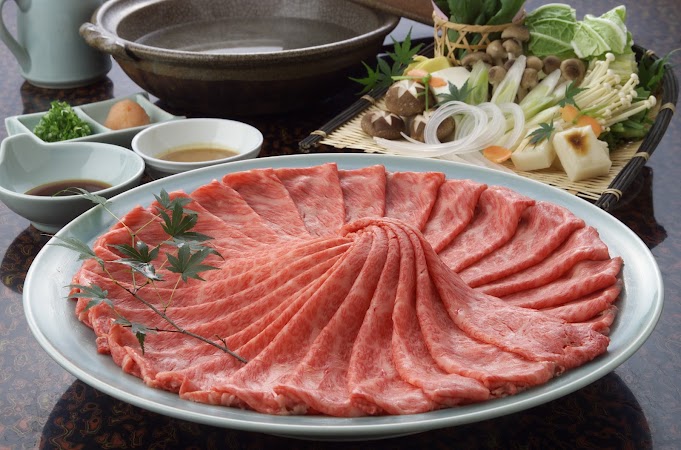
A century-old town house serving shabu-shabu, this Kyoto CHIRIRI main store will have you coming back for more
On the west side of the Kyoto Imperial Palace, there is an inconspicuous alley, and once you step inside, you will discover a genuine century-old Kyoto town house. Just standing at the entrance and looking at the old wooden facade of "京都つゆしゃぶCHIRIRI 本店" already makes it worth half the price of admission. Upon entering the store, the first thing that catches your eye is not the ancient charm, but rather a vibrant rock-style mural painted by the famous Kyoto mural artist Eiki Kimura (Keyan) that covers an entire wall. The intense colors and wildness clash with the stable tones of the old wood, creating an unexpectedly harmonious atmosphere. As you continue deeper into the establishment, there is a Japanese courtyard tended by artisans, showcasing different scenery in each season; on one side of the corridor, there is a discreet row of chopstick holders reserved for regular customers. This kind of detail is common in old Kyoto shops—unpretentious, yet it makes you feel remembered. The entire restaurant features a fully private room design, with various sizes of private dining rooms available, suitable for romantic dates, family gatherings, or business entertaining, without the worry of disturbances from neighboring tables.
When you come to CHIRIRI, you must order the signature "つゆしゃぶ," which is shabu-shabu cooked in a special broth. This broth is inherited from the long-established "ひょうたんや" using a five-step preparation method, and it is neither based on orange vinegar nor sesame sauce, but rather follows a clear and sweet flavor profile. The eating method is quite interesting; you first add a generous amount of finely sliced white leeks and yuzu chili pepper into the hot broth, then gently dip the slices of meat. The meat features Iwate Prefecture's Platinum Pork, which is rich in fat with a subtle sweetness and a tender texture; for an upgrade, you can add A4 or A5 Omi beef. The meat slices, wrapped in the fragrant and sweet broth, create distinct layers of flavor that are not greasy at all, differing greatly from the usual impression of shabu-shabu. This establishment is almost indispensable on any list of recommended Kyoto shabu-shabu restaurants.
In addition to the signature つゆしゃぶ set, the restaurant also offers seasonal kaiseki menus that combine sashimi, seared Omi beef sushi, and seasonal dishes, making it a great choice for treating yourself occasionally. Regardless of which set you order, be sure not to skip the final step: add the Japanese soba noodles into the broth that has absorbed the essence of the pork fat and vegetables. The noodles lock in the broth, simple yet very satisfying. There are not many Kyoto town house restaurants that can achieve this level of quality, and given the fully private room design, which makes reservations hard to come by, it is recommended to book early once your plans are confirmed, as peak times are truly in high demand.
Kyoto Tsuyushabu CHIRIRI Main Store (ちりり)
• Sunday and National Holidays 11:30 - 15:00 (L.O. 14:00) / 17:00 - 21:00 (L.O. 20:00)

Taishu Sukiyaki Hokuto - Shijo Karasuma Branch
大衆すき焼き 北斗 四条烏丸店


A new affordable sukiyaki choice in Kyoto Shijo Karasuma! The retro atmosphere adds extra points at "大衆すき焼き 北斗"
After the famous sukiyaki restaurant "北斗" in Osaka Namba has been bustling with long lines every day, it has finally opened a branch in Kyoto Shijo Karasuma. Located in a small alley on Higashi-doin Street next to Kyoto Daimaru, you walk up the stairs to the second floor, where you are greeted by a mix of old building materials and exposed concrete, creating a retro yet slightly industrial space that surprisingly feels very relaxing once you sit down. With a focus on "affordable yet exquisite Japanese dining," this place transforms the traditionally high-end image of sukiyaki into an everyday dining option that's perfect for gatherings with friends, family meals, or dates.
When you open the menu, you might be taken aback—during dinner, a serving of sukiyaki starts from 1,780 yen (excluding tax), featuring tender and high-quality beef; even more astonishing, the wagyu sukiyaki set lunch starts from just 1,180 yen (excluding tax). The beef sizzles in the pot, soaking up the unique sweet and salty sauce, and when you dip it in raw egg and take a bite, the rich flavor melts in your mouth, making it impossible to stop eating with rice.
The Shijo Karasuma branch has a special dish not available at other locations worth ordering—"Kyoto Negi Sukiyaki." It uses the traditional Kyoto vegetable, Kyoto negi, which is spread across the entire pot to simmer. The original spiciness transforms into a rich sweetness through the sauce, perfectly balancing the greasiness of the wagyu, making it refreshing and layered in flavor. Additionally, the restaurant offers fruit wines, shochu, and special cocktails, along with a 120-minute all-you-can-drink plan, so you can enjoy eating and drinking to your heart's content.
This place does not have the tense atmosphere of traditional high-end sukiyaki restaurants; the space is spacious, with sofa seating areas, making it comfortable for families with children. Because it has a great reputation locally, the popular dinner hours often see full capacity, so it's recommended to make a reservation online before heading out to save time waiting on-site.
Taishu Sukiyaki Hokuto Shijo Karasuma
• Daily 17:00 - 23:00 (Last Order 22:00)
• Open year-round
• Walk about 150 meters north from Shijo Street turning onto Higashi-Doin Street (near Daimaru Kyoto, located in the building where "Tempura Komefuku" is on the 1st floor, 2nd floor)

Junidanya - Main Branch
十二段家 本店


The birthplace of Shabu-shabu is right here! The century-old shop in Gion, 【十二段家 本店】
As you walk through the stone-paved alleys of Gion in Kyoto, it's easy to miss 十二段家 本店 because it blends in so seamlessly with the neighborhood. The facade follows a traditional one-room house layout, without any unnecessary decorations, and only upon opening the door do you discover the wonders inside. This shop is not just an ordinary old establishment; it is the founding shop of Shabu-shabu in Japan. Just this fact alone makes it worth including in your Kyoto itinerary. Even more surprisingly, the restaurant itself resembles a private folk art museum—master printmaker Toshiko Takagi's sliding door paintings are directly painted on the partitions of the private rooms on the second floor, and ceramic works by Kawai Kanjiro and Hamada Shoji are casually displayed in the corners. Dining here offers as much visual delight as culinary pleasure.
As the originator of Shabu-shabu, the star of the menu is naturally the Black Wagyu Shabu-shabu set. The restaurant uses a traditional copper pot with a central chimney, which heats quickly and maintains a stable temperature, making it easy to control the rhythm of cooking the meat. The marbling of the Wagyu is very evenly distributed, and after just a few seconds in the pot, the meat turns pink. The moment you pick it up, you can feel its weight, and it melts in your mouth quickly, with a sweetness that is delicate and not greasy. Paired with the restaurant's long-standing sesame sauce, which is aromatic but does not overpower the flavor of the meat, the overall experience is very layered.
If you're on a tight budget for dinner, lunch is a very worthwhile option. During lunchtime, you can order a Black Wagyu set meal or beef Sukiyaki bento for just two to three thousand yen, with the same dining environment and service as the evening banquets, albeit with slightly smaller portions. The seating primarily consists of tatami and sunken seating, and there are private rooms of various sizes available for reservation, making it suitable for family trips, birthday gatherings, or simply for those who want to enjoy a meal in a quiet space without interruptions.
Do note that 十二段家 本店 is closed every Wednesday and Thursday, and private rooms are particularly in high demand, so it is recommended to make a reservation as soon as you confirm your travel dates in Kyoto to avoid disappointment upon arrival. Dining in such a space where both folk art and cuisine reach their peak is an experience that is hard to explain with photos but will be remembered for a long time.
Junidanya Main Store (Junidanya)
• Regular holidays: Every Wednesday and Thursday

Kyoto Tsuyu-shabu CHIRIRI - Shijo Karasuma Annex
京都つゆしゃぶCHIRIRI 四条烏丸 別邸


A high-end specialty hot pot with a century-old secret broth at Kyoto Tsuyushabu CHIRIRI Shijo Karasuma Annex.
Stepping into the tranquil alley of Shijo Karasuma in Kyoto, time seems to slow down. This restaurant, transformed from a traditional Kyoto townhouse over a hundred years old, perfectly blends rustic charm with modern elegance. Passing through the graceful Japanese entrance, you are greeted by a meticulously maintained Japanese garden that showcases different seasonal beauty. The entire restaurant features private room designs, with elegantly dressed staff in traditional kimonos gracefully moving about, offering attentive Japanese hospitality (Omotenashi), making it ideal for business dinners, family gatherings, or for those who wish to enjoy a quiet, undisturbed meal.
The signature dish here is not the commonly seen kombu broth with orange vinegar or sesame sauce, but the original "Tsuyushabu (special broth hot pot)." The restaurant has painstakingly crafted a golden buckwheat broth through a "five-stage preparation," paired with freshly sliced Kyoto white leeks and a special yuzu chili paste. After lightly cooking the meat slices, you enjoy them wrapped in the broth-soaked leeks, where the sweetness of the broth and the crispness of the leeks explode on your palate, followed by a hint of spiciness and sourness from the yuzu aroma, creating a rich and layered experience that completely overturns traditional perceptions of Japanese hot pot.
The selection of meats is also impressive, featuring premium brand pork "Platinum Pork" from Iwate Prefecture, known for its delicate texture and subtle creaminess, with sweet and non-greasy fat; it also offers rigorously certified top-grade A4 and A5 "Omi Beef" and "Kobe Beef," with marbling perfectly distributed like marble, melting in the pot with a quick dip. In addition to the signature hot pot, the set menu includes exquisite seasonal appetizers, fresh sashimi, and even luxurious Omi beef sushi, each dish showcasing the delicacy and attention to detail of Japanese cuisine.
After savoring the exquisite meats and vegetables, don't forget the final highlight. Cook the aromatic Japanese dry noodles (soba) in the broth filled with the flavors of meat and sweet leeks for a brief moment, allowing the noodles to absorb the essence, serving as a satisfying conclusion to the meal. It is important to note that to maintain the dining quality and atmosphere during dinner, the restaurant does not allow preschool-aged children (not yet in school) to dine in the evening; guests with younger children are advised to make reservations for lunch.
京都つゆしゃぶCHIRIRI 四条烏丸 別邸
• Sunday and Public Holidays: 11:30 - 15:00 (L.O. Drinks 14:30) / 17:00 - 21:00 (L.O. Food 20:30, Drinks 21:00)
• Regular Holidays: Irregular holidays
• About 1 minute walk from Hankyu Kyoto Line "Karasuma Station" (approximately 178 meters from Shijo Station)

Gyu Kimura
牛・キムラ


A Hidden Gem for Kyoto Wagyu Recommended by Celebrities【牛・キムラ】
About a 7-minute walk south from Hankyu or Arashiyama Electric Railway's "Shijo Omiya Station," tucked away at a corner in a quiet alley far from the main street, lies a restaurant that is easy to miss but unforgettable once you try it—"牛・キムラ" (Gyu Kimura). Established in 2002, it has become a favorite among many local foodies in Kyoto. Japanese actress Akiko Hinagata even recommended it on the popular food show "The Best Restaurant in Life." Despite the show's exposure, the restaurant continues to operate discreetly, relying entirely on repeat customers. The interior features a wooden decor, and the semi-private seating arrangement provides each table with its own space, creating a calm and relaxed atmosphere, perfect for family gatherings or casual drinks with friends.
The restaurant's confidence comes from its carefully selected high-quality wagyu from various regions in Japan. For first-time visitors, almost no one can resist ordering the signature "牛はりはり鍋 (Wagyu Mizuna Hot Pot)." The marbled wagyu is paired with Kyoto's specialty mizuna, and when served, the staff demonstrates the best cooking time for dipping. The rich meat, slightly cooked, wrapped with the crisp mizuna creates a surprisingly harmonious blend of flavors. Once the freshness of the meat and vegetables meld into the broth, adding a portion of udon to soak up the soup makes for a perfect finish. The value for money of this hot pot is quite outstanding among Kyoto's wagyu restaurants.
For those who simply love meat, the "Charcoal Grilled Plate" is also highly recommended. Good wagyu doesn't need excessive seasoning; the restaurant only uses salt and pepper, grilling it at high temperatures on a ceramic plate to lock in the juices. When you take a bite, the sweet fat melts in your mouth, and paired with a sip of the restaurant's carefully selected Japanese sake, it's hard not to order another serving. With only 26 seats in the entire restaurant, space is limited, and given its consistently good reputation, there’s almost no chance of getting a seat without a reservation—be sure to book ahead to avoid a wasted trip.
牛・キムラ (Gyu Kimura)
• Closed on Thursdays
• About an 8-minute taxi ride from Kyoto Station (approximately 1-2 fare jumps)
