



📝 Preface
🏯【Tokyo Stroll 2026】Asakusa • Kuramae — In-depth Walking Guide ☕
Asakusa is one of Tokyo’s most historic, traditional neighborhoods — the classic “shitamachi” (old Tokyo). It keeps Edo-era charm (1603–1868) alive, blending old alleys, ancient temples and modern spots, drawing visitors who want a taste of Tokyo’s past and present. Below are Asakusa’s highlights — must-see sights, tasty eats, shopping and cultural experiences to help you plan an unforgettable stroll.
⛉ Asakusa area: Edo vibes & Kaminarimon
Asakusa is one of Tokyo’s oldest sightseeing areas, full of historic atmosphere. From the huge Kaminarimon to the lively Nakamise shopping street, it’s a must for first-time visitors.
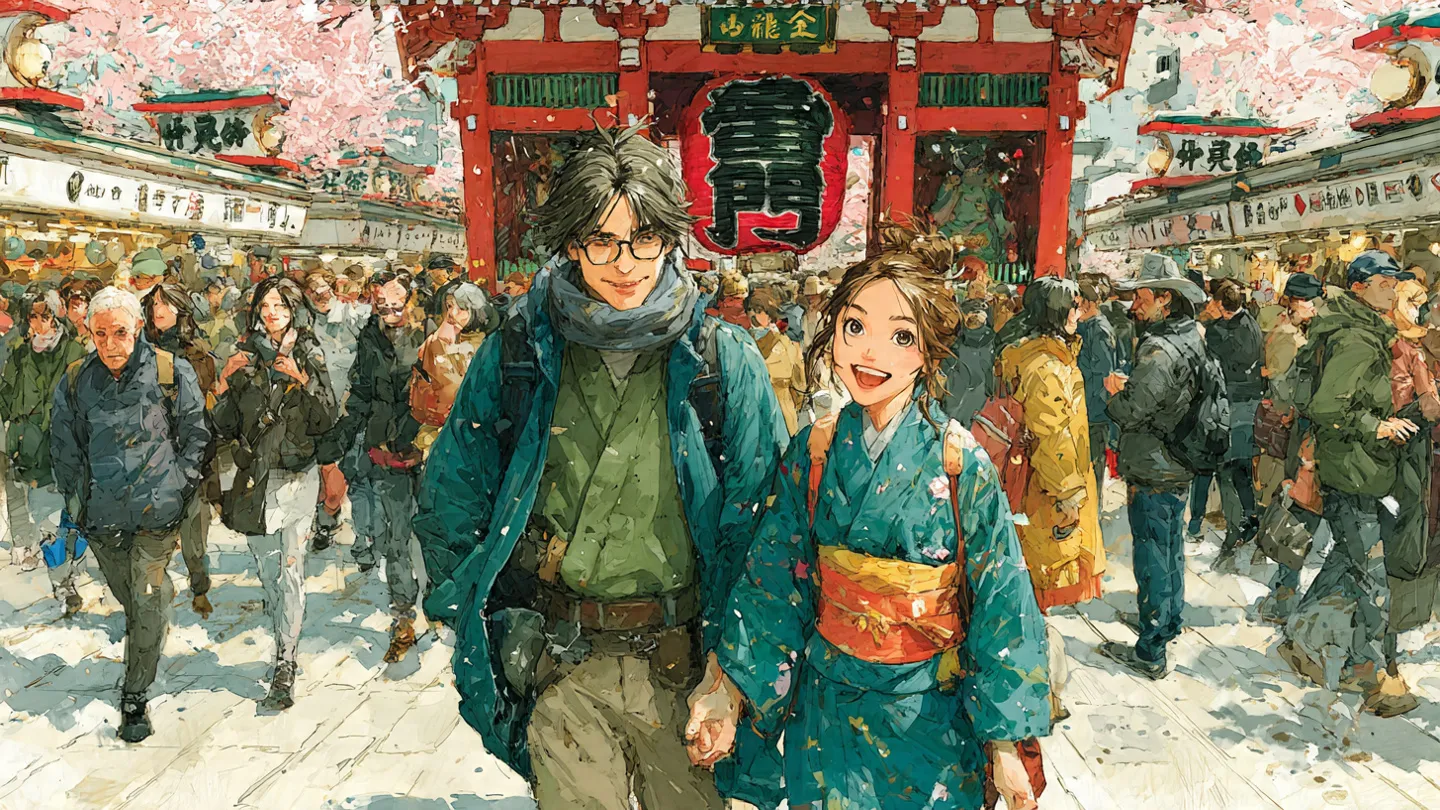
Kaminarimon: Asakusa’s iconic gateway with a giant red lantern — a perfect photo spot. Don’t forget to look up at the detailed carvings under the lantern.
Nakamise Shopping Street: The path from Kaminarimon to Senso-ji, lined with traditional crafts, snacks and souvenirs — a bustling, local-market vibe.🛍️
Senso-ji: Tokyo’s oldest temple. The main hall’s incense smoke is everywhere — waft some for good luck!👏
Water Bus: From the pier near Azumabashi you can hop on a unique water bus to Odaiba or take a short river cruise — great for travelers who want to enjoy Tokyo from the water.🚢
🎨 Kuramae area: Tokyo’s Brooklyn
Kuramae used to be a rice-warehouse and storage district. Lately, affordable rents have attracted designers, cafés and leather craftsmen — creating a relaxed, trendy “Tokyo Brooklyn” vibe.
More details below
📝 Asakusa Background
Asakusa’s name likely comes from patches of thin reeds that once grew in this marshy area, so the place came to be called “Asa-kusa” (thin grass). Other theories exist — some link it to old words meaning “across the sea” or “place of a saint.” Whatever the origin, Senso-ji here is one of Tokyo’s most famous temples, drawing countless worshippers and visitors each year.
Senso-ji’s history appears in Kamakura-period records. Over centuries, samurai leaders donated land and support, helping the temple grow into a major pilgrimage site. That long history — from wartime prayers for victory to festival traditions — is felt as you wander its grounds.
Kuramae, meanwhile, is known for its craft shops and studios. It’s a calm, creative neighborhood full of workshops and unique boutiques — a little haven for lovers of design and handmade goods. Strolling its quiet streets reveals a charming, arty side of Tokyo.
🚝 Transportation Guide

【Asakusa Transportation】

Tokyo Metro Ginza Line: Get off at “Asakusa Station” (Exit 1). About a 5-minute walk to Senso-ji.
Toei Asakusa Line: From “Asakusa Station” (Exit A4). Around a 5-minute walk.
Tobu Skytree Line: From “Asakusa Station” — about a 5-minute walk to Senso-ji.
Tsukuba Express: From “Asakusa Station”, use Exit A1 — about a 5-minute walk.
From Tokyo Station: Take JR to “Akihabara Station”, then transfer to the Tsukuba Express to “Asakusa Station” — roughly a 30-minute trip.
From Haneda Airport: Take the airport train and transfer to reach “Asakusa Station” — about 50 minutes depending on connections.
🛫 Useful Japanese Phrases for Travelers
Tap the text below for audio!
旅遊實用日文
你好 안녕하세요
Hello
不好意思 실례합니다
Excuse me
非常感謝你 감사합니다
Thank you very much
再見 안녕히 계세요
Goodbye
廁所在哪裡? 화장실이 어디에 있습니까?
Where is the toilet?
旅遊咨詢處在哪裡? 관광 안내소가 어디에 있습니까?
Where is the tourist information center?
有宣傳冊子嗎? 팸플릿이 있나요?
Do you have a brochure?
我可以拍照嗎? 사진을 찍어도 될까요?
May I take a photo?
可以幫我拍照嗎? 사진 좀 찍어주시겠어요?
Could you take a photo for me?
計程車站在哪裡? 택시 승강장이 어디에 있습니까?
Where is the taxi stand?
請去這裡 여기로 가주세요
Please go here
請展示這個 이것 좀 보여주세요
Please show this
我想去這裡。 여기에 가고 싶습니다.
I would like to go here.
我不會說日語 일본어를 할 줄 모릅니다
I don't speak Japanese
你會說英語嗎? 영어 할 줄 아세요?
Do you speak English?
請說慢一點。 좀 더 천천히 말씀해 주세요.
Please speak more slowly.
請再說一遍 다시 말씀해 주세요
Please say it again
有店員會說中文嗎? 직원은 중국어를 할 수 있나요?
Can the staff speak Chinese?
🎁 Shopping Japanese Phrases
Tap the text below for audio!
購物實用日文
請給我這個。 이것 주세요.
Please give me this.
我想要這個,謝謝。 이것 부탁드립니다.
I would like this, please.
請給我菜單。 메뉴 주세요.
Please give me the menu.
您推薦什麼? 추천하는 건 무엇인가요?
What do you recommend?
有更便宜的東西嗎? 더 저렴한 것이 있나요?
Do you have anything cheaper?
這是日本製的嗎? 이것은 일본 제품입니까?
Is this made in Japan?
我想點餐。 주문하겠습니다.
I would like to place an order.
請結帳。 계산서 부탁드립니다.
Could I have the bill, please?
可以免稅嗎? 면세 가능한가요?
Is this tax-free?
多少錢? 얼마입니까?
How much is it?
我在哪裡付款? 어디에서 결제하나요?
Where do I pay?
可以用信用卡嗎? 신용카드 사용 가능한가요?
Can I use a credit card?
我要用現金付款。 현금으로 결제하겠습니다.
I'll pay in cash.
我用 Suica 付款。 스이카로 결제하겠습니다.
I'll pay with Suica.
我用卡付款。 카드로 결제하겠습니다.
I'll pay with a card.
可以分開包裝嗎? 따로 포장해 주실 수 있나요?
Can you wrap them separately?
請給我收據。 영수증 부탁드립니다.
Could I have a receipt, please?
👗 Clothing Store Phrases
Tap the text below for audio!
服飾店實用日文
這個多少錢? 이거 얼마예요?
How much is this?
我可以試穿嗎? 이걸 입어봐도 될까요?
May I try this on?
有 S 號的嗎? S 사이즈 있어요?
Do you have this in size S?
有 M 號的嗎? M 사이즈 있어요?
Do you have this in size M?
有 L 號的嗎? L 사이즈 있어요?
Do you have this in size L?
有 XL 號的嗎? XL 사이즈 있어요?
Do you have this in size XL?
有再大一點的嗎? 좀 더 큰 사이즈 있어요?
Do you have a larger size?
有再小一點的嗎? 좀 더 작은 사이즈 있어요?
Do you have a smaller size?
這個尺寸合適。 사이즈가 맞아요.
The size fits.
不好意思,這個尺寸不合適。 죄송해요, 사이즈가 안 맞아요.
Sorry, the size doesn't fit.
我再想一想。 좀 더 생각해볼게요.
I'll think about it a bit more.
這個可以。 이거 괜찮아요.
This is fine.
我不用了,謝謝您。 괜찮습니다, 감사합니다
No, thank you though
我要這個。有全新的嗎? 이걸로 할게요. 새 제품 있어요?
I'll take this one. Do you have a new one?
可以再便宜一點嗎? 좀 더 싸게 할 수 있어요?
Can it be a little cheaper?
我想再看看其他的。 좀 더 다른 걸 봐볼래요.
I want to look at others a bit more.
跟我想像的不一樣,我不要了。 생각했던 거랑 달라서 패스할게요.
It's different from what I imagined, so I'll pass.
我要這個。 이걸로 할게요.
I'll take this.
🍴 Restaurant Phrases
Tap the text below for audio!
打擾了 실례합니다
Excuse me
請給我菜單! 메뉴판을 주세요!
Can I have the menu, please?
我要點餐 할게요
I'd like to order.
我點這個 이거 주세요
I'll have this.
謝謝招待 감사합니다
Thank you for the hospitality.
請給我水 물 좀 주세요
Can I have some water, please?
這個要怎麼吃呢? 이거 어떻게 먹죠?
How do I eat this?
請給我一個小盤子 작은 접시 하나 주세요
Can I have a small plate, please?
可以幫我拍照嗎? 사진 좀 찍어 주실래요?
Could you take a photo for me, please?
麻煩幫我換烤網 구이망을 바꿔 주시겠어요?
Could you change the grill net for me, please?
麻煩結帳 계산서 주세요
Can I have the bill, please?
我在哪裡付款? 어디에서 결제하나요?
Where do I pay?
多少錢? 얼마입니까?
How much is it?
可以用信用卡嗎? 신용카드 사용 가능한가요?
Can I use a credit card?
我要用現金付款。 현금으로 결제하겠습니다.
I'll pay in cash.
請給我收據。 영수증 부탁드립니다.
Could I have a receipt, please?
🔥 Hot Tickets & Deals 🔥
💴 All the best Japanese department stores, cosmetics, and electronics deals — right here!!
Electronics + cosmetics + sundries

Bic Camera
(Discount vouchers are generally valid across Japan)

Yamada Denki
(Discount vouchers are generally valid across Japan)

EDION
Namba Main Store / Kyoto Shijo Kawaramachi / Akihabara Store

Don Quijote
(Discount vouchers are generally valid across Japan)

Matsumoto Kiyoshi
(Discount vouchers are generally valid across Japan)

COSMETICS AND MEDICAL (cosmetics)
Shin-Marunouchi Building / New Yurakucho Building / Otemachi FirstSquare / Otemachi Plaza / Kodemmacho / Higashi-Nihonbashi

COSMOS Cosmetics
(Discount vouchers are generally valid across Japan)

SUGI Pharmacy
(Discount vouchers are generally valid across Japan)

Daikoku Drugstore
(Discount vouchers are generally valid across Japan)

Tsuruha Drug
(Discount vouchers are generally valid across Japan)

Cocokara Fine Cosmetics
(Discount vouchers are generally valid across Japan)

Kokumin Cosmetics
(Discount vouchers are generally valid across Japan)

Hokkaido Drugstore “Satsudora”

Okinawa cosmetics chain “RYUSPA”
Department stores
Mitsui Outlet
Odaiba DiverCity
COREDO Muromachi
LaLaport
Lazona

Daimaru Matsuzakaya Department Stores
Umeda Store / Shinsaibashi Store / Tokyo Store / Matsuzakaya Ueno Store / Kyoto Store
Sapporo Store / Kobe Store / Shimonoseki Store / Matsuzakaya Nagoya Store / Matsuzakaya Shizuoka Store

Tobu Department Store Ikebukuro

Seibu Department Store
SOGO Department Store

Tokyo Rakuten Duty-Free Ginza
(GinzaNovo)

Odakyu Department Store Shinjuku
(Shinjuku West Exit)

Kintetsu Department Store
Osaka Abeno Harukas
Tax-free 10% + up to 5% extra discount

Keio Department Store Shinjuku
Tax-free 10% + up to 5% extra discount
Sports gear + apparel

JEANS MATE Clothing Store Coupon
Ikebukuro Store / Harajuku Takeshita Street Store / Kawasaki Store / Ofuna Store

Alpen Discount Coupon (sports goods)
(Discount vouchers are generally valid across Japan)
(Shinjuku store — Japan’s largest sports goods store)

L-Breath (sports goods)
(Discount vouchers are generally valid across Japan)

Victoria Golf (sports goods)
(Discount vouchers are generally valid across Japan)

Victoria (sports goods)
(Discount vouchers are generally valid across Japan)

Aoyama (The Suit Company)
Tax-free + extra 10% off coupon

Japanese luggage brand ACE
10% off coupon

Open the moving line reference
🖷 Asakusa–Kuramae Pocket Guide 🖷
Attractions map
Attraction route guide
Open the map on your computer and follow the stickers below to check the suggested route and spot locations.
a. Orange area (Senso-ji area), b. Purple area (Sumida Park), c. Yellow area (west side of Senso-ji), d. Green area (Kappabashi kitchenware street), e. Blue area (Kuramae area)
🚶♂️a Asakusa Temple area🚶🏻♀️
Near Asakusa Station
If you plan to rent costumes or wear kimono, there’s a rental shop right by the station — easy to change here before you start exploring.
江戶和服工房 雅 淺草站前店
Edo Kimono Workshop Miyabi Asakusa Station Branch
에도 와소 공방 미야비 아사쿠사역점
江户和服工房 雅 浅草站前店
 Click for directions
 Introduction
Edo Kimono Studio Yabi — Asakusa Station Branch
Address: Prima Vera 2, 2-20-8 Kaminarimon, Taito-ku, Tokyo
Official site: https://hefumiyabi.com/zht/
Opening hours: 09:00〜17:00
About the shop
Edo Kimono Studio Yabi is one of Asakusa’s top kimono rental shops. Thanks to its prime spot right by Asakusa Station and just steps from Kaminarimon and Senso-ji, it’s the quickest way to get dressed and start strolling the charming old streets. The bright, comfy shop is staffed by experienced dressers who make sure every guest looks elegant. They offer services in Chinese and English so international visitors can enjoy a smooth, worry-free experience.
What they offer
Yabi carries a wide variety of styles to suit different ages and occasions:
- Traditional styles: Beyond basic casual kimono and seasonal yukata, they offer elegant furisode (formal long-sleeved kimono for unmarried women), semi-formal visiting kimono, and hakama — great for a standout look.
- Trendy options: Modern designs like belted kimono with pretty sashes and accessories to make your outfit pop.
- Full service: Rentals include a full set — undergarments, tabi socks, geta sandals, obi sash, and bag — so you don’t need to bring anything. Hair styling and makeup are available for extra fee or included in premium plans for a complete Japanese look.
- Men’s selection: Over 50 men’s kimono sets are ready, including smart haori coats and hakama — perfect for couples or family photo days.
興伸地瓜店
Oimoyasan Koushin
오이모야상 고신
兴伸地瓜店
 Click to navigate
 Introduction
Oimoya-san Koshin — Asakusa Shop Info
Address: 〒111-0032 Tokyo, Taito-ku, Asakusa 1-chome 36-6
Opening hours: 10:00 – 18:00 (hours may vary by season or special events; check before you go)
About the shop
Oimoya-san Koshin is a sweet potato specialty shop with over a century of history (founded in Meiji 9 / 1876) located in Asakusa. Known for traditional craftsmanship and fresh ingredients, it’s beloved by locals and visitors. Their signature is Daigaku Imo — caramel-glazed sweet potato bites — plus other sweet potato treats like sweet potato cakes and tarts. The shop’s warm, sweet aroma spills onto the bustling street and is basically a delicious siren song for passersby.
Popular items — Tap to hear quick audio!!
Popular items — Tap to hear quick audio!!
大學芋
Candied Sweet Potato
대학이모
大学芋
紅小町
Red Komachi
홍코마치
红小町
愛小町
Ai Komachi
아이 코마치
爱小町
薩摩
Satsuma
사쓰마
萨摩
雅
Miyabi
미야비
雅
東家
Azuma
아즈마
东家
地瓜
Sweet Potato
고구마
地瓜
地瓜羊羹
Sweet Potato Yokan
고구마 양갱
地瓜羊羹
地瓜果林糖
Sweet Potato Karinto
고구마 카린토
地瓜果林糖
地瓜瑪芬
Sweet Potato Muffin
고구마 머핀
地瓜玛芬
龜十
Kameju
카메쥬
龟十
Click to navigate 🕖 10:00~20:00
Introduction
Kamejū (Kamejū) — Asakusa
Address: 2-18-11 Kaminarimon, Taito-ku, Tokyo
Official site: No official website — check major food guides or Asakusa tourist info
Opening hours: 10:00〜20:00 (Note: the signature dorayaki often sells out after noon, so arrive early)
About the shop
Kamejū was founded in the Taisho era and has over 100 years of history. Facing Senso-ji’s Kaminarimon, its location is perfect and it’s a classic must-visit for many travelers. There’s no fancy decor, but the steady stream of customers from morning till night is the best proof of its deliciousness. Kamejū insists on handmade techniques, passing down the essence of traditional wagashi and becoming a legendary presence in Tokyo’s sweet scene.
Signature items
* Signature dorayaki (どら焼き):
Kamejū’s dorayaki are counted among Tokyo’s top three. What sets them apart is the pancake — not smooth and flat but airy with irregular bubbles, closer to a pancake or crêpe. Light, moist, and springy with a gentle honey aroma, the filling uses Hokkaido red bean paste with whole beans for a satisfying texture and balanced sweetness that pairs perfectly with the soft cakes.
* Monaka:
Besides dorayaki, monaka (wafer sandwiches) are another hit — especially the “black monaka,” whose darker toasted wafers give a caramelized aroma and are filled with rich Hokkaido red bean paste. The crunchy shell and smooth filling make it a classic gift or souvenir.
和服租賃VASARA 淺草寺店
Kimono Rental VASARA Sensoji Branch
기모노 렌탈 VASARA 센소지점
和服租赁VASARA 浅草寺店
Click to navigate Introduction
VASARA Kimono Rental — Asakusa Store
Address: 9F, HK Asakusa Building, 1-1-16 Asakusa, Taito-ku, Tokyo
Official website: https://vasara-h.co.jp/
Hours: 09:00〜18:00
(Last dressing accepted by 17:00; final return by 17:30)
About the shop
VASARA is a famous Japanese kimono and yukata rental chain with many branches in major sightseeing areas like Tokyo and Kyoto. The Asakusa shop is conveniently close to Kaminarimon. Located on the 9th floor, the roomy, comfortable space offers private changing areas so you can try on kimonos away from busy street crowds. With over 1,000 kimono options—from classic styles to the latest designs—it’s a great place to kick off your Asakusa kimono experience.
What makes it special
VASARA is known for efficient, one-stop service:
- Transparent pricing: All rental plans include tax; prices are clear. Each plan already includes kimono, obi, undergarments, kimono bag, tabi socks, and zori (sandals) or footwear—no hidden extras.
- Quick dressing: Professional dressers fit the kimono to your body and can complete the whole process from reception to dressing in about an hour, making it easy to start your sightseeing right away.
- Huge selection: Thousands of kimono styles in store, with stylists ready to create the latest trendy colors to help you get that SNS-worthy look.
- Value-added services: From simple to professional hairstyling (some plans include a free basic hairstyle) and rental of hair accessories and small matching items, so you can finish a unique, one-of-a-kind look.
- Flexible returns: Same-day or next-day returns available (next-day returns may incur an extra fee), giving you more flexibility for your itinerary.
📷 View Full Attractions
人力車 淺草觀光 東京力車
Rickshaw Asakusa Sightseeing Tokyo Rickshaw
인력거 아사쿠사 관광 도쿄 리키샤
人力车 浅草观光 东京力车
 Click to navigate
 Introduction
Tokyo Rickshaw – Shop Info
Meeting address: Japan 〒111-0032 Tokyo, Taito City, Asakusa, 1 Chome-2-1 Shita
Business hours: Daily 9:00 – 18:00 (phone service hours)
Prices: No fixed admission fee — rates depend on the course (route) and duration. Details below:
- 10-minute trial course: 1 person ¥4,000 / 2 people ¥5,000
- 30-minute standard course: 1 person ¥8,500 / 2 people ¥17,000
- 60-minute full course: 1 person ¥15,000 / 2 people ¥30,000
- Book during your birthday month and enjoy a 10% discount
Shop introduction
Located in Asakusa, “Tokyo Rickshaw” is a popular sightseeing service specializing in human-powered rickshaw tours. Blending tradition and creativity, they offer a memorable, personal Asakusa experience. As a lively entertainment-style rickshaw team, Tokyo Rickshaw does more than provide transport — they deliver laughs, stories, and heartfelt service. Their pullers are a group of young, passionate, and well-trained professionals who know Asakusa’s history and culture, and who can tailor routes to your interests: from bustling Kaminarimon to tranquil alleys, from Edo-era traces to modern Skytree views, they show you many sides of Asakusa.
Tokyo Rickshaw emphasizes the spirit of “omotenashi” (Japanese-style hospitality). Whether you’re a first-time visitor or a repeat guest, expect personalized, attentive service. Pullers will tell local stories and help take creative photos so your tour becomes an unforgettable memory. The shop also provides a rain cover (roof) and raincoats so you can tour comfortably even in bad weather. For guests wanting a deeper experience, special services like wedding rickshaw rides or live performances are available to blend traditional rickshaw culture into modern life.
常盤堂雷米香本舗
Tokiwado Kaminari Okoshi Main Shop
토키와도 카미나리 오코시 본점
常盘堂雷米香本铺
 Click to navigate
 Introduction
Tokiwa-do Rai Okoshi Honpo (Kaminarimon Main Shop)
Address: 1-3-2 Kaminarimon, Taito-ku, Tokyo
Official website:https://tokiwado.tokyo/
Hours: 10:00〜18:30 (Open year-round)
About the shop
Tokiwa-do Rai Okoshi Honpo is a long-established family confectioner with over two centuries of history, tracing its roots back to the late Edo period (around 1816). Located right opposite the iconic Kaminarimon gate, it’s a perfect pit stop after visiting Sensō-ji for picking up classic Tokyo souvenirs. The ground floor sells various traditional treats, and the crowd favorite is the live-made “Rai Okoshi” — fragrant, crunchy rice confections prepared on the spot. Upstairs you’ll find the “Rai-mon View Café,” where you can enjoy sweets and light bites while soaking in a great view of Kaminarimon.
Signature products
The shop’s star is the Edo-style rice snack called “Rai Okoshi” — crunchy rice confections made from fried or roasted rice and glutinous grains bound with sweeteners (sugar, maltose).
“Okoshi” (Okoshi) sounds like “O-koshi” (to rise or set up) in Japanese, so these treats are considered lucky souvenirs symbolizing new beginnings — popular as gifts and keepsakes.
Flavors range from classic white- and brown-sugar varieties to popular picks such as “Kamishio-bu Okoshi” (seaweed), matcha, and seasonal twists. They also offer newer, Western-inspired lines like the “Churara” series and fun shaped rice snacks, so there’s something for every palate.
並木藪蕎麥
Namiki Yabu Soba
나미키 야부소바
并木薮荞麦
 Tap to navigate
 🕖 11:00〜19:30
Introduction
Namiki Yabu Soba (なみきやぶそば)
Address: 2-11-9 Kaminarimon, Taito-ku, Tokyo
Official website: None
Hours: Monday, Tuesday, Friday–Sunday 11:00〜19:30
Closed on Wednesdays and Thursdays
※Hours and closed days may change; please check with the shop before visiting.
Tabelog rating: 3.67
Budget: ¥1,000〜¥1,999
Restaurant highlights
Founded in 1913, “Namiki Yabu Soba” is a historic soba shop near Kaminarimon with a century-old reputation. Its signature is a rich, full-bodied tsuyu (soup stock) that keeps the traditional flavor despite renovations — many locals praise it as a classic old-school taste.
A local way to enjoy the place is to start with a warm cup of sake (ぬる燗, nurukan), pair it with small dishes, then finish with a classic bowl of soba — a lovely way to taste Edo-period food culture preserved to this day.
The winter must-try is kamo nanban soba (duck and scallion), where juicy grilled duck meets a hearty broth. Zaru soba (cold buckwheat with dipping sauce) and tenzaru (with tempura) are also highly recommended. The shop keeps a calm, traditional atmosphere with Japanese-style seating (zashiki), perfect for savoring this century-old flavor.
鰻魚 色川
Unagi Irokawa
우나기 이로카와
鳗鱼 色川
 Tap to navigate
 🕖 11:30〜14:00
Introduction
Unagi Irokawa
Address: 2-6-11 Kaminarimon, Taito-ku, Tokyo
Official website:http://osietesite.com/gourmet/tokyo/asakusa/japanesefood/irokawa
Hours: 11:30〜14:00
※Hours and closed days may change; please confirm with the shop before visiting.
Tabelog rating: 3.53
Budget: ¥4,000〜¥5,999
Note: No reservations accepted; credit cards, electronic payments, and QR code payments are not available.
Restaurant highlights
“Irokawa” traces back to the Bunmei era (1861) and is one of the historic eel restaurants in Asakusa, alongside others like “Mikawa.” They serve traditional unagi-don made by steaming and then grilling the eel to achieve a tender, melt-in-your-mouth texture with an irresistible smoky aroma. The sauce strikes a balanced sweet-and-savory note that pairs perfectly with rice. The interior feels like an old-style Japanese restaurant with counter seats — great for solo diners.
Because the restaurant only has around 12 seats and does not accept reservations, and with just two people preparing food by hand, waits can be long. To enjoy this classic for generations, it’s strongly recommended to arrive early and bring cash for payment.
牛排 Tomii
Steak Tomii
스테이크 토미이
牛排 Tomii
 Tap to navigate
 🕖 17:00〜22:00
Introduction
Steak Tomii
Address: 1F, Meisou Building, 2-4-9 Kaminarimon, Taito, Tokyo
Hours:
Mon, Tue, Thu, Fri, Sat, Sun 17:00〜22:00
Closed on Wed
※ Hours and holidays may change — please check with the restaurant before you go.
Tabelog rating: 3.72
Price: ¥15,000〜¥19,999
Restaurant highlights
“Steak Tomii” is a tucked-away teppanyaki steakhouse in Asakusa loved by locals, with over 30 years of history. The owner carefully selects high-quality Japanese beef and offers top-notch steaks at reasonable prices.
The signature here is a slow-roast style: steaks are cooked on the iron griddle with a generous mound of green onions, using low heat over a long time (about an hour) to develop deep flavor. The wait is worth it — the meat turns meltingly tender while staying juicy and fragrant.
The menu offers three mains: “Filet (Chateaubriand)”, “Sirloin”, and the house “Tomii” cut. Chateaubriand is a dream cut that’s surprisingly affordable. Highly recommended to pair with their special garlic fried rice and the homemade wagyu hamburger steak as a starter.
中華蕎麥麵 Billiken
Chuka Soba Billiken
츄카소바 빌리켄
中华荞麦面 Billiken
 Click to navigate
 🕚 11:00〜15:00
🕣 17:30〜21:00
Top 100 Ramen Shops
Introduction
Chuka Soba BILLIKEN (Homemade Noodles BILLIKEN)
Address: 1F, Okayasu Building, 2-4-1 Kaminarimon, Taito, Tokyo
Official: Instagram (@billiken_noodles)
Hours:
11:00〜15:00
17:30〜21:00
※ For shop holidays, please check official social media announcements (Twitter, Instagram).
Tabelog rating: 3.75
Price:
¥1,000〜¥1,999
Restaurant highlights
Chuka Soba BILLIKEN is the sister shop of the well-known “Ramen Kai”, located near Kaminarimon, Asakusa. Famous for its handmade noodles, this ramen shop emphasizes hand-pulled noodles with a springy Q-bounce and a delightful wheat aroma.
The bright, café-like interior and counter seating make it welcoming — even solo female travelers can feel comfortable here. The signature “hand-pulled chuka soba” uses a clear chicken-and-soy sauce broth that’s warm and smooth, paired with medium-thick homemade noodles that have a satisfying chew.
The char siu is fatty but not greasy, lightly brushed with soy glaze and finished with a hint of yuzu peel for a fresh citrus note. This shop’s careful attention to detail and handmade noodles make it a must-try for fans of classic chuka-style ramen and new twists alike.
Tokyo's Hottest Tickets: Smart Travelers Always Compare Prices!
Tokyo's Hottest Tickets: Smart Travelers Always Compare Prices!
Tokyo's Hottest Tickets: Smart Travelers Always Compare Prices!
Tokyo's Hottest Tickets: Smart Travelers Always Compare Prices!
Nakamise Shopping Street
🏬 Learn about Nakamise Shopping Street 🛍️
Nakamise Shopping Street is one of Tokyo’s oldest and most iconic souvenir streets. Located between the famous Senso-ji temple gate (Kaminarimon) and the main hall, it’s a must-pass for everyone visiting Senso-ji.
🗺️ Details 🗺️
⛩️ Origins & History: From temple sweepers to a bustling market
The history of Nakamise Shopping Street goes back to the Edo period — its establishment and growth basically grew out of Senso-ji:
Origin: privileges for temple cleaners (17th century): Senso-ji was Asakusa’s main religious center (today part of eastern Tokyo). At first, locals living around the temple were assigned the job of cleaning and caring for Senso-ji. As a form of reward, the Tokugawa shogunate granted them the special right to earn a living by doing business on the temple grounds.
The earliest commercial strip: This row of vendors later became a formal shopping street. That’s where the name “Nakamise” comes from — “naka” means “between,” referring to the shops between the temple and the gate.
Cultural and commercial fusion: In Edo times the stalls mainly sold temple-related souvenirs, incense, and offerings, plus some everyday goods. Over time Nakamise evolved into a lively, characterful market showcasing Edo-style culture.
Modern rebuilding and prosperity: Nakamise has suffered fires and earthquakes many times but was repeatedly rebuilt. What you see today was largely reconstructed around the Taisho era (early 20th century) using reinforced concrete — keeping a traditional street look outside while making the interiors more durable.
🍡 Travel highlights & shopping picks
Nakamise stretches about 250 meters and hosts nearly 90 shops — a perfect spot for a quick dose of classic Japanese shopping:
Traditional snacks & sweets 😋:
Ningyo-yaki: Small, molded sponge cakes usually filled with sweet red bean paste — a popular Asakusa snack and souvenir.
Kaminari Okoshi: A crunchy, traditional puffed-rice sweet with a savory-sweet flavor that visitors love.
Senbei: Hot, crispy rice crackers grilled or fried with soy sauce — classic street munchies for walking and snacking.
Traditional crafts & souvenirs 🎁:
You’ll find all kinds of Japanese knick-knacks like furoshiki, wooden goods, hair ornaments, yukata, and souvenirs printed with “Kaminari” or “Nakamise.”
There are plenty of unique handmade crafts showing off Japanese artisans’ fine skills — great for gifts.
Distinctive architecture & design 🖼️:
Both sides of the street feature unified vermilion-red and wooden facades, keeping that old Edo look.
When shops close, you’ll often spot painted metal shutters with ukiyo-e-style designs — another charming detail to admire.
雷門
Kaminarimon (Thunder Gate)
가미나리몬
雷门
 Tap to navigate
 Overview
The Kaminarimon (Thunder Gate) of Senso-ji is guarded by the Wind and Thunder gods. A giant red lantern hangs under the gate with the sign “Kaminarimon.” The lantern has become Asakusa’s symbol, and people from near and far line up to take photos. The gate’s official name is the “Wind and Thunder Gate.” The exact construction date is unclear, but records say the gate was rebuilt when the temple complex was reconstructed in 942.
The gate’s name comes from the deities placed on its sides — the Wind god and the Thunder god. Later the main gate was moved to its current spot; during that move, the Wind and Thunder gods were reinstalled. As their names suggest, these gods oversee wind and rain — keeping storms away, protecting the temple, and praying for good weather and bountiful harvests. The name “Kaminarimon” (Thunder Gate) gradually became common in everyday language by the Bunka–Bunsei era (1804–1818).
The Kaminarimon has been burned and rebuilt many times. After it was first built in Kan’ei 12 (1635), it burned down in Kan’ei 19 (1642). It was rebuilt in Kei’an 2 (1649) with support from the Tokugawa family, and the rebuilt gate was even more magnificent than before. However, the gate burned again in Meiwa 4 (1767) and once more in Meiwa 8 (1795) due to fires in the surrounding area. It was rebuilt in Bunka 7 (1810) and later reconstructed by the local administration in Kansei 7 (1795) with improvements and the addition of a lantern-giving ceremony. During that period, many ukiyo-e artists painted designs used on the gate, and those designs are still passed down today.
In Showa 35 (1960), thanks to a donation from Mr. Konosuke Matsushita (founder of Matsushita Electric — today’s Panasonic), the Kaminarimon was rebuilt once again. Mr. Matsushita donated after recovering from an illness, which he attributed to the blessings of the mountain deities; this prompted his generous gift. The rebuilt gate preserved Edo-style aesthetics while presenting a grand appearance. On the north side of the gate are statues of a heavenly dragon and a golden dragon — these two are believed to manage water affairs and protect Senso-ji. Those dragon sculptures were completed in Showa 53 (1978) by volunteers from the Matsushita group and two local artists, funded by additional donations.
雪影 淺草本店
Yukikage - Asakusa Main Store
유키카게 아사쿠사 본점
雪影 浅草本店
Tap to navigate 🕚11:00〜15:00
🕚17:00〜23:30
Overview
Tokyo — Chicken Paitan Ramen Yukikage (Asakusa Main)
Address: 1-2-12 Asakusa, Taito-ku, Tokyo, 1F
Official website: https://yukikage.owst.jp
Opening hours:
Lunch 11:00〜15:00 (last order 14:30)
Dinner 17:00〜23:30 (last order 23:00)
※Closes when soup stock is sold out
Tabelog rating: 3.53
Price estimate: ¥1,000〜¥1,999
Restaurant highlights
Located in Asakusa, this place is famous for its original “chicken paitan ramen.” The interior is bright and mostly white—more like a comfy Japanese eatery than a typical ramen joint. Super convenient: it’s just a 1-minute walk from Asakusa Station (Ginza Line, Exit 1).
Rich & creamy: Their signature “thick chicken paitan ramen” is made by simmering chicken and vegetables for hours to extract deep umami and protein-rich broth, then finishing with Hokkaido butter and cream for an extra-smooth, velvety texture.
Light & minimal: They also offer options like “kombu-water chicken tsukemen” and a clear-broth ramen. The kombu-water tsukemen soaks the noodles in a savory broth for a springy, pleasantly slippery bite—a fresh take on dipping noodles.
Attention to detail: Ingredients are carefully selected—for example, their Asakusa nori comes from the 300-year-old shop “いせ弥.” Multilingual menus and a comfortable space make it friendly for families (strollers welcome).
淺草黍米團子 吾妻
Asakusa Kibidango Azuma
아사쿠사 기비당고 아즈마
浅草黍米团子 吾妻
Tap to navigate Overview
Asakusa Kibidango Azuma — Shop Info
Address: 1-18-1 Asakusa, Taito-ku, Tokyo
Opening hours: 9:00〜19:00 (closes when sold out; best to confirm ahead)
About the shop
Nestled on Asakusa’s lively Nakamise street, “Asakusa Kibidango Azuma” is known for reviving Edo-era kibidango (millet dumplings). The star is the fresh-made kibidango—steaming dumplings dusted with kinako (roasted soybean flour) that give off warm, nostalgic vibes. Staff in traditional attire skillfully shape the dumplings at the shopfront, and the cheerful atmosphere makes you feel like you’ve stepped back to old Edo.
Seasonal treats change things up: cold matcha in summer and warm sweet sake in winter. They also sell souvenir packs so you can bring a tasty piece of Asakusa home. A small must-visit spot for both flavor and atmosphere.
酒井好古堂
Sakai Kogodo
사카이 고코도
酒井好古堂
 Tap to navigate
 Overview
Asakusa Nakamise — Sakai Kogudo
Address: 1-chome 20-1, Asakusa, Taito-ku, Tokyo
Opening hours: 09:00〜18:00
Shop intro
Sakai Kogudo sits on the iconic Nakamise street in front of Senso-ji. This long-established shop focuses on preserving and promoting Japan’s traditional art of ukiyo-e. The store feels elegant and historic, showcasing a rich selection of ukiyo-e works that make it a popular stop for anyone wanting to feel traditional Japanese aesthetics up close. The shop specializes in high-quality ukiyo-e reproduction prints, created with time-honored woodblock printing techniques handed down from the Edo period. Unlike cheap mass-prints, these reproductions use natural pigments and handmade washi paper to faithfully recreate the brushwork and layered colors of masters like Utagawa Hiroshige. Collections include classics such as “Thirty-Six Views of Mount Fuji” and “The Fifty-Three Stations of the Tokaido.” These prints make unique cultural gifts or prized collectibles—perfect for art lovers who want a tangible piece of Japan’s past.
Product highlights
Sakai Kogudo’s core items are their premium ukiyo-e reproduction prints. They preserve the delicate carving and printing techniques of master craftsmen and aim to reproduce original works’ subtle strokes and color depth using natural pigments and handcrafted paper. For fans of Japanese art, the store offers more than prints—it’s a living link to centuries of traditional craftsmanship and passion.
📷 Explore all spots
文扇堂
Bunsendo
분선당
文扇堂
Tap to navigate Overview
Shop info
Address: 1-30-1 Asakusa, Taito-ku, Tokyo (Nakamise shop) / 1-20-2 Asakusa, Taito-ku, Tokyo (Kaminarimon shop)
Opening hours: 10:30 – 18:00
Closed: Monday after the 20th of each month
About the shop
Located in Asakusa, “Bunwandō” is a traditional accessories shop with about 120 years of history, with branches on Nakamise and a small lane by Kaminarimon. It’s not just a tourist stop—dancers, kabuki performers, geisha, and rakugo storytellers also rely on its wares. From summer cooling fans to stage fans and unique rakugo fans, the selection blends Edo-period “iki” style with modern needs.
What they sell
In addition to combs and everyday accessories, the shop offers woodblock-printed celebratory envelopes and uchiwa/hand fans. They accept custom orders starting from a single piece and even provide complimentary name engraving. Whether you want a practical souvenir or a finely crafted traditional item, Bunwandō captures the special charm of old-town Asakusa.
The shop is run by the Ogii family, now in its fourth generation—carrying on skilled craftsmanship and a passion for traditional culture.
菊水堂
Kikusuido
국수당
菊水堂
Tap to navigate Overview
Popular item — Audio quick-play!!
Click the text below for Japanese audio
雷米花糖
Kaminari Okoshi (Rice Crackers)
가미나리 오코시
雷米花糖
可麗餅鬆餅
Croffle
크로플
可丽饼松饼
炸饅頭
Fried Bun
아게만쥬
炸馒头
草莓蜂蜜蛋糕串
Strawberry Castella Skewer
딸기 카스테라 꼬치
草莓蜂蜜蛋糕串
淺草 mille mele
Asakusa mille mele
아사쿠사 mille mele
浅草 mille mele
 Click to navigate
 Introduction
Mille Mele (The world’s #1 apple pie?)
Address: 1 Chome-30-2 Asakusa, Taito City, Tokyo 111-0032, Japan
Official site: Search “mille mele 茉水堂” for the latest official info or social pages
Opening hours: 10:00〜19:00 (check official announcements for exact times)
Signature products
Mille Mele, known as the “world’s number one apple pie,” turns a simple street snack into an elegant layered dessert. Highlights:
- Buttery, aromatic crust: The pastry uses a generous amount of carefully selected butter for clear, layered flakiness and a rich buttery aroma even after cooling.
- Juicy, full fillings: Seasonal fresh apples are gently cooked to keep a perfect balance of sweet and tart with a silky texture and generous fruit pieces.
- Golden flavor balance: The fragrant pastry, apple acidity, and creamy butter custard come together for a rich but never cloying mouthfeel.
This apple pie gives off an irresistible aroma when warmed — a must-try premium sweet when you’re wandering Asakusa.
Shop intro
Mille Mele is a specialty apple-pie shop with a simple, stylish exterior that contrasts nicely with Asakusa’s old-town vibe. The space is small but the quality draws long queues. Their philosophy is to serve the purest, most delicious apple pie to every guest. Located right by the famous Senso-ji Kaminarimon, it’s a perfect stop to recharge, grab a souvenir, or treat yourself. More than a bakery, it’s a little ambassador of Japanese craftsmanship applied to Western sweets — every bite brings a smile.
Popular item — Audio quick-play!!
Click the text below for Japanese audio
蘋果派
Apple Pie
애플 파이
苹果派
巧克力
Chocolat
쇼콜라
巧克力
栗子
Chestnut
밤
栗子
Masaru
Masaru
마사루
Masaru
 Click to navigate
 Introduction
まさる (Masaru)
Address: 1-32-2 Asakusa, Taito-ku, Tokyo
Official site: Not provided
Hours:
Mon, Tue, Thu, Fri, Sat 11:00〜15:00
Closed: Wed and Sun; closes when ingredients sell out
Tabelog rating: 3.55
Price:
¥3,000〜¥3,999
¥4,000〜¥4,999
What makes it special
“Masaru” is a tempura specialty shop founded in Showa 22 (1947). The sign proudly proclaims it as a place known for great tempura rice bowls — a testament to the restaurant’s confidence and persistence in its cooking.
The most popular dish is a generously topped tempura bowl loaded with premium seafood: plump shrimp, scallops, and high-grade shellfish. The shrimp are fried in sesame oil for a light, savory finish that differs from the heavy traditional tendon style — less oily, very refined. The long scallops have a springy texture, and even the shrimp heads soak up the savory richness.
Tucked away in a small alley near Nakamise and Senso-ji, the shop only seats about 16 people and doesn’t accept reservations — arrive early. If you want to taste a classic tempura flavor that’s been nurtured for decades, this is the spot.
人力車 惠比壽屋淺草店
Rickshaw Ebisuya Asakusa Branch
인력거 에비수야 아사쿠사점
人力车 惠比寿屋浅草店
Click to navigate Introduction
Rickshaw — Ebisuya Kaminarimon Branch Info
Meeting point address: 1-34-2 Asakusa, Taito-ku, Tokyo
Business hours: 10:00〜18:00 (may change depending on weather and season; please confirm in advance)
Ticket price: Rickshaw experience fees depend on the course (route) and duration. For example, a 30-minute two-person course is ¥9,000. See the examples below or check the official site for exact prices.
About the shop
Ebisuya in Asakusa is one of Tokyo’s iconic sightseeing experiences — famous for its traditional rickshaws and the old-town charm they bring. Founded in Tokyo’s Yanaka area in 1992, Ebisuya has over 30 years of history and grew from three rickshaws to a nationally recognized brand, offering tours in popular sightseeing spots like Asakusa and Kamakura. On the Asakusa route, guests ride in a handcrafted rickshaw guided by a professional puller (the charismatic “rickshaw husband”), weaving through streets around Senso-ji and Kaminarimon while enjoying stories and local color.
The pullers are more than drivers — they’re lively local guides who know Asakusa’s history and hidden gems and can introduce the area in an entertaining, low-key way. Whether you’re on a romantic date, family outing, or solo trip, Ebisuya offers customizable routes to meet different needs. For example, the 30-minute “Asakusa Adventure Plan” is a quick, energetic tour of the Kaminarimon area, while the 45-minute “Freedom & Full Plan” lets you choose start and end points for a deeper wander. Ebisuya also pays attention to accessibility and offers detailed assistance for travelers with mobility issues (e.g., wheelchair users), so everyone can enjoy the rickshaw experience.
The rickshaws themselves are traditional crafts: bright red bodies with the character “雷” (thunder) on the back — a perfect mix of retro and cute. Feel the breeze on your face, listen to the puller’s chat and street sounds, and soak in the timeless Asakusa atmosphere. First-timers and returning visitors alike will leave with unforgettable memories.
淺草燈籠最中
Asakusa Lantern Monaka
아사쿠사 초롱 모나카
浅草灯笼最中
Tap to navigate About
Asakusa Chochin Monaka (Asakusa Lantern Monaka)
Address: 2-3-3 Asakusa, Taito-ku, Tokyo
Business hours: 10:00〜18:00
Product highlights
“Chochin Monaka” is a must-see sweet here — a monaka wafer (rice wafer) shaped like the famous Kaminarimon “big lantern.” It’s not just cute: the crisp wafer plus rich filling makes for a tasty treat. The shop is also known for their ice monaka (アイスもなか), offering over ten ice cream flavors from classic matcha and vanilla to unique picks like sesame and chestnut. You can mix and match flavors and watch them make it fresh — perfect on a hot day while strolling Asakusa.
About the shop
This long-standing store sits in a prime spot near Senso-ji’s Kaminarimon and is a common stop for nearly every Asakusa visitor. Since opening, the shop has focused on creative lantern-shaped monaka and high-quality fillings, becoming a popular souvenir and street snack. The lantern-shaped treats are both attractive and delicious — many visitors buy one for the walk and another as a gift, snapping photos in front of Kaminarimon for memories of their trip.
Popular items — Quick audio!!
Tap below for Japanese audio
冰最中
Iced Monaka
아이스 모나카
冰最中
香草
Vanilla
바닐라
香草
抹茶
Matcha
말차
抹茶
紅豆
Red Bean
팥
红豆
黃豆粉
Kinako (Roasted Soybean Flour)
きなこ
黄豆粉
黑芝麻
Black Sesame
흑깨
黑芝麻
紅薯
Red Sweet Potato
홍고구마
红薯
淺草滿願堂
Asakusa Mangando
아사쿠사 만간도
浅草满愿堂
Tap to navigate About
Asakusa Mangando
Address: 2-3-1 Asakusa, Taito-ku, Tokyo
Official site: https://www.mangando.jp/
Business hours: 09:30〜17:30 (may vary by store and season)
About the shop
Mangando in Asakusa is a beloved sweet-potato specialty shop popular with locals and visitors alike. The shop beautifully preserves traditional Japanese confectionery techniques and is famous for its signature “imo-kin” (sweet-potato filling baked in a crisp shell). Located conveniently near Senso-ji and the Kaminarimon area, it’s a perfect stop after temple sightseeing to taste Japanese-style sweets or pick up a thoughtful souvenir. The cozy shop always smells of freshly baked treats, creating a warm, nostalgic atmosphere.
Signature product
The star is the “imo-kin,” made from carefully selected quality sweet potatoes (such as famous Kintoki sweet potatoes), gently steamed, mashed, shaped, and then hand-roasted. Its key features include:
- Natural flavor: No artificial coloring or preservatives — the real sweet potato sweetness and aroma come through.
- Fresh texture: Many customers enjoy the “freshly roasted” experience, with a crispy exterior and soft, smooth filling.
- Healthy and tasty: Sweet potatoes are rich in fiber, making “imo-kin” a relatively healthy Japanese sweet that’s not overly sugary and suits all ages.
Besides “imo-kin,” the shop also sells seasonal sweet-potato items like daigaku-imo (candied sweet potatoes) and other related treats — each product reflecting the staff’s dedication to traditional flavors.
染繪手拭藤屋
Dyed Hand Towel Fujiya
염색한 손수건 후지야
染绘手拭藤屋
Tap to navigate About
Asakusa Dyed Tenugui — Fuji-ya (Fuji-ya)
Address: Taito-ku, Asakusa 2-2-15, Tokyo
Opening hours: 11:00〜17:00 (Usually closed on Wednesdays — check the official site before you go)
About the shop
“Fuji-ya” is a century-old shop specializing in traditional Japanese hand towels (Tenugui), tucked into the charming old-town streets of Asakusa. The shop is cozy but neatly stacked with hundreds of patterns—like a portable treasure chest of color. Rather than just a store, it feels like a mini exhibition of traditional dyeing craft. Fuji-ya sticks to time-honored hand techniques, treating each piece of cloth as an artwork—perfect for travelers hunting for authentic Japanese souvenirs or a little slice of Edo culture.
What makes their products special
Fuji-ya’s tenugui stand out because they’re dyed with traditional methods such as “chusen” (hand dyeing). This technique lets the dye fully penetrate both sides of the fabric, producing rich, layered, and vibrant colors you won’t get from machine printing. Since artisans rely on experience and touch, every tenugui carries a unique handmade charm.
Design style: Patterns draw on Edo-era elegance and playfulness—think kabuki, ukiyo-e, seasonal scenes, classic motifs, and Asakusa-themed designs. From classic wave patterns to seasonal cherry blossoms, many pieces are collectible.
Practical & pretty: Tenugui in Japan are multipurpose—hand towels, gift wraps, wall decor, or even headbands. Fuji-ya’s high-quality cotton soaks up water well and dries quickly, pairing usefulness with artistry.
淺草九重
Asakusa Kokonoe
아사쿠사 코코노에
浅草九重
Click to navigate About
Asakusa Kokonoe
Address: Taito-ku, Asakusa 2-3-1 (Nakamise-dori)
Official website: https://www.agemanju.jp/
Opening hours: 09:30〜19:00
Specialty
Kokonoe’s signature is the famous “Agemanju”—a deep-fried sweet bun you must try in Asakusa. They stick to traditional recipes, frying buns filled with various fillings in special oil so each one gets a golden, slightly crispy exterior and a warm, soft filling inside.
Kokonoe offers more than a dozen flavors: besides the classic sweet red-bean paste (Koshian) and sesame, you’ll find mildly bitter matcha, rich sweet potato, and seasonal picks like sakura or chestnut. The light crisp shell and sweet, soft center make these the perfect snack while strolling the streets.
About the store
Located on the busy Nakamise shopping street leading to Senso-ji, Kokonoe’s prime spot keeps it busy with visitors lining up. They reinvent classic manju and buns with fried techniques to create unique textures and flavors that refresh old-school treats with new life.
Since Kokonoe’s fried manju became known as a little taste of Asakusa, it’s become part of the local food culture—try one hot from the fryer while soaking up the historic atmosphere.
Popular picks — Tap for audio!!
Tap the text below for Japanese audio
炸饅頭
Fried Bun
아게만쥬
炸馒头
標準
Standard
스탠다드
标准
抹茶
Matcha
말차
抹茶
芝麻
Sesame
참깨
芝麻
南瓜
Pumpkin
호박
南瓜
櫻花
Sakura
사쿠라
樱花
地瓜
Sweet Potato
고구마
地瓜
文字燒
Monjayaki
몬자야키
文字烧
卡士達醬
Custard Cream
커스터드 크림
卡士达酱
咖哩
Curry
카레
咖喱
栗子
Chestnut
밤
栗子
巧克力
Chocolate
초콜릿
巧克力
仲見世 助六
Nakamise Sukeroku
나카미세 스케로쿠
仲见世 助六
Click to navigate About
Asakusa Nakamise — Sukeroku
Address: Taito-ku, Asakusa 2-3-1 (Nakamise-dori)
Opening hours: 10:00〜18:00 (Some info may not apply on holidays—avoid very early or late visits)
About the shop
“Sukeroku” sits on Nakamise, the busiest shopping street by Senso-ji, and is the only specialty shop devoted to traditional Edo-era toys and amusements. Its history goes back to the late Meiji period (founded around 1868), and for centuries it’s preserved the craftsmanship and culture behind Japanese traditional toys. The shop is small but packed with beautifully made goods that carry deep history and the artisans’ fine skills—stepping in feels like jumping back to old Tokyo’s lively days.
Special products
Sukeroku is famous for “Edo-style playthings” (also called bean toys). Crafts once banned from making massive luxury toys became refined into small, delicate pieces—full of fine, skilled details.
Signature items include:
- Traditional spinning tops (Koma): Bright colors and various classic shapes.
- Paper kites & Tako: Decorated with auspicious motifs or kabuki faces.
- Wood and paper lucky charms: Cute zodiac dog charms (Zaru Inu) and twelve-animal dolls—these are not just toys but handcrafted talismans of good luck.
Every little toy tells a story and carries wishes for health and good fortune—great picks if you want authentic, characterful Japanese souvenirs.
木村家總店
Kimuraya Main Store
기무라야 본점
木村家总店
Click to navigate About
Kimuraya Main Store — Shop Info
Address: Taito-ku, Asakusa 2-chome 3-1 (located on Nakamise-dori)
Opening hours: 9:00〜18:00 (Actual hours may change due to season or circumstances; check ahead)
About the shop
Kimuraya Main Store is a classic confectioner with over 150 years of history, famous for its ningyoyaki (small molded cakes). Founded in the Meiji era (around 1868), it’s one of Asakusa’s oldest ningyoyaki makers and a keeper of traditional baking techniques. Though the shop is compact, it sits on one of Asakusa’s liveliest corners and exudes a nostalgic vibe. Their signature “anjiri ningyoyaki” (red-bean-filled doll cakes) are beloved—molded into shapes like the Five-Story Pagoda, thunder god, lantern, and sea bream. With a fragrant red-bean filling and perfectly baked batter, paired with a pleasantly springy cake shell, Kimuraya treats are a bite of classic Asakusa flavor. You’ll often spot staff baking fresh batches—those warm aromas are irresistible, making Kimuraya a must-taste traditional souvenir.
Inside Senso-ji Temple grounds
🏮 Learn Japanese shrine-visiting etiquette 🛍️
When visiting Japan, popping into solemn shrines and temples is a top cultural must-do. Shrines have their own set of manners. Learn these basic rules so you can respectfully and sincerely pay your respects—and blend in like a pro on your trip!
🗺️ Detailed guide to shrine rituals 🗺️
1. Passing through the Torii (Torii) Ritual ⛩️
Torii marks the boundary between the human world and the realm of the gods — the entrance to the sacred area.
A slight bow: Before you pass through the torii, pause briefly and face the shrine’s center and offer a gentle bow to show respect to the kami.
Avoid the center path: The very center of the torii (called the “center”) is reserved for the kami. Walk to the left or right — don’t stand or linger in the middle.
2. Walking etiquette on the approach (Sando) 🚶♀️
Like the torii, the center of the sando is considered the kami’s path. Visitors should try to walk along the sides of the approach.
3. Purification at the Temizuya (Temizuya) 💧
Before entering the main hall, purify yourself at the temizuya (the water basin with ladles) — a symbolic washing away of worldly impurities.
Correct ‘Seven Steps of Purification’:
Pick up the ladle with your right hand: scoop a ladle of water.
Wash your left hand: pour water over your left palm to cleanse it.
Wash your right hand: move the ladle to your left hand and pour water over your right palm.
Rinse your mouth: switch the ladle back to your right hand, pour some water into your left palm, and rinse your mouth with it (do not drink directly from the ladle).
Wash your left hand again: use the remaining water to cleanse your left hand once more.
Clean the ladle: hold the ladle vertically so the remaining water runs down the handle to rinse it.
Return the ladle: place the ladle back with the scoop facing down.
💡 Tip: Use the same ladle of water to complete all the steps from start to finish.
4. Worship procedure at the main hall (Ohairi) 🛐
Before the main hall where the kami are enshrined, follow the standard sequence: “two bows, two claps, one bow.”
Offer money: Toss your alms (saisen — commonly a 5-yen coin) into the offering box.
Ring the bell: If there’s a bell, gently ring it to let the kami know you’ve arrived.
Two deep bows: Bow deeply twice (about 90 degrees).
Two claps: Raise both hands to chest level, open your palms, and clap twice (palms facing each other).
Prayer: Keep your hands together and silently offer your wish or express thanks to the kami.
One final bow: Finally, bow deeply once more.
5. Leaving the sacred grounds ritual 👋
Bow again: When leaving through the torii, remember to turn back, face the shrine, and bow again to thank the kami before you step out.
Stay quiet: During the whole visit — especially at the main hall and temizuya — keep quiet, avoid loud chatter, and respect other visitors.
Follow these five simple steps and you’ll complete a proper, respectful visit to a Japanese shrine! Have a great trip and may your wishes come true! 😊
寶藏門
Hozomon Gate
호조몬
宝藏门
Click navigation Introduction
水舎
Mizusha (Water Stand)
미즈샤
水舍
Click to Navigate Introduction
常香爐
Jokoro
죠코로
常香炉
Tap to navigate Introduction
淺草寺
Sensoji Temple
센소지
浅草寺
Tap to navigate Introduction
淺草神社
Asakusa Shrine
아사쿠사 신사
浅草神社
Tap to navigate Introduction
Asakusa Shrine
Address: 2-3-1 Asakusa, Taito-ku, Tokyo
Official website: http://www.asakusajinja.jp/
Hours: 09:00–17:00 (office)
Admission: Free
Spot overview
Tucked quietly to the east of Tokyo’s oldest temple, Senso‑ji, Asakusa Shrine may be overshadowed by its famous neighbor, but it’s the spiritual root of the whole Asakusa area. Its calm, elegant architecture contrasts with Senso‑ji’s flashy look. The main hall keeps early Edo‑period features and is designated an Important Cultural Property, giving the site a simple, dignified historic vibe. Stroll the grounds for a peaceful break from busy Nakamise Street—one of the best ways to feel old‑Tokyo charm.
History & cultural meaning
🚶♂️ b陵田公園 ➡ Imado Shrine 🚶🏼♀️
隅田公園
Sumida Park
스미다 공원
隅田公园
 Click to navigate
 🕖24H
🌸 Spring: Plum viewing
🎆 Summer: Fireworks
About
Sumida Park
Address: 1-1 Hanakawado, Taito City, Tokyo (main entrance on the Sumida side)
Official website: Please refer to the Tokyo Taito City or Sumida Ward official park pages
Opening hours: Open daily
Admission: Free
Overview
Sumida Park is a green riverside oasis in central Tokyo along the Sumida River, linking lush riverbanks with the modern Tokyo Skytree area. Known for its riverside scenery and seasonal flower displays, it’s one of “Japan’s Top 100 Cherry Blossom Spots.” Every spring, hundreds of cherry trees form a dreamy pink tunnel along the river—perfect for photos with Tokyo Skytree in the background. The park has walking paths, rest areas, and playgrounds, making it a great spot to relax and a common departure point for Sumida River boat tours.
History & Cultural Notes
The park’s history stretches back to the Edo period; the site once held the Komatsu-style villa gardens, traces of which remain. The modern park took shape during post-1923 Great Kanto Earthquake reconstruction and was planned as a major public refuge and leisure space, officially opening in the early Showa era.
Culturally, Sumida Park hosts two major seasonal events:
- 🌸 Spring Cherry Blossom Viewing: Cherry trees planted along the Sumida River became one of Edo’s most celebrated sakura viewing spots.
- 🎆 Summer Fireworks: One of the best places to watch the annual Sumida River Fireworks Festival, a tradition dating back to 1733 that evolved from rituals to honor the dead and pray for the end of epidemics—now a beloved Tokyo summer spectacle.
Sumida Park is more than a photo spot; it’s where Tokyo’s history, nature, and modern life meet.
東京遊船
Tokyo Cruise
도쿄 크루즈
东京游船
 Tap to navigate
 🕖 First departure: 10:00 ~
🕖 Last departure: 17:00 ~
Overview
TOKYO CRUISE Asakusa Nitenmon Pier
Address: Near 1-1-11 Hanakawado, Taito City, Tokyo (next to Azumabashi bridge)
Official website:https://www.suijobus.co.jp/
Opening hours: Vary by route and season. Typical first departure around 10:00 ~; last departure around 17:00 ~. Check the official timetable for exact times.
Fares: Prices depend on route. Example: Sumida ⇄ Odaiba about ¥1,000; Sumida ⇄ Odaiba Sea Park about ¥1,720
Overview
The TOKYO CRUISE pier near Asakusa is a main gateway to river sightseeing. Docked by Sumida River and close to Senso-ji and Azumabashi, it’s not just transportation—it’s a scenic start to explore historic and modern Tokyo waterfronts. From here you can pick from several routes: cruise the Sumida River, head straight to Odaiba, or visit Odaiba Sea Park. The pier offers great views of Tokyo Skytree and the golden Asahi Flame building—an ideal starting point for waterway adventures.
History & Cultural Notes
Sumida River has been Tokyo’s (Edo’s) key waterway since ancient times, serving both transport and leisure. Today’s TOKYO CRUISE continues that legacy while blending modern design and sightseeing creativity. The most famous boats are the “future-style water taxis” designed by manga artist Leiji Matsumoto—Himiko and Hotaruna—with sleek, futuristic profiles that break the traditional boat silhouette. These designs merge Tokyo’s maritime past with contemporary art and give passengers a taste of Japan’s unique aesthetic and forward-looking charm—an essential part of modern Tokyo sightseeing.
待乳山聖天
Chinzan-so Temple
치치야마 성천
待乳山圣天
Tap to navigate Overview
Matsuchiyama Shoten — Basics
Address: [Tokyo, Taito-ku — near Asakusa; check the official site for details]
Opening hours: Daily 6:00 – 16:30 (prayer times follow temple notices; garden typically open 9:00 – 16:00)
Admission: Free
What to see
Matsuchiyama Shoten, officially called “Honryuin”, is a historic temple near Asakusa in eastern Tokyo. Quietly perched about 10 meters above the surrounding streets, it’s a peaceful little retreat from the city noise. The main figure worshipped is Daisho Kangiten (often just called “Kangiten”) — a Japanese form of Ganesha with a reputation for answering wishes, which is why folks come to pray.
The temple’s quirky charm comes from two mascots you’ll spot everywhere: the daikon (big white radish) and the money bag. The daikon symbolizes health, good relationships and marital harmony; the money bag stands for wealth and prosperous business. Don’t miss the Daikon Matsuri on January 7th, when the temple serves steaming Furofuki Daikon (simmered radish) with sacred sake — comfort food with a spiritual twist. There’s even a tiny single-car tram (about 20 meters long) — arguably the shortest tram in East Tokyo — that helps visitors reach the main hall from the parking area. Cute and handy.
History snapshot
Temple tradition traces Matsuchiyama Shoten back to 595 AD (the era of Empress Suiko). Legend tells of a golden dragon that descended to guard the hill, giving it sacred status. A few years later, during a severe drought, Kannon is said to have appeared as Daisho Kangiten and saved many people — and since then the site has been revered as a protective place. Even ukiyo-e masters like Ando Hiroshige featured the spot in their works, so you can say it has a bit of artistic fame too.
Culture & rituals
Matsuchiyama Shoten isn’t just a religious site; it’s a slice of everyday Japanese belief. Daisho Kangiten blends the Hindu image of Ganesha with local devotional practice, producing a unique, compassionate deity people rely on for help. The temple performs the “Yoku Prayer” every morning at 6:00 — an esoteric ritual; those who take part can undertake a strict seven-day ascetic practice for deeper vows. The combo of daikon (health/family) and the money bag (wealth/business) speaks to practical wishes for a happy, prosperous life — very relatable, very Japanese.
The temple also honors one of the Seven Lucky Gods (Bishamonten), and many visitors pray here to boost their luck. The small “Seijo Bridge” garden may be modest, but its flowing water and stone arrangements offer a quiet, traditional Japanese aesthetic. Whether you’re seeking a spiritual moment or a calm detour from the tourist crowds, this little temple is worth popping into — charming, local, and full of character.
今戶神社
Imado Shrine
이마도 신사
今户神社
Tap to navigate 🕘09:00〜17:00
Birthplace of the Maneki-neko
Overview
Imado Shrine — Basic Info
Address:1-5-22 Imado, Taito-ku, Tokyo
Hours:9:00–17:00 (office hours; may vary for events)
Admission:Free
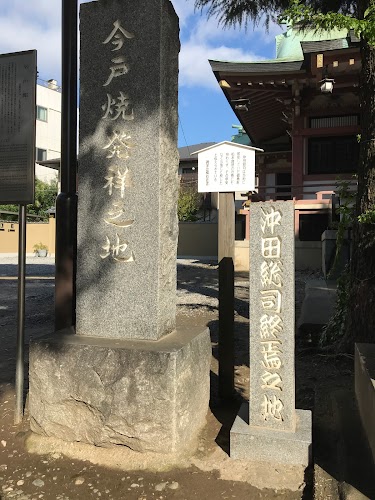
Monument to Okita Sōji's Final Resting Place

🚶♂️ c Senso‑ji West Side 🚶🏻♀️
淺草花屋敷
Asakusa Hanayashiki
아사쿠사 하나야시키
浅草花屋敷
 Tap to navigate
 Overview
Asakusa Hanayashiki (Asakusa Hanayashiki)
Address: Tokyo, Taito-ku, Asakusa 2-28-1
Official website: https://www.hanayashiki.net/
Hours: 10:00–18:00 (Note: hours may change by season, events, or weather — check the official site for same-day updates)
Admission:
- Park entry (admission only): Adults approx ¥1,000; Children / Seniors approx ¥500
- Free Pass (unlimited rides): Adults approx ¥3,000; Children / Seniors approx ¥2,500 (includes admission and unlimited rides)
What to expect
Hanayashiki is a tiny, delightfully old-school amusement park tucked into historic Asakusa — often touted as “Japan’s oldest amusement park.” It skips the high-speed, high-tech thrills and wins hearts with cozy retro vibes and nostalgic charm. The park is small but packed with character; the highlight is the classic roller coaster operating since 1953. It’s not fast, but threading through the neighborhood gives a unique, local thrill. Every corner here feels like stepping back to simpler times.
History & cultural notes
Hanayashiki’s story goes back to 1853 when it began as a flower garden and exhibition space. It later added animals, evolved through the Meiji and Taisho eras, and after WWII became the modern amusement spot it is today. The park represents the continuity of Taito’s local culture: preserving early Japanese amusement design and a beloved slice of community memory. More than rides, it’s a shared Tokyo memory and a nostalgia-filled stop worth a visit.
江戶台東傳統工藝館
Edo Taito Traditional Craft Museum
에도 다이토 전통 공예관
江户台东传统工艺馆
Tap for directions Overview
Edo Taito Traditional Craft Center
Address: Tokyo, Taito-ku, Asakusa 2-22-13
Official website: Search for “Edo Taito Traditional Craft Center” for the latest official info
Hours: 10:00–18:00
Admission: Free
Summary
The Edo Taito Traditional Craft Center sits in nostalgic Asakusa near Senso-ji and was created to promote and preserve the area’s rich craft traditions. The center regularly exhibits about 40 selected traditional craft items — think Edo kiriko glass, refined woodwork, brushes, bamboo crafts, and leather goods. It’s not just a display: workshops and live demos let visitors get hands-on and appreciate artisans’ delicate skills up close.
History & cultural notes
Taito grew from the Shitamachi (downtown) artisan culture that flourished from Edo times. This center aims to carry on that spirit — the everyday beauty made by local craftspeople. Each displayed piece highlights generations of technique and attention to detail. By combining tradition with modern life, the center helps visitors understand how these crafts fit into daily Japanese aesthetics and shares Taito’s cultural depth with the world.
Hoppy街
Hoppy Street
홉피 도리
Hoppy街
 Tap for directions
 Overview
Hoppy Street (ホッピー通)
Address: Taito-ku, Asakusa 2-chome (west side of Senso-ji)
Official website: No single official site (see Asakusa guides for shop info)
Hours: Shop hours vary; many open 11:00–23:00 (some open earlier)
Admission: Free
What to expect
Hoppy Street (also called “Nikomi Street” or “Nikomi Dori”) is a lively row of small eateries and pubs just west of Senso-ji. Famous for “Hoppy” — a low- or non-alcohol malt beverage — and hearty stewed dishes (Nikomi), it’s the perfect spot to sit at a tiny table, drink cheaply, and eat like a local. Tables spill into the street day and night; whether it’s noon or late evening, the atmosphere is casual, cozy, and full of Showa-era nostalgia. Great place to mingle with locals and experience the no-frills Japanese drinking culture.
History & cultural notes
Hoppy Street grew from postwar days when alcohol was pricey; Hoppy became an affordable substitute and these small shops flourished, often serving stews like beef-tendon nikomi. Over time the area earned its nickname and became synonymous with the Taishu Sakaba spirit — egalitarian, relaxed, and hearty. Here you might find salarymen in suits and tourists clinking glasses side by side: a brilliant snapshot of everyday Tokyo life.
淺草橫町
Asakusa Yokocho
아사쿠사 요코초
浅草横町
Tap for directions Overview
Asakusa Yokocho (ASAKUSA YOKOCHO)
Address: Tokyo, Taito-ku, Asakusa 2-6-7 (Tokyo Leisure Land Asakusa Building 4F)
Official website:https://asakusayokocho.com/
Hours: 12:00–02:00 (next day; actual times vary by shop)
Highlights
Asakusa Yokocho is a lively food hall themed around traditional “Matsuri” (festival) culture. Colorful lanterns, oversized kimono displays and flashy shop signs are cleverly brought indoors to recreate a festive Japanese atmosphere. Staff sometimes wear traditional festival coats (happi) and greet guests warmly.
Beyond food, Yokocho offers cultural experiences: regular traditional performances, Awa Odori dances, and even DJ nights. Guests can enjoy tasty dishes while soaking in upbeat Japanese festival vibes — a fun mix of modern and traditional Asakusa nightlife.
Floor layout
Located on the 4th floor of Tokyo Leisure Land Asakusa, the yokocho gathers about ten restaurants offering regional Japanese specialties. From classic sushi and fresh seafood izakayas to Osaka-style skewers and Korean dishes, you can enjoy diverse Asian flavors in one space:
- Sushi / Seafood: Freshly prepared sushi and seafood.
- Local izakaya: Regional grilled dishes and small plates.
- Asian specialty dining: Korean cuisine and fusion options.
The open, interactive layout encourages moving between stalls so visitors can enjoy the “eat-while-you-walk” yokocho experience.
Background
Asakusa Yokocho opened in July 2022 to boost Asakusa’s night economy and cultural offerings. While it’s a new facility, its concept is deeply rooted in Asakusa’s entertainment traditions. The modern hybrid space recreates the bustling, festive yokocho scene and has quickly become a fresh nightlife landmark.
天空燒烤自助 武藏
Sky Grill Buffet Musashi
스카이 그릴 뷔페 무사시
天空烧烤自助 武藏
 Click to navigate
 🕚11:30〜15:00
🕔17:00〜21:00
100m high-floor view
All-you-can-eat buffet
Overview
Sky Yakiniku Buffet “Musashi”
Address: Tokyo, Taito-ku, Nishi-Asakusa 3-17-1 Asakusa View Hotel 26F
Official website:http://www.viewhotels.co.jp/asakusa/
Hours:
Weekdays (Mon–Fri)
Lunch 11:30〜15:00
Dinner 17:00〜21:00
Weekends & holidays (Sat, Sun, national holidays)
Lunch 11:30〜15:00
Dinner 17:00〜21:30
Tabelog rating: 3.48
Price estimate:
Dinner ¥6,000〜¥7,999
Lunch ¥5,000〜¥5,999
What makes it special
“Sky Yakiniku Buffet Musashi” sits on the 26th floor of Asakusa View Hotel, about 100 meters high, offering sweeping views including Tokyo Skytree. The buffet mixes Japanese and Western dishes but shines with its grilled items cooked on a special kiln made from Mount Fuji lava stone called the “Musashi kiln.” Fired around 400°C, it quickly sears the exterior while keeping the inside tender, locking in the natural flavors of meat and fish.
The open kitchen and live grilling by chefs add a theatrical touch. With spacious, comfortable seating and window-side views, it’s a great pick for family dinners, dates or gatherings where you want a satisfying, value-for-money feast.
東本願寺
Higashi Honganji Temple
히가시 혼간지
东本愿寺
Click to navigate Overview
Higashi Honganji Asakusa — Basic Information
Address: Tokyo, Taito-ku, Nishi-Asakusa 1-chome-5-5
Hours: Daily 6:00 – 17:00 (may change due to seasons or events; check official notices)
Admission: Free entry
About the site
Higashi Honganji in Asakusa (formally part of the Jodo Shinshu Honganji sect) sits on Asakusa’s west side and is a historic Buddhist temple complex. The main hall and broad courtyard convey a sense of calm and reverence. Every June the temple hosts the lively “Fuji Matsuri” (Wisteria Festival), attracting many visitors to enjoy the blossoms and related cultural events like traditional performances and interactive activities — a modern touch to this venerable temple site.
History
The temple’s origins trace back to the Edo period. Its predecessor was established in 1651 and later relocated after a major fire in 1657 to what is now the Asakusa area, earning the local names associated with “Asakusa Hon-ganji.” In the Edo era the temple once managed numerous sub-temples and pagodas, making it an important religious site in the city.
🚶♂️ Kappabashi Tool Street area 🚶🏻♀️
合羽橋道具街
Kappabashi Tool Street
갓파바시 도구 거리
合羽桥道具街
Click to navigate Overview
Kappabashi Dougu Street (かっぱ橋道具街)
Address: Taito, Tokyo — around Matsugaya and Nishiasakusa (about an 800 m long shopping street)
Official site: https://www.kappabashi.or.jp/
Opening hours: 10:00〜17:00 (varies by shop; many close on Sundays and national holidays)
About the street
Kappabashi is Tokyo’s (and Japan’s) legendary kitchenware street. This roughly 800 m strip hosts hundreds of shops selling everything for restaurants and home cooks. From pro chefs to food lovers, everyone treats this place as a paradise for kitchen gear. Located between Ueno and Asakusa, it has over a century of history. After the Great Kanto Earthquake the area gradually transformed from selling old furniture and general goods into a specialized hub for kitchen and restaurant supplies.
What you’ll find
The street’s charm lies in how professional and varied the products are:
- Food models: A must-see — hyper-realistic sushi, ramen, desserts and fun souvenirs like keychains and magnets. Perfect Japanese gifts.
- Professional knives: Century-old shops selling high-quality Japanese knives, from traditional single-steel blades to yanagiba for sashimi and santoku for everyday use.
- Tableware & vessels: Everything from ceramics and lacquerware to glassware — Japanese, Western and Chinese styles galore.
- Large kitchen equipment: Stoves, ovens, ice makers, uniforms and sign lanterns — basically anything a restaurant needs.
Kappabashi is more than a shopping street — it’s a hands-on slice of Japan’s dining culture.
新美洋食器店
Niimi Western Tableware Store
니이미 양식기점
新美洋食器店
Click to navigate Overview
Niimi Western Tableware (ニイミ洋食器店)
Address: 3-1-1 Matsugaya, Taito, Tokyo
Official site: https://niimi1907.com/
Opening hours: Weekdays & Sat 10:00〜17:45
Closed: Sundays & national holidays
About the shop
Niimi is at the south entrance of Kappabashi and is one of the street’s most iconic stores. Founded in Meiji 40 (1907), it has over a century of history and is a comprehensive supplier of kitchen machines, tools and tableware. With more than 20,000 items, Niimi serves pros and home cooks alike — from cutting-edge equipment to beautiful everyday dinnerware.
Highlights
Niimi stands out for its astonishing range and depth.
- Giant chef statue: The big chef figure on the roof is a Kappabashi landmark and a popular photo spot.
- Professional supplies: The 1st floor focuses on glassware, coffee and tea tools and big kitchen machines; the 2nd floor displays Japanese, Western and Chinese tableware, melamine ware, lacquerware and kids’ sets.
- Original products: Their famous children’s lunch plate series — shaped like cars, trains and more — with removable inner trays for easy cleaning. A bestseller for over 40 years, loved by restaurants and parents.
- Wholesale-friendly prices: Niimi runs a year-round campaign roughly meaning “cheap to sorry” — prices close to wholesale, great value.
飯田屋
Iidaya
이이다야
饭田屋
Click to navigate Overview
Kappabashi Dougu Street — Iidaya (かっぱ橋道具街 飯田屋)
Address: 2-21-6 Nishiasakusa, Taito City, Tokyo (2 Chome-21-6 Nishiasakusa, Taito City, Tokyo)
Official site: http://www.kappa-iida.com/
Opening hours: 09:30〜17:30 (closed Sundays and some national holidays; check the website before visiting)
About the shop
Iidaya is one of Kappabashi’s classic long-running stores. Their motto is “let everyone enjoy cooking.” More than a shop, it’s like a small museum of kitchen goods trusted by pro chefs, food lovers and tourists. The friendly, expert staff give solid advice so shoppers can pick the right tools.
What makes it special
Iidaya impresses with sheer variety — think of it as a cookbook of cookware.
- Expert curation: They focus on unique, purpose-built tools for specific dishes — from specialty molds to knives designed for particular ingredients.
- Egg-cooking specialists: A huge selection of tamagoyaki pans (Japanese egg-roll pans) in many materials, sizes and shapes for perfect omelettes — a favorite featured in Japanese media.
- Top service: Staff know their products deeply and will recommend tools based on your needs, cooking habits or family setup — the right tool really can make food taste better.
佐藤樣品店
Sato Sample
사토 샘플
佐藤样品店
Click to navigate Overview
Sato Sample (Sato Food Sample)
Address: 3-7-7 Nishi-Asakusa, Taito-ku, Tokyo (on Ameyoko/Ameya-Yokochō)
Official website: Please check Ameyoko-related info (Note: some products may be produced by different companies)
Hours: 10:00–17:30 (check the store for exact times; usually closed on Sundays and national holidays)
About the shop
Sato Sample is one of the long-established food-sample shops on Ameya-Yokochō, specializing in highly representative restaurant food replicas (Shokuhin Sample). It’s not just for professionals — the shop is open to the public and has become a hotspot for finding quirky, memorable souvenirs. Inside you’ll see thousands of lifelike “foods,” from delicate sushi to steaming ramen, offering visitors a visual journey through Japanese food craftsmanship.
What makes the products special
The shop’s hallmark is its extreme realism and artisanal quality. Skilled craftsmen use materials like resin and wax to handcraft each sample, meticulously matching color, gloss, and texture so they closely mimic the real thing.
- Professional display models: Made for restaurant windows with ultra-high realism to attract diners.
- Novelty & souvenir items: Creative designs for visitors — think sushi-shaped rings, phone charms, metal trinkets — stylish and practical.
- DIY experiences: The shop sometimes offers hands-on workshops so visitors can make their own fake-food souvenirs — a fun and memorable activity.
Whether you’re a pro or a curious traveler, you’ll find jaw-dropping Japanese craftsmanship and playful cultural creativity here.
🚶♂️ Kuramae area 🚶🏻♀️
屋形船 船宿釣新 淺草
Houseboat Funayado Tsurushin Asakusa
야카타부네 후나야도 츠루신 아사쿠사
屋形船 船宿钓新 浅草
Click for directions Overview
Yakatabune — Tsurishin (Houseboat Experience)
Address: 1-3-11 Honjo, Sumida-ku, Tokyo (meeting point)
Official website: Yakatabune Tsurishin official site
Hours: By reservation; departure times vary by date. Typical departures:
Lunch: departs ~12:00 (approx. 2.5 hours)
Dinner: departs between 17:30–18:30 (varies by date; approx. 2.5 hours)
Tabelog rating: Very high (recommended to book ahead)
Price: ¥13,000–¥19,000 per person (set meal; includes unlimited soft drinks and alcoholic beverages)
What the boat offers
Tsurishin provides the classic Edo-style yakatabune experience — a luxurious boat cruise where you can drift along the Sumida River and Tokyo Bay while enjoying Japanese banquet-style dishes. It’s a wonderful mix of tradition and modern city views.
Food & onboard experience:
Expect lavish fresh sashimi platters, seasonal crab when available, tempura and freshly grilled dishes prepared on board. You can smell the cooking on deck and enjoy the perfect hot-and-tasty pairing. The boat also offers a wide selection of alcoholic drinks and soft drinks with free-flow service so you can relax and enjoy the evening on the water.
Scenic finale:
The roughly 2.5-hour cruise passes Tokyo landmarks like Tokyo Skytree, the colorful Rainbow Bridge, and Tokyo Tower. When the boat briefly docks, crew open the roof deck so passengers can step out and take in 360° views of Tokyo’s nightscape — an unforgettable memory. Comfortable seating and full restroom facilities are provided for a pleasant trip.
藏前神社
Kuramae Shrine
쿠라마에 신사
藏前神社
Click for directions Overview
Kuramae Shrine — Basic Info
Address: 3-14-11 Kuramae, Taito-ku, Tokyo 111-0051
Opening hours: Open daily (shrine office usually 9:00 AM–4:00 PM; times for issuing charms may vary—often until 1:30 PM; please check ahead)
Admission: Free
Access: About a 1-minute walk from Kuramae Station (Toei Oedo Line A6 exit or Asakusa Line A4 exit)
Kuramae Shrine — What to Expect
Kuramae Shrine sits in Kuramae, Taito — a small shrine full of history and local character. It’s both a neighborhood place of worship and a quiet little gem for travelers hunting old-Tokyo vibes. The grounds feel calm—a peaceful pocket not far from Asakusa’s bustle. Every spring, early-blooming cherry blossoms and bright yellow mimosa combine into a picture-perfect scene that draws photographers and strollers alike.
Walk in and you’ll meet a modest gate and an old shrine building that quietly echo Edo-period atmosphere. There’s also a cute bronze statue called “Moto Inu,” inspired by the classic rakugo tale “Moto Inu” (The Former Dog) — a warm, slightly funny story about a faithful dog that becomes human, adding a dash of local color. Whether you’re after spiritual comfort, history, or photo ops, Kuramae Shrine is a compact stop worth lingering at.
淺草御藏前書房
Asakusa Mikuramae Bookstore
아사쿠사 미쿠라마에 서점
浅草御藏前书房
 Tap to navigate
 Overview
Asakusa Kuramae Bookshop — Store Info
Address: 3-12-10 Kuramae, Taito-ku, Tokyo 111-0051
Hours: 8:00 AM–7:00 PM
Closed: Sundays and national holidays
Admission: Free
About the shop
Located near Kuramae in Tokyo’s shitamachi area, this cozy used-bookshop combines warm wooden architecture with a carefully curated collection tied to local culture. It’s just a one-minute walk from Kuramae Station, so it’s super easy to pop in. The shop isn’t only a heaven for antique-book lovers — its vintage façade and slightly tilted beams make you feel like you’ve stepped back in time.
Inside you’ll find shelves stuffed with rare finds: Edo-period sumo ranking lists, nishiki-e prints (colorful woodblock art), and handcrafted works by well-known artisans — all collected by the owner over many years. The owner aims to build a bookstore unrivaled for its sumo-related collection, so if you love quirky historical treasures (or Instagram-worthy spots), this place is a winner.
Though the building looks old, that’s the charm — it keeps visitors curious and quietly tells Kuramae’s stories. A relaxed, characterful stop on a neighborhood walk.
MAITO 藏前本店
MAITO - Kuramae Main Store
마이토 구라마에 본점
MAITO 藏前本店
Tap to navigate Overview
MAITO Kuramae Main Store
Address: Japan 111-0051 Tokyo, Taito-ku, Kuramae 4-chome 20-12 Kuramae Building 1F
Official site: https://maitokomuro.com/
Hours: 11:00–18:00 (closed Mon & Tue)
Highlights
MAITO specializes in Kusaki-zome — traditional plant-based dyeing using natural ingredients like onion skins, cherry blossom, gardenia and mugwort. The results are warm, layered colors with a soft, natural feel that’s kind to skin and the environment. Each piece is hand-dyed, so expect slight variations that make every item one-of-a-kind. Main products include clothing, scarves and pants — especially delicately colored knits and scarves that make perfect Kuramae souvenirs.
About the shop
Located in Kuramae’s creative district often nicknamed “Tokyo Brooklyn,” MAITO is more than a retail space — it’s an artisan studio. The simple, elegant interior puts all attention on the beautifully dyed pieces. The brand honors traditional Japanese craftsmanship and environmental care. Besides shopping for high-quality garments, visitors sometimes get the chance to join hands-on plant-dyeing workshops to feel the charm of Kusaki-zome. A cozy, craft-forward shop full of character.
家香
Kaika
카이카
家香
 Click to navigate
 Overview
自由町
Liberty Town
자유마치
自由町
Click for directions About
Kakimori
Kakimori
카키모리
Kakimori
Click for directions About
Kuramae Kakimori (カキモリ)
Address: Tokyo-to, Taito-ku, Misugi 1-6-2
Official website: https://kakimori.com/
Opening hours: 11:00–19:00 (closed Mon)
About the shop
Kakimori sits in Kuramae — a charming neighborhood often nicknamed Tokyo’s creative hideout — and is a stationery shop built around the joy of writing. Their store is bright and minimal, inviting you to slow down and savor the beauty of paper and pens. Besides selling carefully selected stationery, Kakimori offers one-of-a-kind customization services so every visitor can create a personal writing companion.
Highlights
Kakimori’s biggest draw is its customization services, letting you build stationery from scratch:
- 🖋️ Custom notebooks: Choose from dozens of cover materials (leather, cloth, specialty papers), pick inner paper suited for fountain pens, ink, or quick notes, and select binding style (ring, thread, etc.). Staff assemble your notebook by hand — many customers finish a unique notebook in about 15 minutes.
- 🎨 Custom inks: At the nearby sister shop “Inkstand by Kakimori” you can mix base colors like a bartender to create a truly personal ink. Staff record the formula so you can reorder the same shade later — your color is preserved forever.
- ✒️ Curated writing tools: The shop stocks selected fountain pens, rollerballs, pen cases and other high-quality stationery to rekindle the pleasure of handwriting.
If you love stationery and the feel of writing by hand, Kakimori is a must-visit spot in Kuramae.
鳥越神社
Torikoe Shrine
토리고에 신사
鸟越神社
Click for directions About
Torigoe Shrine
Address: 2-8-10 Torigoe, Taitō-ku, Tokyo
Official website: https://torigoejinja.or.jp/
Opening hours: 09:00〜17:00 (shrine office hours; shrine grounds generally open 24 hours)
Admission: Free
About the spot
Tucked away in Taitō, Torigoe Shrine may get lumped in with Asakusa by visitors, but it has its own vibe. Older than many nearby temples, the shrine feels like a quiet, local gem—part history, part neighborhood guardian. The vivid vermilion gates and old shrine buildings give it a nostalgic charm, and the warm, down-to-earth energy of the area makes it feel very local rather than touristy. Drop by to soak in a slice of Tokyo life and the humble, rooted spirituality of the neighborhood.
History & cultural highlights
Torigoe Shrine traces its history back as far as 651 CE (Taika 2). Its main enshrined deity is the legendary Japanese hero Yamato Takeru (Yamato-takeru no Mikoto). The shrine’s name, “Torigoe,” is said to connect with tales of flying birds during the eastern campaigns of Yamato-takeru. For centuries it stood as a guardian of the Kanda River area, earning respect from samurai and locals alike.
A major cultural highlight is the annual Torigoe Matsuri (Torigoe Festival). The centerpiece is the famous “Senkan” (a massive portable shrine) — an impressive, weighty mikoshi that draws big crowds. The festival’s climactic night procession, the Miyairi, lights the streets with hundreds of lanterns, creating a dramatic, lantern-lit return to the shrine. The spectacle is often called a “lantern night procession,” and it pushes the local festival atmosphere to full-on theatrical levels—expect loud energy, tradition, and great photo ops.
鳥越小菜橫丁
Torikoe Side Dish Alley
토리고에 반찬 골목
鸟越小菜横丁
Click for directions Introduction
Torigoe Okazu Yokocho (Torigoe Side-Dish Alley)
Address: Near Torigoe 1-chome, Taitō-ku, Tokyo
Official website: No official site; check Taitō visitor info for references
Opening hours: 10:00〜19:00 (shops have varying hours; many are closed on Sundays)
Shop overview
Torigoe Okazu Yokocho is a short, nostalgia-packed shopping lane sitting between the shrine area and the quieter backstreets. Rather than touristy souvenirs, this alley is lined with tiny “okazu” (prepared side-dish) shops and small eateries that serve homey, ready-to-eat Japanese dishes. The whole stretch is only about 100 meters long, but it feels like a living snapshot of Showa-era Tokyo—perfect for foodies who want real, local flavors.
Many shops here specialize in long-loved homemade favorites: simmered dishes, grilled items, and old-school snacks—think handcrafted croquettes, shop-made side dishes, and warm, comforting bites. There’s no big chain store energy here, only the proud, hands-on spirit of shopkeepers passing down recipes and techniques. It’s a great place to taste authentic, everyday Tokyo cooking.
Featured items
The alley’s biggest draw is the variety of ready-to-eat Japanese “okazu” (side dishes and prepared foods).
- Traditional cooked dishes: Many family-run shops sell handmade simmered foods, stir-fries, and preserved sides (like simmered beans or nibitashi).
- Specialty ingredients: You’ll find stores selling fresh tofu, pickles, and traditional breads—items used daily in Japanese homes.
- Seasonal specials: Shops update offerings with the seasons, so keep an eye out for limited-time treats that highlight fresh ingredients.
日本文具資料館
Japan Stationery Museum
일본 문구 자료관
日本文具资料馆
 Click for directions
 Introduction
Japan Stationery Museum
Address: 1-1-15 Yanagibashi, Taitō-ku, Tokyo 111-0052 — Japan Stationery Sales Health Insurance Association Building 1F
Official website: http://www.nihon-bungu-shiryoukan.com/
Opening hours: Weekdays 13:00〜16:00
Closed: Saturdays, Sundays, national holidays, and from Dec 28 to Jan 5
Admission: Free
Summary
The Japan Stationery Museum showcases the history and development of Japanese stationery, both domestic and imported. Tucked near the bustling Yanagibashi area, the museum is compact but packed with fascinating artifacts and stories. Walking inside feels like following the evolution of stationery through time—from traditional craft tools to modern office gadgets.
History & exhibits
Originally created to preserve and display the history of stationery manufacturing, the museum contains a wide range of items. You can see the evolution of writing tools: ancient Chinese-style brushes and hair brushes, medieval quill pens, 19th-century fountain pens, up to modern ballpoint pens. There’s even an oversized brush over 170 cm long on display, showing writing styles across eras.
The museum also exhibits record-keeping and calculation tools: ledger and abacus styles from different periods, early mechanical cash registers, and typewriters that chart the automation of office work. Together, the displays tell a clear story of how stationery evolved alongside human progress.
The museum’s core theme is a respectful study of “stationery science” and craftsmen’s dedication. It’s more than old objects: the exhibits highlight Japan’s obsession with detail, quality, and function—values deeply ingrained in modern Japanese stationery design. Visitors who love pens, design, or cultural history will find this tiny museum surprisingly rich and warmly nostalgic.


