


Prologue
Tokyo Station: Explore Sights & Shopping, Plus a Must-Visit to the Imperial Palace East Garden
Tokyo Station isn’t just a starting point for your journey; it’s a massive living museum, a city gateway bustling with food, shopping, and history. Just a few blocks away, you can instantly shift from the modern Marunouchi Naka-dori avenue to the tranquil, green oasis of the Imperial Palace East Garden, a site with 400 years of history. Step into the former Honmaru area of Edo Castle, and amidst the colossal stone walls and seasonal gardens, feel Tokyo’s pulse transition from ancient rhythms to modern prosperity. As you feel the winds of history on the Tenshudai ruins, then turn back to the trendy shops around the station to pick out a sophisticated souvenir, or enjoy a fragrant pour-over coffee at a terrace cafe… that’s the real Tokyo stroll, for adults. Follow this guide and let’s dive deep into the heart of Tokyo!
1. Tokyo Station: A Blend of Historic Architecture & Shopping Paradise
Tokyo Station is a symbol where modernity meets history. The Marunouchi Station Building on the west side preserves its century-old red brick architecture, creating a striking contrast with the cluster of modern skyscrapers on the east.
2. Imperial Palace East Garden: A Tranquil Journey into History
The Imperial Palace East Garden, once the site of Edo Castle, is now open to the public. Though an ancient site, it preserves numerous historical relics and beautiful Japanese gardens.
We’ll introduce more details later!
Traffic Guide

Getting Around: How to Easily Arrive and Explore?

🚆 Traveling between Narita Airport and Tokyo Station?
The two recommended methods are the N’EX (Narita Express) and the Airport Bus (TYO-NRT/Limousine Bus):
N’EX: Fast and direct (approx. 53 mins). Ideal for reaching major hubs like Shinjuku quickly.
Airport Bus: Affordable and comfortable (approx. 65–70 mins). Direct to Tokyo Station with no transfers, making it ideal for travelers with heavy luggage or those on a budget.
Tokyo Station is one of the busiest in the world, a super-connected hub for all major lines.
External Access: How to get here from other parts of Tokyo/Airports?
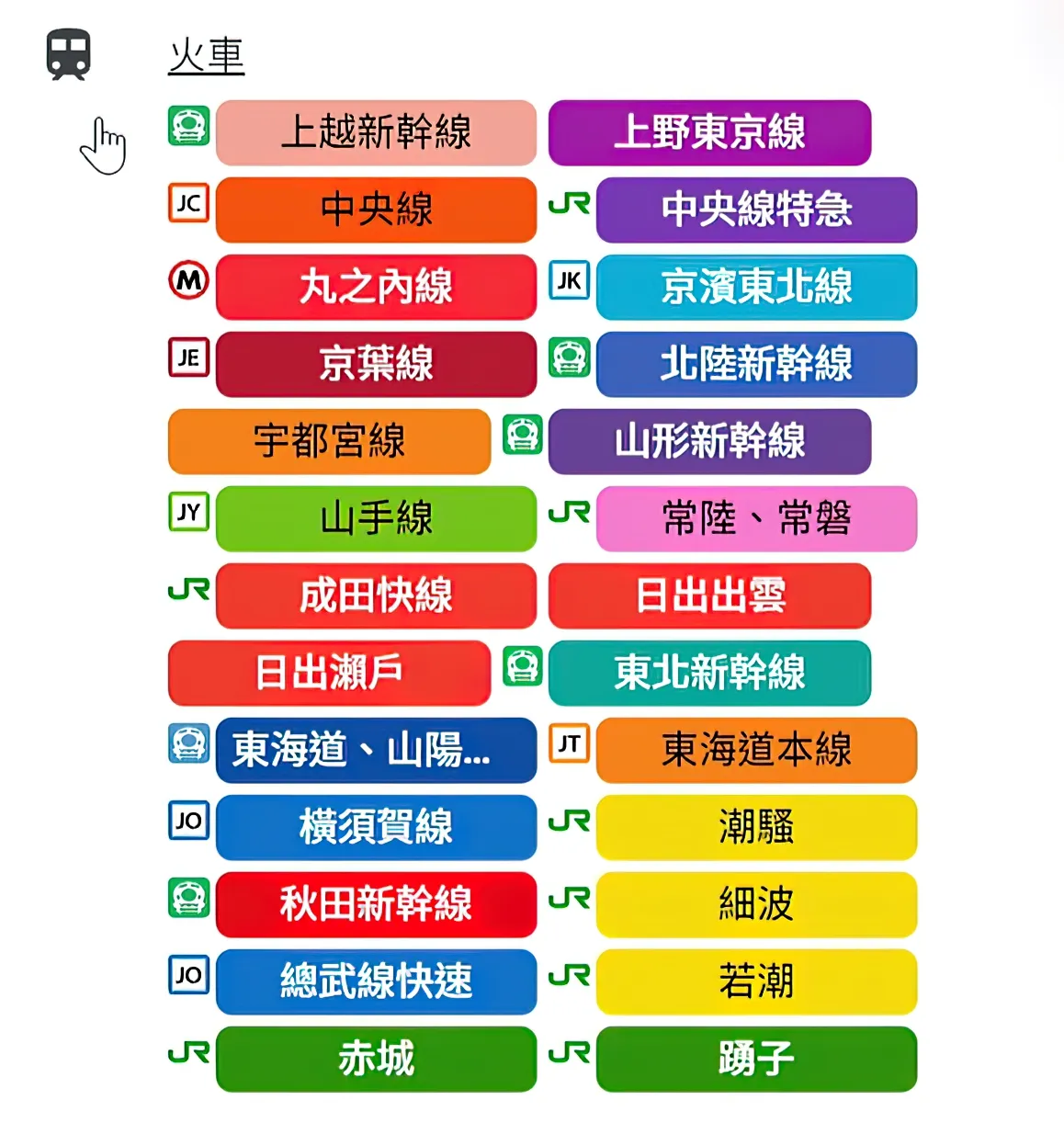
JR Lines: Dozens of lines, including the JR Yamanote, Chuo, Keiyo, and Sobu Lines, pass through here. Easily reach us from Shinjuku, Shibuya, or Ueno via the JR Yamanote Line.
Shinkansen (Bullet Train): This is the main departure/arrival point for all Shinkansen lines like Tokaido, Tohoku, and Joetsu.
Tokyo Metro: Conveniently, the Marunouchi Line and Tozai Line have stations nearby.
Internal Movement: Connecting Tokyo Station and the Imperial Palace East Garden
Tokyo Station to Imperial Palace East Garden: From Tokyo Station’s Marunouchi Exit (towards the red brick building), walk west along Gyoen-dori Avenue for about 10-15 minutes to reach Otemon Gate (the East Garden’s main entrance). They’re super close, so walking is highly recommended!
Nearby Connections: After exploring, you can easily hop on the subway from Otemachi Station or Takebashi Station, both close to the East Garden, to continue your adventure.
Essential Travel Japanese
Tap the text below to hear it!
旅遊實用日文
你好 안녕하세요
Hello
不好意思 실례합니다
Excuse me
非常感謝你 감사합니다
Thank you very much
再見 안녕히 계세요
Goodbye
廁所在哪裡? 화장실이 어디에 있습니까?
Where is the toilet?
旅遊咨詢處在哪裡? 관광 안내소가 어디에 있습니까?
Where is the tourist information center?
有宣傳冊子嗎? 팸플릿이 있나요?
Do you have a brochure?
我可以拍照嗎? 사진을 찍어도 될까요?
May I take a photo?
可以幫我拍照嗎? 사진 좀 찍어주시겠어요?
Could you take a photo for me?
計程車站在哪裡? 택시 승강장이 어디에 있습니까?
Where is the taxi stand?
請去這裡 여기로 가주세요
Please go here
請展示這個 이것 좀 보여주세요
Please show this
我想去這裡。 여기에 가고 싶습니다.
I would like to go here.
我不會說日語 일본어를 할 줄 모릅니다
I don't speak Japanese
你會說英語嗎? 영어 할 줄 아세요?
Do you speak English?
請說慢一點。 좀 더 천천히 말씀해 주세요.
Please speak more slowly.
請再說一遍 다시 말씀해 주세요
Please say it again
有店員會說中文嗎? 직원은 중국어를 할 수 있나요?
Can the staff speak Chinese?
Essential Shopping Japanese
Tap the text below to hear it!
購物實用日文
請給我這個。 이것 주세요.
Please give me this.
我想要這個,謝謝。 이것 부탁드립니다.
I would like this, please.
請給我菜單。 메뉴 주세요.
Please give me the menu.
您推薦什麼? 추천하는 건 무엇인가요?
What do you recommend?
有更便宜的東西嗎? 더 저렴한 것이 있나요?
Do you have anything cheaper?
這是日本製的嗎? 이것은 일본 제품입니까?
Is this made in Japan?
我想點餐。 주문하겠습니다.
I would like to place an order.
請結帳。 계산서 부탁드립니다.
Could I have the bill, please?
可以免稅嗎? 면세 가능한가요?
Is this tax-free?
多少錢? 얼마입니까?
How much is it?
我在哪裡付款? 어디에서 결제하나요?
Where do I pay?
可以用信用卡嗎? 신용카드 사용 가능한가요?
Can I use a credit card?
我要用現金付款。 현금으로 결제하겠습니다.
I'll pay in cash.
我用 Suica 付款。 스이카로 결제하겠습니다.
I'll pay with Suica.
我用卡付款。 카드로 결제하겠습니다.
I'll pay with a card.
可以分開包裝嗎? 따로 포장해 주실 수 있나요?
Can you wrap them separately?
請給我收據。 영수증 부탁드립니다.
Could I have a receipt, please?
Practical Japanese for Clothing Stores
Tap the text below to hear it!
服飾店實用日文
這個多少錢? 이거 얼마예요?
How much is this?
我可以試穿嗎? 이걸 입어봐도 될까요?
May I try this on?
有 S 號的嗎? S 사이즈 있어요?
Do you have this in size S?
有 M 號的嗎? M 사이즈 있어요?
Do you have this in size M?
有 L 號的嗎? L 사이즈 있어요?
Do you have this in size L?
有 XL 號的嗎? XL 사이즈 있어요?
Do you have this in size XL?
有再大一點的嗎? 좀 더 큰 사이즈 있어요?
Do you have a larger size?
有再小一點的嗎? 좀 더 작은 사이즈 있어요?
Do you have a smaller size?
這個尺寸合適。 사이즈가 맞아요.
The size fits.
不好意思,這個尺寸不合適。 죄송해요, 사이즈가 안 맞아요.
Sorry, the size doesn't fit.
我再想一想。 좀 더 생각해볼게요.
I'll think about it a bit more.
這個可以。 이거 괜찮아요.
This is fine.
我不用了,謝謝您。 괜찮습니다, 감사합니다
No, thank you though
我要這個。有全新的嗎? 이걸로 할게요. 새 제품 있어요?
I'll take this one. Do you have a new one?
可以再便宜一點嗎? 좀 더 싸게 할 수 있어요?
Can it be a little cheaper?
我想再看看其他的。 좀 더 다른 걸 봐볼래요.
I want to look at others a bit more.
跟我想像的不一樣,我不要了。 생각했던 거랑 달라서 패스할게요.
It's different from what I imagined, so I'll pass.
我要這個。 이걸로 할게요.
I'll take this.
Practical Japanese for Restaurants
Tap the text below to hear it!
打擾了 실례합니다
Excuse me
請給我菜單! 메뉴판을 주세요!
Can I have the menu, please?
我要點餐 할게요
I'd like to order.
我點這個 이거 주세요
I'll have this.
謝謝招待 감사합니다
Thank you for the hospitality.
請給我水 물 좀 주세요
Can I have some water, please?
這個要怎麼吃呢? 이거 어떻게 먹죠?
How do I eat this?
請給我一個小盤子 작은 접시 하나 주세요
Can I have a small plate, please?
可以幫我拍照嗎? 사진 좀 찍어 주실래요?
Could you take a photo for me, please?
麻煩幫我換烤網 구이망을 바꿔 주시겠어요?
Could you change the grill net for me, please?
麻煩結帳 계산서 주세요
Can I have the bill, please?
我在哪裡付款? 어디에서 결제하나요?
Where do I pay?
多少錢? 얼마입니까?
How much is it?
可以用信用卡嗎? 신용카드 사용 가능한가요?
Can I use a credit card?
我要用現金付款。 현금으로 결제하겠습니다.
I'll pay in cash.
請給我收據。 영수증 부탁드립니다.
Could I have a receipt, please?
🔥 Hot Tickets & Deals 🔥
💴 All the best Japanese department stores, cosmetics, and electronics deals — right here!!
Electronics + cosmetics + sundries

Bic Camera
(Discount vouchers are generally valid across Japan)

Yamada Denki
(Discount vouchers are generally valid across Japan)

EDION
Namba Main Store / Kyoto Shijo Kawaramachi / Akihabara Store

Don Quijote
(Discount vouchers are generally valid across Japan)

Matsumoto Kiyoshi
(Discount vouchers are generally valid across Japan)

COSMETICS AND MEDICAL (cosmetics)
Shin-Marunouchi Building / New Yurakucho Building / Otemachi FirstSquare / Otemachi Plaza / Kodemmacho / Higashi-Nihonbashi

COSMOS Cosmetics
(Discount vouchers are generally valid across Japan)

SUGI Pharmacy
(Discount vouchers are generally valid across Japan)

Daikoku Drugstore
(Discount vouchers are generally valid across Japan)

Tsuruha Drug
(Discount vouchers are generally valid across Japan)

Cocokara Fine Cosmetics
(Discount vouchers are generally valid across Japan)

Kokumin Cosmetics
(Discount vouchers are generally valid across Japan)

Hokkaido Drugstore “Satsudora”

Okinawa cosmetics chain “RYUSPA”
Department stores
Mitsui Outlet
Odaiba DiverCity
COREDO Muromachi
LaLaport
Lazona

Daimaru Matsuzakaya Department Stores
Umeda Store / Shinsaibashi Store / Tokyo Store / Matsuzakaya Ueno Store / Kyoto Store
Sapporo Store / Kobe Store / Shimonoseki Store / Matsuzakaya Nagoya Store / Matsuzakaya Shizuoka Store

Tobu Department Store Ikebukuro

Seibu Department Store
SOGO Department Store

Tokyo Rakuten Duty-Free Ginza
(GinzaNovo)

Odakyu Department Store Shinjuku
(Shinjuku West Exit)

Kintetsu Department Store
Osaka Abeno Harukas
Tax-free 10% + up to 5% extra discount

Keio Department Store Shinjuku
Tax-free 10% + up to 5% extra discount
Sports gear + apparel

JEANS MATE Clothing Store Coupon
Ikebukuro Store / Harajuku Takeshita Street Store / Kawasaki Store / Ofuna Store

Alpen Discount Coupon (sports goods)
(Discount vouchers are generally valid across Japan)
(Shinjuku store — Japan’s largest sports goods store)

L-Breath (sports goods)
(Discount vouchers are generally valid across Japan)

Victoria Golf (sports goods)
(Discount vouchers are generally valid across Japan)

Victoria (sports goods)
(Discount vouchers are generally valid across Japan)

Aoyama (The Suit Company)
Tax-free + extra 10% off coupon

Japanese luggage brand ACE
10% off coupon
🔖 Tokyo Station & Imperial Palace: Your Handy Guide! 🔖
Attractions Map
Your Go-To Route: Tokyo’s Best Spots!
Grab your laptop, open the map, and check out our handy notes below to follow the route easily!
Here’s what to look for: a. Orange (Marunouchi Area), b. Green (Marunouchi Naka-dori), c. Blue (East Garden of Imperial Palace), d. Purple (Kitanomaru Park).
🚶♂️ Starting Point: Marunouchi Area 🚶♀️
🏛️ Tokyo Station: A Blend of History, Style, Shopping! 🚄
Tokyo Station is the stunning face of Japan’s capital. More than just a massive railway hub, it’s a living piece of history, showcasing beautiful architecture and fantastic modern shopping. Get ready to explore!
🗺️ More Details 🗺️
1. A Century of History: From Meiji to Reiwa
1. The Early Days (Opened 1914)
Architectural Grandeur: Designed by Japan’s pioneer architect, Kingo Tatsuno (who studied in the UK), Tokyo Station showcases a stunning Neo-Baroque style, popular in Victorian England.
Iconic Red Brick: Its distinctive red brick and white granite facade, possibly inspired by Amsterdam Centraal Station, symbolized Japan’s ambitious leap into modernization and embrace of Western culture during the late Meiji era.
Japan’s Central Hub: Opened in 1914 (Taisho 3), it was initially dubbed the “Central Stop,” signifying its crucial role as the starting point of the Tokaido Main Line and a major national railway nexus.
2. War Damage & Restoration
Resilience Through War: During WWII air raids, the station’s north and south domes, along with parts of its third floor, were severely damaged.
Post-War Rebuild: To quickly restore functionality, the domes were replaced with simple octagonal roofs, and the main structure was reduced to two stories.
3. The Grand 2012 Restoration 🔄 (Back to its Original Glory)
Important Cultural Property: Tokyo Station was designated an Important Cultural Property in 2003.
A Century Reborn: After a 5-year, large-scale restoration completed in 2012, the Marunouchi Station Building was faithfully returned to its original three-story structure with two spherical domes, recapturing its Taisho-era grandeur.
Dome Delights: Inside the restored north and south spherical domes, admire exquisite eagle reliefs and carvings of eight zodiac animals (missing dragon, tiger, snake, monkey). These intricate details are an absolute must-see!
2. Travel Highlights: Architecture, Food & Shopping Galore!
Tokyo Station beautifully blends historic architecture with modern amenities. Whether you’re a history buff, a shopaholic, or a foodie, you’ll find plenty to love here!
1. Architectural & Historical Gems 🏰
Marunouchi Station Building: The iconic red-brick main building! Snap a panoramic photo from the plaza outside the Marunouchi Central Exit, or for a bird’s-eye view, head to the observation deck at KITTE across the street. It’s especially enchanting when lit up at night!
North & South Domes: Step inside the Marunouchi North or South exits and look up! The stunning spherical dome ceilings are a work of art; take a moment to admire their intricate carvings.
Tokyo Station Gallery: Located within the North Dome, this unique art gallery utilizes the station’s original brick walls for a truly special cultural experience.
2. Underground Shopping & Food Heaven! 🛍️
The station’s underground area is a massive maze, home to several exciting themed shopping zones:
Tokyo Station Ichibangai:
Tokyo Character Street: A must-visit for anime fans! It’s packed with official stores for dozens of famous Japanese anime characters, including the Pokémon Center, Ghibli specialty shops, and Jump Shop.
Tokyo Ramen Street: Craving ramen? This street brings together several popular ramen shops from across Japan, offering everything from shoyu and miso to tonkotsu broth. You’ll find your perfect bowl here!
Gransta Tokyo / ecute Tokyo: Conveniently located both inside and outside the ticket gates, these areas are perfect for grabbing last-minute souvenirs, unique ekiben (station bentos), sweets, and fashionable goods. Ideal for travelers on the go!
Yaesu Chikagai: Connected to the Yaesu Exit, this underground shopping area boasts many long-standing restaurants, clothing stores, and general goods shops, offering a more local feel.
3. Nearby Attractions 🌳
Imperial Palace East Garden: Exit from the Marunouchi Central Exit and walk through Gyoko-dori to reach the Imperial Palace East Garden. It’s a serene green space perfect for a stroll and offers fantastic photo opportunities of the Marunouchi skyscrapers and the red-brick station.
KITTE (JP Tower): This commercial complex, built in the former Tokyo Central Post Office, features a free observation deck on its rooftop. It’s one of the best spots to get a bird’s-eye view of the Marunouchi Station Building and the Shinkansen tracks!
Marunouchi Business District: Flanking the station, the Marunouchi area is home to high-end office buildings, luxury brand stores, and art museums (like the Mitsubishi Ichigokan Museum). It’s a bustling hub of fashion and business.
💡 Travel Tips:
Marunouchi Exit vs. Yaesu Exit: The Marunouchi Exit faces the Imperial Palace and the historic red-brick station building. The Yaesu Exit, on the other hand, faces modern commercial high-rises and is the primary gateway for the Shinkansen.
Ekiben (Station Bento) Delight: Don’t miss out on trying an ekiben! The station offers hundreds of varieties of these delicious lunchboxes from all over Japan – a quintessential local food experience when traveling by Shinkansen.
Tokyo Station isn’t just a place to catch a train; it’s a vibrant destination worth spending half a day or even a full day exploring!
東京站
Tokyo Station
도쿄역
东京站
 Click to Navigate
 Intro
東京站藝廊
Tokyo Station Gallery
도쿄 스테이션 갤러리
东京站艺廊
 Click to Navigate
 🕒10:00 AM – 6:00 PM
JR Tokyo Station, Marunouchi North Exit
Intro
Tokyo Station Gallery
Exhibition Info
Address: 1-9-1 Marunouchi, Chiyoda-ku, Tokyo (Right in front of JR Tokyo Station’s Marunouchi North Exit ticket gate)
Official Website: https://www.ejrcf.or.jp/gallery/
Opening Hours: 10:00 AM – 6:00 PM
(Fridays: 10:00 AM – 8:00 PM)
(Last admission 30 minutes before closing)
Closed: Mondays (or the next day if Monday is a public holiday), New Year holidays, and during exhibition changes.
Admission: Varies by exhibition. (E.g., General ¥1,300 / High School/University Students ¥1,100 / Junior High and under FREE!)
About the Gallery
Right inside JR Tokyo Station, you’ll find the Tokyo Station Gallery – super easy to get to, just past the Marunouchi North Exit ticket gates! This unique art museum cleverly incorporates the station’s original red brick walls from way back in 1914. It’s a cool blend of history and art, hosting awesome exhibitions across various themes like painting, architecture, design, and even railways. Perfect for a quick art fix after your train ride!
A Bit of History & Culture
Opened in 1988, this gallery is run by the East Japan Railway Culture Foundation and is nestled right inside the historic Tokyo Station building itself (which is a super important cultural property!). It even closed for a bit in 2006 for the station’s big restoration and reopened in 2012, looking spiffier than ever. The coolest part, especially on the second floor, is how the original century-old red brick walls are beautifully integrated with the modern gallery space. It’s truly a unique spot where art meets history, offering an experience you won’t find anywhere else. Think of it as a cultural hub connecting railways, historic architecture, and contemporary art – pretty neat, right?
東京站一番街
Tokyo Station First Avenue
도쿄역 1번가
东京站一番街
 Click to Navigate
 🕒10:00 AM – 11:00 PM
Tokyo Station, Yaesu Side B1-2F
Intro
Tokyo Station Ichibangai: Your Ultimate Fun Stop!
Address: 1-9-1 Marunouchi, Chiyoda-ku, Tokyo (JR Tokyo Station Yaesu Side)
Official Website: https://www.tokyoeki-1bangai.co.jp/tw/
Opening Hours: (Varies by area)
・Tokyo Character Street: 10:00 AM – 8:30 PM
・Tokyo Ramen Street: 10:30 AM – 11:00 PM (Last order 10:30 PM)
・Tokyo Okashi Land: 9:00 AM – 9:00 PM
・TOKYO GIFT PALETTE (Souvenirs): 9:30 AM – 8:30 PM (Weekends & holidays: 9:00 AM – 8:30 PM)
・Tokyo Gourmet Zone: 11:00 AM – 11:00 PM (Sundays & holidays: 10:00 PM)
・Nippon Gourmet Street: 10:00 AM – 11:00 PM (Last order 10:00 PM)
What’s Inside?
Tokyo Station Ichibangai is a huge shopping complex directly connected to JR Tokyo Station’s Yaesu Exit. It’s not just a transit hub; it’s a wonderland of Japanese food and entertainment! You’ll find famous ramen shops, snack brand flagship stores, traditional and Western sweet shops, plus the ultimate selection of anime character goods. Whether you’re on a quick layover or making a special trip, this is your one-stop spot for delicious food, unique shopping, and finding awesome treasures. It’s a must-visit to dive into Japan’s pop culture!
Explore the Floors:
Tokyo Station Ichibangai spans from B1 to 2F, with each floor boasting awesome themed zones:
・B1 (Basement 1): Get ready for some serious fun here!
- Tokyo Character Street: Over 30 official stores featuring your favorite anime and manga characters like Pokémon, Chiikawa, Crayon Shin-chan, and JUMP SHOP. It’s character heaven!
- Tokyo Ramen Street: A ramen lover’s dream! Top-tier ramen shops from across Japan, including legends like “Rokurinsha” and “Ikaruga.” Slurp your way to happiness!
- Tokyo Okashi Land: Indulge your sweet tooth! Flagship stores from snack giants like Glico and Calbee+, offering exclusive goodies and freshly made treats.
- Nippon Gourmet Street: A culinary journey from Hokkaido to Kyushu, with regional delights like Sendai beef tongue and Toyama white shrimp.
・1F (First Floor):
- TOKYO GIFT PALETTE: Need souvenirs? This is the spot! Packed with trendy sweets and traditional Japanese confections, it’s perfect for finding unique Tokyo gifts.
・2F (Second Floor):
- Tokyo Gourmet Zone: Hunger games? Enjoy diverse dining options, from teppanyaki and traditional Japanese cuisine to lively bars.
A Little History:
Tokyo Station Ichibangai isn’t new! Its roots go back to the 1950s Yaesu Shopping Street. Over the years, as Tokyo Station grew, so did this area, constantly reinventing itself. To showcase Japan’s coolest pop culture (think anime and amazing food!) to everyone, iconic zones like Tokyo Ramen Street (2009) and Tokyo Character Street (2008) were born, eventually merging into the awesome Tokyo Station Ichibangai we know today. And it keeps getting better, like the addition of TOKYO GIFT PALETTE in 2020. It’s truly a spot where history meets the latest trends – your Tokyo gateway to fun!
東京角色街
Tokyo Character Street
도쿄 캐릭터 스트리트
东京角色街
 Tap to navigate
 🕒 10:00-20:30
Tokyo Station Ichibangai B1
About
Tokyo Character Street
Essential Info
- Address: Tokyo Station Ichibangai B1F, 1-9-1 Marunouchi, Chiyoda-ku, Tokyo
- Official Website: https://www.tokyoeki-1bangai.co.jp/
- Hours: 10:00-20:30 (Note: Closing times may vary for special events or on the last day, so check locally!)
- Admission: Free entry; purchases are priced individually.
What to Expect
Tokyo Character Street, nestled within Tokyo Station Ichibangai’s Yaesu Underground Mall, is Japan’s ultimate shopping paradise for character goods! This bustling underground haven boasts around 30 shops, packed with merchandise from classic to modern Japanese anime, games, and cartoon characters. Think Pokémon, Hello Kitty, Rilakkuma, Ultraman, Pretty Cure, and more! You’ll also find official stores for NHK and major Tokyo TV stations, plus a unique Kabuki shop from Shochiku. It’s a place where families across generations can have a blast. Whether you’re hunting for exclusive items or just soaking in the vibrant world of Japanese pop culture, you’ll absolutely love it here.
Keep an eye on the central ‘Ichiban Plaza’ – it’s a dynamic event space hosting limited-time character exhibitions and photo ops, always adding a fun surprise! Flanking the street, ‘Street Wagons’ are temporary stalls offering rare or new merchandise, ensuring every visit feels fresh. And for those who can’t make it in person, the ‘Tokyo Character Street Online Plaza’ lets you snag exclusive items online.
A Bit of History
Opened on March 27, 2008, Tokyo Character Street is a key part of Tokyo Station Ichibangai. Its prime location just outside the Yaesu Underground Central Gate ticket barrier makes it super easy to access. Initially, it was all about promoting Japanese anime and character culture, leveraging Tokyo Station’s buzz to attract visitors from all over. As Japanese anime went global, this street became a must-visit for fans, constantly expanding its shops and events to meet demand. A highlight was the popular Chiikawa specialty store opening in 2022, skyrocketing its popularity even further!
🍜 Tokyo Station Dining: See More Here
🗺️ Tokyo Station Interior Map


東京站 丸之內站舍
Tokyo Station Marunouchi Building
도쿄역 마루노우치 역사
东京站 丸之内站舍
 Tap to navigate
 About
Tokyo Station Marunouchi Building
Address: 1 Marunouchi, Chiyoda-ku, Tokyo
Official Website: https://www.tokyostationcity.com/ (TOKYO STATION CITY)
Opening Hours: The exterior is open 24/7 for admiring! (Station services run roughly 5:00-0:30, depending on the first and last trains.)
Tickets: Free to admire from outside! (If you want to go past the ticket gates, grab a train ticket.)
About the Spot
This iconic red-brick beauty is Tokyo’s grand gateway. With its symmetrical design, impressive domes, and intricate details, it’s packed with old-world charm. Snap some stunning photos of its facade by day, or soak in the magical vibe at night when it’s all lit up. Seriously, it’s a photographer’s dream and a must-see for any visitor!
It’s not just a train station; the inside is gorgeous too! Look up at the north and south domes – you’ll find incredible carvings of the 12 zodiac animals and majestic eagles. Plus, there’s the Tokyo Station Gallery and the fancy Tokyo Station Hotel right inside, making it a cool mix of travel, art, and history.
History & Charm
Opened in 1914, this masterpiece was designed by architect Kingo Tatsuno. It beautifully blends British Victorian and classical styles, showcasing Japan’s early embrace of Western architecture.
Sadly, it got hit hard in WWII (1945). The original three floors were shortened to two, and those epic domes were simplified. But good news! From 2007-2012, JR East worked wonders, restoring it to its original three-story, domed glory, even adding earthquake-resistant tech. So it’s old-school charm meets modern safety!
In 2003, it became a national ‘Important Cultural Property.’ It’s not just a symbol of modern Japan; it also tells the story of Tokyo’s amazing comeback after the war. Standing gracefully between the Imperial Palace and the bustling Marunouchi business area, it perfectly links Japan’s rich traditions with its modern, vibrant future.
新丸大樓
Shin-Marunouchi Building
신마루노우치 빌딩
新丸大楼
Tap for Directions 🕒11:00-20:00
About
Shin Marunouchi Building
Address: 1-5-1 Marunouchi, Chiyoda-ku, Tokyo
Operating Hours: 🕕 Shops: 11:00-21:00 (Weekdays & Sat), 11:00-20:00 (Sun & Hol).
Restaurants: 11:00-23:00 (Weekdays & Sat), 11:00-22:00 (Sun & Hol).
*Some spots might stay open until 4 AM! Best to check directly.
Closed: Open year-round (except Jan 1st and maintenance days – don’t worry, they announce these!)
Website:https://www.marunouchi.com/building/shinmaru/
Shin Maru Building Highlights
Right by Tokyo Station’s Marunouchi North Exit, Shin Maru Building is your one-stop shop for fancy shopping, delicious eats, and sleek offices! It’s a key landmark in Marunouchi, designed to give you a “Suteki na Jikan” (Wonderful Time). We’re talking 150+ shops and restaurants, from cutting-edge fashion to international delights. But here’s a secret tip: head up to the 7th floor for “Marunouchi House.” It’s got an amazing wrap-around outdoor terrace where you can grab a bite and soak in stunning views of Tokyo Station – day or night, it’s pure magic! Plus, the building itself is a beauty, blending modern vibes with the classic red brick of Tokyo Station, thanks to super-cool British architects, Hopkins Architects. Talk about urban chic!
What’s on Each Floor?
B1F (The Foodie Basement): Get ready for a delicious adventure! Grab gourmet French pastries and meals at “POINT ET LIGNE” (yep, Michelin-chef approved!). Plus, there’s a Seven-Eleven for all your quick needs. Snacks, anyone?
1F (Fashion & Finds): Trendy international brands and cool select shops live here. Check out “Bshop” for those effortlessly stylish, high-quality everyday essentials. It’s all about classic vibes!
2F-3F (Beauty & Style Hub): Ladies (and gents who love to look good!), this is your floor! The 3rd floor’s “Marunouchi Beaute” is packed with high-end cosmetics, like “MCS Marunouchi Cosmetics Selection.” Prepare for a luxurious beauty haul in a super comfy setting.
4F (Lifestyle & Gifts): Looking for something unique? “Spiral Garden” has super cool design goods and art, perfect for gifts (or treating yourself!). And if you’re into fitness fashion, “DESCENTE” has got your active lifestyle covered.
5F-6F (Chill & Chat): Need a coffee break or a relaxed meal? You’ll find popular spots like “Starbucks Coffee” here. Or, for a more upscale, hotel-like vibe, “Foyer” is perfect for business chats or just chilling with friends.
7F (Marunouchi House – The Ultimate View!): This floor is a dining paradise, with Thai, Hong Kong (hello, dim sum at “HONG KONG TEA ROOM 1946”!), and Italian cuisine. But the real star? That incredible terrace! Grab your food and soak in the breathtaking city and Tokyo Station views under the open sky – especially magical at night!
8F & Up (Business Central): These floors are mostly for offices. So, unless you’re here for a meeting, your retail therapy and culinary adventures will be on the lower floors!
A Peek into History
Shin Maru Building officially opened its doors on April 27, 2007, as a key part of the “Marunouchi Manhattan Project.” The goal? To turn Marunouchi into a global hot spot for business and culture! Fun fact: it replaced an older, 8-story Shin-Marunouchi Building from 1952. This new building doesn’t just look great; it respects history, keeping the classic Tokyo Station vibe, and is super well-connected with underground passages to the station and other buildings nearby. Talk about convenient! And get this, since 2010, Shin Maru Building has been powered by “Green Power” from wind turbines in Aomori Prefecture, making it a super cool eco-friendly landmark in Tokyo. There’s even a special taxi stand for electric and hybrid cars out front – they’re all about that green life! Pretty impressive, right?
丸之內仲通
Marunouchi Nakadori
마루노우치 나카도리
丸之内仲通
Click to Navigate 🕒 Winter Illumination
Introduction
Marunouchi Naka-dori Street
Address: Marunouchi, Chiyoda-ku, Tokyo (Nestled between the Imperial Palace and Tokyo Station)
Official Website: https://www.marunouchi.com/ (Marunouchi Area Official Site)
Operating Hours: The street is always open! (Most shops operate 11:00-21:00 Mon-Sat, 11:00-20:00 Sun/Holidays; individual shop hours may vary, so check ahead!)
Admission: Free
About This Spot
Marunouchi Naka-dori is Tokyo’s ultimate elegant shopping and business boulevard, stretching for about 1.2 kilometers. This sophisticated street perfectly links the lively Yurakucho with the tranquil Otemachi areas. Lined with impeccably trimmed zelkova trees and European-style cobblestones, it feels like you’re strolling through a chic European city! More than just a haven for high-end fashion, international luxury brands, and exclusive boutiques, it’s also a paradise for foodies and art lovers. You’ll find unique outdoor cafes, Michelin-starred restaurants, and sculptures by famous artists around the world, making every walk feel like a visit to an open-air art gallery.
A Peek into History & Culture
The story of Marunouchi Naka-dori is deeply connected to Japan’s journey into modernity. Back in the Edo period, this was “Marunouchi” (meaning “within the castle walls”), home to feudal lords’ residences around Edo Castle (now the Imperial Palace). Fast forward to the Meiji era, the Mitsubishi Group acquired the land, transforming it into Japan’s financial and business powerhouse – so much so, it was dubbed “Ichō London” (Little London)!
However, for a long time, Marunouchi was mainly a bustling office district during the day, becoming pretty quiet at night and on weekends. But thanks to the “Marunouchi Redevelopment Project” led by Mitsubishi Jisho since the early 2000s, this area got a fabulous makeover! The goal was to transform it from just a business zone into a vibrant hub for “interaction, culture, and commerce.” They cleverly narrowed the car lanes, widened the sidewalks, planted lovely trees, and added public art. Mission accomplished: Marunouchi Naka-dori is now a lively, stylish avenue perfect for a leisurely stroll!
Today, one of its most iconic cultural events is the winter “Marunouchi Illumination.” Picture hundreds of trees adorned with sparkling champagne gold LED lights, creating an utterly romantic winter wonderland! This transformation of the street truly symbolizes Tokyo’s evolution from a purely economic powerhouse into an international metropolis that deeply values its people, culture, and quality of life.
丸大廈
Marunouchi Building
마루노우치 빌딩
丸大厦
Click to Navigate 🕒 11:00 – 20:00
Introduction
Marunouchi Building
Address: 2-4-1 Marunouchi, Chiyoda-ku, Tokyo
Official Website: https://www.marunouchi.com/building/marubiru/
Business Hours:
• Shops: 11:00 AM – 9:00 PM (until 8:00 PM on Sundays & Public Holidays)
• Restaurants: 11:00 AM – 11:00 PM (until 10:00 PM on Sundays & Public Holidays)
*Note: Some establishments may have different hours.
Highlights:
Marunouchi Building, or “Marubiru” as locals call it, isn’t just a landmark in front of Tokyo Station’s Marunouchi Exit; it’s practically the heartbeat of the “Marunouchi Style”! It’s a chic spot offering fantastic shopping and dining for the urban explorer. Don’t miss the show-stopping “MARUCUBE” atrium inside – a huge, open space with a stunning glass facade that blends seamlessly with the bustling streetscape. It’s often buzzing with events and performances, truly the “face” of Marunouchi. Plus, there are lovely outdoor seating areas with seasonal flowers for a tranquil break amidst the city buzz.
Floor Guide:
Marubiru’s layout is super easy to navigate, with floors dedicated to everything from daily essentials to fancy dining:
- B1F-4F (Shopping Wonderland): Get ready to splurge! These floors are packed with high-quality shops, from fashion and jewelry to lifestyle goods. You’ll find everything from timeless classics to the latest designs, all exuding that sophisticated “Marunouchi flair.”
- 5F & 6F (Foodie Heaven): These floors are a culinary dream! You’ll find a fantastic array of Japanese, Western, Chinese, and other Asian cuisines – perfect for any meal, from a business lunch to a relaxed dinner. Plus, the 5th floor features a lovely “Sky Garden” where you can chill out after your meal.
- 35F & 36F (Sky-High Dining): For a truly luxurious experience, head to the top floors! Here you’ll find prestigious restaurants like French “Restaurant Monna Lisa” and Italian “ANTICA OSTERIA DEL PONTE.” Indulge in world-class cuisine while soaking in breathtaking panoramic views of Tokyo Station and the Imperial Palace. Talk about dinner with a view!
History & Fun Facts:
Marunouchi Building has a fascinating past! Its predecessor, the “Old Marubiru,” opened way back in 1923, making waves as Japan’s first American-style mixed-use office building. And get this – it even had a pioneering “Shopping Arcade” on its lower floors, open to everyone! Imagine that for the 1920s!
Back then, all buildings in the Marunouchi area were capped at 31 meters (about 100 feet), giving it a super uniform skyline. People even nicknamed it “Iccho New York” (meaning “New York in one block”) – and the Old Marubiru was the poster child for this unique look.
After nearly 80 years, the Old Marubiru was rebuilt following the 1995 Great Hanshin Earthquake. The current Marubiru, which grandly opened in 2002, is a cornerstone of the Marunouchi redevelopment. It cleverly blends history (like keeping the iconic “triple-linked windows” from the original design) with modern vibes, making it one of Tokyo’s most charming and vibrant commercial hubs today. Pretty cool, right?
KITTE丸之內
KITTE Marunouchi
KITTE 마루노우치
KITTE丸之内
Quick Navigation 🕒 11:00 AM – 8:00 PM
About
KITTE Marunouchi
Address: 2-7-2 Marunouchi, Chiyoda-ku, Tokyo (JP Tower)
Official Website: https://marunouchi.jp-kitte.jp/
Opening Hours:
Shops (B1F-4F): 11:00 AM – 9:00 PM (until 8:00 PM on Sundays & holidays)
Restaurants (5F-6F): 11:00 AM – 11:00 PM (until 10:00 PM on Sundays & holidays)
(Heads up! Some stores on B1F ‘KITTE GRANCHE’ and 1F might have different hours.)
About KITTE Marunouchi
KITTE Marunouchi is a super cool commercial complex that beautifully blends old-school charm with modern design. Its name is a clever play on words, combining the Japanese ‘Kitte’ (切手, meaning postage stamp) and ‘Kite’ (来て, meaning come here – as in, ‘come visit!’).
The biggest highlight? It was designed by legendary architect Kengo Kuma, who managed to keep a piece of the original 1931 Tokyo Central Post Office facade. Step inside, and you’ll be wowed by a magnificent triangular atrium that soars to the sky, letting in tons of natural light – talk about an airy shopping experience!
But wait, there’s more! KITTE isn’t just about shopping; it’s a place to truly ‘Feel JAPAN.’ You’ll find unique shops showcasing incredible Japanese craftsmanship, lifestyle goods, and mouth-watering local delicacies from all over the country.
And here’s a pro tip: Head up to the 6th floor for the ‘KITTE Garden.’ It’s hands down one of the best observation decks around Tokyo Station, offering postcard-perfect, close-up views of the iconic red-brick Marunouchi Station building. Seriously stunning, whether you visit day or night!
Floor by Floor Fun
Navigating KITTE Marunouchi is a breeze. Each floor, from B1F to 6F, has its own unique vibe:
- B1F ‘KITTE GRANCHE’: Directly connected to JR Tokyo Station, this floor is a foodie’s paradise! Think delicious bento boxes, tempting sweets, savory ready-to-eat meals, local sake, and popular souvenirs. It’s a go-to for both busy commuters and curious travelers.
- 1F: This is your grand entrance, featuring that impressive atrium plaza, often buzzing with events. You’ll find cozy cafes and stylish lifestyle shops here. Plus, don’t miss the preserved ‘Old Tokyo Central Post Office Manager’s Room’ for a peek into history!
- 2F: Calling all fashion-savvy women! This floor is all about sophisticated style, with a curated collection of unique apparel, jewelry, and accessory brands.
- 3F: A delightful mix of men’s and women’s fashion, lifestyle goods, and cosmetics, showcasing the best of Japanese quality and design.
- 4F: Get ready to experience ‘The Heart of Japanese Hospitality’! This floor is packed with beautiful traditional Japanese crafts, chic stationery, a lovely Japanese-style cafe, and an exhibition space telling the story of the old post office.
- 5F – 6F: Welcome to Restaurant Heaven! From sushi to tempura, authentic Japanese to delicious Chinese cuisine, you’ll find a fantastic array of famous eateries here. The 6th floor also has an exit to ‘KITTE Garden,’ making it the perfect spot for a scenic post-meal stroll.
A Dash of History
The ‘JP Tower,’ where KITTE Marunouchi now stands, was originally the Tokyo Central Post Office, built way back in 1931. It was a groundbreaking piece of modern Japanese architecture and served as the nation’s postal heart for decades.
When it was time for urban renewal, they came up with a brilliant plan: ‘preserve and and regenerate.’ About 30% of the original post office’s charming street-facing facade was carefully kept, and a sleek new high-rise tower was built right behind and above it.
Opened with much fanfare in 2013, KITTE Marunouchi, as the commercial heart of JP Tower, has not only breathed new life into a precious historical gem but also become a vibrant new landmark in Marunouchi, beautifully connecting the past, present, and future of Tokyo’s bustling center.
綜合媒體科技
Intermediatheque
인터미디어테크
综合媒体科技
Click to navigate 🕒 11:00 AM – 6:00 PM
Free Admission
Introduction
Intermediatheque (インターメディアテク)
Address:KITTE 2F・3F, 2-7-2 Marunouchi, Chiyoda-ku, Tokyo
Official Website:https://www.intermediatheque.jp/
Opening Hours:11:00 AM – 6:00 PM (Fridays & Saturdays: 11:00 AM – 8:00 PM)
Admission:Free
Exhibition Overview
This place isn’t your average museum! Located right across from Tokyo Station’s Marunouchi exit, inside the super cool KITTE building, Intermediatheque is a treasure trove of academic wonders from the University of Tokyo. They’ve arranged everything, from huge animal skeletons and intricate scientific gadgets to precious historical artifacts, in a stunningly artistic way within its high-ceilinged space. It feels both wonderfully retro and totally modern – an absolute must-see for curious minds!
History & Cultural Significance
This non-profit spot is a joint venture between Japan Post and the University Museum, the University of Tokyo. And get this: KITTE, where it’s housed, used to be parts of the old Tokyo Central Post Office from *way* back in 1931! Intermediatheque was created to turn the University’s amazing academic collections into a public cultural resource, sparking awesome conversations between scholars and society. Their displays focus on “rediscovery” and “recreation,” presenting academic treasures from biology, geography, archaeology, and more in fresh, exciting ways. Prepare to have your mind blown and your inner explorer ignited!
Tokyo's Hottest Tickets: Smart Travelers Always Compare Prices!
Tokyo's Hottest Tickets: Smart Travelers Always Compare Prices!
Tokyo's Hottest Tickets: Smart Travelers Always Compare Prices!
Tokyo's Hottest Tickets: Smart Travelers Always Compare Prices!
三菱一號館美術館
Mitsubishi Ichigokan Museum
미쓰비시 이치고칸 미술관
三菱一号馆美术馆
Navigate 🕖 10:00 – 18:00
Fees vary per exhibition
Introduction
Mitsubishi Ichigokan Museum
Address: 〒100-0005 2-6-2 Marunouchi, Chiyoda-ku, Tokyo
Opening Hours: 🕖10:00~18:00 (Last entry 17:30)
※Extended hours until 🕖20:00 (Last entry 19:30) on Fridays (except national holidays and substitute holidays), the second Wednesday of each month, and weekdays during the last week of an exhibition.
※Closed: Mondays (unless it’s a national holiday, substitute holiday, or the last week of an exhibition), year-end, New Year’s Day, and during exhibition changeovers. Please note that temporary closures or special openings may occur.
Museum Highlights
Nestled in Tokyo’s bustling Marunouchi business district, the Mitsubishi Ichigokan Museum is a fantastic spot focusing on modern art from the late 19th to early 20th centuries. The building itself is a star! It’s a faithful recreation of the original 1894 Mitsubishi Ichigokan, designed by British architect Josiah Conder. With its iconic red brick facade and charming British Victorian ‘Queen Anne style,’ it exudes a wonderfully classic, elegant vibe. Beyond the fantastic art, the architecture is a must-see, carefully restored using original plans, actual measurements, and even some original materials like the stone staircase railings, faithfully recreating the construction techniques and details of the era. Inside, you’ll find three floors of exhibition space across 20 rooms (about 800 sq meters!). Plus, there’s the delightful ‘Café 1894’ (a nod to its former life as a bank’s business hall) and ‘Store 1894’ for unique souvenirs, letting visitors soak in Marunouchi’s history and culture while enjoying the art. Oh, and keep an eye out for the new small gallery, added in November 2024, which focuses on smaller special exhibitions from our collection and entrusted works, offering even more diverse art experiences!
What You’ll See
The Mitsubishi Ichigokan Museum’s core collection centers on late 19th-century Western art, featuring masterpieces by artists like Henri de Toulouse-Lautrec, Odilon Redon, and Félix Vallotton. Fun fact: we even have a sister museum relationship with the Toulouse-Lautrec Museum in Albi, France! We host 3-4 special exhibitions annually, always diving deep into modern art from the late 19th to early 20th centuries – think Impressionism, Symbolism, and the Art Nouveau movement. Upcoming exhibitions include ‘Rousseau and Cézanne — Two Masters Who Forged Modernity’ (May 29 – Sep 7, 2025), ‘Landscapes in French Modern Art — From Corot to Matisse’ (exhibiting concurrently), ‘Art Deco and Fashion — Kyoto Costume Institute (KCI) Collection’ (Oct 11, 2025 – Jan 25, 2026), and ‘Kiyochika to Hasui — Ukiyo-e and Shin-hanga from the Müller Collection’ (Feb 19 – May 24, 2026). We’ve also showcased Ukiyo-e and traditional Japanese stencil dyeing tools (‘katagami’), beautifully illustrating the fascinating blend of Japanese and Western art. There’s always something new and exciting!
A Peek into the Past
The original Mitsubishi Ichigokan, built in 1894, was Marunouchi’s very first Western-style office building. Designed by Josiah Conder, often hailed as the ‘Father of Modern Japanese Architecture,’ it originally housed Mitsubishi Goshi Kaisha’s banking division and rented offices. This red-brick beauty, flaunting the popular late 19th-century British Queen Anne style, was a powerful symbol of Japan’s modernization during the Meiji era. Sadly, it was torn down in 1968 due to age. But good news! After over 40 years of quiet, Mitsubishi Estate brought it back to life in 2009, meticulously reconstructing it based on original designs and historical records. It triumphantly reopened as a museum on April 6, 2010! The restoration perfectly preserved its historic charm while cleverly adding modern touches, like carpeting in some galleries to reduce noise from the wooden floors and enhance visitor comfort. Today, the museum’s opening not only revived a historic Marunouchi landmark but also established it as a super important cultural hub on Tokyo’s map, attracting art and architecture lovers from all over for a memorable visit!
明治生命館
Meiji Seimei Kan
메이지 생명관
明治生命馆
Click for Navigation 🕖09:30~19:00
Introduction
Meiji Life Building
Address: 2-1-1 Marunouchi, Chiyoda-ku, Tokyo
Opening Hours: 🕒 09:30 AM – 7:00 PM (Last admission 6:30 PM. Closed December 31 – January 3 and on building electrical inspection days)
About the Spot
Step into history at the Meiji Life Building, a stunning classical masterpiece nestled in Tokyo’s Marunouchi district, right by the Imperial Palace moat. This eight-story marvel (with two basement floors!) is famous for its grand Corinthian columns, bringing ancient Greco-Roman majesty to modern Tokyo. Inside, the ground floor lobby will whisk you back to early Showa-era luxury with its soaring ceilings, marble floors, and dazzling chandeliers. Upstairs, the meeting rooms, dining halls, and corridors feature intricate wood detailing and classic designs, exuding an understated elegance. But wait, it’s not just an office building! This historical gem is open to the public for free tours, complete with audio guides to help you soak in its architectural beauty and fascinating stories. Plus, don’t miss the Seikado@Marunouchi gallery on the first floor, showcasing ancient East Asian art treasures for an extra dose of culture.
A Bit of History
Built in 1934 (Showa 9), the Meiji Life Building was a brand new office for Meiji Life Insurance, replacing an older structure. Designed by Professor Shin’ichiro Okada of Tokyo Fine Arts School (now Tokyo University of the Arts) through a design competition, it blended classical ideals with modern tech. Sadly, Okada passed away in 1932, so his brother Keigorou finished the masterpiece. Even though Tokyo suffered heavy air raids during the war, this building survived! But it was taken over by GHQ (General Headquarters of the Allied Powers) from 1945 to 1956, serving as the US Far East Air Force headquarters. Yep, those famous Allied Council for Japan meetings happened right here! In 1997, it became the first Showa-era building designated as an Important Cultural Property, witnessing Japan’s modernization and postwar recovery. A 2001 renovation perfectly preserved it, creating a cool dialogue between tradition and modernity alongside the nearby Meiji Yasuda Life Building. Talk about living history!
Its Cultural Vibe
This isn’t just a building; it’s a symbol of Japan’s journey from the Meiji Restoration to early Showa, blending Western and Japanese culture seamlessly. Its classical design, echoing Greco-Roman grandeur, shows how eager Japan was to embrace Western architectural ideas. Those detailed Corinthian columns and ornate carvings? They’re a testament to the architects’ incredible attention to detail, and a reflection of Meiji Life Insurance’s ambition as Japan’s first life insurance company. After the war, its role under GHQ made it a witness to Japan’s reconstruction and international relations. Today, as an Important Cultural Property, the Meiji Life Building welcomes you to admire its beauty and feel the pulse of Japanese history and cultural heritage. And don’t forget Seikado@Marunouchi inside, connecting the Iwasaki family’s collection with the Meiji era’s entrepreneurial spirit – pure cultural gold!
🚶♂️ Imperial Palace East Garden Area 🚶♀️
Okay, history buffs, listen up! Edo Castle’s roots go way back to the 12th century as a village called Edo in Musashi Province. The name “Edo” itself means “estuary” (referring to the Arakawa River). Fast forward to 1457, and Ota Dokan, a retainer of the Ogigayatsu-Uesugi clan, started building Edo Castle, initially as a branch castle for the Hojo clan. But things really kicked off in 1590! After Toyotomi Hideyoshi unified Japan, Tokugawa Ieyasu made Edo Castle his home base, kicking off the legendary Edo Period. Get ready for some epic samurai vibes!
Edo Castle wasn’t just a symbol of power; with the establishment of the Edo Shogunate in 1603, it became Japan’s political heart! After a huge fire in 1601, Ieyasu gave the castle a massive upgrade. And even after the Great Meireki Fire of 1657 destroyed its main keep, Edo’s importance never wavered. Instead, it blossomed into Japan’s economic and cultural hub, thanks to its vibrant samurai and commoner cultures, eventually shaping modern Tokyo as we know it today. Pretty cool, right?
After the Meiji Restoration in 1868, Edo Castle became government property and was officially renamed the Imperial Palace in 1948, becoming the Emperor’s residence. Many historic buildings were moved or preserved, with some areas designated as ‘Special Historic Sites’. Today, the Imperial Palace East Garden is a super popular spot in Tokyo! You can wander around, soak in the historical vibes, and then easily hit up the shops and streets near Tokyo Station. Perfect combo of history and modern fun!
楠木正成像
Statue of Kusunoki Masashige
쿠스노키 마사시게 동상
楠木正成像
Navigation About
The Bronze Statue of Kusunoki Masashige (Nanko-san)
楠公休息站
Nanko Rest House
난코 레스트하우스
楠公休息站
Clickable Navigation 🕒08:30~17:00
Introduction
Kusunoki Rest House
Address: 1-1 Kokyogaien, Chiyoda-ku, Tokyo
Operating Hours: 🕒08:30~17:00 (Tea time 08:30~11:00 / Lunch 11:00~14:00 / Afternoon Tea 14:00~15:30)
Tabelog Rating: 3.39 (based on 98 reviews)
Restaurant Highlights
Nestled in the beautiful Imperial Palace Outer Garden, right by the iconic bronze statue of Kusunoki Masashige, you’ll find Kusunoki Rest House – a super popular spot for Tokyo visitors! This restaurant is all about traditional Japanese cuisine, whisking you back to the Edo period with its unique “Edo Eco Lifestyle Bento” series. Imagine savoring delicious, seasonal dishes made with ingredients from nearby Tokyo farms, all prepared with homemade dashi, traditional sweeteners like mizuame, and classic seasonings like mirin and chikuma miso. It’s an authentic “Ichiju Sansai” (one soup, three dishes) experience! Don’t miss their signature “Wagyu Tsukune Daimyo-don” or the “Edo Mirin Udon,” served in stunning lacquerware for a truly regal dining vibe. It’s a feast for your taste buds and your eyes!
The spacious interior, seating up to 300 guests, boasts a chic modern Japanese design with Edo-era touches in soothing blue tones – perfect for a relaxed and elegant meal. It’s a fantastic dining spot for everyone, from Imperial Palace sightseers and local office workers to student groups on a field trip! Group bookings are super easy (menus start from just 1,870 JPY!), and they even have takeout bento if you’re on the go. Don’t forget to check out the souvenir shop inside, packed with unique Imperial Palace goodies, sake, and traditional Japanese sweets to remember your trip by. Plus, this place is serious about sustainability, earning recognition as a ‘Tokyo Local Produce Support Shop,’ and they’re passionate about preserving Japanese food culture. Get ready to dive deep into Japan’s culinary heritage!
櫻田門
Sakurada-mon Gate
사쿠라다몬
樱田门
Clickable Navigation Introduction
Sakuradamon Gate
二重橋
Nijubashi
니주바시
二重桥
Click for navigation Introduction
Nijubashi Bridge – Your Next Instagram Spot!
桔梗門
Kikyo-mon Gate
키쿄몬
桔梗门
Click for Navigation Introduction
Connecting the Kikyo Moat and Hamaguri Moat within the inner moat, you’ll find an earth bridge leading from the Imperial Palace Outer Garden to the East Garden, right by the Imperial Palace Police HQ. Look out for a cute boathouse nearby! Kikyo-mon Gate itself dates back to 1614. Fun fact: local legend says its name comes from the ‘Kikyo-mon’ (Bellflower Crest) of Ota Dokan, the original builder of Edo Castle. Psst… it’s also sometimes called ‘Uchisakuradamon Bridge’!
和田倉噴泉公園
Wadakura Fountain Park
와다쿠라 분수 공원
和田仓喷泉公园
Click for Navigation Introduction
Wadakura Fountain Park
大手門
Otemon Gate
오테몬
大手门
Navigate Introduction
Otemon Gate
同心番所
Doshin Bansho
도신 반쇼
同心番所
Click to Navigate Introduction
Doshin Bansho (Lower Rank Guardhouse)
The Doshin Bansho (Lower Rank Guardhouse) is located just inside the Ote-sannomon Gate, which you’ll reach after passing the Otemon Gate and the San-no-maru Shozokan Museum.
This gate was quite exclusive! Only the Tokugawa “Gosanke” — the Owari, Kii, and Mito families — could ride through in their palanquins. Everyone else, including other feudal lords, had to get off and be inspected. That’s why it’s also called the “Geba-mon” (Dismounting Gate)!
Inside, Yoriki and Doshin officers stood guard. The Doshin were essentially lower-ranking samurai and officials working for the Edo Shogunate, handling everything from general affairs to security.
Take a peek at the roof tiles! The prominent Tokugawa family crest (Aoi-no-Gomon) adorns the highest part, while the eaves feature the more common “Mitsudomoe” crest tiles.
百人番所
Hyakunin Bansho
백인 반소
百人番所
Click to Navigate Introduction
Hyakunin Bansho (One Hundred Men Guardhouse)
When you walk from Otemon Gate towards Ote-sannomon Gate, look left – you can’t miss the Hyakunin Bansho (One Hundred Men Guardhouse), over 50 meters long! This was a major checkpoint guarding the main palace of Edo Castle. Four special units, including famous ones like the Iga and Koga groups, rotated shifts here. Each unit comprised 20 Yoriki and a whopping 100 Doshin, providing 24/7 security.
And yep, it’s called the “One Hundred Men Guardhouse” because, you guessed it, a hundred Doshin were always on duty here!
大關所
Large Checkpoint
대번소
大关所
Click to Navigate Introduction
Obansho (Grand Guardhouse)
Head into Edo Castle’s Honmaru Ote-sannomon Gate, and you’ll see the Obansho (Grand Guardhouse) on your right, just past the Nakanomon Gate ruins. This cool wooden building with a tiled roof was built in 1635 and served as a super important guard post. Originally known as the “Goshion Bansho,” it got its current name, Obansho, after moving to this spot in 1635. Elite “Oban” samurai, hand-picked from top families, guarded the shogun here, handling security and all sorts of ceremonial duties. Pretty important job, right?
富士見櫓
Fujimi Yagura (Tower)
후지미 야구라
富士见橹
Click to Navigate Introduction
What are Yagura (Turrets)?
富士見多聞
Fujimi Tamon
후지미 타몬
富士见多闻
Click to Navigate About
What’s a Tamon Yagura?
Imagine a long-house built right on a castle’s stone walls, even stronger than the walls themselves! These were called Tamon Yagura. Back in the Edo period, Edo Castle (the old Tokyo castle) had tons of them in its main area. Today, only one survives: the Fujimi Tamon Yagura.
Sadly, you can’t see Mount Fuji directly from the Fujimi Tamon Yagura anymore due to modern buildings. But close your eyes and imagine: back then, people stood right here, taking in breathtaking views of Mount Fuji towering in the distance!
天守台
Castle Keep Platform
천수대
天守台
Click to Navigate About
The Tenshudai (Main Keep Base)

The Edo Castle Keep as depicted on folding screens from the Edo Period
大奧遺址
Site of the Ōoku
오오쿠 유적
大奥遗址
Click to Navigate Introduction
Ooku: The Shogun’s Harem
Edo Castle’s Honmaru (main compound) was split into three zones: Omote (public administration), Naka-oku (the Shogun’s private quarters for male attendants), and Ooku (the domain of the Shogun’s wife and female officials). A special corridor connected the Naka-oku and Ooku.
Situated south of today’s castle keep base, the Ooku was a grand, secluded space within Edo Castle. Up to 3,000 women lived here – the Shogun’s wife, concubines, and female servants – creating a unique world rich in Japanese history and literature.
Governed by strict rules and etiquette, the Ooku was a stage for rivalries and political intrigues among the Shogun’s wife and concubines. Its historical depth makes it a mysterious and captivating element in Japanese history and literature.
Today, the Ooku’s remnants and archaeological findings offer visitors a tangible connection to this fascinating past, with various events held. It’s a must-see for anyone interested in the daily life and political drama behind the scenes of the Shogun’s household.
北桔橋門
Kita-Kikyo-mon Gate
북키쿄몬
北桔桥门
Click to Navigate Introduction
The surviving Kōrai-mon gate, known as Kitahanebashi-mon in the Edo period, featured a unique Masugata-mon (box-shaped) design.
Located behind the castle keep, its wooden drawbridge (Hanebashi) would be raised and closed against the Kōrai-mon, except when needed. This made it a crucial defense for Edo Castle’s northern side.
Even today, you can spot the four metal fittings on the Kōrai-mon gate, used for the drawbridge’s pulleys. Both the name ‘Hanebashi’ and these fittings are truly precious historical relics!
Unlike the bustling Otemon (main gate), Kitahanebashi-mon was the *only* direct route from the Honmaru (main compound) to the outer bailey.
梅林坡
Bairinzaka (Plum Grove Slope)
매림 언덕
梅林坡
Click to Navigate Introduction
汐見坂
Shiomisaka
시오미자카
汐见坂
Navigation Introduction
二之丸庭園
Ninomaru Garden
니노마루 정원
二之丸庭园
Tap for Navigation About
Ninomaru Garden
Discover Ninomaru Garden, a beautiful Japanese oasis built in 1968 based on designs from the 9th Tokugawa shogun’s era. It’s your perfect escape to ditch city noise and soak in some serene greenery!
No matter the season, there’s always something special to see: vibrant azaleas in spring, lovely hostas in early summer, brilliant autumn foliage, and elegant camellias in winter. This tranquil spot also attracts plenty of birds and insects, truly making you forget the urban hustle and bustle.
平川門
Hirakawa-mon Gate
히라카와몬
平川门
Tap for Navigation About
Hirakawa-mon Gate: History & Intrigue!
🚶♂️Kitanomaru Park Area🚶♀️
The history of Kitanomaru Park goes way back to the Edo Period, over 400 years ago!
Northern Defenses of Edo Castle: This area was once the “Kitanomaru” (Northern Enclosure) of the massive Edo Castle (now the Imperial Palace). During the Tokugawa Shogunate, it housed key samurai families and guarded the castle’s northern entrance.
Tayasu Gate & Shimizu Gate: You can still see two original castle gates, Tayasu Gate and Shimizu Gate, which are designated as Important Cultural Properties. Their sturdy stone walls and towering structures give a glimpse into old samurai times. ⚔️
Modern Transformation: After WWII, the Kitanomaru area was transformed into a National Park, opening to the public in 1969. It’s now part of the “Imperial Palace Forest,” offering a peaceful green escape in bustling Tokyo.
Chidorigafuchi & Moat Views: To the west, you’ll find the famous Chidorigafuchi moat. The scenery is stunning, especially during cherry blossom season in spring! 🌸 Rent a rowboat and glide under cherry trees or enjoy the lush greenery – it’s one of Tokyo’s most romantic spring experiences.
Nippon Budokan: In the park’s northeast corner stands the iconic octagonal Nippon Budokan, a major sports and music venue. It’s famous as the birthplace of Olympic Judo and a hallowed stage for legendary rock bands. 🎤
科學技術館
Science and Technology Museum
과학기술관
科学技术馆
Navigation 🕦09:30-16:50
👉Tokyo Museum Grutto Pass
About
Science Museum (Tokyo)
Address: 2-1 Kitanomaru Park, Chiyoda-ku, Tokyo
Official Website: http://www.jsf.or.jp/
Hours: 9:30 AM – 4:50 PM (Last entry 4:00 PM)
Admission:
・Adults: ¥1,000
・Junior High & High School Students: ¥600
・Children (4+ years old): ¥500
(Prices may vary for special exhibitions)
About
Nestled in Kitanomaru Park, right by the Imperial Palace, the Science Museum is an awesome interactive spot for all things science and tech. It’s got five floors packed with about 20 themed zones, covering everything from everyday mechanics and how cars and bikes evolved, to electricity, energy, optics, robots, and even future space stuff!
But the best part? It’s all hands-on! Forget ‘do not touch’ signs; they want you to get in there and play. Try out a driving simulator, tinker with giant mechanical gadgets, or get your mind blown in the ‘Illusion House’ with optical illusions. It’s a playful way to grasp complex science, making it a top pick for families and school trips in Tokyo.
History & Vibe
Opened in 1964 (the same year Tokyo hosted its first Olympics!), this museum was born during Japan’s post-war economic boom. Its mission? To inspire young minds and cultivate future tech talent by making science exciting and accessible.
Culturally, it’s not just about showcasing Japan’s industrial prowess, but also embodies the national spirit of ‘building the nation through science and technology.’ It champions hands-on learning over abstract theories, mirroring Japan’s practical approach to manufacturing and engineering. For almost 60 years, it’s been sparking scientific dreams for generations of Japanese kids, shaping the nation’s scientific literacy.
北之丸公園
Kitanomaru Park
기타노마루 공원
北之丸公园
Click for Navigation Top Spot for Cherry Blossoms
About
Kitanomaru Park
田安門
Tayasumon Gate
다이안문
田安门
Click to navigate Introduction
Tayasu-mon Gate
昭和館
Showa Hall
쇼와칸
昭和馆
Click Navigation 🕒10:00~17:30
👉Tokyo Museum Grutto Pass
Introduction
Showa-kan Museum
Address: 1-6-1 Kudanminami, Chiyoda-ku, Tokyo
Opening Hours: ⏰10:00~17:30 (Last admission at 17:00)
What You’ll See
The Showa-kan Museum is all about life in Japan during and after the Showa era (think 1935-1960). It’s packed with around 440 real-life items like daily wartime goods, letters, and photos that really show what it was like to live through those tough times. Head to the 6th and 7th floors for the main exhibitions, which walk you through the history of pre- and post-war Japan. There are also cool multimedia rooms, a library, and even a news theater to dive deeper. Don’t miss the ‘Storytellers for the Next Generation’ talks where people share their personal wartime experiences. And grab the ‘Pocket Curator’ app for on-demand explanations as you explore!
Exhibition Highlights
The Showa-kan offers both permanent and special exhibitions, all focused on life during and after WWII. The main permanent displays on the 6th and 7th floors delve into everyday life, the impact of war, and Japan’s post-war recovery, showcasing a selection of 64,000 artifacts. They also host cool special exhibitions regularly. For example, in 2025, you might catch a print exhibition featuring about 600 woodblock prints from ‘One Hundred Views of New Tokyo’ to ‘Thirty-six Views of Osaka,’ painting a picture of post-war urban life. They even team up with other museums for special exhibits, sometimes bringing Showa-era scenes to life through manga. It’s a mix of history, art, and multimedia to really get you into the Showa vibe!
A Little History
The Showa-kan first opened its doors on March 27, 1999. It was actually founded to remember the families of those lost in war and to share the tough experiences of the Japanese people during and after WWII. They initially thought of calling it the ‘War Dead Peace Memorial Prayer Hall,’ but settled on ‘Showa-kan’ to encompass the broader historical memory of the entire Showa era. The building itself is a looker, designed by famed architect Kiyonori Kikutake with a sleek, durable titanium exterior that still looks fantastic after over two decades! More than just a museum, it’s a bridge connecting generations, using exhibits and educational programs to teach younger folks about the harsh realities of war and the incredible value of peace. Since opening, over 6.5 million visitors have walked through its doors, making it a super important cultural and historical spot in Tokyo.


